 ES
ES FR
FR EN
EN IT
IT DE
DE
History of the ‘Pot’ pipe in the world
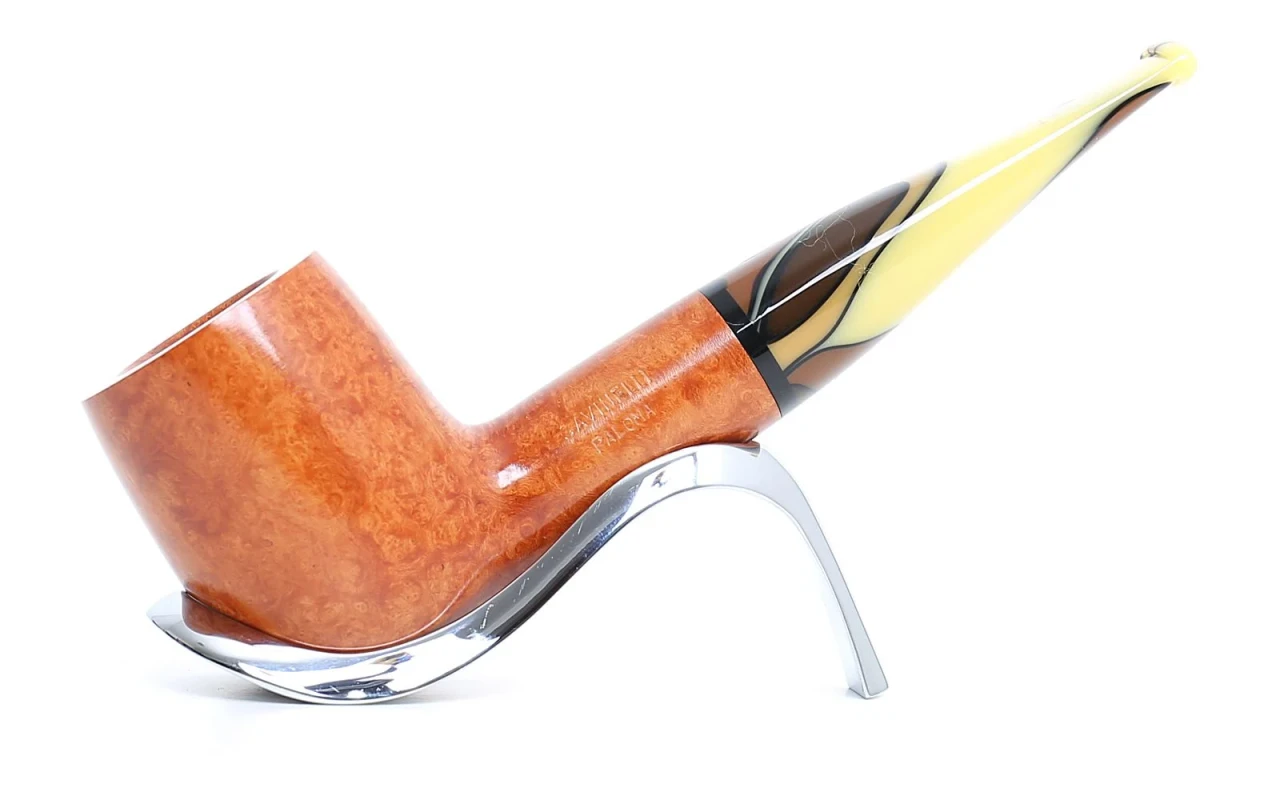
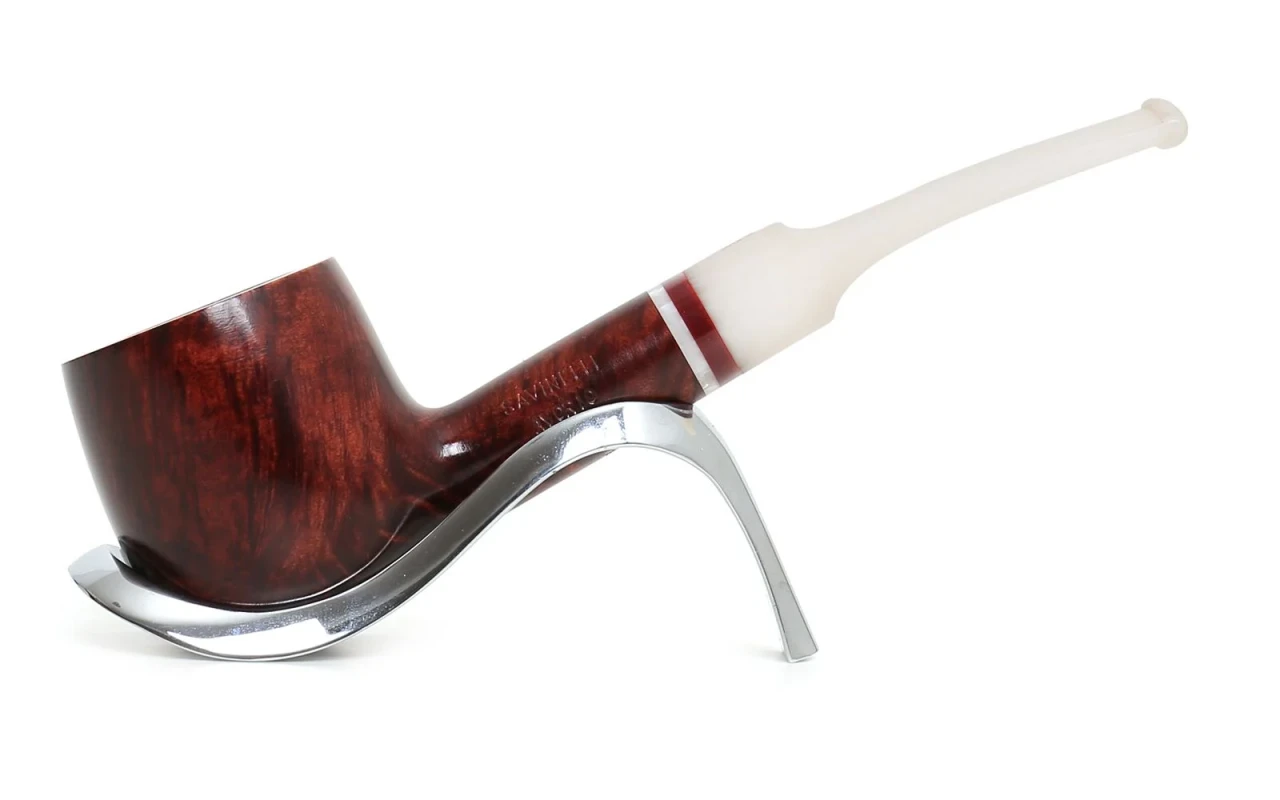
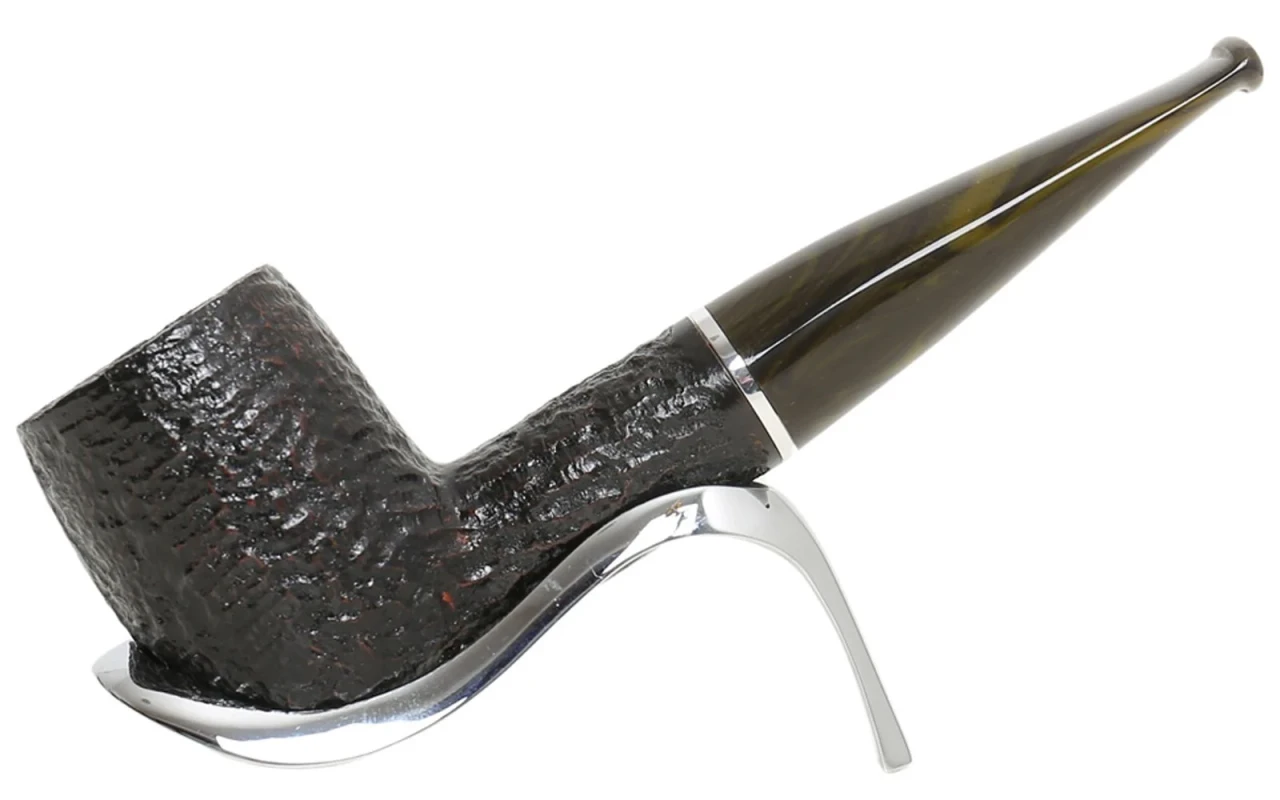
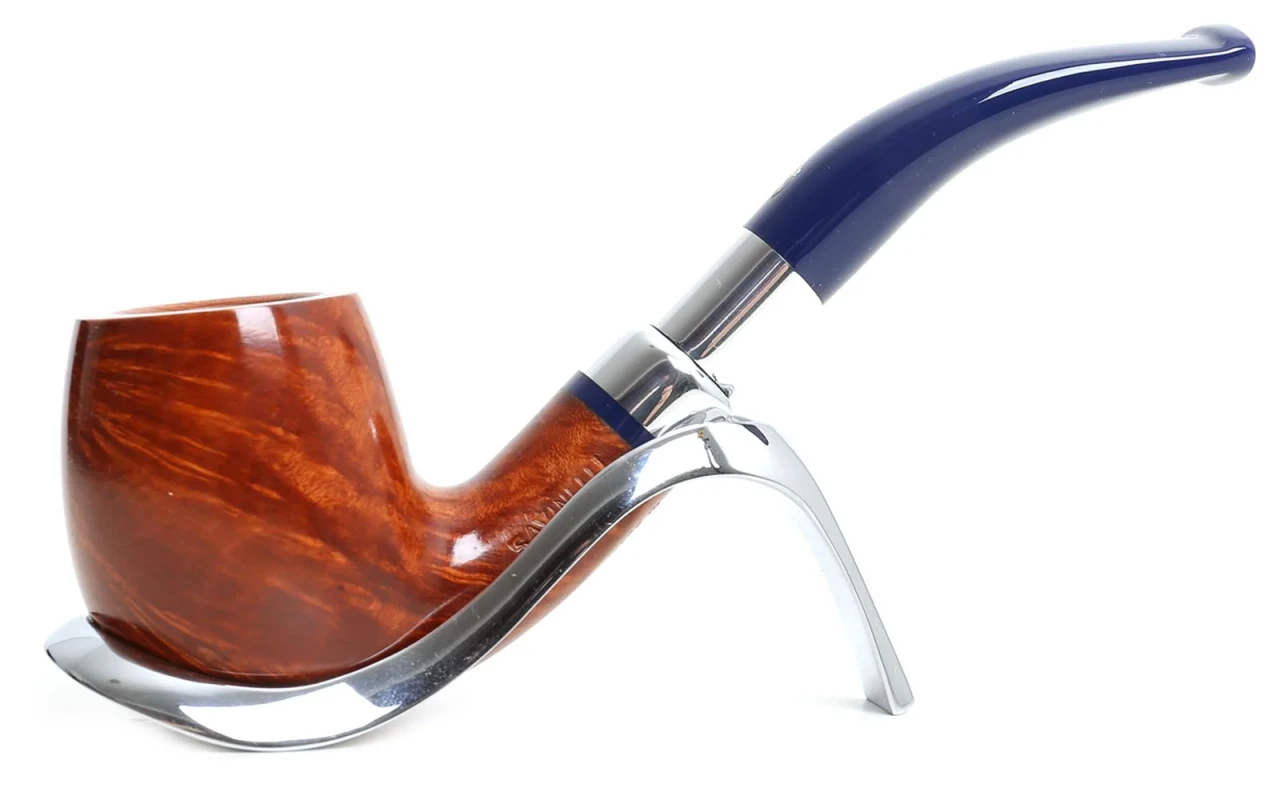
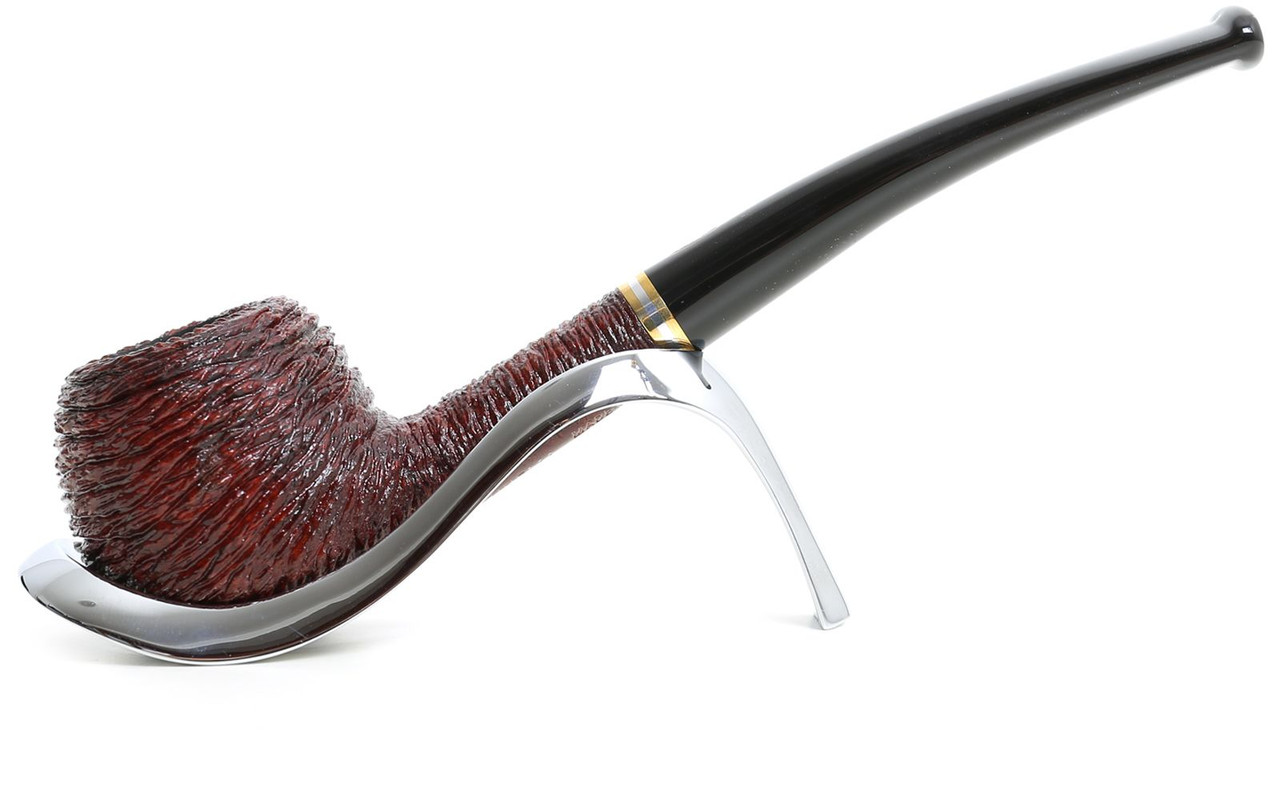
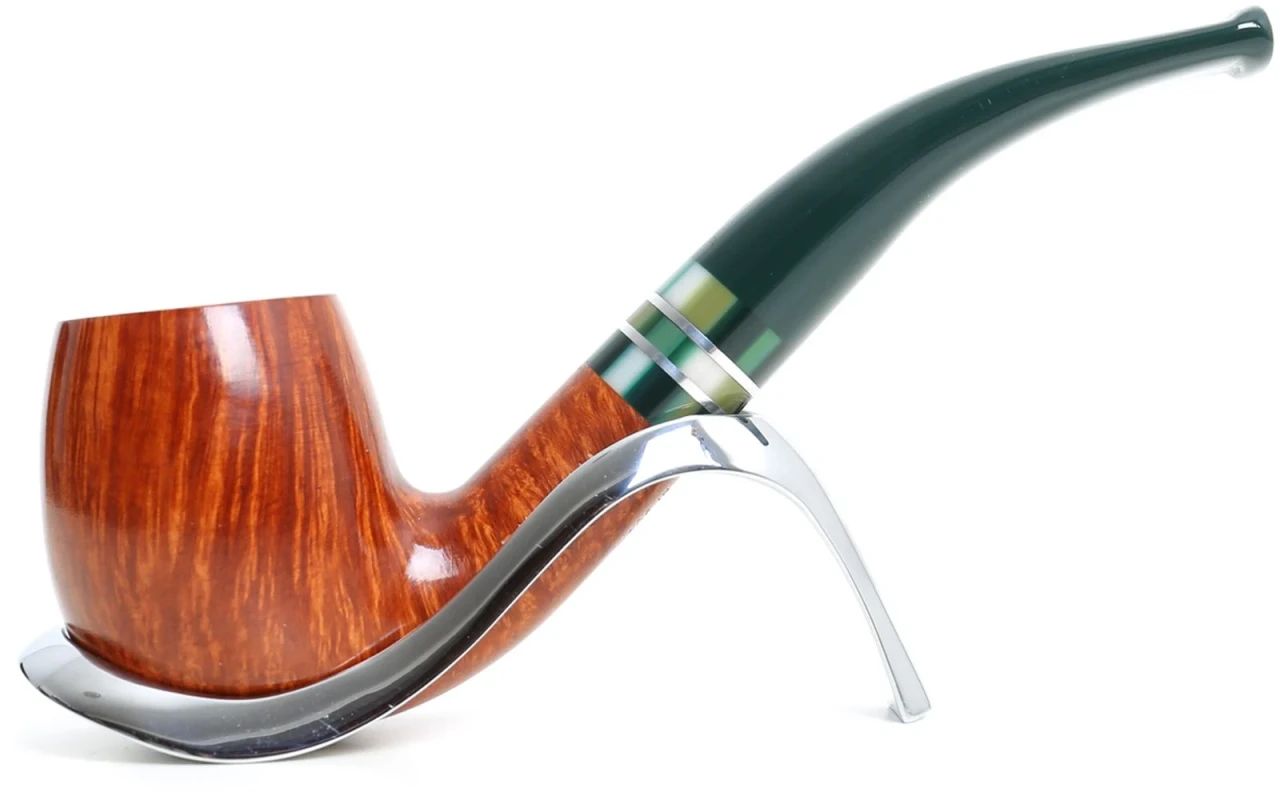
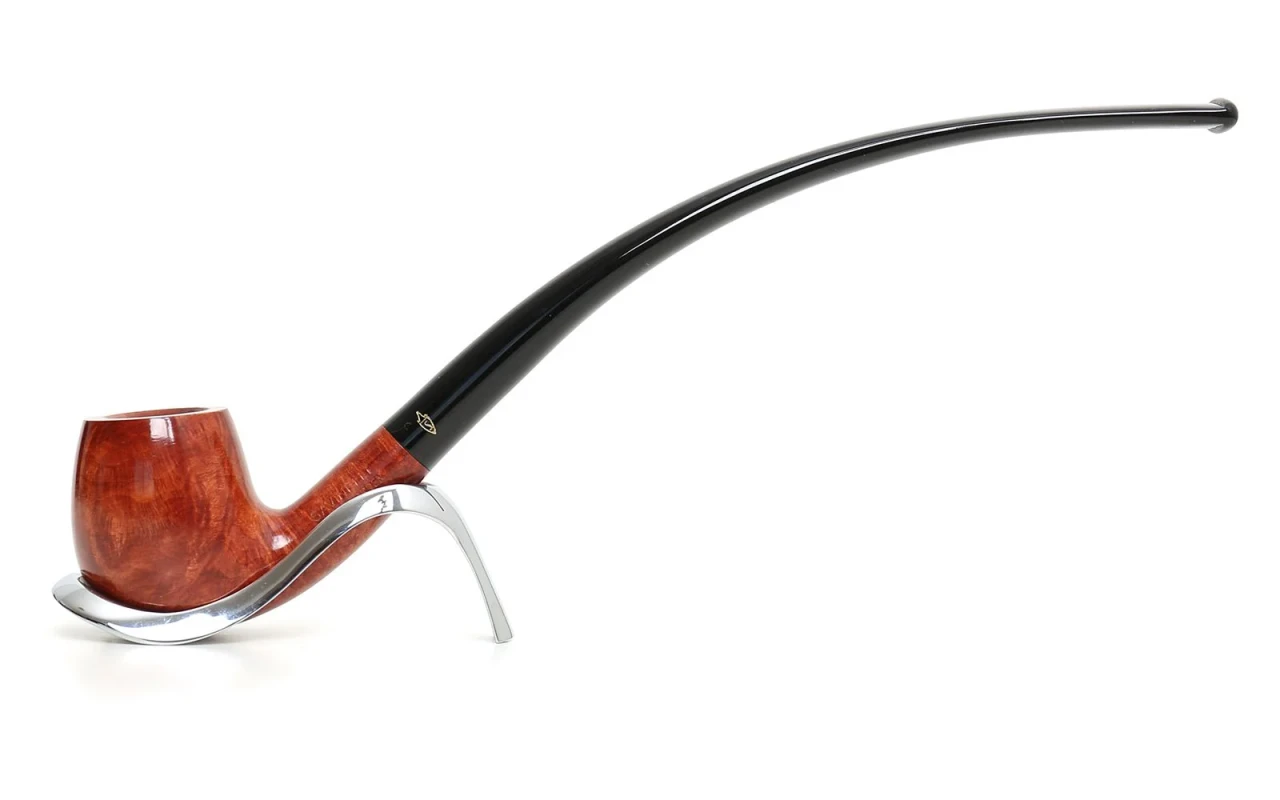

History of the 'Pot' pipe in the world
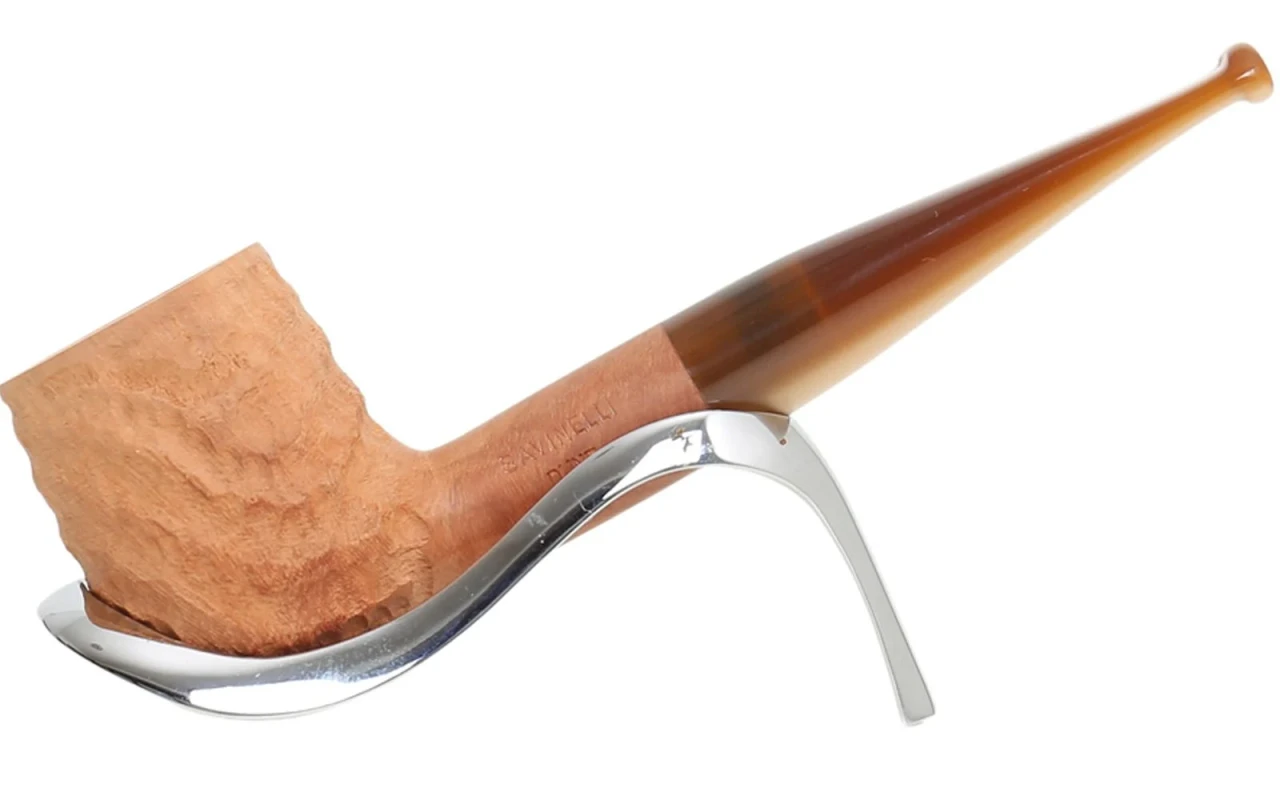
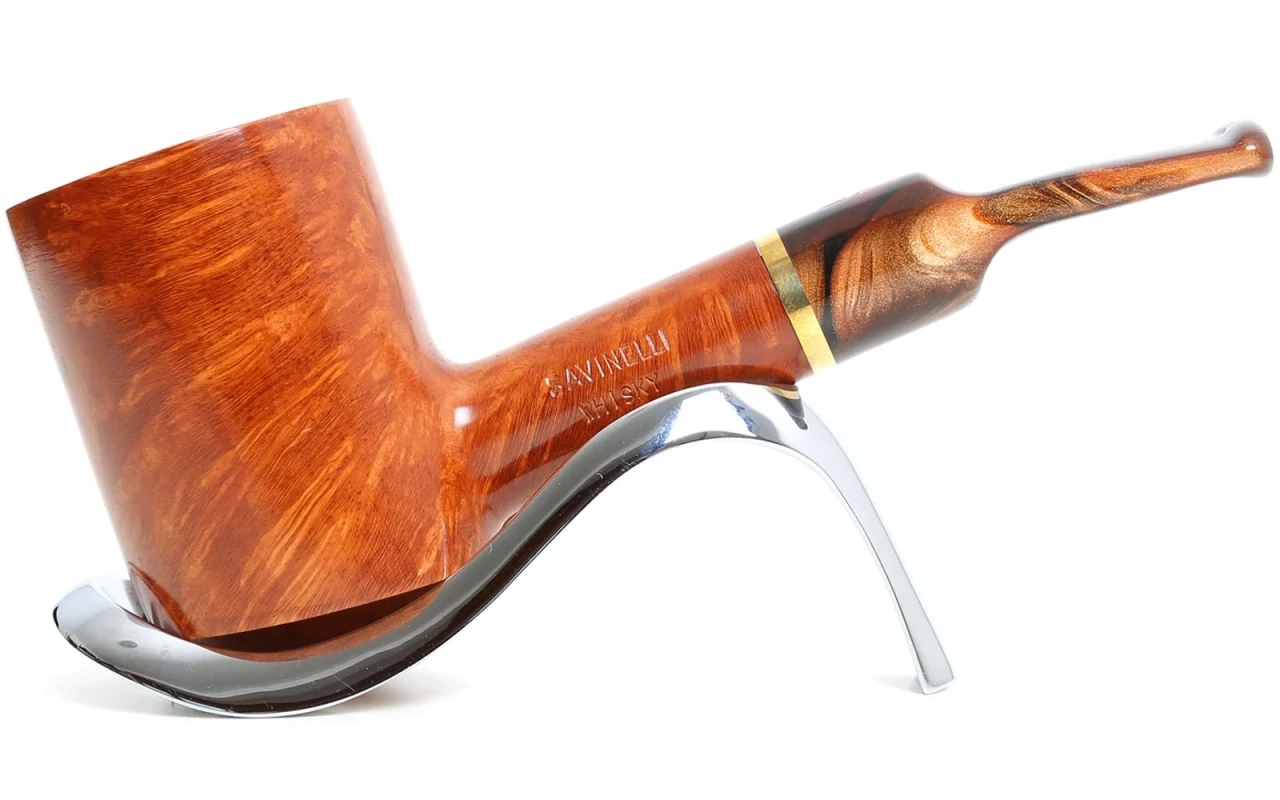
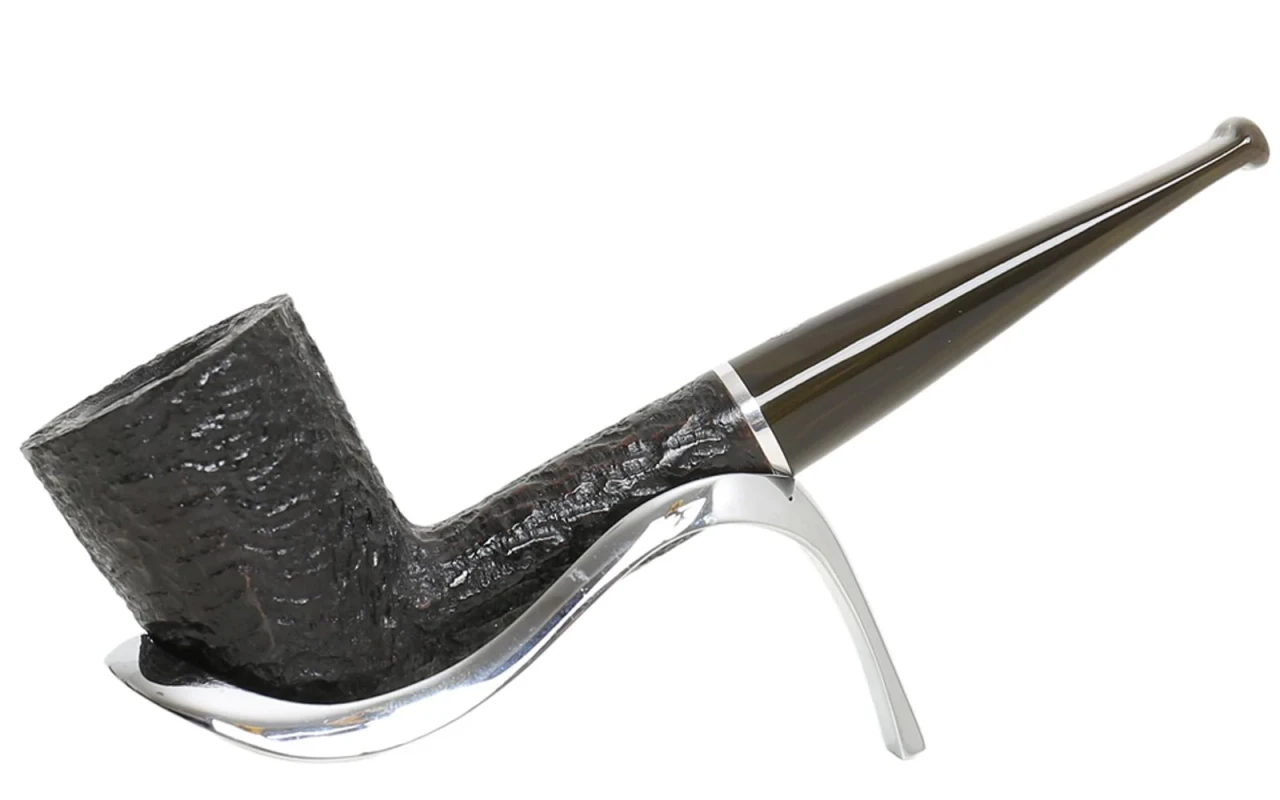
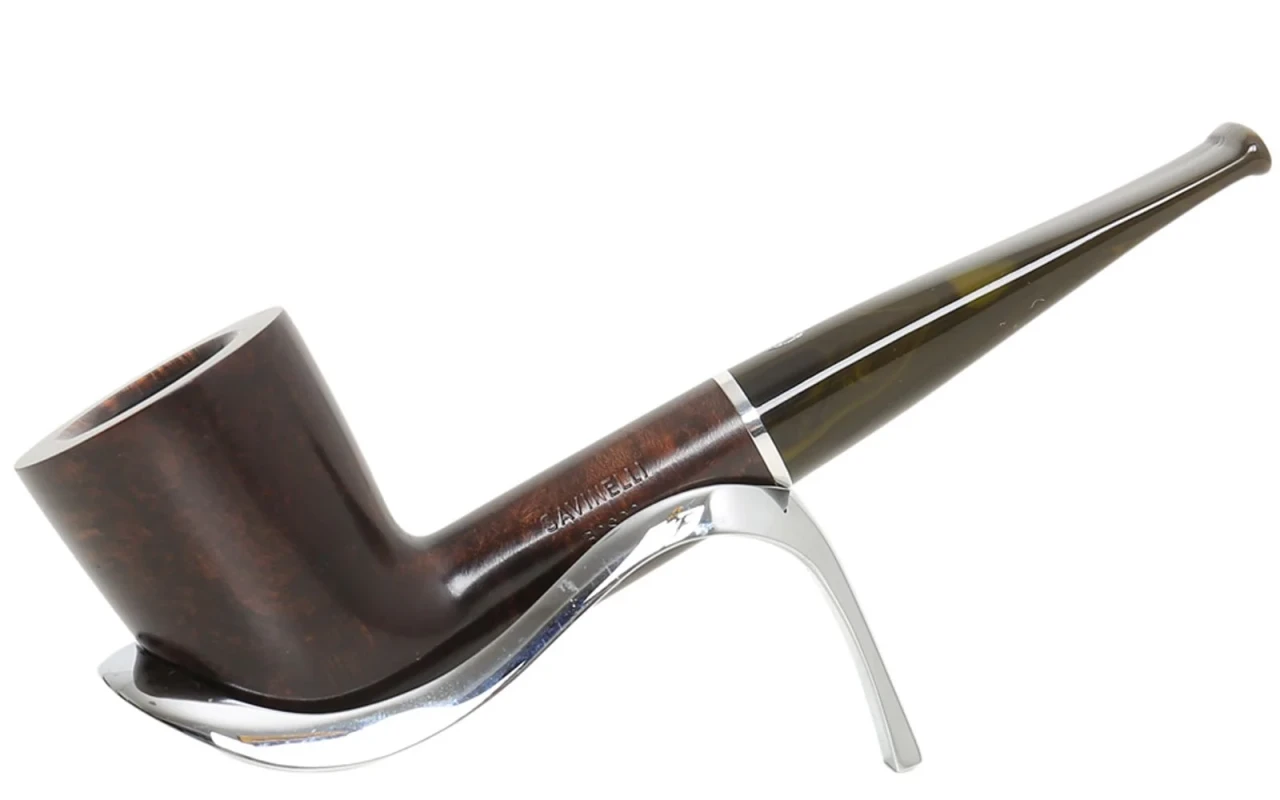
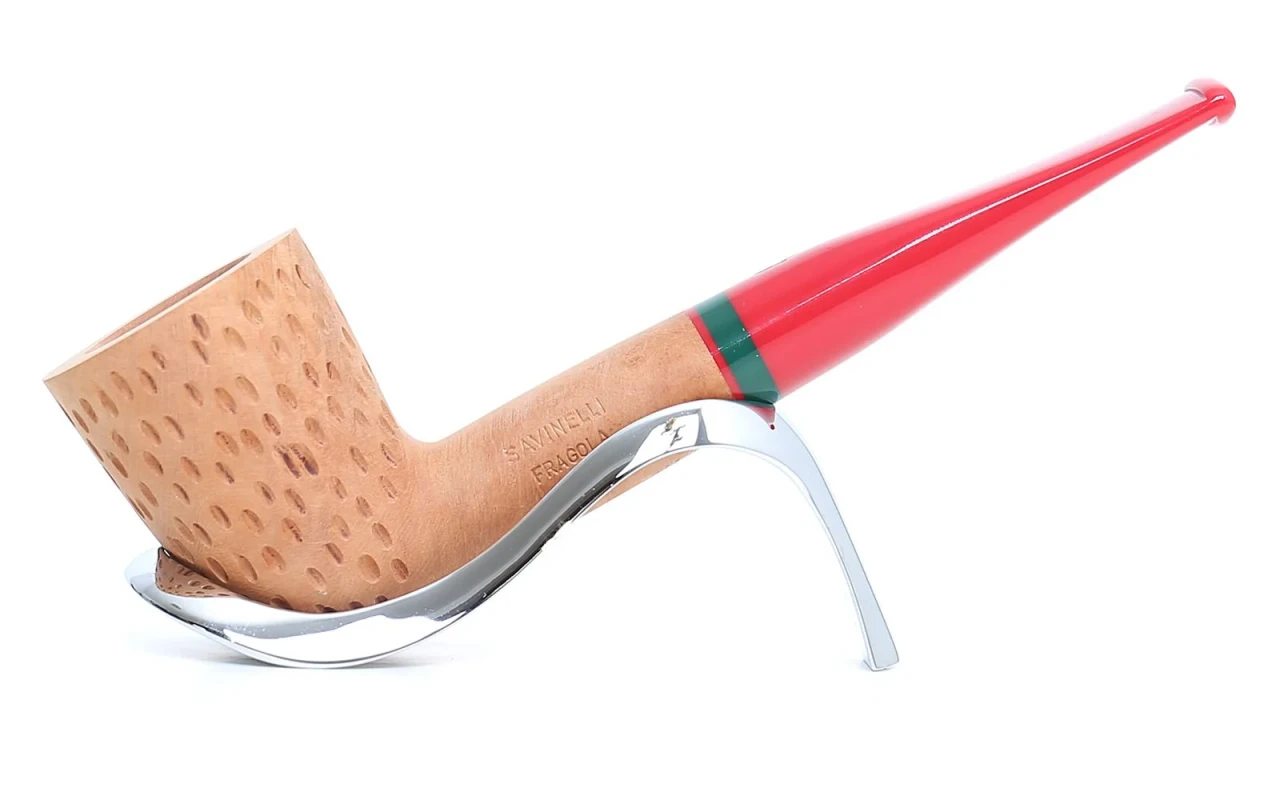
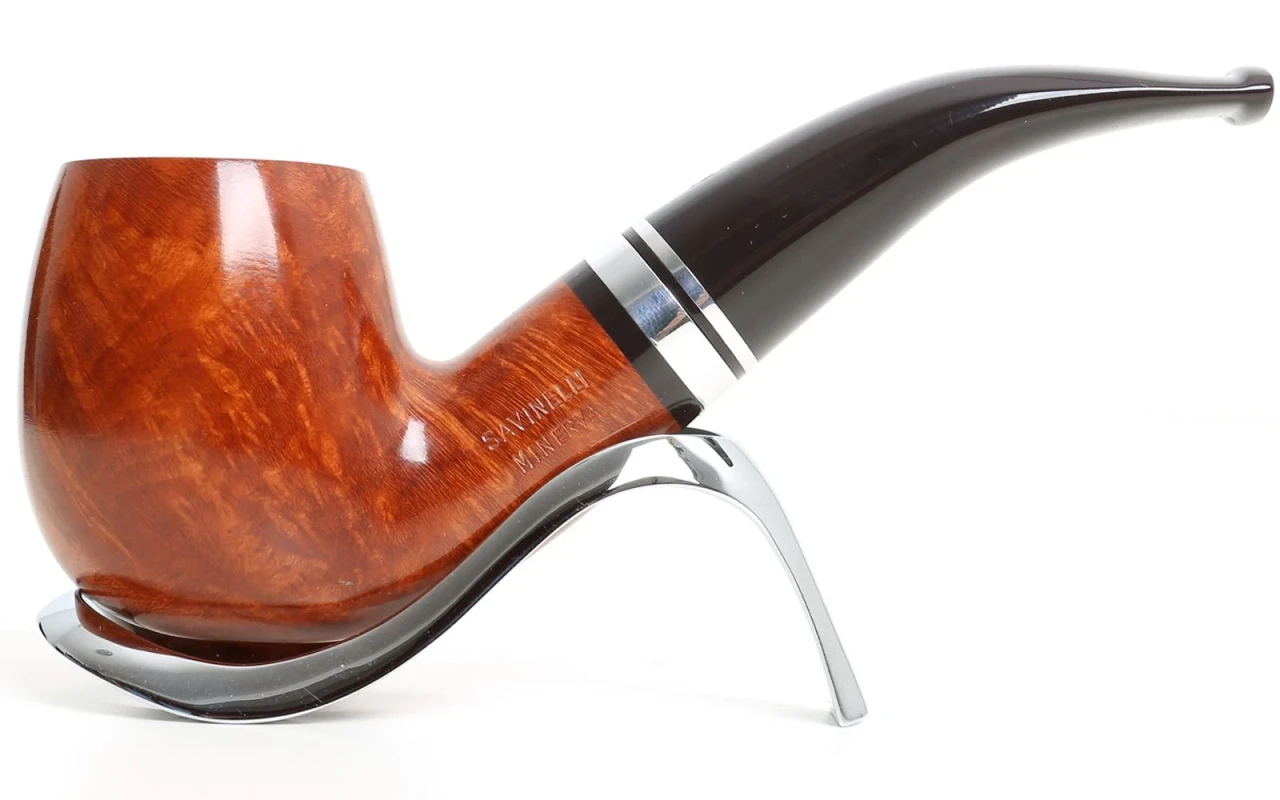
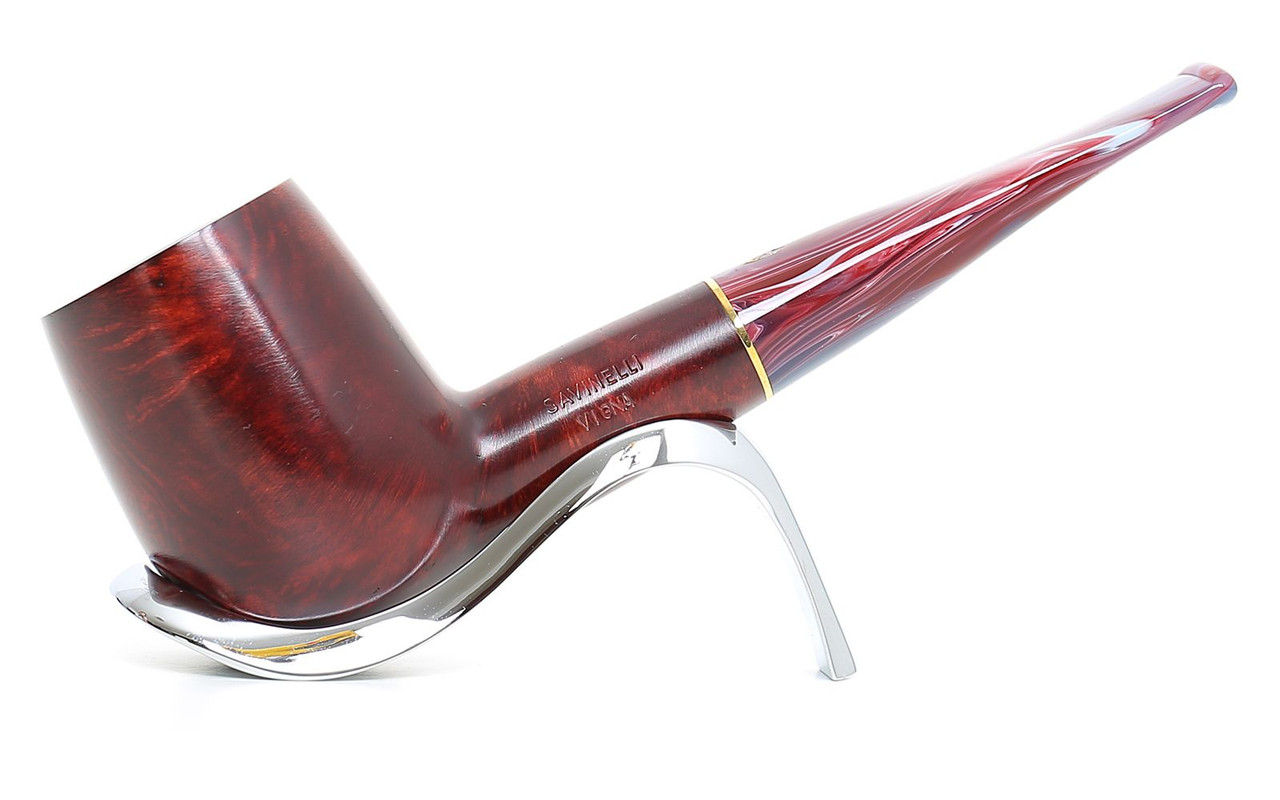
The history of the "Pot" pipe in the world dates back several centuries. This type of pipe, characterized by a bulbous or spherical shape, has ancient roots and has spread across various cultures and traditions. The "Pot" pipe has been used for smoking pipe tobacco or other herbs, offering a unique and distinctive smoking experience. Over time, the "Pot" pipe has undergone stylistic and technical variations to adapt to the tastes and needs of smokers. Today, the "Pot" pipe represents an icon in the world of pipes, appreciated for both its distinctive aesthetics and its traditional functionality.
smoking pipe materials
The materials used for smoking pipes can influence both the aesthetics and the performance of the tool. The most common materials include:- Briar wood: lightweight and durable, commonly used for crafting high-quality pipes.- Oak wood: imparts a slightly sweet flavor to the smoke.- Briar: a hard and heat-resistant wood, highly valued for its characteristics.- Corn cob: inexpensive and lightweight, often employed for affordable or decorative smoking pipes.The choice of material can affect the taste and longevity of the pipe, so it is important to consider personal preferences and the available budget.
Pipe smoking maintenance
Maintenance of smoking pipes is essential to ensure optimal performance and prolong their lifespan. Here are some useful tips for caring and cleaning pipes:- After each use, empty the ash and tobacco residues from the pipe.- Use a pipe cleaner to remove any residues from the stem.- Clean the external surface with a soft, clean cloth.- Occasionally, remove the tar buildup with a dedicated scraper.- Regularly use specific oils or waxes to moisturize and protect the wood.- Avoid overpacking the pipe and overheating it during use.By following these simple precautions, you can enjoy your favorite smoking pipe for a long time.
smoke pipe shapes
The shapes of smoke pipes can vary depending on the needs and configurations of the installations. The most common shapes include:- Straight: the simplest and most linear shape, suitable for vertical paths.- 45° or 90° bend: used to divert the smoke path without having to make too tight curves.- T-shaped: ideal for connecting multiple smoke pipes to a single main pipe.- Y-shaped: allows connecting two smoke ducts to a single pipe.It is important to choose the shape and arrangement of smoke pipes according to current regulations and the characteristics of the building to ensure the proper functioning of the smoke exhaust system.
'%3e%3cg id='Final-Copy-2_2_' transform='translate(1275.000000, 200.000000)'%3e%3cpath class='st0' d='M7.4,12.8h6.8l3.1-11.6H7.4C4.2,1.2,1.6,3.8,1.6,7S4.2,12.8,7.4,12.8z'/%3e%3c/g%3e%3c/g%3e%3c/g%3e%3cg id='final---dec.11-2020'%3e%3cg id='_x30_208-our-toggle' transform='translate(-1275.000000, -200.000000)'%3e%3cg id='Final-Copy-2' transform='translate(1275.000000, 200.000000)'%3e%3cpath class='st1' d='M22.6,0H7.4c-3.9,0-7,3.1-7,7s3.1,7,7,7h15.2c3.9,0,7-3.1,7-7S26.4,0,22.6,0z M1.6,7c0-3.2,2.6-5.8,5.8-5.8 h9.9l-3.1,11.6H7.4C4.2,12.8,1.6,10.2,1.6,7z'/%3e%3cpath id='x' class='st2' d='M24.6,4c0.2,0.2,0.2,0.6,0,0.8l0,0L22.5,7l2.2,2.2c0.2,0.2,0.2,0.6,0,0.8c-0.2,0.2-0.6,0.2-0.8,0 l0,0l-2.2-2.2L19.5,10c-0.2,0.2-0.6,0.2-0.8,0c-0.2-0.2-0.2-0.6,0-0.8l0,0L20.8,7l-2.2-2.2c-0.2-0.2-0.2-0.6,0-0.8 c0.2-0.2,0.6-0.2,0.8,0l0,0l2.2,2.2L23.8,4C24,3.8,24.4,3.8,24.6,4z'/%3e%3cpath id='y' class='st3' d='M12.7,4.1c0.2,0.2,0.3,0.6,0.1,0.8l0,0L8.6,9.8C8.5,9.9,8.4,10,8.3,10c-0.2,0.1-0.5,0.1-0.7-0.1l0,0 L5.4,7.7c-0.2-0.2-0.2-0.6,0-0.8c0.2-0.2,0.6-0.2,0.8,0l0,0L8,8.6l3.8-4.5C12,3.9,12.4,3.9,12.7,4.1z'/%3e%3c/g%3e%3c/g%3e%3c/g%3e%3c/g%3e%3c/svg%3e) Your Privacy Choices
Your Privacy Choices 


