 ES
ES FR
FR EN
EN IT
IT DE
DE
Choice of traditional materials for pipe construction
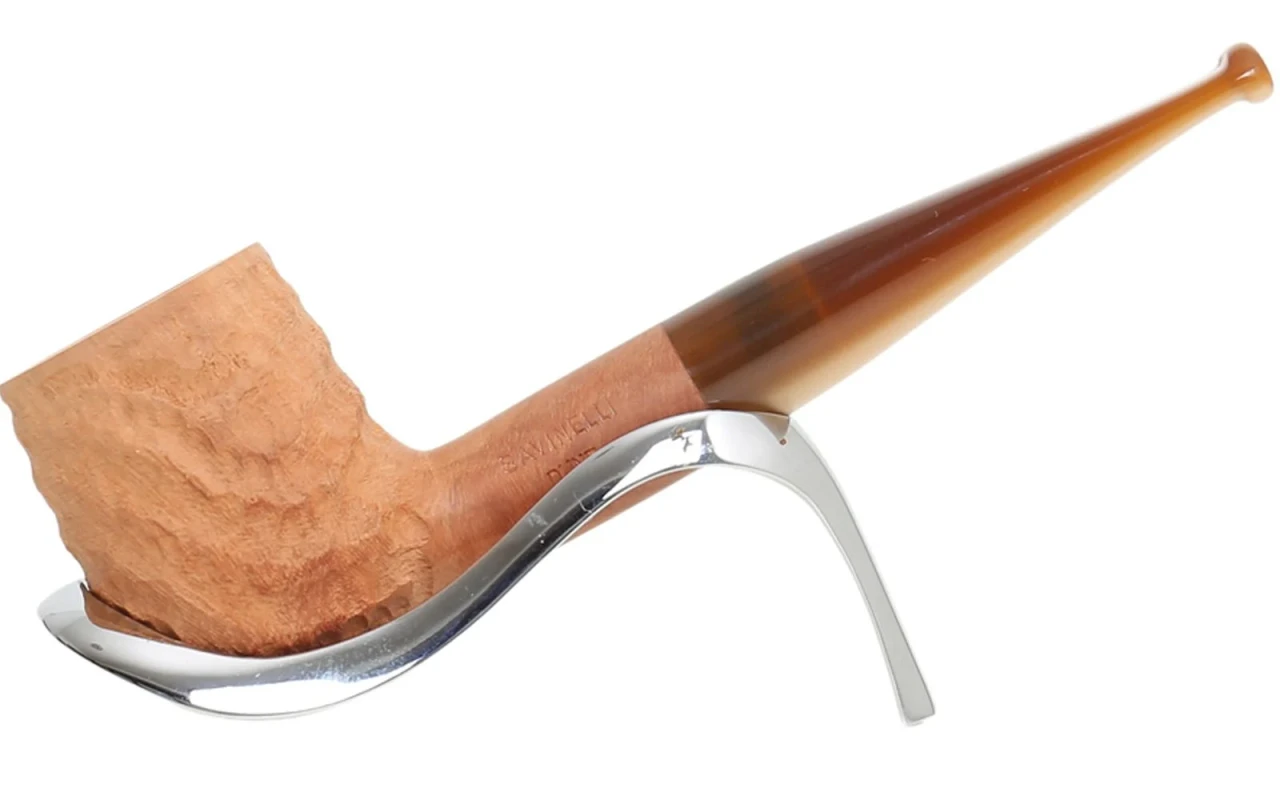
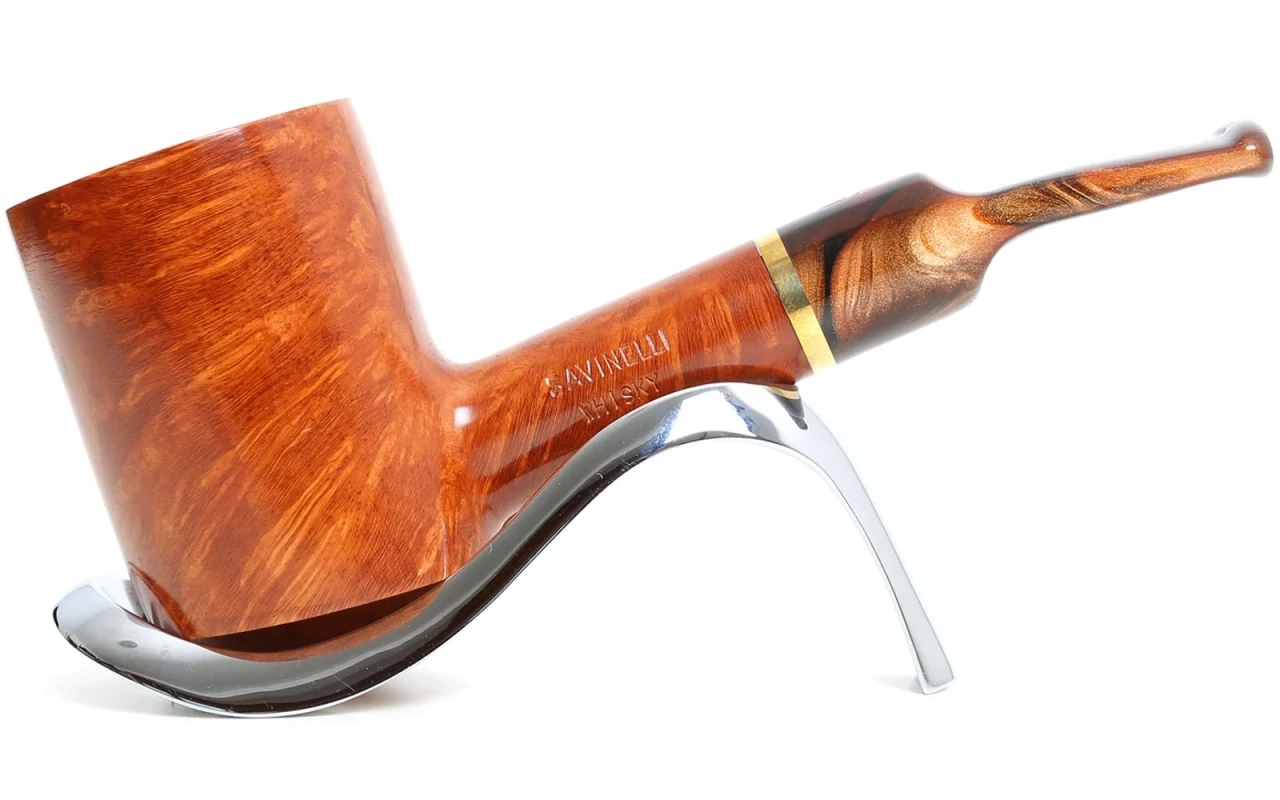
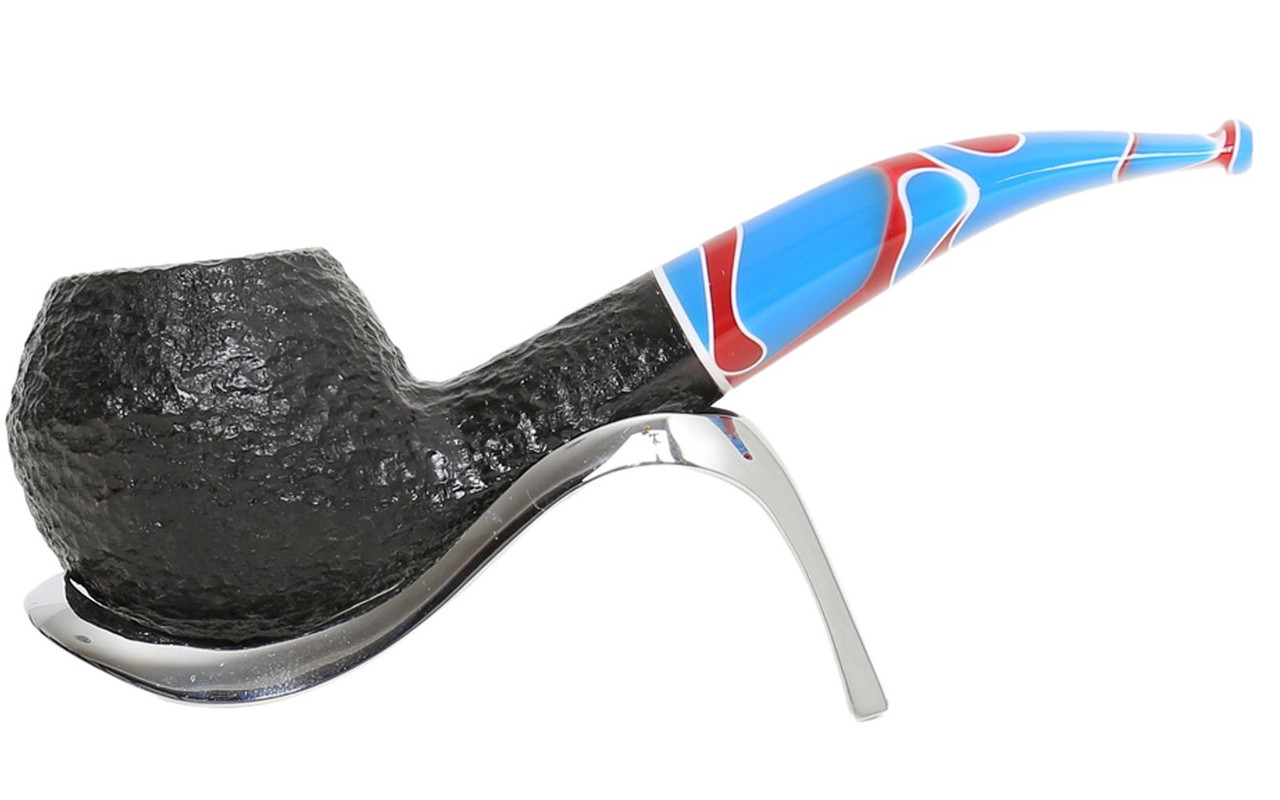
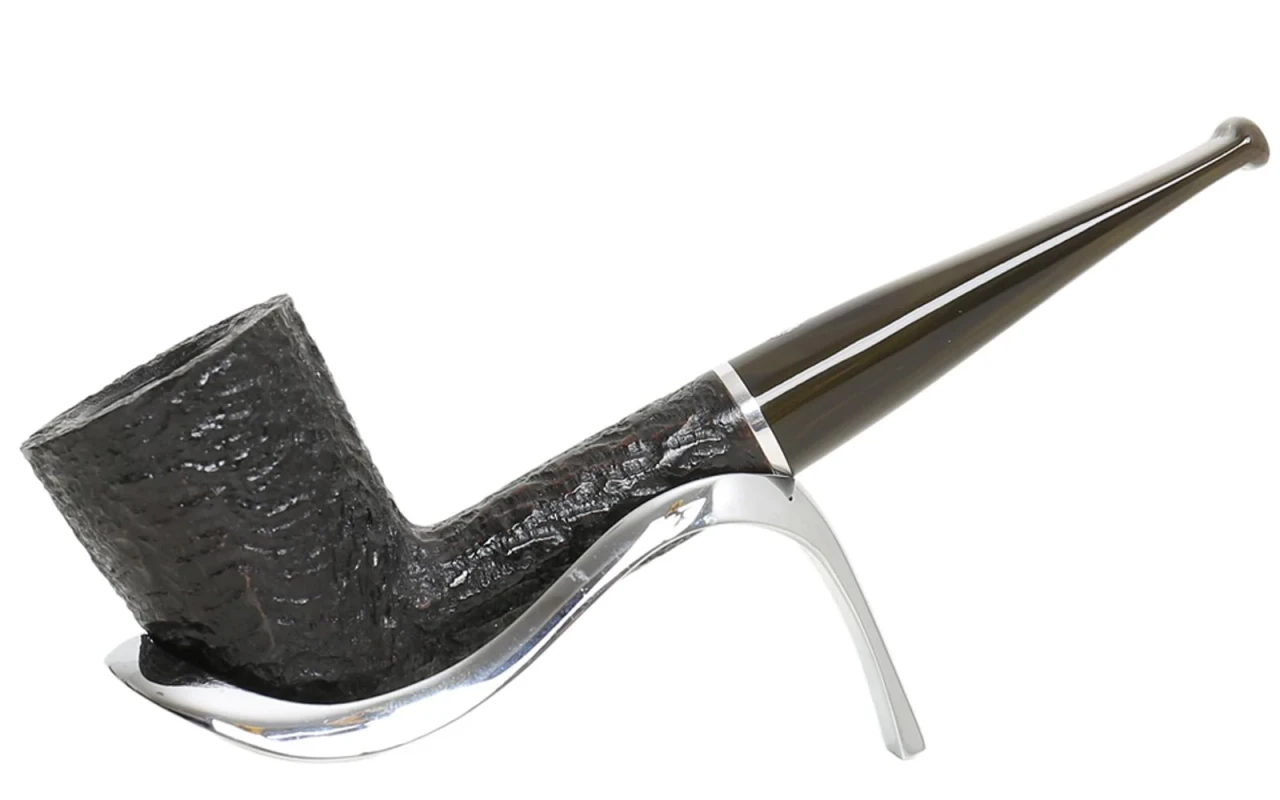
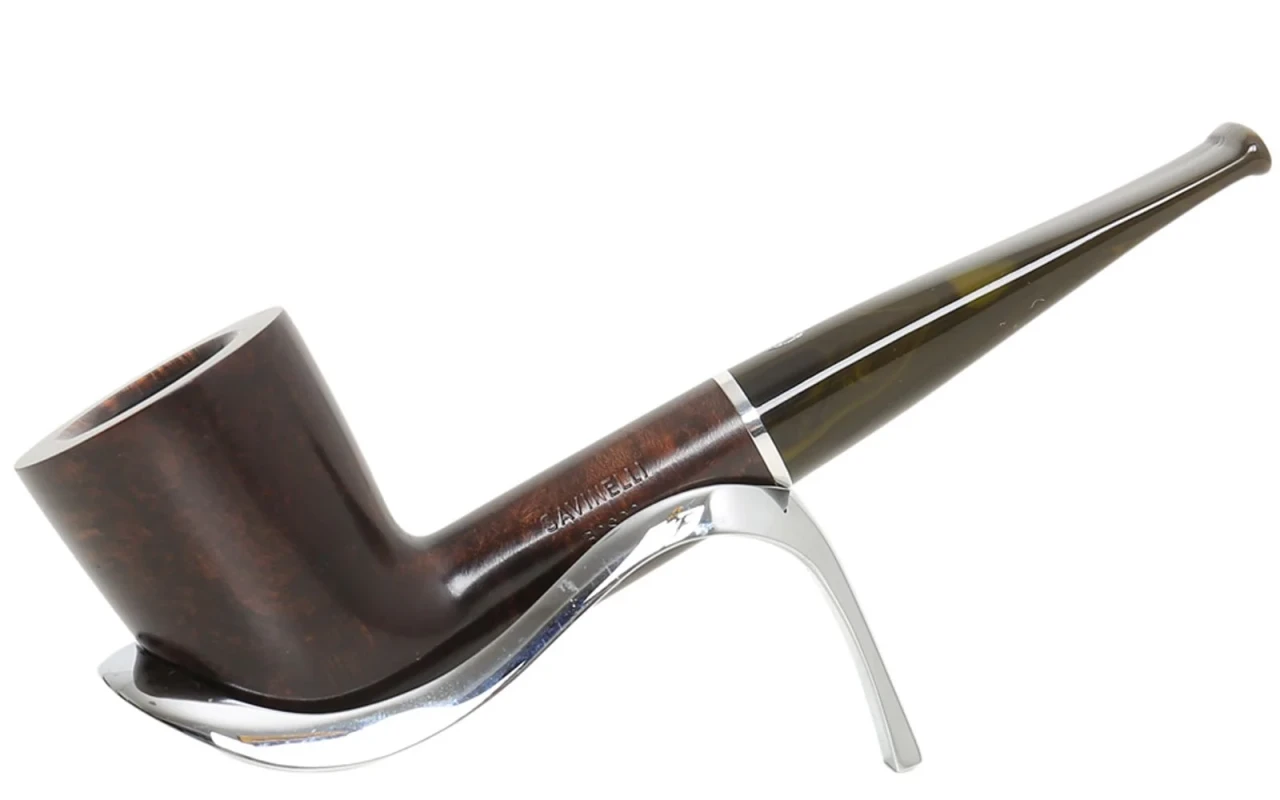
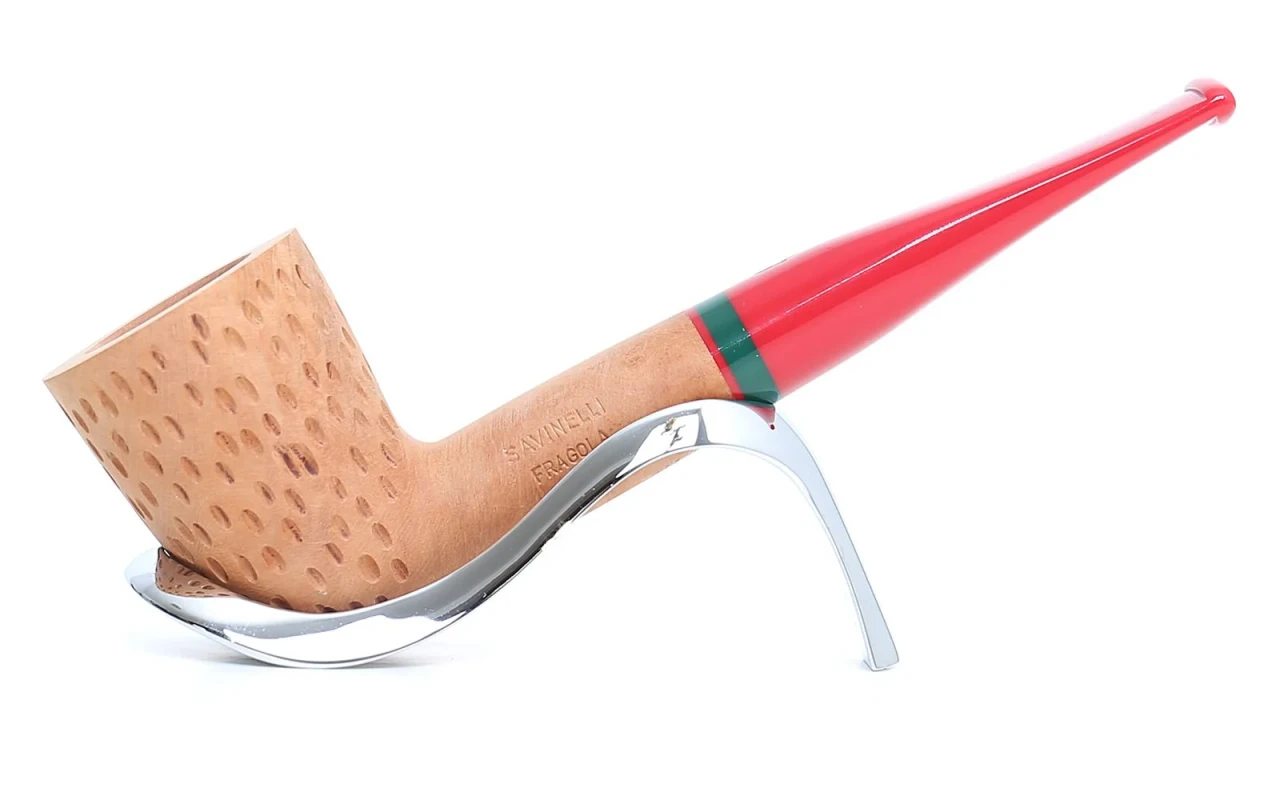
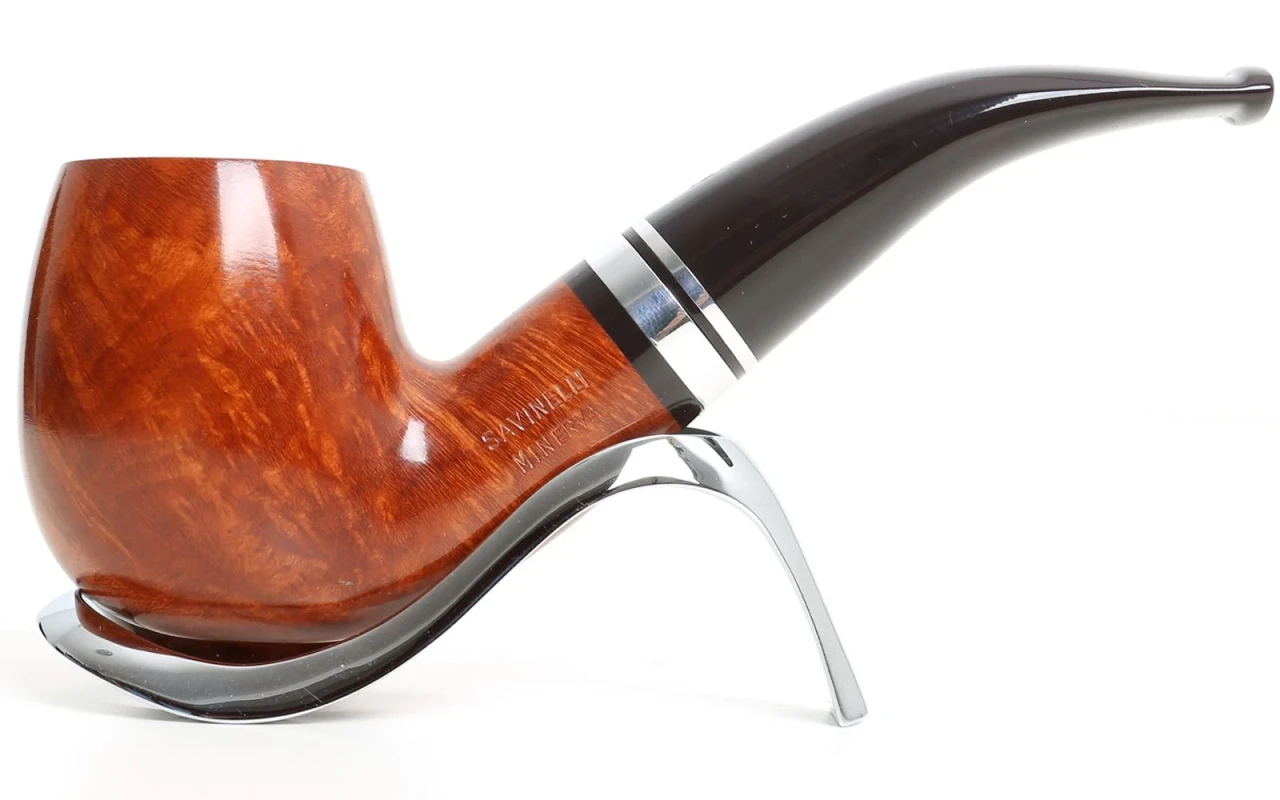
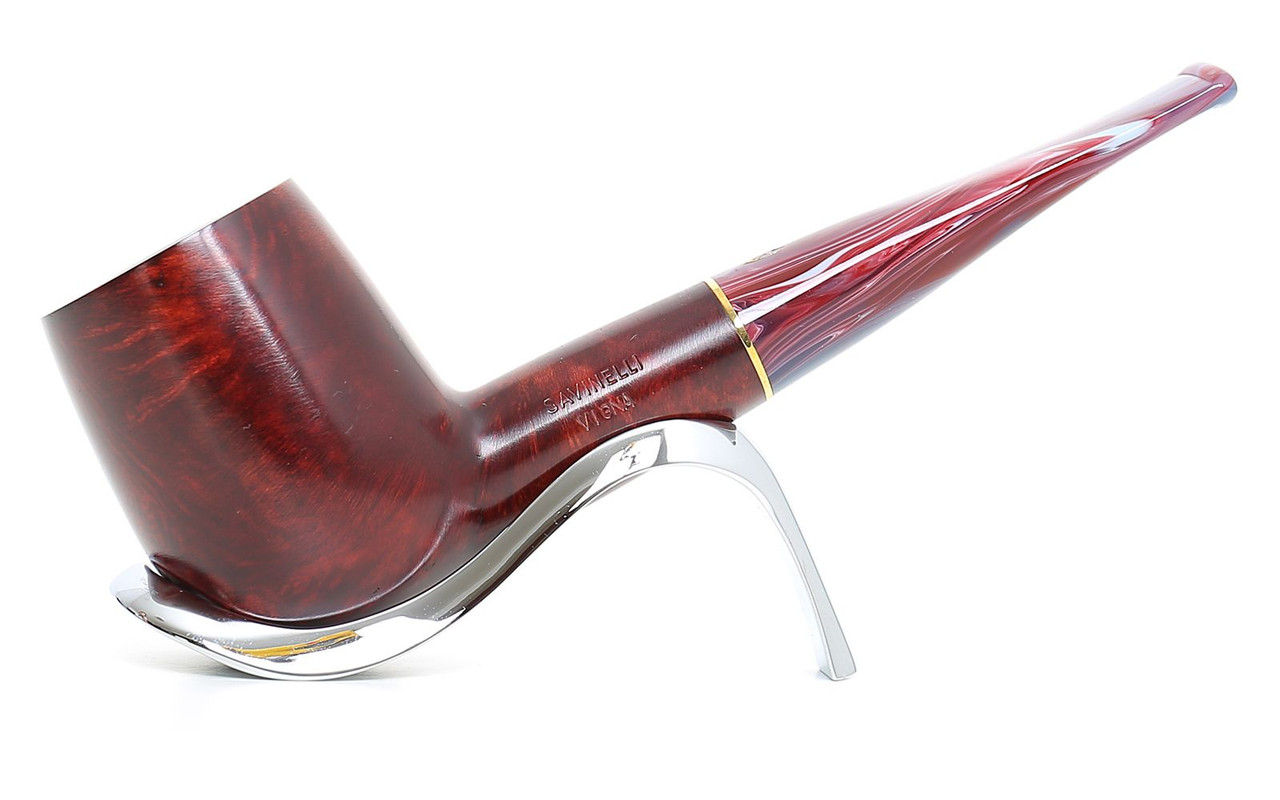
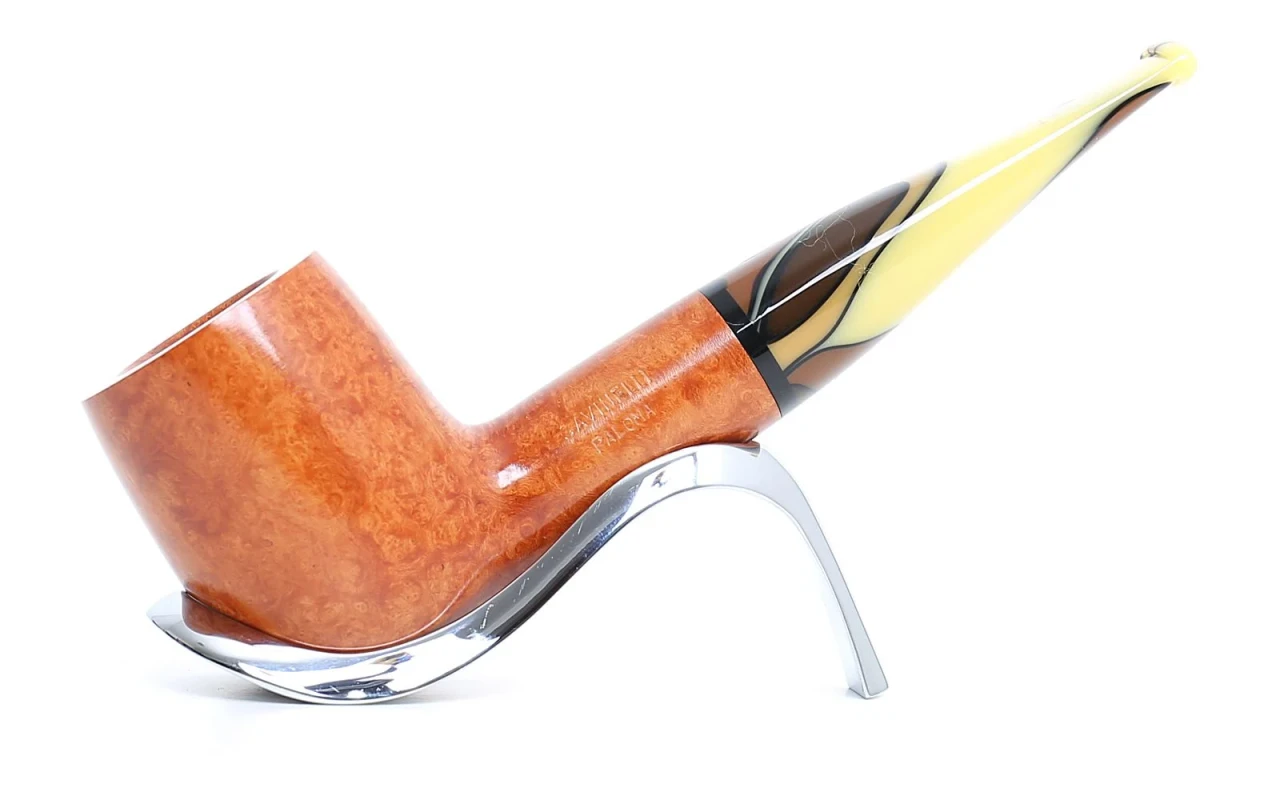
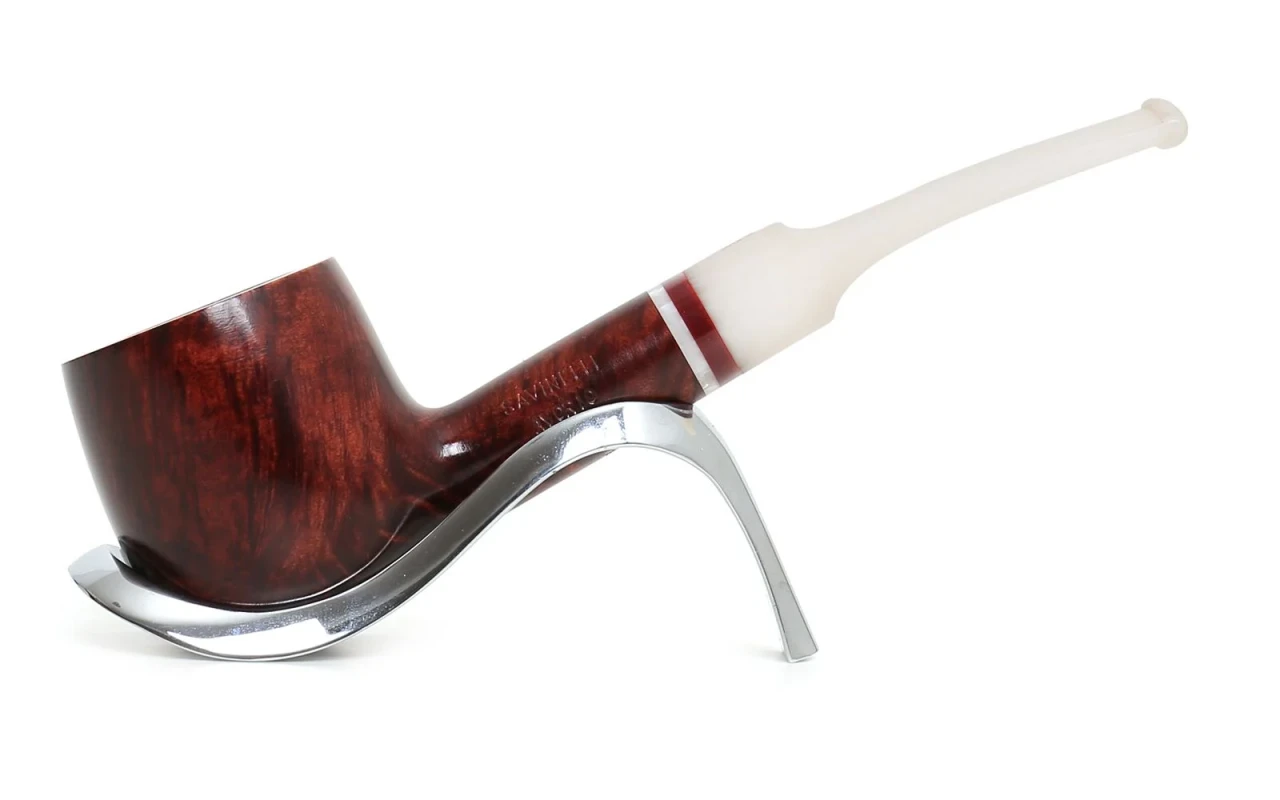
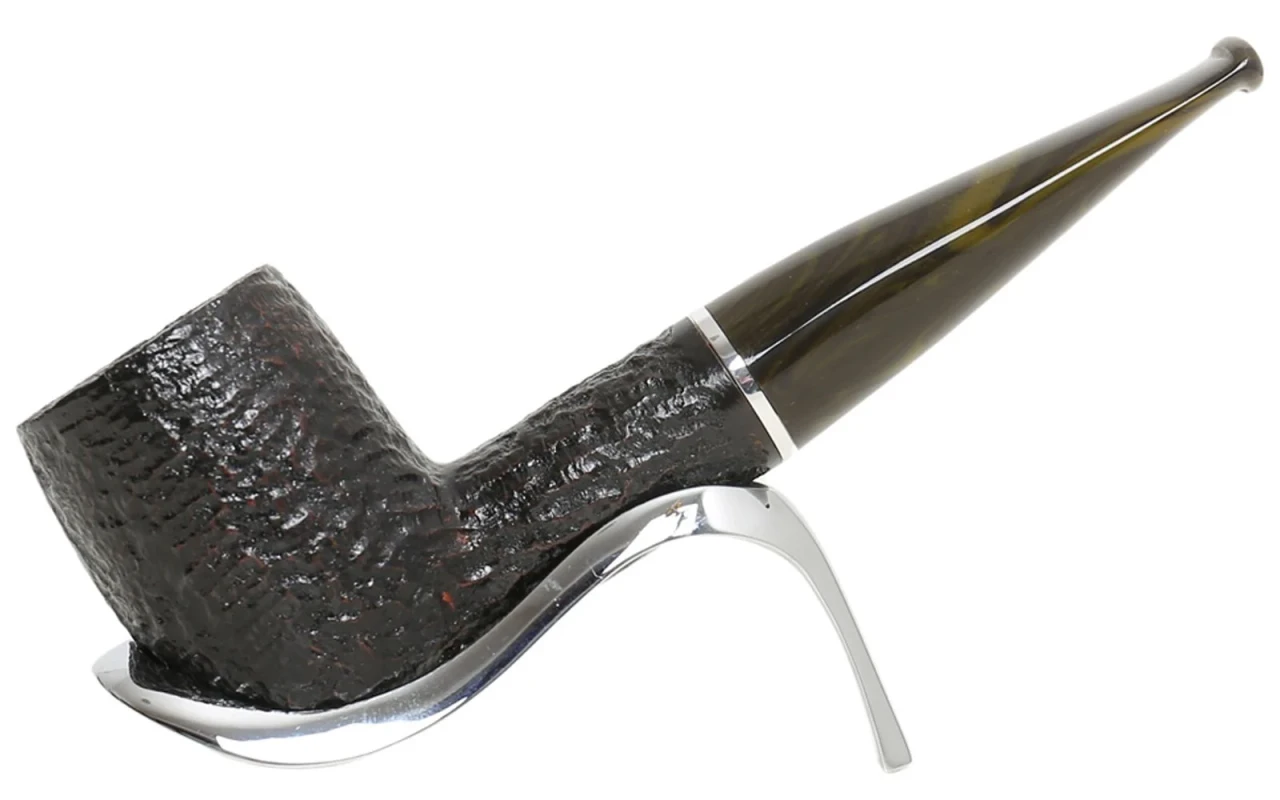
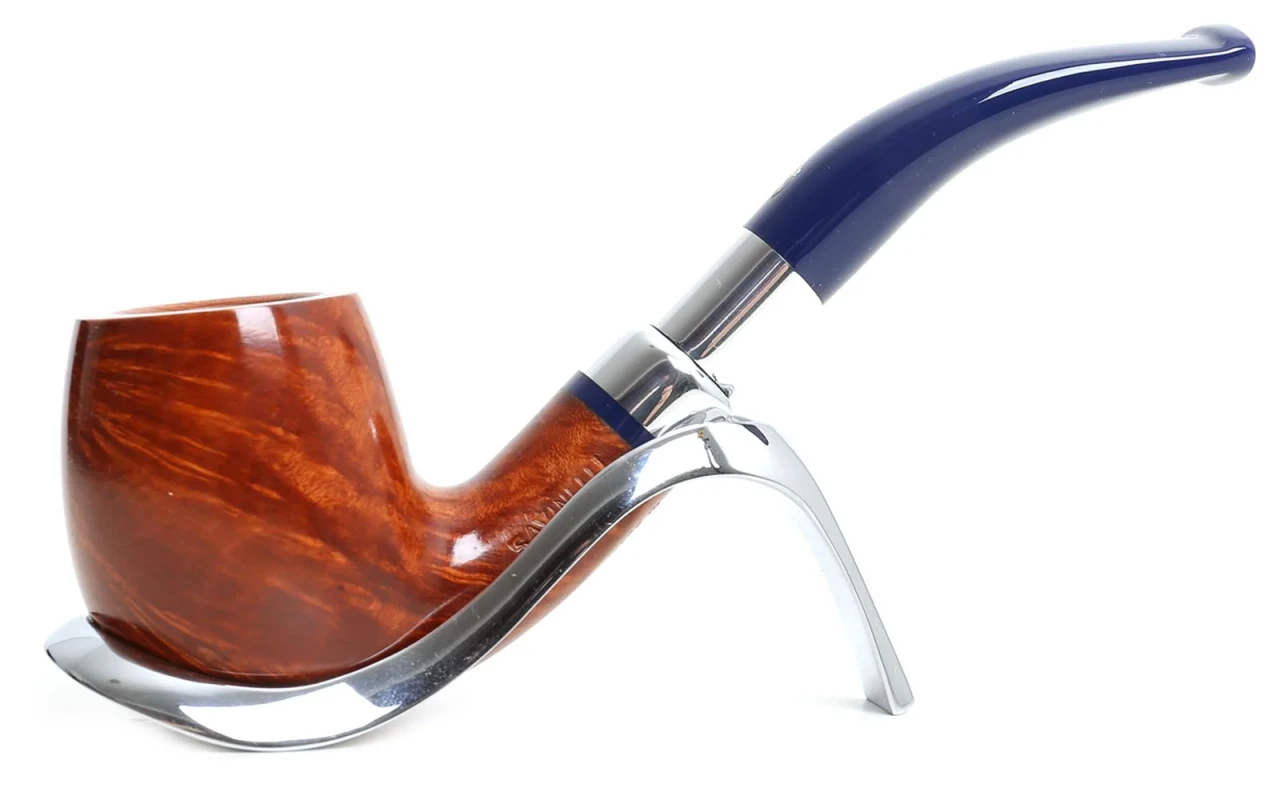
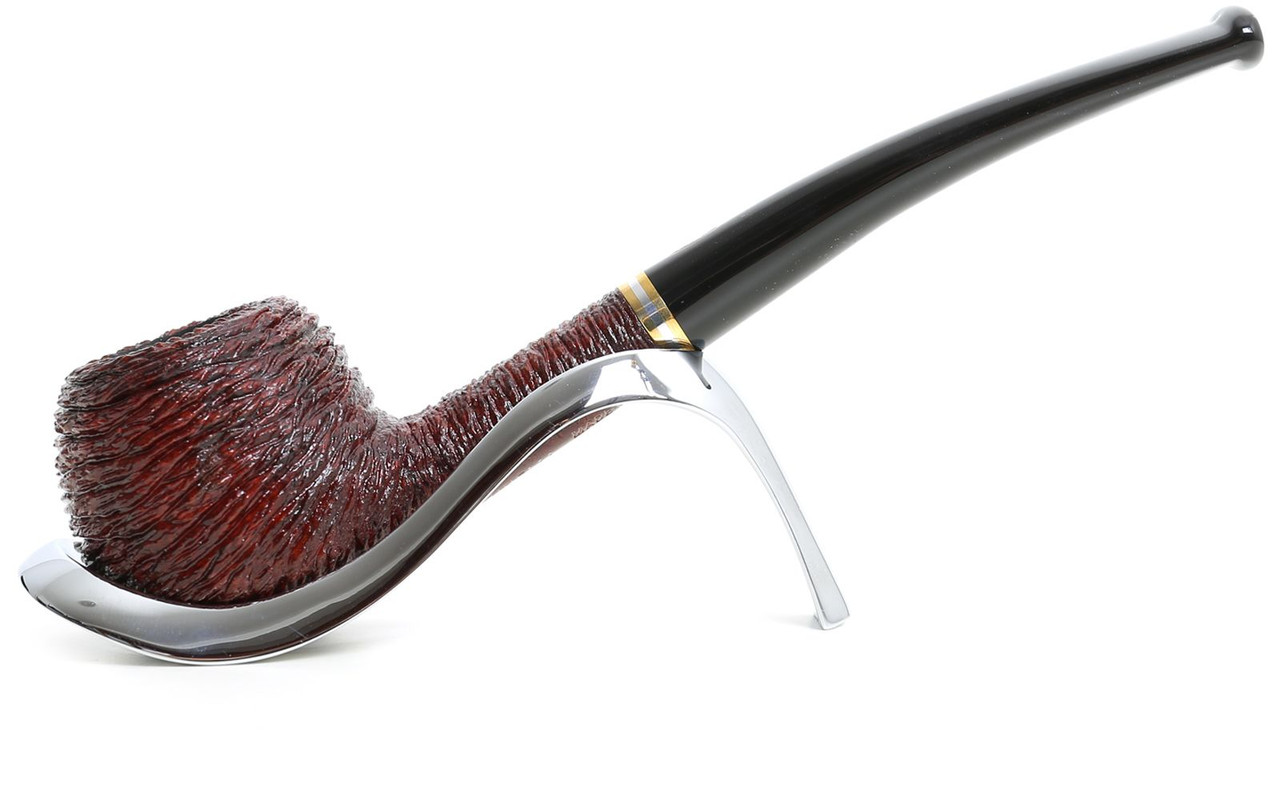
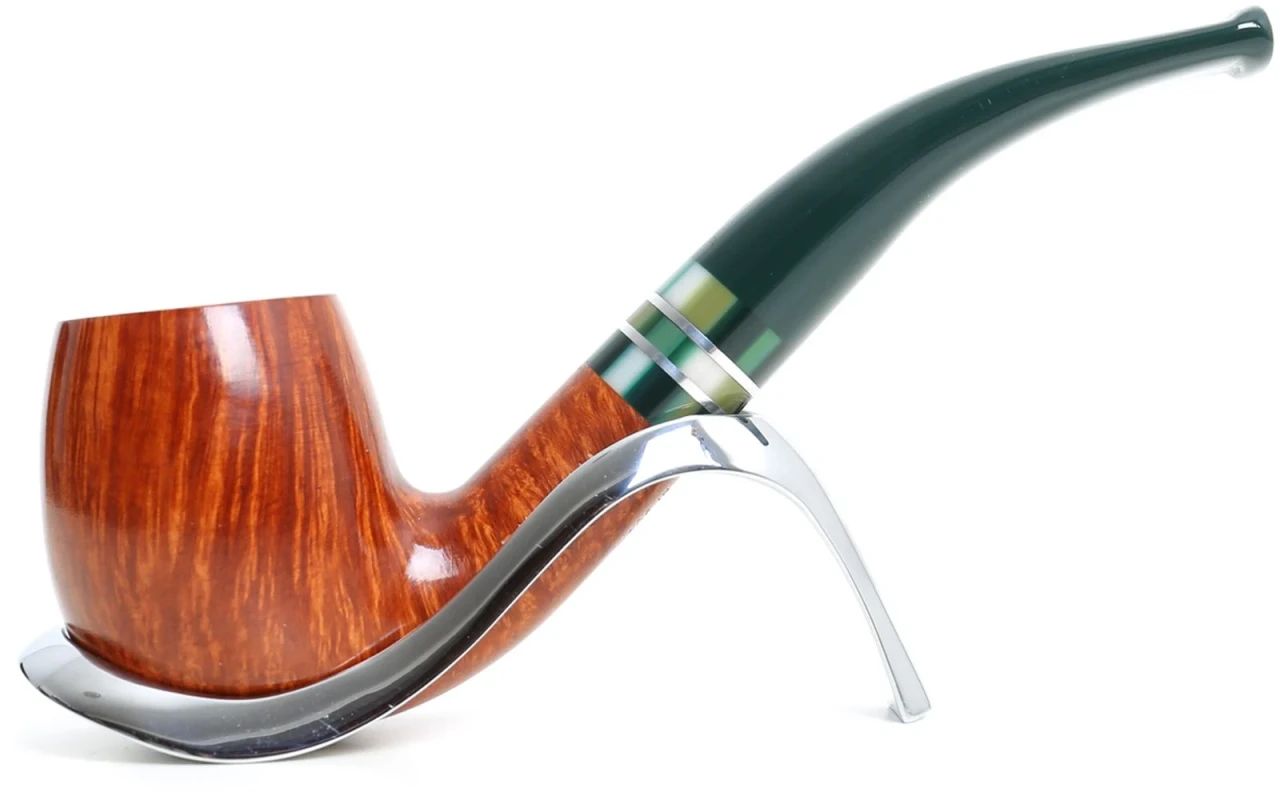
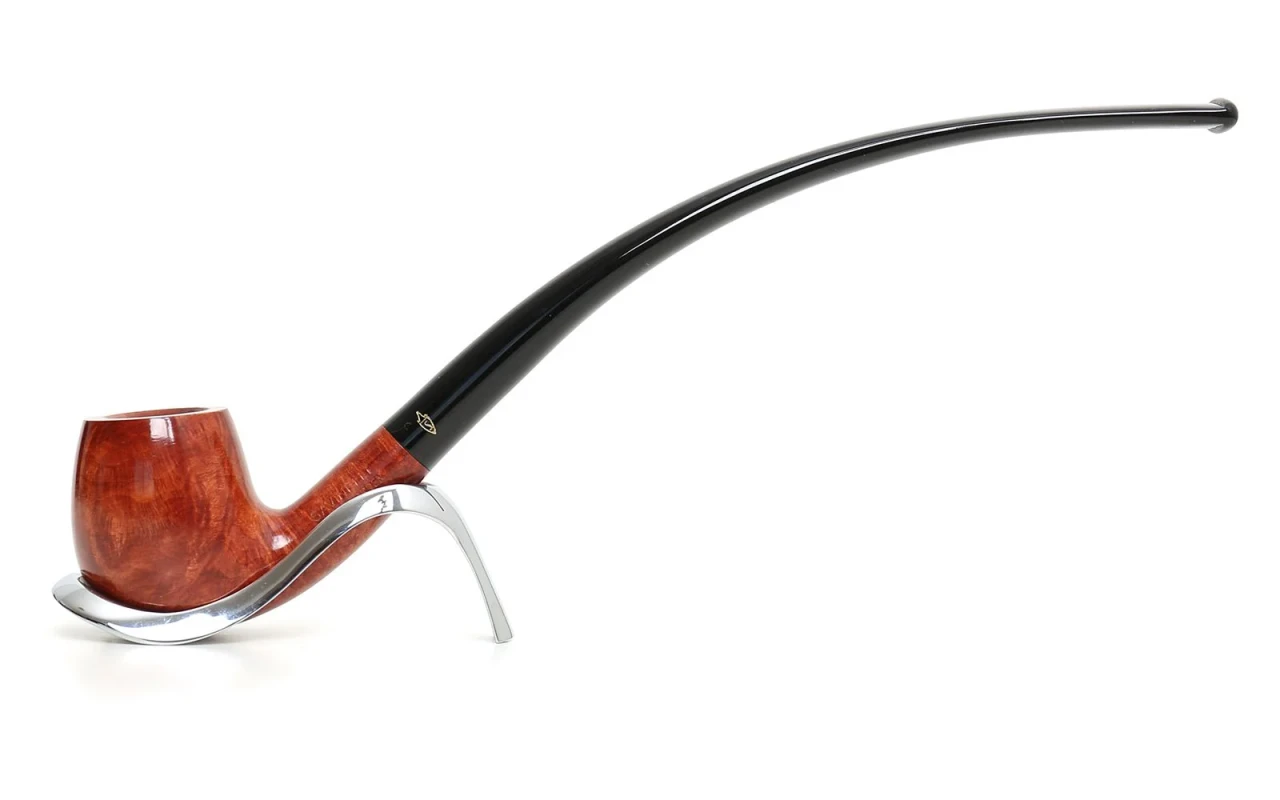
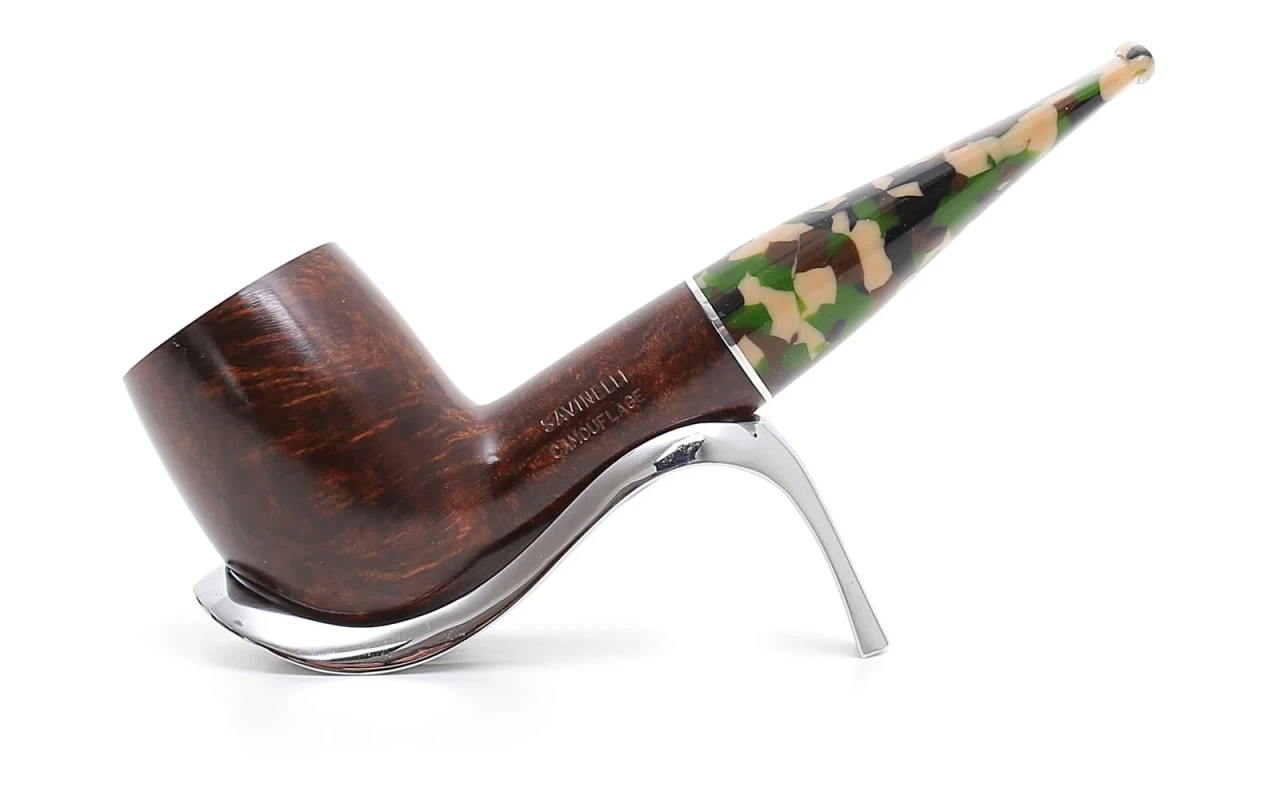
Choice of traditional materials for pipe construction
The construction of a traditional pipe involves the use of specific materials to ensure good quality and an optimal smoking experience. The most common traditional materials include:- Briar wood: a highly heat and moisture resistant wood, commonly used for the pipe bowl.- Silver: often employed for the fittings and decorations of the pipe.- Amber or horn mouthpiece: natural materials that offer comfort during use.- Ebony or olive wood: precious woods used for crafting the pipe stem.- Tinplate: used to line the tobacco chamber and facilitate tobacco combustion.The careful selection of materials is crucial to guarantee the quality and longevity of the pipe over time.
Best Woods for Pipes
The best woods for pipes are those that exhibit ideal characteristics for crafting and optimal smoking. Generally, the most appreciated woods for the creation of high-quality pipes are:- Briar: a hard and durable wood, capable of absorbing moisture to ensure a cool and dry smoke.- Olive wood: an elegant-looking wood, with unique grain patterns that make it aesthetically appealing.- Cherry wood: a lightweight and easy-to-work wood, valued for its ability to develop a patina over time.- Morta: a precious and very rare wood, with intense colors and unique veins that add a touch of exclusivity to the pipe.The choice of wood also depends on the smoker's personal tastes and aesthetic preferences.
pipe construction techniques
The construction of pipes requires the application of various specialized artisanal techniques. Firstly, the base material can be wood, briar, clay, corn cob, or other materials. The process begins with the selection of the material and the shaping of the rough form. Subsequently, the creation of the combustion chamber, smoke passage, and stem is carried out. Processing techniques include turning, sanding, and polishing the external and internal surfaces. Finally, finishing with natural oils or waxes helps protect and enhance the pipe. These artisanal techniques require precision and mastery to ensure a quality product.
Materials for Handcrafted Pipes
The most common materials used for the production of handcrafted pipes are wood, briar, clay, corn cob, and meerschaum. Wood is popular for its durability and beauty, while briar imparts a unique flavor to the smoke. Clay pipes are valued for their ability to absorb moisture. Corn cob pipes are lightweight and affordable, making them ideal for beginners. Lastly, meerschaum pipes are considered high-quality due to their ability to absorb nicotine and flavors, ensuring a superior smoking experience. Each of these materials offers different characteristics to meet the preferences of handcrafted pipe smokers.
'%3e%3cg id='Final-Copy-2_2_' transform='translate(1275.000000, 200.000000)'%3e%3cpath class='st0' d='M7.4,12.8h6.8l3.1-11.6H7.4C4.2,1.2,1.6,3.8,1.6,7S4.2,12.8,7.4,12.8z'/%3e%3c/g%3e%3c/g%3e%3c/g%3e%3cg id='final---dec.11-2020'%3e%3cg id='_x30_208-our-toggle' transform='translate(-1275.000000, -200.000000)'%3e%3cg id='Final-Copy-2' transform='translate(1275.000000, 200.000000)'%3e%3cpath class='st1' d='M22.6,0H7.4c-3.9,0-7,3.1-7,7s3.1,7,7,7h15.2c3.9,0,7-3.1,7-7S26.4,0,22.6,0z M1.6,7c0-3.2,2.6-5.8,5.8-5.8 h9.9l-3.1,11.6H7.4C4.2,12.8,1.6,10.2,1.6,7z'/%3e%3cpath id='x' class='st2' d='M24.6,4c0.2,0.2,0.2,0.6,0,0.8l0,0L22.5,7l2.2,2.2c0.2,0.2,0.2,0.6,0,0.8c-0.2,0.2-0.6,0.2-0.8,0 l0,0l-2.2-2.2L19.5,10c-0.2,0.2-0.6,0.2-0.8,0c-0.2-0.2-0.2-0.6,0-0.8l0,0L20.8,7l-2.2-2.2c-0.2-0.2-0.2-0.6,0-0.8 c0.2-0.2,0.6-0.2,0.8,0l0,0l2.2,2.2L23.8,4C24,3.8,24.4,3.8,24.6,4z'/%3e%3cpath id='y' class='st3' d='M12.7,4.1c0.2,0.2,0.3,0.6,0.1,0.8l0,0L8.6,9.8C8.5,9.9,8.4,10,8.3,10c-0.2,0.1-0.5,0.1-0.7-0.1l0,0 L5.4,7.7c-0.2-0.2-0.2-0.6,0-0.8c0.2-0.2,0.6-0.2,0.8,0l0,0L8,8.6l3.8-4.5C12,3.9,12.4,3.9,12.7,4.1z'/%3e%3c/g%3e%3c/g%3e%3c/g%3e%3c/g%3e%3c/svg%3e) Your Privacy Choices
Your Privacy Choices 


