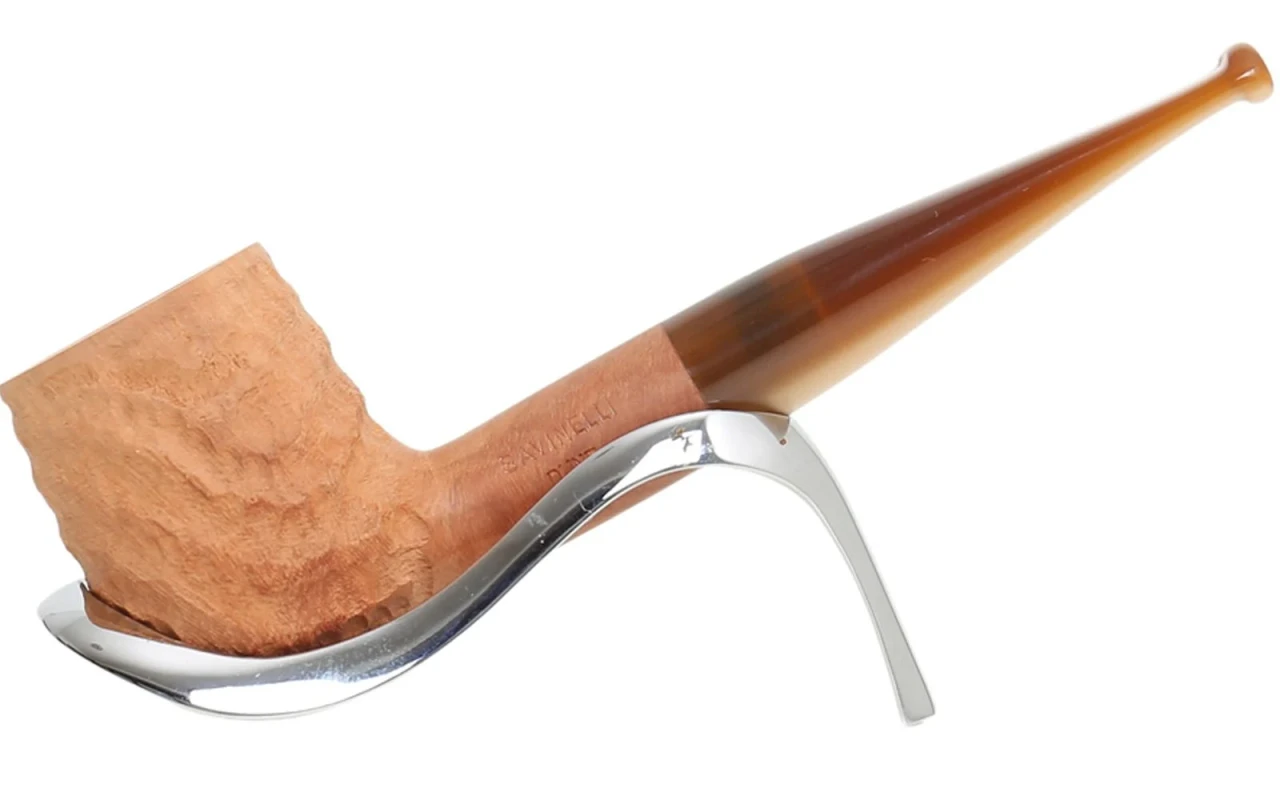
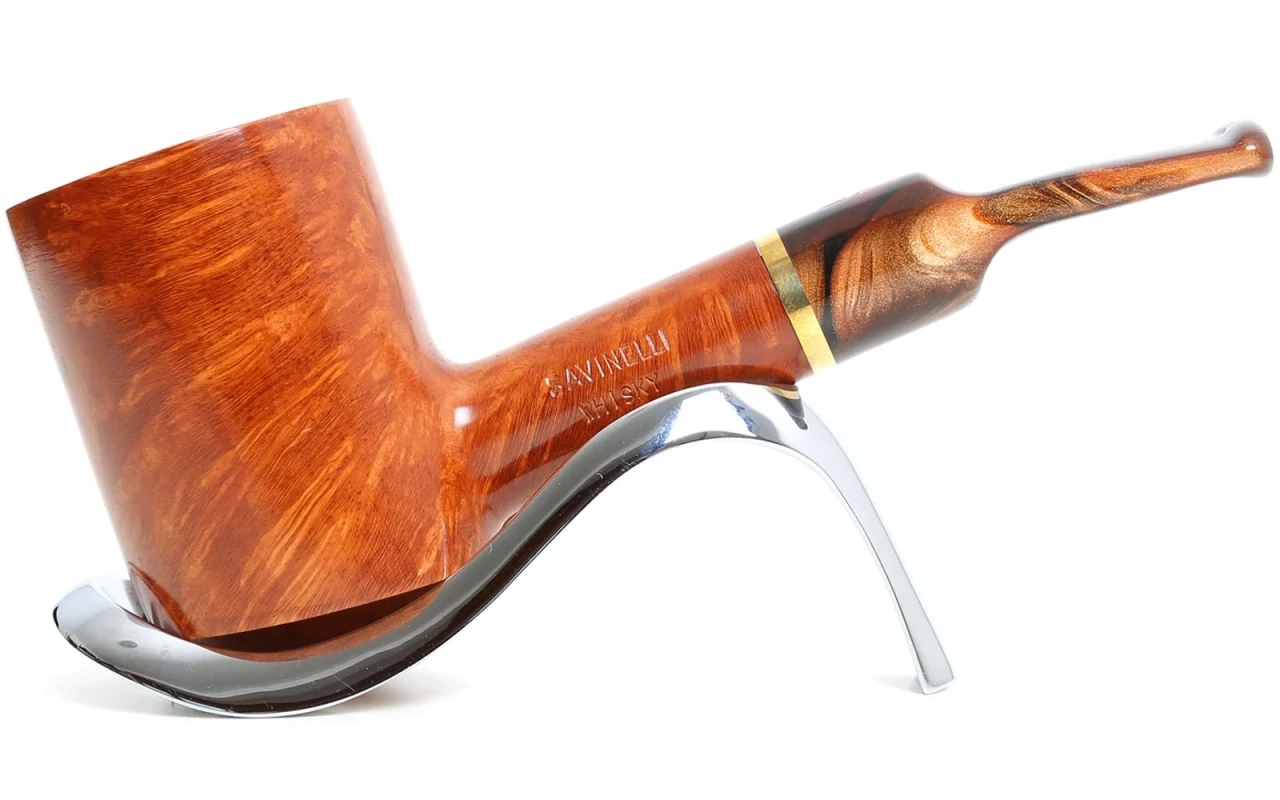
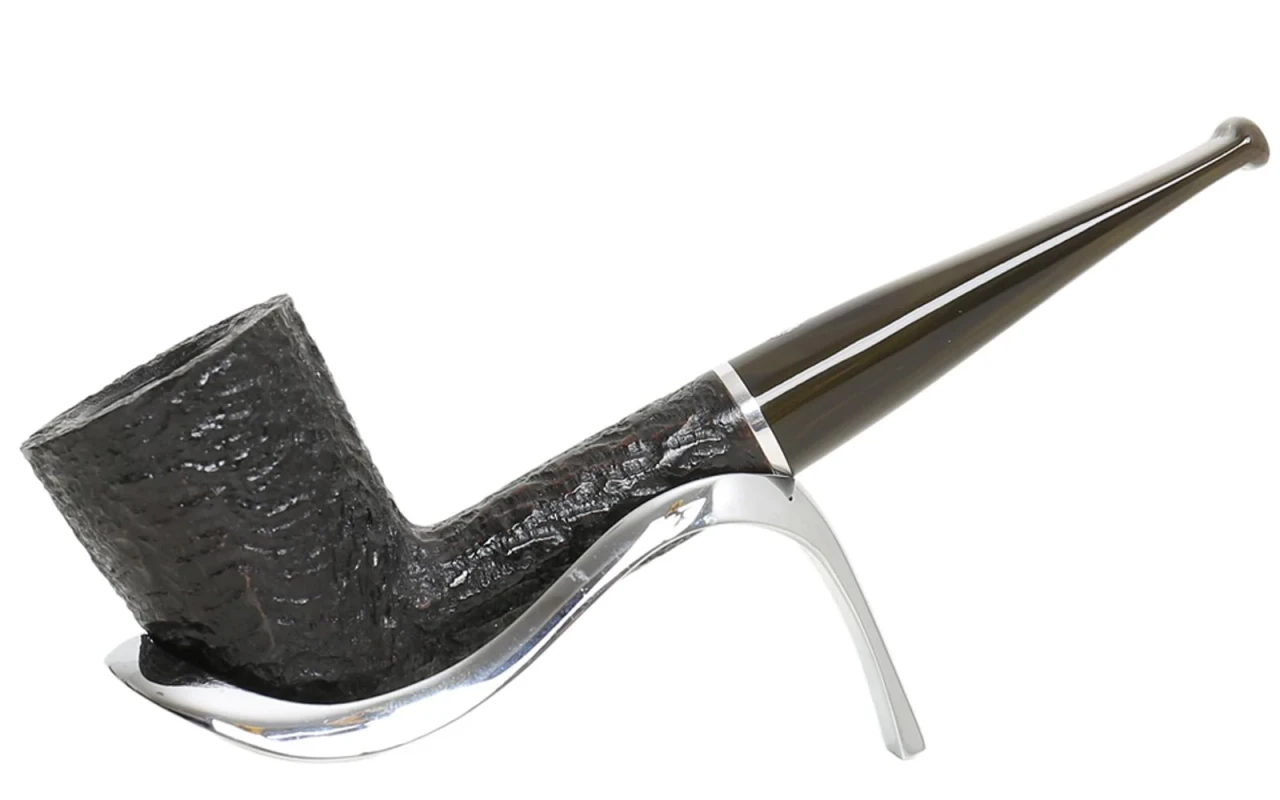
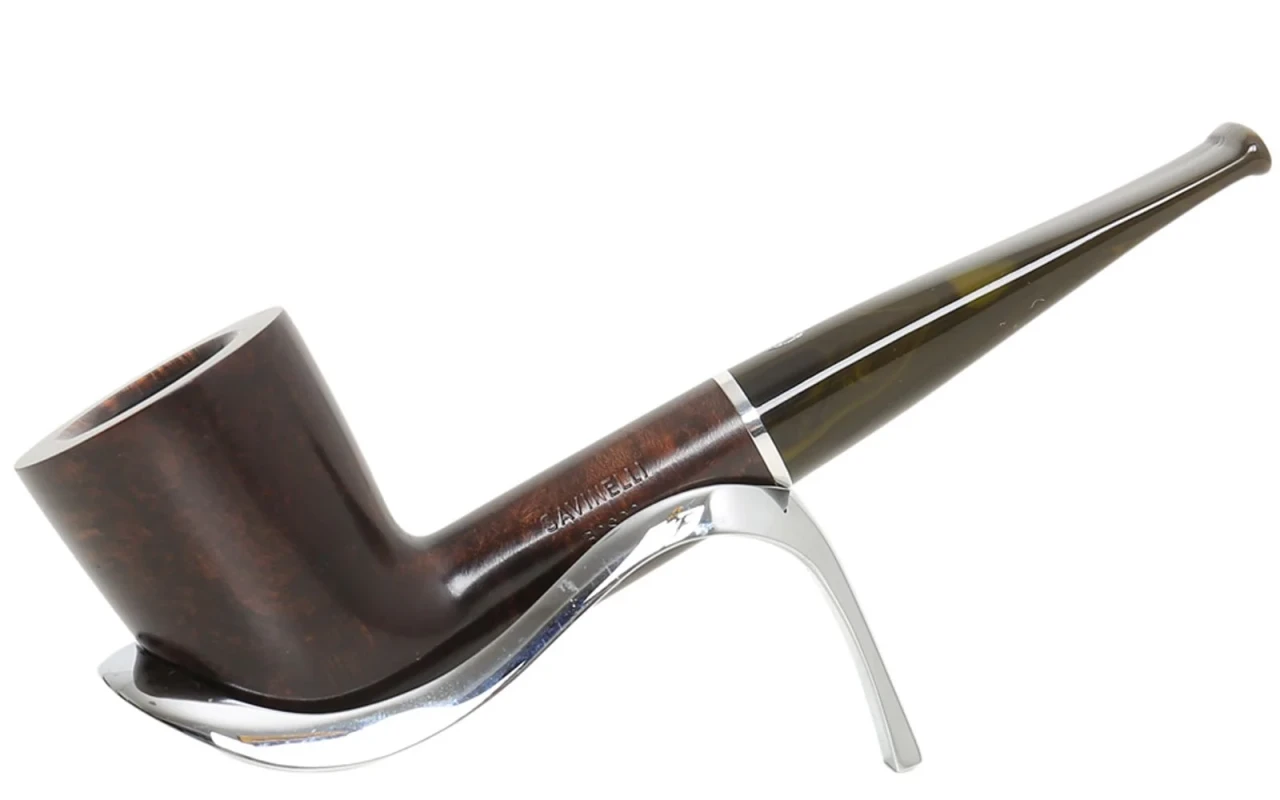
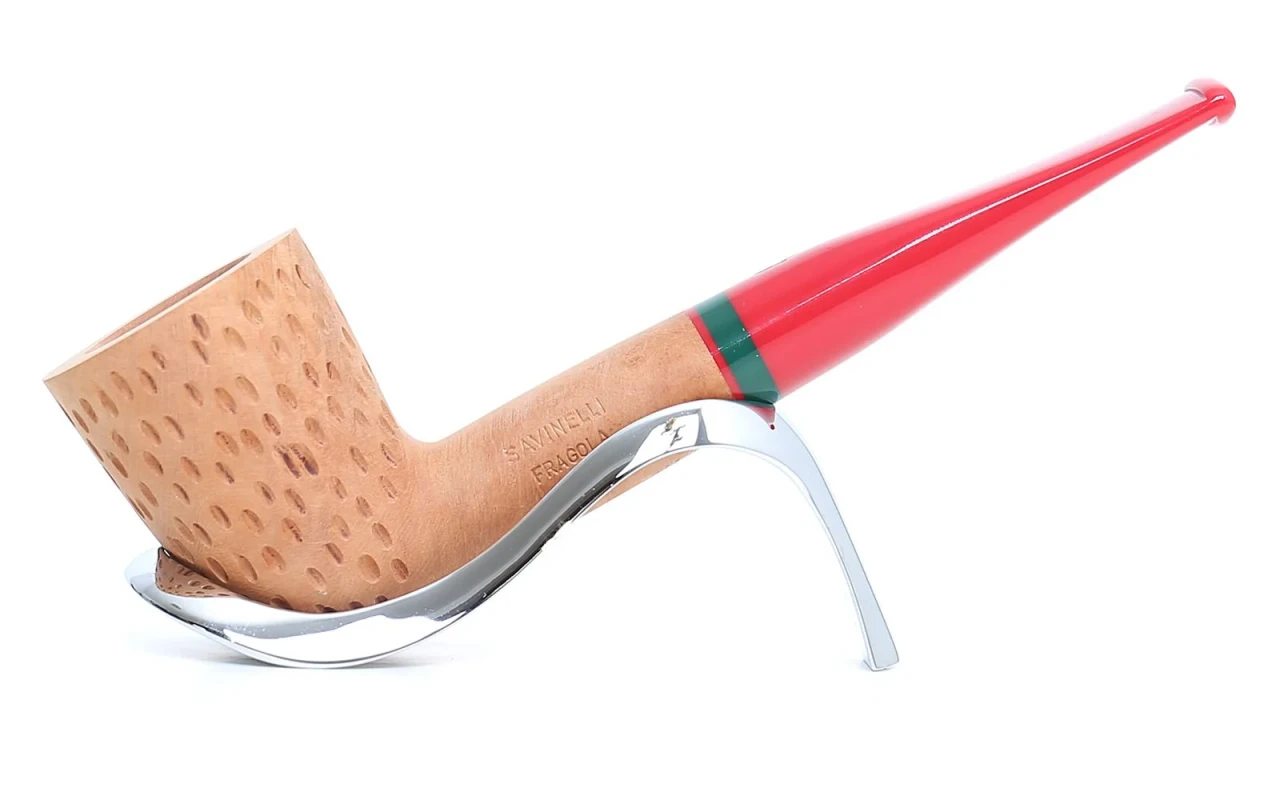
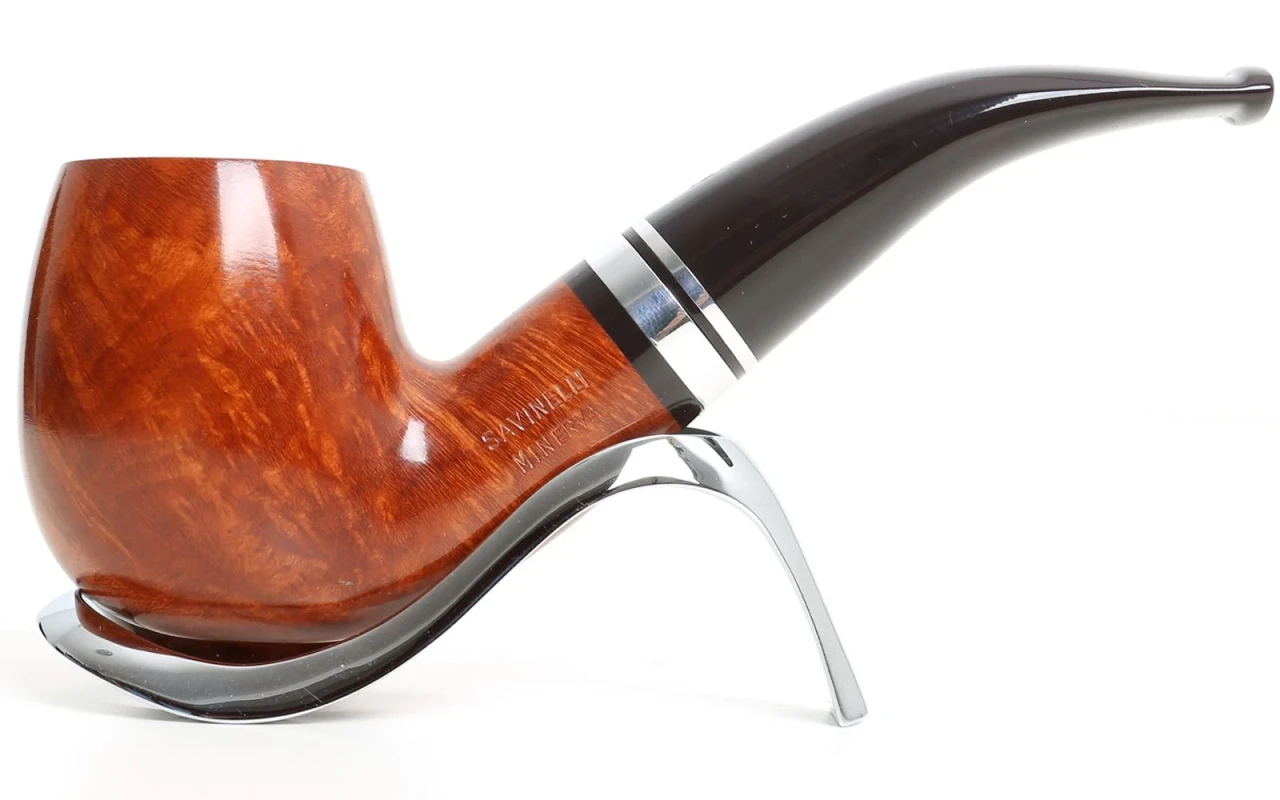
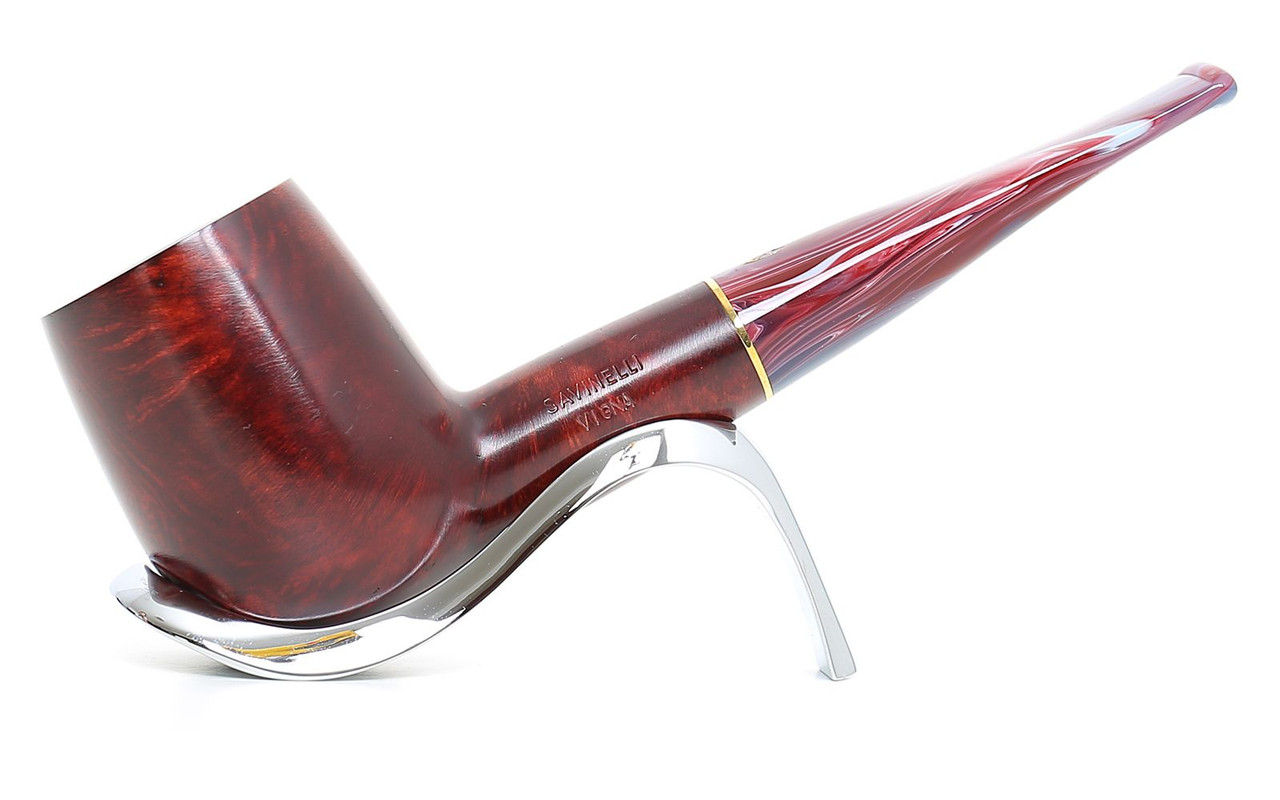
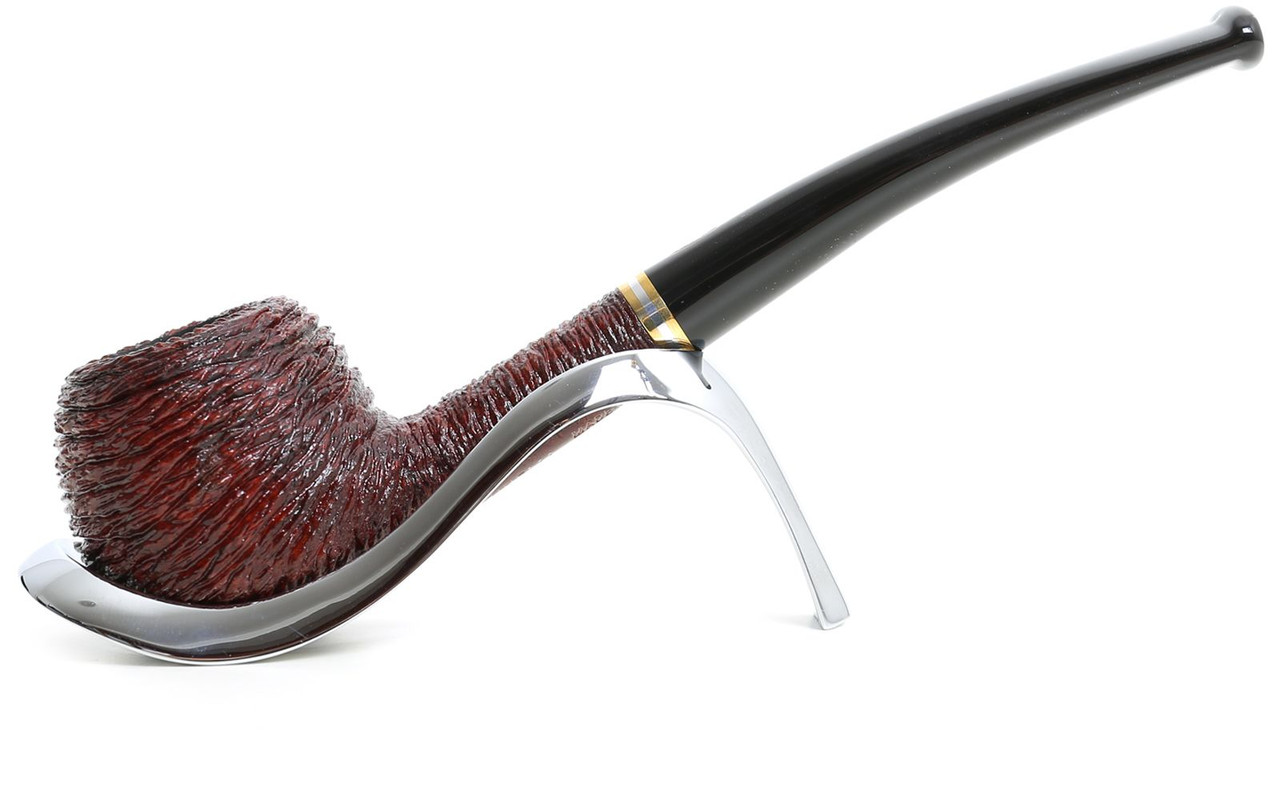
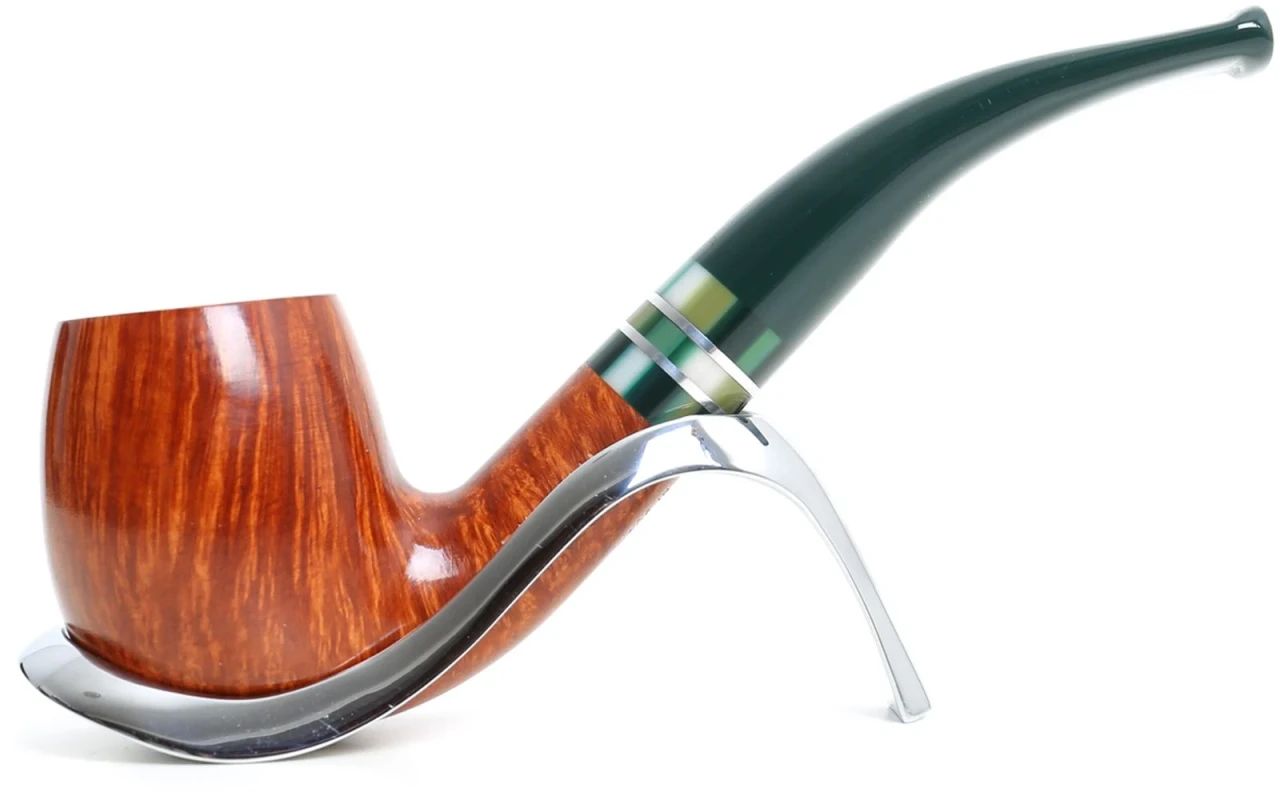
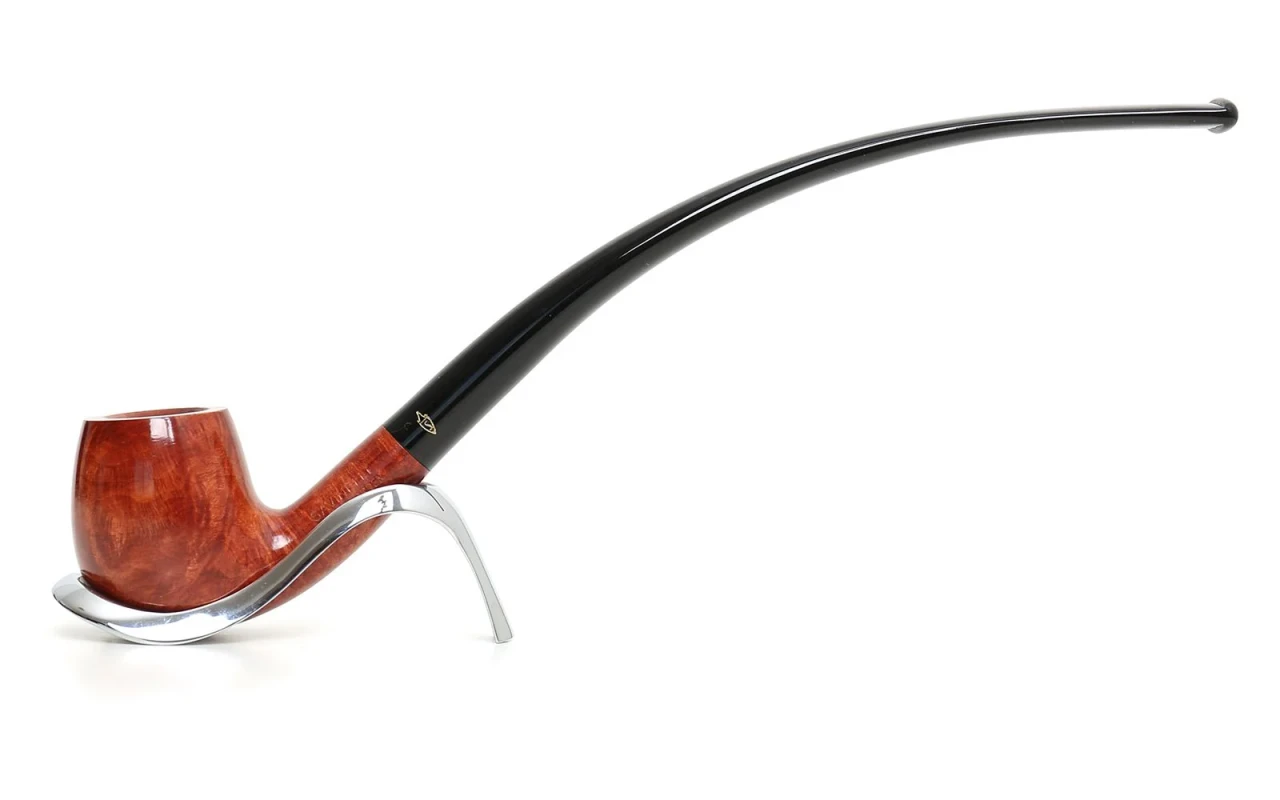
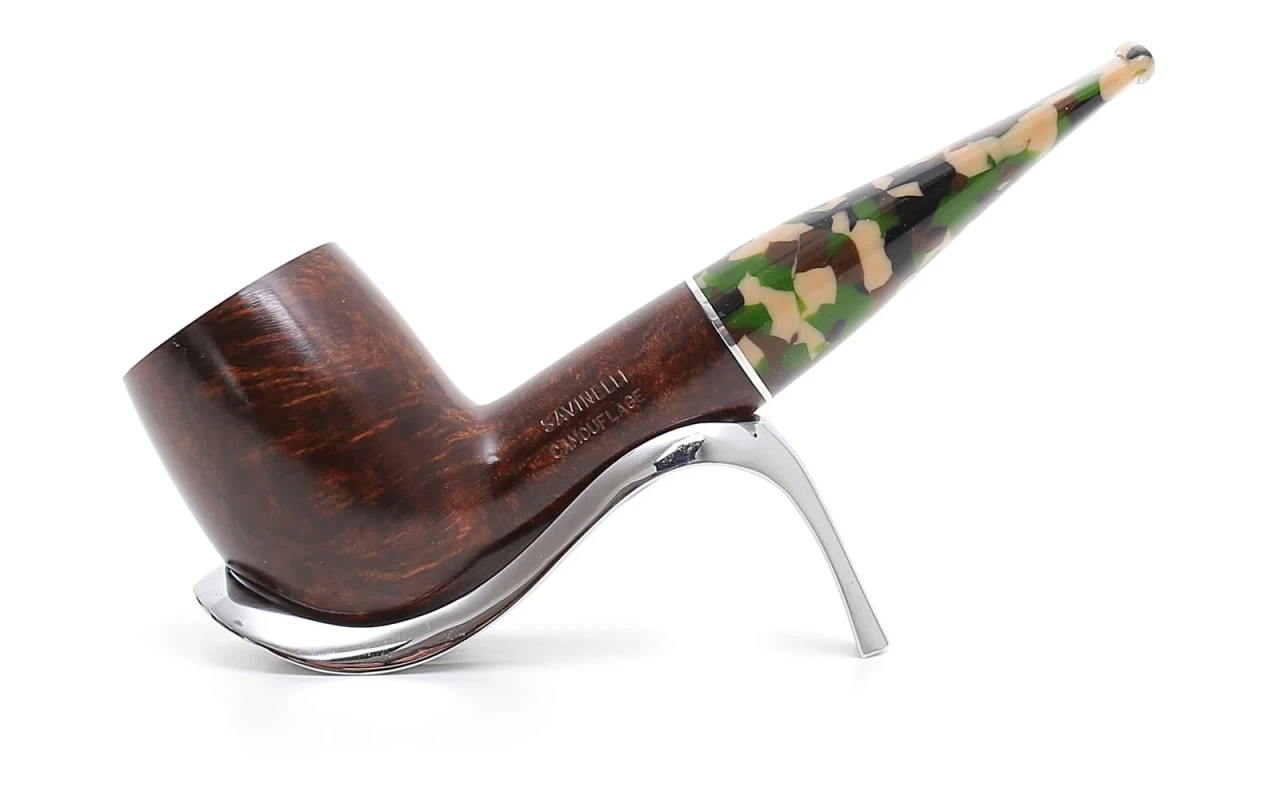
Pipes have transitioned from using rudimentary materials like stone to fine woods such as briar, prized for their durability and beauty. This evolution has enhanced the smoker's experience by providing lighter, longer-lasting pipes with better combustion and smoke cooling properties.
How have pipe materials evolved from stone to briar? Deep dive
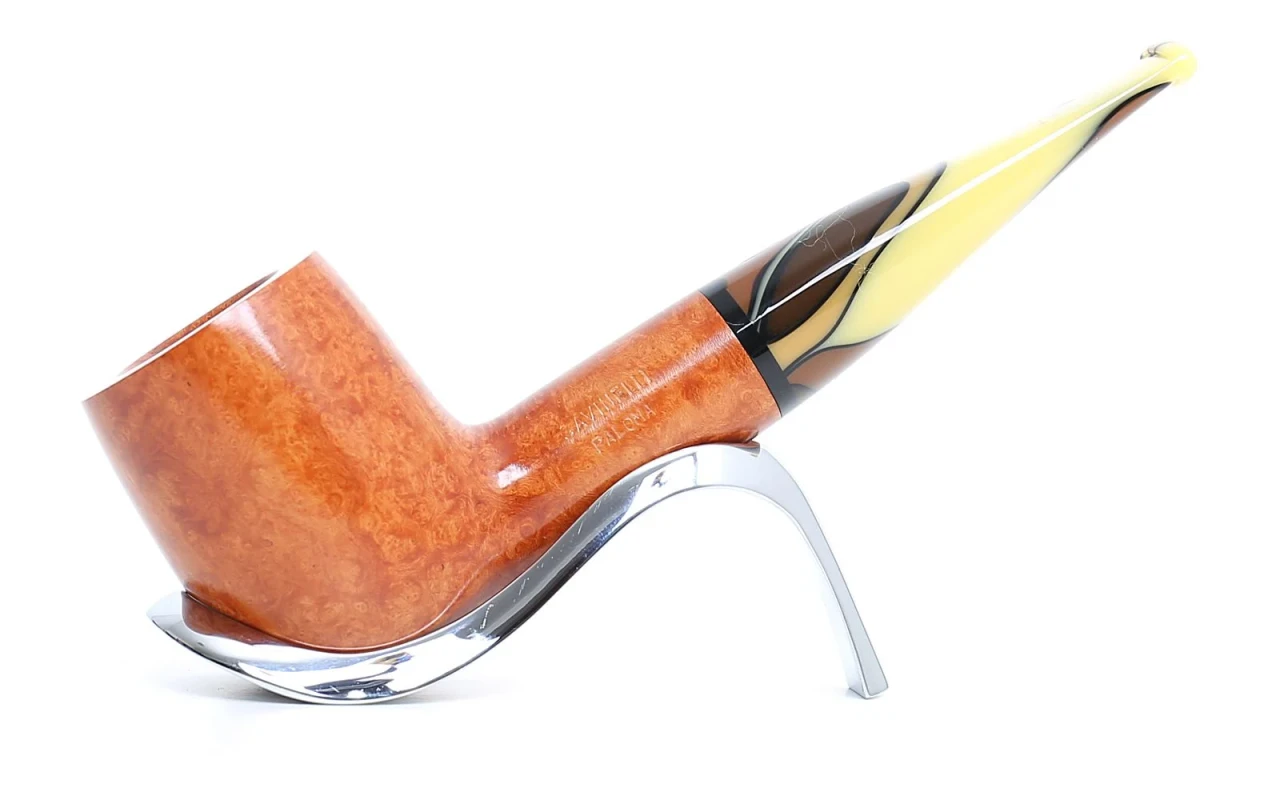
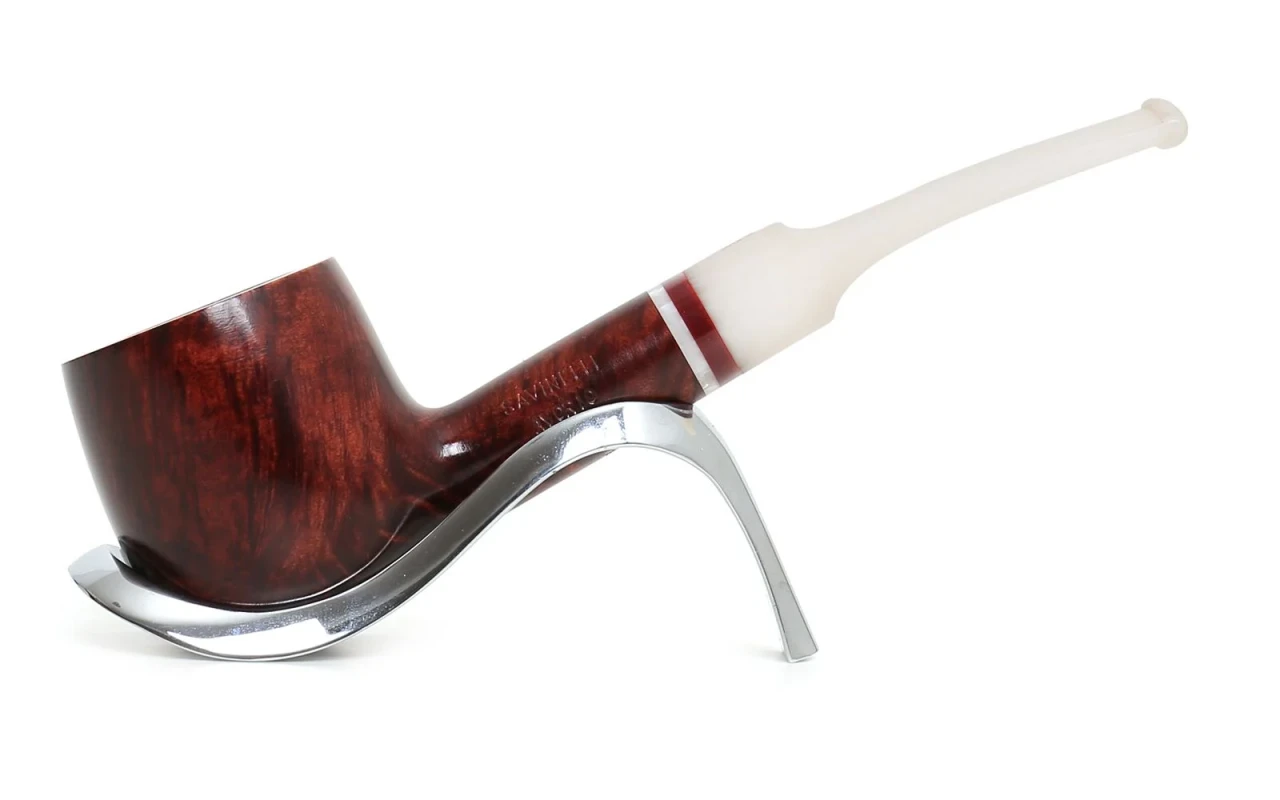
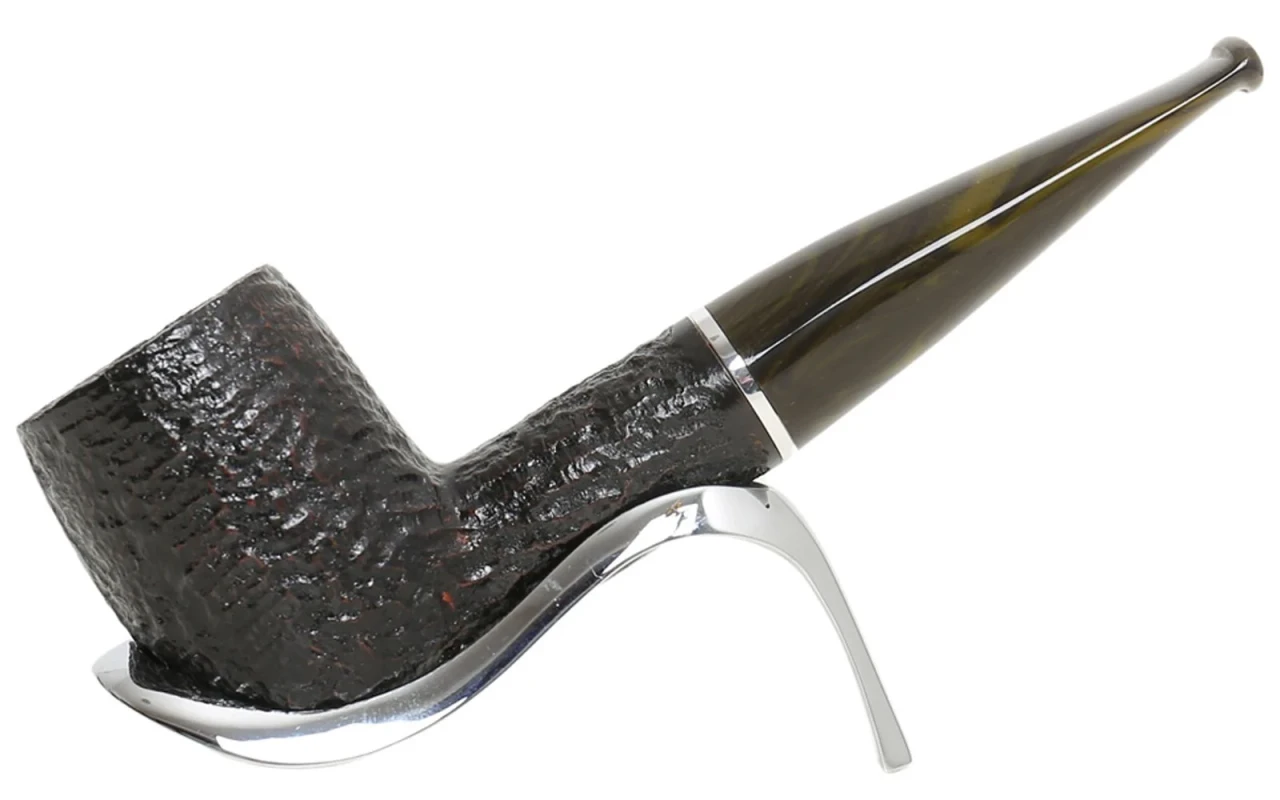
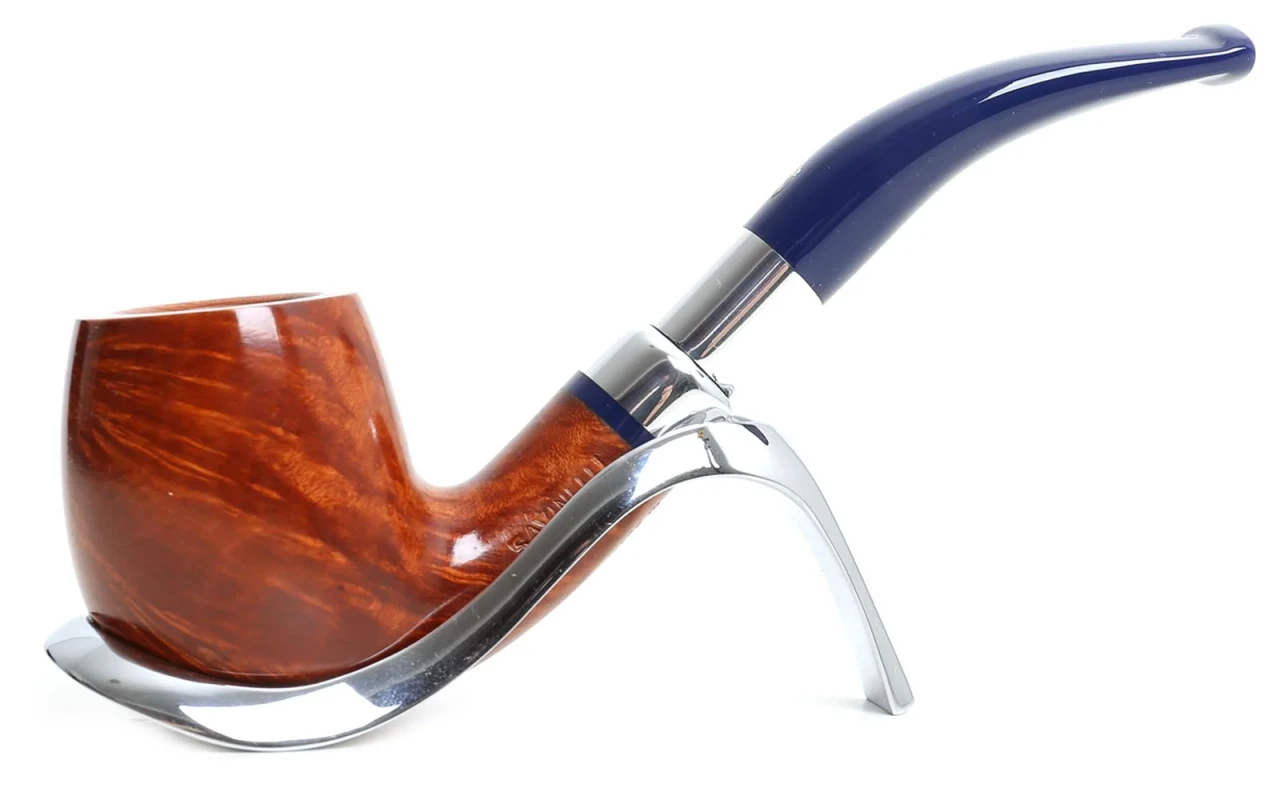
The evolution of materials used in pipe making reflects the pursuit of quality, functionality, and aesthetic appeal in the realm of slow smoking. Initially, early pipes were crafted from readily available natural materials like stone, which offered some durability but was heavy and unwieldy. Later, the use of finer woods emerged, notably briar, which became the hallmark material for high-quality pipes. Briar, derived from the root burl of the heath plant, is esteemed for its durability, lightness, and its ability to withstand heat without altering the tobacco’s flavor. Additionally, its porous structure facilitates good breathability, enhancing combustion and smoke cooling. Over time, other materials such as metal, ceramic, and glass have been experimented with, but briar remains the preferred choice for those seeking a traditional, elegant, and functional pipe. This progression has refined not only product quality but also the smoker’s experience, resulting in more ergonomic, long-lasting pipes that elevate the culture of refined, slow smoking.