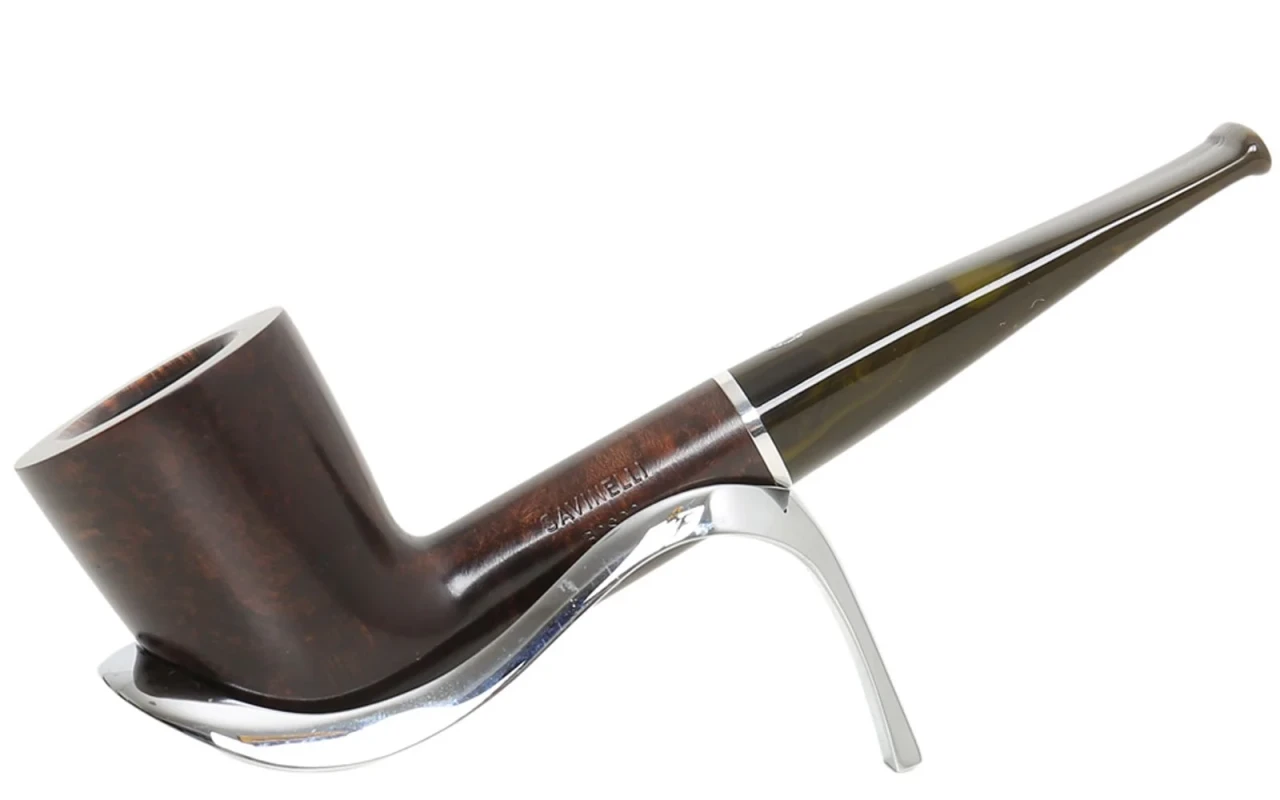
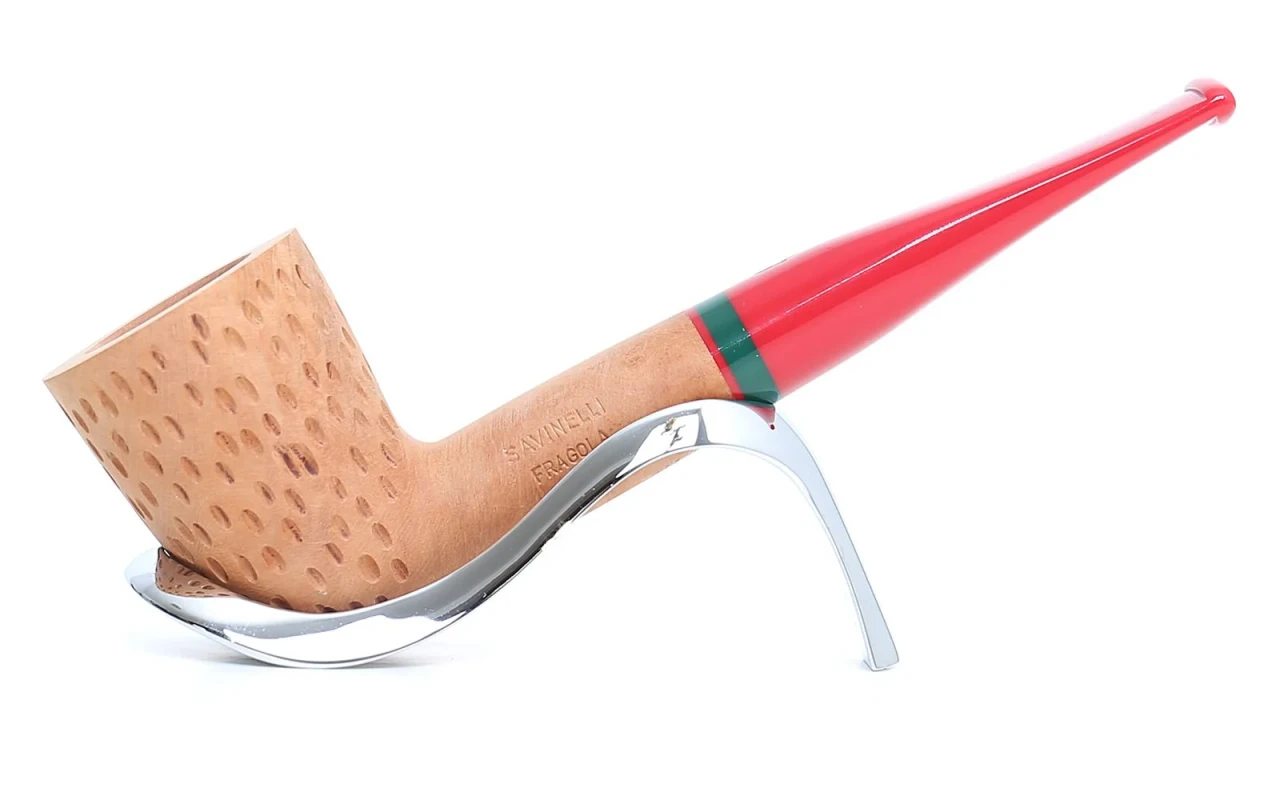
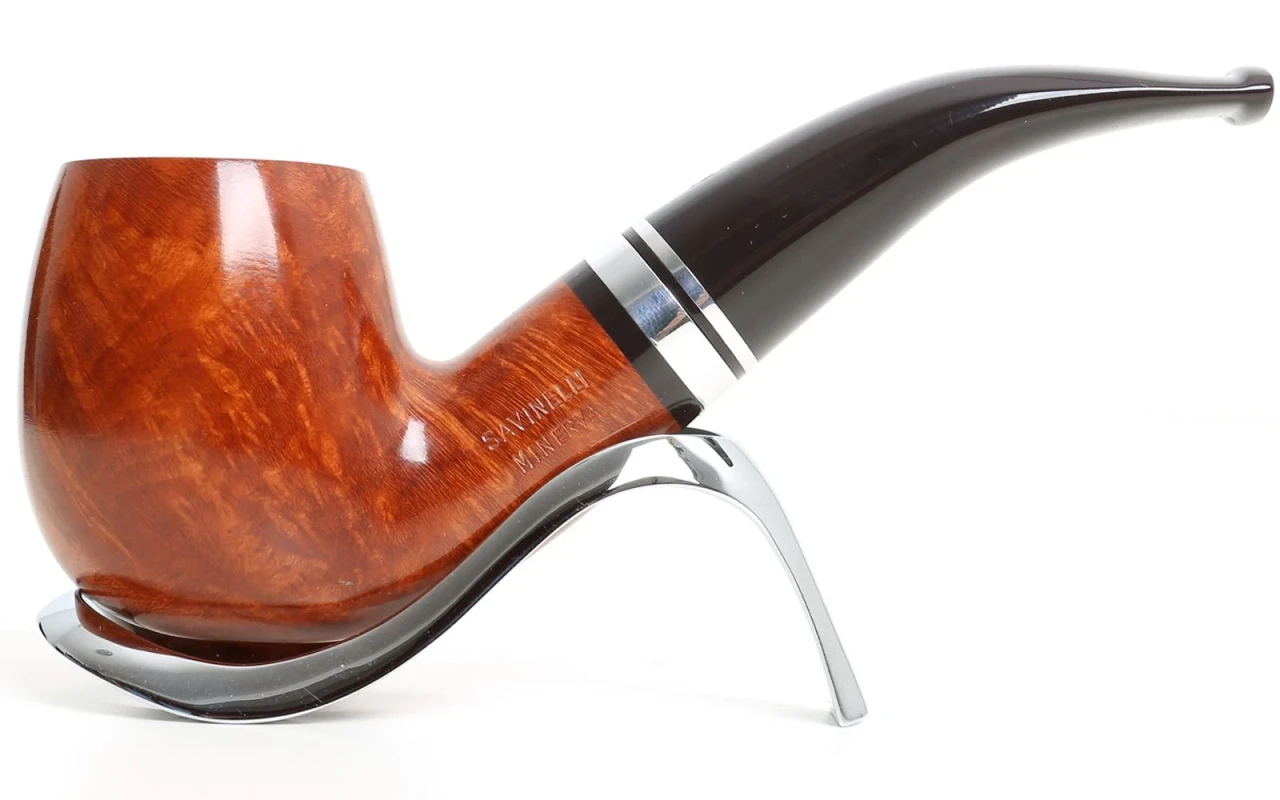
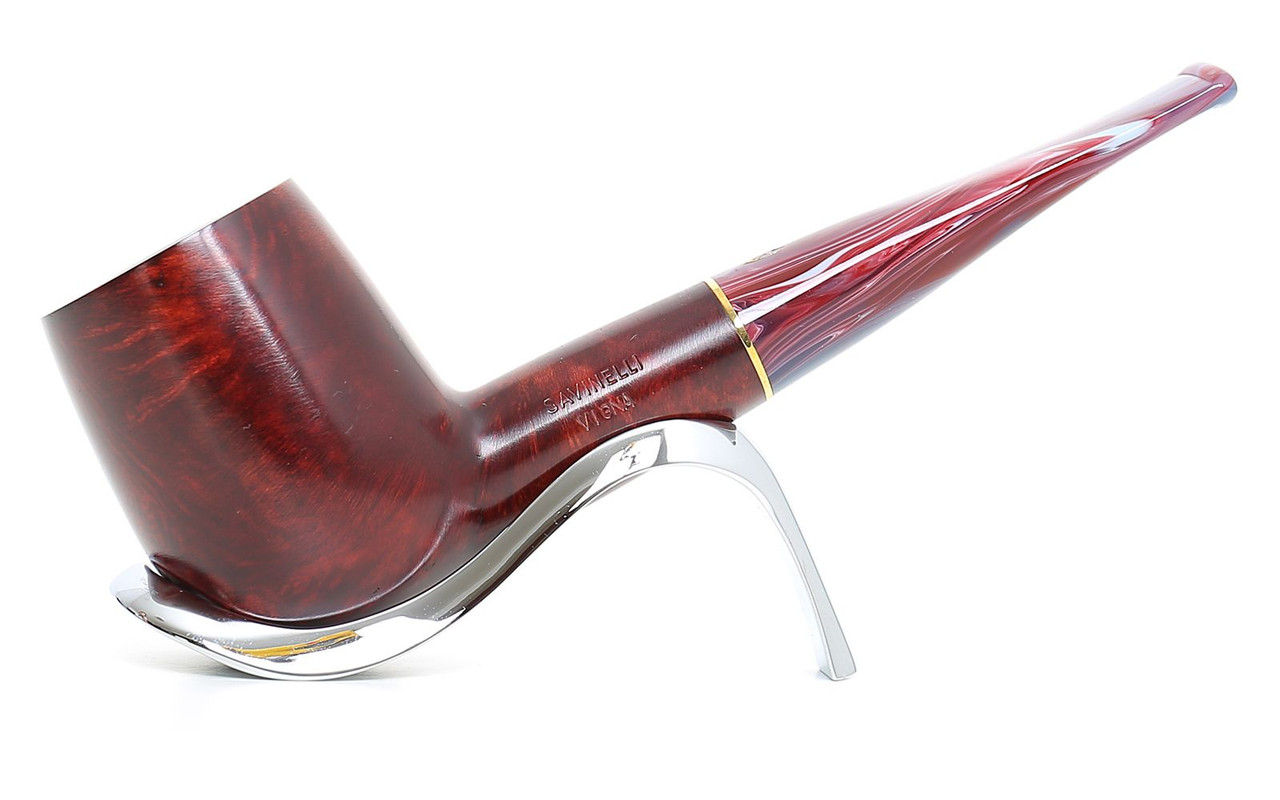
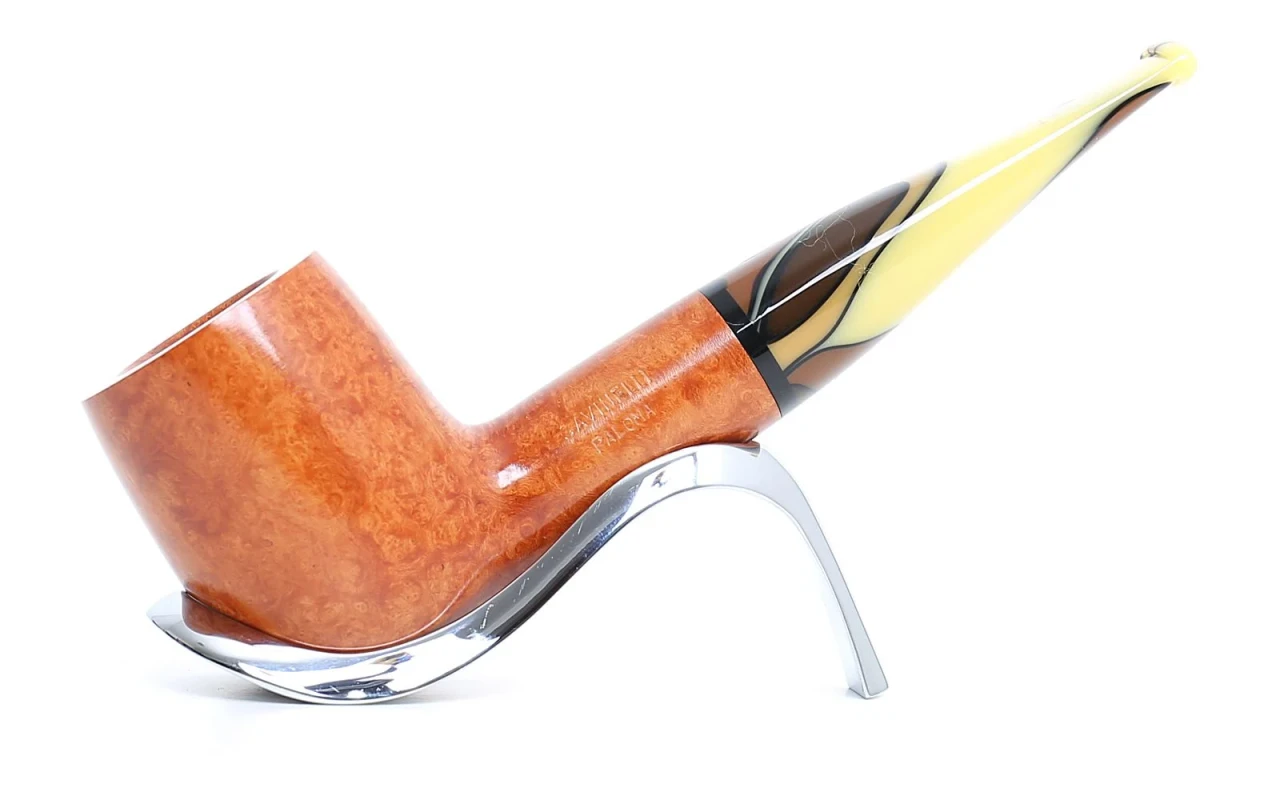
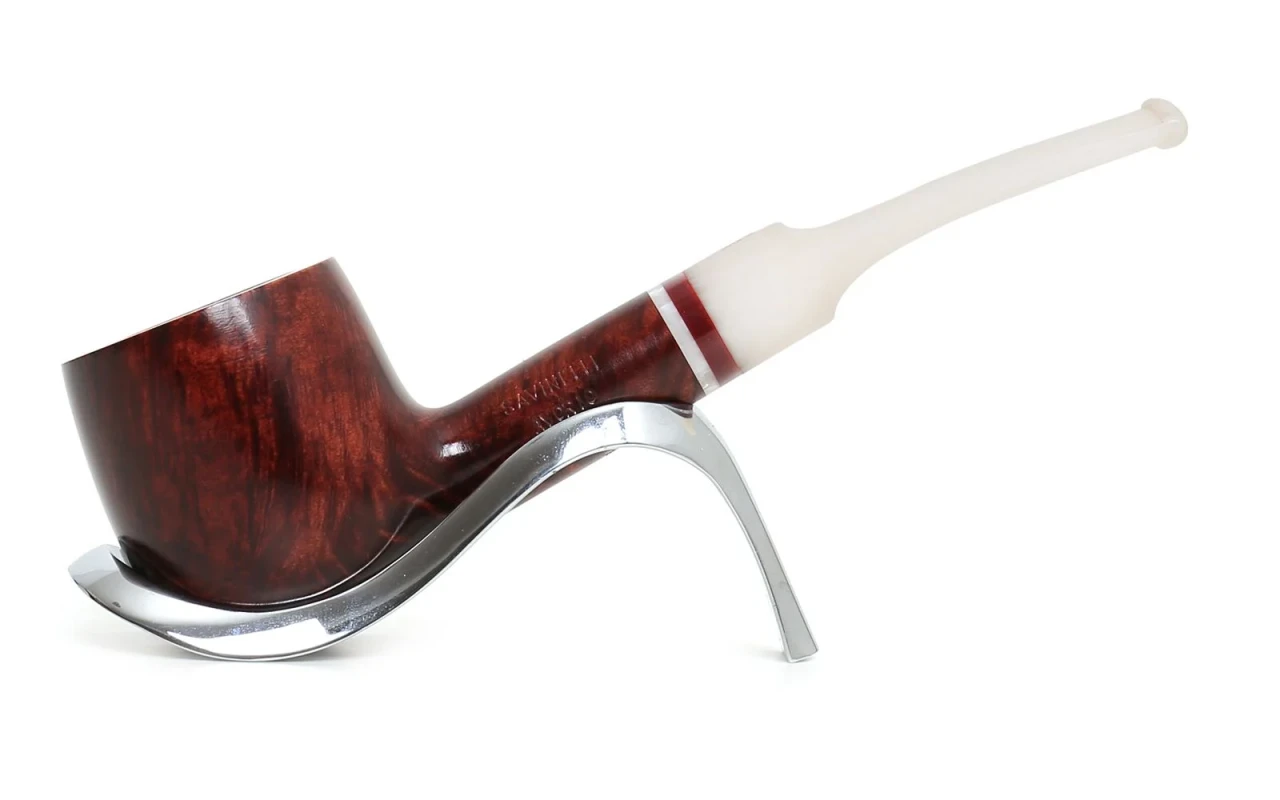
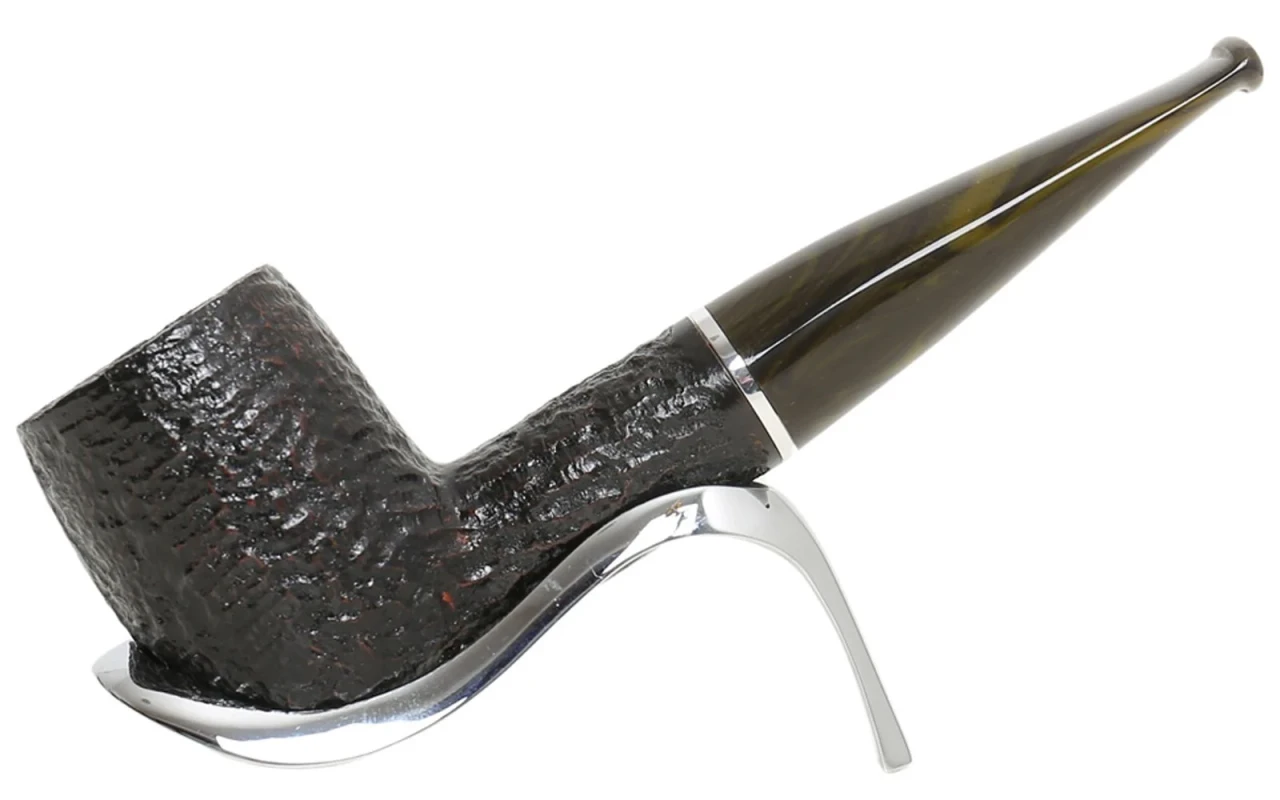
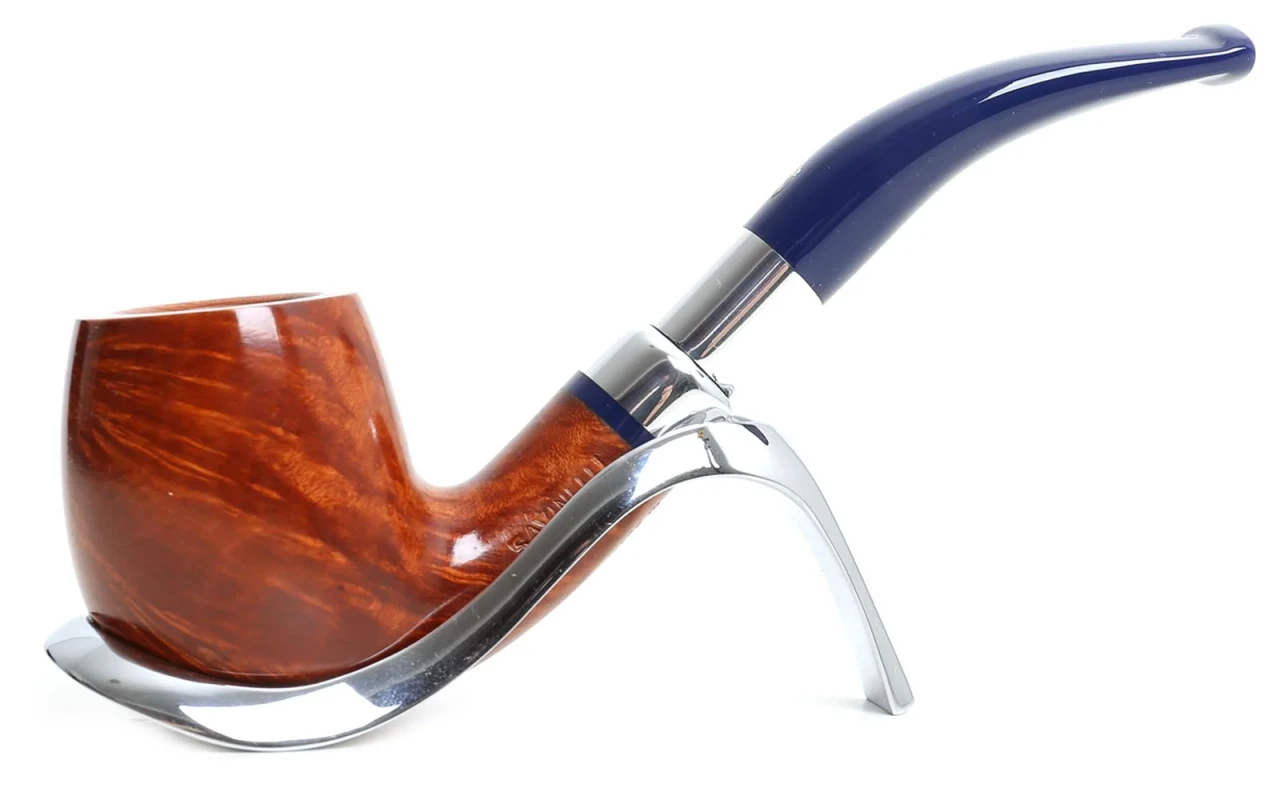
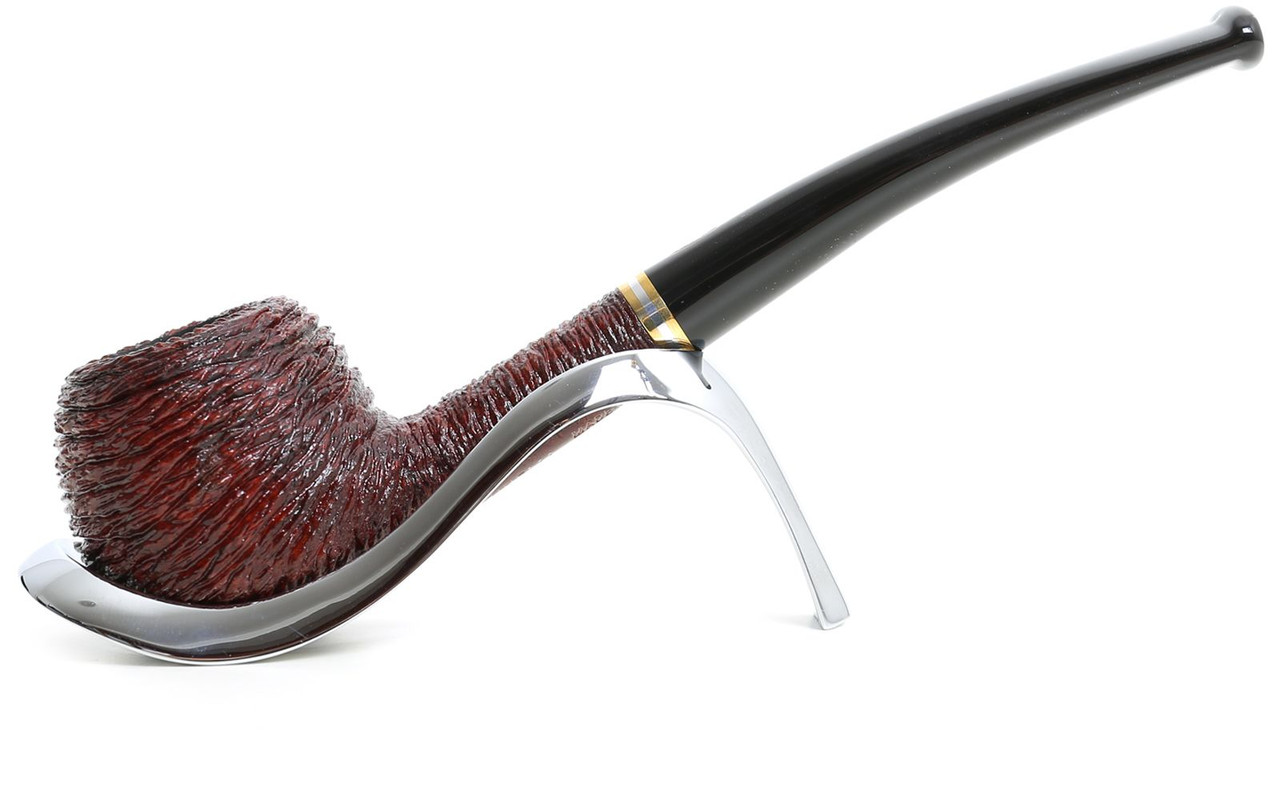
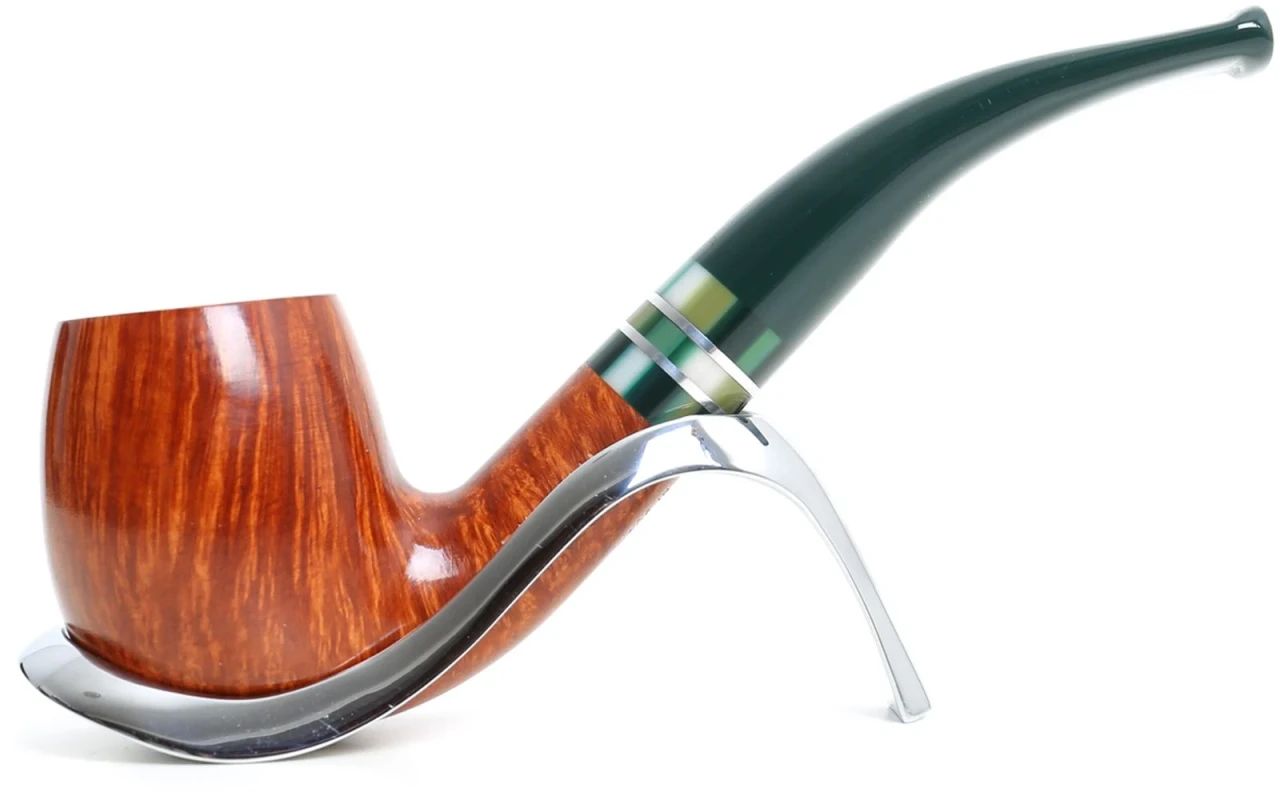
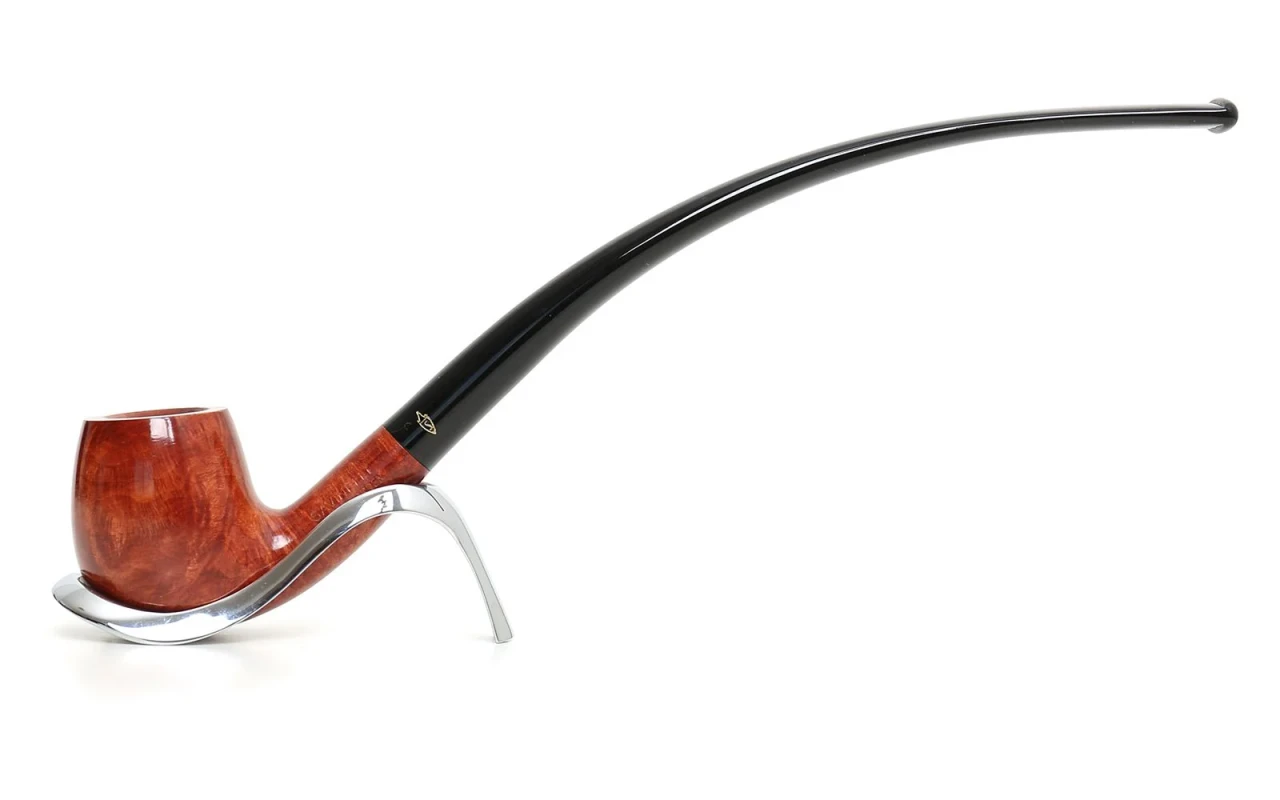
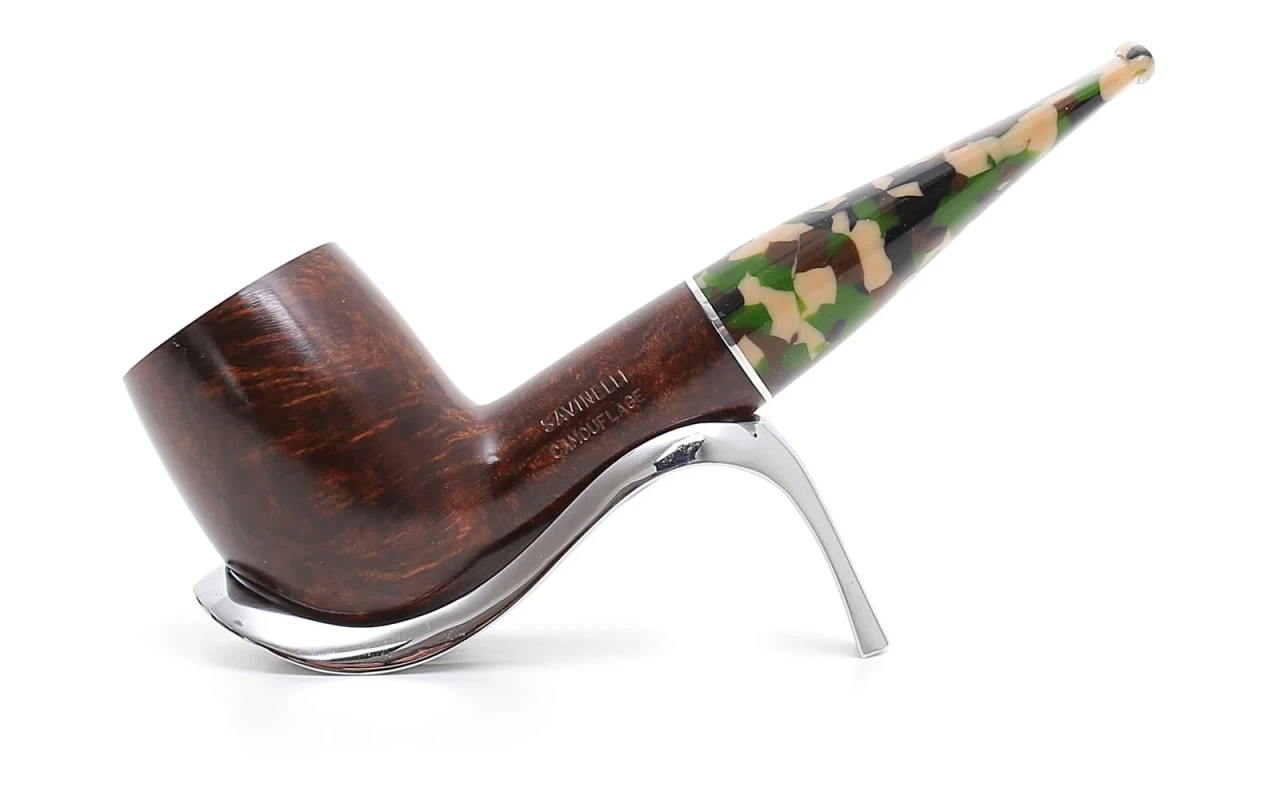
The pipe is one of the oldest instruments for smoking tobacco, with origins dating back thousands of years. The earliest known pipes were used by indigenous populations in America, long before the arrival of Europeans, and have evolved over time into various shapes and materials.
When did the pipe originate in human history? Deep dive
The pipe has an ancient history intertwined with the cultural traditions of many populations. The earliest archaeological evidence of pipes dates back thousands of years, especially in the Americas, where indigenous peoples used clay or stone pipes to smoke tobacco and other herbs. These instruments often held ritualistic and social significance, in addition to their practical use. With the arrival of Europeans in the New World, the pipe also spread to Europe, where new shapes and materials were developed, such as briarwood, prized for its durability and beauty. Over the centuries, the pipe has become a symbol of slow-smoking culture, featuring a great variety of styles, finishes, and crafting techniques. Its evolution reflects not only technical innovations but also changes in habits and traditions related to tobacco and the enjoyment of contemplative smoking.