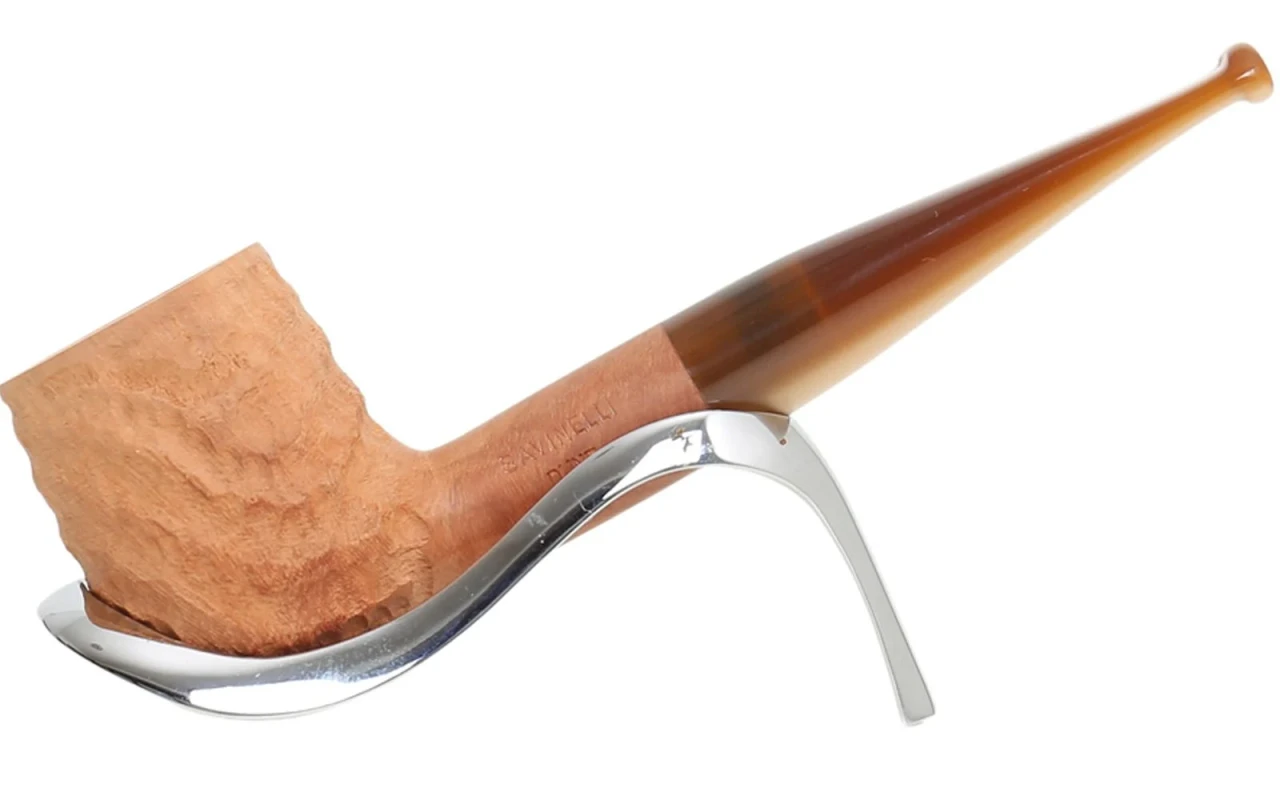
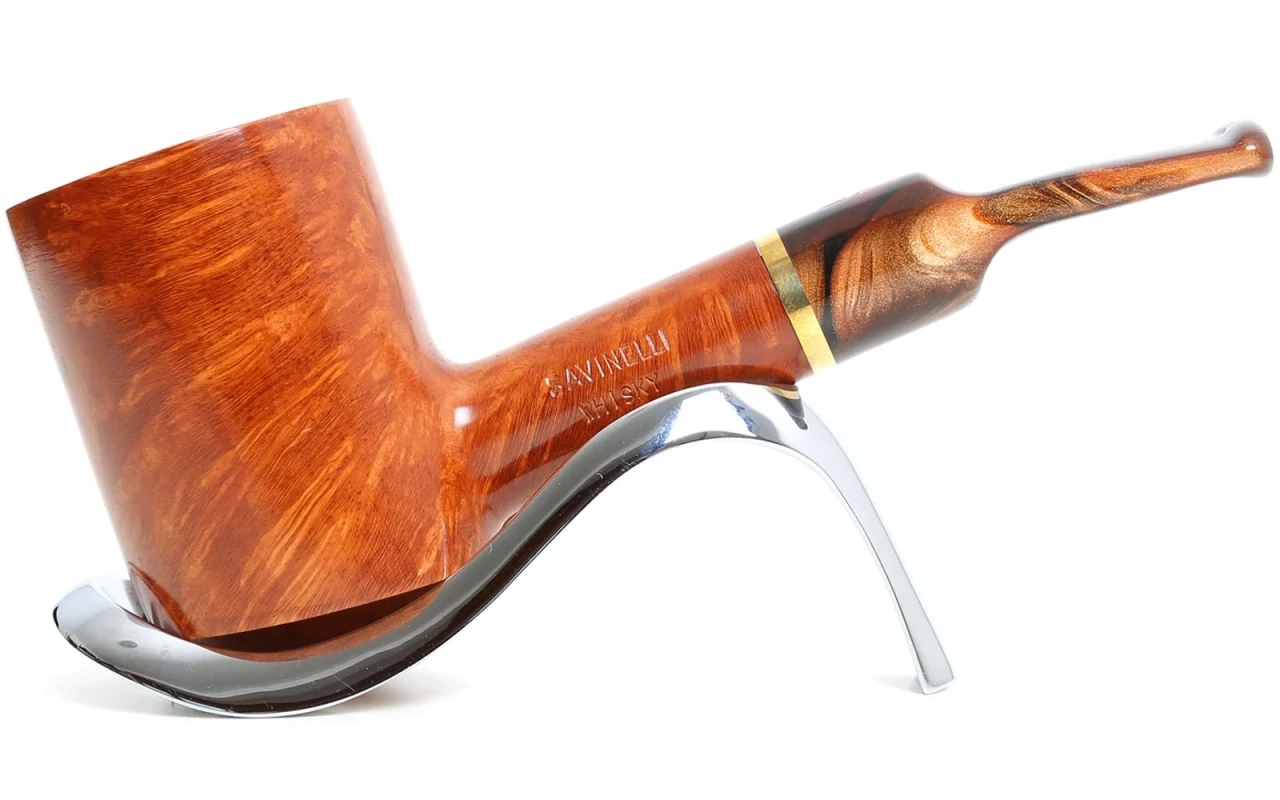
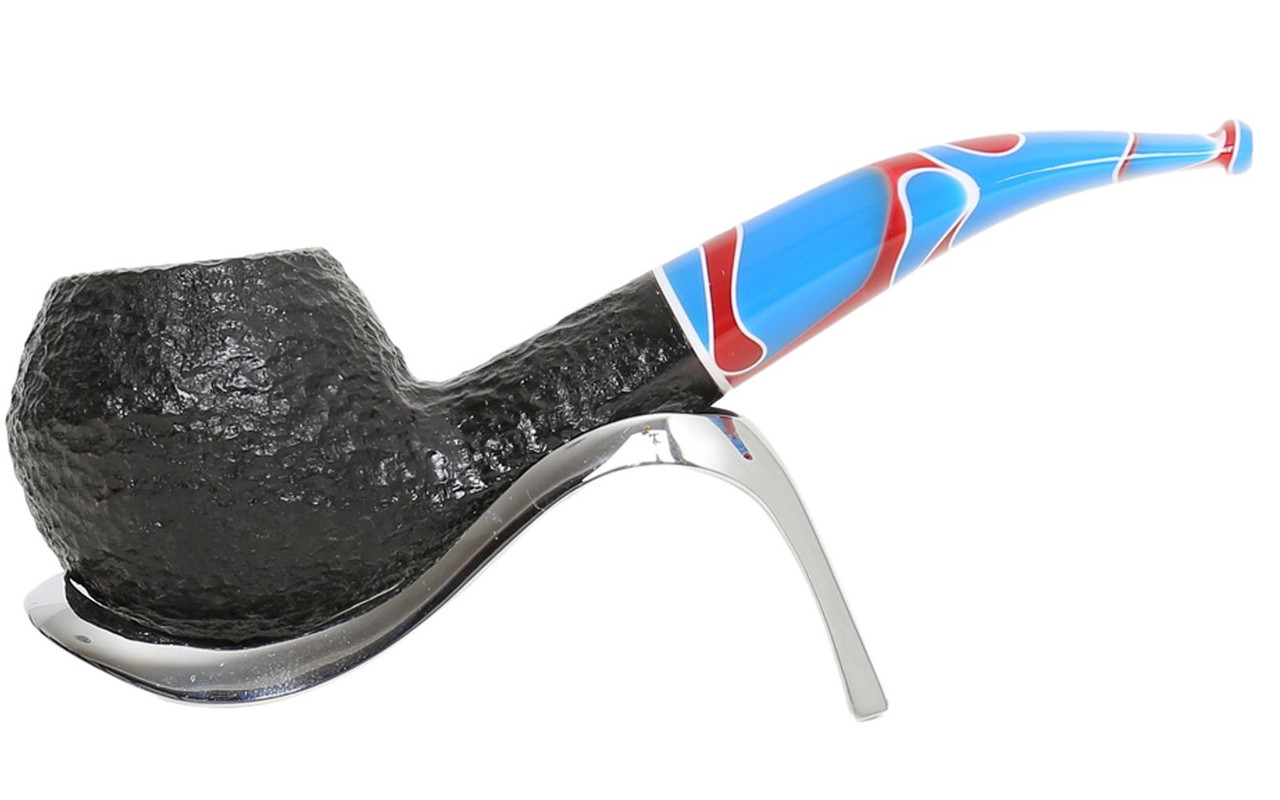
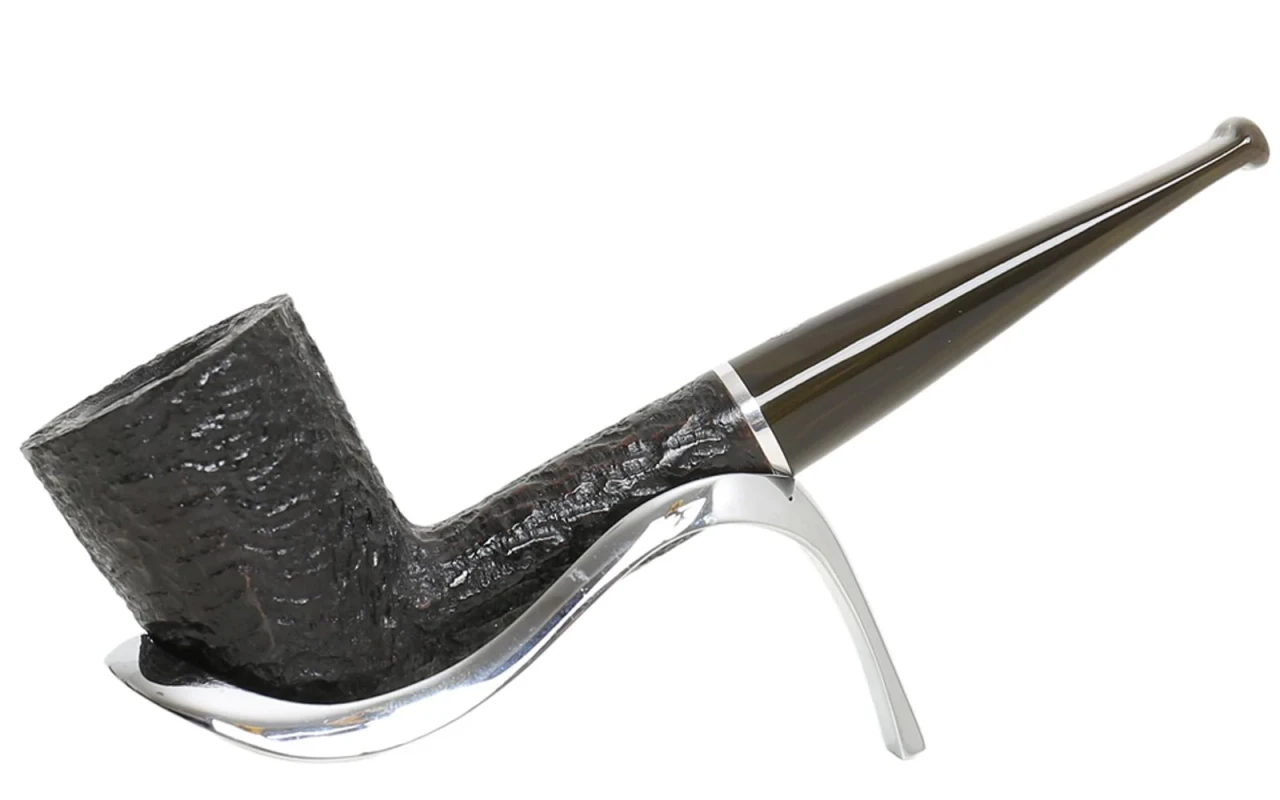
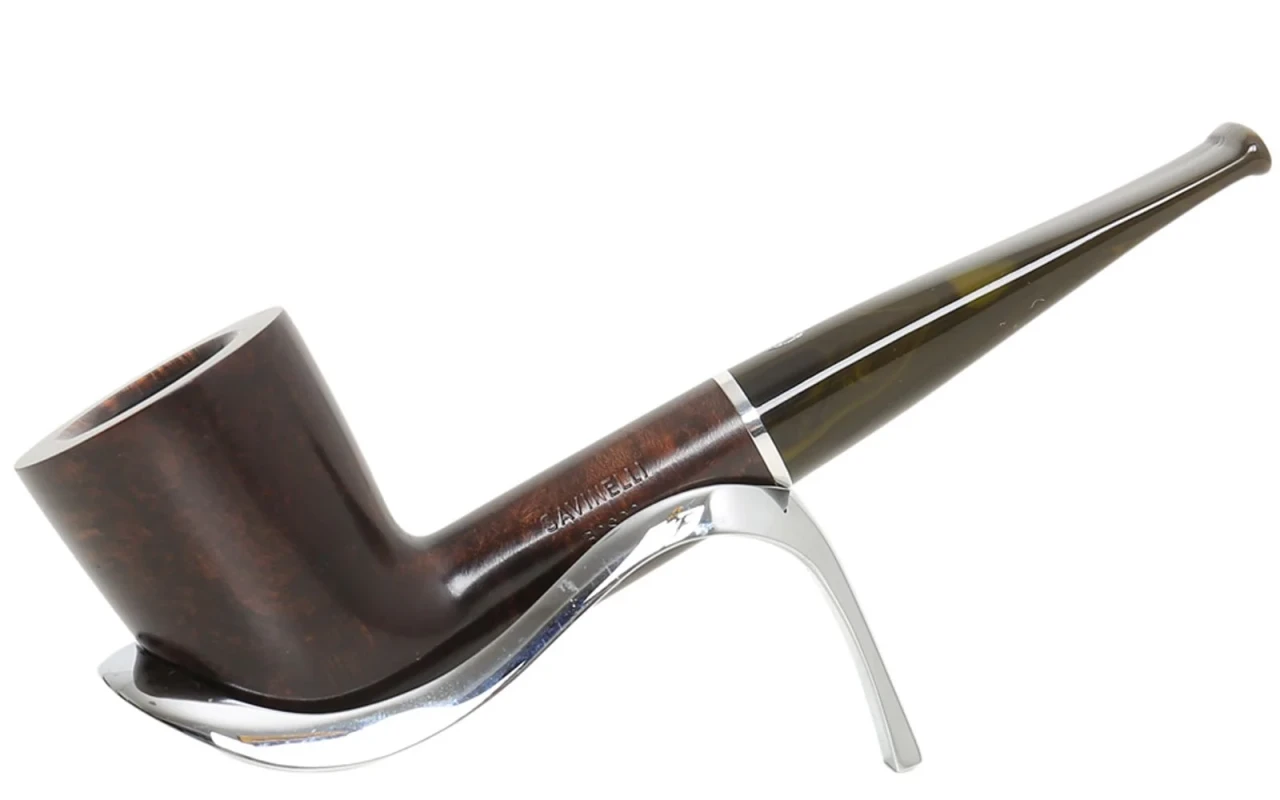
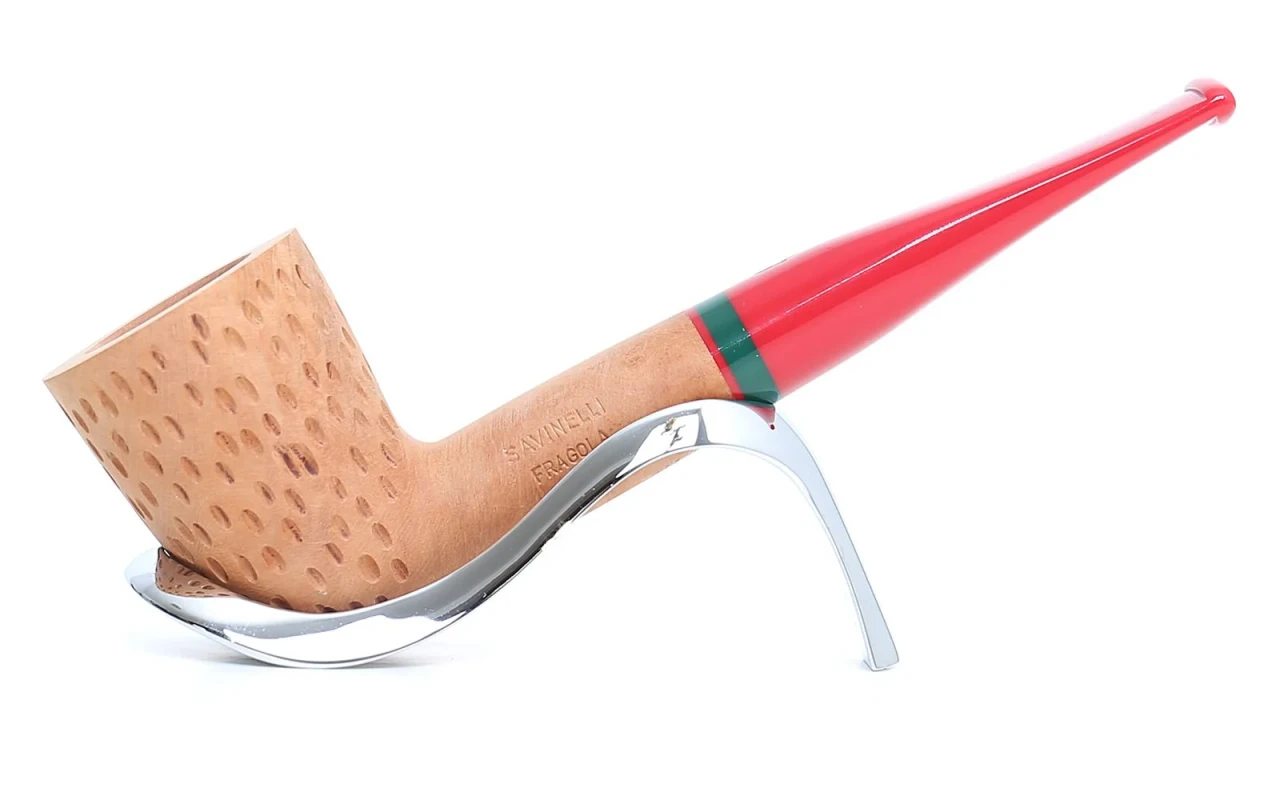
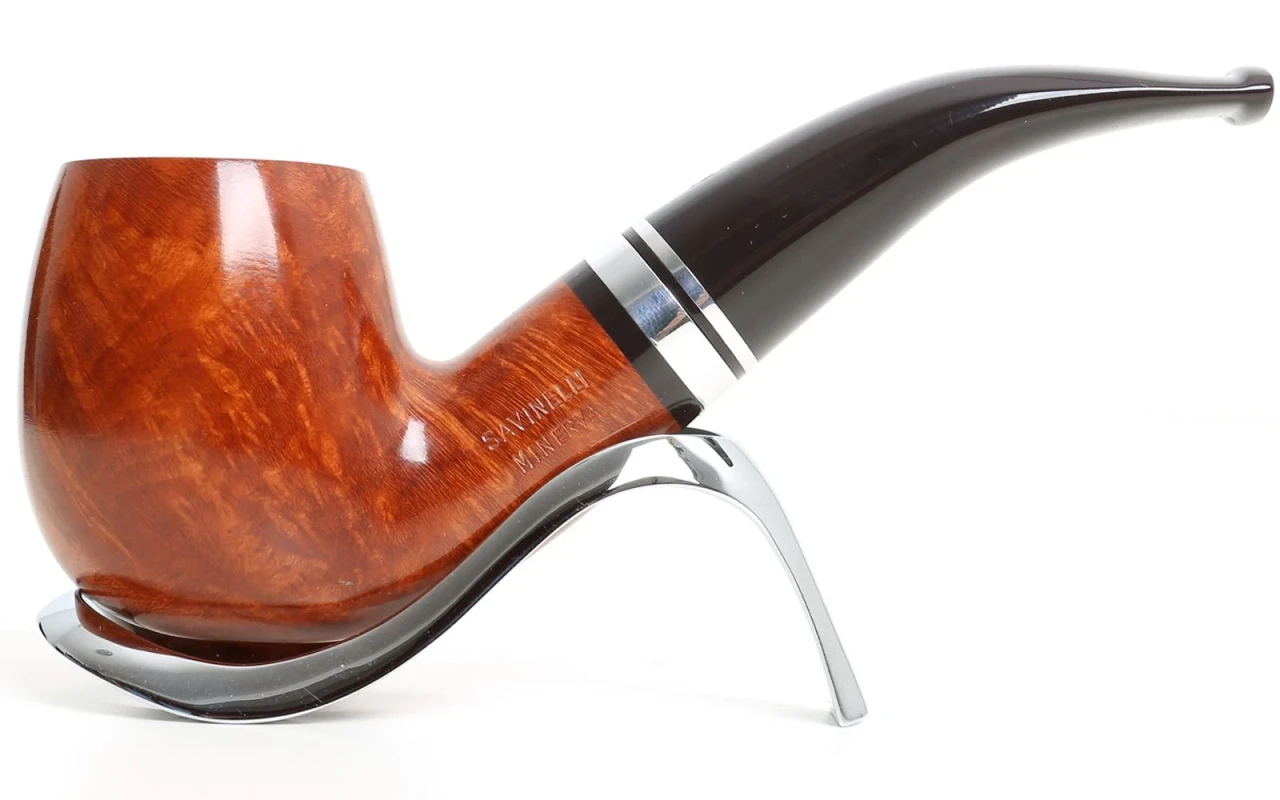
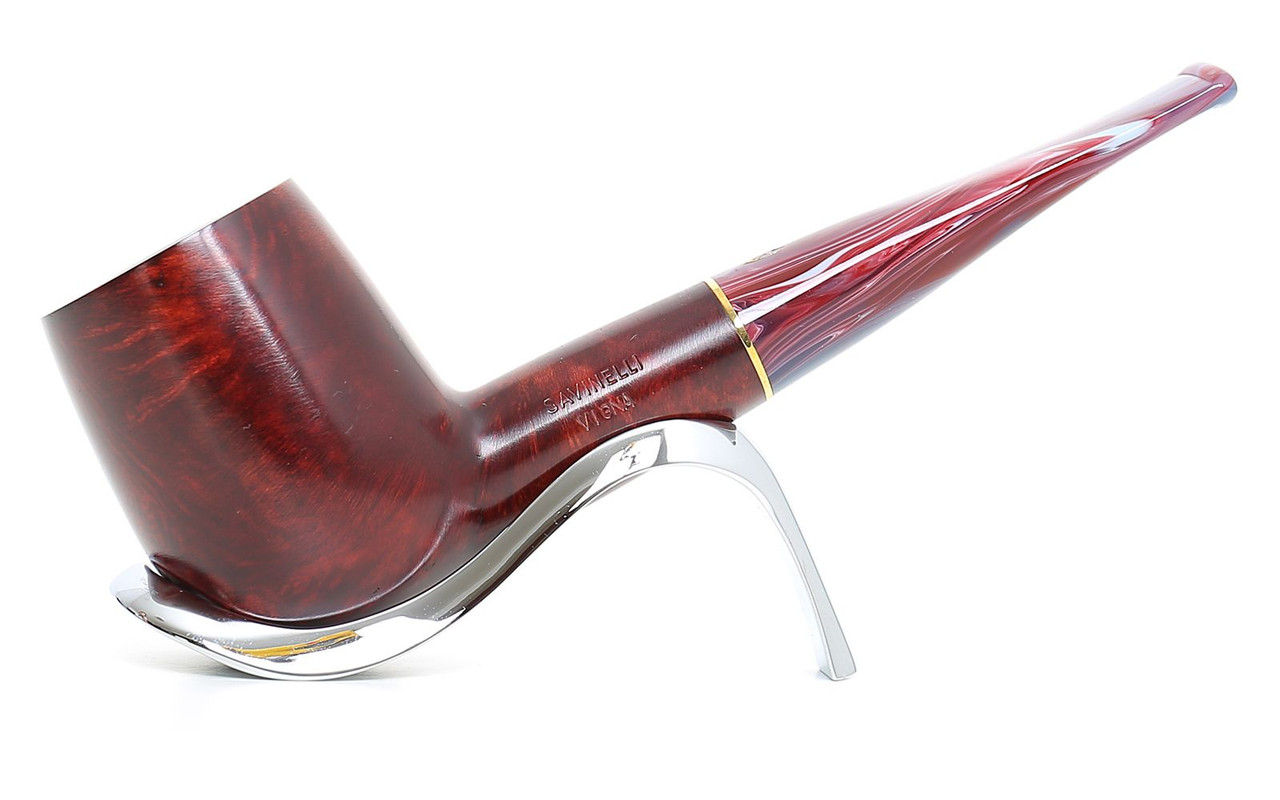
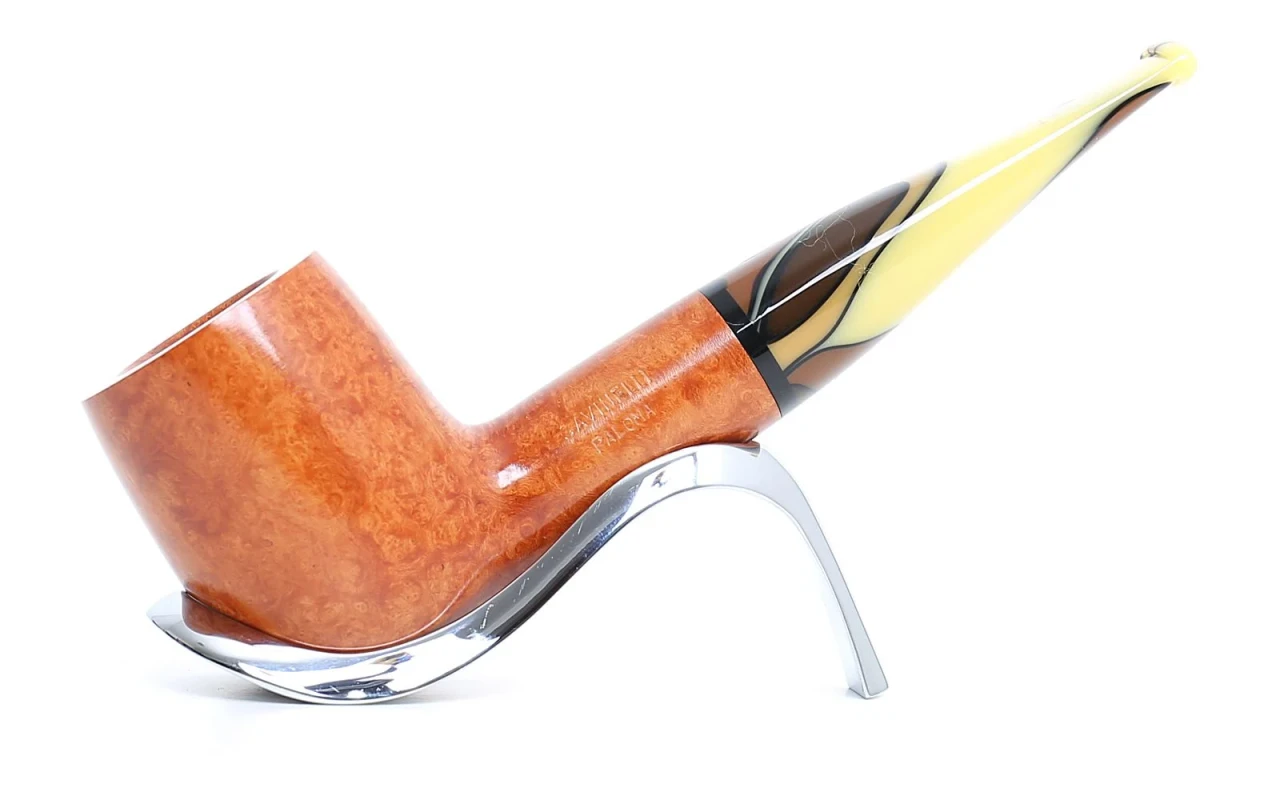
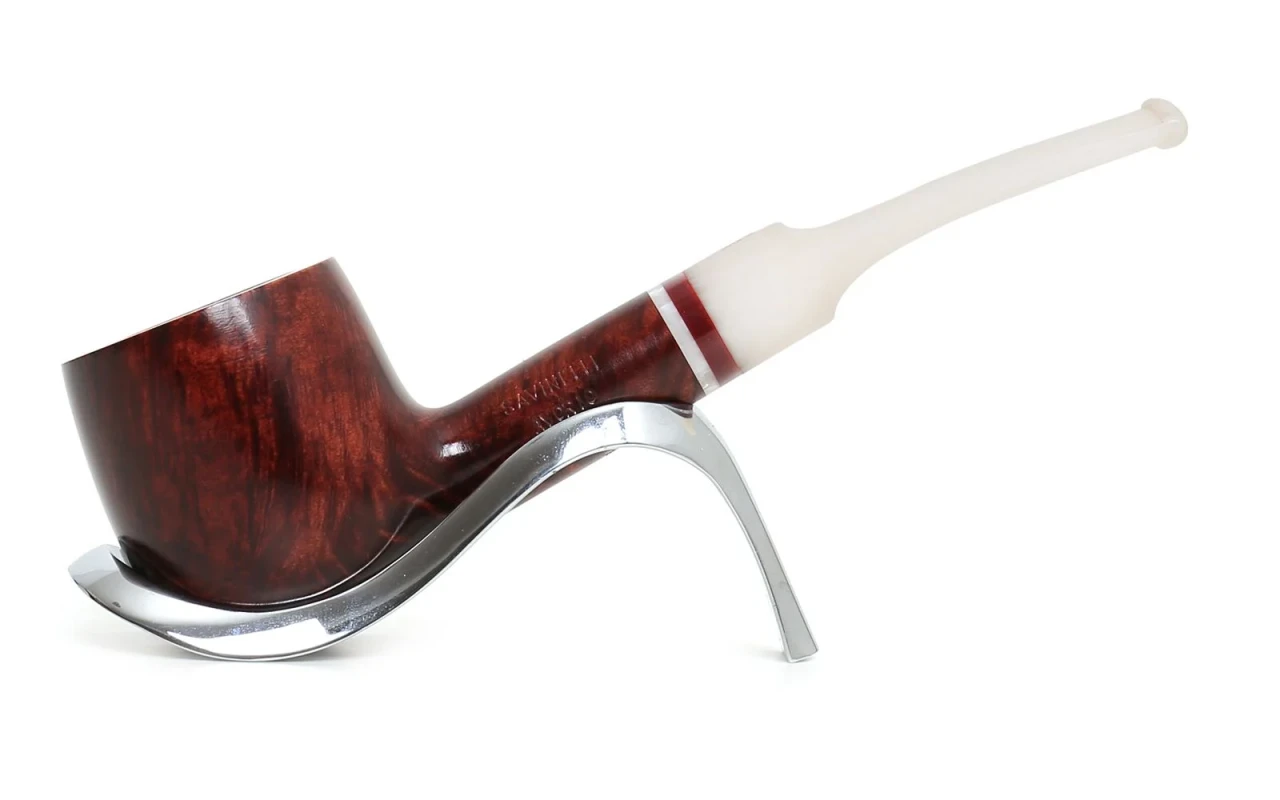
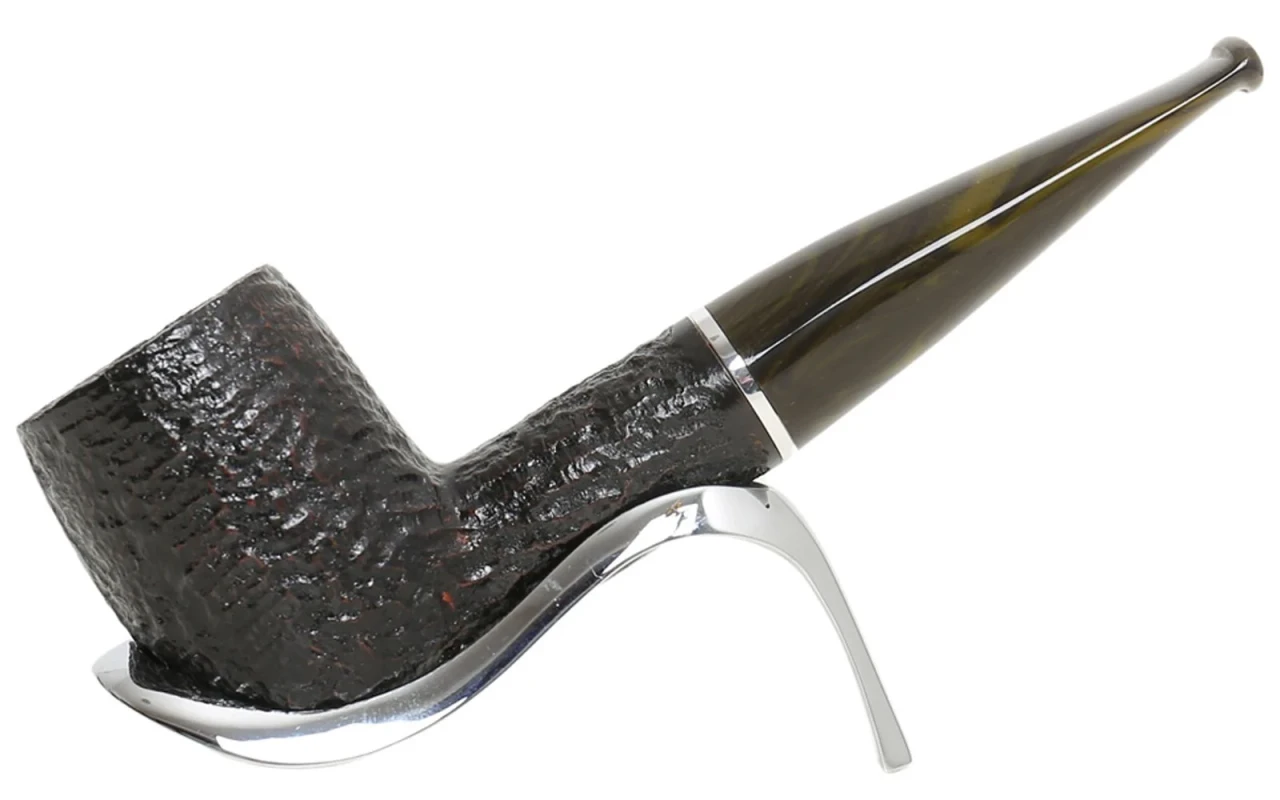
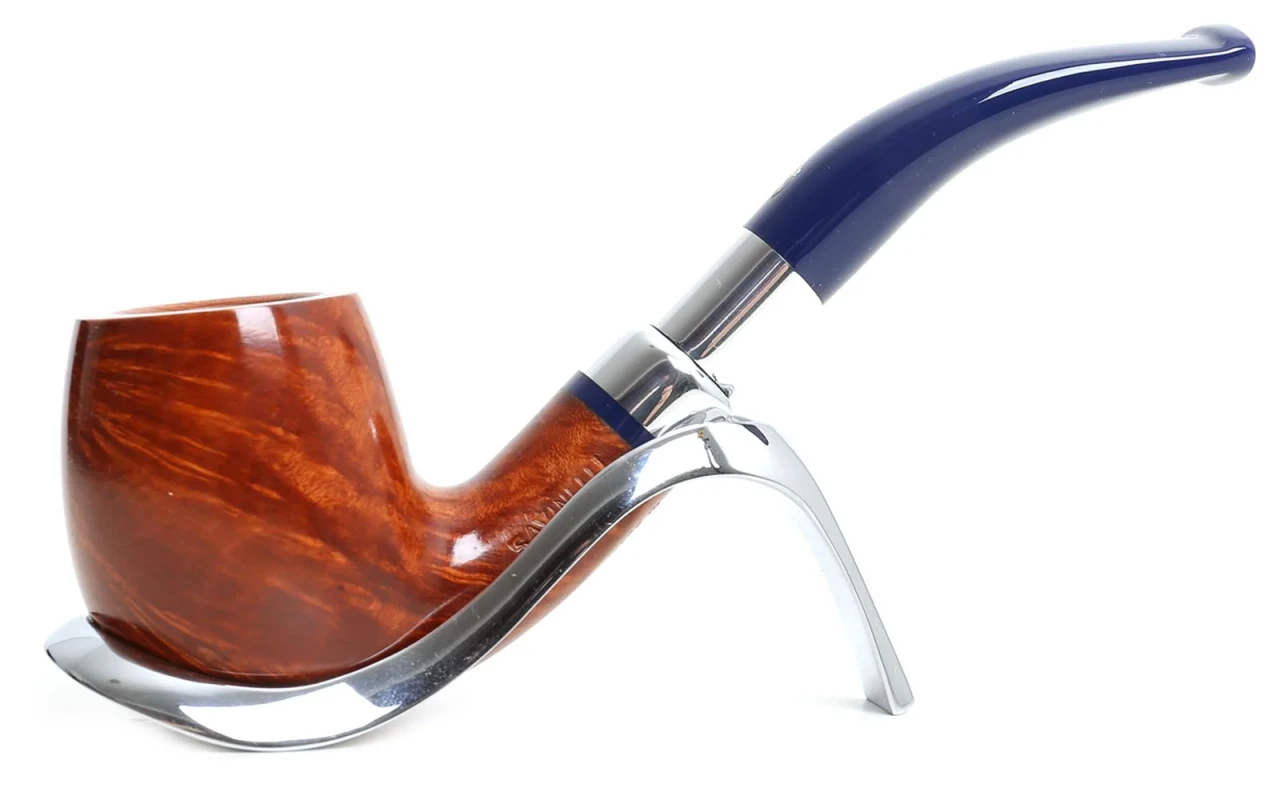
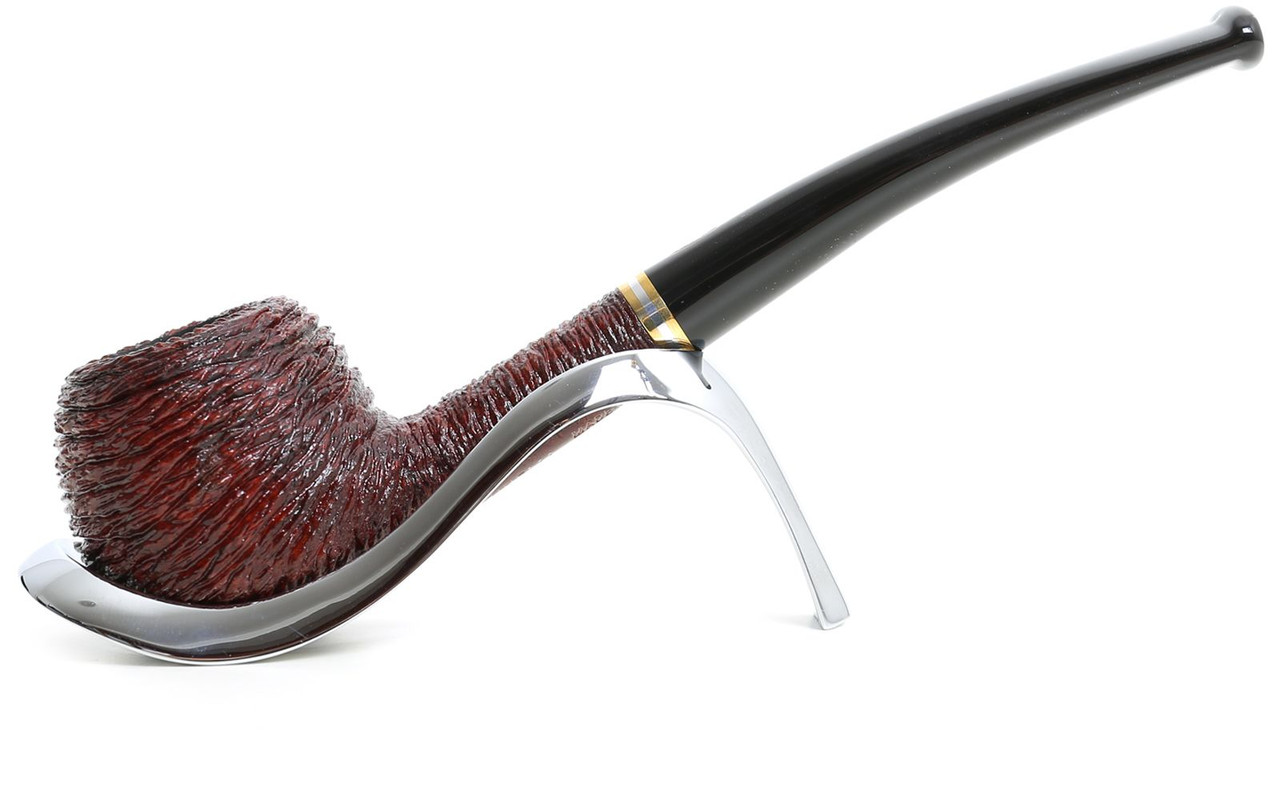
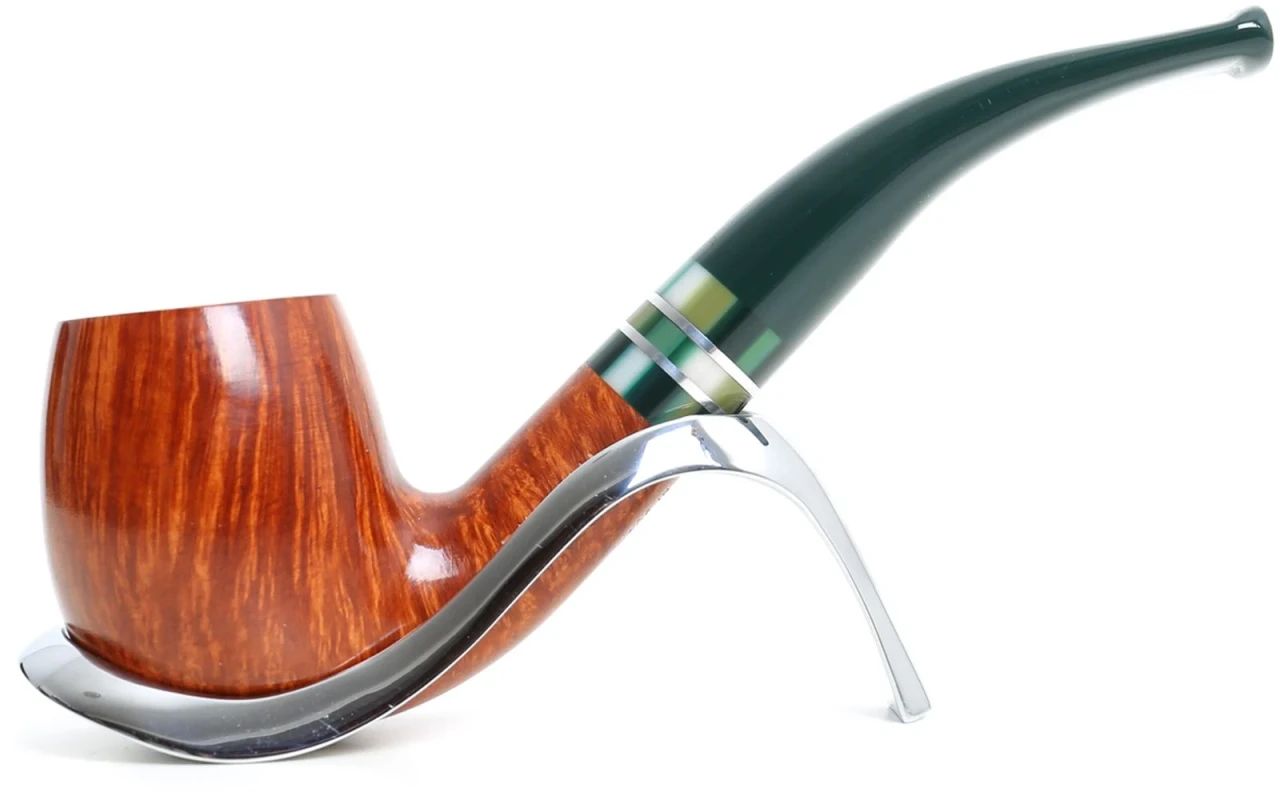
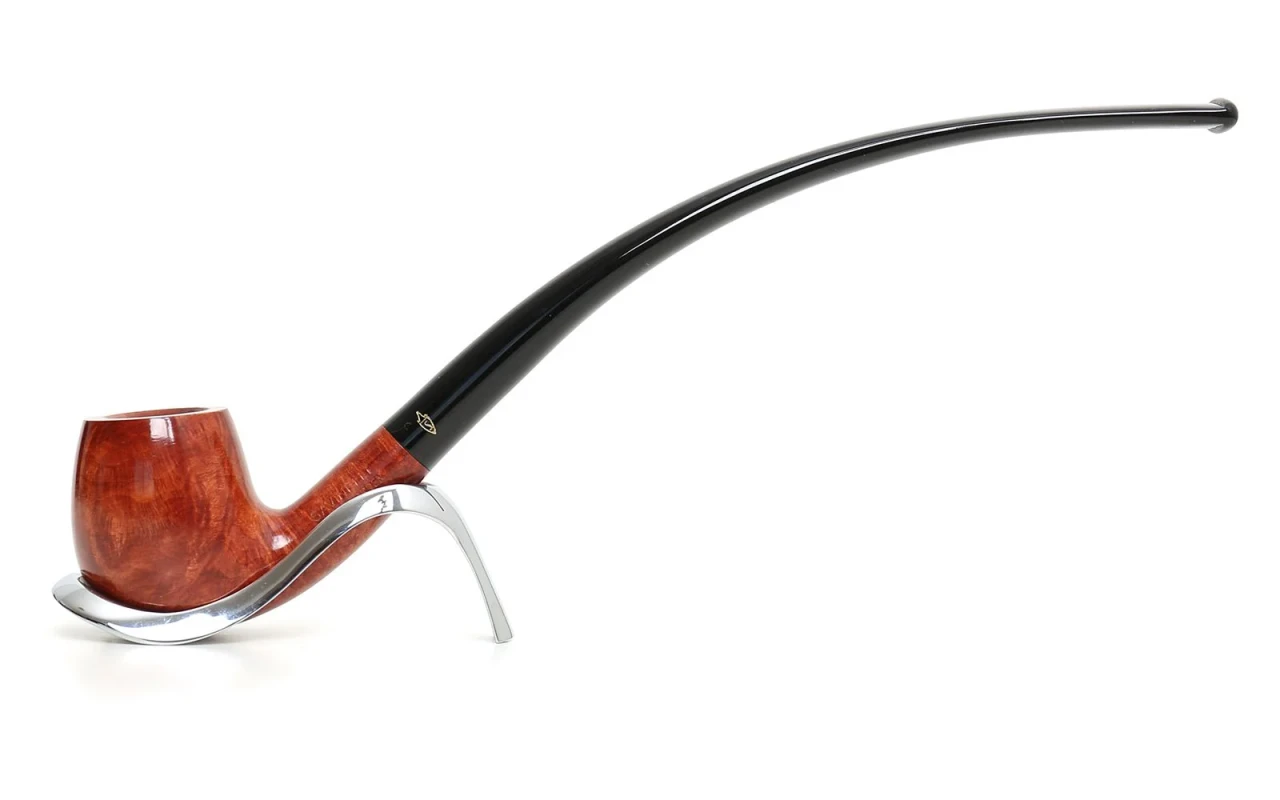
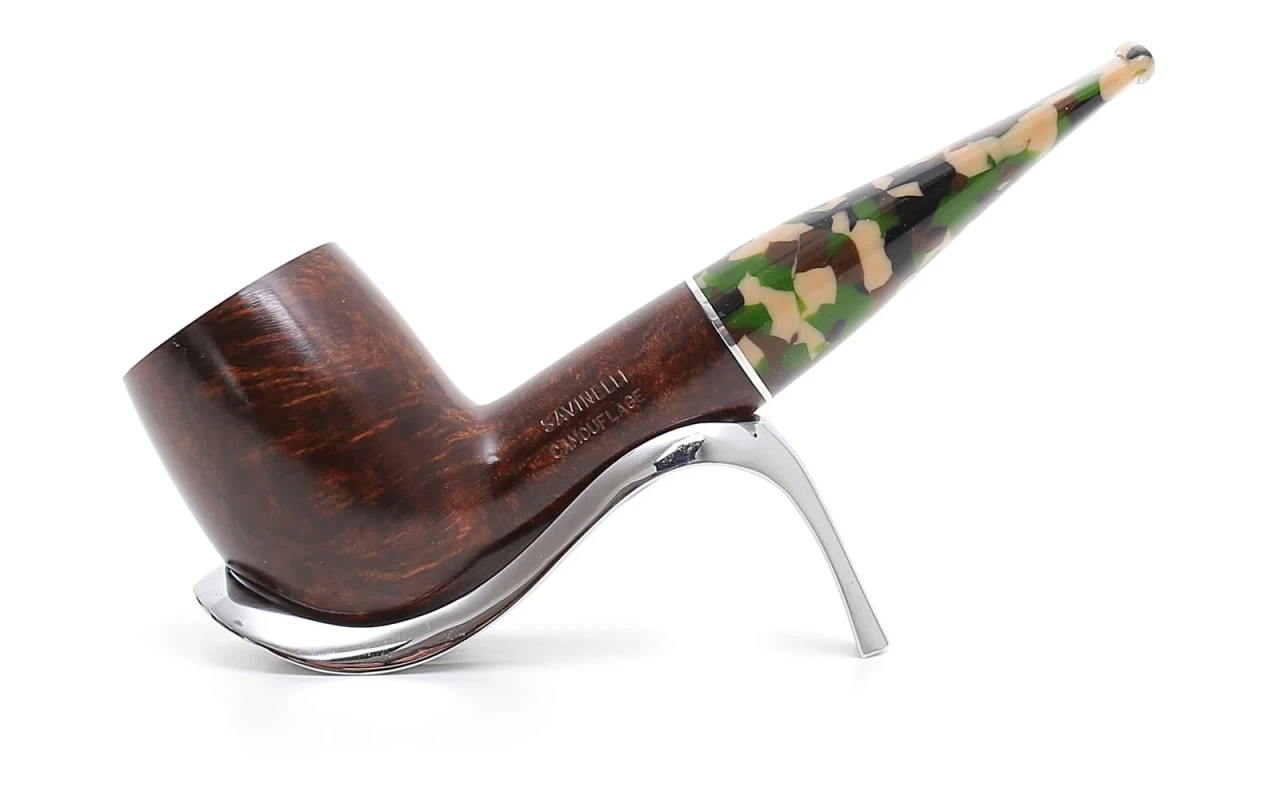
The shape of pipes has evolved over time influenced by cultural, aesthetic, and functional factors. From simple and traditional shapes, more elaborate and varied models emerged, with innovations in materials and design that improved the slow smoking experience and ease of use.
How did the shape of pipes change over time? Deep dive
Over the centuries, the shape of pipes has undergone numerous transformations, reflecting cultural, technical, and stylistic changes. Early pipes were often simple and functional, made from natural materials like clay or rough wood. Over time, the introduction of more refined materials such as briar allowed the creation of pipes with more elegant and durable shapes. Traditional shapes, like the calabash or billiard, remained popular for their effectiveness and classic appeal, while more complex and artistic variants arose, designed to enhance ergonomics and smoking performance. The evolution also balanced aesthetics and functionality, with increasingly refined finishes and details that embody the culture of slow smoking. Today, the variety of available shapes allows every enthusiast to choose the pipe best suited to their preferences, keeping alive a tradition that combines craftsmanship and passion.