 ES
ES FR
FR EN
EN IT
IT DE
DE
Variety of materials for pipes
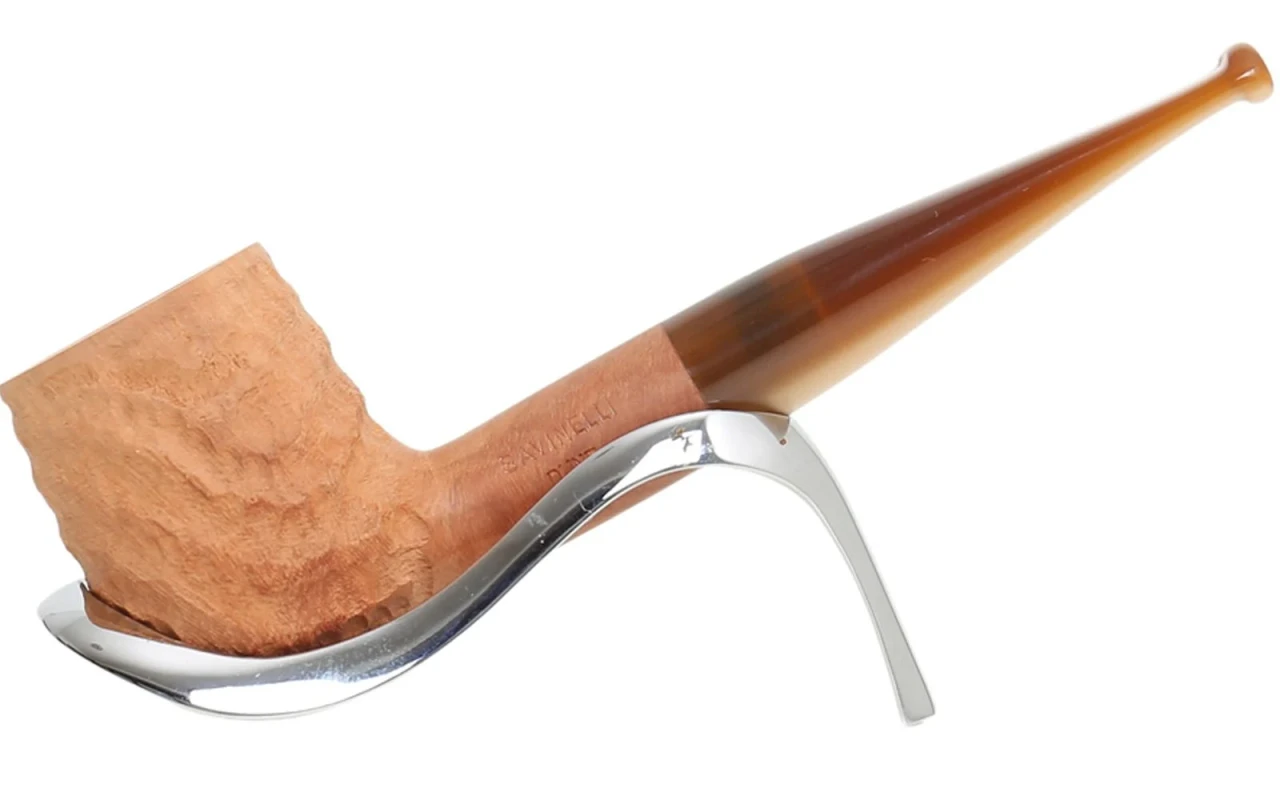
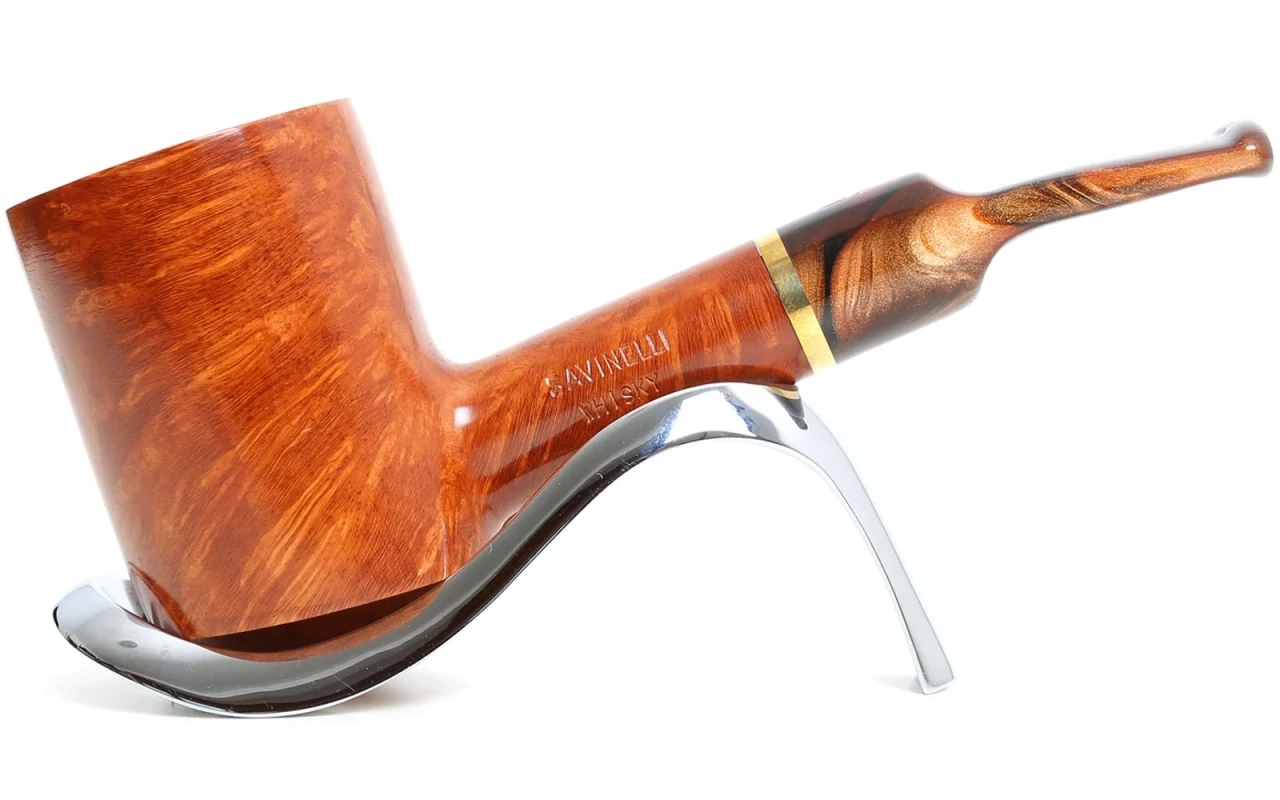
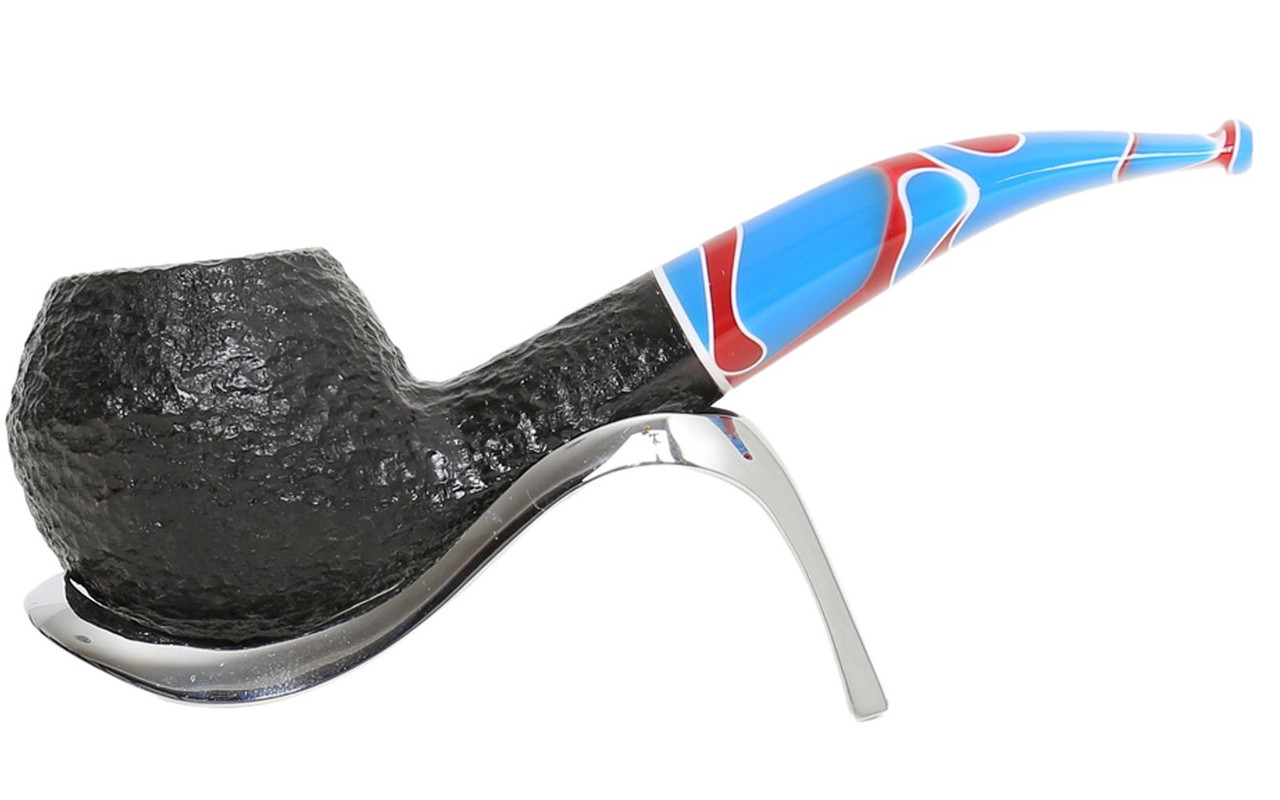
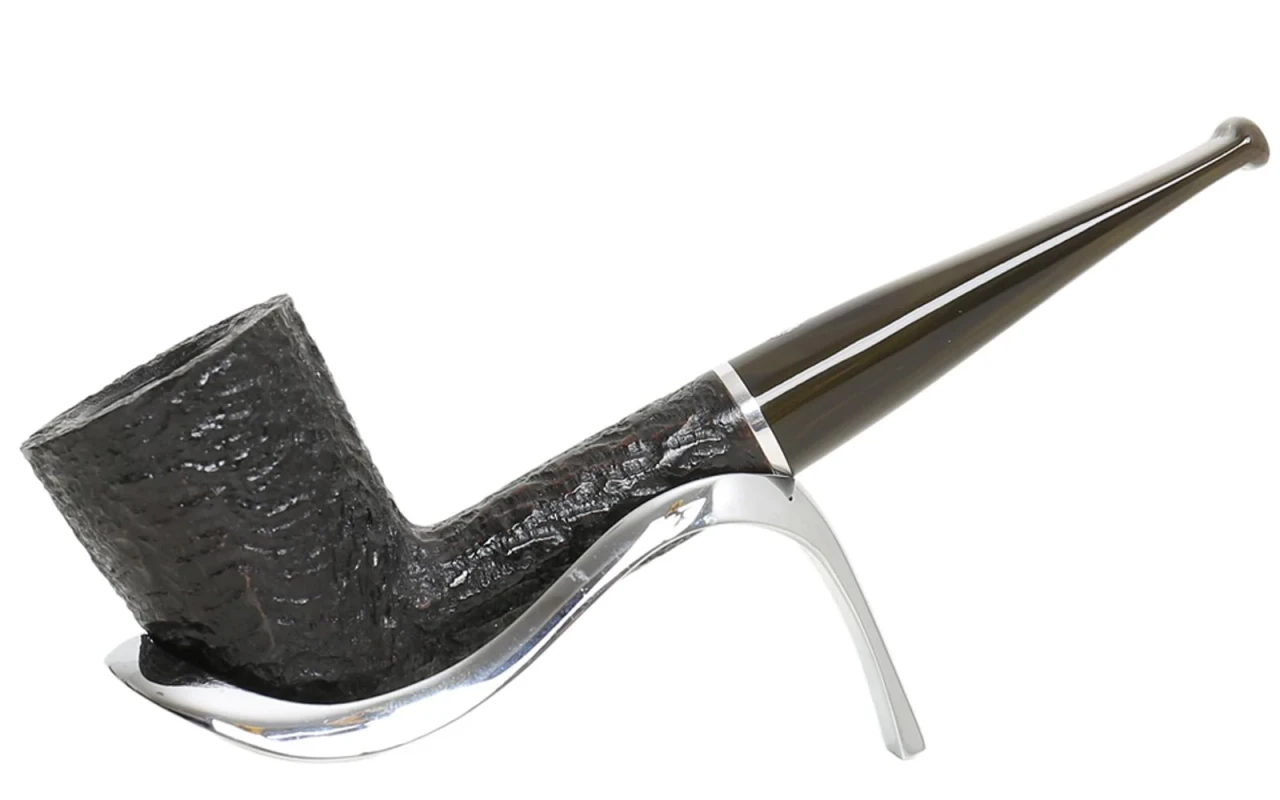
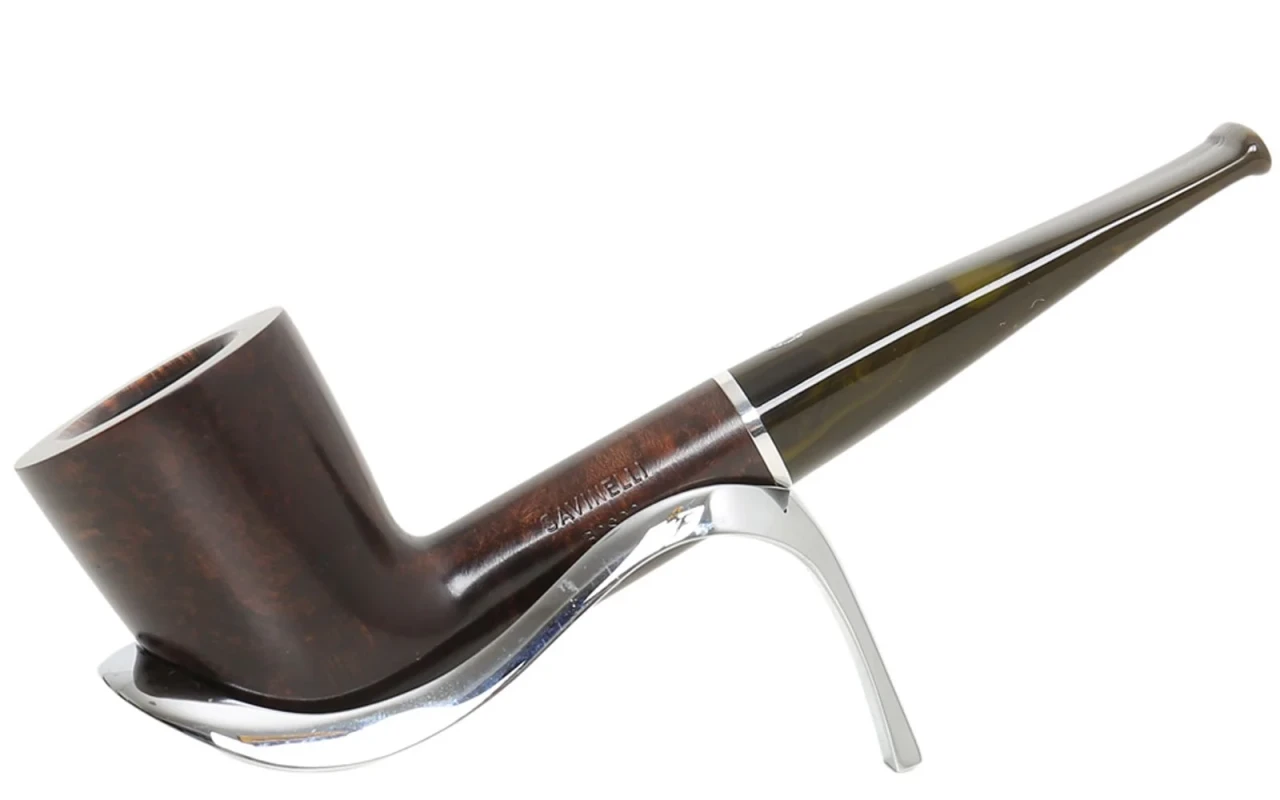
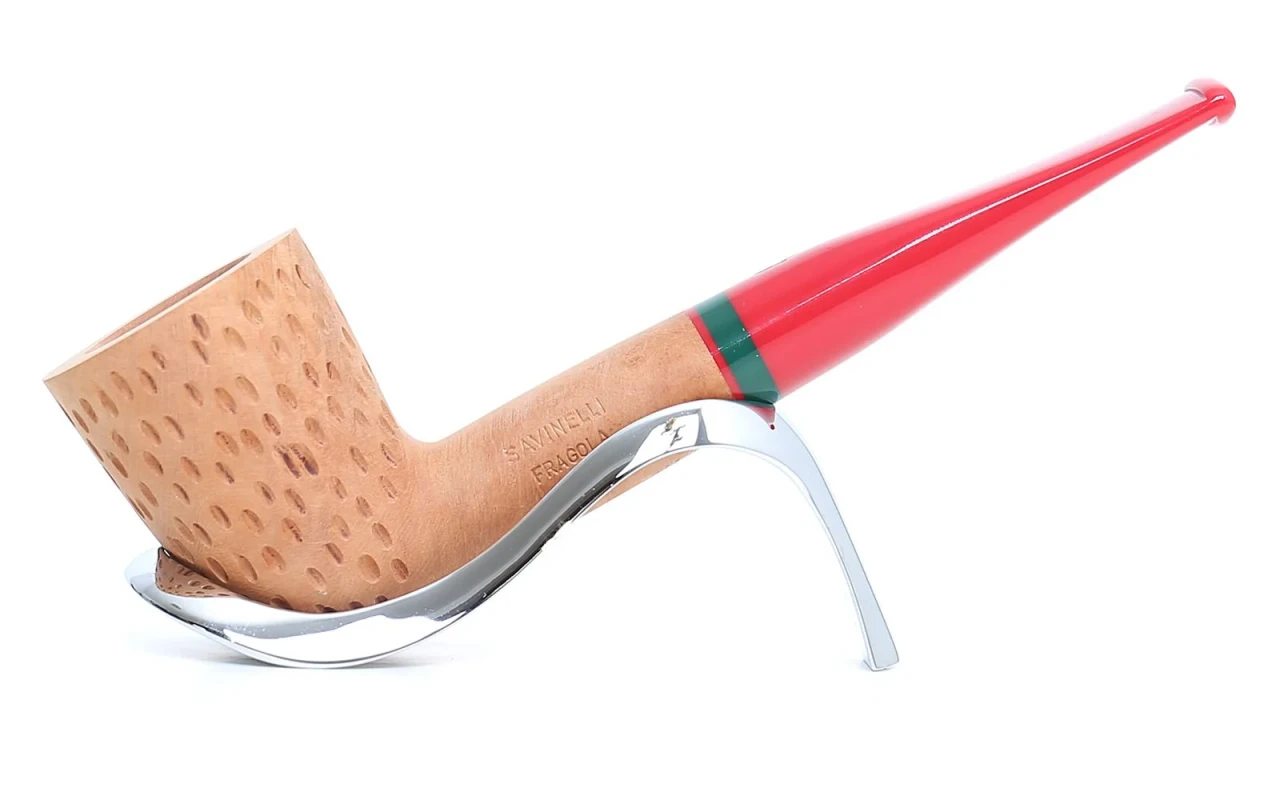
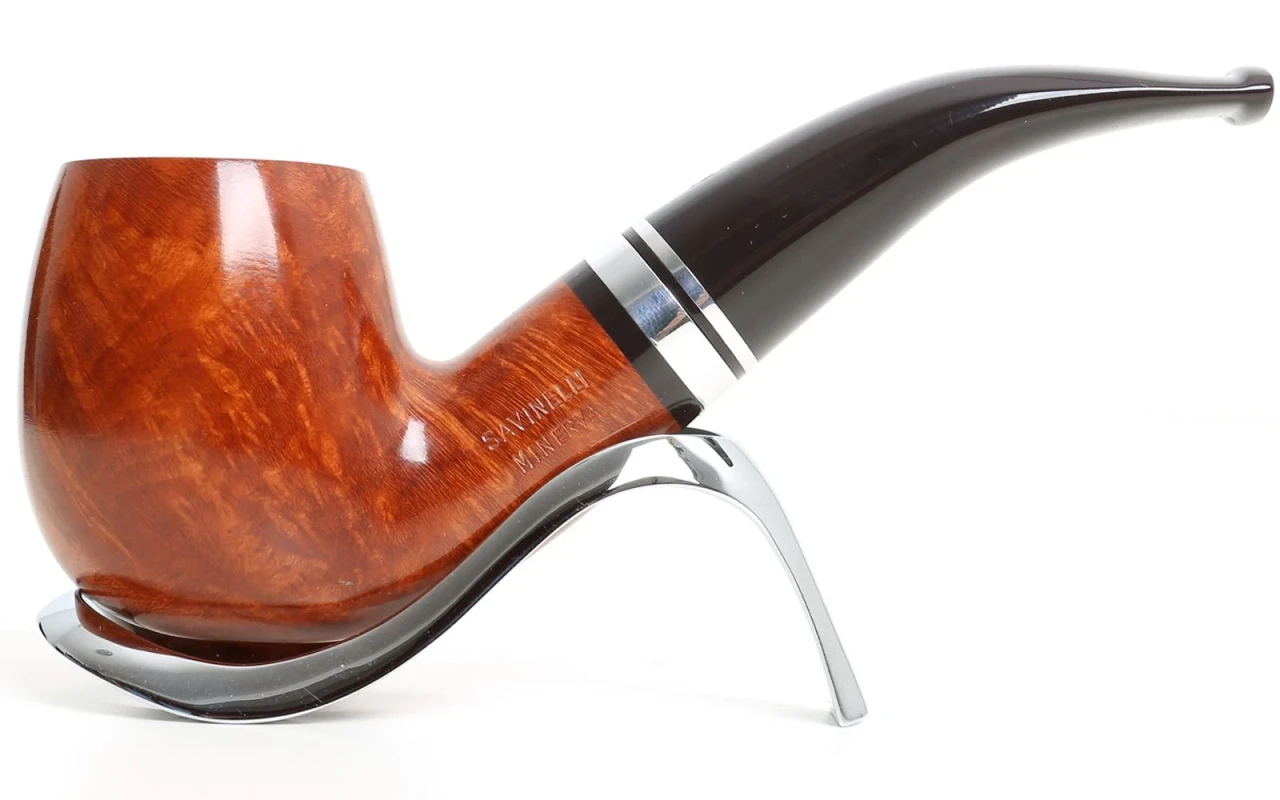
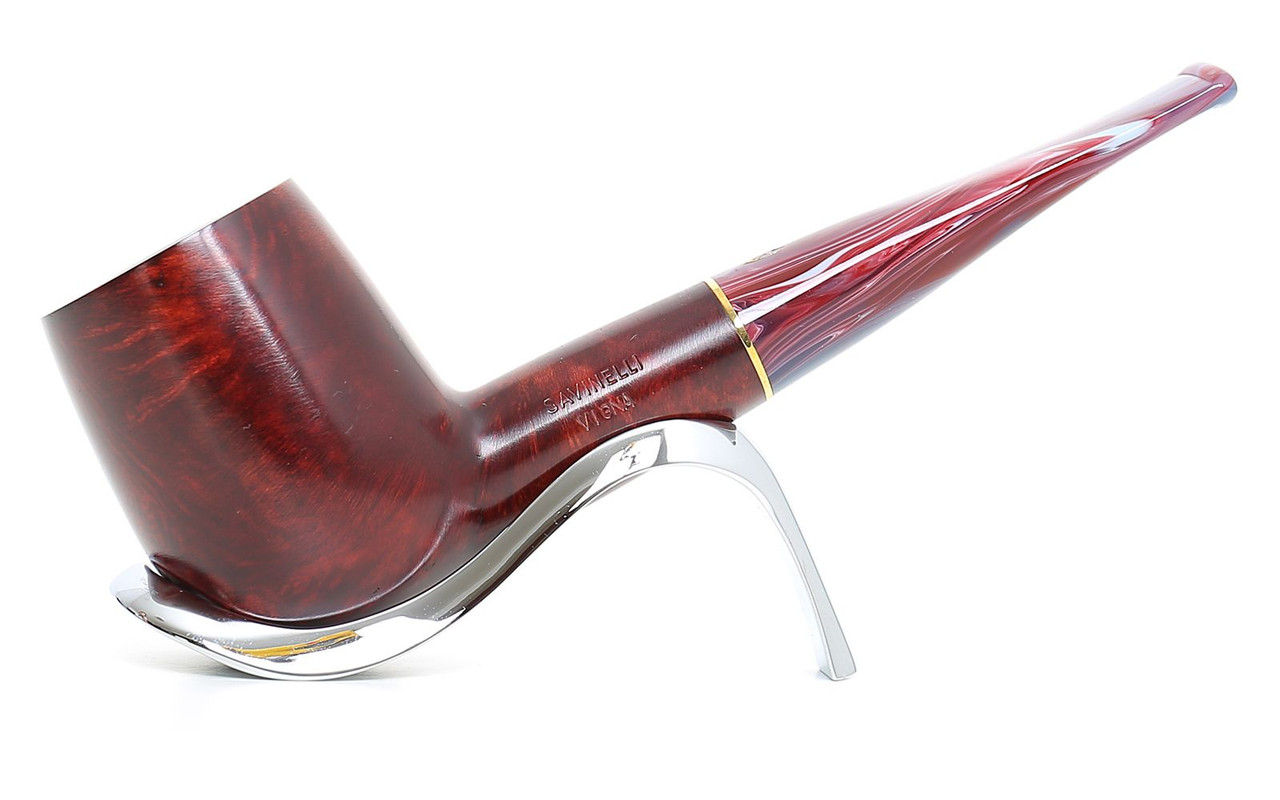
Variety of materials for pipes
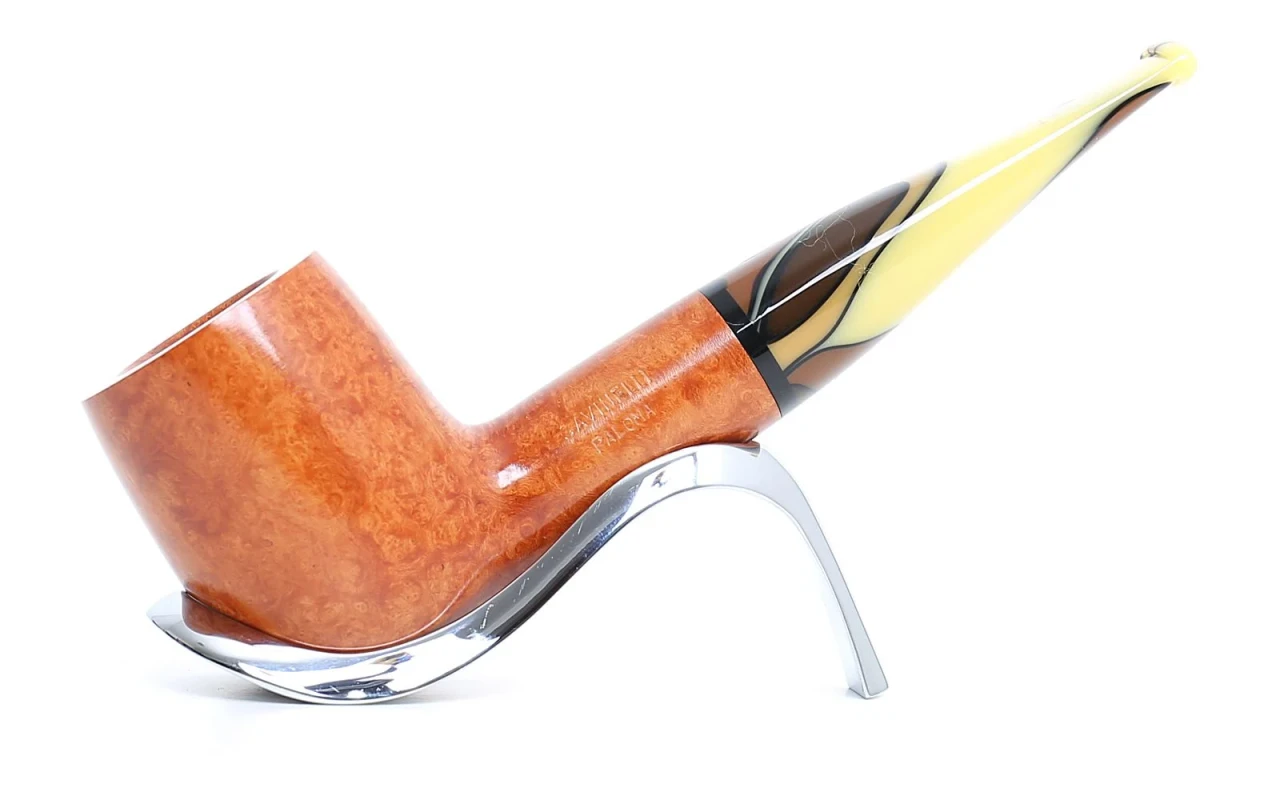
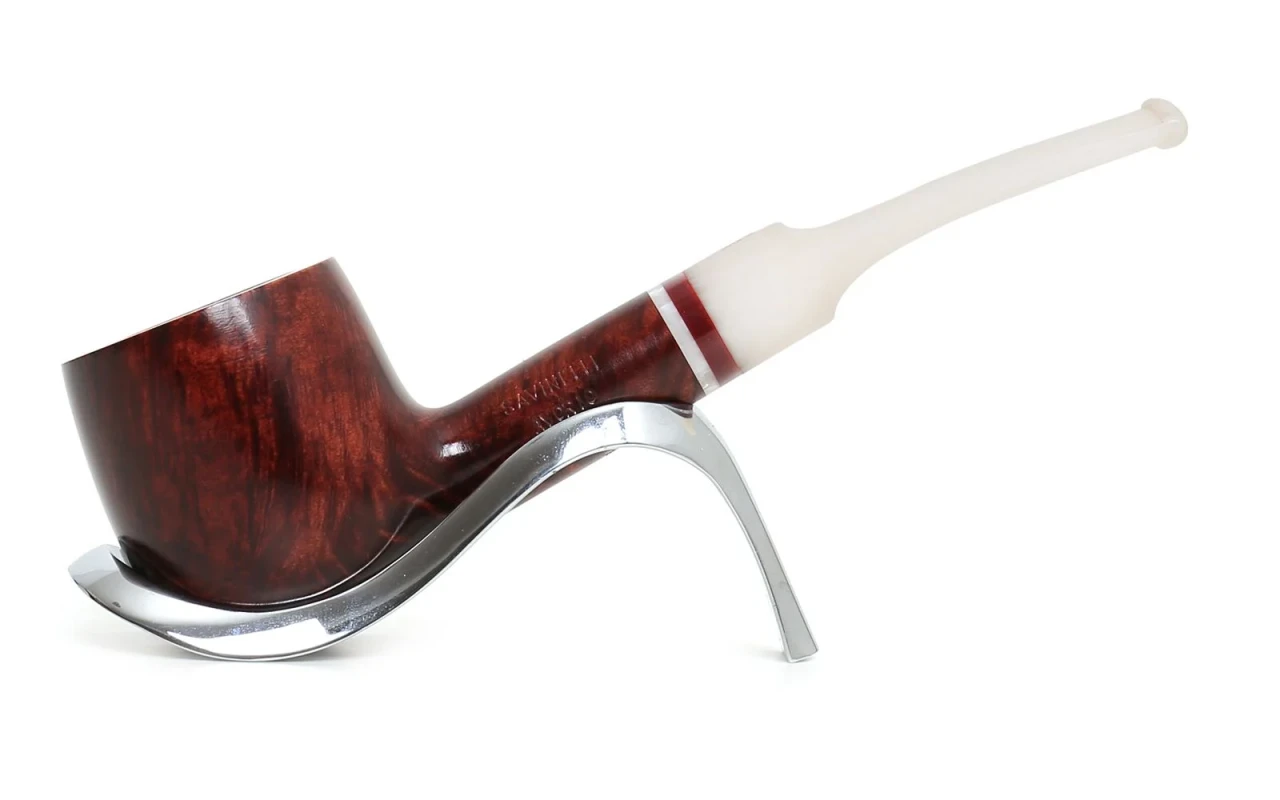
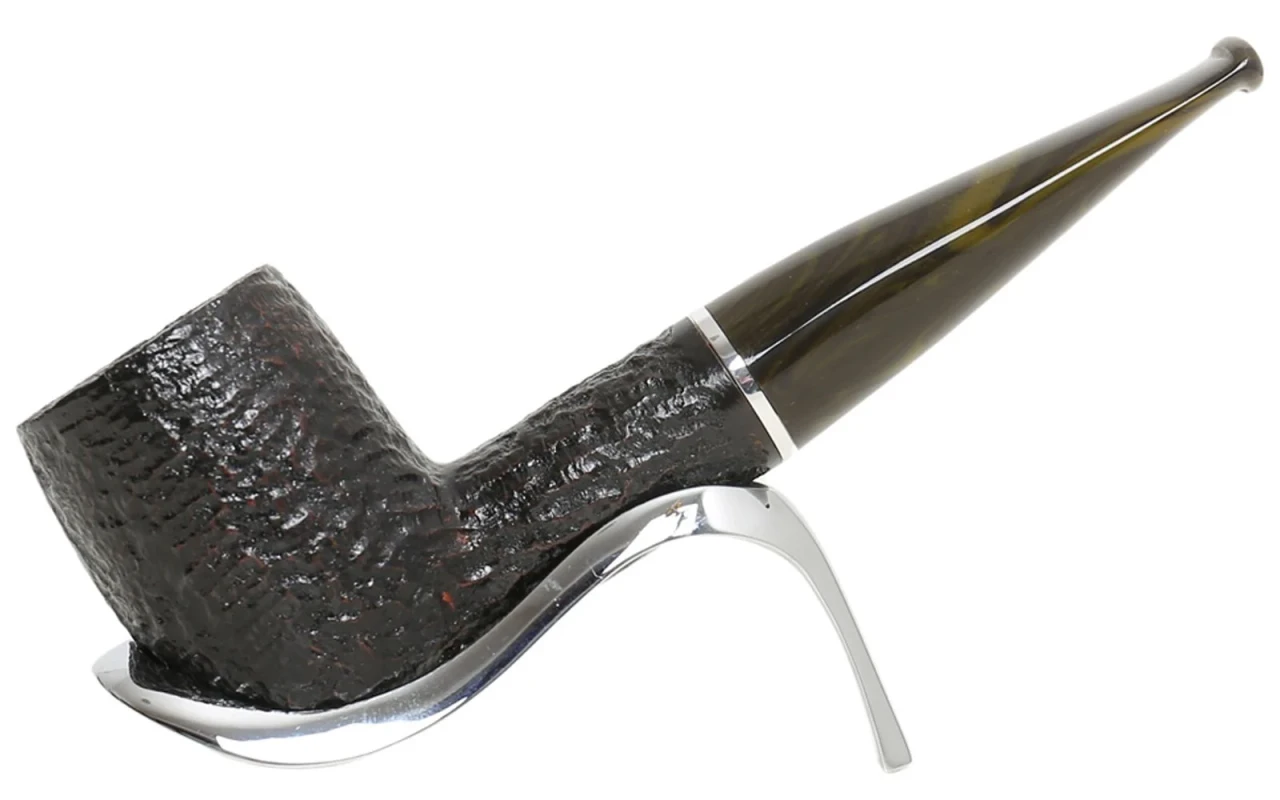
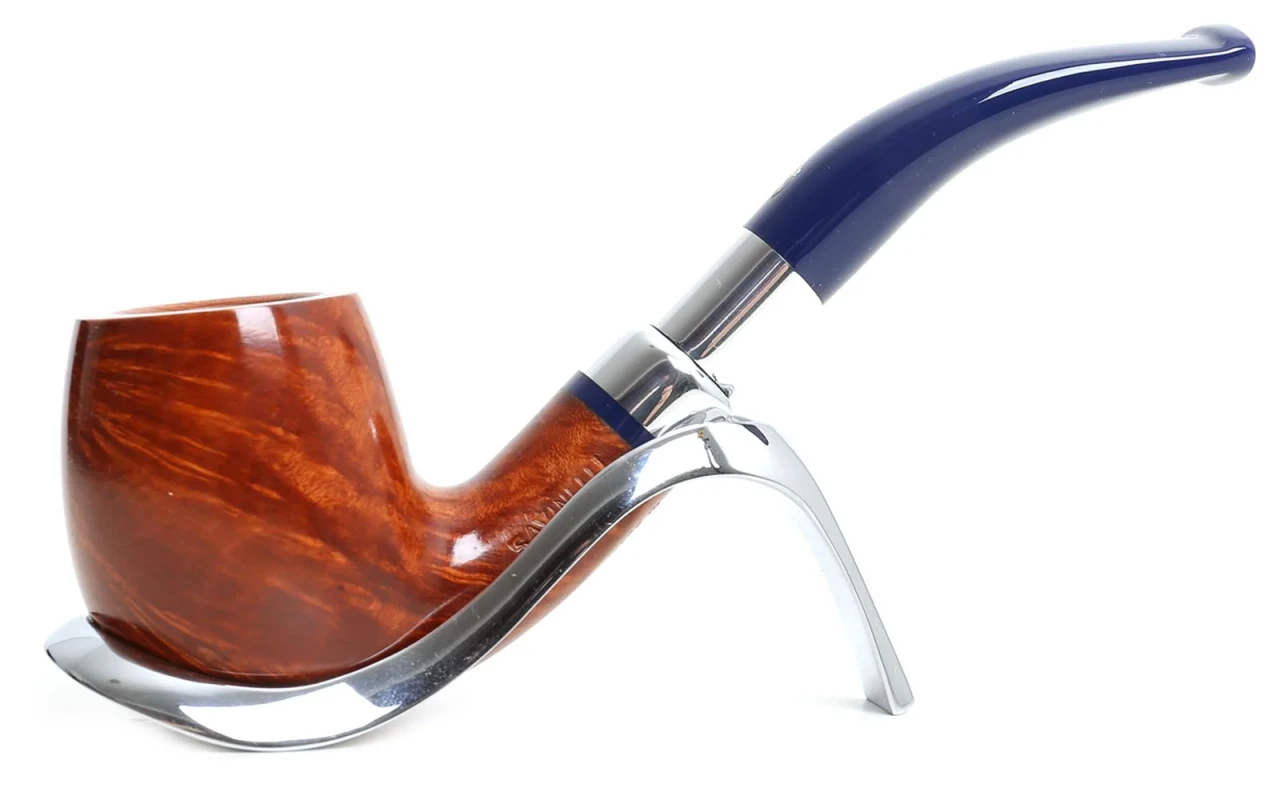
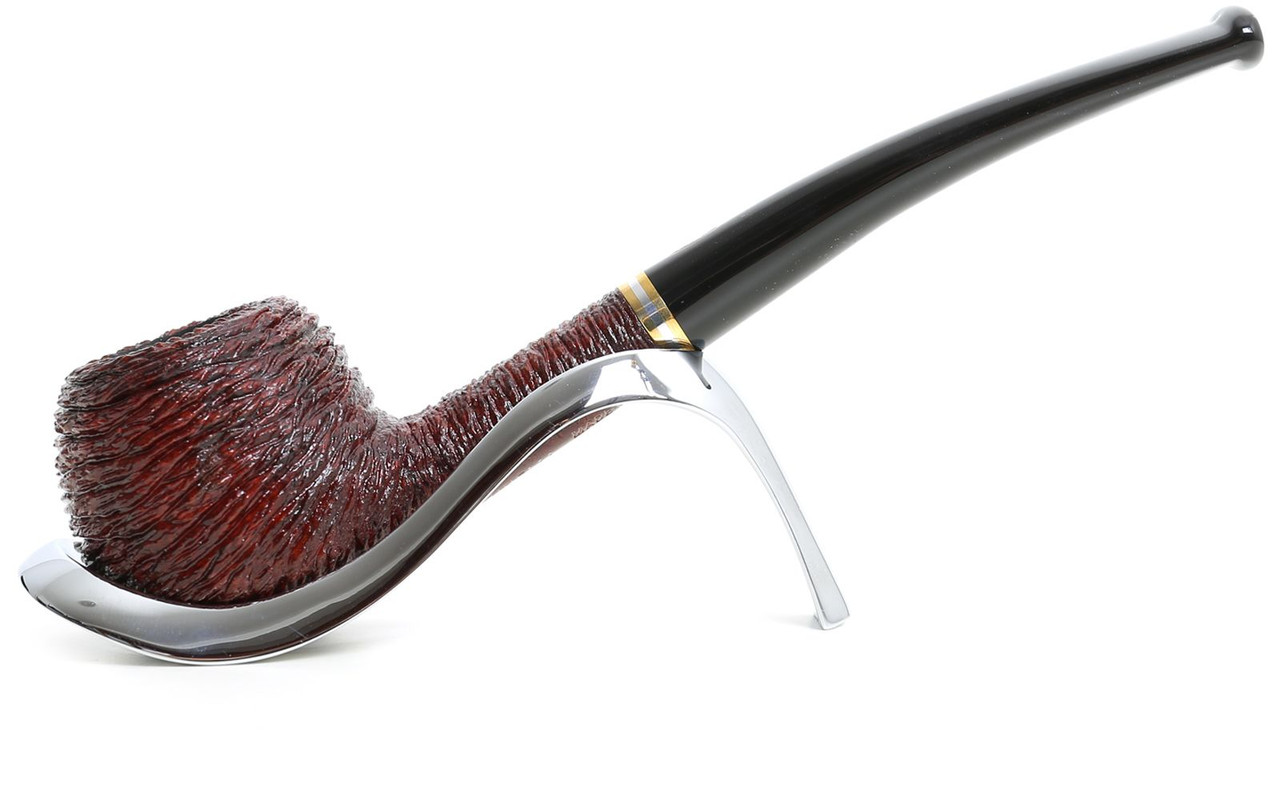
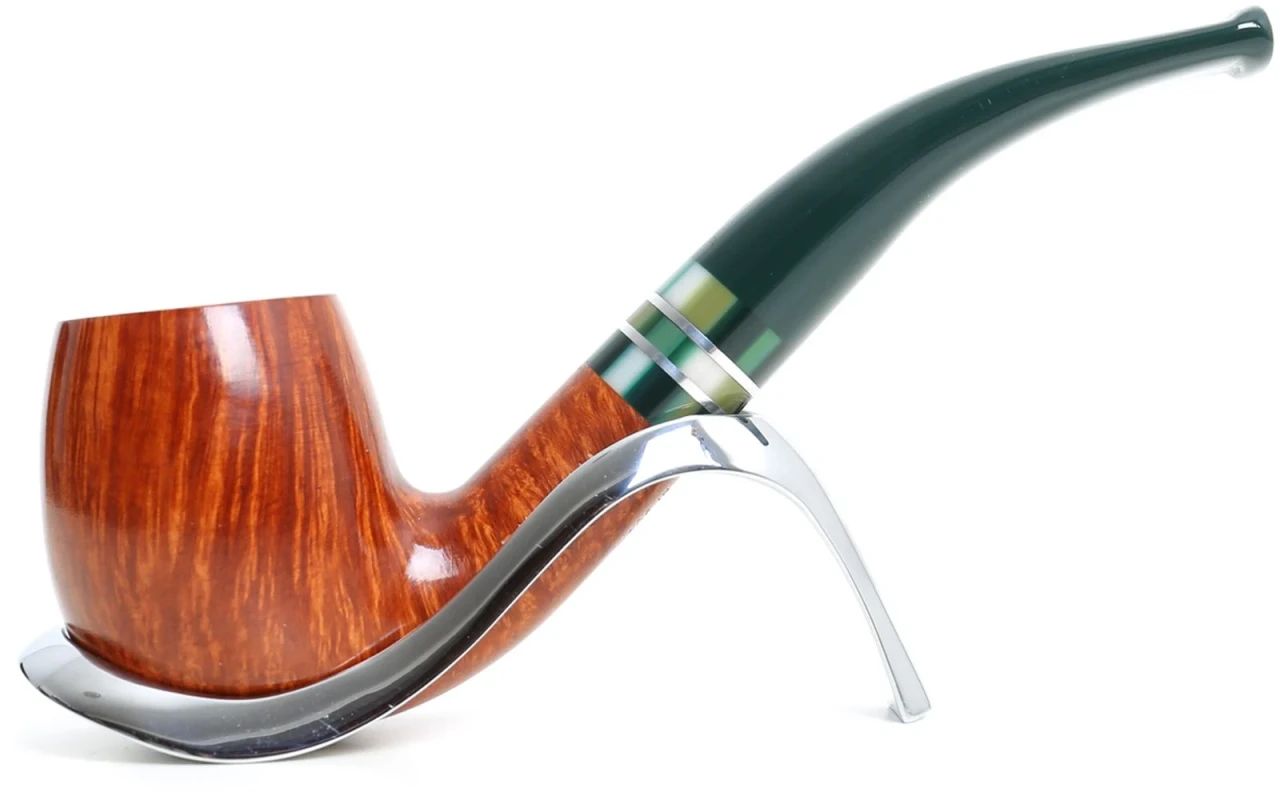
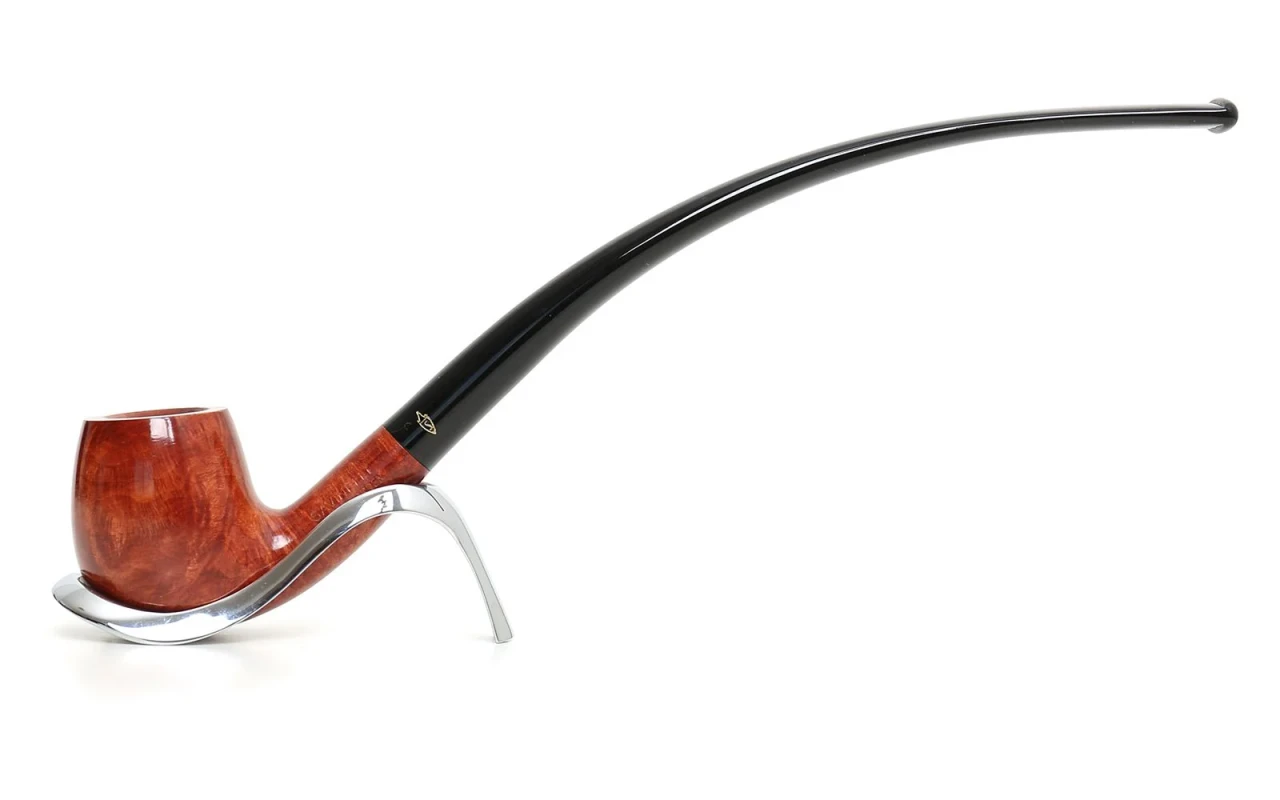
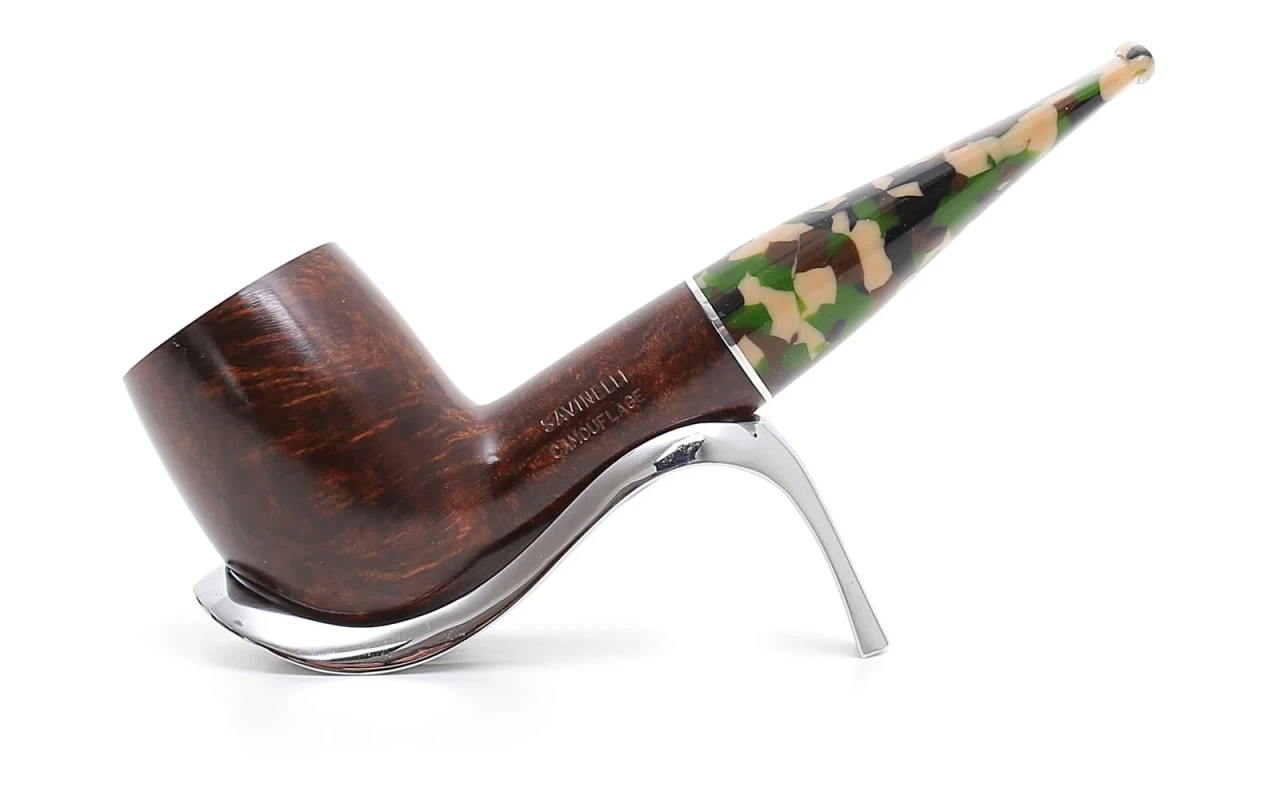
There are several varieties of materials used in the production of smoking pipes. Among the most common ones are:- Briar wood: wood from the Erica arborea plant, highly appreciated for its heat resistance and moisture absorption properties.- Corn cob: light and affordable, corn cob pipes are a popular choice among occasional smokers.- Clay: a traditional material for pipe production, valued for its ability to absorb moisture and cool down the smoke.- Meerschaum: a porous stone derived from magnesium carbonate, renowned for its liquid absorption and darkening characteristics with use.Each material gives pipes unique characteristics in terms of taste, smoke, and maintenance.
Materials for smoking pipes
The most common materials used for making smoking pipes include:- Wood: often chosen for its ability to absorb tobacco moisture and enhance the smoke flavor.- Briar: particularly appreciated for its grain and unique aesthetic characteristics.- Corn cob: inexpensive and lightweight, often used for budget-friendly or small-sized smoking pipes.- Clay: provides a cool and neutral smoke, but requires special care to prevent breakage.- Meerschaum: a porous stone that absorbs nicotine residues, ensuring a cleaner smoke.- Metal: a practical and durable solution, ideal for travel or outdoor pipes.
Types of wood for pipes
There are different types of wood used for the crafting of smoking pipes. Among the most common ones we find:- Briar wood: a very resistant wood suitable for withstanding heat.- Oak wood: appreciated for its beauty and ability to absorb moisture.- Olive wood: wood with a pleasant smell and the ability to absorb flavors.- Cherry wood: light wood and easy to work with.- Walnut wood: valued for its dark color and strength.Each type of wood imparts unique characteristics to the pipe, influencing the aroma and smokiness of the tobacco.
Traditional Materials for Pipes
Pipes are traditionally crafted using high-quality materials that provide a superior smoking experience. The most common materials used for the production of traditional pipes include:- Briar wood: known for its heat and combustion resistance, it is a popular material among pipe makers.- Corn cob: corn cob pipes offer a light and cool smoke, ideal for those seeking an economical yet quality solution.- Clay: clay pipes are valued for their ability to absorb moisture and deliver a clean flavor.- Meerschaum: a highly porous material that absorbs oils and liquids during smoking, providing a unique flavor and a distinctive patina over time.These traditional materials are still highly valued by pipe enthusiasts for their unique characteristics and the quality of smoke they deliver.
'%3e%3cg id='Final-Copy-2_2_' transform='translate(1275.000000, 200.000000)'%3e%3cpath class='st0' d='M7.4,12.8h6.8l3.1-11.6H7.4C4.2,1.2,1.6,3.8,1.6,7S4.2,12.8,7.4,12.8z'/%3e%3c/g%3e%3c/g%3e%3c/g%3e%3cg id='final---dec.11-2020'%3e%3cg id='_x30_208-our-toggle' transform='translate(-1275.000000, -200.000000)'%3e%3cg id='Final-Copy-2' transform='translate(1275.000000, 200.000000)'%3e%3cpath class='st1' d='M22.6,0H7.4c-3.9,0-7,3.1-7,7s3.1,7,7,7h15.2c3.9,0,7-3.1,7-7S26.4,0,22.6,0z M1.6,7c0-3.2,2.6-5.8,5.8-5.8 h9.9l-3.1,11.6H7.4C4.2,12.8,1.6,10.2,1.6,7z'/%3e%3cpath id='x' class='st2' d='M24.6,4c0.2,0.2,0.2,0.6,0,0.8l0,0L22.5,7l2.2,2.2c0.2,0.2,0.2,0.6,0,0.8c-0.2,0.2-0.6,0.2-0.8,0 l0,0l-2.2-2.2L19.5,10c-0.2,0.2-0.6,0.2-0.8,0c-0.2-0.2-0.2-0.6,0-0.8l0,0L20.8,7l-2.2-2.2c-0.2-0.2-0.2-0.6,0-0.8 c0.2-0.2,0.6-0.2,0.8,0l0,0l2.2,2.2L23.8,4C24,3.8,24.4,3.8,24.6,4z'/%3e%3cpath id='y' class='st3' d='M12.7,4.1c0.2,0.2,0.3,0.6,0.1,0.8l0,0L8.6,9.8C8.5,9.9,8.4,10,8.3,10c-0.2,0.1-0.5,0.1-0.7-0.1l0,0 L5.4,7.7c-0.2-0.2-0.2-0.6,0-0.8c0.2-0.2,0.6-0.2,0.8,0l0,0L8,8.6l3.8-4.5C12,3.9,12.4,3.9,12.7,4.1z'/%3e%3c/g%3e%3c/g%3e%3c/g%3e%3c/g%3e%3c/svg%3e) Your Privacy Choices
Your Privacy Choices 


