 ES
ES FR
FR EN
EN IT
IT DE
DE
Types of pipes and smoking characteristics

Types of pipes and smoking characteristics
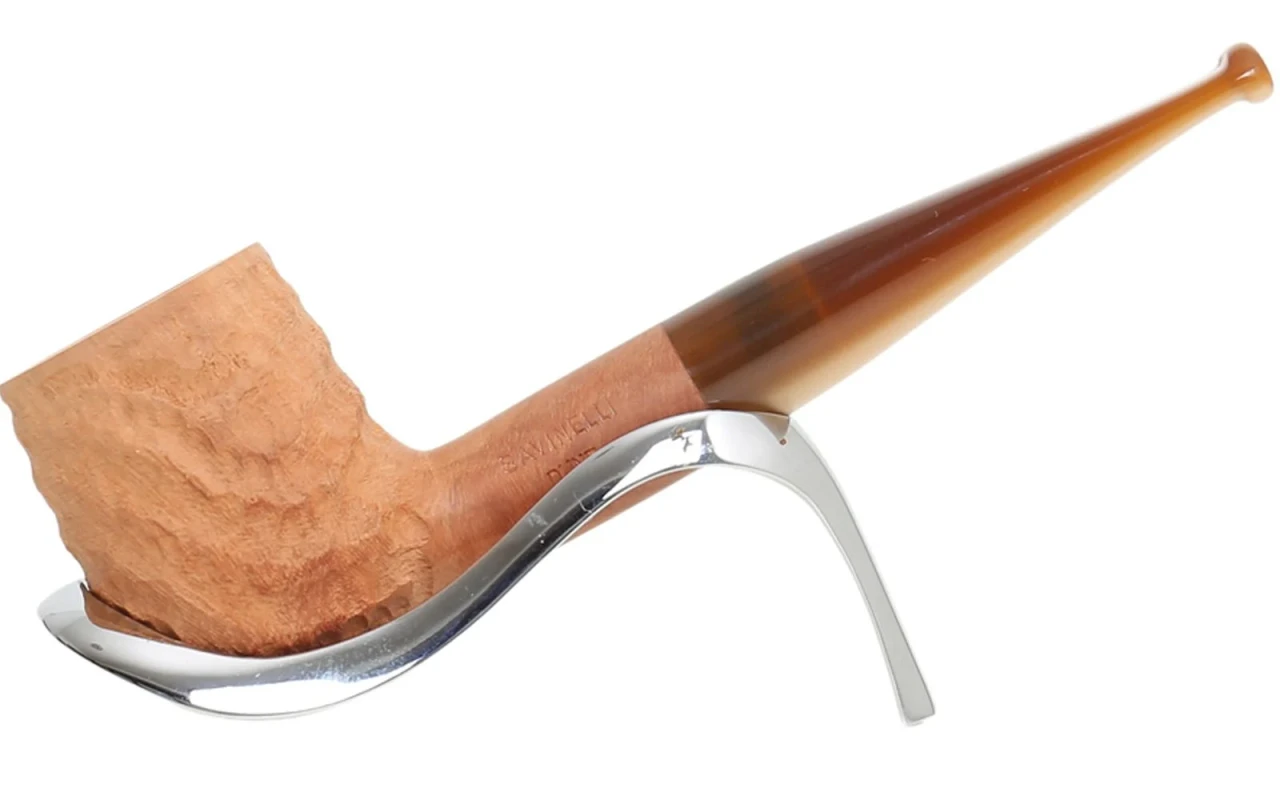
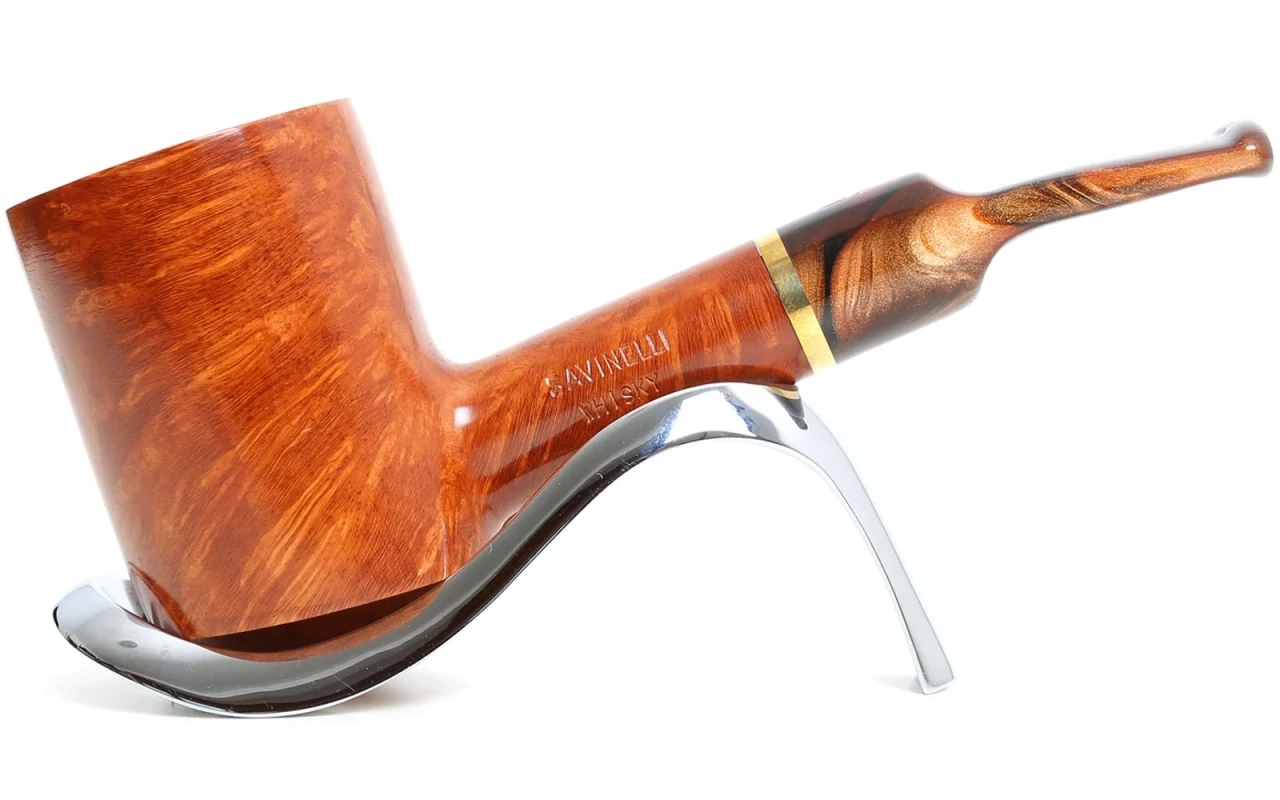
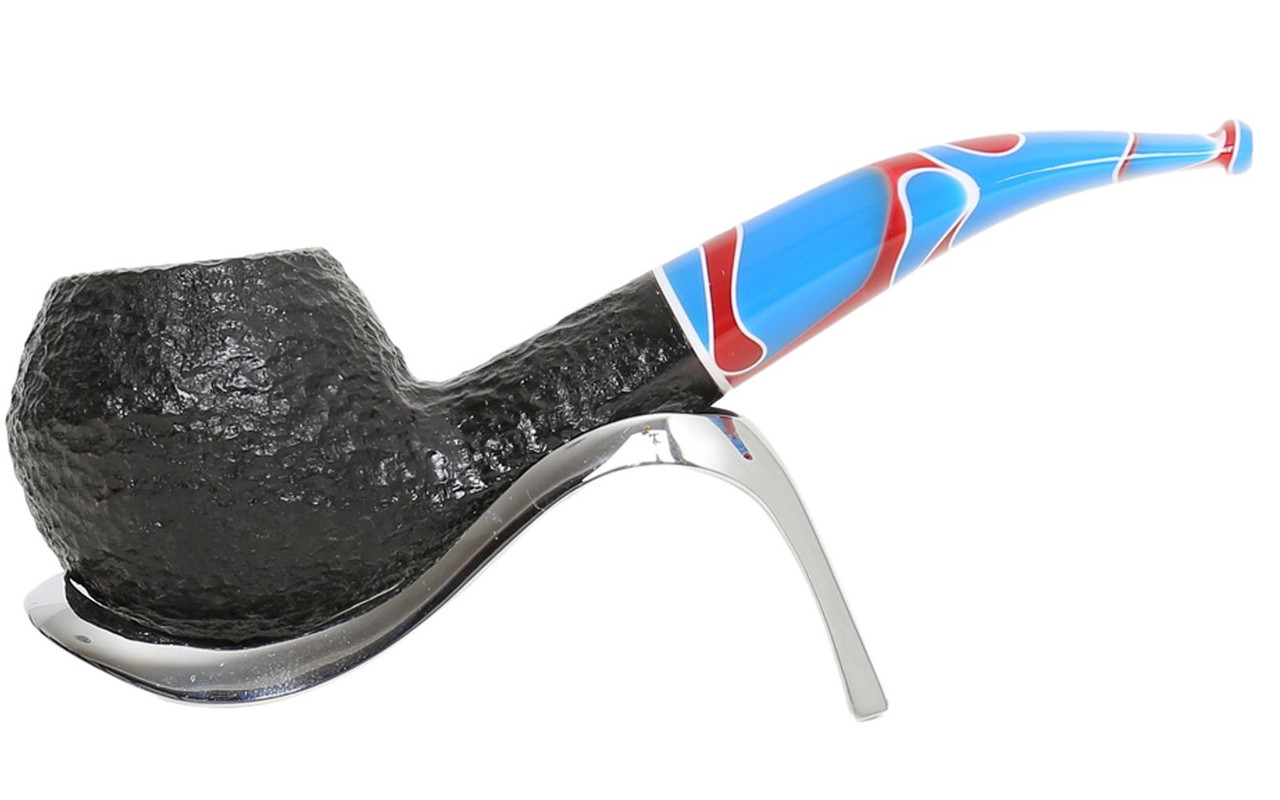
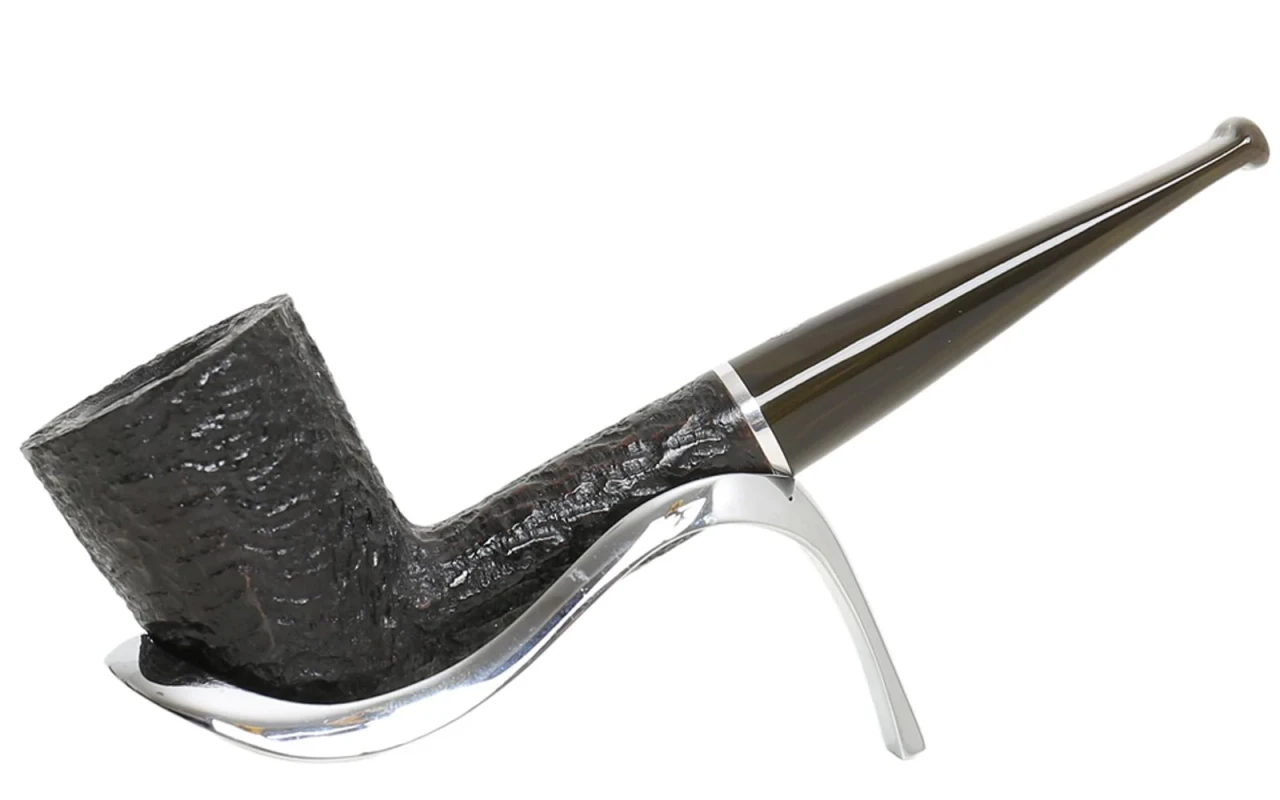
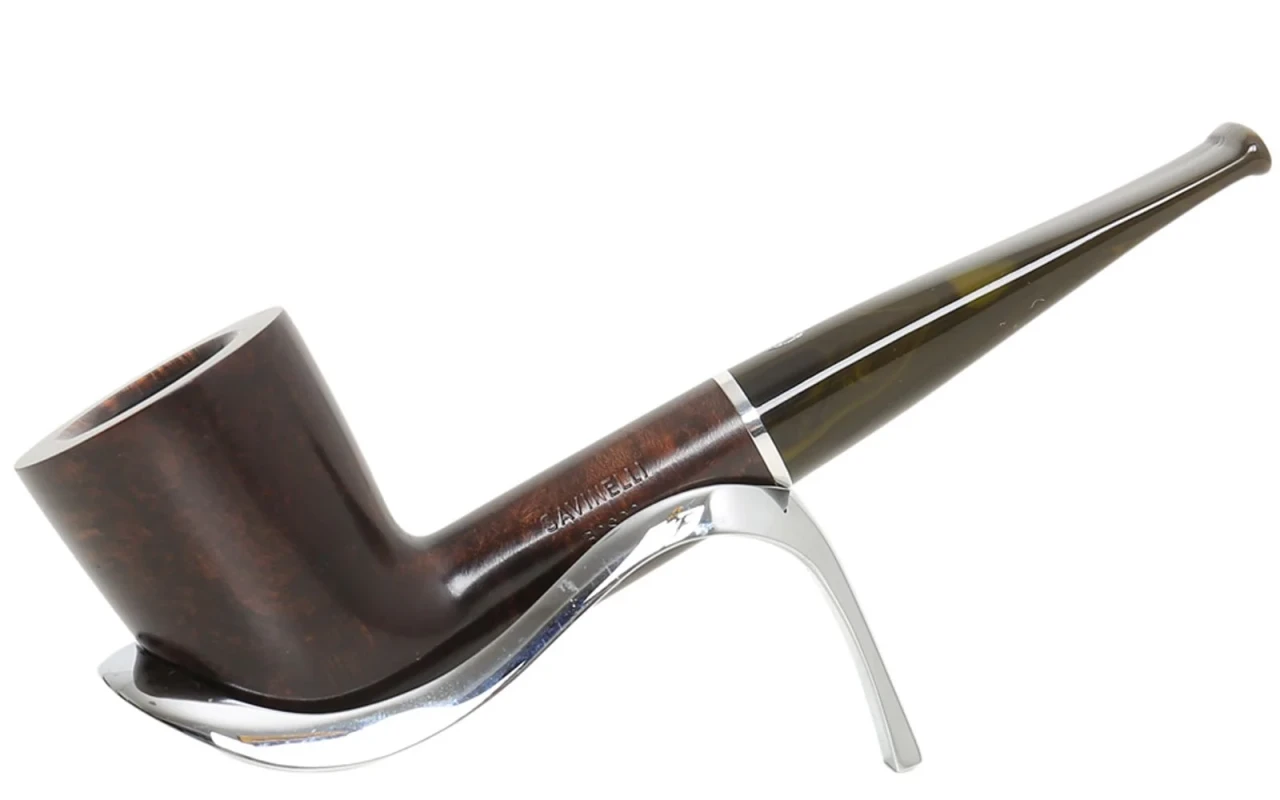
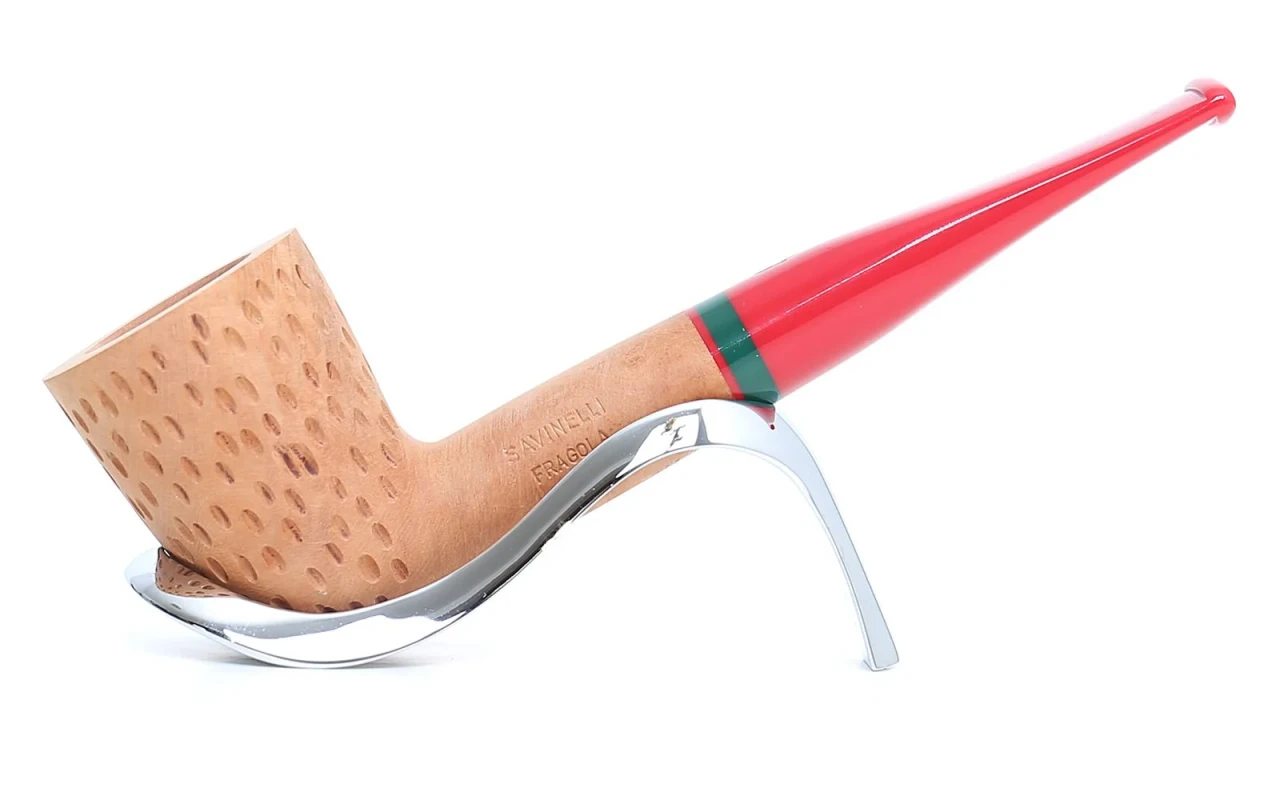
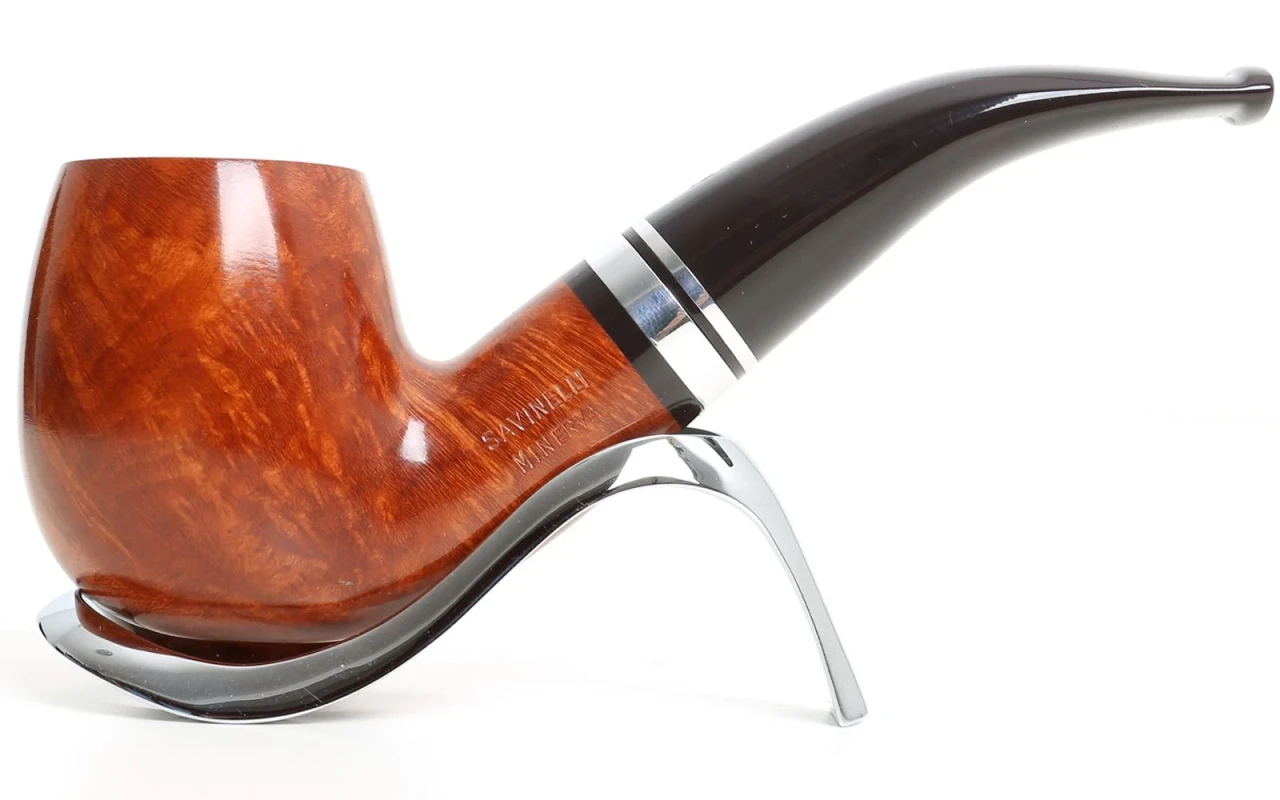
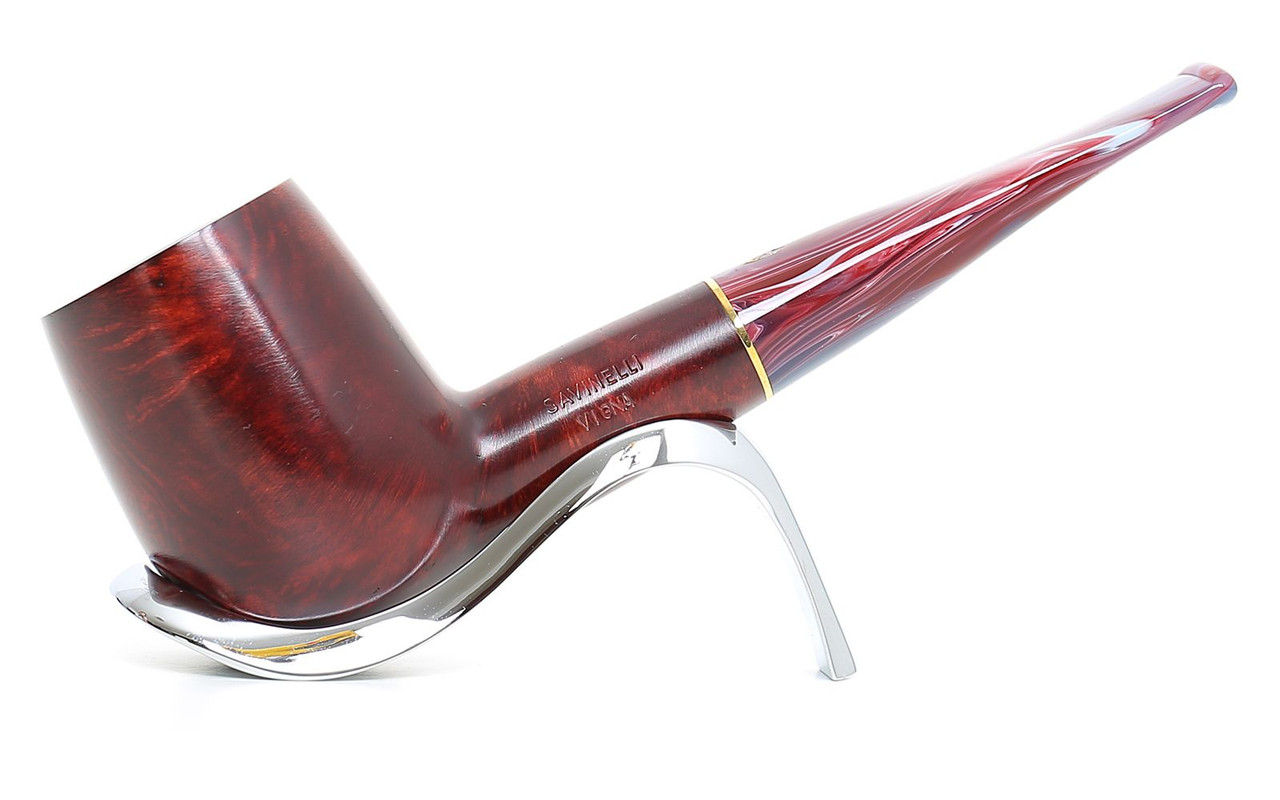
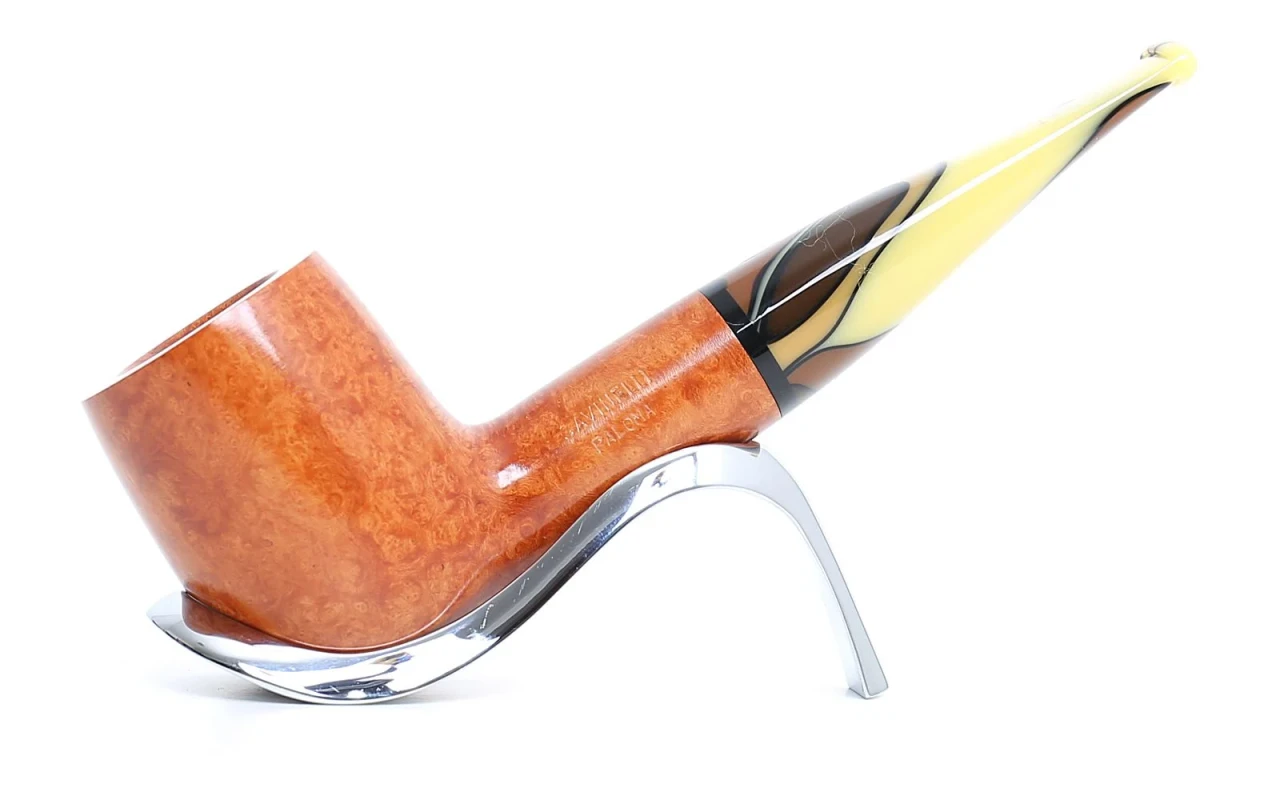
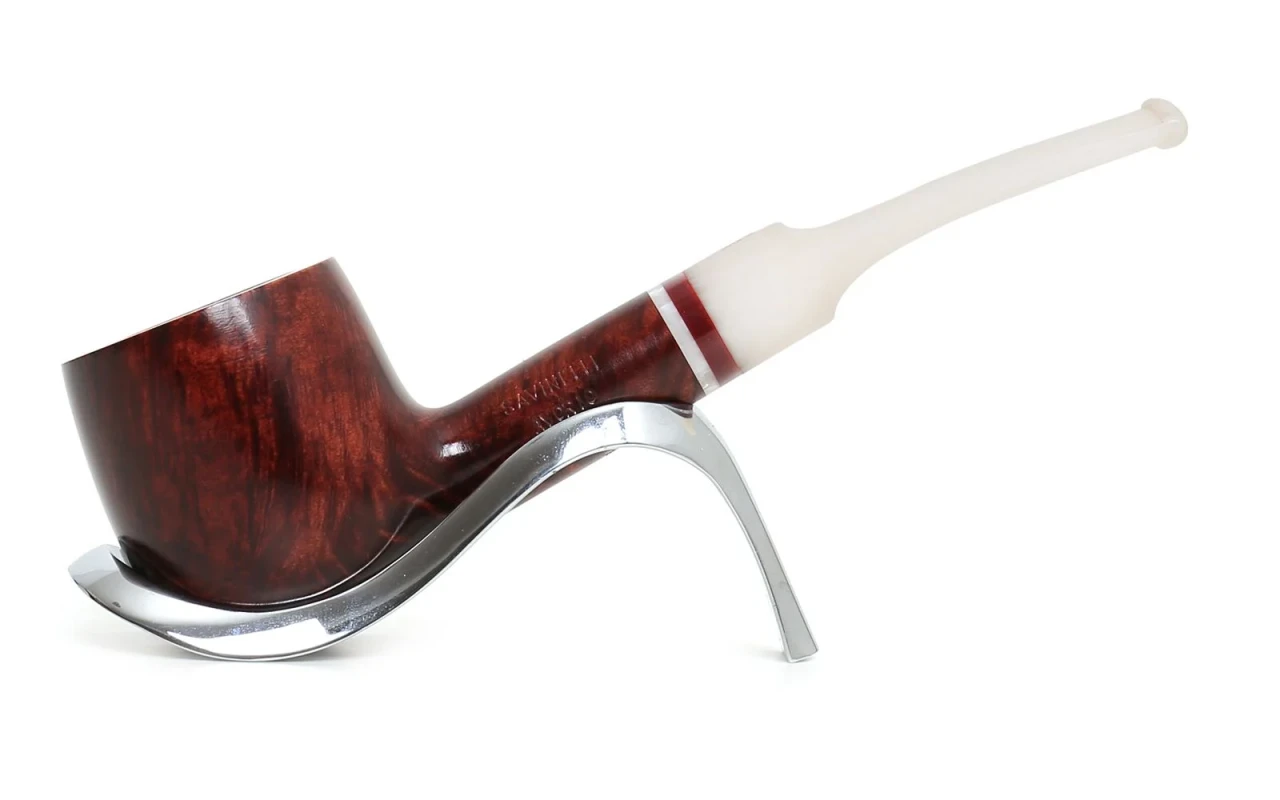
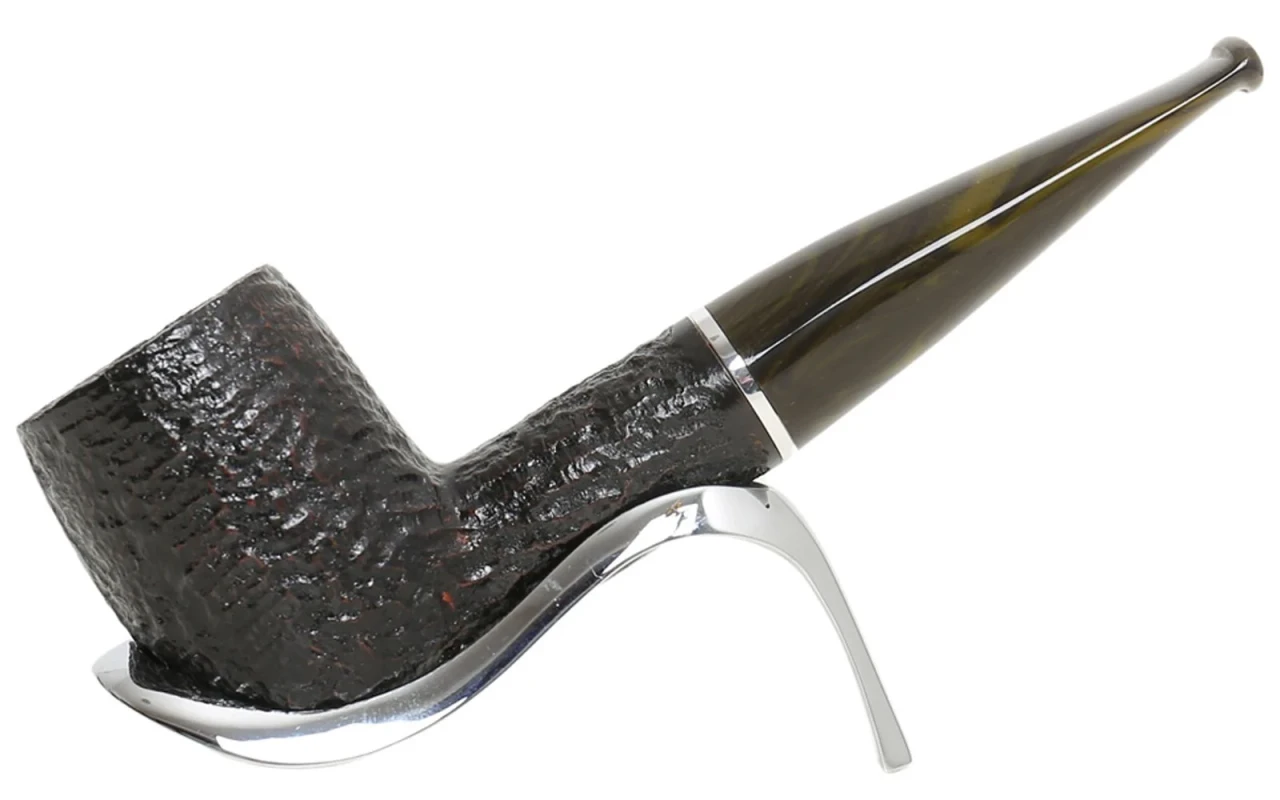
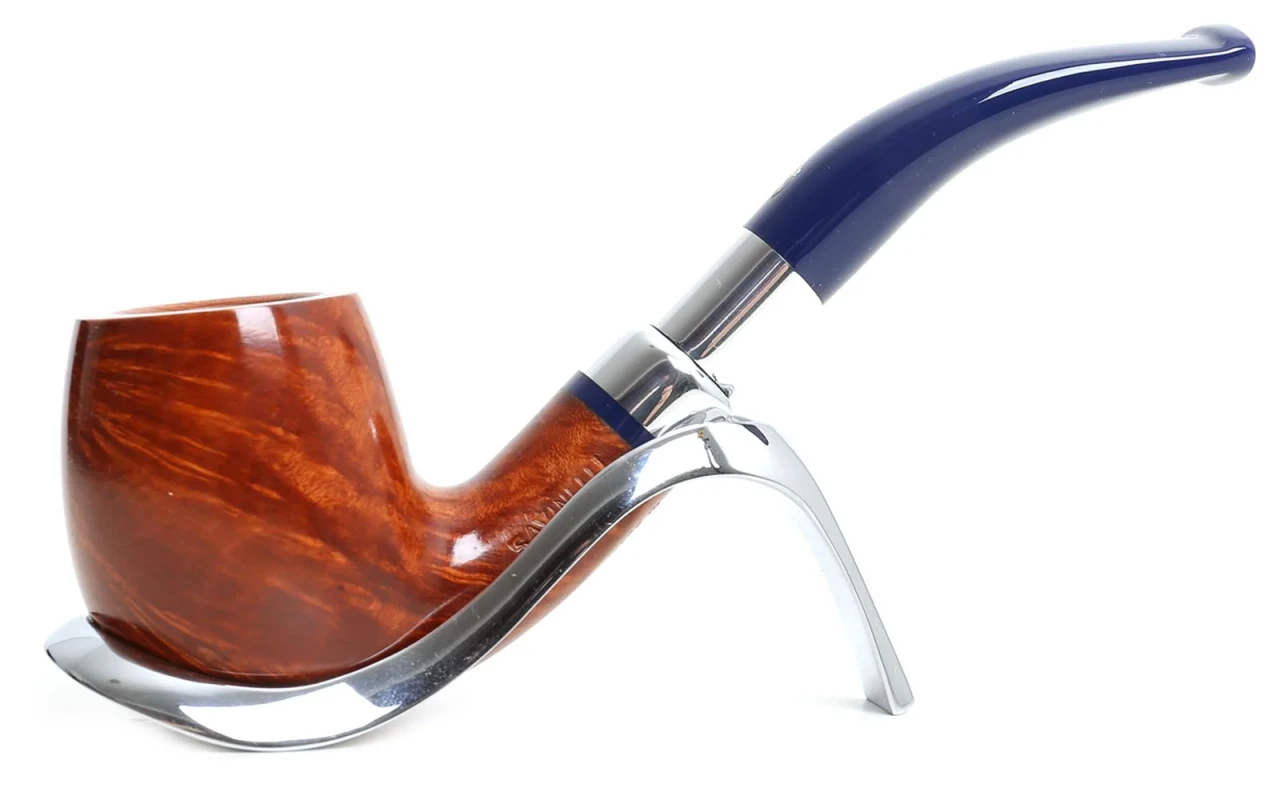
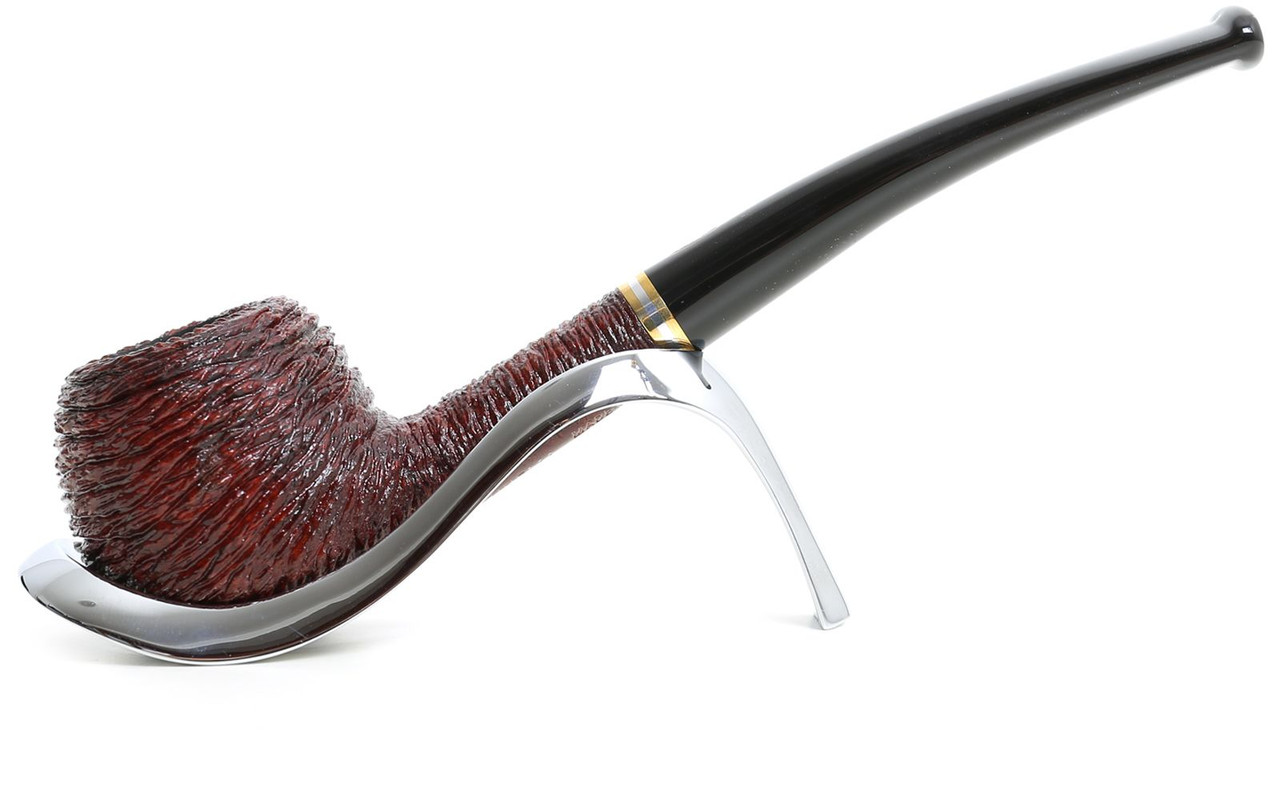
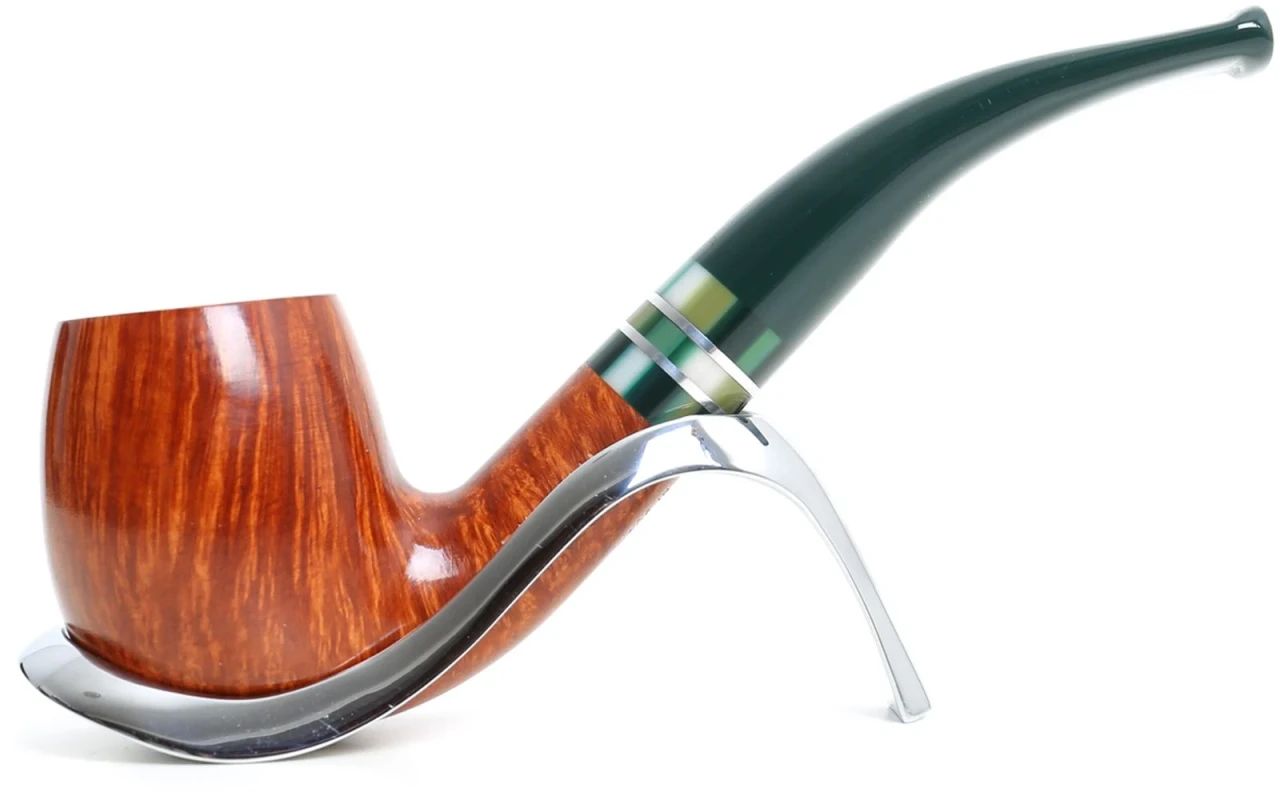
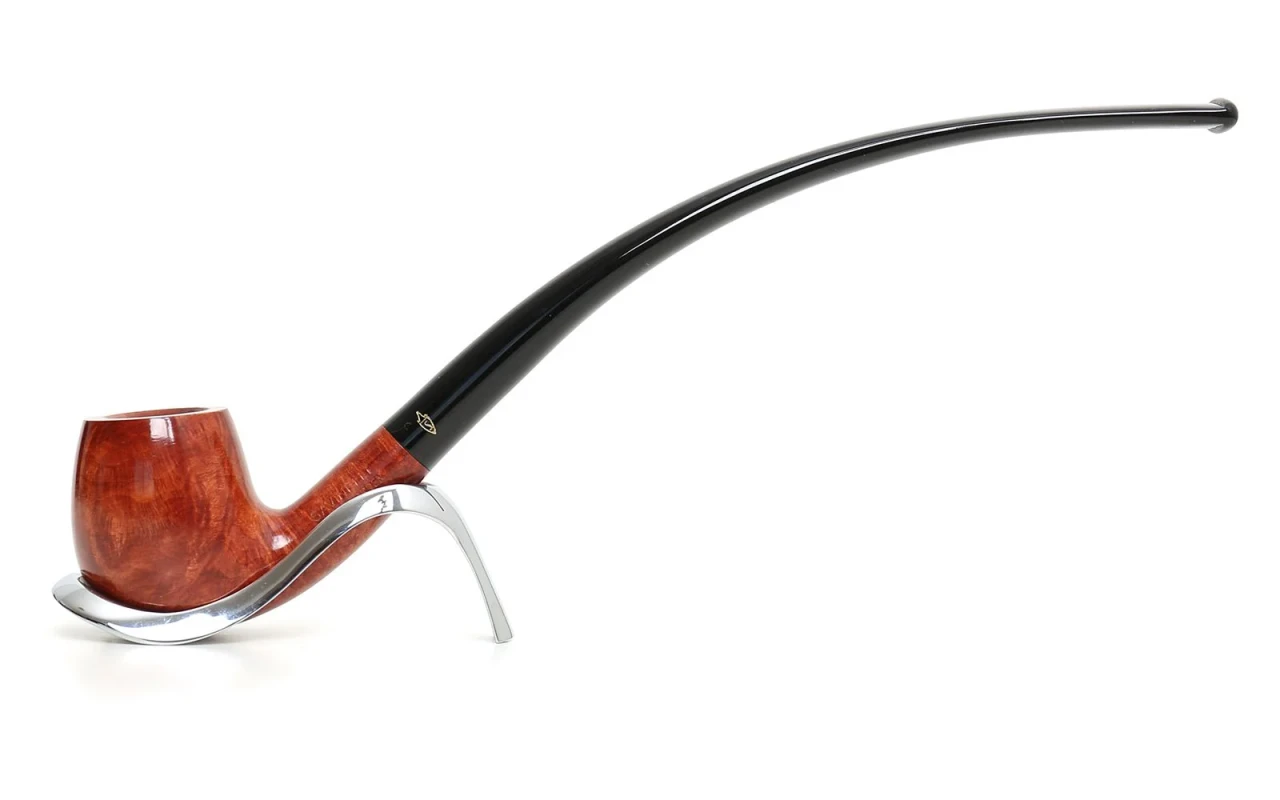
The most common types of pipes are straight pipes, curved pipes, and tulip-shaped pipes. Each type of pipe has specific characteristics that influence the smoking experience. Straight pipes offer a more direct and concentrated smoke, ideal for experienced smokers. Curved pipes allow for a cooler and smoother smoke due to the longer smoke path. Tulip-shaped pipes are appreciated for their elegant design and the balanced smoke they provide. Regardless of the type, the choice of pipe material (wood, briar, etc.) and the shape of the combustion chamber further influence the smoking experience.
Materials for pipe smokers
The most common materials used for crafting pipes for smokers are wood, briar, corn cob, and clay. Each material offers unique characteristics that influence the smoking experience. Wood is popular for its durability over time and its ability to absorb tobacco flavors. Briar pipes are valued for their beauty and heat resistance. Corn cob pipes are lightweight and affordable, making them ideal for beginners. Clay pipes, traditional and fragile, provide excellent aromatic yield. The choice of material depends on the smoker's personal preferences and the desired smoking experience.
Tobacco Pipe Shapes
The shapes of tobacco pipes vary greatly and can be divided into different categories based on the shape of the stem and bowl. Some common examples include:- Billiard: classic shape with a cylindrical bowl and straight stem.- Dublin: slightly conical bowl and curved stem.- Bulldog: inverted cone-shaped bowl and short stem.- Apple: rounded bowl and short stem.- Pot: wide and deep bowl with a straight stem.- Rhodesian: similar to the Bulldog but with a more rounded bowl.These are just some of the most common shapes, but there are many other variations in the world of tobacco pipes.
Aromatic Pipe Smoking
Aromatic pipe smoking is a common practice among pipe enthusiasts. The flavors used to enhance pipe tobacco can come from a variety of sources, such as fruits, spices, vanilla, and many others. These flavors give the pipe smoke a pleasant aroma and add a touch of sweetness or complexity to the tobacco flavor. It is important to carefully choose the flavors, as they significantly influence the overall smoking experience. Pipe smokers often appreciate the variety and sensory richness that flavors can add to the pipe ritual.
'%3e%3cg id='Final-Copy-2_2_' transform='translate(1275.000000, 200.000000)'%3e%3cpath class='st0' d='M7.4,12.8h6.8l3.1-11.6H7.4C4.2,1.2,1.6,3.8,1.6,7S4.2,12.8,7.4,12.8z'/%3e%3c/g%3e%3c/g%3e%3c/g%3e%3cg id='final---dec.11-2020'%3e%3cg id='_x30_208-our-toggle' transform='translate(-1275.000000, -200.000000)'%3e%3cg id='Final-Copy-2' transform='translate(1275.000000, 200.000000)'%3e%3cpath class='st1' d='M22.6,0H7.4c-3.9,0-7,3.1-7,7s3.1,7,7,7h15.2c3.9,0,7-3.1,7-7S26.4,0,22.6,0z M1.6,7c0-3.2,2.6-5.8,5.8-5.8 h9.9l-3.1,11.6H7.4C4.2,12.8,1.6,10.2,1.6,7z'/%3e%3cpath id='x' class='st2' d='M24.6,4c0.2,0.2,0.2,0.6,0,0.8l0,0L22.5,7l2.2,2.2c0.2,0.2,0.2,0.6,0,0.8c-0.2,0.2-0.6,0.2-0.8,0 l0,0l-2.2-2.2L19.5,10c-0.2,0.2-0.6,0.2-0.8,0c-0.2-0.2-0.2-0.6,0-0.8l0,0L20.8,7l-2.2-2.2c-0.2-0.2-0.2-0.6,0-0.8 c0.2-0.2,0.6-0.2,0.8,0l0,0l2.2,2.2L23.8,4C24,3.8,24.4,3.8,24.6,4z'/%3e%3cpath id='y' class='st3' d='M12.7,4.1c0.2,0.2,0.3,0.6,0.1,0.8l0,0L8.6,9.8C8.5,9.9,8.4,10,8.3,10c-0.2,0.1-0.5,0.1-0.7-0.1l0,0 L5.4,7.7c-0.2-0.2-0.2-0.6,0-0.8c0.2-0.2,0.6-0.2,0.8,0l0,0L8,8.6l3.8-4.5C12,3.9,12.4,3.9,12.7,4.1z'/%3e%3c/g%3e%3c/g%3e%3c/g%3e%3c/g%3e%3c/svg%3e) Your Privacy Choices
Your Privacy Choices 


