 ES
ES FR
FR EN
EN IT
IT DE
DE
Types of pipe finishes
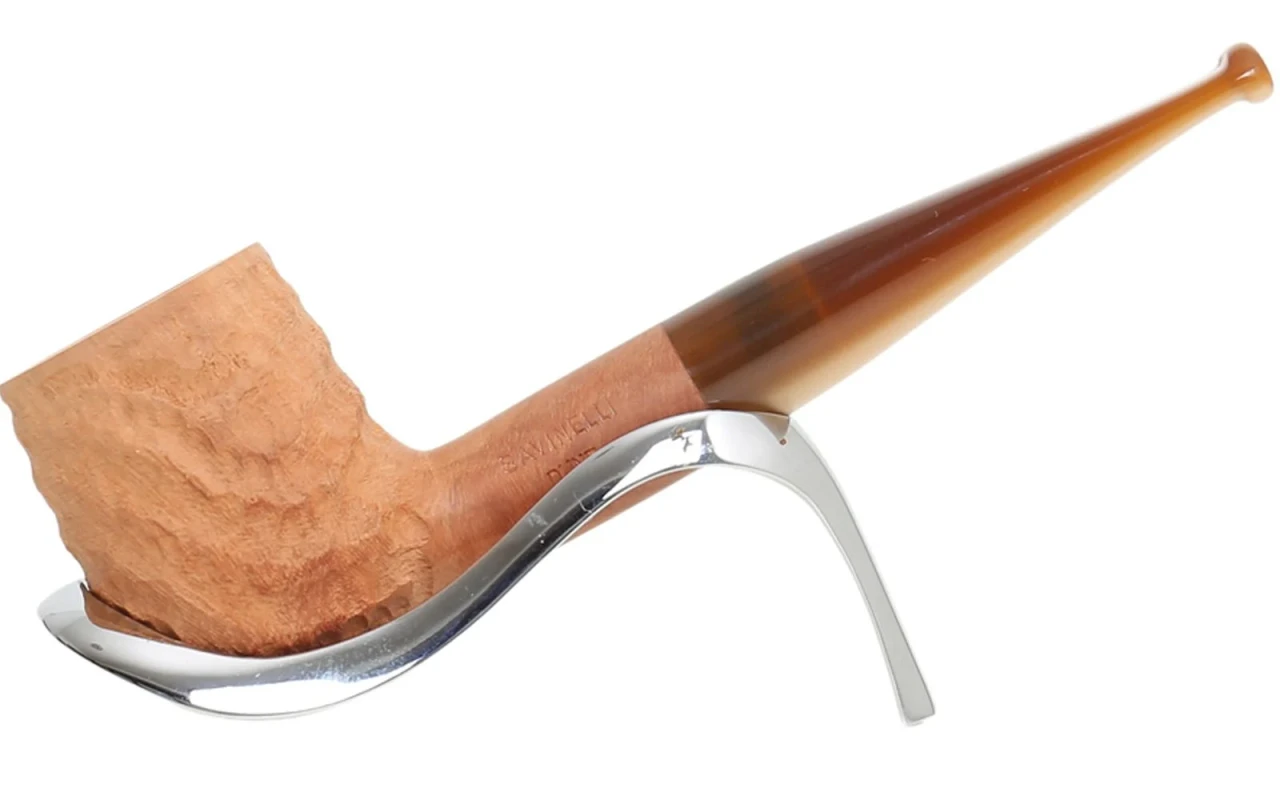
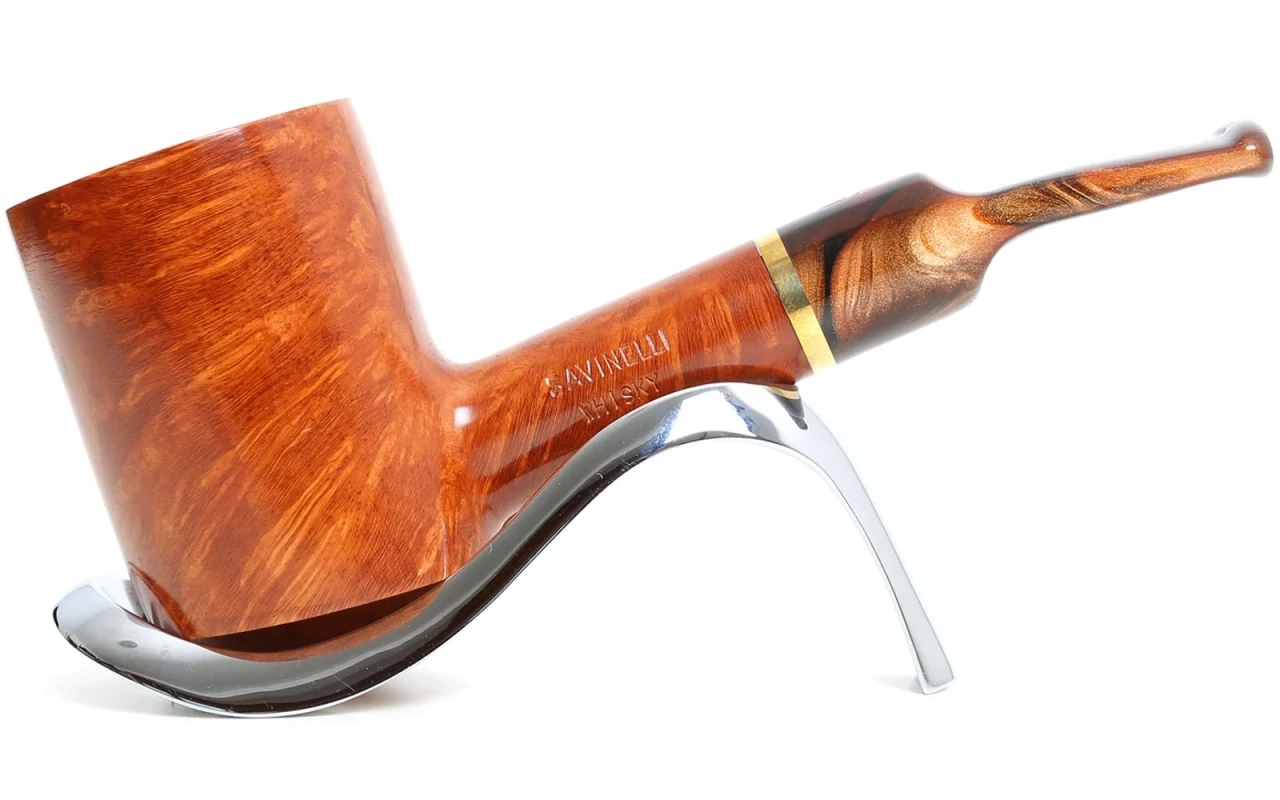
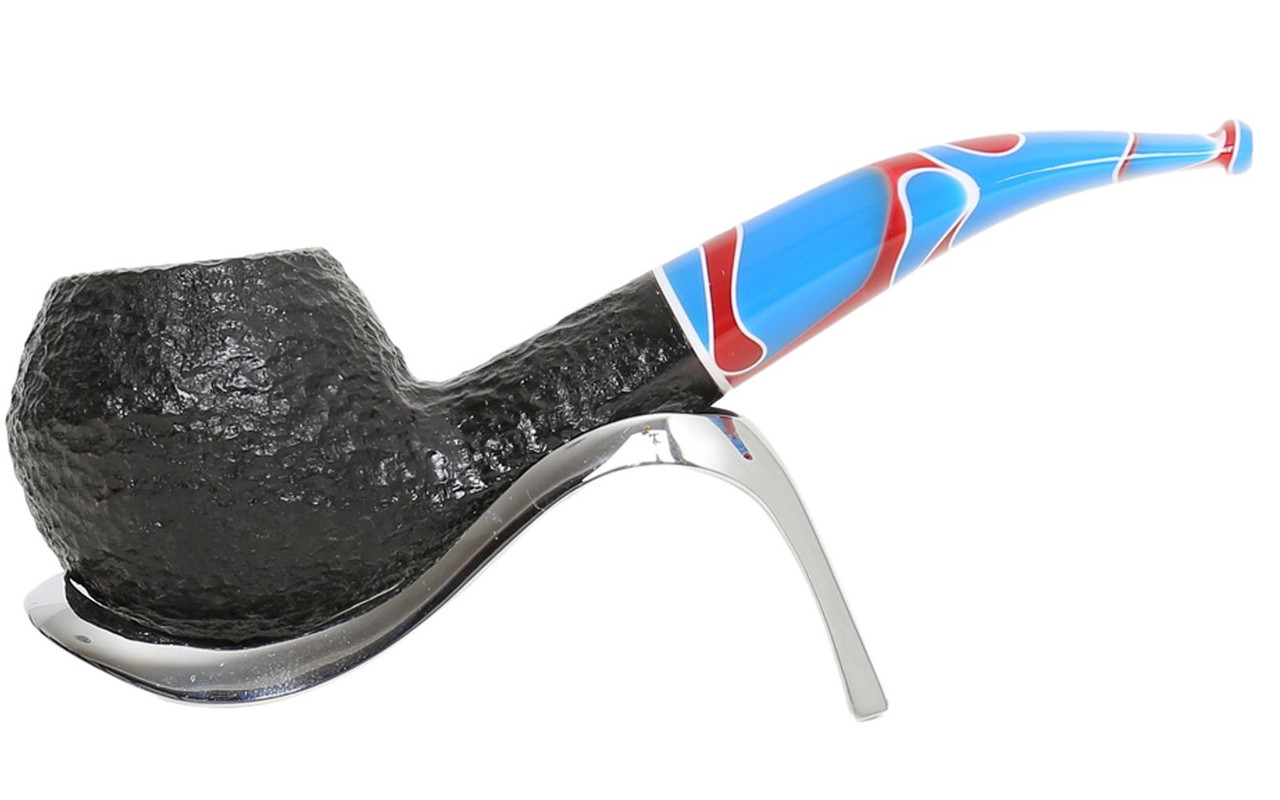
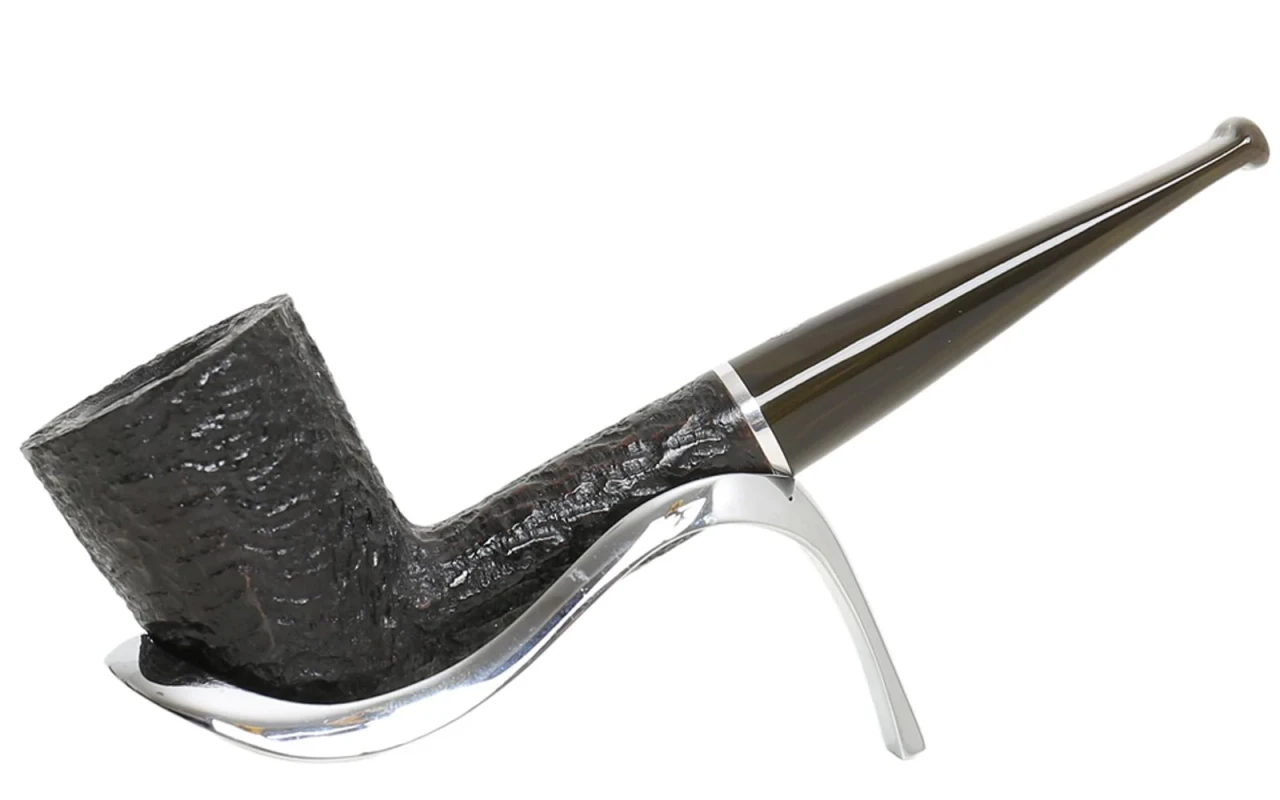
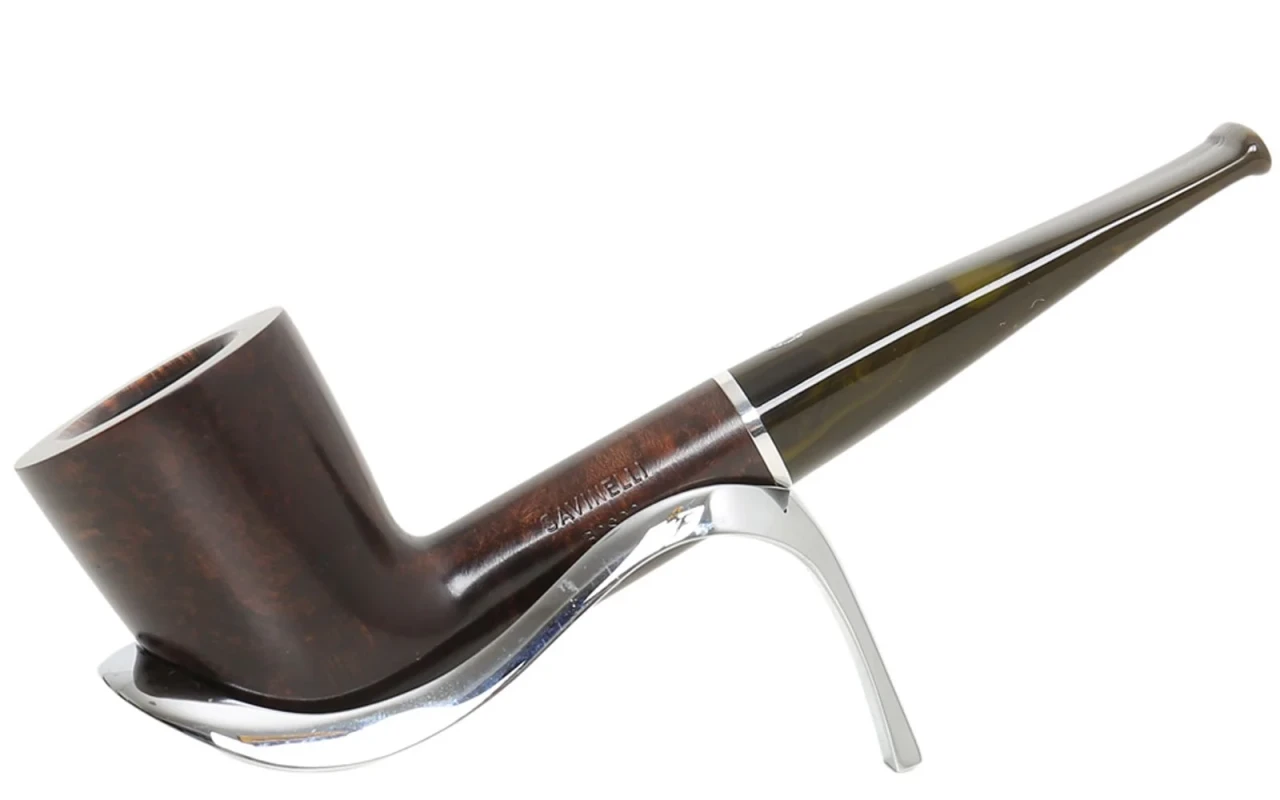
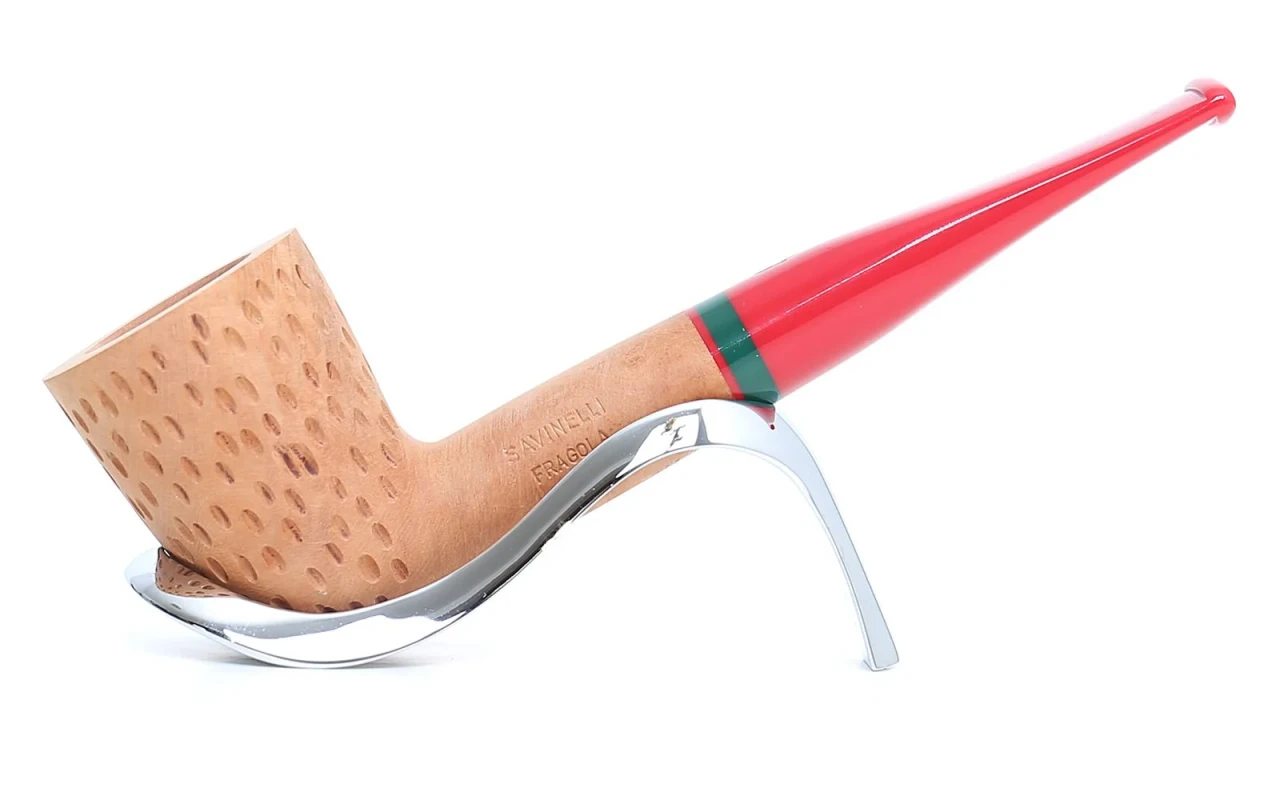
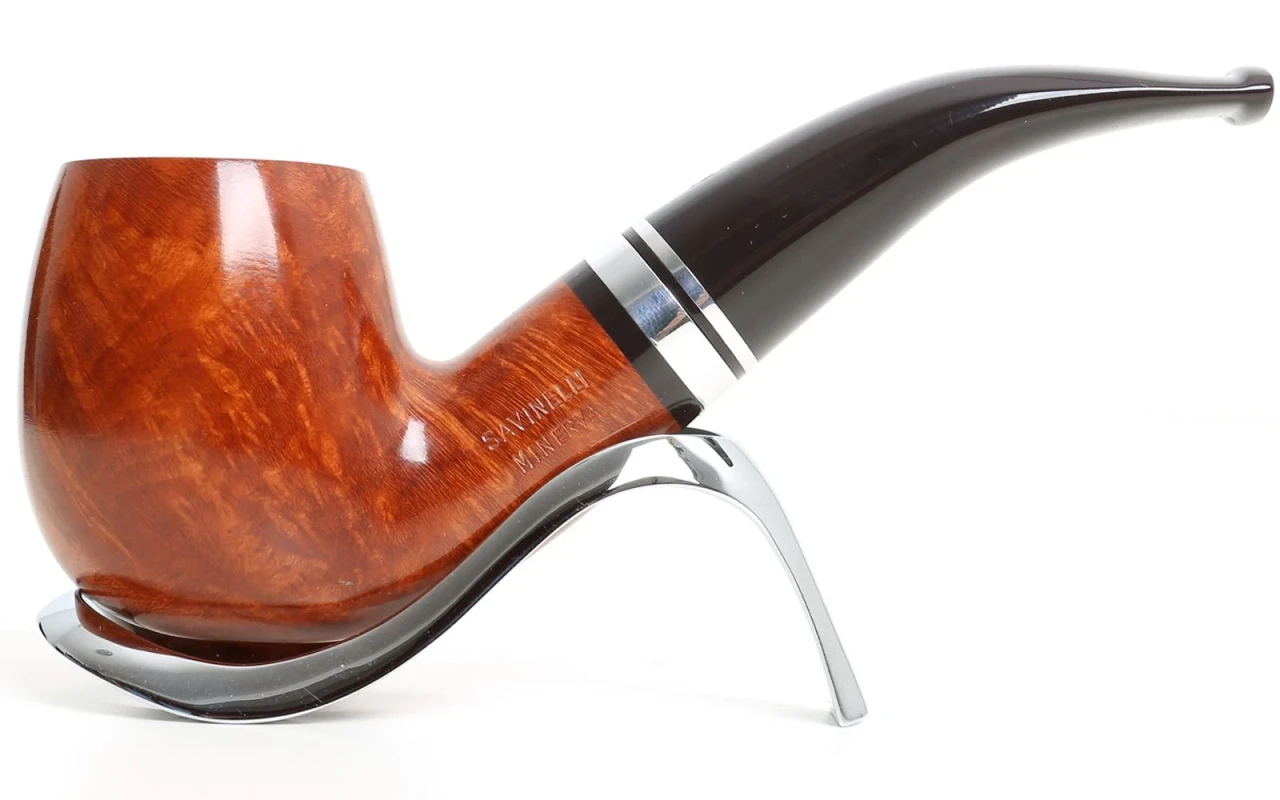
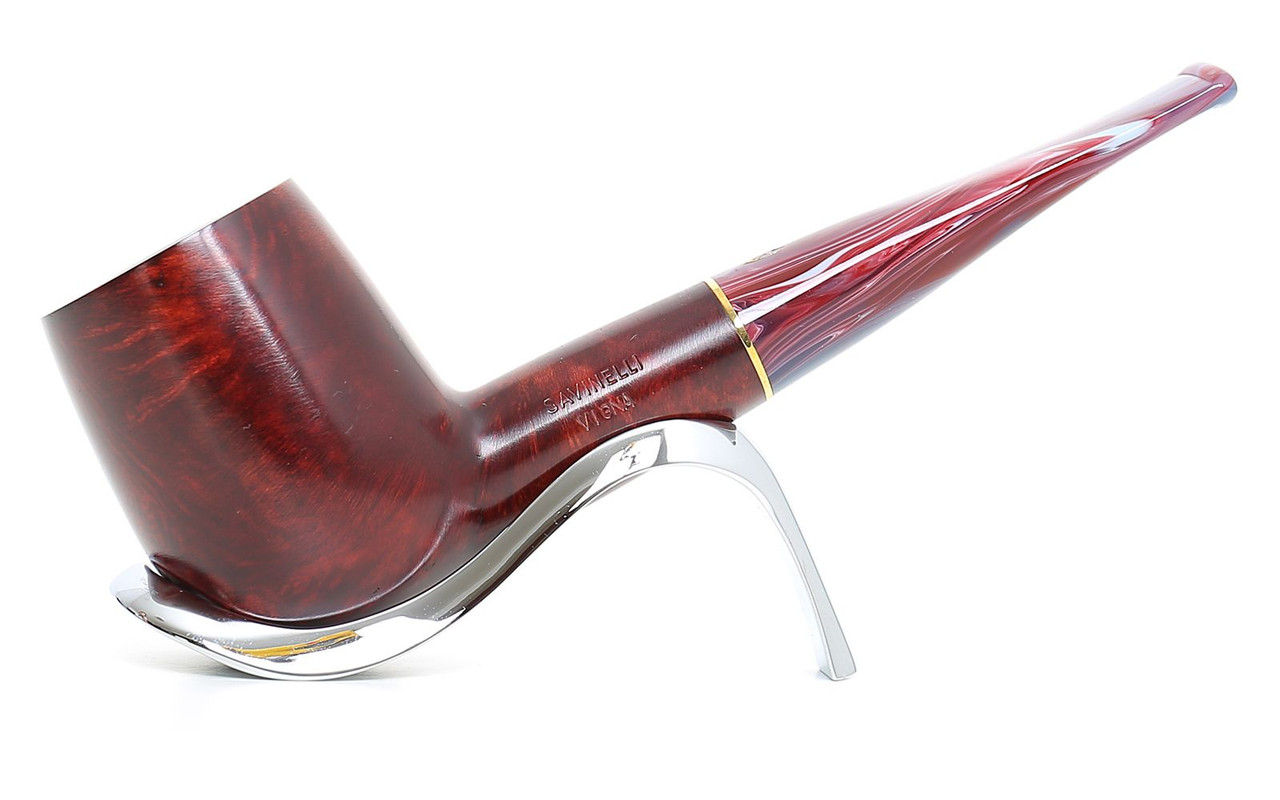
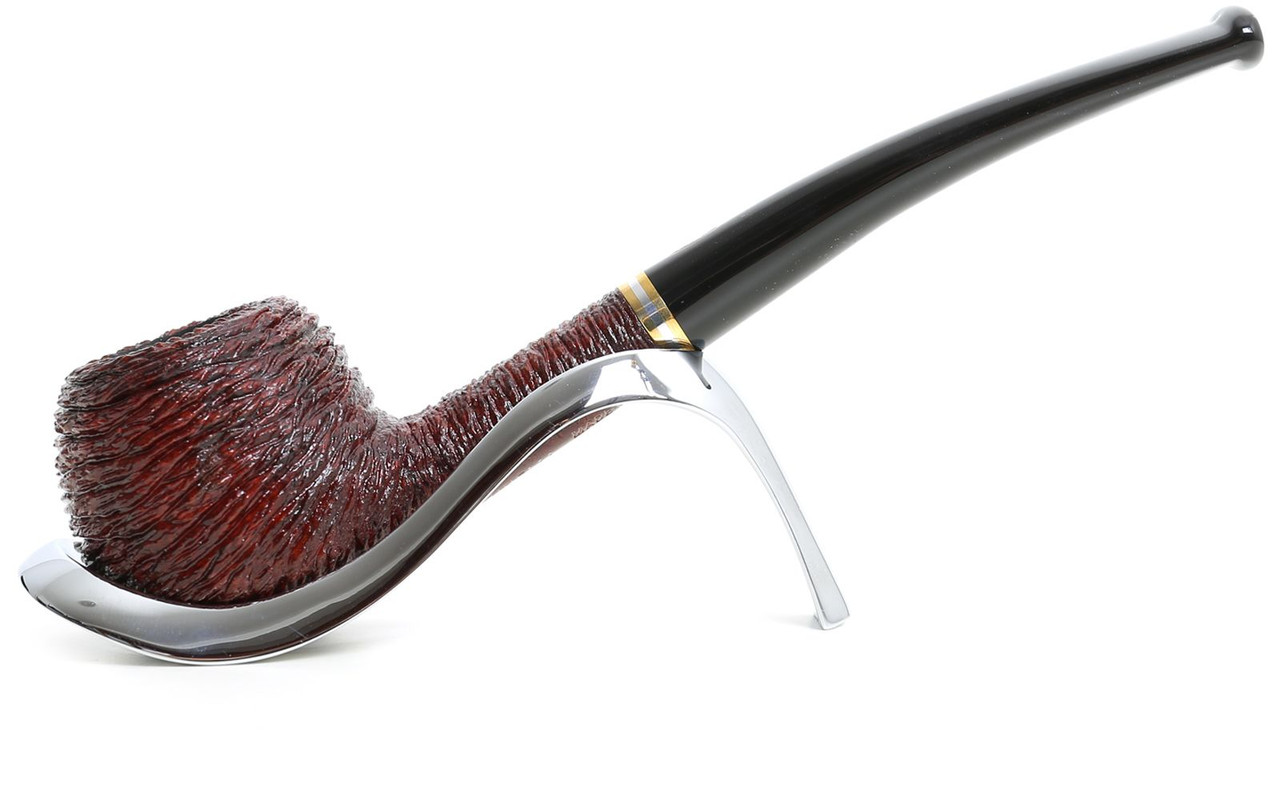
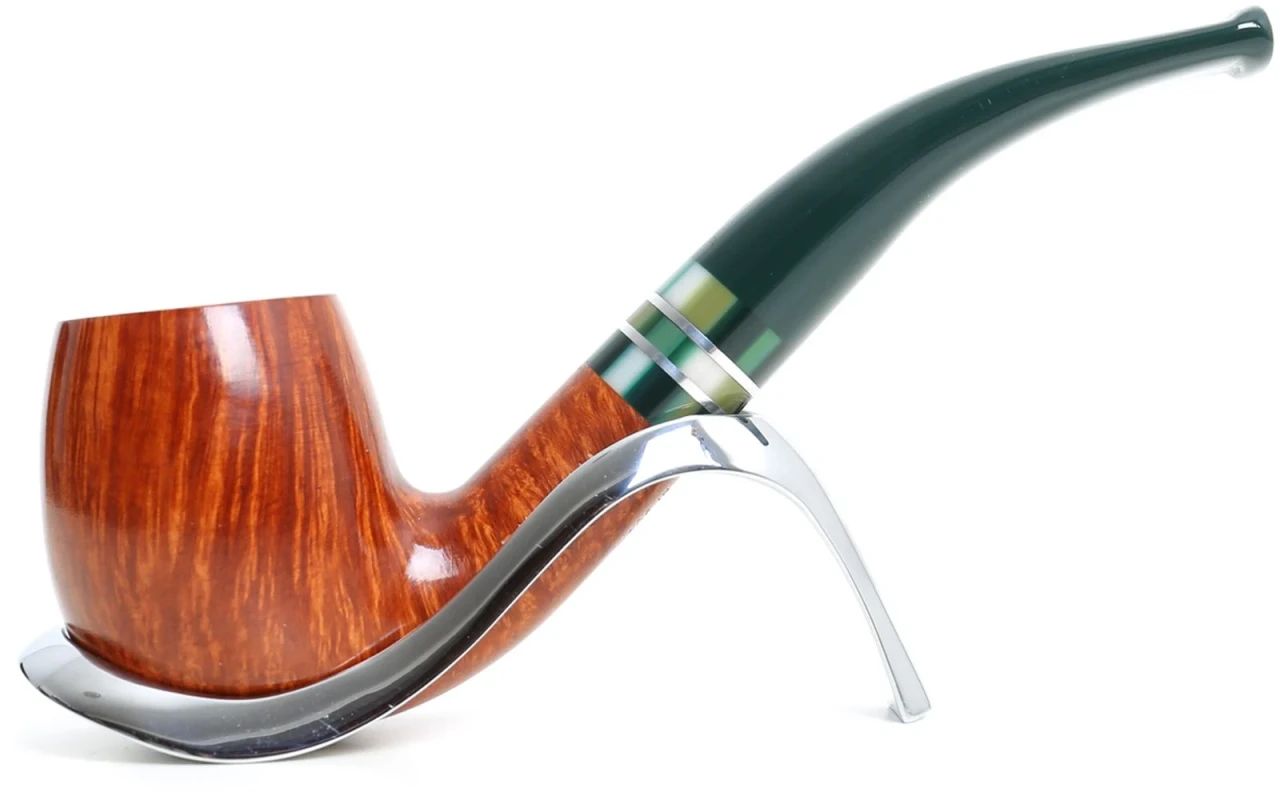
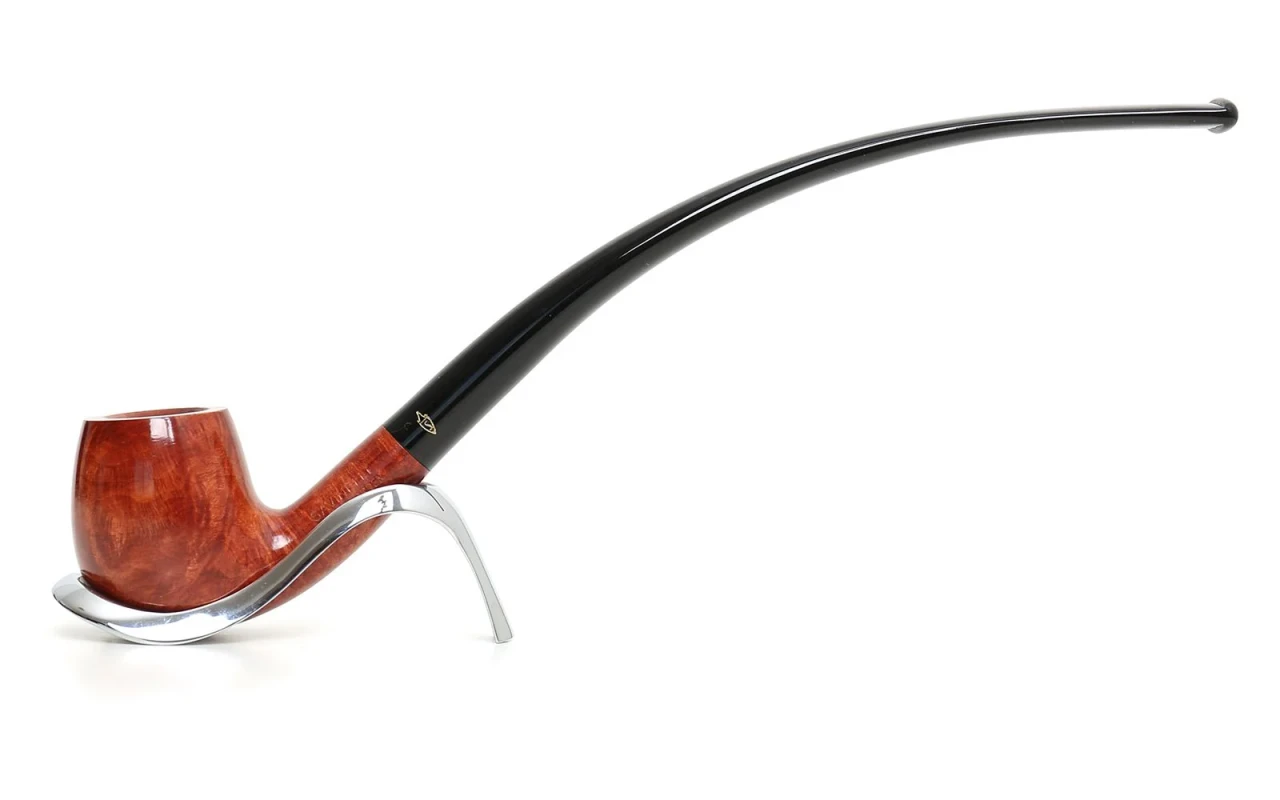
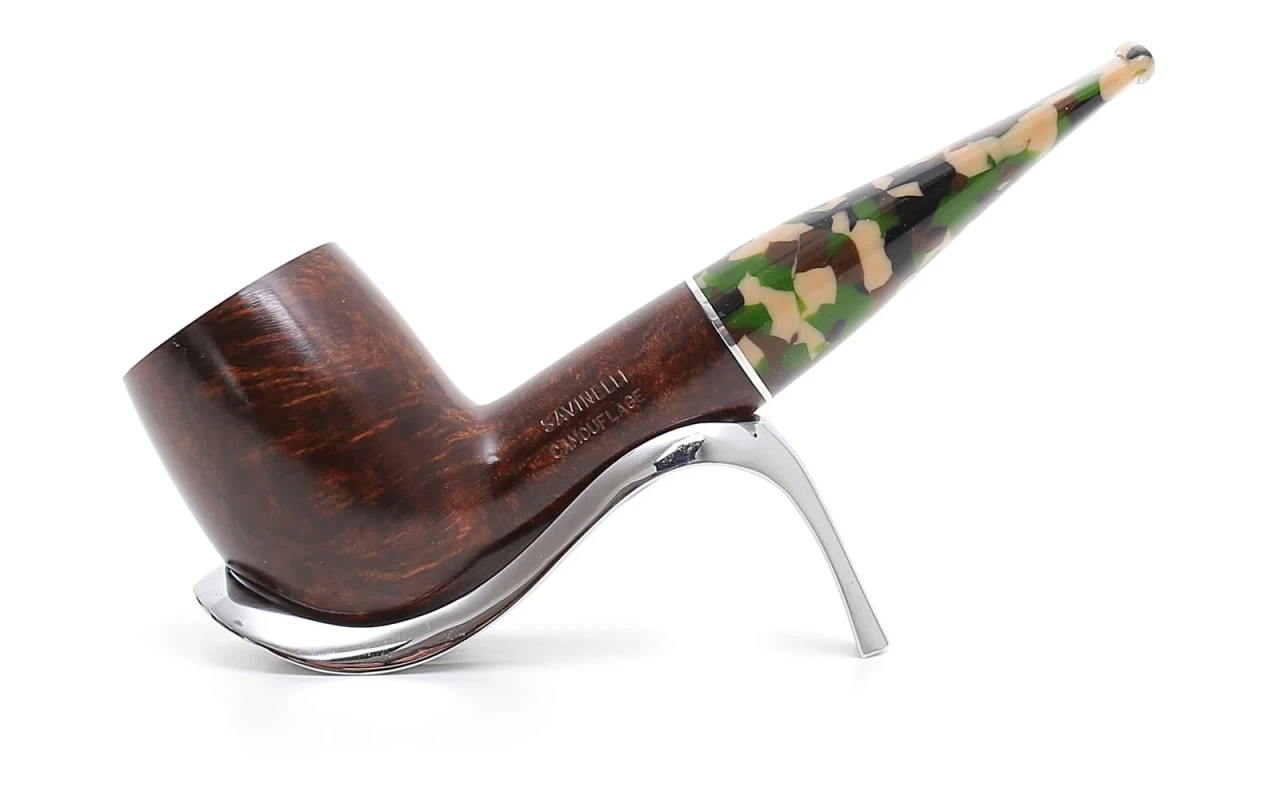
Types of pipe finishes
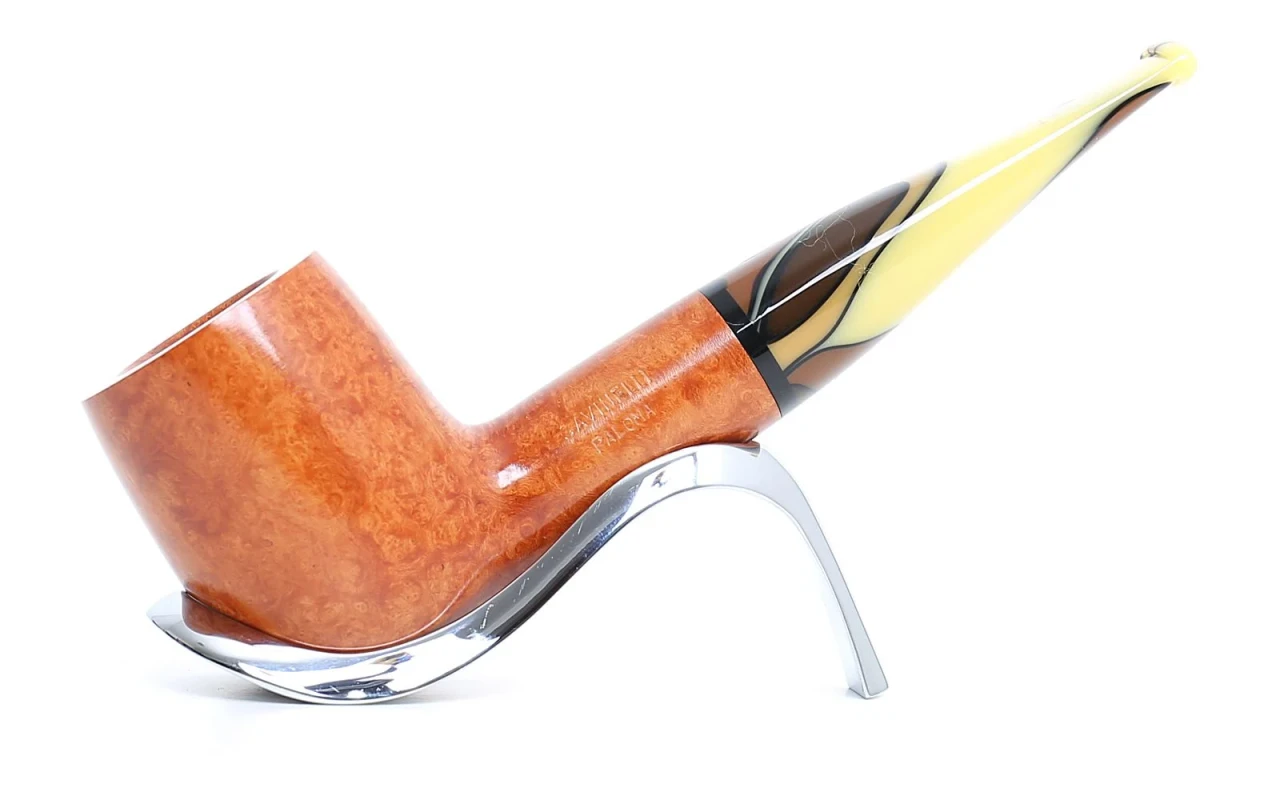
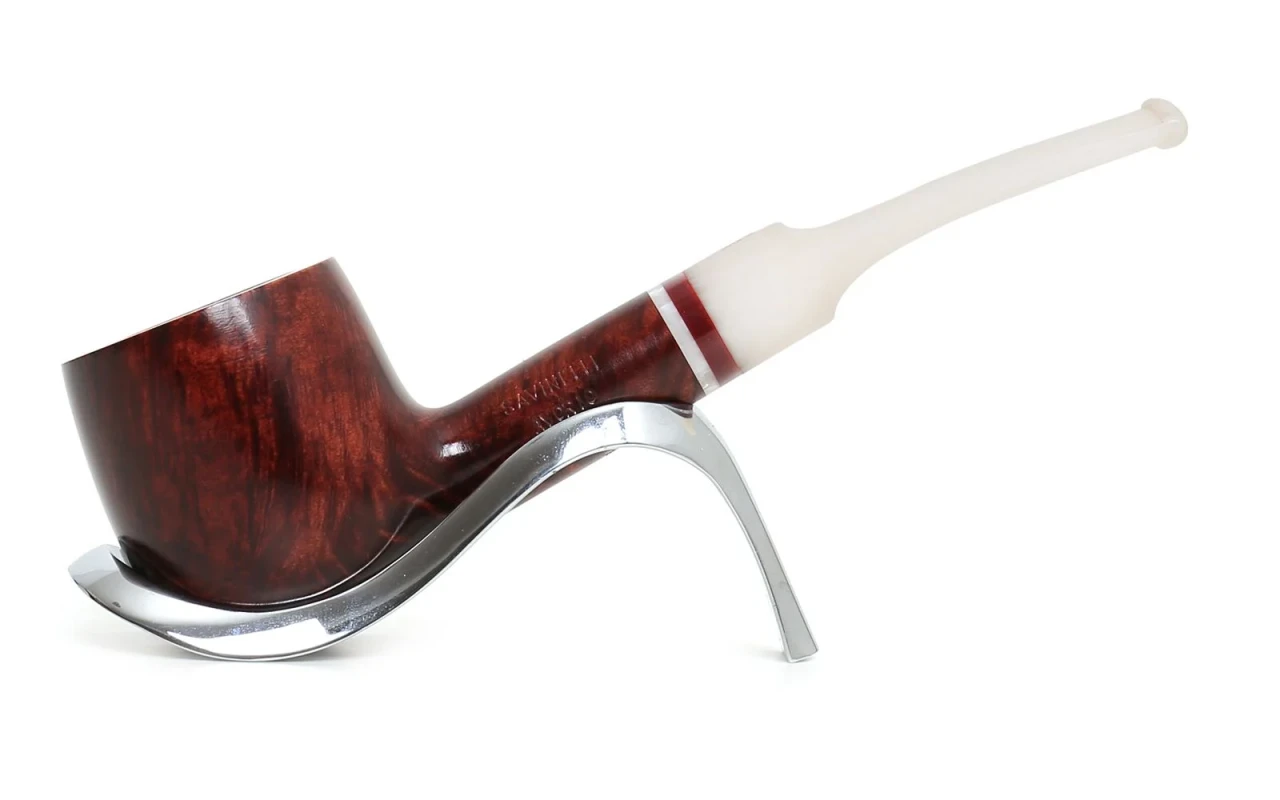
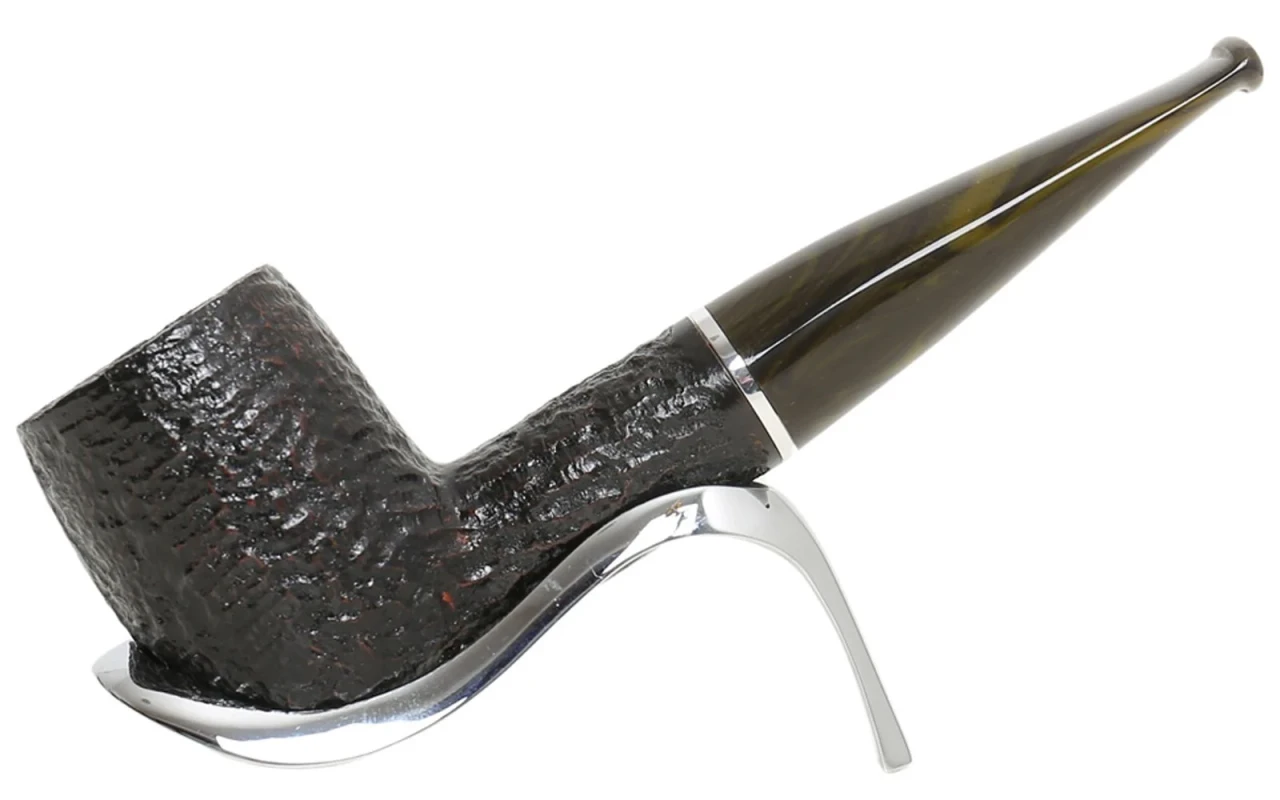
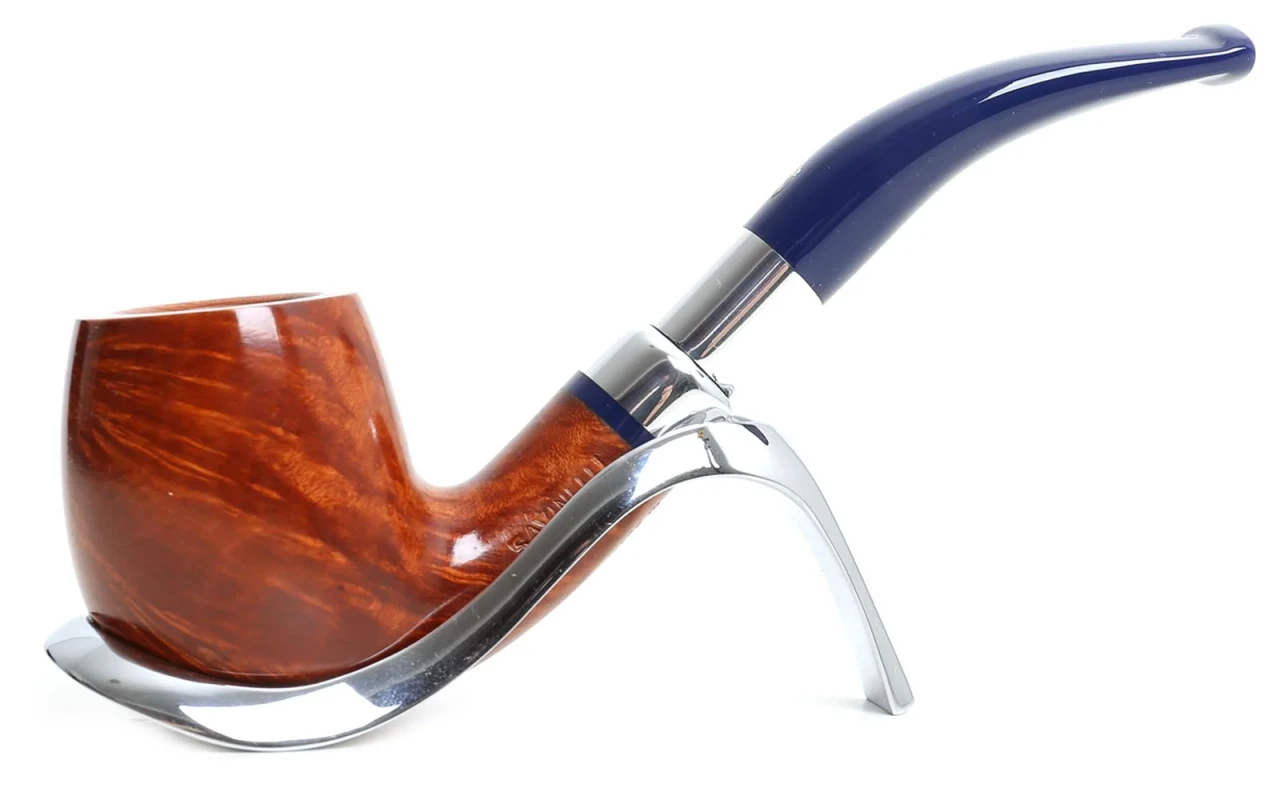
There are different types of pipe finishes, each with unique characteristics that cater to individual tastes and preferences. Here are some common examples:- Polished: a smooth and shiny finish that highlights the natural beauty of wood or ebony.- Sandblasted: achieved through the use of high-pressure sand, creating a rough and tactile surface.- Rusticated: characterized by grooves or indentations that give a rustic and traditional look.- Natural smooth: a minimalist finish that preserves the natural surface of the wood without further treatments.- Mixed: a combination of different finishes to create unique and special effects.Each type of finish has its charm and contributes to defining the style and personality of the pipe.
Best tobacco pipe brands
The best tobacco pipe brands are those that stand out for the quality of the materials used, craftsmanship, and tradition in the industry. Some renowned names include Peterson, Savinelli, Stanwell, Dunhill, and Nording. These brands offer a wide range of pipes made from various materials such as briarwood, oakwood, corn cob, and other fine woods. Each brand has its distinctive style and offers pipes suitable for different tastes and preferences. The choice of brand depends on the smoker's needs and the search for a high-quality product in the world of tobacco pipes.
How to Clean a Pipe Properly
To properly clean a pipe, it is important to follow these steps:1. Disassemble the pipe and empty it completely.2. Use a long pipe cleaner to remove tobacco residues and moisture from the stem and the mouthpiece.3. Use a scraper to remove the tar crust inside the pipe.4. Dampen a cotton swab with denatured alcohol and gently clean the inside of the pipe.5. Allow the pipe to dry completely before using it again.6. Regularly clean the filter and replace it if necessary.By following these steps, you will keep your pipe in excellent condition and ensure a better smoking experience.
Materials of smoking pipes
The materials of smoking pipes can vary and influence both the aesthetics and the performance of the instrument. The main materials used include:- Briar wood: commonly used for its heat and combustion resistance.- Olive wood: gives the pipe a rustic and unique appearance, with distinctive grain and knots.- Corn cob: inexpensive and lightweight, often chosen for budget smoking pipes.- Clay: a porous material that absorbs moisture, allowing for a cool and dry smoke.- Meerschaum: a porous, lightweight, and neutral stone that enhances the tobacco flavor.- Heather root: light and durable, appreciated for its characteristic color and grain patterns.
'%3e%3cg id='Final-Copy-2_2_' transform='translate(1275.000000, 200.000000)'%3e%3cpath class='st0' d='M7.4,12.8h6.8l3.1-11.6H7.4C4.2,1.2,1.6,3.8,1.6,7S4.2,12.8,7.4,12.8z'/%3e%3c/g%3e%3c/g%3e%3c/g%3e%3cg id='final---dec.11-2020'%3e%3cg id='_x30_208-our-toggle' transform='translate(-1275.000000, -200.000000)'%3e%3cg id='Final-Copy-2' transform='translate(1275.000000, 200.000000)'%3e%3cpath class='st1' d='M22.6,0H7.4c-3.9,0-7,3.1-7,7s3.1,7,7,7h15.2c3.9,0,7-3.1,7-7S26.4,0,22.6,0z M1.6,7c0-3.2,2.6-5.8,5.8-5.8 h9.9l-3.1,11.6H7.4C4.2,12.8,1.6,10.2,1.6,7z'/%3e%3cpath id='x' class='st2' d='M24.6,4c0.2,0.2,0.2,0.6,0,0.8l0,0L22.5,7l2.2,2.2c0.2,0.2,0.2,0.6,0,0.8c-0.2,0.2-0.6,0.2-0.8,0 l0,0l-2.2-2.2L19.5,10c-0.2,0.2-0.6,0.2-0.8,0c-0.2-0.2-0.2-0.6,0-0.8l0,0L20.8,7l-2.2-2.2c-0.2-0.2-0.2-0.6,0-0.8 c0.2-0.2,0.6-0.2,0.8,0l0,0l2.2,2.2L23.8,4C24,3.8,24.4,3.8,24.6,4z'/%3e%3cpath id='y' class='st3' d='M12.7,4.1c0.2,0.2,0.3,0.6,0.1,0.8l0,0L8.6,9.8C8.5,9.9,8.4,10,8.3,10c-0.2,0.1-0.5,0.1-0.7-0.1l0,0 L5.4,7.7c-0.2-0.2-0.2-0.6,0-0.8c0.2-0.2,0.6-0.2,0.8,0l0,0L8,8.6l3.8-4.5C12,3.9,12.4,3.9,12.7,4.1z'/%3e%3c/g%3e%3c/g%3e%3c/g%3e%3c/g%3e%3c/svg%3e) Your Privacy Choices
Your Privacy Choices 


