 ES
ES FR
FR EN
EN IT
IT DE
DE
Transformations in pipe production due to the war
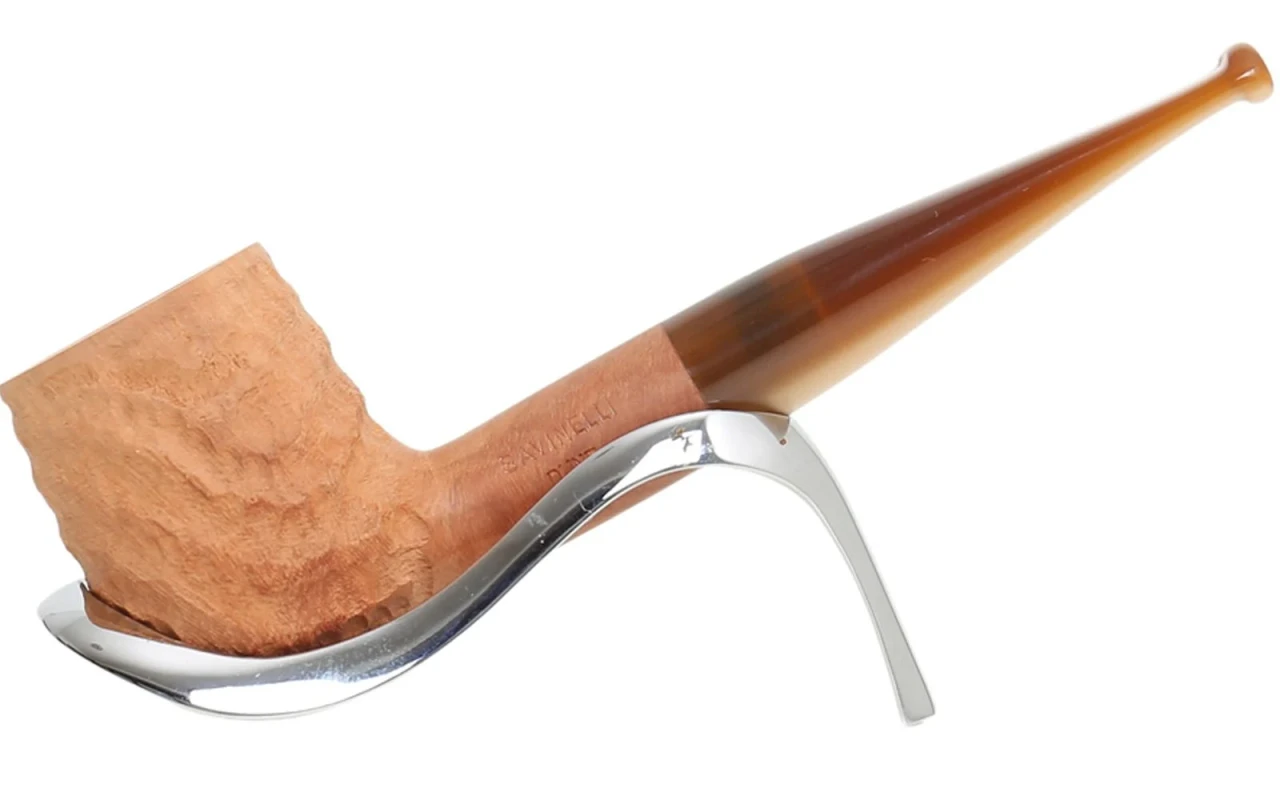
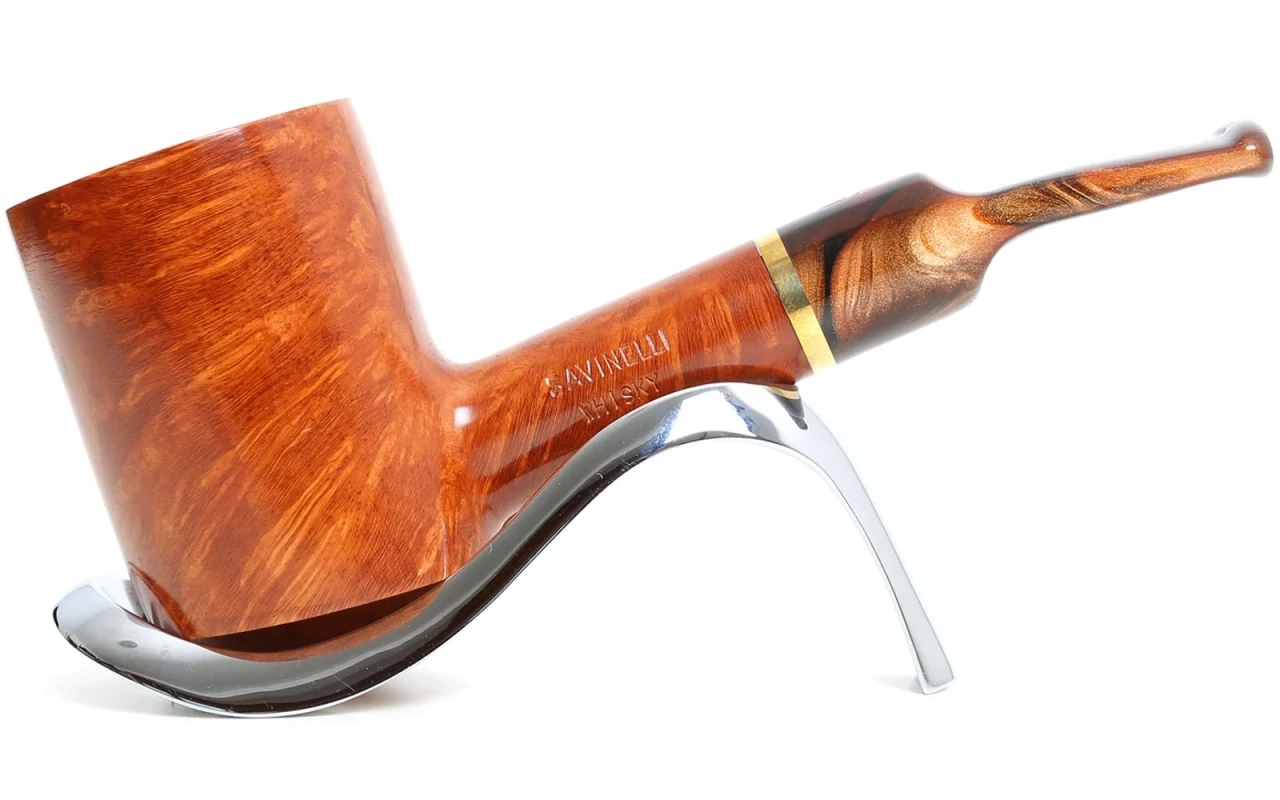
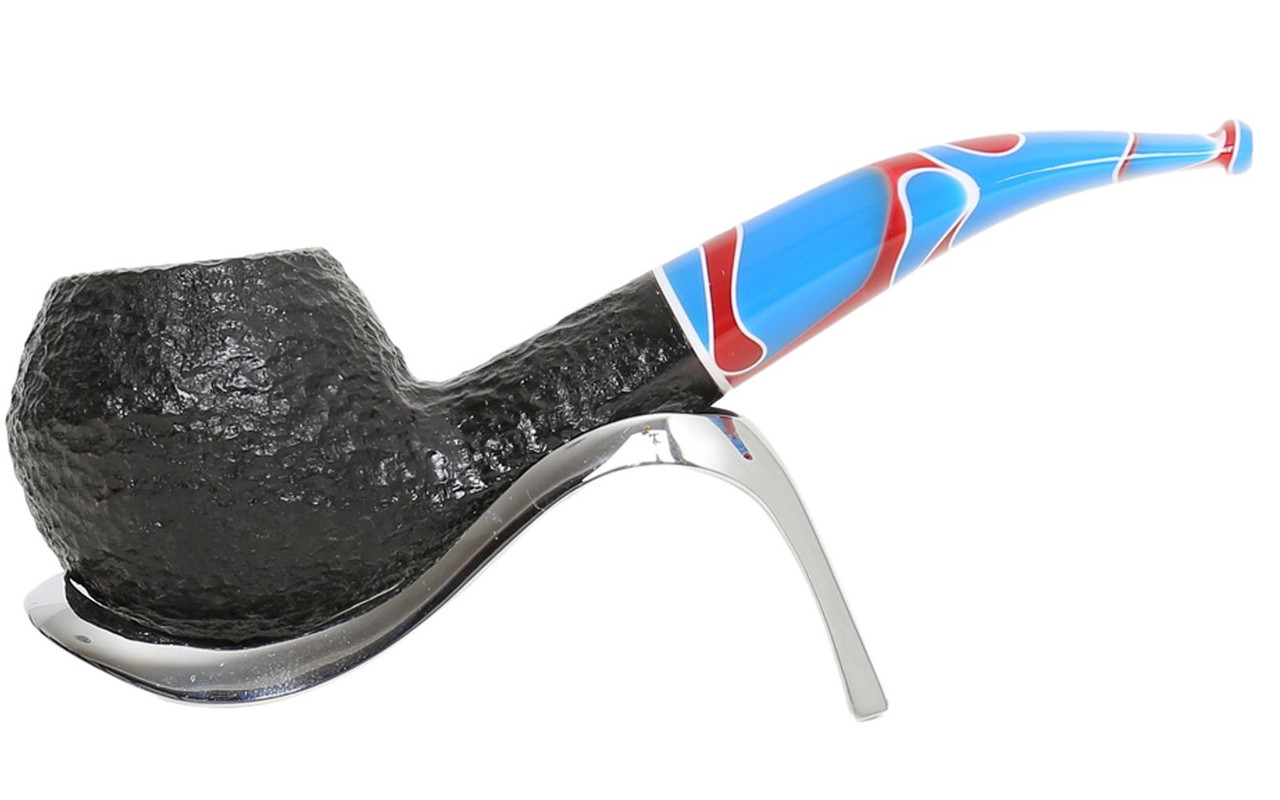
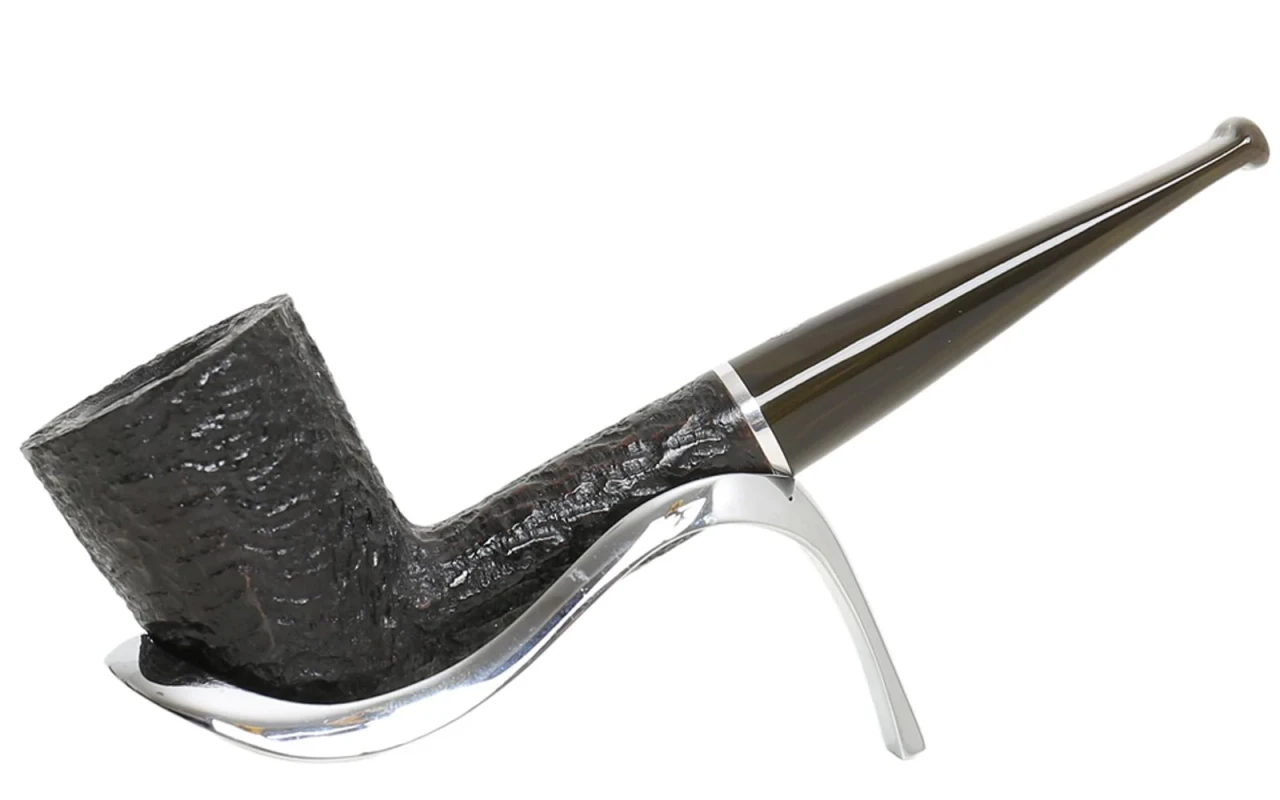
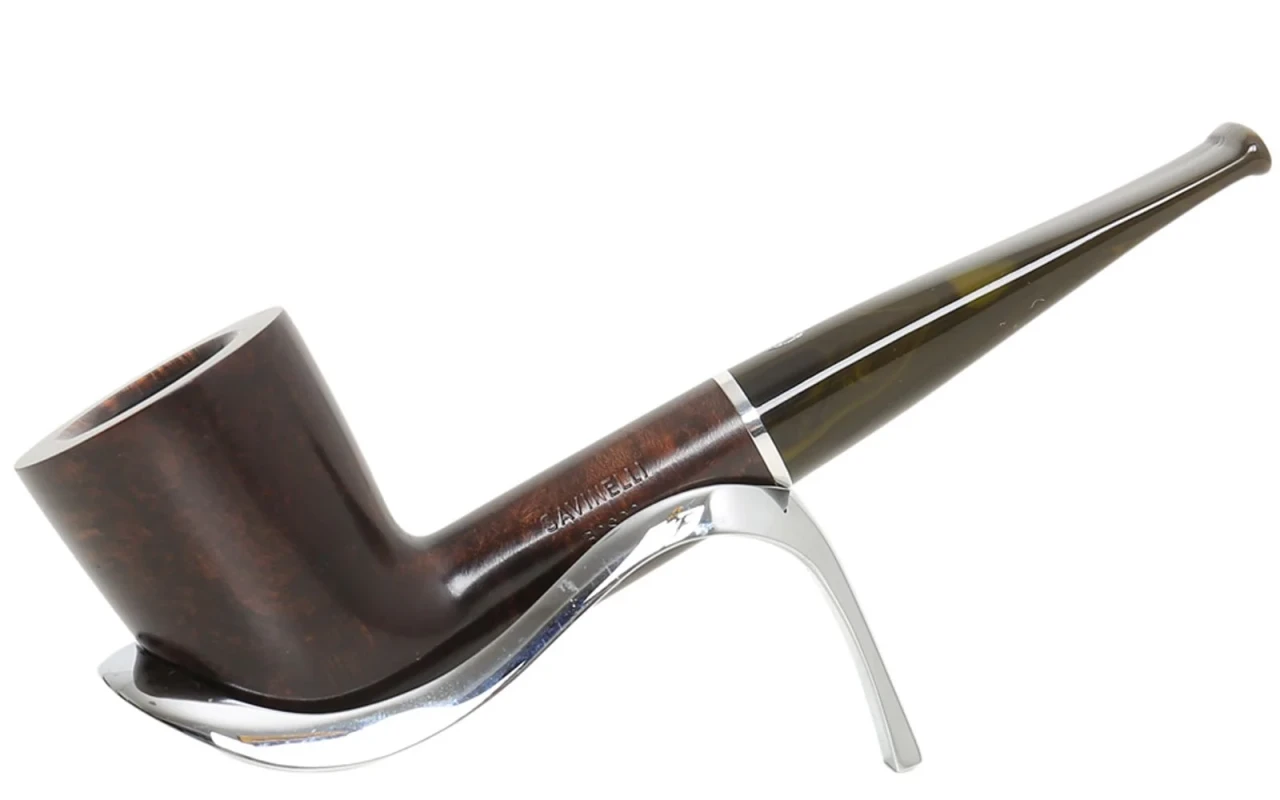
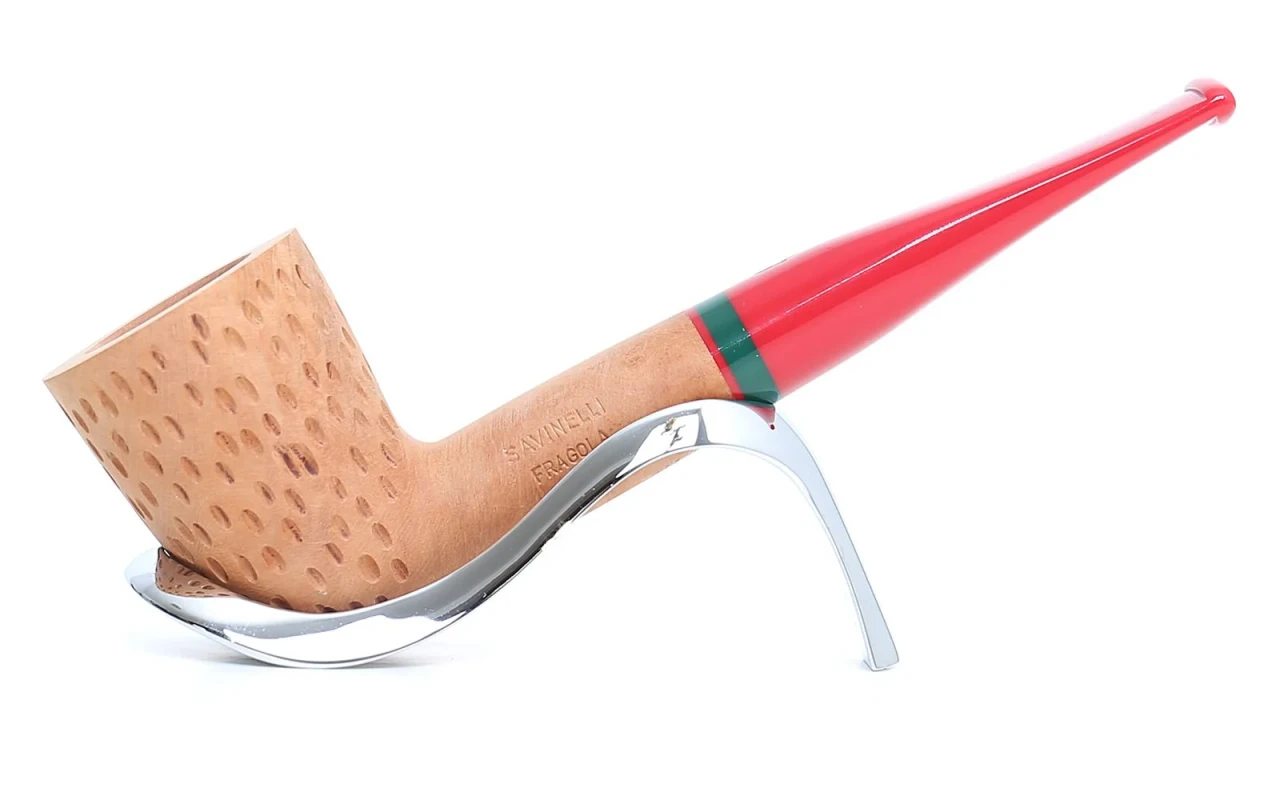
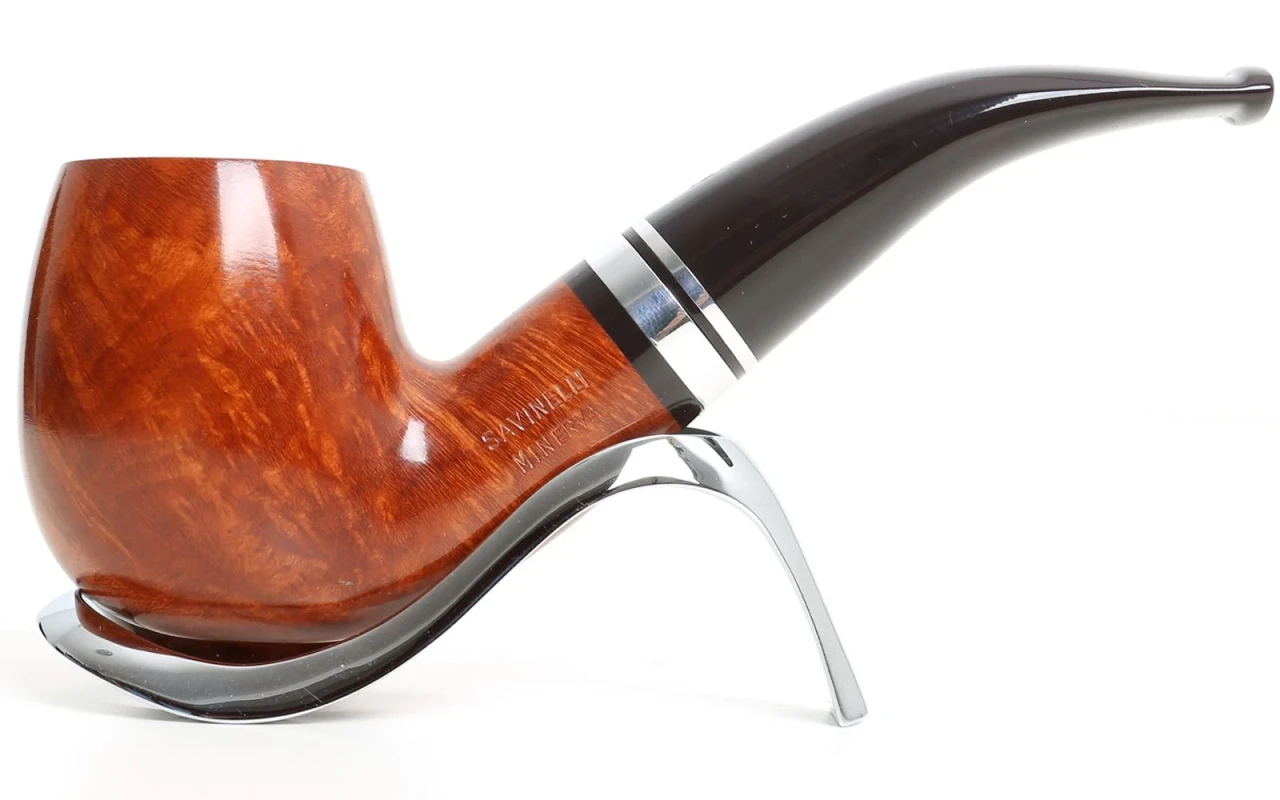
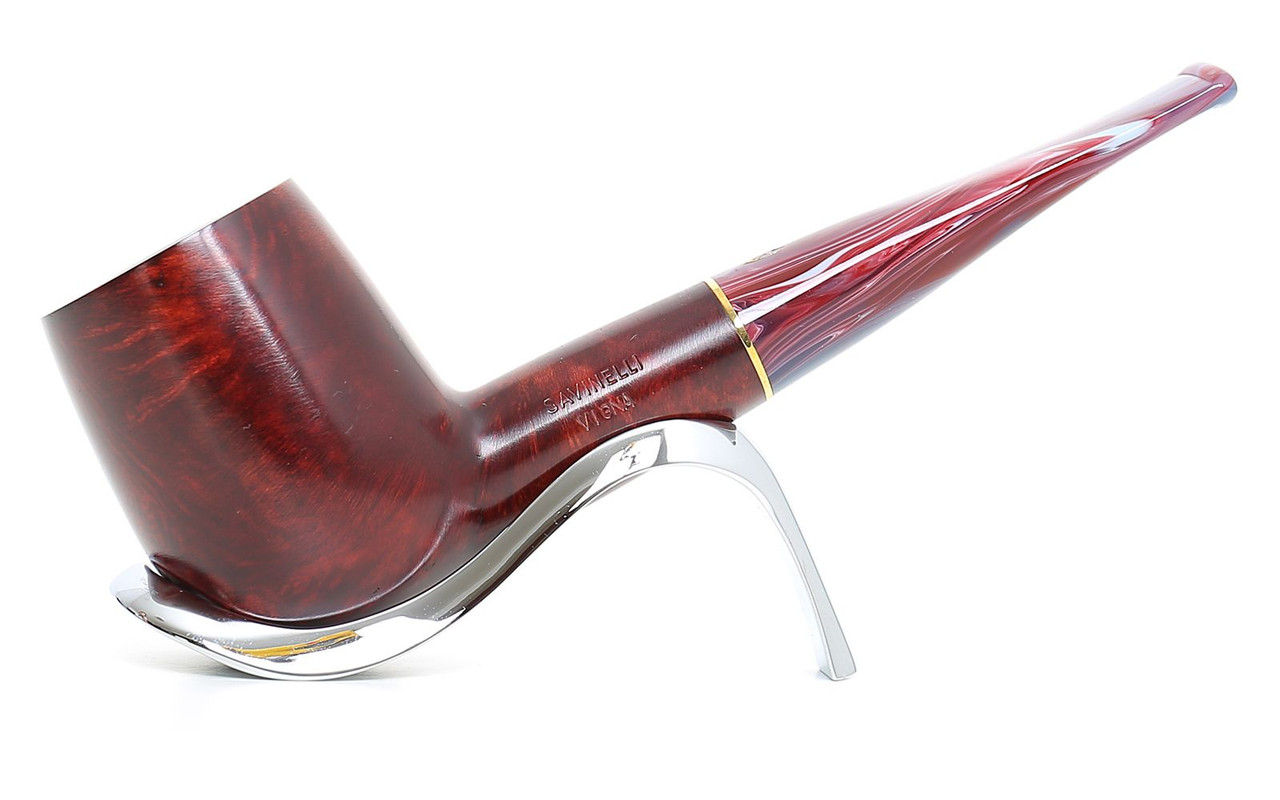
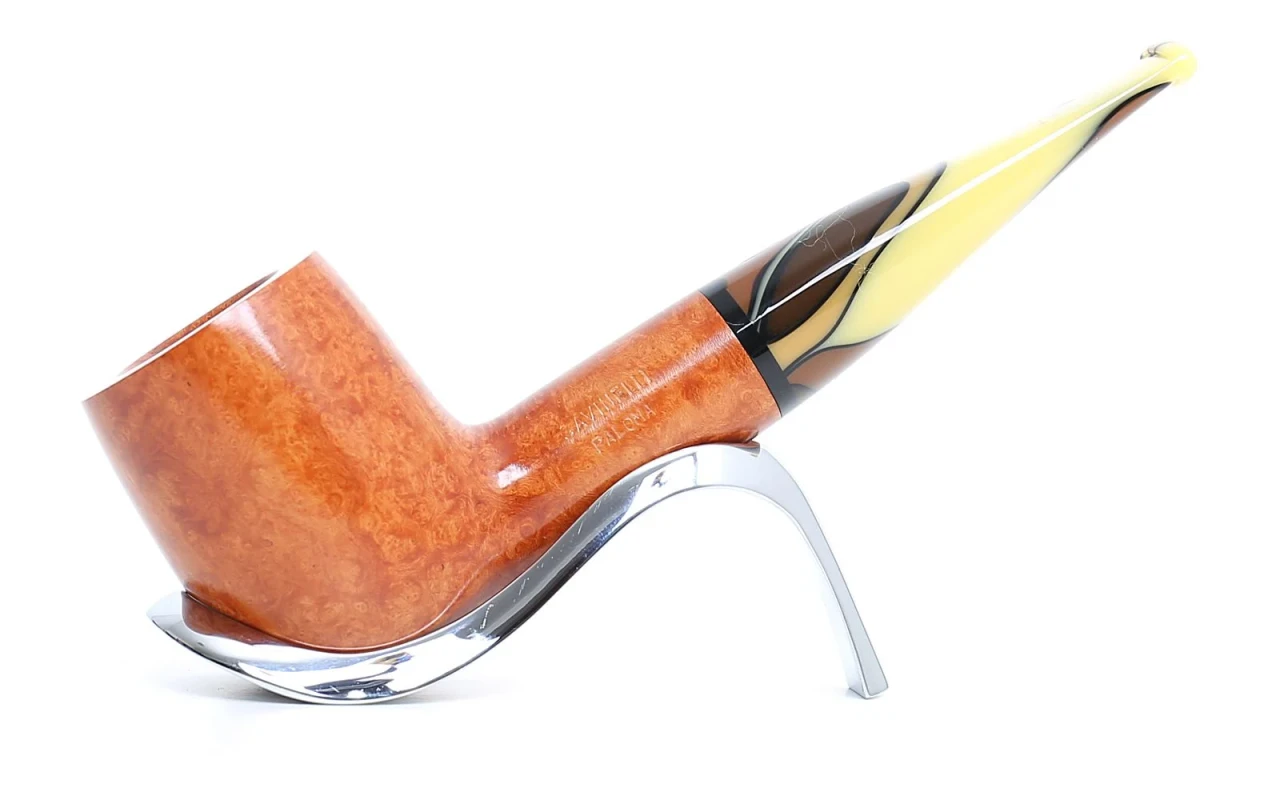
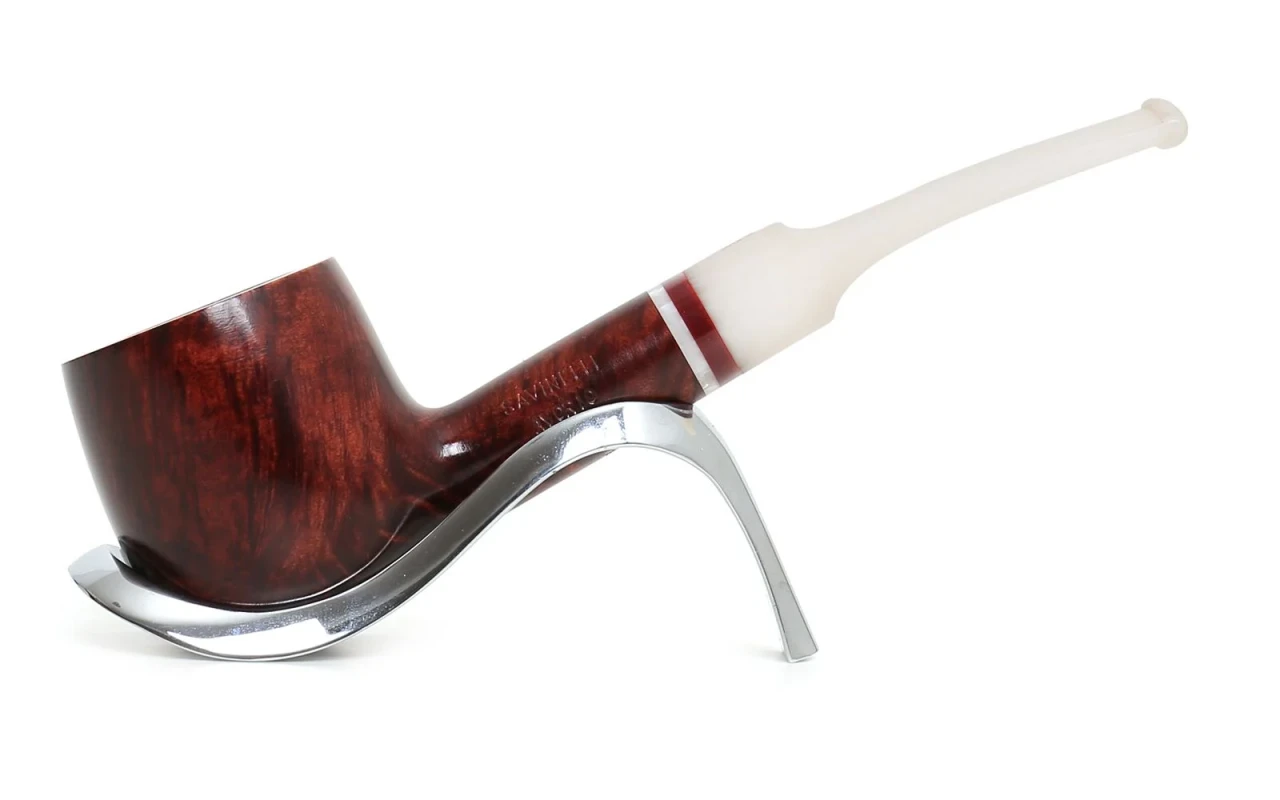
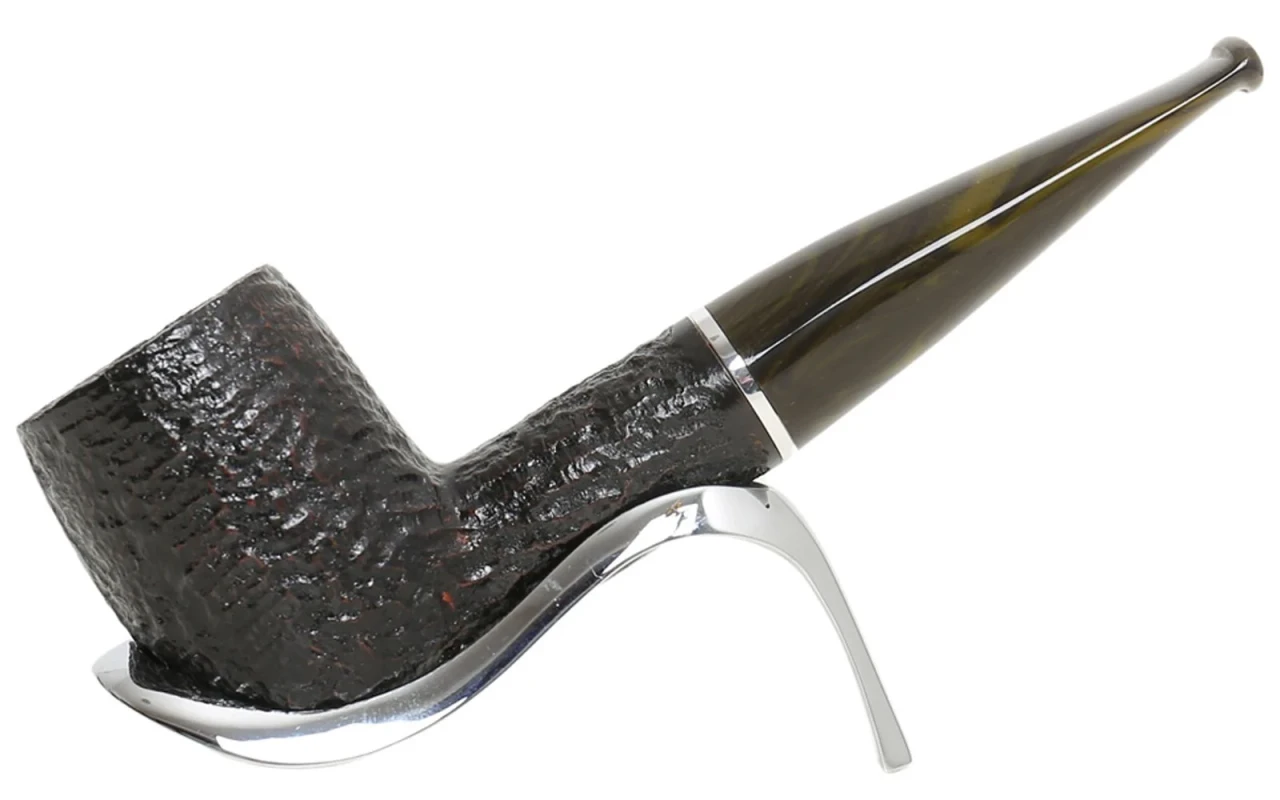
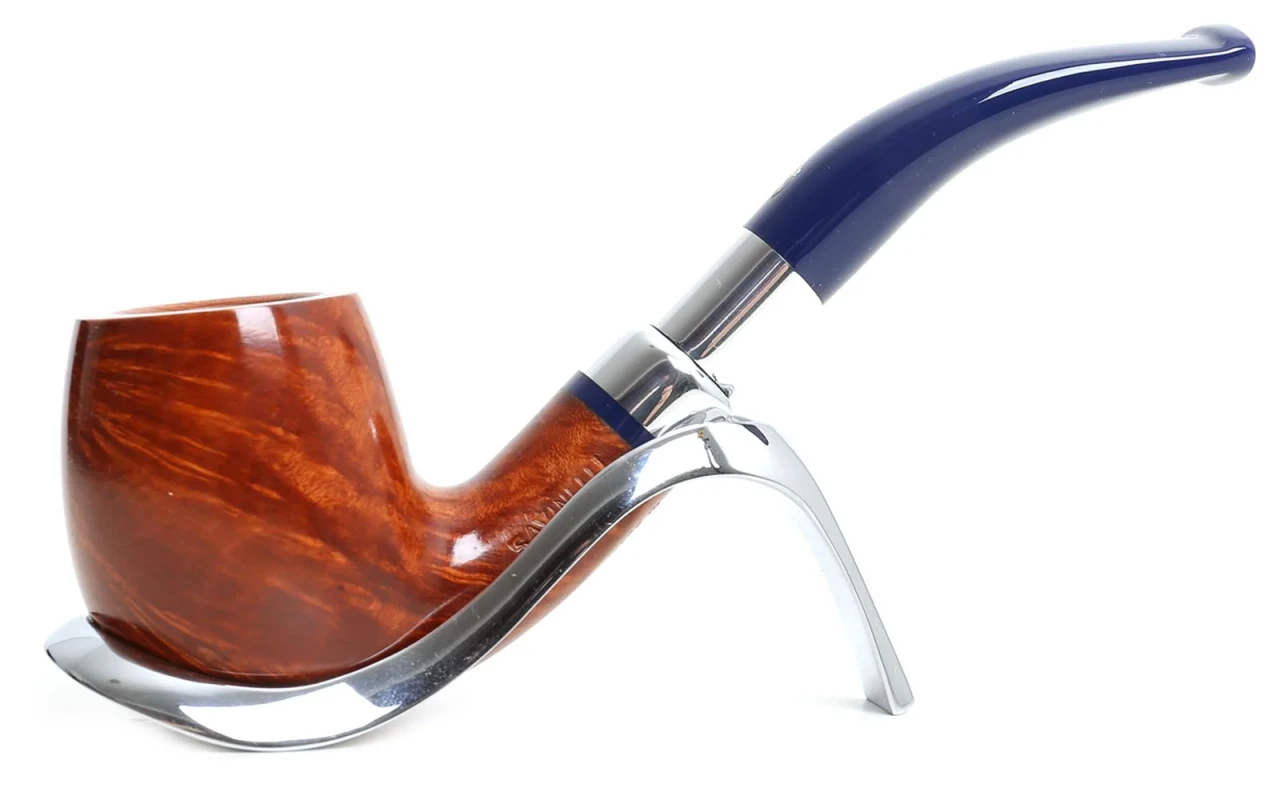
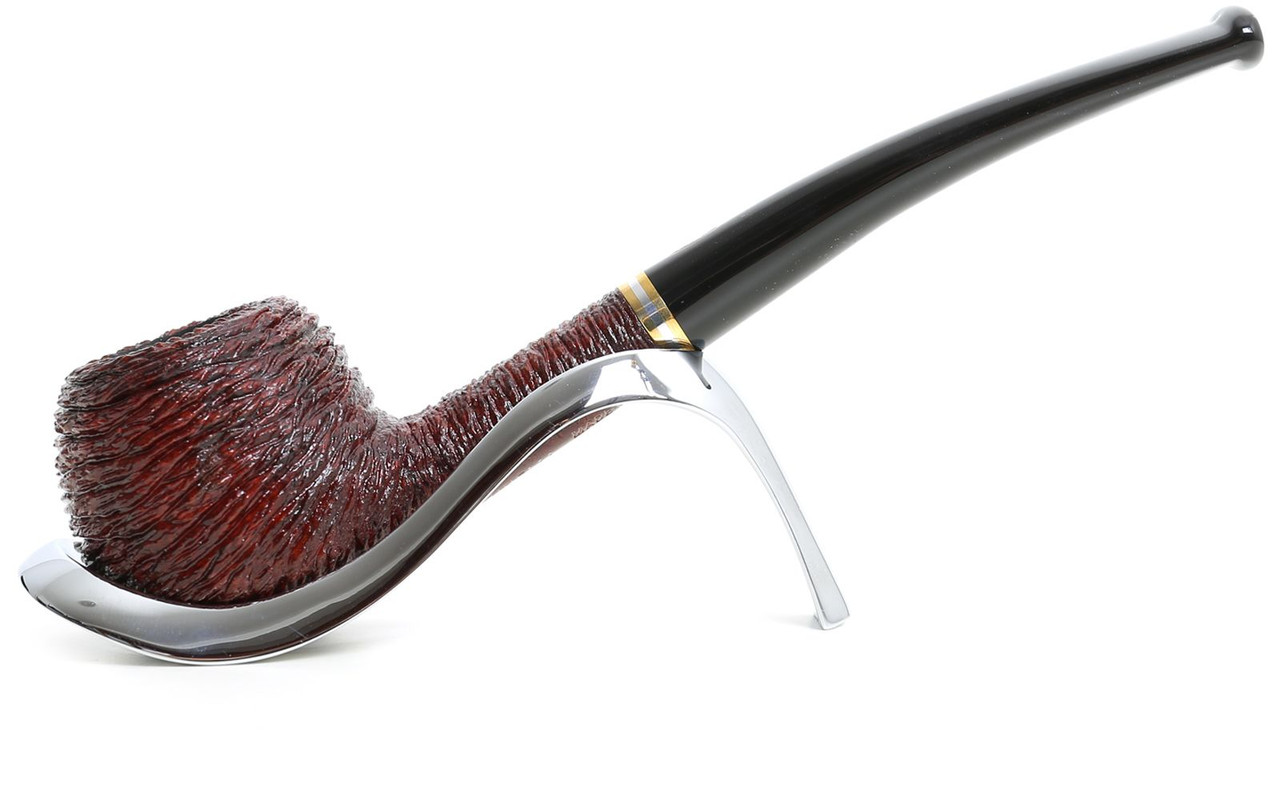
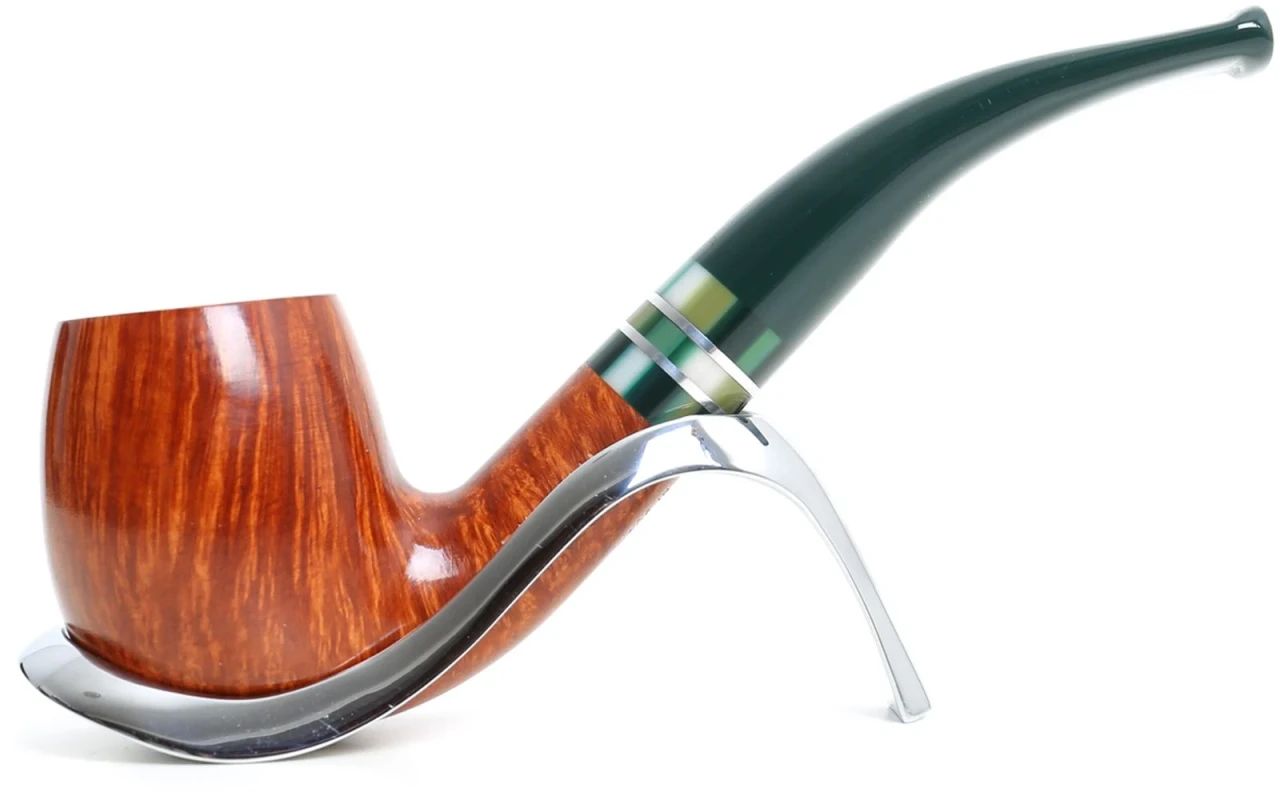
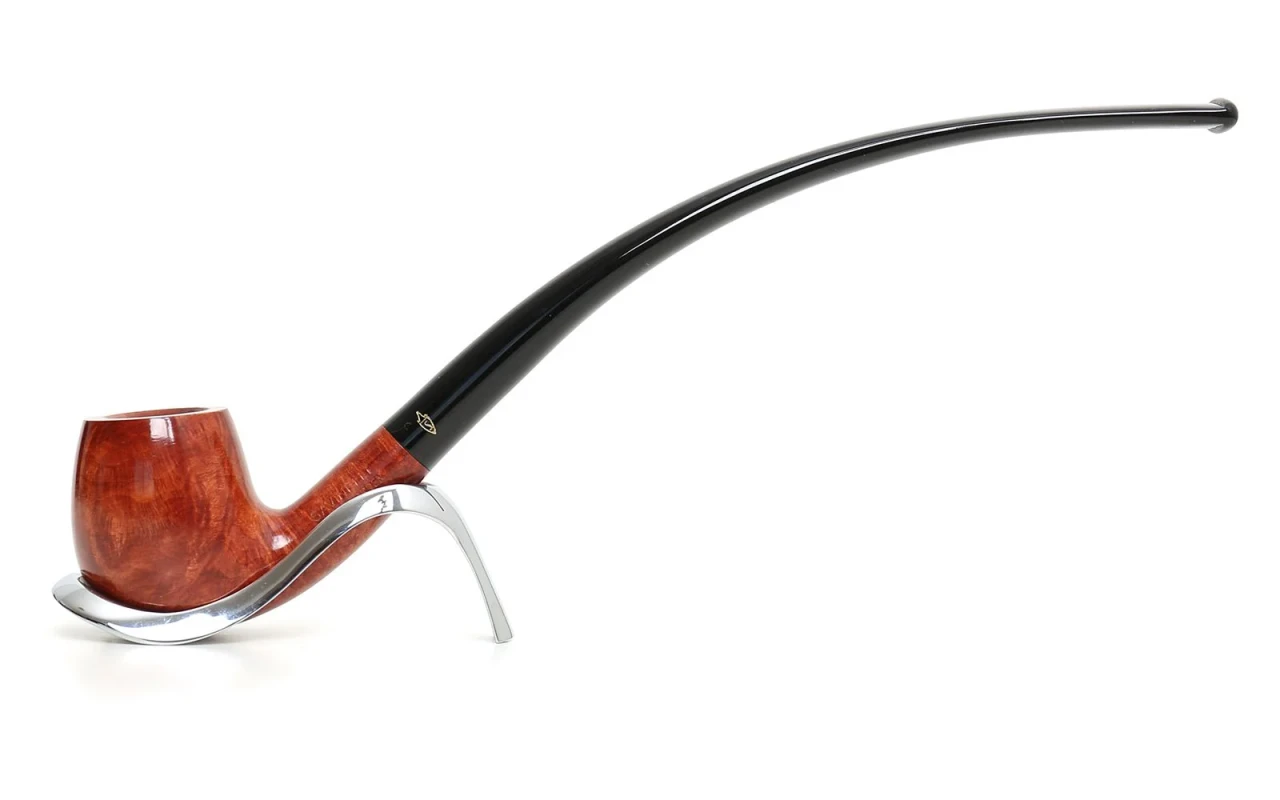
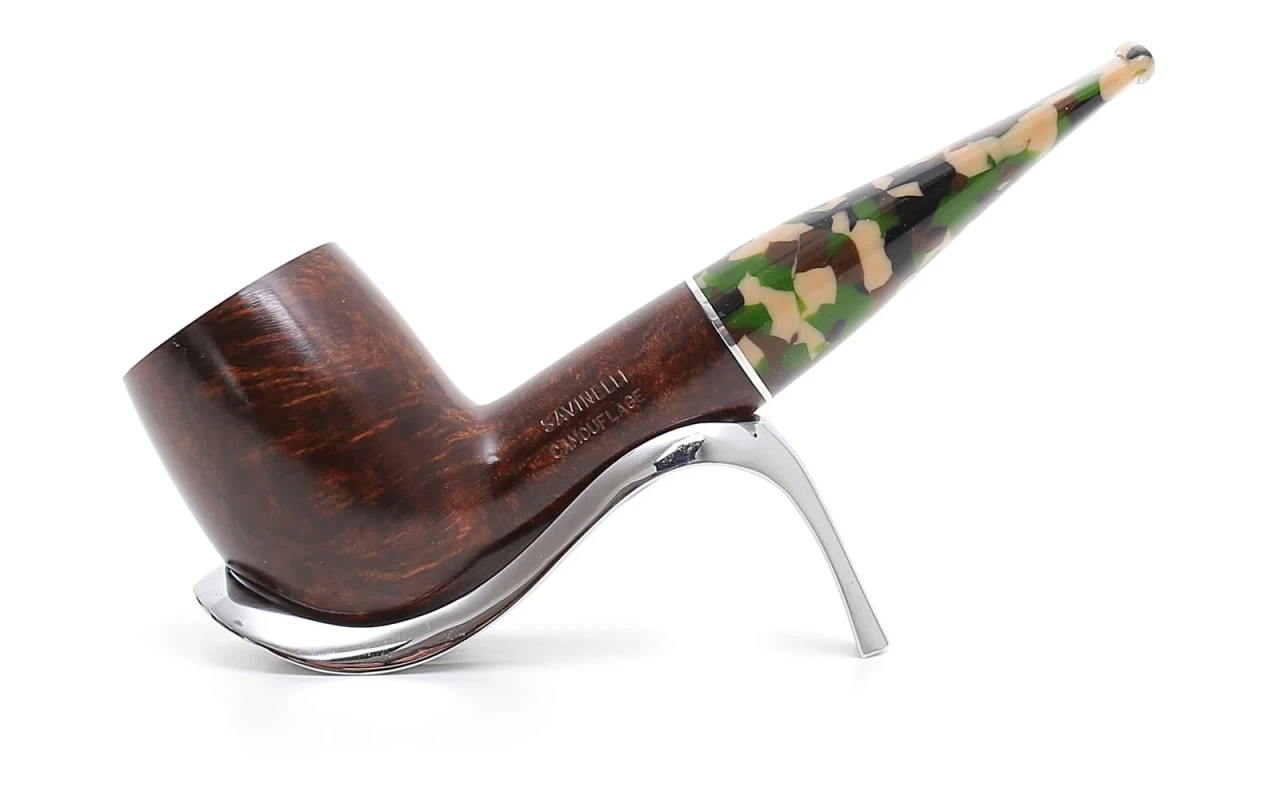
Transformations in pipe production due to the war
During the war, significant transformations occurred in the production of pipes. Traditional raw materials such as briar wood became scarce due to limited availability and their priority use for military purposes. As a result, manufacturers turned to alternative materials such as corn, clay, or metal. Processing techniques were adapted to ensure efficient pipe production during times of crisis. Furthermore, the style and design of pipes underwent changes to reflect the era and the needs of the wartime period.
Evolution of pipe production during the war
During the war, the evolution of pipe production was influenced by various factors. Pipes made of precious materials such as ebony or ivory became less common due to supply limitations and wartime production priorities. Consequently, pipes made of simpler materials such as corn cob or briar became popular among smokers. At the same time, production techniques underwent adaptations to optimize efficiency and reduce costs. Pipes often became more rustic in craftsmanship, but still maintained their functionality. This period marked a turning point in the pipe industry, with a greater focus on practicality and material availability.
Adaptations in pipe production during times of conflict
During periods of conflict, adaptations in pipe production may include the choice of alternative materials to traditional ones, such as walnut briar or corn cob. These materials may be more readily available and less expensive than imported ones, ensuring a continuous production despite logistical difficulties. Additionally, manufacturers may focus on simpler and standardized models to optimize production times and reduce costs. Finally, faster and more efficient processing techniques may be introduced to meet demand in a context of limited resources and economic uncertainty.
Changes in pipe manufacturing due to the war
During the war, pipe manufacturing underwent significant changes. Traditional materials such as briar wood became increasingly scarce due to import restrictions. Consequently, manufacturers had to adapt by using alternatives such as corn cob or metal. Metal pipes became particularly popular among soldiers for their resistance and durability. Furthermore, the size and shape of pipes changed to make them more practical and portable in the field. These adaptations demonstrate how the war not only influenced society but also manufacturing traditions, leading to innovations in the pipe industry.
'%3e%3cg id='Final-Copy-2_2_' transform='translate(1275.000000, 200.000000)'%3e%3cpath class='st0' d='M7.4,12.8h6.8l3.1-11.6H7.4C4.2,1.2,1.6,3.8,1.6,7S4.2,12.8,7.4,12.8z'/%3e%3c/g%3e%3c/g%3e%3c/g%3e%3cg id='final---dec.11-2020'%3e%3cg id='_x30_208-our-toggle' transform='translate(-1275.000000, -200.000000)'%3e%3cg id='Final-Copy-2' transform='translate(1275.000000, 200.000000)'%3e%3cpath class='st1' d='M22.6,0H7.4c-3.9,0-7,3.1-7,7s3.1,7,7,7h15.2c3.9,0,7-3.1,7-7S26.4,0,22.6,0z M1.6,7c0-3.2,2.6-5.8,5.8-5.8 h9.9l-3.1,11.6H7.4C4.2,12.8,1.6,10.2,1.6,7z'/%3e%3cpath id='x' class='st2' d='M24.6,4c0.2,0.2,0.2,0.6,0,0.8l0,0L22.5,7l2.2,2.2c0.2,0.2,0.2,0.6,0,0.8c-0.2,0.2-0.6,0.2-0.8,0 l0,0l-2.2-2.2L19.5,10c-0.2,0.2-0.6,0.2-0.8,0c-0.2-0.2-0.2-0.6,0-0.8l0,0L20.8,7l-2.2-2.2c-0.2-0.2-0.2-0.6,0-0.8 c0.2-0.2,0.6-0.2,0.8,0l0,0l2.2,2.2L23.8,4C24,3.8,24.4,3.8,24.6,4z'/%3e%3cpath id='y' class='st3' d='M12.7,4.1c0.2,0.2,0.3,0.6,0.1,0.8l0,0L8.6,9.8C8.5,9.9,8.4,10,8.3,10c-0.2,0.1-0.5,0.1-0.7-0.1l0,0 L5.4,7.7c-0.2-0.2-0.2-0.6,0-0.8c0.2-0.2,0.6-0.2,0.8,0l0,0L8,8.6l3.8-4.5C12,3.9,12.4,3.9,12.7,4.1z'/%3e%3c/g%3e%3c/g%3e%3c/g%3e%3c/g%3e%3c/svg%3e) Your Privacy Choices
Your Privacy Choices 


