 ES
ES FR
FR EN
EN IT
IT DE
DE
Traditions and Curiosities in the World of Pipes
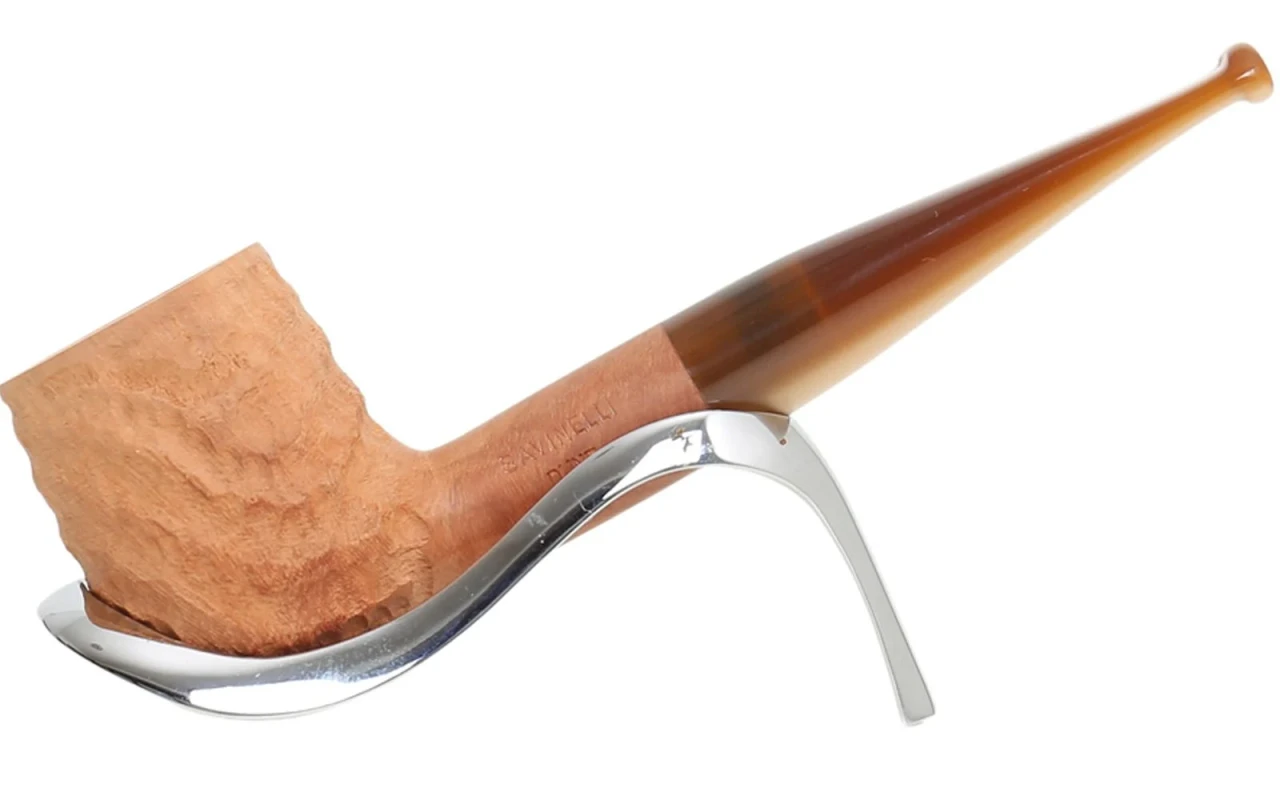
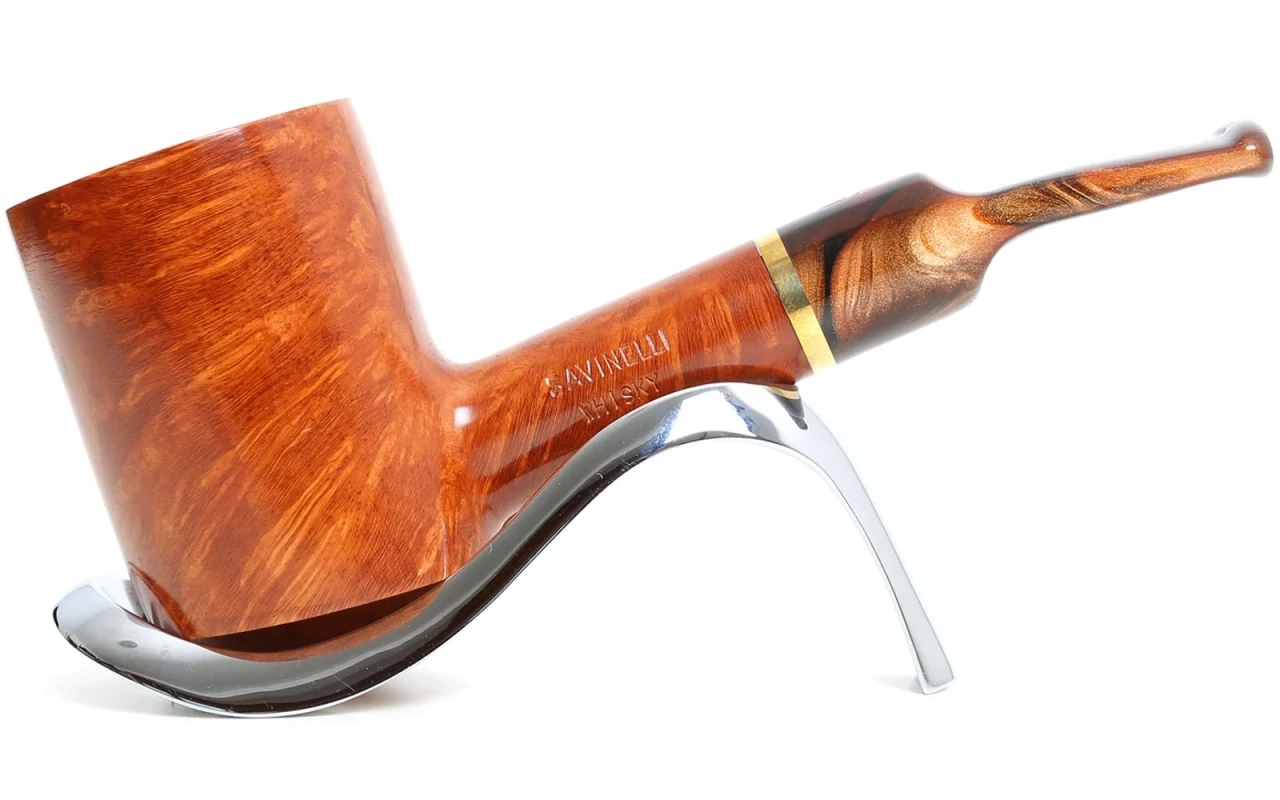
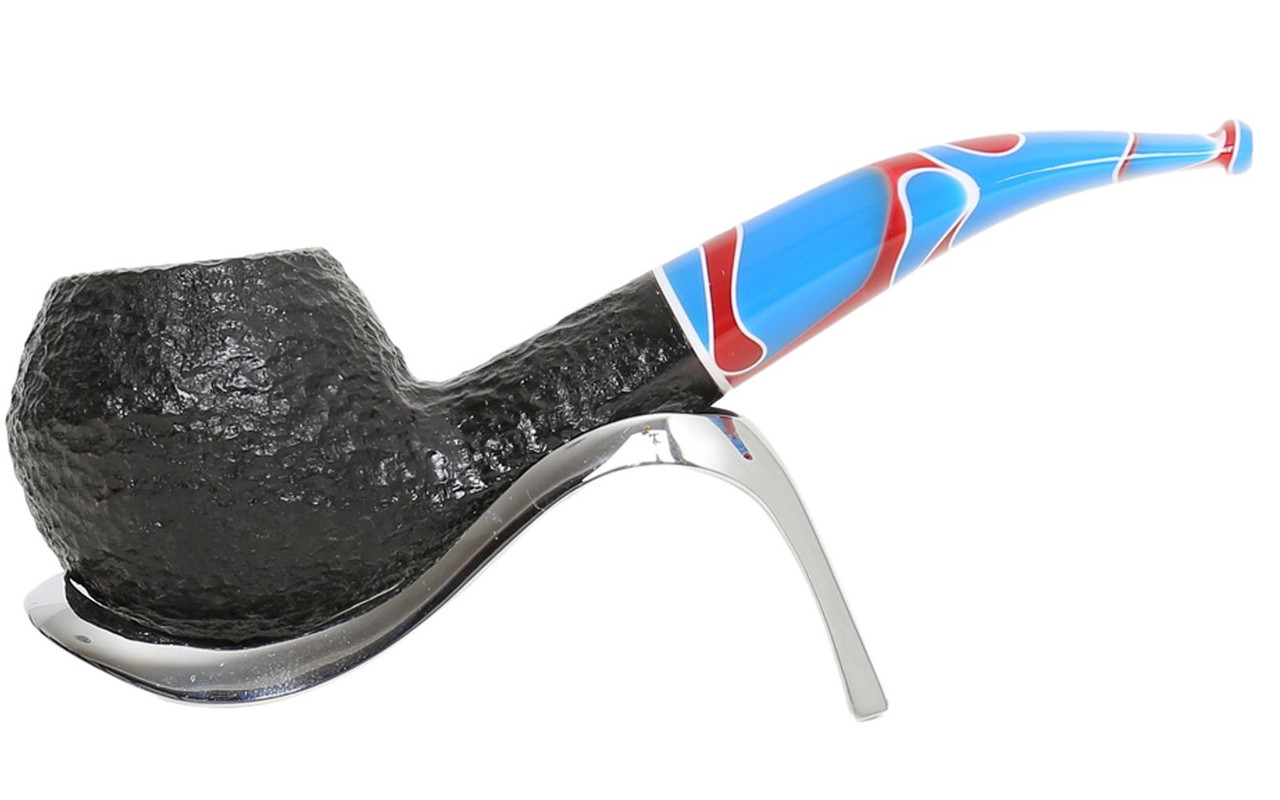
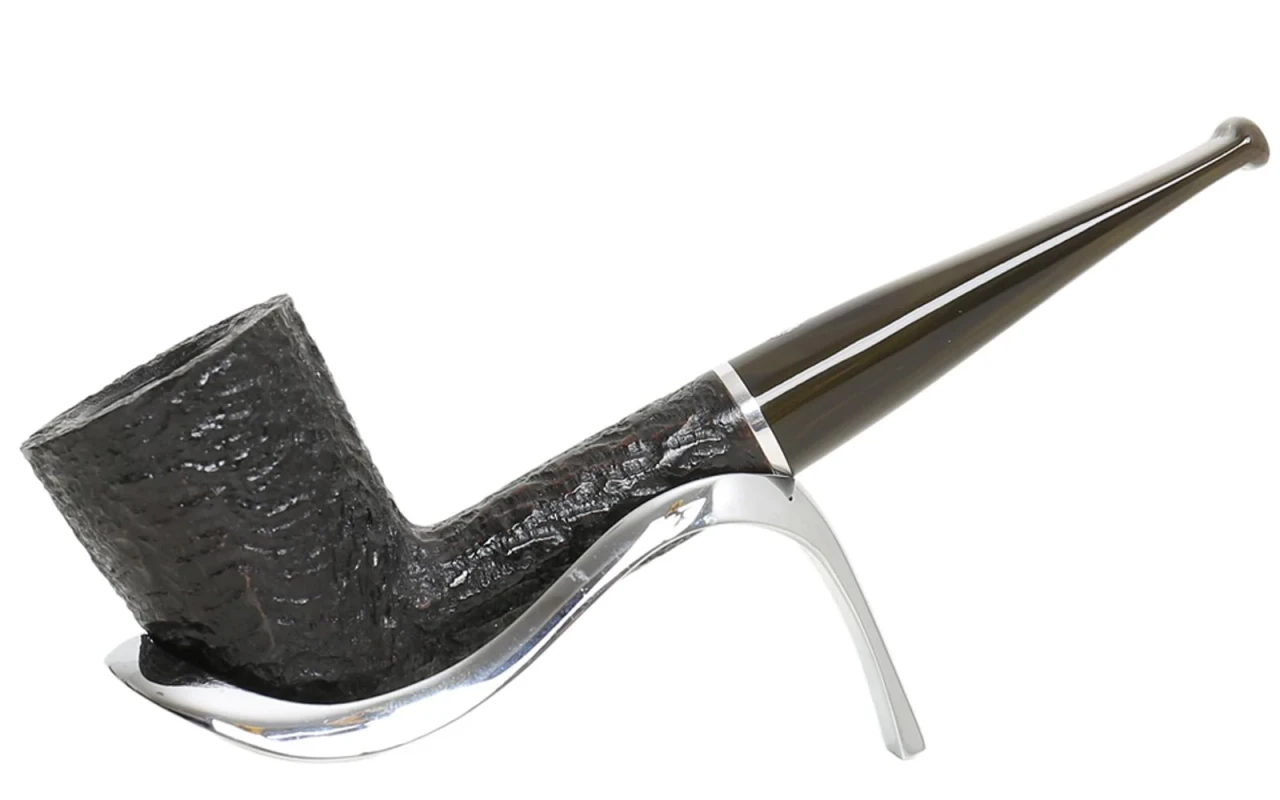

Traditions and Curiosities in the World of Pipes
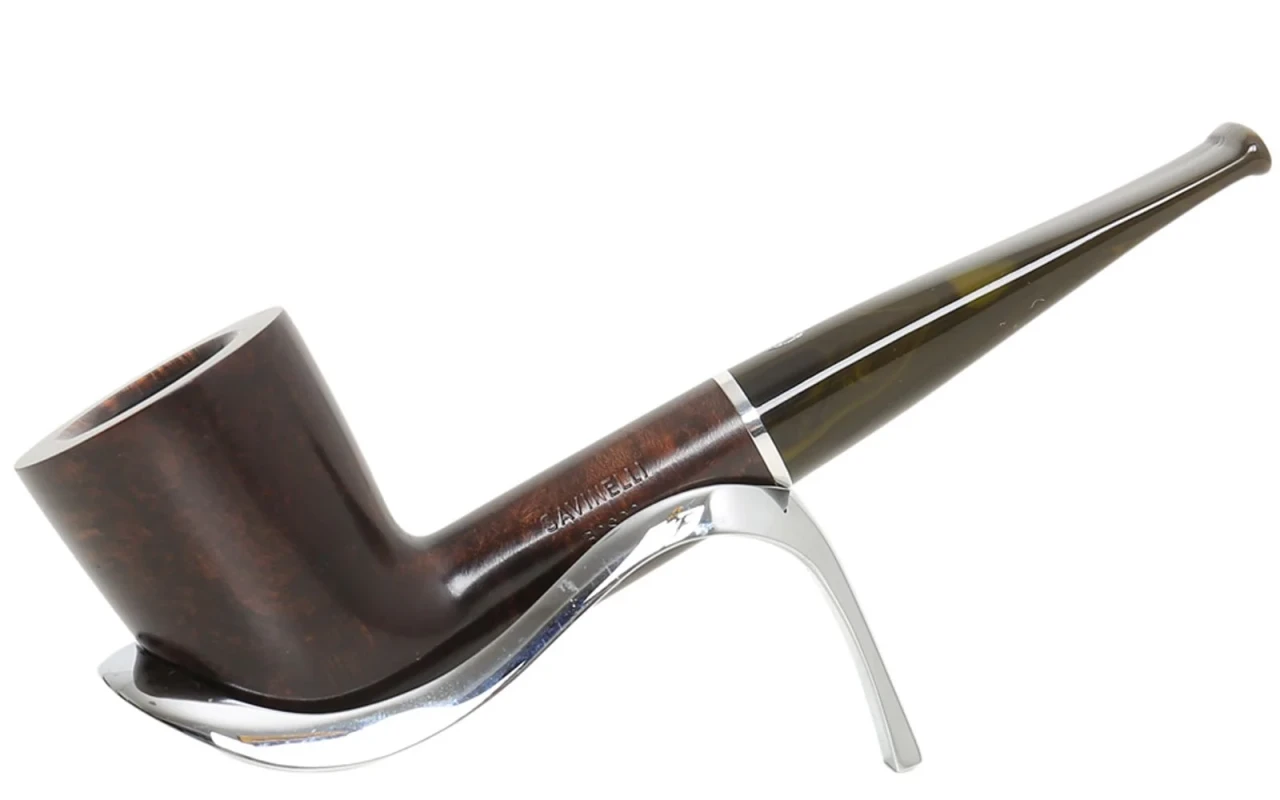
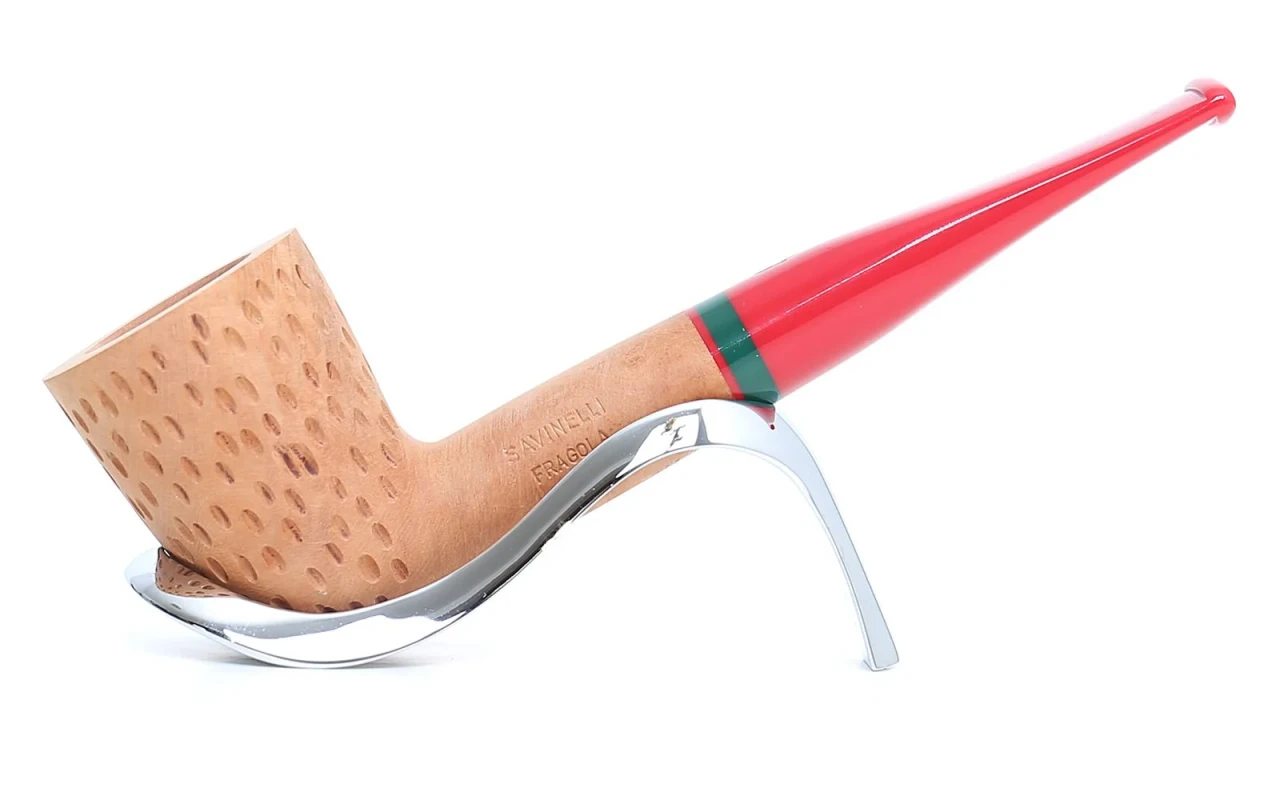
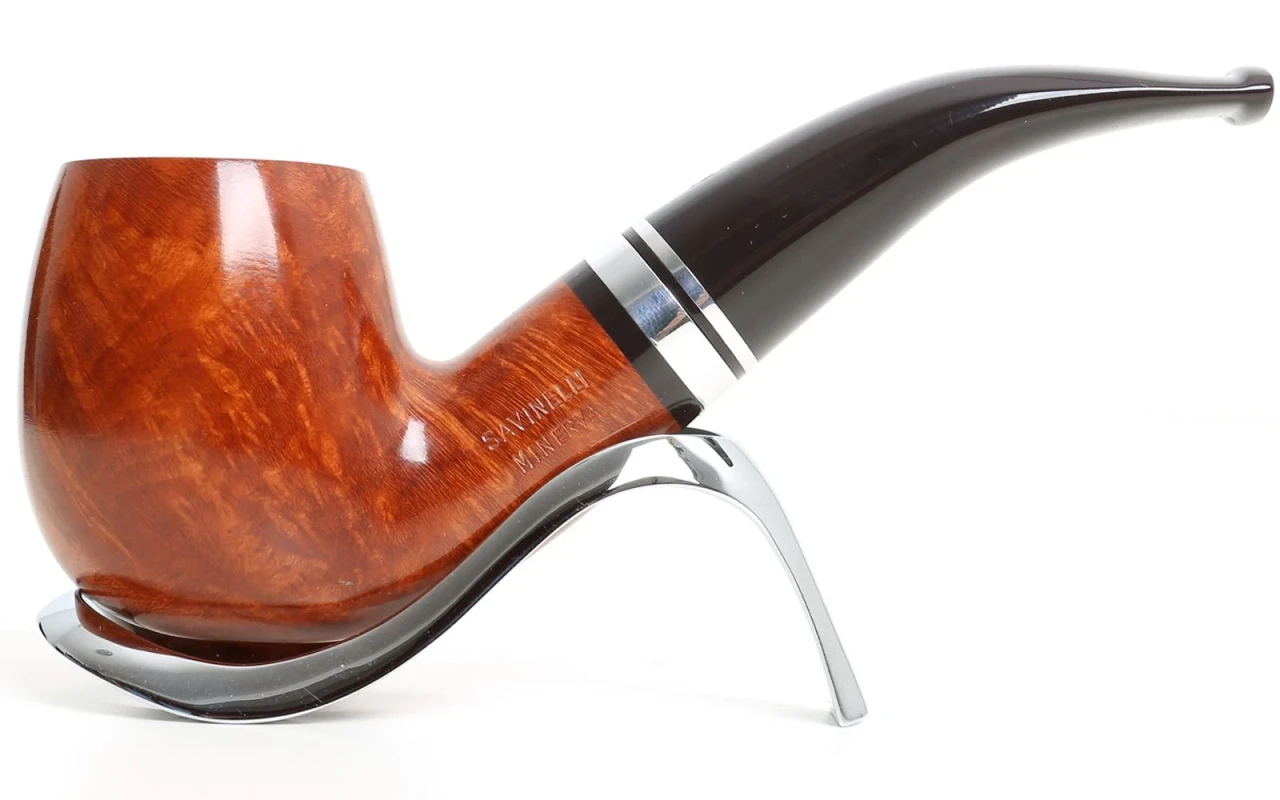
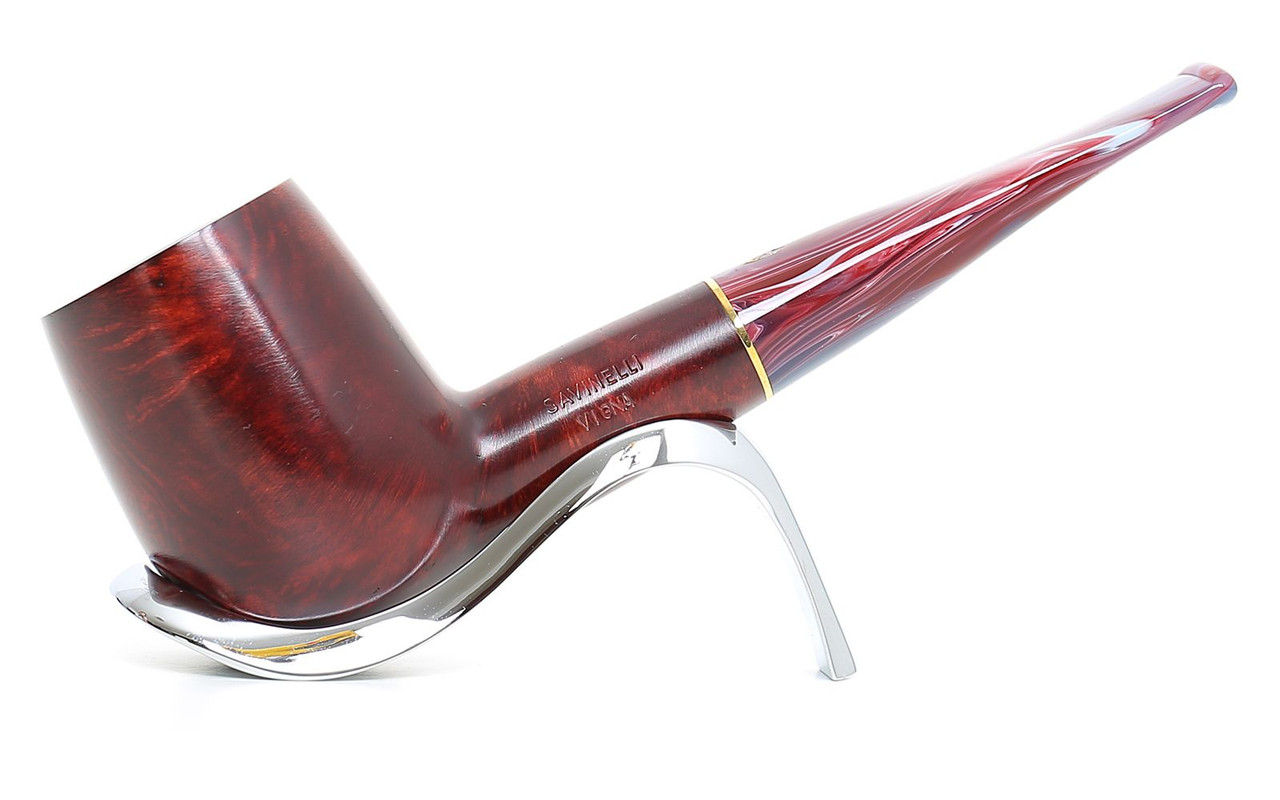
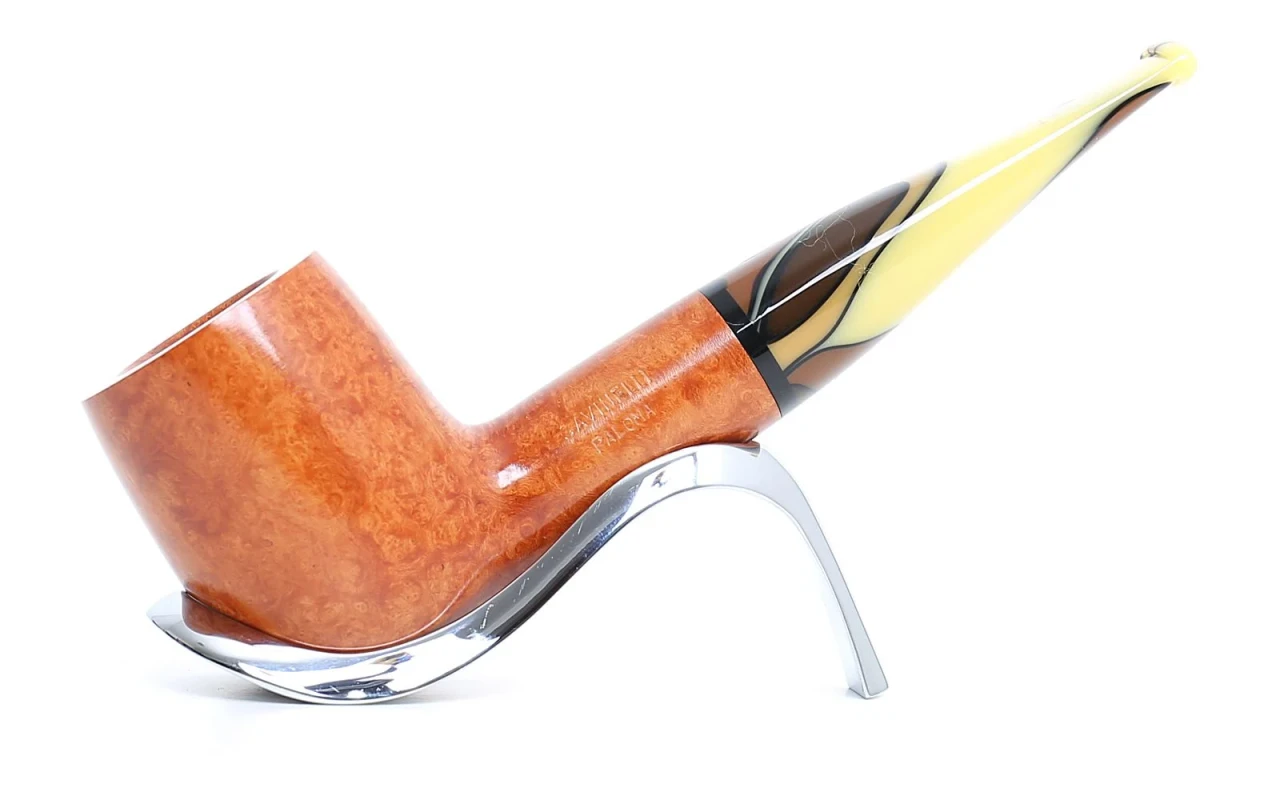
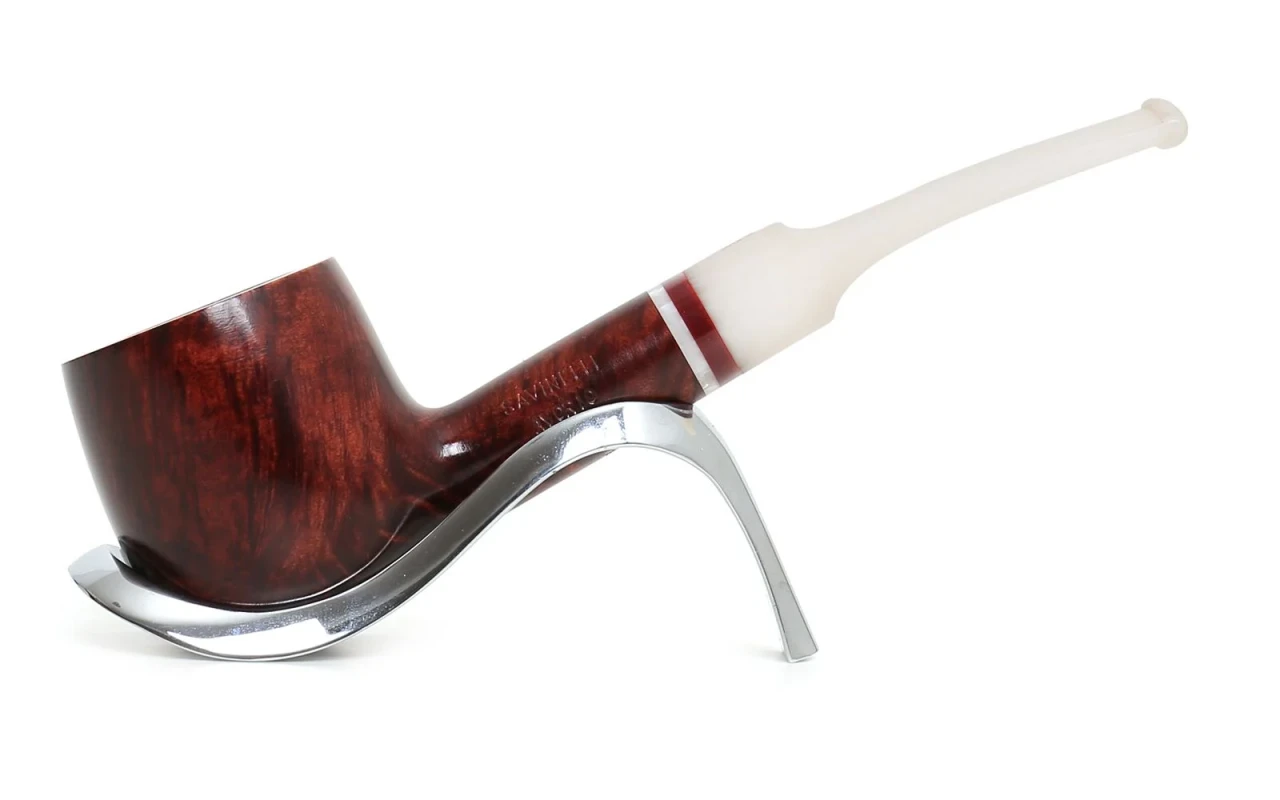
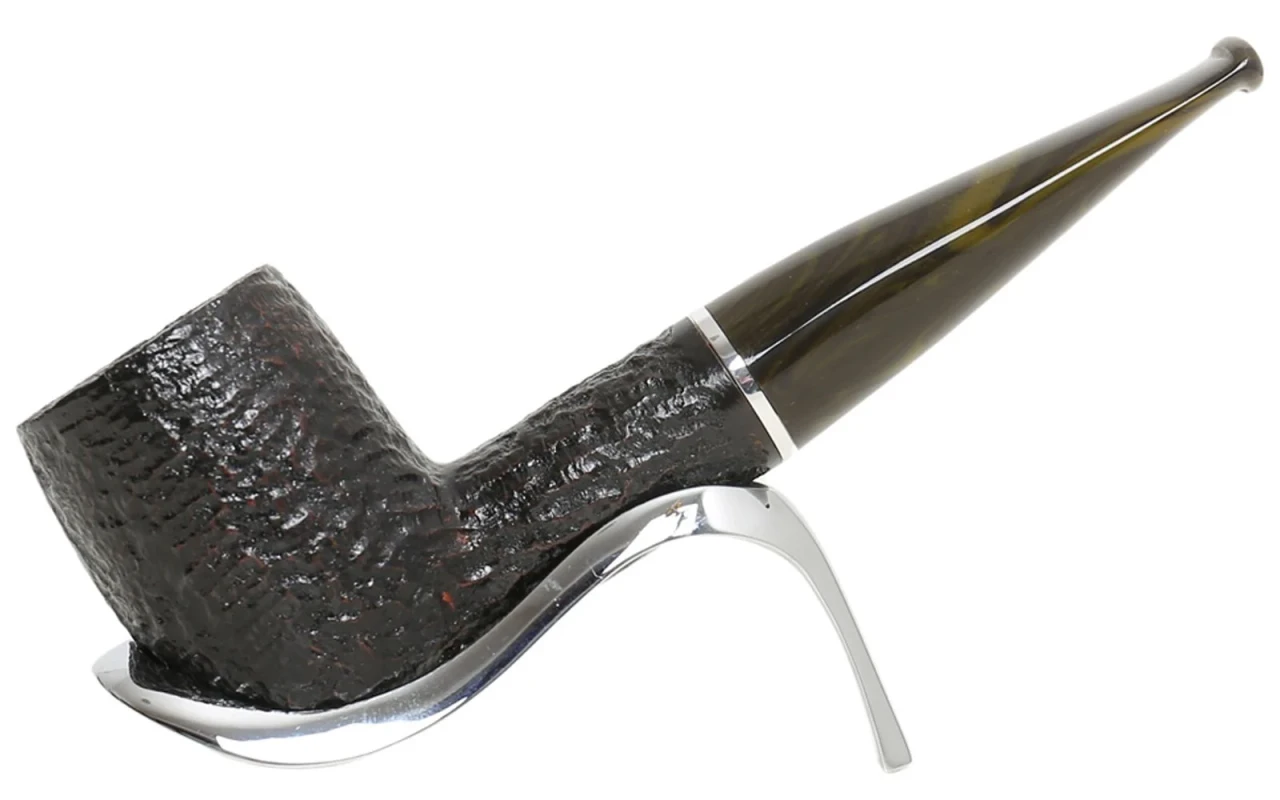
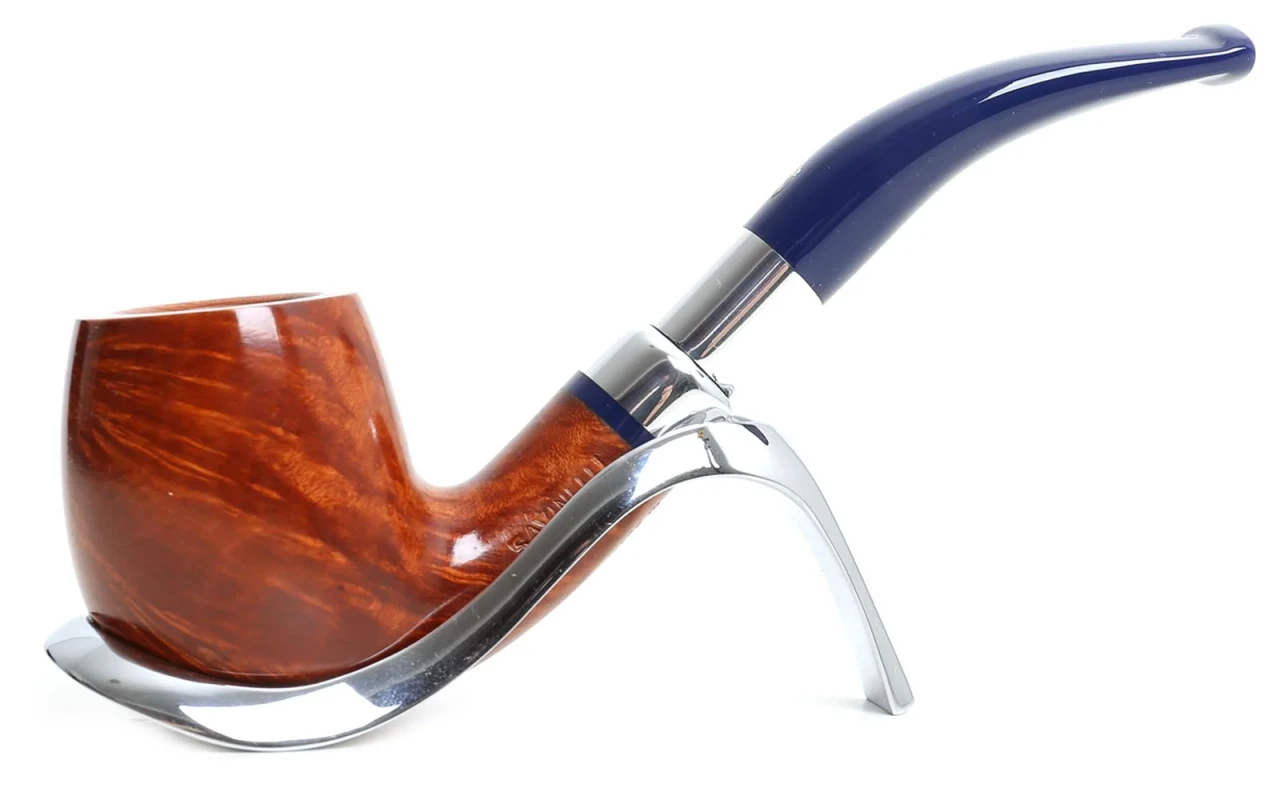
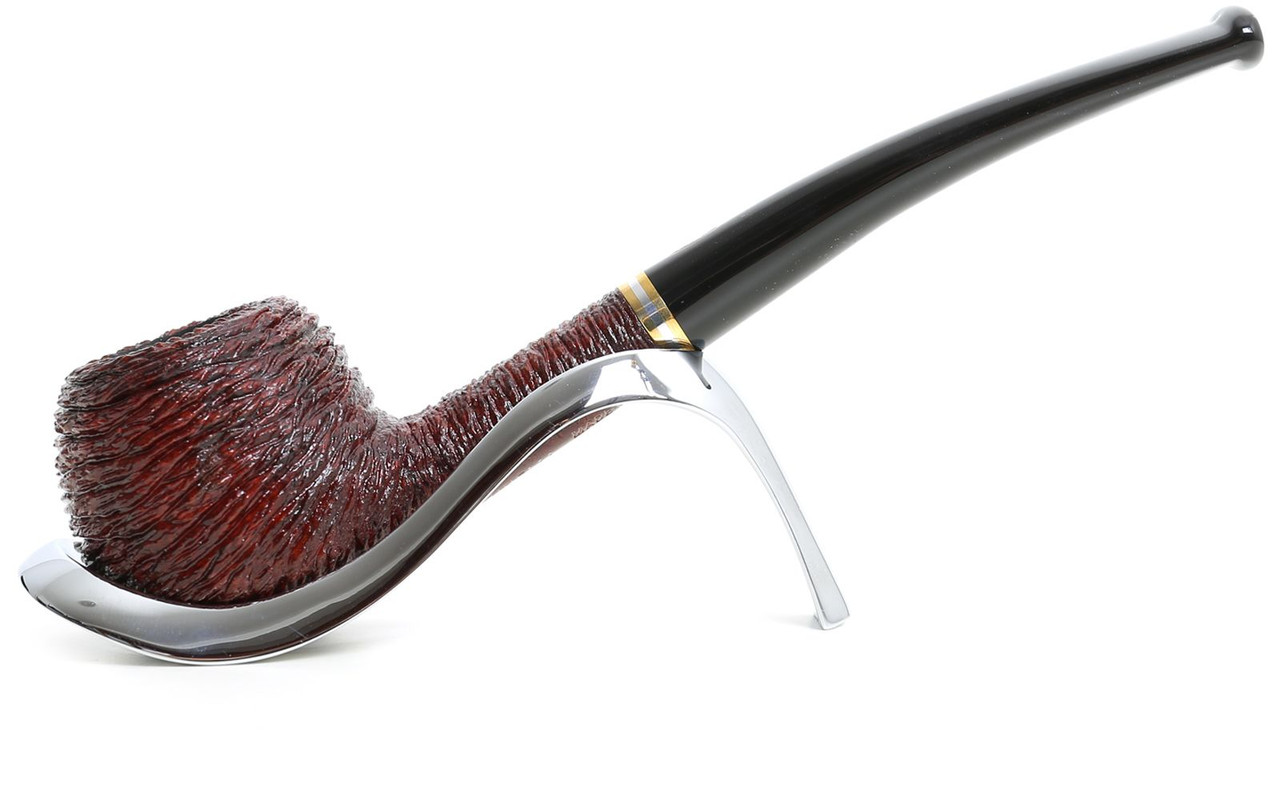
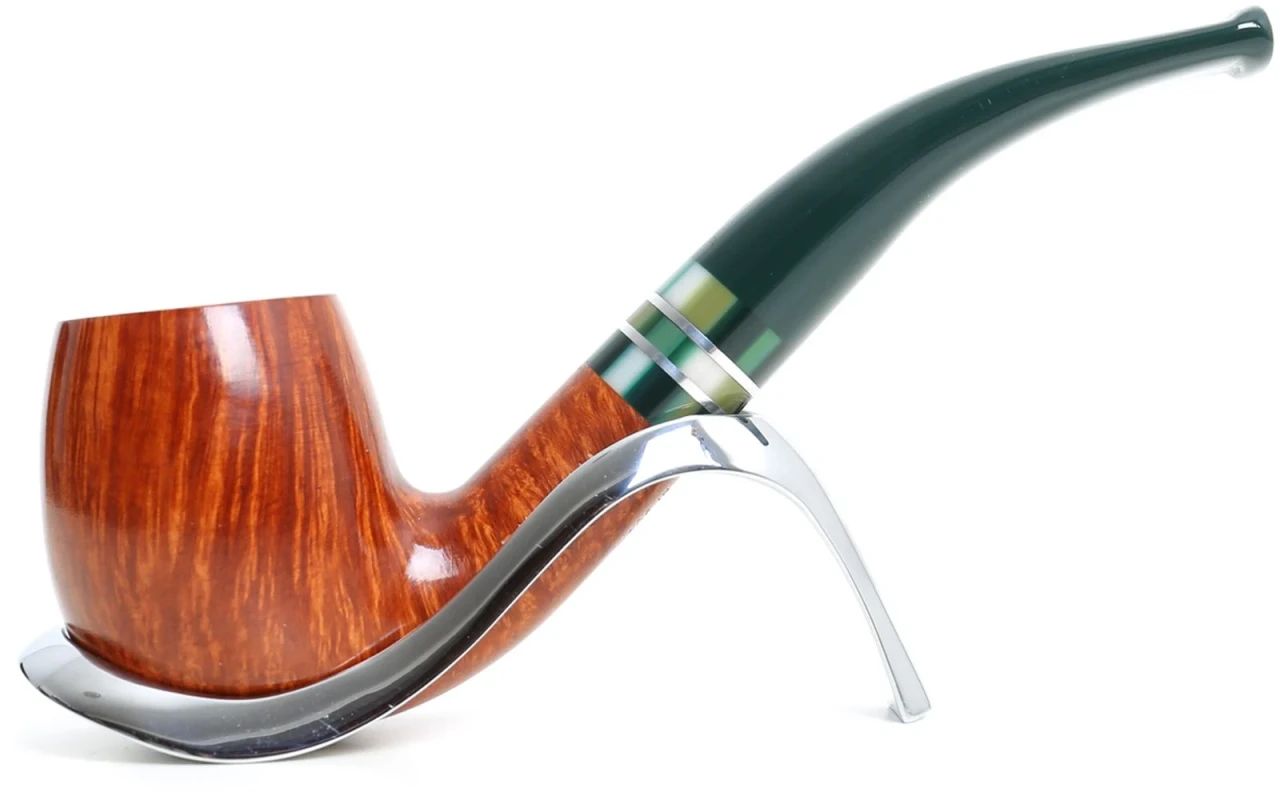
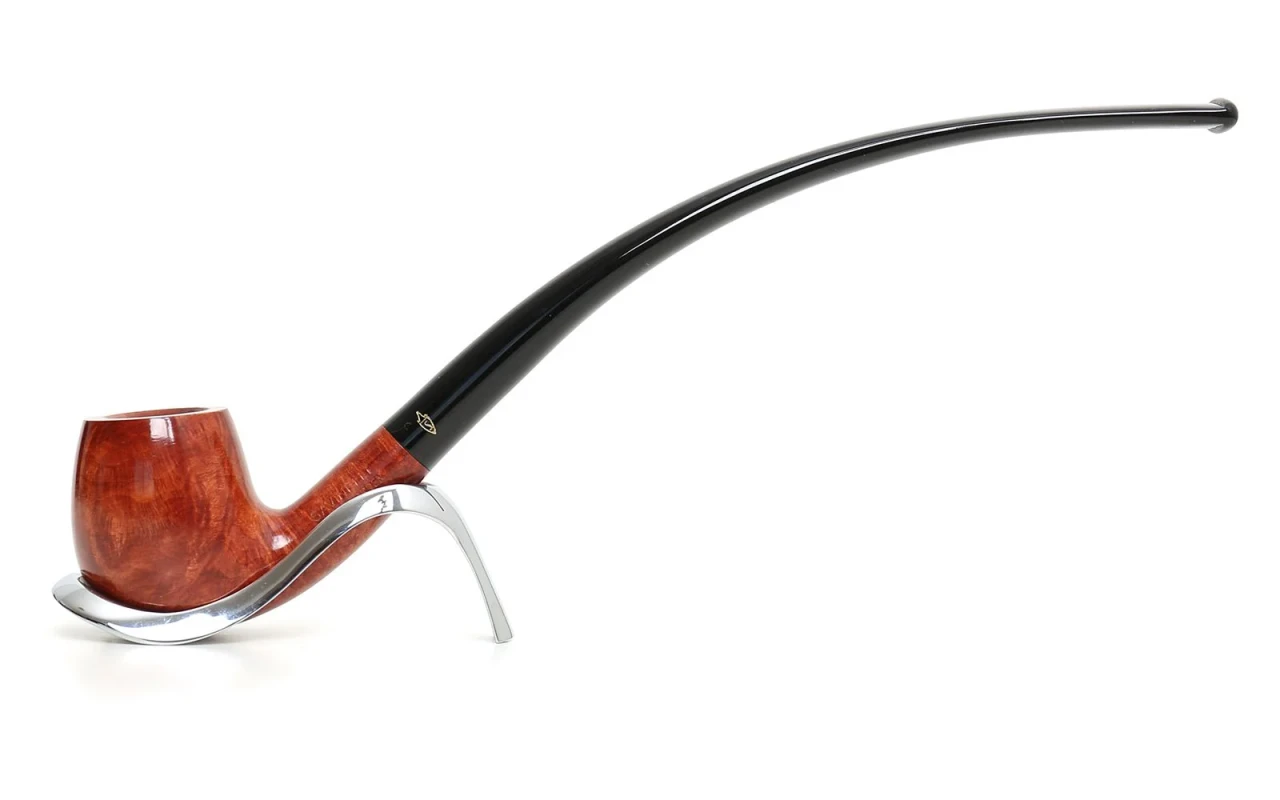
Pipes have a long history and are connected to various traditions and curiosities around the world. For instance, in many cultures, smoking a pipe is considered a moment of relaxation and socialization. It is interesting to note that there are different materials used to make pipes, such as wood, clay, briar, and corn cob. Additionally, there are various types of pipes, including water pipes and tobacco pipes. Interesting facts also revolve around the different rituals associated with pipe smoking, which vary from culture to culture.
Maintenance and Cleaning of Pipes
Maintenance and cleaning of pipes are essential to ensure optimal smoking and extend the lifespan of the device. Here are some useful tips:- After each use, empty the ash and gently clean the inner surface with a pipe cleaner.- Periodically, remove the tar residue with a specific scraper.- Use specific products to clean the stem and the mouthpiece.- Avoid washing the pipe with water, as it could damage it.- Allow the pipe to dry thoroughly before storing it.By following these simple practices, you can fully enjoy your favorite pipe for a long time.
Best Materials for Pipes
The best materials for pipes are primarily wood, briar, and meerschaum. These materials are chosen for their heat resistance, ability to absorb moisture, and for providing a neutral taste during smoking. High-quality wood is often preferred for its capacity to enhance the tobacco flavor over time. Other materials used include corn cob, clay, and meerschaum, each with its own unique characteristics. It is essential to select a pipe made with high-quality materials to ensure a superior smoking experience and longevity.
History and Evolution of Pipes
Pipes are tools used for smoking tobacco for centuries. The history of pipes dates back to antiquity, with archaeological evidence showing the presence of primitive pipes as early as 5000 BC. Over the centuries, pipes have undergone various transformations, evolving from simple reeds to more sophisticated and decorated instruments. During the Renaissance, pipes became popular in Europe, while in the 18th century the use of loose-leaf tobacco spread. Today, pipes are appreciated both for their aesthetic value and for the ritualistic aspect associated with their use. Various cultures have developed different types of pipes, each with unique characteristics.
'%3e%3cg id='Final-Copy-2_2_' transform='translate(1275.000000, 200.000000)'%3e%3cpath class='st0' d='M7.4,12.8h6.8l3.1-11.6H7.4C4.2,1.2,1.6,3.8,1.6,7S4.2,12.8,7.4,12.8z'/%3e%3c/g%3e%3c/g%3e%3c/g%3e%3cg id='final---dec.11-2020'%3e%3cg id='_x30_208-our-toggle' transform='translate(-1275.000000, -200.000000)'%3e%3cg id='Final-Copy-2' transform='translate(1275.000000, 200.000000)'%3e%3cpath class='st1' d='M22.6,0H7.4c-3.9,0-7,3.1-7,7s3.1,7,7,7h15.2c3.9,0,7-3.1,7-7S26.4,0,22.6,0z M1.6,7c0-3.2,2.6-5.8,5.8-5.8 h9.9l-3.1,11.6H7.4C4.2,12.8,1.6,10.2,1.6,7z'/%3e%3cpath id='x' class='st2' d='M24.6,4c0.2,0.2,0.2,0.6,0,0.8l0,0L22.5,7l2.2,2.2c0.2,0.2,0.2,0.6,0,0.8c-0.2,0.2-0.6,0.2-0.8,0 l0,0l-2.2-2.2L19.5,10c-0.2,0.2-0.6,0.2-0.8,0c-0.2-0.2-0.2-0.6,0-0.8l0,0L20.8,7l-2.2-2.2c-0.2-0.2-0.2-0.6,0-0.8 c0.2-0.2,0.6-0.2,0.8,0l0,0l2.2,2.2L23.8,4C24,3.8,24.4,3.8,24.6,4z'/%3e%3cpath id='y' class='st3' d='M12.7,4.1c0.2,0.2,0.3,0.6,0.1,0.8l0,0L8.6,9.8C8.5,9.9,8.4,10,8.3,10c-0.2,0.1-0.5,0.1-0.7-0.1l0,0 L5.4,7.7c-0.2-0.2-0.2-0.6,0-0.8c0.2-0.2,0.6-0.2,0.8,0l0,0L8,8.6l3.8-4.5C12,3.9,12.4,3.9,12.7,4.1z'/%3e%3c/g%3e%3c/g%3e%3c/g%3e%3c/g%3e%3c/svg%3e) Your Privacy Choices
Your Privacy Choices 


