 ES
ES FR
FR EN
EN IT
IT DE
DE
The use of precious woods in pipe inlay
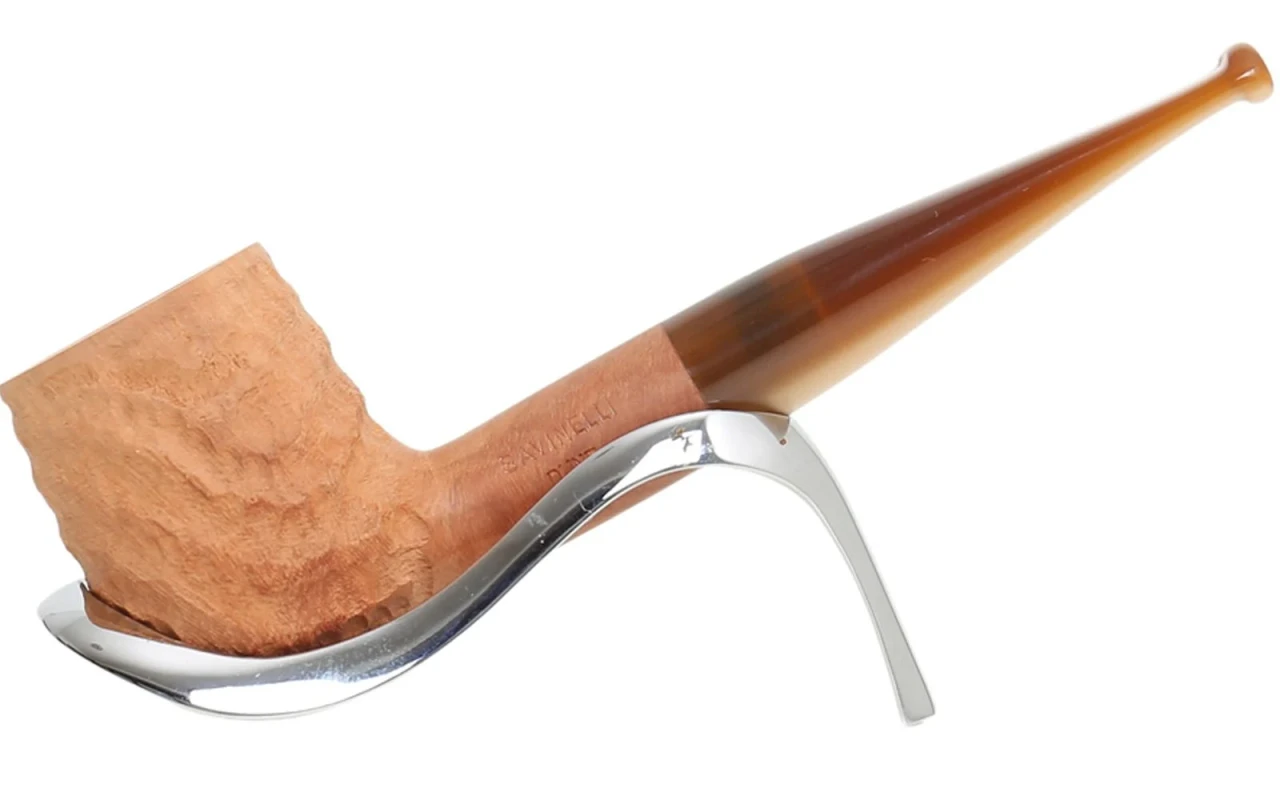
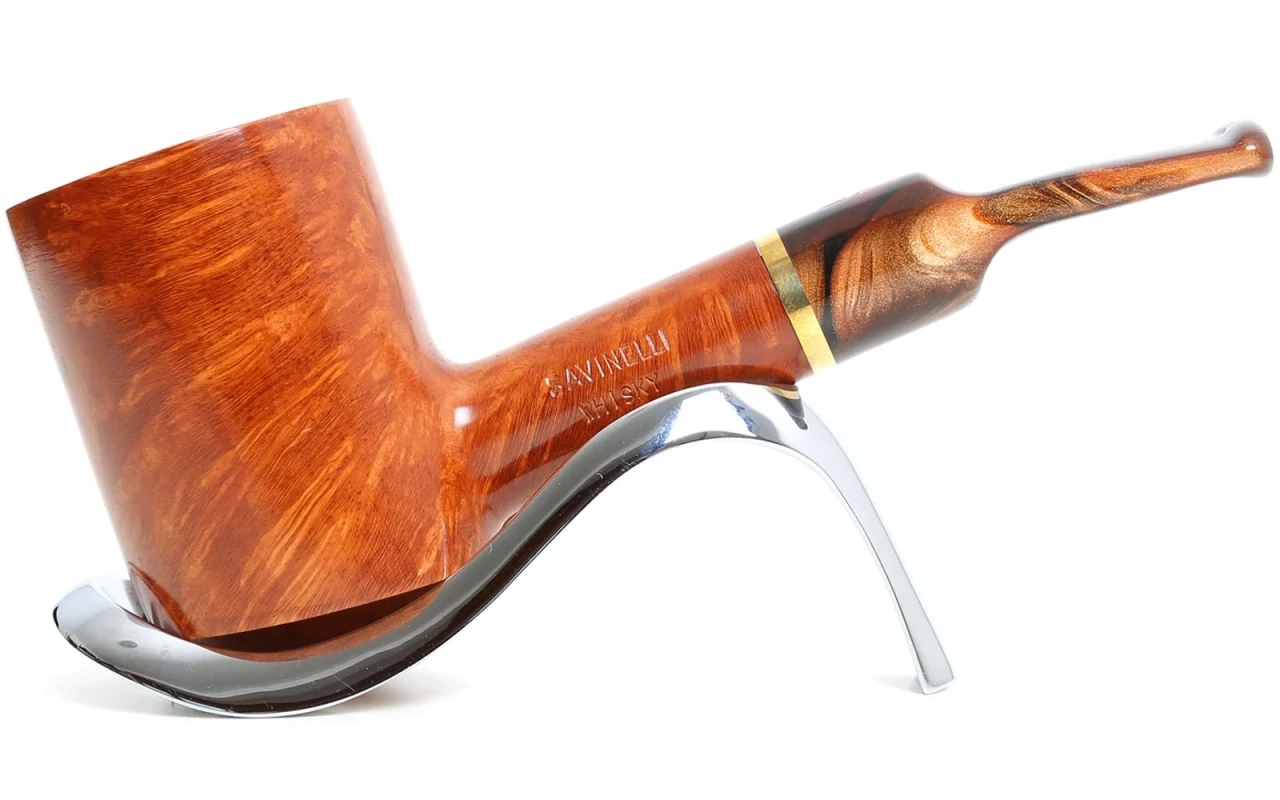
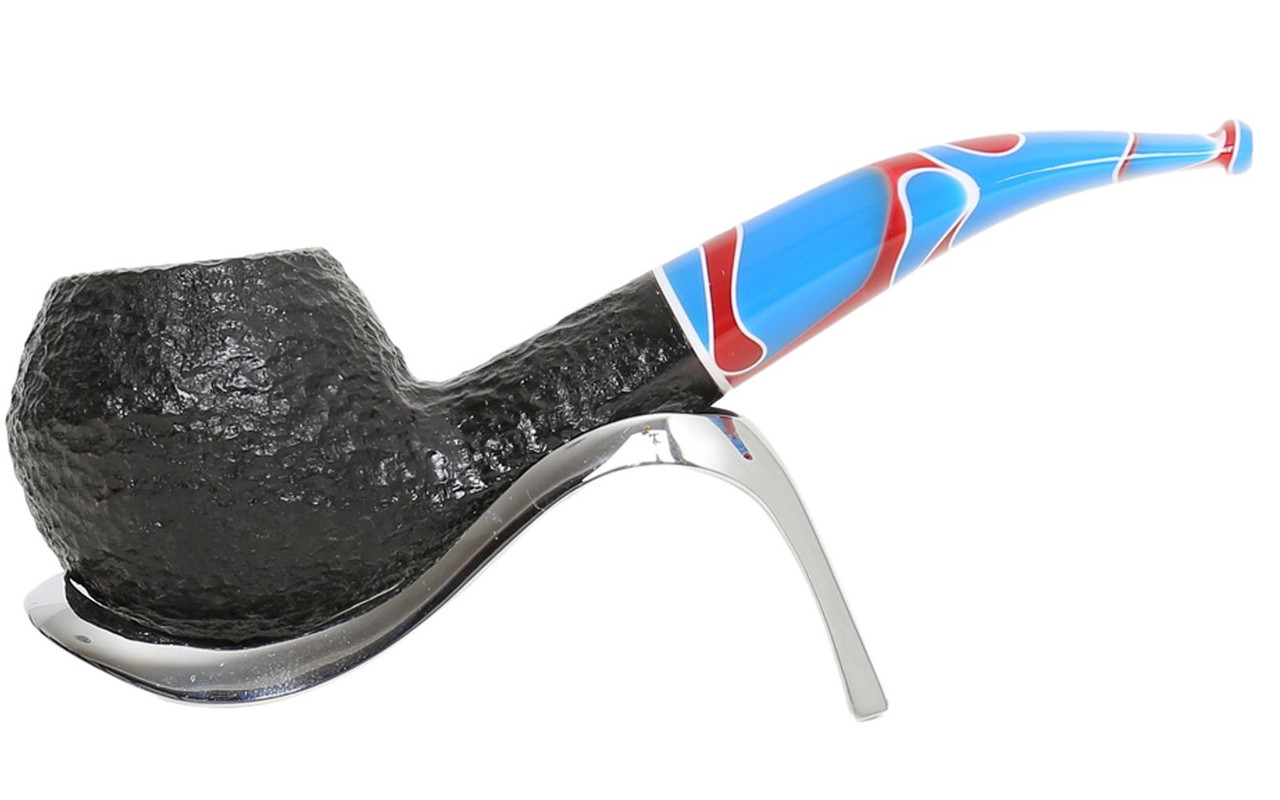
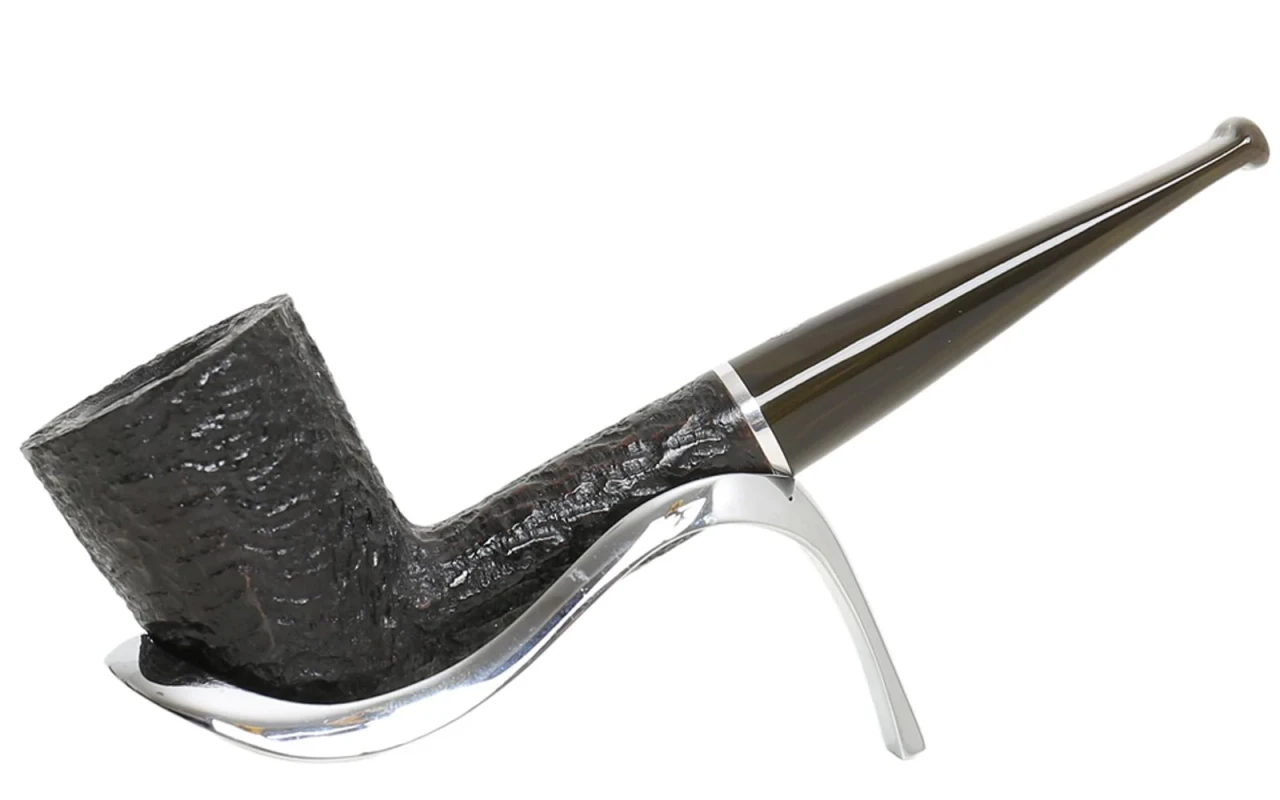
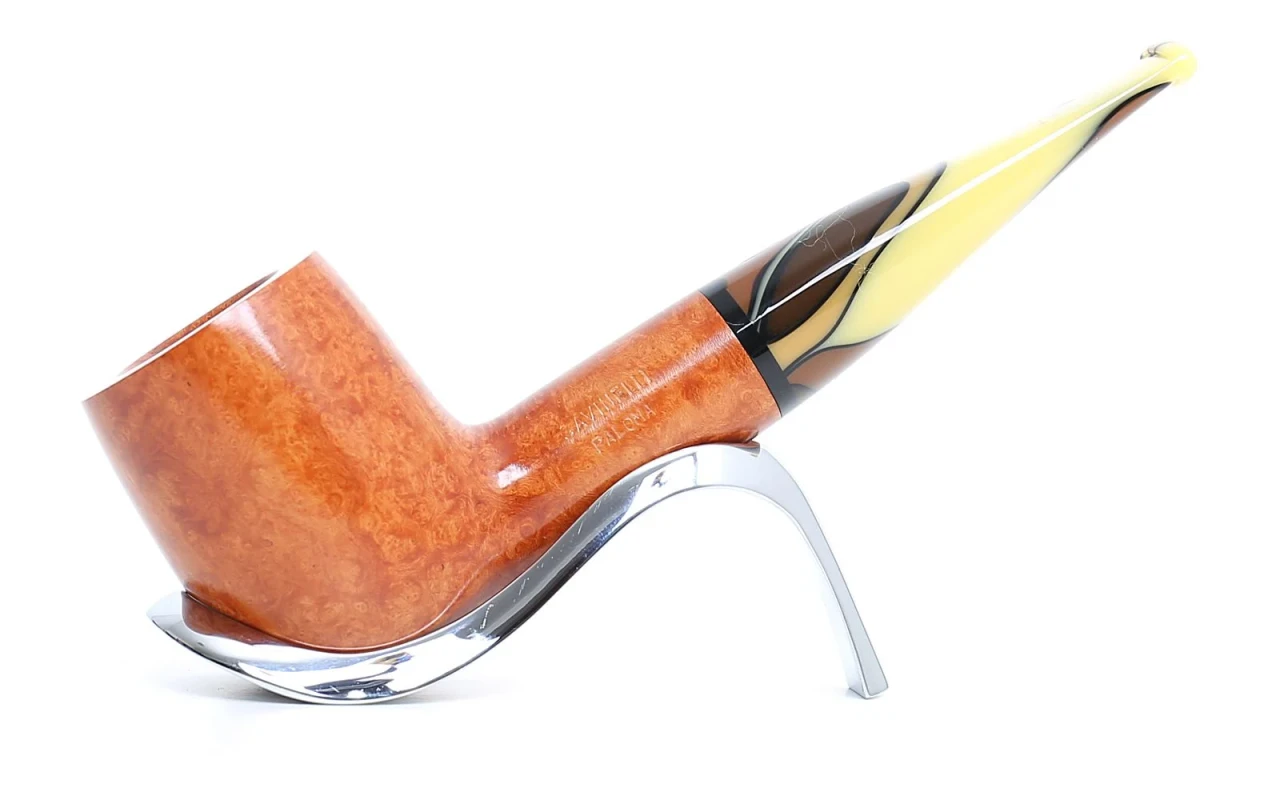
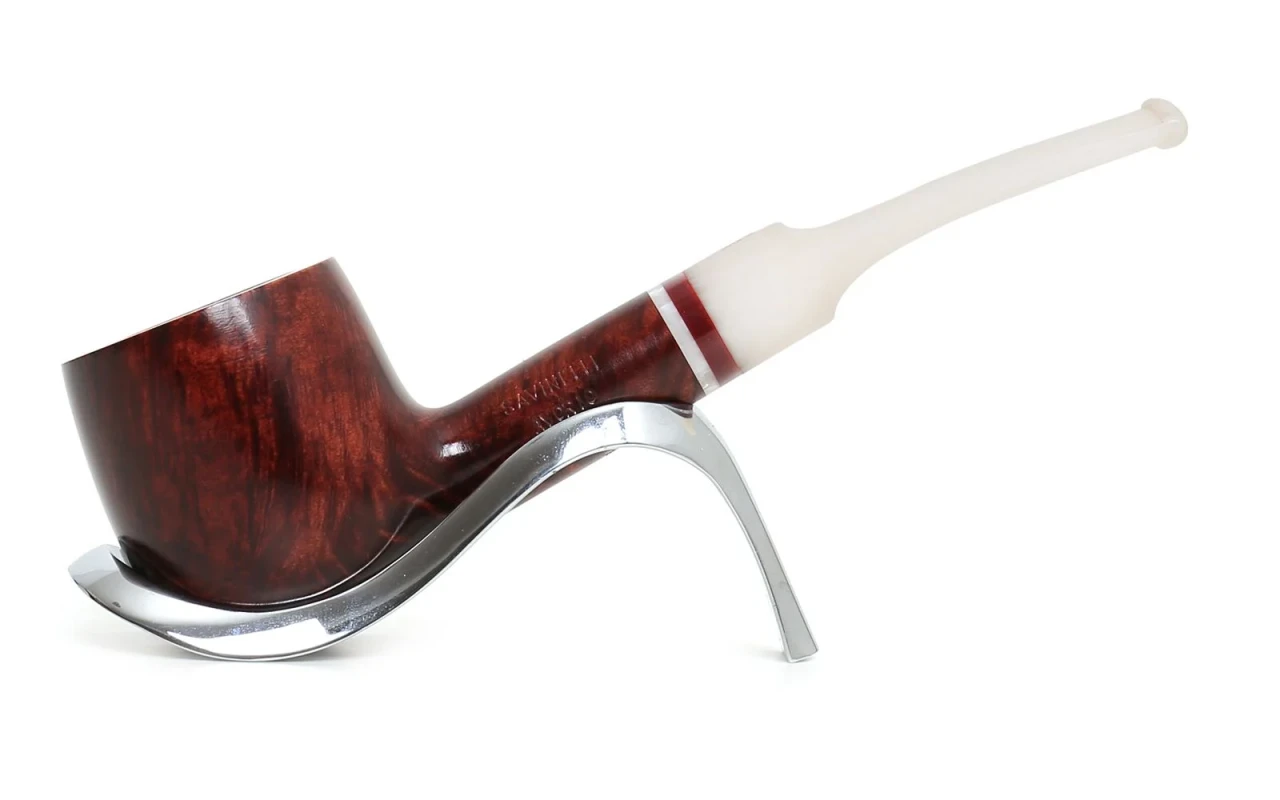
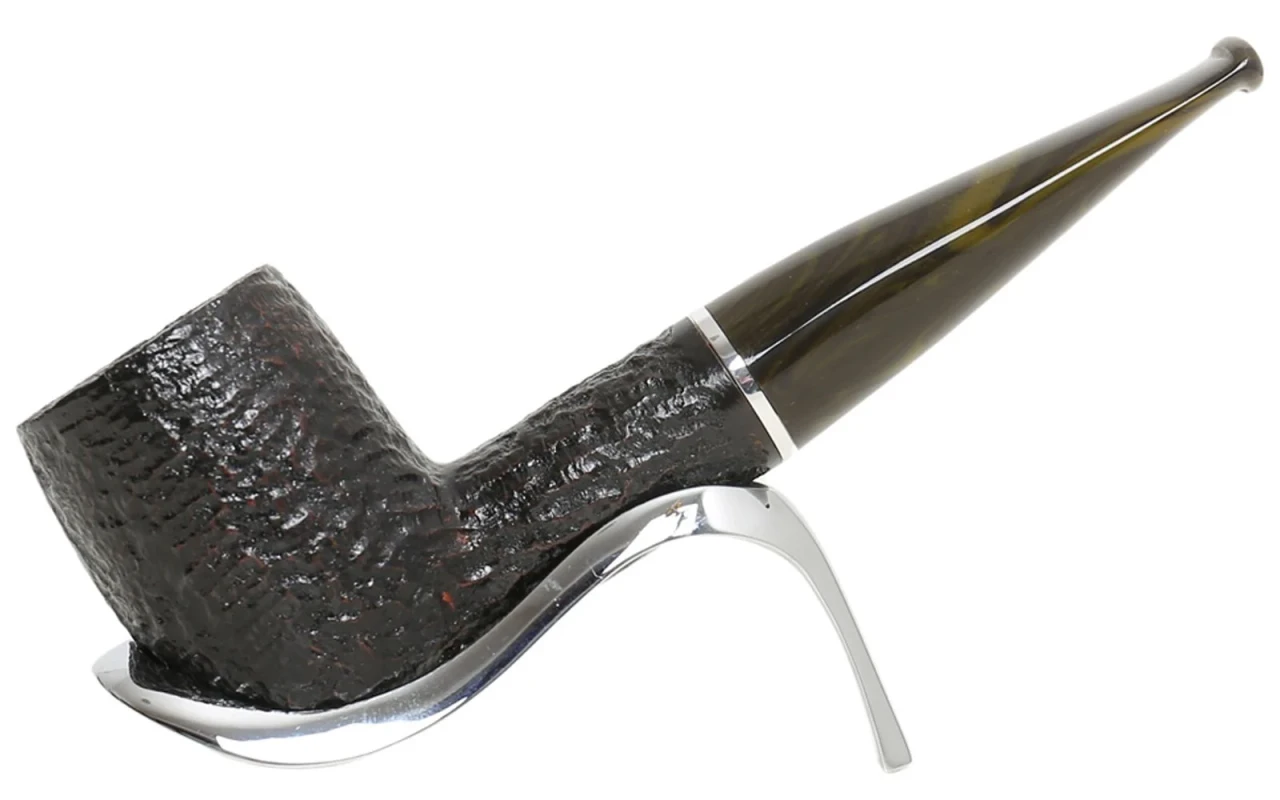
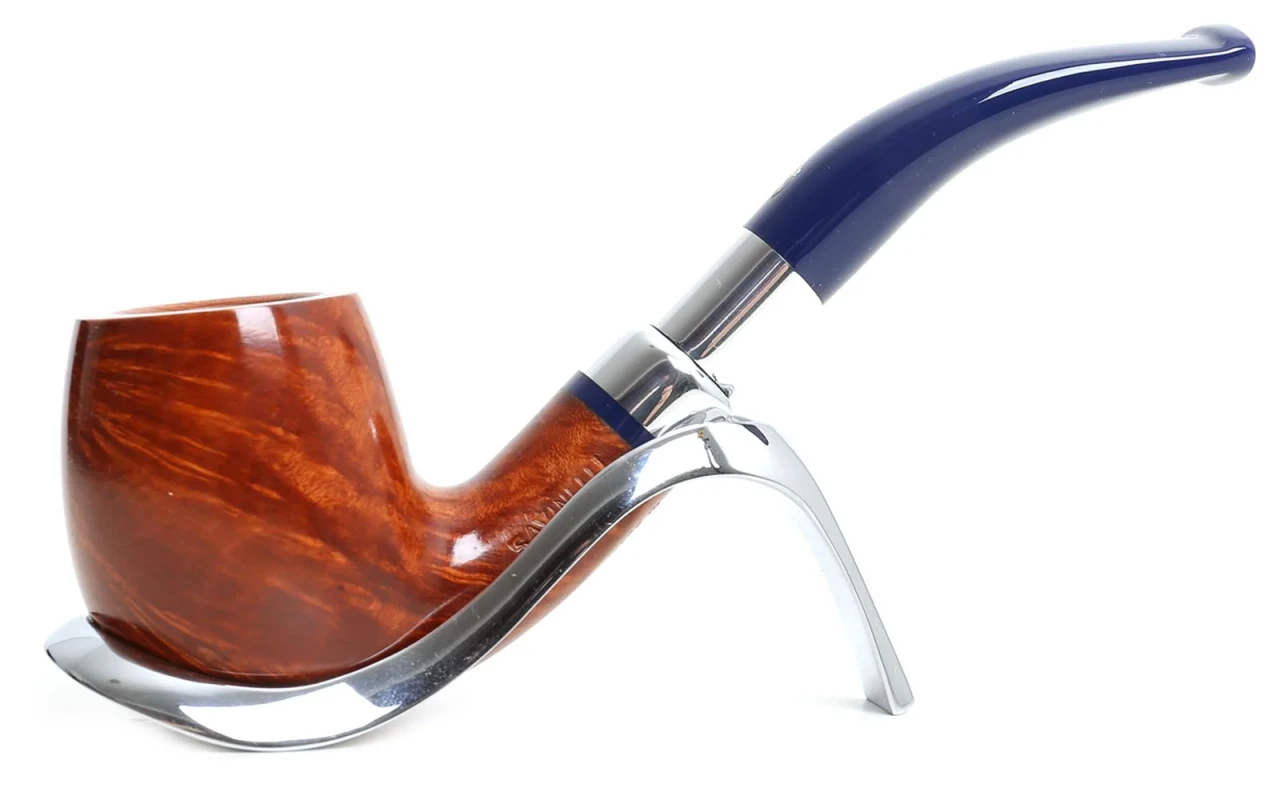
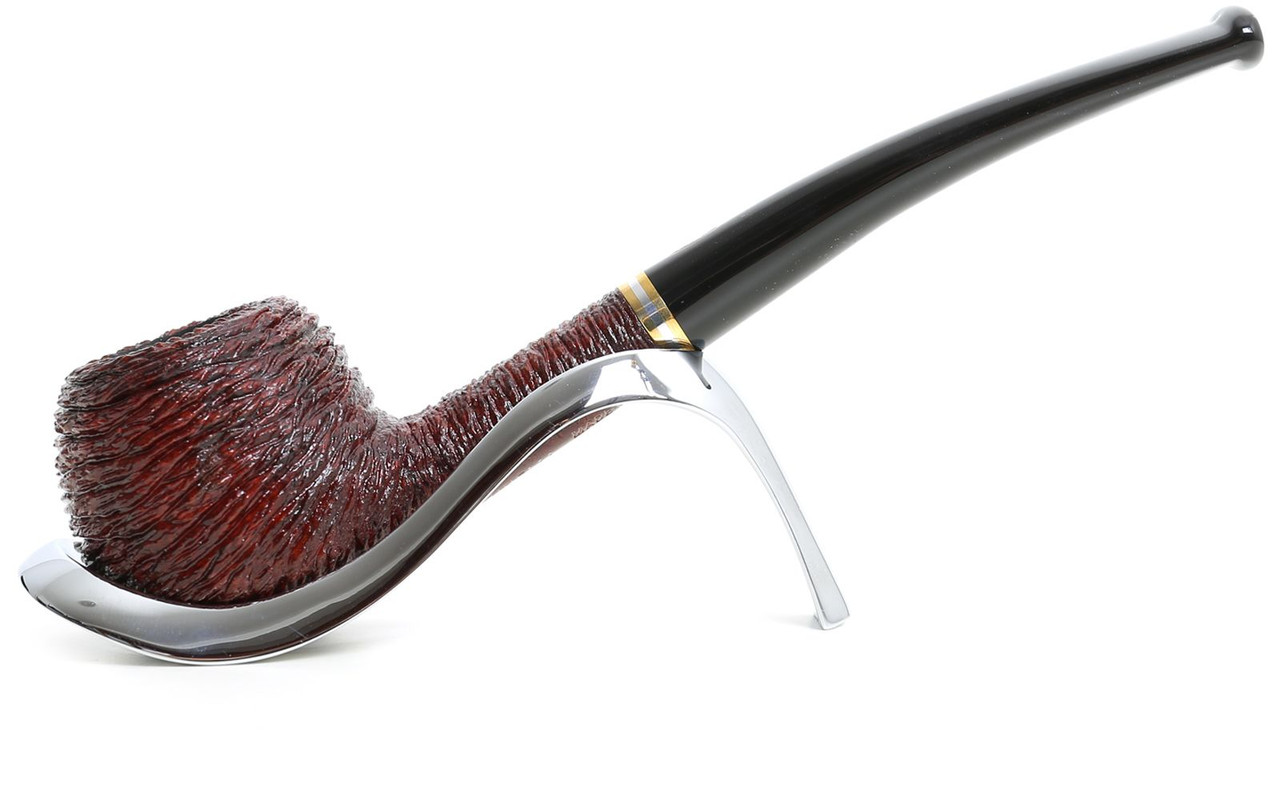
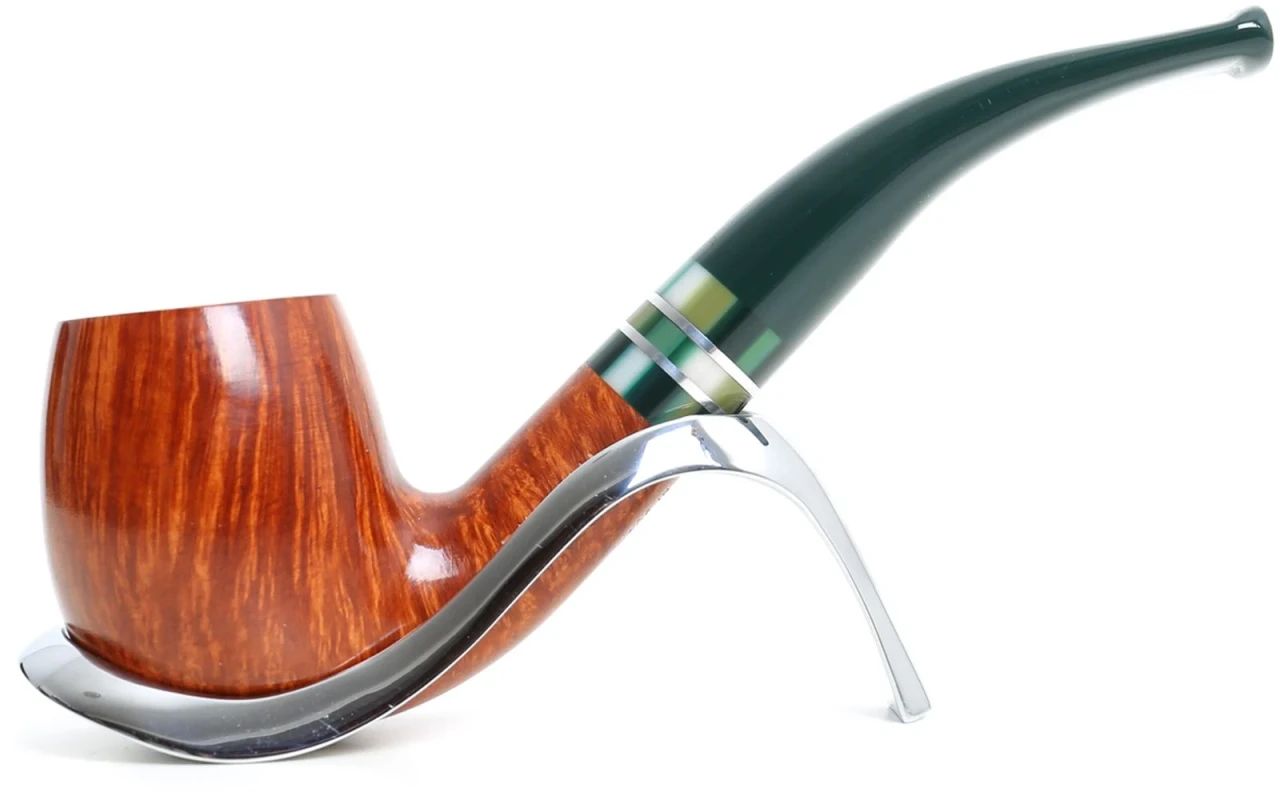
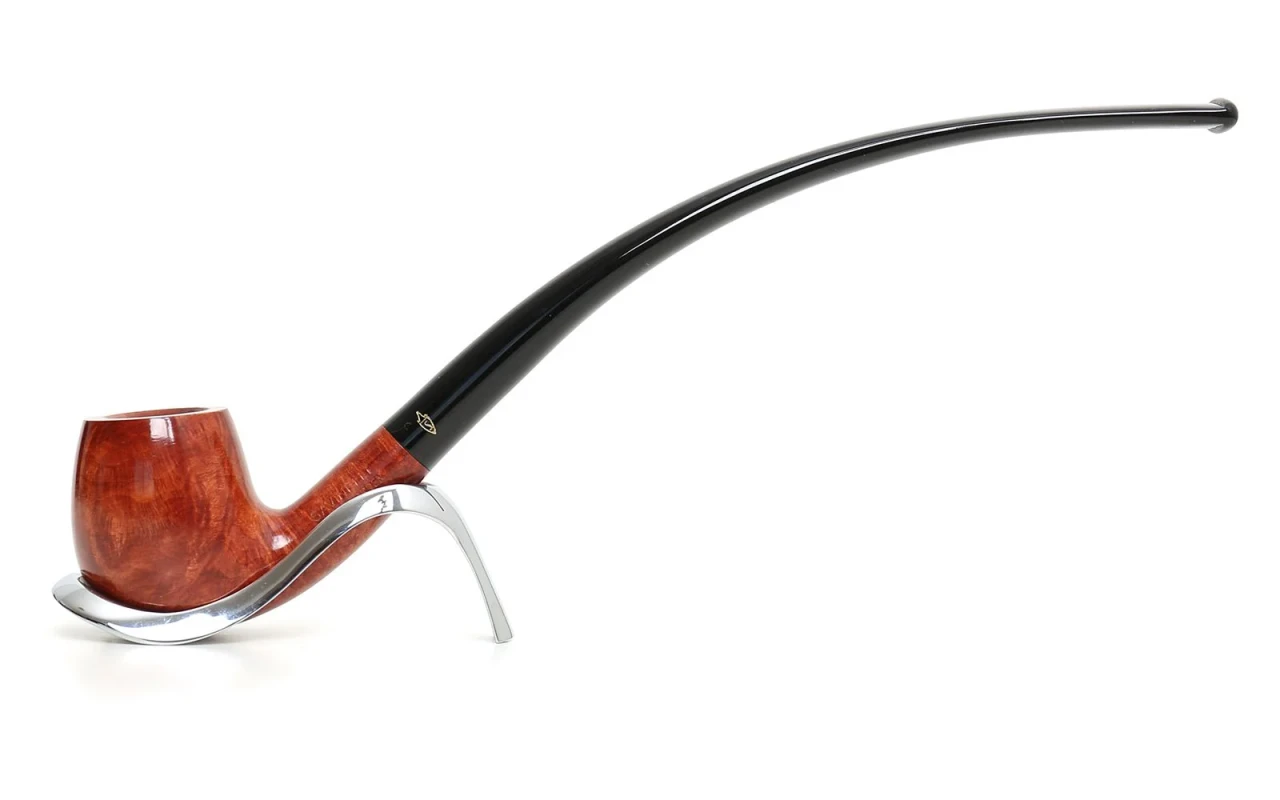
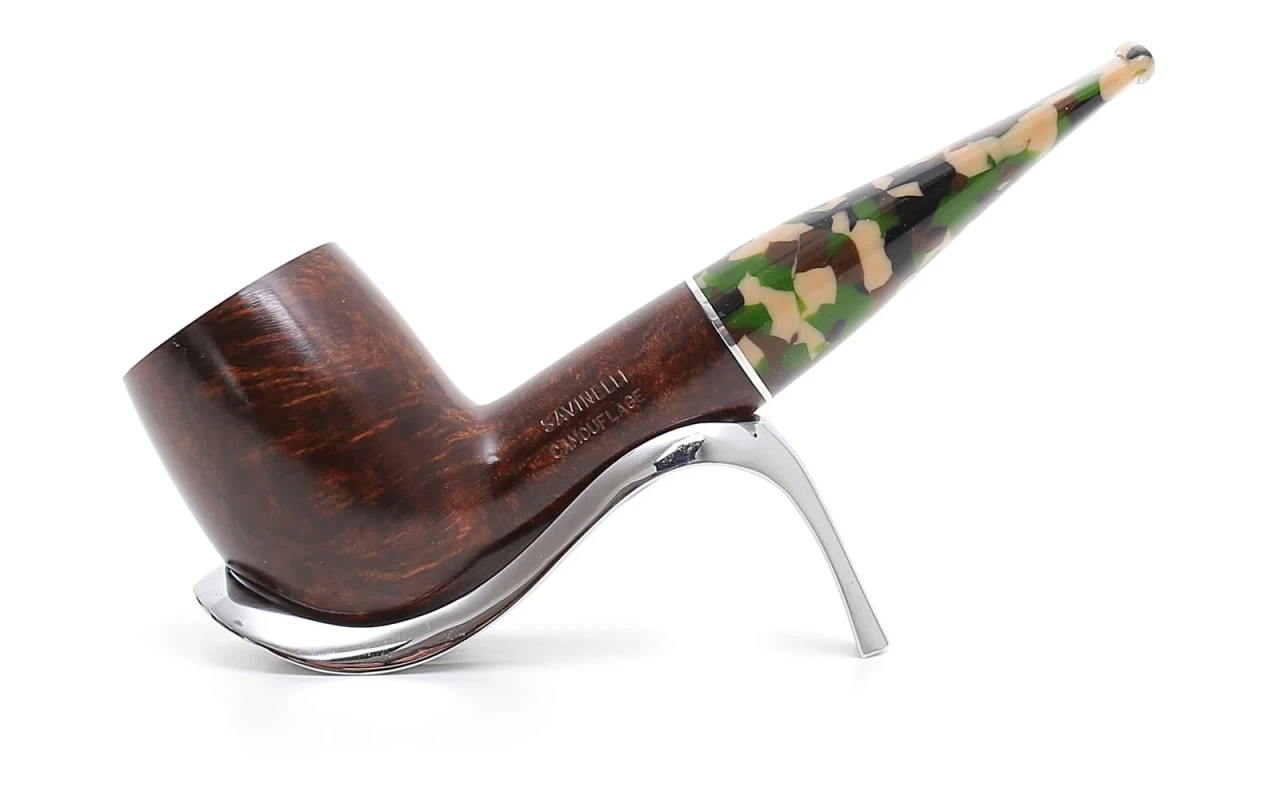
The use of precious woods in pipe inlay
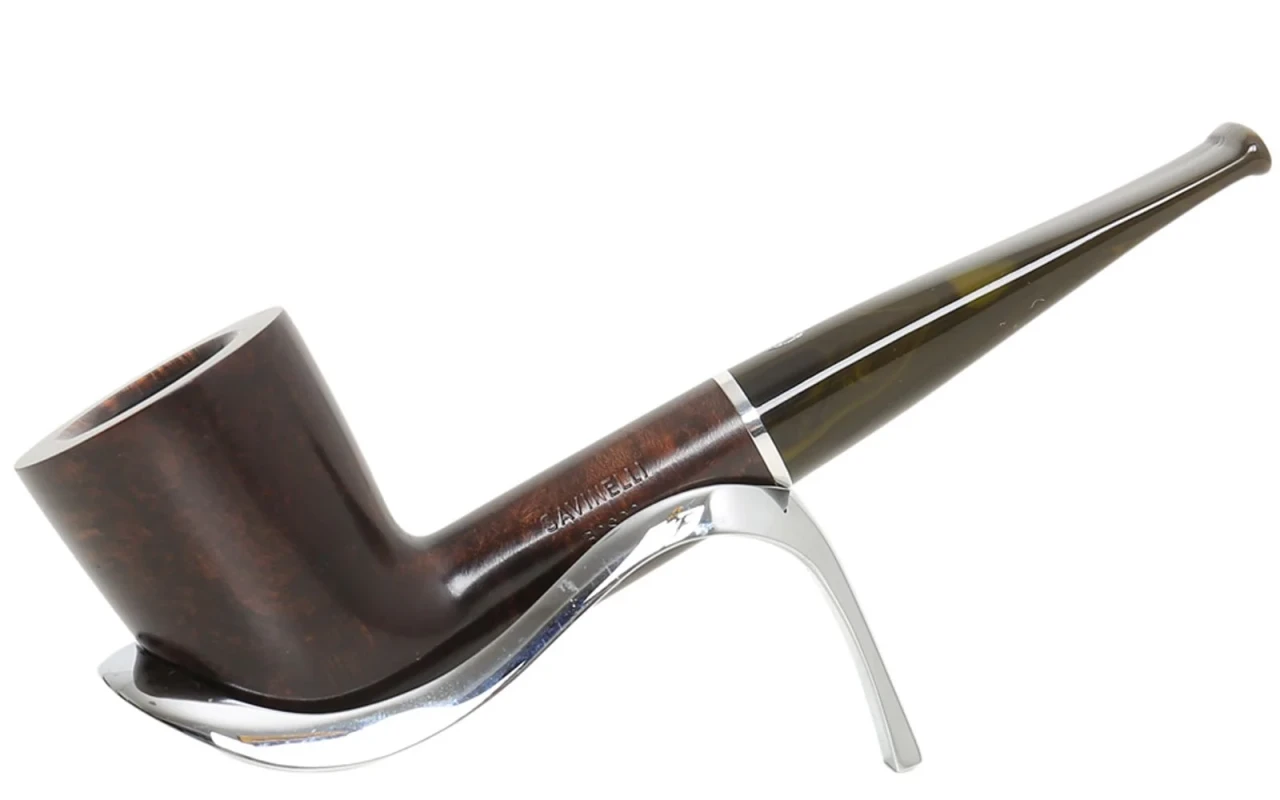
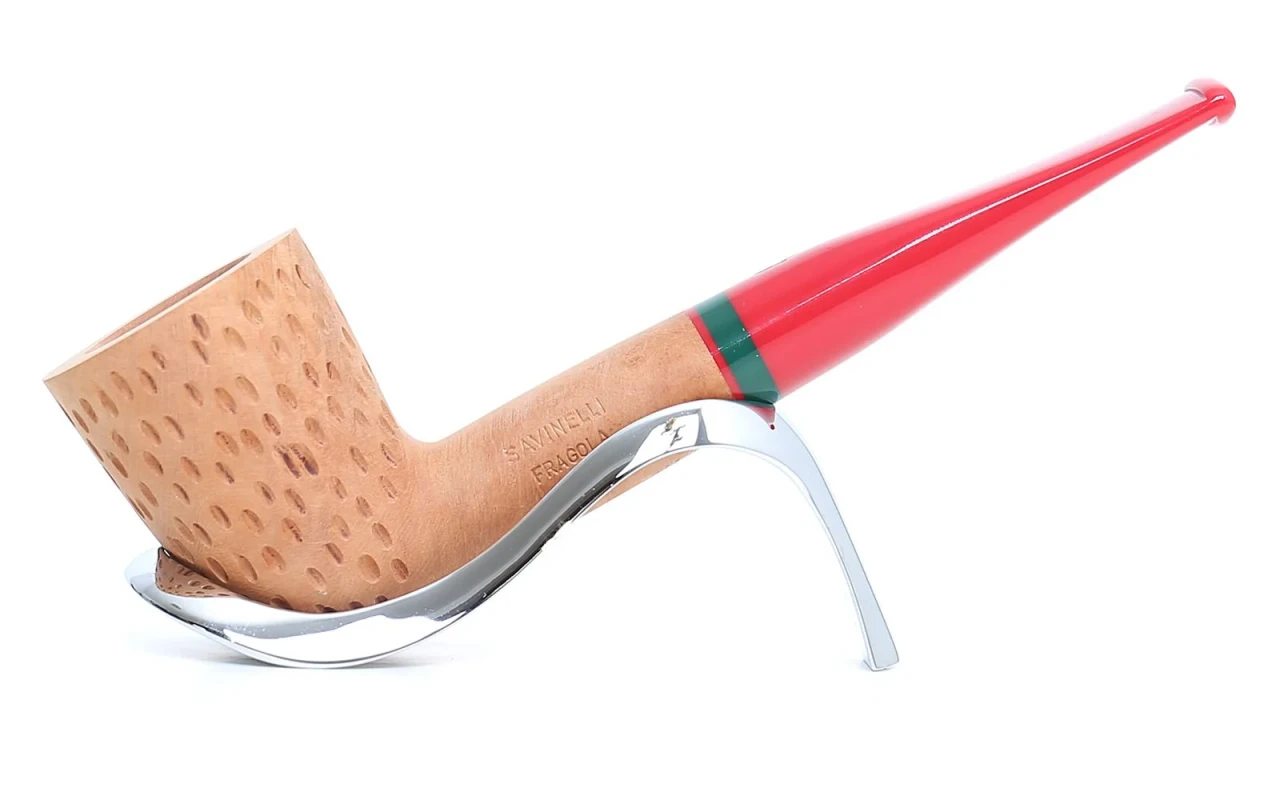
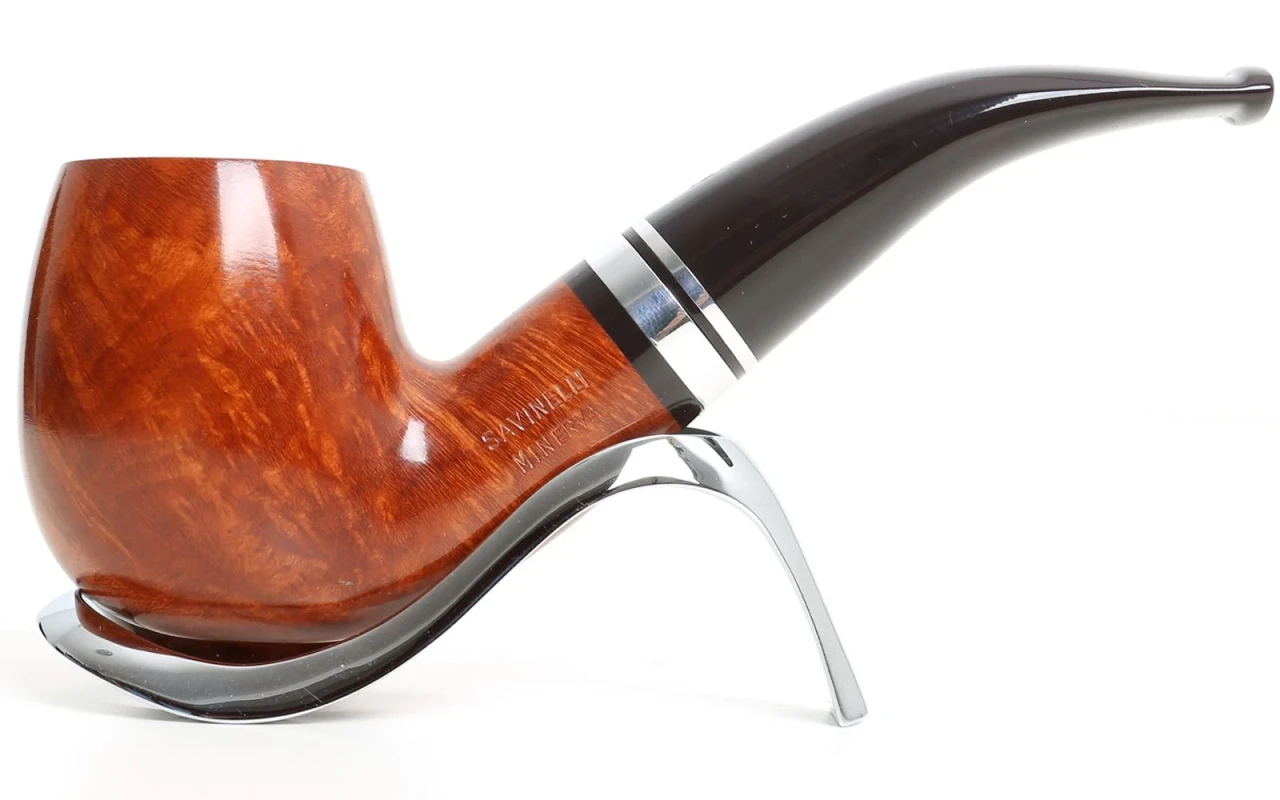
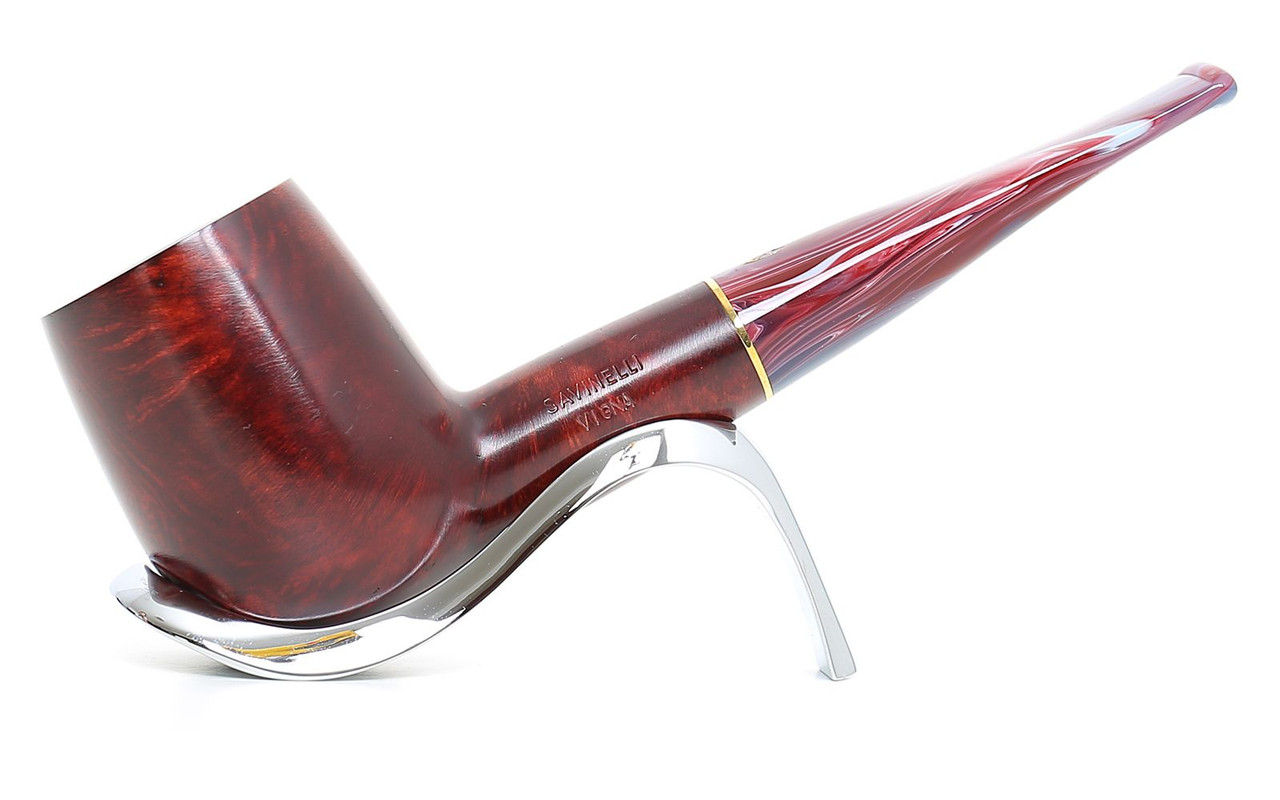
The use of precious woods in pipe inlay is a common practice that adds a touch of elegance and sophistication to the artifact. Precious woods, such as briar or walnut, are selected for their aesthetic and qualitative characteristics. Thanks to their durability and heat resistance, they are perfect for being crafted and embedded in pipes. The inlay of precious woods adds value to the pipe's design, creating unique and personalized decorative patterns. This craftsmanship technique requires precision and skill from the pipemaker, who must balance aesthetics and functionality to create a high-quality product.
Fine woods for pipes
Fine woods for pipes are essential in the production of high-quality pipes. Materials such as briar, walnut, cherry, and olive wood are often used to create unique handmade pipes. These woods offer not only visual beauty but also important functional characteristics. Briar, for example, is known for its heat and flame resistance, while walnut and cherry provide a sturdy and long-lasting structure. Olive wood, on the other hand, adds a touch of elegance and sophistication to the pipe. Choosing the right wood is essential to ensure a superior quality pipe.
Wood inlay for pipes
Wood inlay for pipes is a craftsmanship technique that involves fitting different types of wood together to create decorative patterns on the surface of the pipe itself. This practice requires skill and precision to join pieces of wood of different shades and types, thus creating unique and personalized designs. Inlay can be used to aesthetically enhance a pipe, giving it a touch of elegance and sophistication. In addition to the decorative aspect, inlay can also have a practical function, for example in easily distinguishing one pipe from another or providing a more secure grip during use.
High-Quality Materials for Pipes
High-quality materials for pipes are essential to ensure a good smoking experience and product durability over time. Among the most common materials, we find:- Briar wood: light and durable, it offers excellent heat dissipation.- Oak wood: imparts a unique aroma and develops a patina over time.- Olive wood: durable with natural beauty.- Meerschaum: a porous material that absorbs moisture and residues, ensuring a drier smoke.- Silver: used for fittings and decorations, it adds elegance and sophistication to the pipe.The choice of material depends on personal preferences and the intended use of the pipe.
'%3e%3cg id='Final-Copy-2_2_' transform='translate(1275.000000, 200.000000)'%3e%3cpath class='st0' d='M7.4,12.8h6.8l3.1-11.6H7.4C4.2,1.2,1.6,3.8,1.6,7S4.2,12.8,7.4,12.8z'/%3e%3c/g%3e%3c/g%3e%3c/g%3e%3cg id='final---dec.11-2020'%3e%3cg id='_x30_208-our-toggle' transform='translate(-1275.000000, -200.000000)'%3e%3cg id='Final-Copy-2' transform='translate(1275.000000, 200.000000)'%3e%3cpath class='st1' d='M22.6,0H7.4c-3.9,0-7,3.1-7,7s3.1,7,7,7h15.2c3.9,0,7-3.1,7-7S26.4,0,22.6,0z M1.6,7c0-3.2,2.6-5.8,5.8-5.8 h9.9l-3.1,11.6H7.4C4.2,12.8,1.6,10.2,1.6,7z'/%3e%3cpath id='x' class='st2' d='M24.6,4c0.2,0.2,0.2,0.6,0,0.8l0,0L22.5,7l2.2,2.2c0.2,0.2,0.2,0.6,0,0.8c-0.2,0.2-0.6,0.2-0.8,0 l0,0l-2.2-2.2L19.5,10c-0.2,0.2-0.6,0.2-0.8,0c-0.2-0.2-0.2-0.6,0-0.8l0,0L20.8,7l-2.2-2.2c-0.2-0.2-0.2-0.6,0-0.8 c0.2-0.2,0.6-0.2,0.8,0l0,0l2.2,2.2L23.8,4C24,3.8,24.4,3.8,24.6,4z'/%3e%3cpath id='y' class='st3' d='M12.7,4.1c0.2,0.2,0.3,0.6,0.1,0.8l0,0L8.6,9.8C8.5,9.9,8.4,10,8.3,10c-0.2,0.1-0.5,0.1-0.7-0.1l0,0 L5.4,7.7c-0.2-0.2-0.2-0.6,0-0.8c0.2-0.2,0.6-0.2,0.8,0l0,0L8,8.6l3.8-4.5C12,3.9,12.4,3.9,12.7,4.1z'/%3e%3c/g%3e%3c/g%3e%3c/g%3e%3c/g%3e%3c/svg%3e) Your Privacy Choices
Your Privacy Choices 


