 ES
ES FR
FR EN
EN IT
IT DE
DE
**The evolution of the pipe over time**
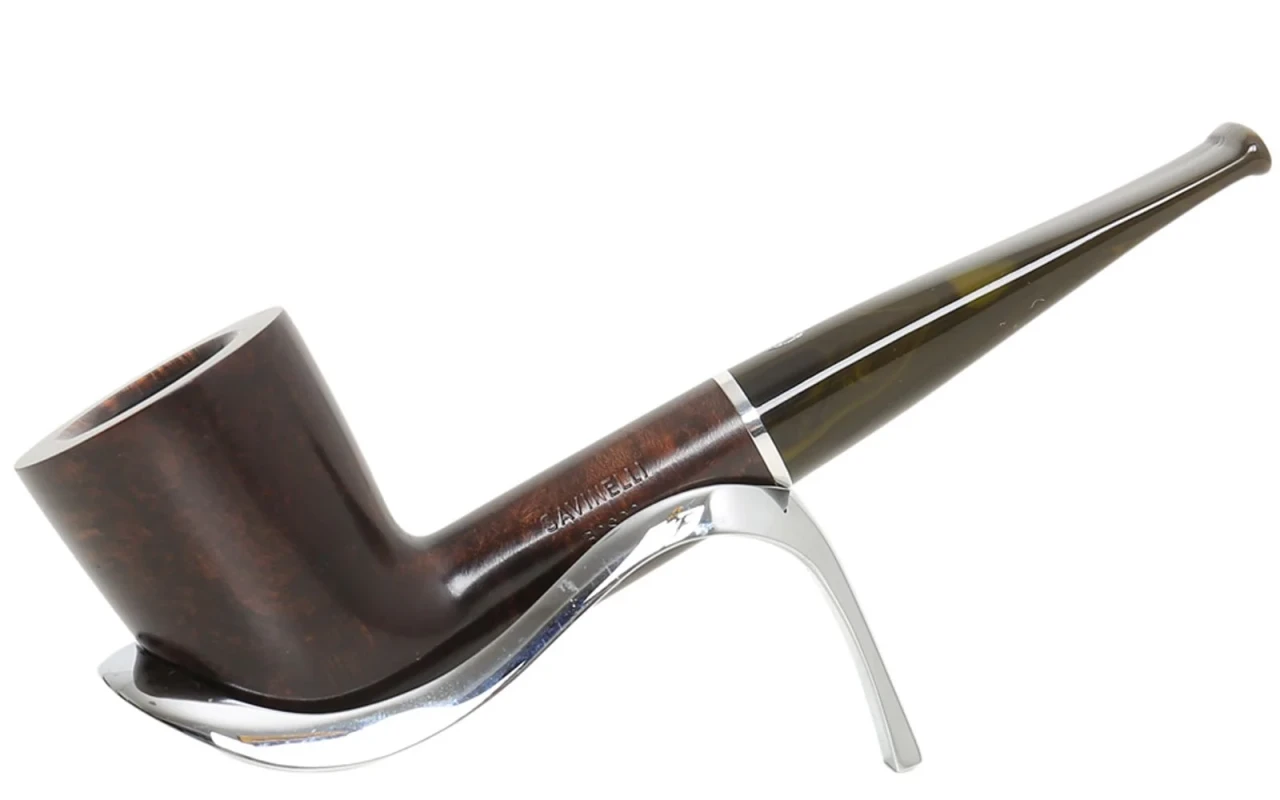
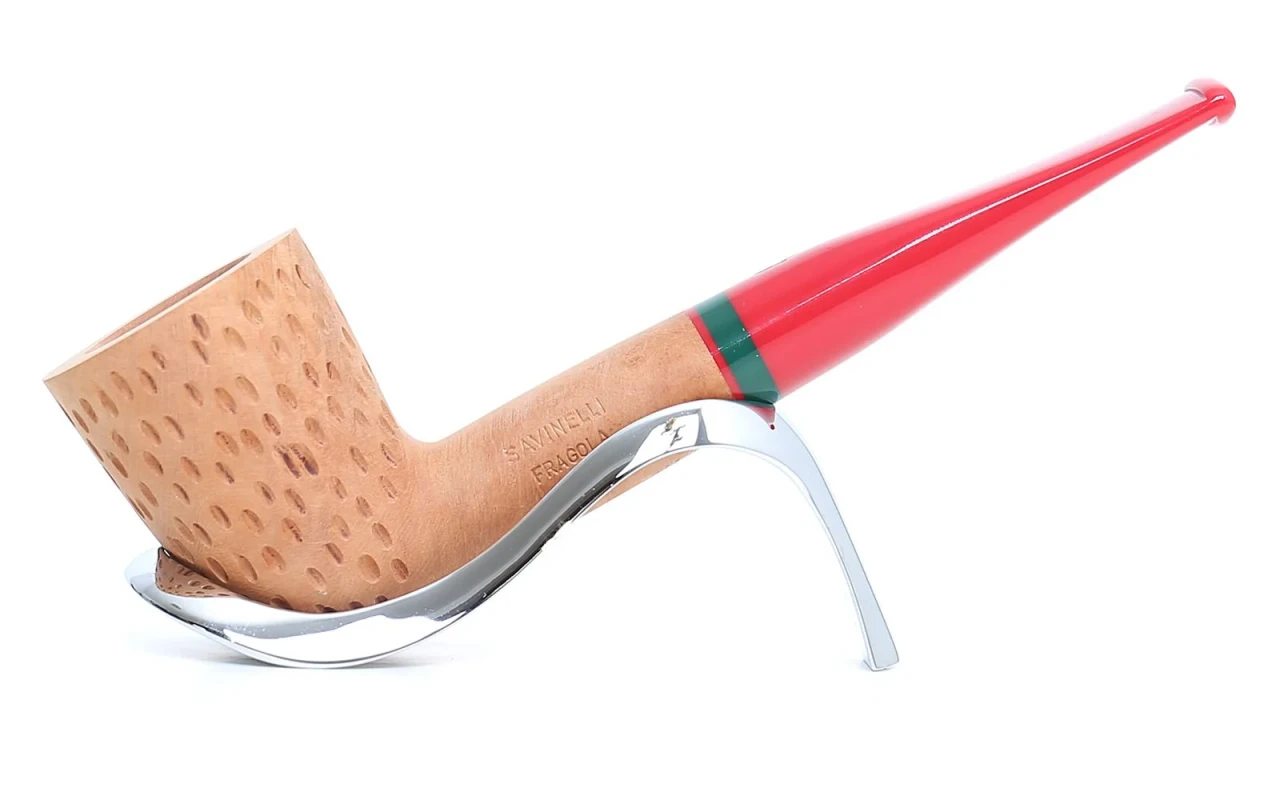
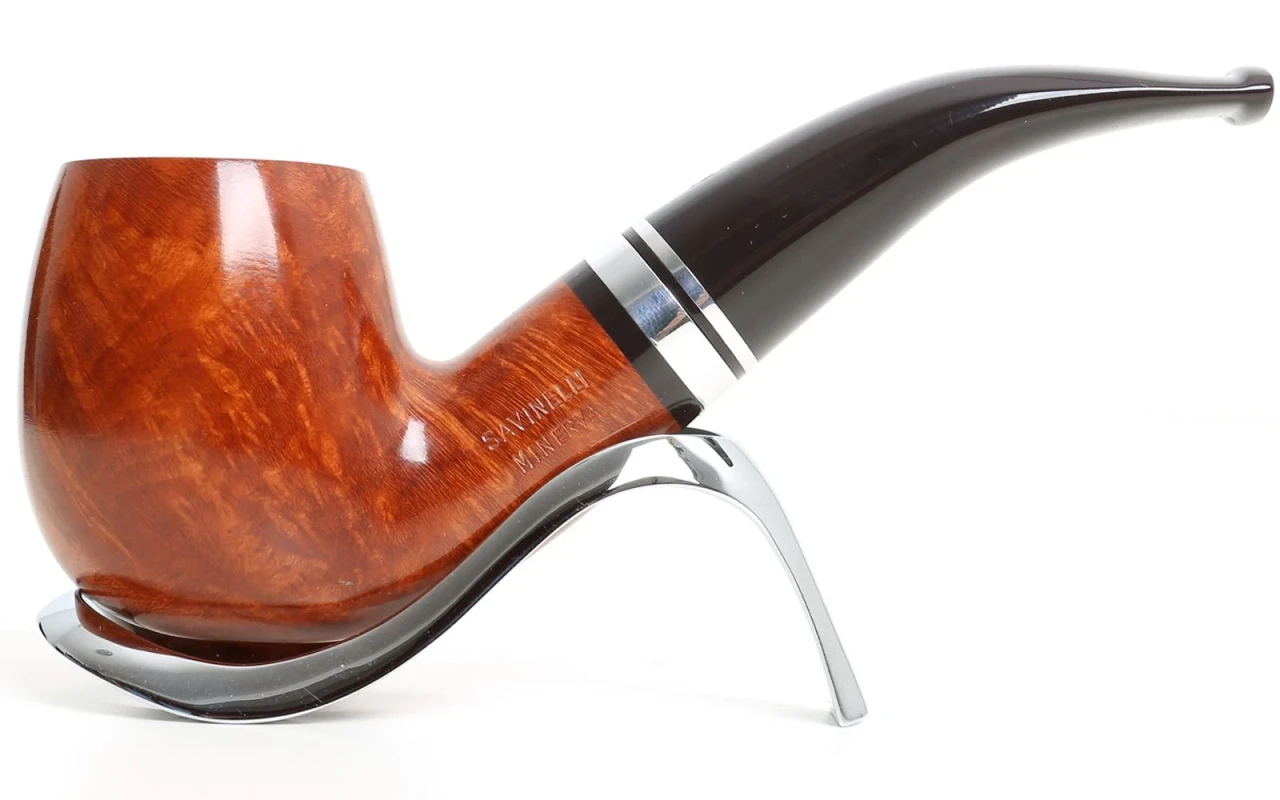
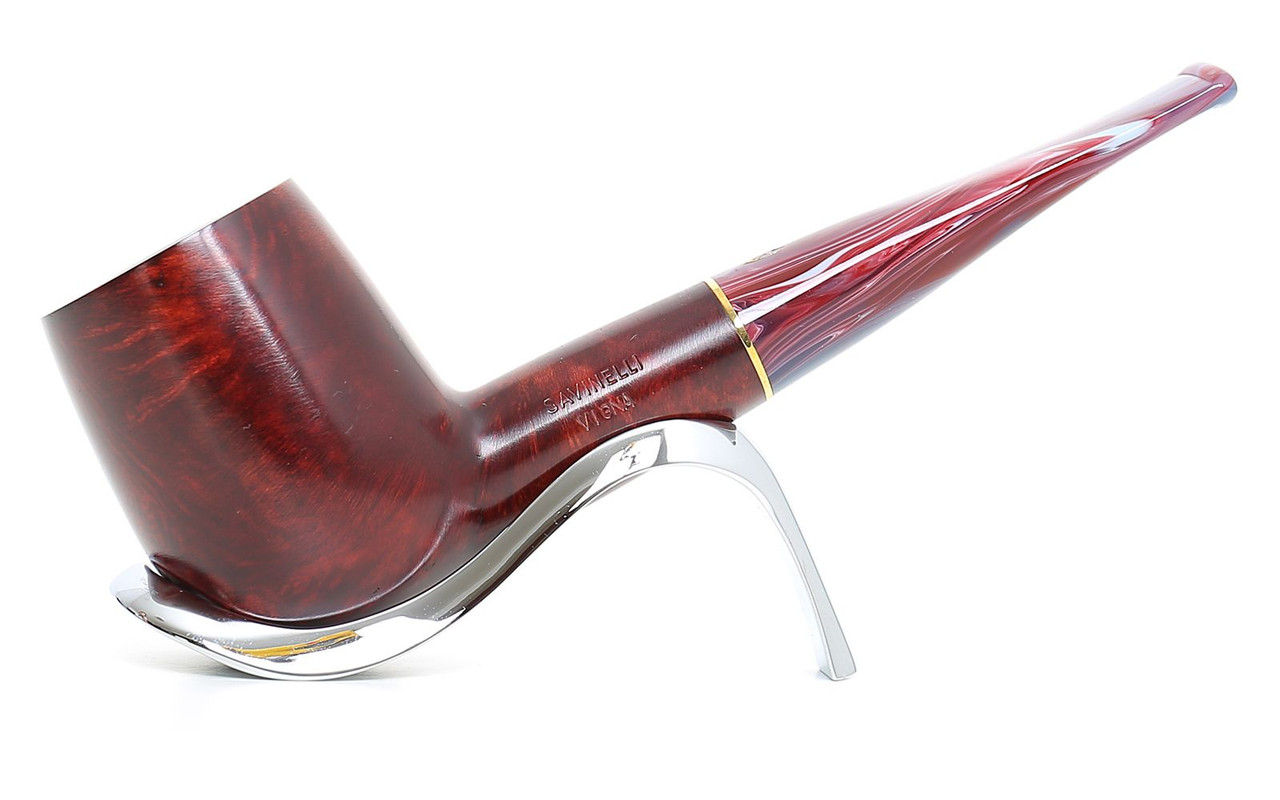
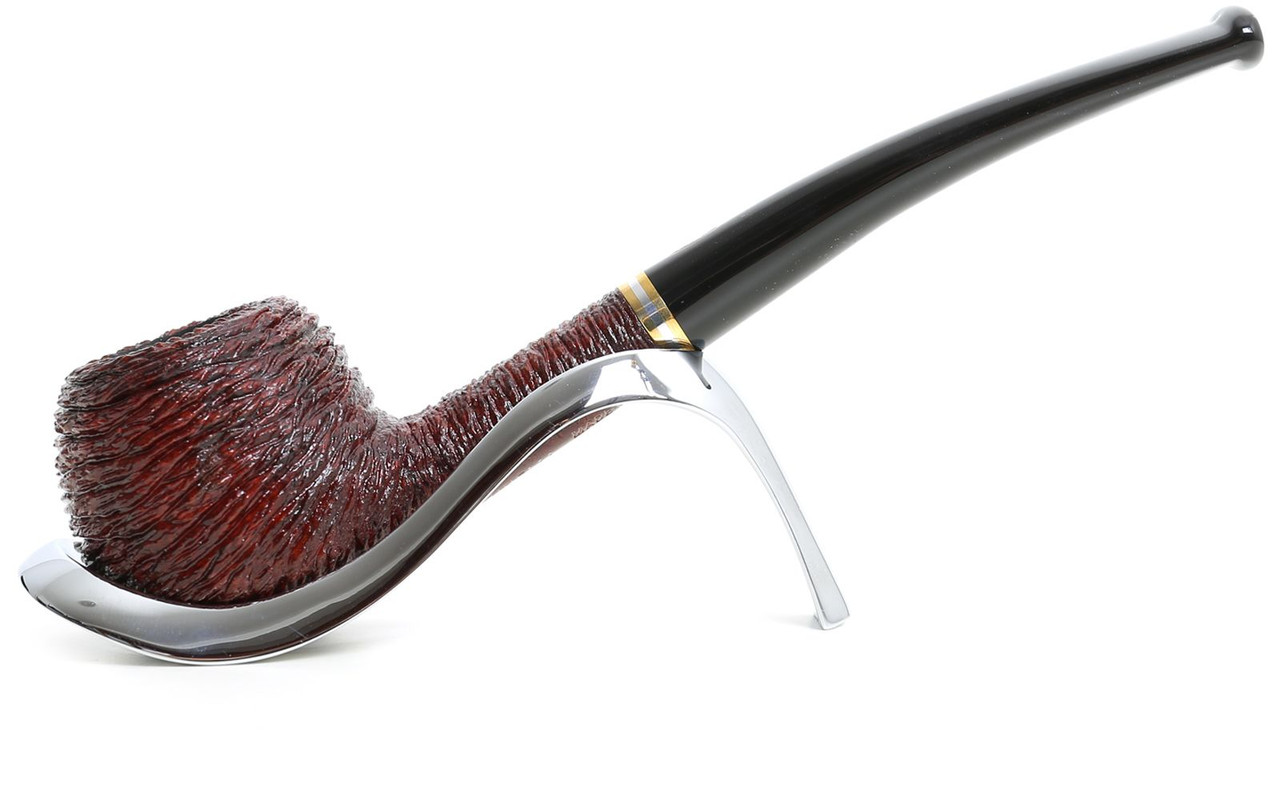
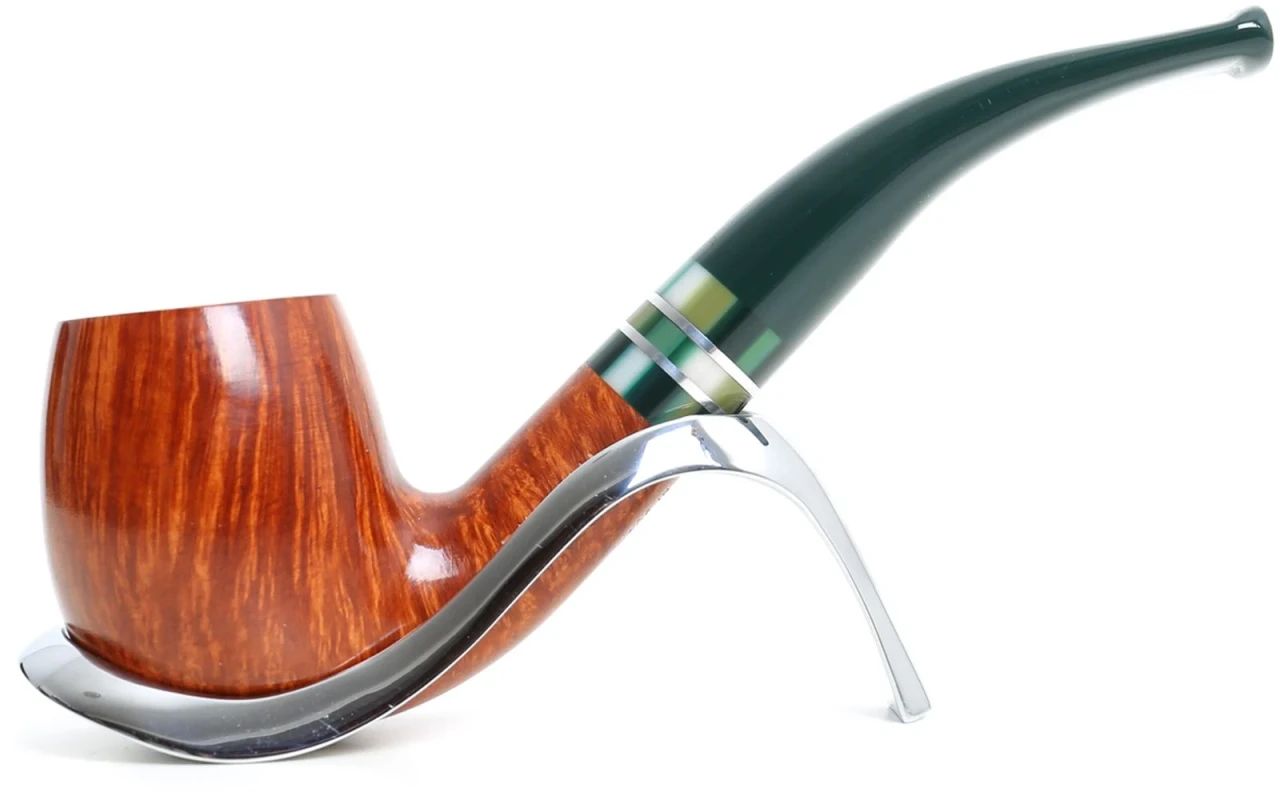
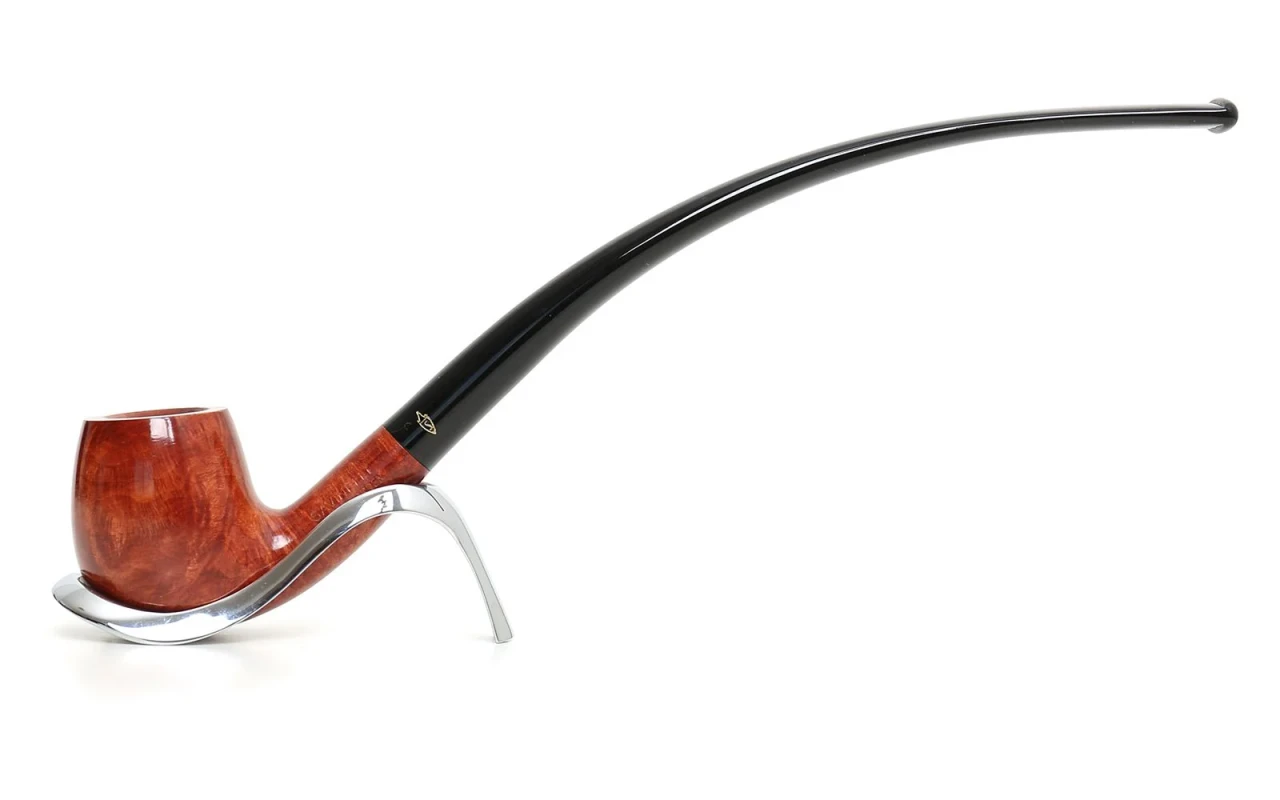
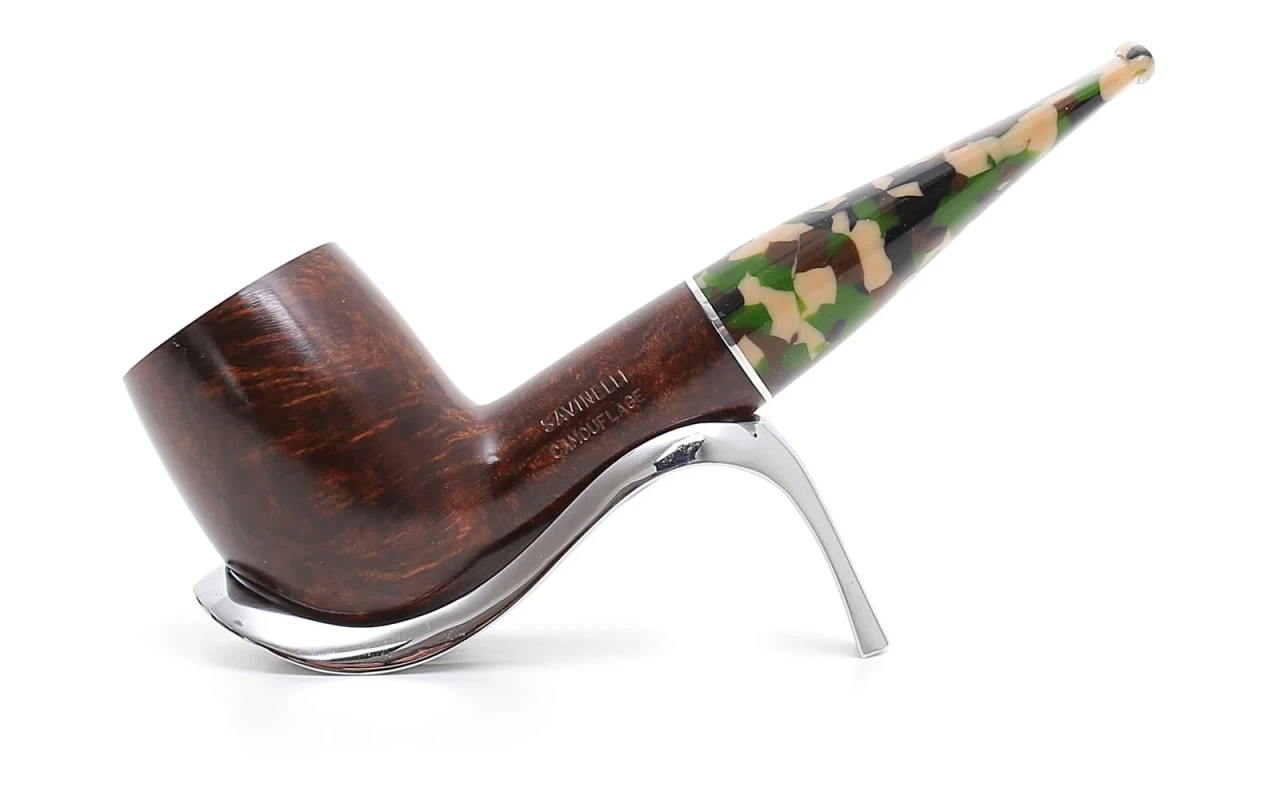
**The evolution of the pipe over time**
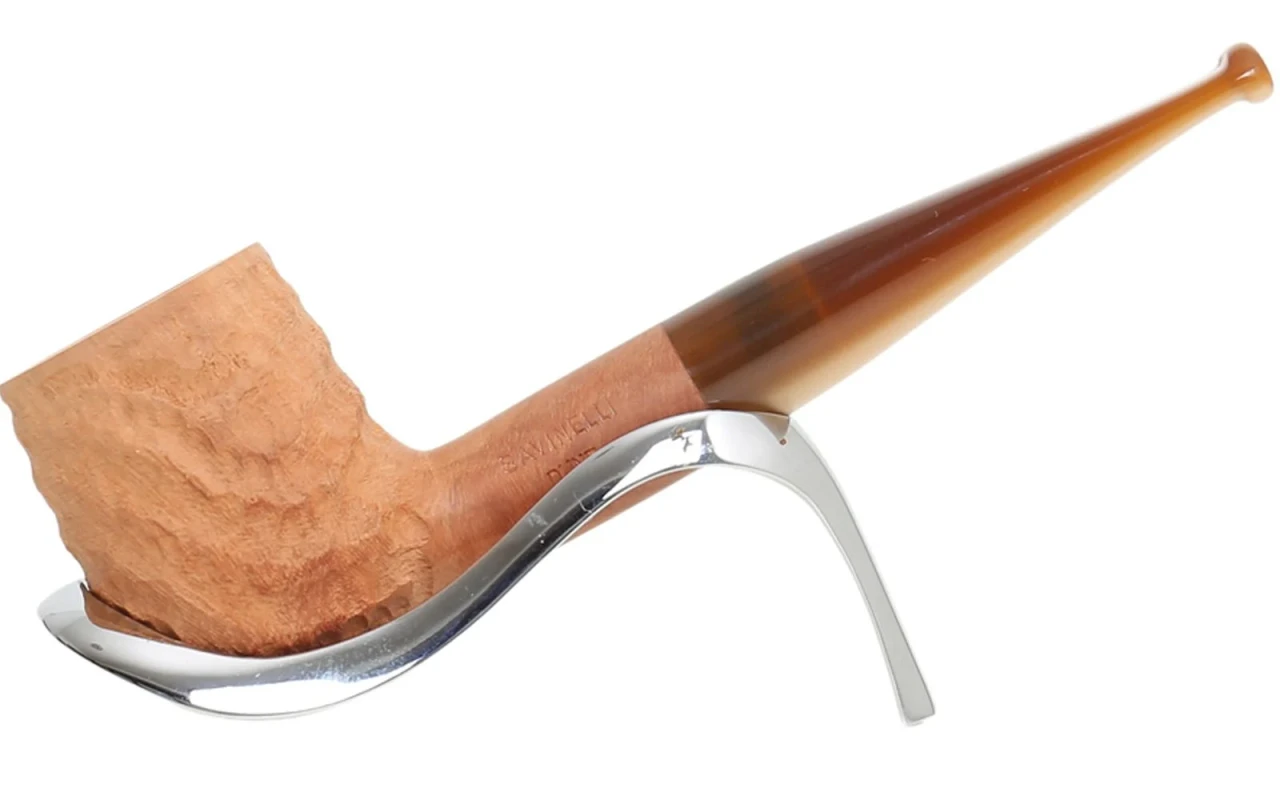
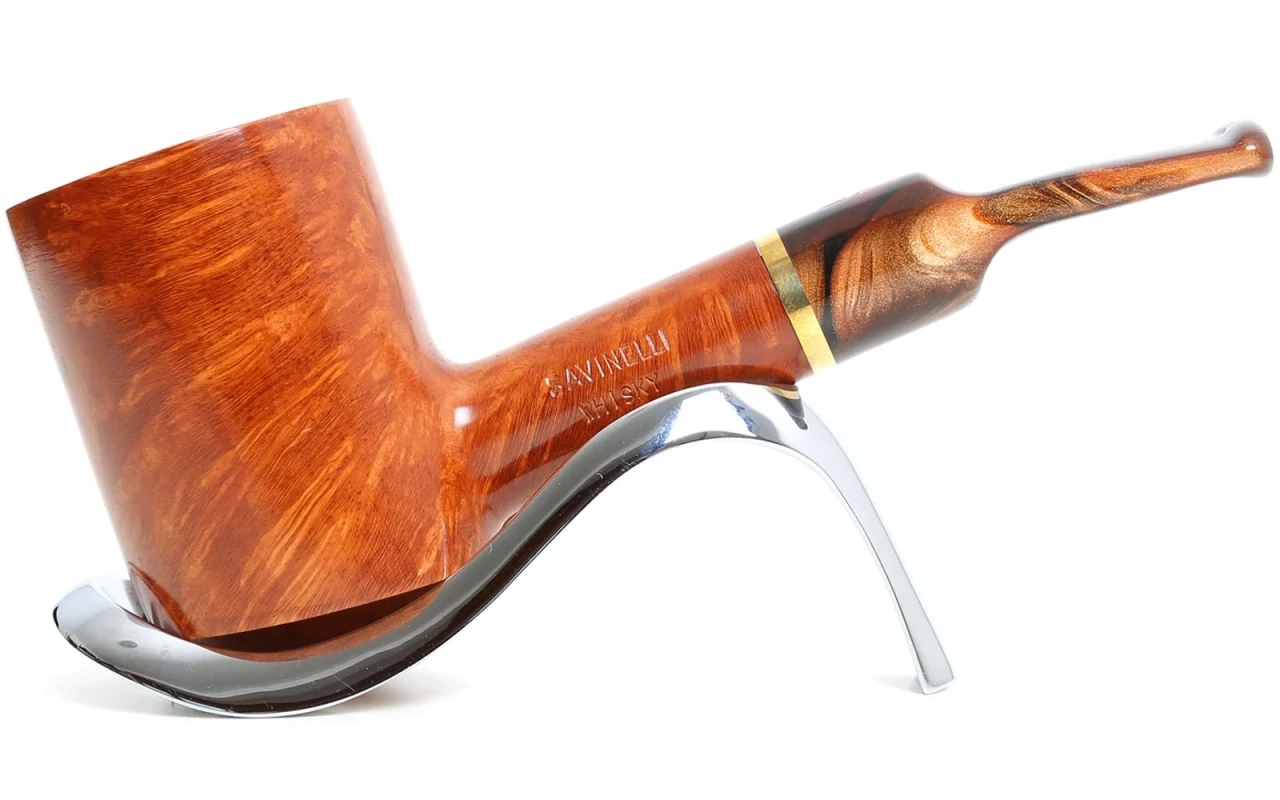
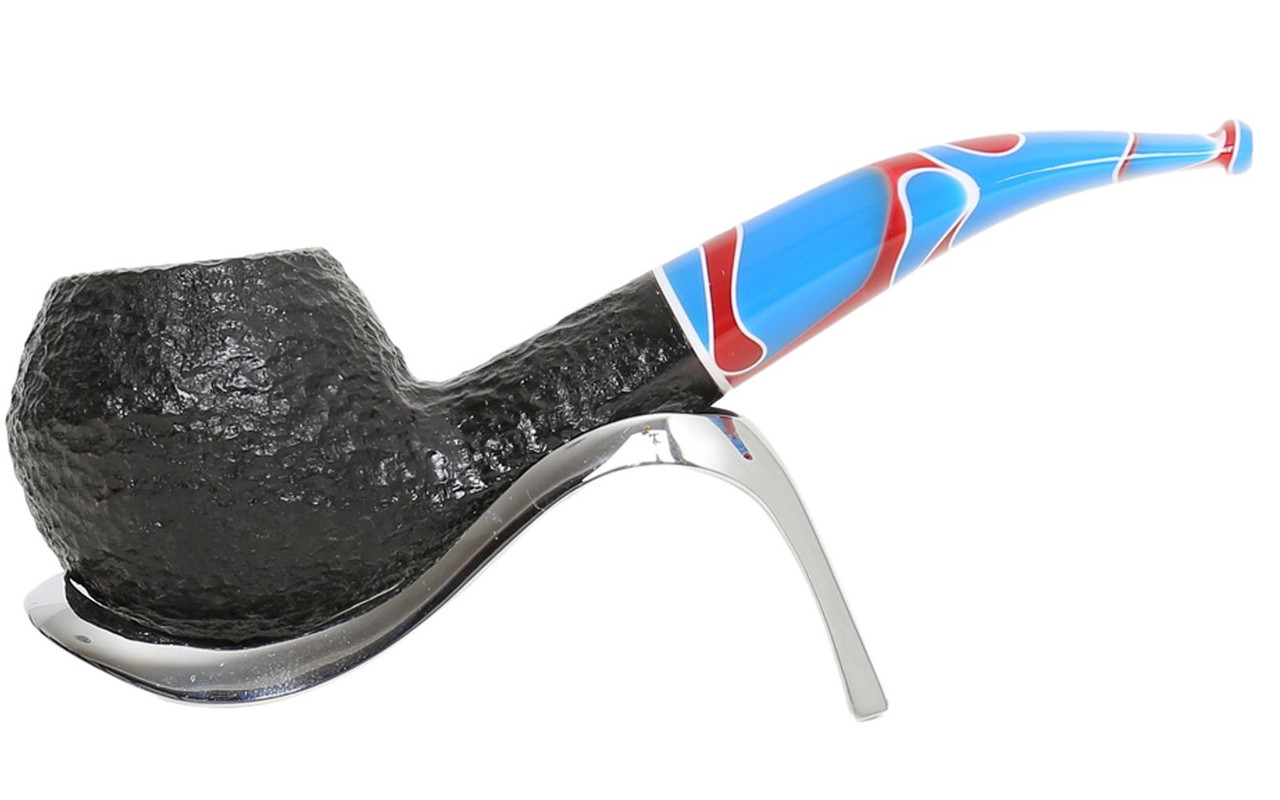
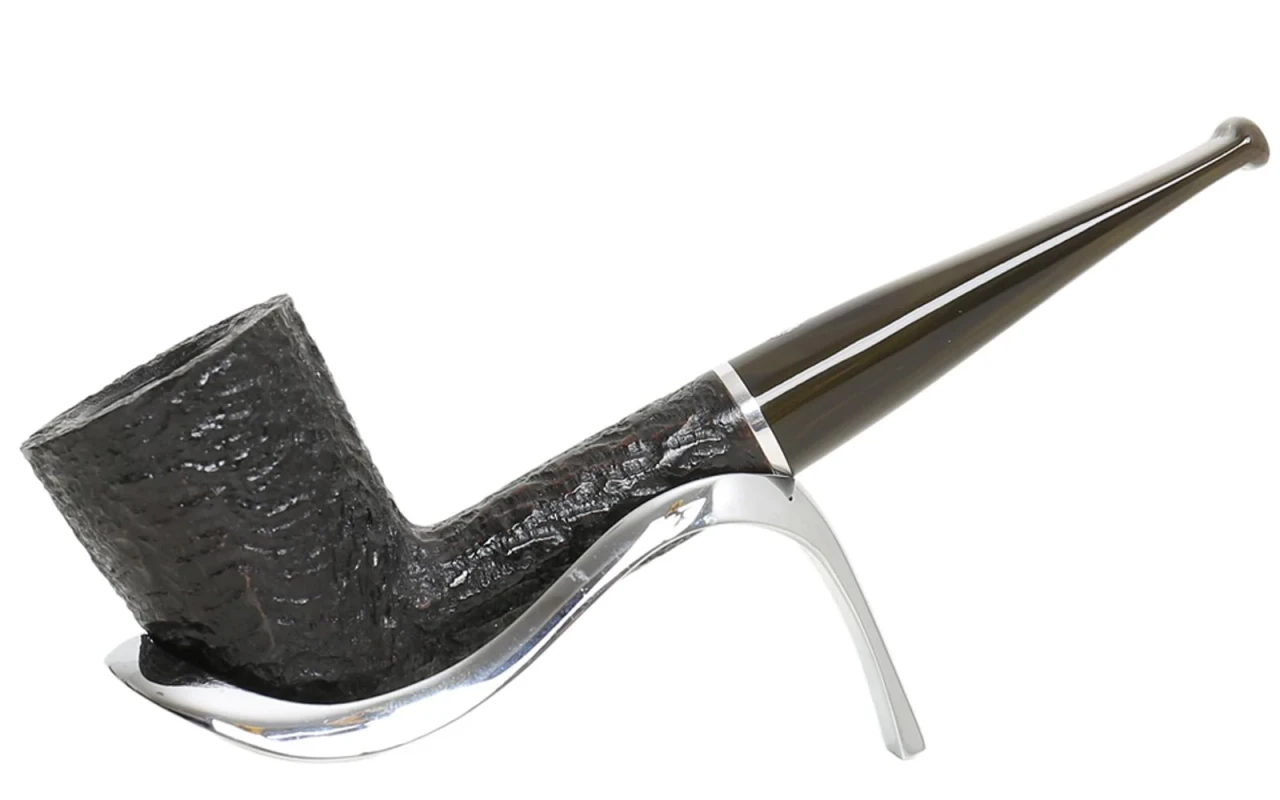
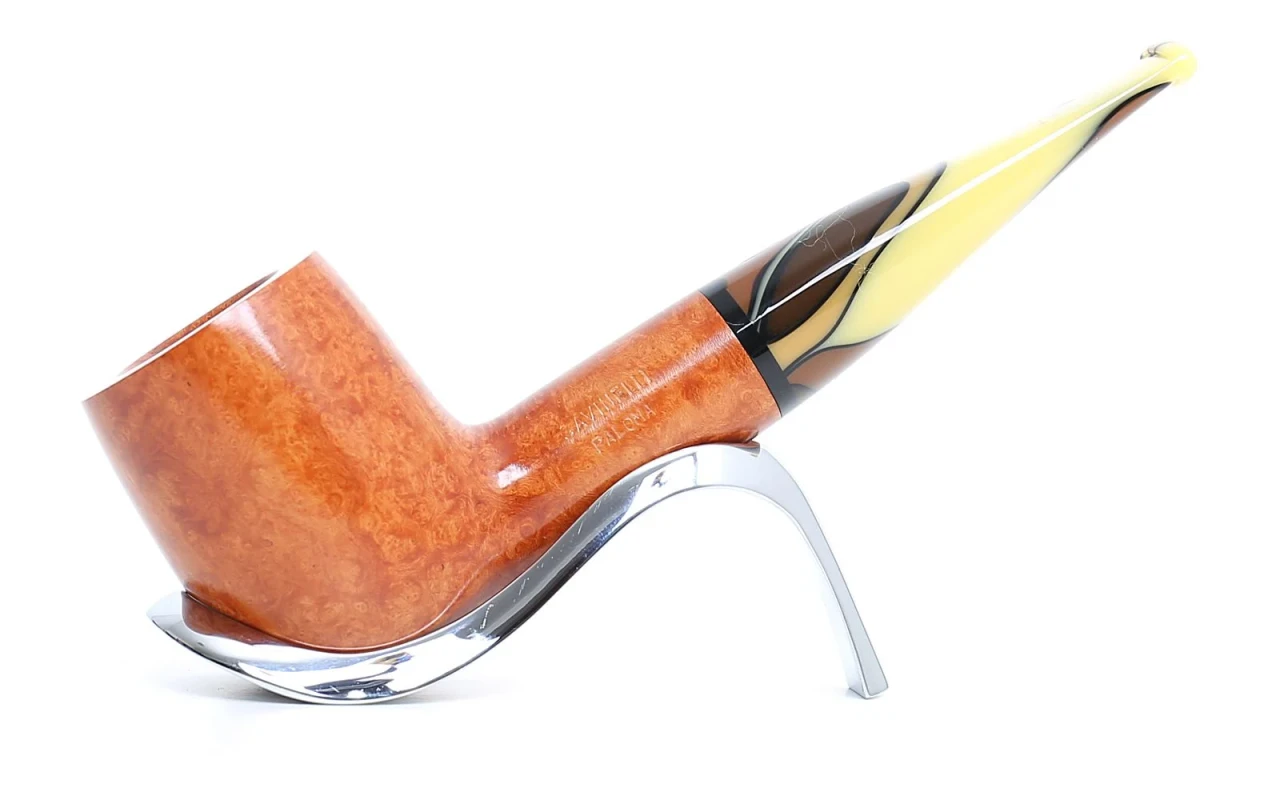
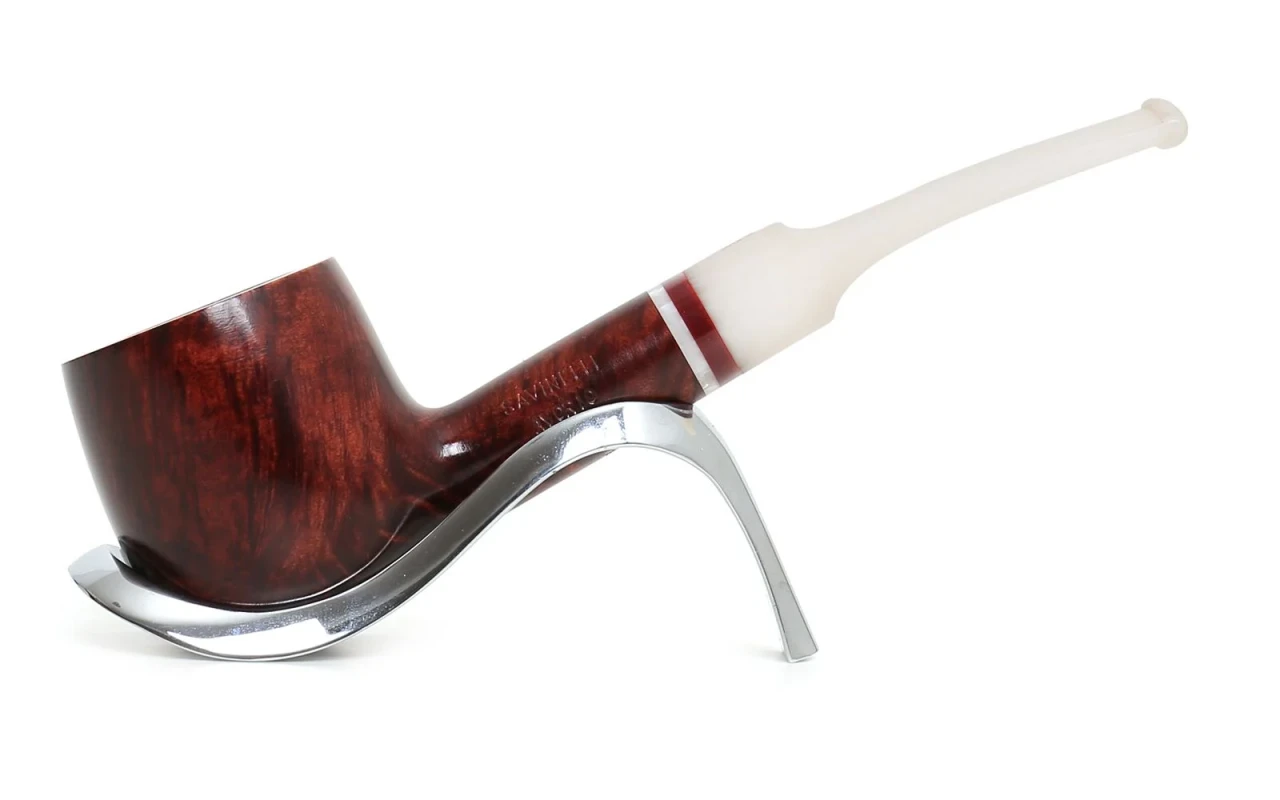
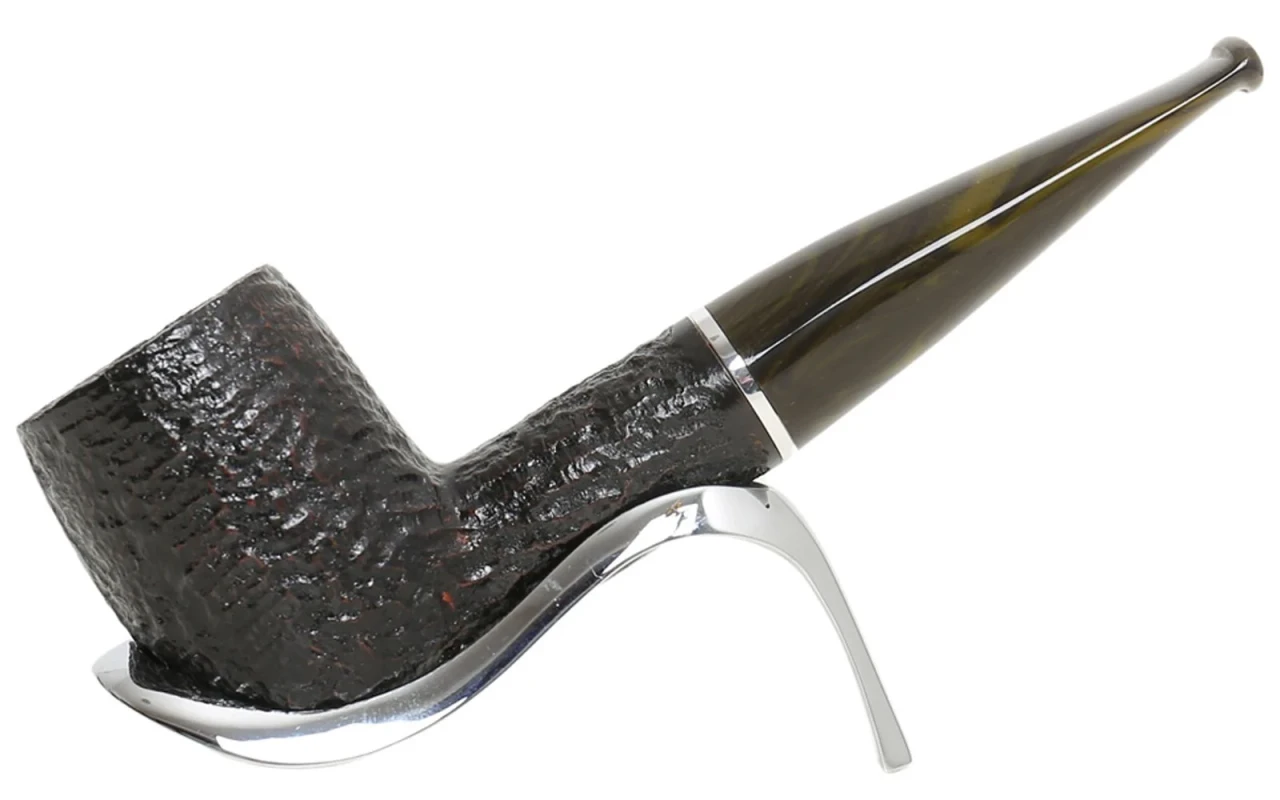
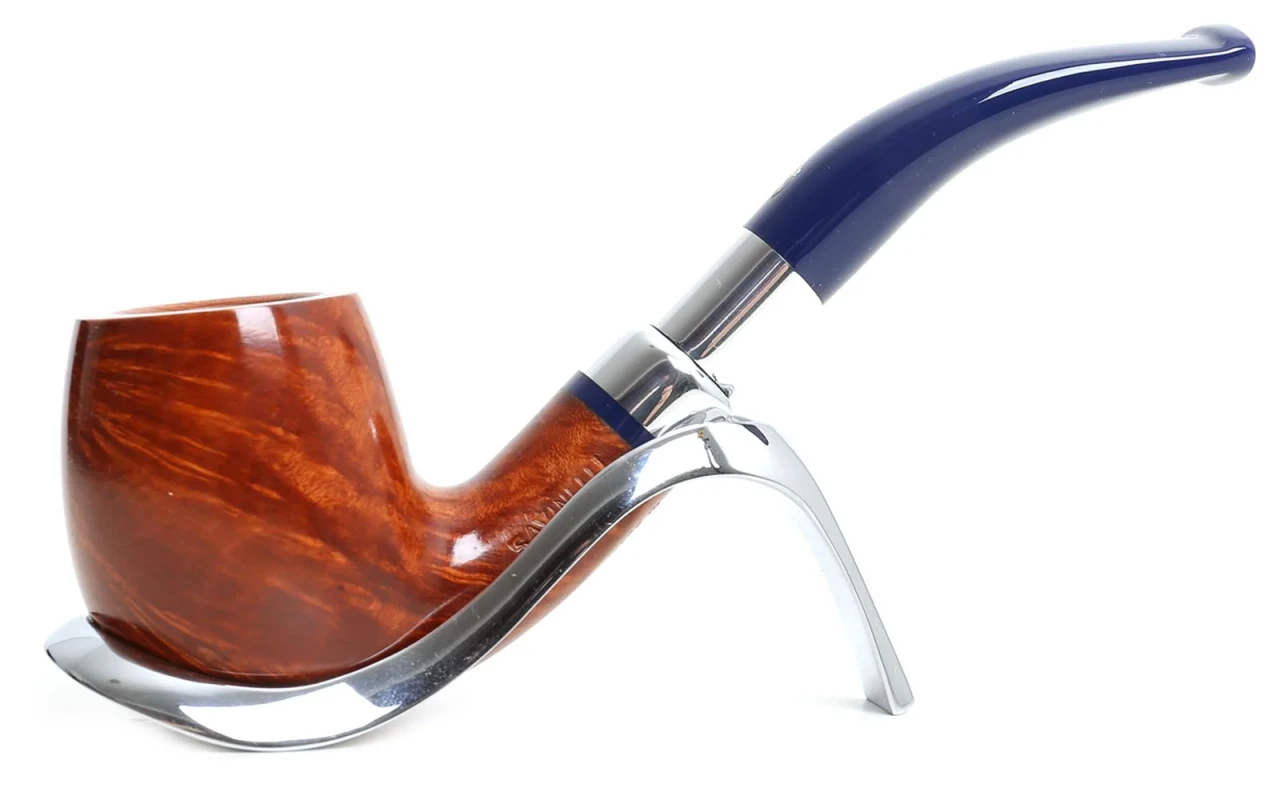
The pipe has a long history that dates back to ancient times. Originally made of materials such as clay, stone, or wood, the pipe has undergone an evolution over the centuries. In the 17th century, the introduction of tobacco from the Americas led to an increase in its popularity in Europe. Pipes were initially rather rudimentary, but over time they have been crafted with more refined materials such as briar or ivory. Today, there is a wide variety of pipes, each with unique features and sophisticated designs, suitable for meeting the needs and tastes of modern pipe smokers.
Materials used for pipes
Pipes can be made from different materials, each with unique characteristics. The most common materials used for pipe production are:- Briar wood: wood from the Erica arborea plant, highly heat and combustion-resistant.- Corn cob: corn cob pipes are lightweight and affordable, ideal for beginners.- Clay: clay pipes are valued for their ability to absorb moisture and cool down the smoke.- Meerschaum: a porous stone that absorbs liquids, ensuring a clean and neutral taste.- Metals: such as brass, stainless steel, or aluminum, mainly used for travel pipes or modern models.
Smoking pipe design
The design of smoking pipes is a crucial element for pipe tobacco enthusiasts. Pipes come in a wide range of shapes, materials, and styles, each with unique features that influence the smoking experience. The pipe design can affect how the tobacco burns, the flavor, and the temperature of the smoke produced. Pipes can be made of wood, briar, corn cob, or other materials. Shapes range from straight to curved pipes, from classic to more modern designs. Pipe design is important not only for aesthetic appeal but also for functionality and smoker satisfaction.
Tobacco Pipe Maintenance
Maintaining tobacco pipes is essential to ensure their longevity and enhance the smoking experience. Here are some useful tips:- Regularly clean the pipe with a pipe cleaner or a pipe brush to remove tobacco residues and moisture.- Avoid overpacking the pipe and overheating it to prevent damage to the surface.- Roll and dry the tobacco before loading the pipe for a more even smoke.- Store the pipe in a cool and dry place, away from heat sources and direct sunlight.- Periodically check the condition of the mouthpiece and stem, replacing them if damaged.By following these simple practices, you can fully enjoy your tobacco pipe for a long time.
'%3e%3cg id='Final-Copy-2_2_' transform='translate(1275.000000, 200.000000)'%3e%3cpath class='st0' d='M7.4,12.8h6.8l3.1-11.6H7.4C4.2,1.2,1.6,3.8,1.6,7S4.2,12.8,7.4,12.8z'/%3e%3c/g%3e%3c/g%3e%3c/g%3e%3cg id='final---dec.11-2020'%3e%3cg id='_x30_208-our-toggle' transform='translate(-1275.000000, -200.000000)'%3e%3cg id='Final-Copy-2' transform='translate(1275.000000, 200.000000)'%3e%3cpath class='st1' d='M22.6,0H7.4c-3.9,0-7,3.1-7,7s3.1,7,7,7h15.2c3.9,0,7-3.1,7-7S26.4,0,22.6,0z M1.6,7c0-3.2,2.6-5.8,5.8-5.8 h9.9l-3.1,11.6H7.4C4.2,12.8,1.6,10.2,1.6,7z'/%3e%3cpath id='x' class='st2' d='M24.6,4c0.2,0.2,0.2,0.6,0,0.8l0,0L22.5,7l2.2,2.2c0.2,0.2,0.2,0.6,0,0.8c-0.2,0.2-0.6,0.2-0.8,0 l0,0l-2.2-2.2L19.5,10c-0.2,0.2-0.6,0.2-0.8,0c-0.2-0.2-0.2-0.6,0-0.8l0,0L20.8,7l-2.2-2.2c-0.2-0.2-0.2-0.6,0-0.8 c0.2-0.2,0.6-0.2,0.8,0l0,0l2.2,2.2L23.8,4C24,3.8,24.4,3.8,24.6,4z'/%3e%3cpath id='y' class='st3' d='M12.7,4.1c0.2,0.2,0.3,0.6,0.1,0.8l0,0L8.6,9.8C8.5,9.9,8.4,10,8.3,10c-0.2,0.1-0.5,0.1-0.7-0.1l0,0 L5.4,7.7c-0.2-0.2-0.2-0.6,0-0.8c0.2-0.2,0.6-0.2,0.8,0l0,0L8,8.6l3.8-4.5C12,3.9,12.4,3.9,12.7,4.1z'/%3e%3c/g%3e%3c/g%3e%3c/g%3e%3c/g%3e%3c/svg%3e) Your Privacy Choices
Your Privacy Choices 


