 ES
ES FR
FR EN
EN IT
IT DE
DE
Sandblasting for pipe preservation
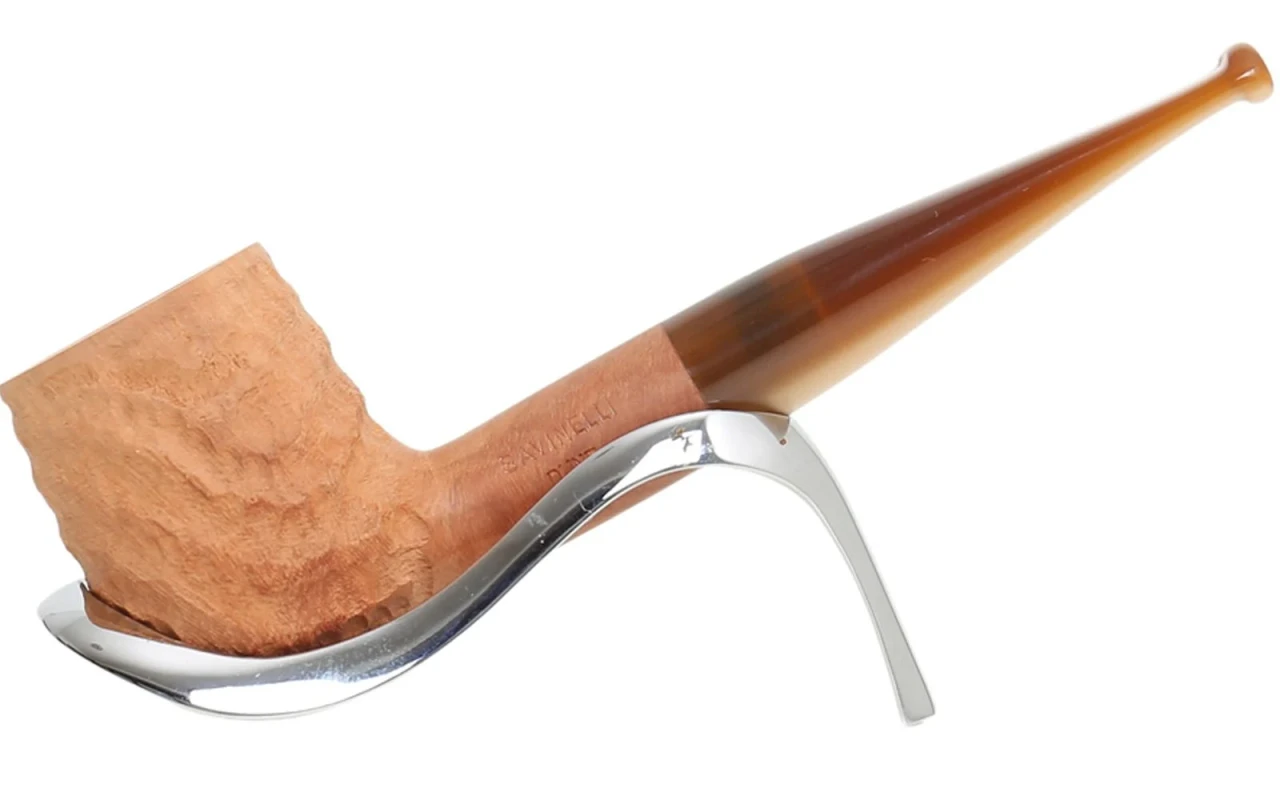

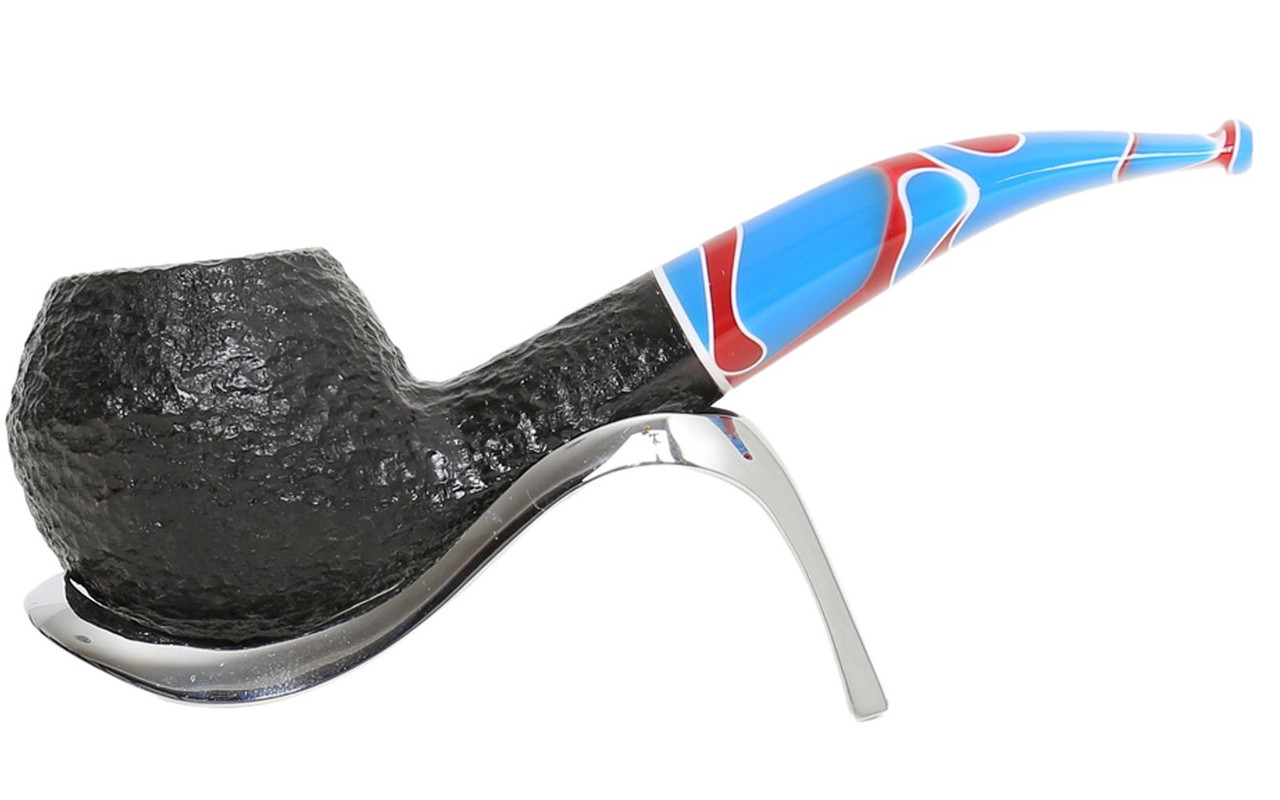
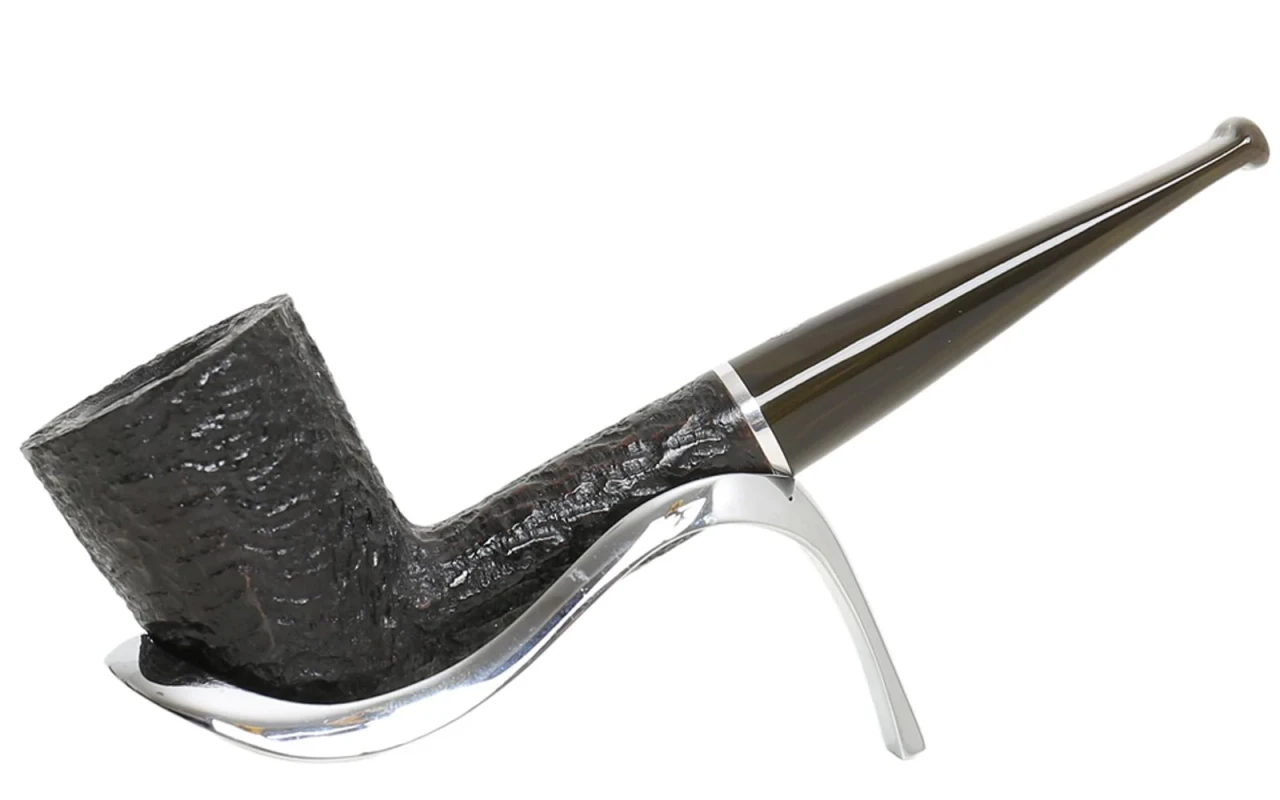
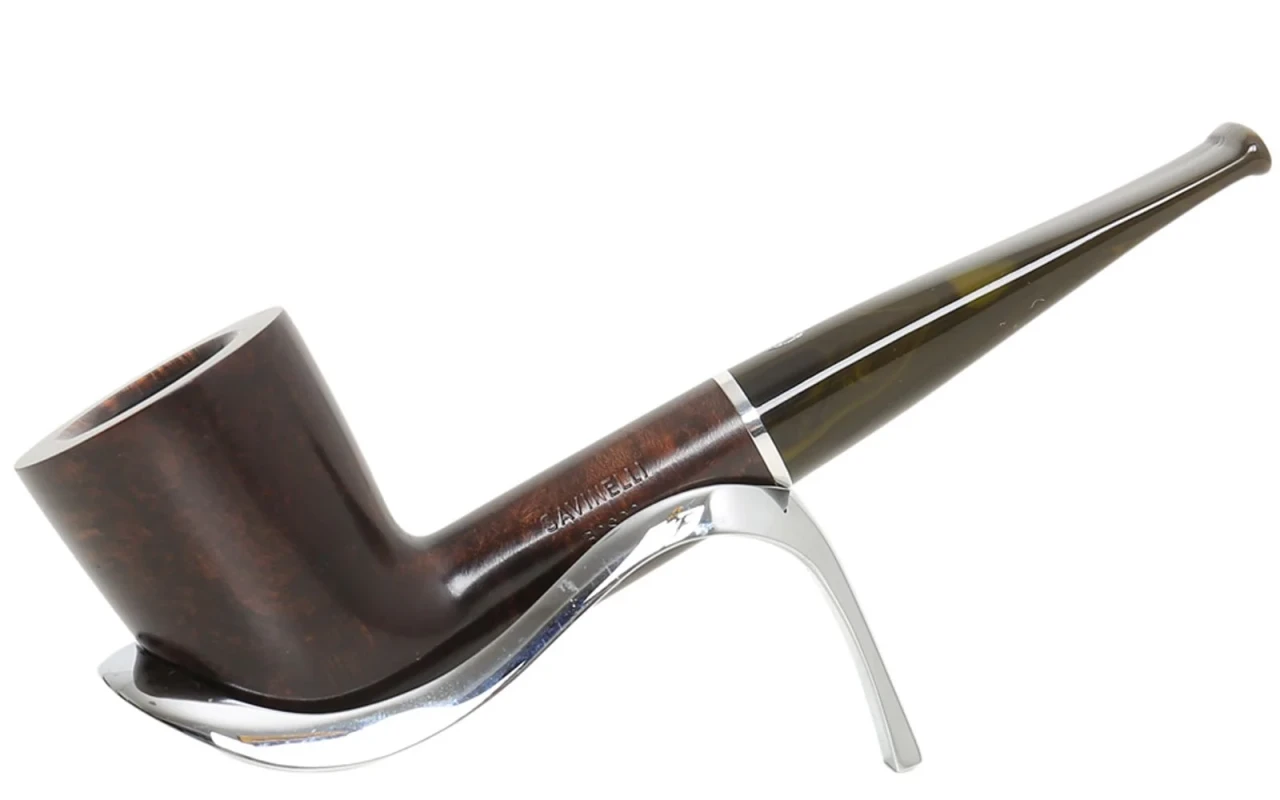



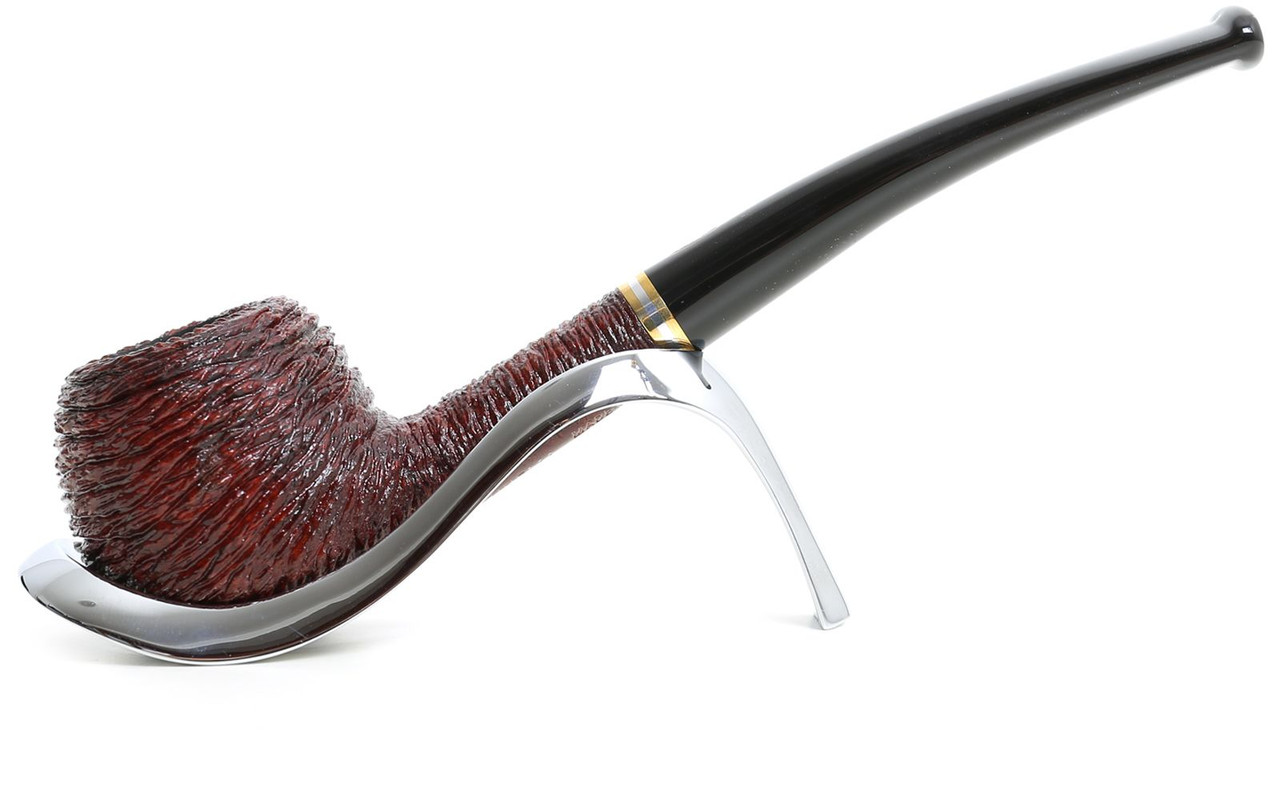

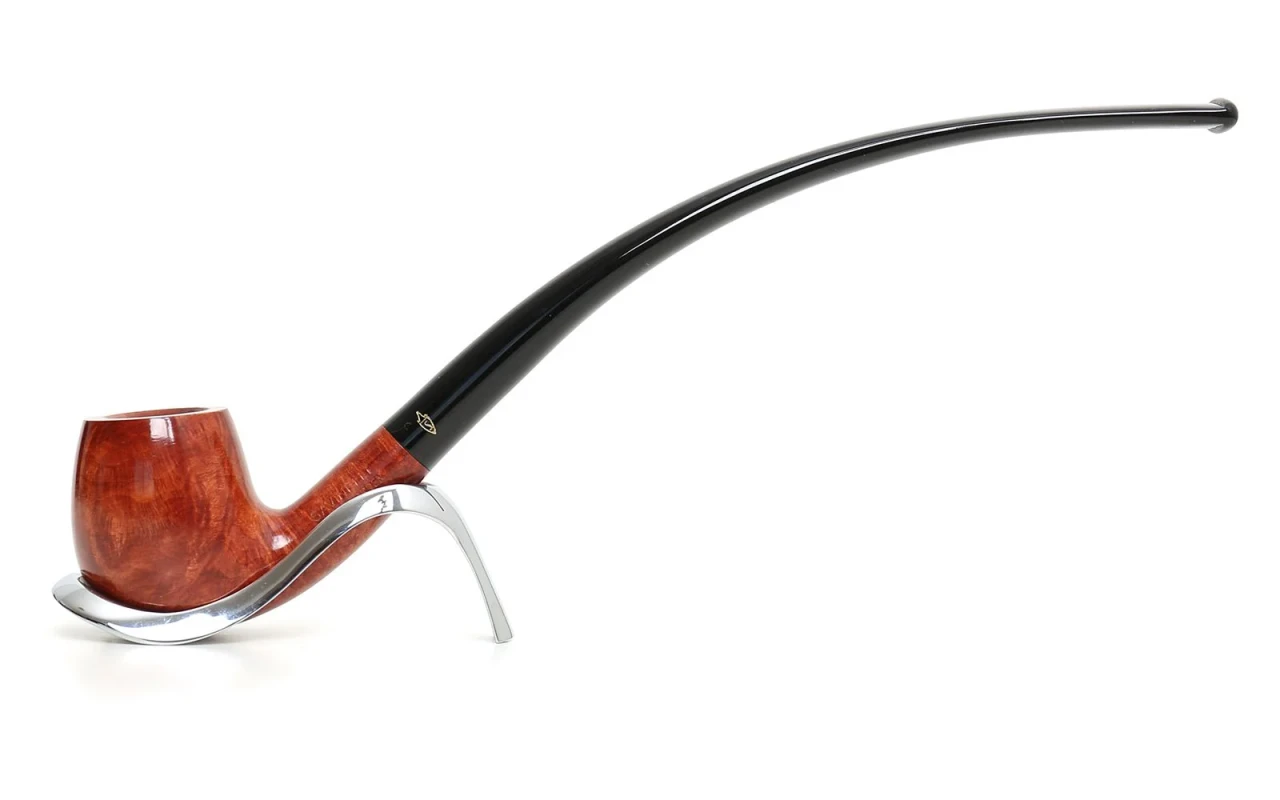

Sandblasting for pipe preservation
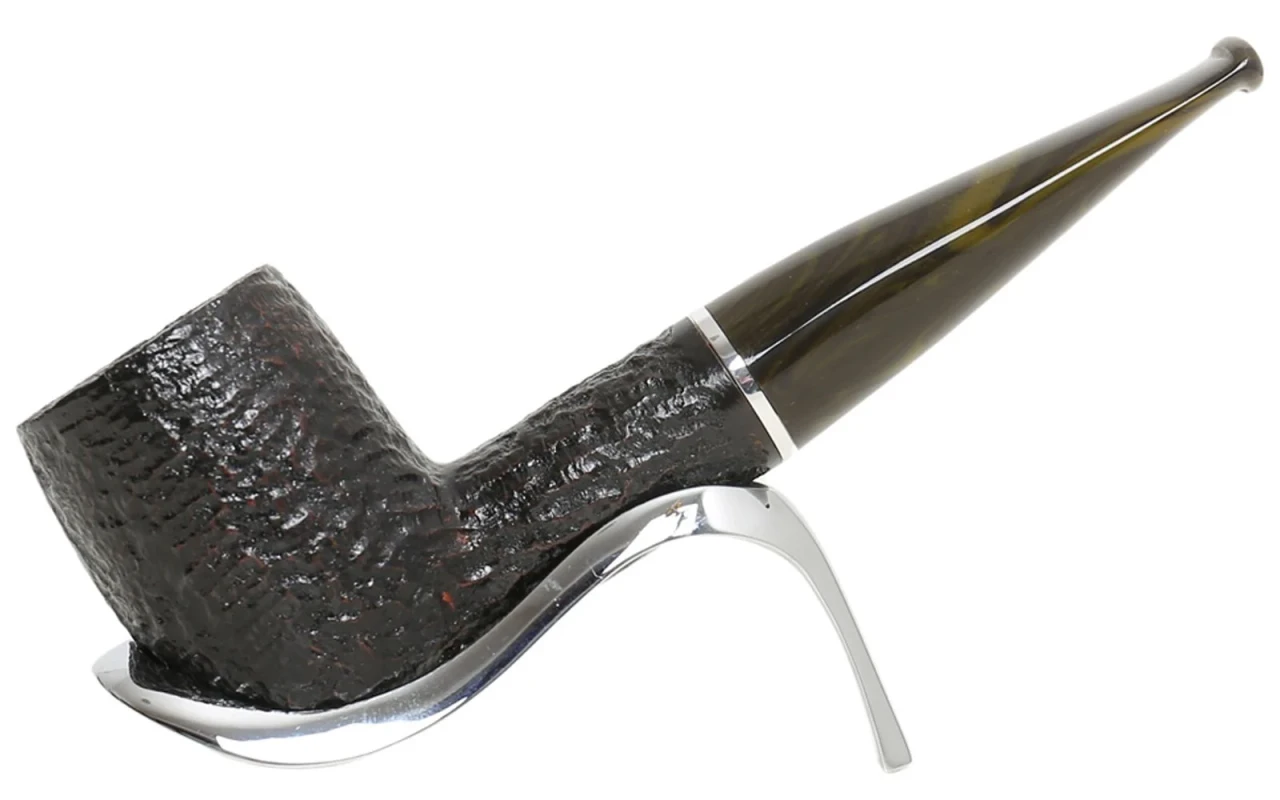
Sandblasting is a surface treatment used to preserve pipes over time. This technique involves the use of sand or abrasive granules to remove dirt and patina from the pipe's surface, restoring its original appearance. Sandblasting not only helps maintain the aesthetic beauty of the pipe but also contributes to preserving its structure and ensuring better durability over time. Thanks to this process, it is possible to eliminate any pipe smoke residues and effectively regenerate the surface, while keeping the underlying wood intact.
Sandblasting for Pipes
Sandblasting for pipes is a cleaning and smoothing process of the external surface of the pipe using sand or abrasive materials. This technique is used to remove smoke residue, oxidation, and dirt that have accumulated on the surface of the pipe over time. Sandblasting not only enhances the aesthetic appearance of the pipe but also helps to ensure better smoking performance and increased durability over time. It is important to rely on experienced professionals to correctly perform sandblasting, avoiding damage to the pipe and ensuring an optimal result.
How to Sandblast a Pipe
Sandblasting a pipe is a process used to clean and remove burnt carbon from the inside of the pipe itself. To sandblast a pipe, follow these steps:1. Remove the cap from the pipe.2. Use a scraper or a reamer to gently remove the burnt carbon inside the pipe.3. Use fine-grit sandpaper to further clean the inside of the pipe.4. Run a brush or a clean cloth inside the pipe to remove any residues.5. Finally, blow gently into the pipe to eliminate any remaining residues.By following these simple steps, you can keep your pipe clean and in excellent condition.
DIY Pipe Sandblasting
DIY pipe sandblasting is a method used to remove the old coating and bring the surface of the pipe back to its natural wood state. To carry out this process at home, you will need a handheld sandblaster and fine sand granules. Before starting, protect your eyes and respiratory system, as pipe fumes can be harmful if inhaled. Make sure to work in a well-ventilated area and carefully follow the sandblasting instructions. After the process, it is important to thoroughly clean the pipe to avoid sand residues. Finally, remember to finish the surface with specific wood oils or waxes.
'%3e%3cg id='Final-Copy-2_2_' transform='translate(1275.000000, 200.000000)'%3e%3cpath class='st0' d='M7.4,12.8h6.8l3.1-11.6H7.4C4.2,1.2,1.6,3.8,1.6,7S4.2,12.8,7.4,12.8z'/%3e%3c/g%3e%3c/g%3e%3c/g%3e%3cg id='final---dec.11-2020'%3e%3cg id='_x30_208-our-toggle' transform='translate(-1275.000000, -200.000000)'%3e%3cg id='Final-Copy-2' transform='translate(1275.000000, 200.000000)'%3e%3cpath class='st1' d='M22.6,0H7.4c-3.9,0-7,3.1-7,7s3.1,7,7,7h15.2c3.9,0,7-3.1,7-7S26.4,0,22.6,0z M1.6,7c0-3.2,2.6-5.8,5.8-5.8 h9.9l-3.1,11.6H7.4C4.2,12.8,1.6,10.2,1.6,7z'/%3e%3cpath id='x' class='st2' d='M24.6,4c0.2,0.2,0.2,0.6,0,0.8l0,0L22.5,7l2.2,2.2c0.2,0.2,0.2,0.6,0,0.8c-0.2,0.2-0.6,0.2-0.8,0 l0,0l-2.2-2.2L19.5,10c-0.2,0.2-0.6,0.2-0.8,0c-0.2-0.2-0.2-0.6,0-0.8l0,0L20.8,7l-2.2-2.2c-0.2-0.2-0.2-0.6,0-0.8 c0.2-0.2,0.6-0.2,0.8,0l0,0l2.2,2.2L23.8,4C24,3.8,24.4,3.8,24.6,4z'/%3e%3cpath id='y' class='st3' d='M12.7,4.1c0.2,0.2,0.3,0.6,0.1,0.8l0,0L8.6,9.8C8.5,9.9,8.4,10,8.3,10c-0.2,0.1-0.5,0.1-0.7-0.1l0,0 L5.4,7.7c-0.2-0.2-0.2-0.6,0-0.8c0.2-0.2,0.6-0.2,0.8,0l0,0L8,8.6l3.8-4.5C12,3.9,12.4,3.9,12.7,4.1z'/%3e%3c/g%3e%3c/g%3e%3c/g%3e%3c/g%3e%3c/svg%3e) Your Privacy Choices
Your Privacy Choices 


