 ES
ES FR
FR EN
EN IT
IT DE
DE
Role of material in pipe construction
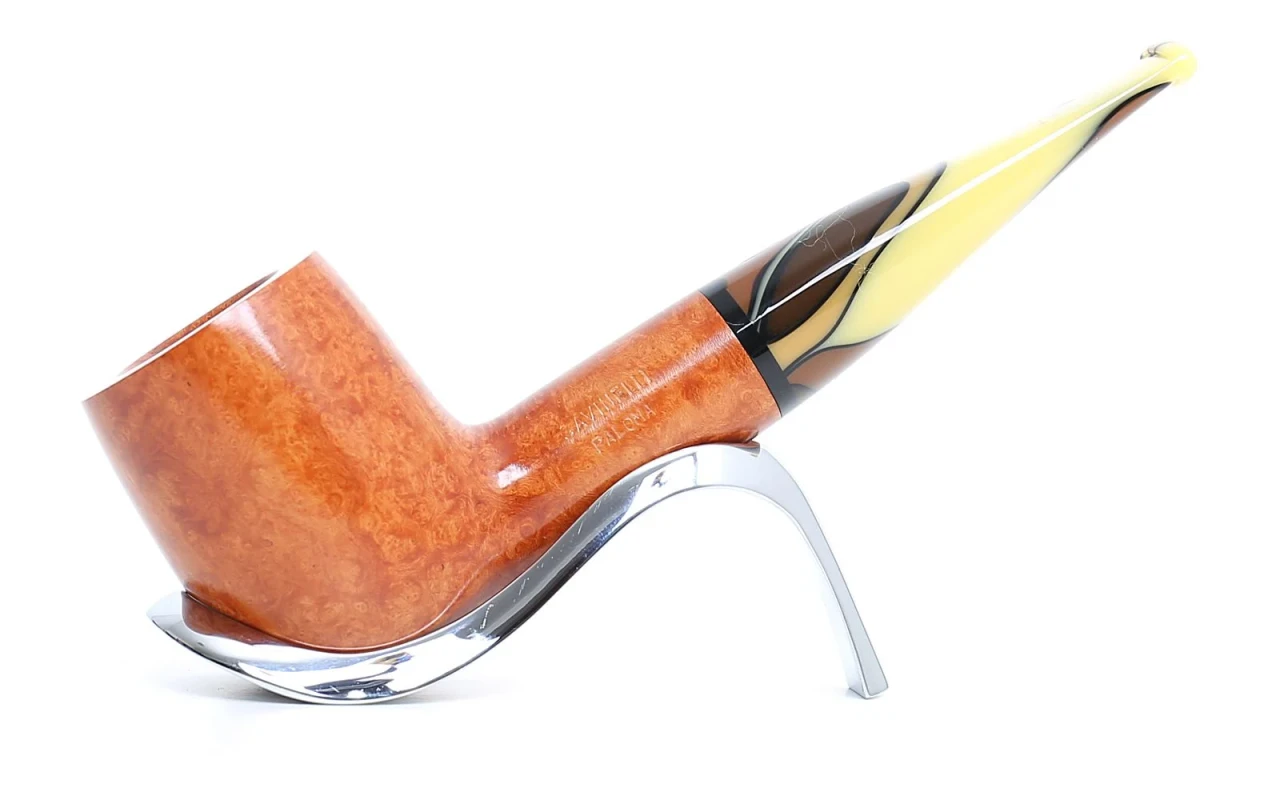
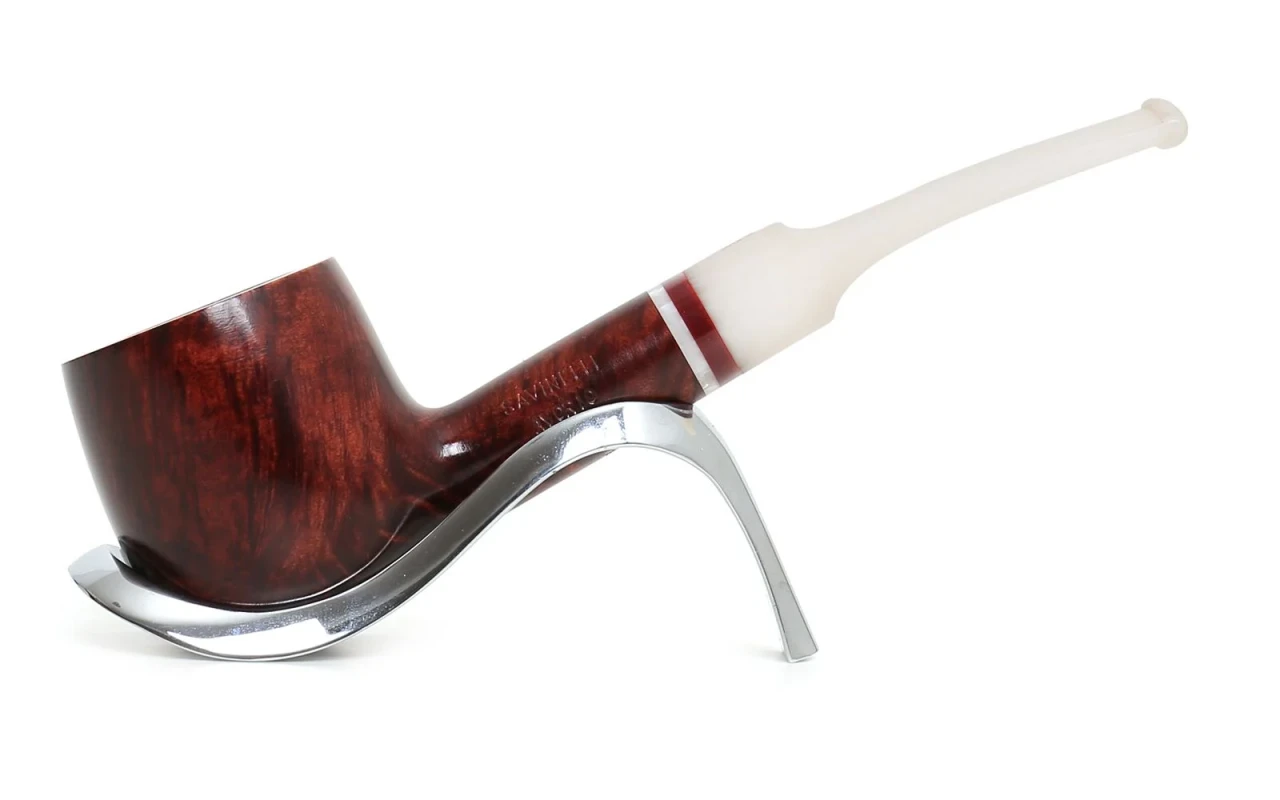
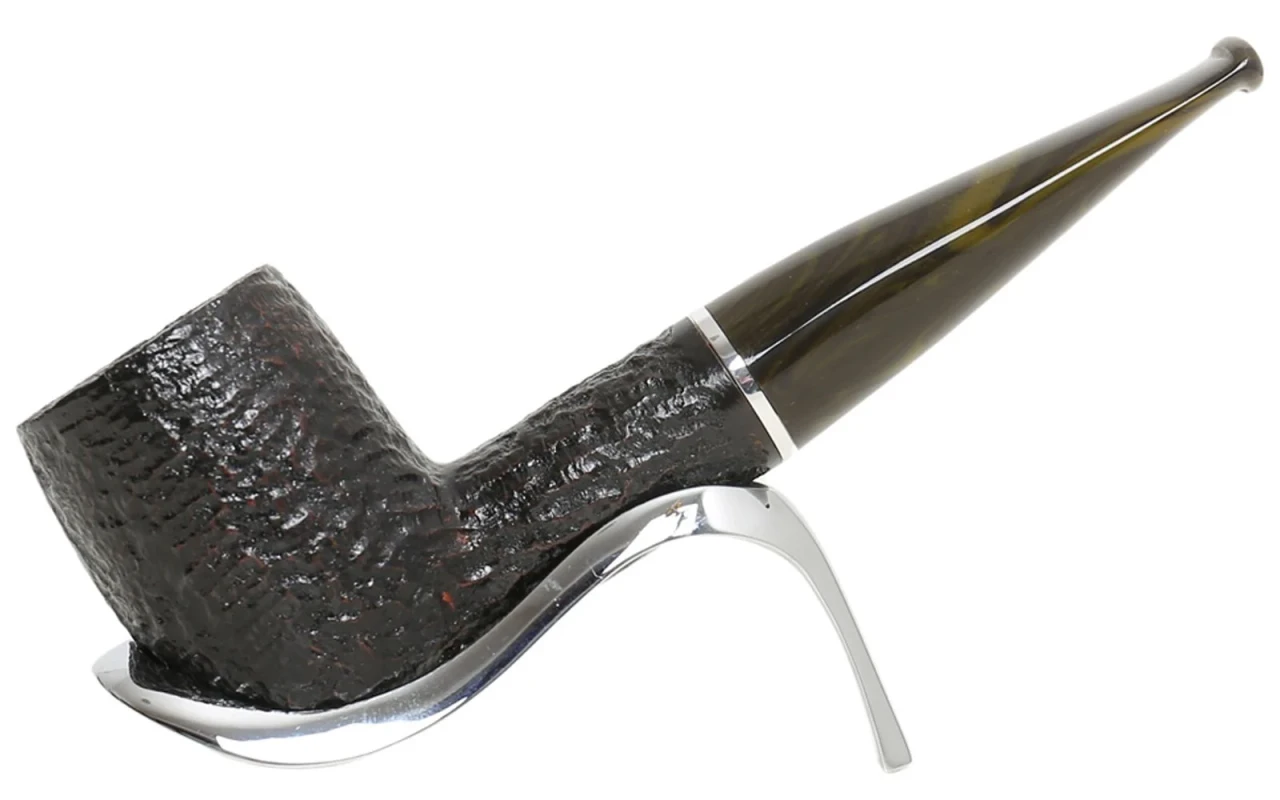
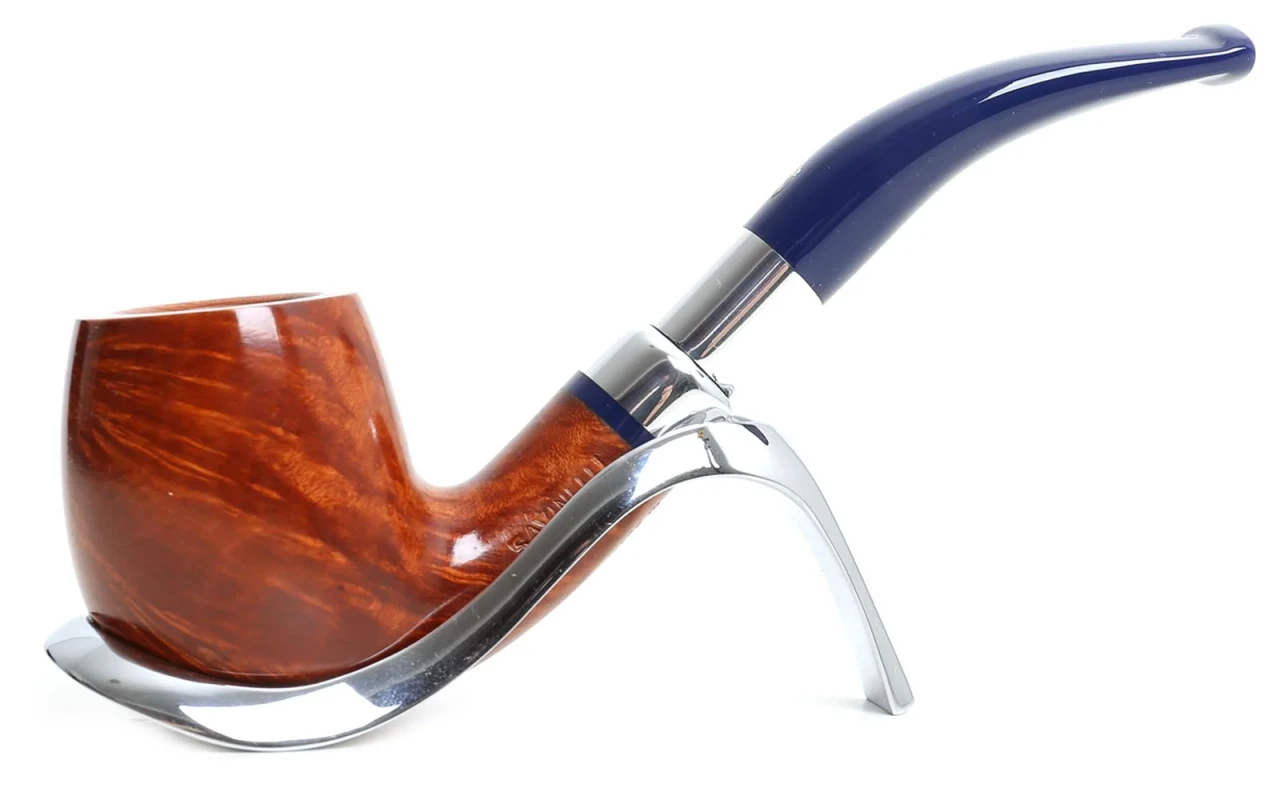
Role of material in pipe construction
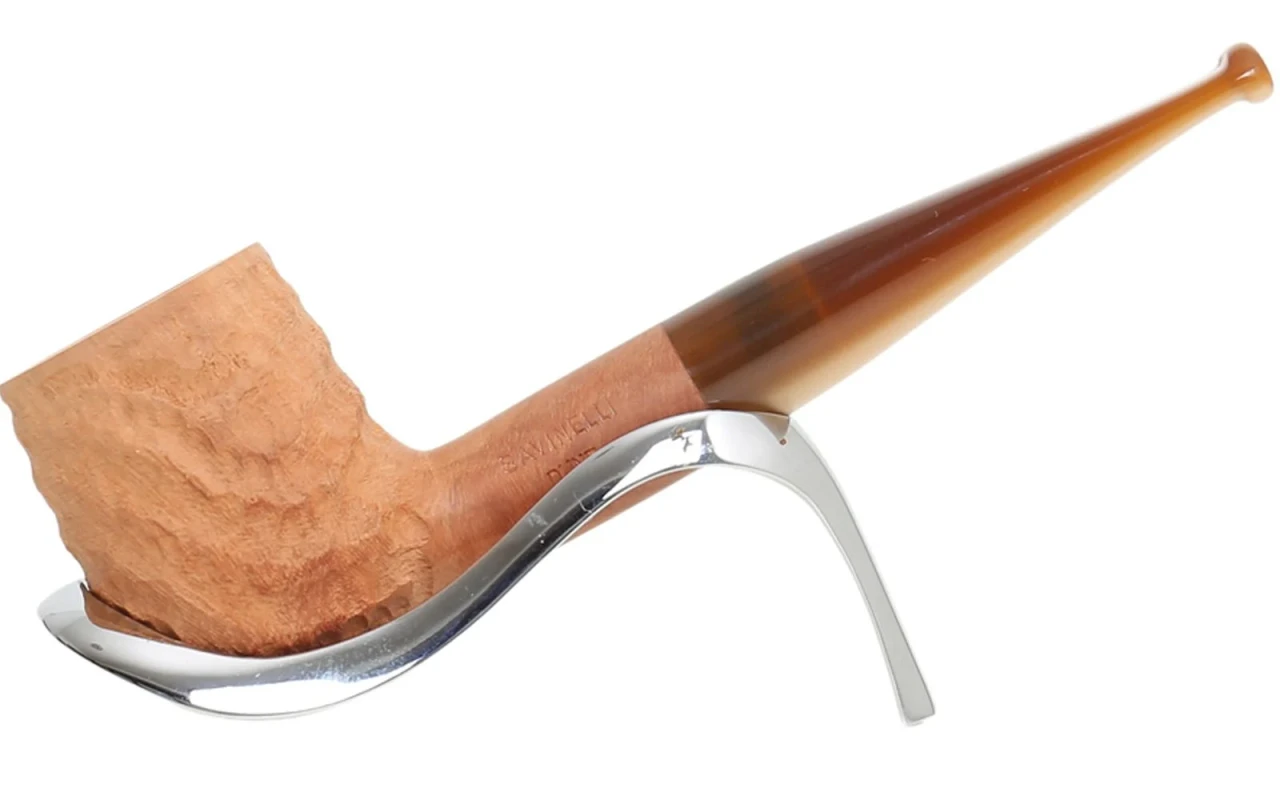
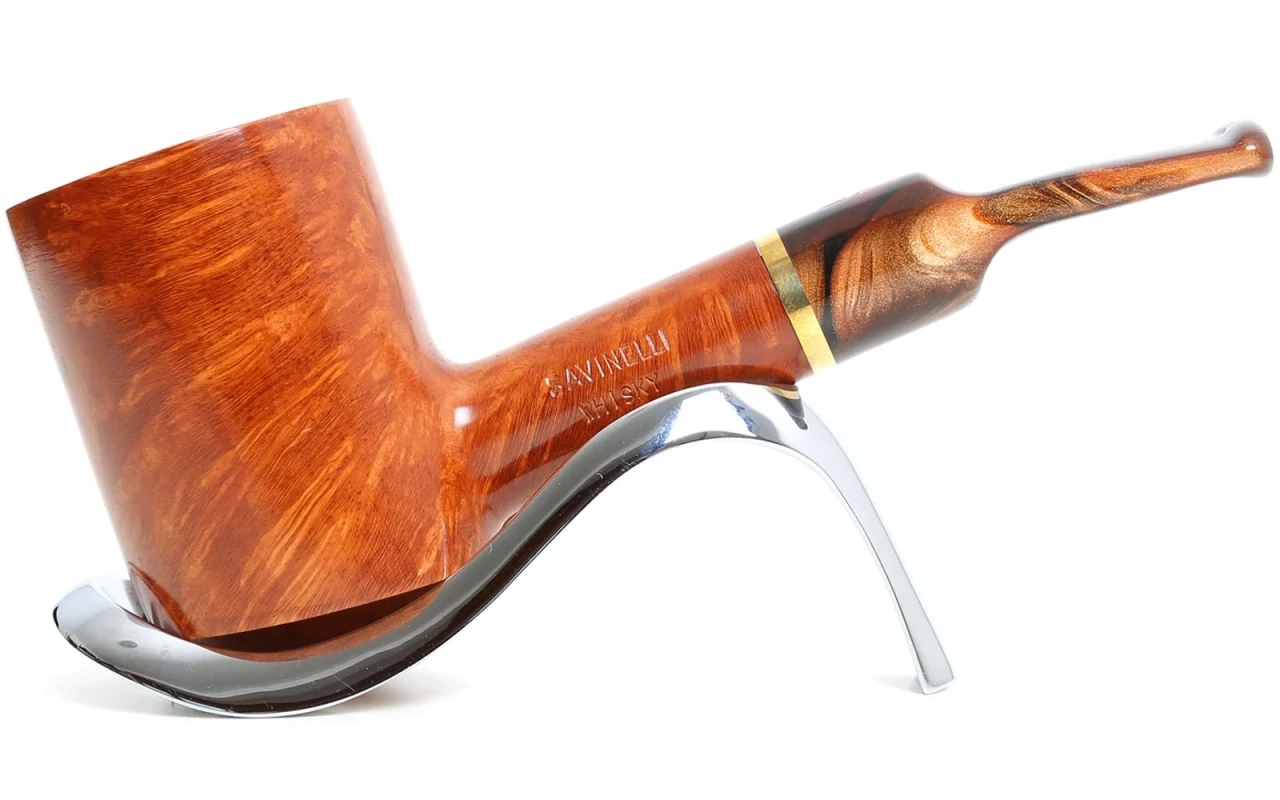
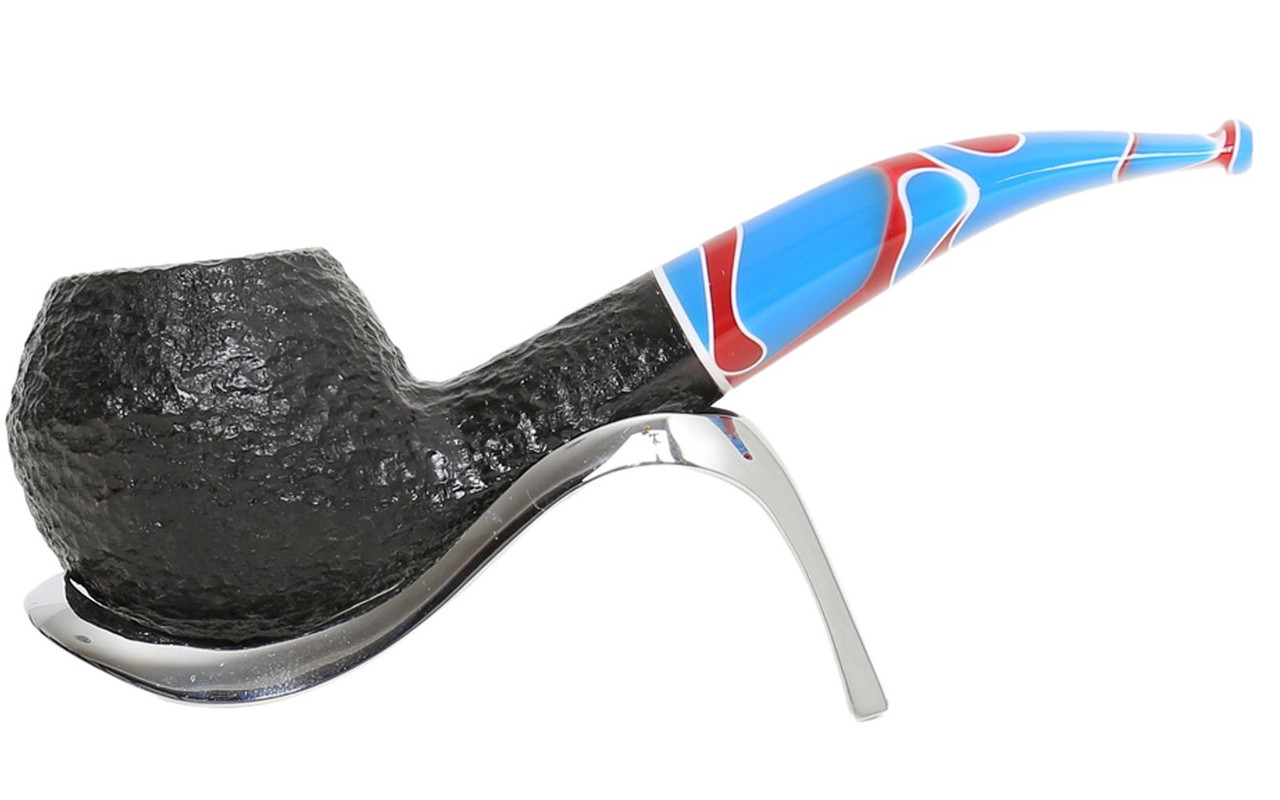
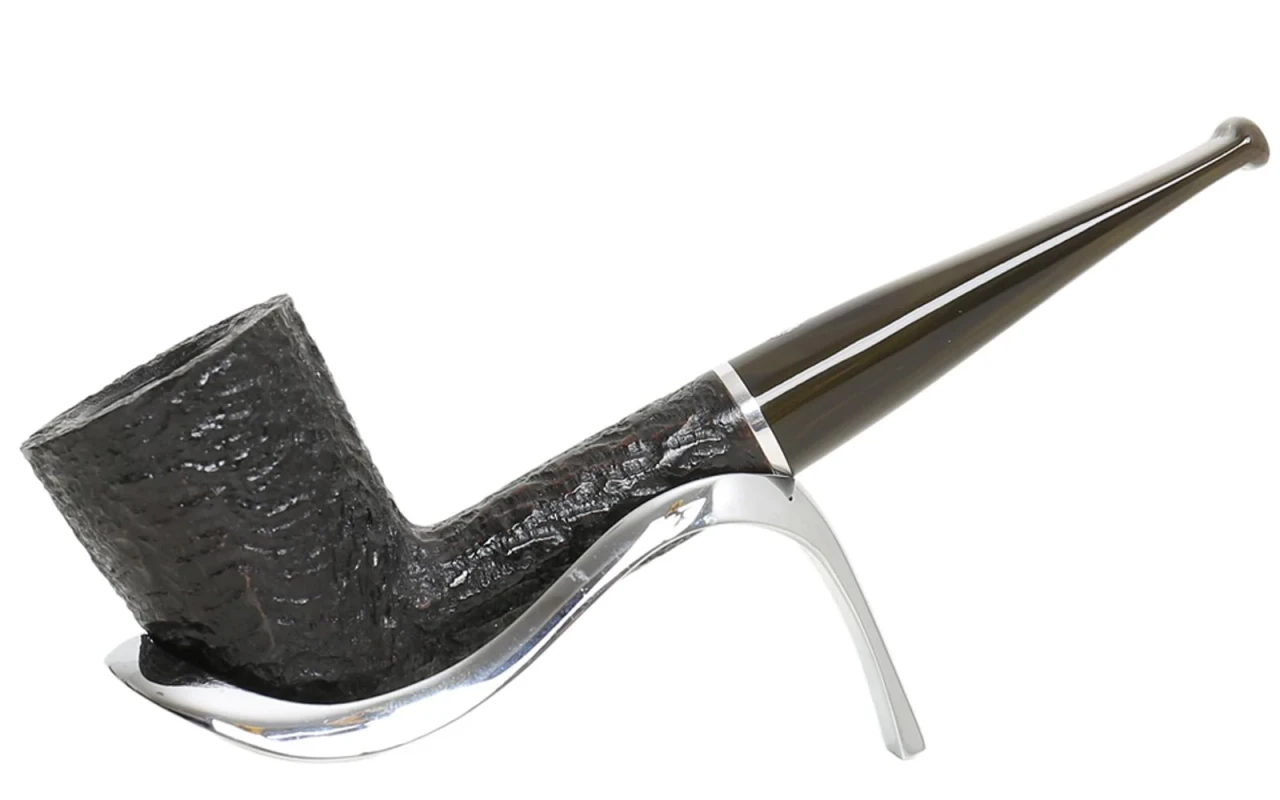
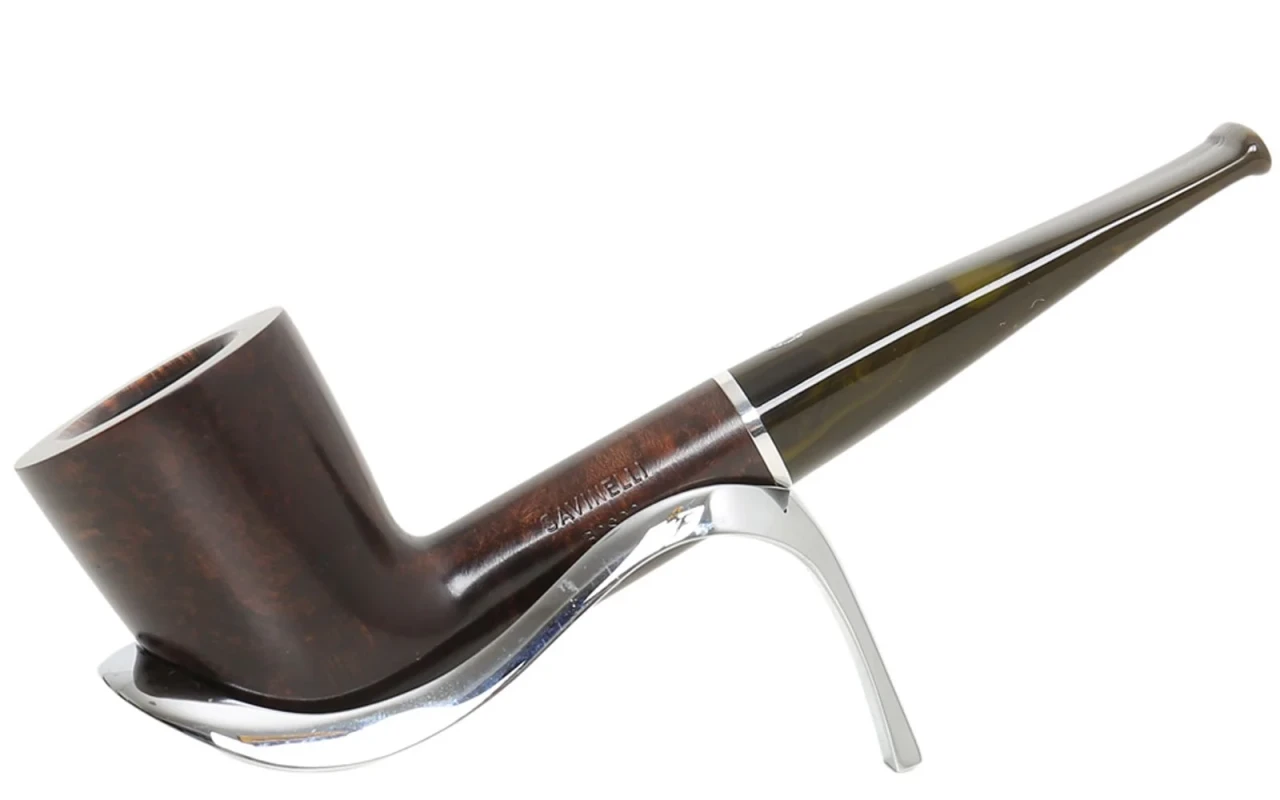
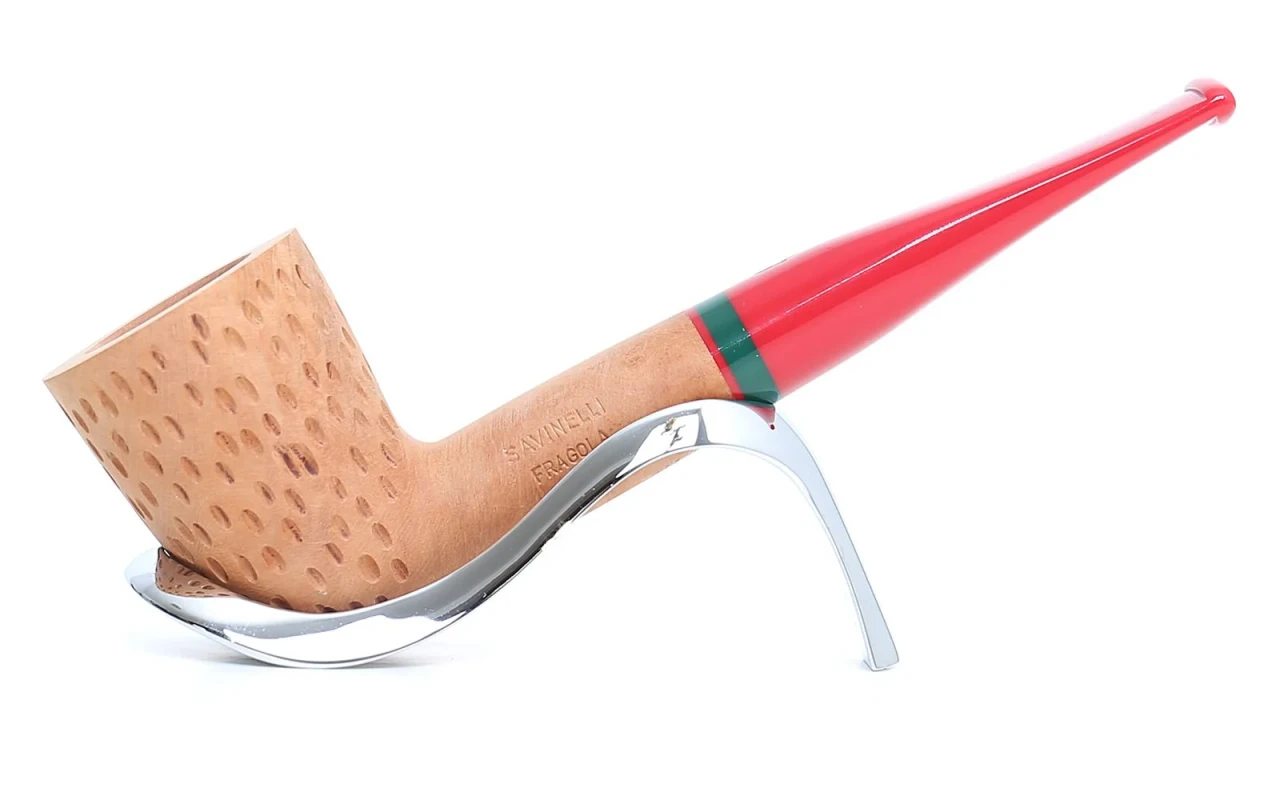
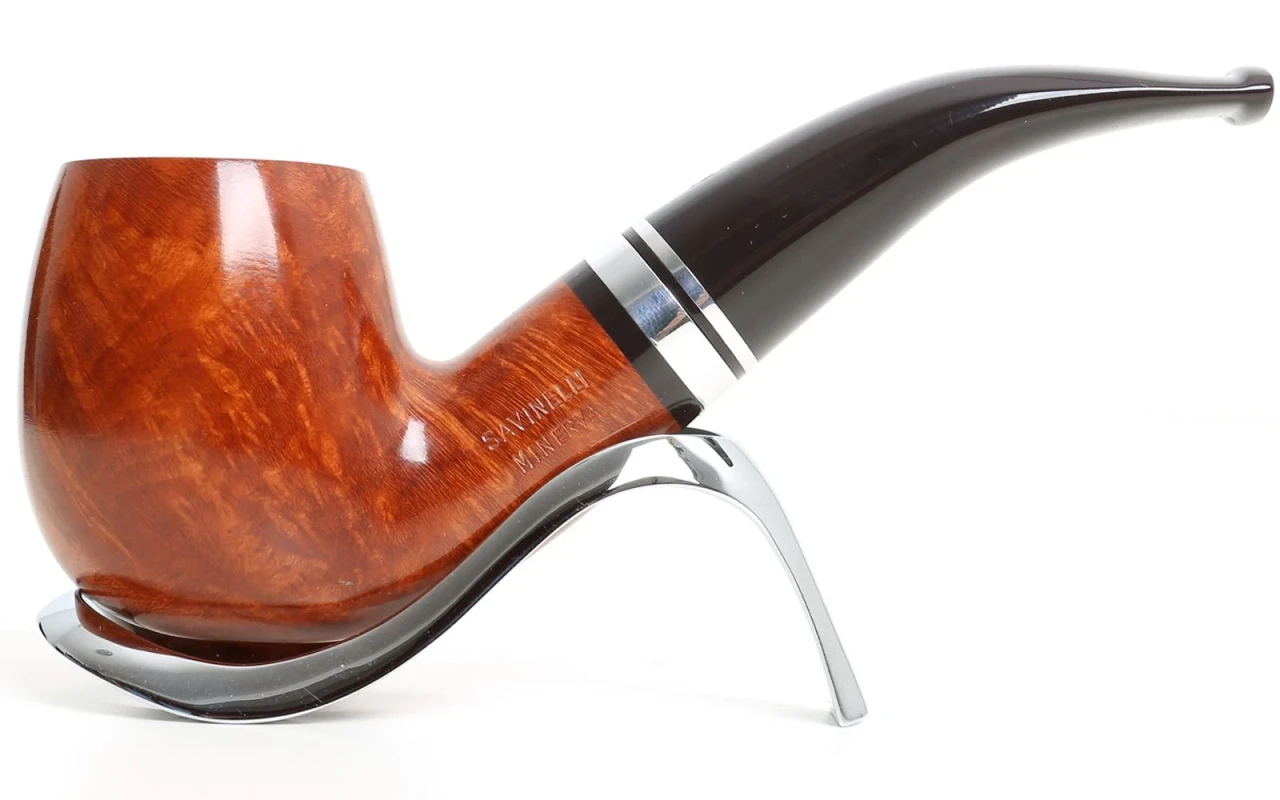
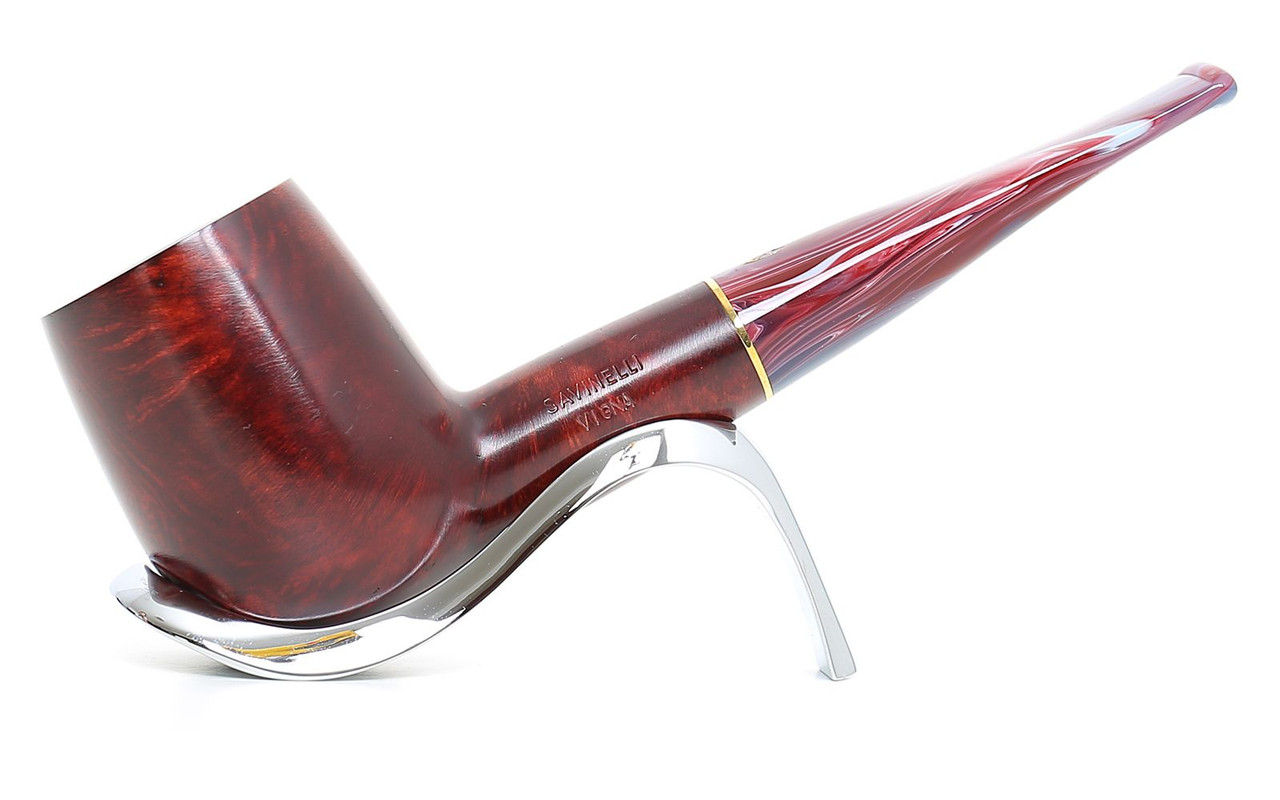
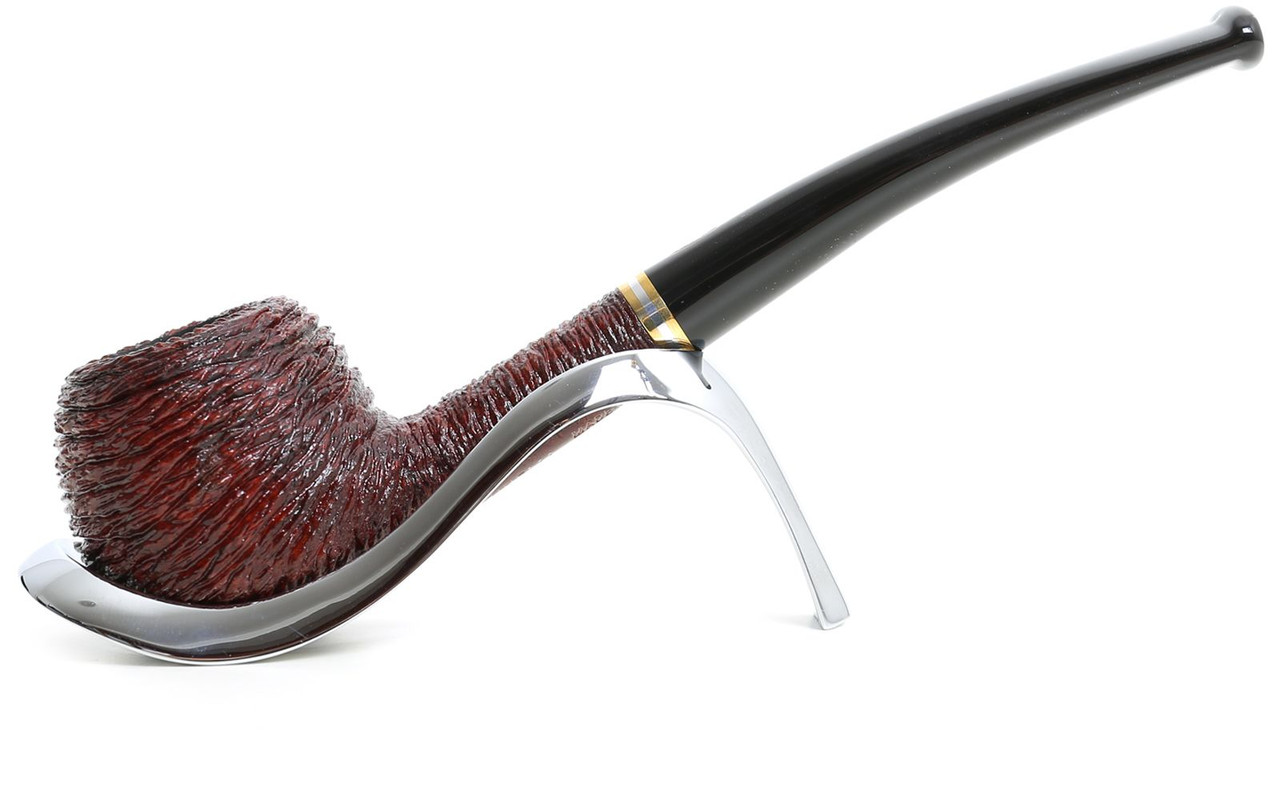
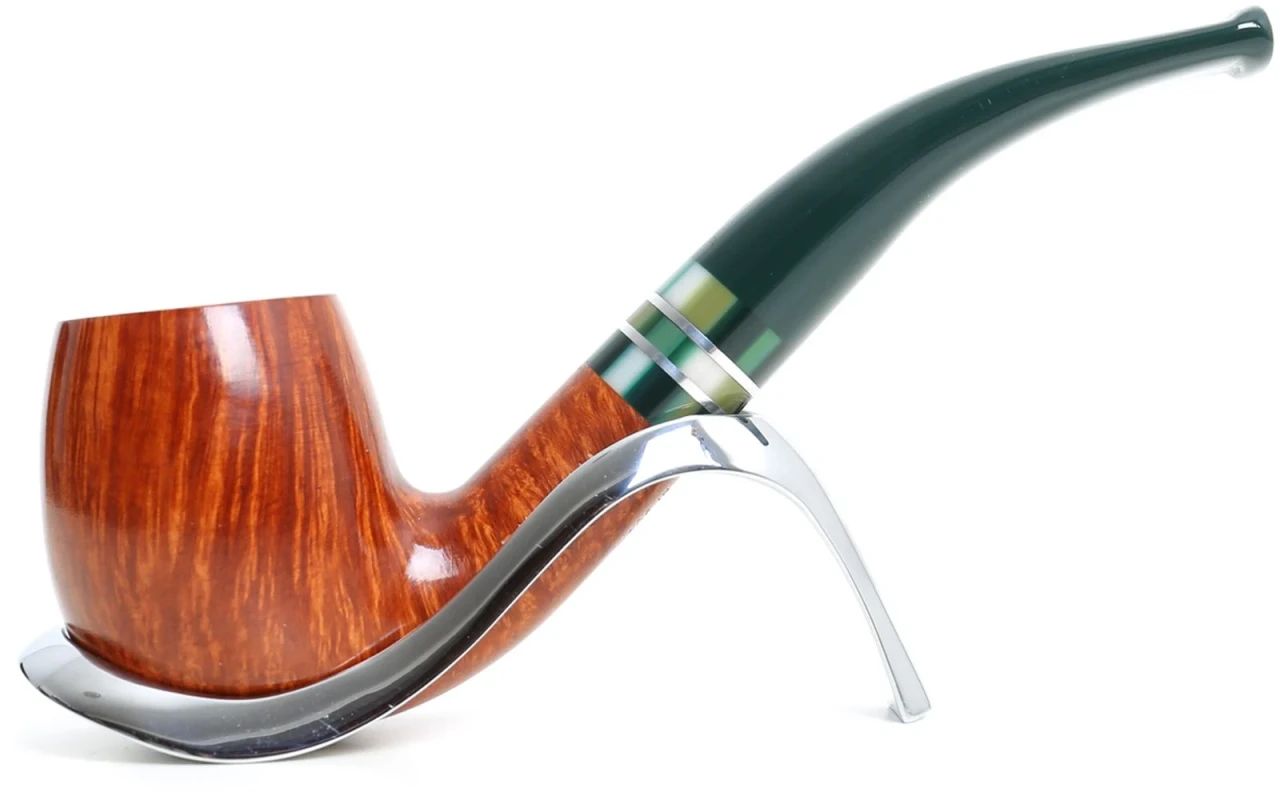
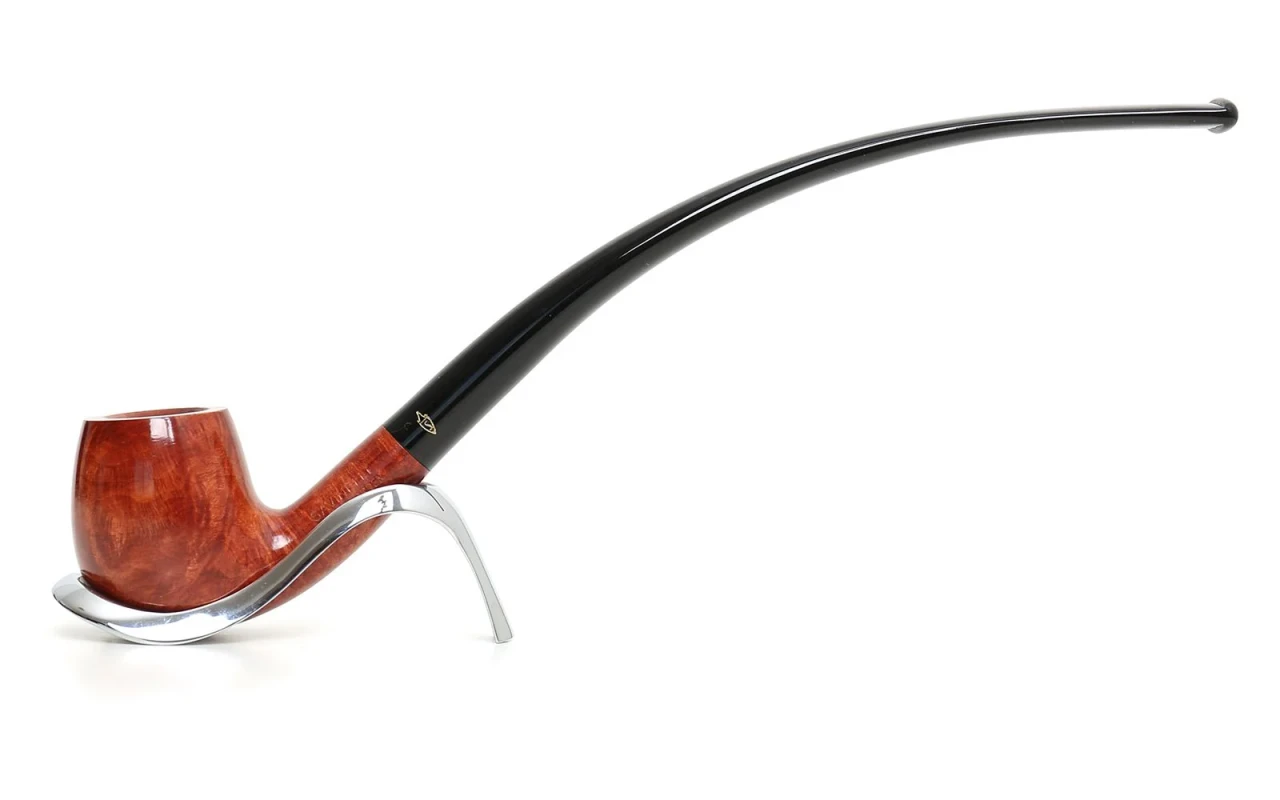
The material plays a fundamental role in the construction of a pipe. The choice of material affects both the performance and the aesthetics of the instrument. The most common materials are wood, briar, clay, corn cob, and metal. High-quality wood is widely appreciated for its ability to absorb moisture from the smoke, ensuring a smoother and cooler smoke. Briar is renowned for its heat and corrosion resistance. Clay pipes offer excellent heat conduction. Corn cob pipes are lightweight and affordable. Lastly, metal pipes are sturdy and easy to clean.
Best Material for Pipe Smoking
The best material for a smoking pipe is undoubtedly briar wood. This wood, derived from the Erica arborea tree, known as "briar," is particularly suitable for crafting high-quality pipes. Briar wood is hard, heat-resistant, and non-absorbent, ensuring a cooler and drier smoke. Additionally, its porous structure helps absorb tobacco oils and residues, enhancing the flavor over time. Briar pipes are favored among pipe enthusiasts for their longevity, aromatic yield, and the natural beauty of the wood.
High-Quality Pipe Materials
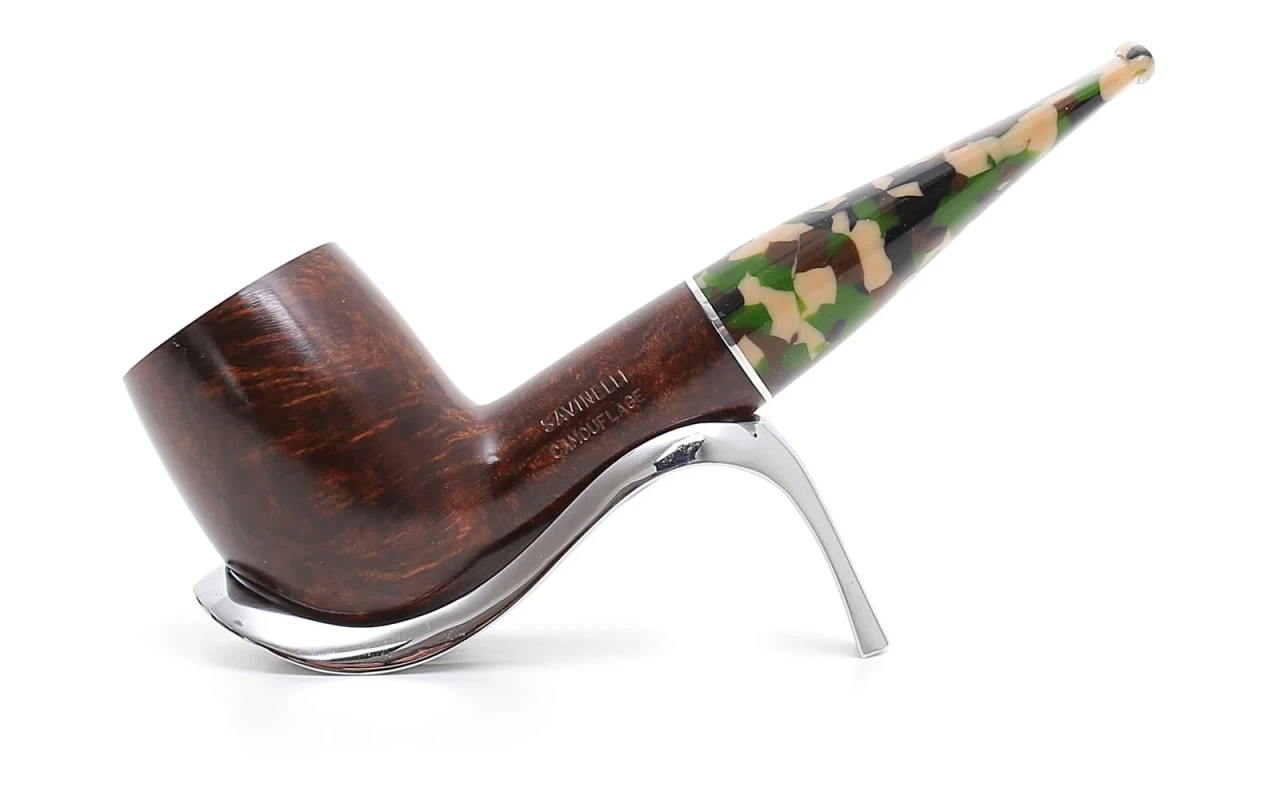
High-quality pipes are crafted with premium materials that guarantee strength and durability over time. The most common materials include briar, oak, deer antlers, and other precious woods. These materials give pipes unique characteristics, such as interesting grain patterns and natural colorations. Moreover, high-quality pipes are often equipped with acrylic or ebonite stems, which offer excellent heat resistance and bite durability. Opting for a pipe made with high-quality materials ensures a superior smoking experience and long-lasting satisfaction.
Traditional tobacco pipe materials
Traditional tobacco pipes are made from various materials, each with unique characteristics. The most common materials include:- Heather root: lightweight and durable, offers good heat dissipation.- Corn cob: lightweight and affordable, absorbs smoke moisture.- Clay: porous and delicate, contributes to the tobacco flavor.- Meerschaum: soft and porous stone, absorbs liquids and colors with use.- Briar: Mediterranean heather wood, heat and flame resistant.The choice of material influences the performance and smoking experience of a pipe.
'%3e%3cg id='Final-Copy-2_2_' transform='translate(1275.000000, 200.000000)'%3e%3cpath class='st0' d='M7.4,12.8h6.8l3.1-11.6H7.4C4.2,1.2,1.6,3.8,1.6,7S4.2,12.8,7.4,12.8z'/%3e%3c/g%3e%3c/g%3e%3c/g%3e%3cg id='final---dec.11-2020'%3e%3cg id='_x30_208-our-toggle' transform='translate(-1275.000000, -200.000000)'%3e%3cg id='Final-Copy-2' transform='translate(1275.000000, 200.000000)'%3e%3cpath class='st1' d='M22.6,0H7.4c-3.9,0-7,3.1-7,7s3.1,7,7,7h15.2c3.9,0,7-3.1,7-7S26.4,0,22.6,0z M1.6,7c0-3.2,2.6-5.8,5.8-5.8 h9.9l-3.1,11.6H7.4C4.2,12.8,1.6,10.2,1.6,7z'/%3e%3cpath id='x' class='st2' d='M24.6,4c0.2,0.2,0.2,0.6,0,0.8l0,0L22.5,7l2.2,2.2c0.2,0.2,0.2,0.6,0,0.8c-0.2,0.2-0.6,0.2-0.8,0 l0,0l-2.2-2.2L19.5,10c-0.2,0.2-0.6,0.2-0.8,0c-0.2-0.2-0.2-0.6,0-0.8l0,0L20.8,7l-2.2-2.2c-0.2-0.2-0.2-0.6,0-0.8 c0.2-0.2,0.6-0.2,0.8,0l0,0l2.2,2.2L23.8,4C24,3.8,24.4,3.8,24.6,4z'/%3e%3cpath id='y' class='st3' d='M12.7,4.1c0.2,0.2,0.3,0.6,0.1,0.8l0,0L8.6,9.8C8.5,9.9,8.4,10,8.3,10c-0.2,0.1-0.5,0.1-0.7-0.1l0,0 L5.4,7.7c-0.2-0.2-0.2-0.6,0-0.8c0.2-0.2,0.6-0.2,0.8,0l0,0L8,8.6l3.8-4.5C12,3.9,12.4,3.9,12.7,4.1z'/%3e%3c/g%3e%3c/g%3e%3c/g%3e%3c/g%3e%3c/svg%3e) Your Privacy Choices
Your Privacy Choices 


