 ES
ES FR
FR EN
EN IT
IT DE
DE
Risk of gum diseases caused by pipe smoking





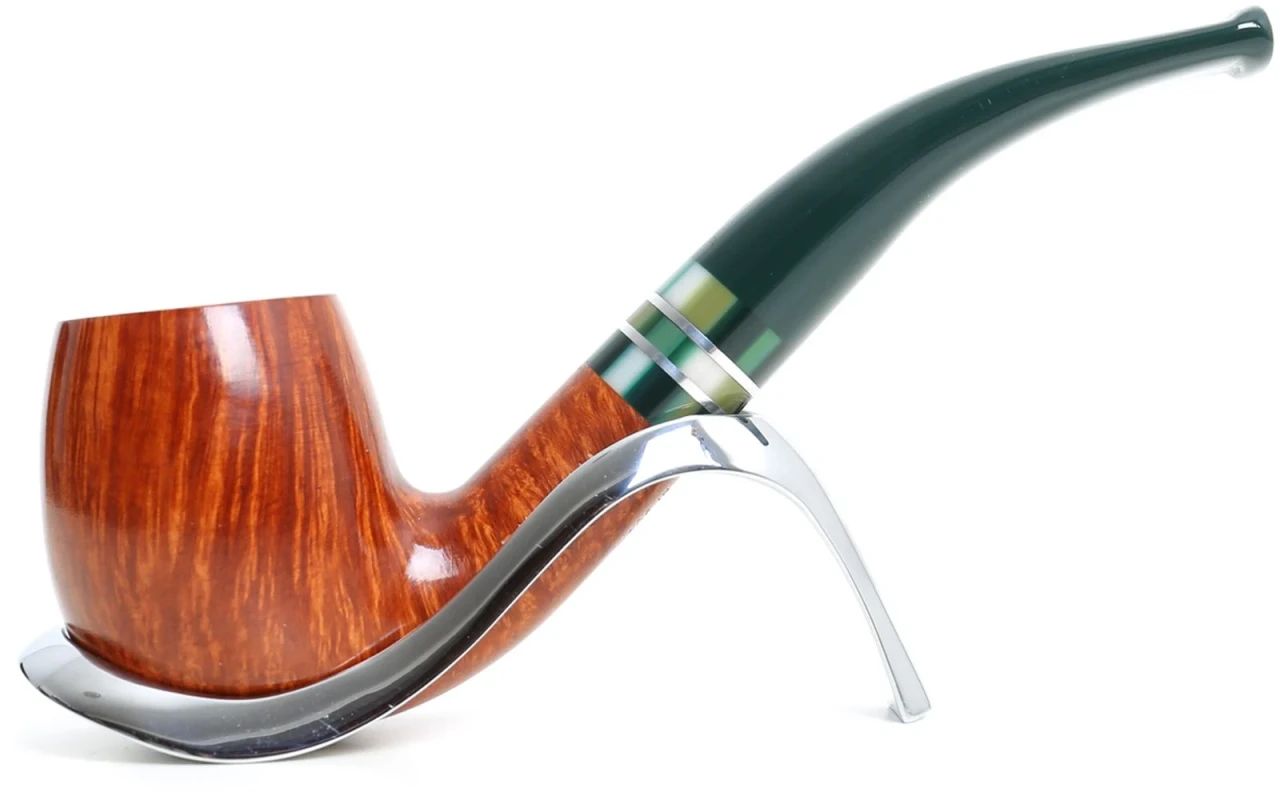
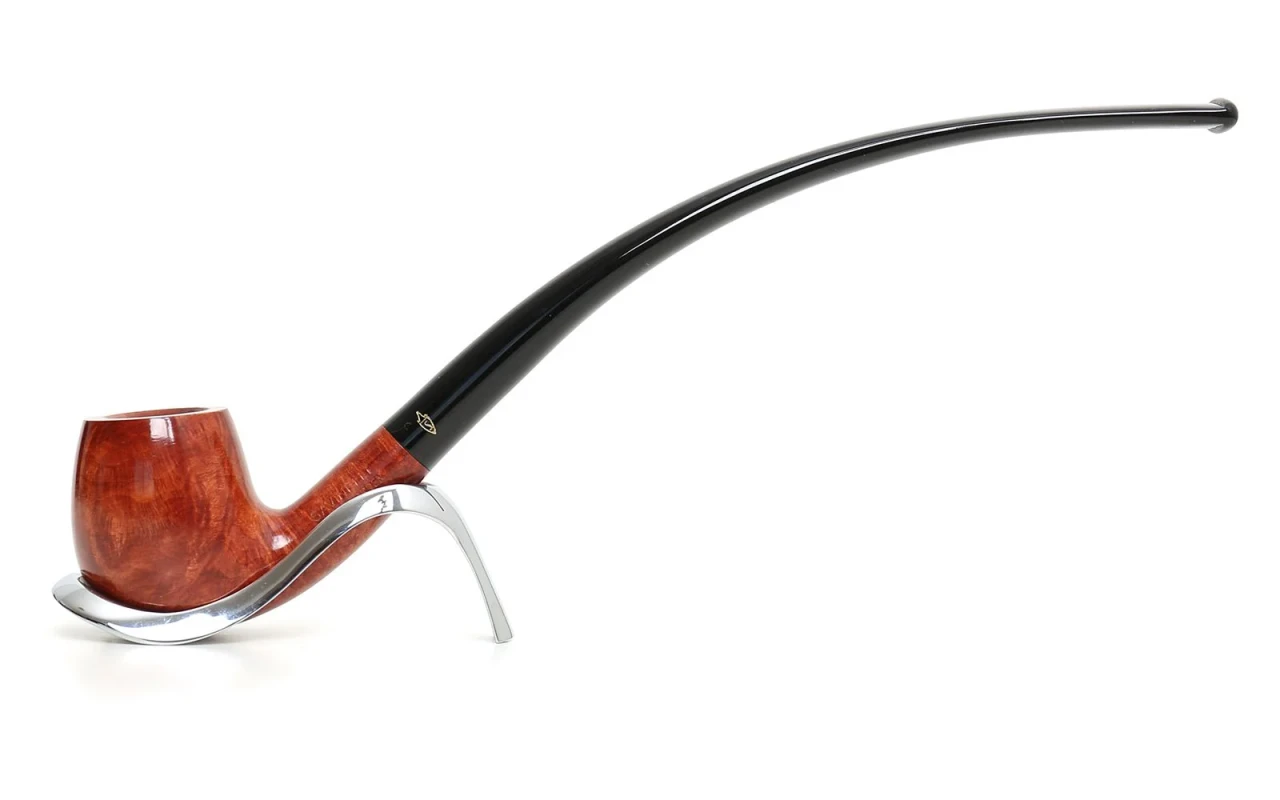

Risk of gum diseases caused by pipe smoking
Pipe smoking significantly increases the risk of developing gum diseases. The heat and chemicals released during smoking can damage the gum tissues, causing inflammation and reducing the body's ability to fight infections. Additionally, pipe smoking can compromise blood flow to the gums, contributing to the progression of gum diseases. It is important to pay attention to gum health if you are a pipe smoker, by undergoing regular dental check-ups and adopting proper oral hygiene to prevent complications.
Effects of pipe smoking on gums
Pipe smoking can have negative effects on gums due to the presence of irritating and toxic substances such as nicotine and tar. These substances, inhaled during smoking, can cause inflammation of the gums, reduced blood circulation, and compromise the local immune system. This can lead to issues such as gingivitis, periodontitis, and gum recession. Furthermore, the heat and constant pressure of the pipe on the mouth can cause additional damage to the gums and oral mucosa. It is important to pay attention to gum health when smoking a pipe and regularly consult the dentist to prevent any complications.
Preventing Gum Diseases from Pipe Smoking
Gum diseases caused by pipe smoking pose a risk to oral health. Pipe smoke can lead to gum inflammation, reduced blood flow to the gums, and compromise the immune system in the mouth. To prevent such conditions, it is essential to adopt good hygiene practices such as proper daily oral hygiene, including gum cleaning, and to have regular dental check-ups. Moreover, quitting smoking is the most effective step to reduce the risk of developing gum diseases and improve overall mouth health.
Consequences of pipe smoking on gum health
Pipe smoking can cause serious damage to gum health due to the continuous exposure to heat and chemicals present in tobacco. The main consequences include:1. Gum inflammation: The heat and irritating substances in the smoke can cause inflammation, redness, and gum bleeding.2. Gum recession: Pipe smoking can contribute to gum recession, compromising the stability of teeth and causing sensitivity.3. Periodontal disease: Smoking increases the risk of developing gum diseases such as gingivitis and periodontitis, which can lead to tooth loss.4. Healing difficulties: Tobacco can hinder the healing process of gums after dental surgeries.It is essential to consult a dentist to assess the damage and take preventive measures to protect gum health.
'%3e%3cg id='Final-Copy-2_2_' transform='translate(1275.000000, 200.000000)'%3e%3cpath class='st0' d='M7.4,12.8h6.8l3.1-11.6H7.4C4.2,1.2,1.6,3.8,1.6,7S4.2,12.8,7.4,12.8z'/%3e%3c/g%3e%3c/g%3e%3c/g%3e%3cg id='final---dec.11-2020'%3e%3cg id='_x30_208-our-toggle' transform='translate(-1275.000000, -200.000000)'%3e%3cg id='Final-Copy-2' transform='translate(1275.000000, 200.000000)'%3e%3cpath class='st1' d='M22.6,0H7.4c-3.9,0-7,3.1-7,7s3.1,7,7,7h15.2c3.9,0,7-3.1,7-7S26.4,0,22.6,0z M1.6,7c0-3.2,2.6-5.8,5.8-5.8 h9.9l-3.1,11.6H7.4C4.2,12.8,1.6,10.2,1.6,7z'/%3e%3cpath id='x' class='st2' d='M24.6,4c0.2,0.2,0.2,0.6,0,0.8l0,0L22.5,7l2.2,2.2c0.2,0.2,0.2,0.6,0,0.8c-0.2,0.2-0.6,0.2-0.8,0 l0,0l-2.2-2.2L19.5,10c-0.2,0.2-0.6,0.2-0.8,0c-0.2-0.2-0.2-0.6,0-0.8l0,0L20.8,7l-2.2-2.2c-0.2-0.2-0.2-0.6,0-0.8 c0.2-0.2,0.6-0.2,0.8,0l0,0l2.2,2.2L23.8,4C24,3.8,24.4,3.8,24.6,4z'/%3e%3cpath id='y' class='st3' d='M12.7,4.1c0.2,0.2,0.3,0.6,0.1,0.8l0,0L8.6,9.8C8.5,9.9,8.4,10,8.3,10c-0.2,0.1-0.5,0.1-0.7-0.1l0,0 L5.4,7.7c-0.2-0.2-0.2-0.6,0-0.8c0.2-0.2,0.6-0.2,0.8,0l0,0L8,8.6l3.8-4.5C12,3.9,12.4,3.9,12.7,4.1z'/%3e%3c/g%3e%3c/g%3e%3c/g%3e%3c/g%3e%3c/svg%3e) Your Privacy Choices
Your Privacy Choices 


