 ES
ES FR
FR EN
EN IT
IT DE
DE
Respect for traditional techniques in pipe production
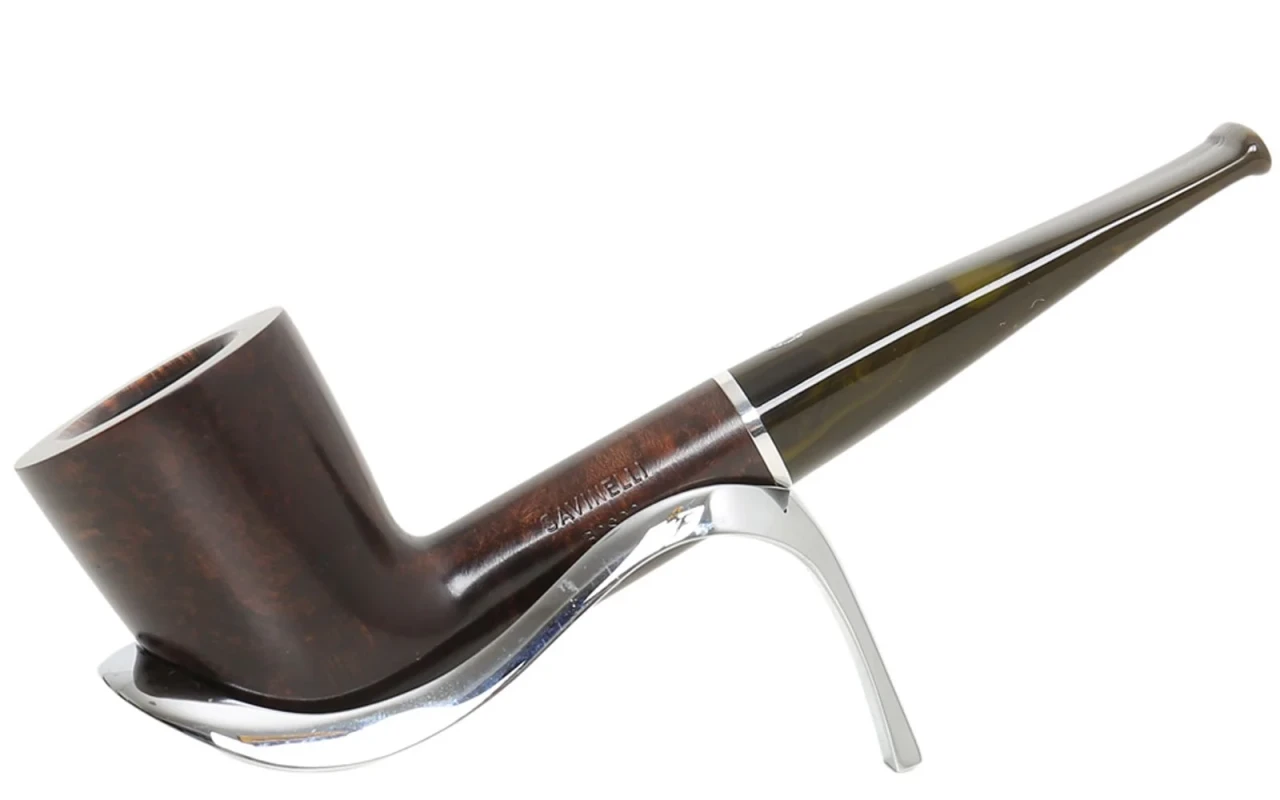
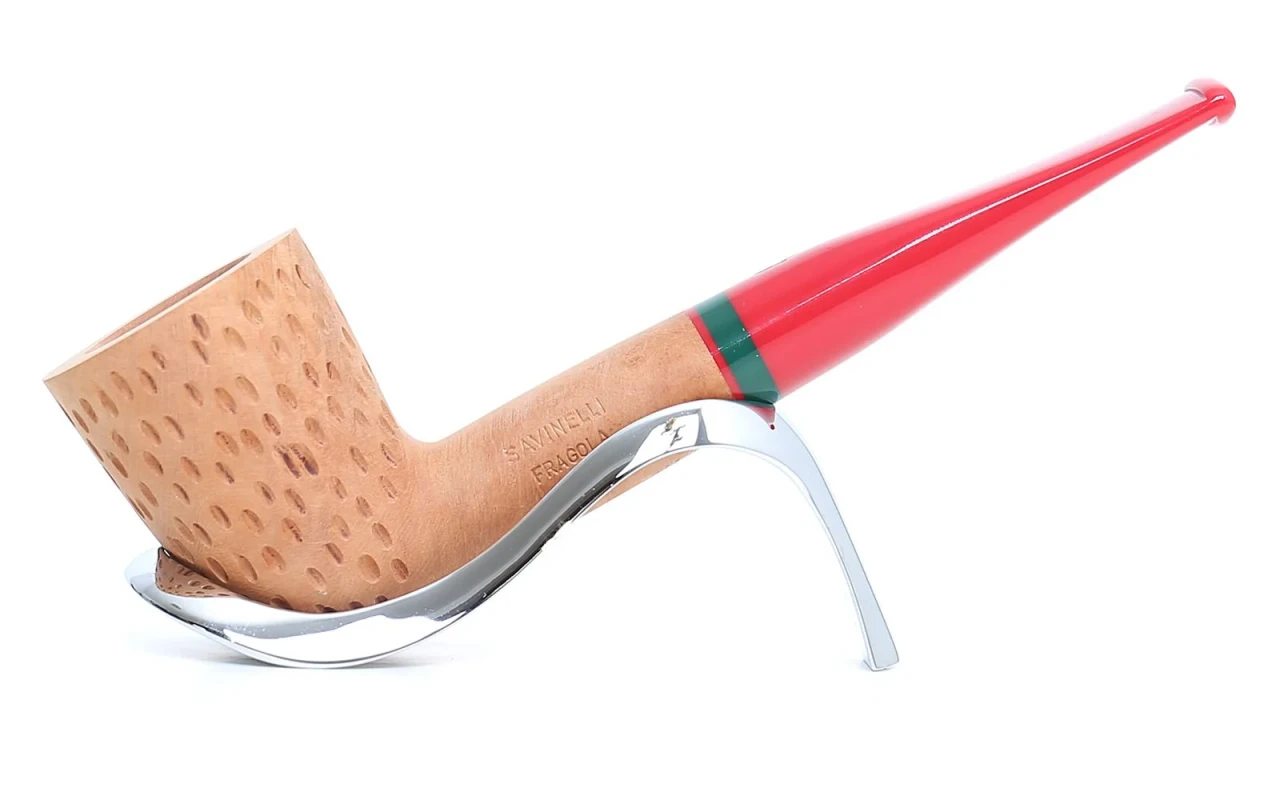
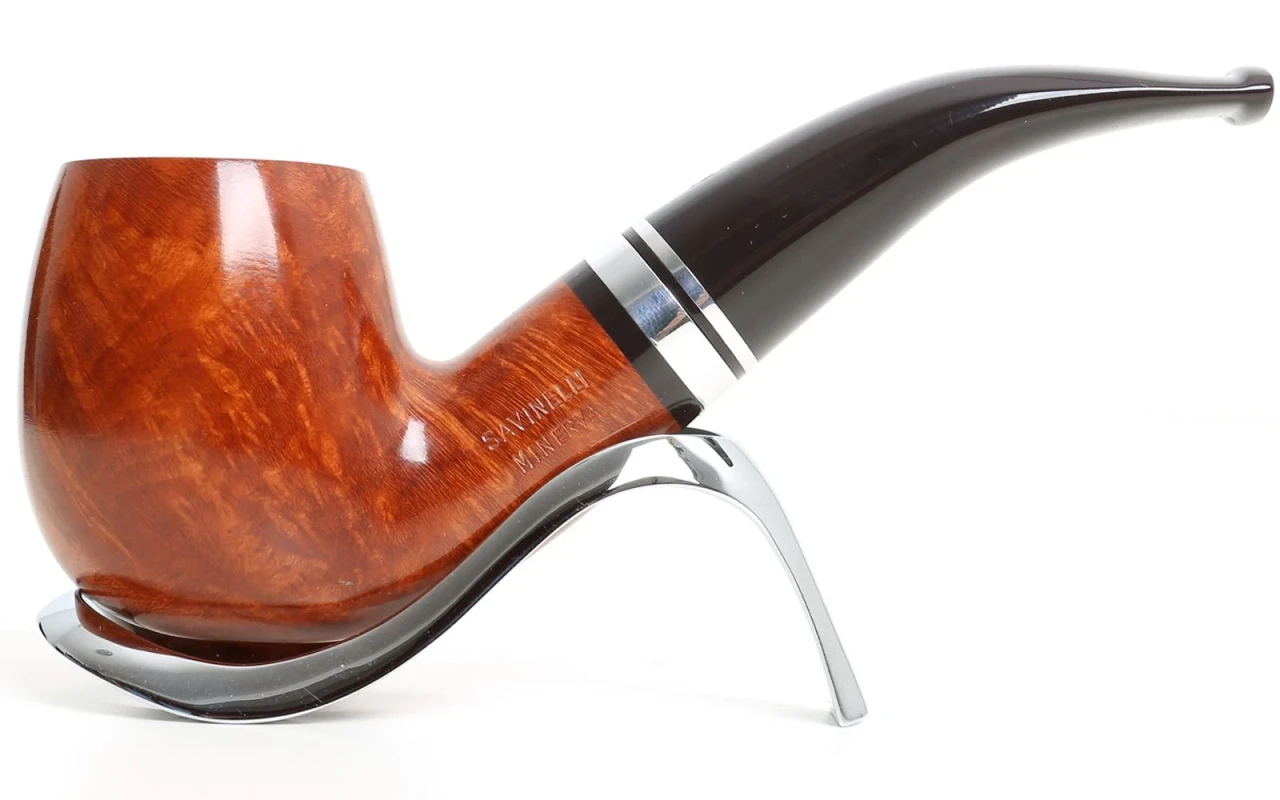
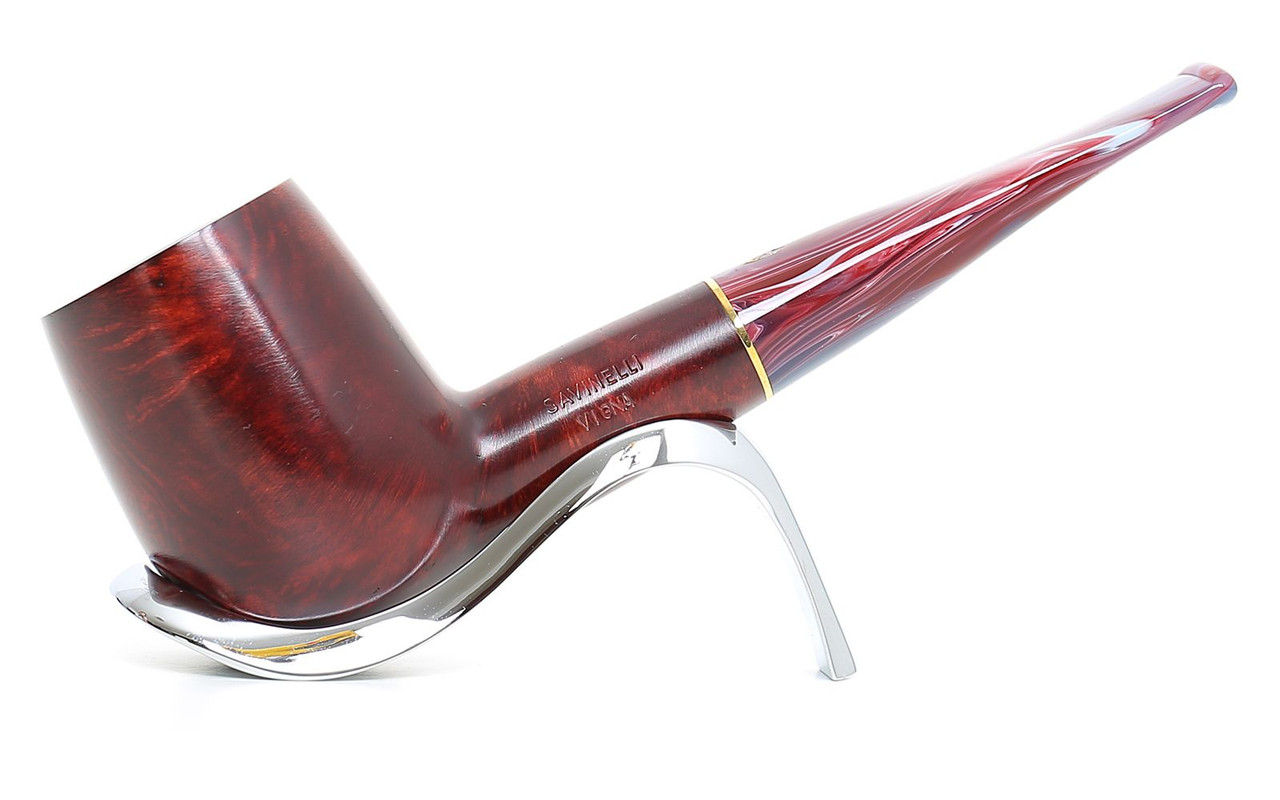
Respect for traditional techniques in pipe production
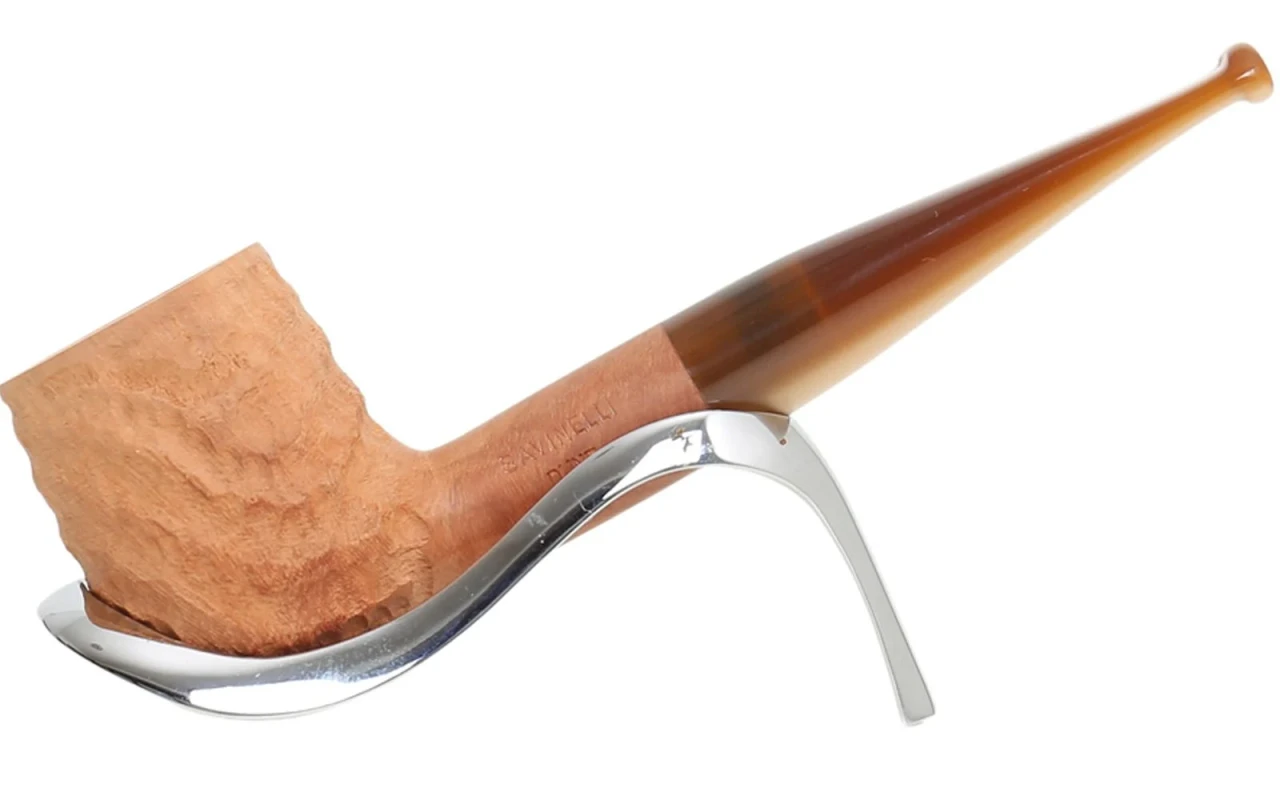
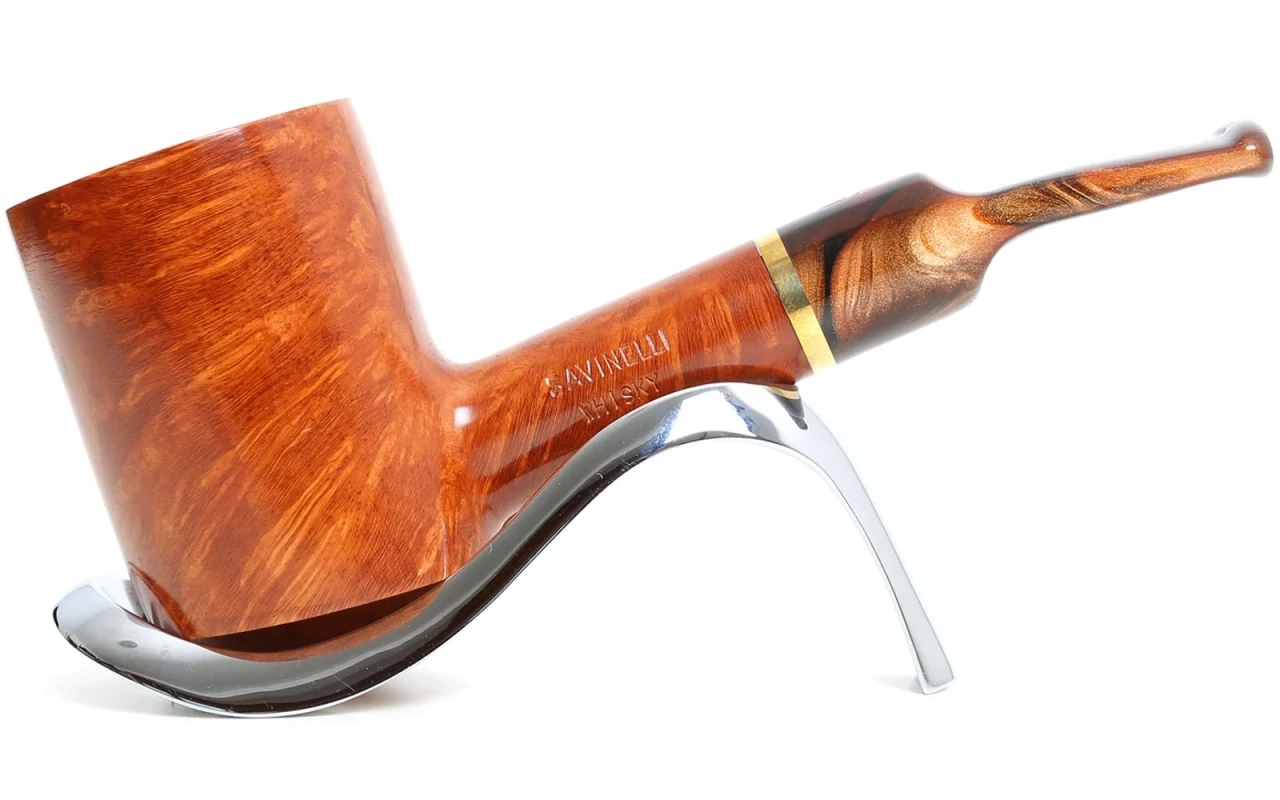
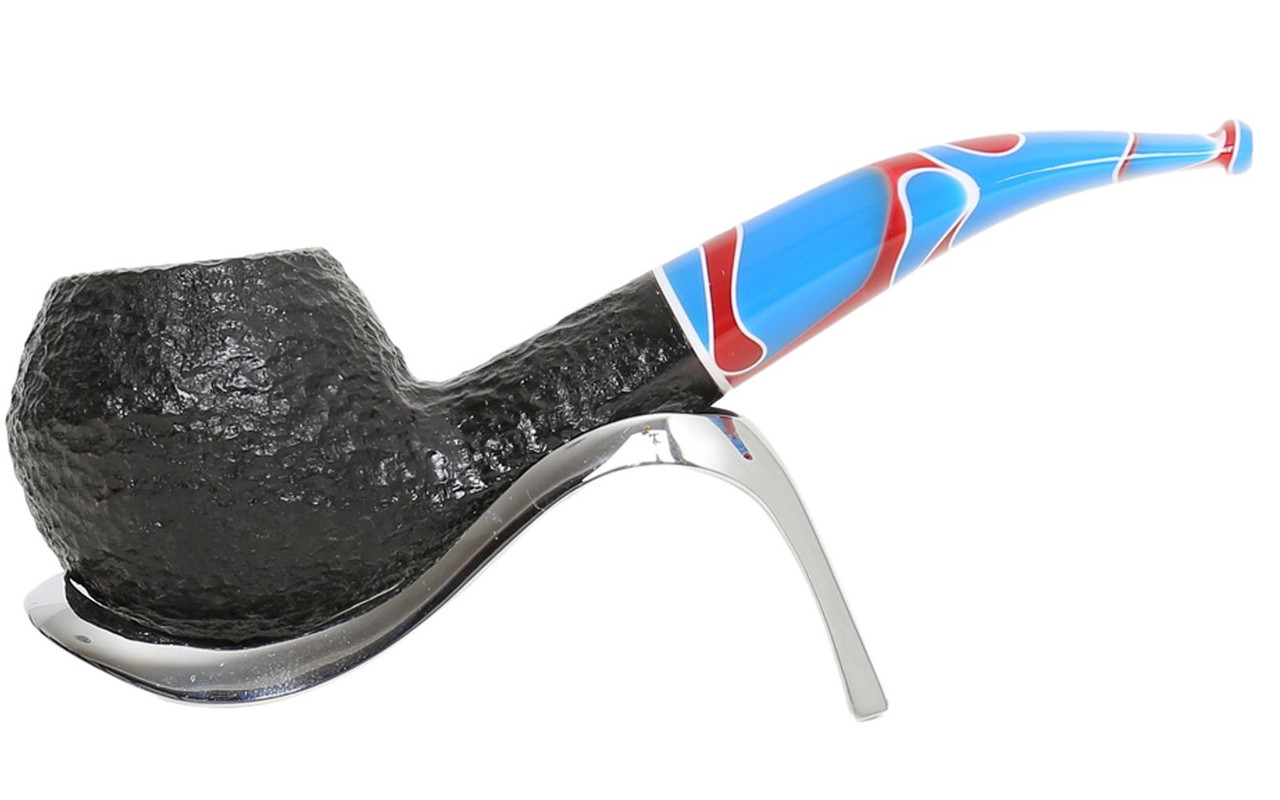
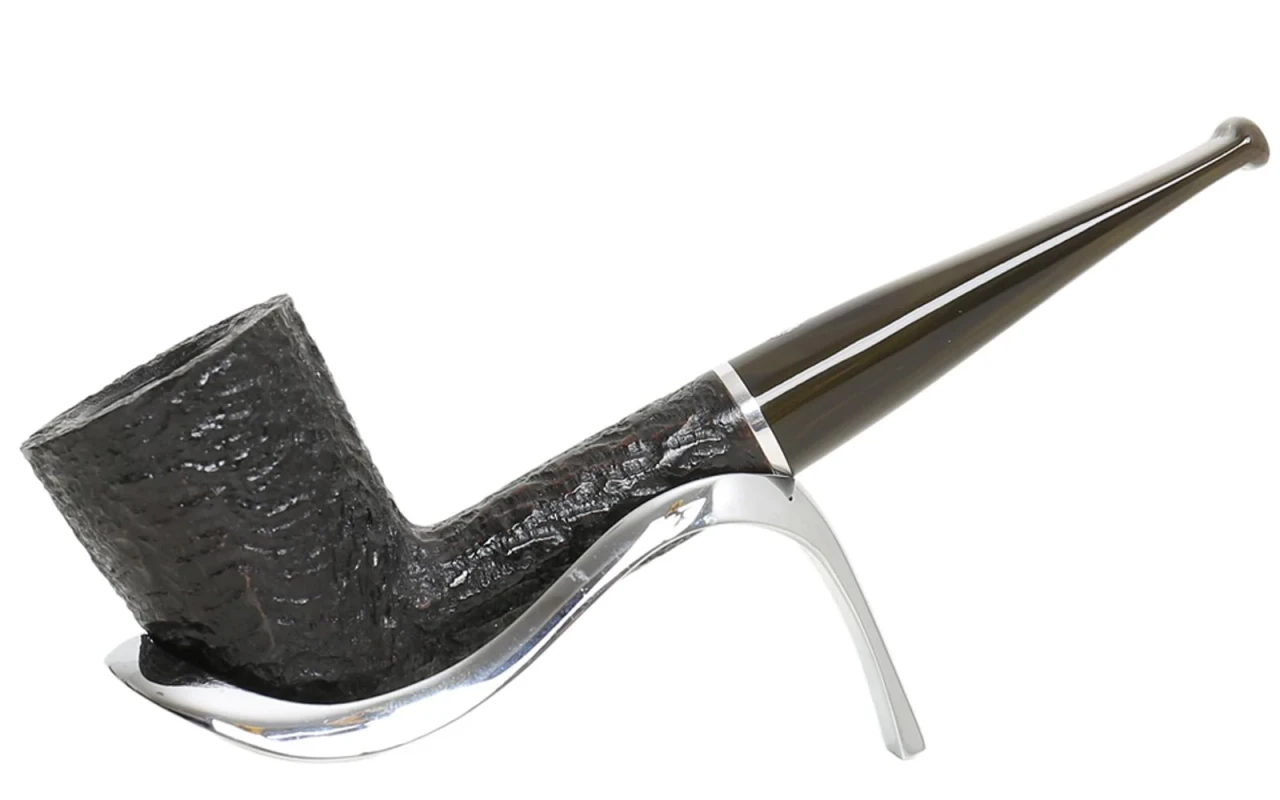
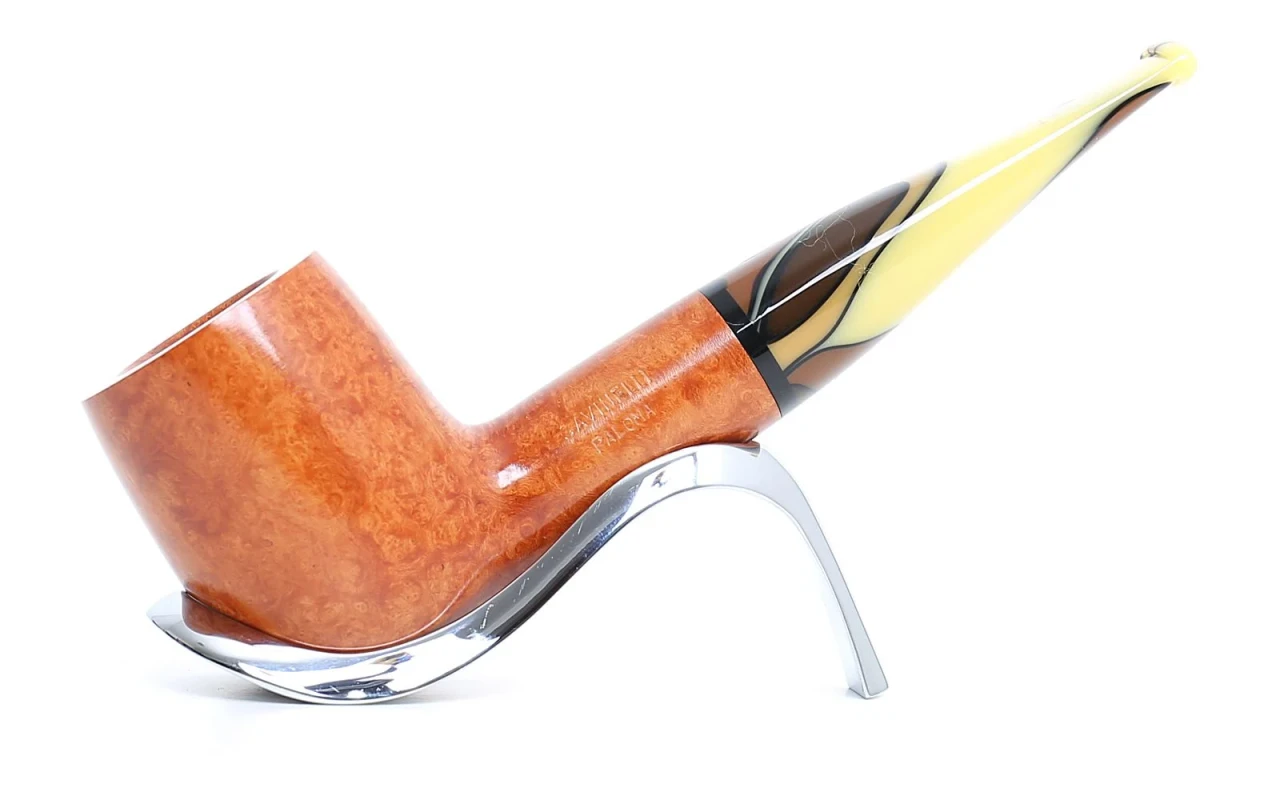
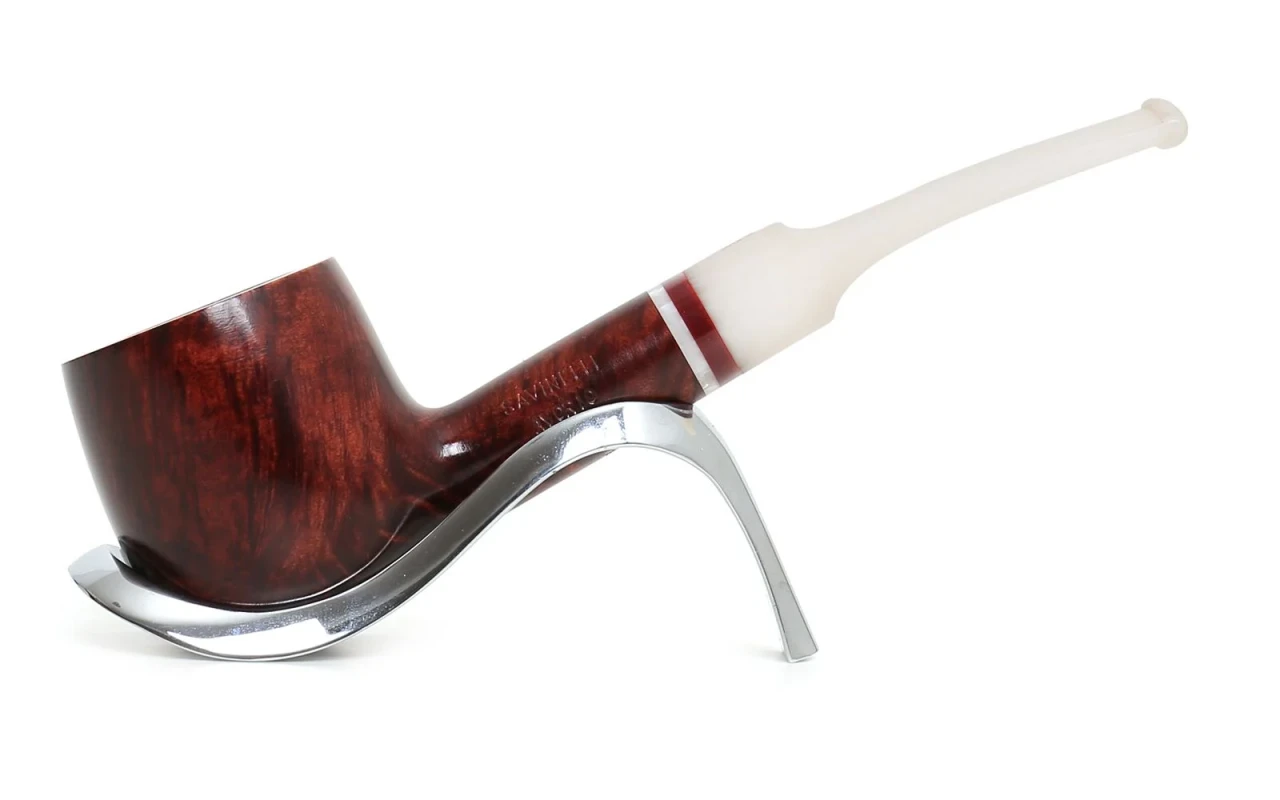
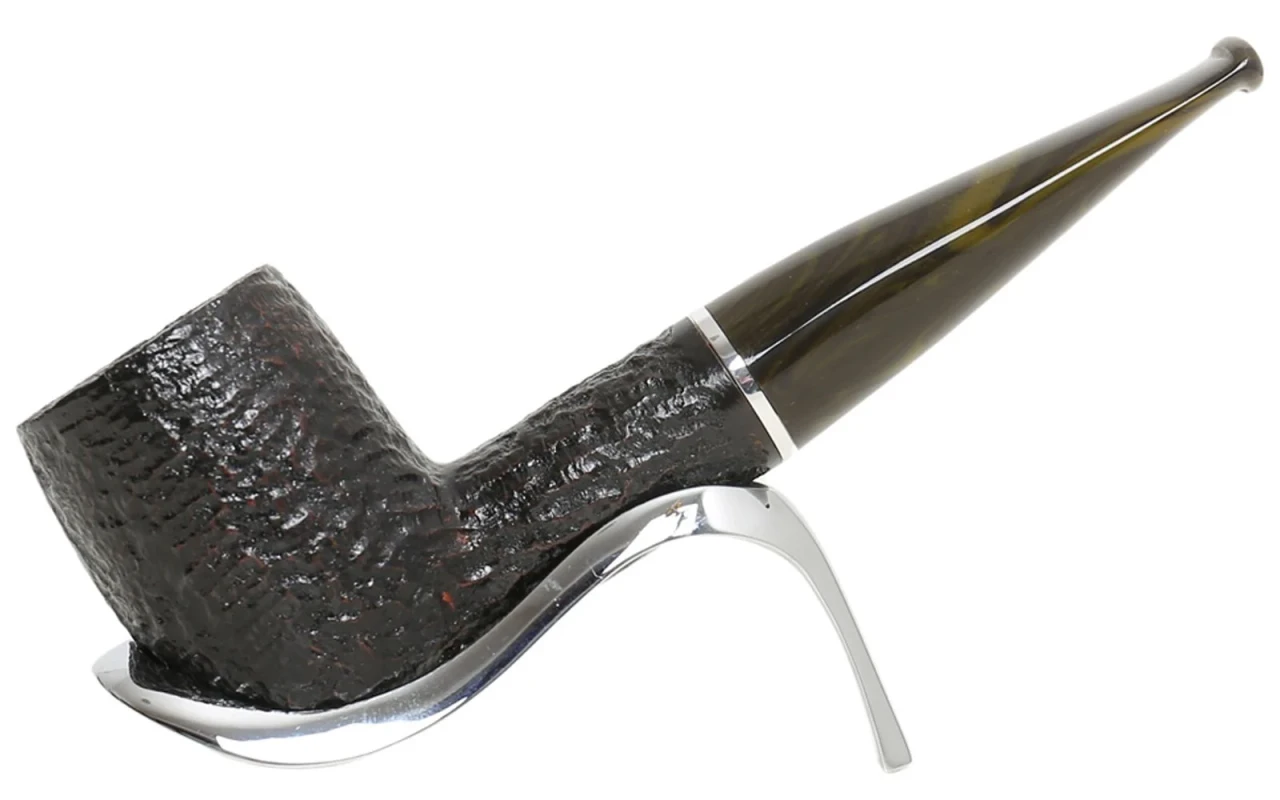
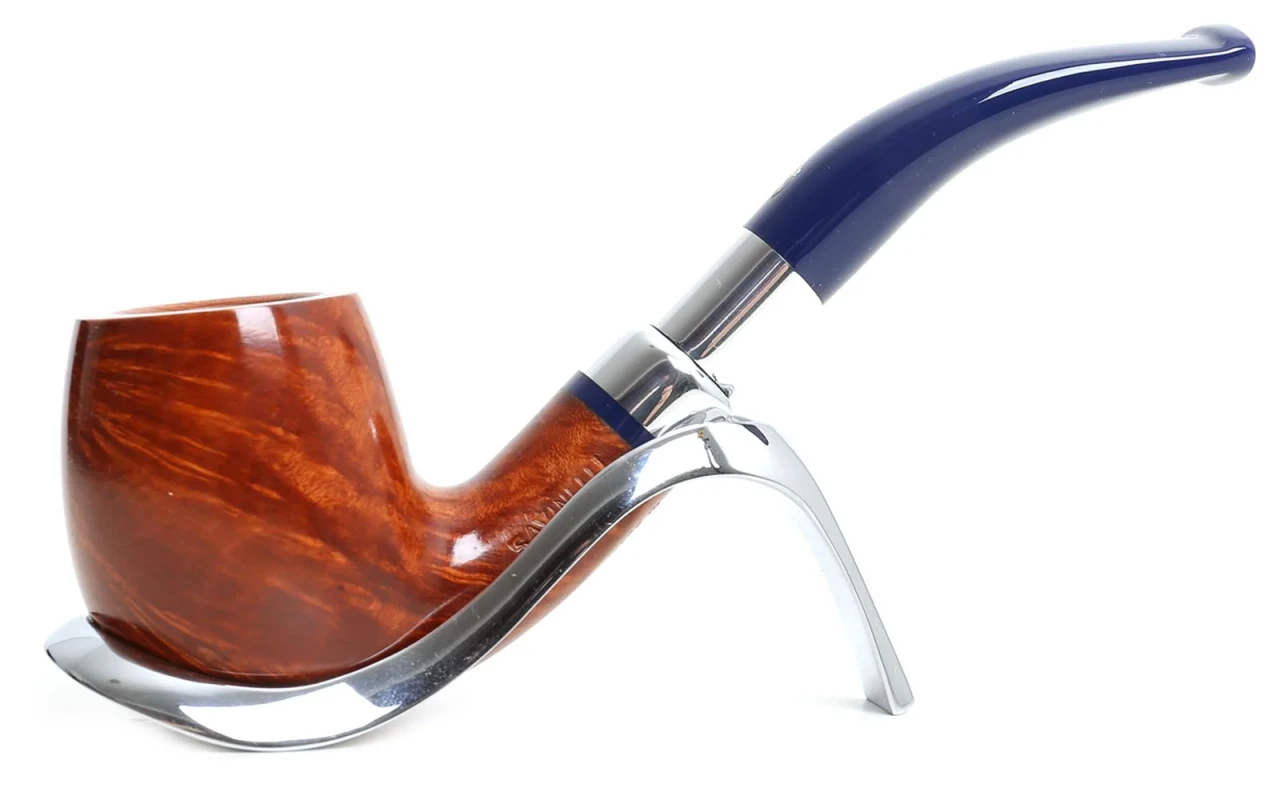
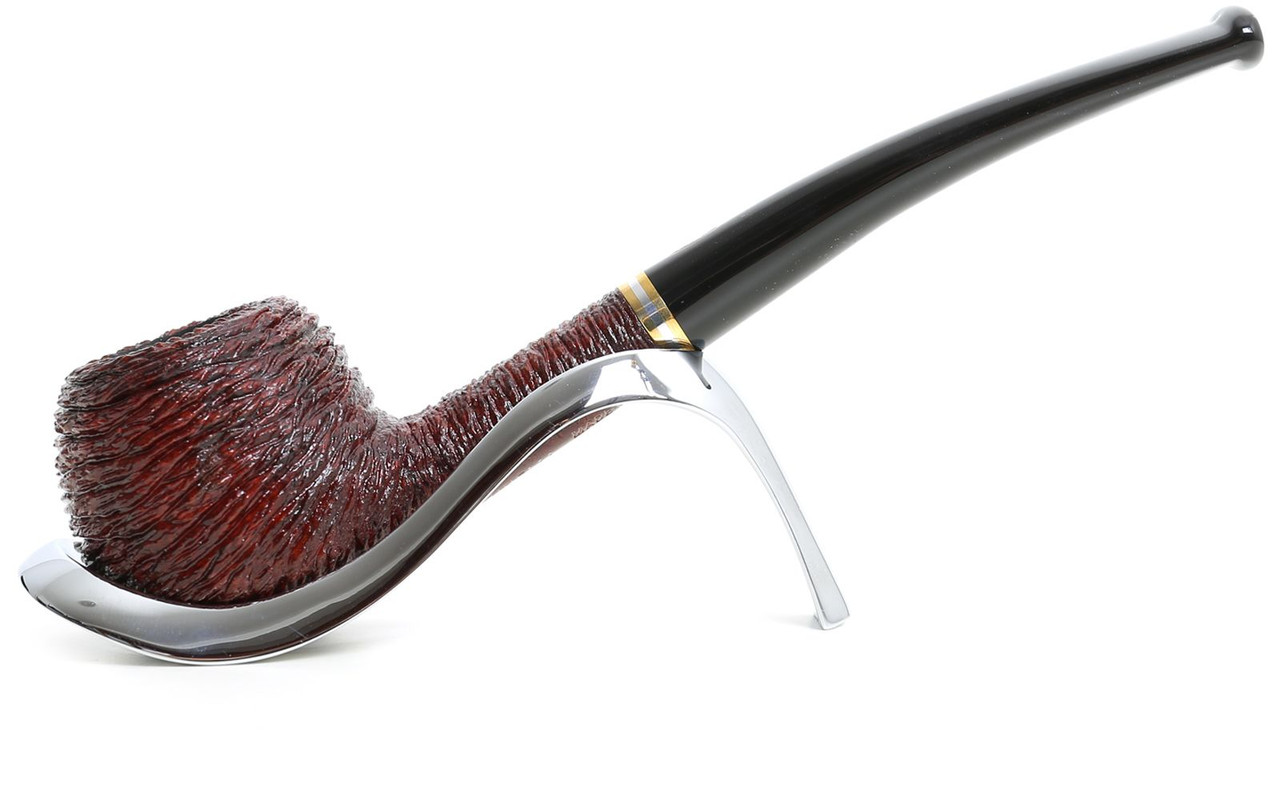
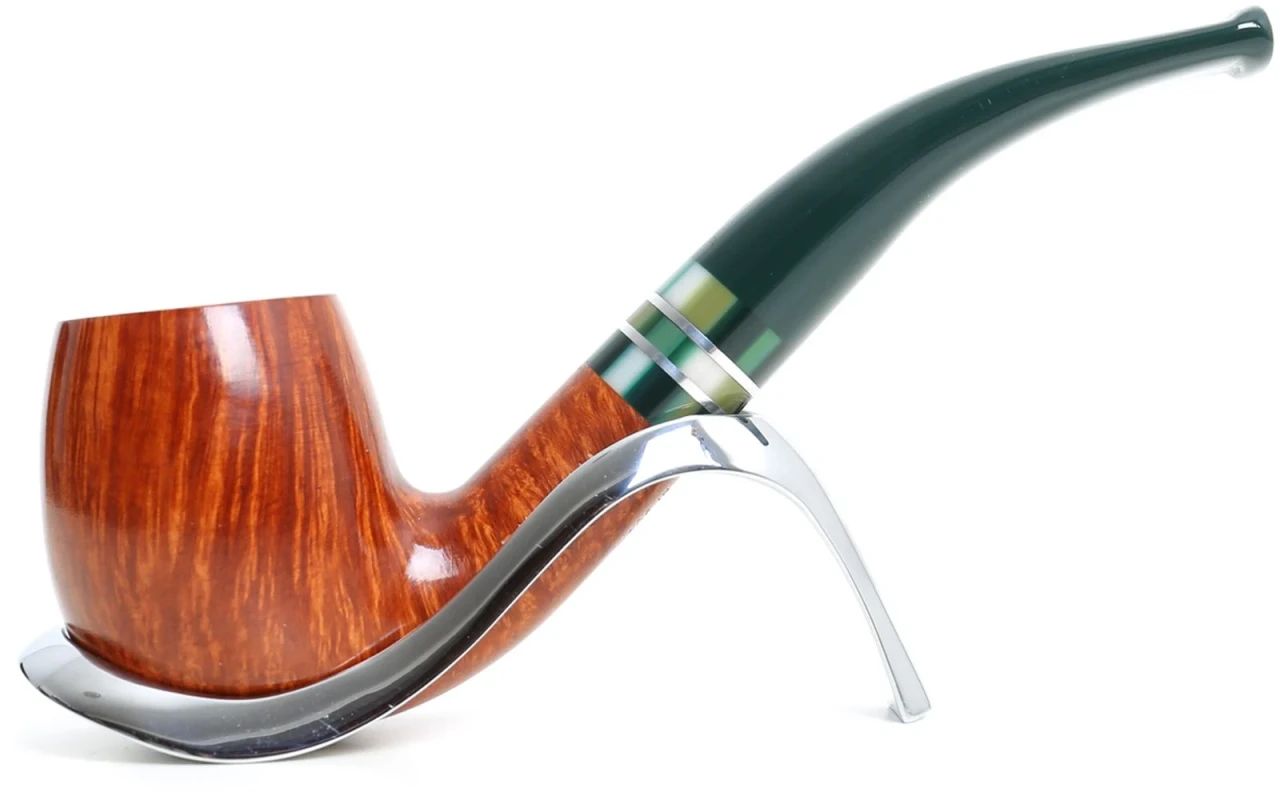
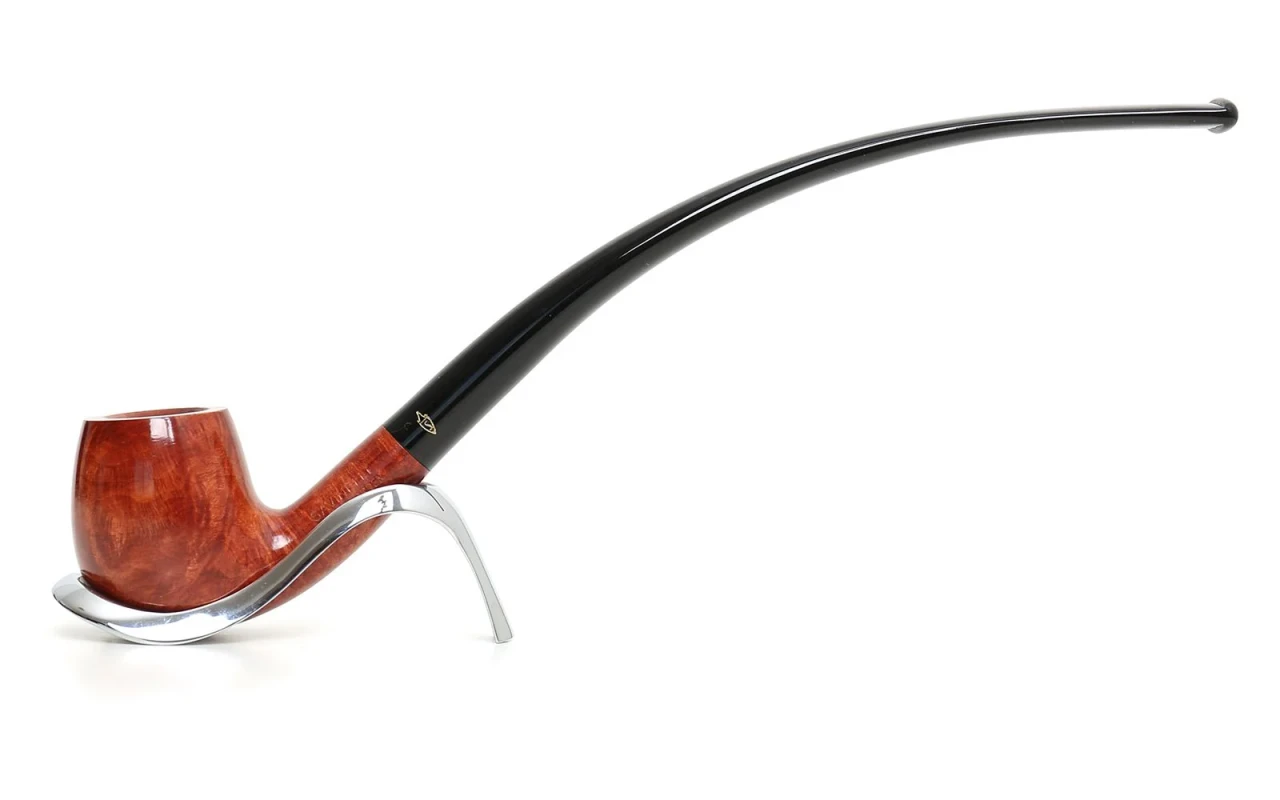
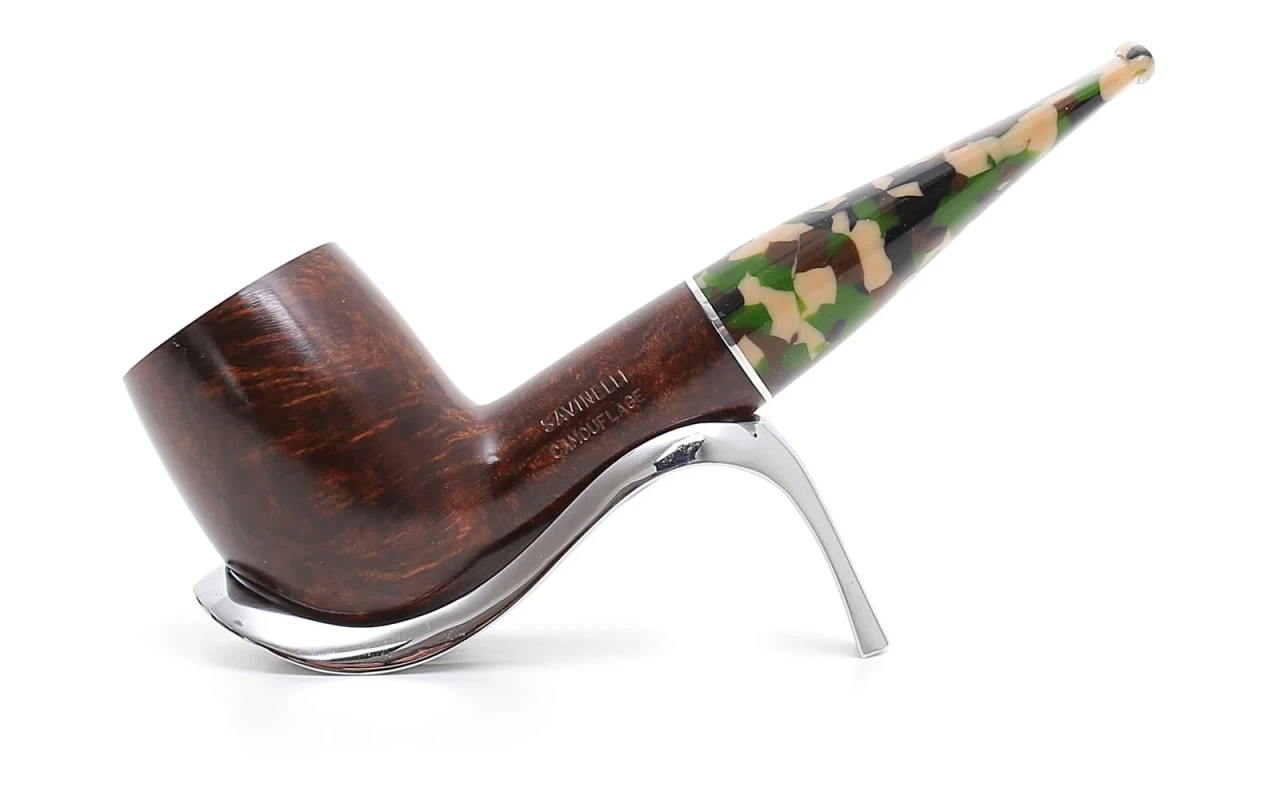
Traditional pipe production techniques adhere to strict artisanal standards. Artisans carefully select high-quality woods, such as briar or mortaio root, to create unique artifacts. The process involves wood turning and carving, followed by natural drying to ensure strength and durability over time. Subsequently, wax or oil finishing helps protect and enhance the beauty of the pipe. Finally, the installation of a mouthpiece made of bakelite or other high-quality materials completes the artisanal work, ensuring a pleasant and authentic smoking experience.
Pipe Smoking Maintenance
Maintaining pipe smoking pipes is essential to ensure optimal performance and long-lasting durability. Here are some useful tips for properly taking care of a pipe smoking pipe:- After each use, gently clean the pipe with a dedicated pipe cleaner to remove tobacco residues and moisture.- Avoid tapping the pipe to empty it, to prevent damage to the bowl or the mouthpiece.- Periodically, use a soft cloth to wipe the external surface of the pipe to remove dust and dirt.- Use only quality accessories and tobacco to avoid damaging the pipe and to enhance the smoking experience.By following these simple practices, you can keep your pipe smoking pipe in optimal condition over time.
Materials for Handcrafted Pipes
Handcrafted pipes can be made with a variety of high-quality materials, each with unique characteristics. The most common materials include:- Briar wood: lightweight, durable, and able to absorb moisture.- Morta: hard wood resistant to heat.- Corn cob: lightweight and affordable, often used for inexpensive smoking pipes.- Clay: offers an excellent smoking experience but is fragile.- Meerschaum: a porous stone that absorbs smoke, creating a unique patina over time.- Briar: high-quality wood, highly valued for its characteristics.The choice of material will influence the weight, durability, and aesthetics of the handcrafted pipe.
History of smoking pipes
Smoking pipes have a long history that dates back to antiquity. Used for smoking tobacco or other herbs, the first pipes date back thousands of years and have been found in various cultures around the world. It is believed that pipes were introduced to Europe by New World explorers in the 16th century. Over the centuries, pipes have taken on different shapes and materials, from simple and rustic ones to more elaborate and decorative ones. Today, smoking pipes are appreciated by collectors and enthusiasts for their craftsmanship and the ritualistic aspect that surrounds them.
'%3e%3cg id='Final-Copy-2_2_' transform='translate(1275.000000, 200.000000)'%3e%3cpath class='st0' d='M7.4,12.8h6.8l3.1-11.6H7.4C4.2,1.2,1.6,3.8,1.6,7S4.2,12.8,7.4,12.8z'/%3e%3c/g%3e%3c/g%3e%3c/g%3e%3cg id='final---dec.11-2020'%3e%3cg id='_x30_208-our-toggle' transform='translate(-1275.000000, -200.000000)'%3e%3cg id='Final-Copy-2' transform='translate(1275.000000, 200.000000)'%3e%3cpath class='st1' d='M22.6,0H7.4c-3.9,0-7,3.1-7,7s3.1,7,7,7h15.2c3.9,0,7-3.1,7-7S26.4,0,22.6,0z M1.6,7c0-3.2,2.6-5.8,5.8-5.8 h9.9l-3.1,11.6H7.4C4.2,12.8,1.6,10.2,1.6,7z'/%3e%3cpath id='x' class='st2' d='M24.6,4c0.2,0.2,0.2,0.6,0,0.8l0,0L22.5,7l2.2,2.2c0.2,0.2,0.2,0.6,0,0.8c-0.2,0.2-0.6,0.2-0.8,0 l0,0l-2.2-2.2L19.5,10c-0.2,0.2-0.6,0.2-0.8,0c-0.2-0.2-0.2-0.6,0-0.8l0,0L20.8,7l-2.2-2.2c-0.2-0.2-0.2-0.6,0-0.8 c0.2-0.2,0.6-0.2,0.8,0l0,0l2.2,2.2L23.8,4C24,3.8,24.4,3.8,24.6,4z'/%3e%3cpath id='y' class='st3' d='M12.7,4.1c0.2,0.2,0.3,0.6,0.1,0.8l0,0L8.6,9.8C8.5,9.9,8.4,10,8.3,10c-0.2,0.1-0.5,0.1-0.7-0.1l0,0 L5.4,7.7c-0.2-0.2-0.2-0.6,0-0.8c0.2-0.2,0.6-0.2,0.8,0l0,0L8,8.6l3.8-4.5C12,3.9,12.4,3.9,12.7,4.1z'/%3e%3c/g%3e%3c/g%3e%3c/g%3e%3c/g%3e%3c/svg%3e) Your Privacy Choices
Your Privacy Choices 


