 ES
ES FR
FR EN
EN IT
IT DE
DE
pipe production techniques
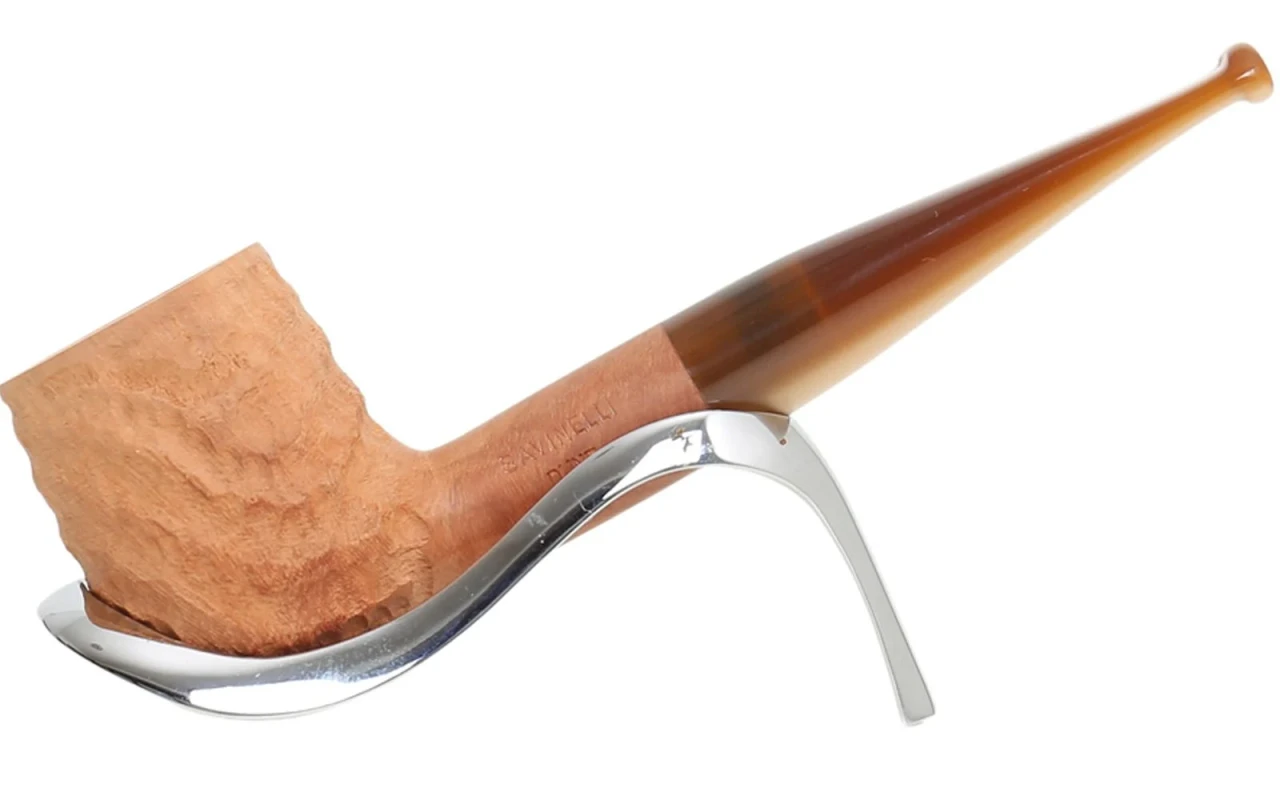
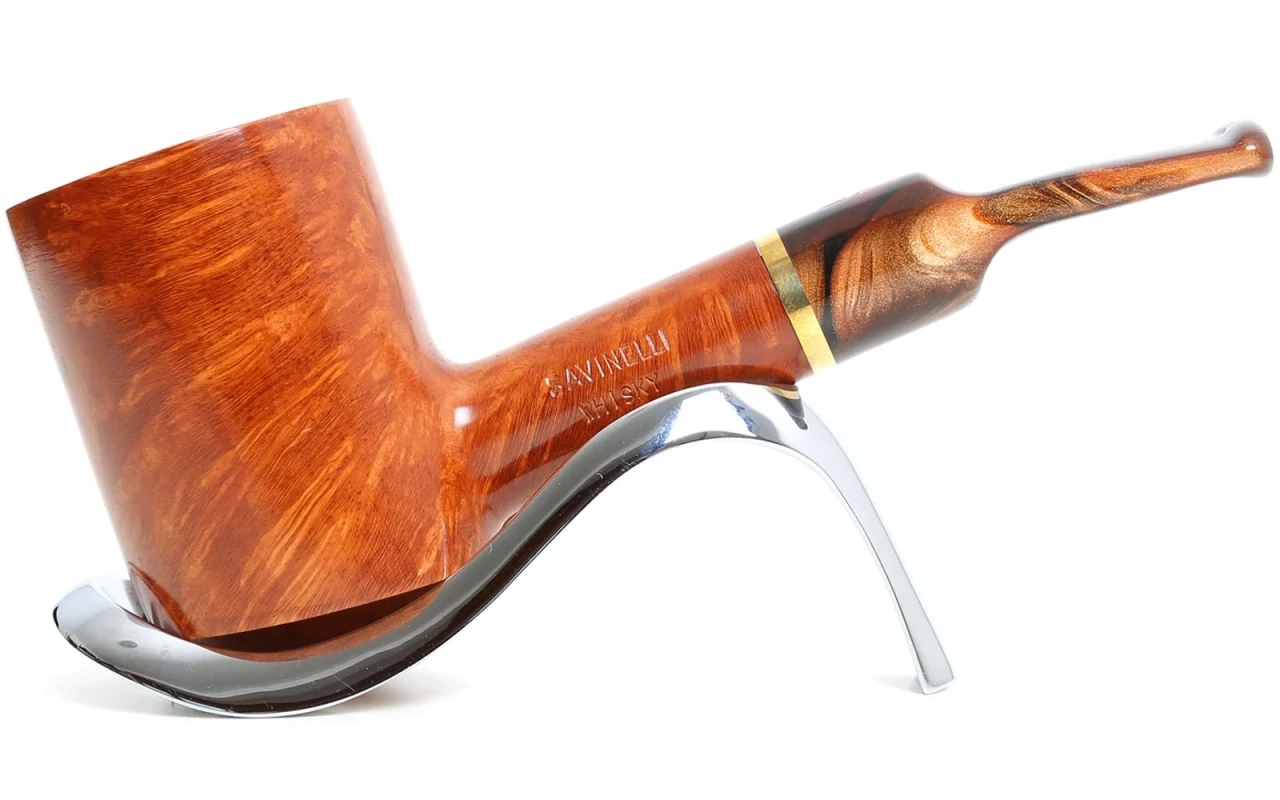
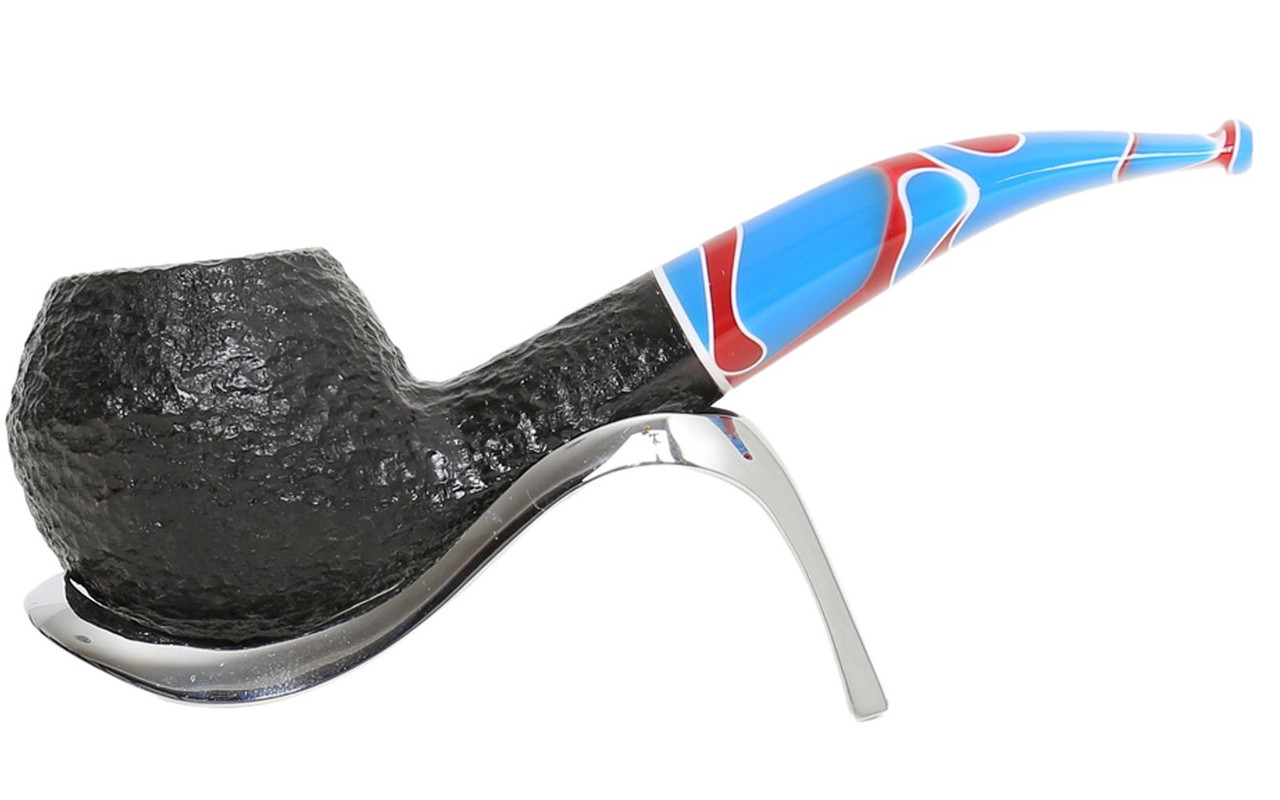
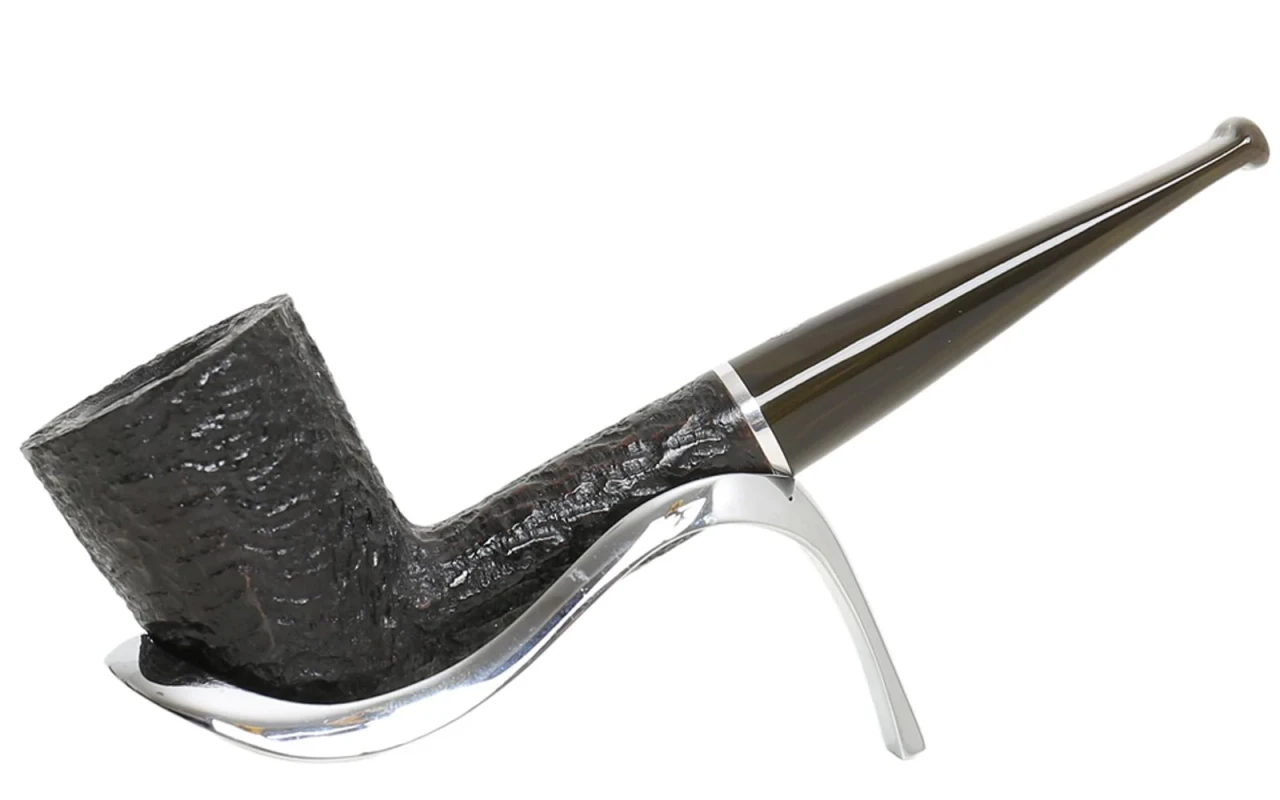
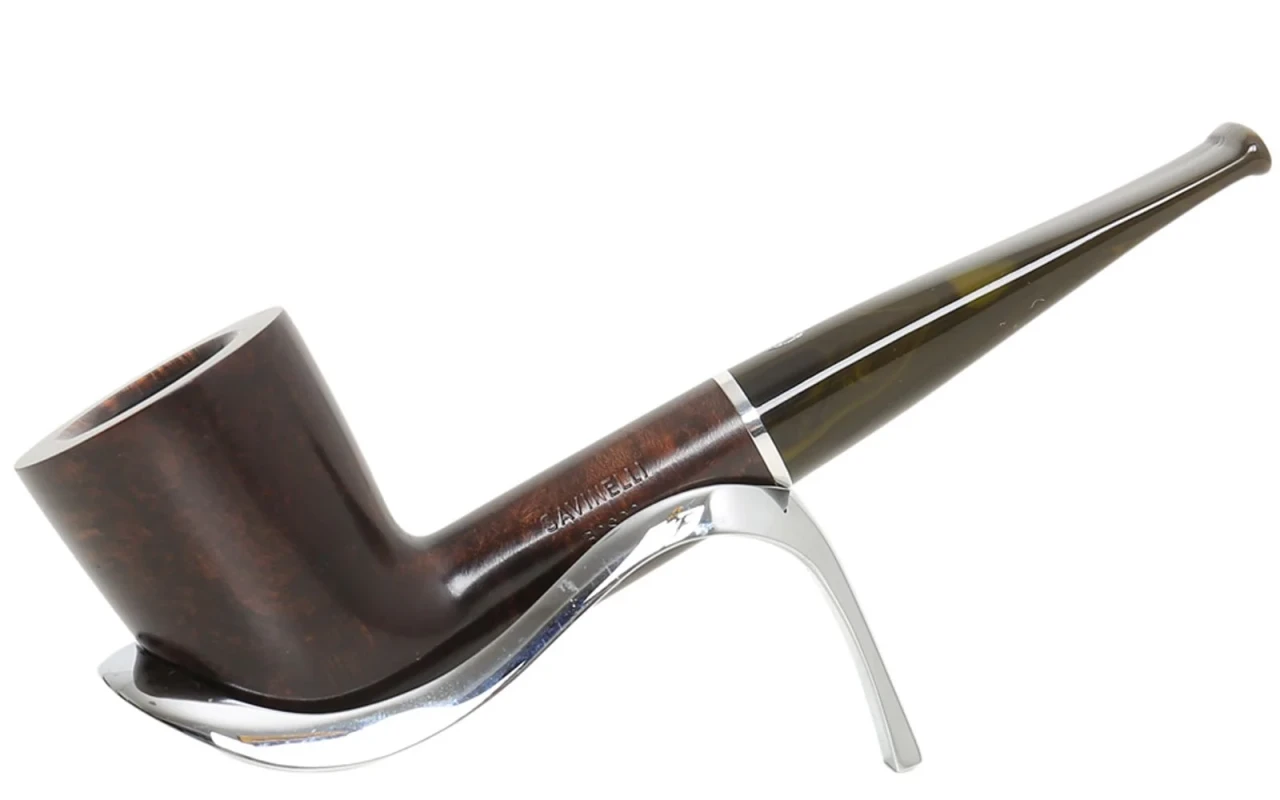
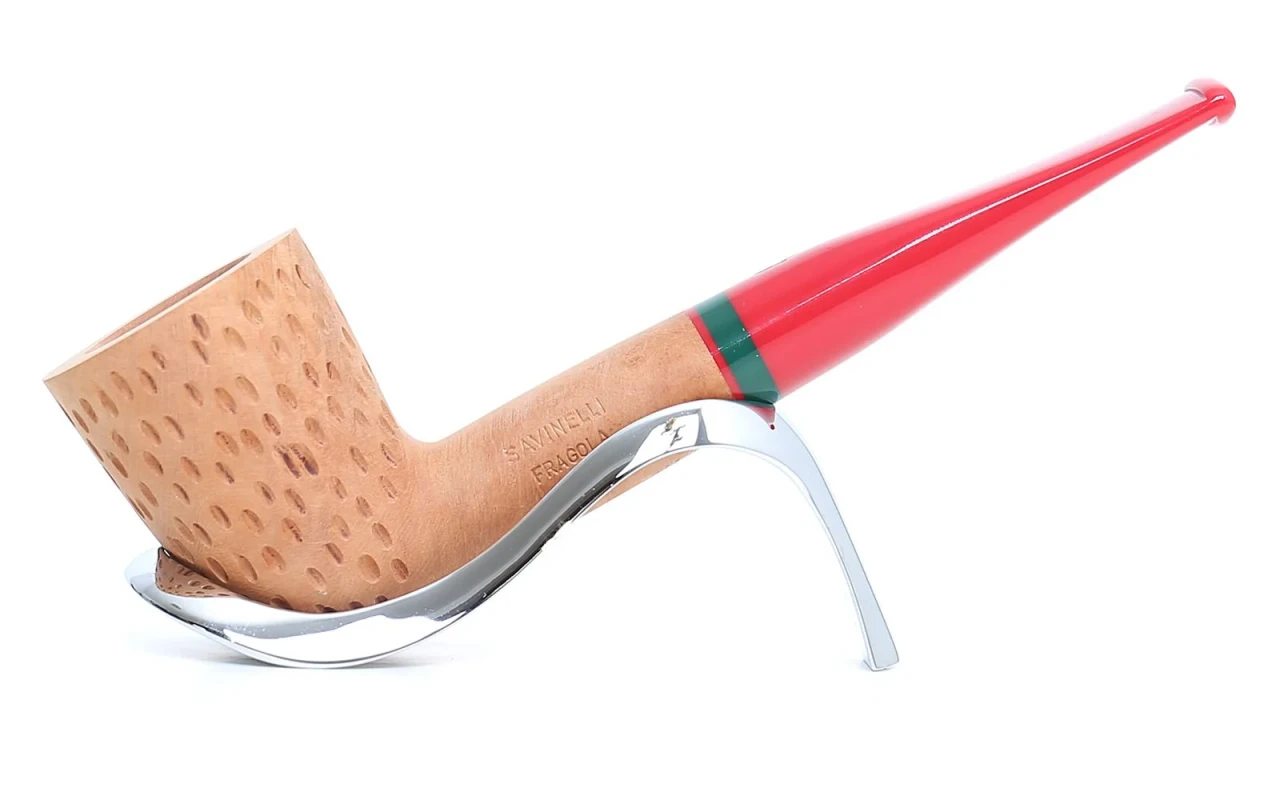
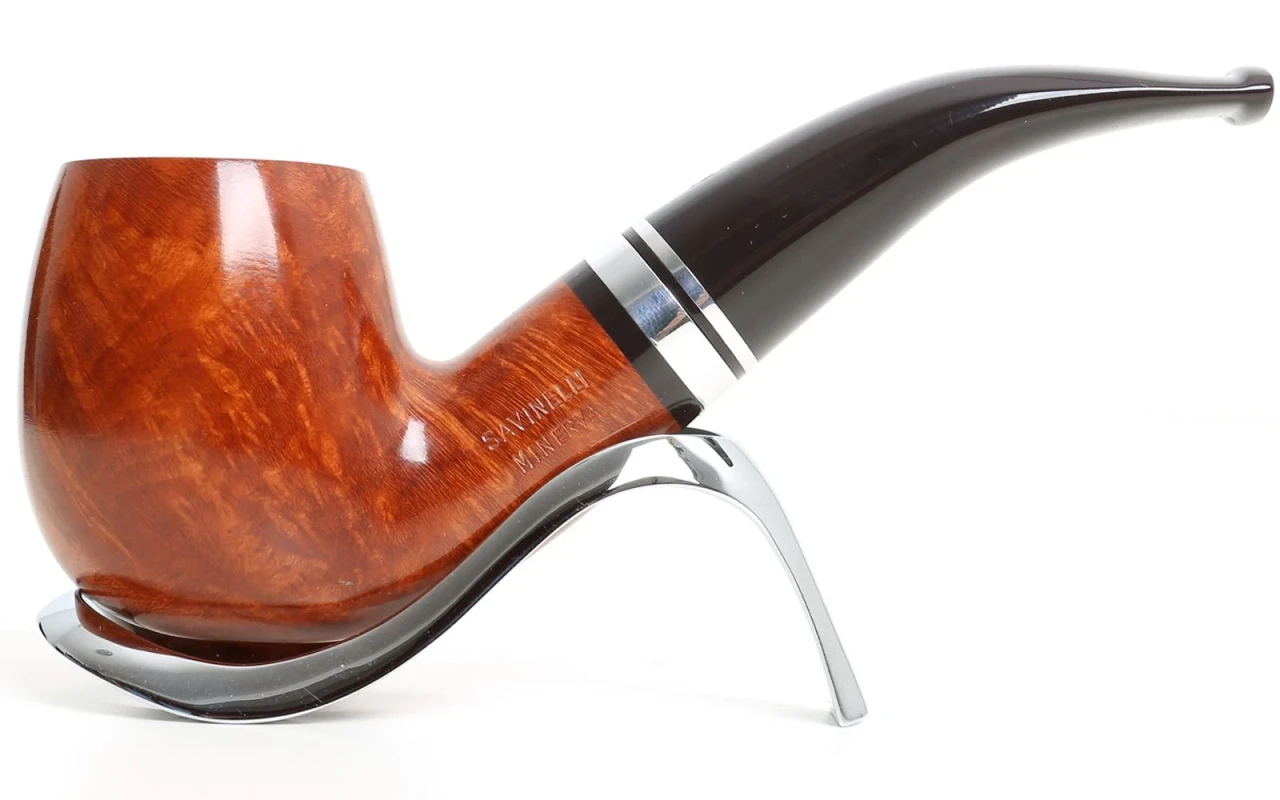
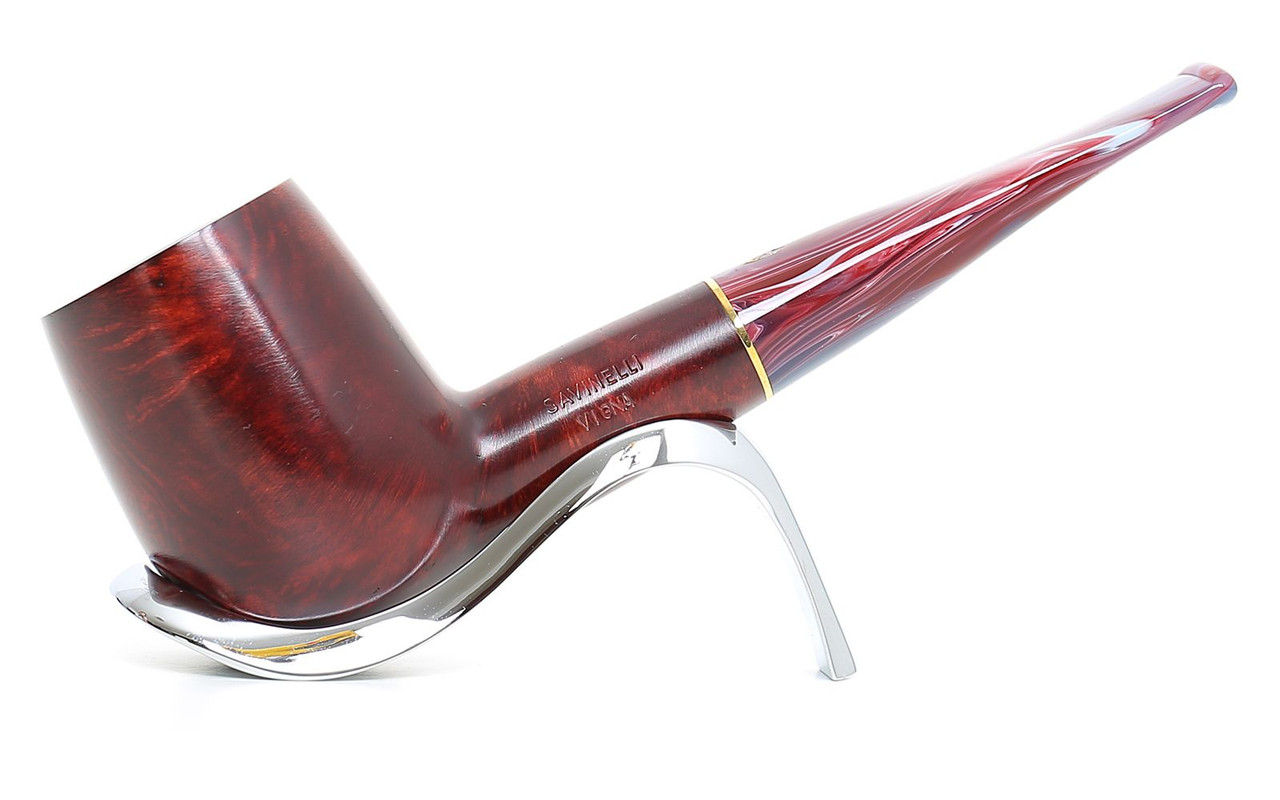
pipe production techniques
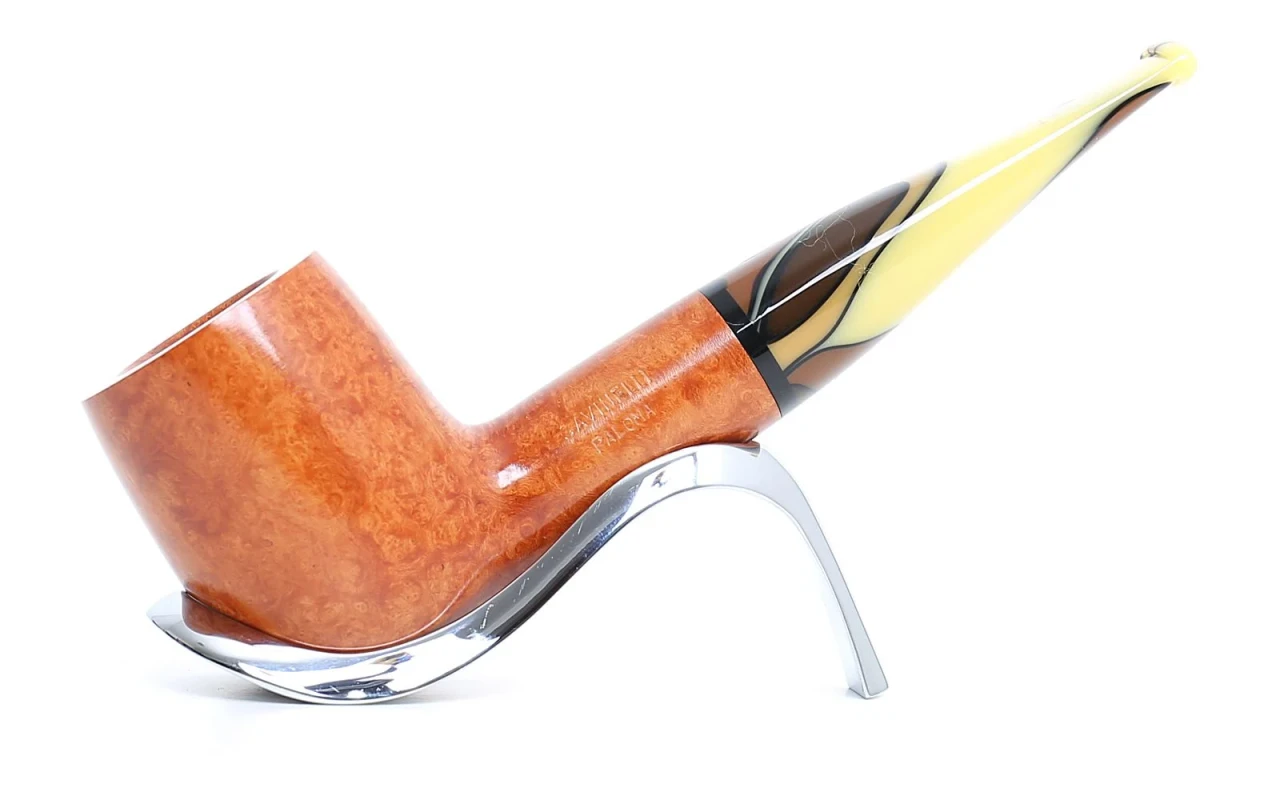
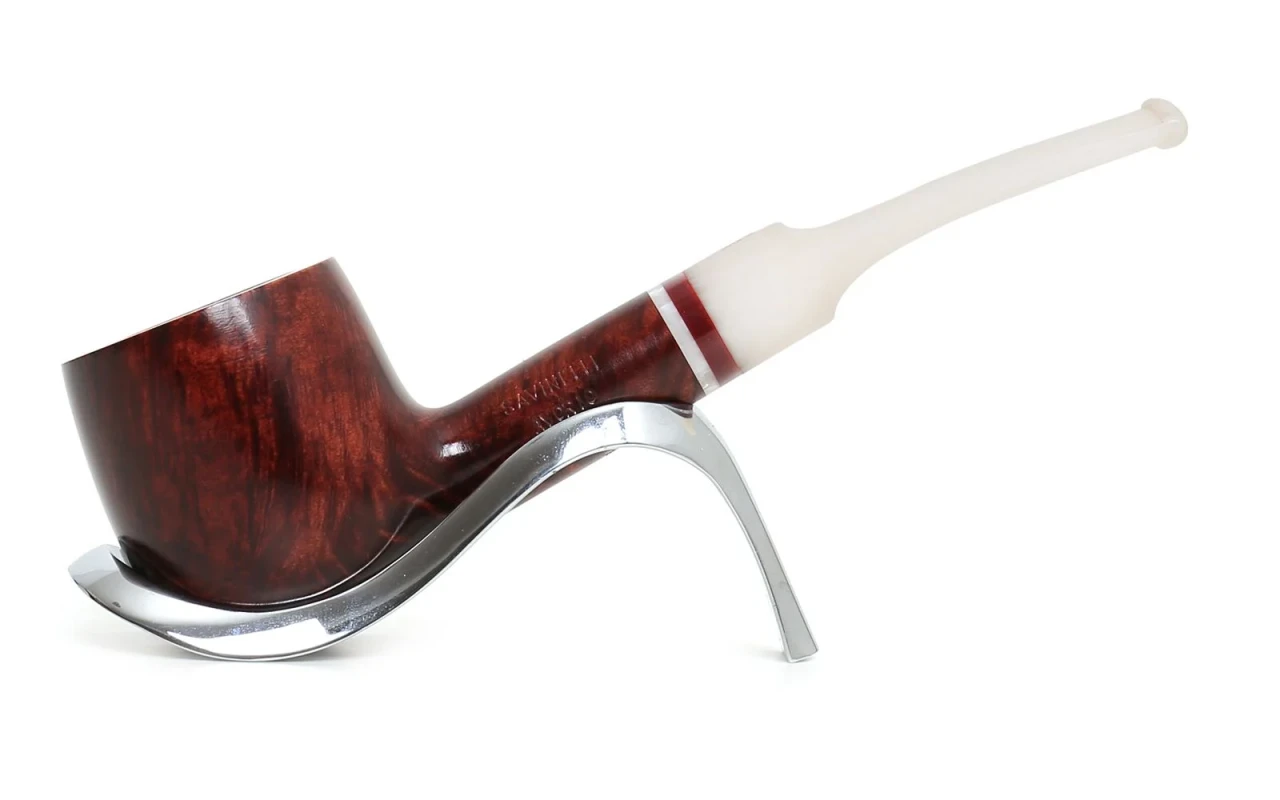
Pipes are produced through a craftsmanship process that requires skill and precision. The production techniques of pipes include:- **Wood selection**: high-quality woods such as briar, oak mortar, or olive wood are chosen.- **Drying**: the wood is dried to remove moisture and prevent cracks during use.- **Carving**: the wood is shaped and carved according to the desired design.- **Finishing**: the surface is smoothed and polished for a smooth and glossy finish.- **Assembly**: any accessories such as the stem and filter are added.These craftsmanship techniques ensure the production of high-quality pipes with a unique design.
Materials for Pipe Production
Materials for pipe production vary depending on the desired style and quality. The most common ones include:- Heather root: high-quality wood, resistant to heat and flame.- Oak root: sturdy wood with a dark color.- Corn: inexpensive and lightweight, used for traditional tobacco pipes.- Clay: porous material that absorbs moisture, ensuring a cool smoke.- Meerschaum: whitish porous stone, valued for its absorbent power and ability to change color with use.- Briar: dried heather wood, widely used for high-quality pipe production.The choice of material affects the taste, the lifespan of the pipe, and the overall smoking experience.
Artisanal Craftsmanship Techniques for Pipes
The artisanal craftsmanship techniques for pipes are varied and require skill and precision. Master pipemakers mainly use wood, such as briar or olive wood, or materials like clay or corn. The process begins with the selection of the material and the shaping of the raw form. Subsequently, the pipe is meticulously shaped, smoothed, and finished by hand. Finally, coloring and polishing are carried out to achieve a high-quality finished product. Artisanal techniques allow for the creation of unique pipes, appreciated by pipe smoking enthusiasts for their beauty and functionality.
Pipe Design Styles
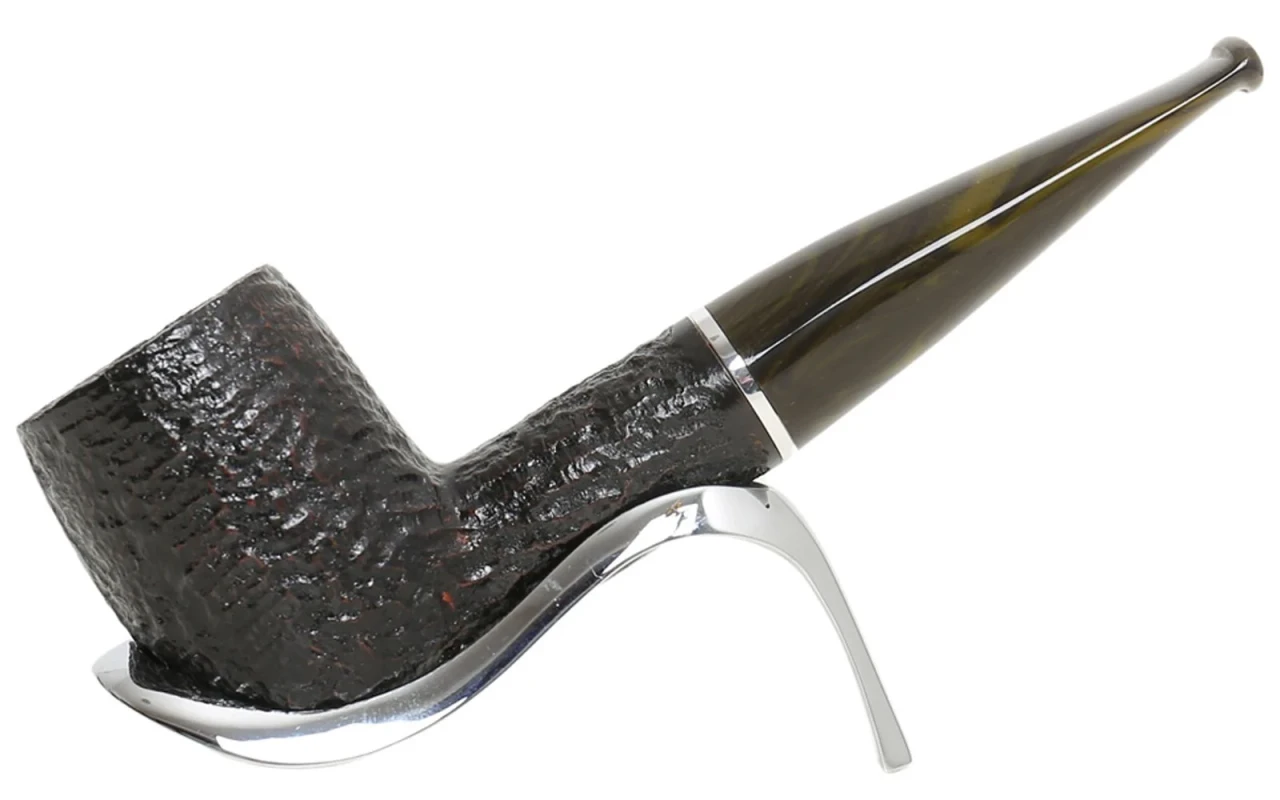
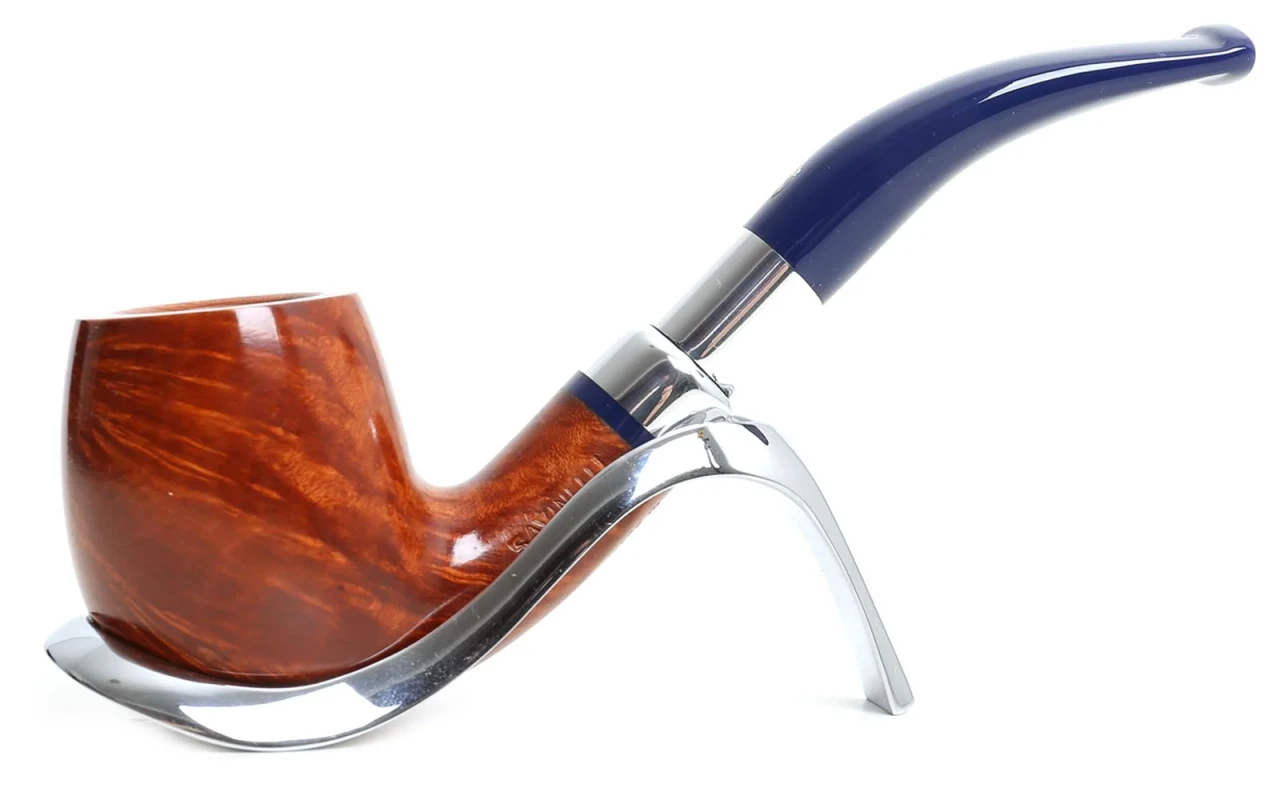
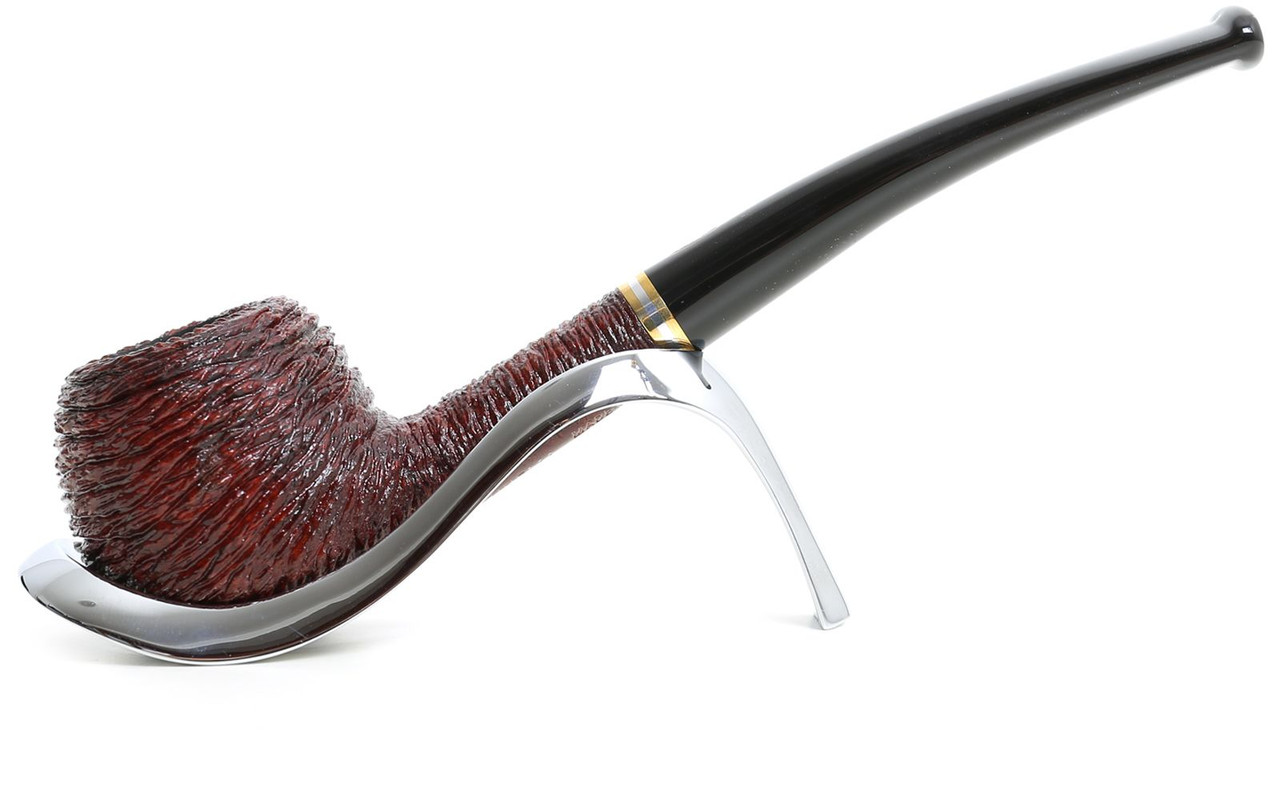
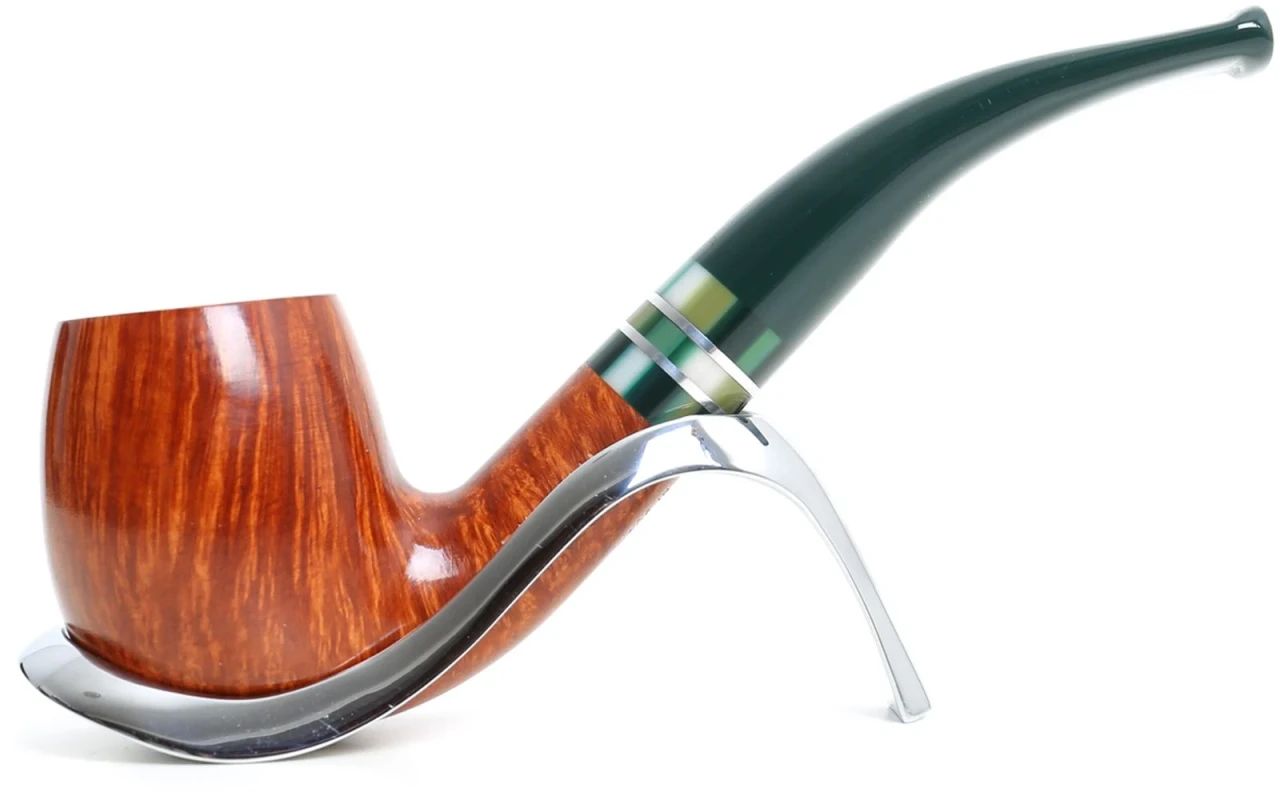
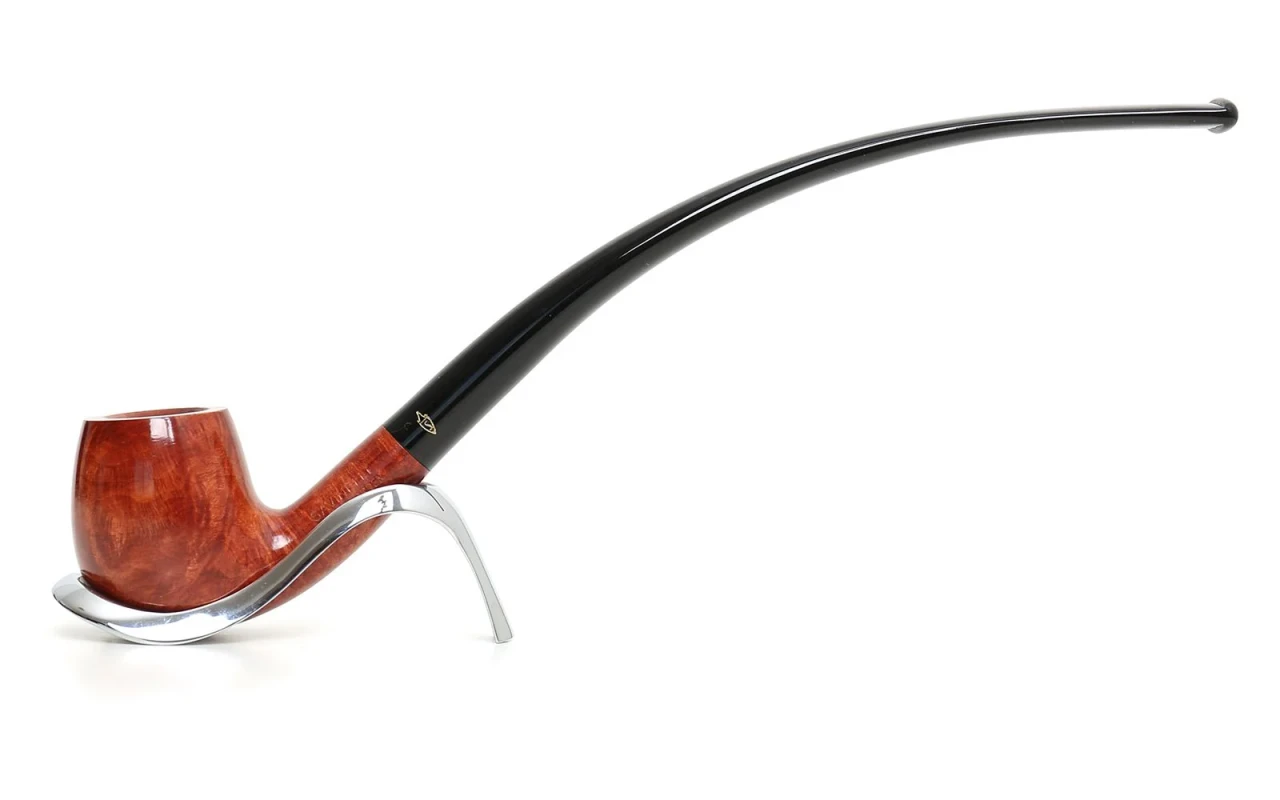
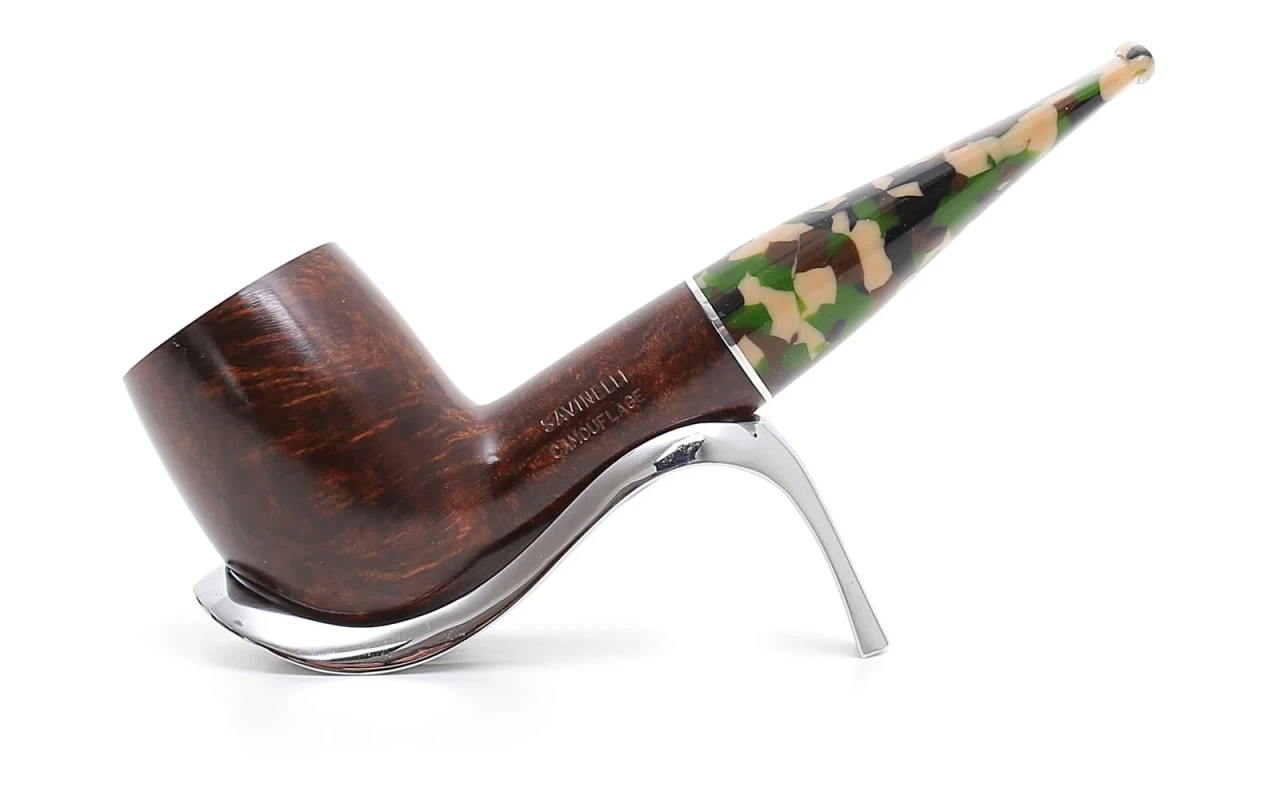
Pipe design styles vary widely to cater to the tastes and preferences of every pipe smoker. Some of the most common styles include:- Classic: traditional shapes such as the Billiard, Dublin, and Bent Apple.- Rustic: pipes with rough and natural finishes that highlight the wood grain.- Smooth: glossy and polished pipes that display an elegant and refined finish.- Freehand: hand-carved pipes without standard shapes, often with unique and original designs.- Churchwarden: pipes with a long curved stem, ideal for a cooler smoking experience.- Calabash: pipes with a gourd-shaped chamber for a cooler and drier smoke.Each design style offers a unique combination of aesthetics and functionality to meet the diverse needs of pipe smokers.
'%3e%3cg id='Final-Copy-2_2_' transform='translate(1275.000000, 200.000000)'%3e%3cpath class='st0' d='M7.4,12.8h6.8l3.1-11.6H7.4C4.2,1.2,1.6,3.8,1.6,7S4.2,12.8,7.4,12.8z'/%3e%3c/g%3e%3c/g%3e%3c/g%3e%3cg id='final---dec.11-2020'%3e%3cg id='_x30_208-our-toggle' transform='translate(-1275.000000, -200.000000)'%3e%3cg id='Final-Copy-2' transform='translate(1275.000000, 200.000000)'%3e%3cpath class='st1' d='M22.6,0H7.4c-3.9,0-7,3.1-7,7s3.1,7,7,7h15.2c3.9,0,7-3.1,7-7S26.4,0,22.6,0z M1.6,7c0-3.2,2.6-5.8,5.8-5.8 h9.9l-3.1,11.6H7.4C4.2,12.8,1.6,10.2,1.6,7z'/%3e%3cpath id='x' class='st2' d='M24.6,4c0.2,0.2,0.2,0.6,0,0.8l0,0L22.5,7l2.2,2.2c0.2,0.2,0.2,0.6,0,0.8c-0.2,0.2-0.6,0.2-0.8,0 l0,0l-2.2-2.2L19.5,10c-0.2,0.2-0.6,0.2-0.8,0c-0.2-0.2-0.2-0.6,0-0.8l0,0L20.8,7l-2.2-2.2c-0.2-0.2-0.2-0.6,0-0.8 c0.2-0.2,0.6-0.2,0.8,0l0,0l2.2,2.2L23.8,4C24,3.8,24.4,3.8,24.6,4z'/%3e%3cpath id='y' class='st3' d='M12.7,4.1c0.2,0.2,0.3,0.6,0.1,0.8l0,0L8.6,9.8C8.5,9.9,8.4,10,8.3,10c-0.2,0.1-0.5,0.1-0.7-0.1l0,0 L5.4,7.7c-0.2-0.2-0.2-0.6,0-0.8c0.2-0.2,0.6-0.2,0.8,0l0,0L8,8.6l3.8-4.5C12,3.9,12.4,3.9,12.7,4.1z'/%3e%3c/g%3e%3c/g%3e%3c/g%3e%3c/g%3e%3c/svg%3e) Your Privacy Choices
Your Privacy Choices 


