 ES
ES FR
FR EN
EN IT
IT DE
DE
**Material Selection for Pipes**
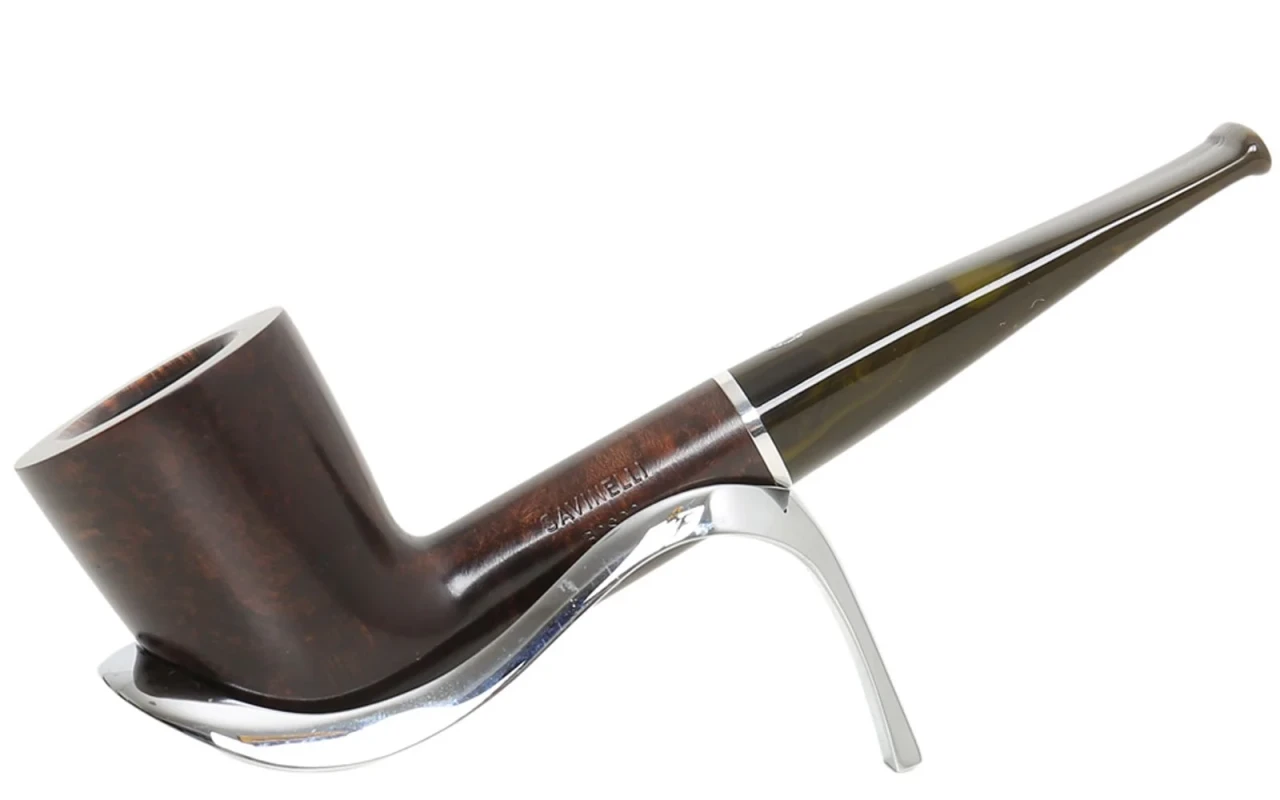
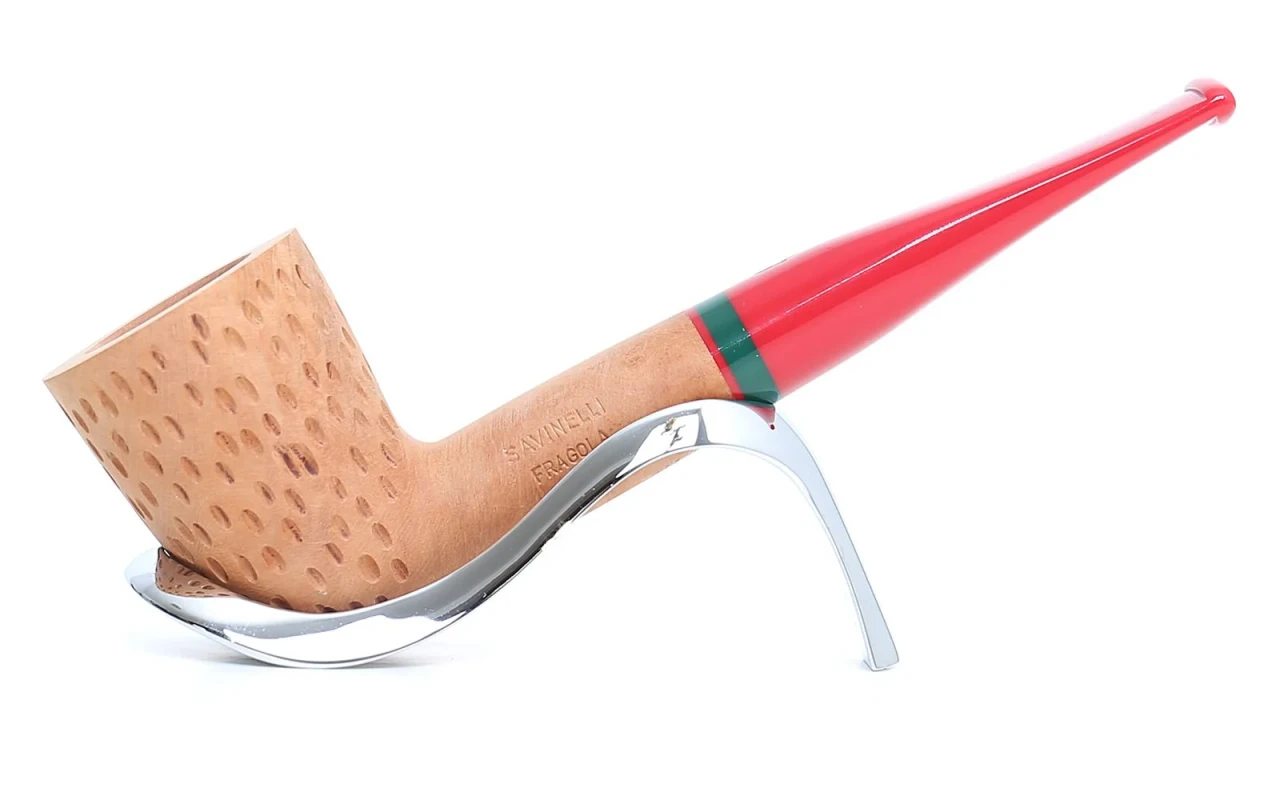
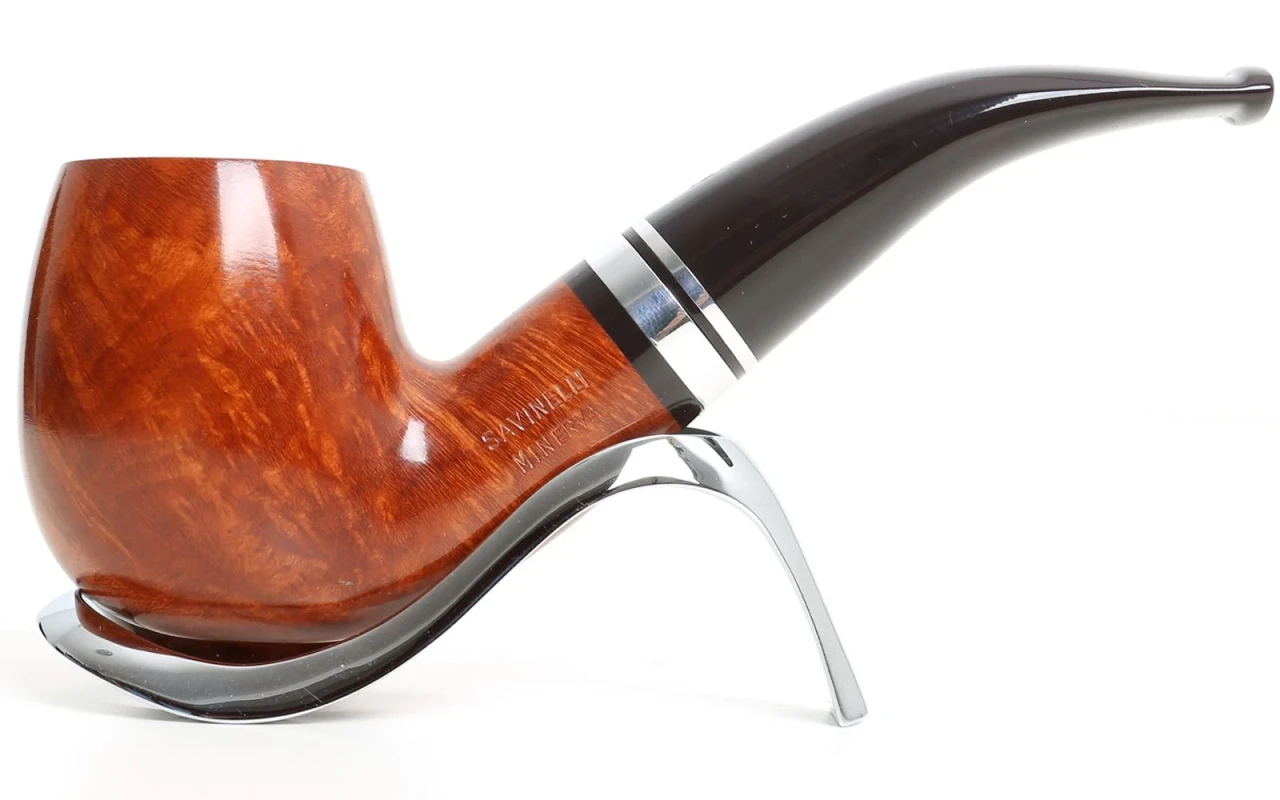
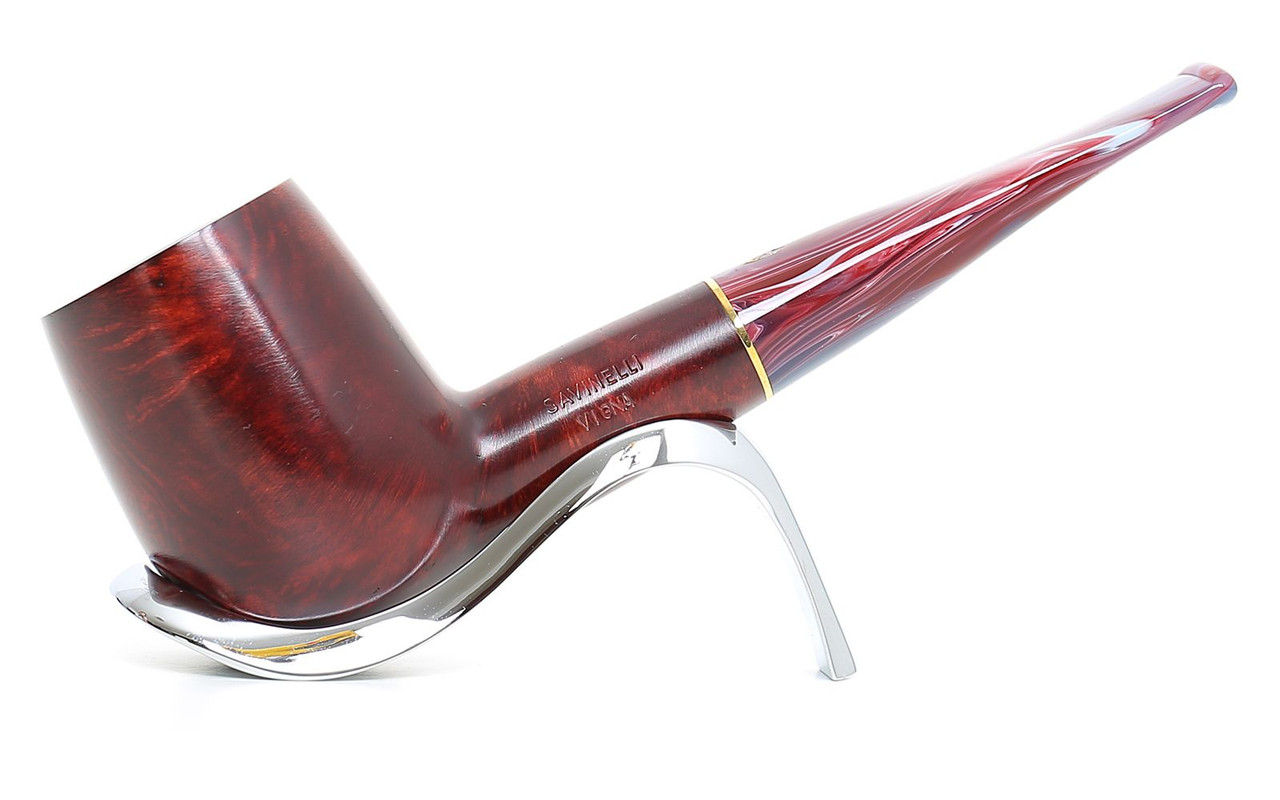
**Material Selection for Pipes**
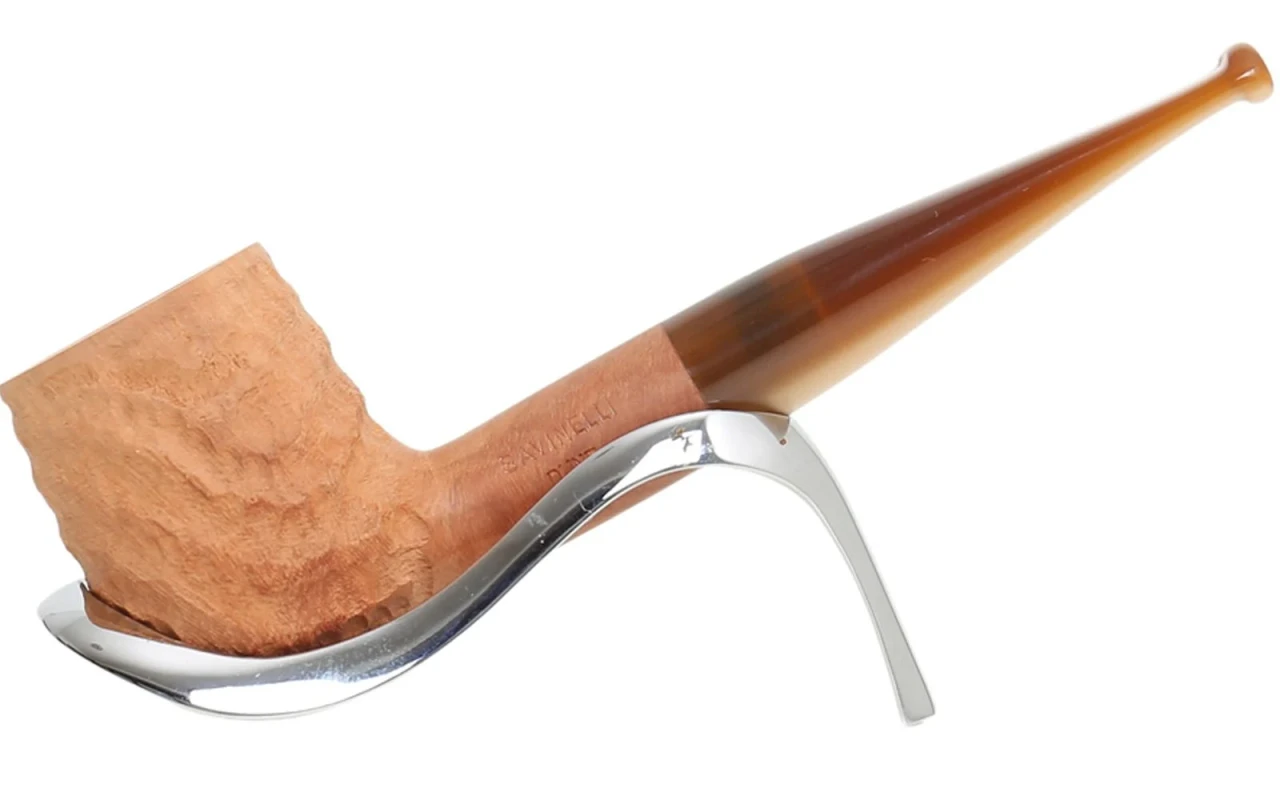
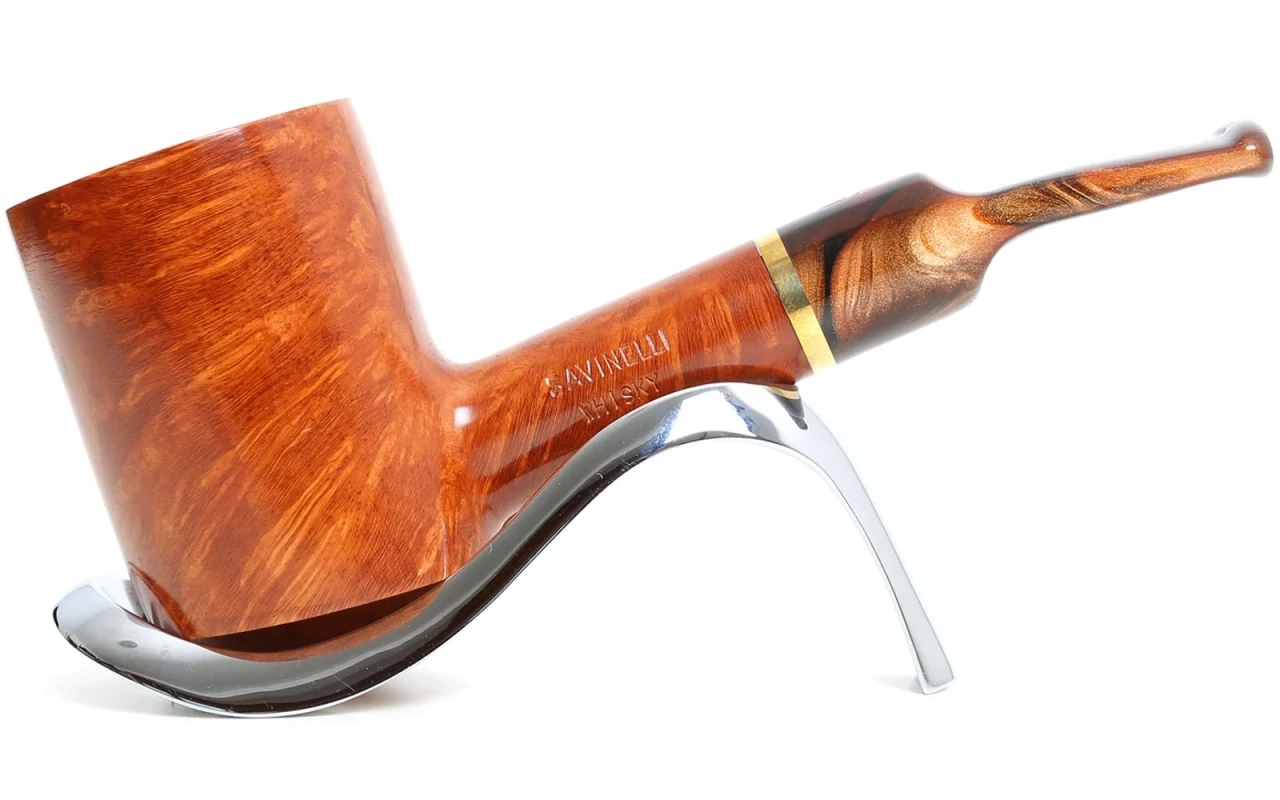
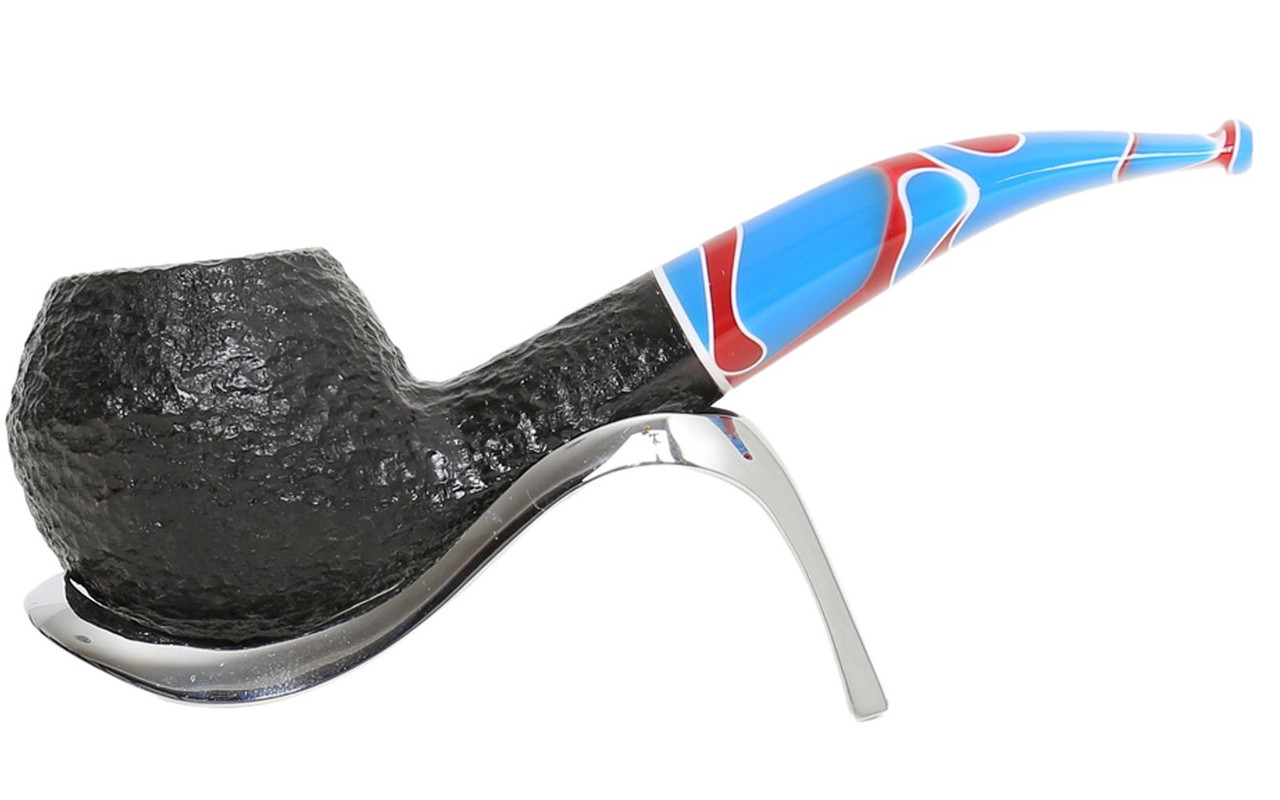
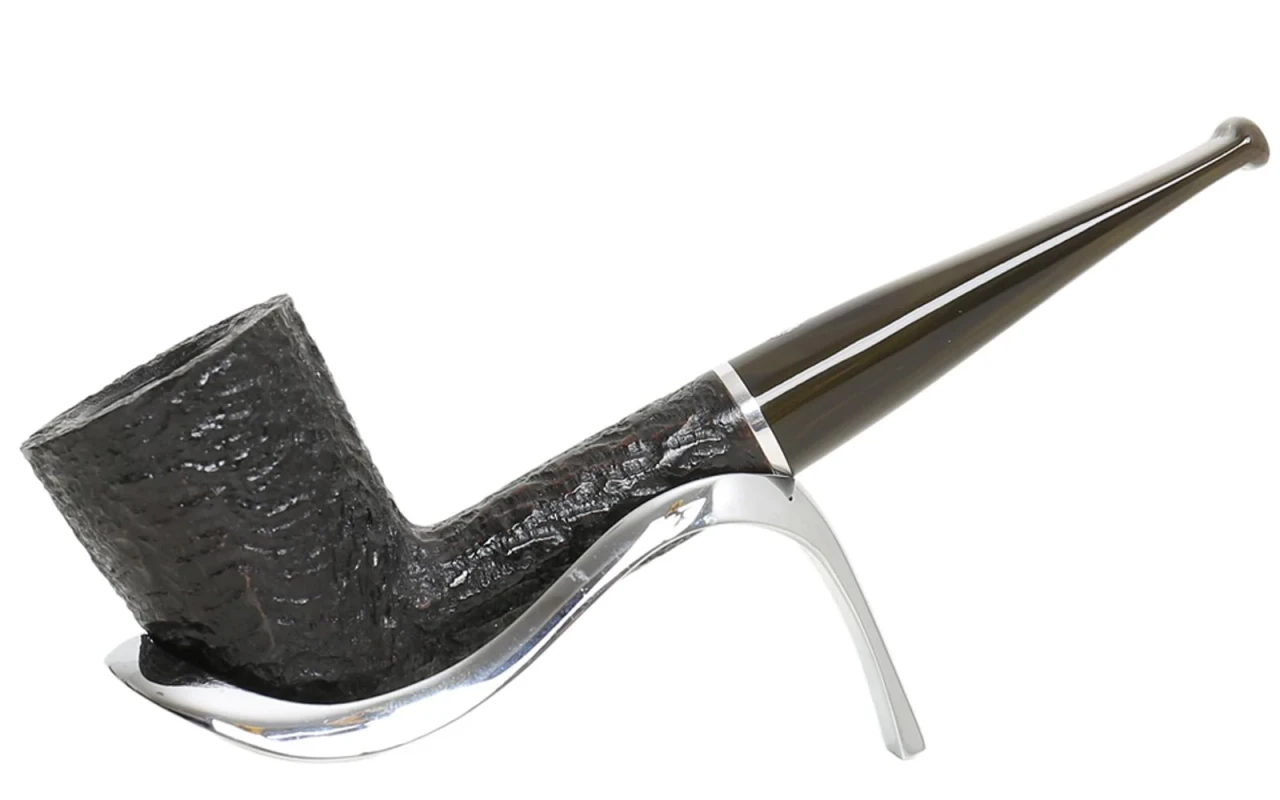
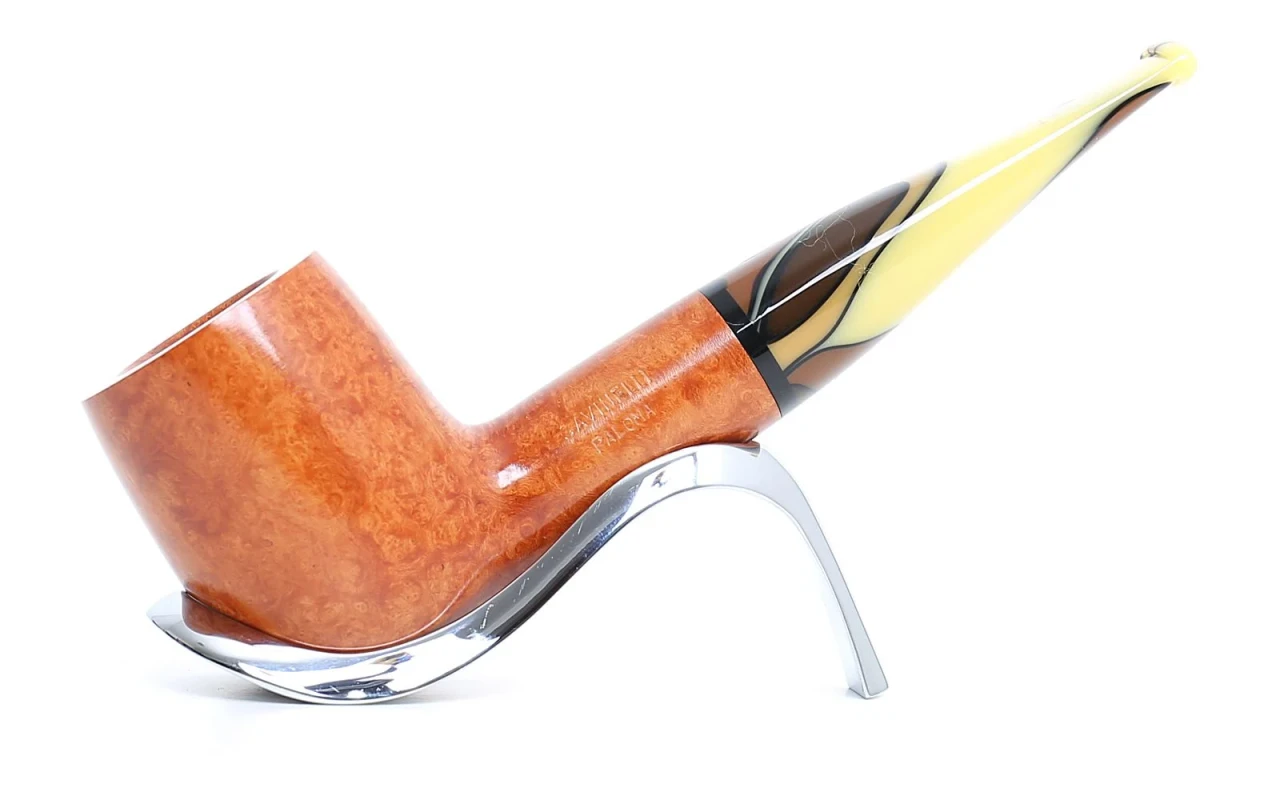
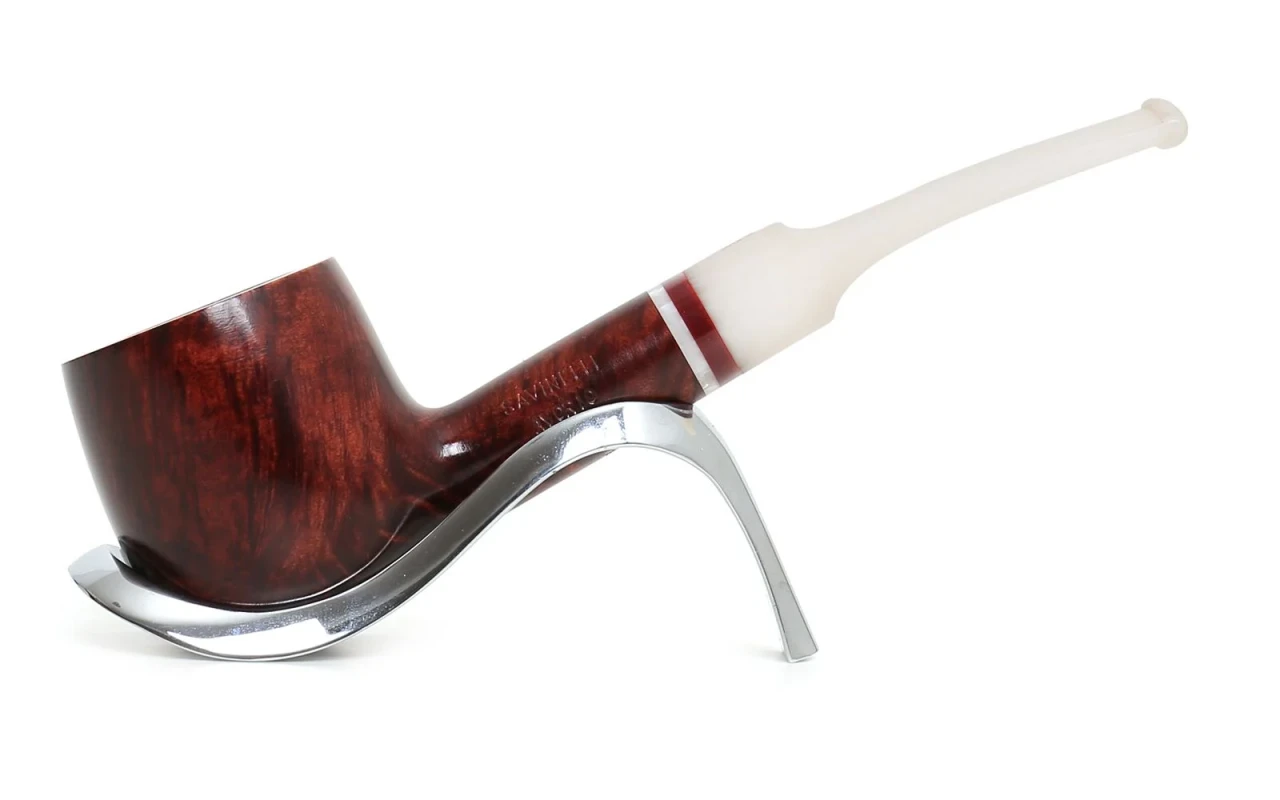
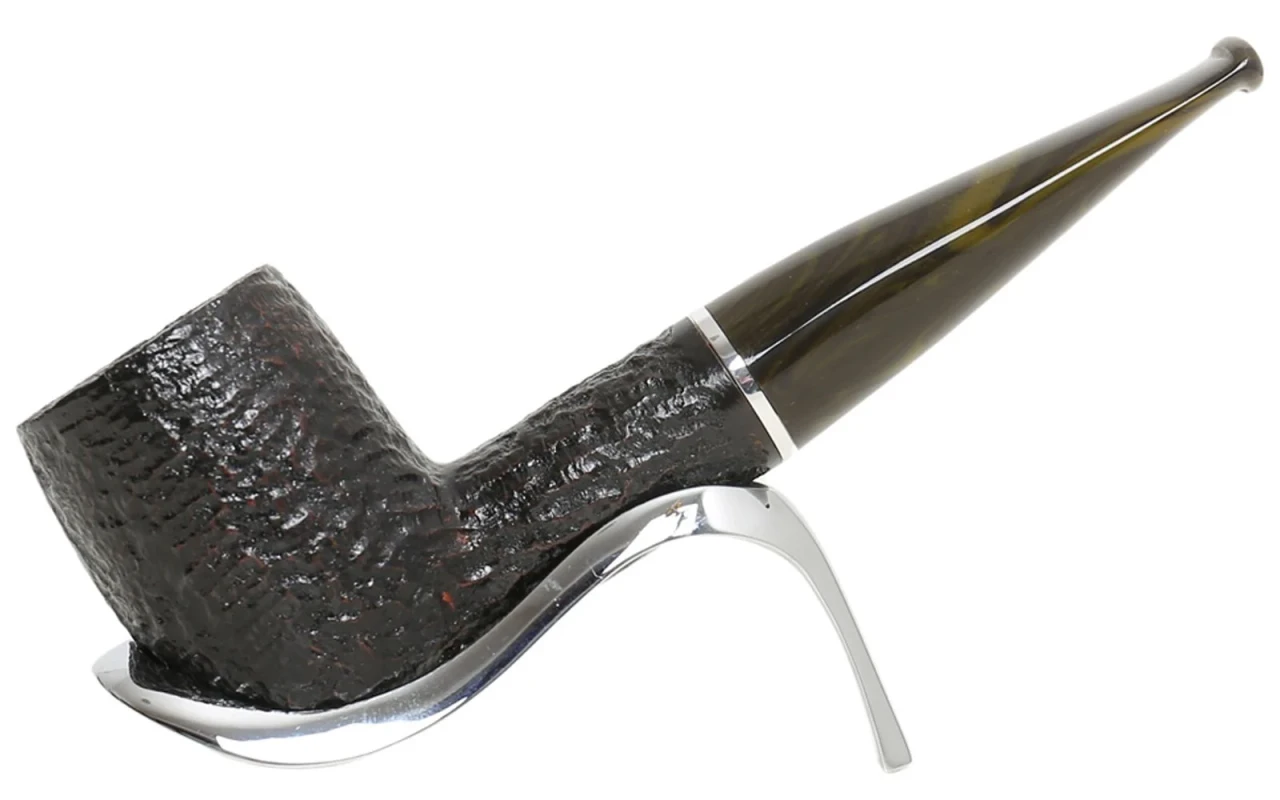
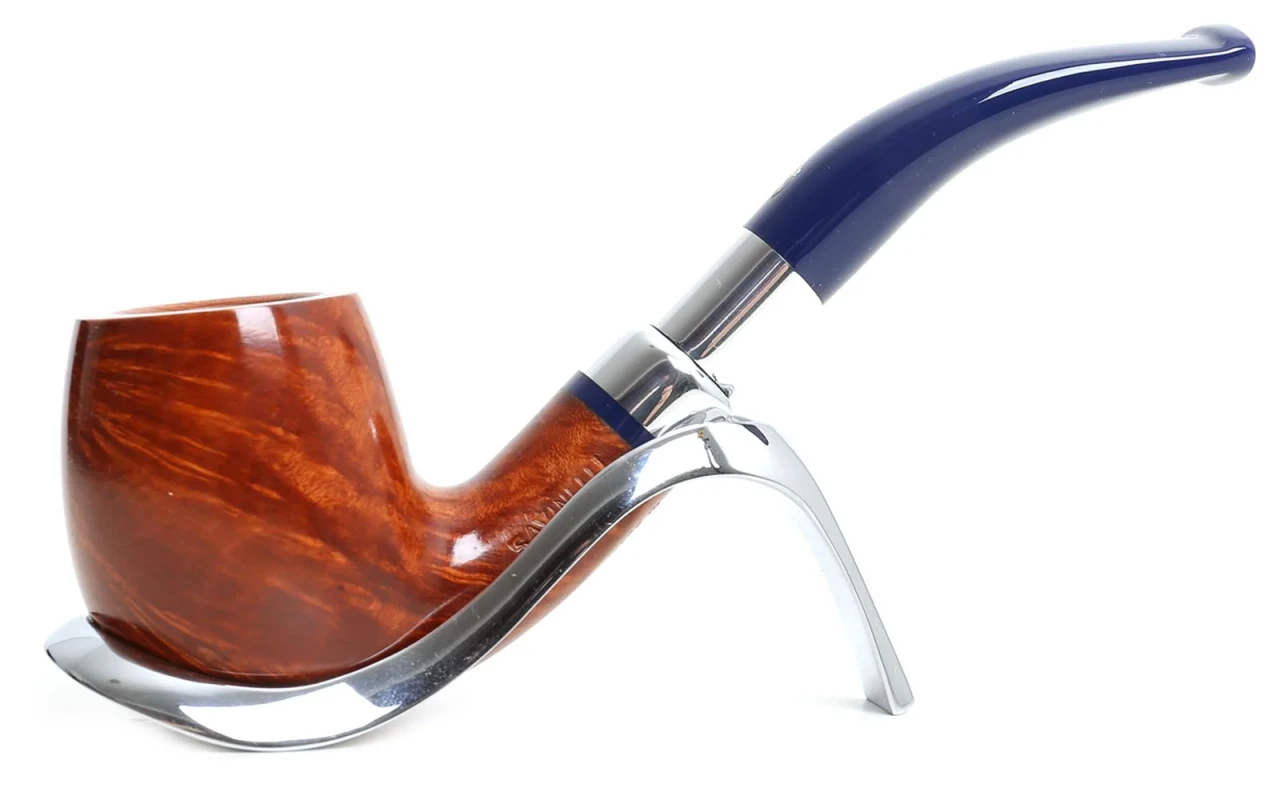
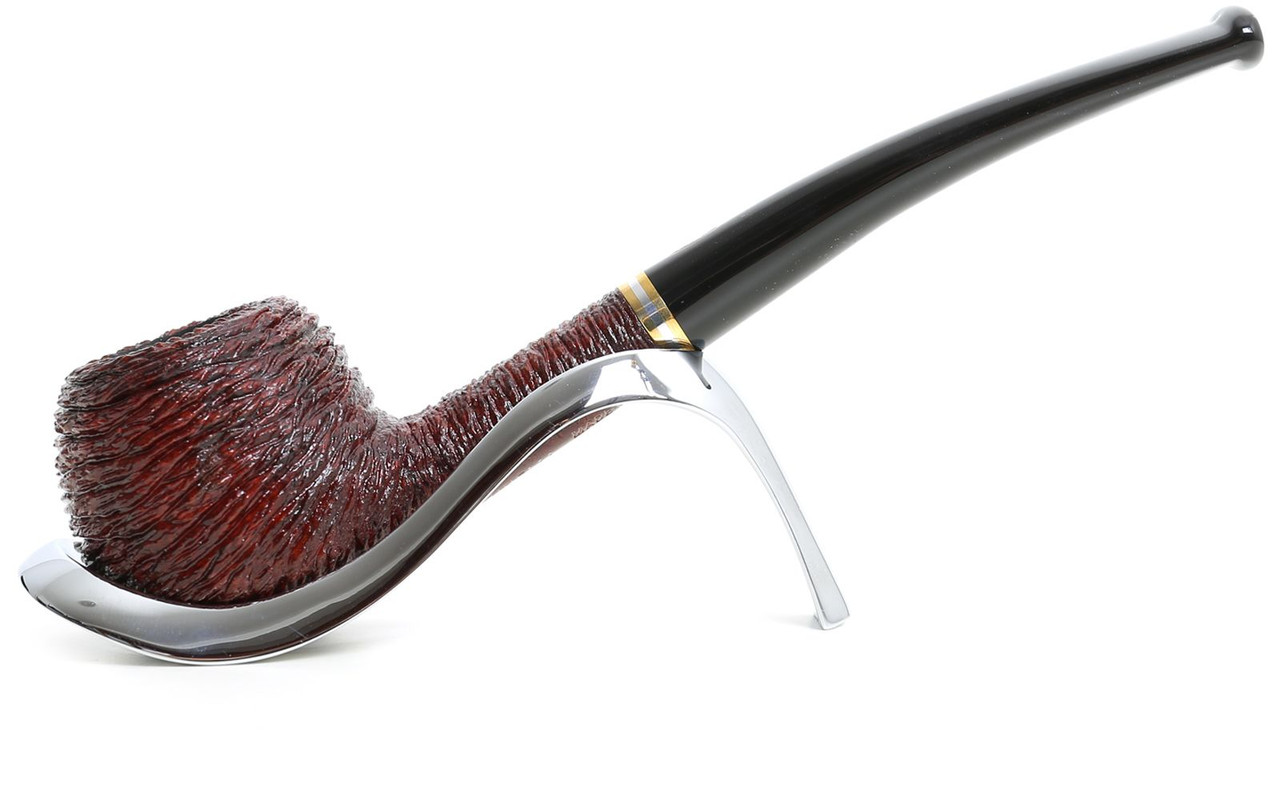
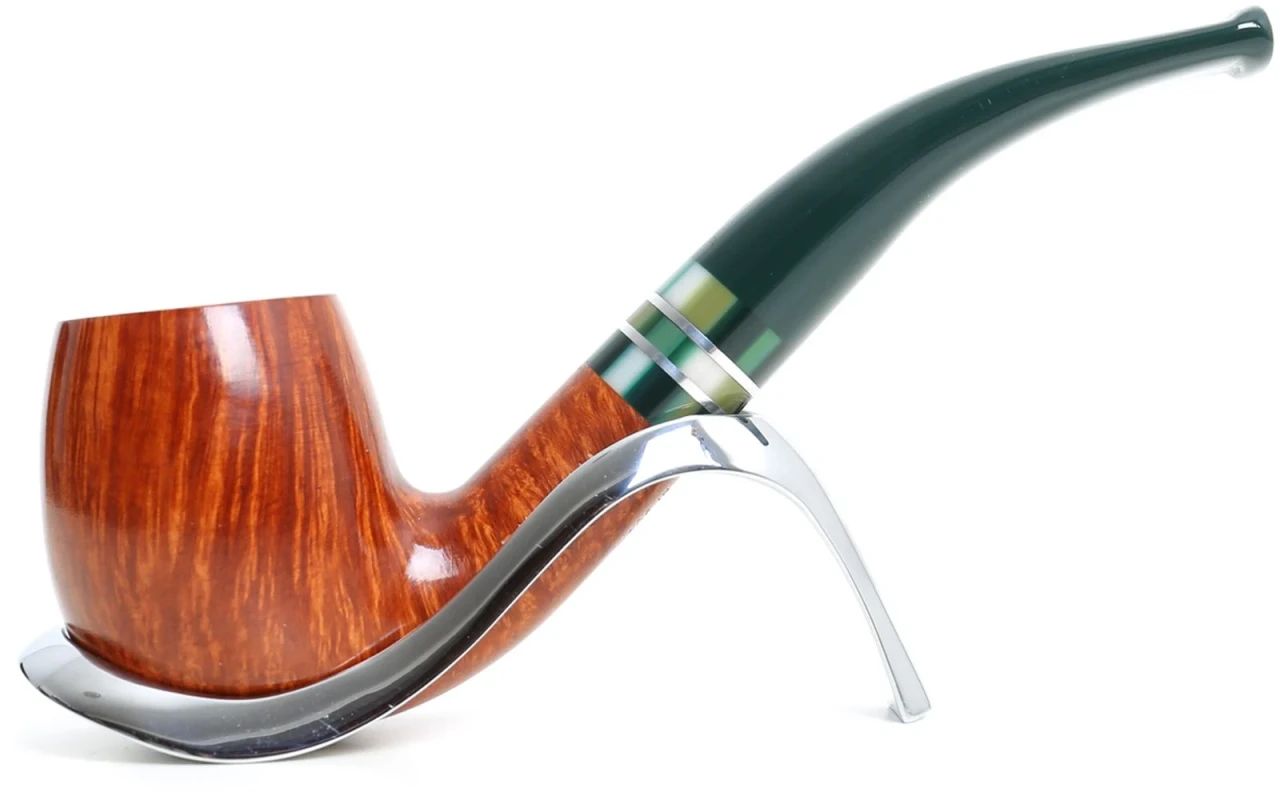
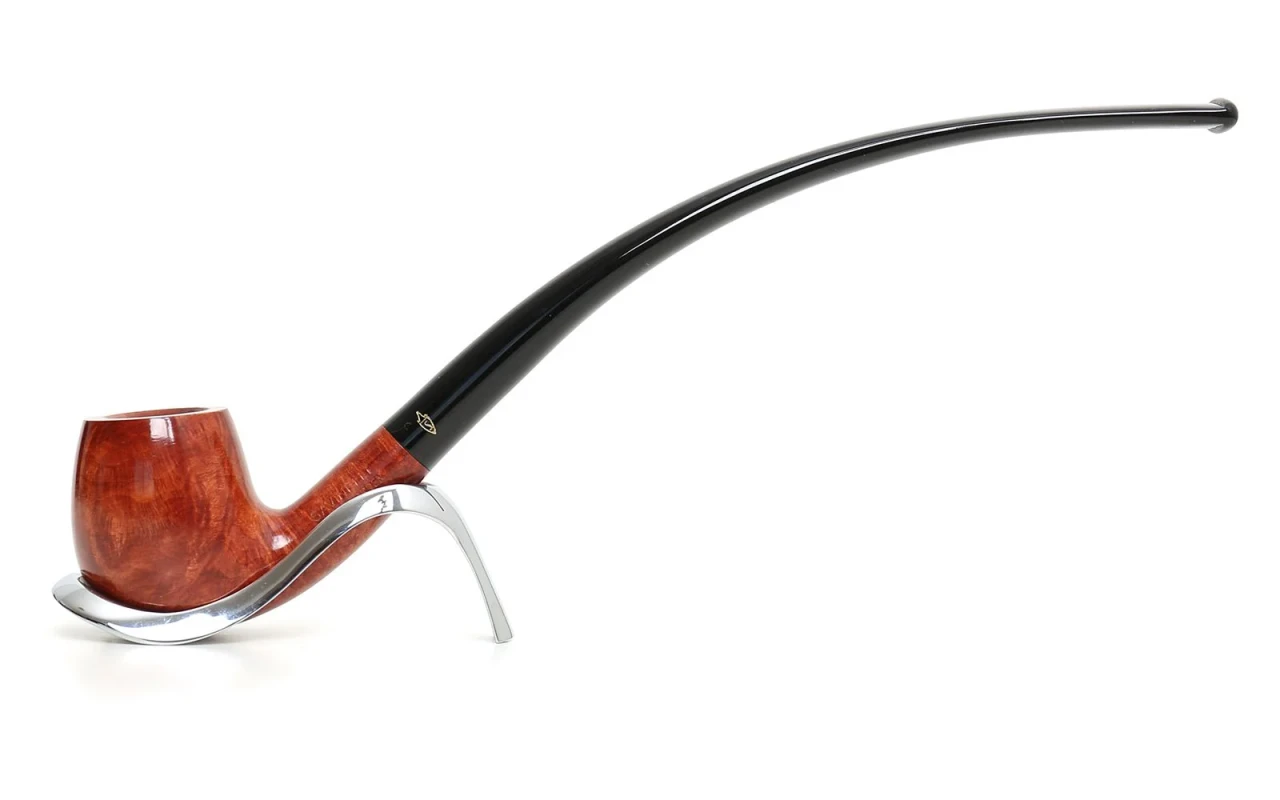
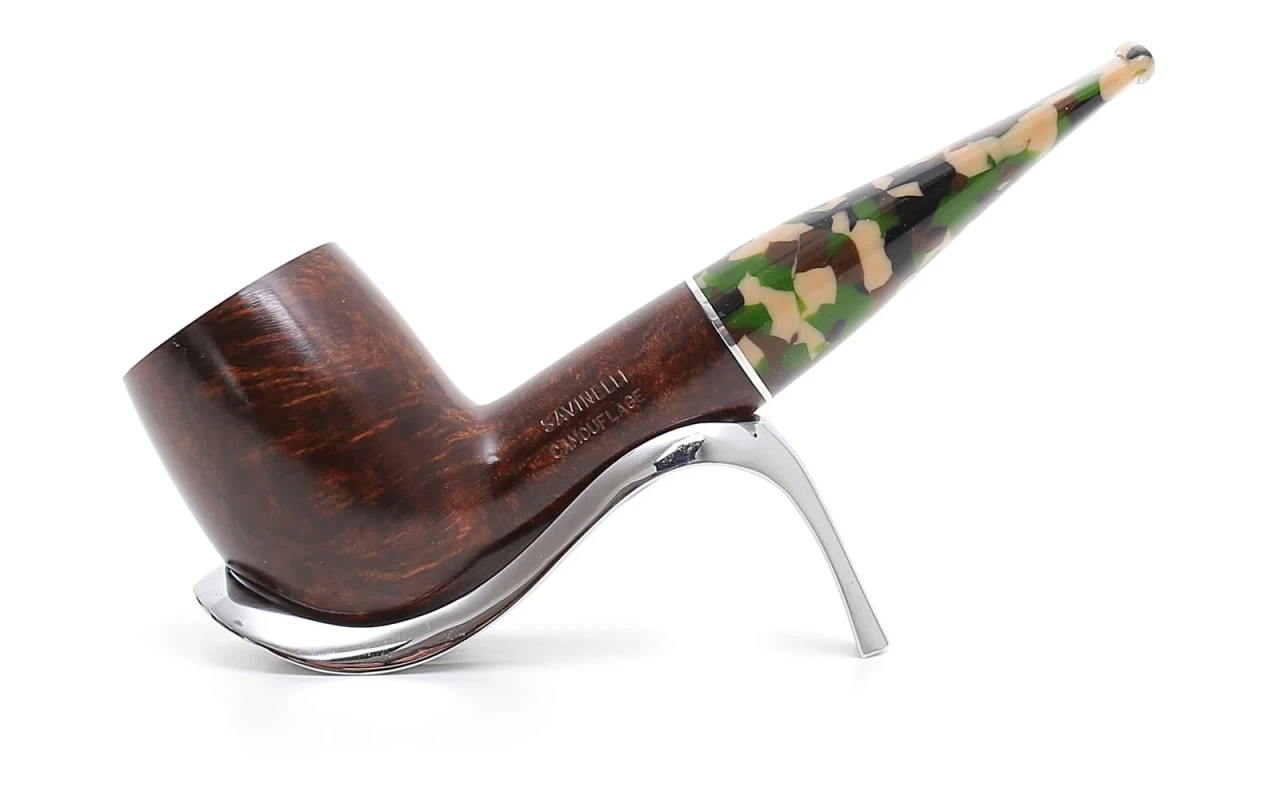
The choice of materials for a pipe is a crucial aspect for pipe smoking enthusiasts. The most common materials include:- Briar wood: lightweight and durable, highly valued for its moisture-absorbing properties.- Oak wood: provides good combustion and long-lasting durability.- Meerschaum: a porous material that absorbs liquids and preserves the tobacco flavor.- Clay: lightweight and porous, appreciated for its ability to absorb tobacco oils.The material chosen significantly impacts the characteristics and performance of the pipe, therefore it is important to carefully consider your preferences before making a purchase.
Best Pipe Smoking Material
The best material for a smoking pipe is undoubtedly the Erica Arborea root, also known as briar. This wood, characterized by great heat and combustion resistance, is widely appreciated by pipe enthusiasts for its qualities. Briar root allows for a uniform tobacco combustion, ensuring a more enjoyable and satisfying smoking experience. Moreover, the porous structure of this wood allows it to absorb moisture during use, thus keeping the tobacco fresh and dry. Briar root is therefore considered the ideal material for crafting the best smoking pipes on the market.
Materials for smoking pipes
The most common materials used for the production of smoking pipes are wood, briar, clay, corn cob, and metal. Each material offers different characteristics in terms of aesthetics, weight, heat dissipation, and flavor. Wooden pipes, such as briar pipes, are appreciated for their elegance and ability to gradually absorb tobacco moisture. Clay pipes, on the other hand, are lightweight and ensure a pure smoking experience. Corn cob pipes are light and affordable, while metal pipes are sturdy and easy to clean. The choice of material depends on the smoker's personal preferences.
Types of materials for pipes
There are several types of materials used for the production of smoking pipes, each with specific characteristics. The most common materials are:- Briarwood: lightweight and durable, offering a neutral taste to the smoke.- Briar: hard wood resistant to heat, highly valued for the production of high-quality pipes.- Corn cob: inexpensive and lightweight, usually used for affordable smoking pipes.- Clay: porous material that absorbs smoke moisture, providing a cool smoke.- Meerschaum: porous stone, lightweight and heat resistant, highly appreciated for its smoke absorption characteristics.The choice of material influences both the performance and the aesthetics of the pipe.
'%3e%3cg id='Final-Copy-2_2_' transform='translate(1275.000000, 200.000000)'%3e%3cpath class='st0' d='M7.4,12.8h6.8l3.1-11.6H7.4C4.2,1.2,1.6,3.8,1.6,7S4.2,12.8,7.4,12.8z'/%3e%3c/g%3e%3c/g%3e%3c/g%3e%3cg id='final---dec.11-2020'%3e%3cg id='_x30_208-our-toggle' transform='translate(-1275.000000, -200.000000)'%3e%3cg id='Final-Copy-2' transform='translate(1275.000000, 200.000000)'%3e%3cpath class='st1' d='M22.6,0H7.4c-3.9,0-7,3.1-7,7s3.1,7,7,7h15.2c3.9,0,7-3.1,7-7S26.4,0,22.6,0z M1.6,7c0-3.2,2.6-5.8,5.8-5.8 h9.9l-3.1,11.6H7.4C4.2,12.8,1.6,10.2,1.6,7z'/%3e%3cpath id='x' class='st2' d='M24.6,4c0.2,0.2,0.2,0.6,0,0.8l0,0L22.5,7l2.2,2.2c0.2,0.2,0.2,0.6,0,0.8c-0.2,0.2-0.6,0.2-0.8,0 l0,0l-2.2-2.2L19.5,10c-0.2,0.2-0.6,0.2-0.8,0c-0.2-0.2-0.2-0.6,0-0.8l0,0L20.8,7l-2.2-2.2c-0.2-0.2-0.2-0.6,0-0.8 c0.2-0.2,0.6-0.2,0.8,0l0,0l2.2,2.2L23.8,4C24,3.8,24.4,3.8,24.6,4z'/%3e%3cpath id='y' class='st3' d='M12.7,4.1c0.2,0.2,0.3,0.6,0.1,0.8l0,0L8.6,9.8C8.5,9.9,8.4,10,8.3,10c-0.2,0.1-0.5,0.1-0.7-0.1l0,0 L5.4,7.7c-0.2-0.2-0.2-0.6,0-0.8c0.2-0.2,0.6-0.2,0.8,0l0,0L8,8.6l3.8-4.5C12,3.9,12.4,3.9,12.7,4.1z'/%3e%3c/g%3e%3c/g%3e%3c/g%3e%3c/g%3e%3c/svg%3e) Your Privacy Choices
Your Privacy Choices 


