 ES
ES FR
FR EN
EN IT
IT DE
DE
Manual sandblasting for pipes
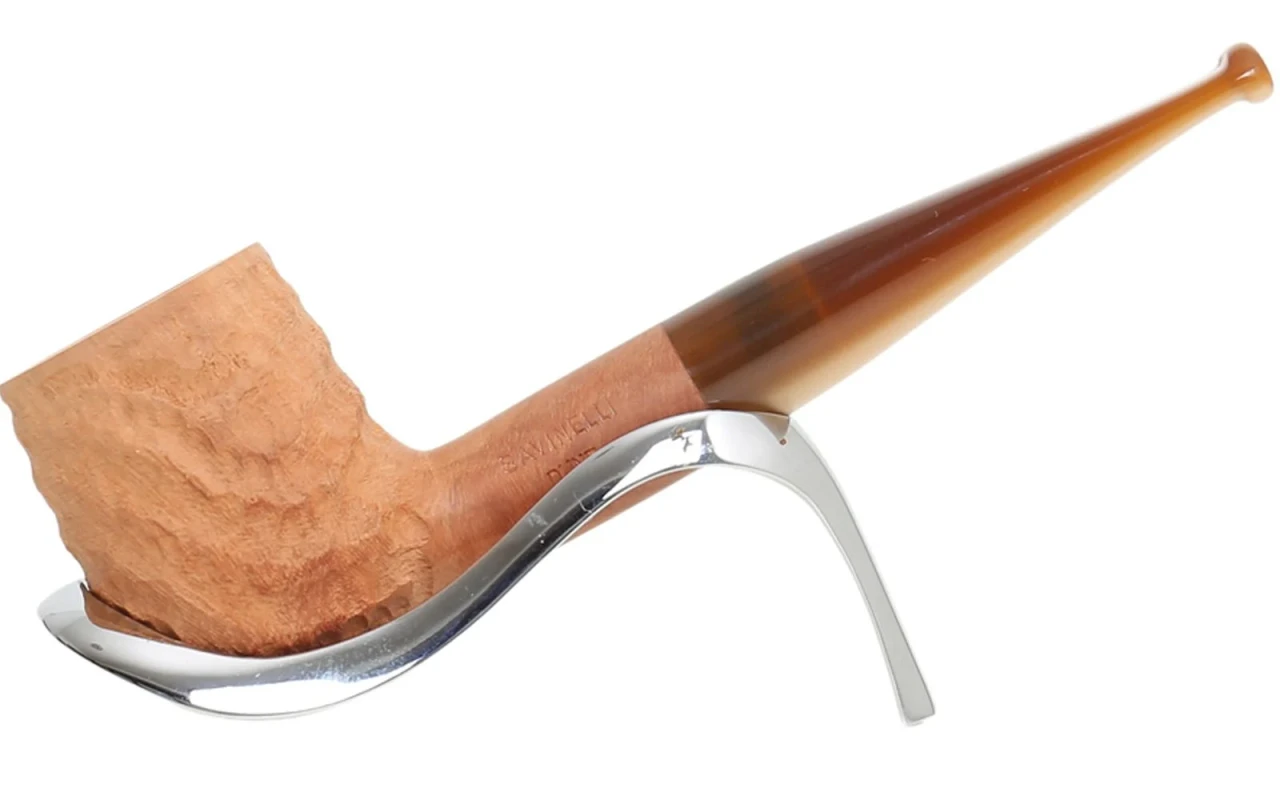

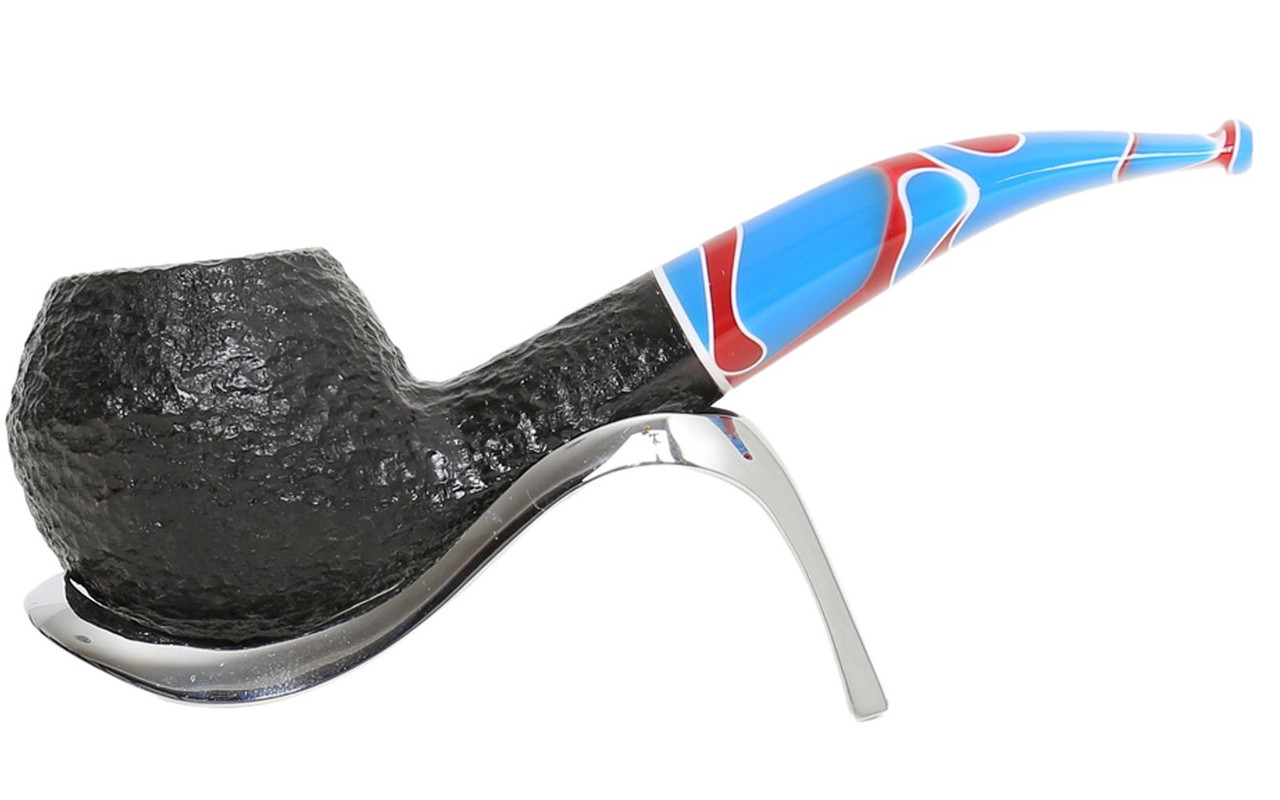
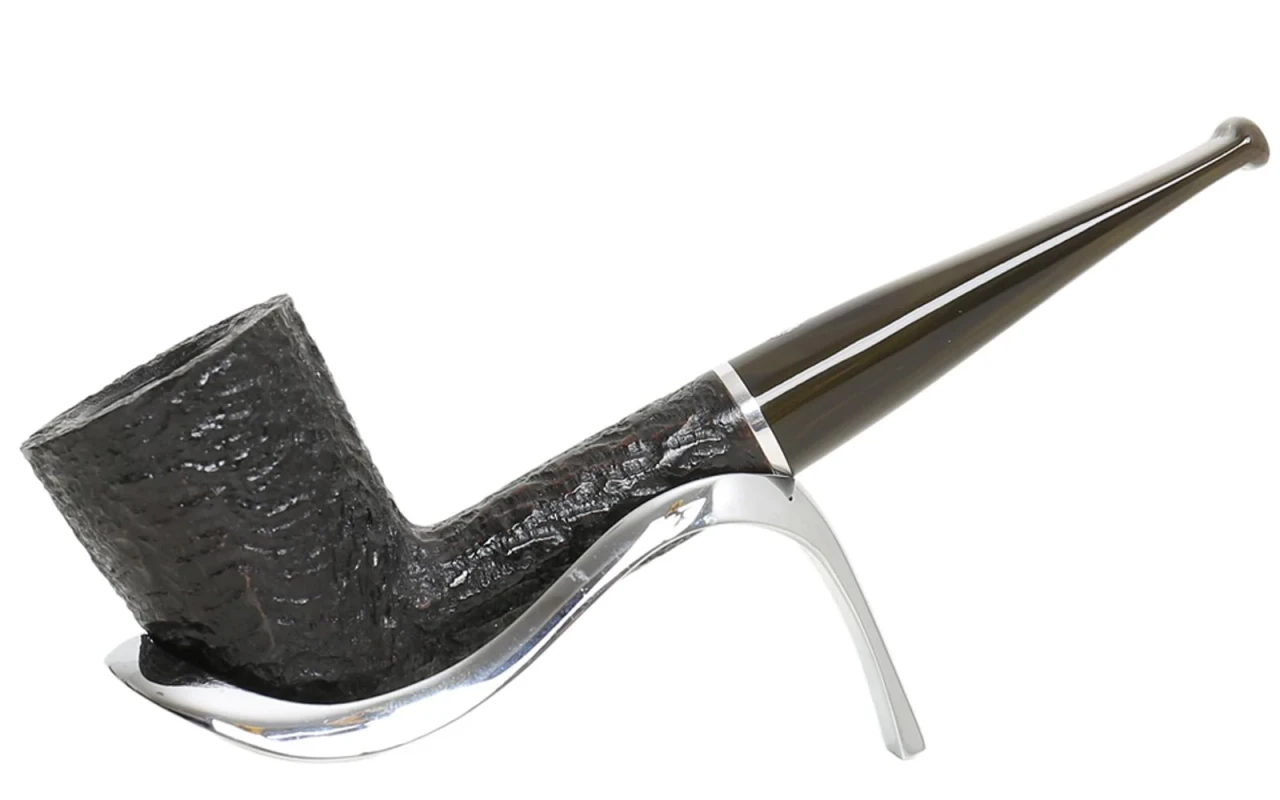
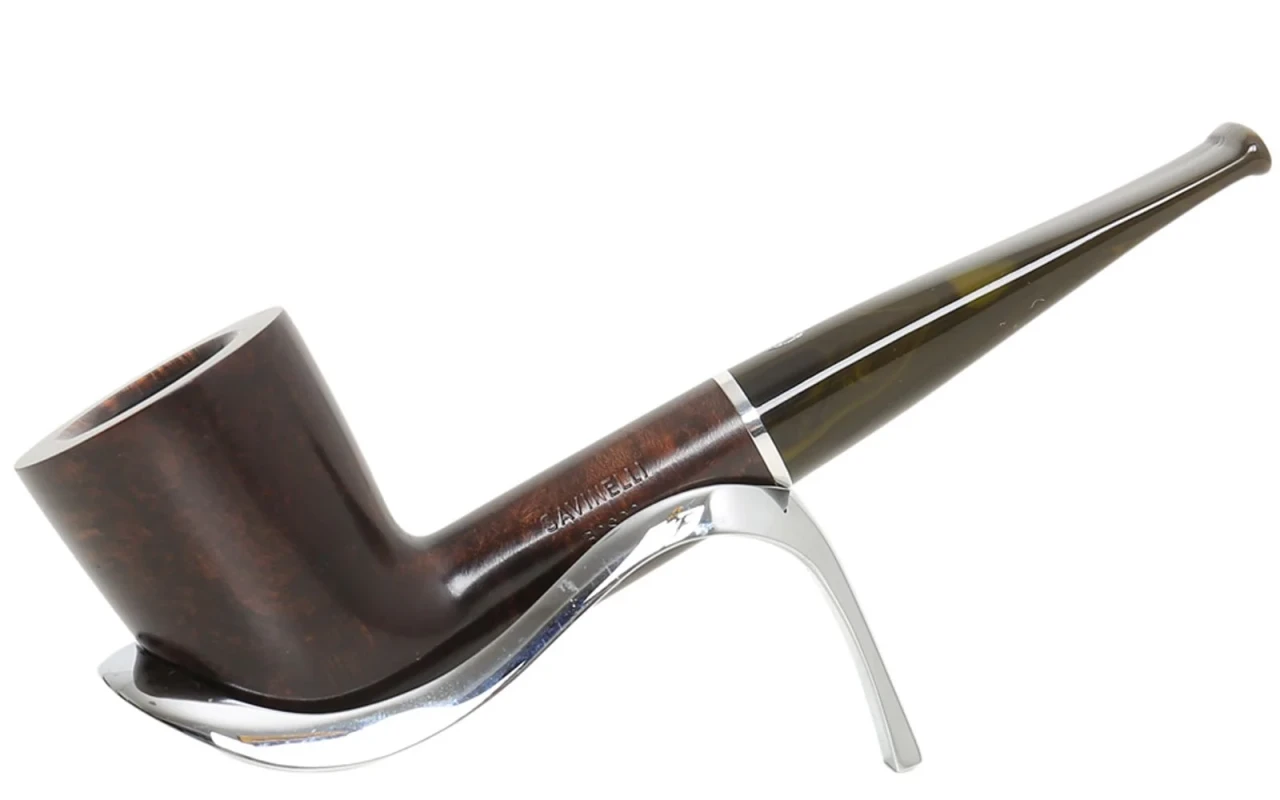

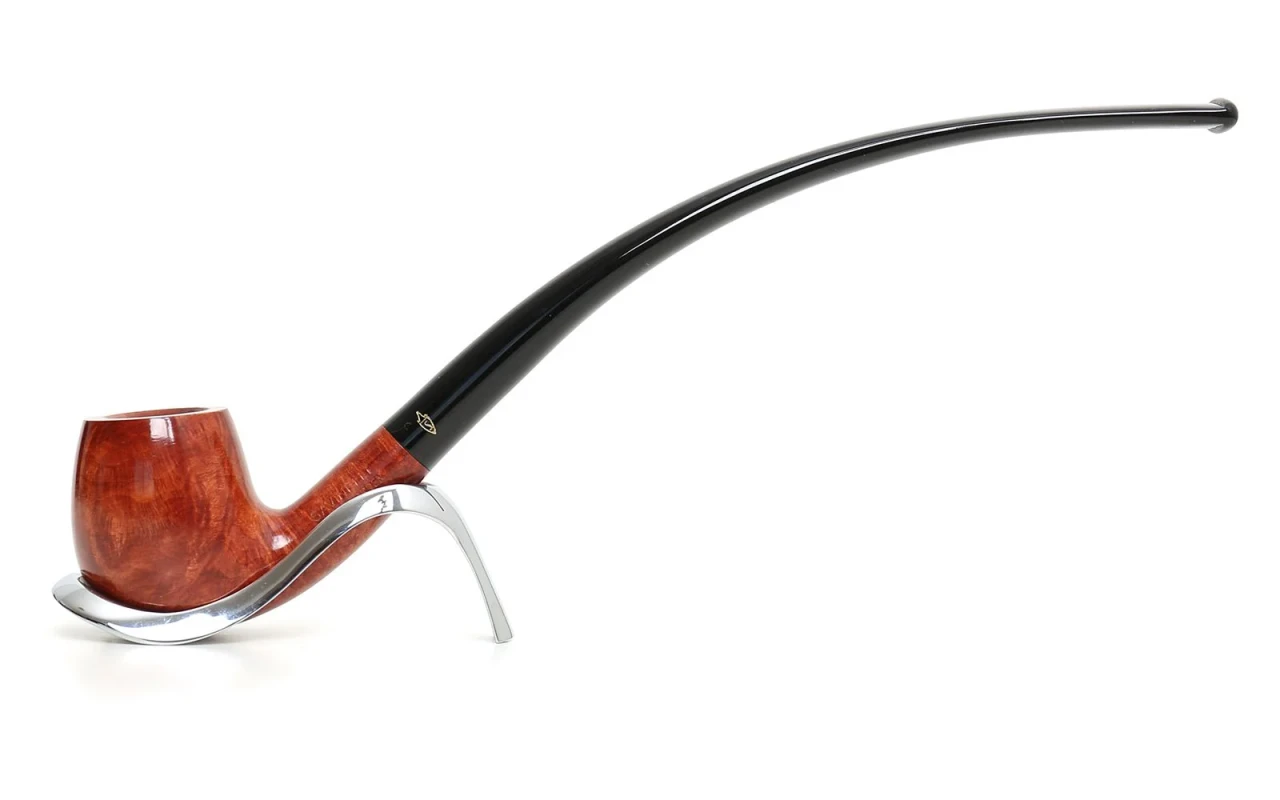

Manual sandblasting for pipes
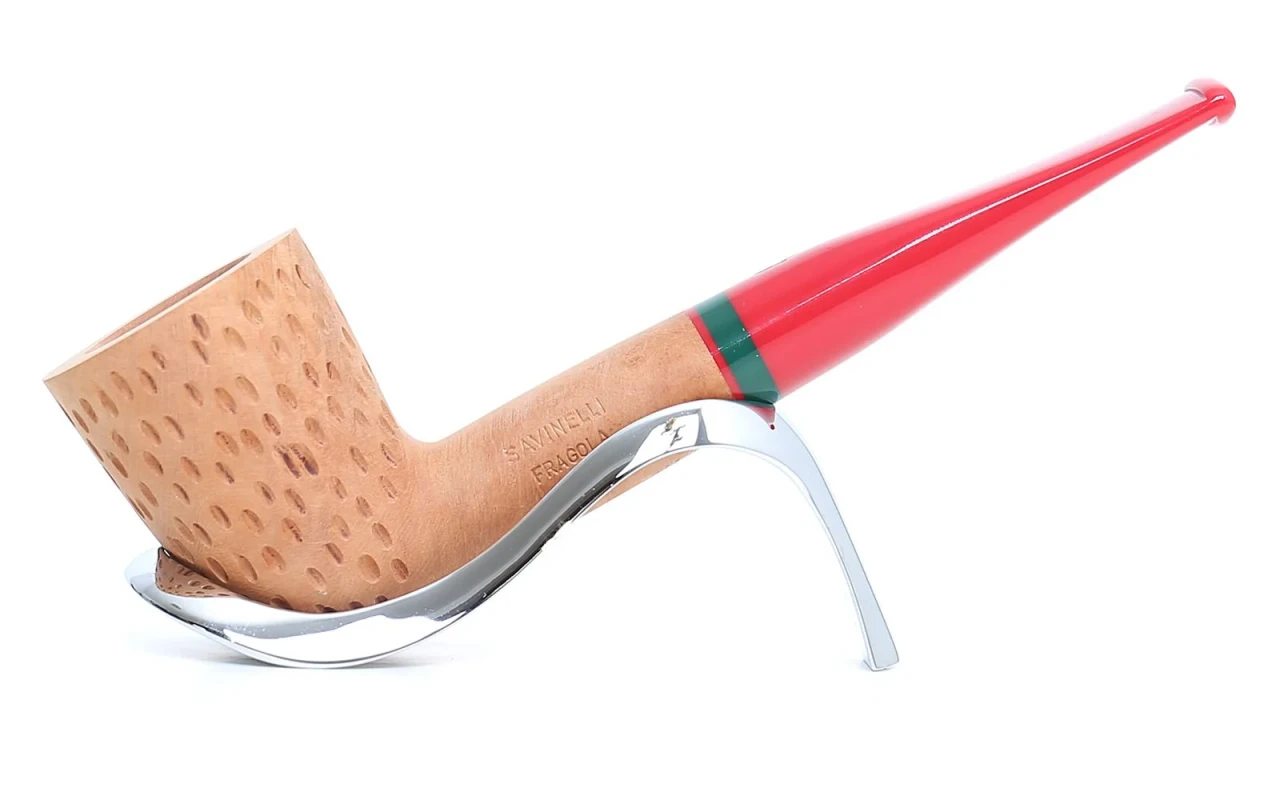
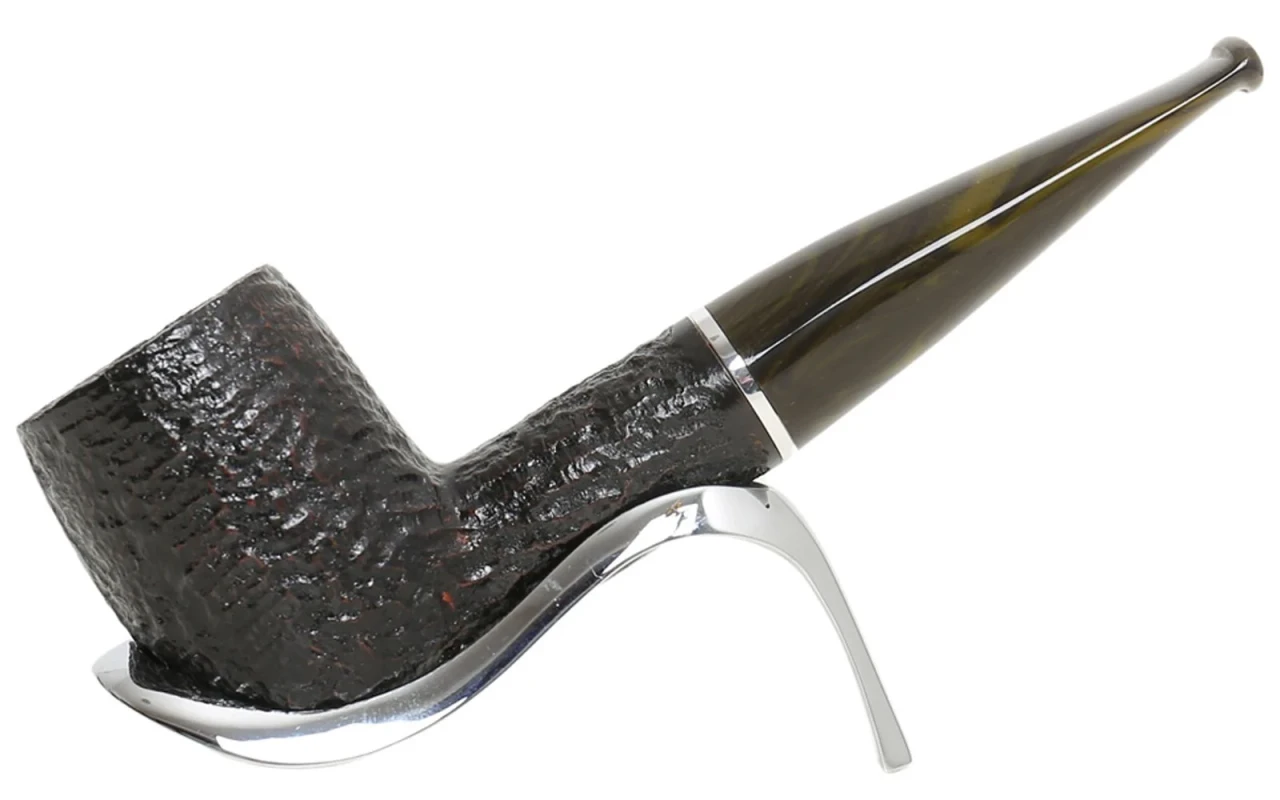
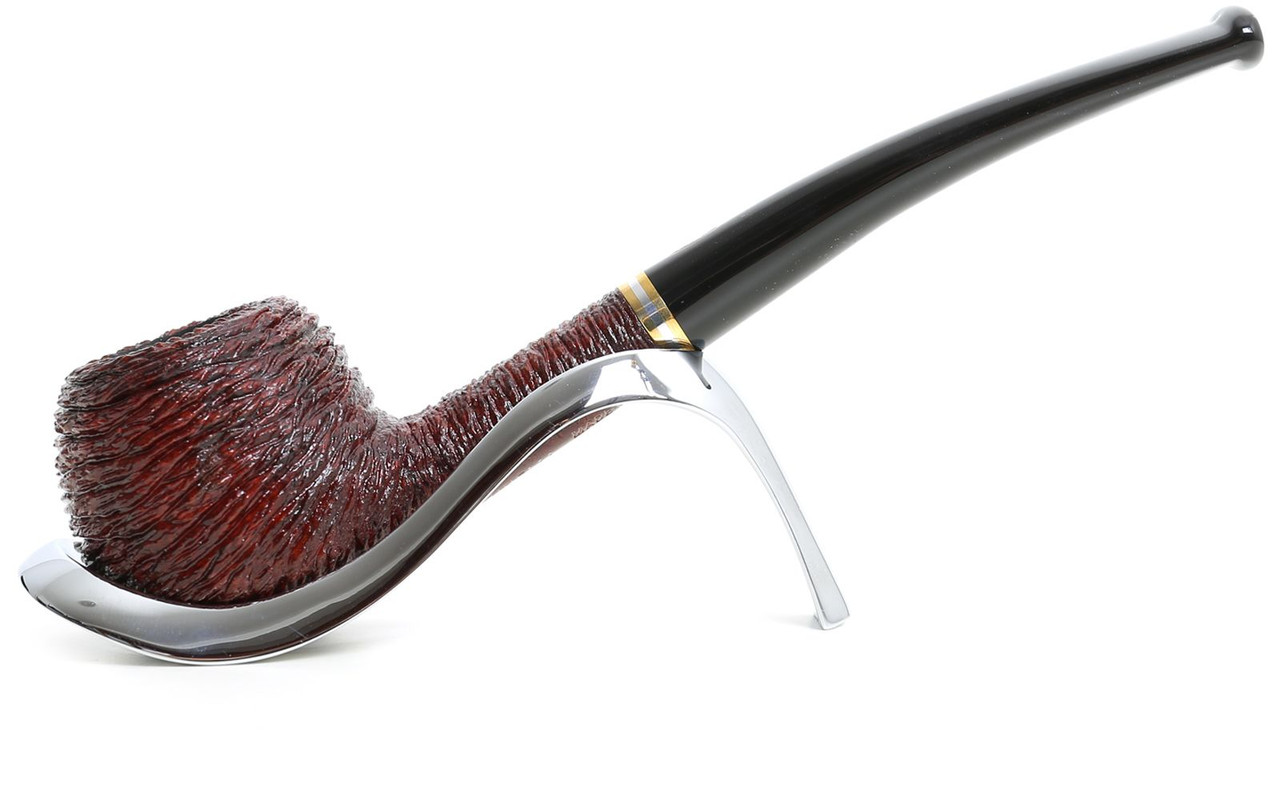
Manual sandblasting for pipes is a craftsmanship process that involves smoothing the external surface of the pipe using fine sand or other abrasive materials. This technique allows achieving a rustic finish on the pipe, highlighting the natural beauty of the wood and creating a unique effect. During sandblasting, the pipe maker uses specific tools to precisely remove the wood's surface layer, thus obtaining a rough yet pleasant tactile effect. Manual sandblasting is particularly appreciated by pipe enthusiasts for its ability to confer a rustic and elegant look to the device.
Hand Sandblasting of Savinelli Pipes
The hand sandblasting of Savinelli pipes is a craftsmanship process that gives the pipe a particular rustic effect. This technique involves the use of fine sand to create a rough and distinctive surface on the pipe. During the sandblasting, a skilled artisan manually works the surface of the pipe with sand, creating unique patterns and designs. This process not only adds a distinctive touch to the pipe but can also enhance the grip during use. Sandblasted Savinelli pipes are highly appreciated by tobacco enthusiasts for their beauty and originality.
Sandblasting Technique for Pipes
Sandblasting technique for pipes is a process used to create decorative finishes on pipe surfaces. During sandblasting, a jet of abrasive particles is blasted onto the pipe surface, creating a rough and matte effect. This method allows for a variety of designs, from slightly rough finishes to more intricate patterns. Sandblasting not only adds an aesthetic touch to the pipe but can also enhance grip and tactile sensation during use. This technique requires specific skills and specialized tools to ensure high-quality results.
Sandblasting your pipe at home
Sandblasting your pipe at home is a delicate process that requires attention and precision. To start, make sure you have fine sand and an air compressor available. Protect the parts of the pipe that should not be sandblasted with masking tape or paper. Always wear a protective mask and goggles to avoid inhaling fine dust. Use the compressor to gently spray the sand onto the surface of the pipe, maintaining a proper distance to prevent damage. After sandblasting, make sure to clean the pipe thoroughly to remove any sand residues. Finally, protect the sandblasted surface with a specific protective finish.
'%3e%3cg id='Final-Copy-2_2_' transform='translate(1275.000000, 200.000000)'%3e%3cpath class='st0' d='M7.4,12.8h6.8l3.1-11.6H7.4C4.2,1.2,1.6,3.8,1.6,7S4.2,12.8,7.4,12.8z'/%3e%3c/g%3e%3c/g%3e%3c/g%3e%3cg id='final---dec.11-2020'%3e%3cg id='_x30_208-our-toggle' transform='translate(-1275.000000, -200.000000)'%3e%3cg id='Final-Copy-2' transform='translate(1275.000000, 200.000000)'%3e%3cpath class='st1' d='M22.6,0H7.4c-3.9,0-7,3.1-7,7s3.1,7,7,7h15.2c3.9,0,7-3.1,7-7S26.4,0,22.6,0z M1.6,7c0-3.2,2.6-5.8,5.8-5.8 h9.9l-3.1,11.6H7.4C4.2,12.8,1.6,10.2,1.6,7z'/%3e%3cpath id='x' class='st2' d='M24.6,4c0.2,0.2,0.2,0.6,0,0.8l0,0L22.5,7l2.2,2.2c0.2,0.2,0.2,0.6,0,0.8c-0.2,0.2-0.6,0.2-0.8,0 l0,0l-2.2-2.2L19.5,10c-0.2,0.2-0.6,0.2-0.8,0c-0.2-0.2-0.2-0.6,0-0.8l0,0L20.8,7l-2.2-2.2c-0.2-0.2-0.2-0.6,0-0.8 c0.2-0.2,0.6-0.2,0.8,0l0,0l2.2,2.2L23.8,4C24,3.8,24.4,3.8,24.6,4z'/%3e%3cpath id='y' class='st3' d='M12.7,4.1c0.2,0.2,0.3,0.6,0.1,0.8l0,0L8.6,9.8C8.5,9.9,8.4,10,8.3,10c-0.2,0.1-0.5,0.1-0.7-0.1l0,0 L5.4,7.7c-0.2-0.2-0.2-0.6,0-0.8c0.2-0.2,0.6-0.2,0.8,0l0,0L8,8.6l3.8-4.5C12,3.9,12.4,3.9,12.7,4.1z'/%3e%3c/g%3e%3c/g%3e%3c/g%3e%3c/g%3e%3c/svg%3e) Your Privacy Choices
Your Privacy Choices 


