 ES
ES FR
FR EN
EN IT
IT DE
DE
History of the pipe and its evolution
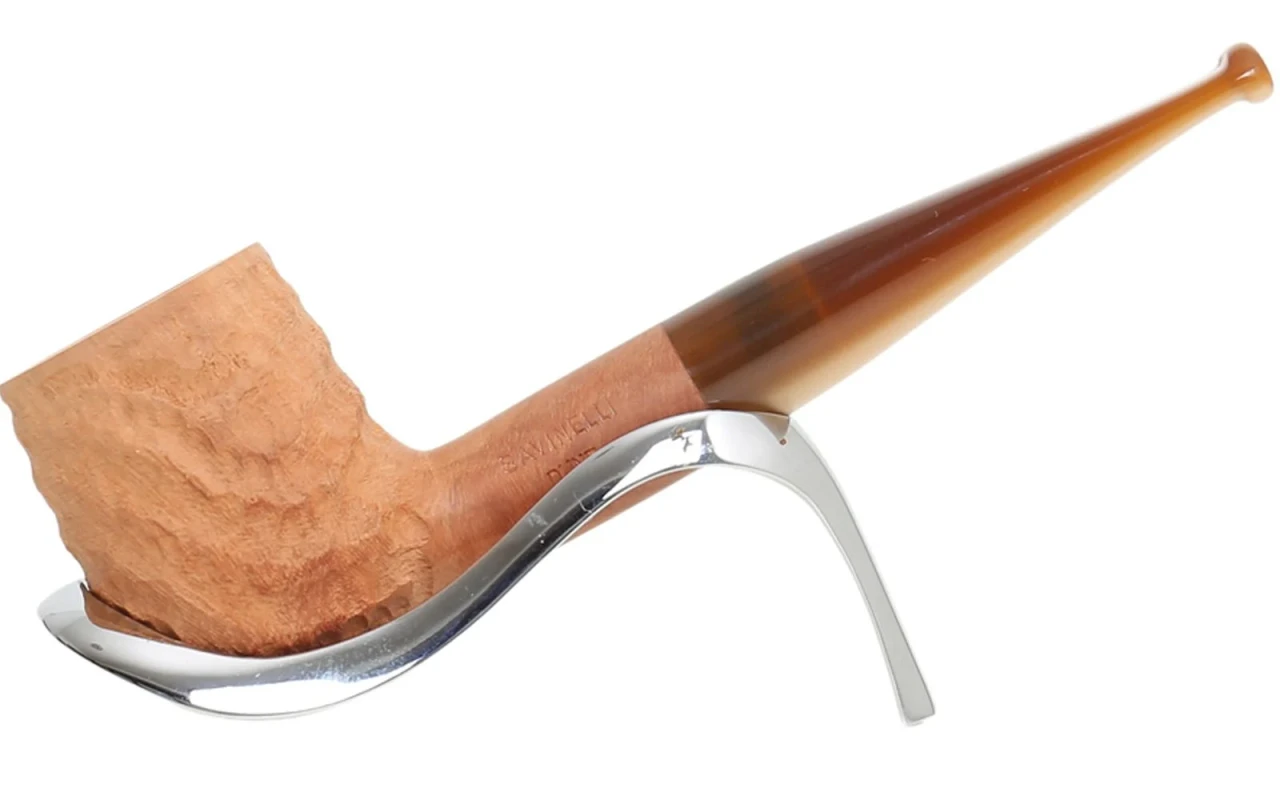
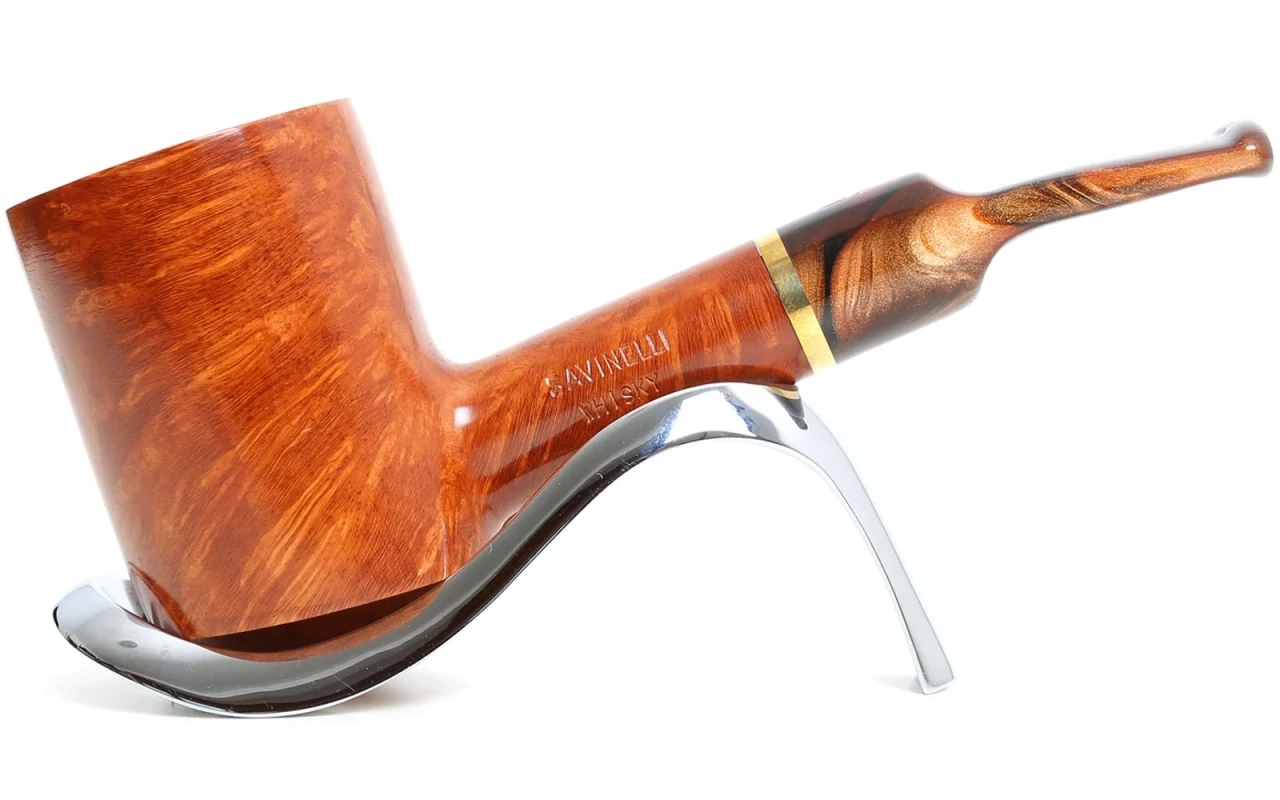
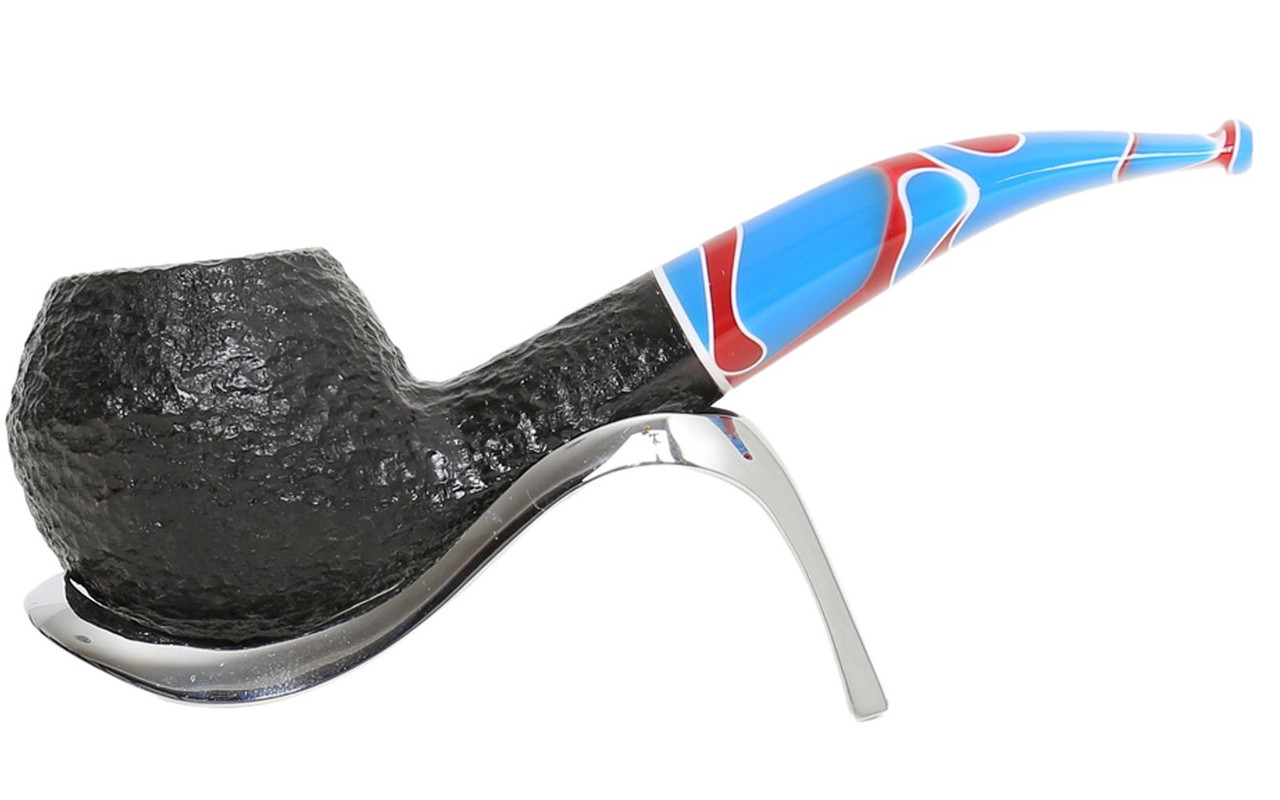
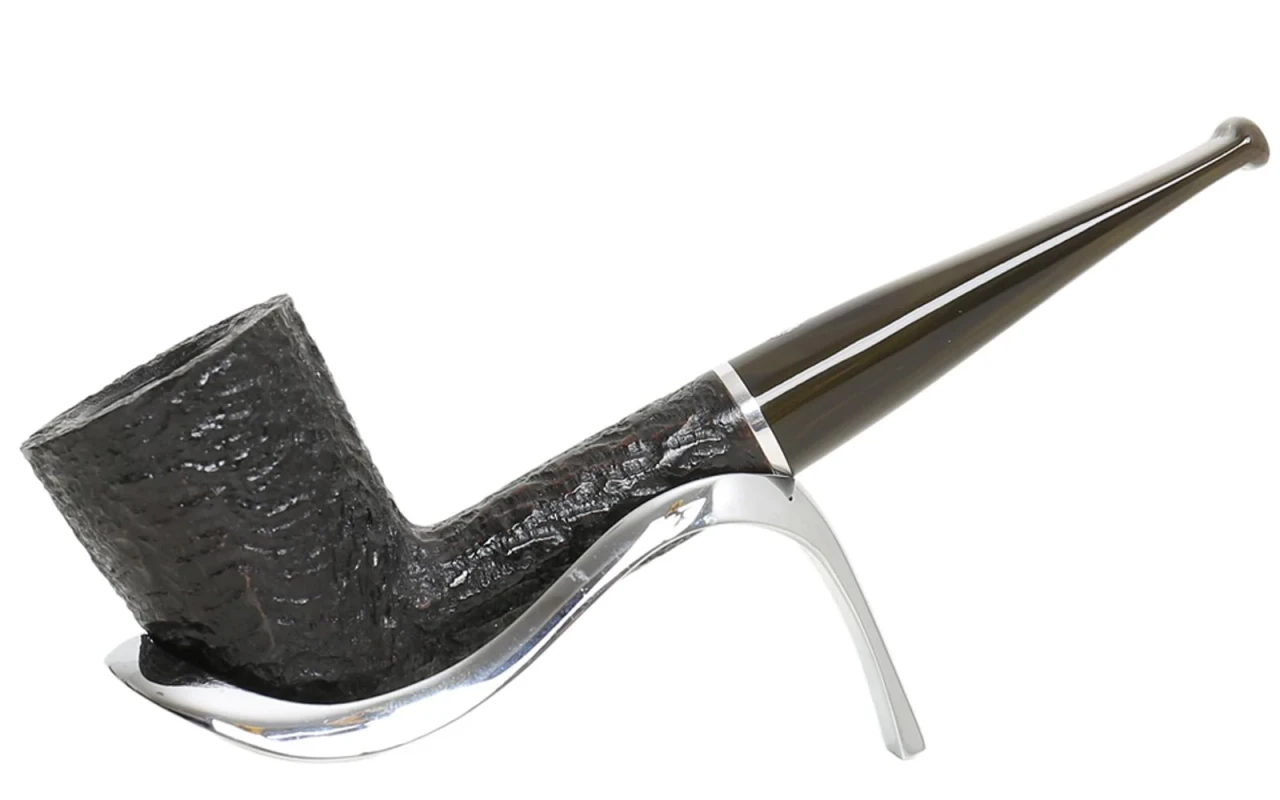
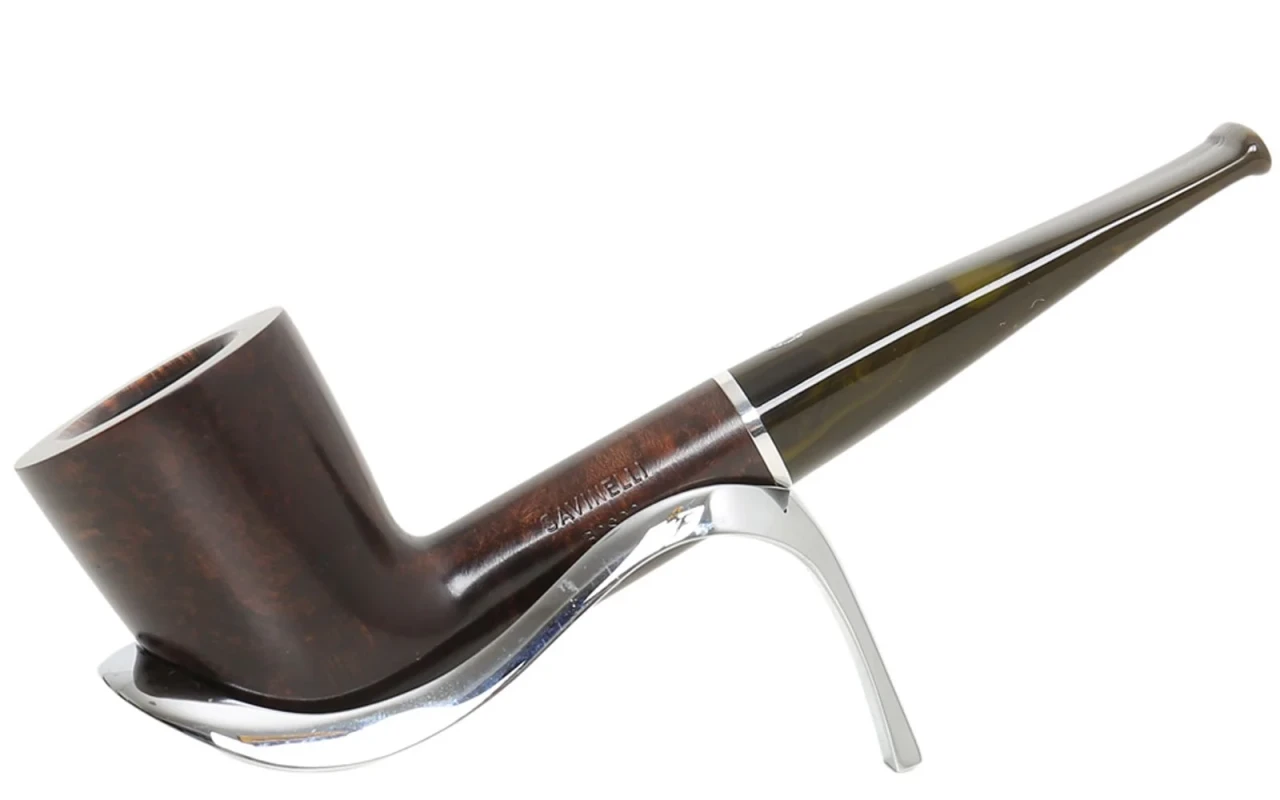
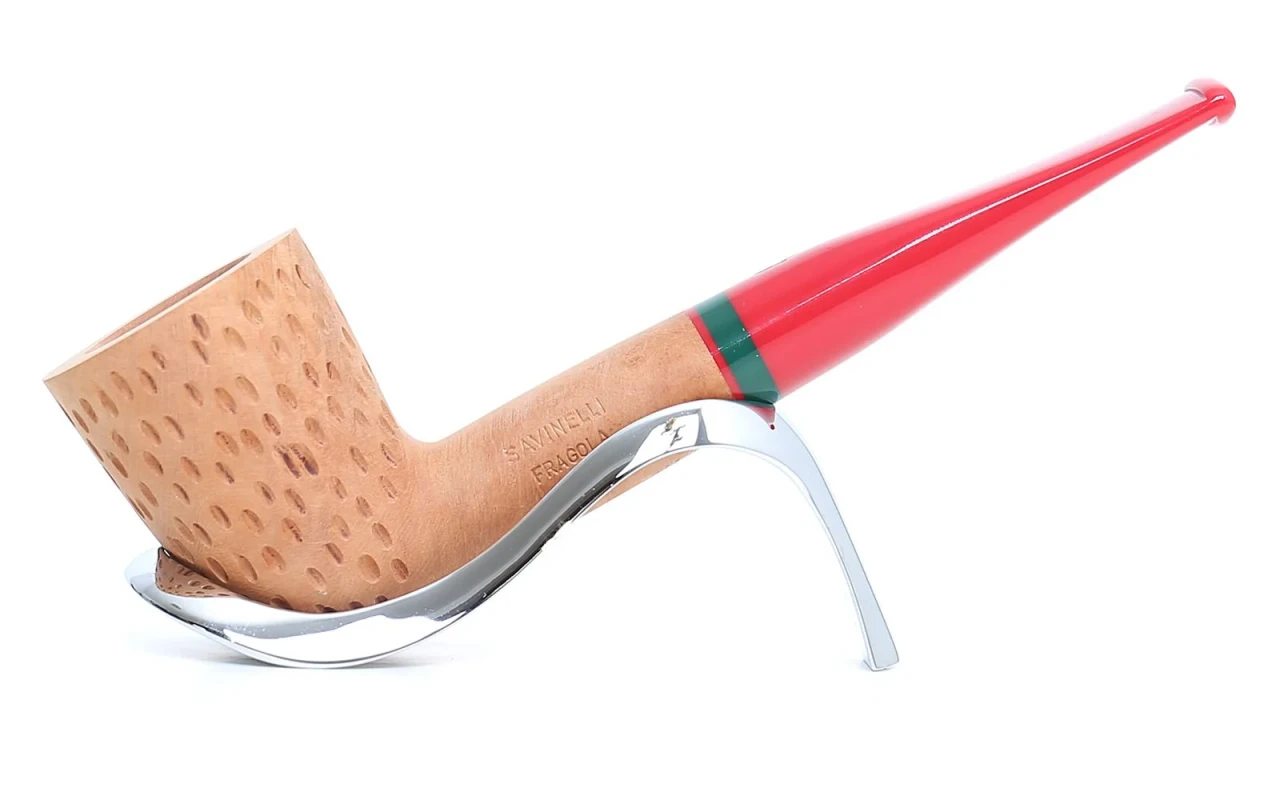
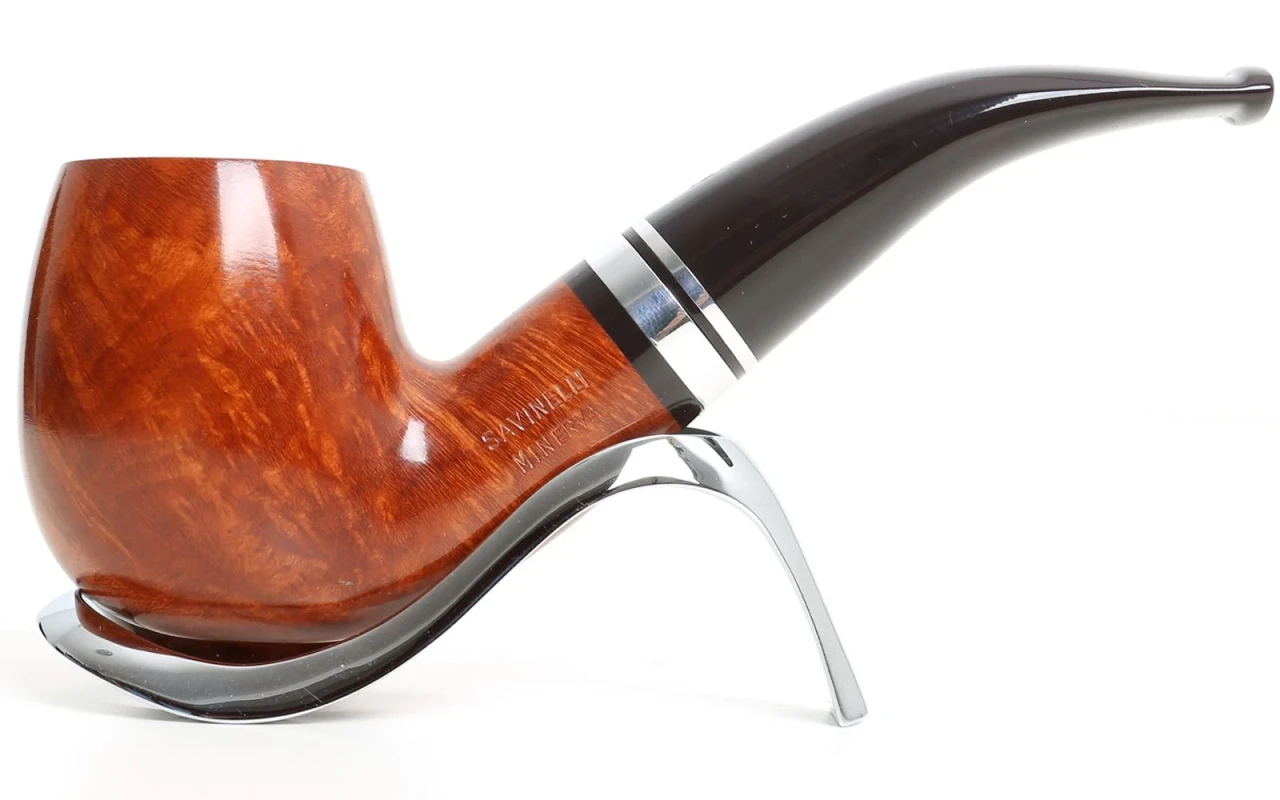
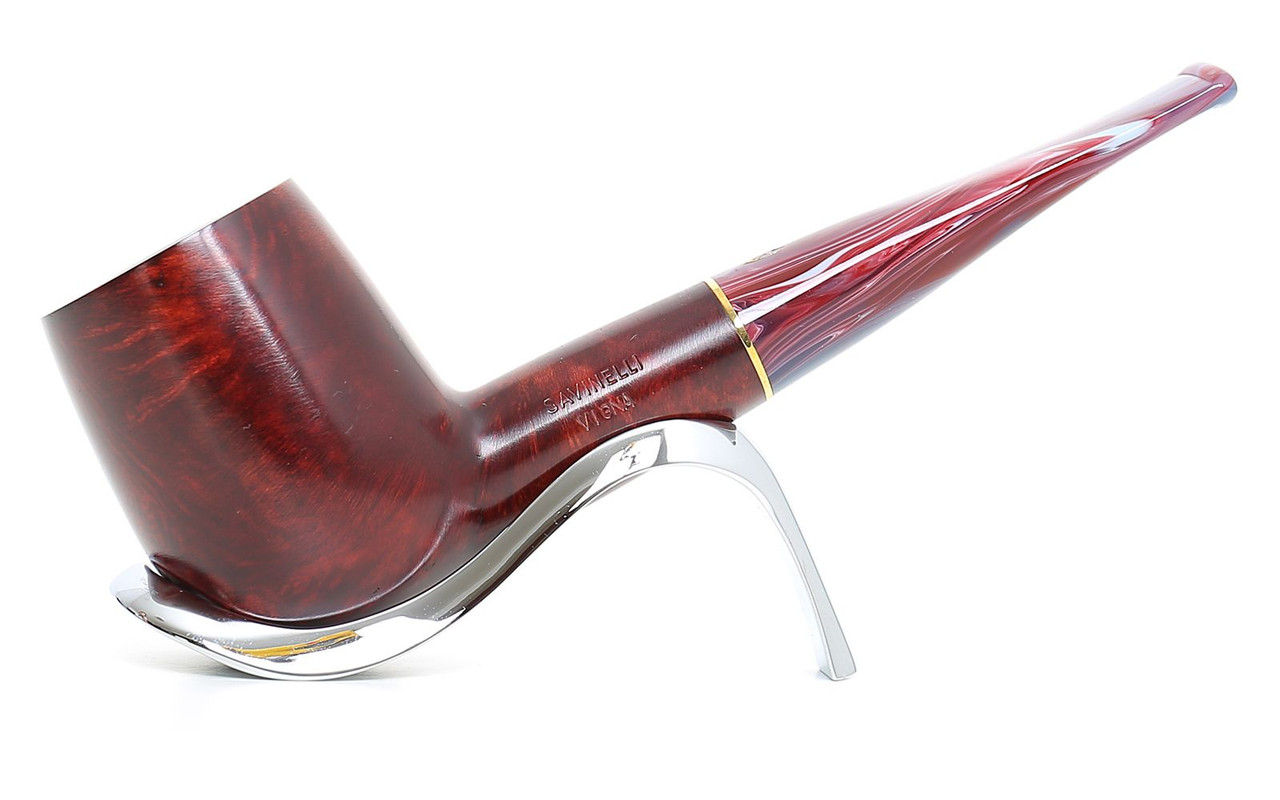
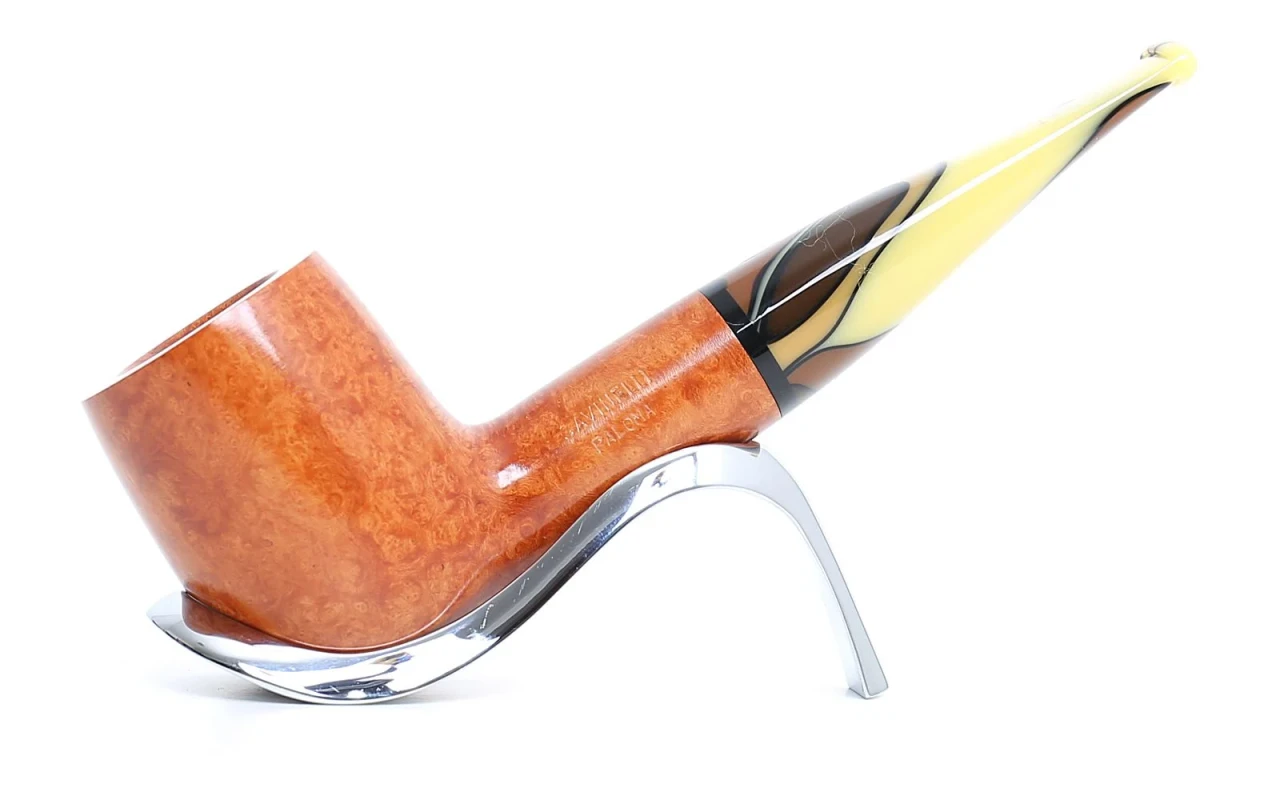
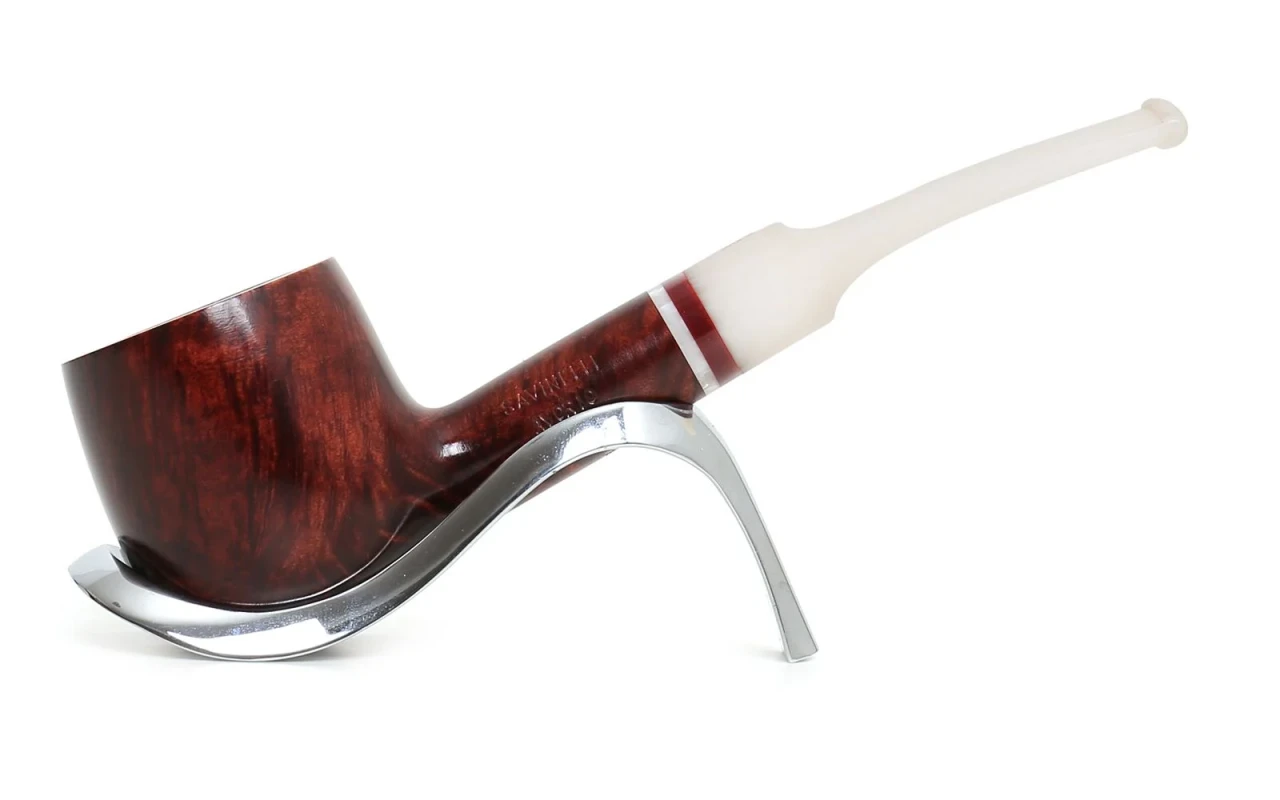
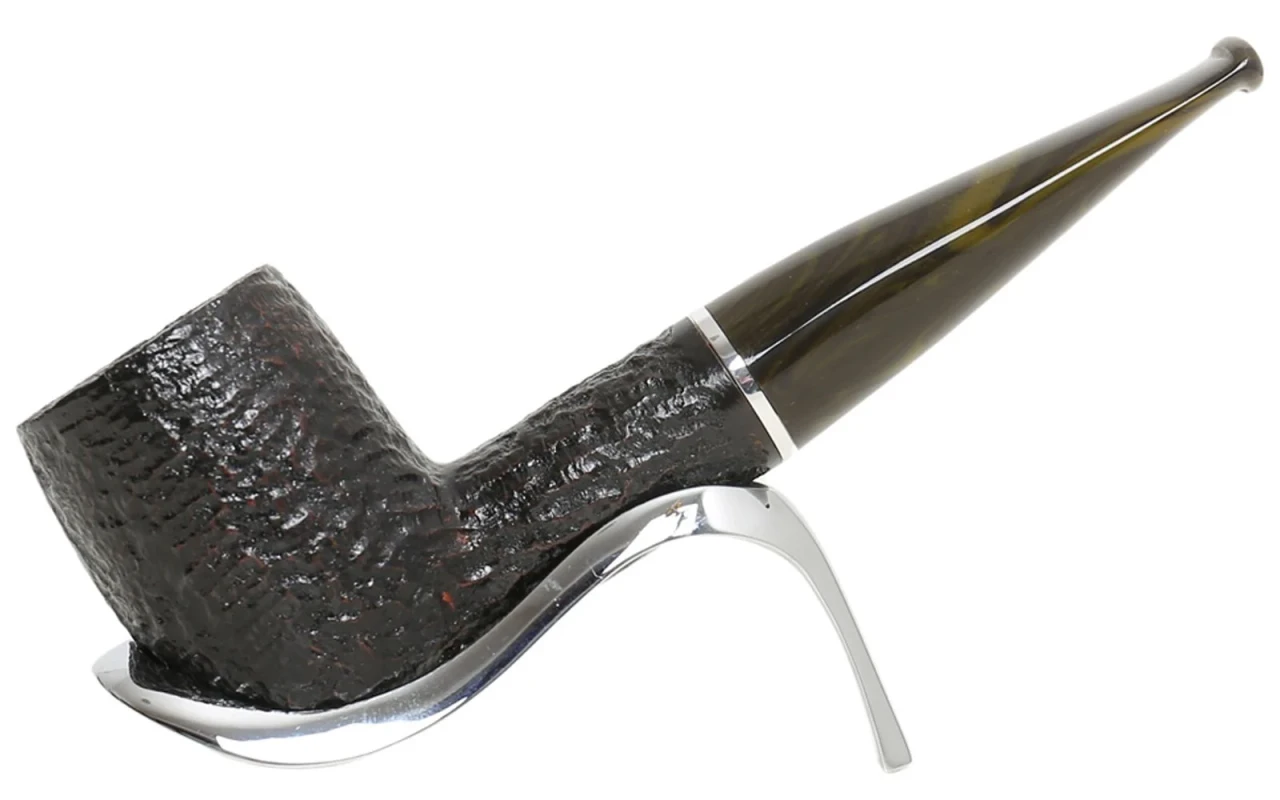
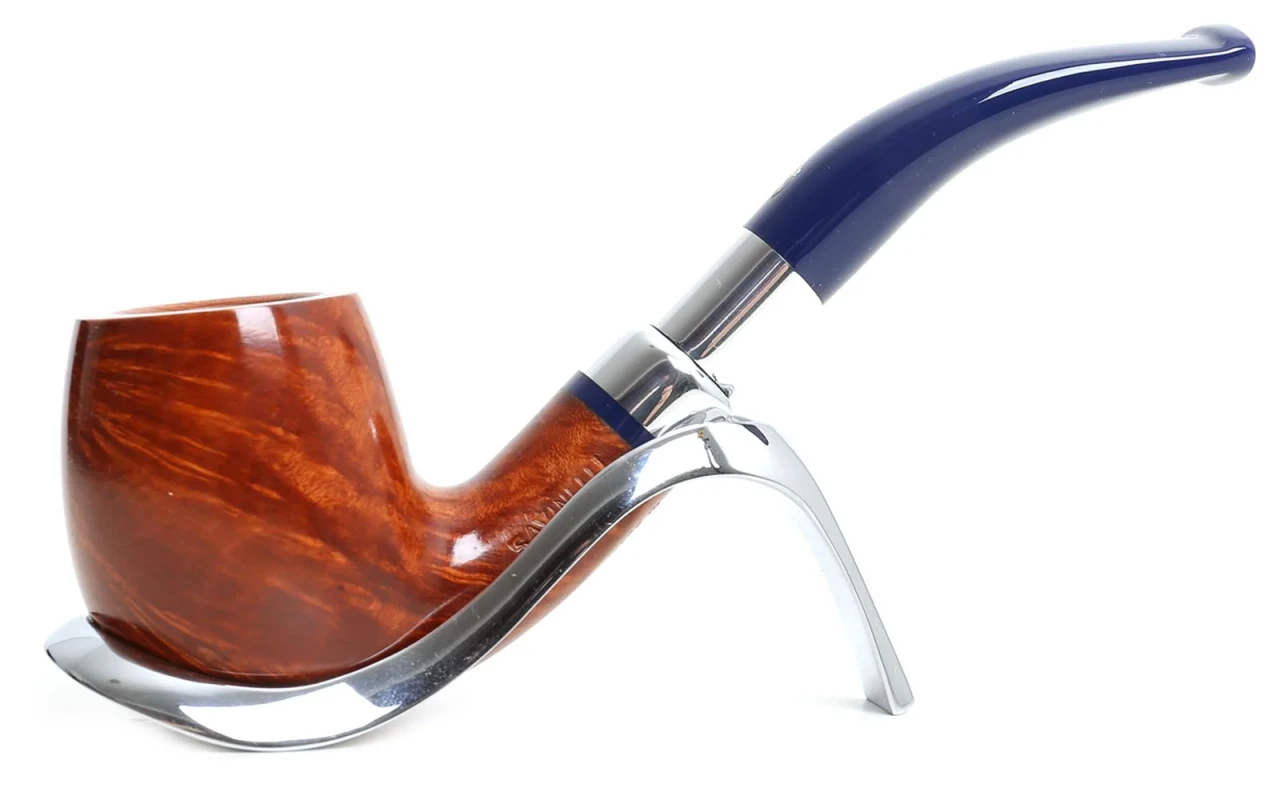
History of the pipe and its evolution
The history of the pipe dates back thousands of years, with archaeological evidence showing its presence in ancient oriental and American cultures. Initially made from natural materials such as clay and stone, pipes have undergone an evolution over the centuries. In the 17th century, the introduction of tobacco to Europe led to an increase in production and variety of pipes, which were crafted from more precious materials such as wood, metal, and ivory. Over time, pipes have adopted various styles and designs, becoming true works of art. Today, pipes are appreciated not only for smoking purposes, but also as collectible items and symbols of elegance and sophistication.
Materials of smoking pipes
The materials of smoking pipes can influence the overall smoking experience. The main materials used are:- Briar wood: light, heat-resistant, and corrosion-resistant, often used for high-quality pipes.- Oak wood: hard and durable wood, suitable for sturdy and long-lasting pipes.- Corn cob: light and inexpensive, used for cheap or decorative pipes.- Clay: porous material that absorbs moisture, ideal for aromatic pipes.- Meerschaum: lightweight porous stone, famous for enhancing the tobacco flavor.- Glass: modern and transparent, offers a view of the combustion.- Metal: resistant and durable, often used for travel pipes.
Types of tobacco pipes
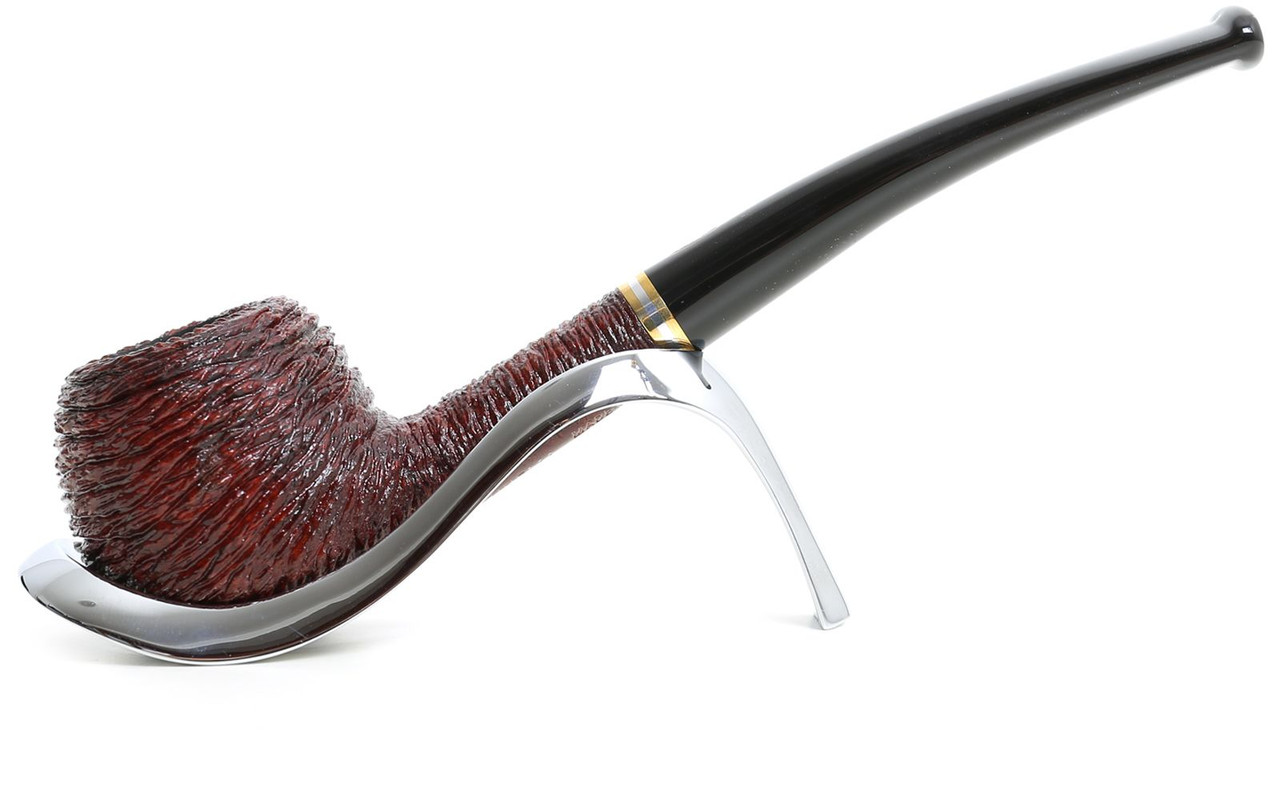
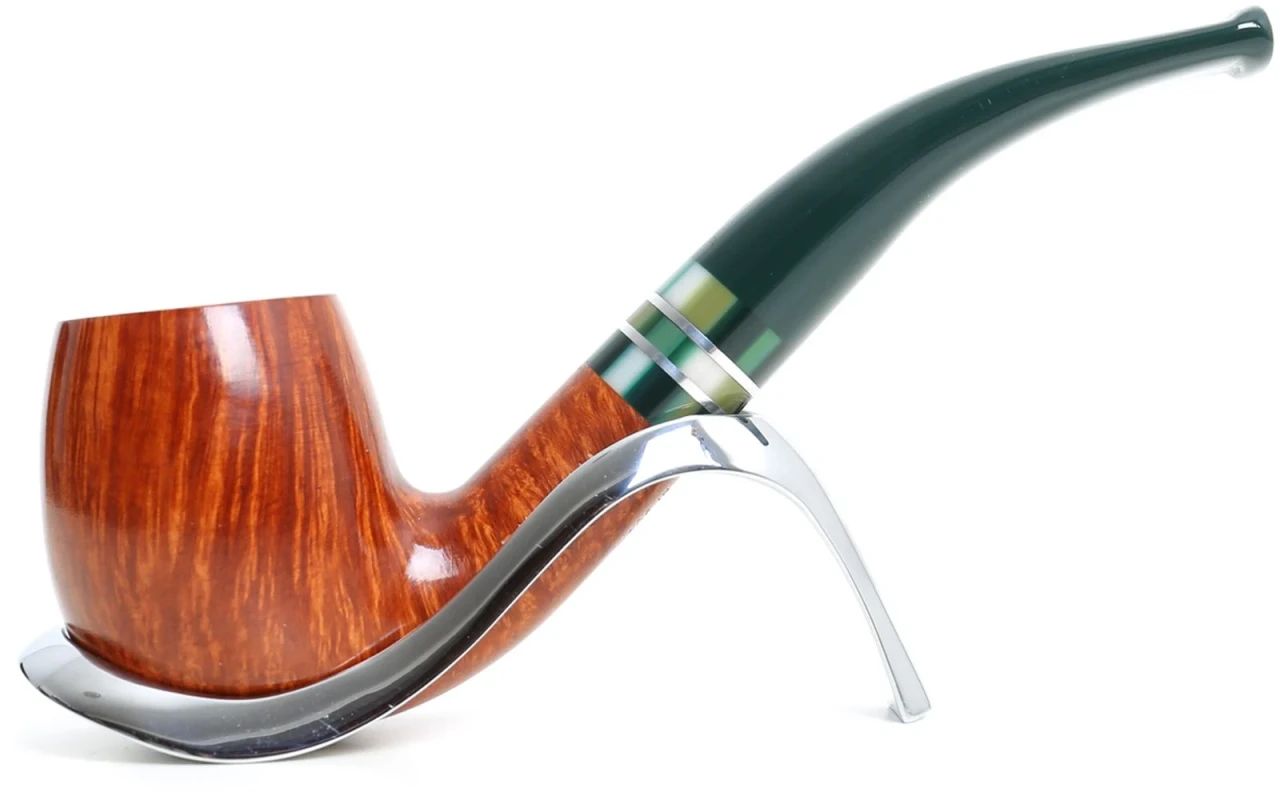
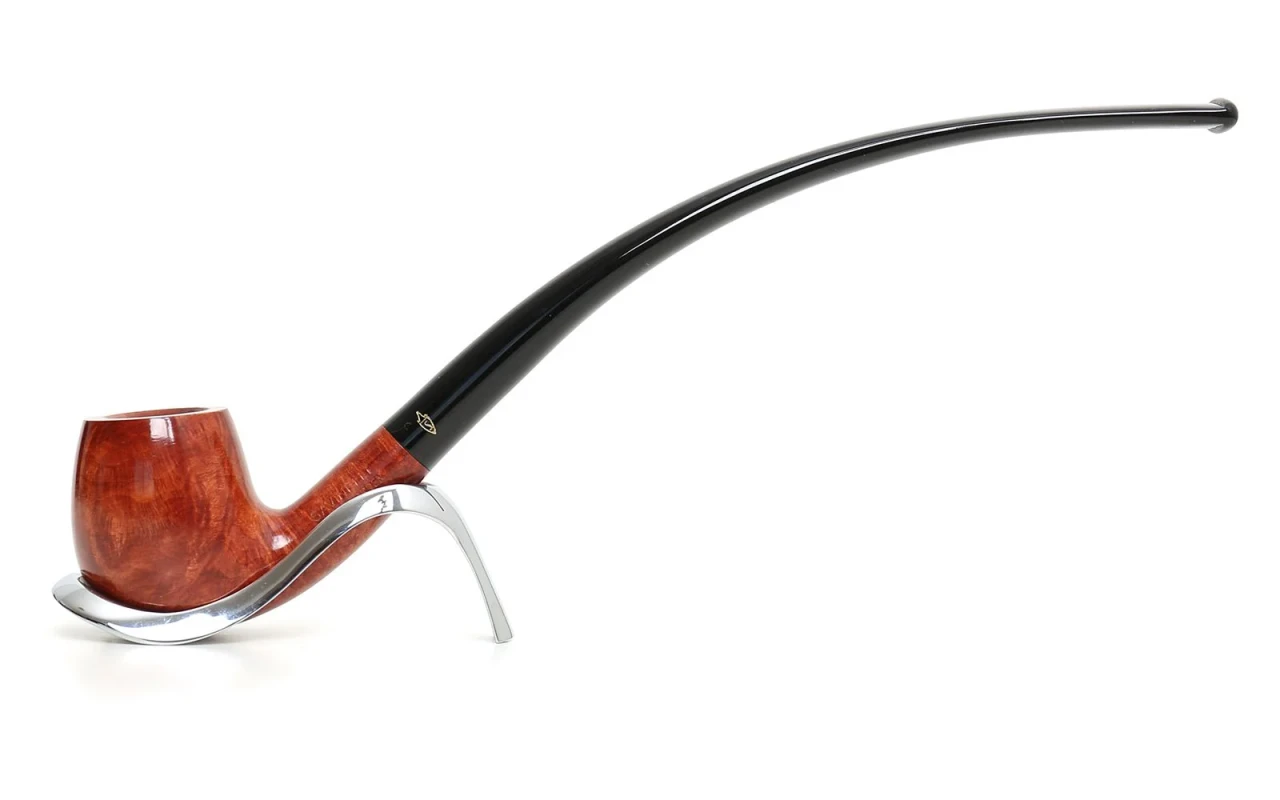
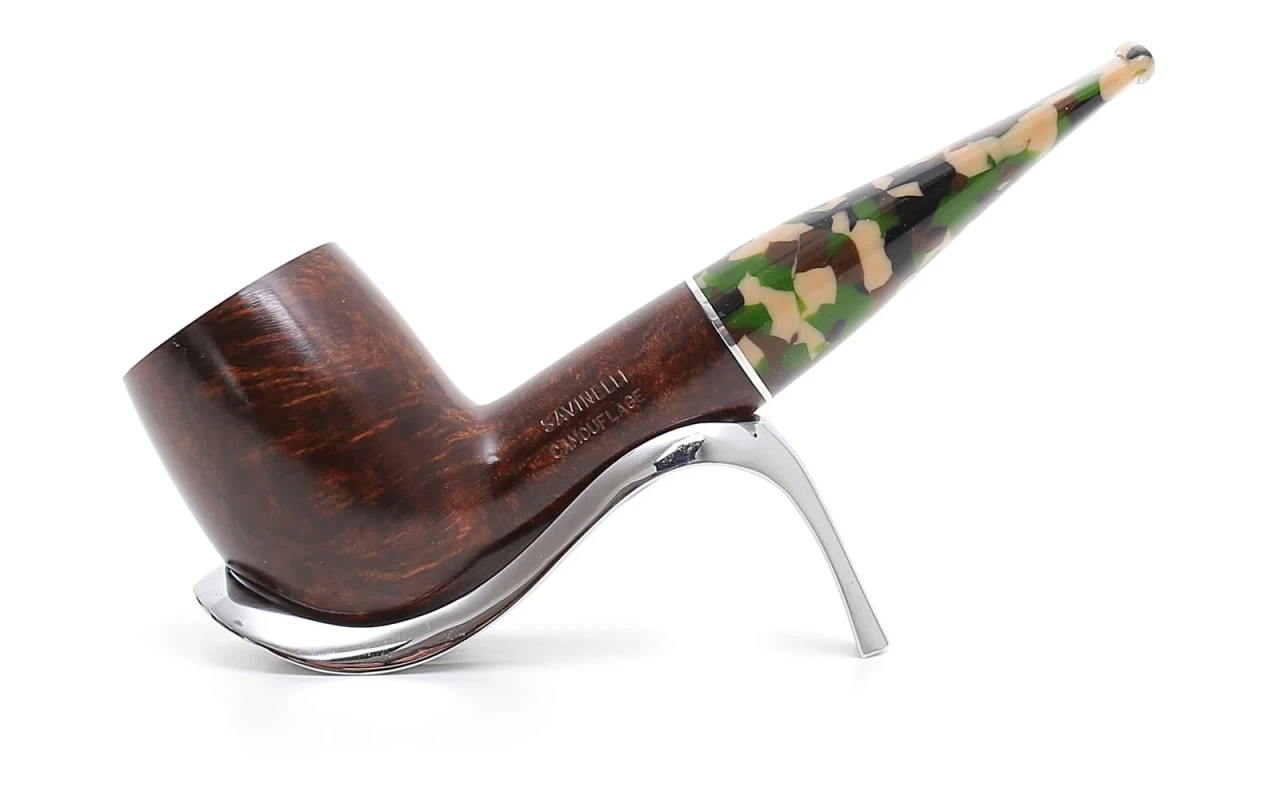
There are different types of tobacco pipes, each with specific characteristics that influence the smoking experience. Here are some examples:- Straight pipes: the most common and easy to clean.- Pen-shaped pipes: lighter and easier to carry.- Bulldog-shaped pipes: with a distinctive shape and a larger combustion chamber.- Author-shaped pipes: sturdy and suitable for longer smokes.- Billiard-shaped pipes: classic and versatile.- Calabash-shaped pipes: with a pumpkin-based cooling chamber.- Churchwarden-shaped pipes: with a long stem to cool the smoke.Each type of pipe offers a different smoking experience, tailored to individual tastes and preferences.
Maintenance of smoking pipes
Maintenance of smoking pipes is a fundamental aspect to ensure optimal performance over time. Here are some useful tips:- Regular cleaning: remove burnt tobacco residues and condensation with a pipe cleaner or pipe swab.- Proper drying: allow the pipe to dry completely after each use to prevent moisture buildup.- Pipe rotation: use multiple pipes alternately to allow for rest and cooling of individual pipes.- Inspection of the condition: regularly inspect the pipe's condition to identify any cracks or damages to be promptly repaired.By following these practices, you can enjoy your favorite smoking pipe for a long time.
'%3e%3cg id='Final-Copy-2_2_' transform='translate(1275.000000, 200.000000)'%3e%3cpath class='st0' d='M7.4,12.8h6.8l3.1-11.6H7.4C4.2,1.2,1.6,3.8,1.6,7S4.2,12.8,7.4,12.8z'/%3e%3c/g%3e%3c/g%3e%3c/g%3e%3cg id='final---dec.11-2020'%3e%3cg id='_x30_208-our-toggle' transform='translate(-1275.000000, -200.000000)'%3e%3cg id='Final-Copy-2' transform='translate(1275.000000, 200.000000)'%3e%3cpath class='st1' d='M22.6,0H7.4c-3.9,0-7,3.1-7,7s3.1,7,7,7h15.2c3.9,0,7-3.1,7-7S26.4,0,22.6,0z M1.6,7c0-3.2,2.6-5.8,5.8-5.8 h9.9l-3.1,11.6H7.4C4.2,12.8,1.6,10.2,1.6,7z'/%3e%3cpath id='x' class='st2' d='M24.6,4c0.2,0.2,0.2,0.6,0,0.8l0,0L22.5,7l2.2,2.2c0.2,0.2,0.2,0.6,0,0.8c-0.2,0.2-0.6,0.2-0.8,0 l0,0l-2.2-2.2L19.5,10c-0.2,0.2-0.6,0.2-0.8,0c-0.2-0.2-0.2-0.6,0-0.8l0,0L20.8,7l-2.2-2.2c-0.2-0.2-0.2-0.6,0-0.8 c0.2-0.2,0.6-0.2,0.8,0l0,0l2.2,2.2L23.8,4C24,3.8,24.4,3.8,24.6,4z'/%3e%3cpath id='y' class='st3' d='M12.7,4.1c0.2,0.2,0.3,0.6,0.1,0.8l0,0L8.6,9.8C8.5,9.9,8.4,10,8.3,10c-0.2,0.1-0.5,0.1-0.7-0.1l0,0 L5.4,7.7c-0.2-0.2-0.2-0.6,0-0.8c0.2-0.2,0.6-0.2,0.8,0l0,0L8,8.6l3.8-4.5C12,3.9,12.4,3.9,12.7,4.1z'/%3e%3c/g%3e%3c/g%3e%3c/g%3e%3c/g%3e%3c/svg%3e) Your Privacy Choices
Your Privacy Choices 


