 ES
ES FR
FR EN
EN IT
IT DE
DE
History of the Cutty pipe in the 18th century
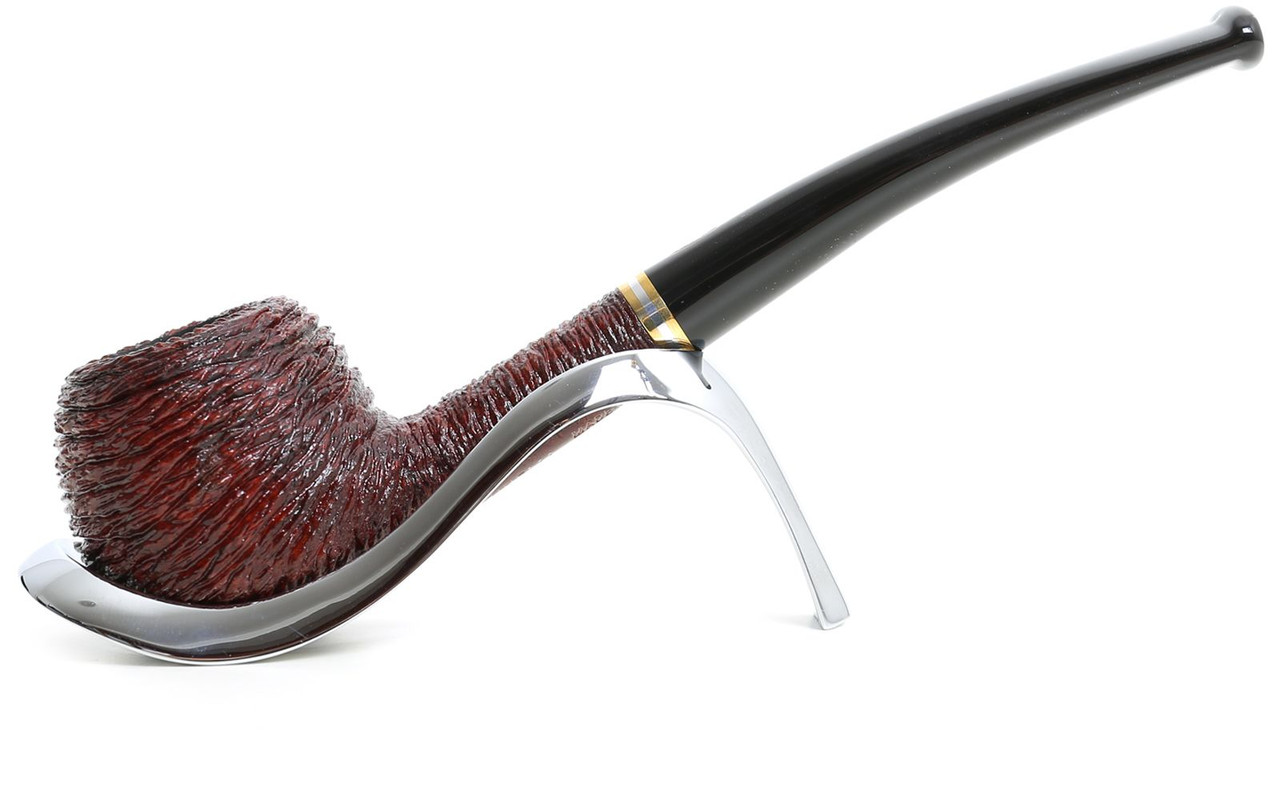
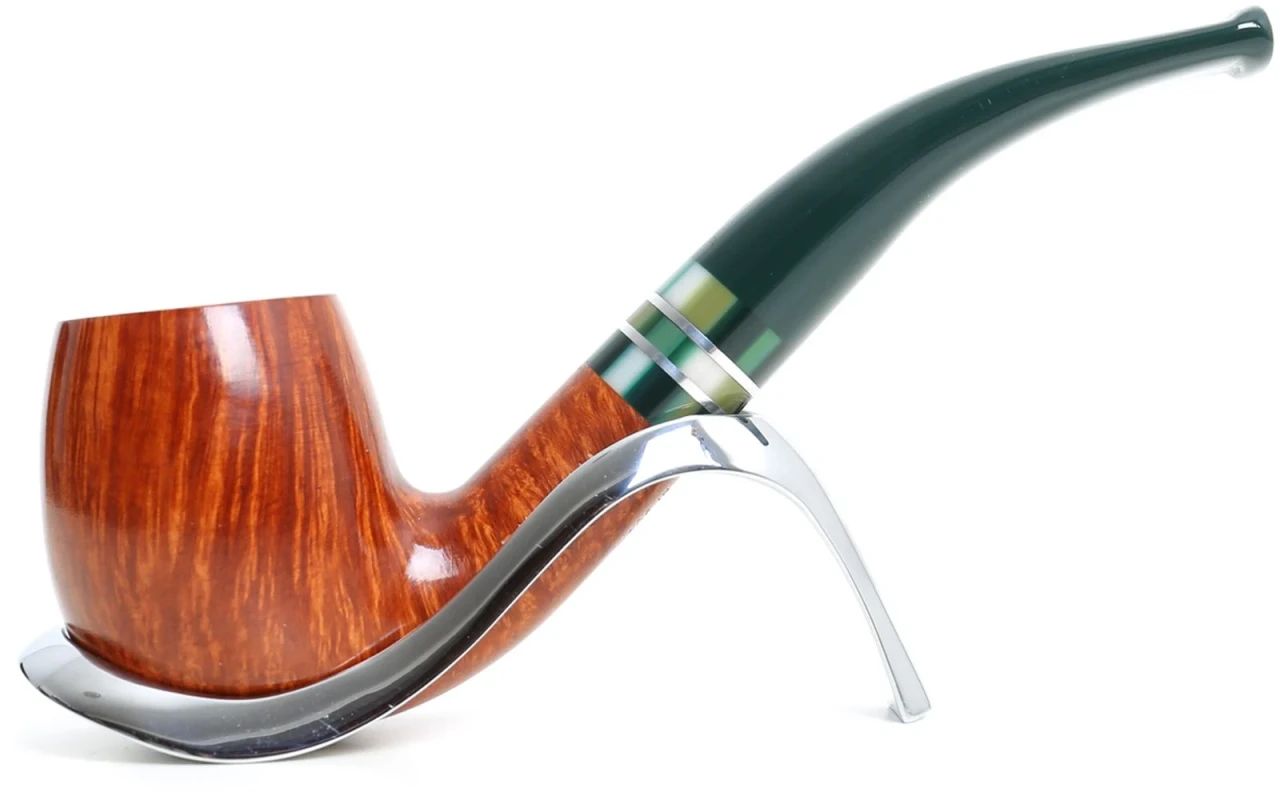
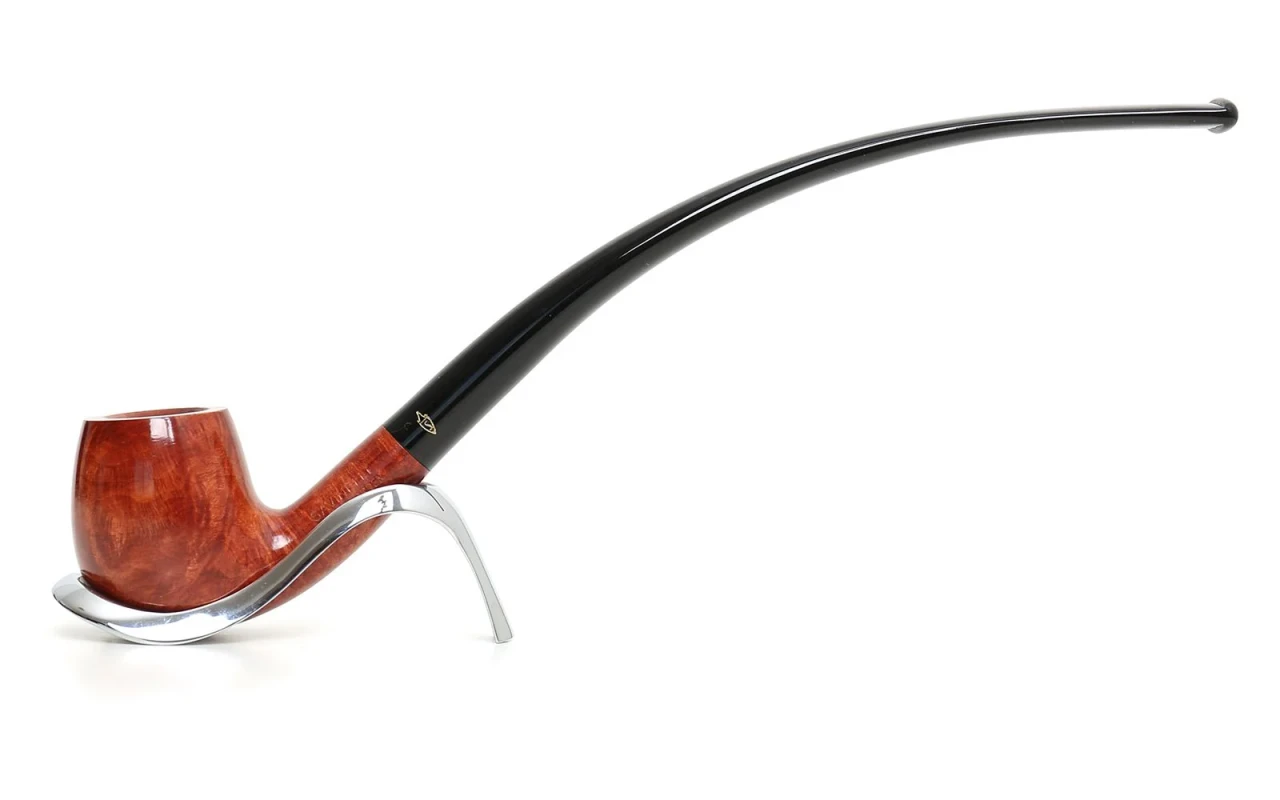

History of the Cutty pipe in the 18th century
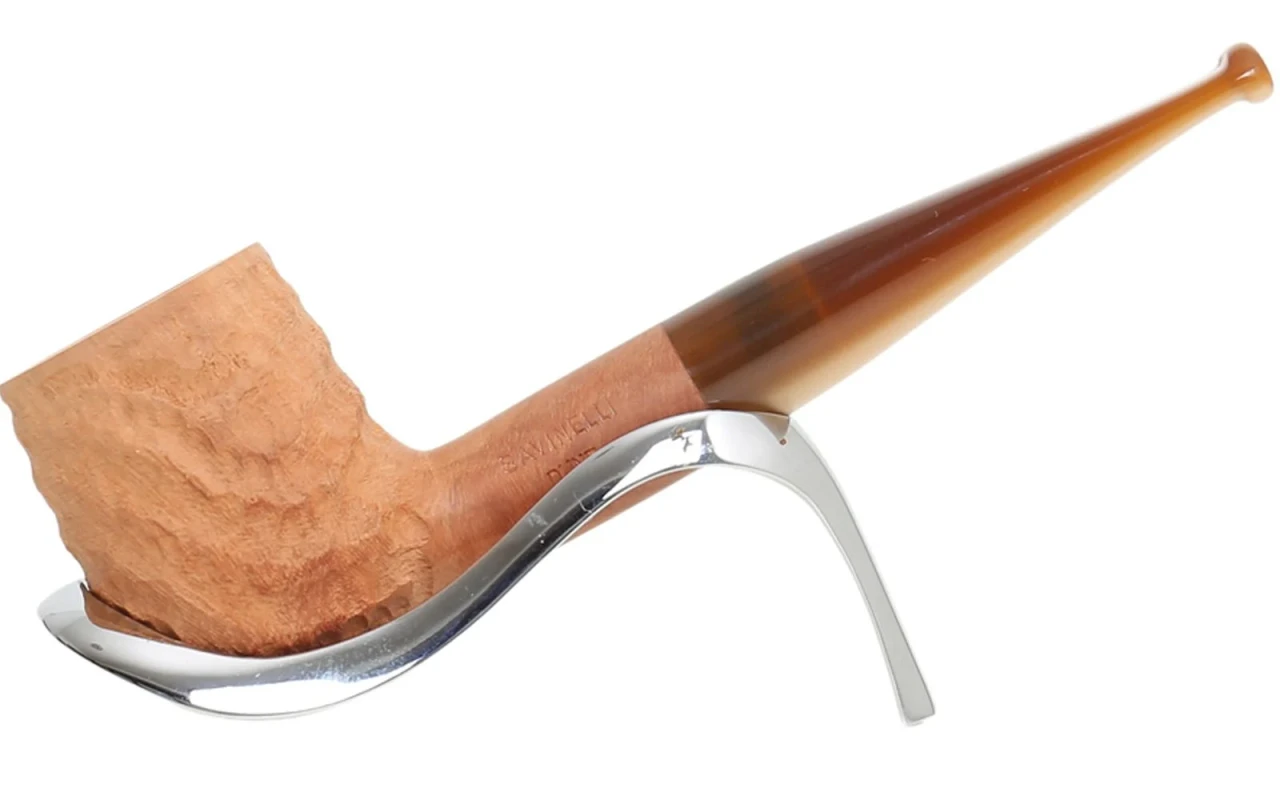
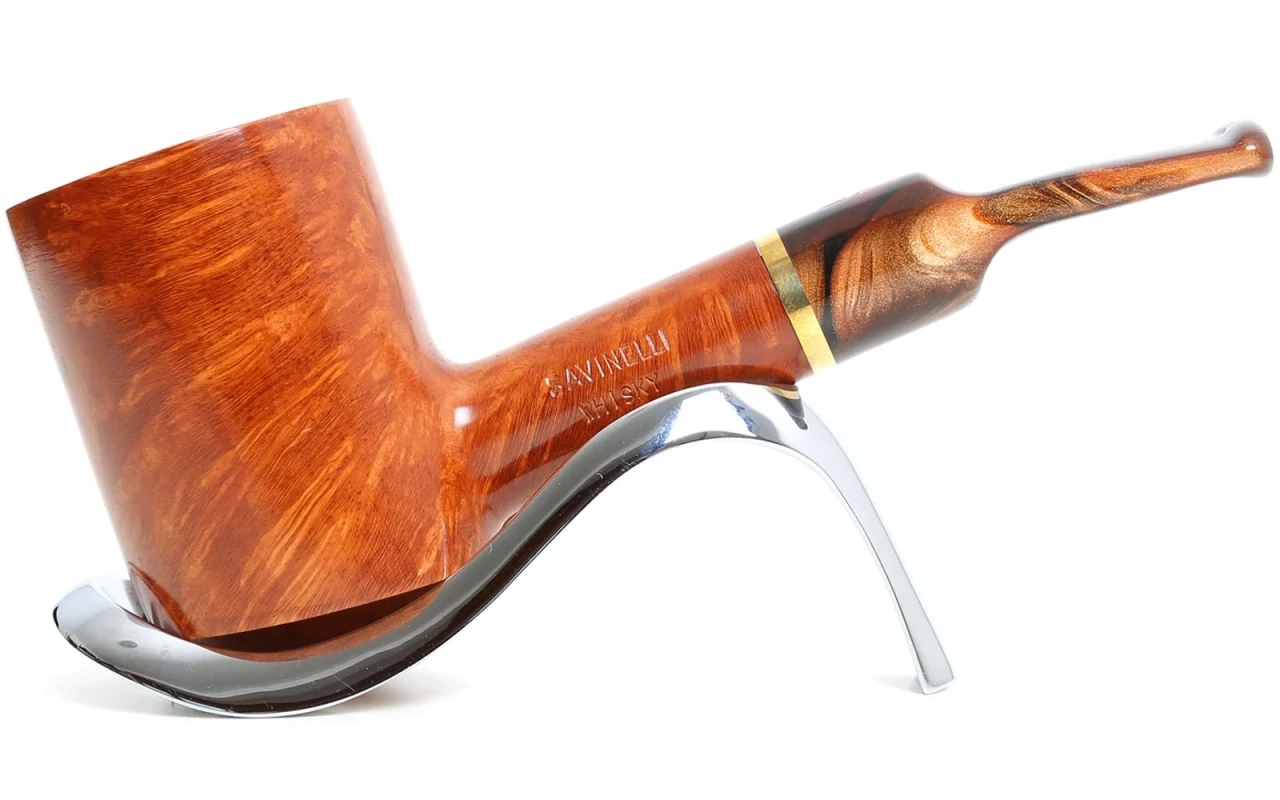
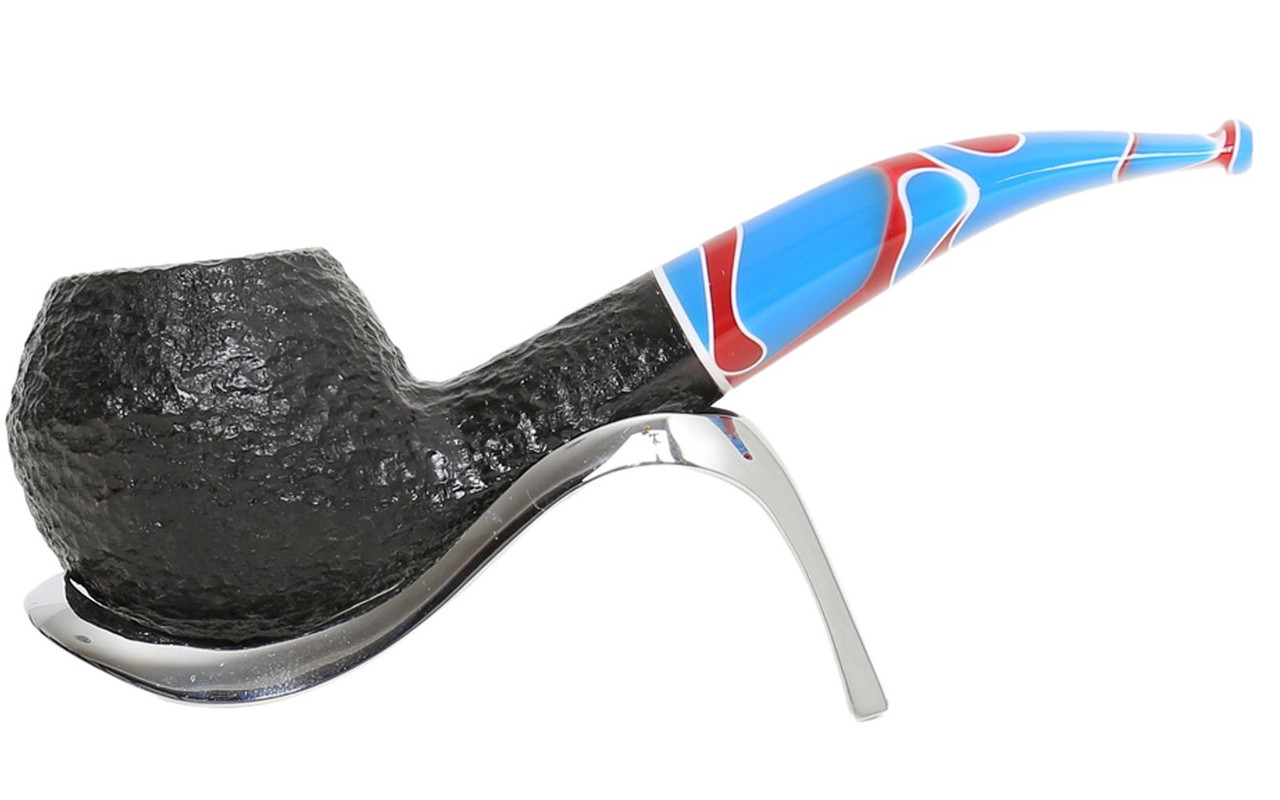
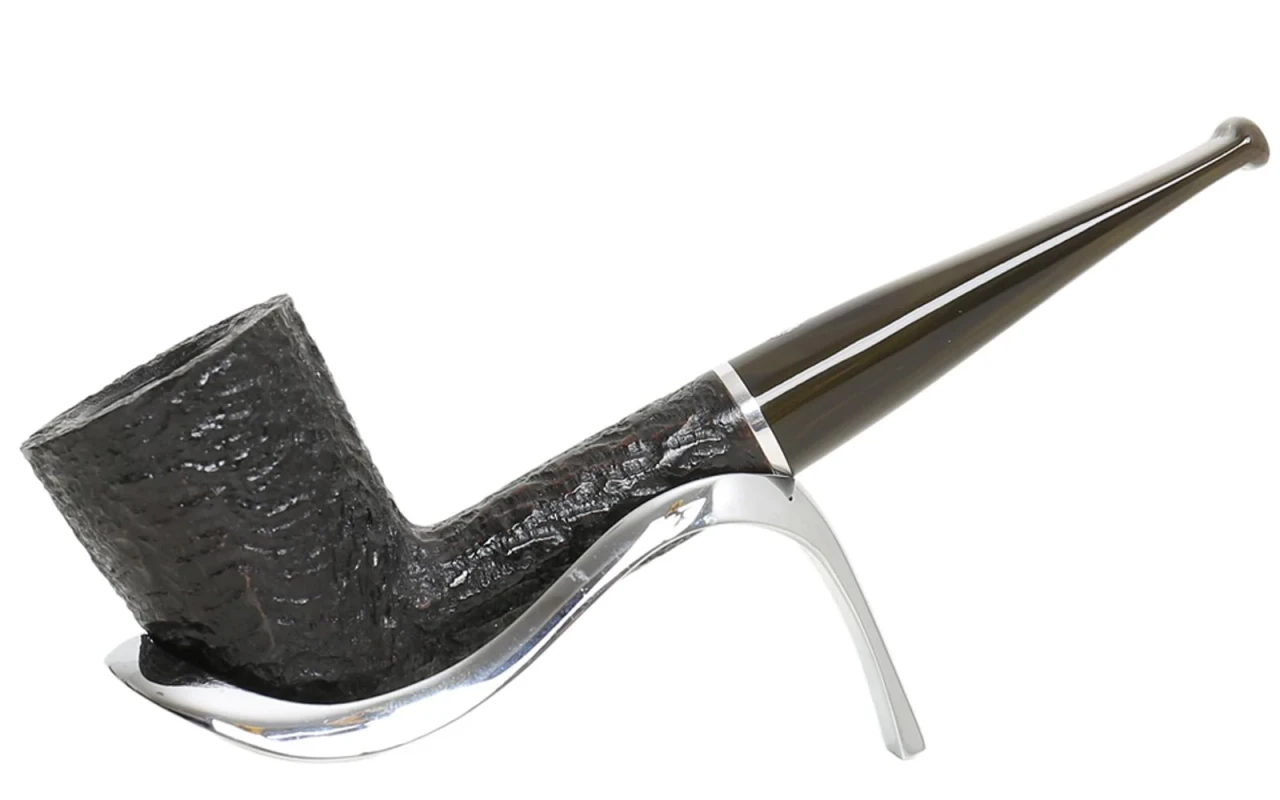
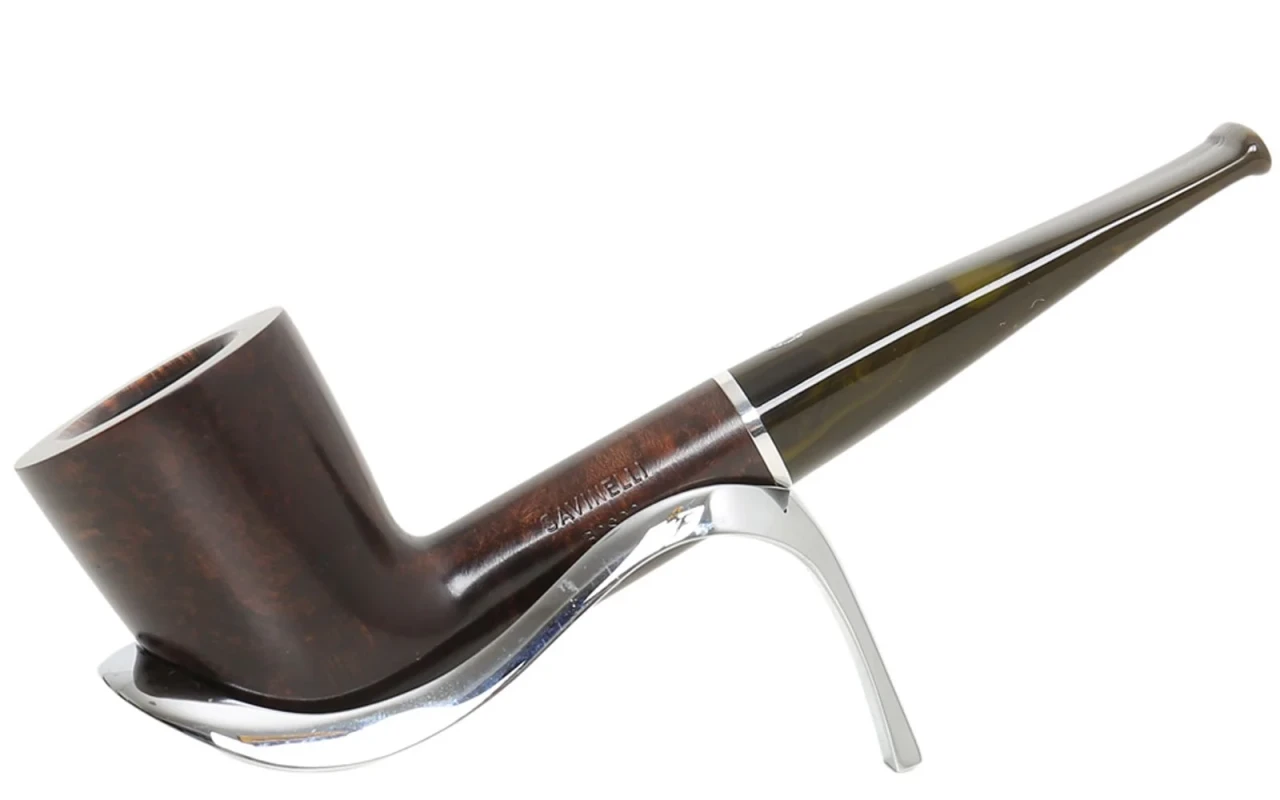
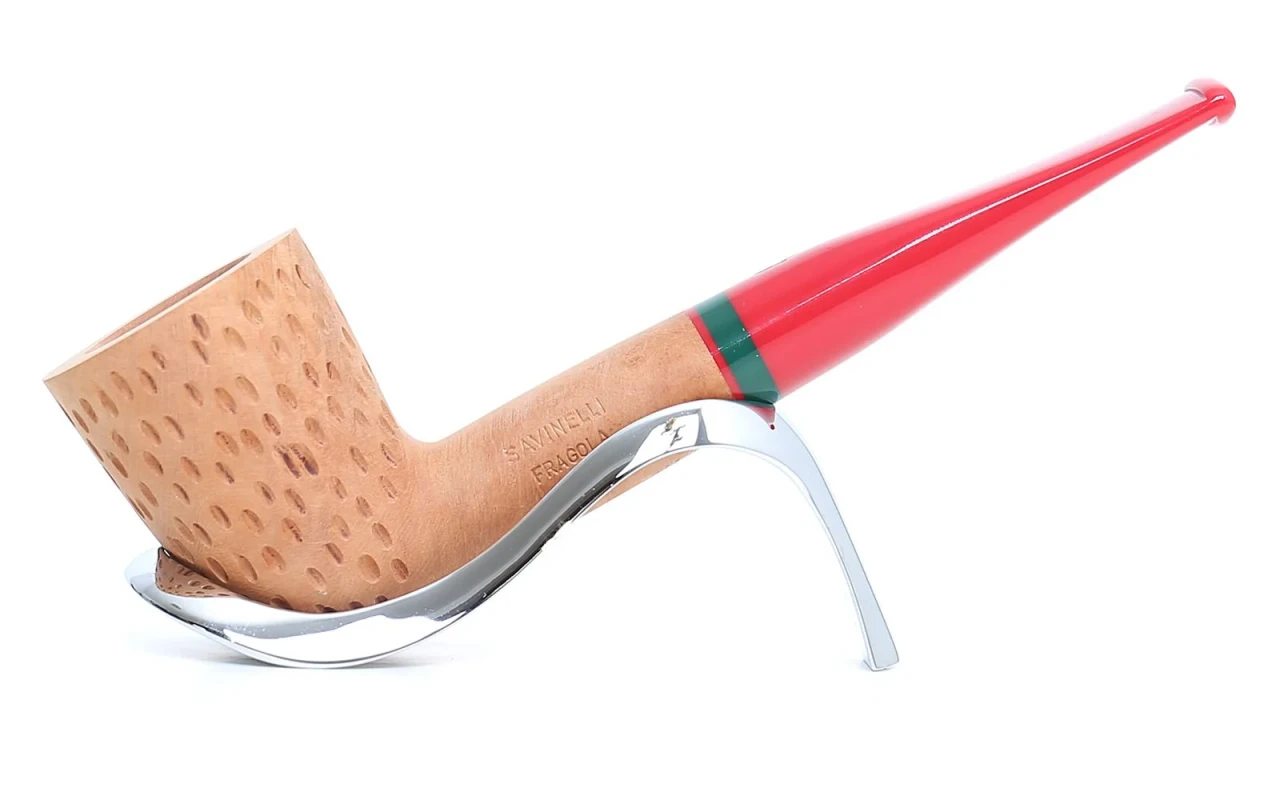
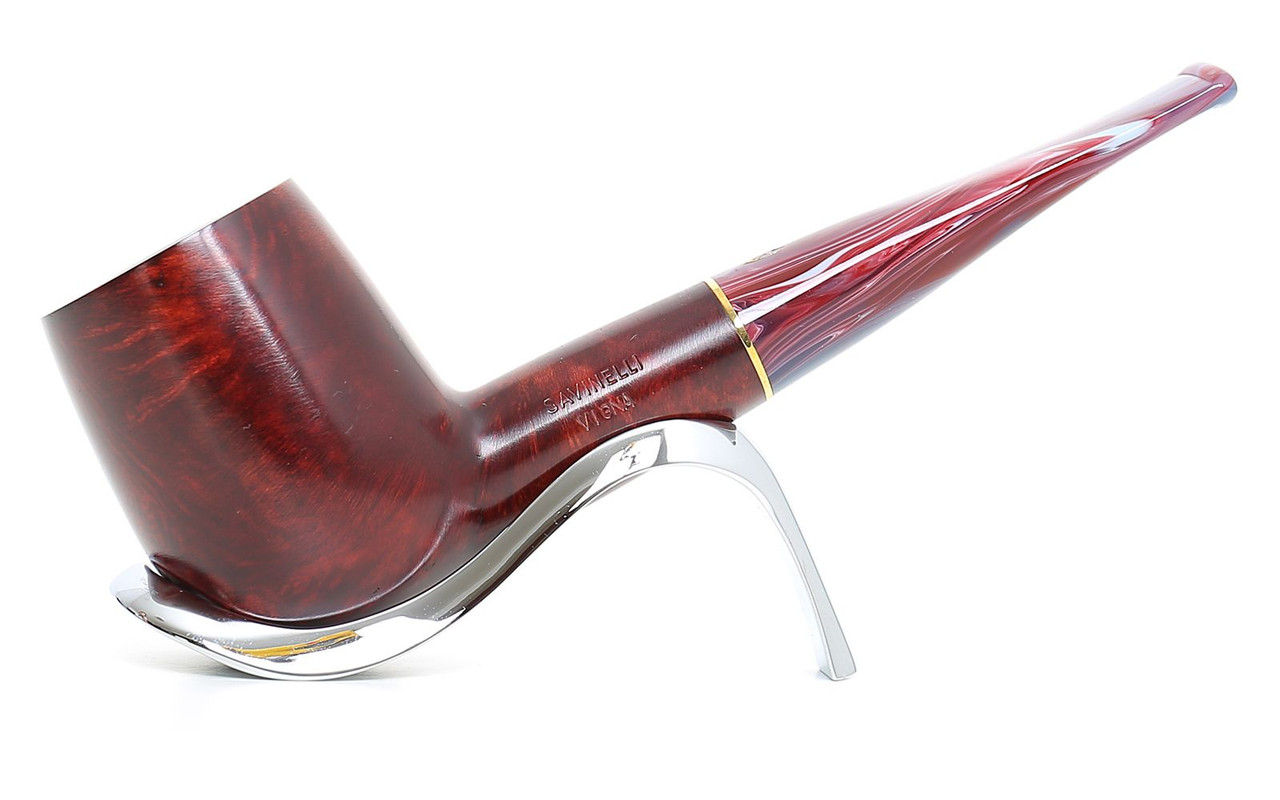
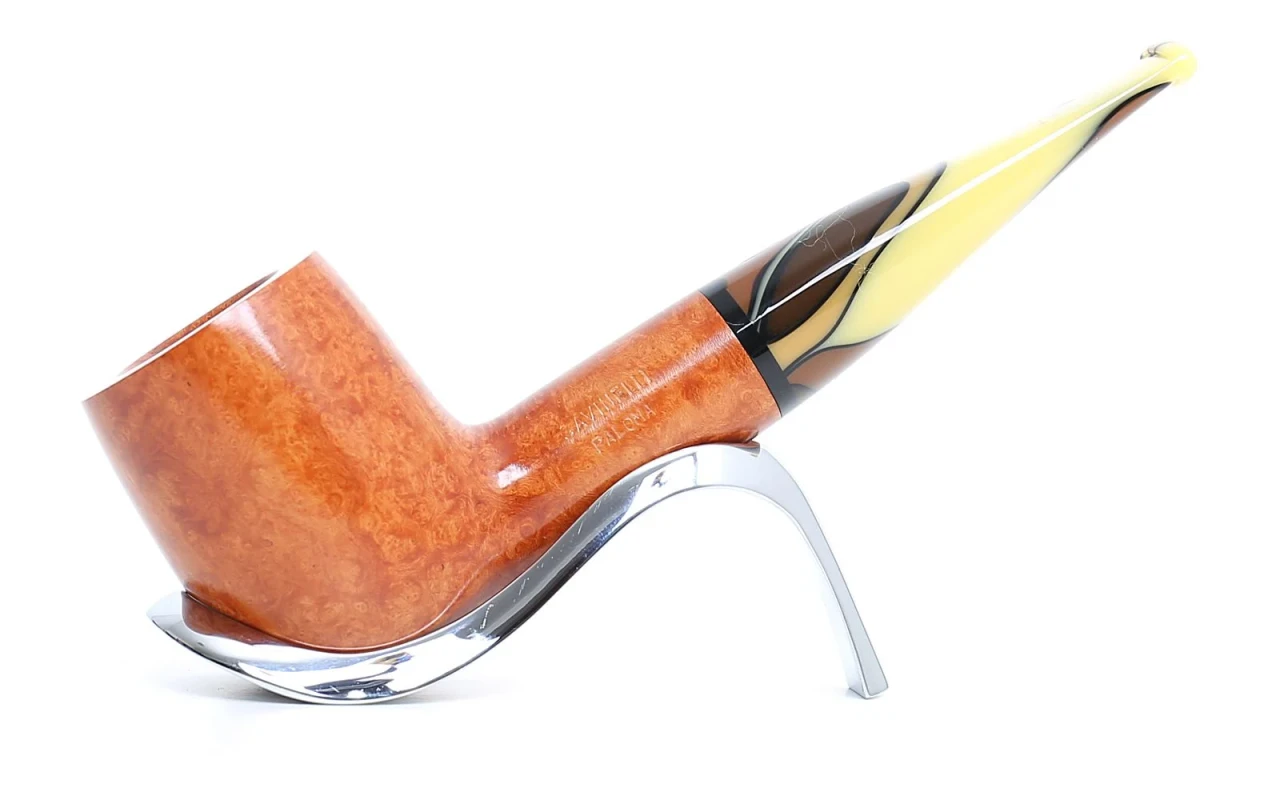
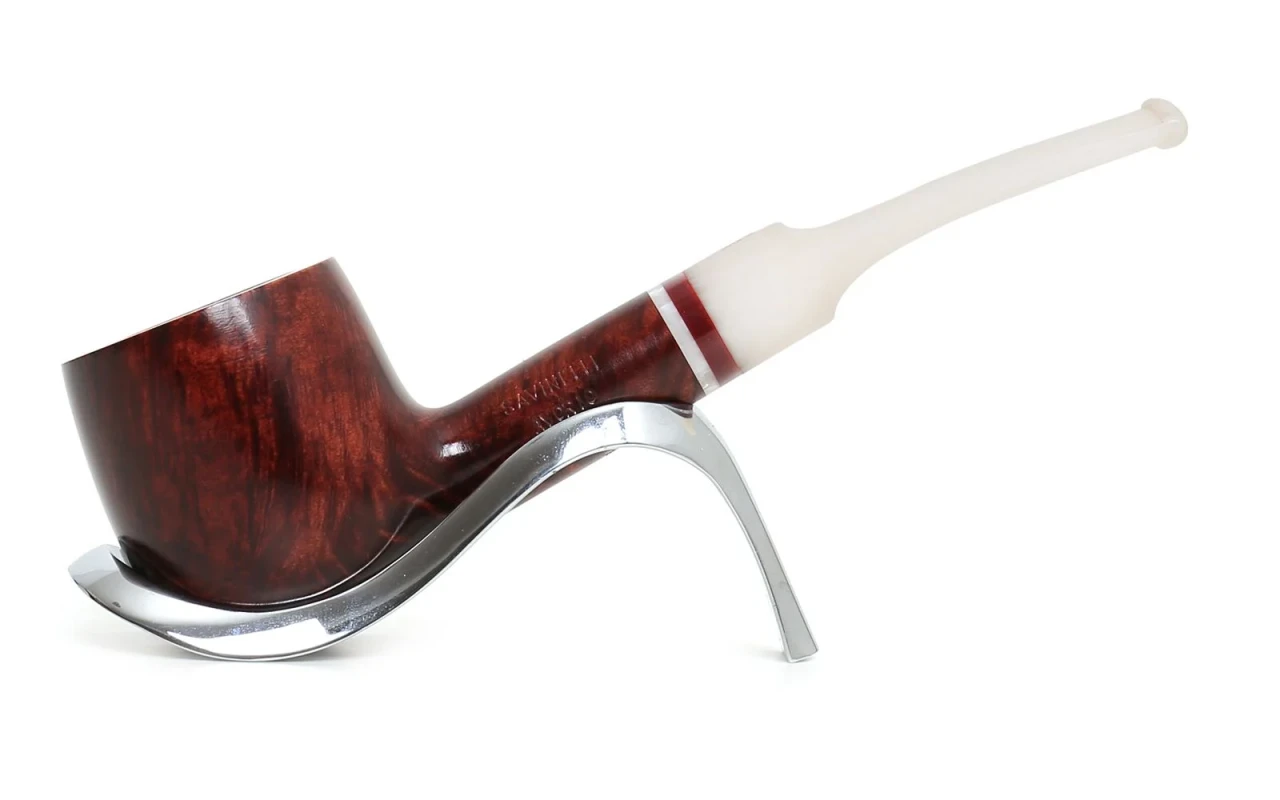
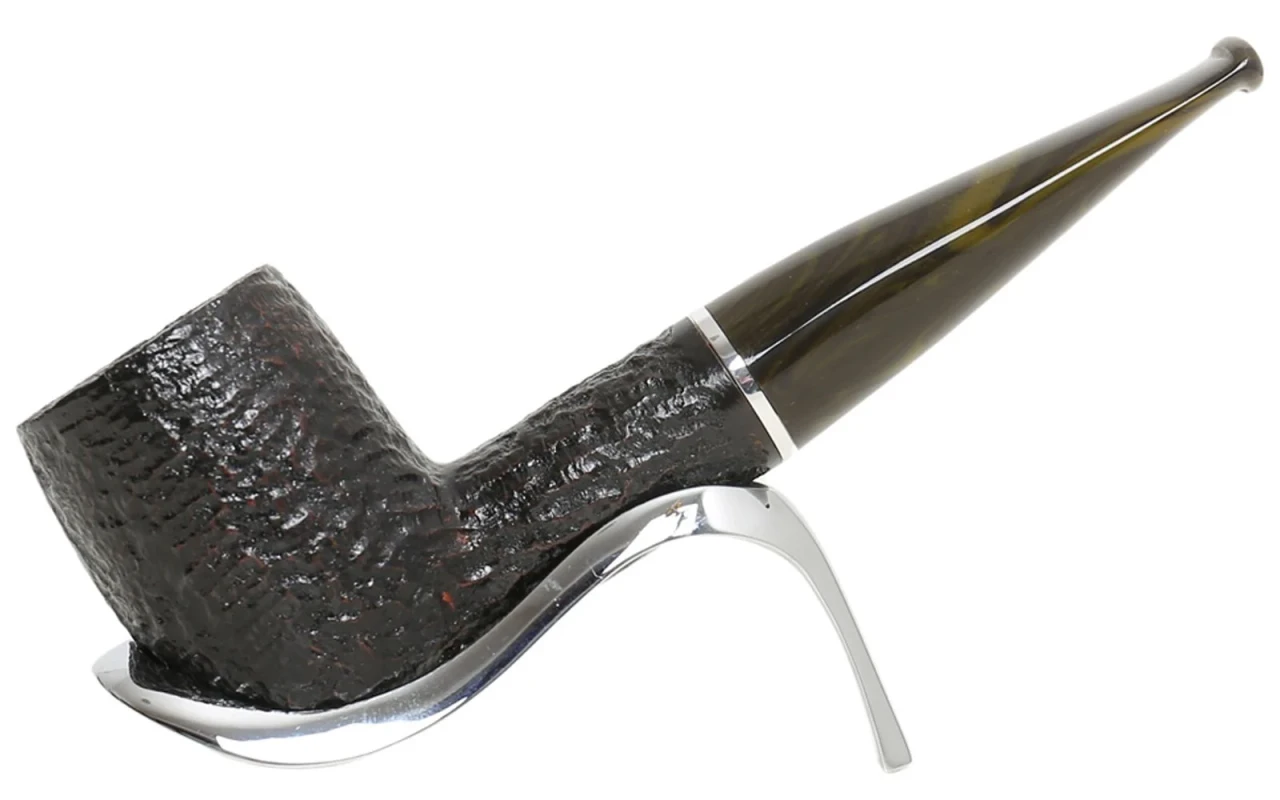
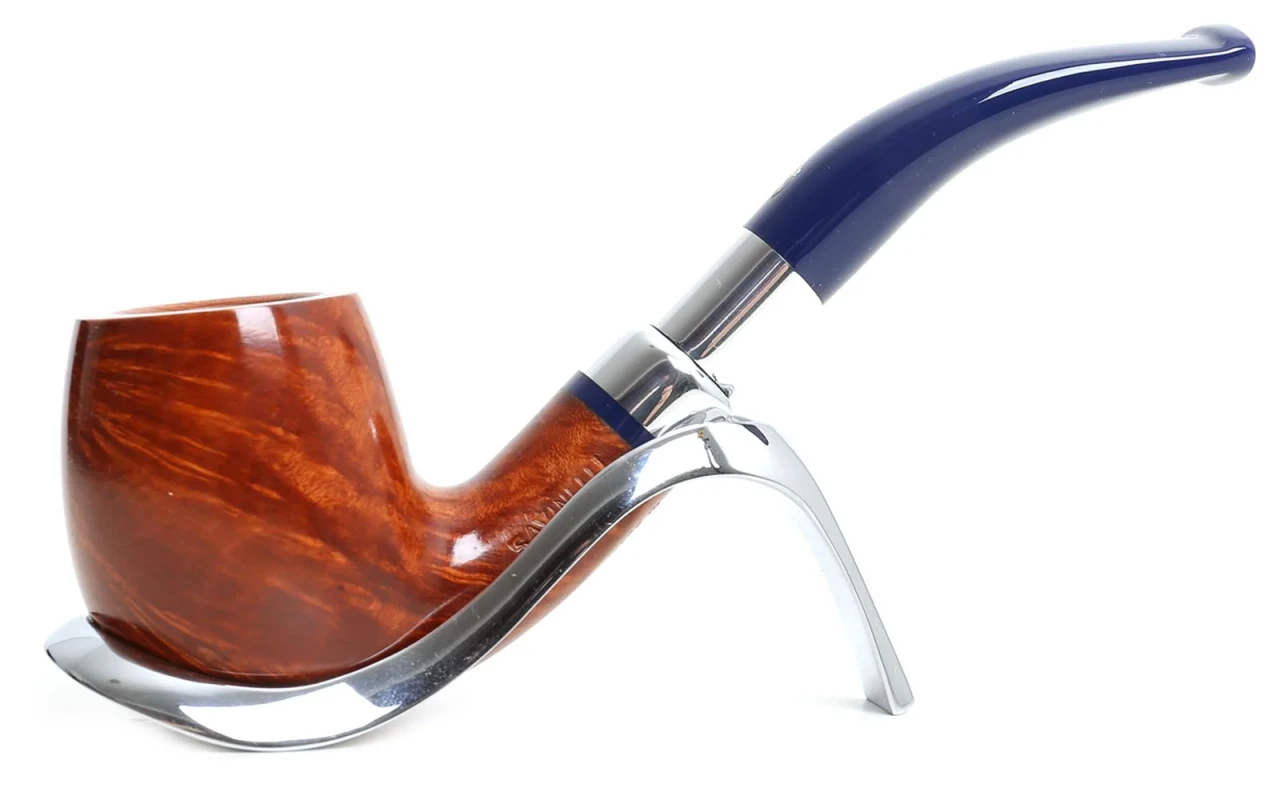
The Cutty pipe is a classic pipe model characterized by a slender body and a long stem. Its history dates back to the 18th century when it was conceived and became popular among pipe smokers. Legend has it that the name "Cutty" derives from a female figure carved on a Scottish warship, wearing a short dress called "cutty sark". This style of pipe soon became a symbol of elegance and sophistication among smokers of the time. Even today, the Cutty pipe retains its traditional charm and distinctive design.
PIPE PIPE SMOKING
Pipe smoking is the result of the combustion of tobacco inside a pipe, which is inhaled through the stem. There are different types of pipes, such as briar pipes, clay pipes, or meerschaum pipes. The process of smoking a pipe requires a certain skill in properly filling the combustion chamber and controlling the temperature to achieve even combustion and a pleasant smoke. Pipe smoking can offer a wide range of flavors and sensations, depending on the type of tobacco used and the pipe itself. Regularly cleaning the pipe is important to ensure a better smoking experience and to keep it in good condition over time.
Materials for Handcrafted Pipes
Materials for handcrafted pipes include high-quality wood, such as briar, olive, or oak, for the main structure of the pipe. For the mouthpiece, materials like aluminum, acrylic, or horn are used. Other common materials are vegetable ivory, ebony, or coral for decorative details. The artisanal process requires specific skills to shape, sand, and polish the pipes. It is important to choose heat-resistant and high-quality materials to ensure the durability and functionality of the pipe.
Maintenance of smoking pipes
Maintenance of smoking pipes is crucial to ensure a good smoking experience and preserve the lifespan of the pipe itself. Here are some useful tips:- Regular cleaning: remove tobacco and tar residues with a pipe cleaner or a reamer.- Proper drying: allow the pipe to dry completely after use to prevent moisture stagnation.- Mouthpiece condition check: inspect for cracks or breaks that could compromise the smoking experience.- Filter usage: replace filters regularly to maintain smoke purity.- Correct storage: store the pipe in a protective case to prevent damage.By following these simple precautions, it will be possible to enjoy your smoking pipe for a long time.
Best Pipe Tobaccos
The best pipe tobaccos are those that offer a high-quality blend, balanced flavors, and even burning. Among the most appreciated varieties by pipe enthusiasts are Virginia, with sweet and citrusy notes, Latakia, with a smoky and intense flavor, and Perique, characterized by hints of dark fruit and spices. Other premium tobaccos include Burley, Cavendish, and Kentucky. The choice of pipe tobacco depends on personal preferences and the desired experience: some prefer delicate aromas, while others favor bolder and more complex flavors.
'%3e%3cg id='Final-Copy-2_2_' transform='translate(1275.000000, 200.000000)'%3e%3cpath class='st0' d='M7.4,12.8h6.8l3.1-11.6H7.4C4.2,1.2,1.6,3.8,1.6,7S4.2,12.8,7.4,12.8z'/%3e%3c/g%3e%3c/g%3e%3c/g%3e%3cg id='final---dec.11-2020'%3e%3cg id='_x30_208-our-toggle' transform='translate(-1275.000000, -200.000000)'%3e%3cg id='Final-Copy-2' transform='translate(1275.000000, 200.000000)'%3e%3cpath class='st1' d='M22.6,0H7.4c-3.9,0-7,3.1-7,7s3.1,7,7,7h15.2c3.9,0,7-3.1,7-7S26.4,0,22.6,0z M1.6,7c0-3.2,2.6-5.8,5.8-5.8 h9.9l-3.1,11.6H7.4C4.2,12.8,1.6,10.2,1.6,7z'/%3e%3cpath id='x' class='st2' d='M24.6,4c0.2,0.2,0.2,0.6,0,0.8l0,0L22.5,7l2.2,2.2c0.2,0.2,0.2,0.6,0,0.8c-0.2,0.2-0.6,0.2-0.8,0 l0,0l-2.2-2.2L19.5,10c-0.2,0.2-0.6,0.2-0.8,0c-0.2-0.2-0.2-0.6,0-0.8l0,0L20.8,7l-2.2-2.2c-0.2-0.2-0.2-0.6,0-0.8 c0.2-0.2,0.6-0.2,0.8,0l0,0l2.2,2.2L23.8,4C24,3.8,24.4,3.8,24.6,4z'/%3e%3cpath id='y' class='st3' d='M12.7,4.1c0.2,0.2,0.3,0.6,0.1,0.8l0,0L8.6,9.8C8.5,9.9,8.4,10,8.3,10c-0.2,0.1-0.5,0.1-0.7-0.1l0,0 L5.4,7.7c-0.2-0.2-0.2-0.6,0-0.8c0.2-0.2,0.6-0.2,0.8,0l0,0L8,8.6l3.8-4.5C12,3.9,12.4,3.9,12.7,4.1z'/%3e%3c/g%3e%3c/g%3e%3c/g%3e%3c/g%3e%3c/svg%3e) Your Privacy Choices
Your Privacy Choices 


