 ES
ES FR
FR EN
EN IT
IT DE
DE
History of the Cutty pipe in pipe smoking
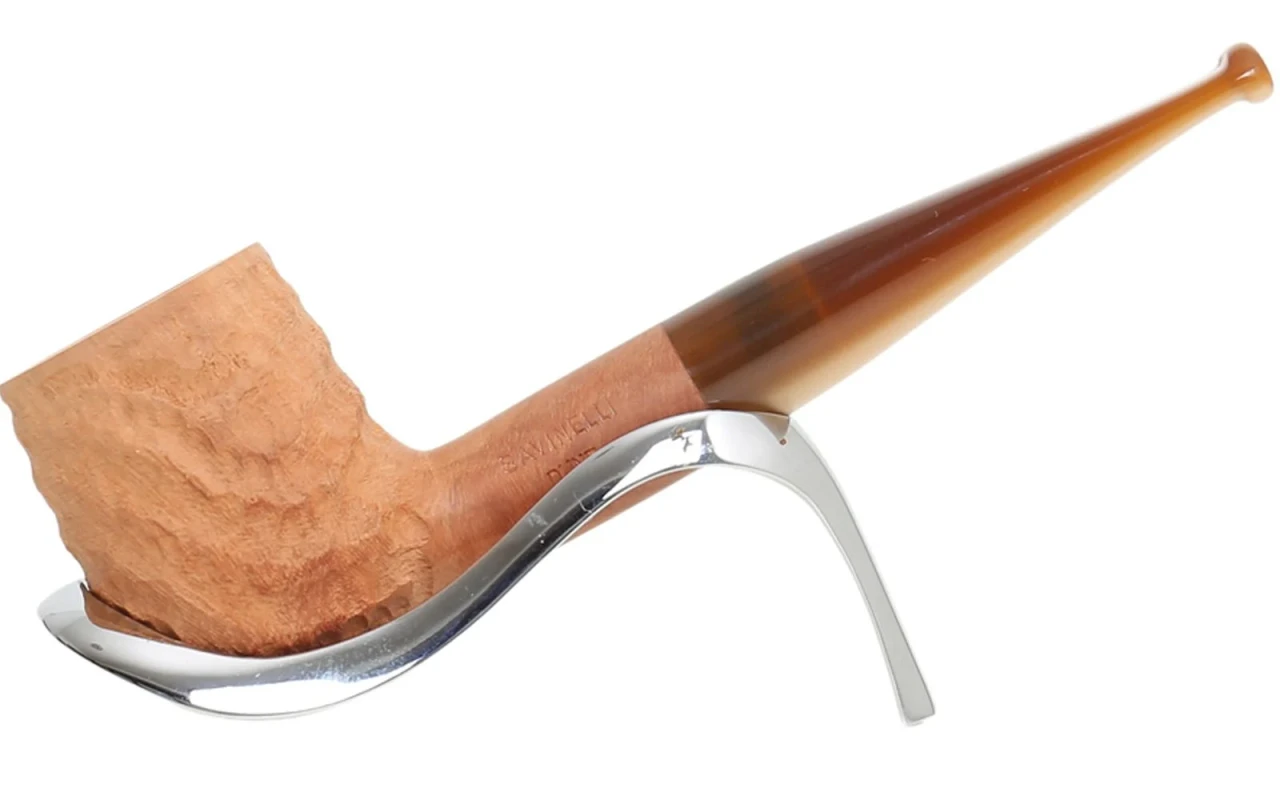
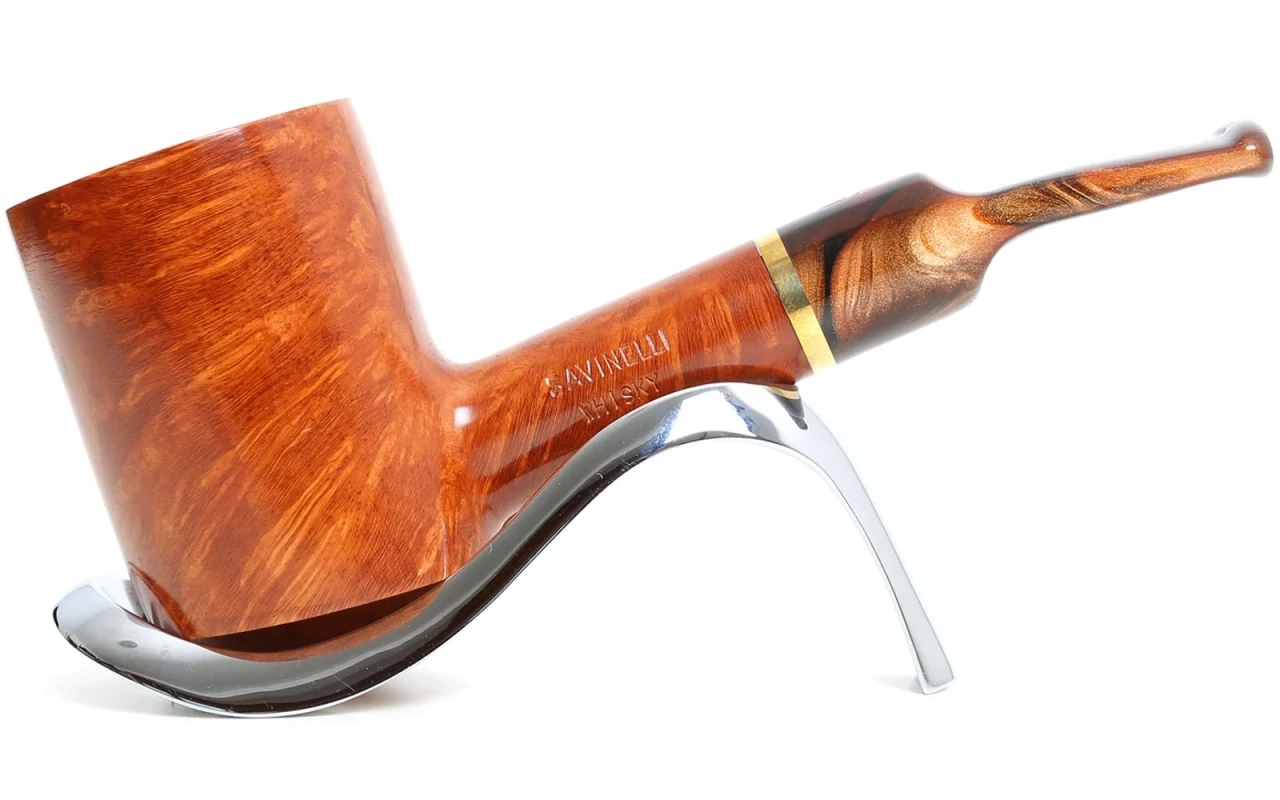
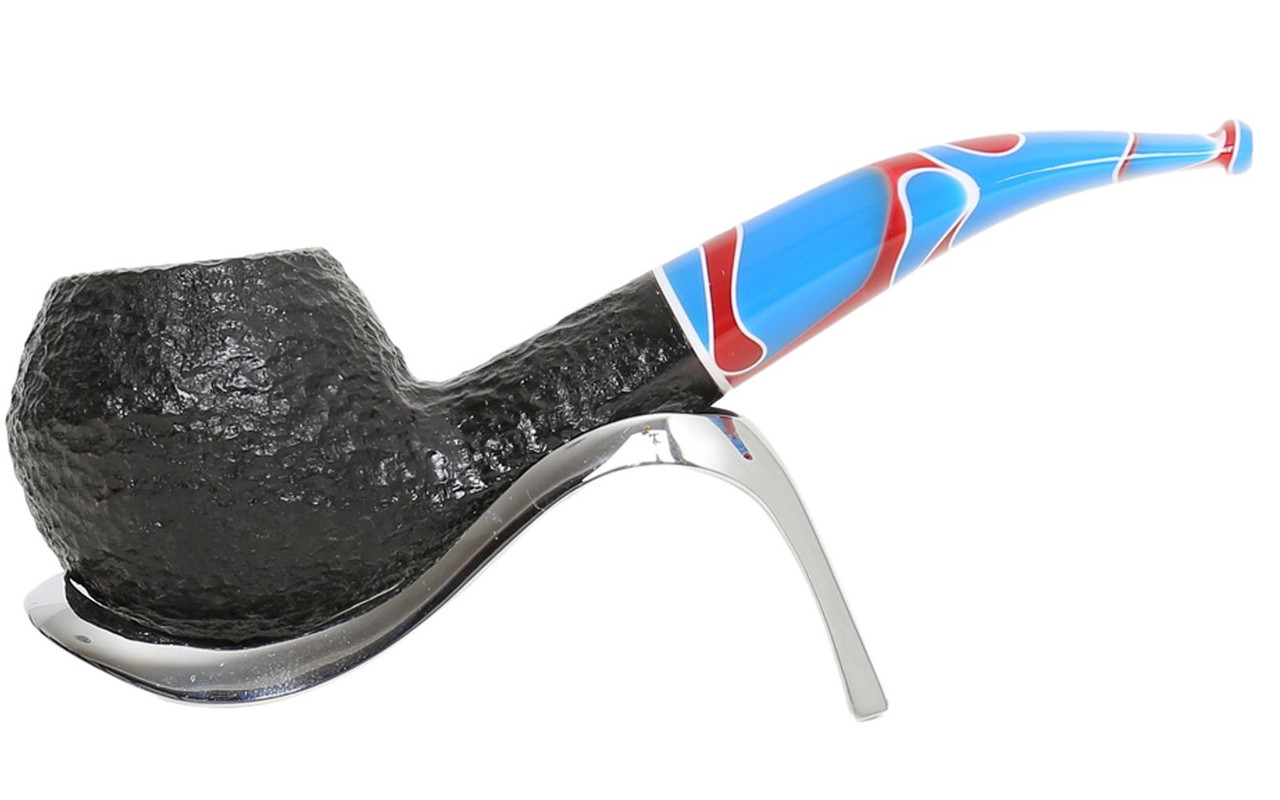
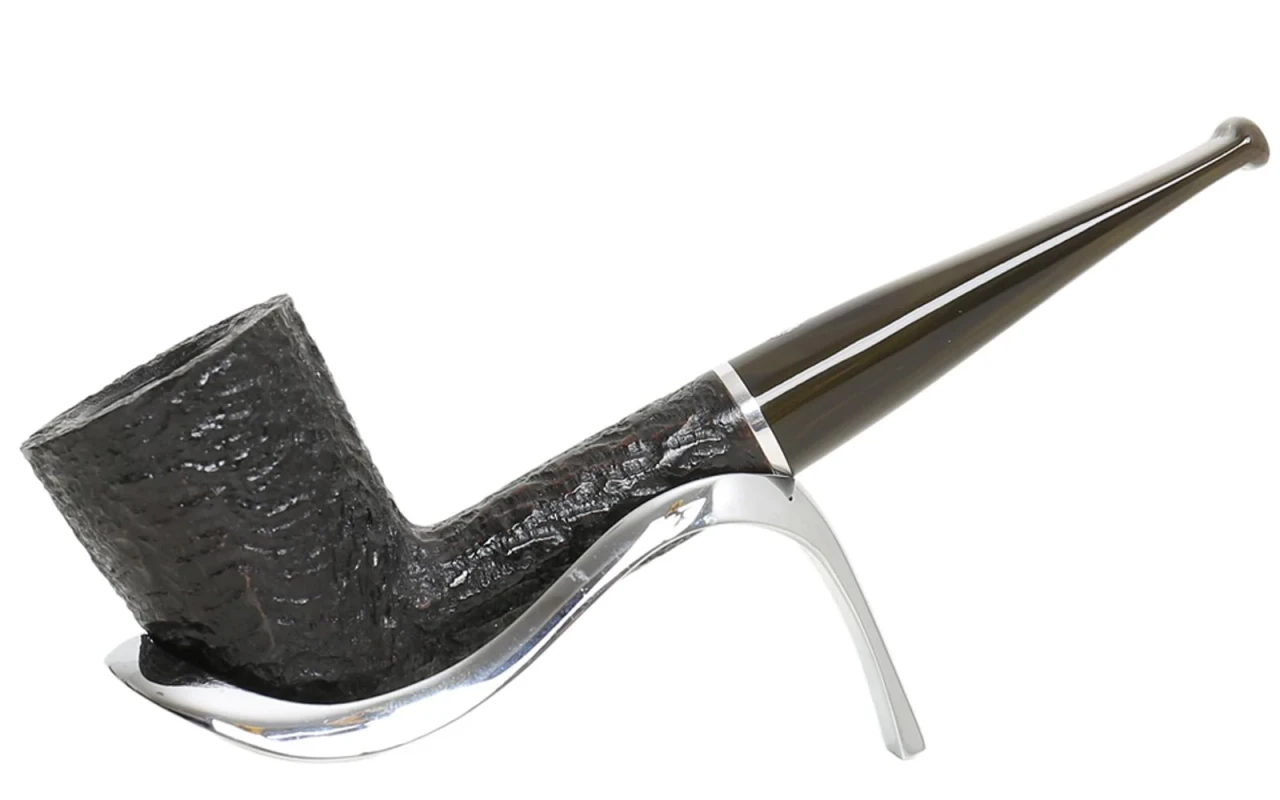
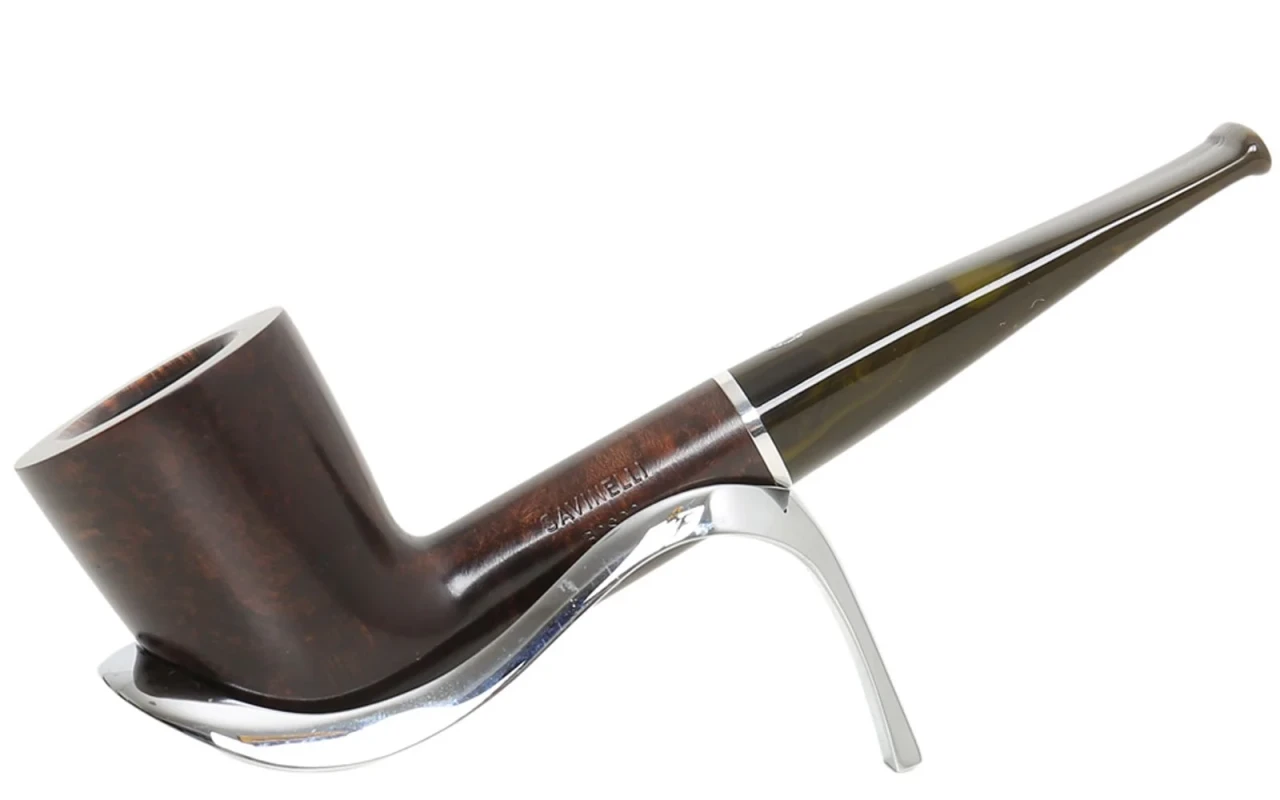
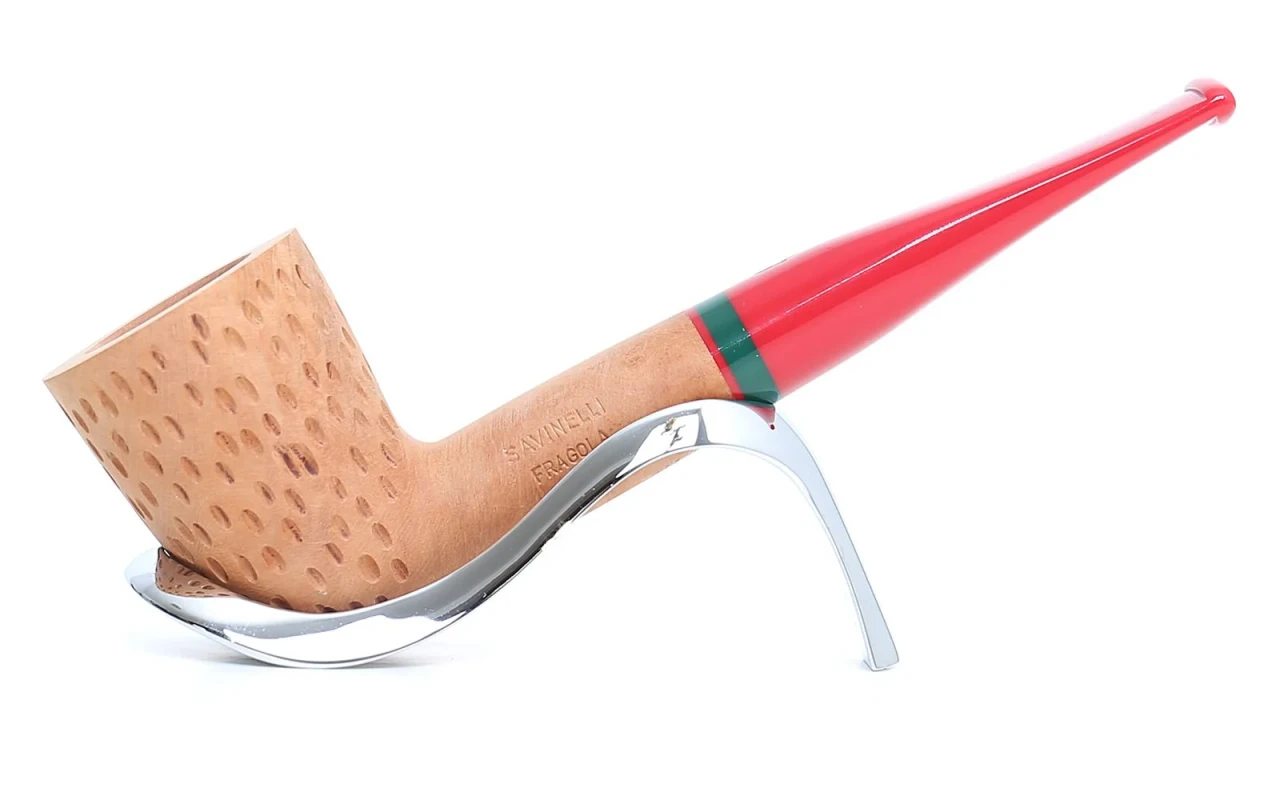
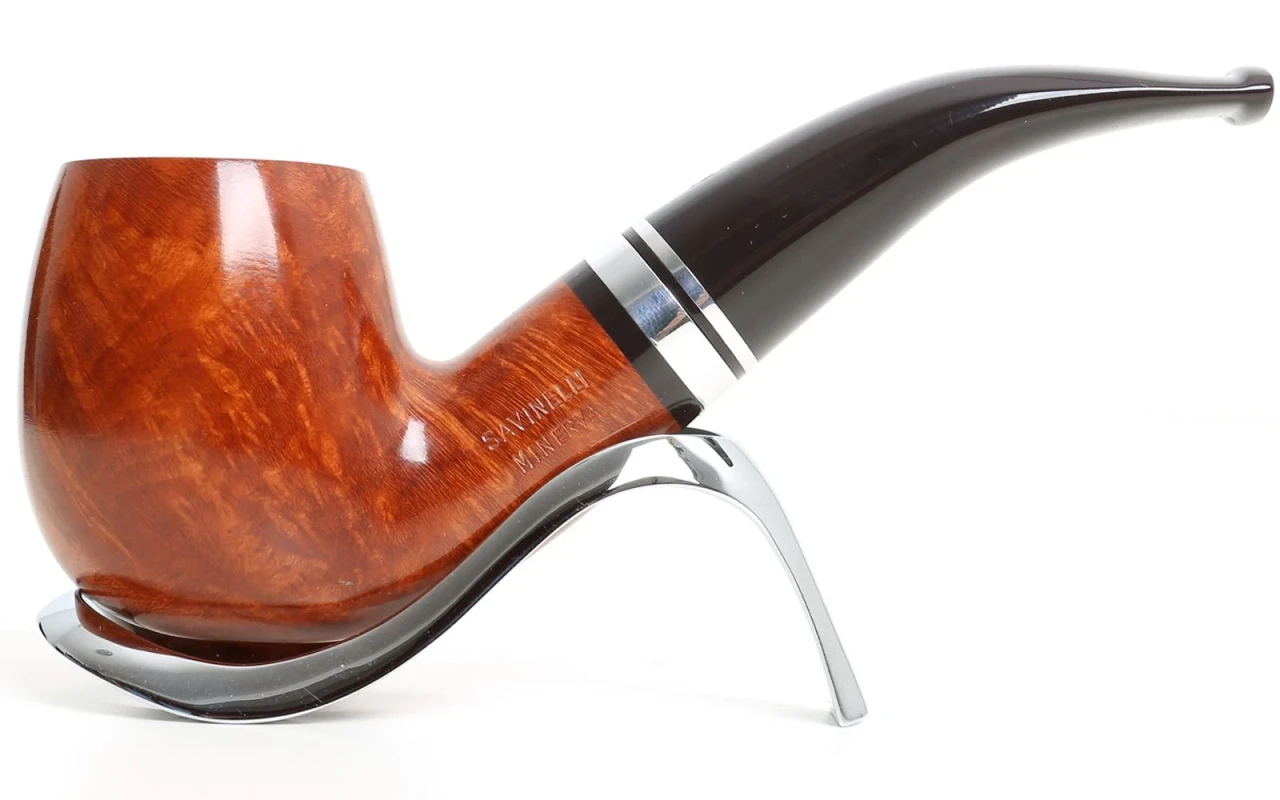
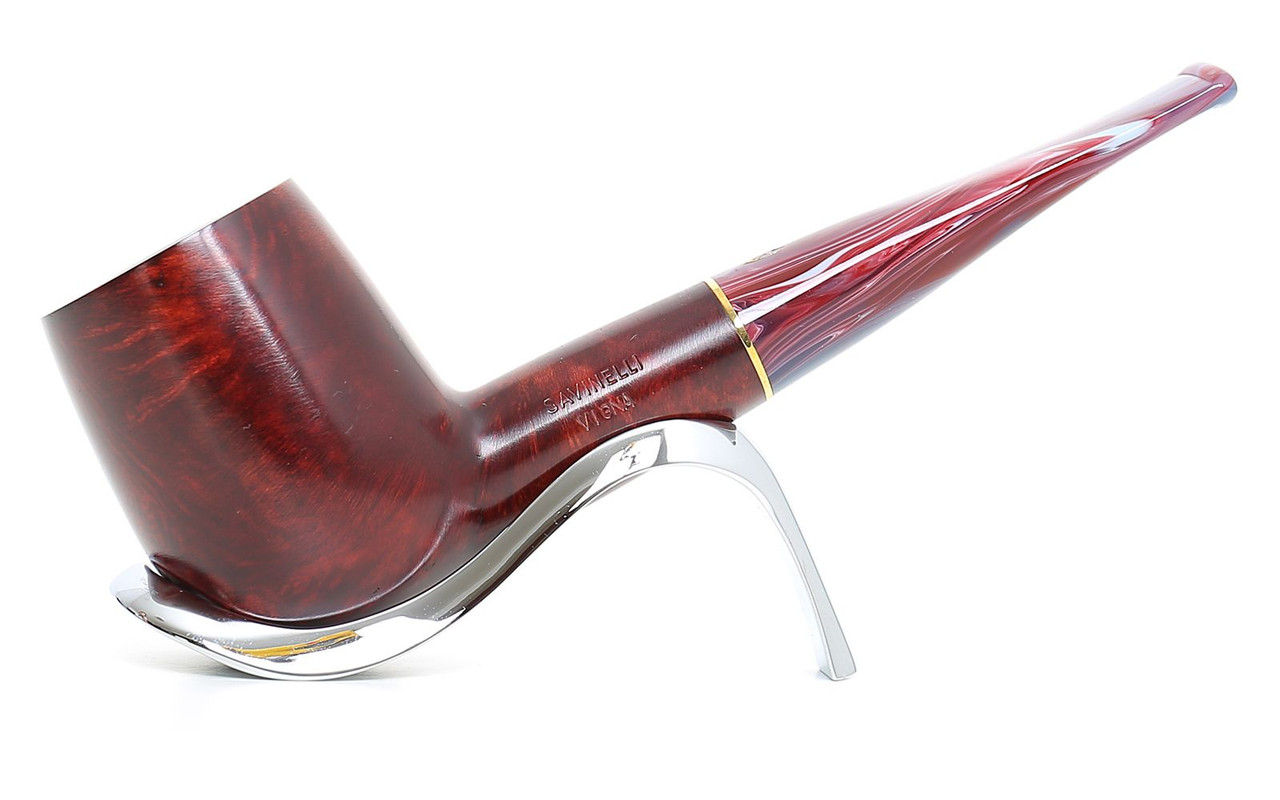

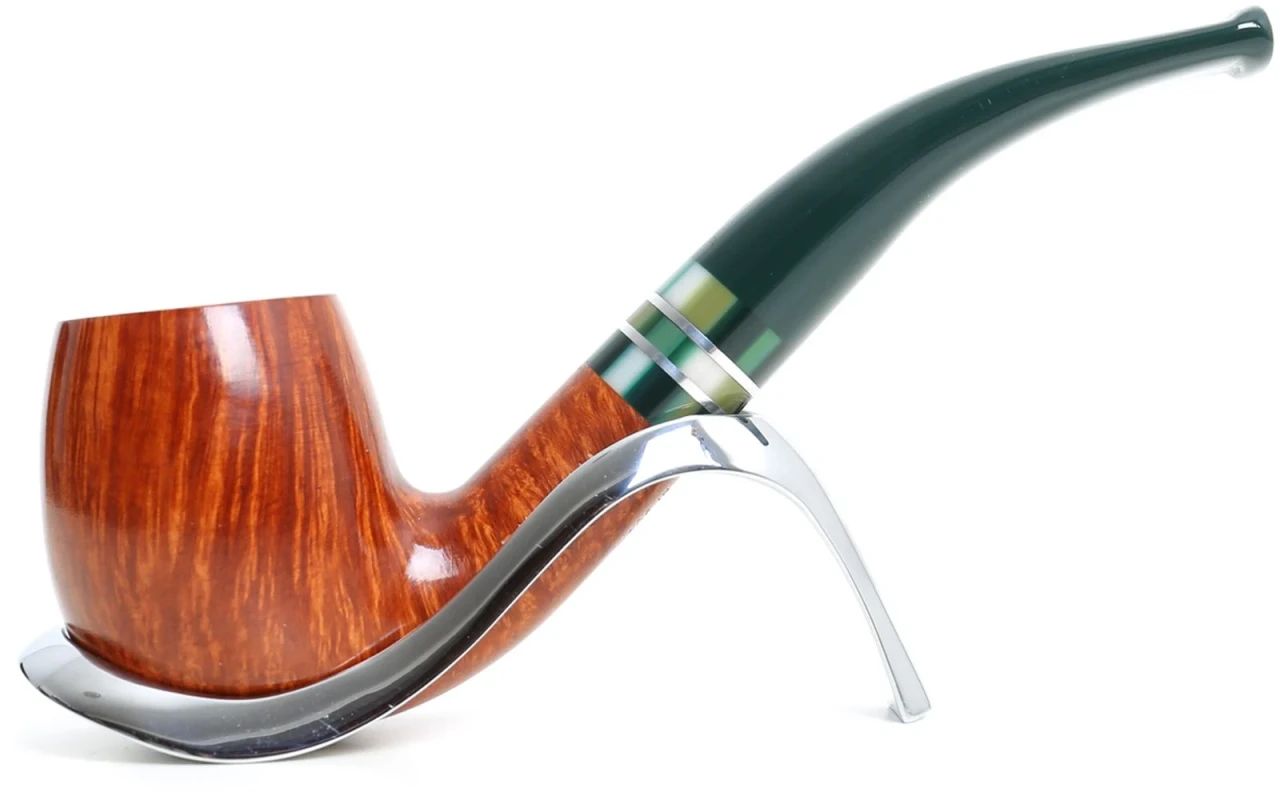
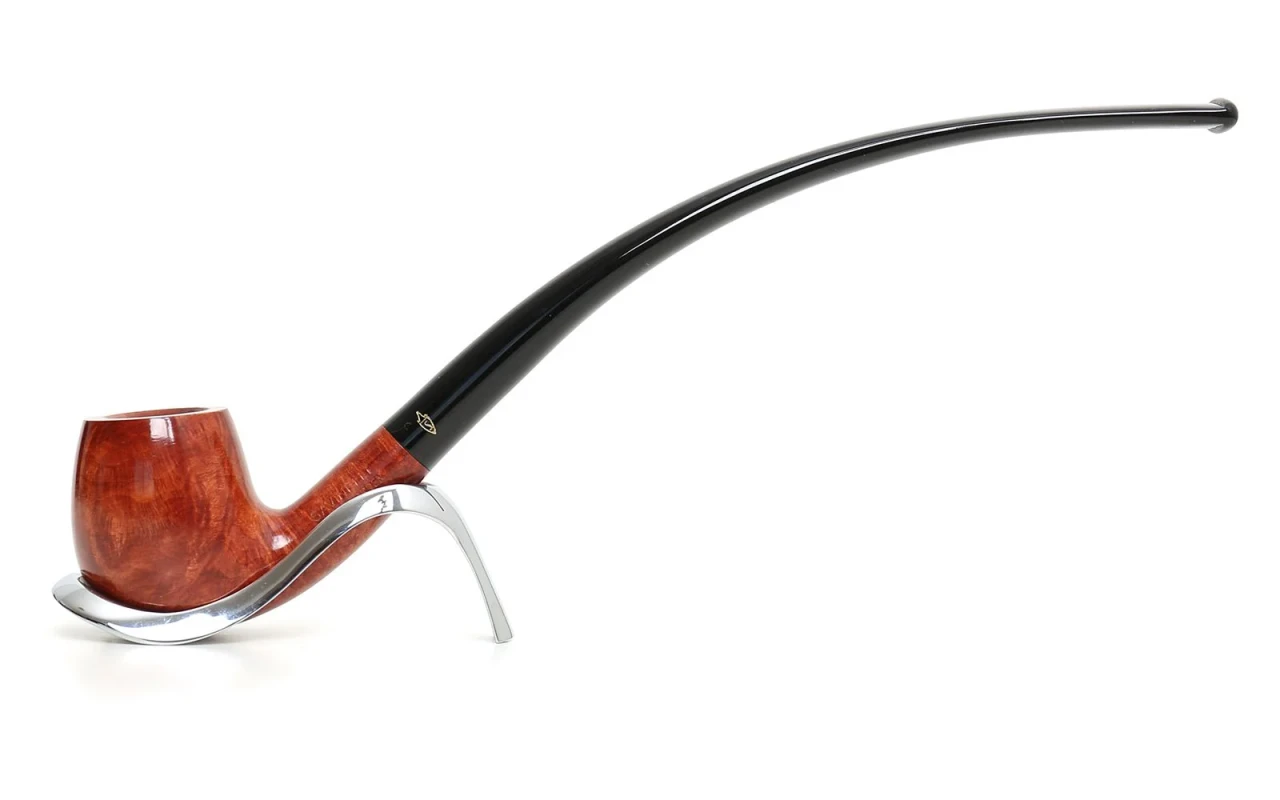

History of the Cutty pipe in pipe smoking
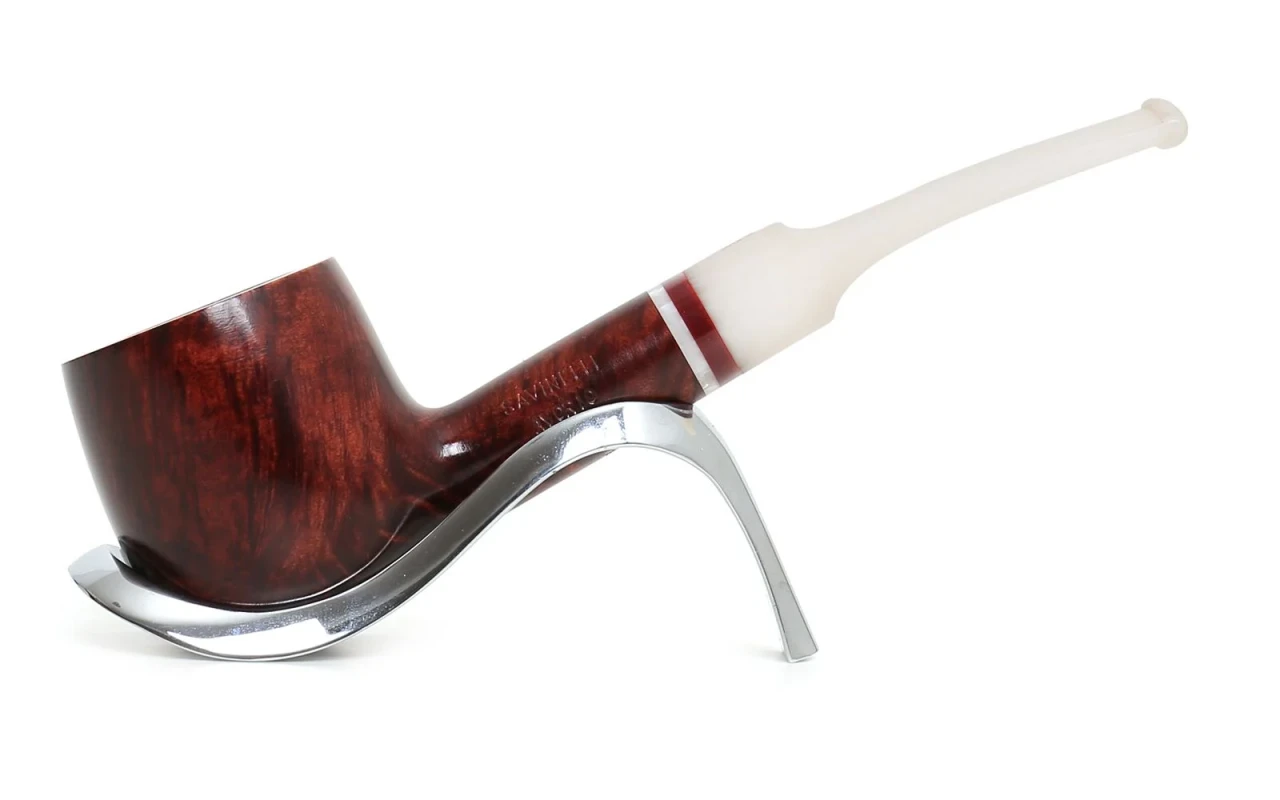
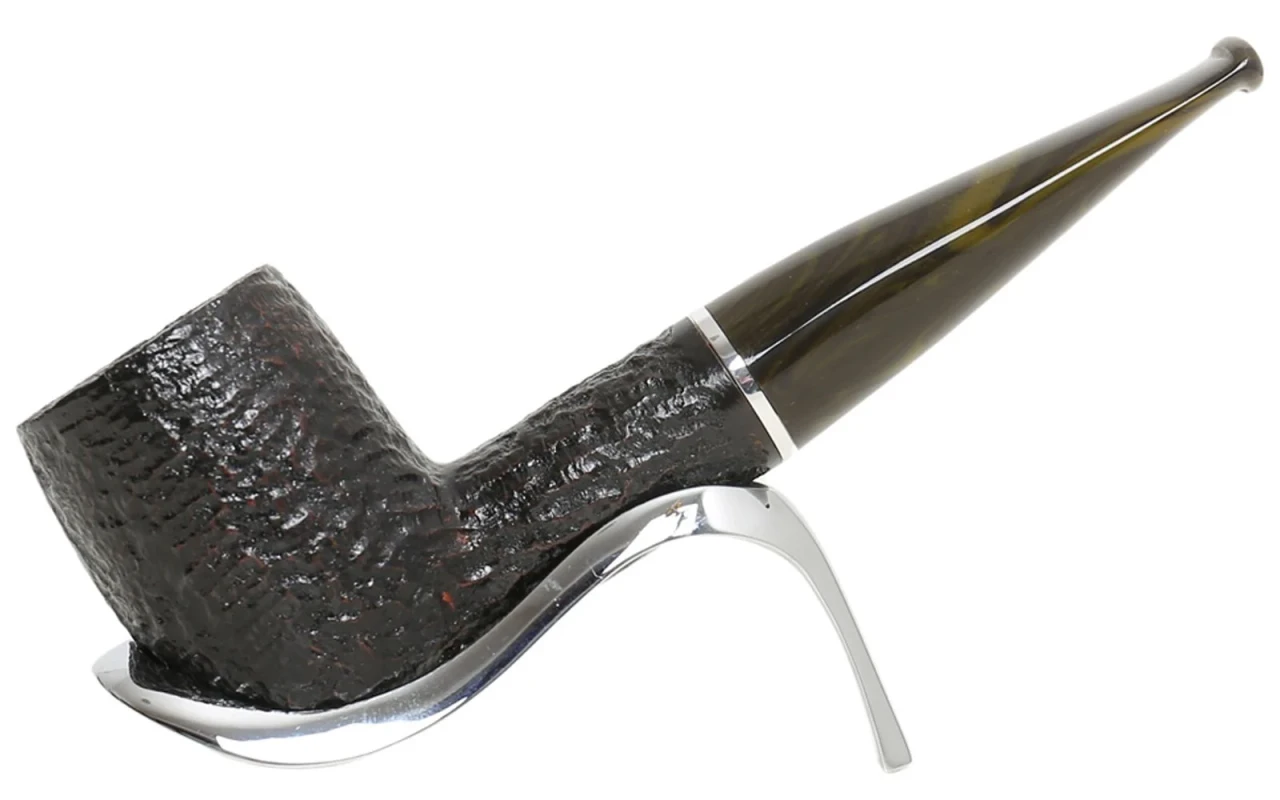
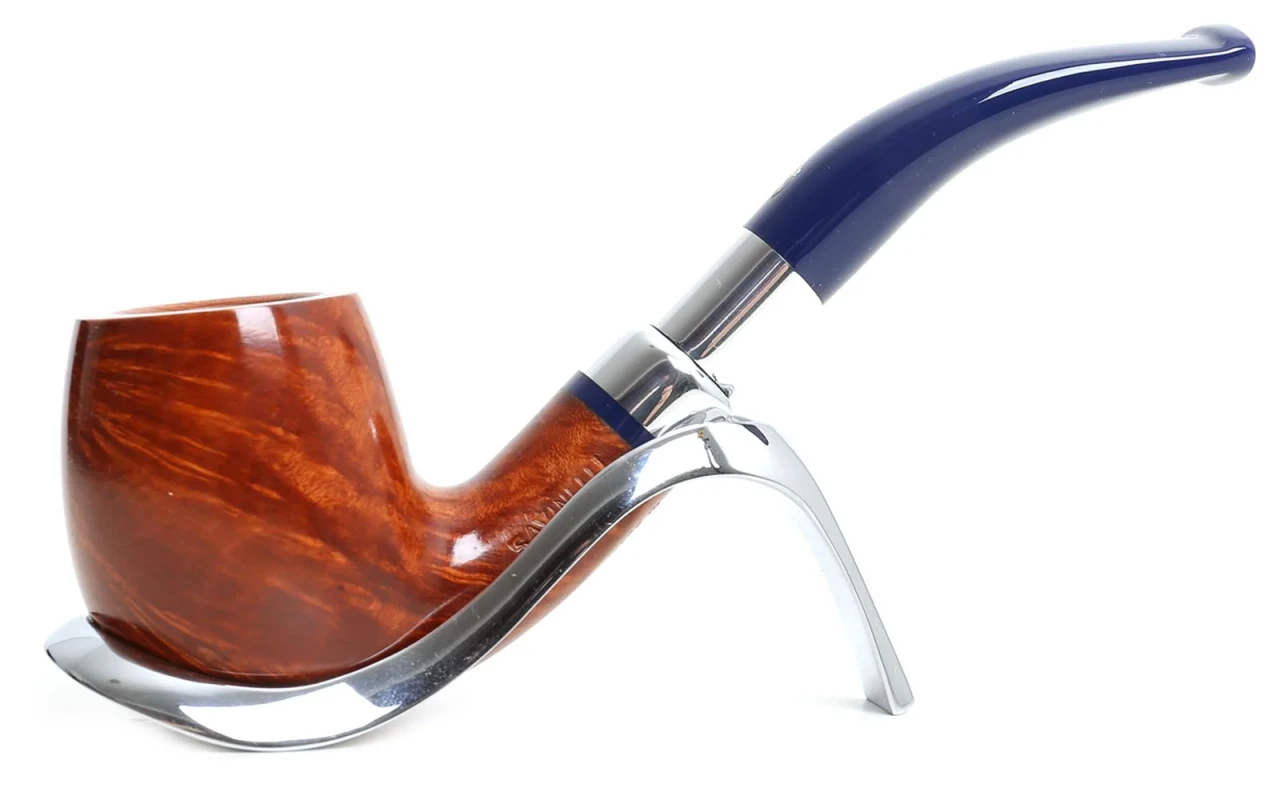
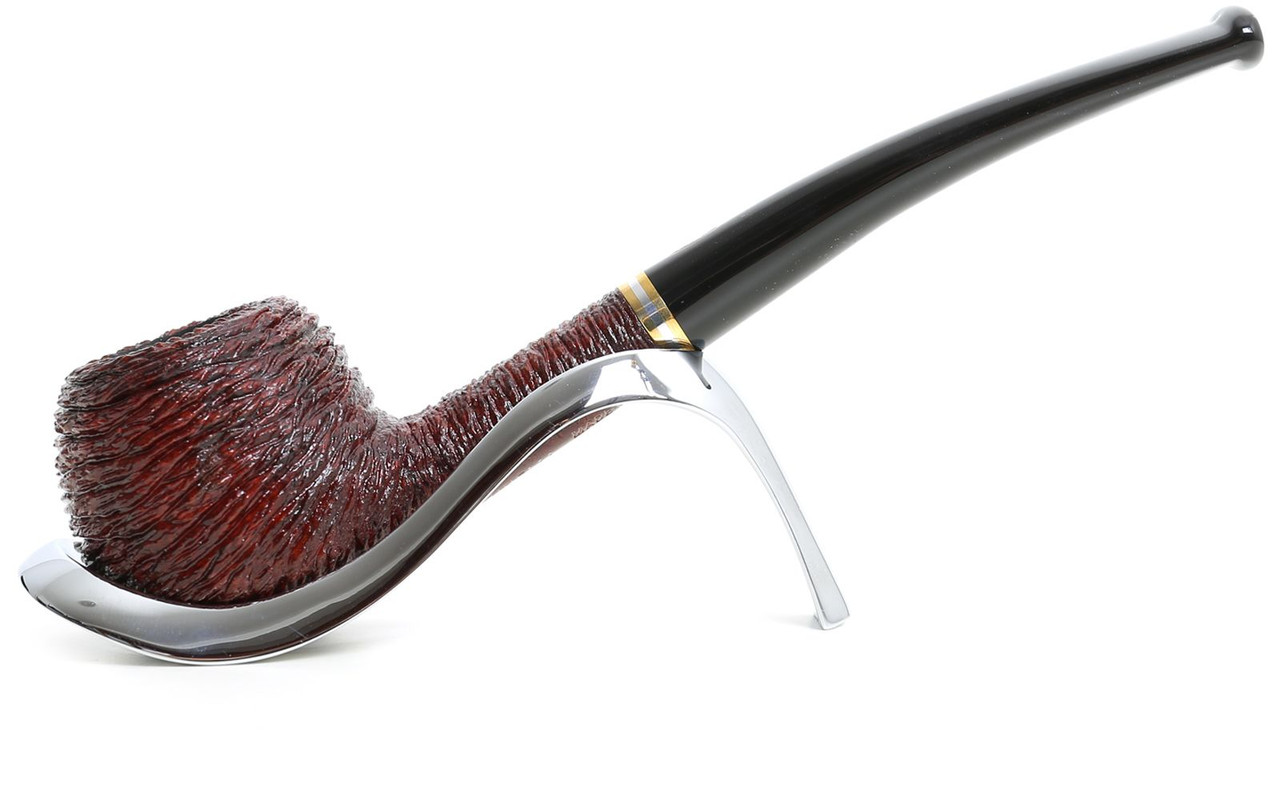
The Cutty pipe is an iconic model in the world of pipe smoking. Its history dates back to the 19th century when it was first created in Scotland. Characterized by a slender design and the typical curved shape of the shank, the Cutty pipe quickly became very popular among pipe tobacco enthusiasts. The name "Cutty" may derive from a Scottish ballad in which a woman wears a short skirt, but the exact origins remain uncertain. Today, the Cutty pipe is still widely appreciated for its elegance and distinctive style in the world of pipe smoking.
History of the Cutty Pipe
The Cutty pipe is an iconic pipe with a distinctive long and slender stem, featuring an elegant and slim shape. Its history dates back to the 19th century when it was introduced by the pipe maker Charles Rattray. Its peculiarity lies in its lightweight and practicality, making it ideal for easy pocket transportation. The name "Cutty" comes from a female character in the Scottish poem by Robert Burns, "Tam o' Shanter". The Cutty pipe has continued to be appreciated over time for its unique design and its historical tradition in the world of pipe smoking.
Cutty pipe characteristics
The Cutty pipe is a traditional pipe model characterized by some specific distinctive features:- Slender and curved shape, with a long and thin shank- Usually made of briar or other fine roots- Smoke channel positioned lower than the mouthpiece- Elegant and lightweight design, ideal for a relaxing smoke- Traditionally used for light or aromatic pipe tobaccos- Historically associated with the character of "Cutty Sark" in fiction worksIn summary, the Cutty pipe stands out for its curved and lightweight design, perfect for those seeking a relaxing and enjoyable smoking experience.
Cutty Pipe Maintenance
Maintaining your Cutty pipe is essential to ensure optimal performance and extend its lifespan over time. Here are some useful tips:- After each use, empty the pipe and clean it with a pipe cleaner to remove tobacco residues and moisture.- Avoid overheating the pipe excessively by alternating smoking sessions with cooling breaks.- Regularly check the condition of the filter, if present, and replace it when necessary.- Use natural oils to keep the external surface of the pipe in good condition.- Periodically check the state of the chimney and, if necessary, perform a thorough cleaning with specific detergents.By following these simple practices, you can enjoy your Cutty pipe for a long time.
Cutty Pipe Materials
The Cutty pipe is traditionally crafted using high-quality materials to ensure durability and smoking performance. The most common materials used for Cutty pipes include:- Briar wood: lightweight and durable, it offers a neutral flavor that allows for full enjoyment of the tobacco.- Oak wood: hard and heat-resistant, ideal for preserving the tobacco's taste.- Olive wood: a precious wood that adds an elegant and unique touch to the pipe.- Walnut wood: sturdy and resilient, it helps maintain the ideal temperature for optimal smoking experience.The choice of material has an impact on the characteristics and performance of the Cutty pipe during use.
'%3e%3cg id='Final-Copy-2_2_' transform='translate(1275.000000, 200.000000)'%3e%3cpath class='st0' d='M7.4,12.8h6.8l3.1-11.6H7.4C4.2,1.2,1.6,3.8,1.6,7S4.2,12.8,7.4,12.8z'/%3e%3c/g%3e%3c/g%3e%3c/g%3e%3cg id='final---dec.11-2020'%3e%3cg id='_x30_208-our-toggle' transform='translate(-1275.000000, -200.000000)'%3e%3cg id='Final-Copy-2' transform='translate(1275.000000, 200.000000)'%3e%3cpath class='st1' d='M22.6,0H7.4c-3.9,0-7,3.1-7,7s3.1,7,7,7h15.2c3.9,0,7-3.1,7-7S26.4,0,22.6,0z M1.6,7c0-3.2,2.6-5.8,5.8-5.8 h9.9l-3.1,11.6H7.4C4.2,12.8,1.6,10.2,1.6,7z'/%3e%3cpath id='x' class='st2' d='M24.6,4c0.2,0.2,0.2,0.6,0,0.8l0,0L22.5,7l2.2,2.2c0.2,0.2,0.2,0.6,0,0.8c-0.2,0.2-0.6,0.2-0.8,0 l0,0l-2.2-2.2L19.5,10c-0.2,0.2-0.6,0.2-0.8,0c-0.2-0.2-0.2-0.6,0-0.8l0,0L20.8,7l-2.2-2.2c-0.2-0.2-0.2-0.6,0-0.8 c0.2-0.2,0.6-0.2,0.8,0l0,0l2.2,2.2L23.8,4C24,3.8,24.4,3.8,24.6,4z'/%3e%3cpath id='y' class='st3' d='M12.7,4.1c0.2,0.2,0.3,0.6,0.1,0.8l0,0L8.6,9.8C8.5,9.9,8.4,10,8.3,10c-0.2,0.1-0.5,0.1-0.7-0.1l0,0 L5.4,7.7c-0.2-0.2-0.2-0.6,0-0.8c0.2-0.2,0.6-0.2,0.8,0l0,0L8,8.6l3.8-4.5C12,3.9,12.4,3.9,12.7,4.1z'/%3e%3c/g%3e%3c/g%3e%3c/g%3e%3c/g%3e%3c/svg%3e) Your Privacy Choices
Your Privacy Choices 


