 ES
ES FR
FR EN
EN IT
IT DE
DE
History of pipes through the centuries
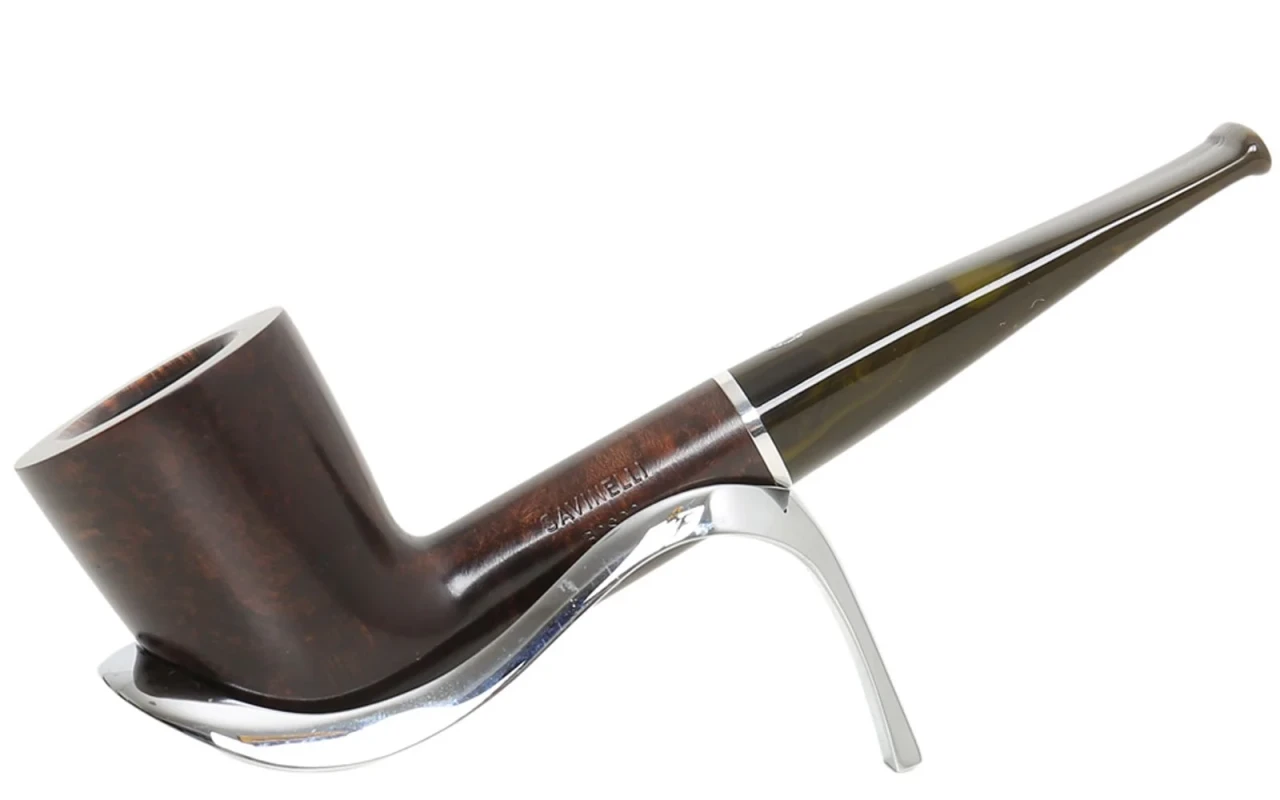
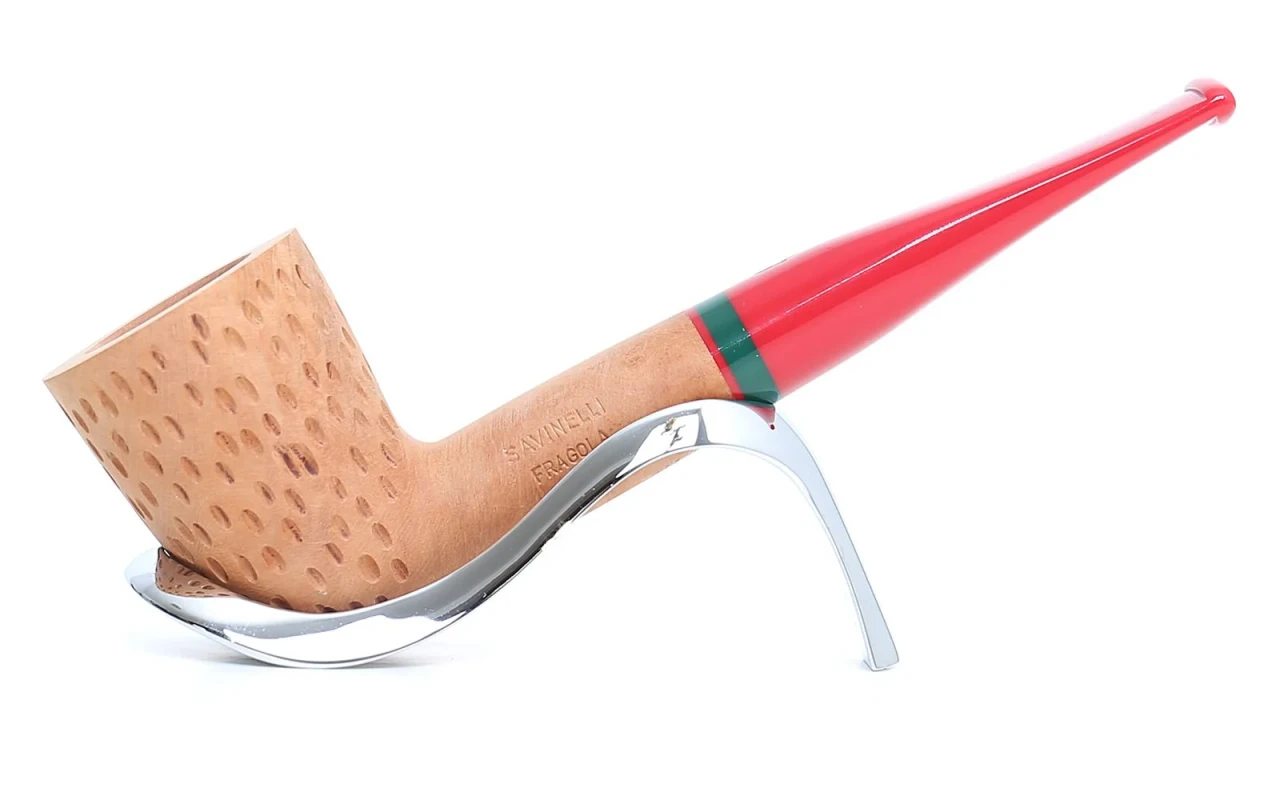
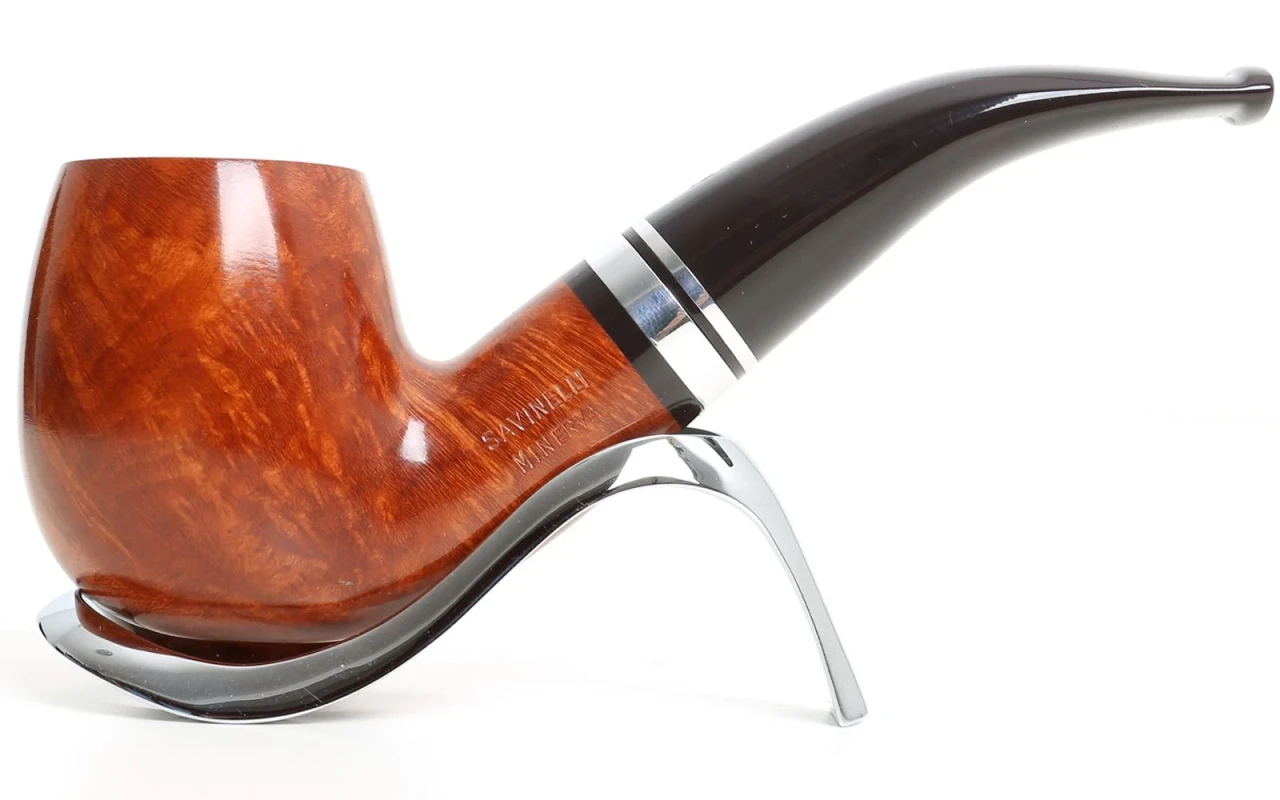
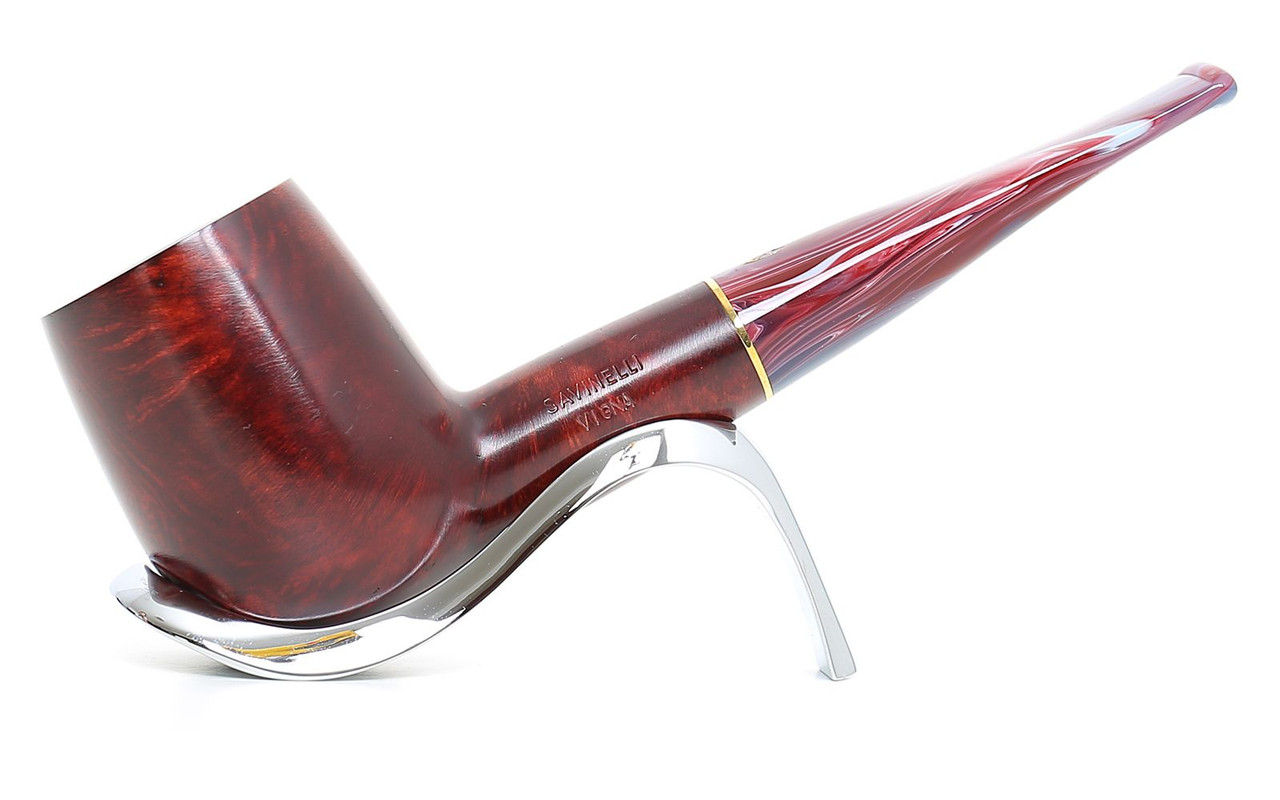
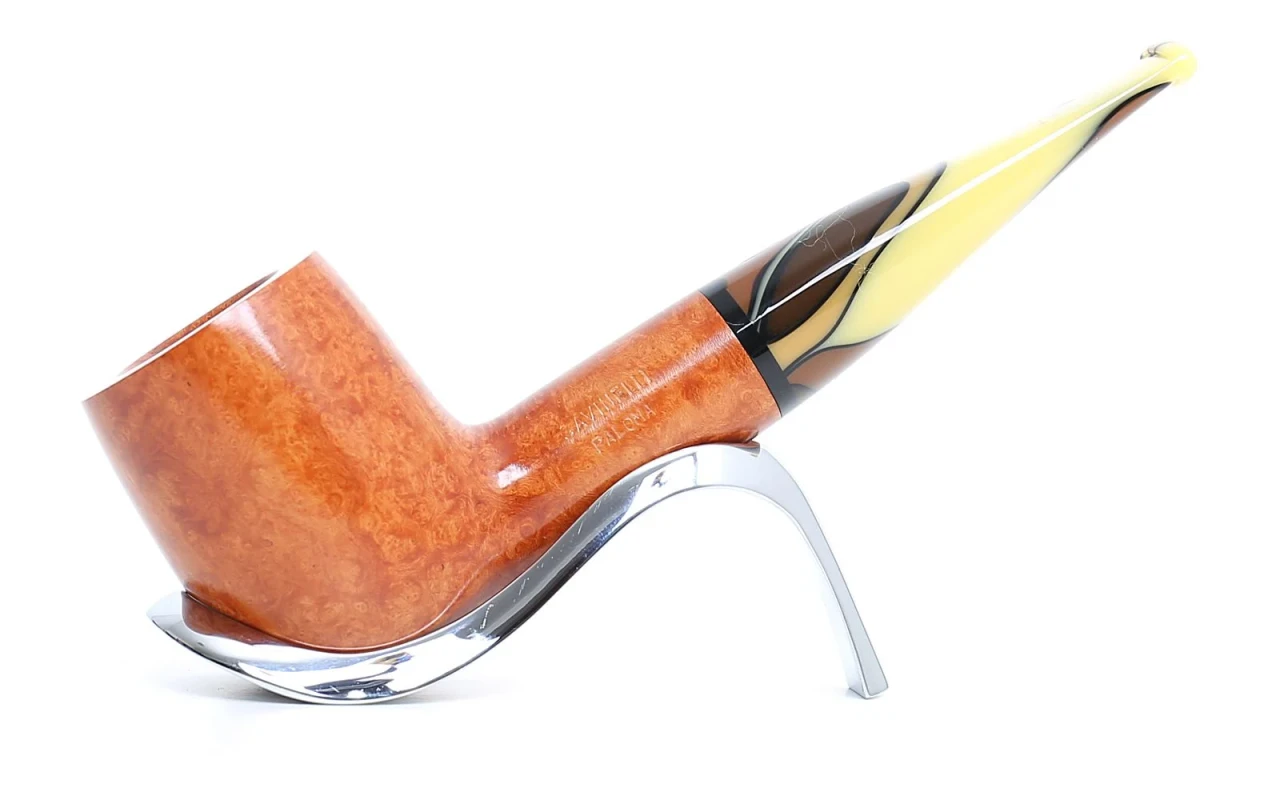
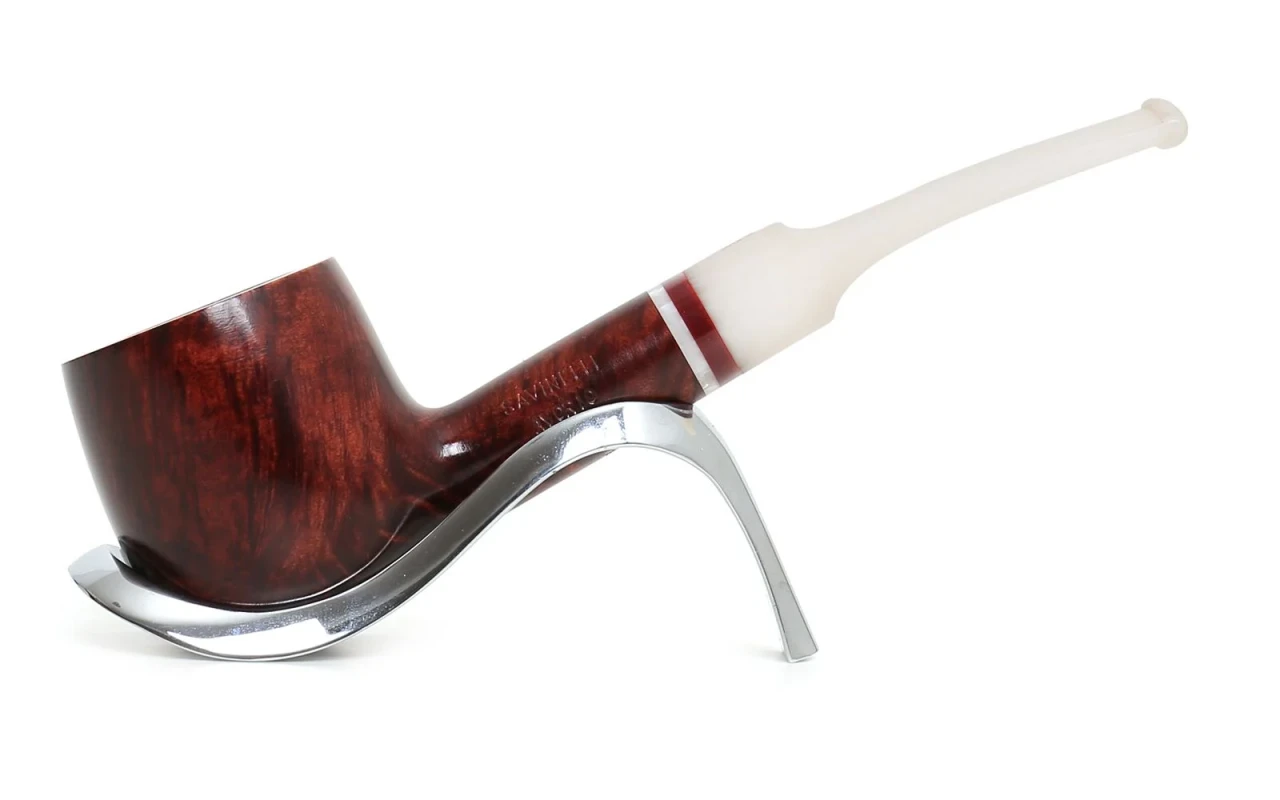
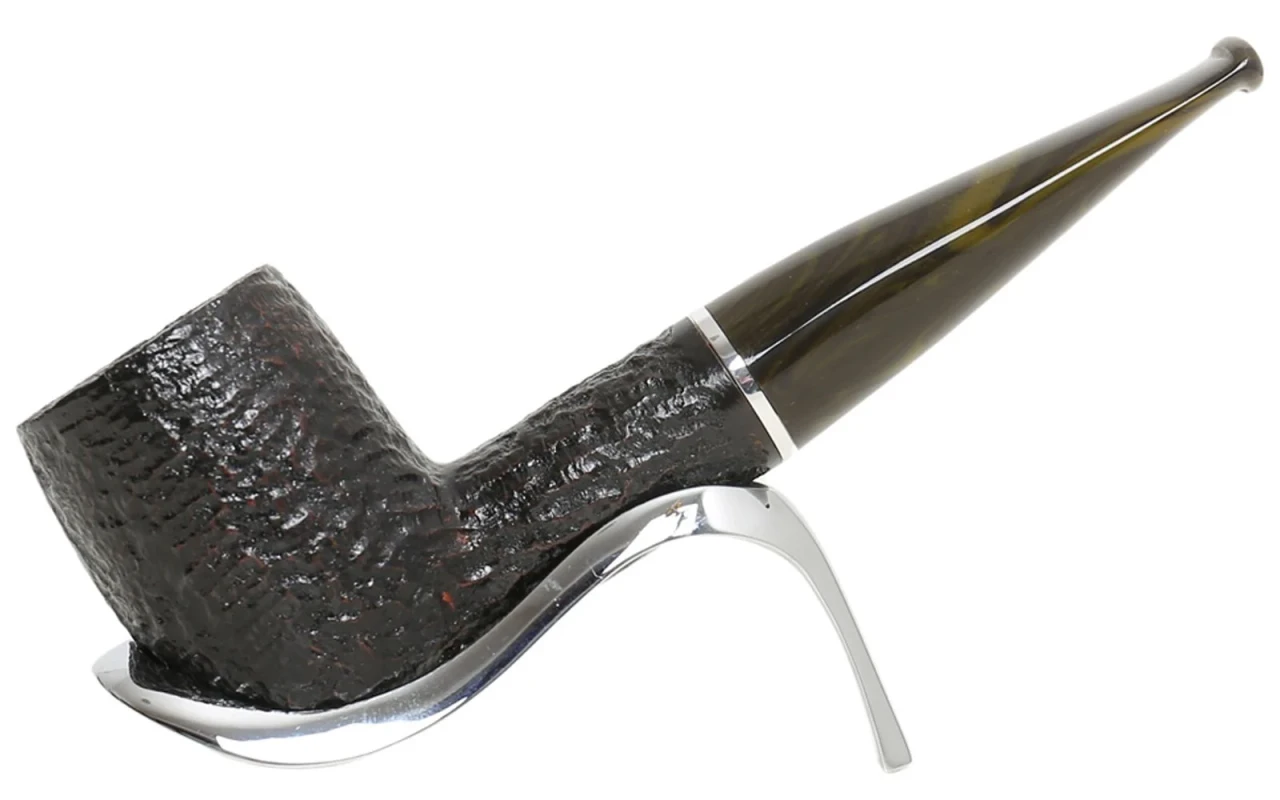
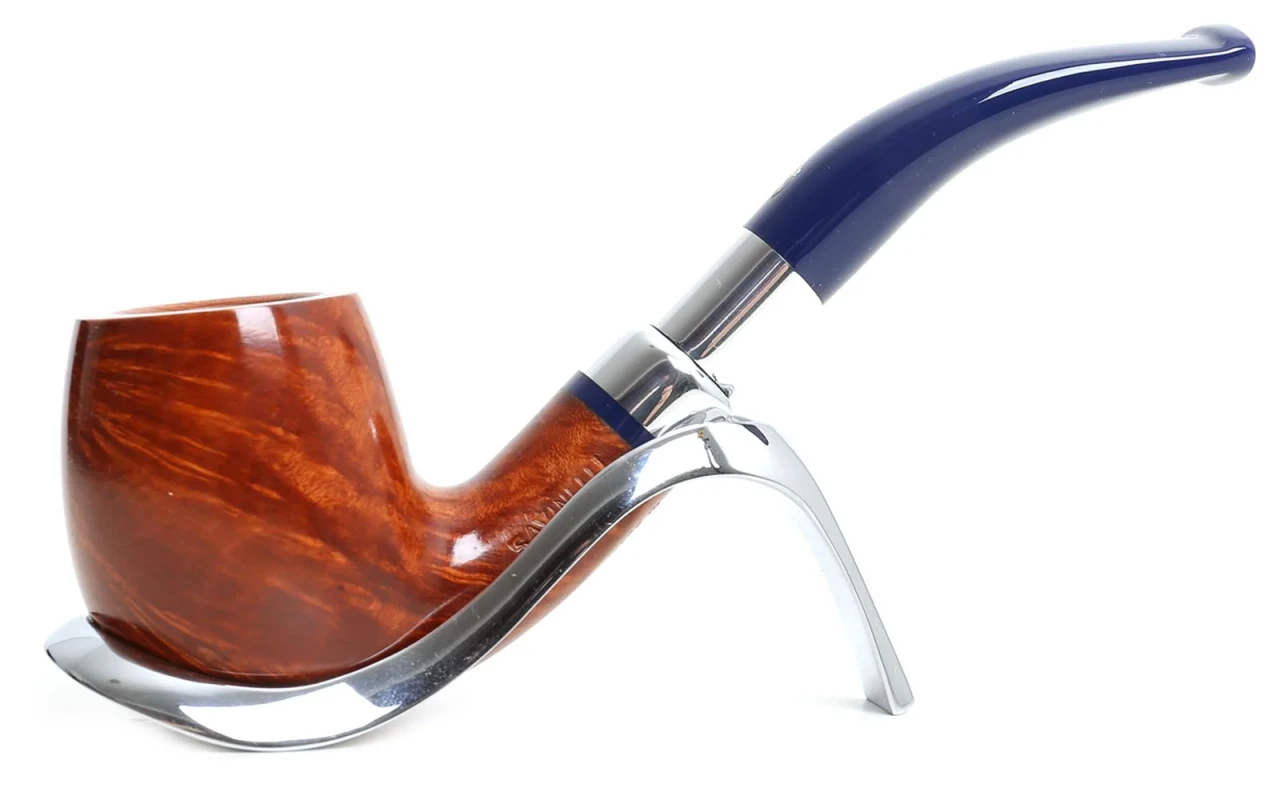

History of pipes through the centuries
Pipes have a long history dating back centuries. Initially used by the indigenous populations of North America, pipes were often used for ceremonial and spiritual purposes. With the arrival of Europeans in the New World, the practice of smoking pipes spread worldwide. Over the centuries, pipes have taken on different shapes and materials, from traditional wooden models to more modern ones made of glass or metal. Today, pipes continue to be appreciated by collectors and enthusiasts for their craftsmanship and the ritualistic aspect that surrounds them.
smoking pipe materials
Materials for smoking pipes are essential for their quality and durability over time. The most common options include:- Briar wood: high-quality wood, heat and moisture resistant, highly valued for pipes.- Corn cob: inexpensive and lightweight, used for low-end pipes or as an alternative material.- Clay: a traditional material, offers a pure and fresh aromatic experience.- Meerschaum: a porous stone that absorbs tobacco oils, ensuring a cool and dry smoke.- Olive wood morta: natural and unique materials that give a rustic and elegant touch to the pipe.
Pipe maintenance for pipe smoking
Maintaining pipe smoking pipes is fundamental to ensure a good smoking experience and preserve the quality of the tobacco. Here are some useful tips:- Regularly clean the pipe after each use, removing tobacco residue and moisture.- Use brushes and pipe cleaners to clean the bowl and the stem.- Avoid overheating the pipe during smoking.- Regularly rotate the pipes in use to allow for rest and cooling down.- Check and replace any filters or damaged parts.By following these maintenance practices, you can extend the lifespan and performance of pipe smoking pipes over time.
Traditional shapes of pipes
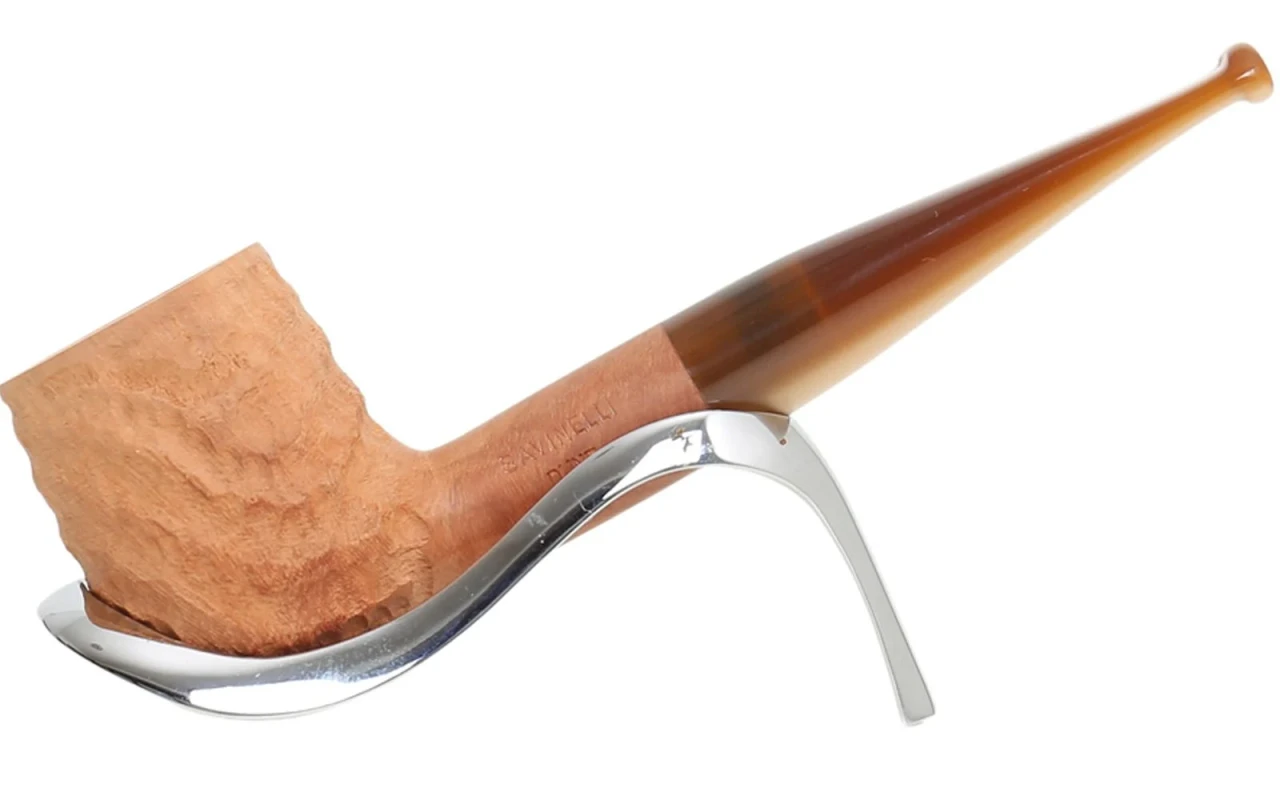
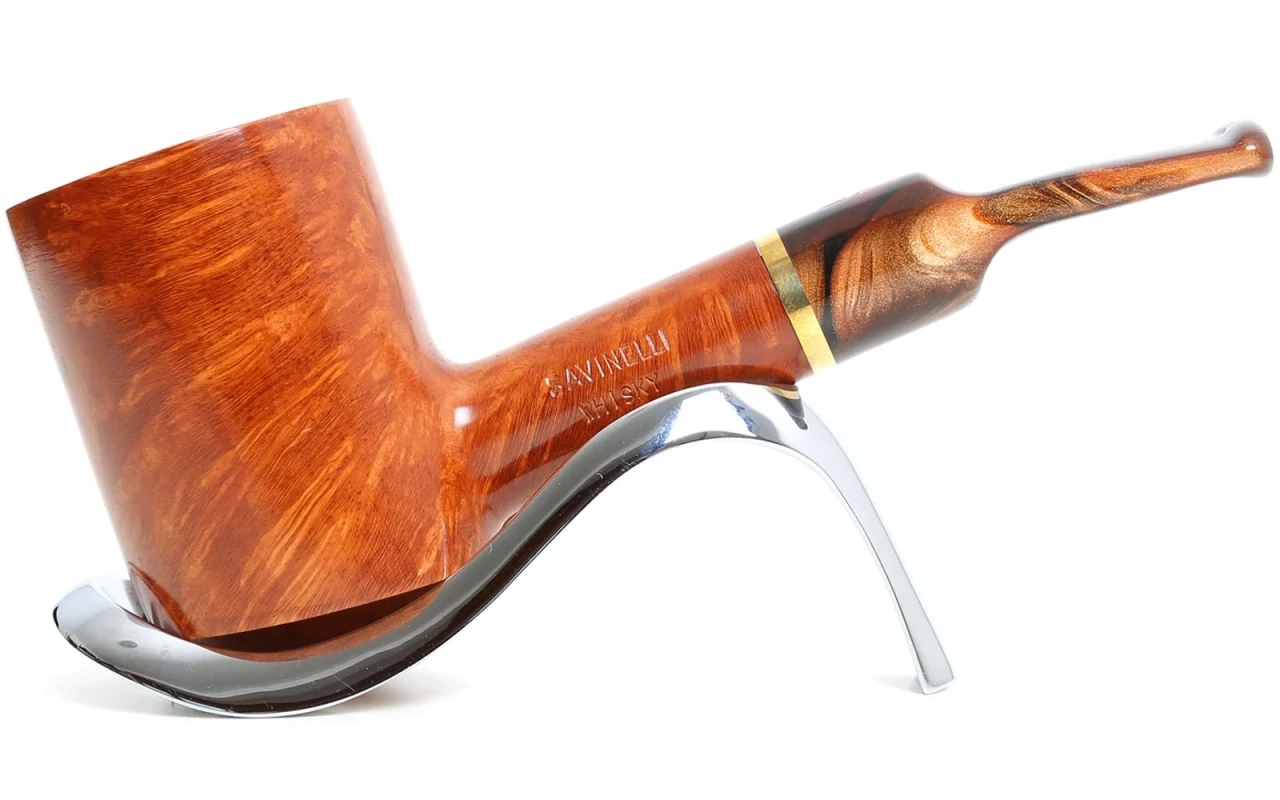
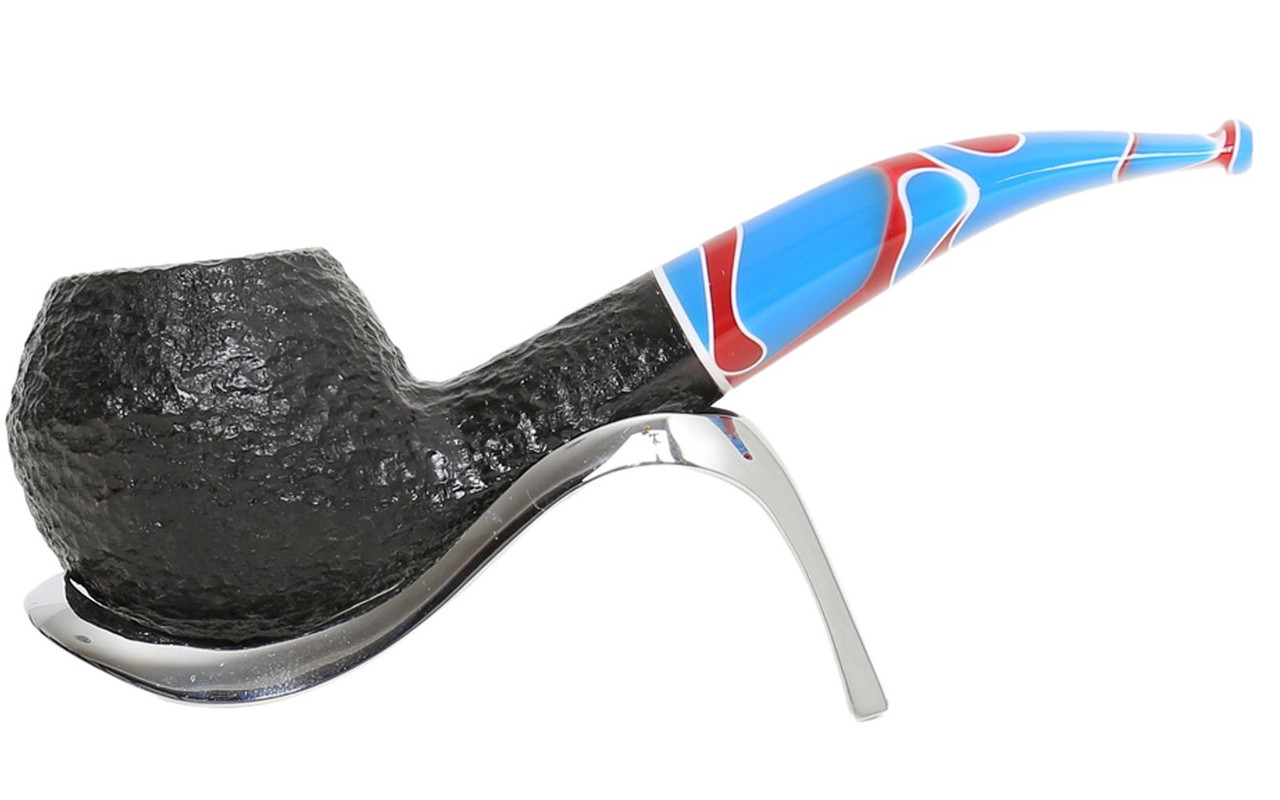
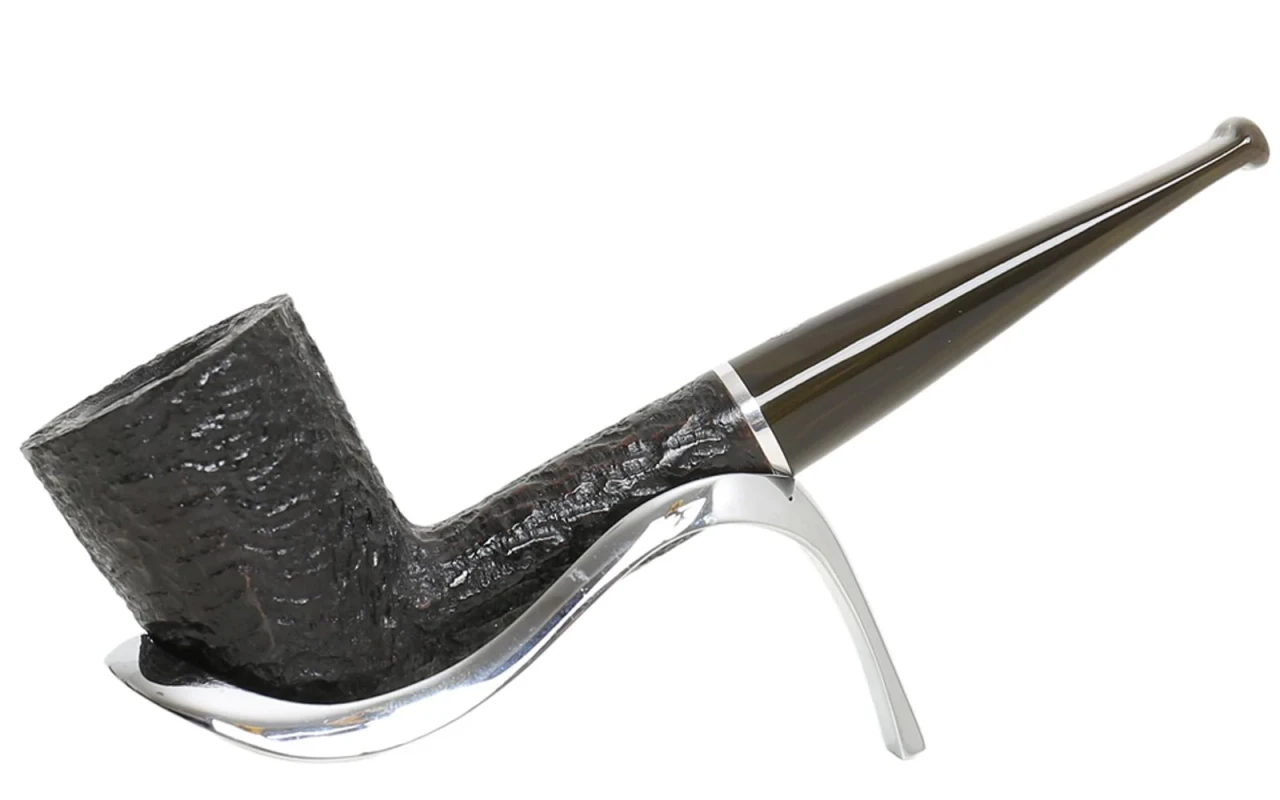
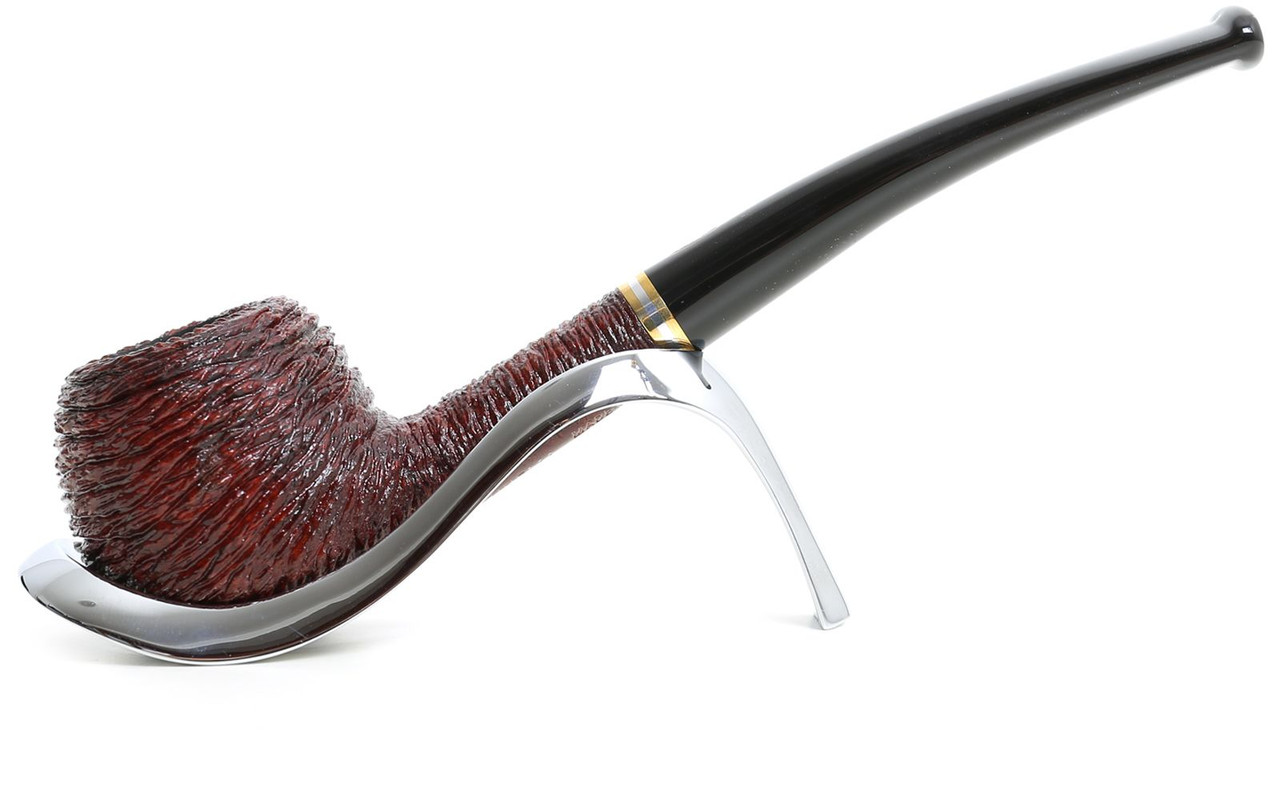
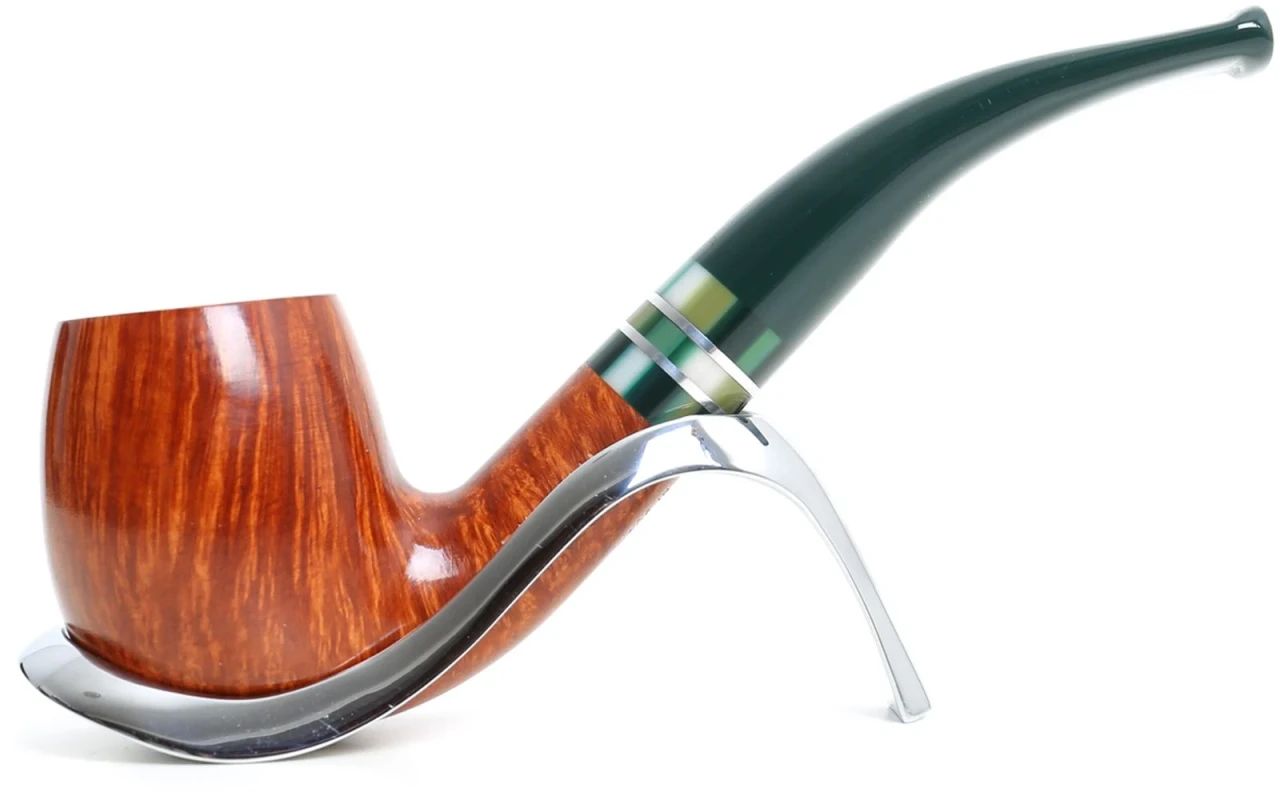
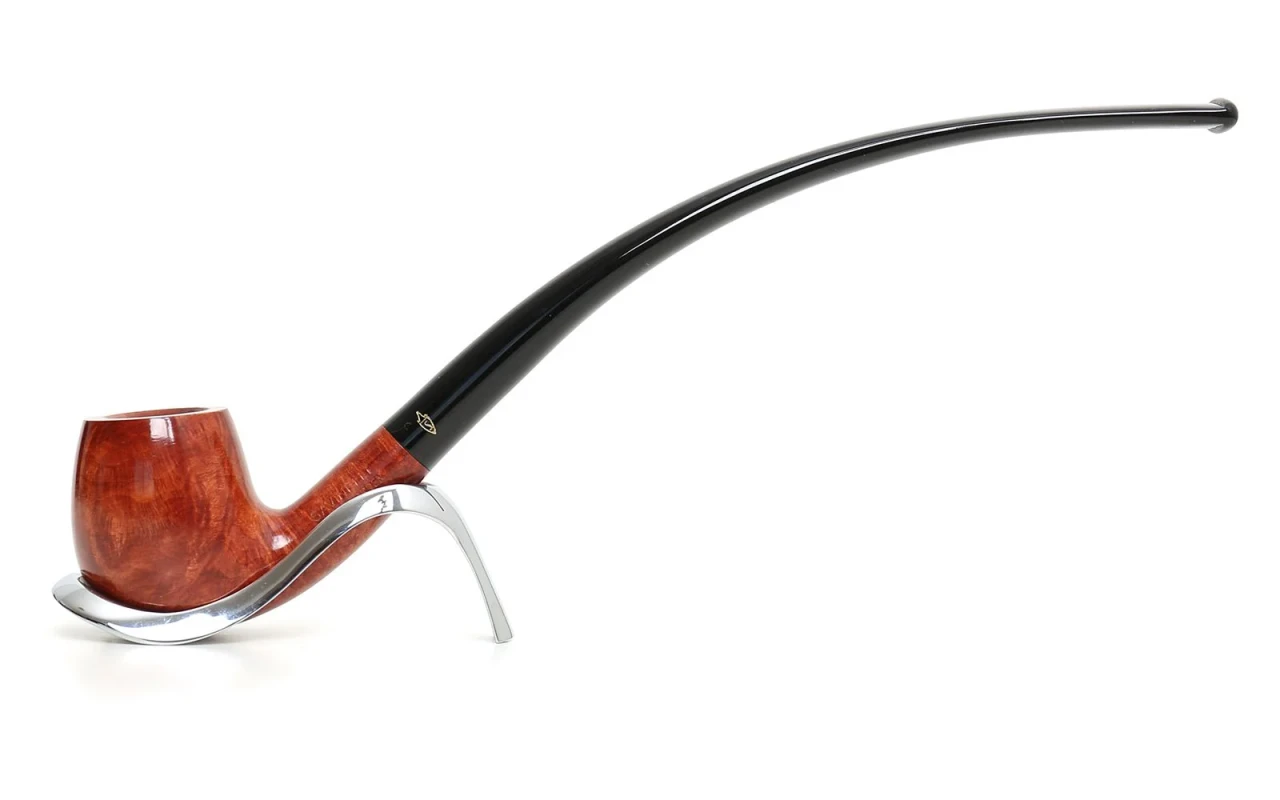
The traditional shapes of pipes vary significantly depending on the tradition and culture of origin. Some common examples include:- Billiard: a straight shape with a cylindrical bowl and a long stem- Dublin: similar to the Billiard but with a slightly conical bowl- Apple: a rounded shape with a wider bowl and a short stem- Bulldog: characterized by a wide bowl and sharp angles on the rim- Pot: a stout shape with a wide bowl and a short stem- Rhodesian: similar to the Bulldog but with a more rounded rimThese are just a few of the most common shapes in the world of pipes.
'%3e%3cg id='Final-Copy-2_2_' transform='translate(1275.000000, 200.000000)'%3e%3cpath class='st0' d='M7.4,12.8h6.8l3.1-11.6H7.4C4.2,1.2,1.6,3.8,1.6,7S4.2,12.8,7.4,12.8z'/%3e%3c/g%3e%3c/g%3e%3c/g%3e%3cg id='final---dec.11-2020'%3e%3cg id='_x30_208-our-toggle' transform='translate(-1275.000000, -200.000000)'%3e%3cg id='Final-Copy-2' transform='translate(1275.000000, 200.000000)'%3e%3cpath class='st1' d='M22.6,0H7.4c-3.9,0-7,3.1-7,7s3.1,7,7,7h15.2c3.9,0,7-3.1,7-7S26.4,0,22.6,0z M1.6,7c0-3.2,2.6-5.8,5.8-5.8 h9.9l-3.1,11.6H7.4C4.2,12.8,1.6,10.2,1.6,7z'/%3e%3cpath id='x' class='st2' d='M24.6,4c0.2,0.2,0.2,0.6,0,0.8l0,0L22.5,7l2.2,2.2c0.2,0.2,0.2,0.6,0,0.8c-0.2,0.2-0.6,0.2-0.8,0 l0,0l-2.2-2.2L19.5,10c-0.2,0.2-0.6,0.2-0.8,0c-0.2-0.2-0.2-0.6,0-0.8l0,0L20.8,7l-2.2-2.2c-0.2-0.2-0.2-0.6,0-0.8 c0.2-0.2,0.6-0.2,0.8,0l0,0l2.2,2.2L23.8,4C24,3.8,24.4,3.8,24.6,4z'/%3e%3cpath id='y' class='st3' d='M12.7,4.1c0.2,0.2,0.3,0.6,0.1,0.8l0,0L8.6,9.8C8.5,9.9,8.4,10,8.3,10c-0.2,0.1-0.5,0.1-0.7-0.1l0,0 L5.4,7.7c-0.2-0.2-0.2-0.6,0-0.8c0.2-0.2,0.6-0.2,0.8,0l0,0L8,8.6l3.8-4.5C12,3.9,12.4,3.9,12.7,4.1z'/%3e%3c/g%3e%3c/g%3e%3c/g%3e%3c/g%3e%3c/svg%3e) Your Privacy Choices
Your Privacy Choices 


