 ES
ES FR
FR EN
EN IT
IT DE
DE
History of pipes in the industry
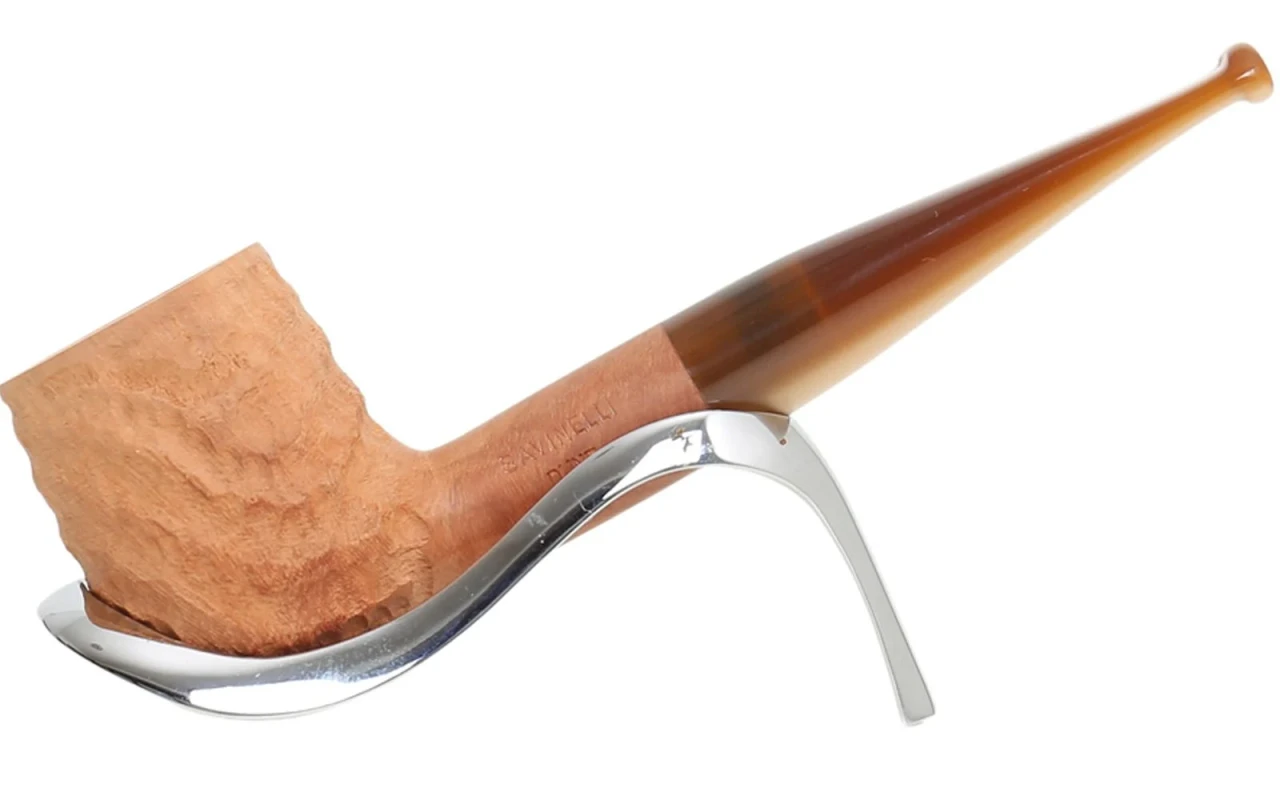
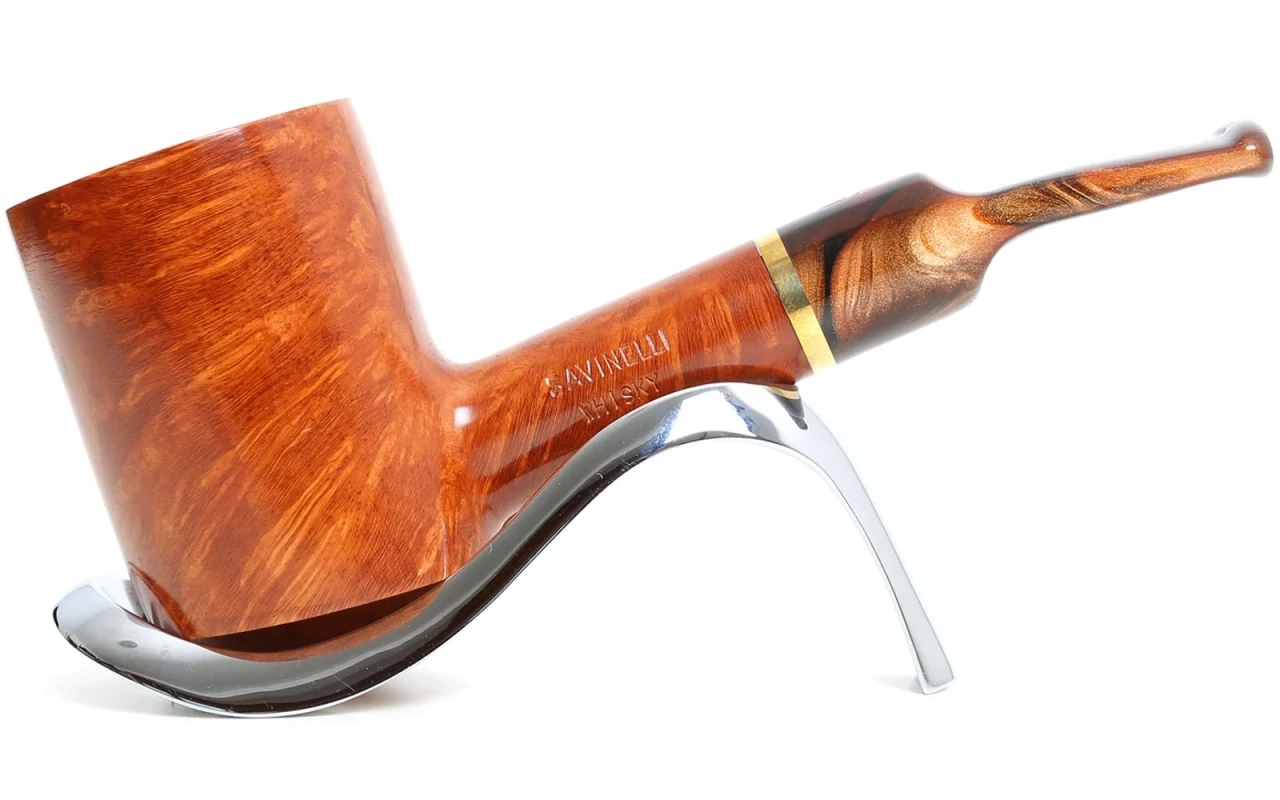
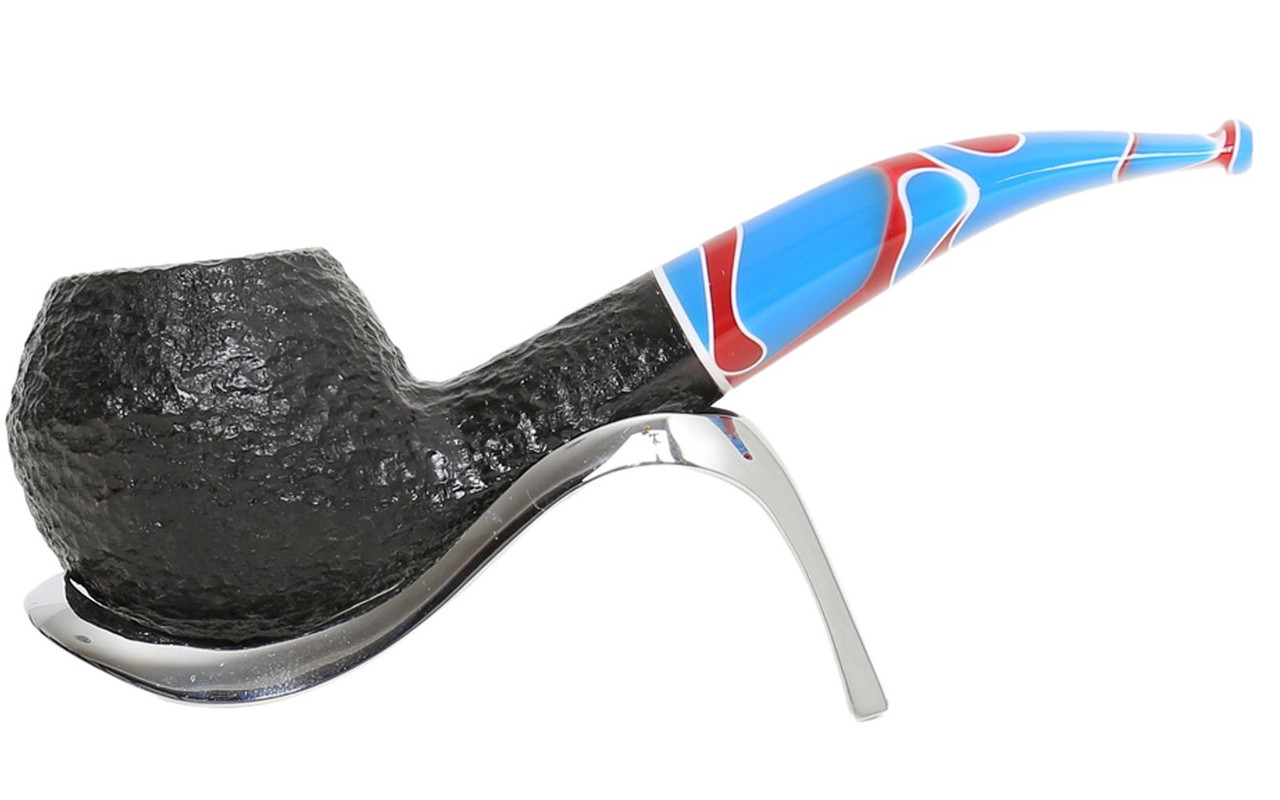
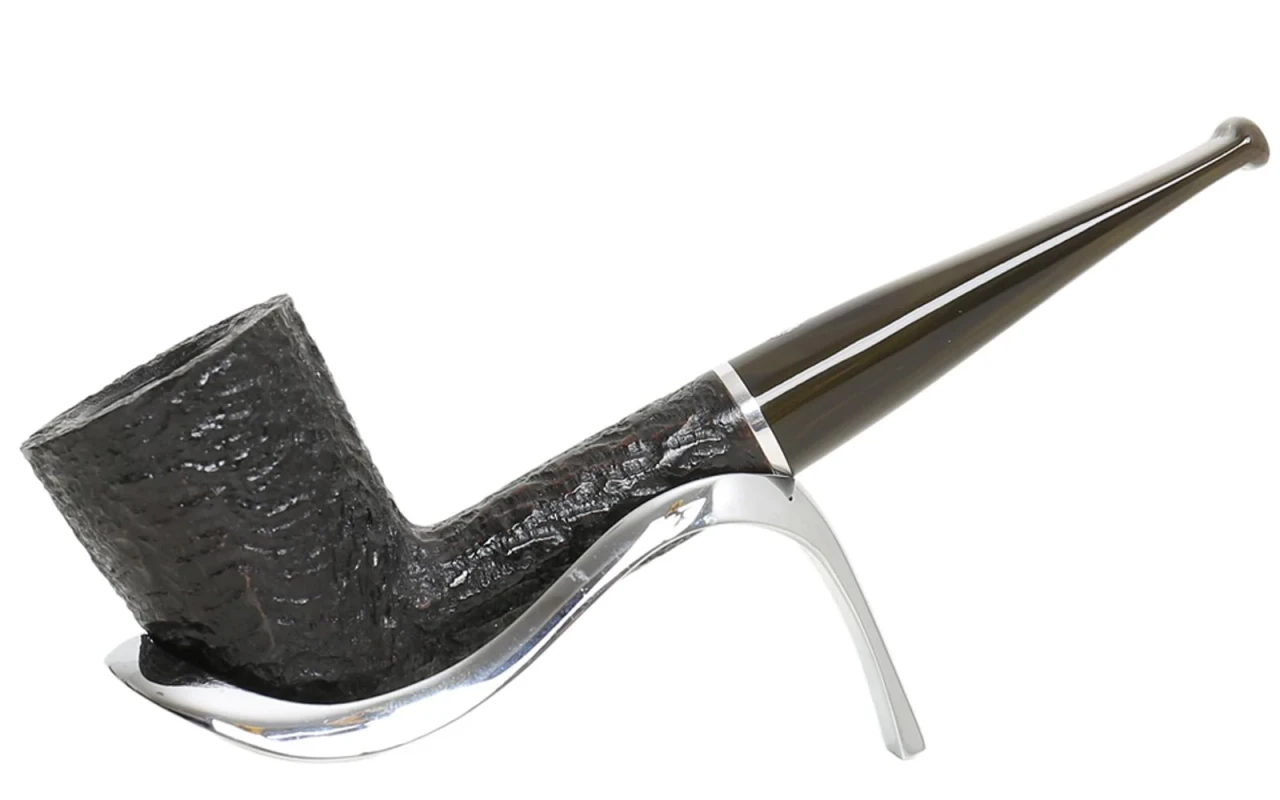
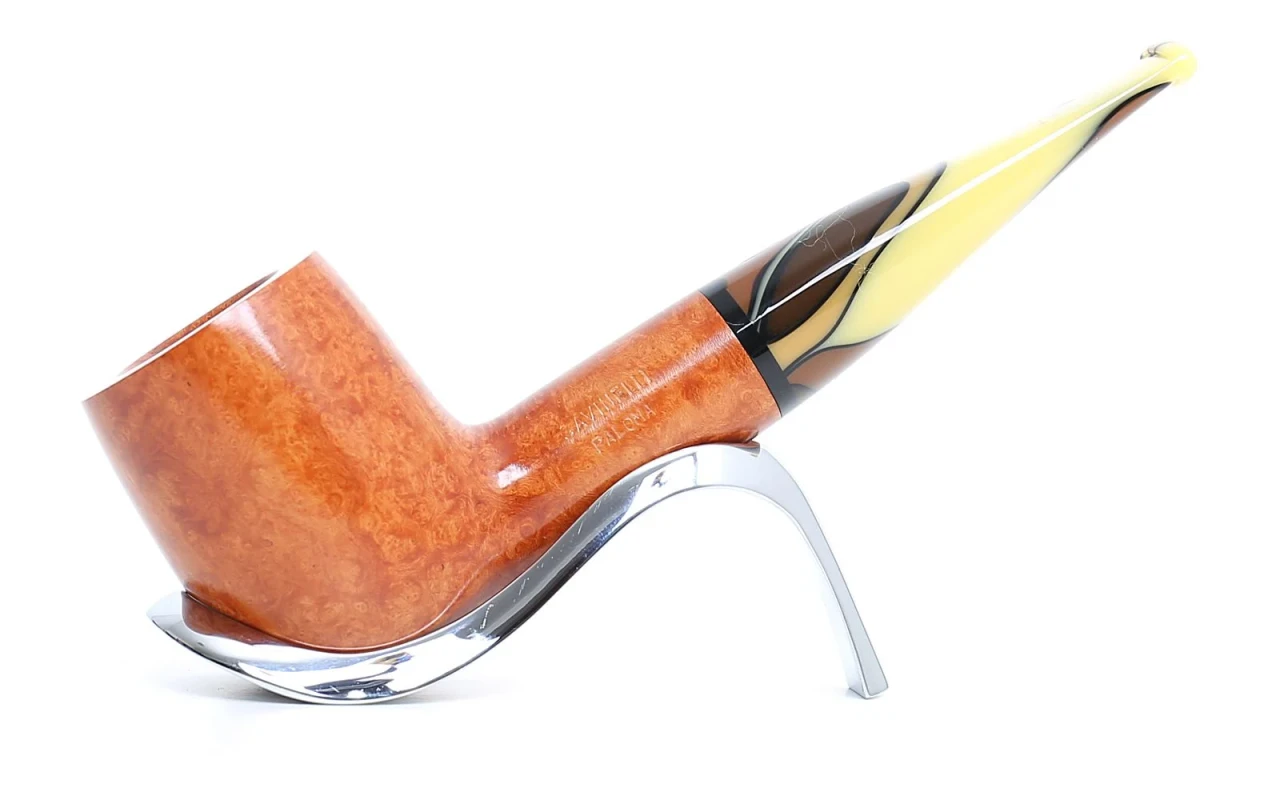
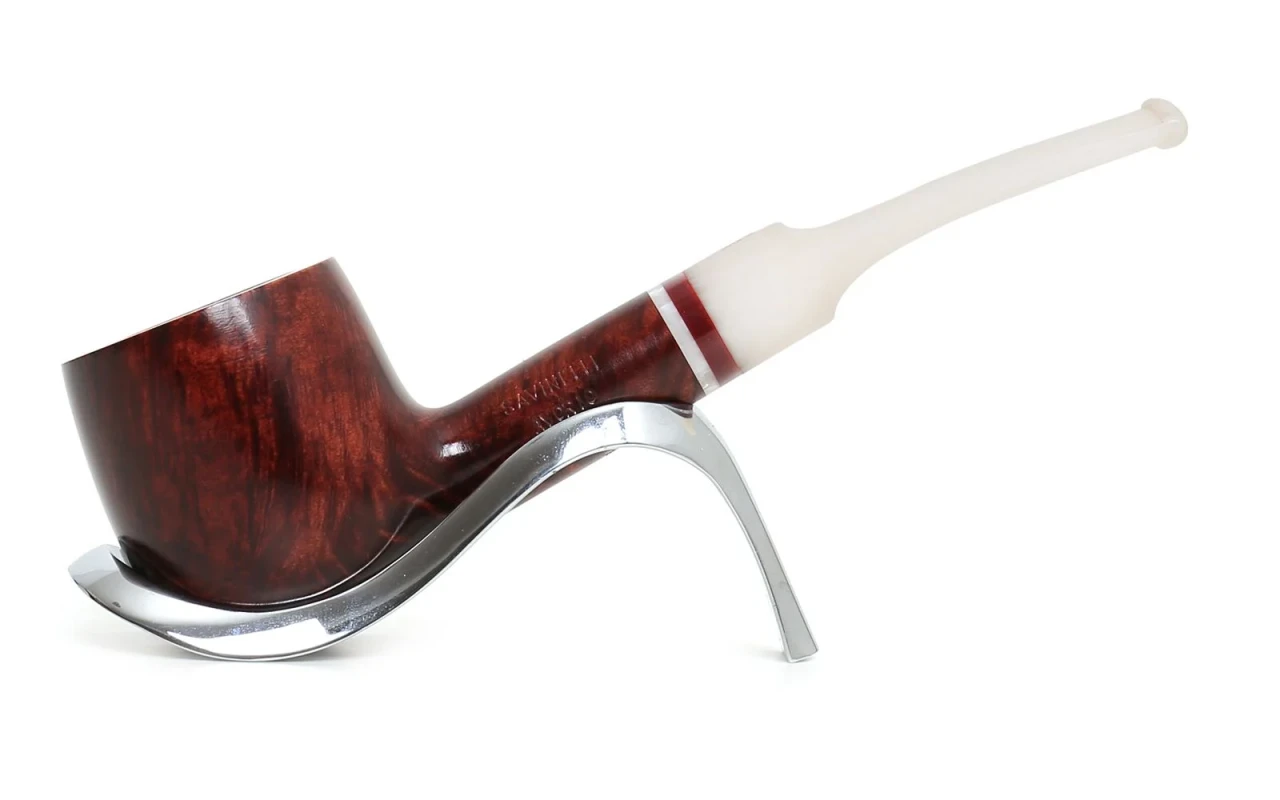
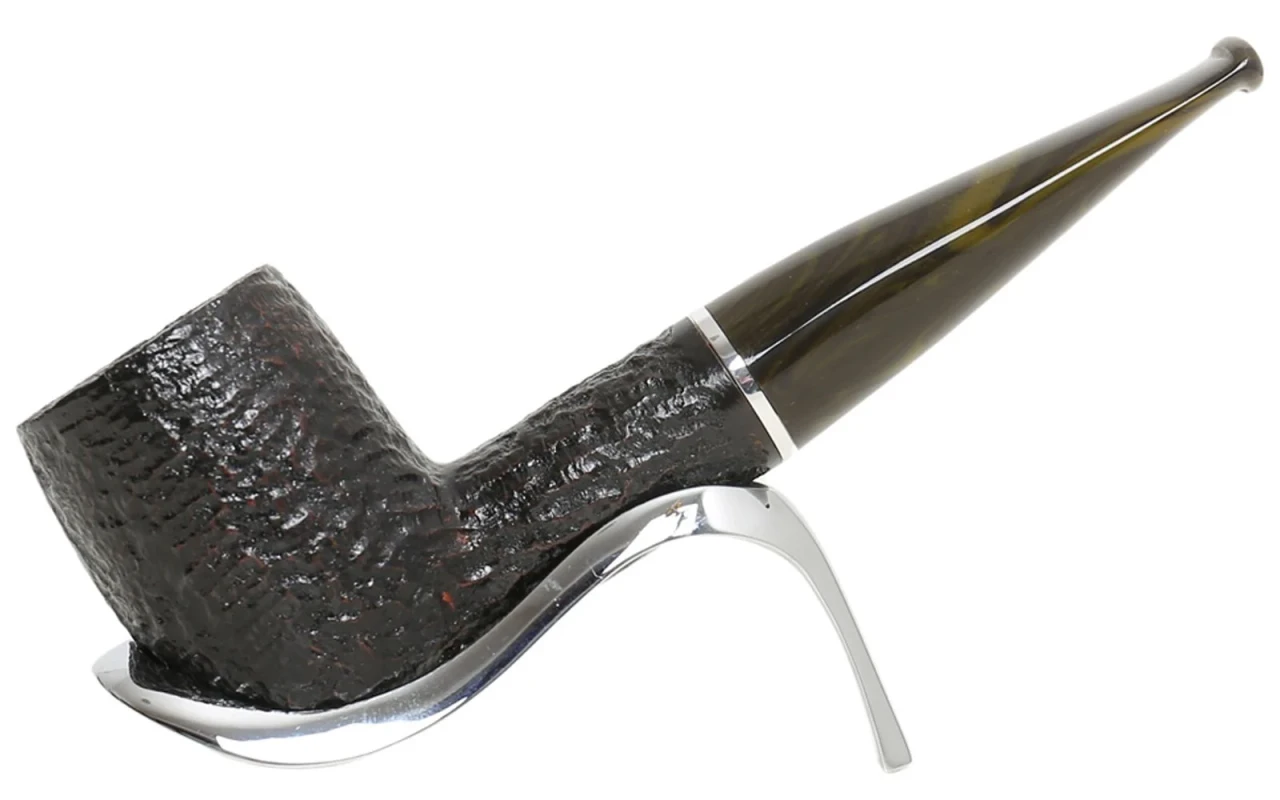
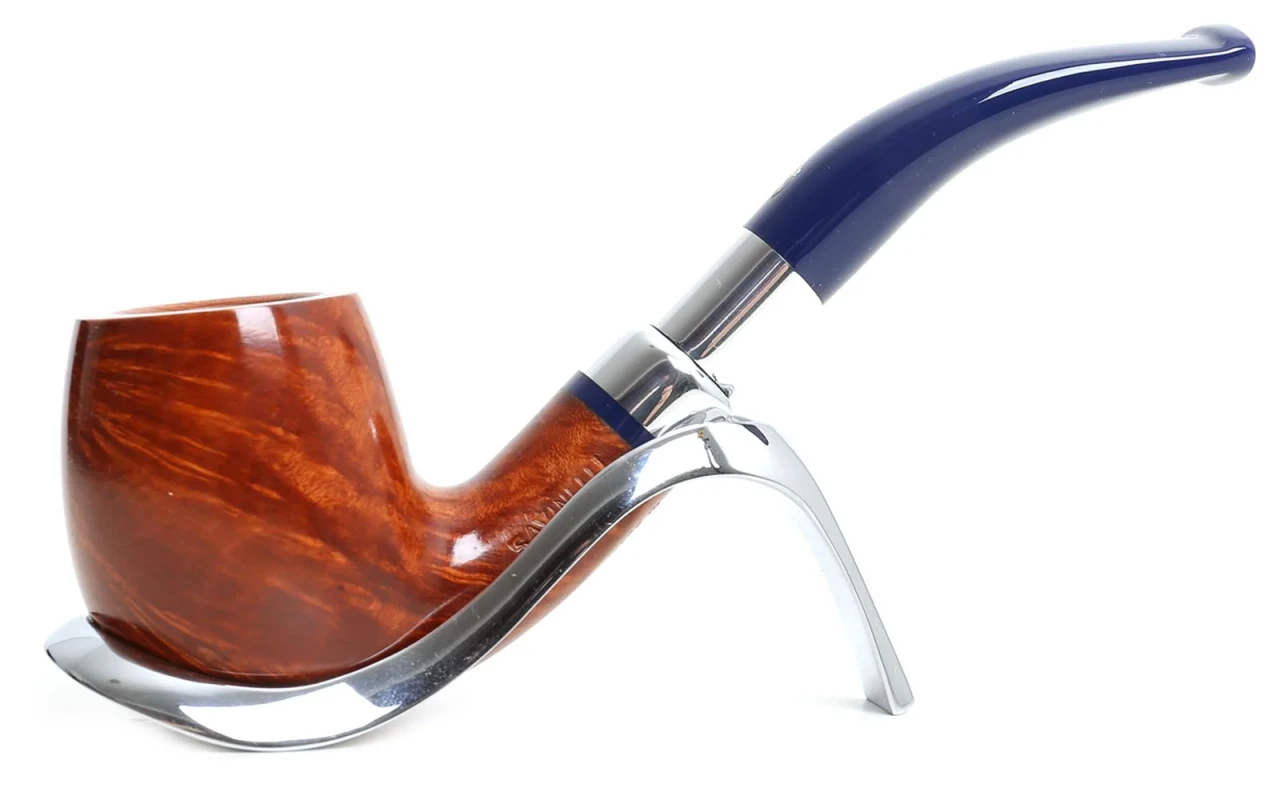
History of pipes in the industry
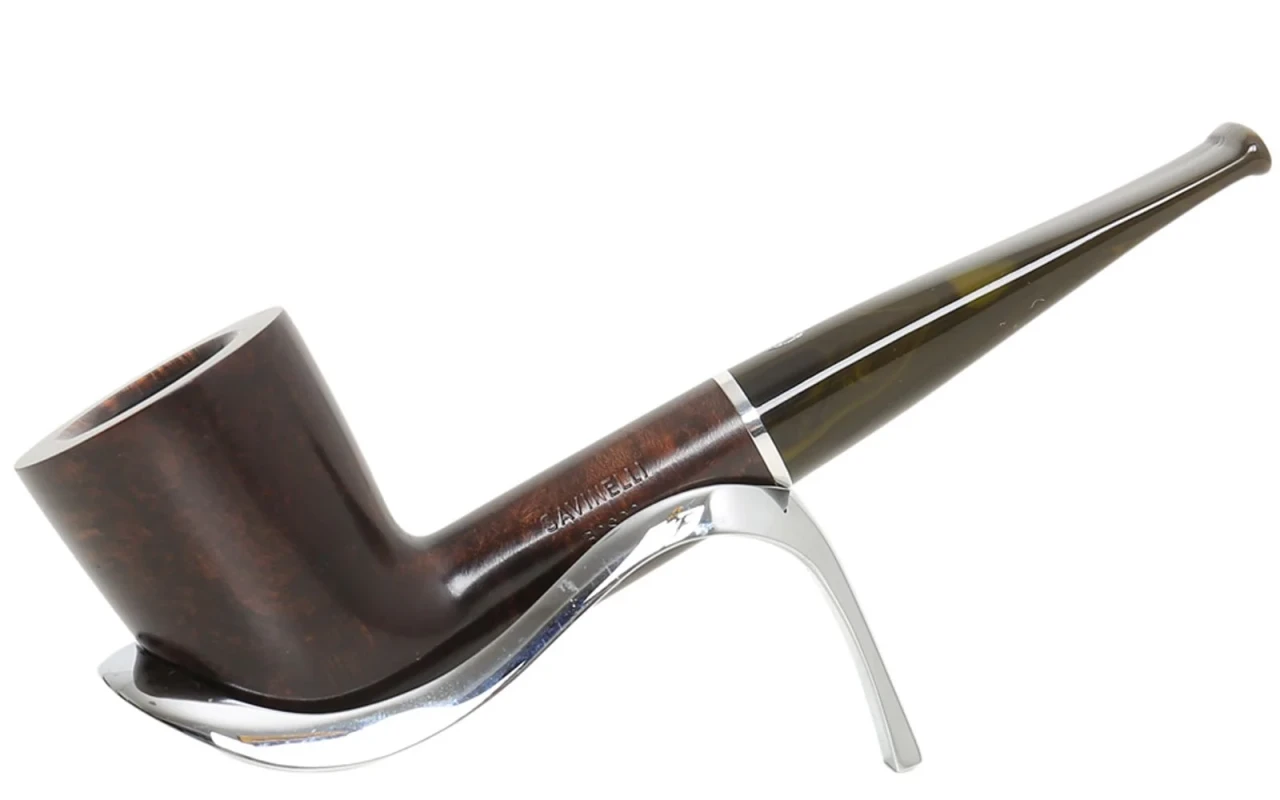
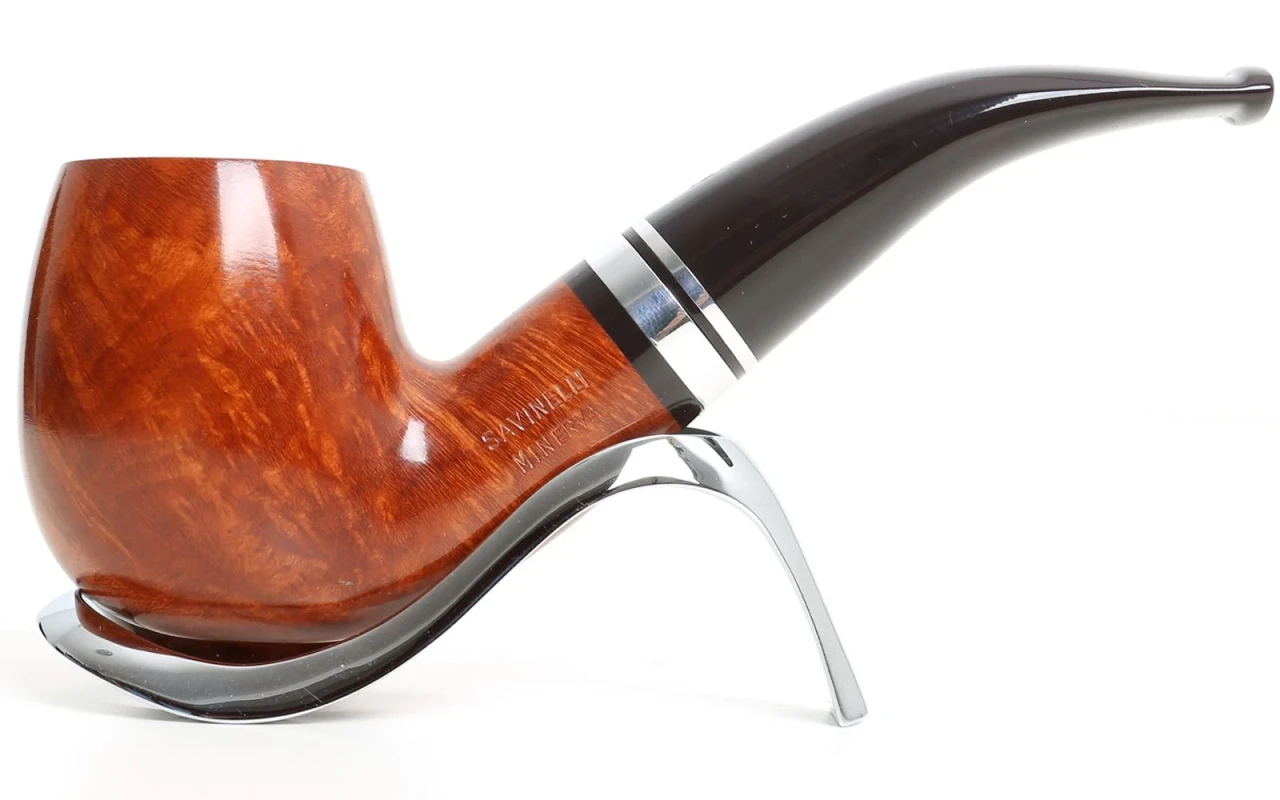
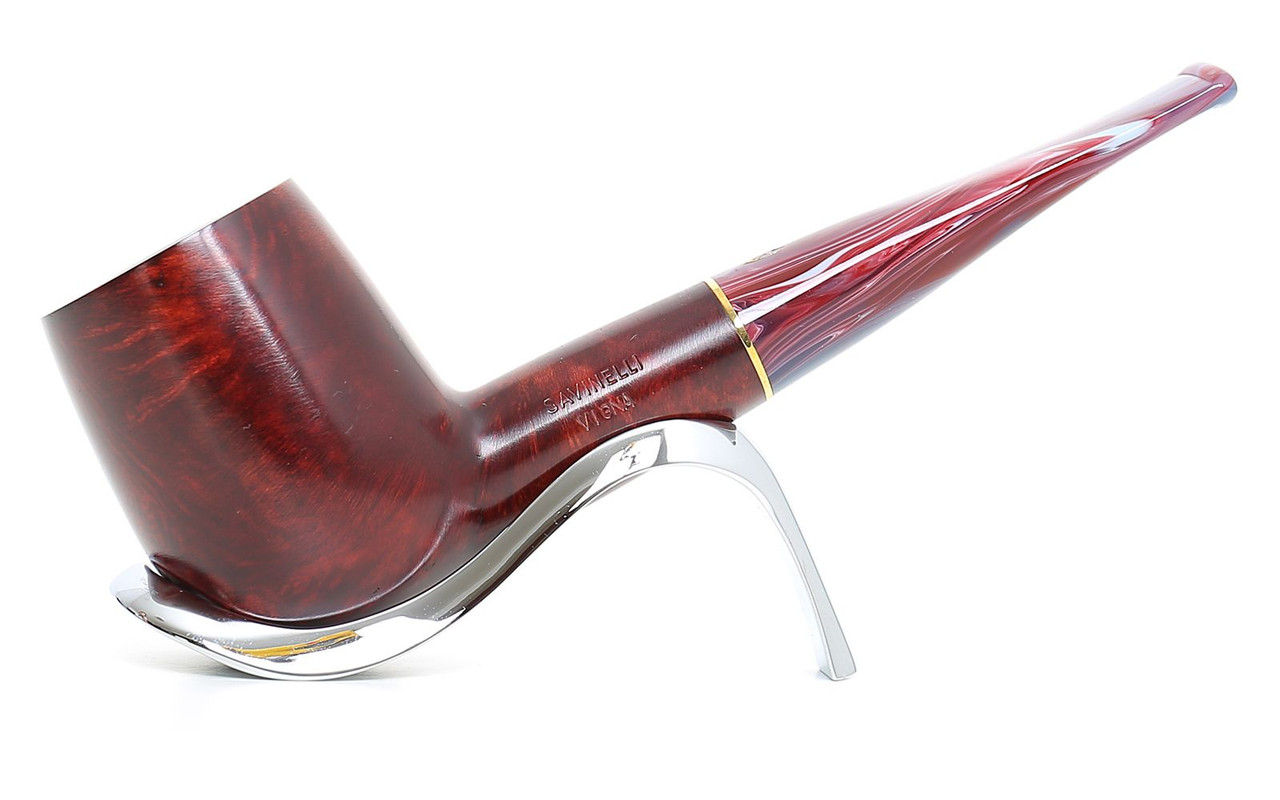
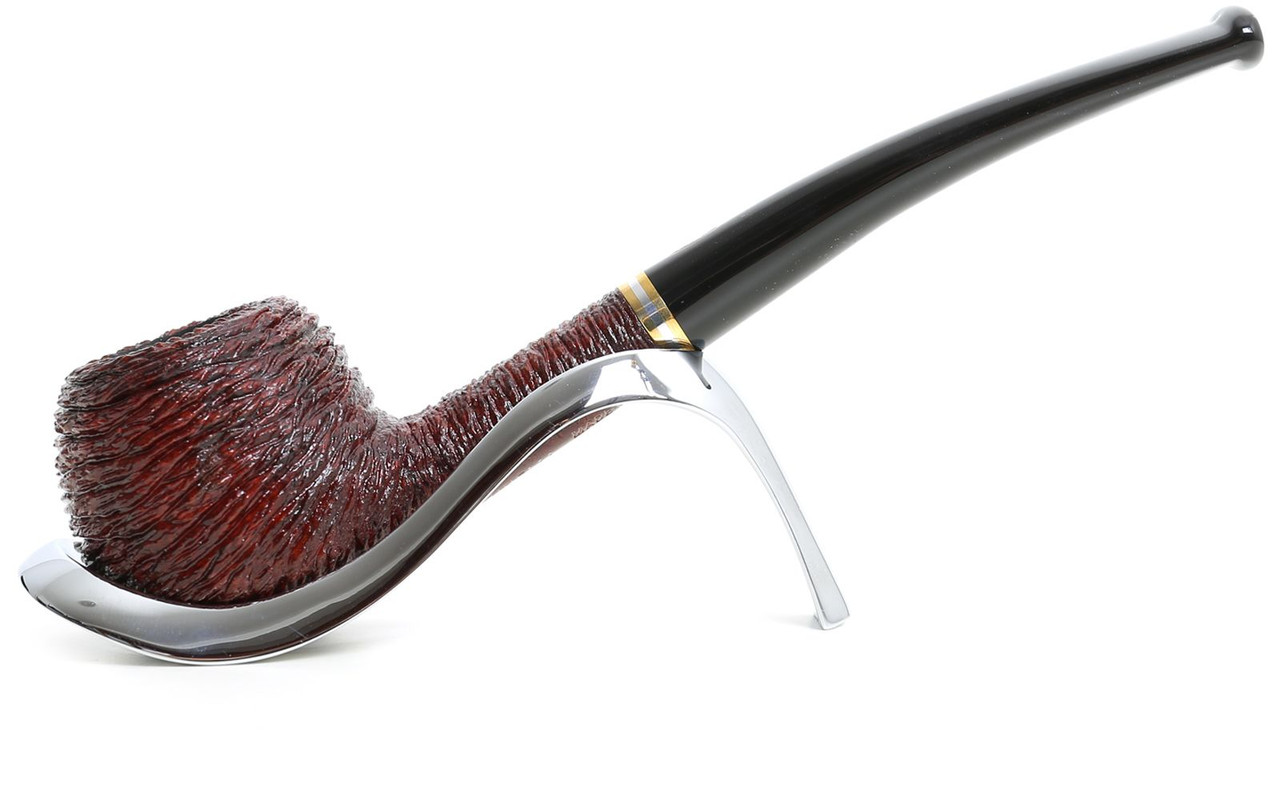
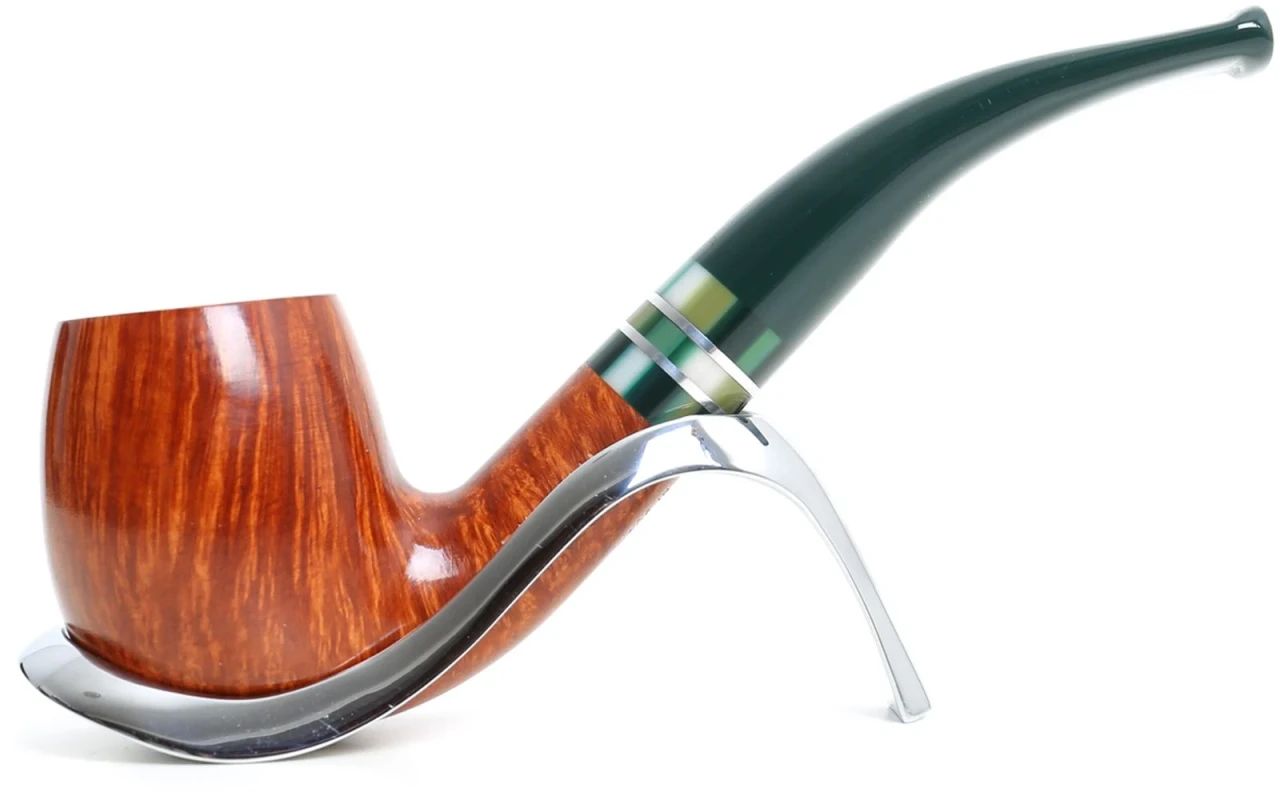
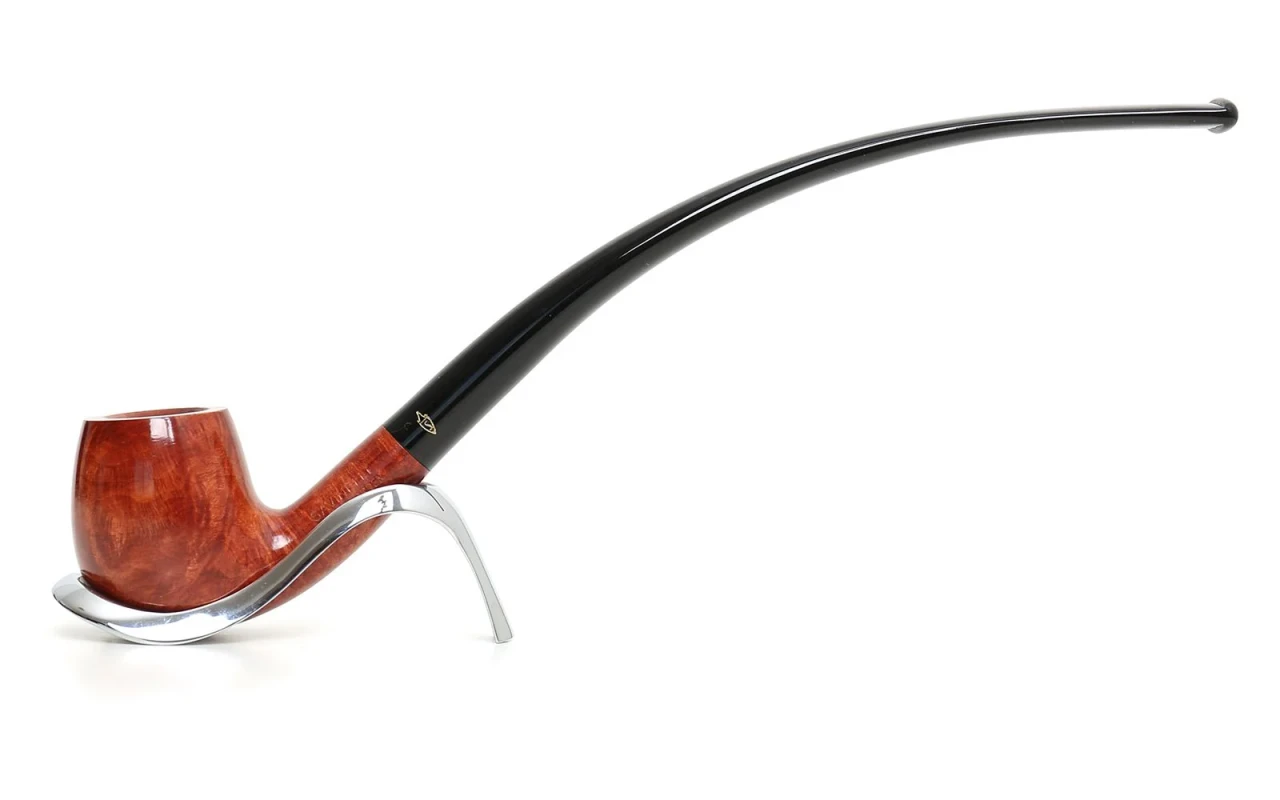
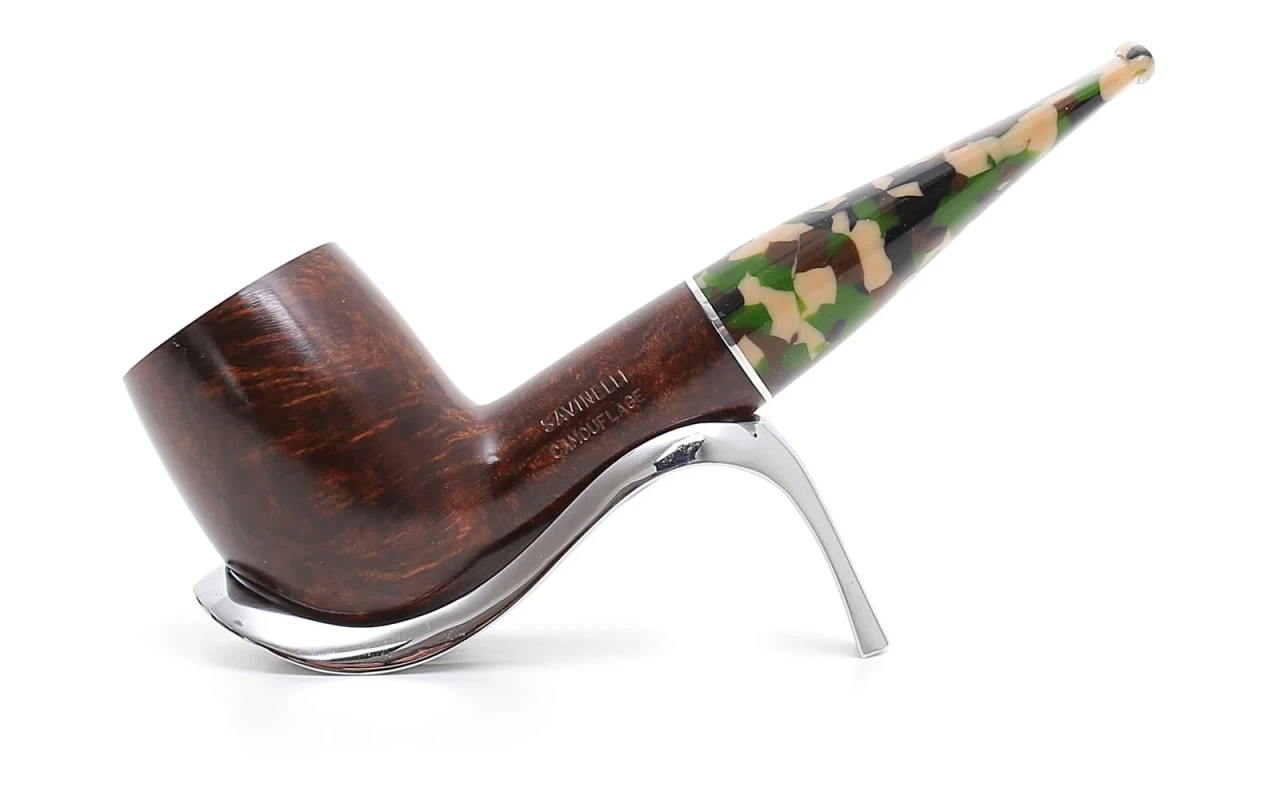
Pipes have a long history in the tobacco industry. Dating back centuries, the first pipes were made of clay or wood and were used by ancient Native American peoples. Over time, pipes have undergone various transformations, evolving from simple tools to true works of art. In the 18th century, pipes began to be crafted from more precious materials such as briar root or coral. Today, pipes are appreciated not only for the smoke they produce, but also for their beauty and craftsmanship.
Materials used for building pipes
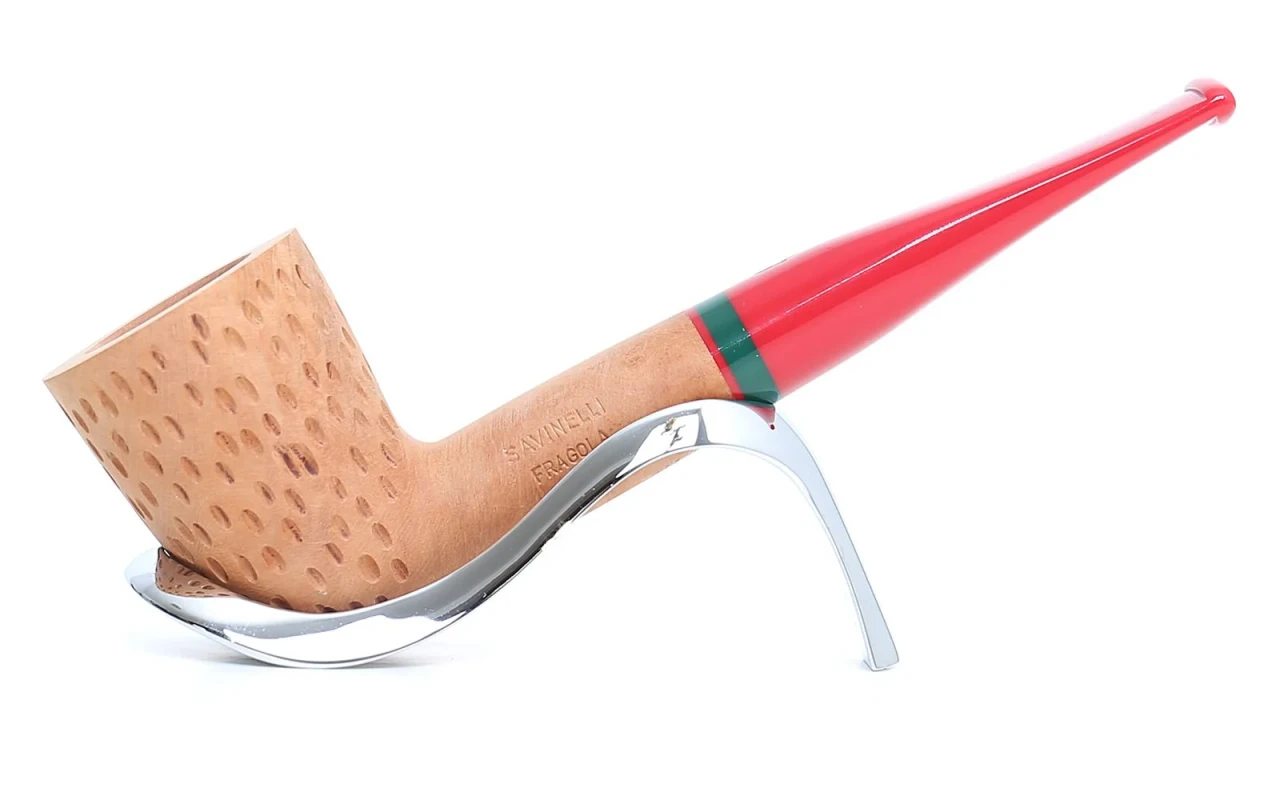
Pipes can be made from a variety of materials, each with unique characteristics. The most common materials used for building pipes are:- Wood: often chosen for its ability to absorb moisture and enhance smoke quality.- Metals: such as brass or stainless steel, providing durability and corrosion resistance.- Clay: traditionally used for its cooling properties on the smoke.- Corn cob: inexpensive and lightweight, used for disposable pipes or decorative pipes.- Meerschaum: a porous stone that absorbs liquids, contributing to a cooler smoke.Each material offers a unique smoking experience, influencing smoke aroma and temperature.
Maintenance and Cleaning of Pipes
Maintenance and cleaning of pipes are crucial to ensure optimal smoking experience and extend the lifespan of your favorite tool. Here are some useful tips:- After each use, empty the ash and gently clean the inside of the pipe with a pipe cleaner.- Periodically, disassemble the pipe and clean both the mouthpiece and the stem with a specific pipe detergent.- Avoid allowing tar to accumulate inside the pipe, as it could compromise the taste of the tobacco.- Make sure to let the pipe rest for at least 24 hours after use to prevent overheating.By following these simple practices, you can enjoy long-lasting smoking sessions with your favorite pipe.
Differences between electronic and traditional smoking pipes
Electronic and traditional smoking pipes mainly differ in the method of vaporizing tobacco or herbs. Traditional pipes use the heat generated by the direct combustion of tobacco, producing smoke. Electronic pipes, on the other hand, work by heating tobacco or herbs at lower temperatures, without combustion, and produce a flavored vapor. Other differences include the ability to electronically adjust the temperature in electronic pipes, the absence of ashes and persistent odors, and the potential reduction of harmful substances compared to traditional pipes.
'%3e%3cg id='Final-Copy-2_2_' transform='translate(1275.000000, 200.000000)'%3e%3cpath class='st0' d='M7.4,12.8h6.8l3.1-11.6H7.4C4.2,1.2,1.6,3.8,1.6,7S4.2,12.8,7.4,12.8z'/%3e%3c/g%3e%3c/g%3e%3c/g%3e%3cg id='final---dec.11-2020'%3e%3cg id='_x30_208-our-toggle' transform='translate(-1275.000000, -200.000000)'%3e%3cg id='Final-Copy-2' transform='translate(1275.000000, 200.000000)'%3e%3cpath class='st1' d='M22.6,0H7.4c-3.9,0-7,3.1-7,7s3.1,7,7,7h15.2c3.9,0,7-3.1,7-7S26.4,0,22.6,0z M1.6,7c0-3.2,2.6-5.8,5.8-5.8 h9.9l-3.1,11.6H7.4C4.2,12.8,1.6,10.2,1.6,7z'/%3e%3cpath id='x' class='st2' d='M24.6,4c0.2,0.2,0.2,0.6,0,0.8l0,0L22.5,7l2.2,2.2c0.2,0.2,0.2,0.6,0,0.8c-0.2,0.2-0.6,0.2-0.8,0 l0,0l-2.2-2.2L19.5,10c-0.2,0.2-0.6,0.2-0.8,0c-0.2-0.2-0.2-0.6,0-0.8l0,0L20.8,7l-2.2-2.2c-0.2-0.2-0.2-0.6,0-0.8 c0.2-0.2,0.6-0.2,0.8,0l0,0l2.2,2.2L23.8,4C24,3.8,24.4,3.8,24.6,4z'/%3e%3cpath id='y' class='st3' d='M12.7,4.1c0.2,0.2,0.3,0.6,0.1,0.8l0,0L8.6,9.8C8.5,9.9,8.4,10,8.3,10c-0.2,0.1-0.5,0.1-0.7-0.1l0,0 L5.4,7.7c-0.2-0.2-0.2-0.6,0-0.8c0.2-0.2,0.6-0.2,0.8,0l0,0L8,8.6l3.8-4.5C12,3.9,12.4,3.9,12.7,4.1z'/%3e%3c/g%3e%3c/g%3e%3c/g%3e%3c/g%3e%3c/svg%3e) Your Privacy Choices
Your Privacy Choices 


