 ES
ES FR
FR EN
EN IT
IT DE
DE
History of pipes from the origins
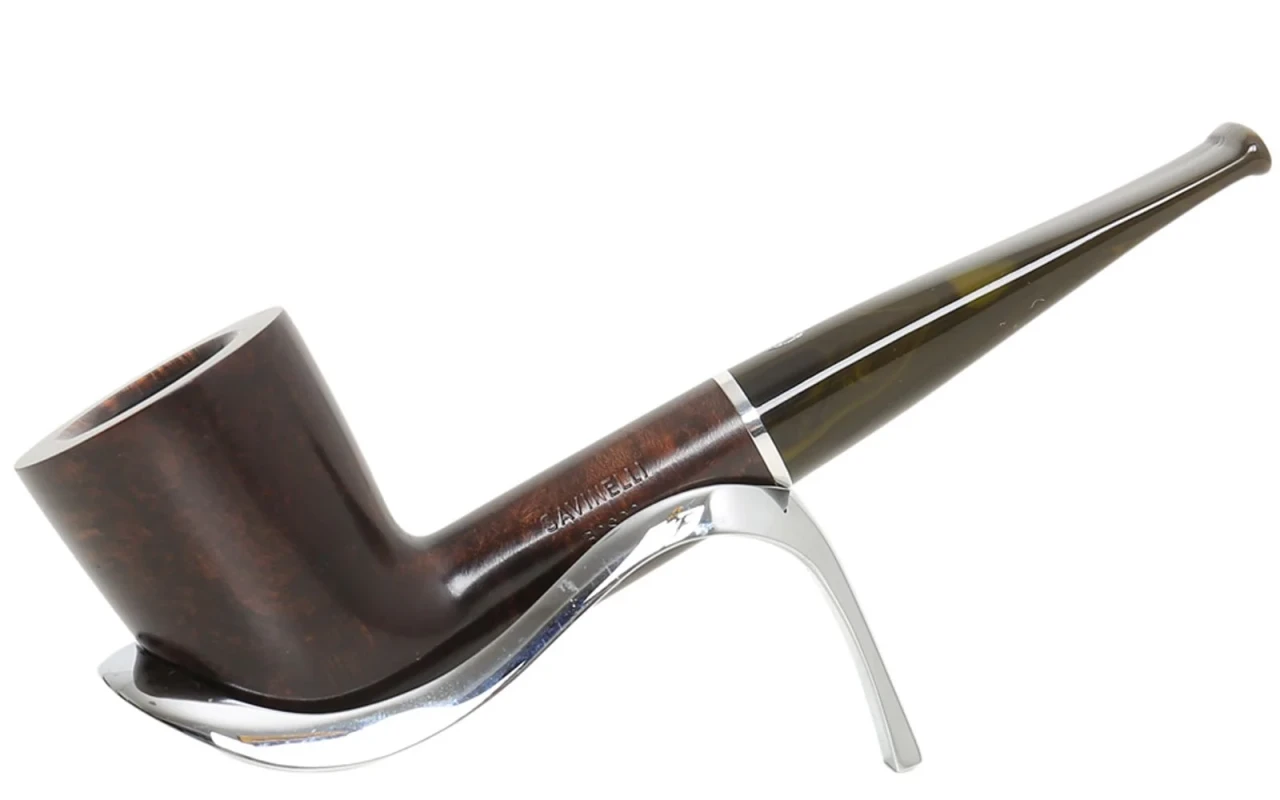
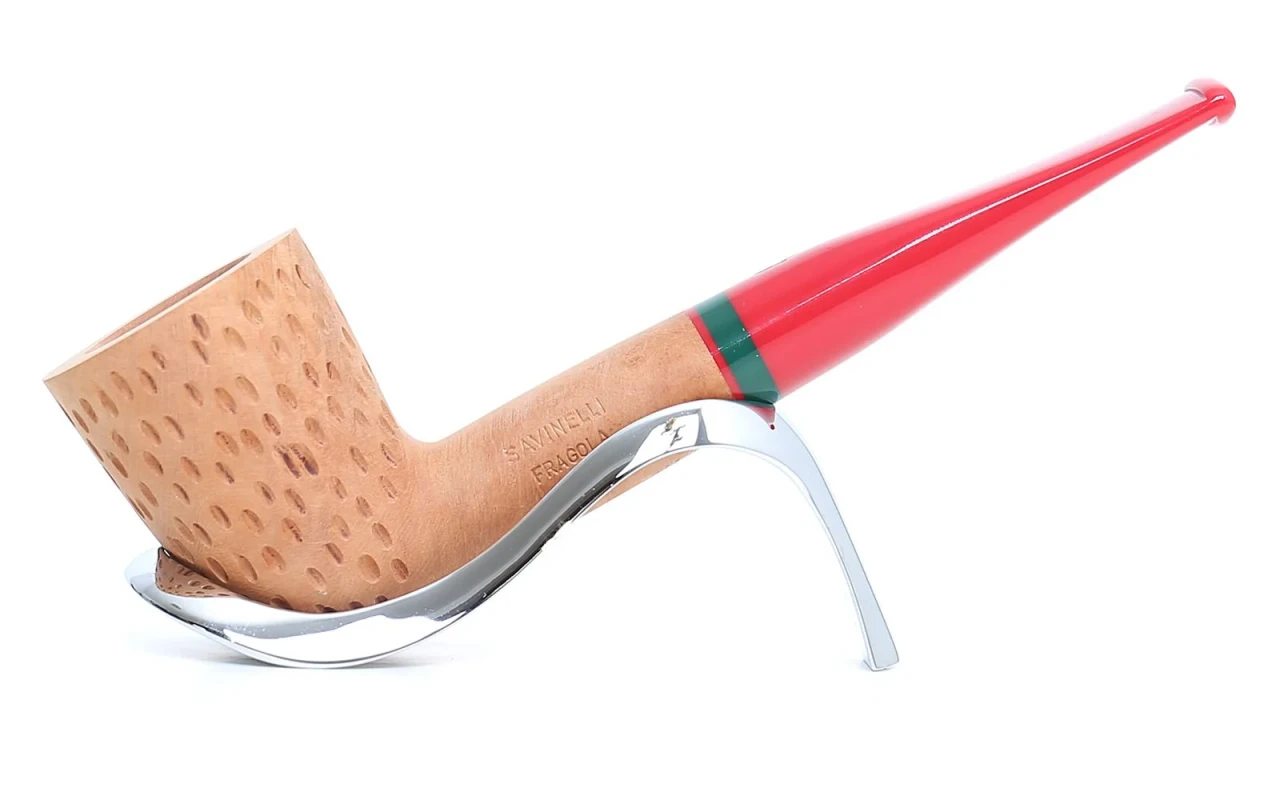
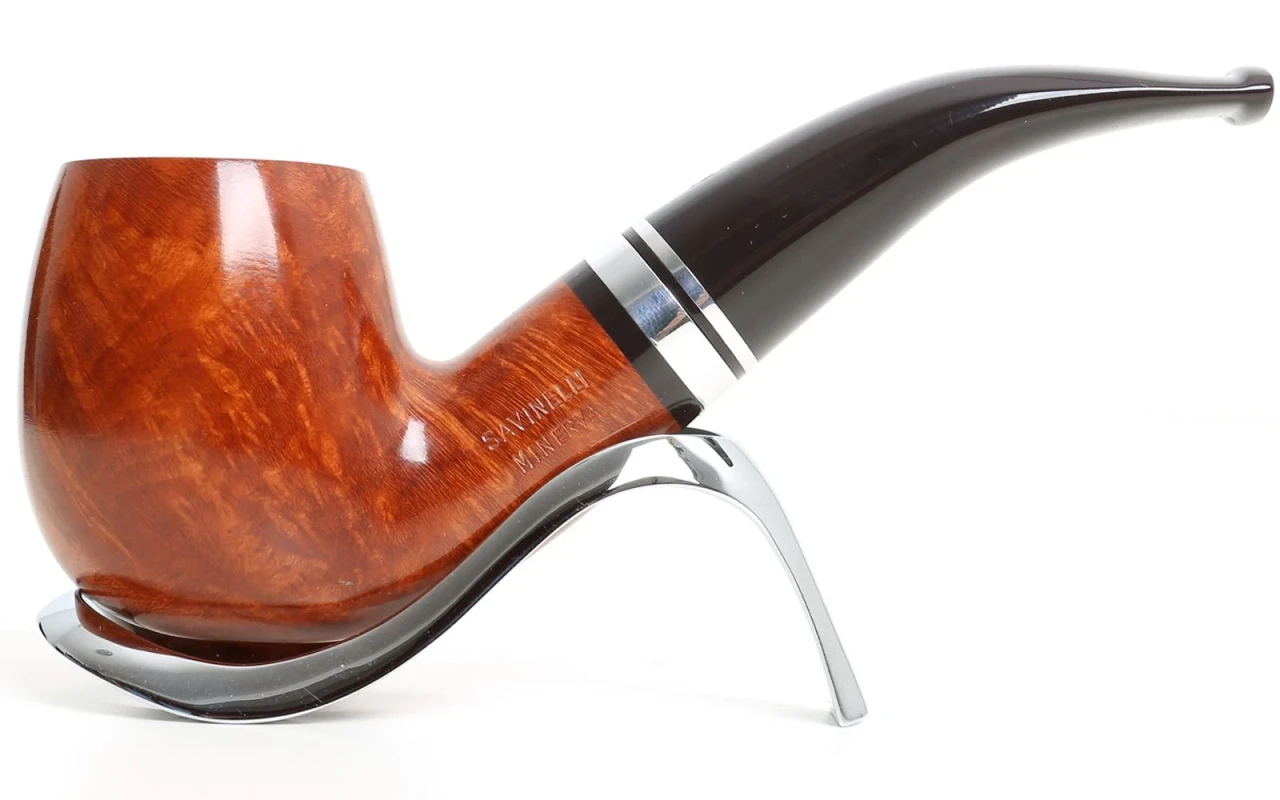
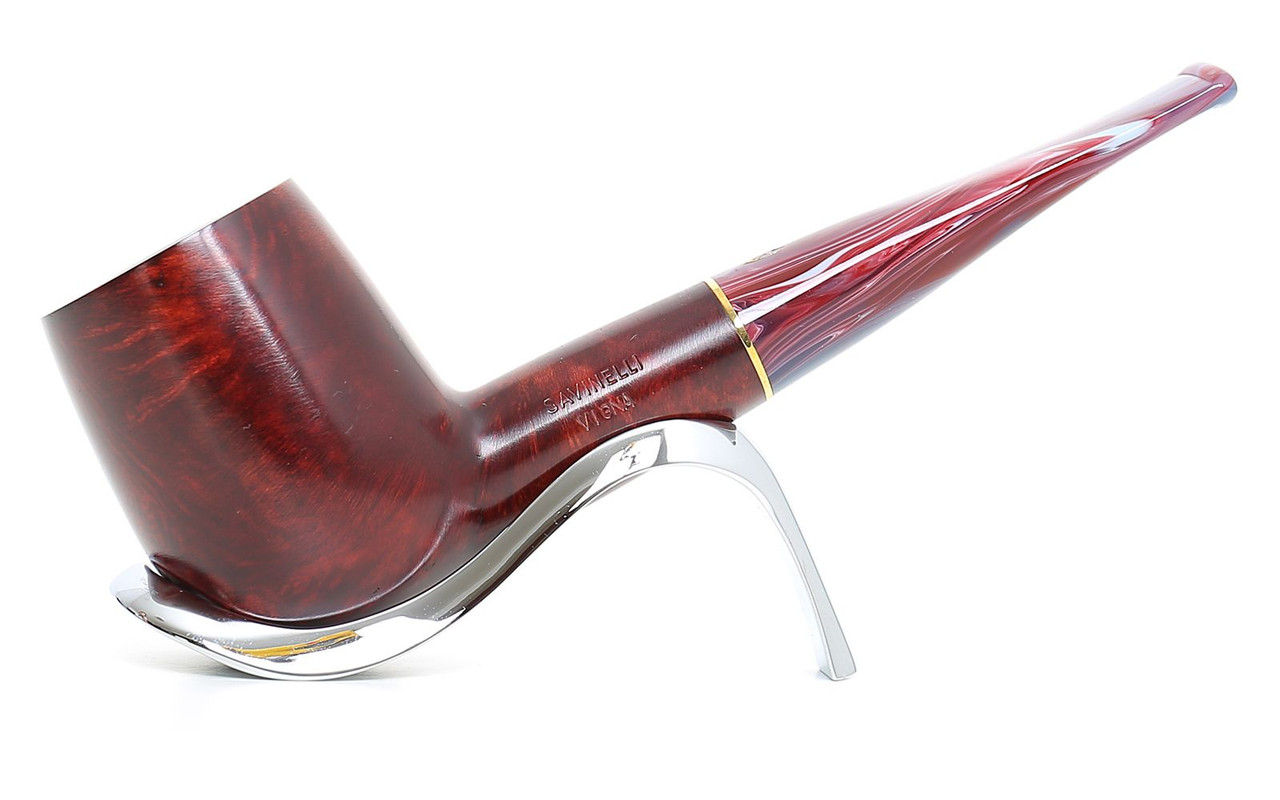
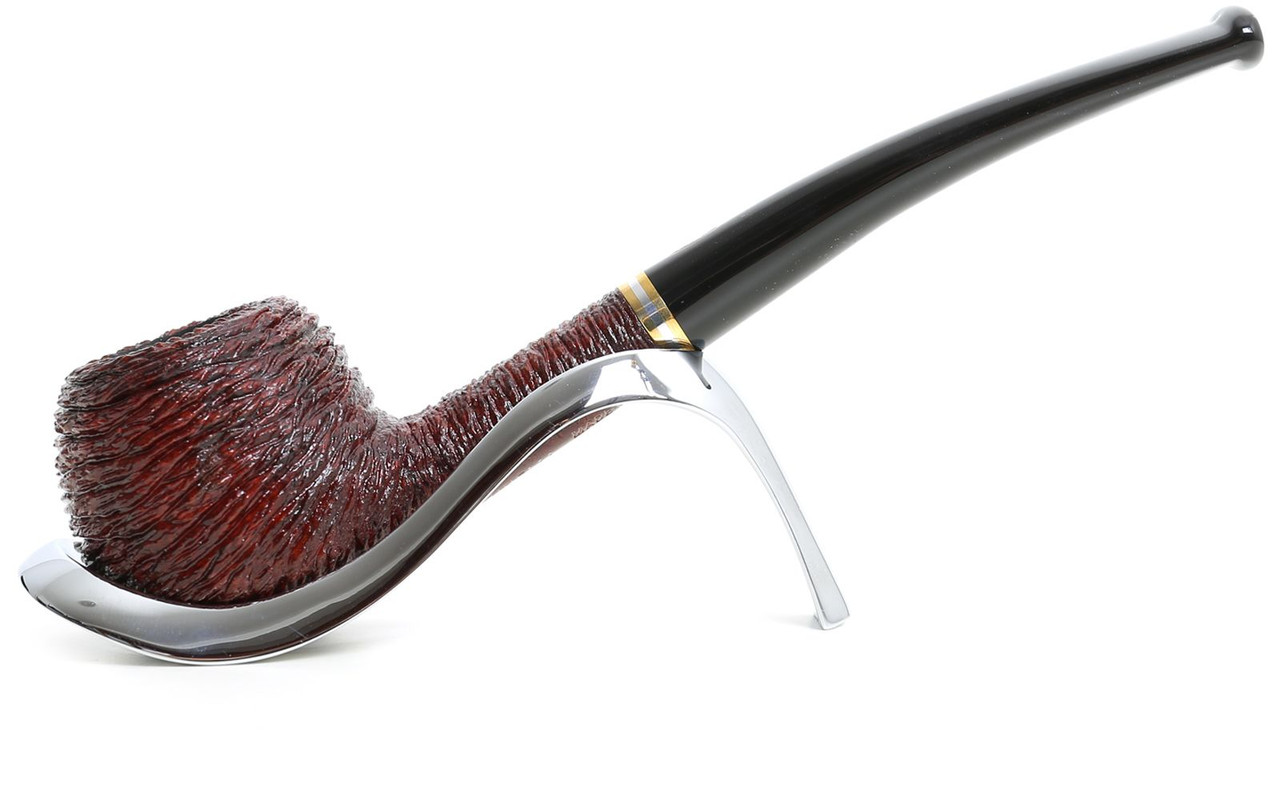
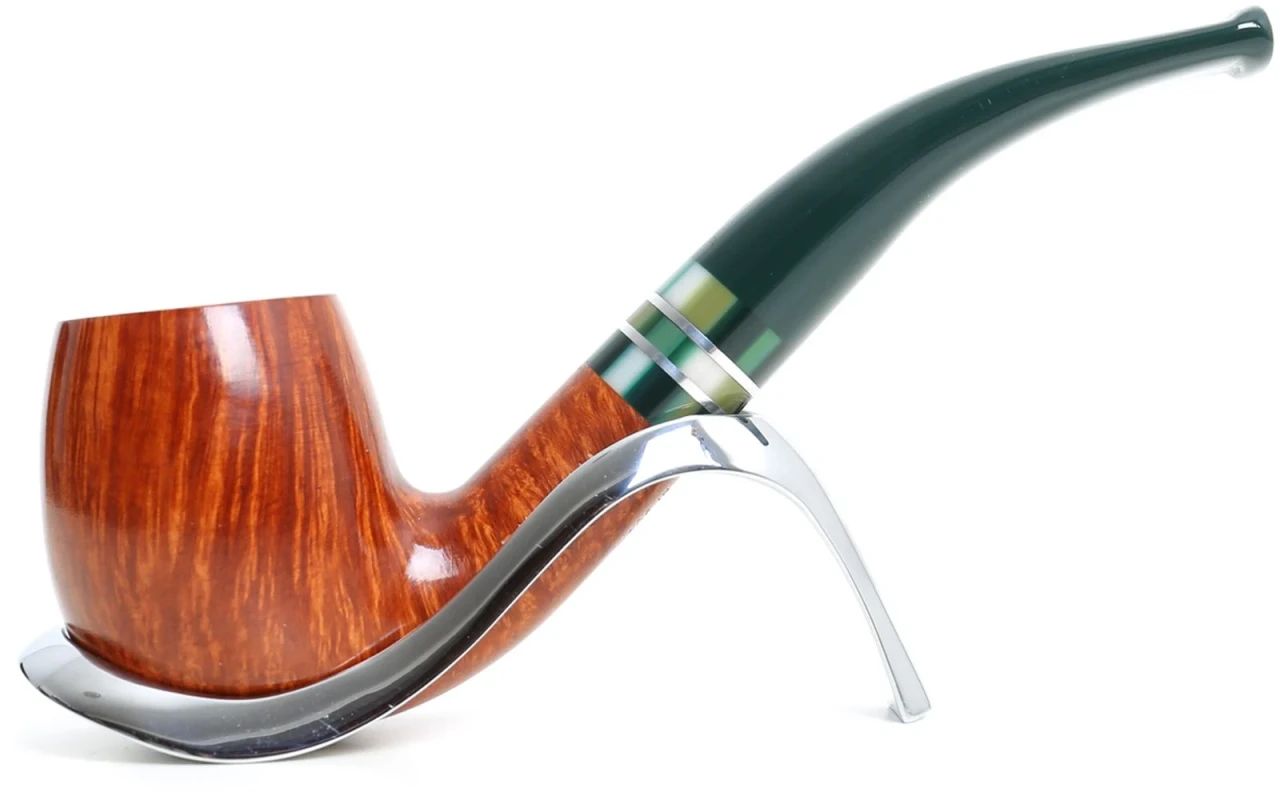
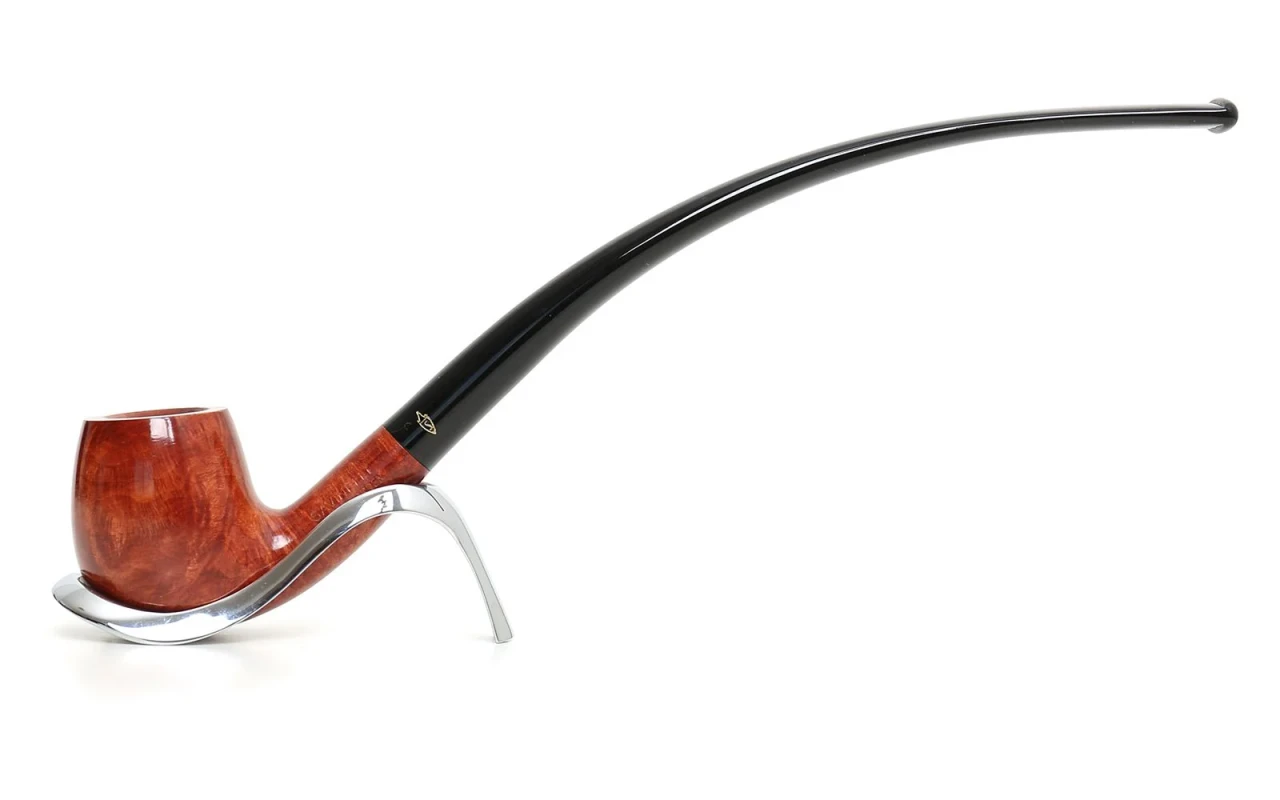

History of pipes from the origins
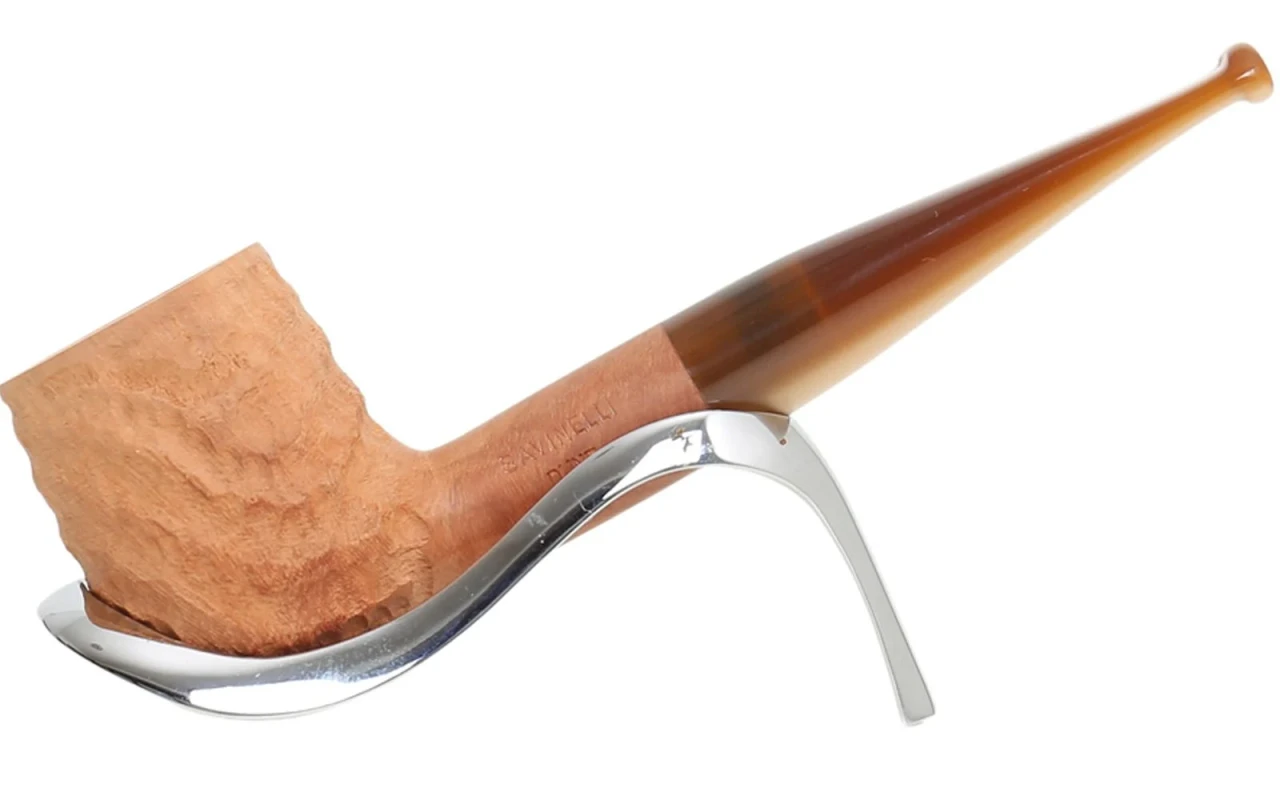
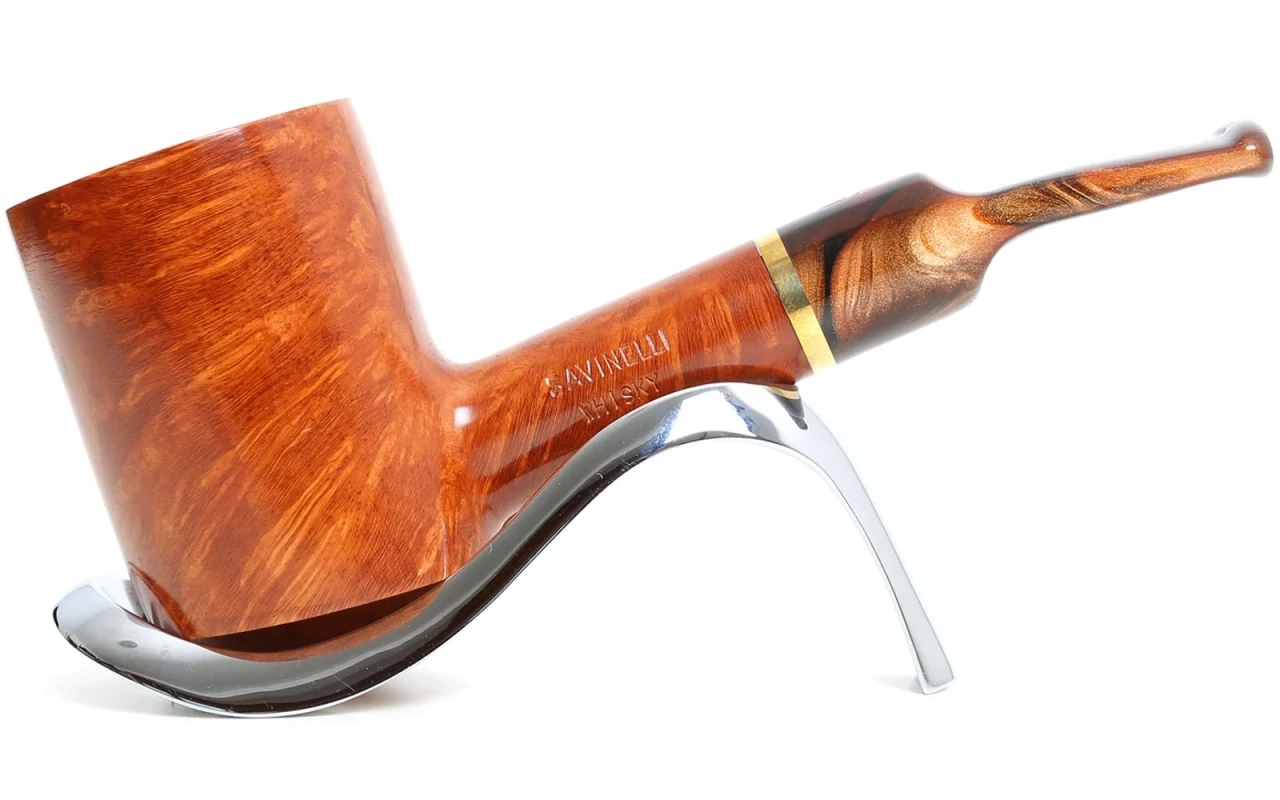
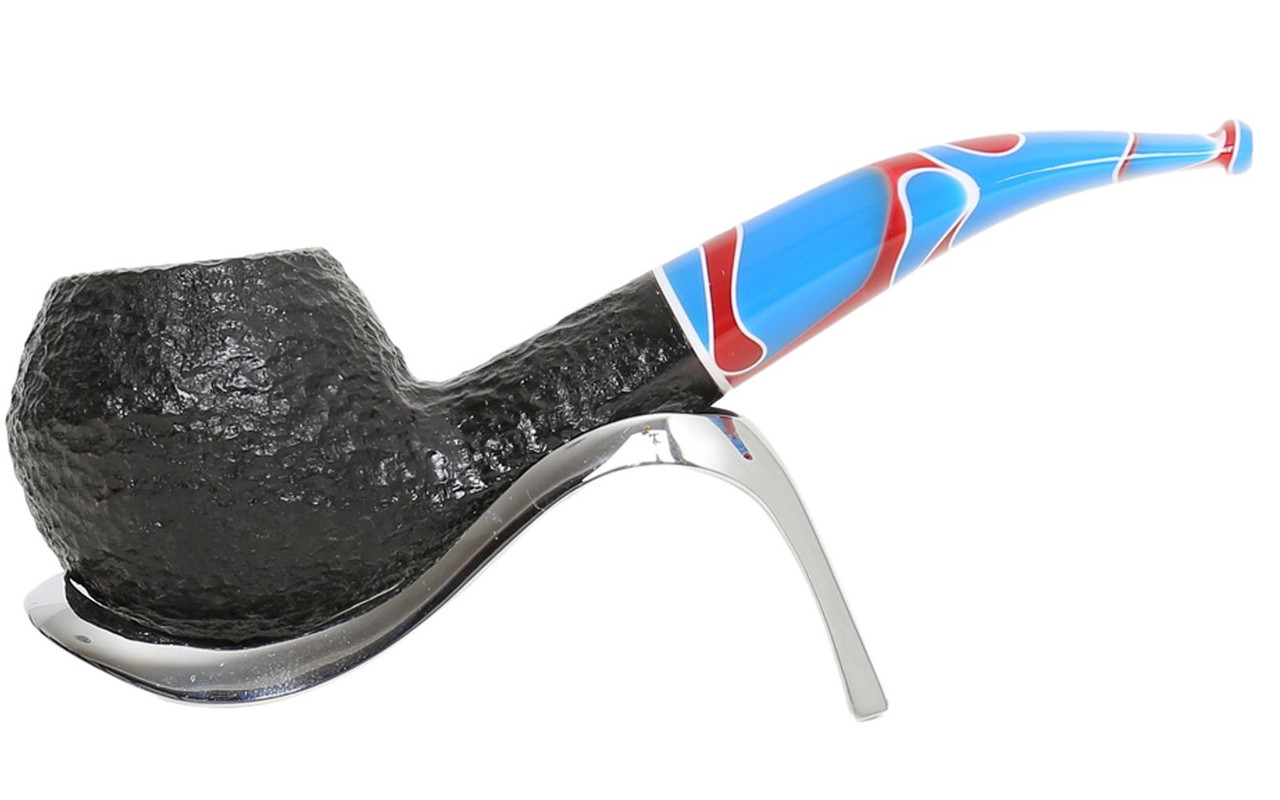
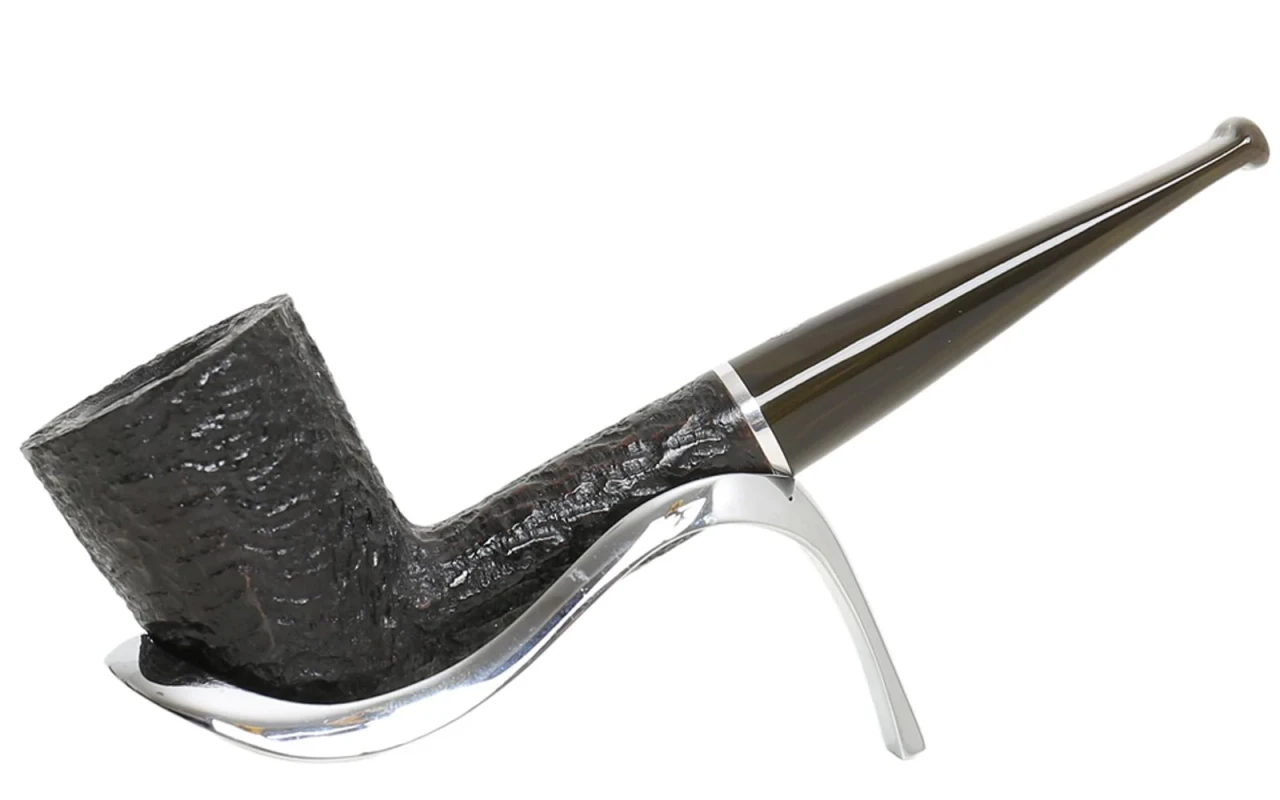
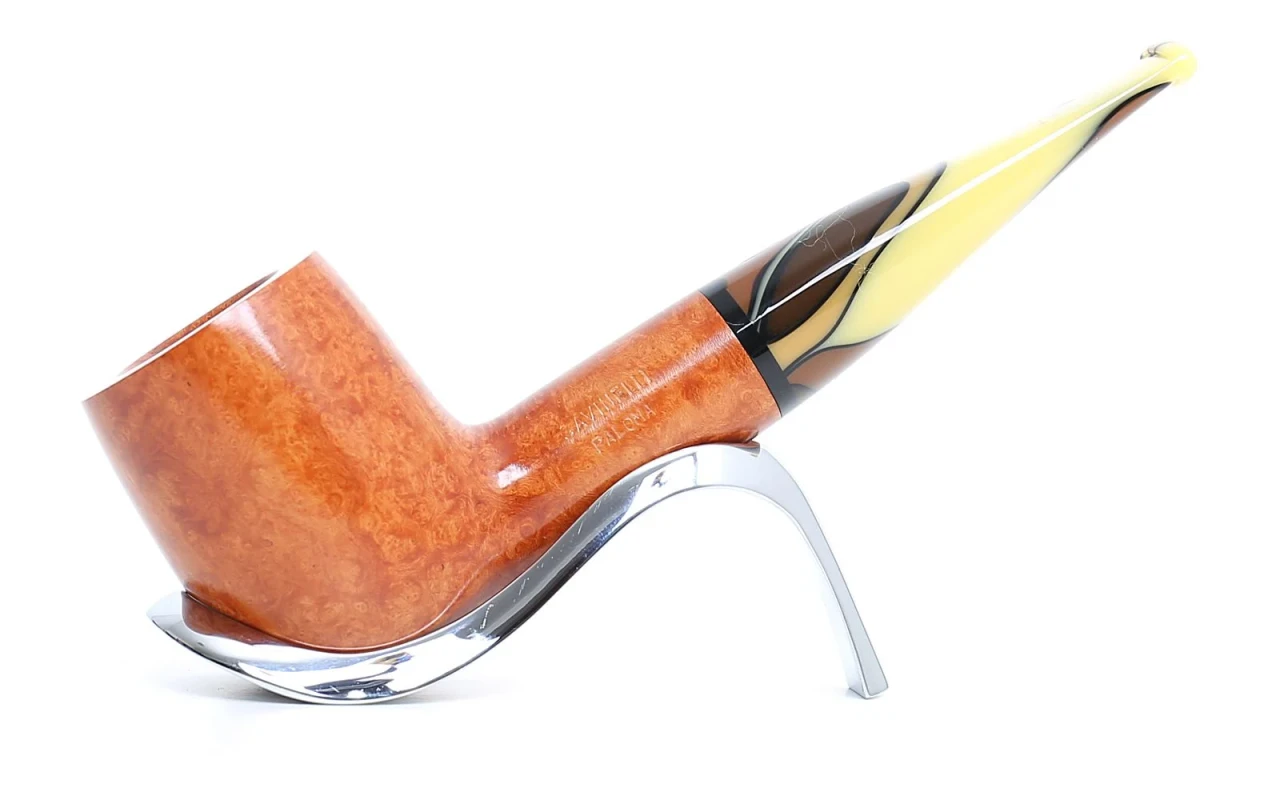
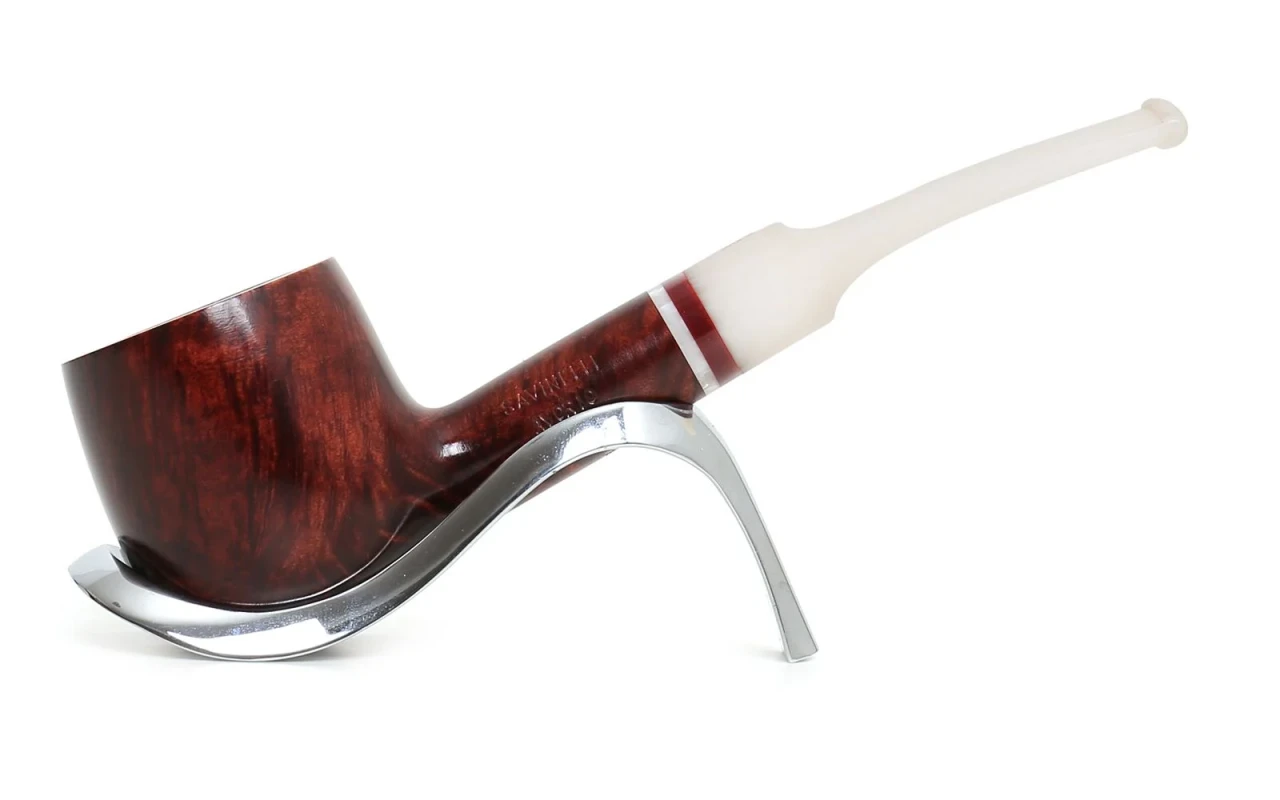
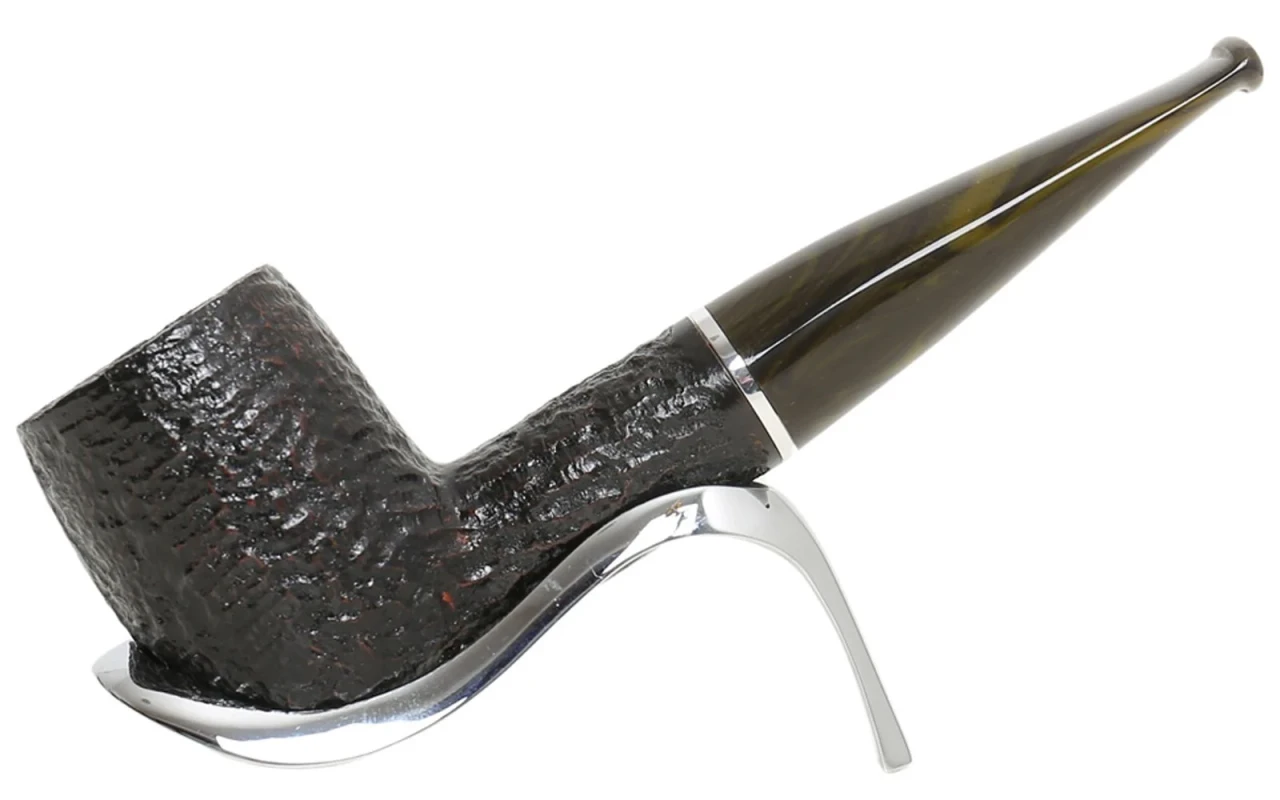
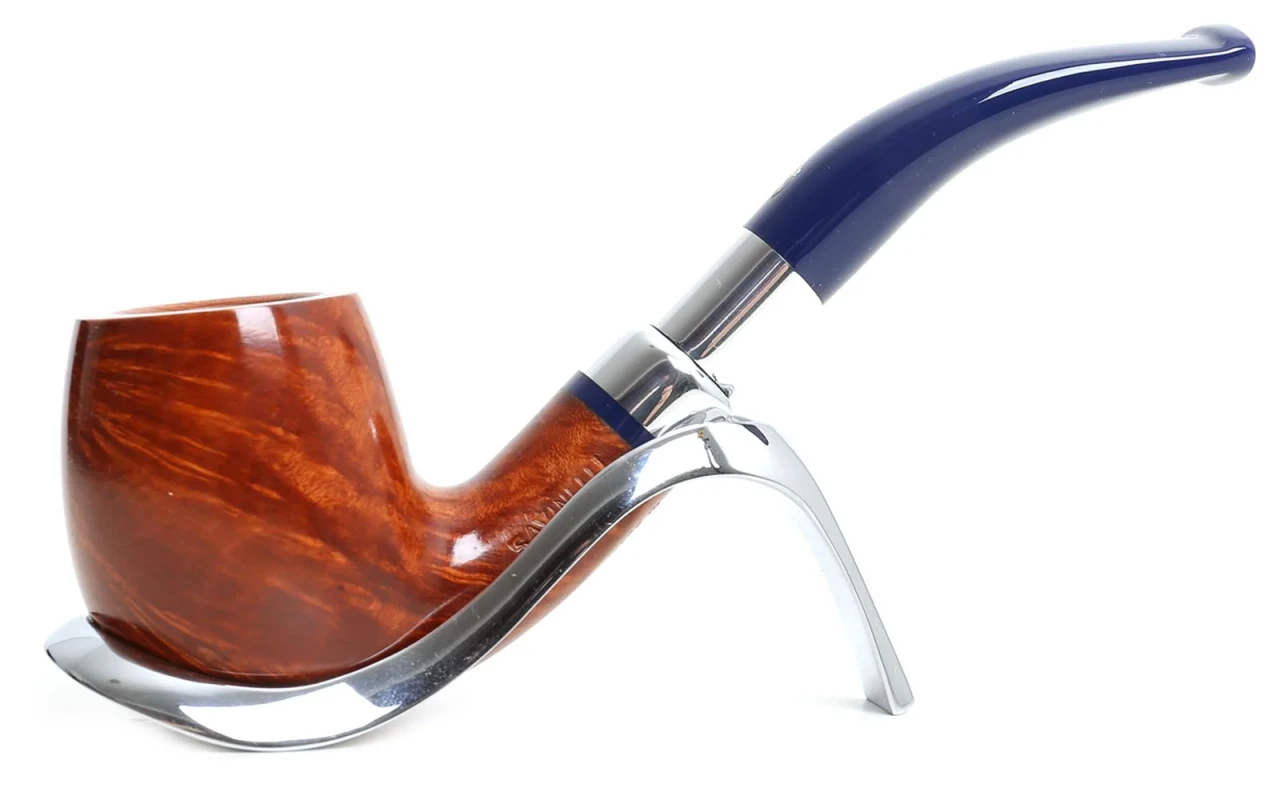
Pipes have a long history dating back thousands of years. The first traces of pipes can be traced back to ancient civilizations such as the Egyptians and the Maya, who used them to smoke herbs and tobacco. Over the centuries, pipes have taken on different shapes and materials, from clay pipes of the 17th century to the elegant briar pipes of the 19th century. Over time, pipes have become symbols of elegance and sophistication, used not only for smoking but also as collectible items. Today, pipes continue to be appreciated by many enthusiasts for their craftsmanship and for the ritualistic aspect that surrounds them.
History of the pipe from its origins
The history of the pipe has ancient roots, dating back thousands of years. The first pipes were made of stone, clay, or wood and were used by ancient civilizations as ceremonial tools or for ritual purposes. Over time, the pipe gained popularity in various cultures and contexts, becoming a symbol of relaxation and contemplation. Throughout the centuries, pipes have undergone various transformations in both design and materials used, leading to the modern pipes made of materials such as briar or metals. Today, the pipe represents a tradition that blends past and present, maintaining its timeless charm.
Pipe materials
Pipe materials include wood, briar, clay, corn cob, and metal. High-quality wood, such as briar, is the most common for high-end pipes, as it provides good combustion and absorbs moisture. Briar pipes are appreciated for their beauty and the neutral flavor they impart to the tobacco. Clay pipes are lightweight and ensure a pure smoking experience. Corn cob pipes, lightweight and affordable, are suitable for enjoying aromatic tobaccos. Lastly, metal pipes are sturdy and easy to clean, ideal for outdoor use.
Pipe maintenance
Pipe maintenance is essential to ensure an optimal smoking experience and preserve the quality of the tobacco. Here are some useful tips for caring for your pipe:- Regular cleaning: after each use, empty the pipe and use a pipe cleaner to remove tobacco residues and moisture.- Drying: allow the pipe to dry completely between uses to prevent the wood from overheating.- Pipe rotation: if you have multiple pipes, alternate their use to allow for rest and proper drying.- Check the condition: inspect the pipe regularly to identify any cracks or damages that need to be promptly repaired.
Types of pipe tobacco
There are several types of tobacco suitable for smoking in a pipe, each with unique characteristics that influence flavor and combustion. Here are some of the main ones:- Virginia: light and sweet, tends to burn slowly.- Burley: more robust and neutral, burns evenly.- Latakia: smoky and earthy flavors, typical of English blends.- Perique: spicy and fruity, often used to add complexity.- Cavendish: sweet and aromatic, obtained through a pressing and fermentation process.Choosing the right tobacco depends on personal preferences and the desired smoking experience. It is advisable to experiment with different varieties to find the one that best suits your preferences.
'%3e%3cg id='Final-Copy-2_2_' transform='translate(1275.000000, 200.000000)'%3e%3cpath class='st0' d='M7.4,12.8h6.8l3.1-11.6H7.4C4.2,1.2,1.6,3.8,1.6,7S4.2,12.8,7.4,12.8z'/%3e%3c/g%3e%3c/g%3e%3c/g%3e%3cg id='final---dec.11-2020'%3e%3cg id='_x30_208-our-toggle' transform='translate(-1275.000000, -200.000000)'%3e%3cg id='Final-Copy-2' transform='translate(1275.000000, 200.000000)'%3e%3cpath class='st1' d='M22.6,0H7.4c-3.9,0-7,3.1-7,7s3.1,7,7,7h15.2c3.9,0,7-3.1,7-7S26.4,0,22.6,0z M1.6,7c0-3.2,2.6-5.8,5.8-5.8 h9.9l-3.1,11.6H7.4C4.2,12.8,1.6,10.2,1.6,7z'/%3e%3cpath id='x' class='st2' d='M24.6,4c0.2,0.2,0.2,0.6,0,0.8l0,0L22.5,7l2.2,2.2c0.2,0.2,0.2,0.6,0,0.8c-0.2,0.2-0.6,0.2-0.8,0 l0,0l-2.2-2.2L19.5,10c-0.2,0.2-0.6,0.2-0.8,0c-0.2-0.2-0.2-0.6,0-0.8l0,0L20.8,7l-2.2-2.2c-0.2-0.2-0.2-0.6,0-0.8 c0.2-0.2,0.6-0.2,0.8,0l0,0l2.2,2.2L23.8,4C24,3.8,24.4,3.8,24.6,4z'/%3e%3cpath id='y' class='st3' d='M12.7,4.1c0.2,0.2,0.3,0.6,0.1,0.8l0,0L8.6,9.8C8.5,9.9,8.4,10,8.3,10c-0.2,0.1-0.5,0.1-0.7-0.1l0,0 L5.4,7.7c-0.2-0.2-0.2-0.6,0-0.8c0.2-0.2,0.6-0.2,0.8,0l0,0L8,8.6l3.8-4.5C12,3.9,12.4,3.9,12.7,4.1z'/%3e%3c/g%3e%3c/g%3e%3c/g%3e%3c/g%3e%3c/svg%3e) Your Privacy Choices
Your Privacy Choices 


