 ES
ES FR
FR EN
EN IT
IT DE
DE
History of pipes and their transformations
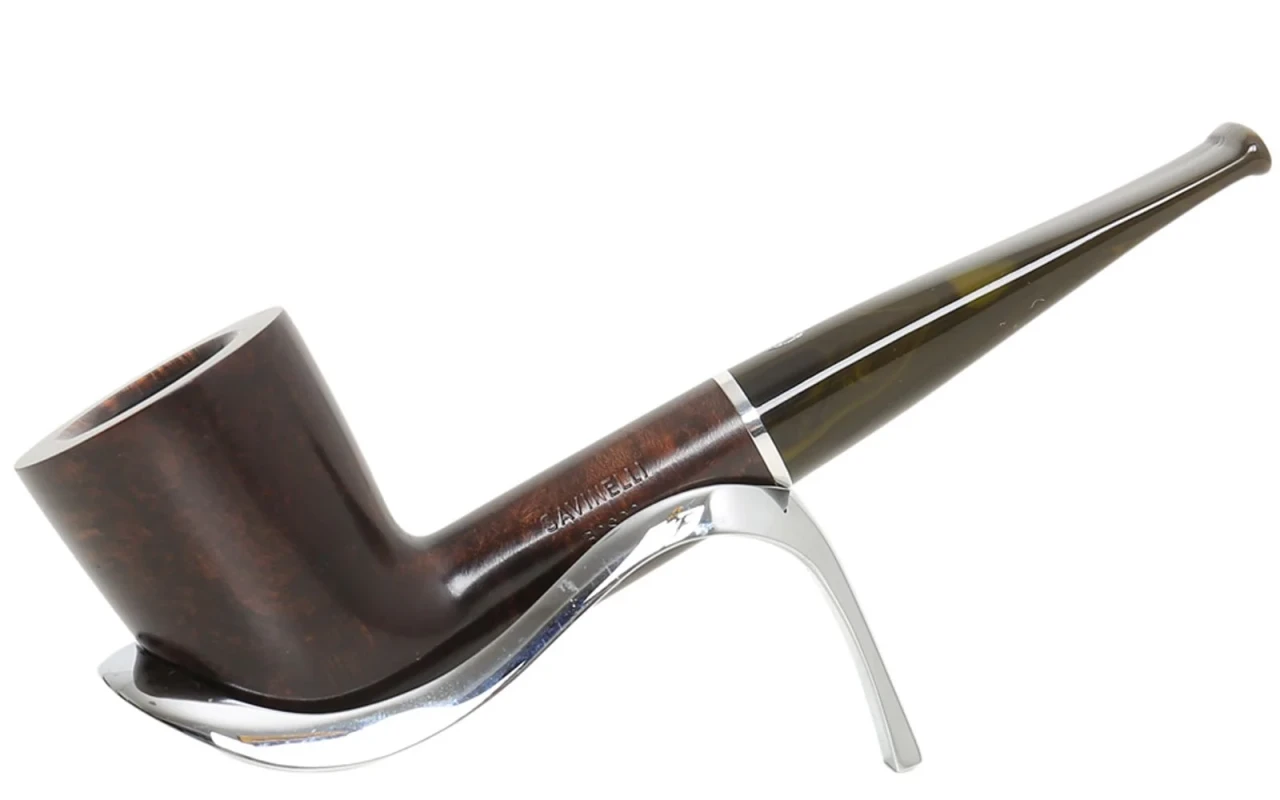
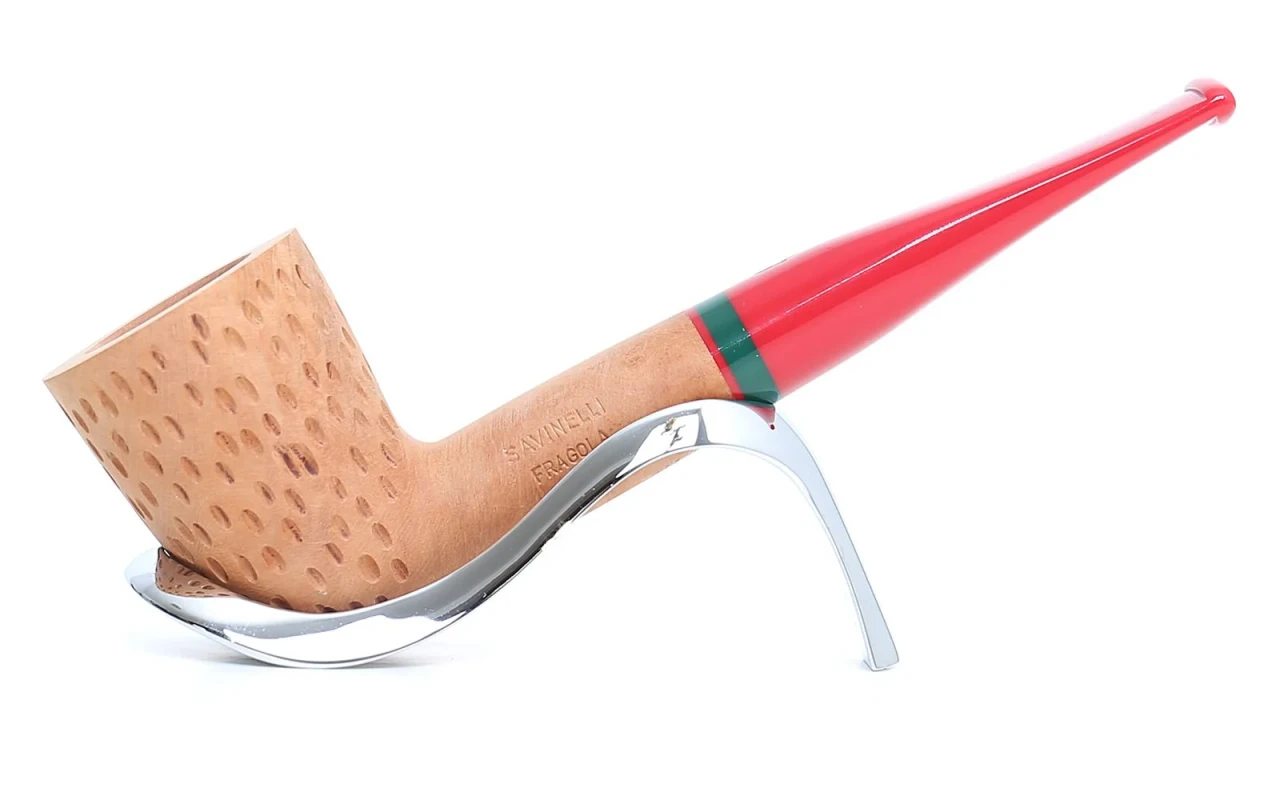
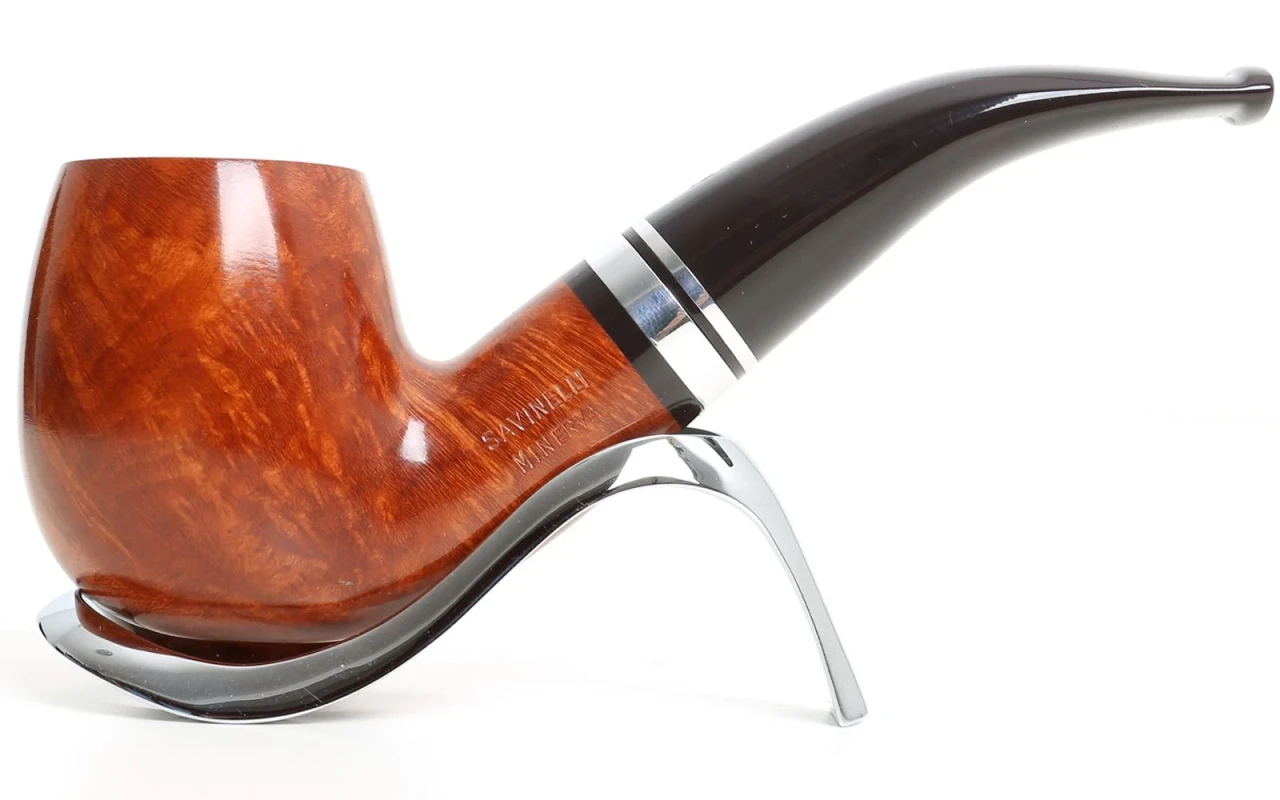
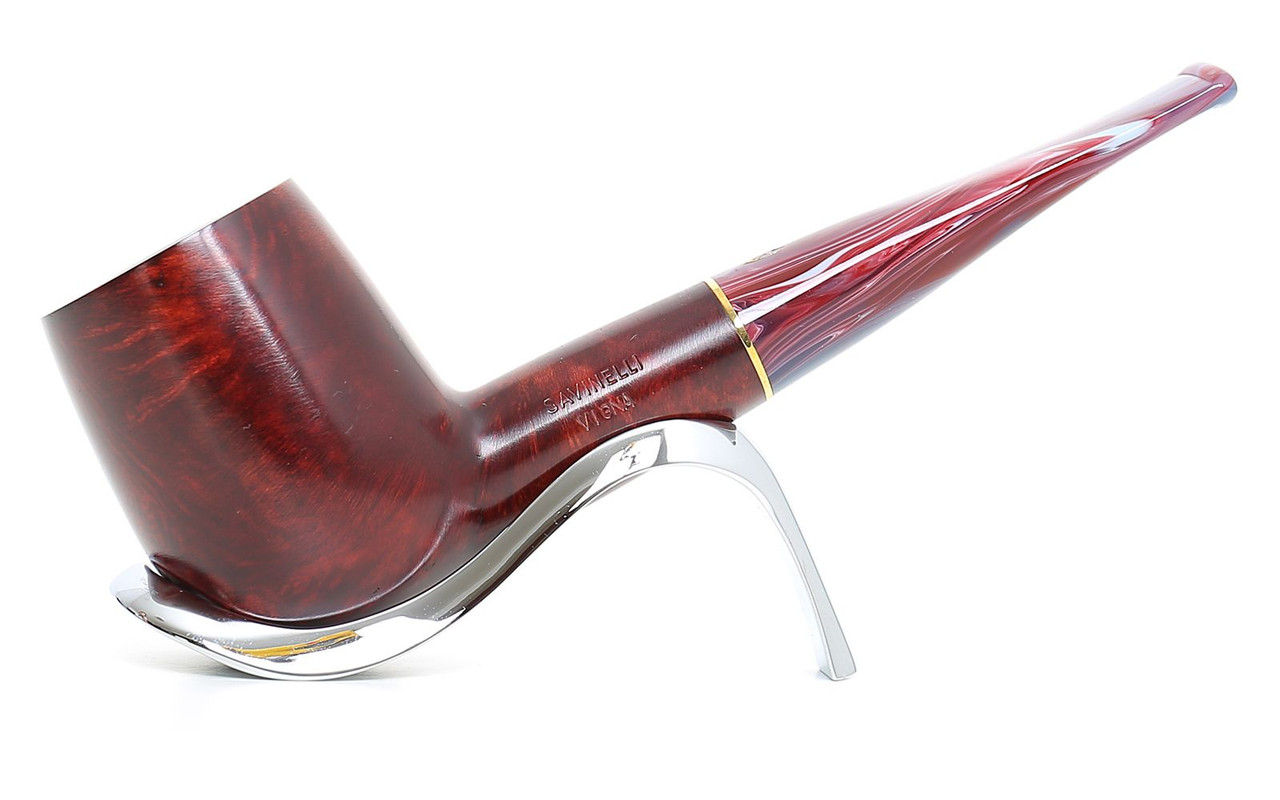
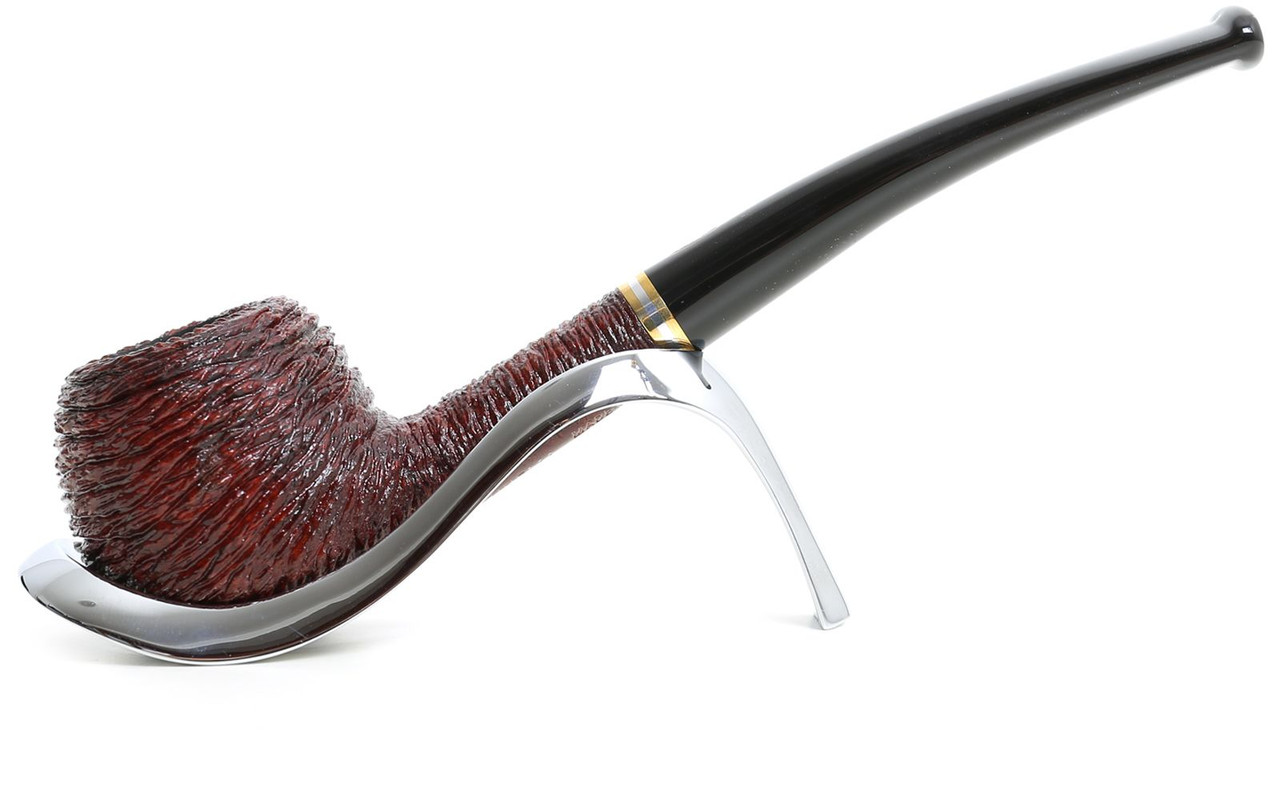
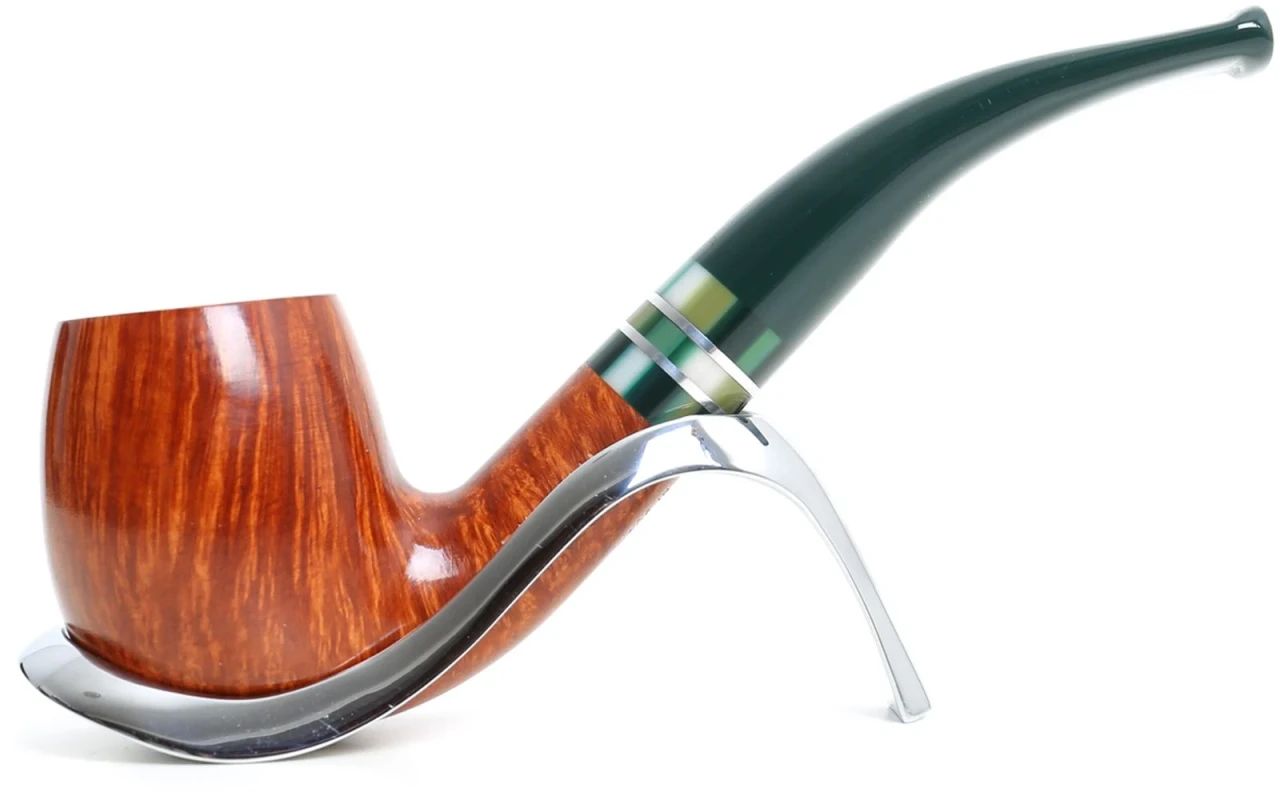
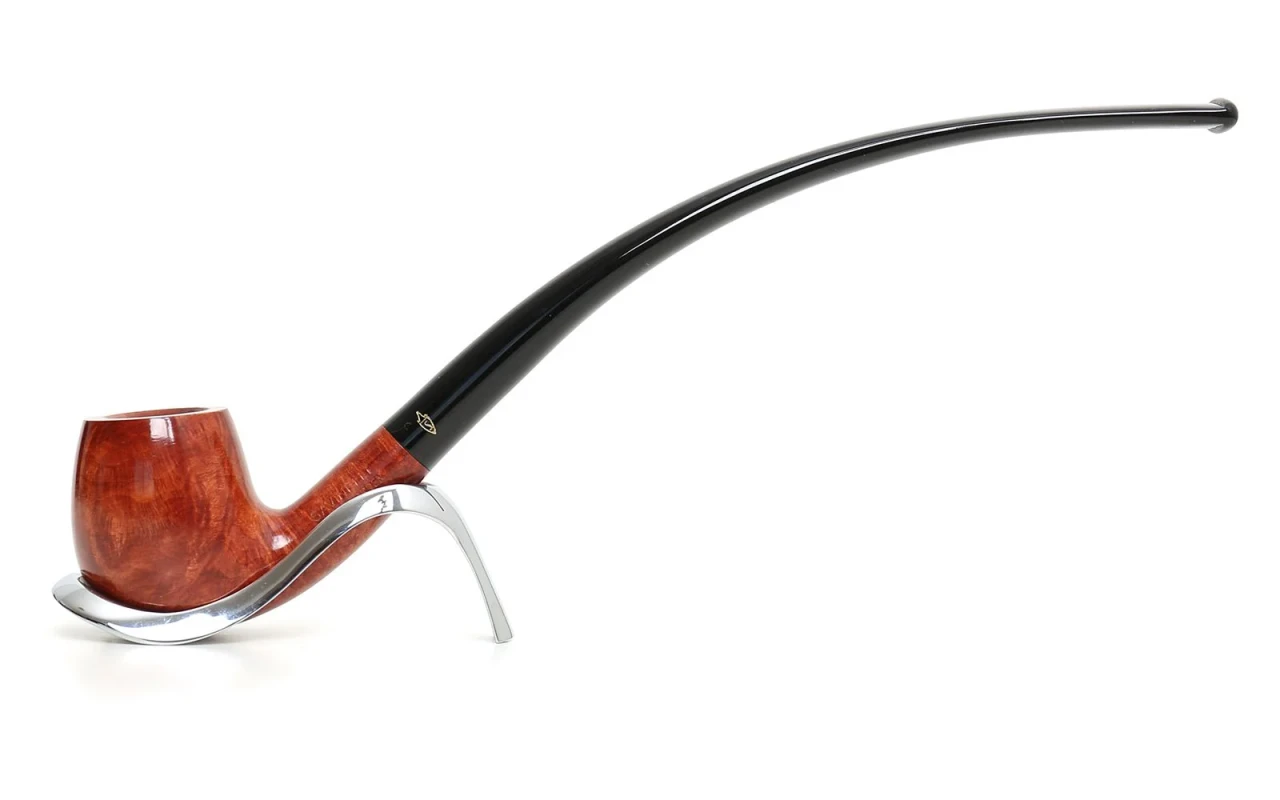
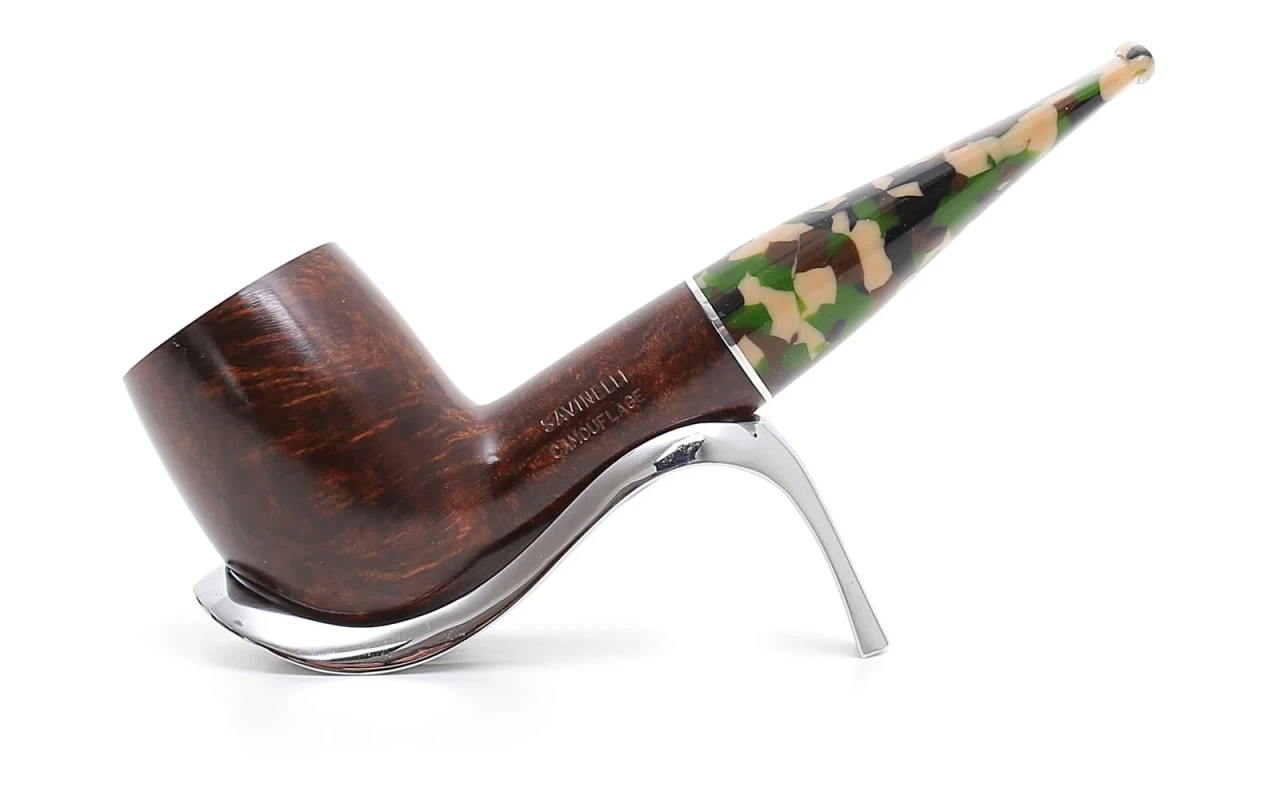
History of pipes and their transformations
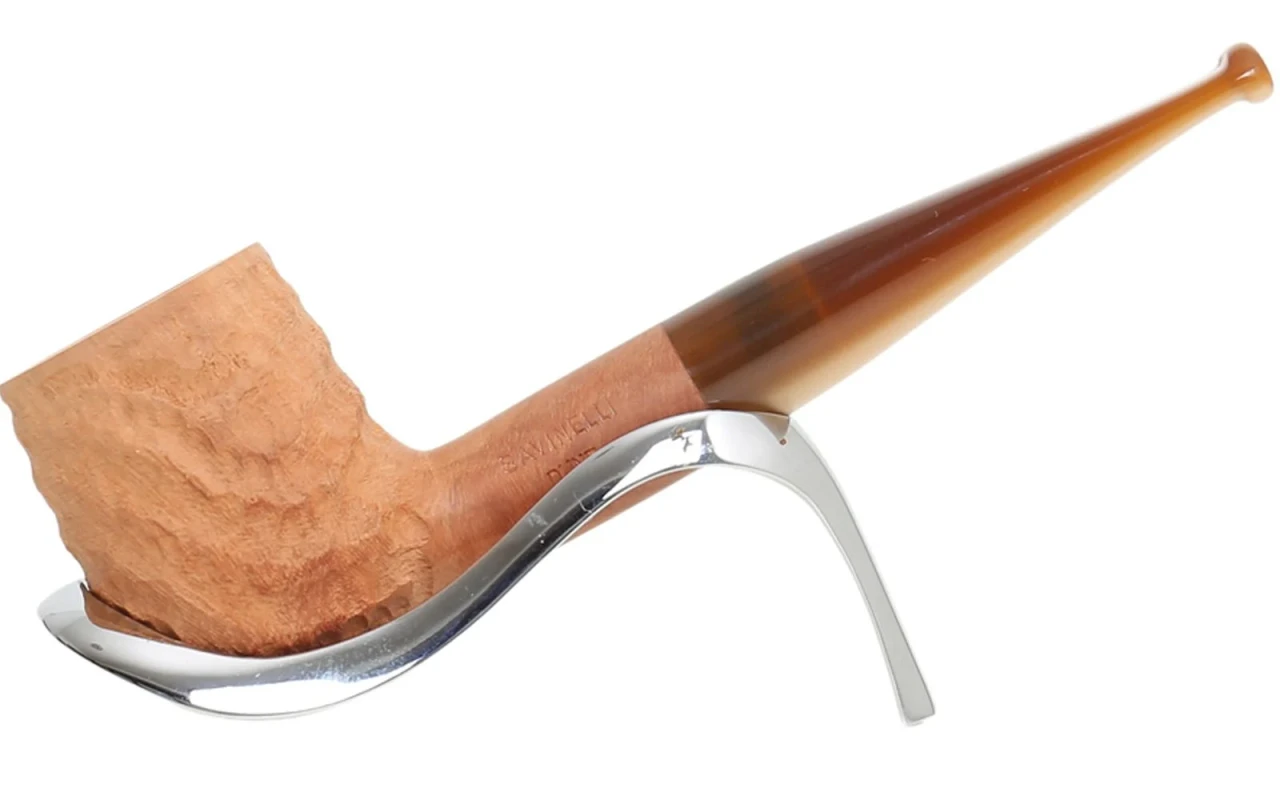
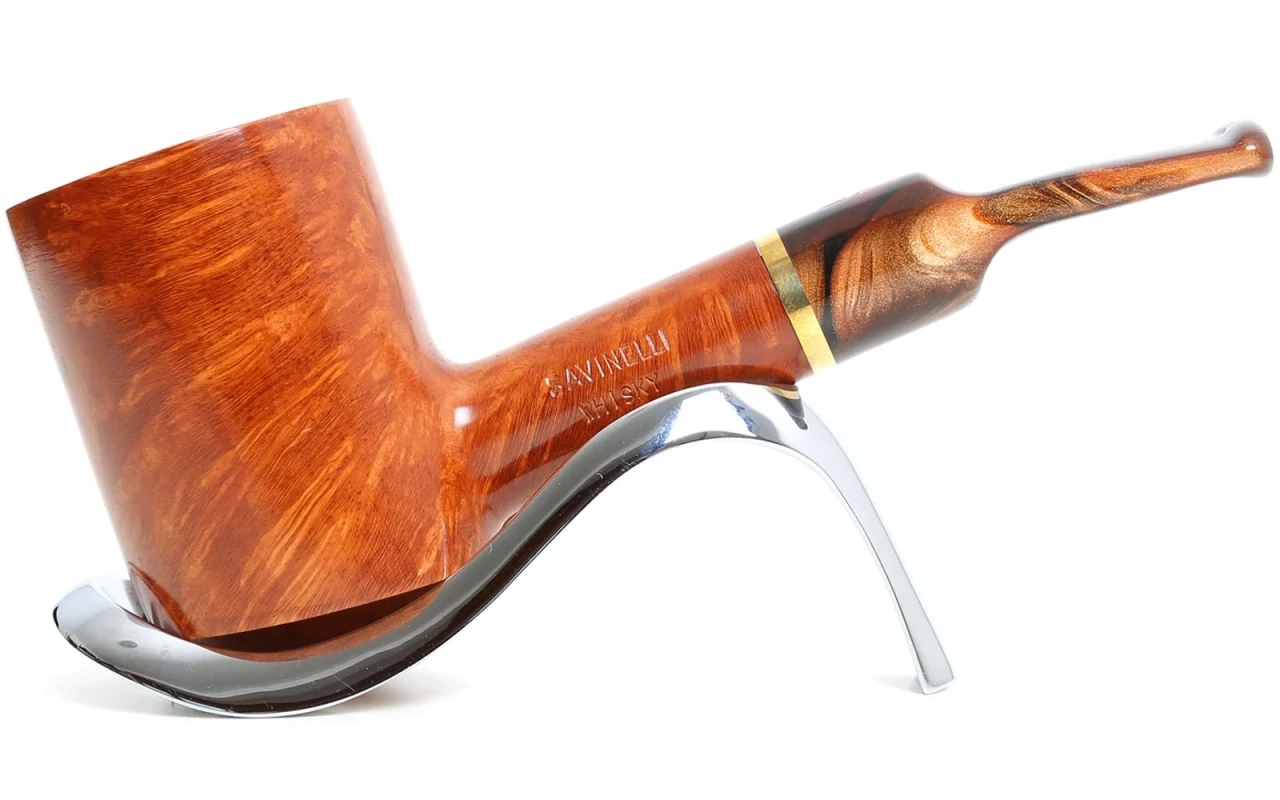
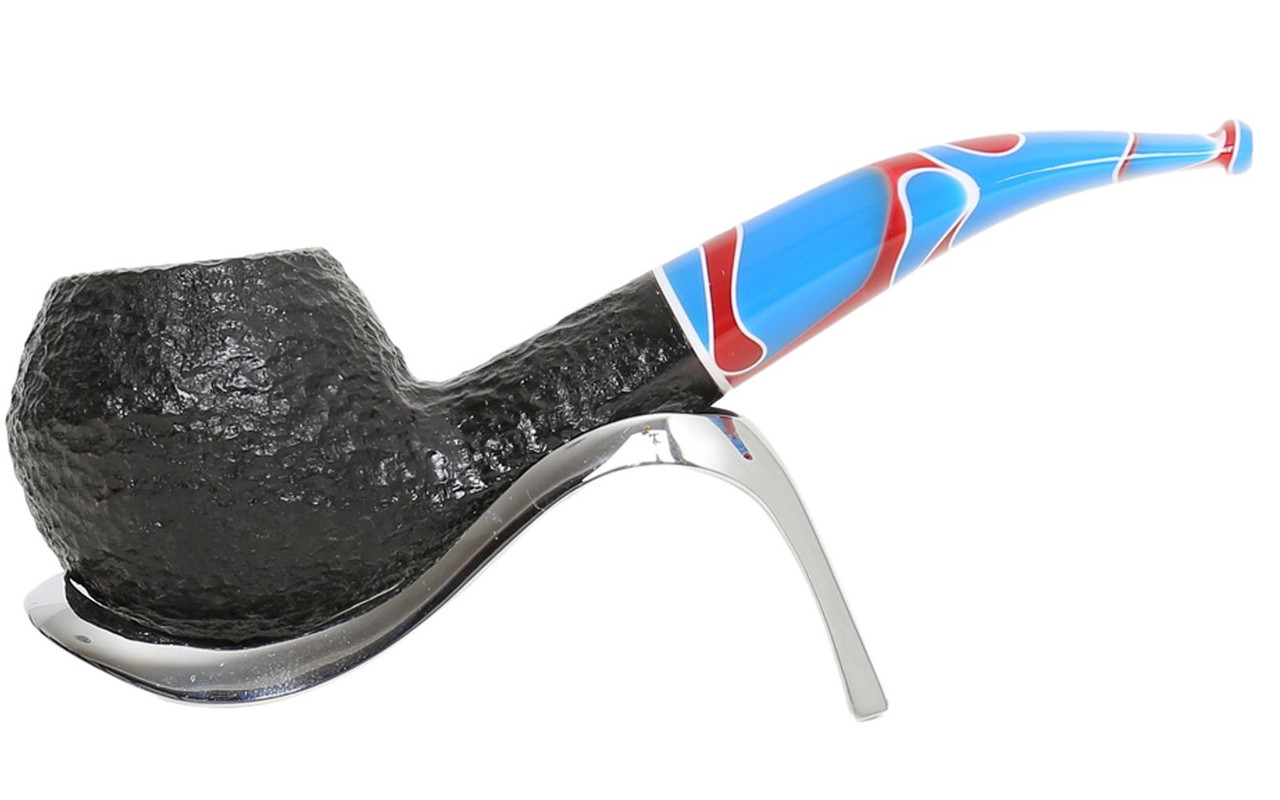
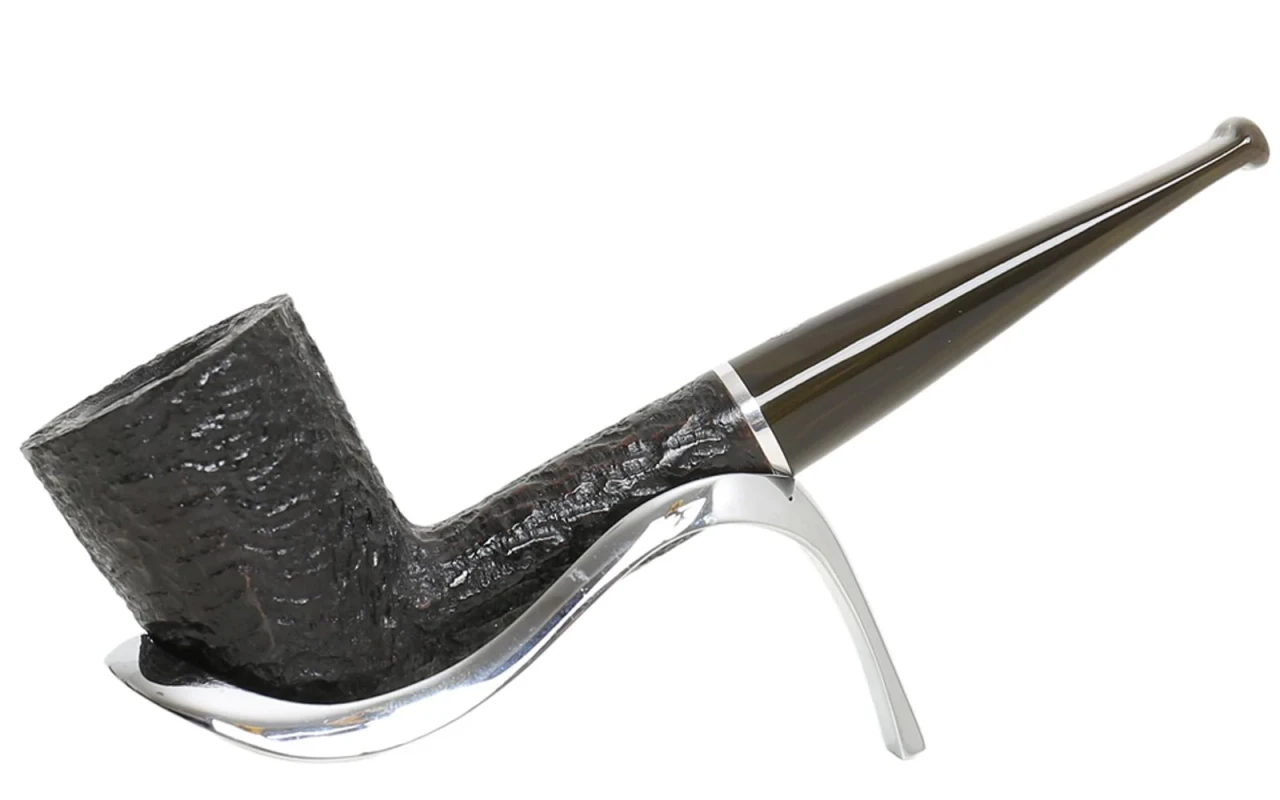
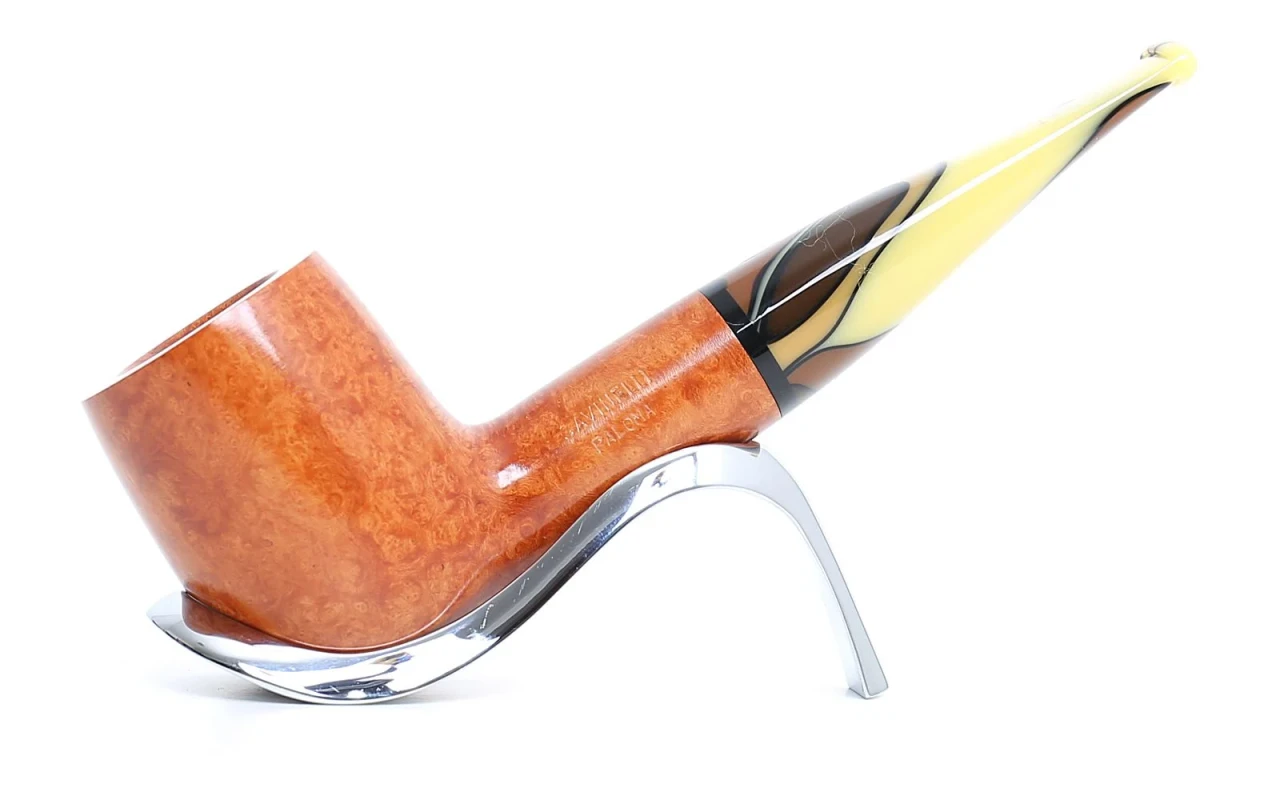
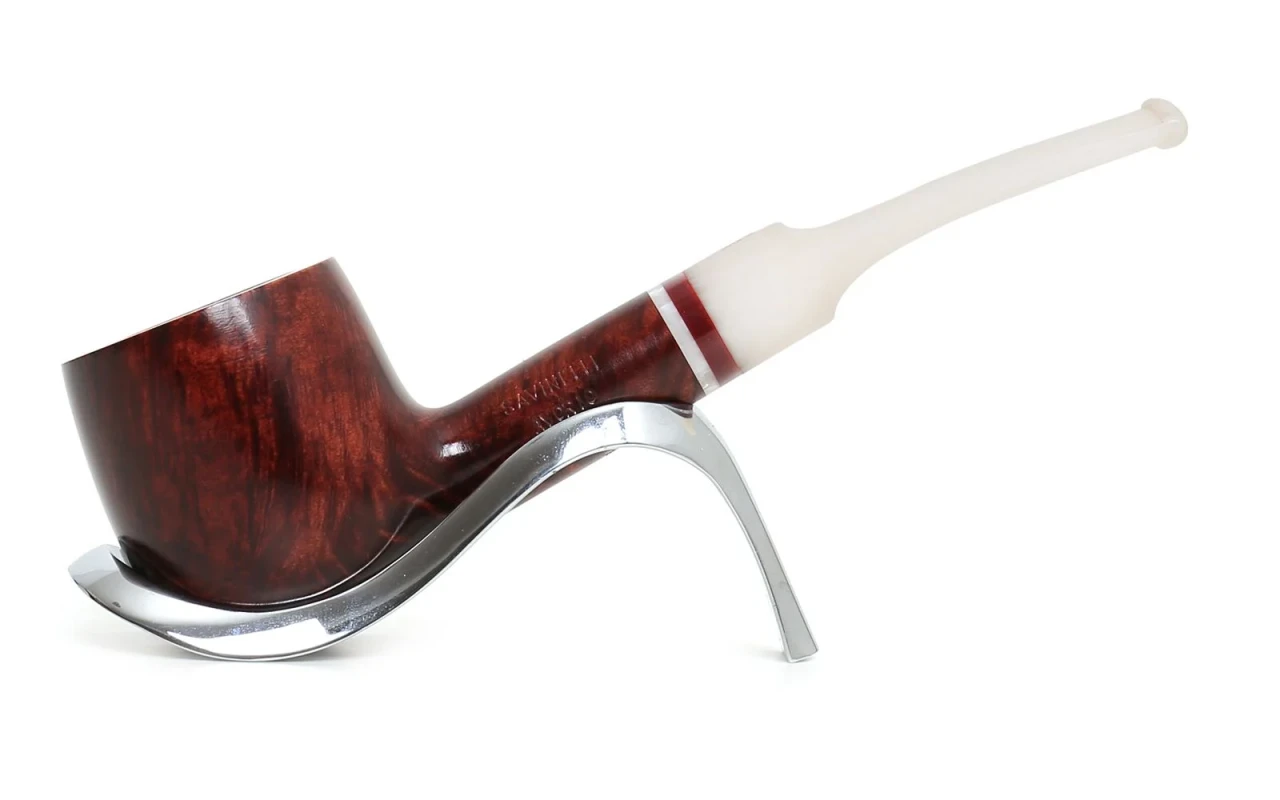
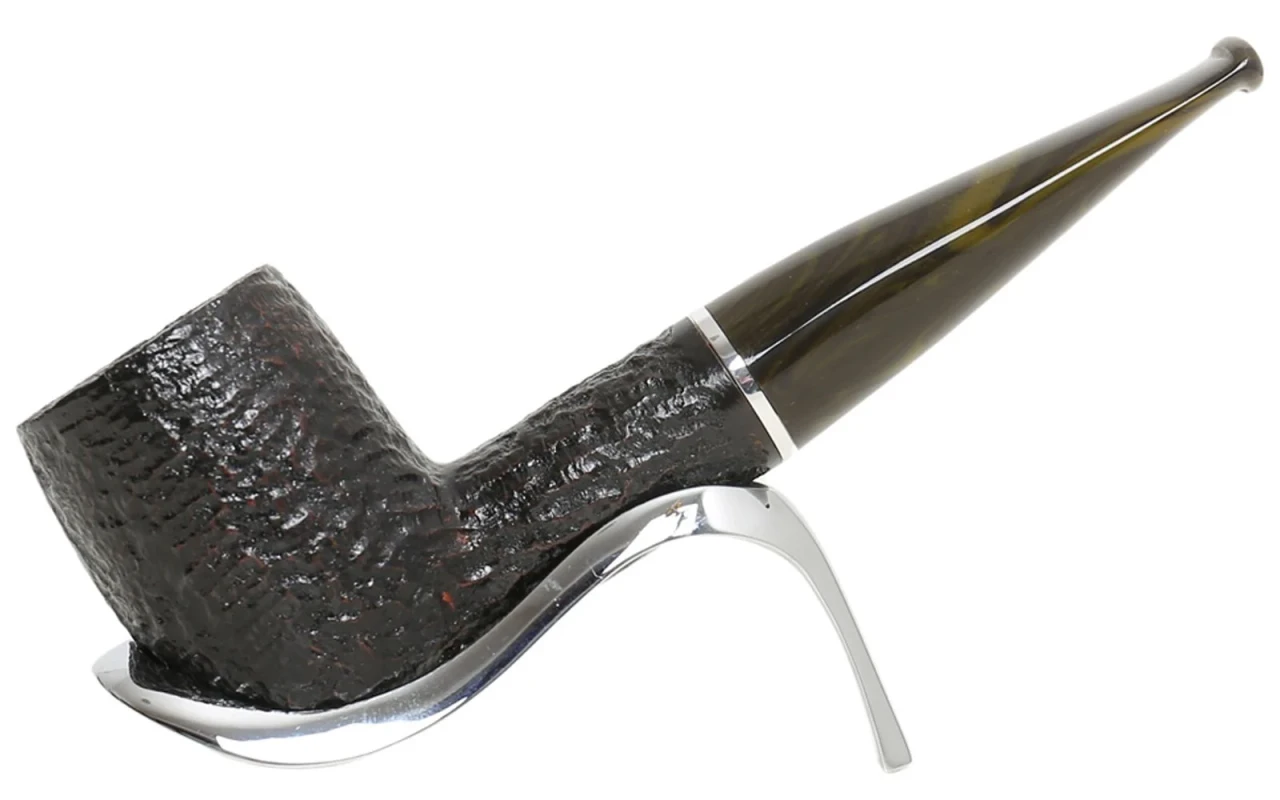
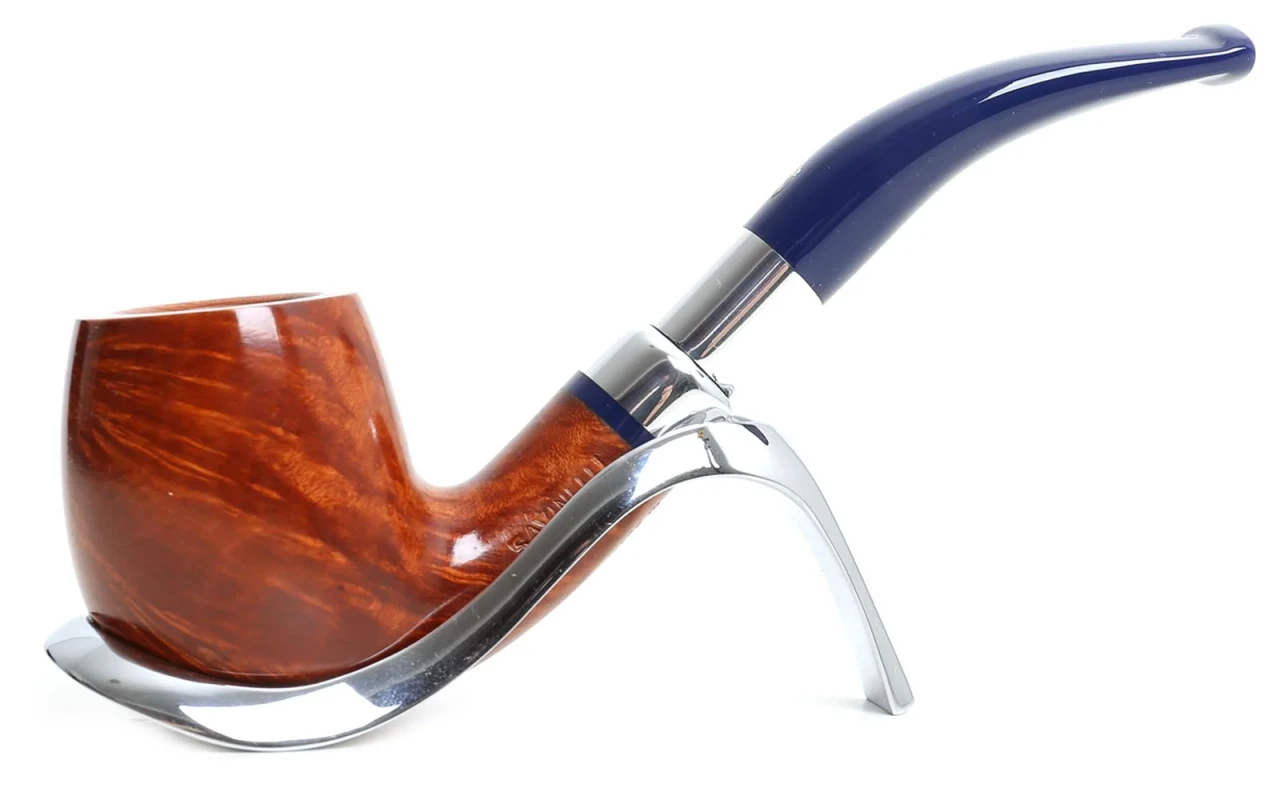
Pipes have a long history dating back centuries. Originally used by ancient indigenous cultures for ceremonial and social purposes, pipes were later adopted worldwide. Over time, pipes have undergone various transformations, evolving from simple smoking tools to true works of art. Variations in materials, design, and construction techniques have contributed to creating a wide range of pipe styles and models, suitable for different tastes and preferences. Today, pipes continue to be cherished by collectors and enthusiasts for their beauty, history, and craftsmanship.
Evolution of pipes over time
Pipes have undergone significant evolution over the centuries. In the past, pipes were mainly made of materials such as clay, wood, or briar. Over time, new techniques and materials, such as corn and briar, have been introduced, improving the quality and performance of pipes. Today, pipes are available in a wide range of styles, shapes, and materials, such as olive wood or sea foam briar, to meet the needs and preferences of every smoker. This evolution has led to more aesthetically pleasing, comfortable, and functional pipes compared to the past.
Materials used for pipes
Pipes can be made from different materials, each with specific characteristics:- Briar root: the most common material, resistant to heat and corrosion, ensures good combustion and a neutral taste.- Corn cob: inexpensive and lightweight, ideal for travel pipes.- Clay: a porous material that absorbs smoke moisture, but fragile.- Meerschaum: a porous stone that absorbs oils and nicotine, ensuring a pure taste.- Morta: a natural material, but fragile and heat sensitive.- Metals: such as silver, titanium, or brass, mainly used for decorative components or mouthpieces.
Pipe Manufacturing Techniques
Pipes are crafted using various techniques to ensure optimal quality. Among the main pipe manufacturing techniques are:- Hand carving: master pipemakers manually carve wood or other materials to create unique shapes and designs.- Polishing: pipes are polished with fine abrasives to achieve a smooth and shiny surface.- Curing: wooden pipes undergo a curing process to ensure the wood is ready for use.- Chamber drilling: precise drilling is done to ensure optimal airflow during smoking.- Assembly: the various parts of the pipe are carefully assembled to ensure proper functionality and aesthetics.
'%3e%3cg id='Final-Copy-2_2_' transform='translate(1275.000000, 200.000000)'%3e%3cpath class='st0' d='M7.4,12.8h6.8l3.1-11.6H7.4C4.2,1.2,1.6,3.8,1.6,7S4.2,12.8,7.4,12.8z'/%3e%3c/g%3e%3c/g%3e%3c/g%3e%3cg id='final---dec.11-2020'%3e%3cg id='_x30_208-our-toggle' transform='translate(-1275.000000, -200.000000)'%3e%3cg id='Final-Copy-2' transform='translate(1275.000000, 200.000000)'%3e%3cpath class='st1' d='M22.6,0H7.4c-3.9,0-7,3.1-7,7s3.1,7,7,7h15.2c3.9,0,7-3.1,7-7S26.4,0,22.6,0z M1.6,7c0-3.2,2.6-5.8,5.8-5.8 h9.9l-3.1,11.6H7.4C4.2,12.8,1.6,10.2,1.6,7z'/%3e%3cpath id='x' class='st2' d='M24.6,4c0.2,0.2,0.2,0.6,0,0.8l0,0L22.5,7l2.2,2.2c0.2,0.2,0.2,0.6,0,0.8c-0.2,0.2-0.6,0.2-0.8,0 l0,0l-2.2-2.2L19.5,10c-0.2,0.2-0.6,0.2-0.8,0c-0.2-0.2-0.2-0.6,0-0.8l0,0L20.8,7l-2.2-2.2c-0.2-0.2-0.2-0.6,0-0.8 c0.2-0.2,0.6-0.2,0.8,0l0,0l2.2,2.2L23.8,4C24,3.8,24.4,3.8,24.6,4z'/%3e%3cpath id='y' class='st3' d='M12.7,4.1c0.2,0.2,0.3,0.6,0.1,0.8l0,0L8.6,9.8C8.5,9.9,8.4,10,8.3,10c-0.2,0.1-0.5,0.1-0.7-0.1l0,0 L5.4,7.7c-0.2-0.2-0.2-0.6,0-0.8c0.2-0.2,0.6-0.2,0.8,0l0,0L8,8.6l3.8-4.5C12,3.9,12.4,3.9,12.7,4.1z'/%3e%3c/g%3e%3c/g%3e%3c/g%3e%3c/g%3e%3c/svg%3e) Your Privacy Choices
Your Privacy Choices 


