 ES
ES FR
FR EN
EN IT
IT DE
DE
History of pipes and their origins
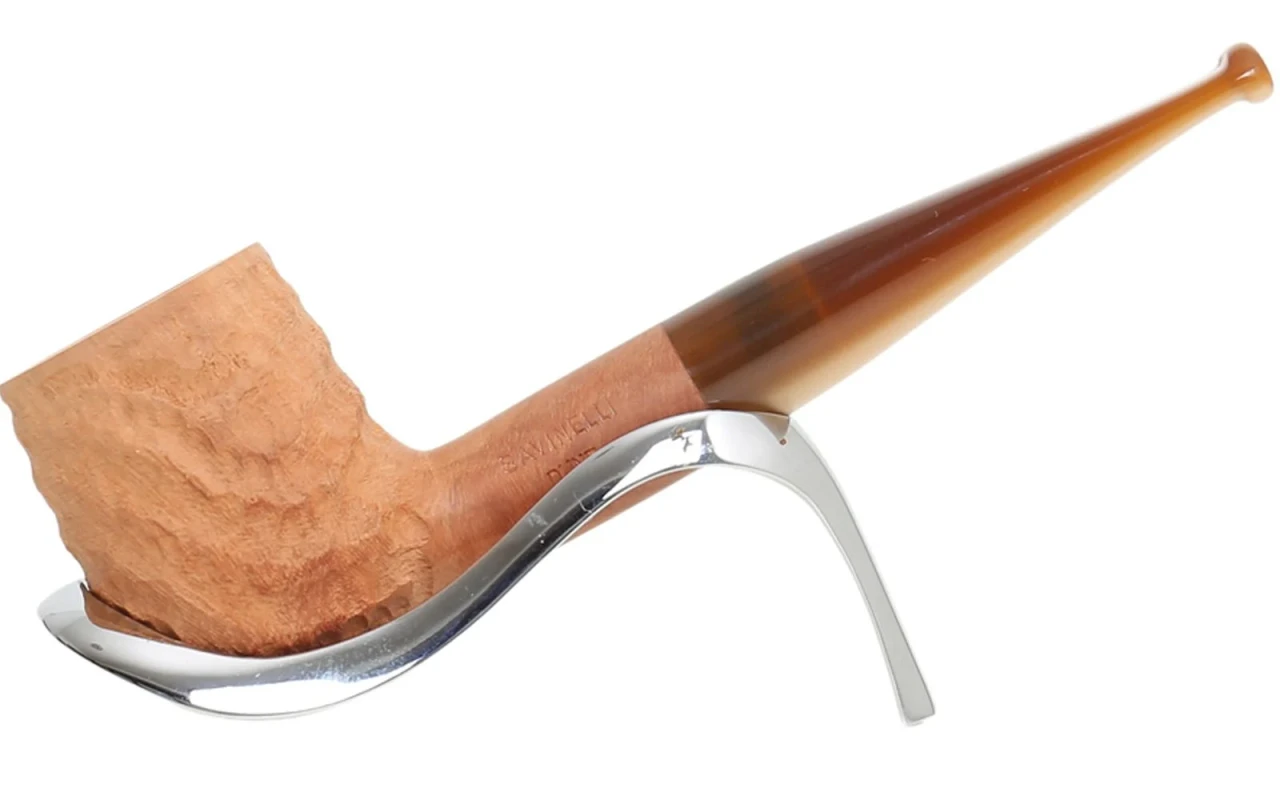
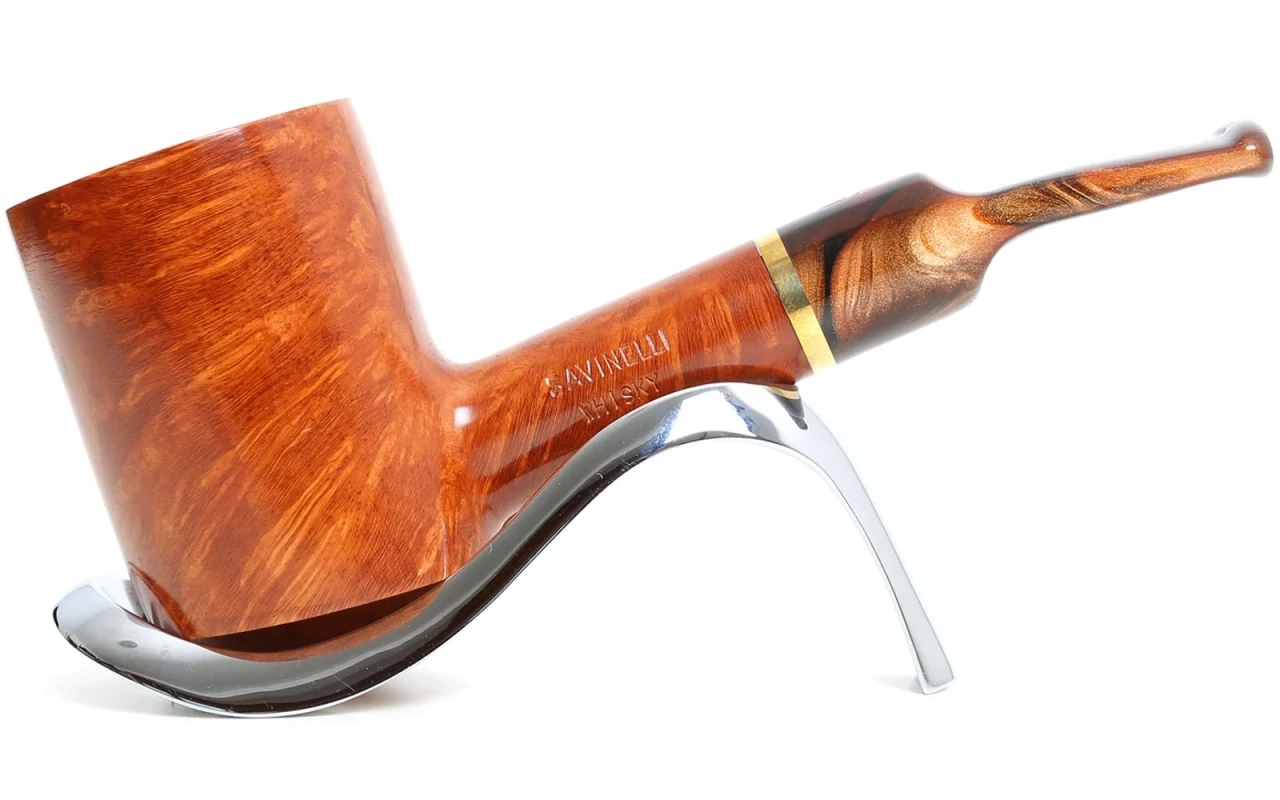
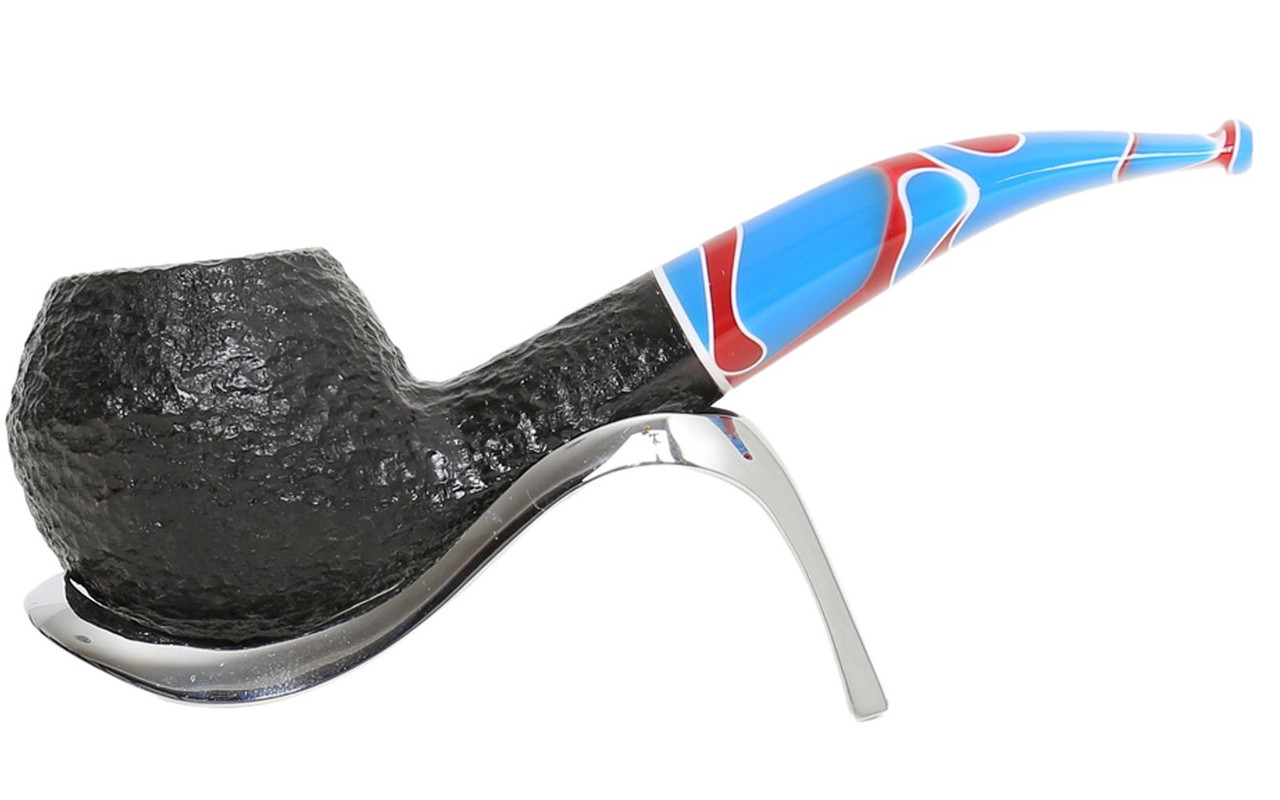
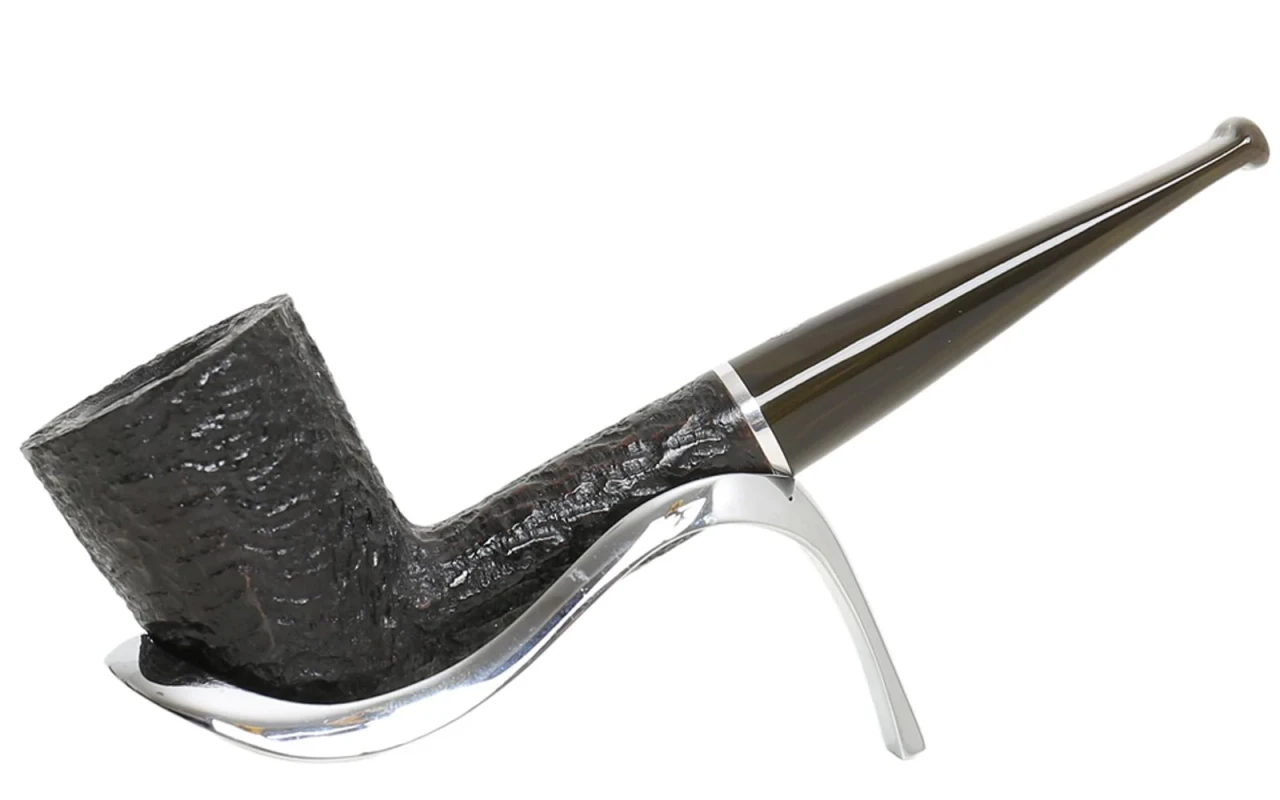
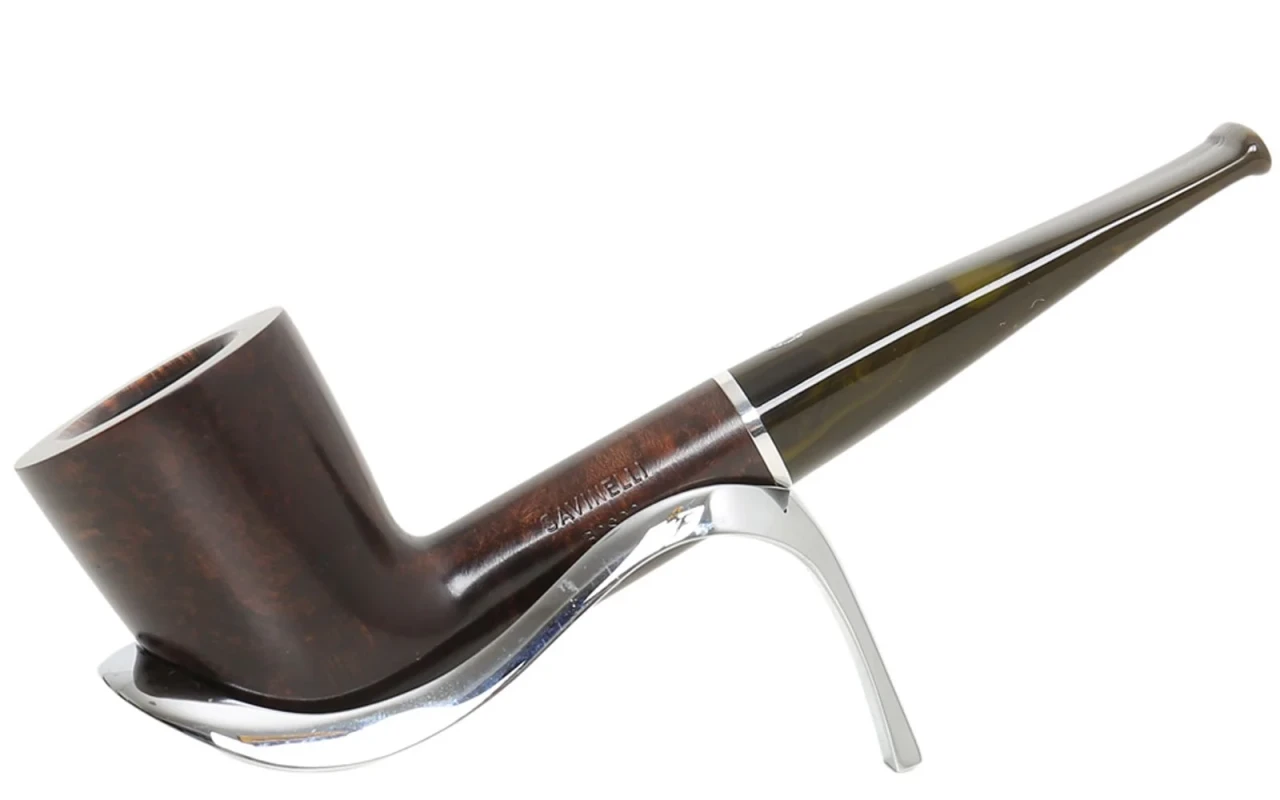
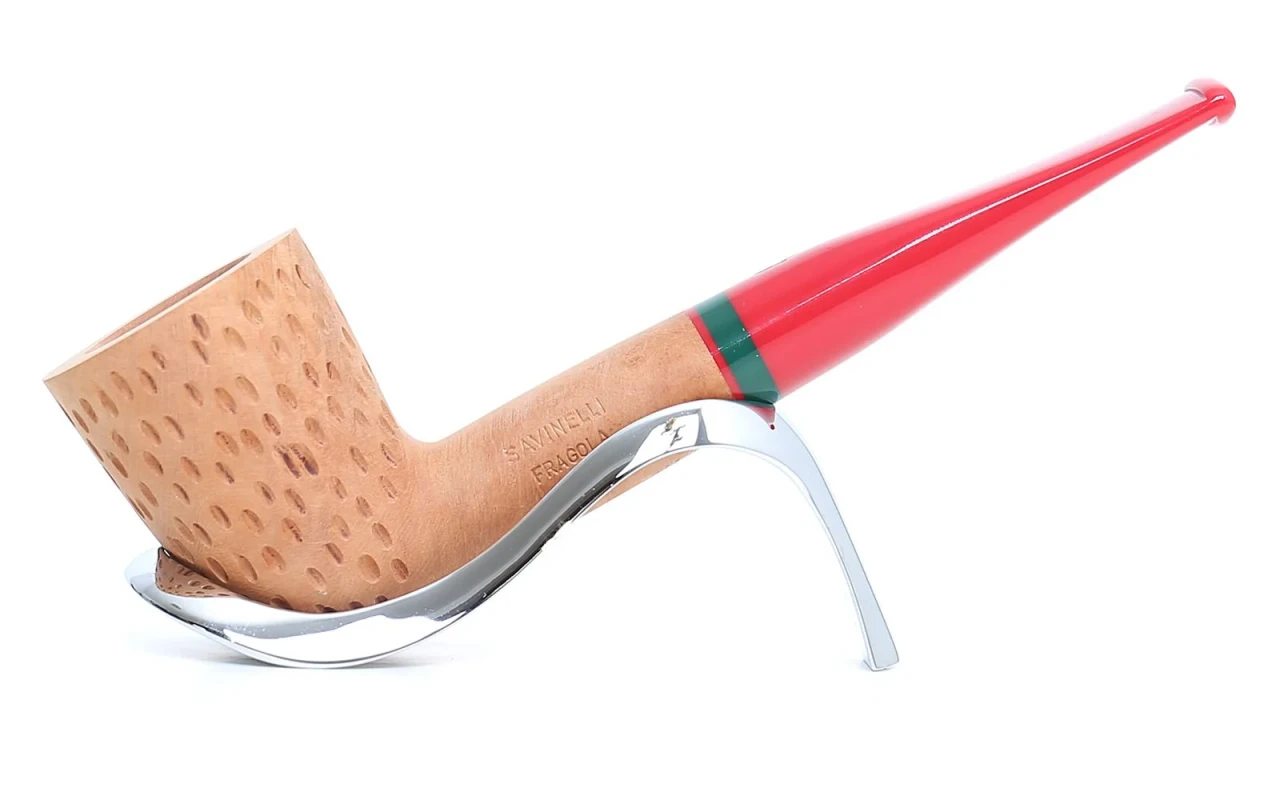
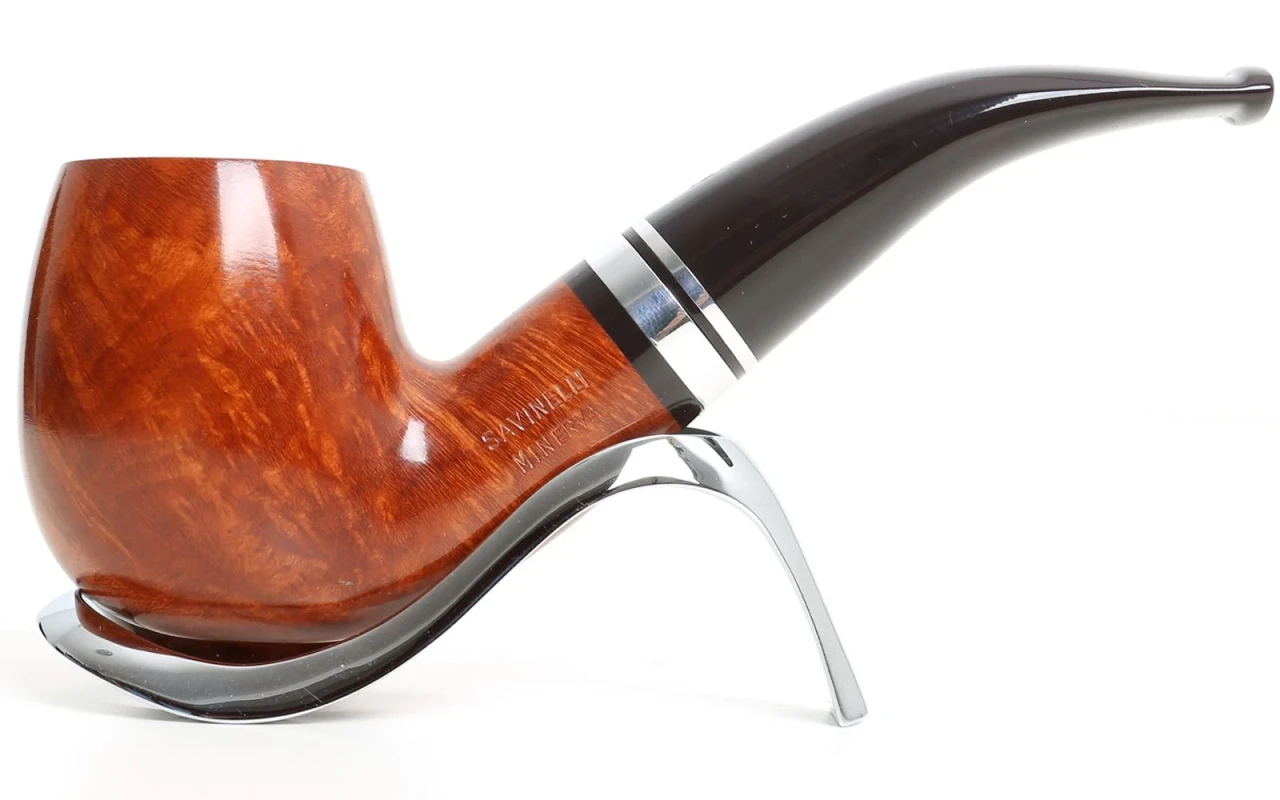
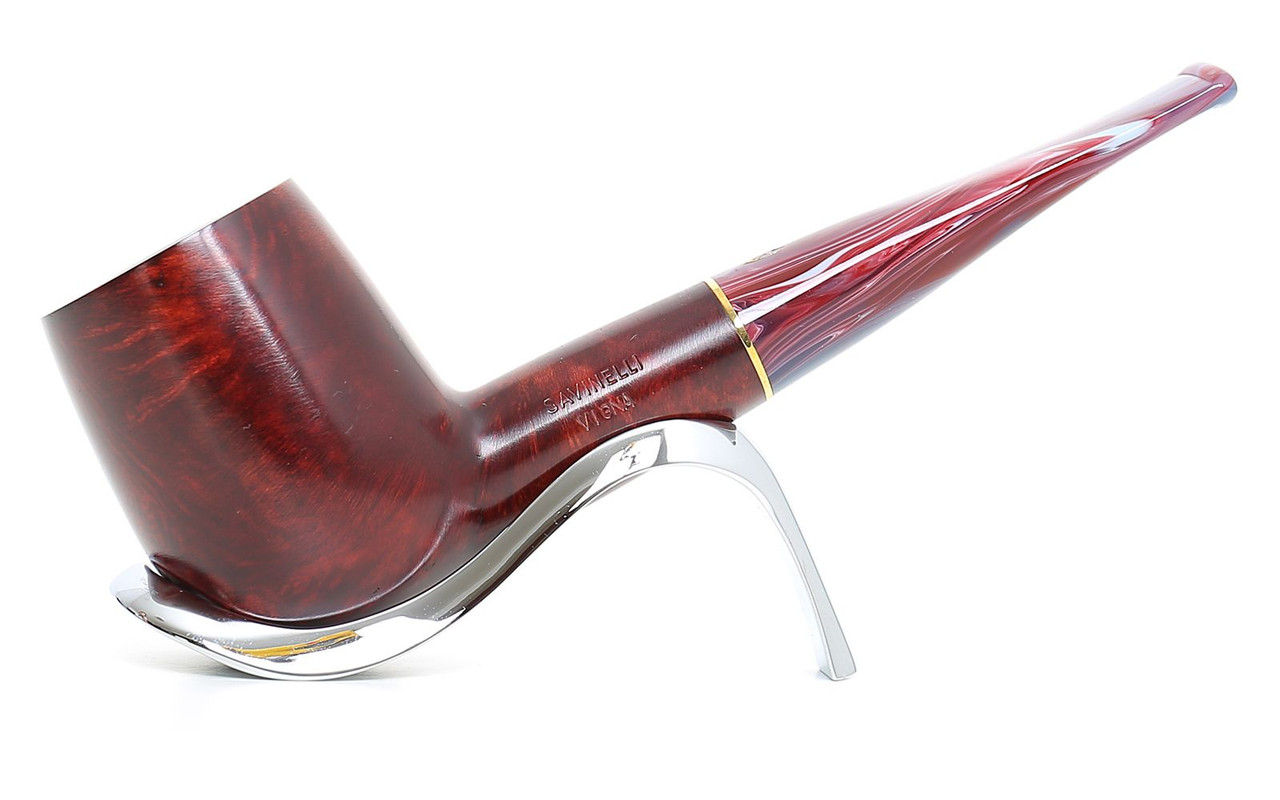
History of pipes and their origins
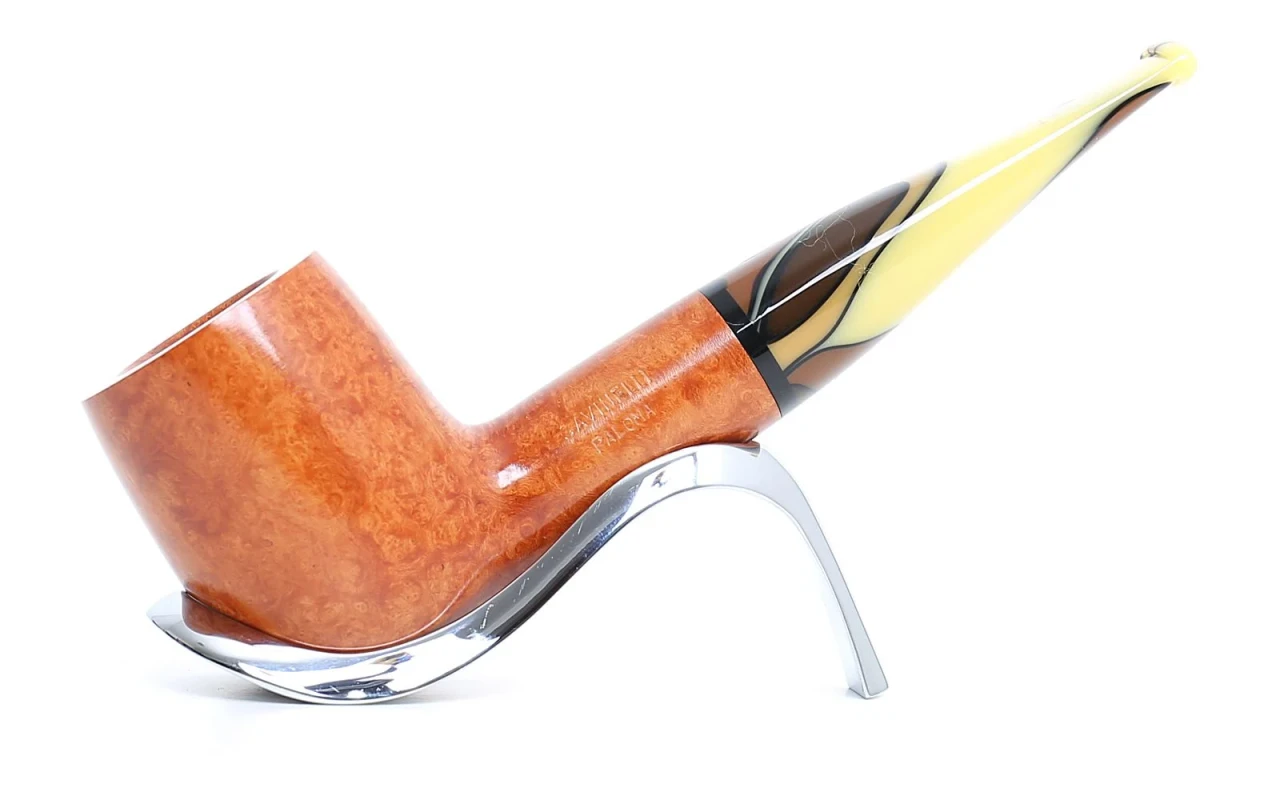
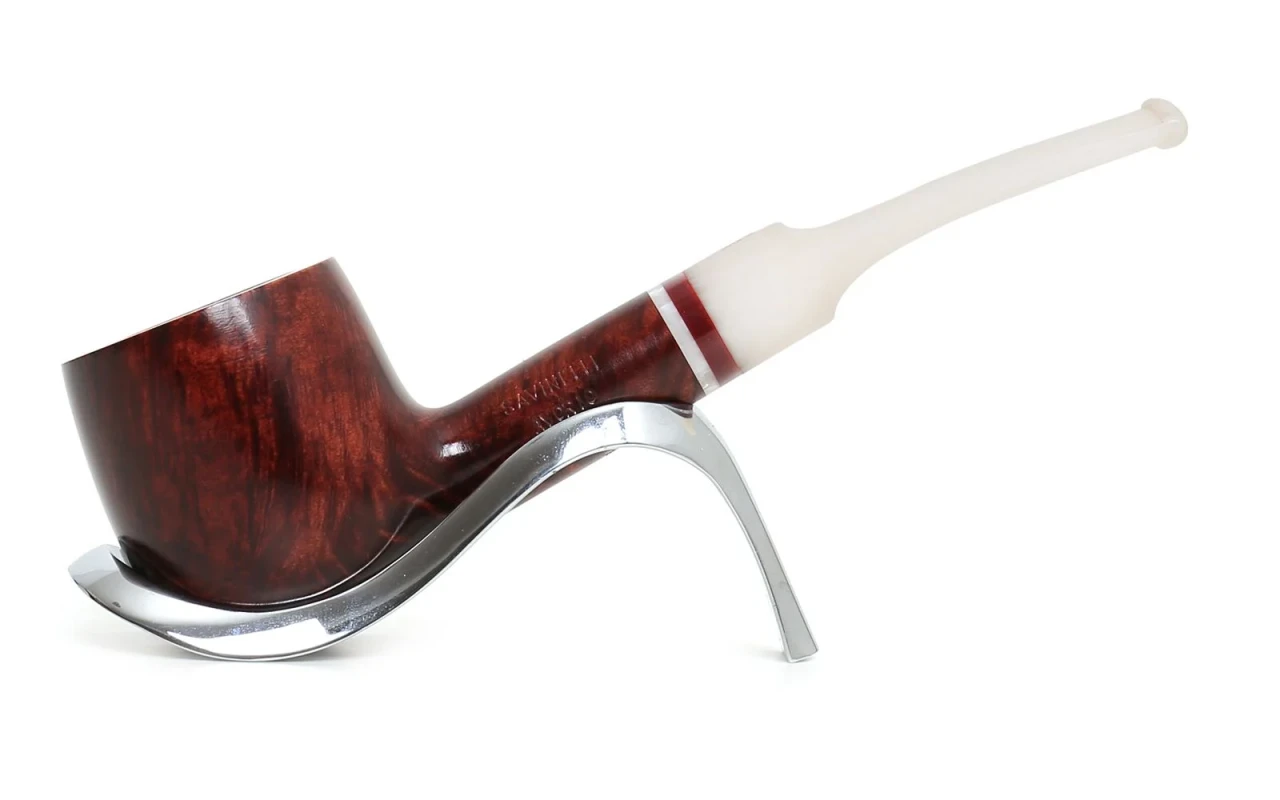
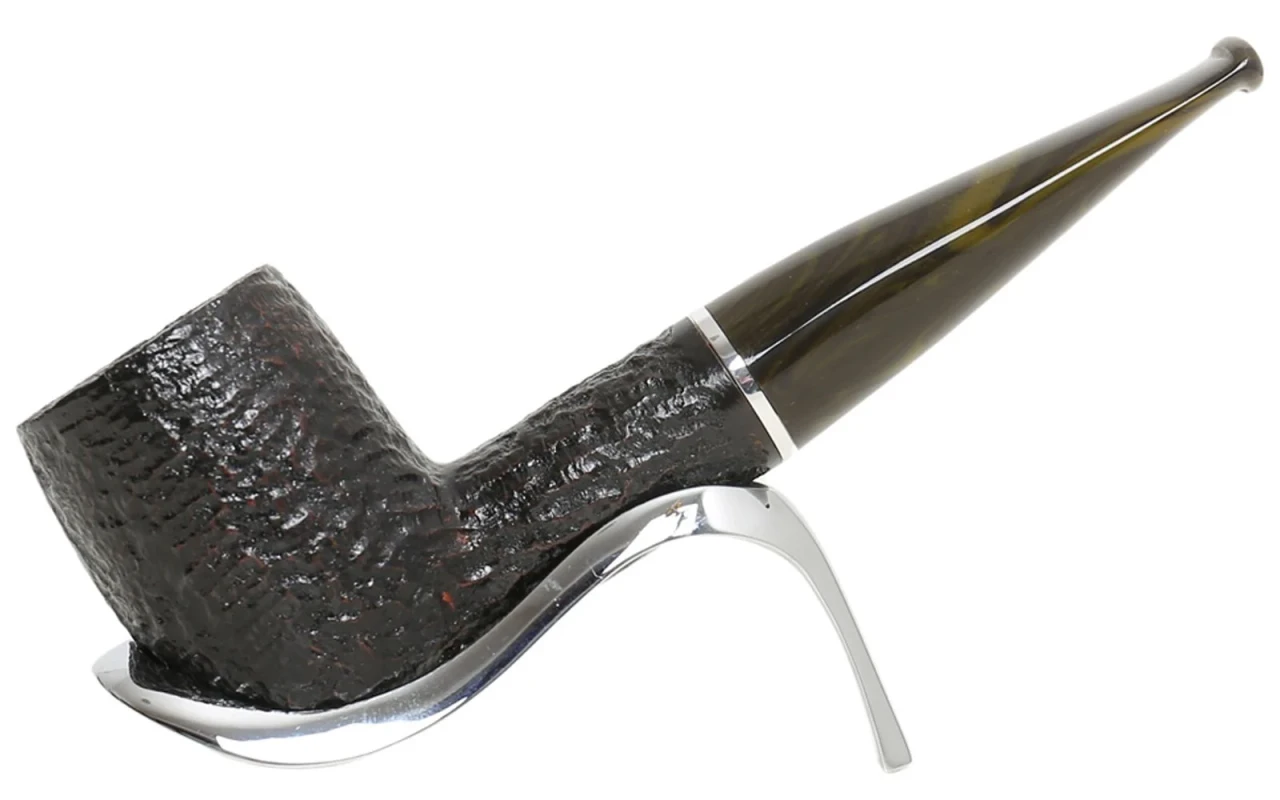
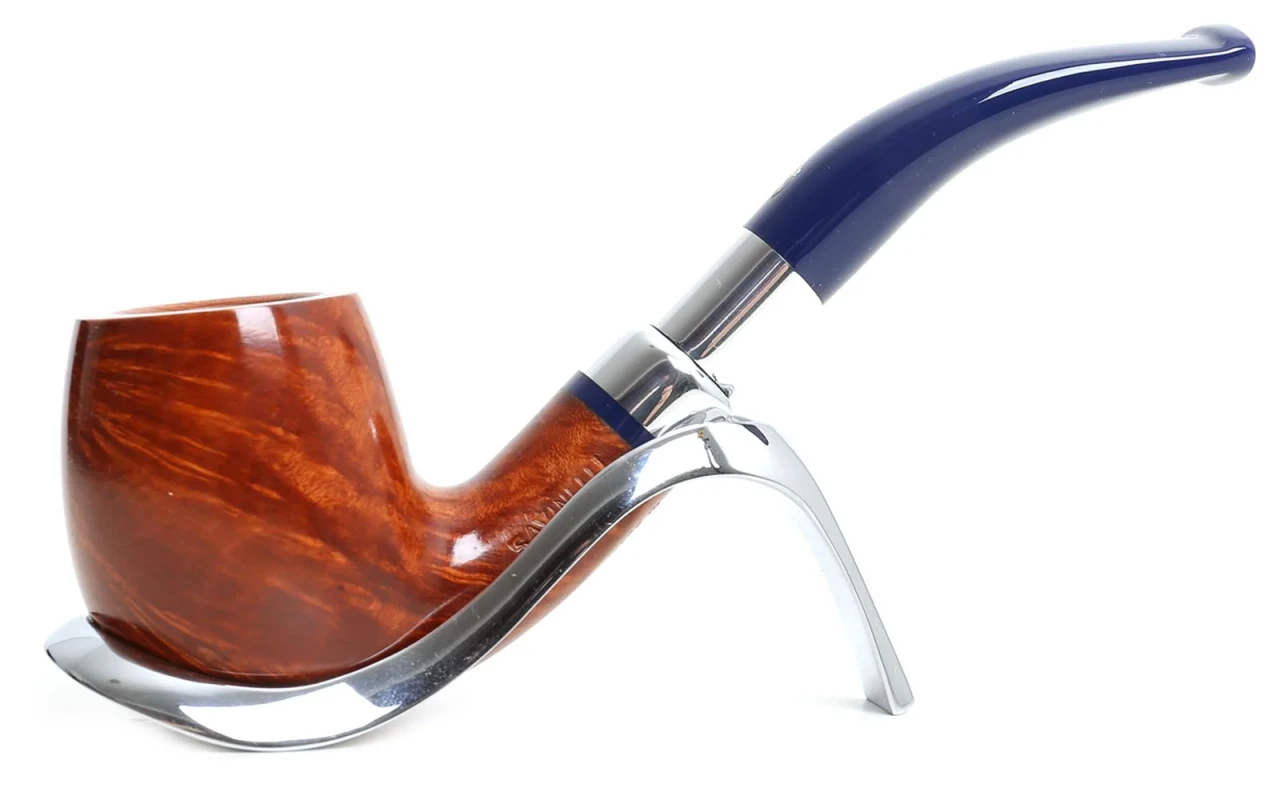
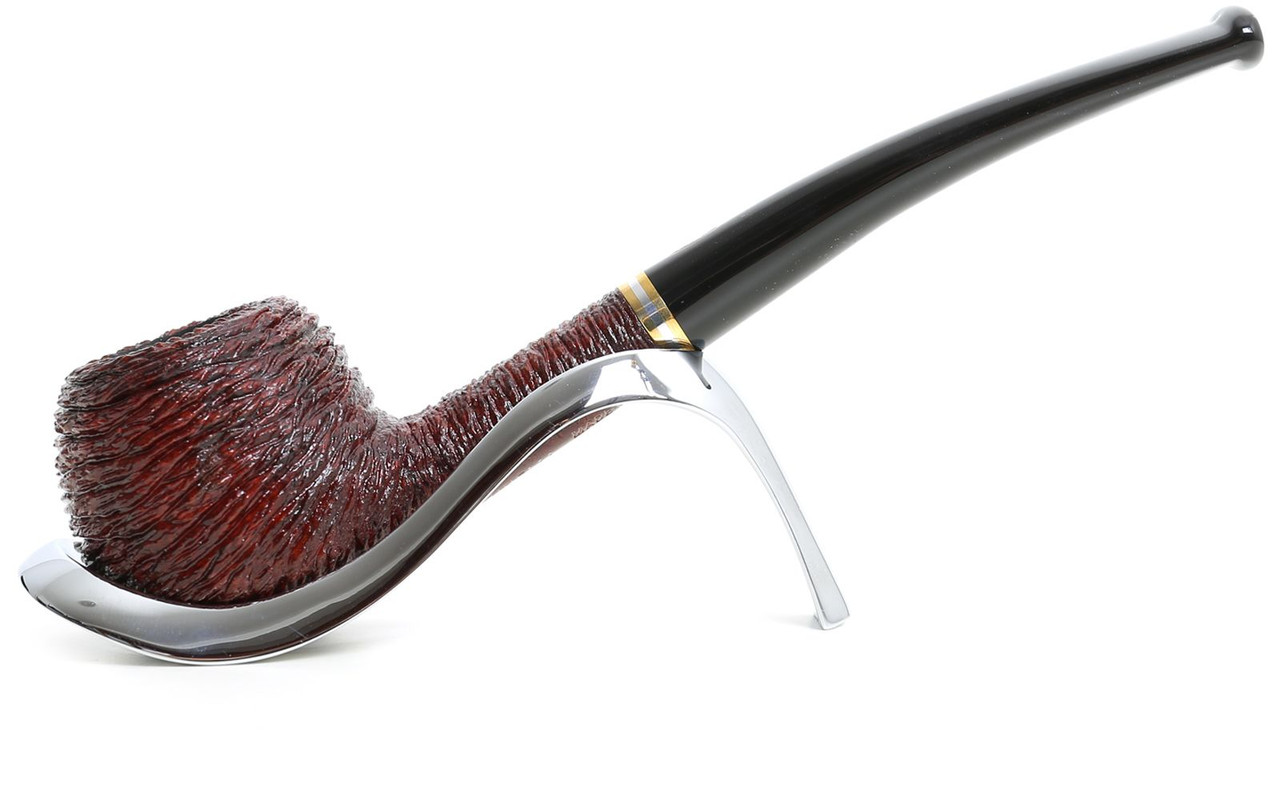
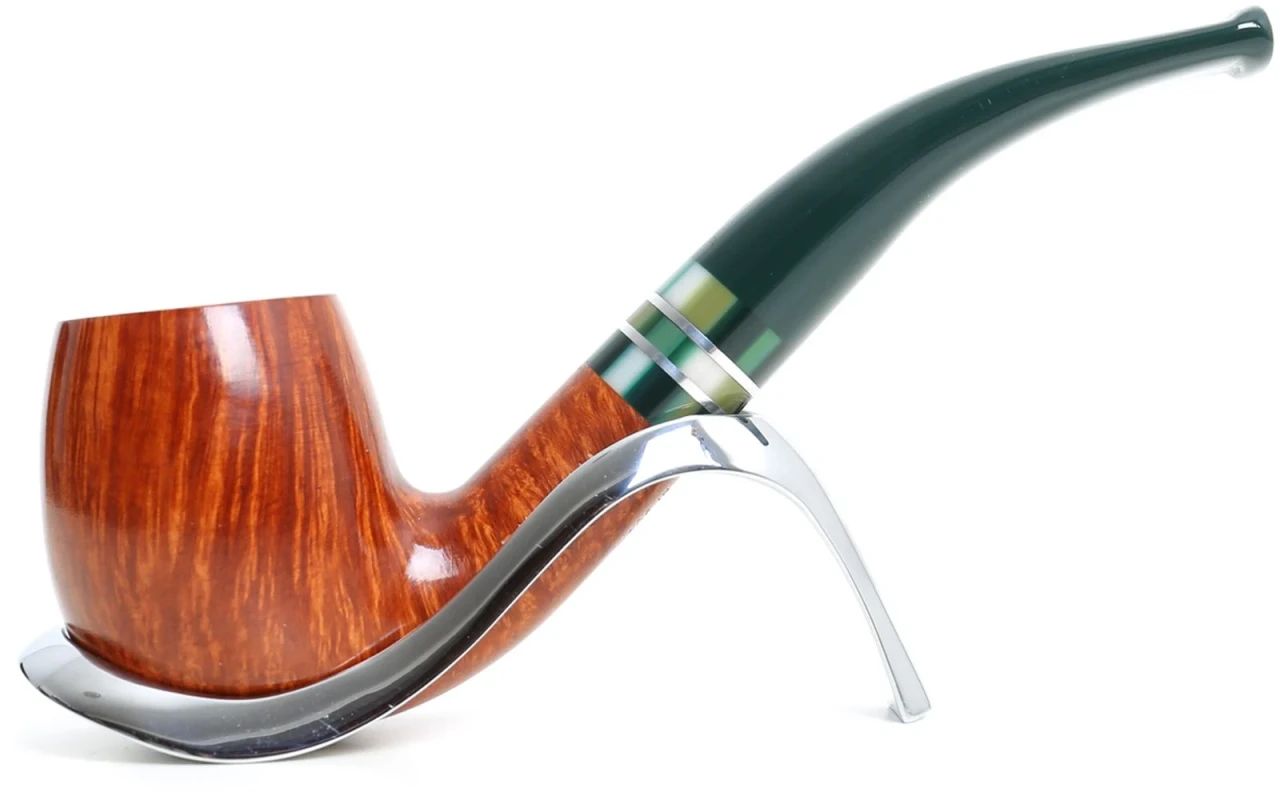
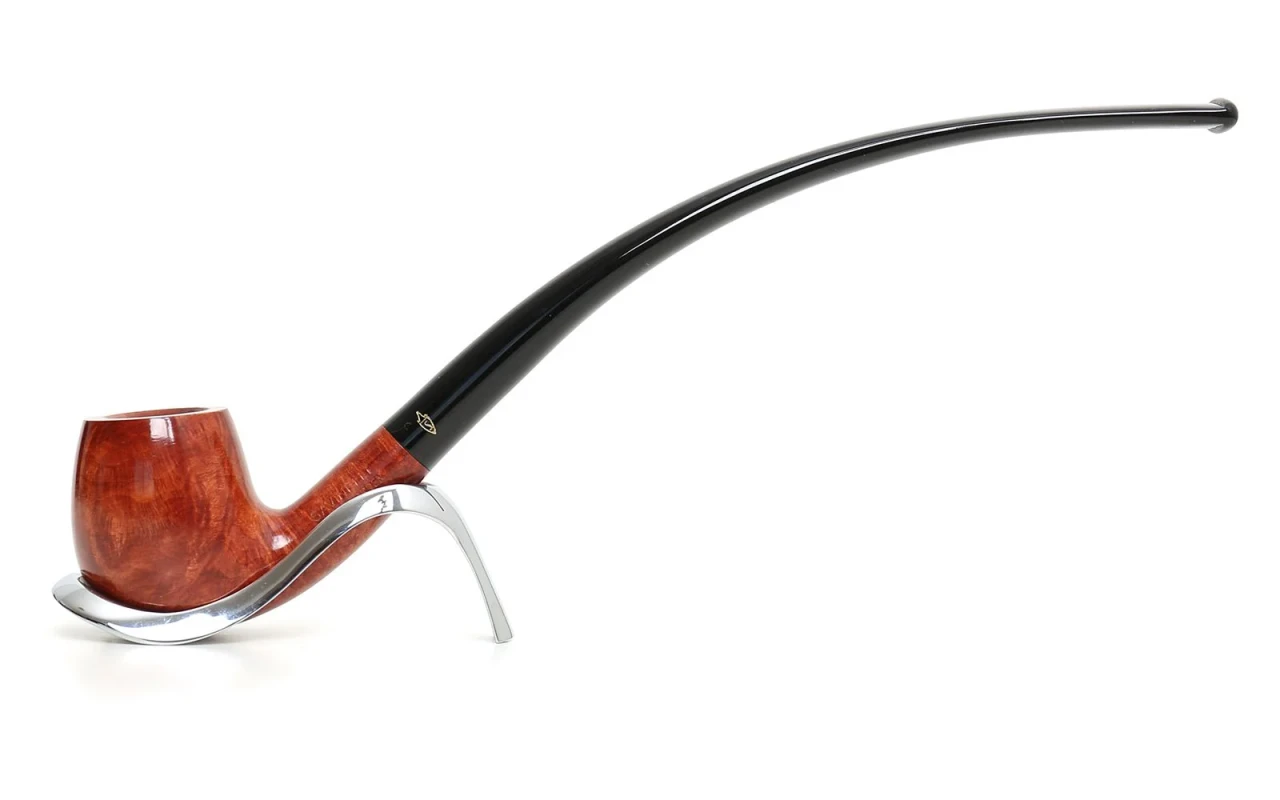
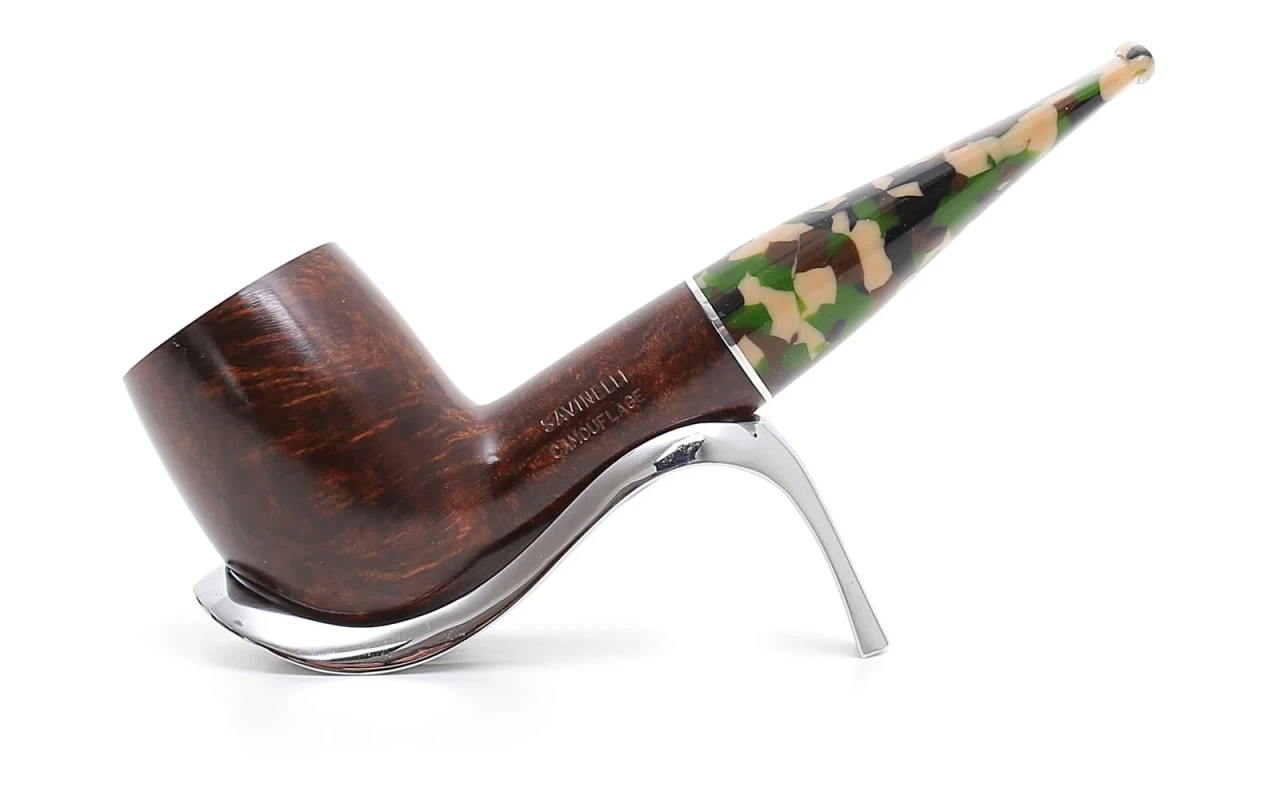
Pipes have a long history dating back thousands of years. The first traces of pipes can be found in ancient Egyptian and Mesopotamian civilizations, where they were used for smoking herbs and tobacco. Over the centuries, pipes have spread worldwide, taking on different shapes and materials depending on the cultures. Traditional pipes were made of materials such as clay, wood, stone, and even bone. As time passed, pipes evolved into true works of art, with elaborate and detailed designs. Today, pipes are valued not only for smoking, but also as collectible items and cultural artifacts.
PIPE PIPE SMOKING
Pipe smoking is the result of tobacco combustion inside a pipe. During the smoking process, the tobacco ignites thanks to the initial lighting and produces the smoke that is inhaled by the pipe user. Pipe smoking can vary depending on the type of tobacco used, smoking technique, and type of pipe. There are different types of pipes, such as briar pipes or corn cob pipes, which influence the flavor and quality of the smoke. It is important to take care of your pipe and clean it regularly to ensure an optimal smoking experience.
Smoking pipe accessories
Smoking pipe accessories are essential tools for pipe enthusiasts looking to enhance their smoking experience. Among the most common accessories are the following:- **Filters**: help retain moisture and reduce nicotine buildup.- **Pipe cleaners**: useful for cleaning clogged stems.- **Tobacco cutter**: handy for cutting tobacco evenly.- **Pipe pouch**: for safely transporting the pipe.- **Matches or gas lighters**: to light the pipe without altering the taste of the tobacco.These accessories not only enhance the smoking quality but also help maintain the pipe in excellent condition over time.
Materials for Handcrafted Pipes
Materials for handcrafted pipes can vary depending on the builder's preferences and the desired final outcome. However, some common materials used include:- Briar wood: lightweight and durable, valued for its ability to absorb moisture from the smoke.- Oak wood: hard and heat-resistant, ideal for ensuring a long lifespan for the pipe.- Olive wood: with unique grains, it adds a distinctive aesthetic touch to the pipe.- Walnut wood: durable and easy to work with, it offers an elegant finish.- Horn: used for mouthpieces and decorative details.- Precious metals: such as silver, often used for high-quality decorative accents.
Maintenance and Cleaning of Pipes
Maintenance and cleaning of pipes are essential to ensure an optimal smoking experience. Here are some useful tips:- After each use, empty the ash and gently clean the inner surface with a pipe cleaner.- Regularly remove any residues of burnt tobacco and tar deposits with a pipe reamer or scraper.- Use a specific pipe cleaning liquid to eliminate stubborn residues and disinfect the surface.- Regularly check the condition of the filter and replace it if necessary to maintain optimal airflow.- Finally, store your pipe in a dry place protected from direct sunlight to prevent damage.
'%3e%3cg id='Final-Copy-2_2_' transform='translate(1275.000000, 200.000000)'%3e%3cpath class='st0' d='M7.4,12.8h6.8l3.1-11.6H7.4C4.2,1.2,1.6,3.8,1.6,7S4.2,12.8,7.4,12.8z'/%3e%3c/g%3e%3c/g%3e%3c/g%3e%3cg id='final---dec.11-2020'%3e%3cg id='_x30_208-our-toggle' transform='translate(-1275.000000, -200.000000)'%3e%3cg id='Final-Copy-2' transform='translate(1275.000000, 200.000000)'%3e%3cpath class='st1' d='M22.6,0H7.4c-3.9,0-7,3.1-7,7s3.1,7,7,7h15.2c3.9,0,7-3.1,7-7S26.4,0,22.6,0z M1.6,7c0-3.2,2.6-5.8,5.8-5.8 h9.9l-3.1,11.6H7.4C4.2,12.8,1.6,10.2,1.6,7z'/%3e%3cpath id='x' class='st2' d='M24.6,4c0.2,0.2,0.2,0.6,0,0.8l0,0L22.5,7l2.2,2.2c0.2,0.2,0.2,0.6,0,0.8c-0.2,0.2-0.6,0.2-0.8,0 l0,0l-2.2-2.2L19.5,10c-0.2,0.2-0.6,0.2-0.8,0c-0.2-0.2-0.2-0.6,0-0.8l0,0L20.8,7l-2.2-2.2c-0.2-0.2-0.2-0.6,0-0.8 c0.2-0.2,0.6-0.2,0.8,0l0,0l2.2,2.2L23.8,4C24,3.8,24.4,3.8,24.6,4z'/%3e%3cpath id='y' class='st3' d='M12.7,4.1c0.2,0.2,0.3,0.6,0.1,0.8l0,0L8.6,9.8C8.5,9.9,8.4,10,8.3,10c-0.2,0.1-0.5,0.1-0.7-0.1l0,0 L5.4,7.7c-0.2-0.2-0.2-0.6,0-0.8c0.2-0.2,0.6-0.2,0.8,0l0,0L8,8.6l3.8-4.5C12,3.9,12.4,3.9,12.7,4.1z'/%3e%3c/g%3e%3c/g%3e%3c/g%3e%3c/g%3e%3c/svg%3e) Your Privacy Choices
Your Privacy Choices 


