 ES
ES FR
FR EN
EN IT
IT DE
DE
History of pipes and ancient civilizations
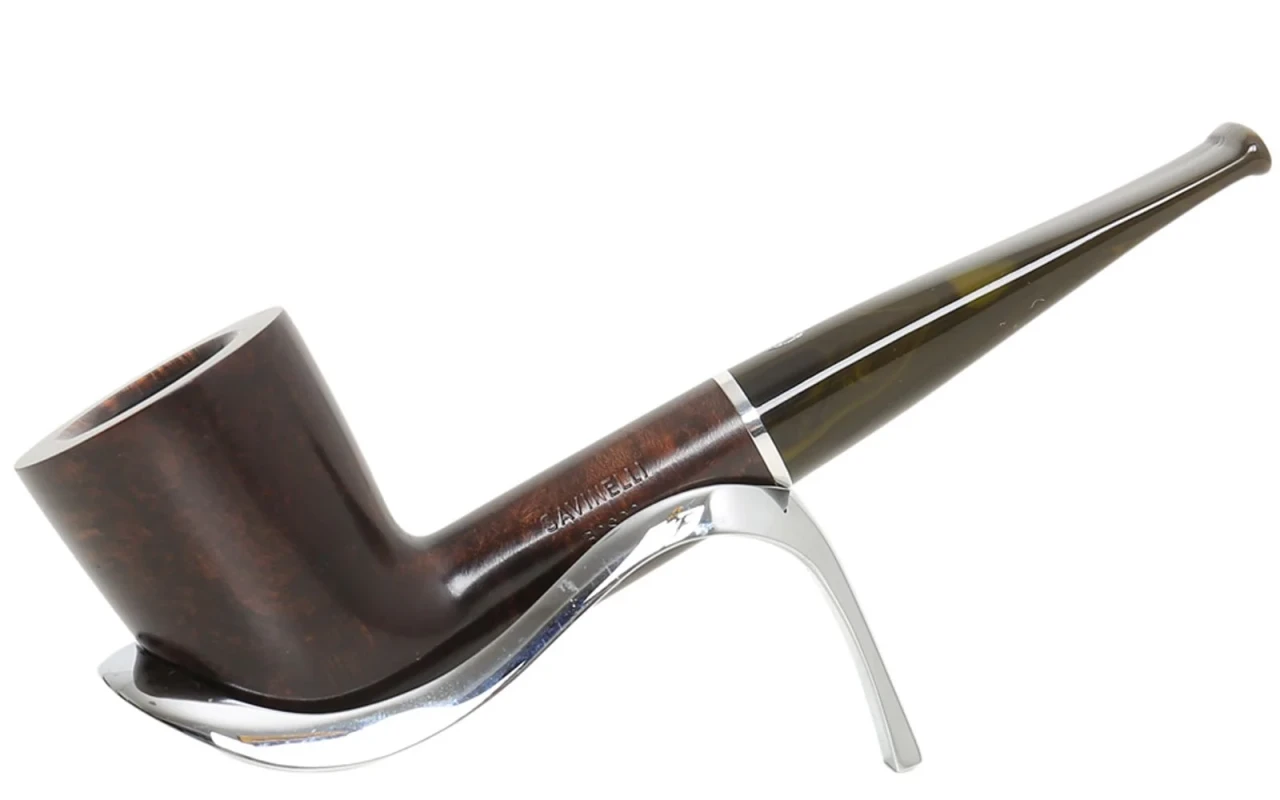
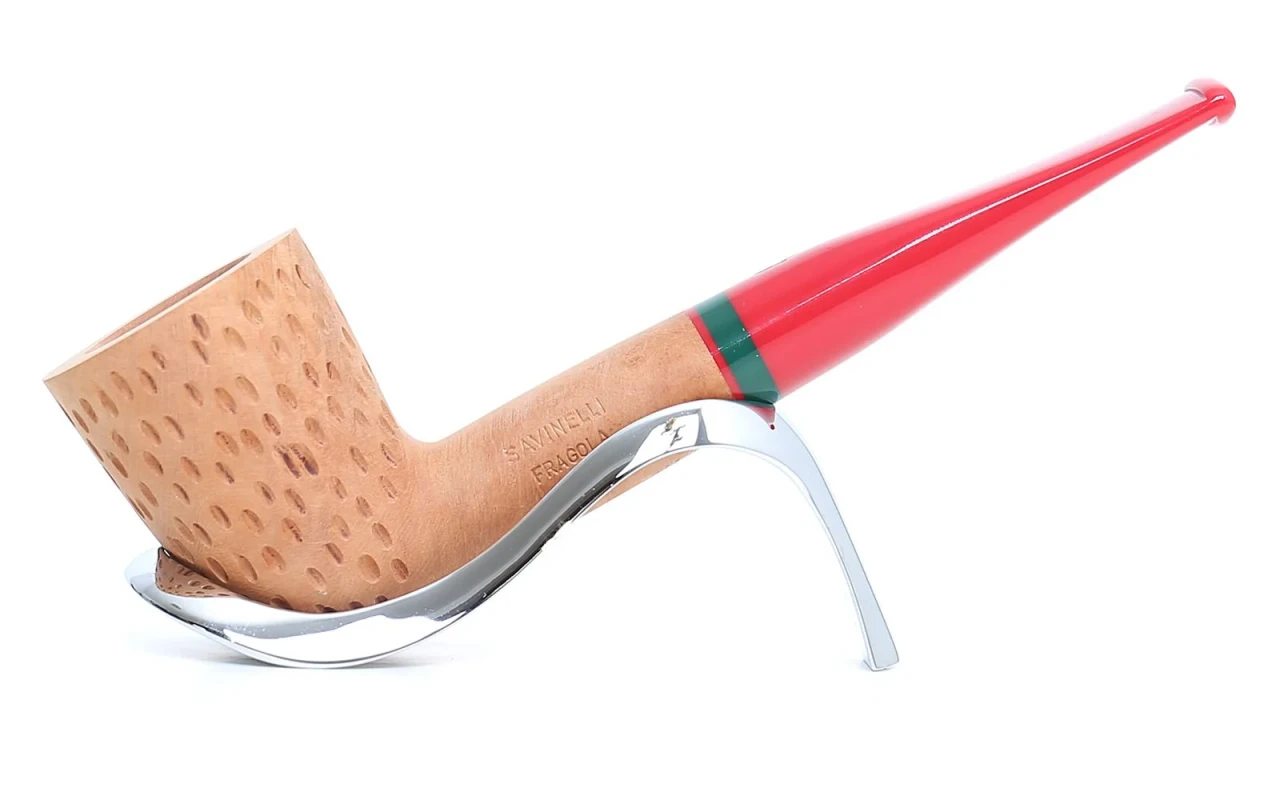
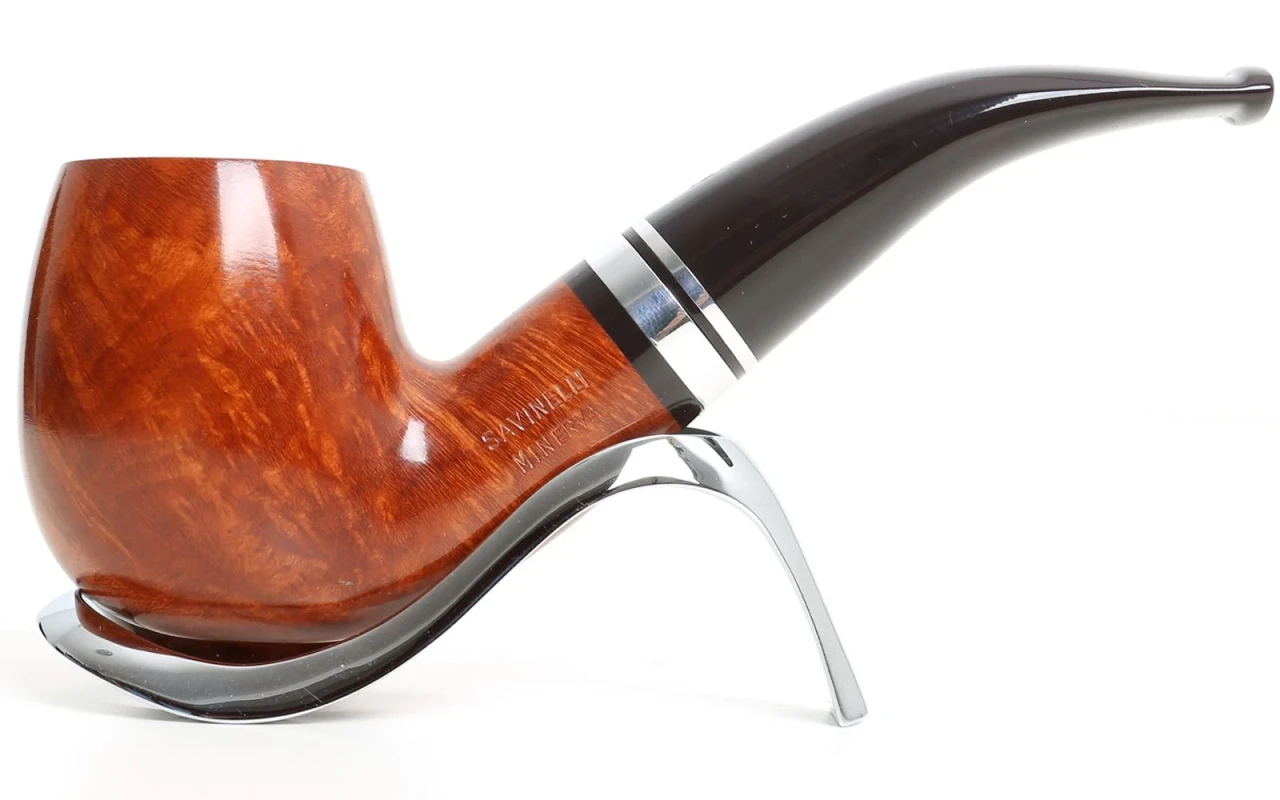
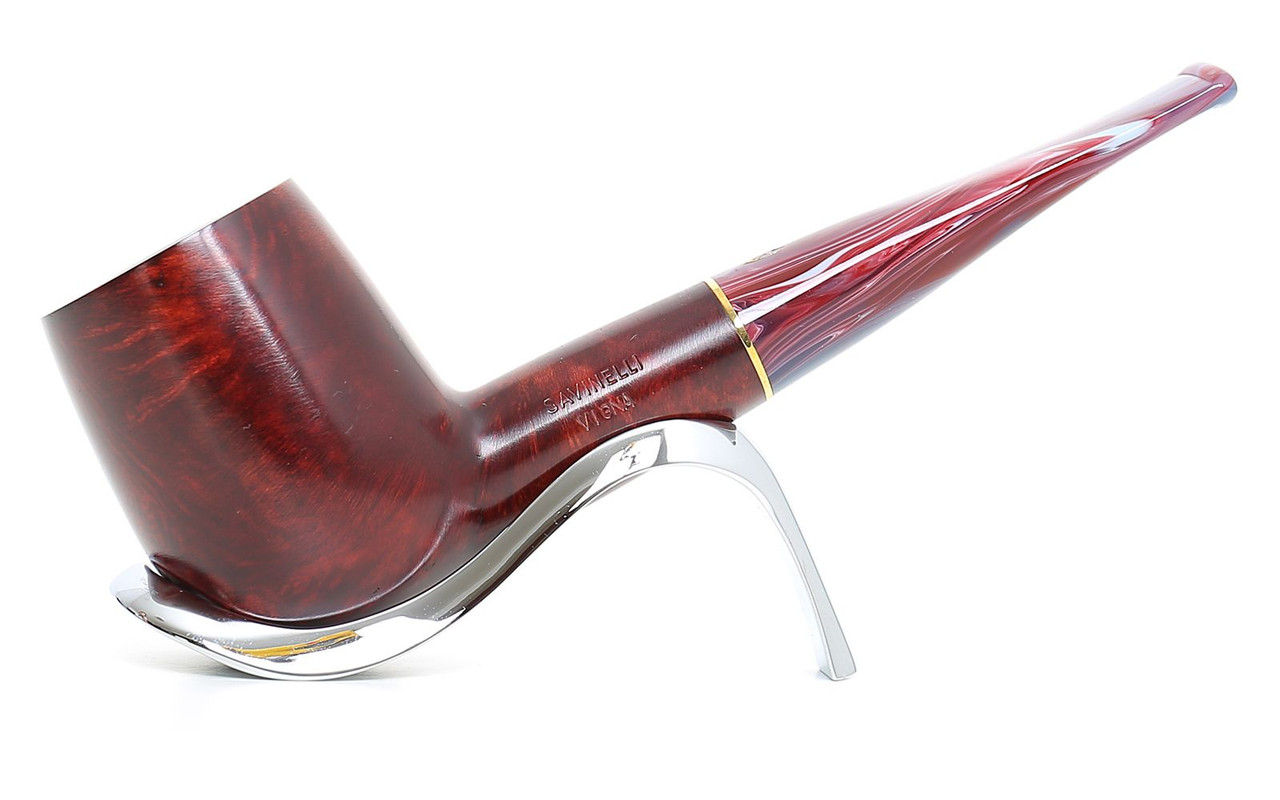
History of pipes and ancient civilizations
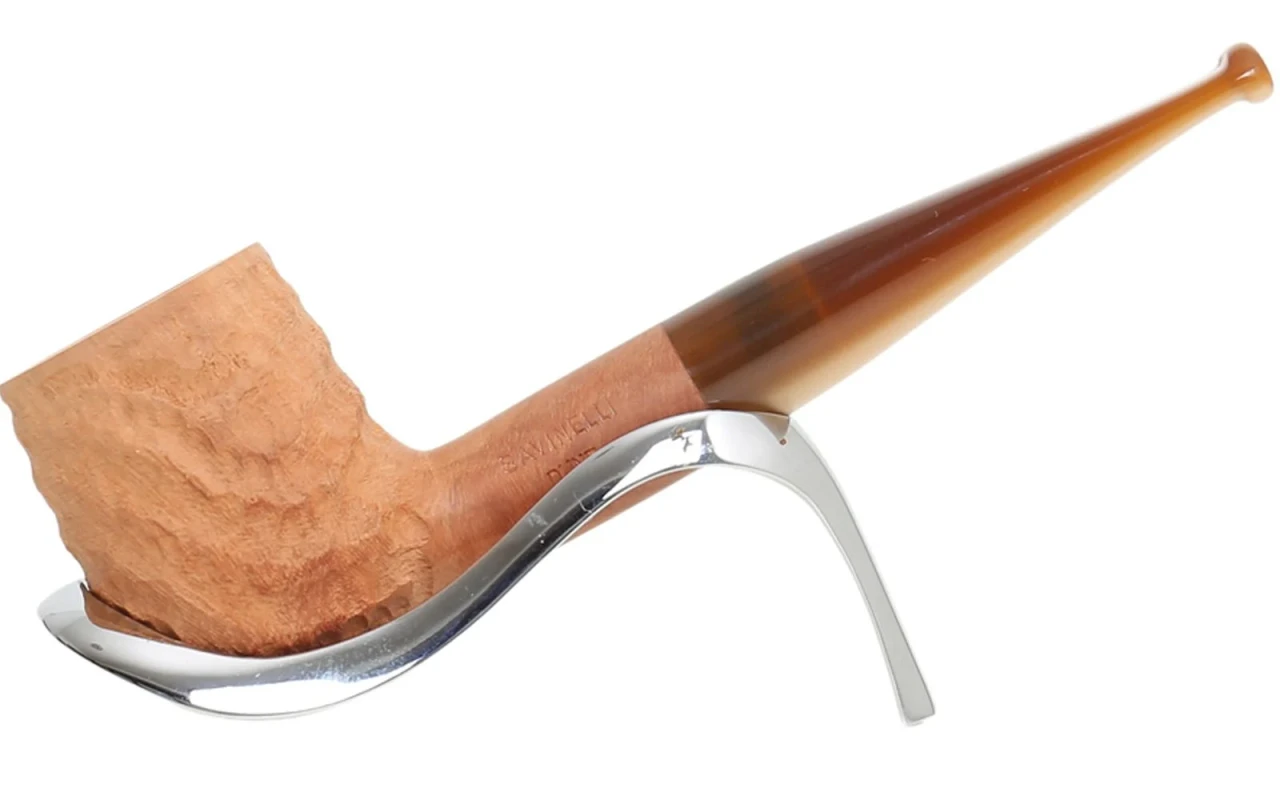
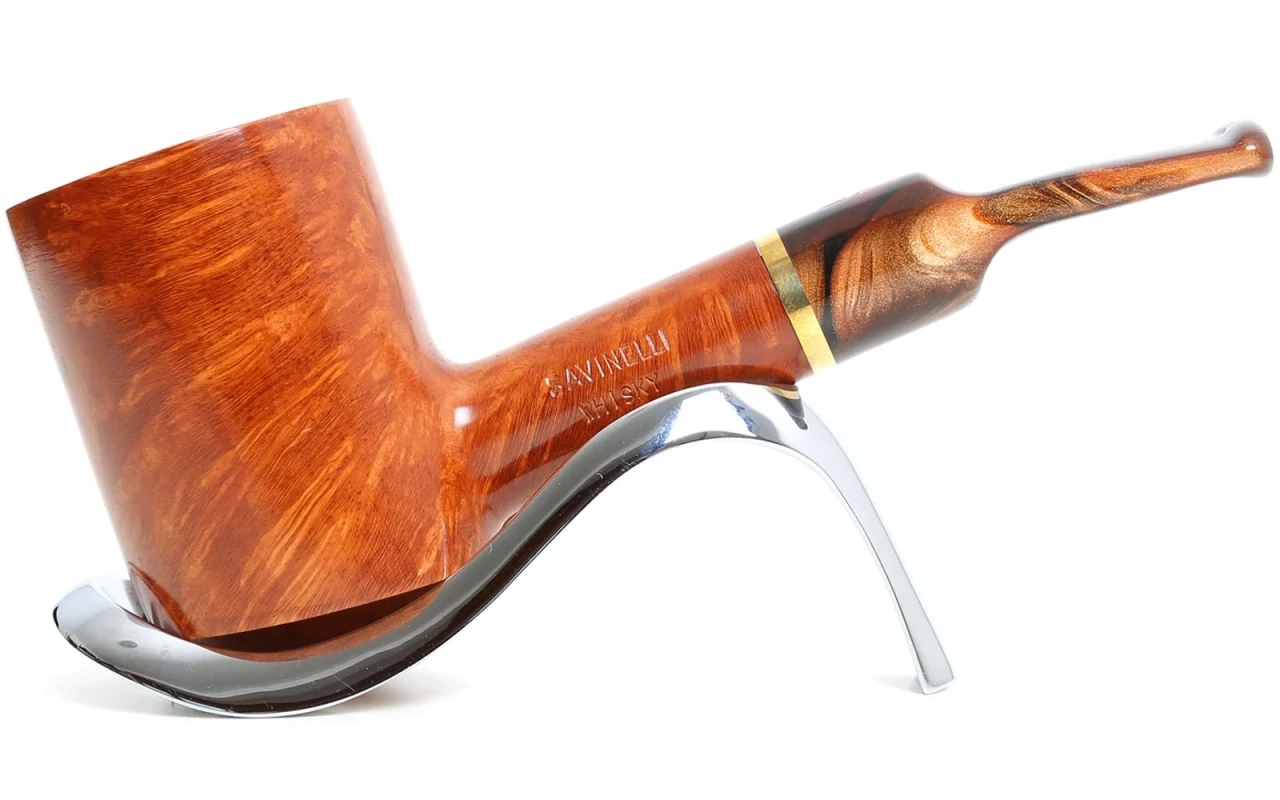
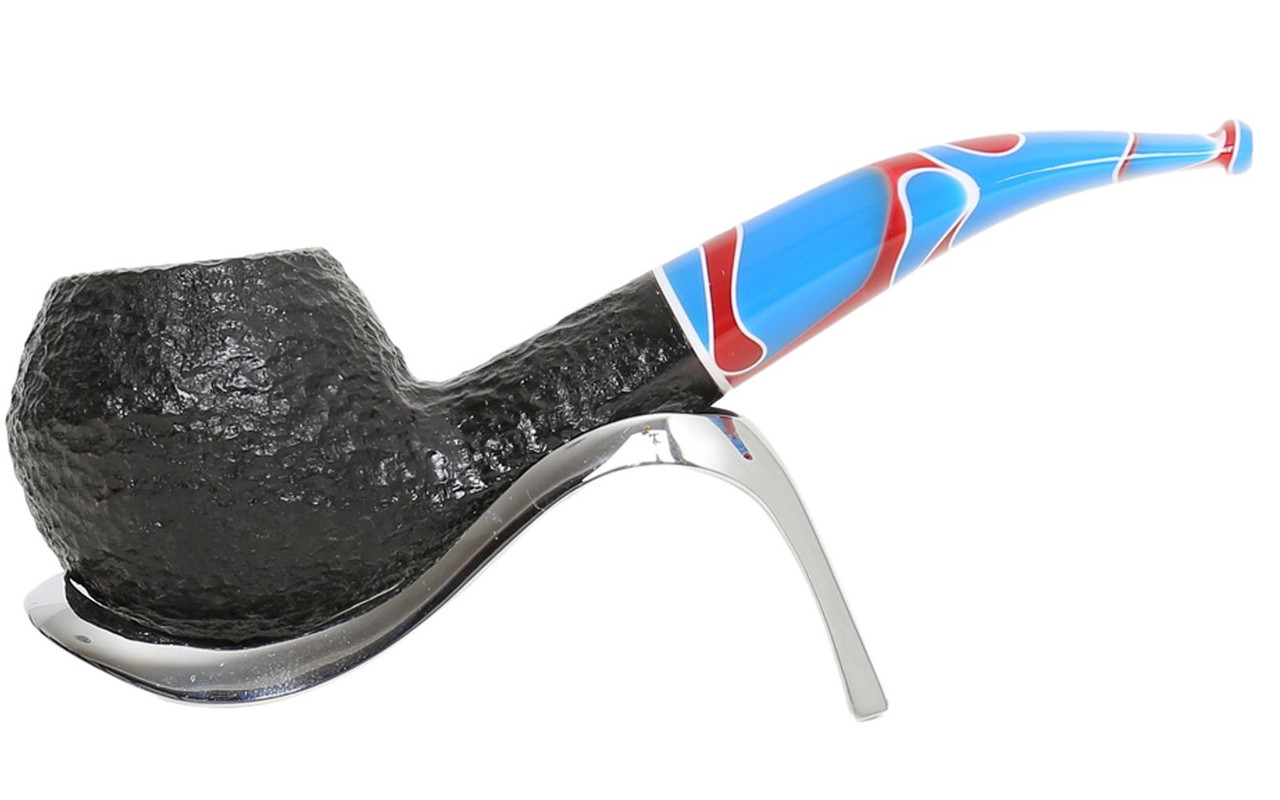
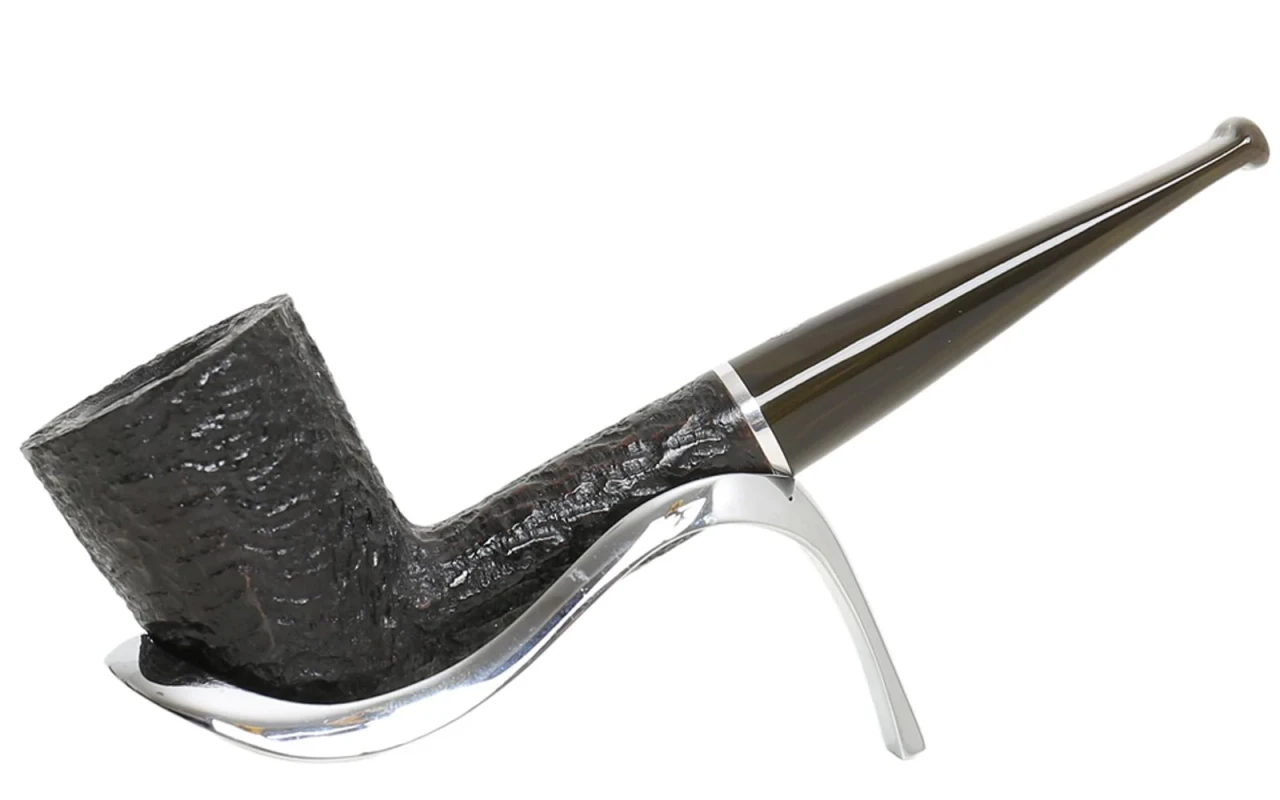
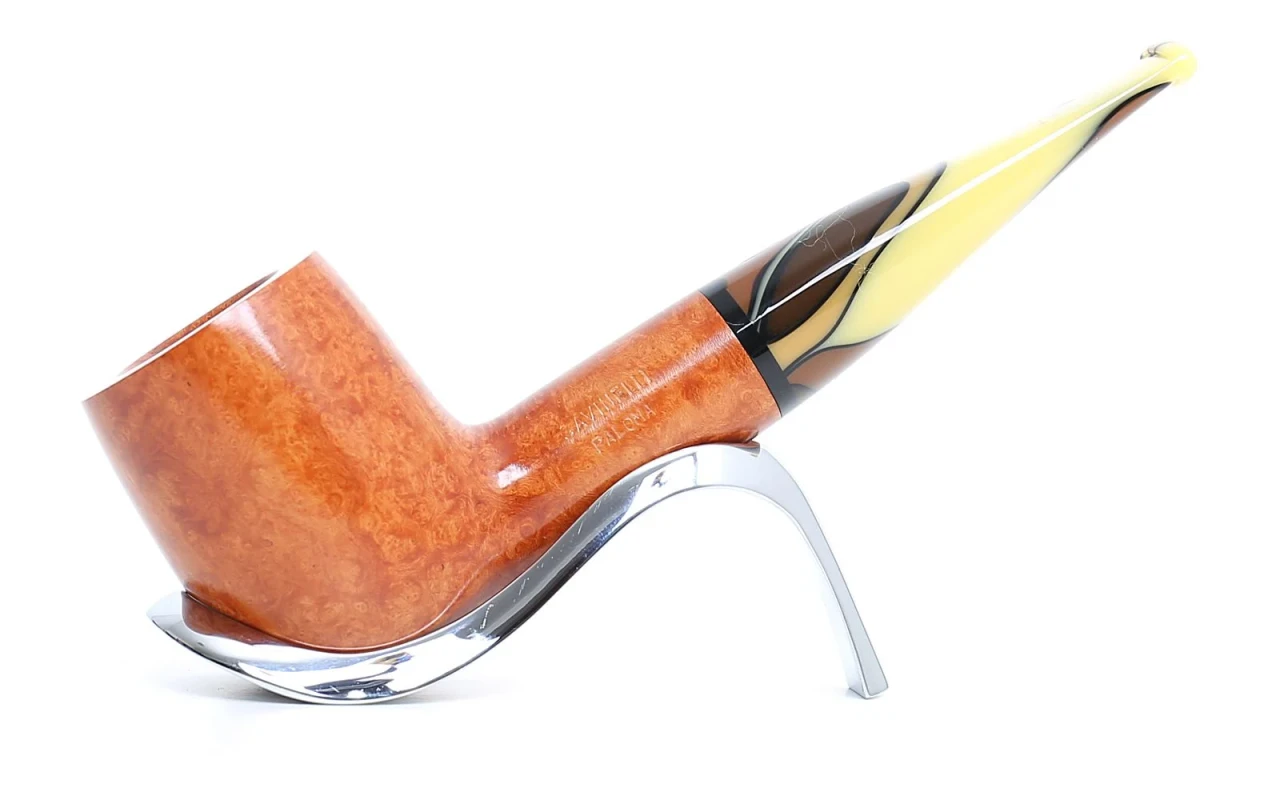
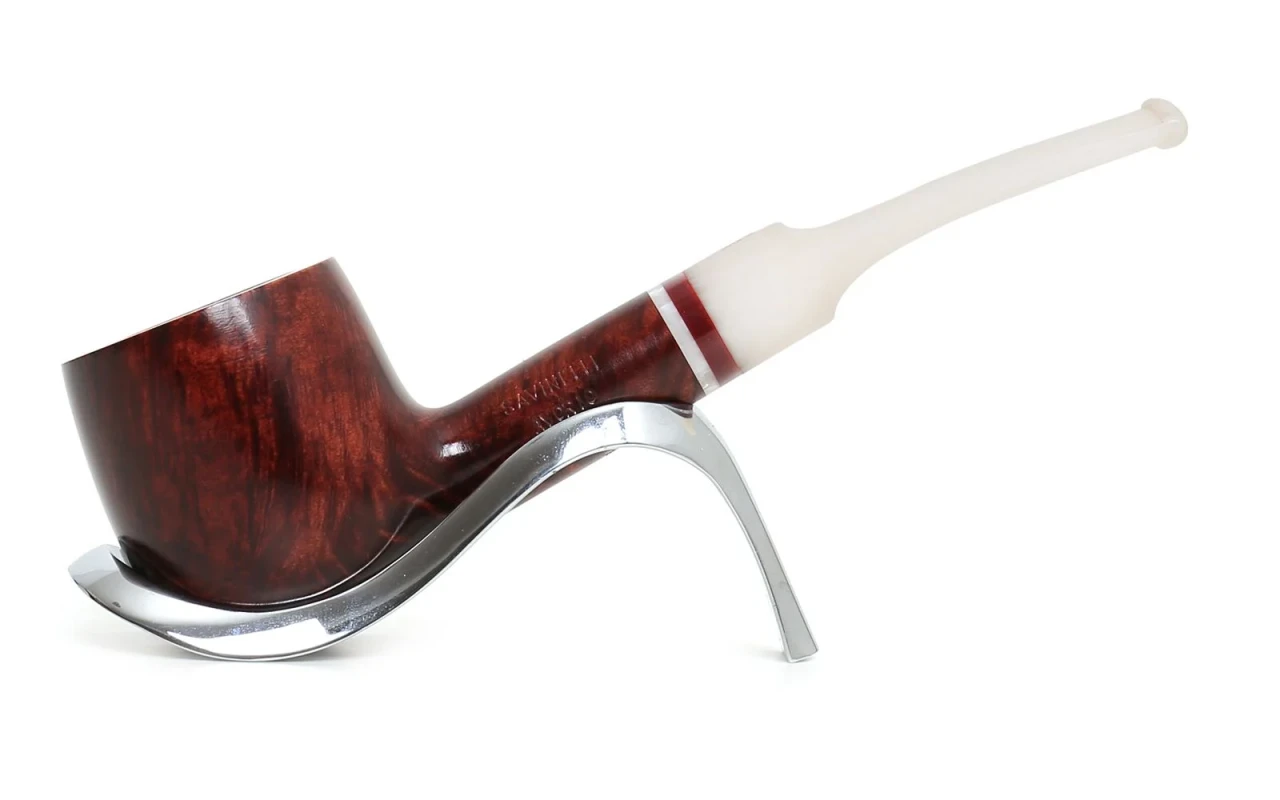
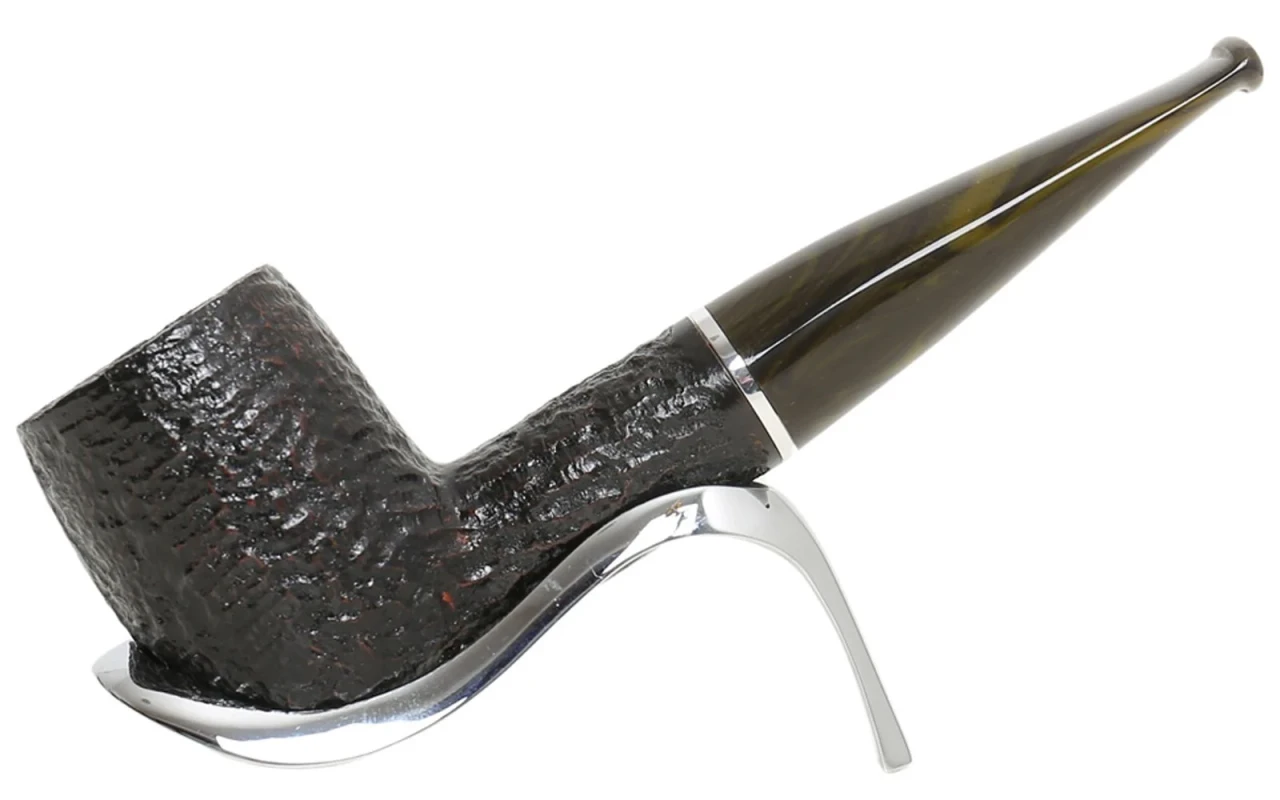
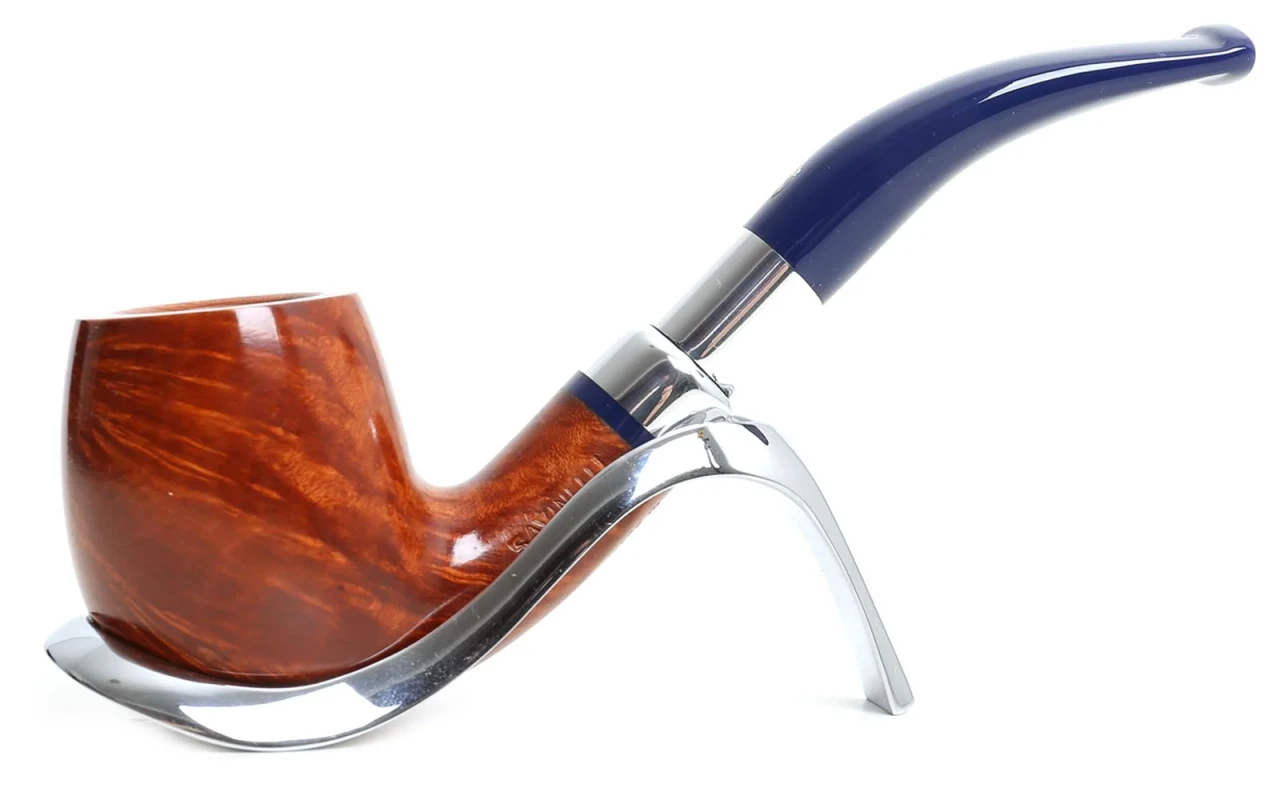
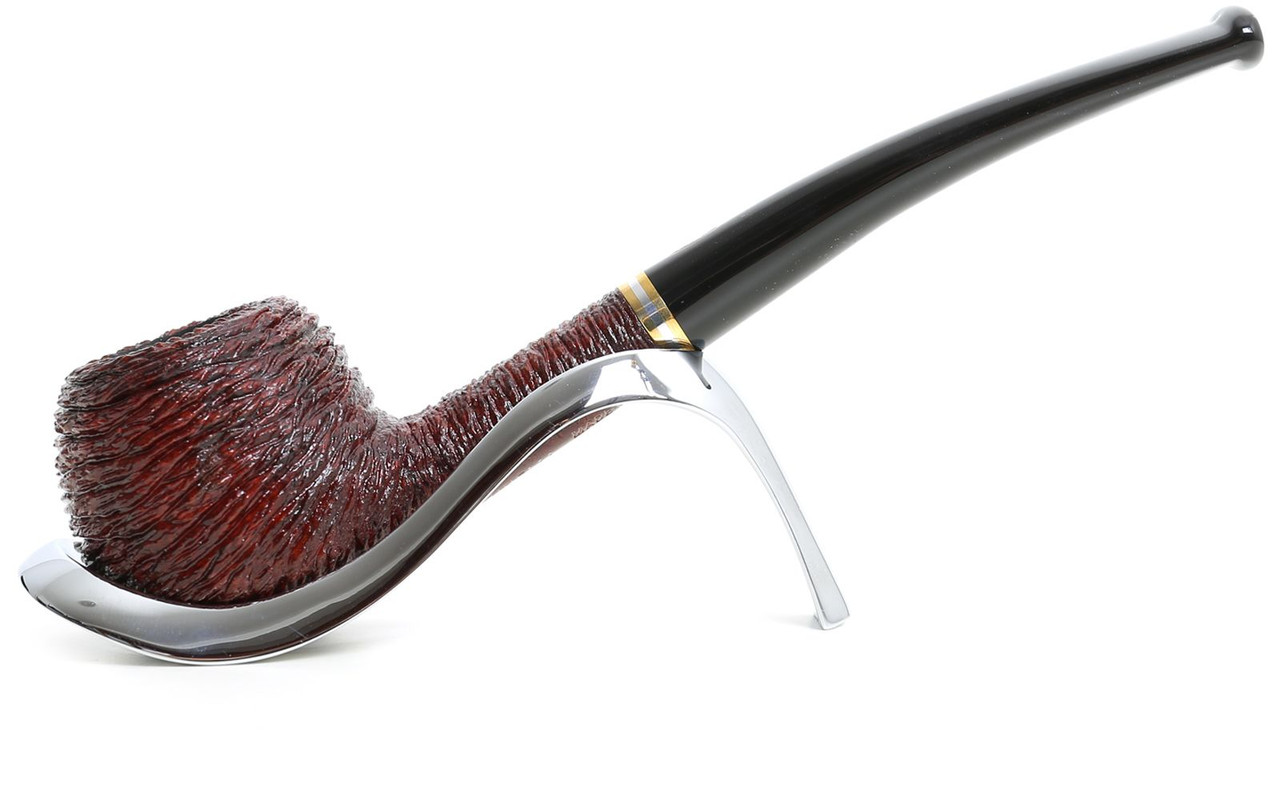
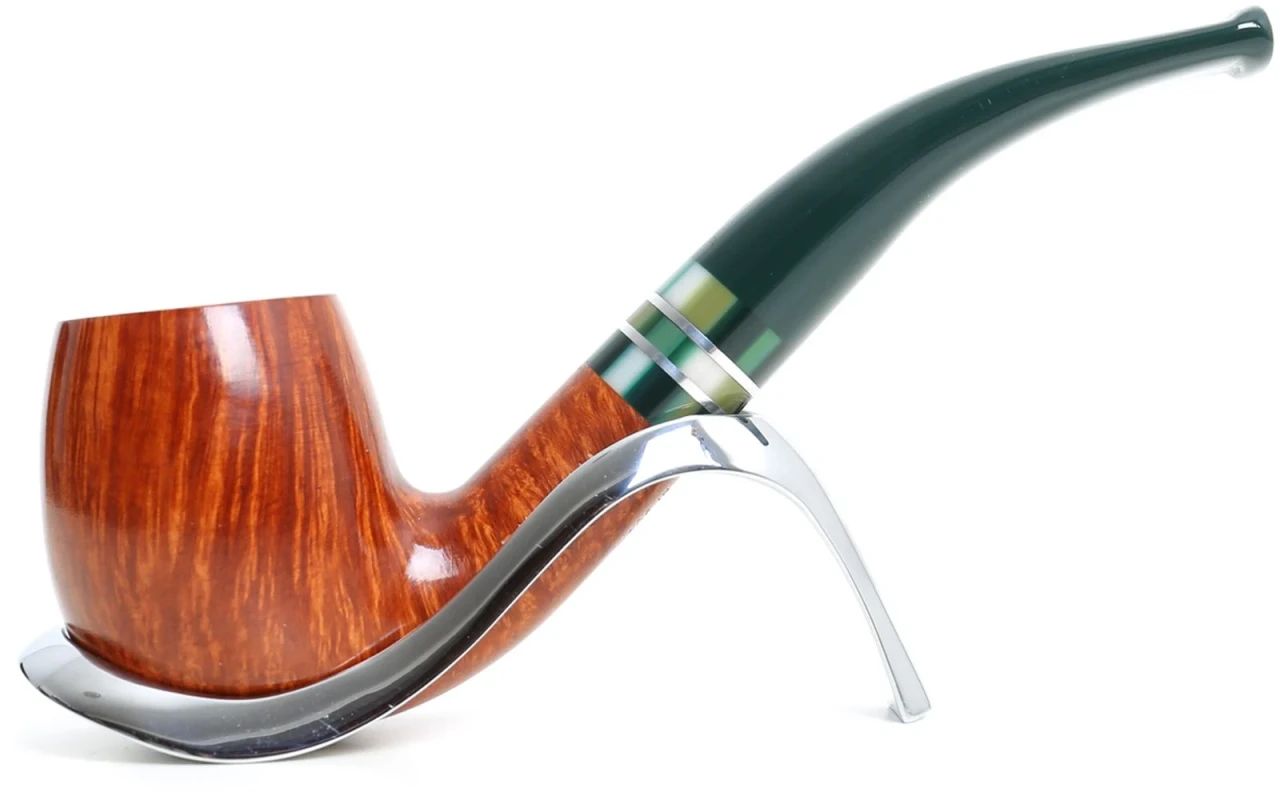
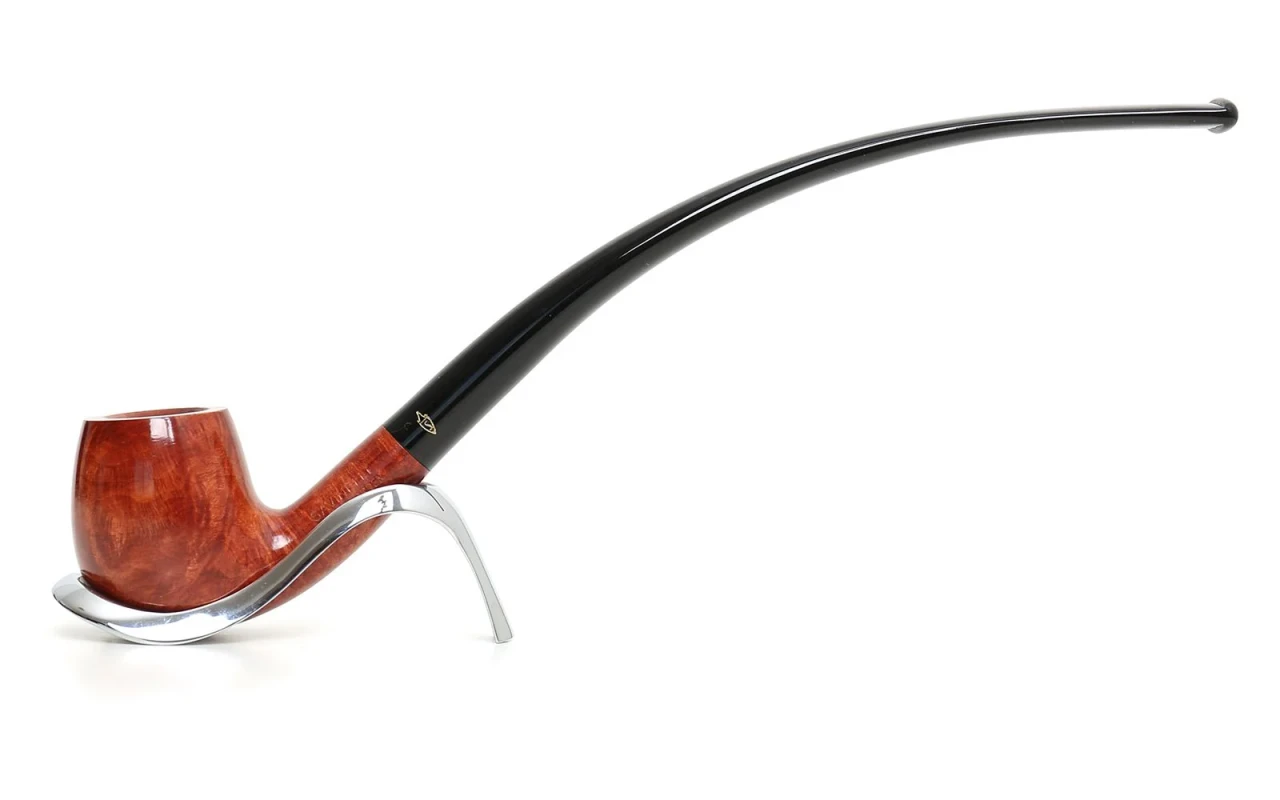
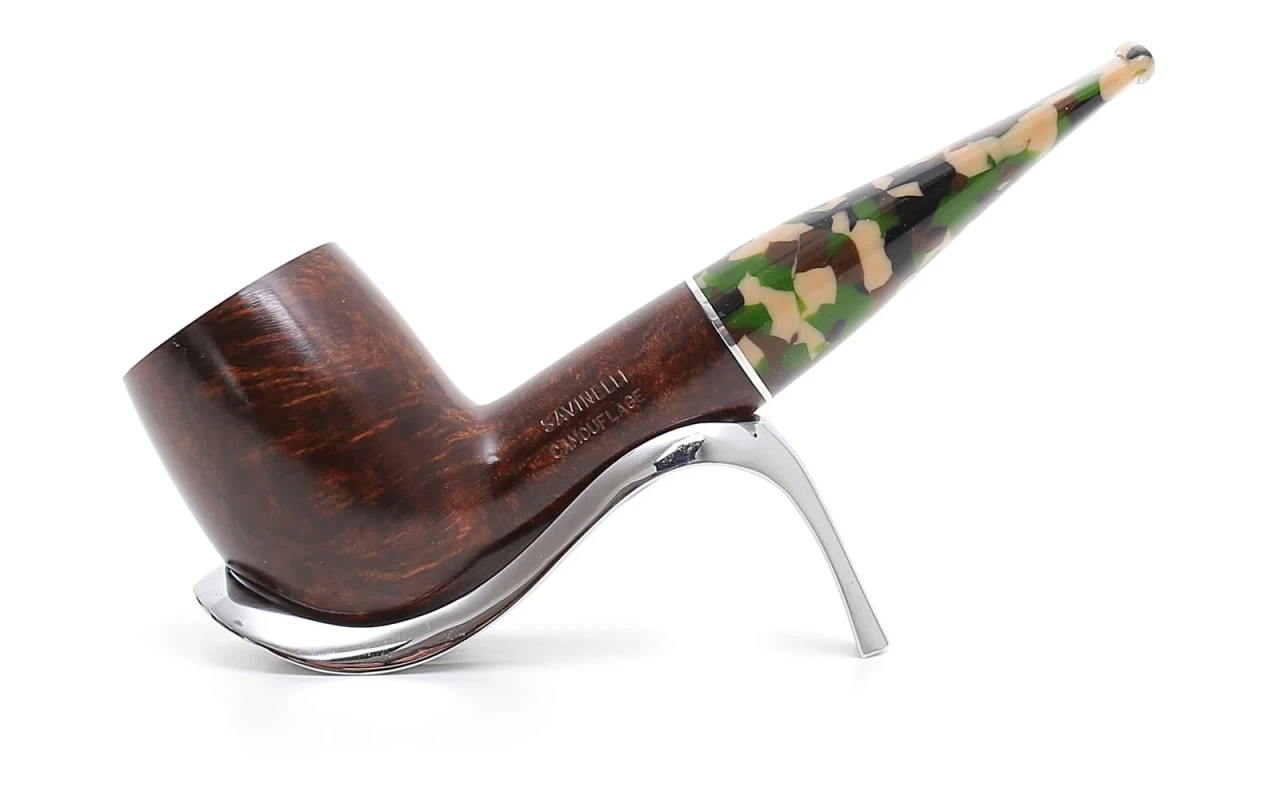
Pipes have a long history that dates back to ancient civilizations. Used for smoking tobacco or other herbs, pipes have been found in archaeological sites of various cultures, such as the Maya, Aztec, and Inca. In Europe, pipes became popular during the Renaissance and were made from different materials, such as clay, wood, and metal. Over the centuries, pipes have undergone various stylistic and technical transformations, becoming true works of art. Today, pipes continue to be appreciated by collectors and enthusiasts of ancient traditions.
Ancient pipe crafting techniques
Ancient pipe crafting techniques were artisanal and required skill and precision. Typically, pipes were handmade using high-quality wood such as briar root or other hardwood. The process began with the selection of the wood and the creation of the pipe design. Subsequently, the wood was shaped and internally hollowed to create the combustion chamber and smoke passage. Finally, the pipe was polished and buffed to achieve a smooth and glossy surface. Ancient techniques often included the addition of intricate inlays or decorations to make each pipe unique and valuable.
evolution of pipes throughout history
Pipes have undergone a significant evolution throughout history. Originally crafted from natural materials such as clay, wood, or stone, pipes then transitioned to more refined materials like metal and glass. In the 19th century, with the introduction of briar wood processing, pipes gained increased sophistication and quality. Today, pipes are available in a wide range of materials, shapes, and styles, catering to the individual preferences of smokers. Modern innovative designs and materials like briar have established themselves in the market, offering a variety of options for pipe enthusiasts.
Materials used to build antique pipes
Ancient pipes were made using a variety of materials, including:- Wood: often preferred for its ability to absorb moisture and enhance the flavor of tobacco.- Clay: lightweight and porous, allowing for good heat dissipation.- Corn: inexpensive and lightweight, it was often used for simpler smoking pipes.- Stone: such as meerschaum, a porous stone that absorbs liquids and darkens with use.- Horn: heat and corrosion-resistant, often used for high-quality pipes.These materials gave unique characteristics to antique pipes, influencing both their aesthetics and functionality.
'%3e%3cg id='Final-Copy-2_2_' transform='translate(1275.000000, 200.000000)'%3e%3cpath class='st0' d='M7.4,12.8h6.8l3.1-11.6H7.4C4.2,1.2,1.6,3.8,1.6,7S4.2,12.8,7.4,12.8z'/%3e%3c/g%3e%3c/g%3e%3c/g%3e%3cg id='final---dec.11-2020'%3e%3cg id='_x30_208-our-toggle' transform='translate(-1275.000000, -200.000000)'%3e%3cg id='Final-Copy-2' transform='translate(1275.000000, 200.000000)'%3e%3cpath class='st1' d='M22.6,0H7.4c-3.9,0-7,3.1-7,7s3.1,7,7,7h15.2c3.9,0,7-3.1,7-7S26.4,0,22.6,0z M1.6,7c0-3.2,2.6-5.8,5.8-5.8 h9.9l-3.1,11.6H7.4C4.2,12.8,1.6,10.2,1.6,7z'/%3e%3cpath id='x' class='st2' d='M24.6,4c0.2,0.2,0.2,0.6,0,0.8l0,0L22.5,7l2.2,2.2c0.2,0.2,0.2,0.6,0,0.8c-0.2,0.2-0.6,0.2-0.8,0 l0,0l-2.2-2.2L19.5,10c-0.2,0.2-0.6,0.2-0.8,0c-0.2-0.2-0.2-0.6,0-0.8l0,0L20.8,7l-2.2-2.2c-0.2-0.2-0.2-0.6,0-0.8 c0.2-0.2,0.6-0.2,0.8,0l0,0l2.2,2.2L23.8,4C24,3.8,24.4,3.8,24.6,4z'/%3e%3cpath id='y' class='st3' d='M12.7,4.1c0.2,0.2,0.3,0.6,0.1,0.8l0,0L8.6,9.8C8.5,9.9,8.4,10,8.3,10c-0.2,0.1-0.5,0.1-0.7-0.1l0,0 L5.4,7.7c-0.2-0.2-0.2-0.6,0-0.8c0.2-0.2,0.6-0.2,0.8,0l0,0L8,8.6l3.8-4.5C12,3.9,12.4,3.9,12.7,4.1z'/%3e%3c/g%3e%3c/g%3e%3c/g%3e%3c/g%3e%3c/svg%3e) Your Privacy Choices
Your Privacy Choices 


