 ES
ES FR
FR EN
EN IT
IT DE
DE
History of Egg pipe design
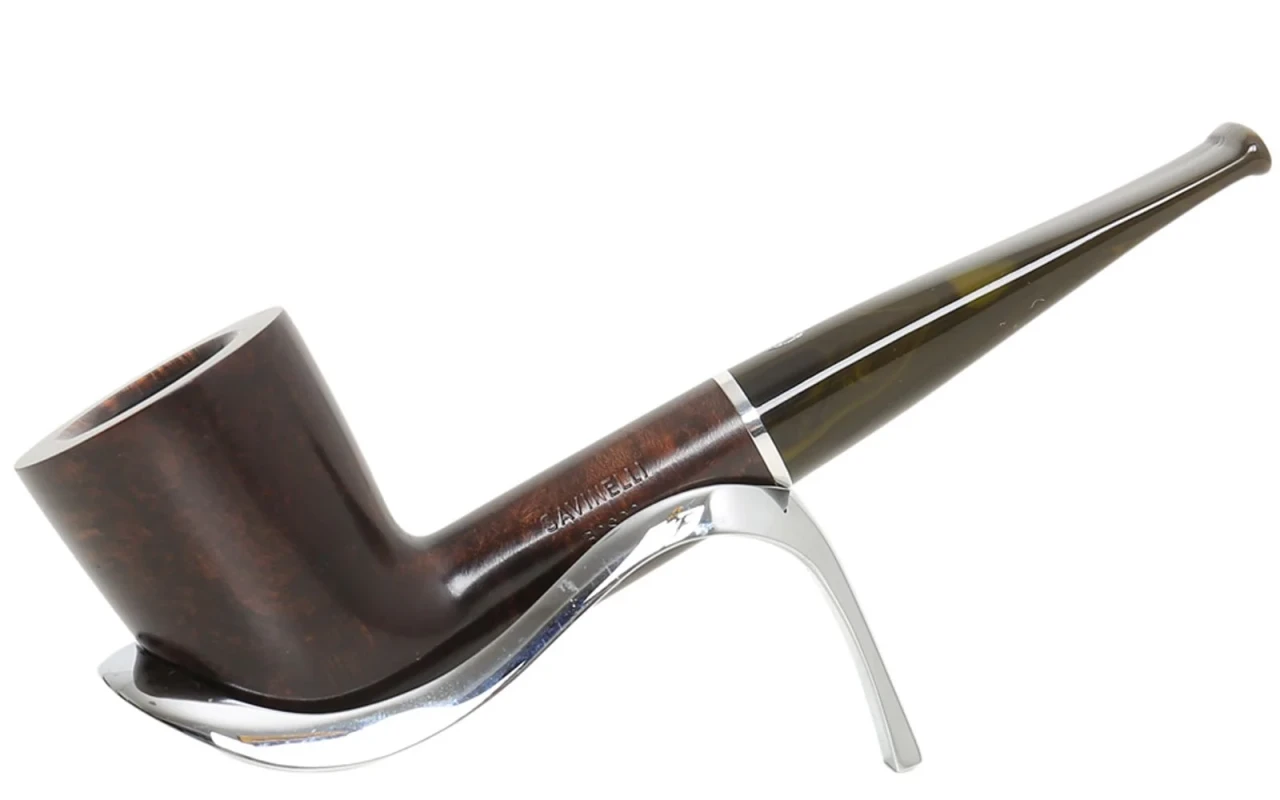
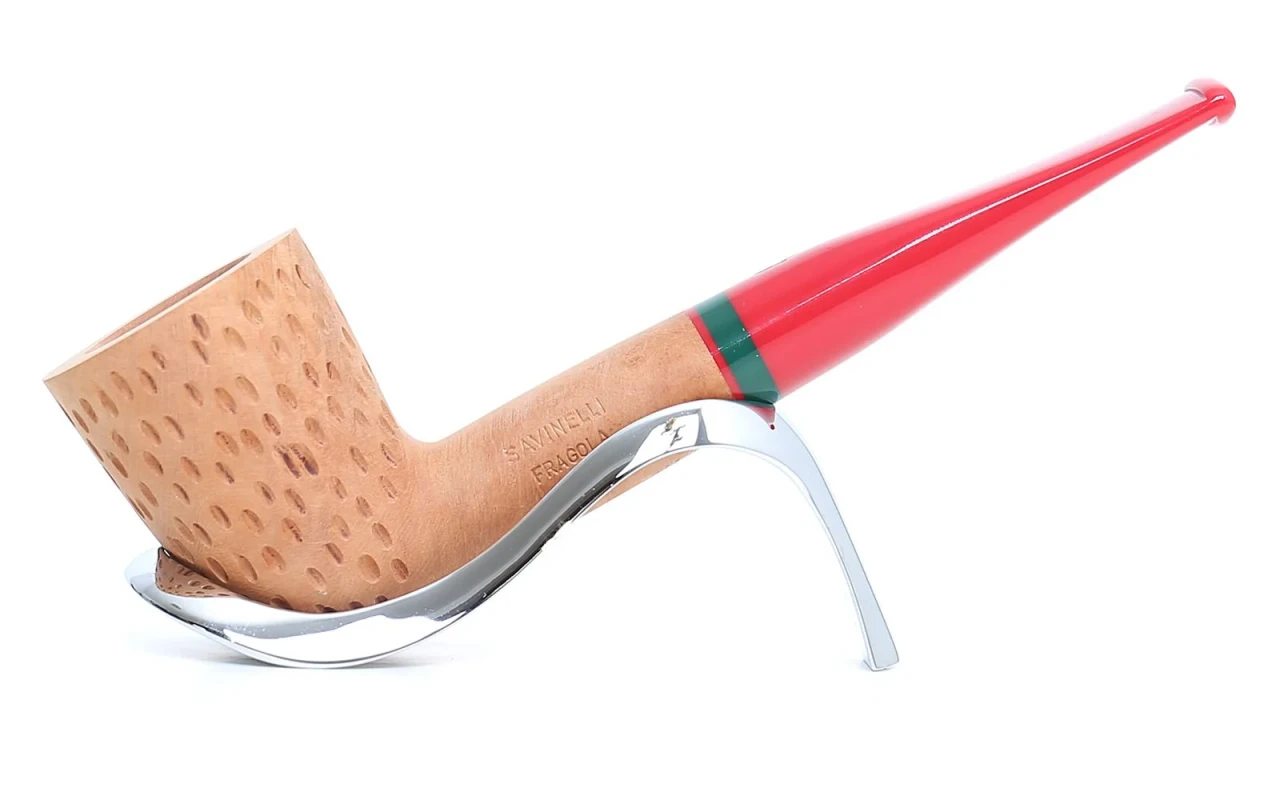
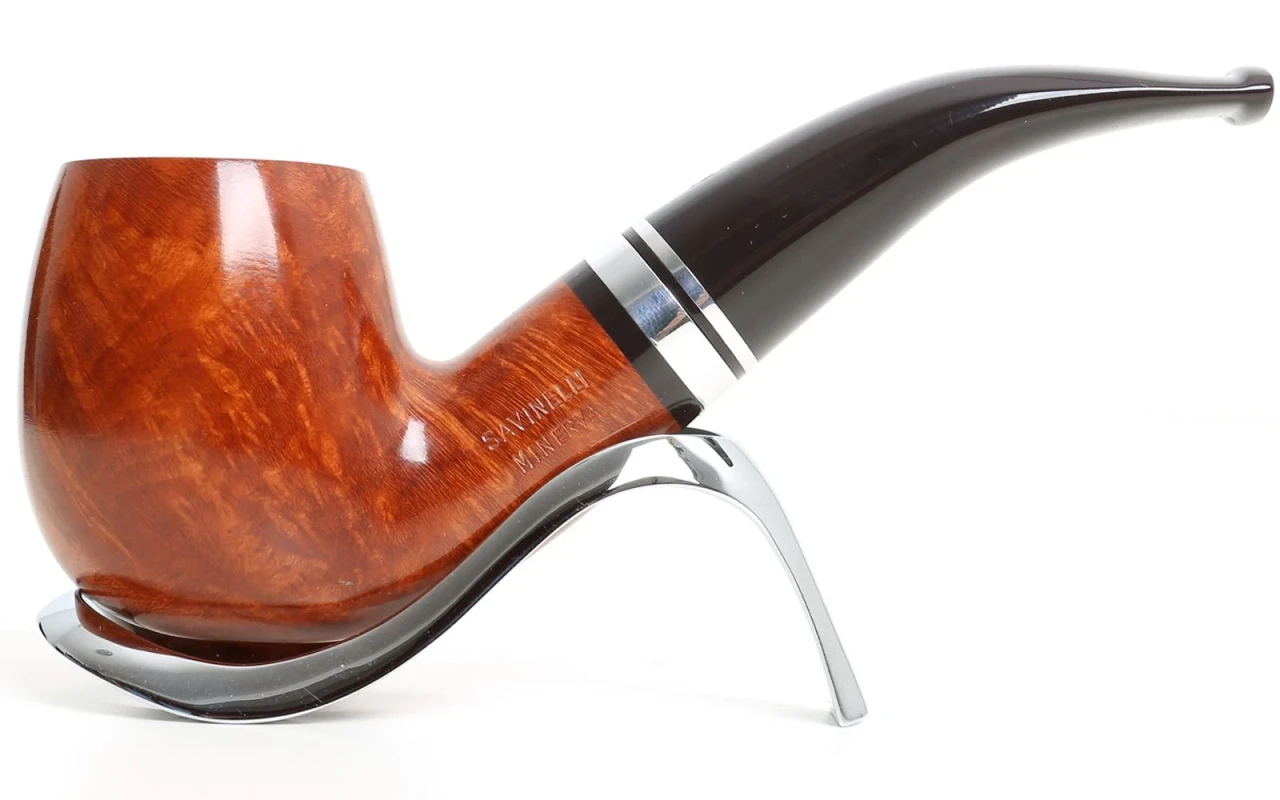
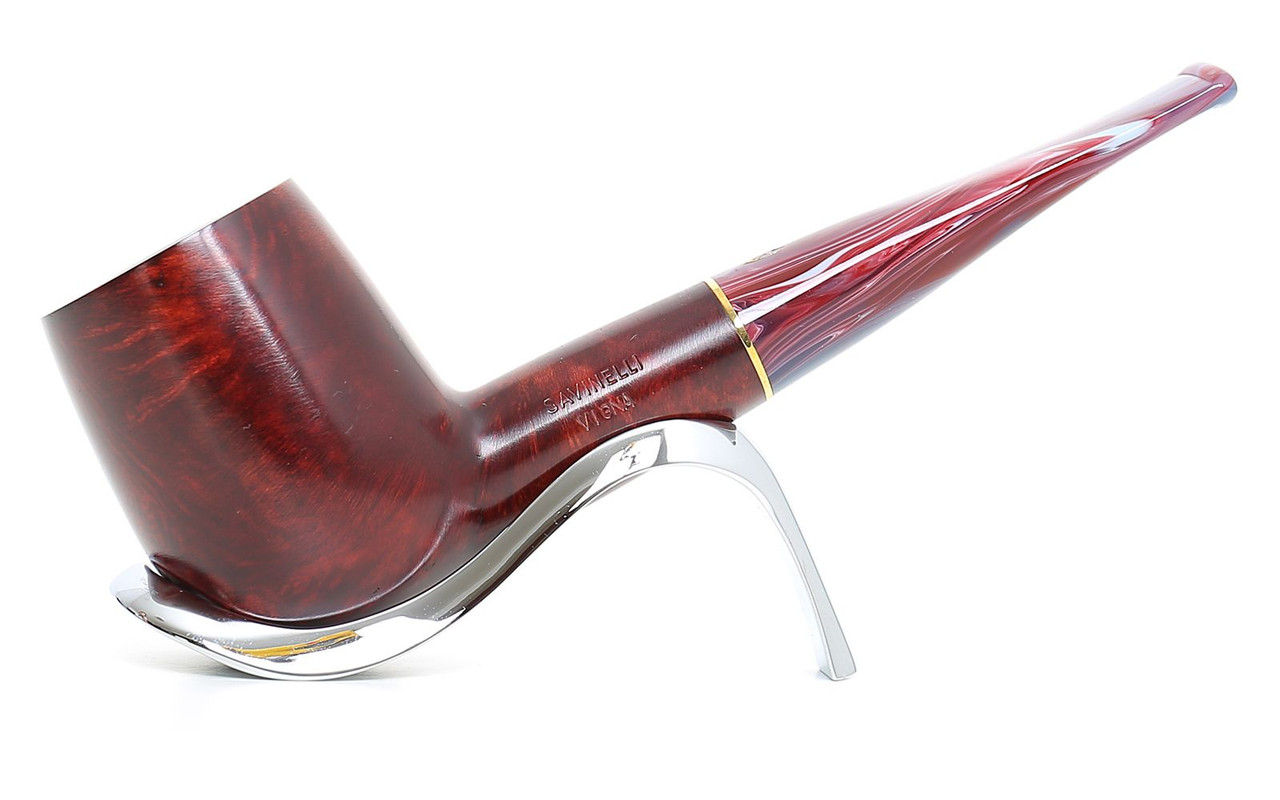
History of Egg pipe design
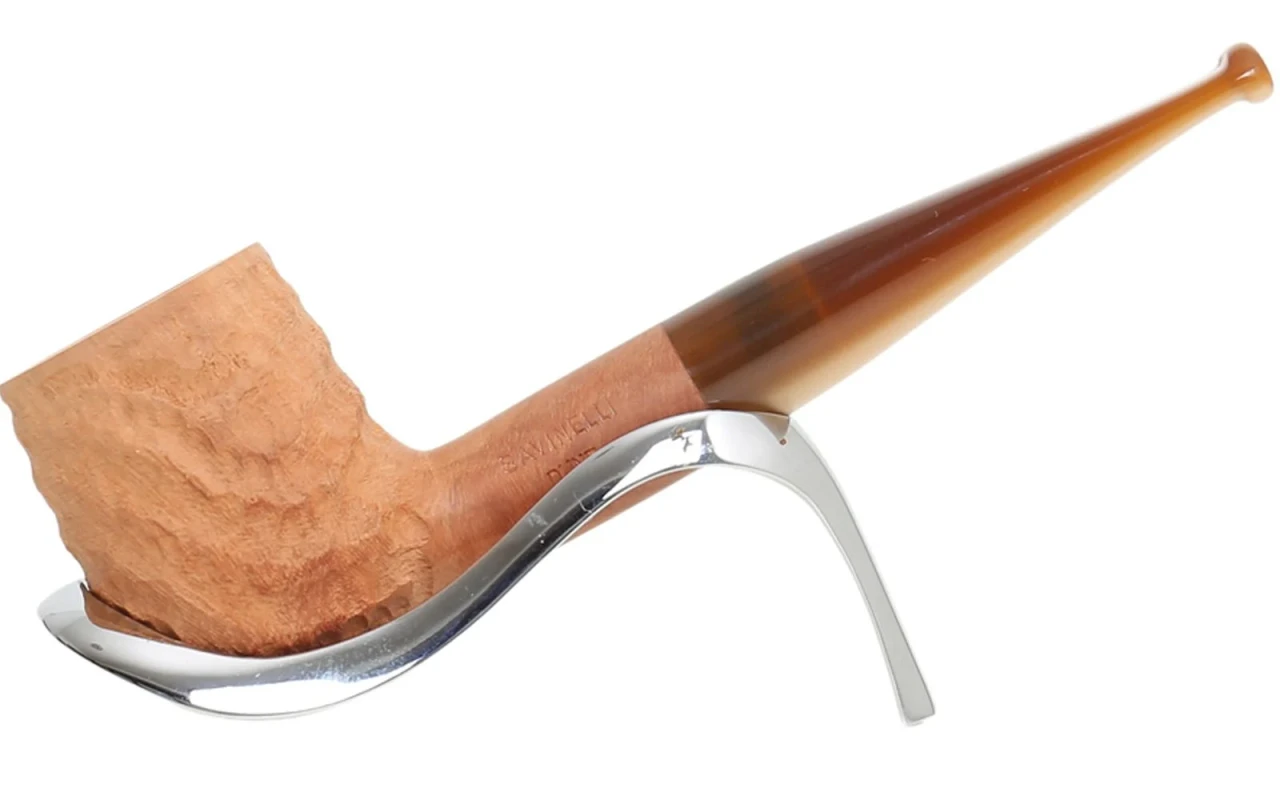
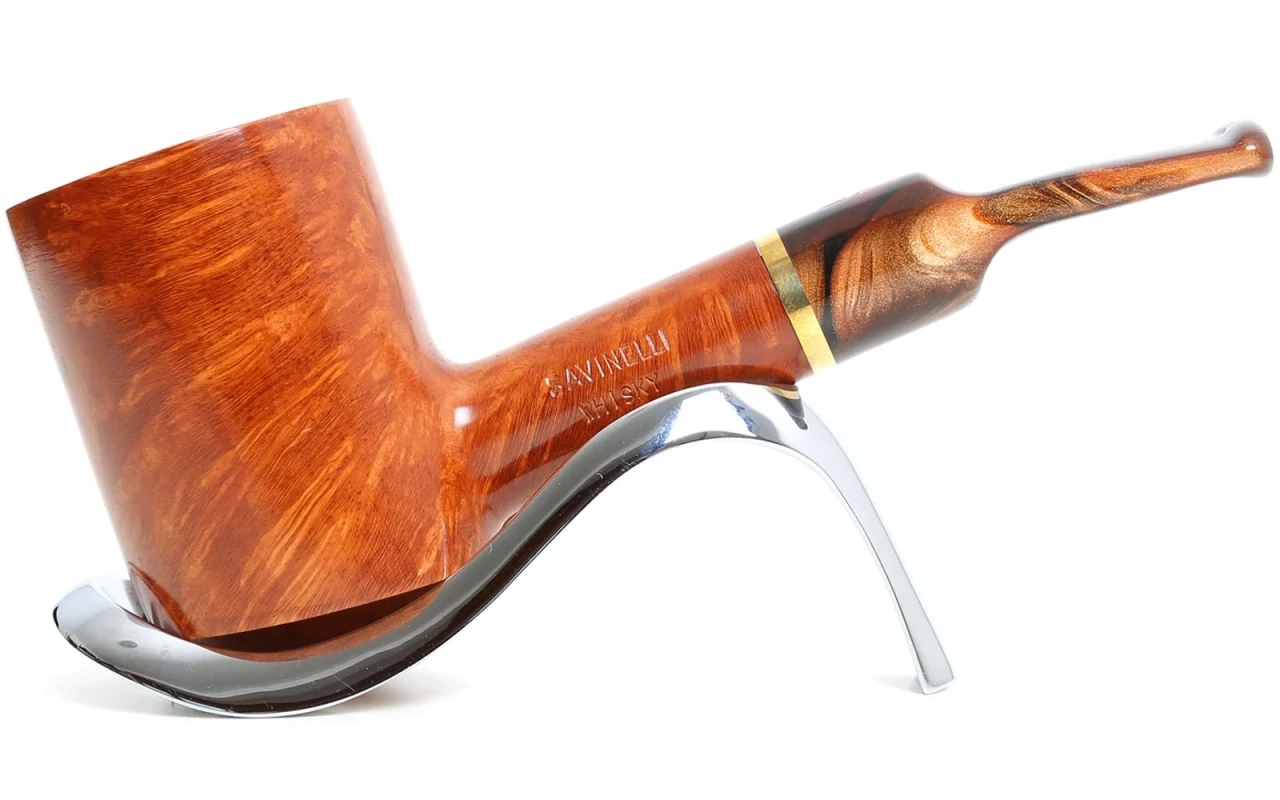
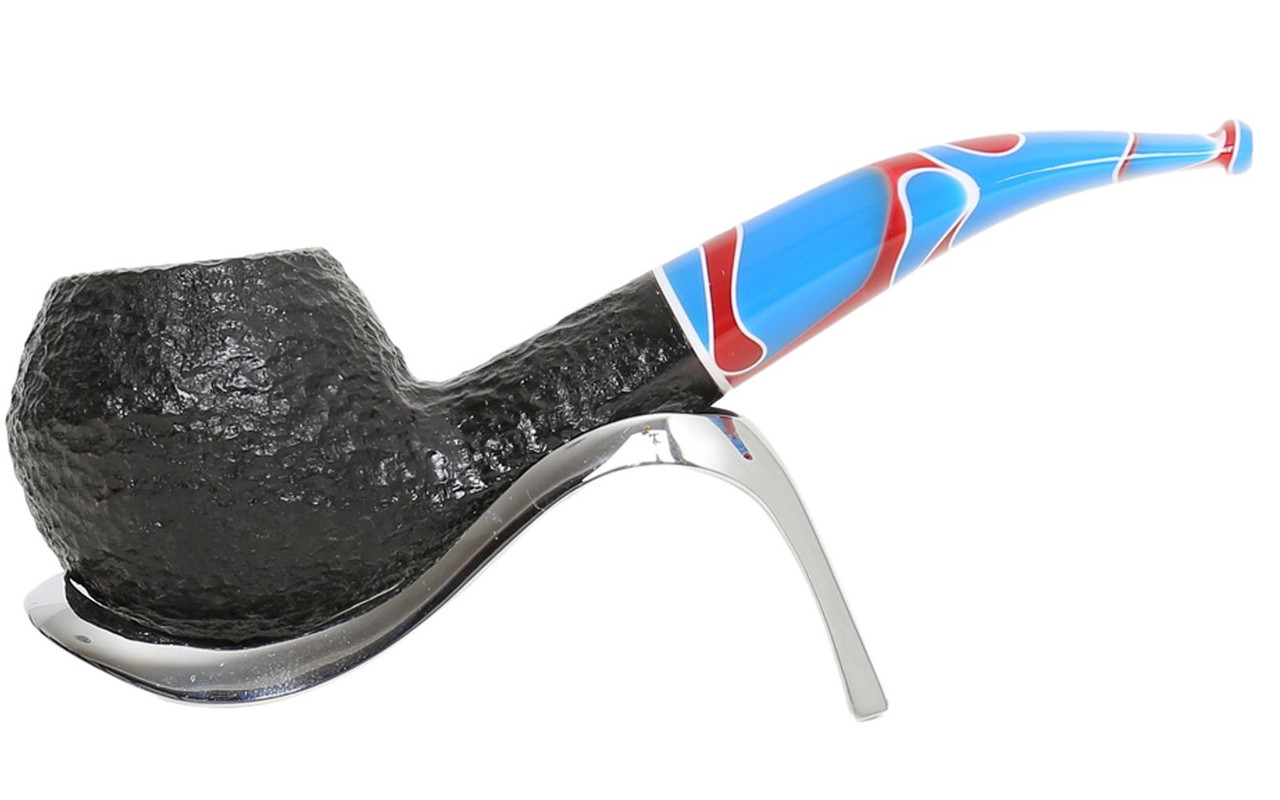
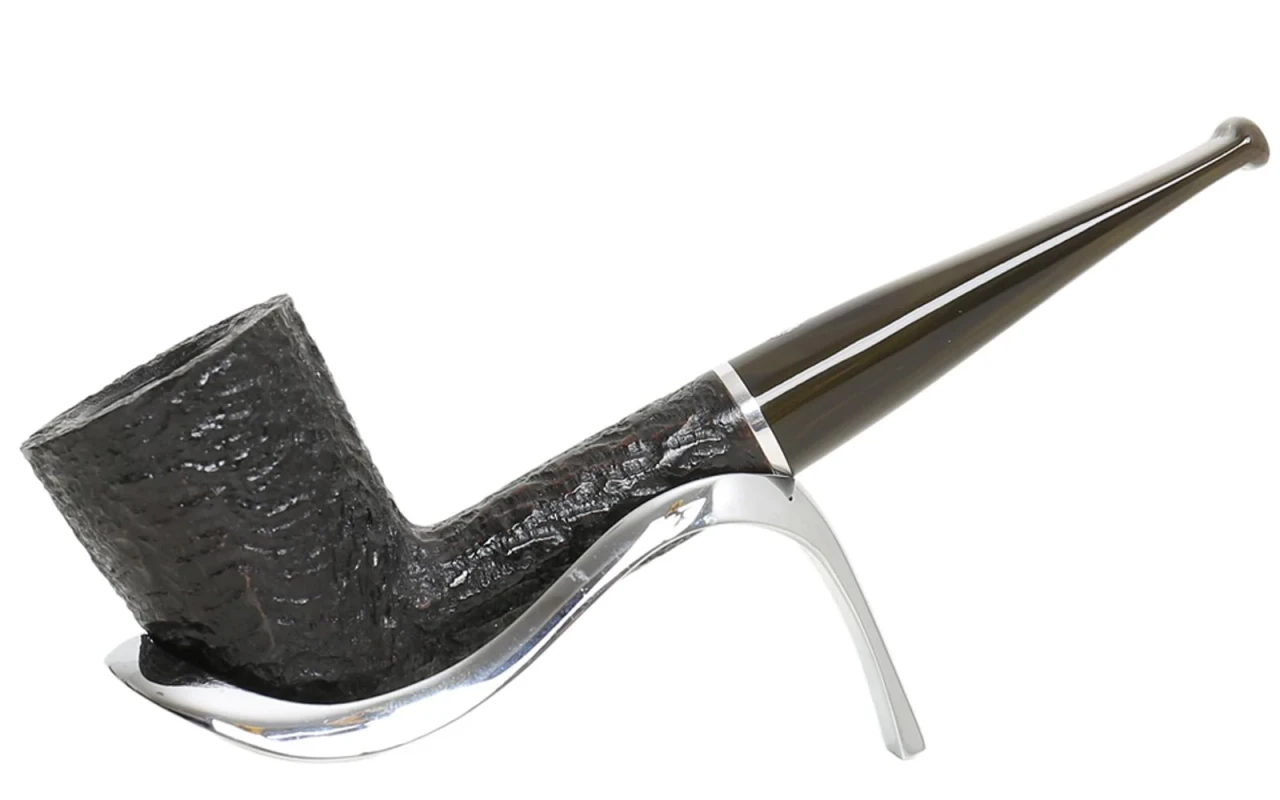
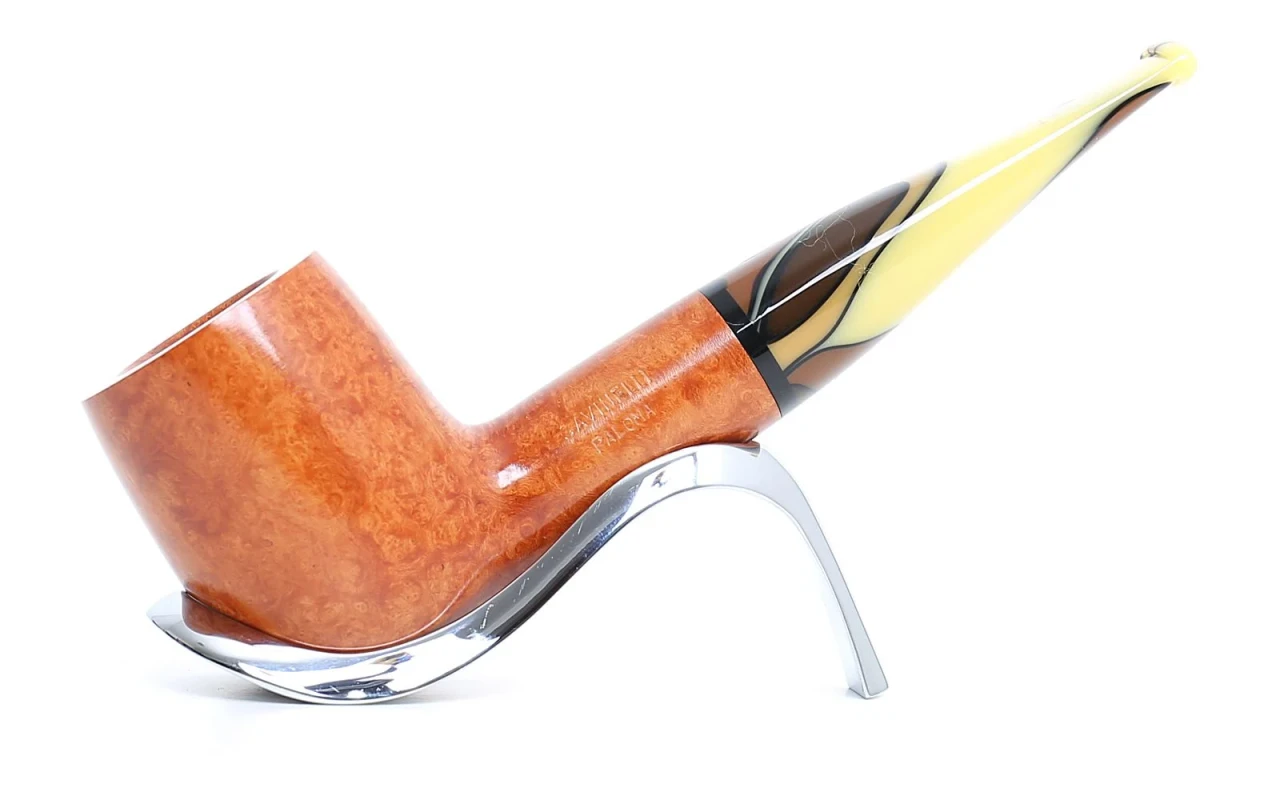
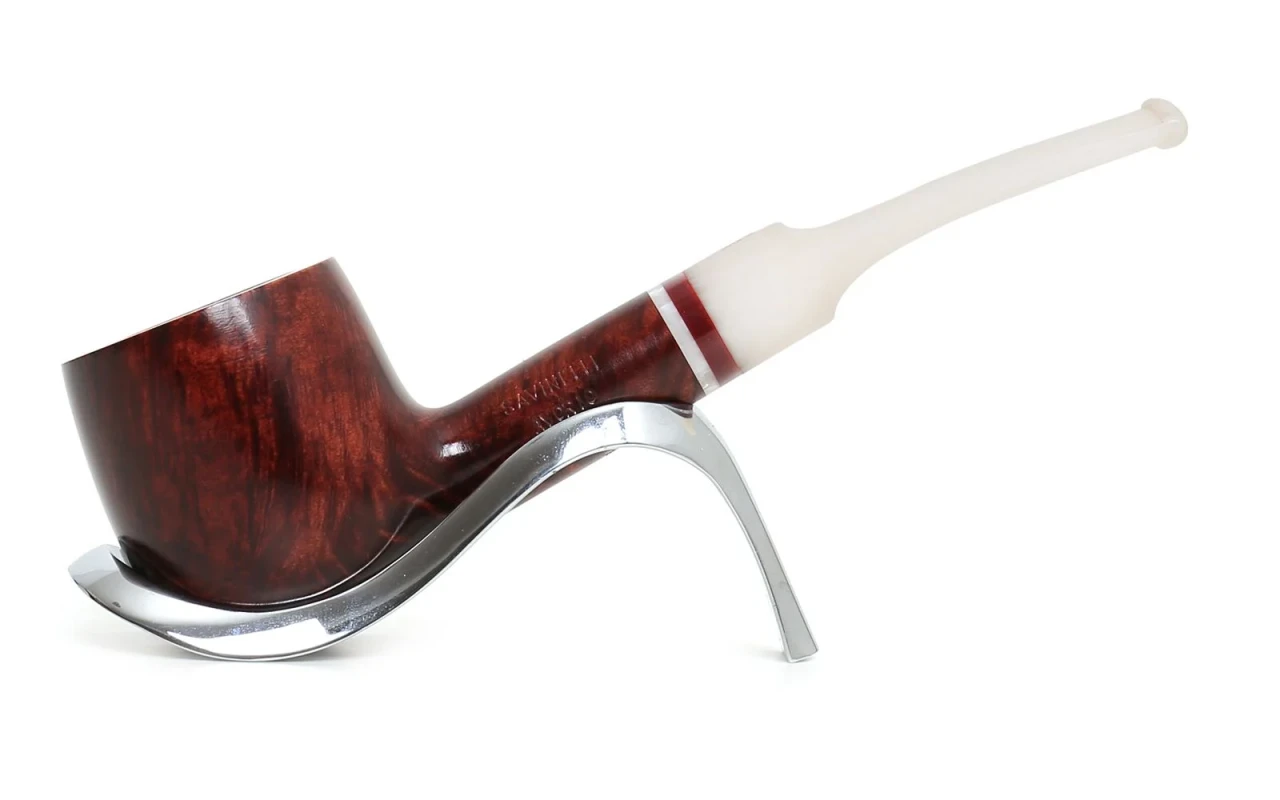
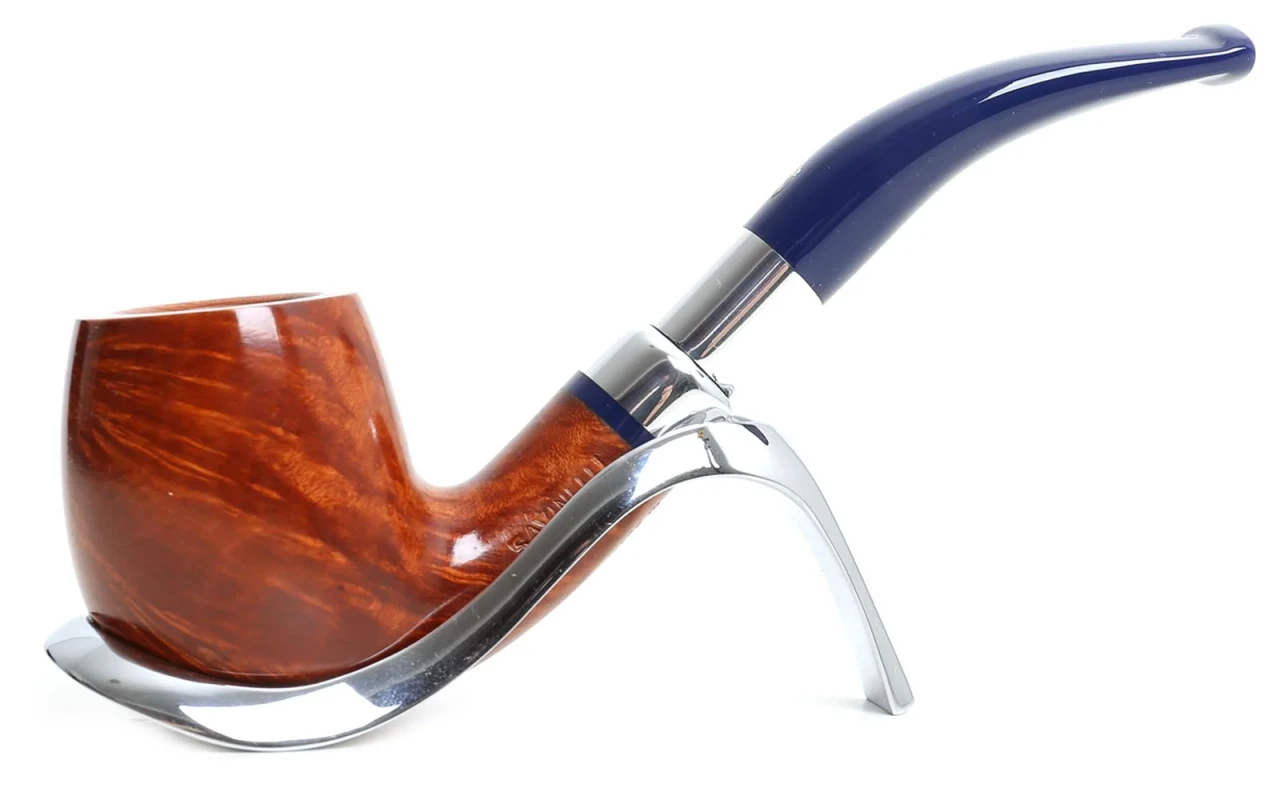
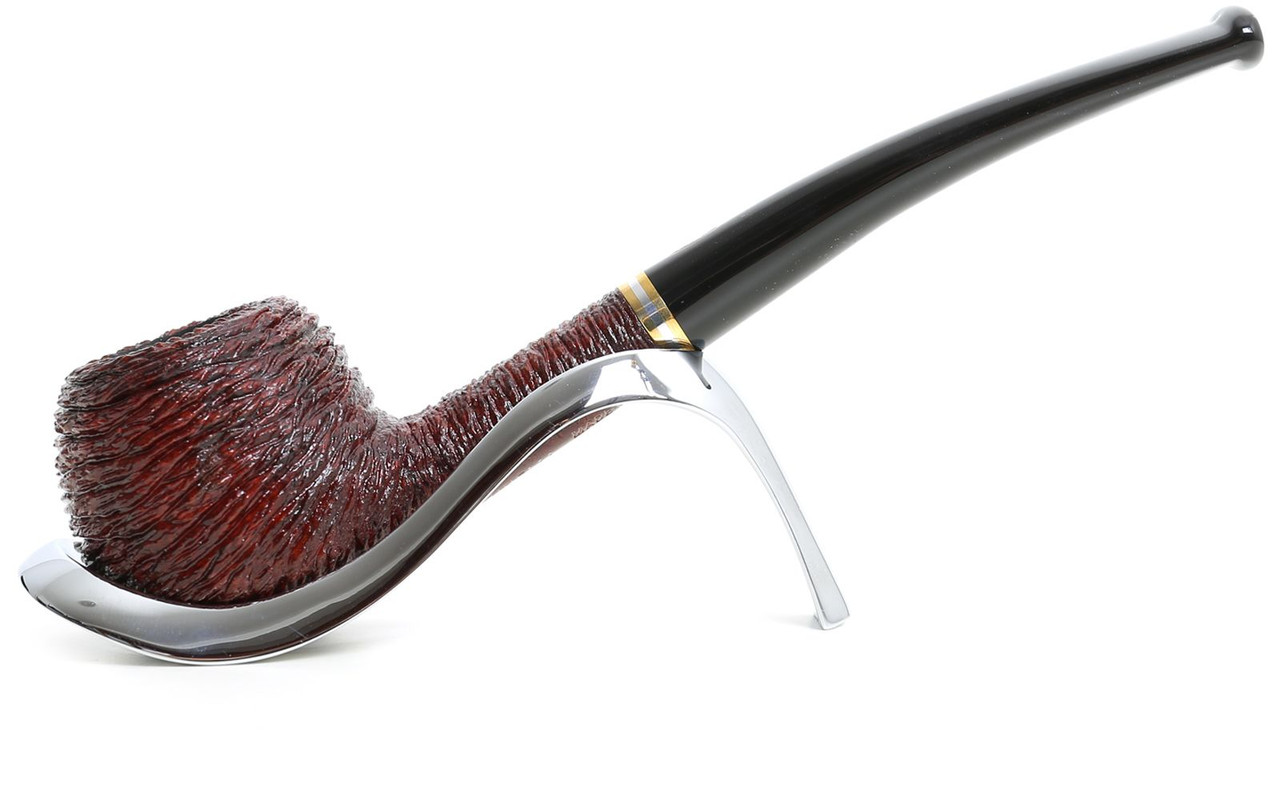
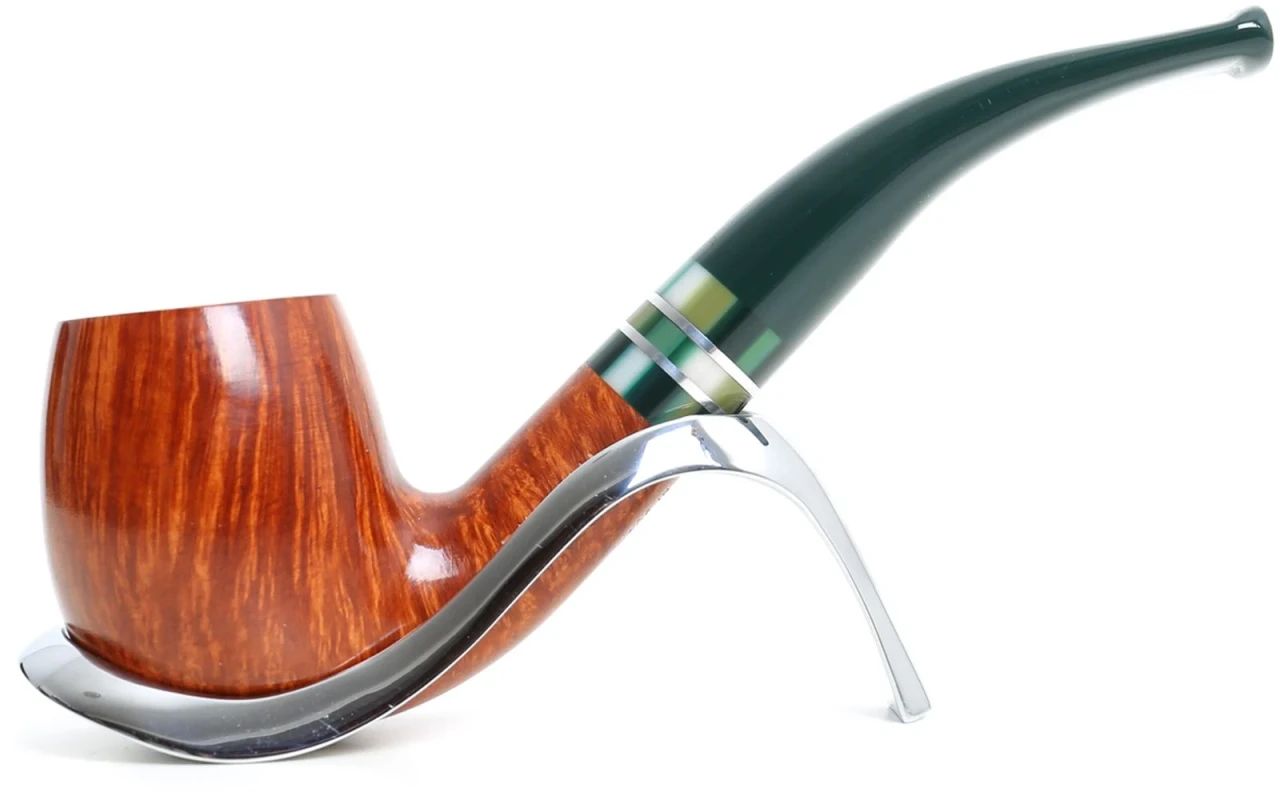
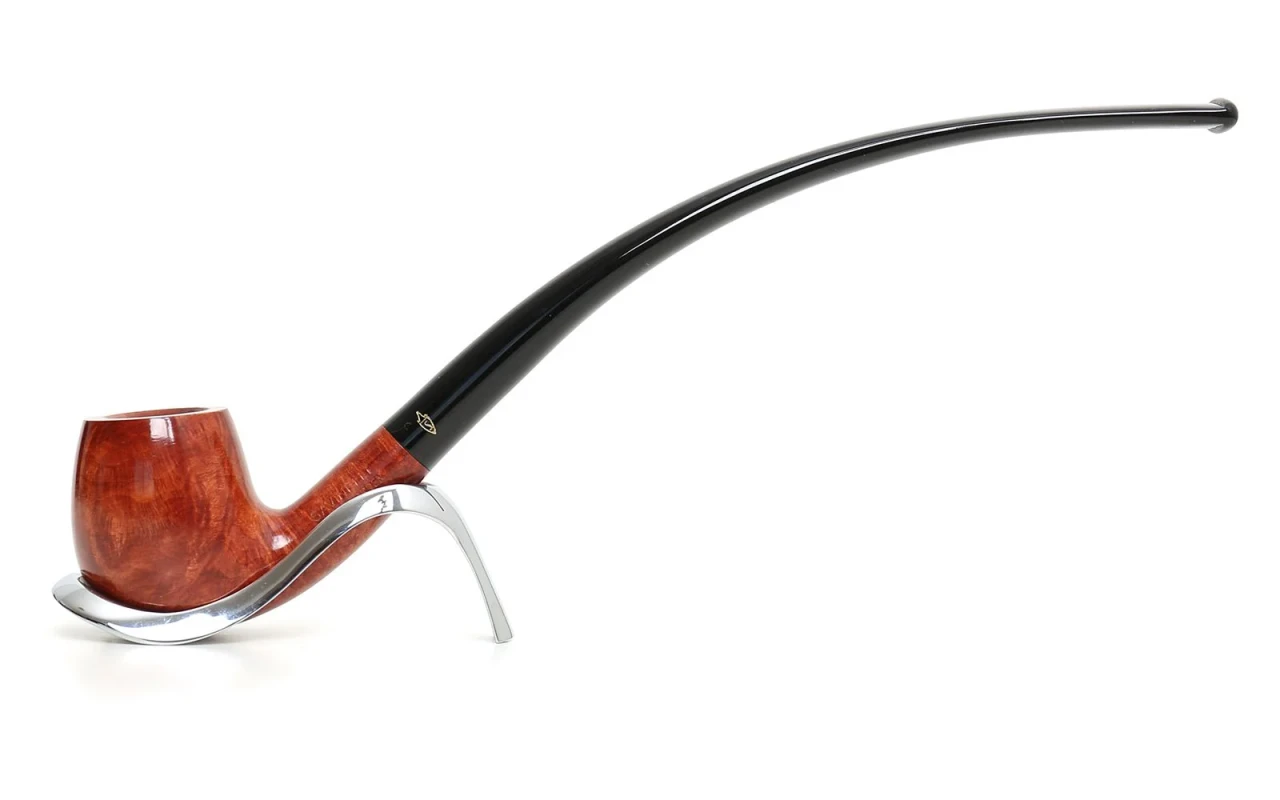
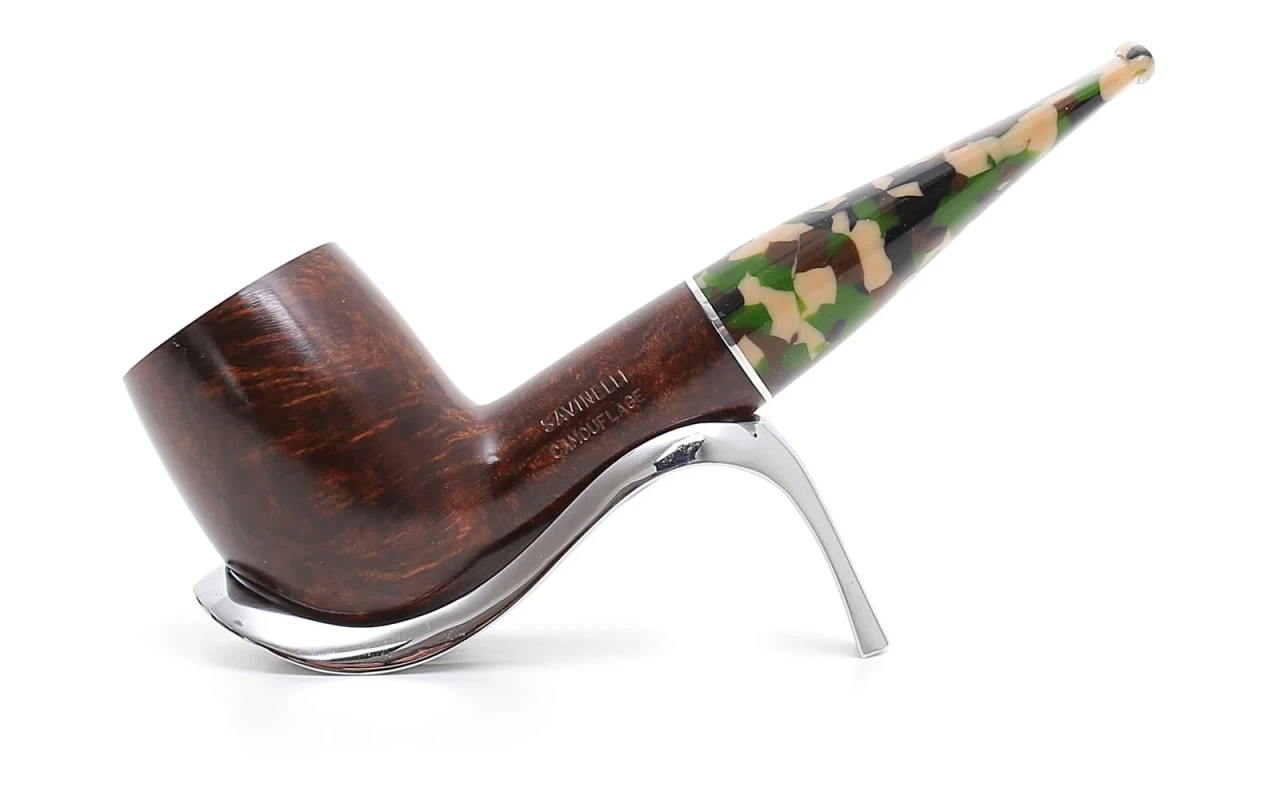
The design of "Egg" pipes has a fascinating history in the world of smoking. This particular pipe model is characterized by its oval and rounded shape, vaguely resembling the shape of an egg. Egg pipes were first introduced into the world of smoking tobacco during the 20th century and have become popular for their unique aesthetics and comfortable grip. This innovative design has captured the attention of collectors and pipe enthusiasts worldwide, making Egg pipes an interesting choice for those looking for a unique piece to add to their collection.
Evolution of Pipe Design
The design of pipes has undergone significant evolution over the centuries, moving from more traditional models to innovative shapes and materials. Ancient pipes were often made of wood or clay, featuring sober and classic lines. Over time, the design has been enriched with the use of materials such as briar, ebony, and corn cob, giving rise to more elegant and refined pipes. Today, pipe design ranges from classic models to more modern and creative shapes, with particular attention to ergonomics, balance, and smoking aroma yield.
Materials for smoking pipes
Materials for smoking pipes can influence both the aesthetics and the performance of a pipe. The most common materials include:- Wood: often chosen for its ability to absorb moisture and enhance the tobacco flavor.- Briar: appreciated for its heat and corrosion resistance.- Corn cob: lightweight and inexpensive, offering a cool smoke.- Clay: traditional and porous, contributing to the tobacco maturation.- Metals: such as brass or silver, are durable but can affect the taste.The choice of material depends on the smoker's personal preferences and the smoking experience they wish to achieve.
Handmade Pipe Creation
Handmade pipes are objects of great charm, crafted with skill by expert artisans in the industry. The creation of handmade pipes requires specific skills and a keen eye for detail. The materials used can vary, but high-quality wood or briar is often preferred. The production process involves stages such as material selection and processing, shaping, and final finishing. Handmade pipes are appreciated not only for their functionality, but also for the aesthetic and artistic value they represent, creating true works of art to collect or enjoy using.
'%3e%3cg id='Final-Copy-2_2_' transform='translate(1275.000000, 200.000000)'%3e%3cpath class='st0' d='M7.4,12.8h6.8l3.1-11.6H7.4C4.2,1.2,1.6,3.8,1.6,7S4.2,12.8,7.4,12.8z'/%3e%3c/g%3e%3c/g%3e%3c/g%3e%3cg id='final---dec.11-2020'%3e%3cg id='_x30_208-our-toggle' transform='translate(-1275.000000, -200.000000)'%3e%3cg id='Final-Copy-2' transform='translate(1275.000000, 200.000000)'%3e%3cpath class='st1' d='M22.6,0H7.4c-3.9,0-7,3.1-7,7s3.1,7,7,7h15.2c3.9,0,7-3.1,7-7S26.4,0,22.6,0z M1.6,7c0-3.2,2.6-5.8,5.8-5.8 h9.9l-3.1,11.6H7.4C4.2,12.8,1.6,10.2,1.6,7z'/%3e%3cpath id='x' class='st2' d='M24.6,4c0.2,0.2,0.2,0.6,0,0.8l0,0L22.5,7l2.2,2.2c0.2,0.2,0.2,0.6,0,0.8c-0.2,0.2-0.6,0.2-0.8,0 l0,0l-2.2-2.2L19.5,10c-0.2,0.2-0.6,0.2-0.8,0c-0.2-0.2-0.2-0.6,0-0.8l0,0L20.8,7l-2.2-2.2c-0.2-0.2-0.2-0.6,0-0.8 c0.2-0.2,0.6-0.2,0.8,0l0,0l2.2,2.2L23.8,4C24,3.8,24.4,3.8,24.6,4z'/%3e%3cpath id='y' class='st3' d='M12.7,4.1c0.2,0.2,0.3,0.6,0.1,0.8l0,0L8.6,9.8C8.5,9.9,8.4,10,8.3,10c-0.2,0.1-0.5,0.1-0.7-0.1l0,0 L5.4,7.7c-0.2-0.2-0.2-0.6,0-0.8c0.2-0.2,0.6-0.2,0.8,0l0,0L8,8.6l3.8-4.5C12,3.9,12.4,3.9,12.7,4.1z'/%3e%3c/g%3e%3c/g%3e%3c/g%3e%3c/g%3e%3c/svg%3e) Your Privacy Choices
Your Privacy Choices 


