 ES
ES FR
FR EN
EN IT
IT DE
DE
Evaluation of collectible pipes
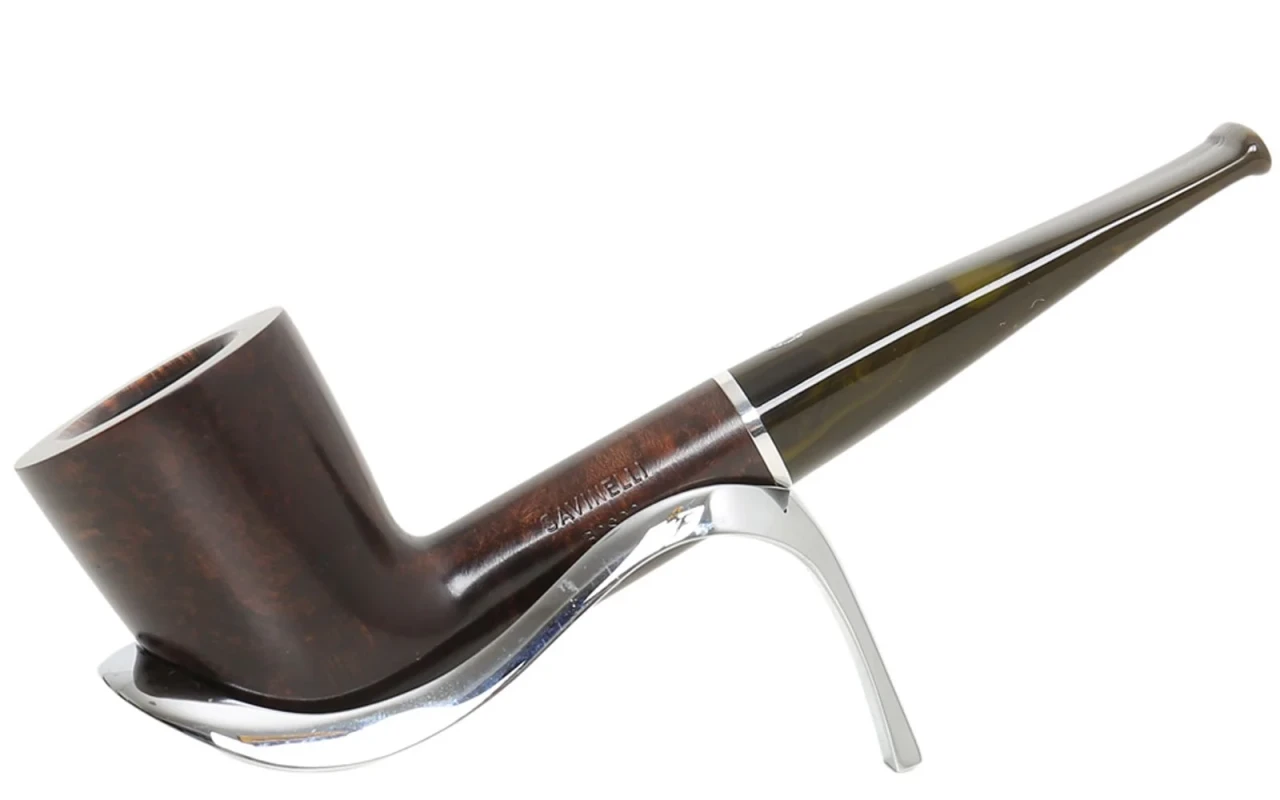
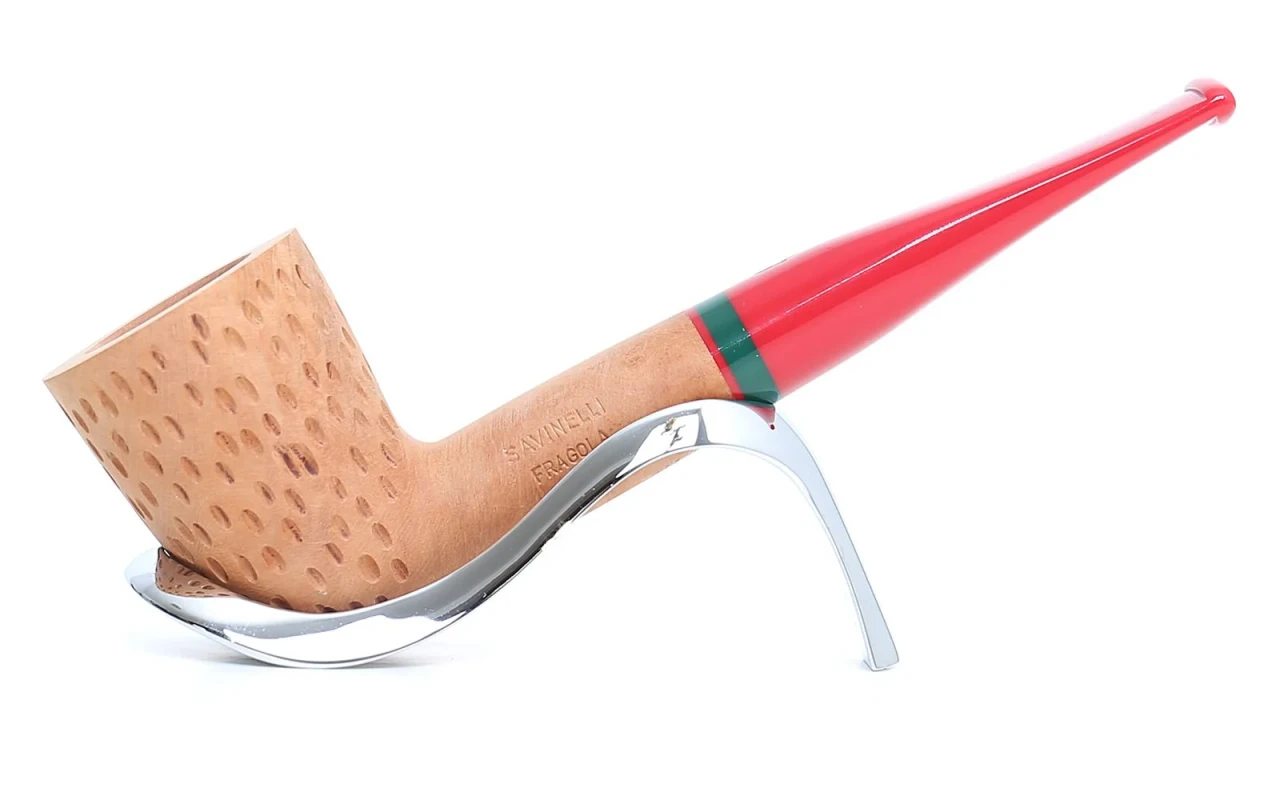
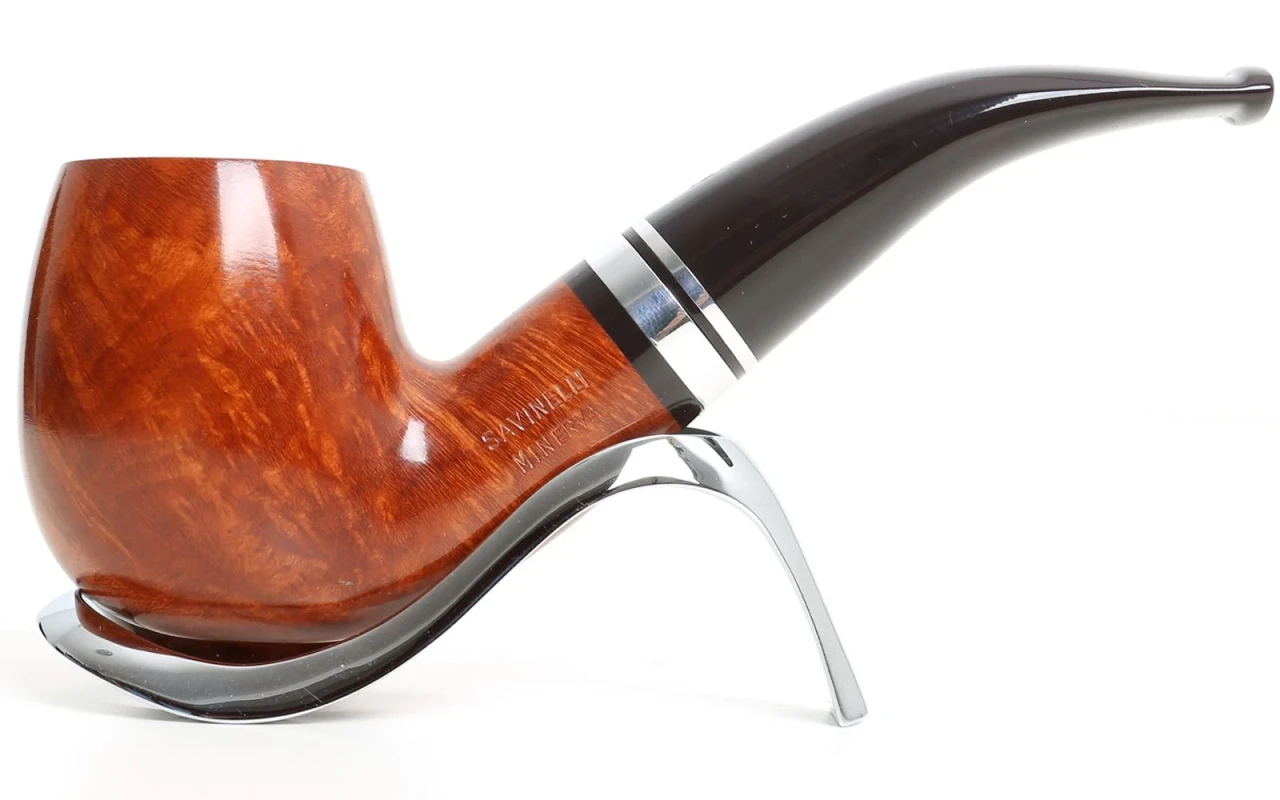
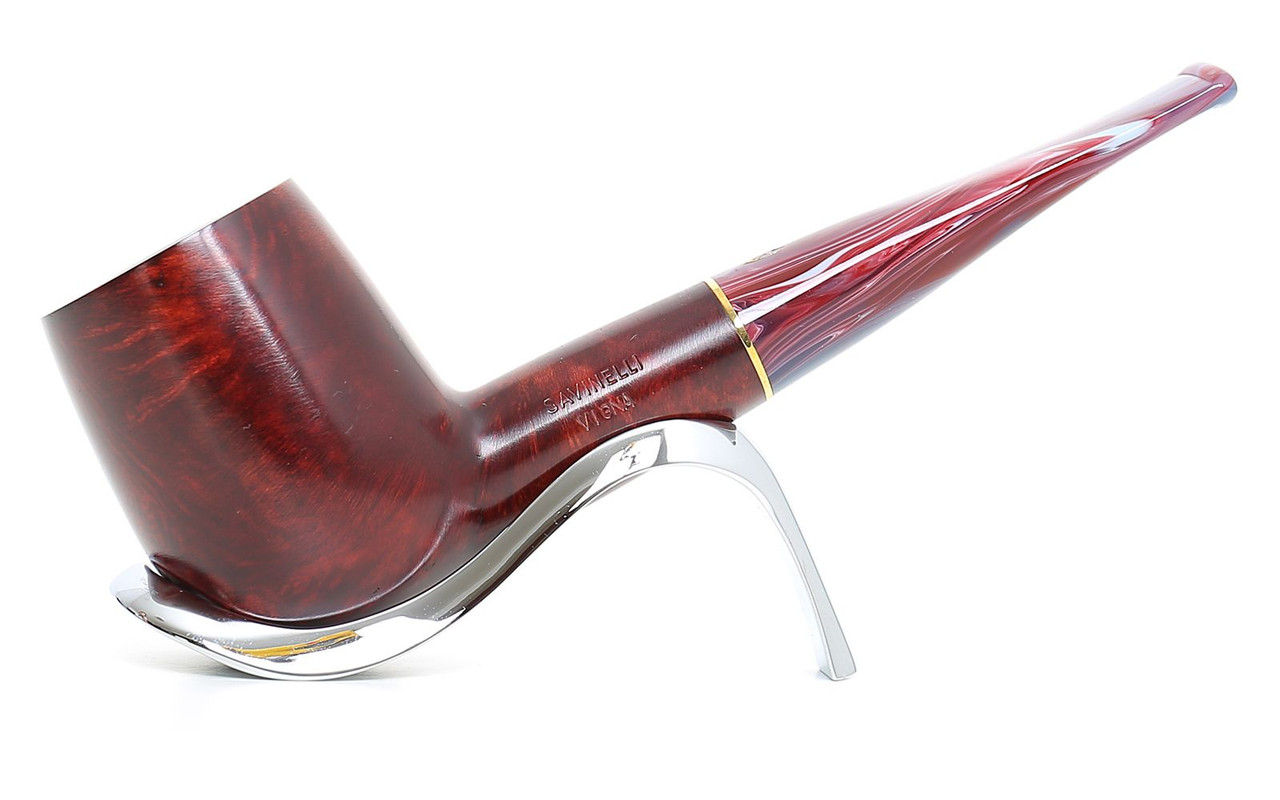
Evaluation of collectible pipes
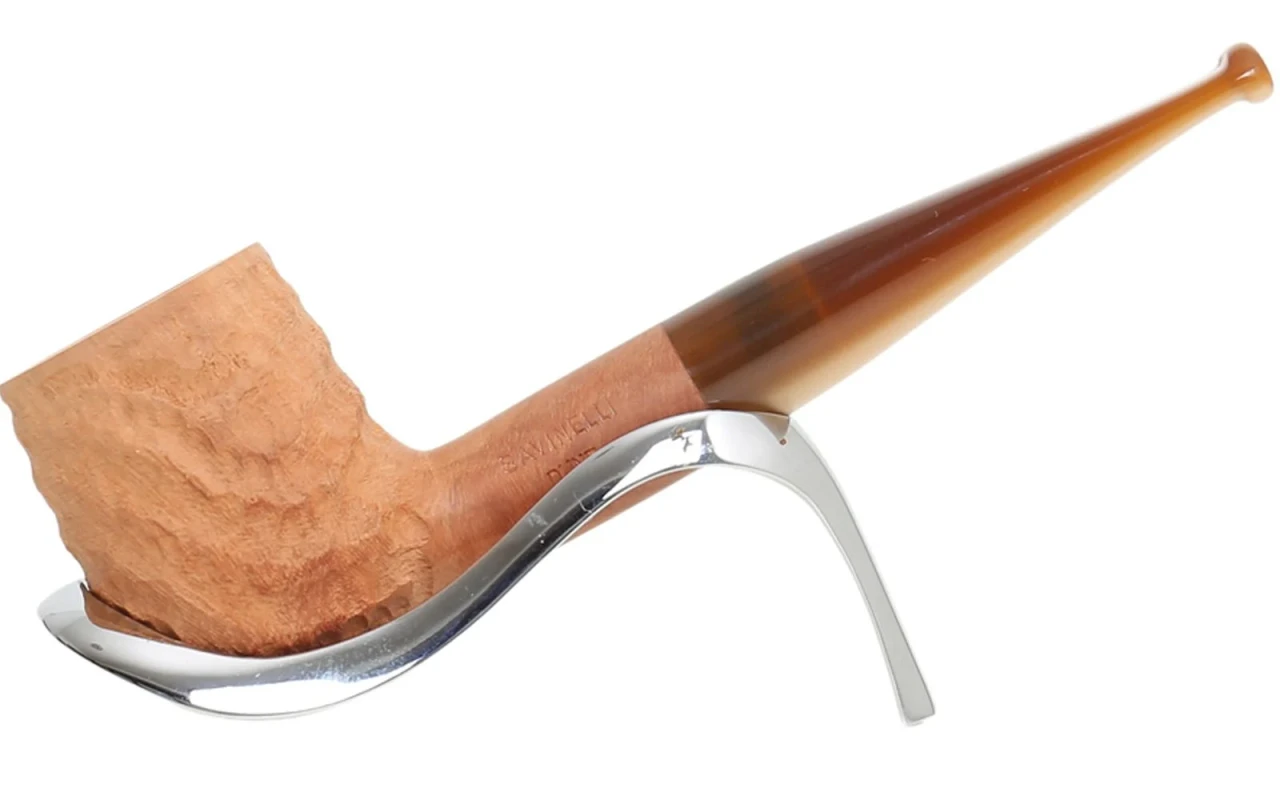
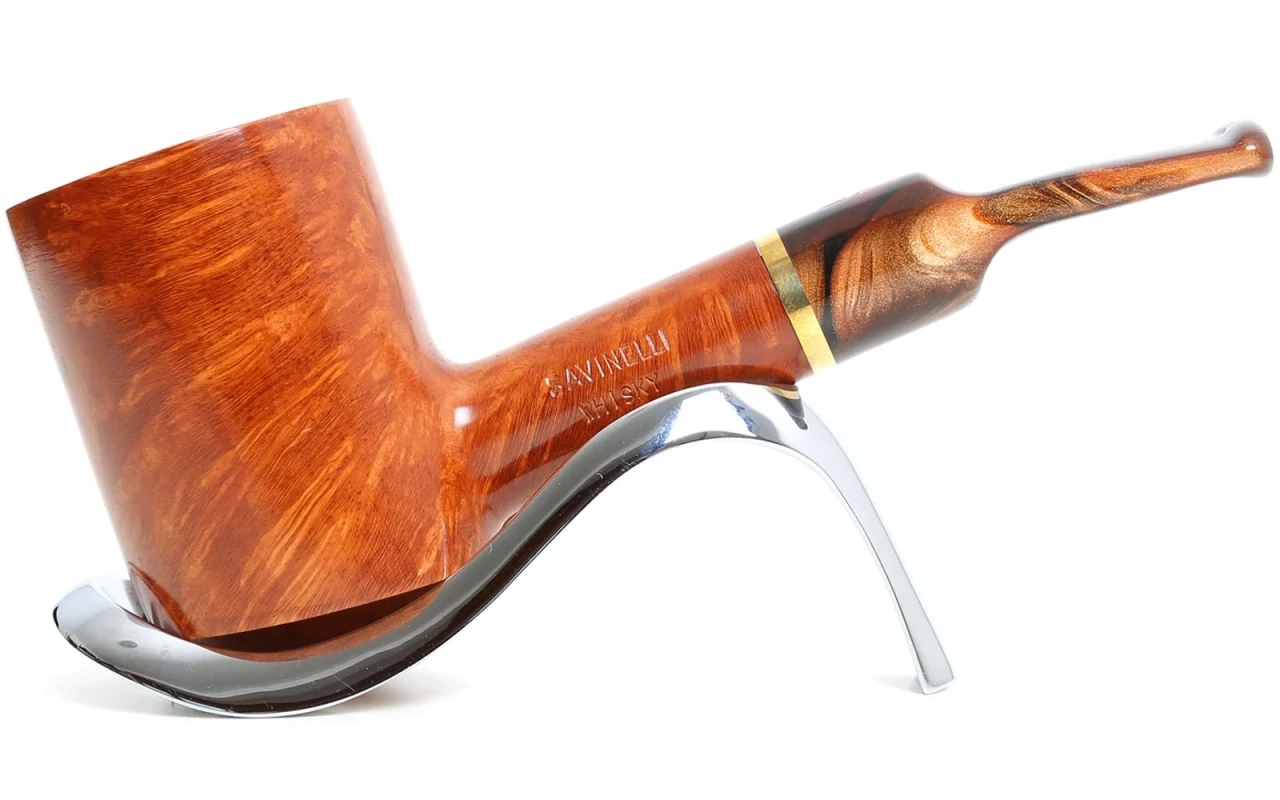
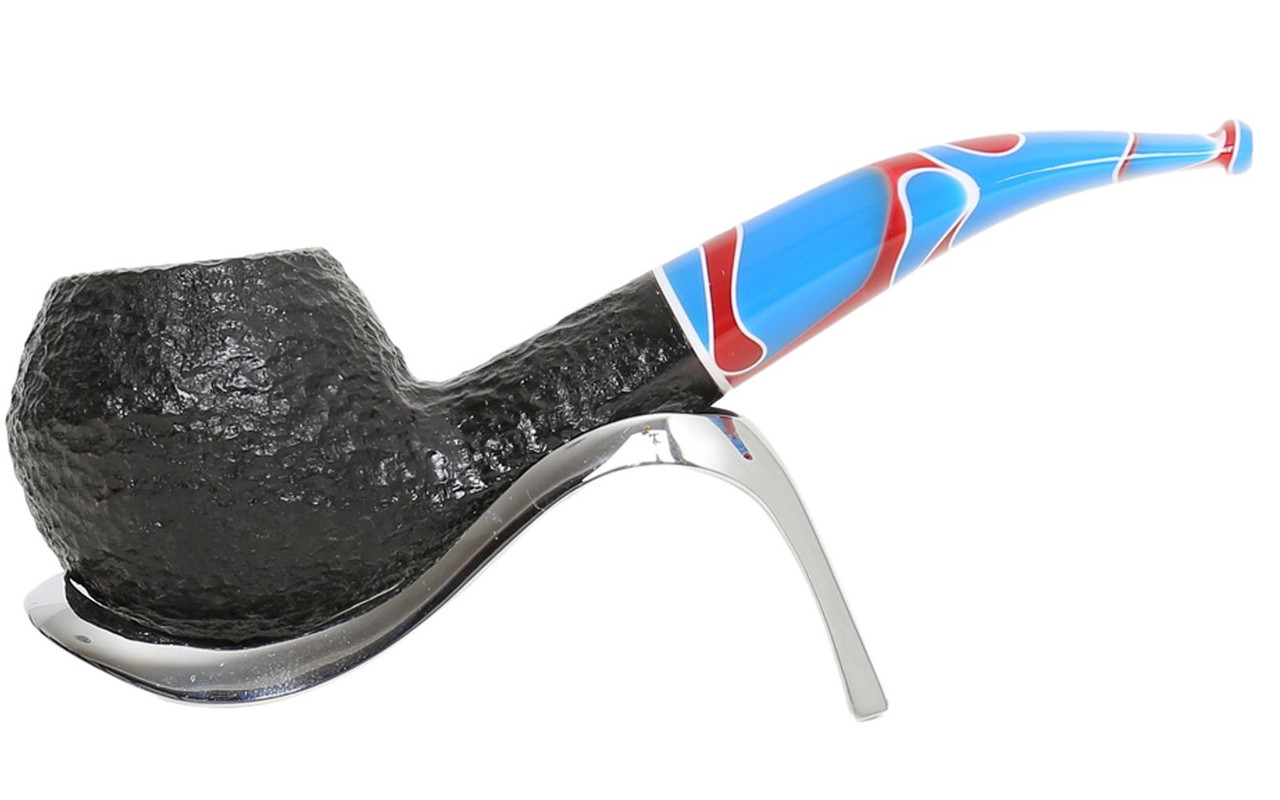
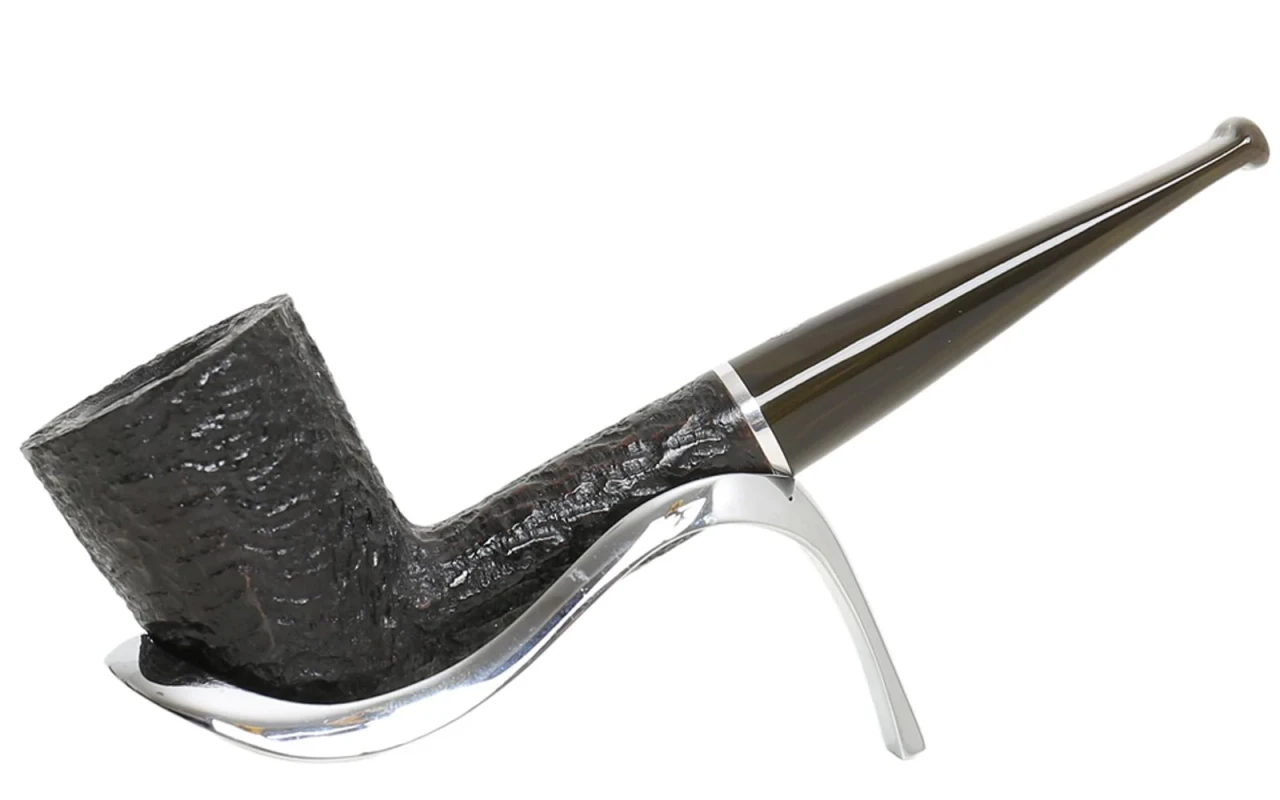
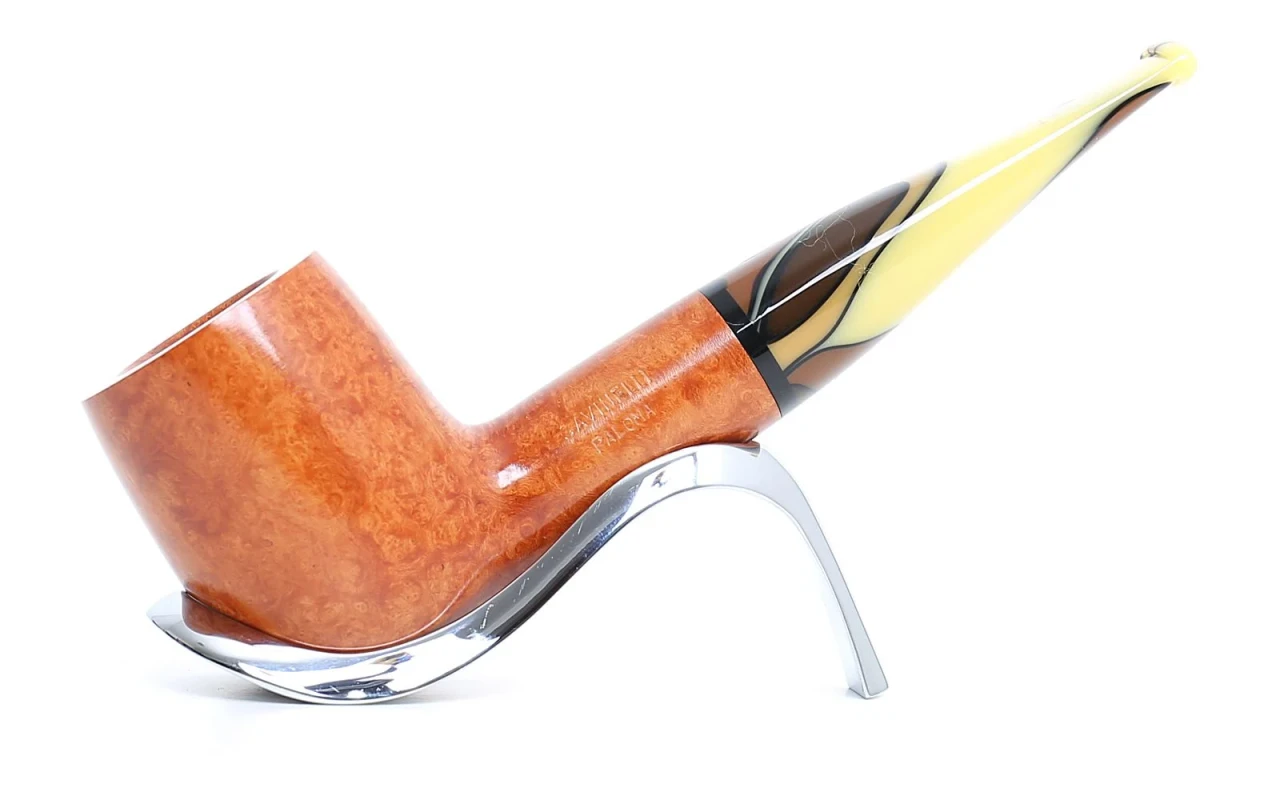
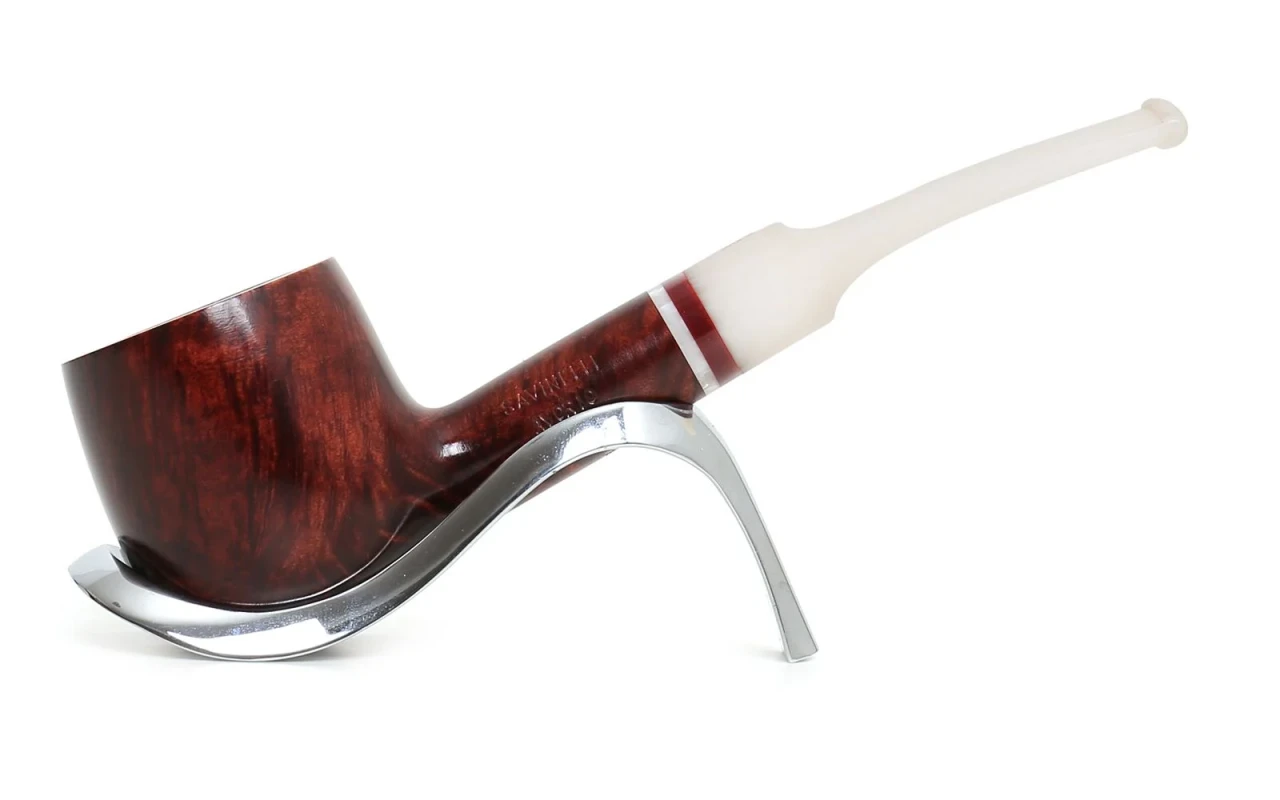
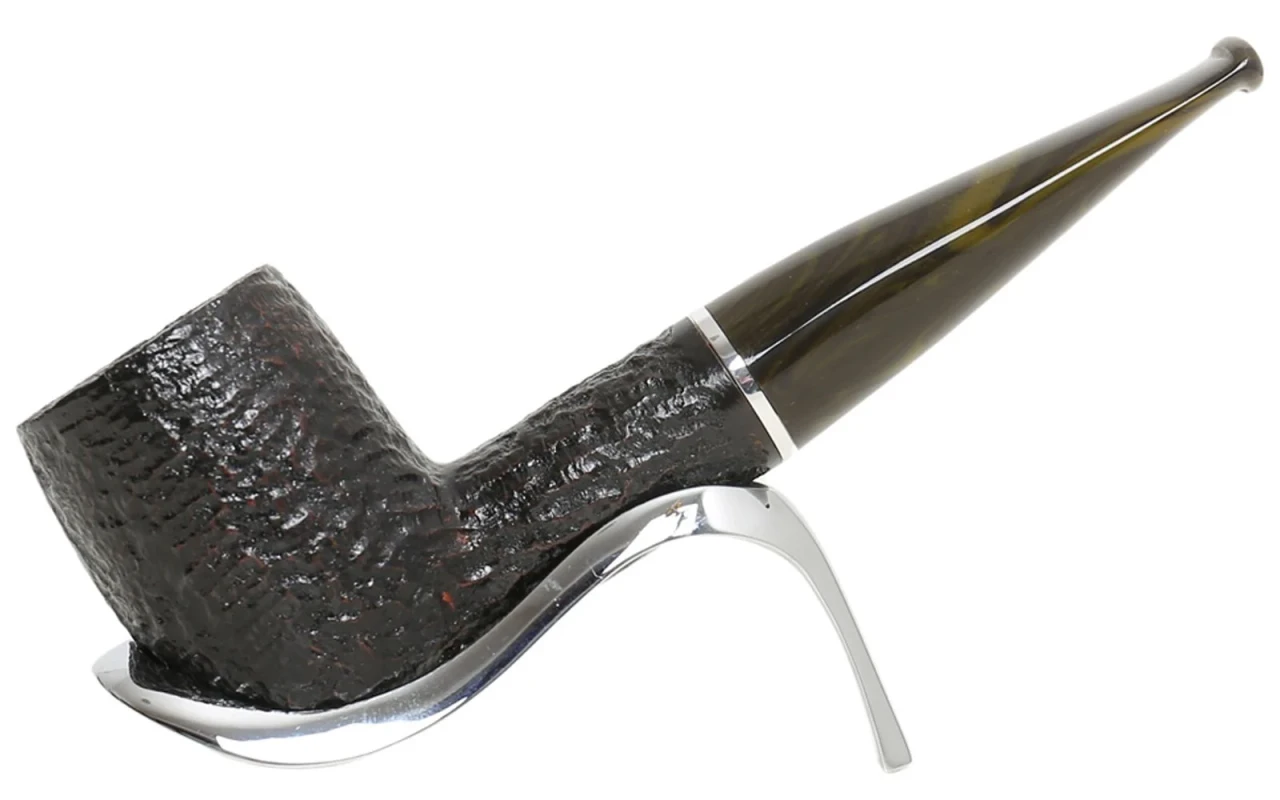
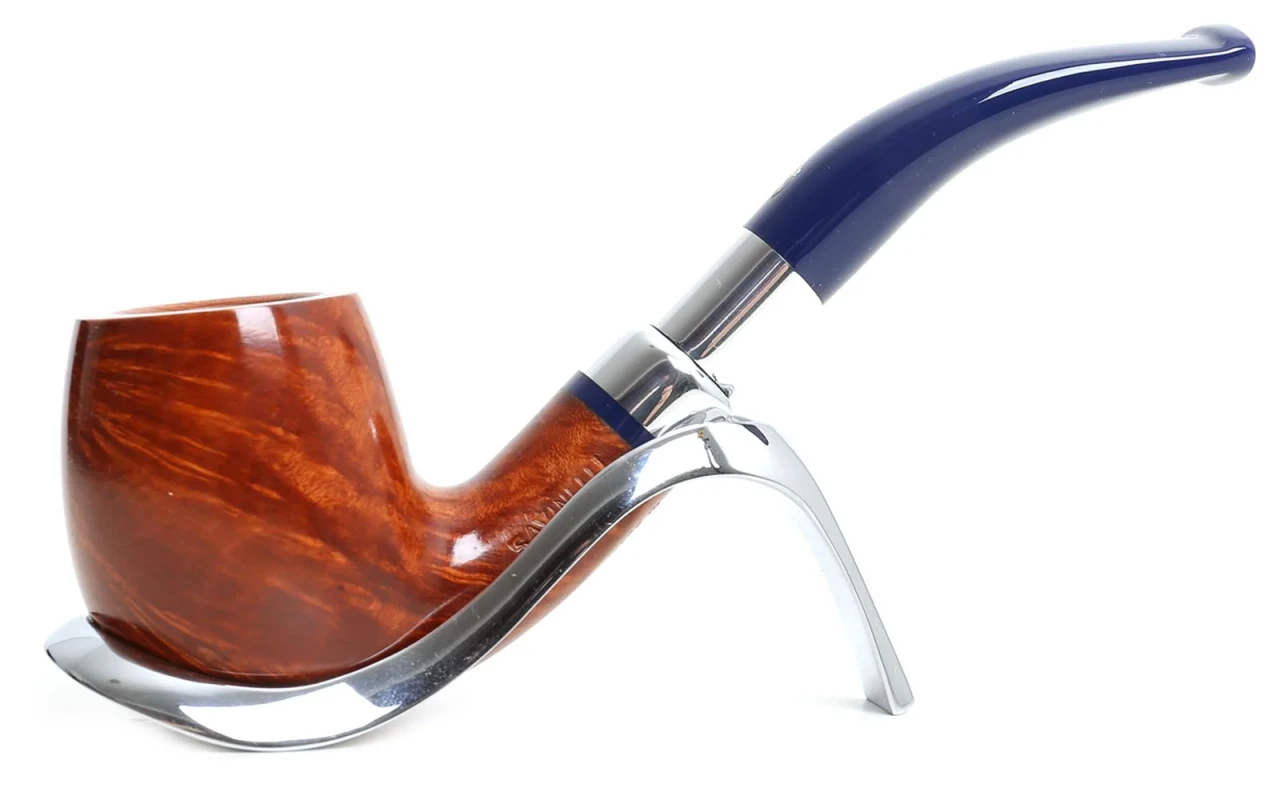
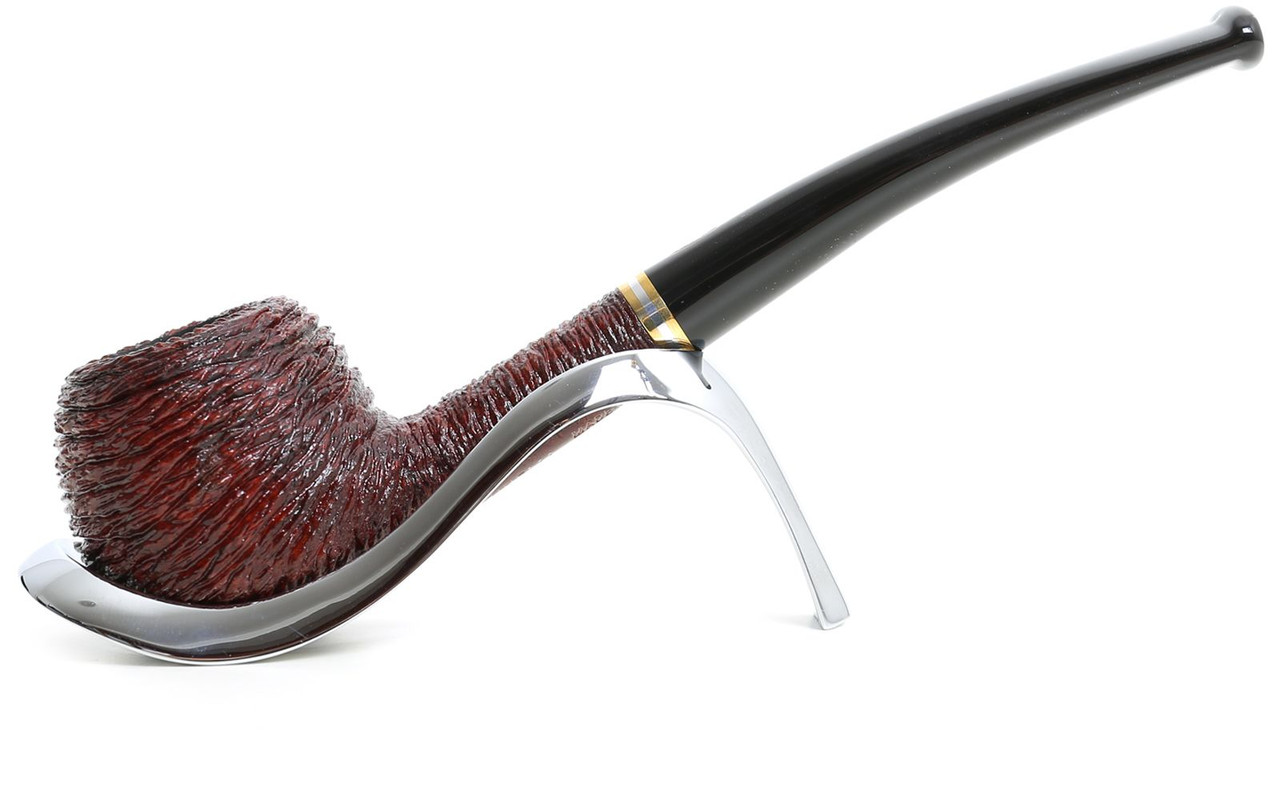
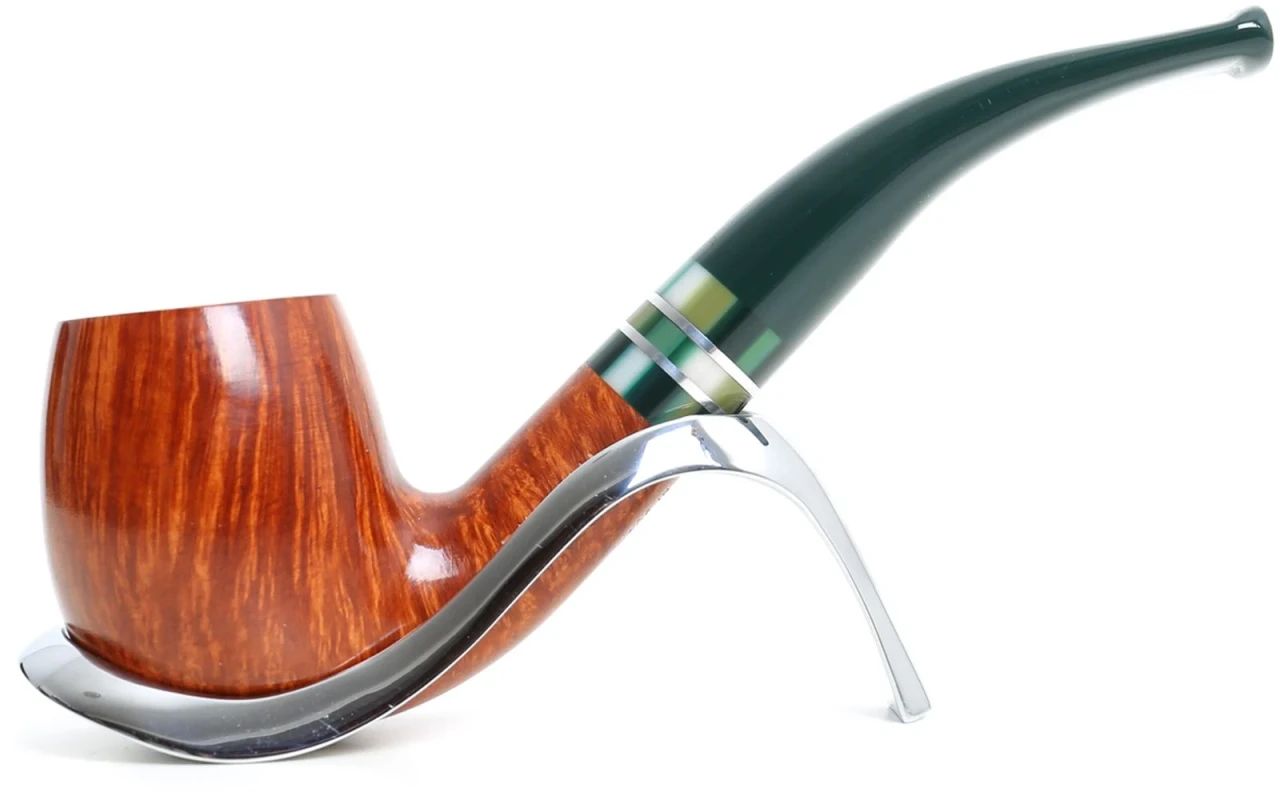
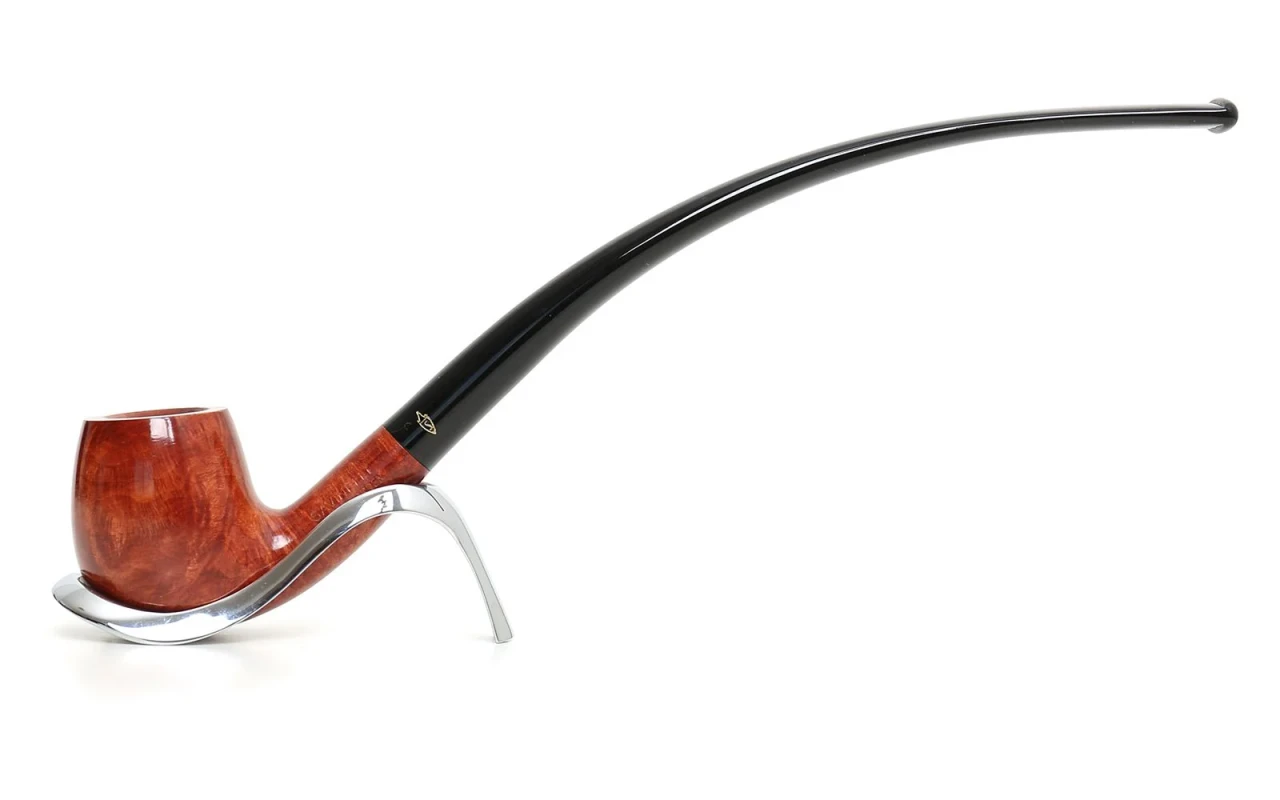
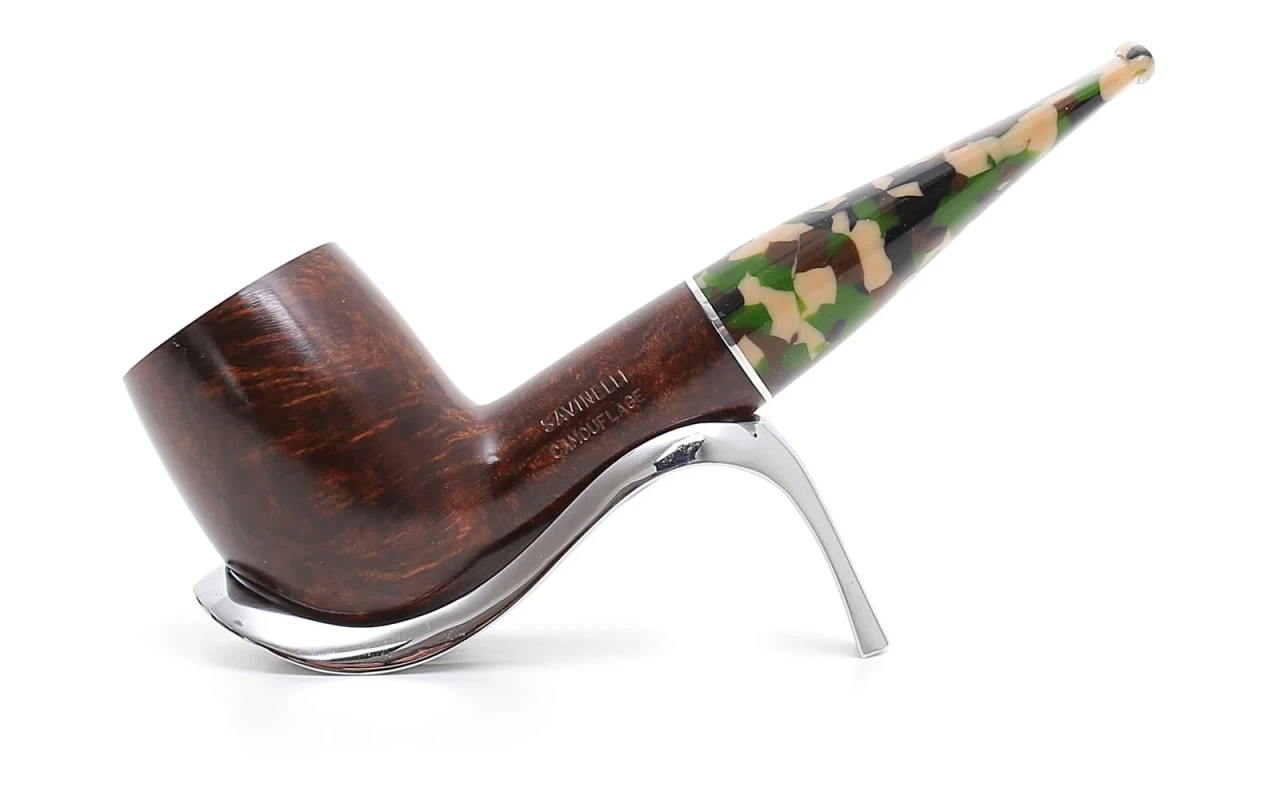
The evaluation of collectible pipes depends on various factors, including the brand, material, craftsmanship, and antiquity. Pipes crafted by renowned artisans or in precious materials such as briar or meerschaum can have a high value on the market. Additionally, rare pipes or those with unique features can be highly sought after by collectors. It is important to also consider the condition, any repairs or restorations, and the presence of artisan marks or signatures. For an accurate evaluation, it is advisable to consult experts in the field or specialized stores in collectible pipes.
Best Collectible Pipes
The best collectible pipes are often handmade by experienced artisans. Collectible pipes can be crafted from various high-quality materials such as briar wood, meerschaum, or coral. Each collectible pipe is unique and may feature intricate details and elaborate designs. Collectible pipe enthusiasts appreciate not only the craftsmanship involved in their creation, but also the history and tradition surrounding these items. Collectible pipes can be displayed in showcases or used for special occasions, adding a touch of elegance and sophistication to one's collection.
Collection Pipe Prices
Collection pipes can have highly variable prices based on different factors. Generally, the prices of collection pipes depend on criteria such as the construction material, the brand, the design, the craftsmanship, and the age. Pipes made with premium materials like high-quality briar or ivory can reach high prices. Moreover, pipes crafted by renowned artisans or with unique and distinctive designs can be very expensive. Vintage or antique pipes, valued by collectors, can also have a significant cost. It is advisable to carefully assess the authenticity and condition before purchasing a collection pipe.
How to store collectible pipes
To properly store collectible pipes, it is advisable to follow some fundamental practices:1. Regular cleaning: after each use, thoroughly clean the pipe to prevent the accumulation of tobacco residues and moisture.2. Use suitable supports: avoid placing the pipes in a way that they can damage each other, preferring specific supports for storage.3. Avoid exposure to direct sunlight, excessive heat, and humidity sources.4. Store the pipes in a cool and dry environment, preferably in a dedicated case or box to protect them from potential damage.5. Periodically check the storage condition and, if necessary, perform preventive maintenance interventions.
'%3e%3cg id='Final-Copy-2_2_' transform='translate(1275.000000, 200.000000)'%3e%3cpath class='st0' d='M7.4,12.8h6.8l3.1-11.6H7.4C4.2,1.2,1.6,3.8,1.6,7S4.2,12.8,7.4,12.8z'/%3e%3c/g%3e%3c/g%3e%3c/g%3e%3cg id='final---dec.11-2020'%3e%3cg id='_x30_208-our-toggle' transform='translate(-1275.000000, -200.000000)'%3e%3cg id='Final-Copy-2' transform='translate(1275.000000, 200.000000)'%3e%3cpath class='st1' d='M22.6,0H7.4c-3.9,0-7,3.1-7,7s3.1,7,7,7h15.2c3.9,0,7-3.1,7-7S26.4,0,22.6,0z M1.6,7c0-3.2,2.6-5.8,5.8-5.8 h9.9l-3.1,11.6H7.4C4.2,12.8,1.6,10.2,1.6,7z'/%3e%3cpath id='x' class='st2' d='M24.6,4c0.2,0.2,0.2,0.6,0,0.8l0,0L22.5,7l2.2,2.2c0.2,0.2,0.2,0.6,0,0.8c-0.2,0.2-0.6,0.2-0.8,0 l0,0l-2.2-2.2L19.5,10c-0.2,0.2-0.6,0.2-0.8,0c-0.2-0.2-0.2-0.6,0-0.8l0,0L20.8,7l-2.2-2.2c-0.2-0.2-0.2-0.6,0-0.8 c0.2-0.2,0.6-0.2,0.8,0l0,0l2.2,2.2L23.8,4C24,3.8,24.4,3.8,24.6,4z'/%3e%3cpath id='y' class='st3' d='M12.7,4.1c0.2,0.2,0.3,0.6,0.1,0.8l0,0L8.6,9.8C8.5,9.9,8.4,10,8.3,10c-0.2,0.1-0.5,0.1-0.7-0.1l0,0 L5.4,7.7c-0.2-0.2-0.2-0.6,0-0.8c0.2-0.2,0.6-0.2,0.8,0l0,0L8,8.6l3.8-4.5C12,3.9,12.4,3.9,12.7,4.1z'/%3e%3c/g%3e%3c/g%3e%3c/g%3e%3c/g%3e%3c/svg%3e) Your Privacy Choices
Your Privacy Choices 


