 ES
ES FR
FR EN
EN IT
IT DE
DE
Dublin Pipe Manufacturing Techniques
Dublin Pipe Manufacturing Techniques
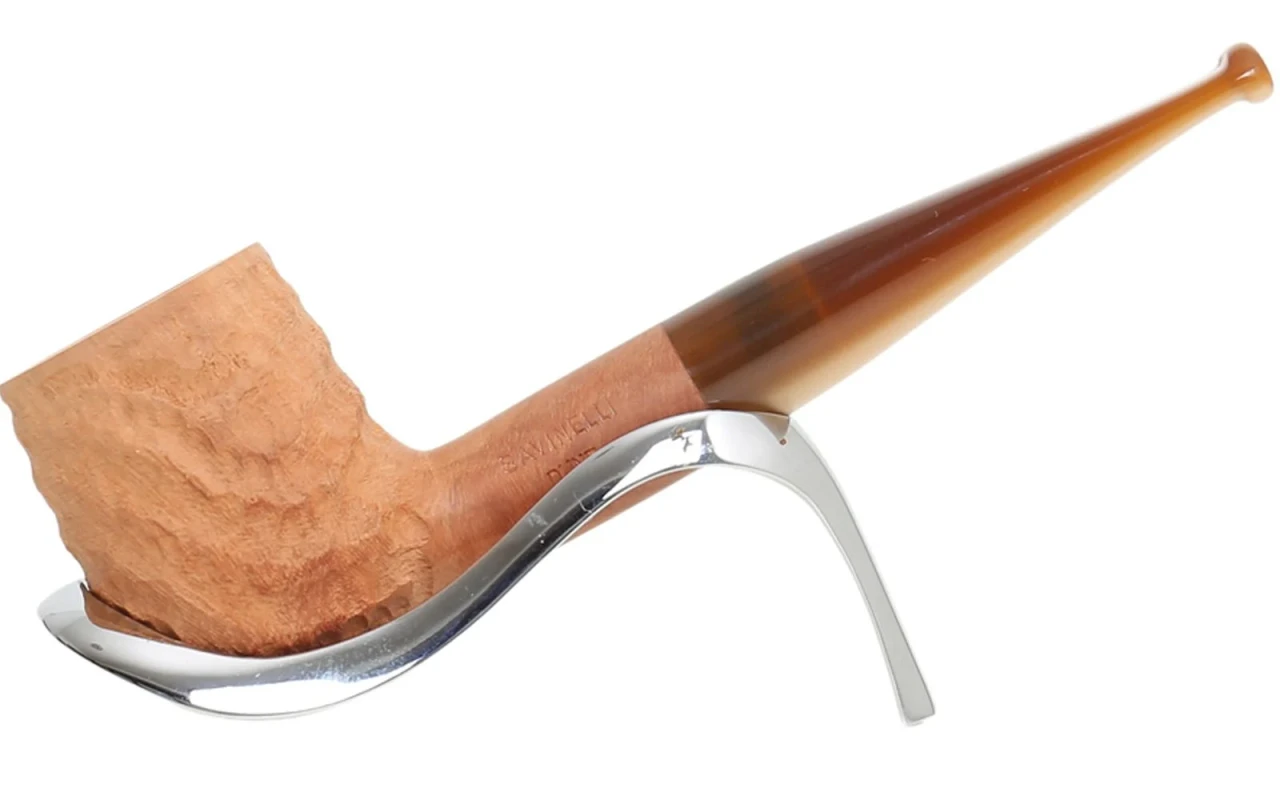
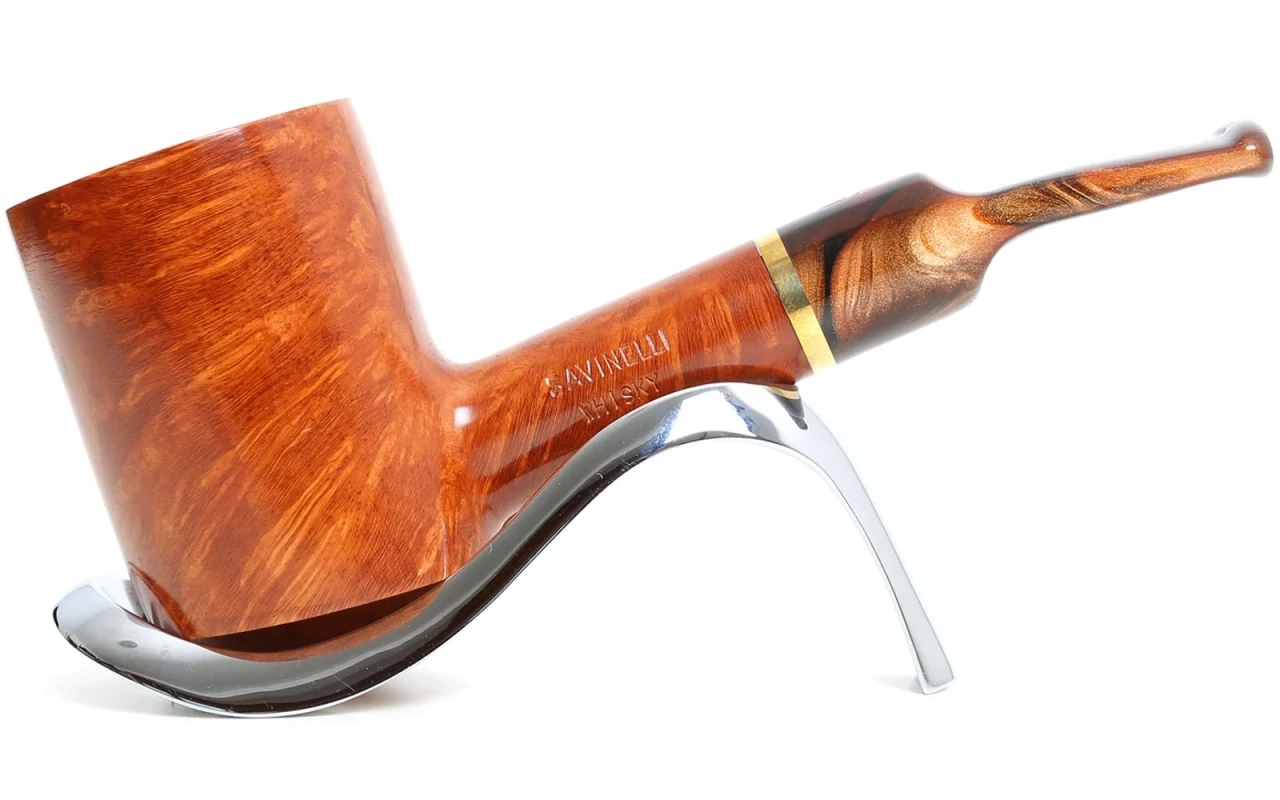
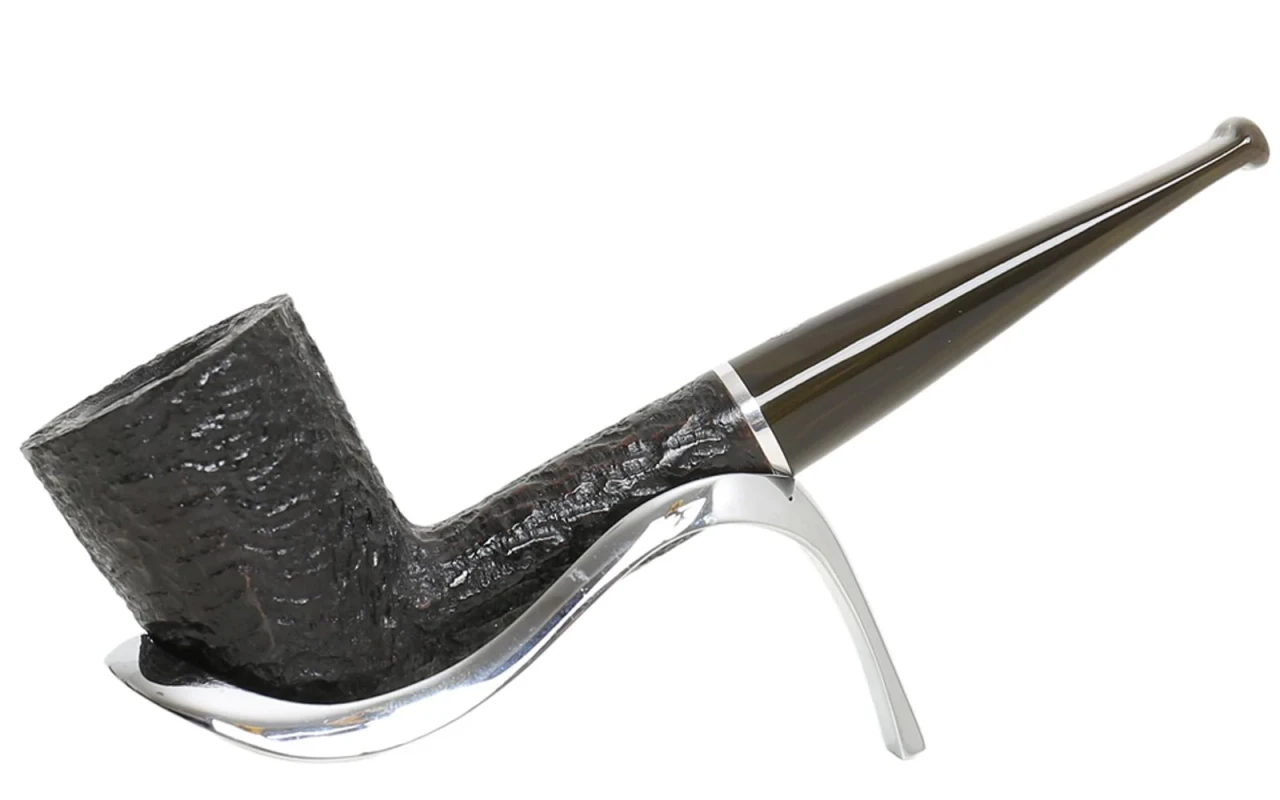
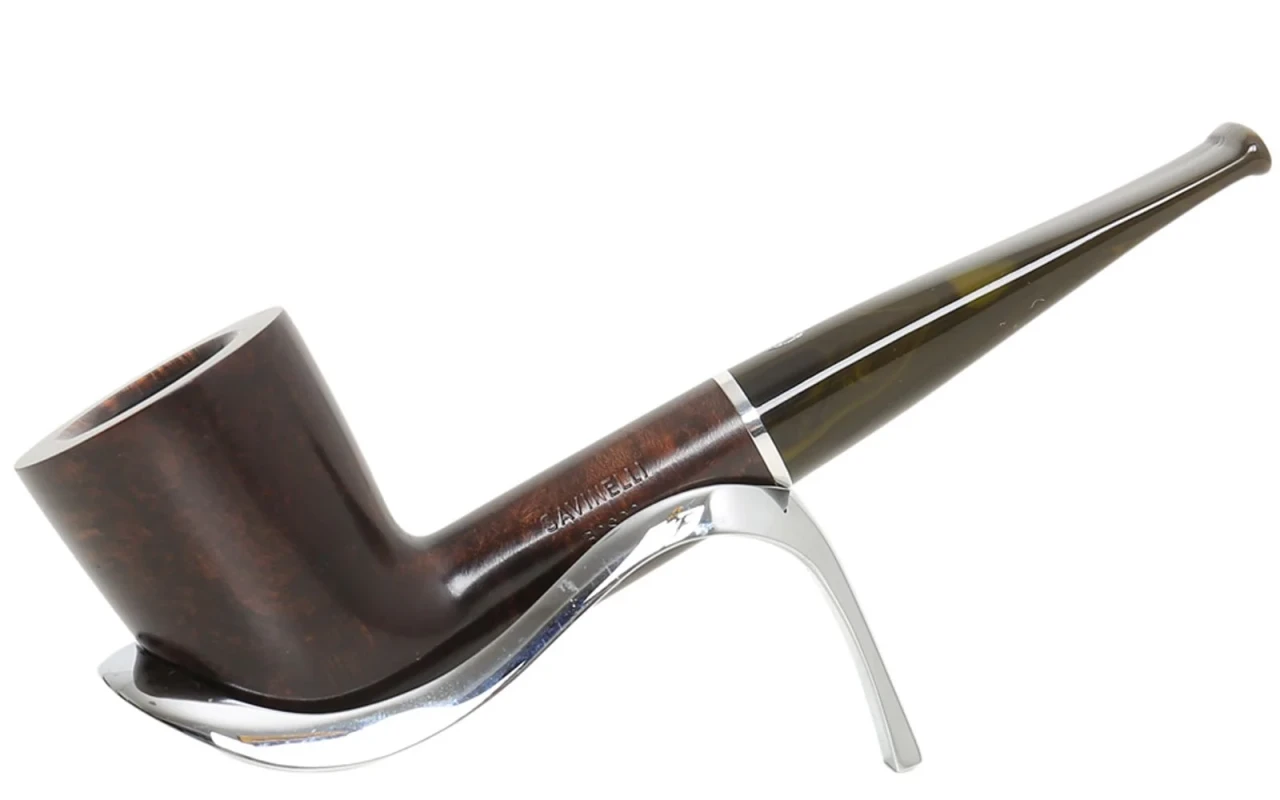
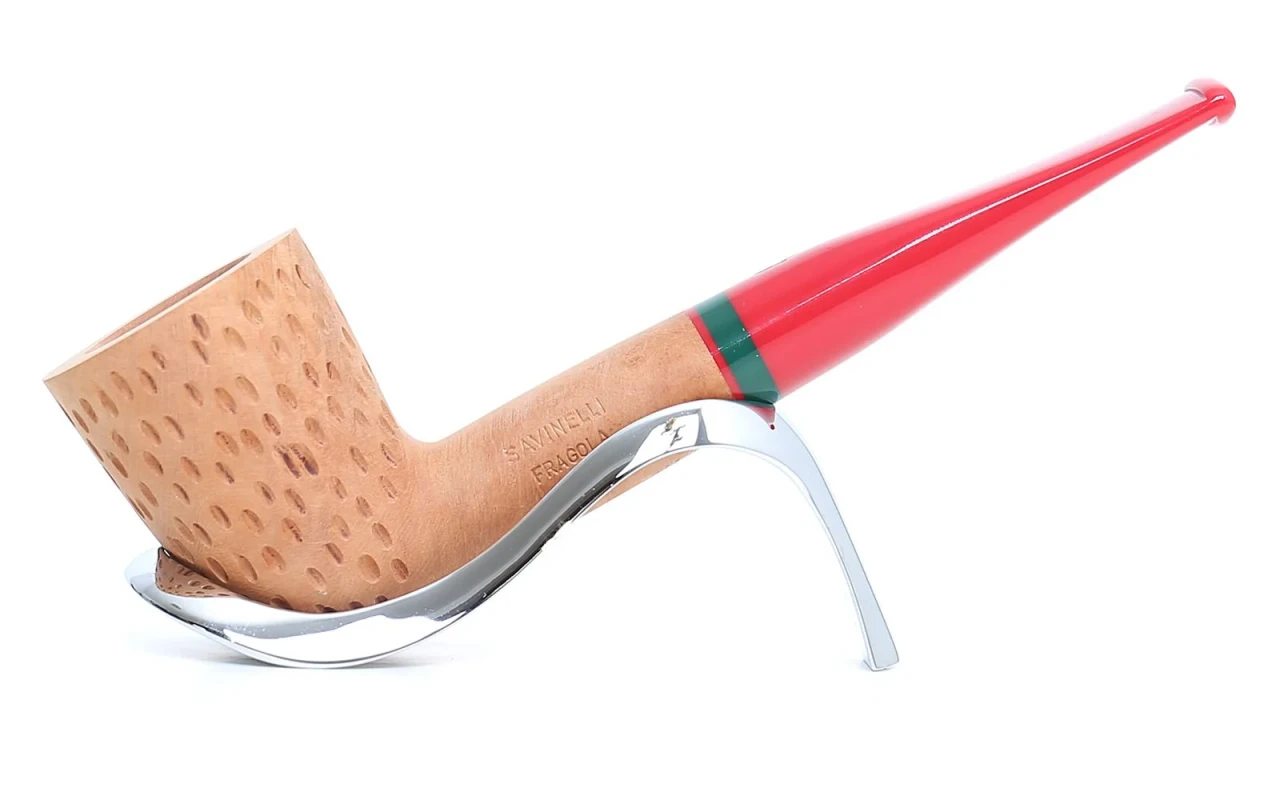
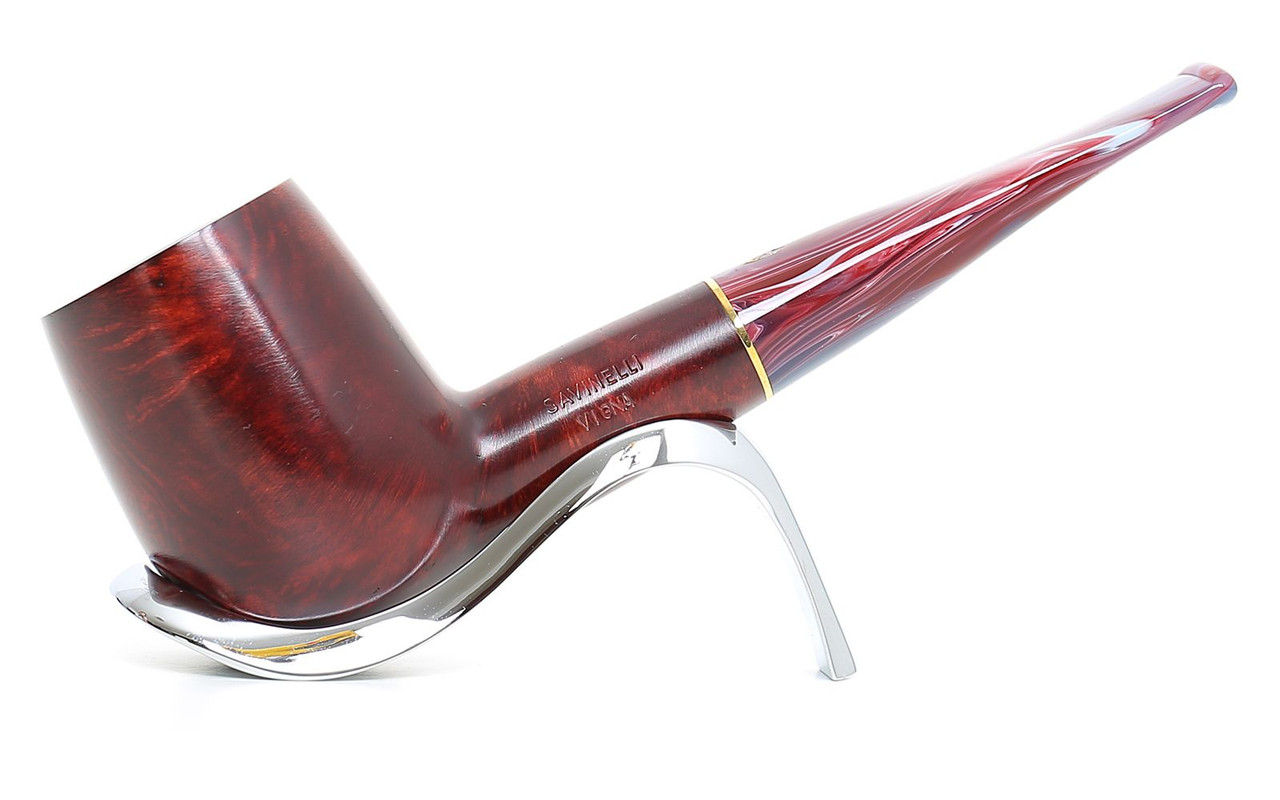
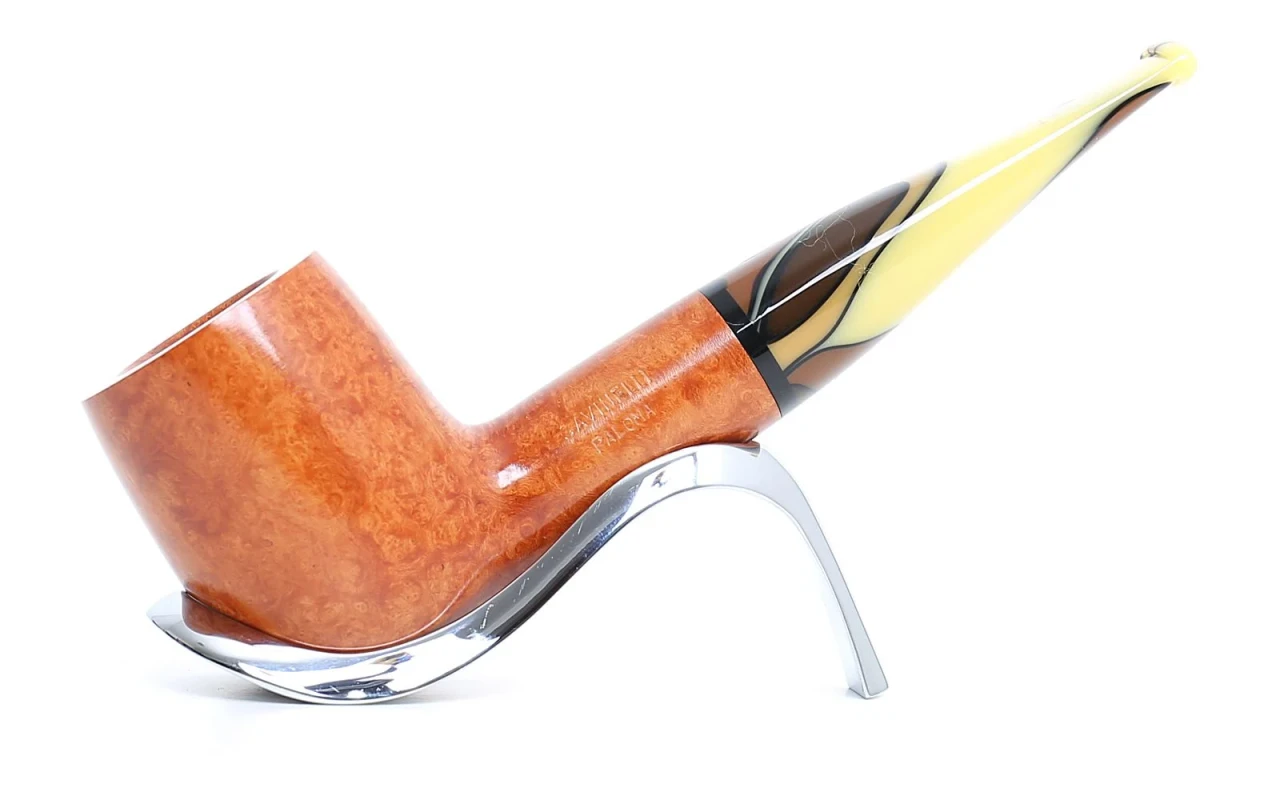
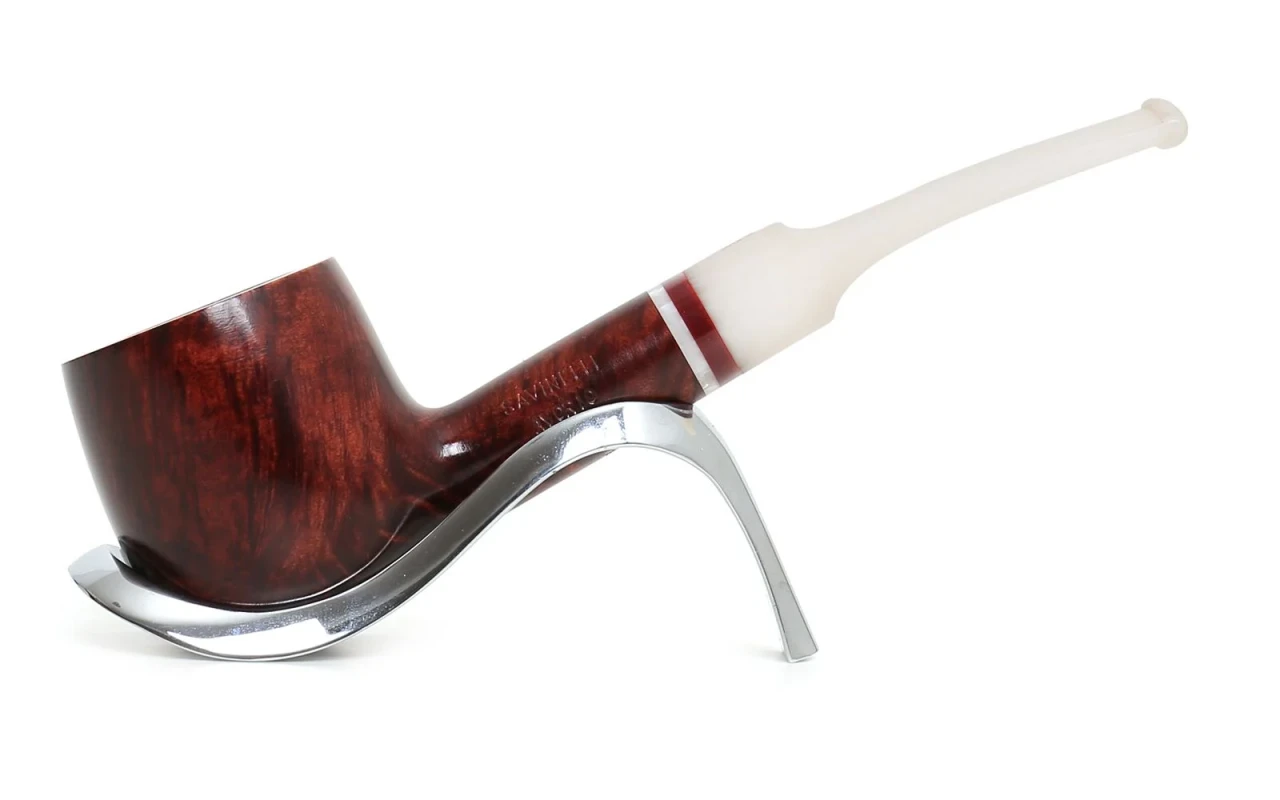
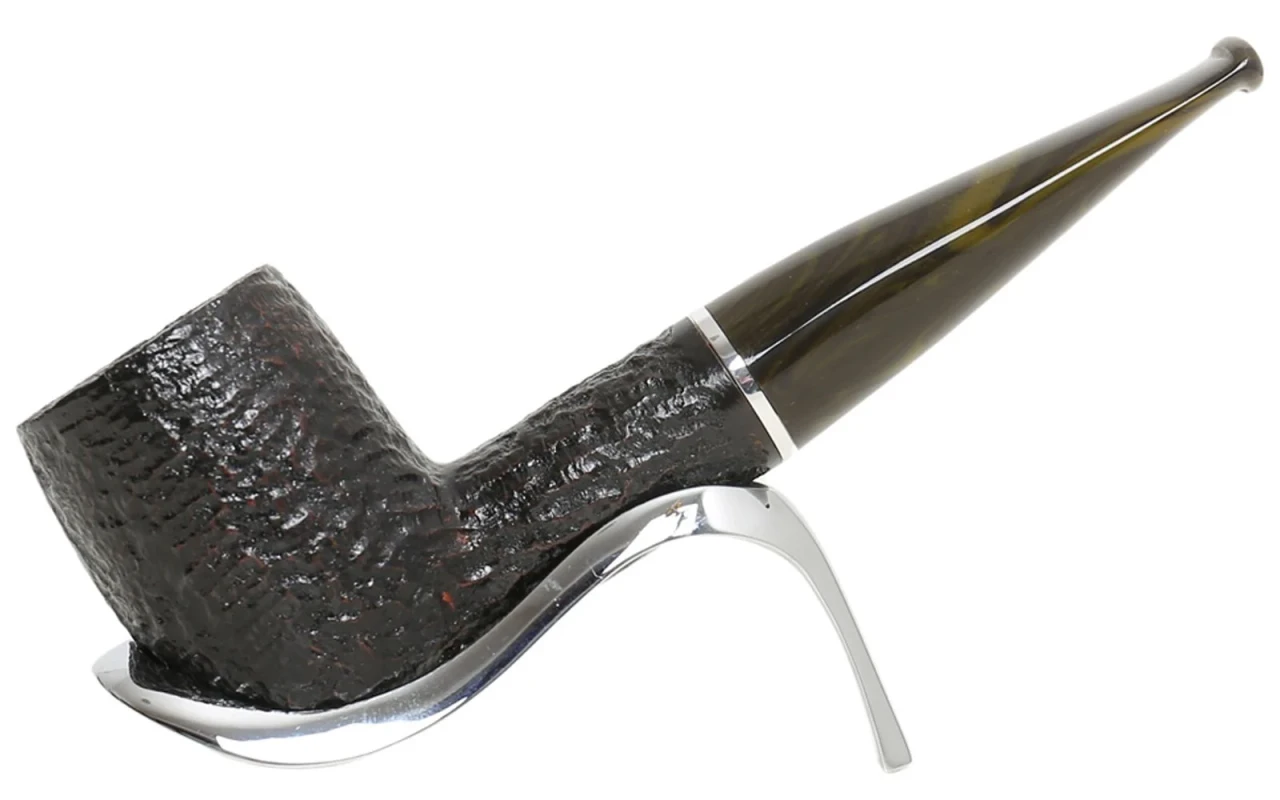
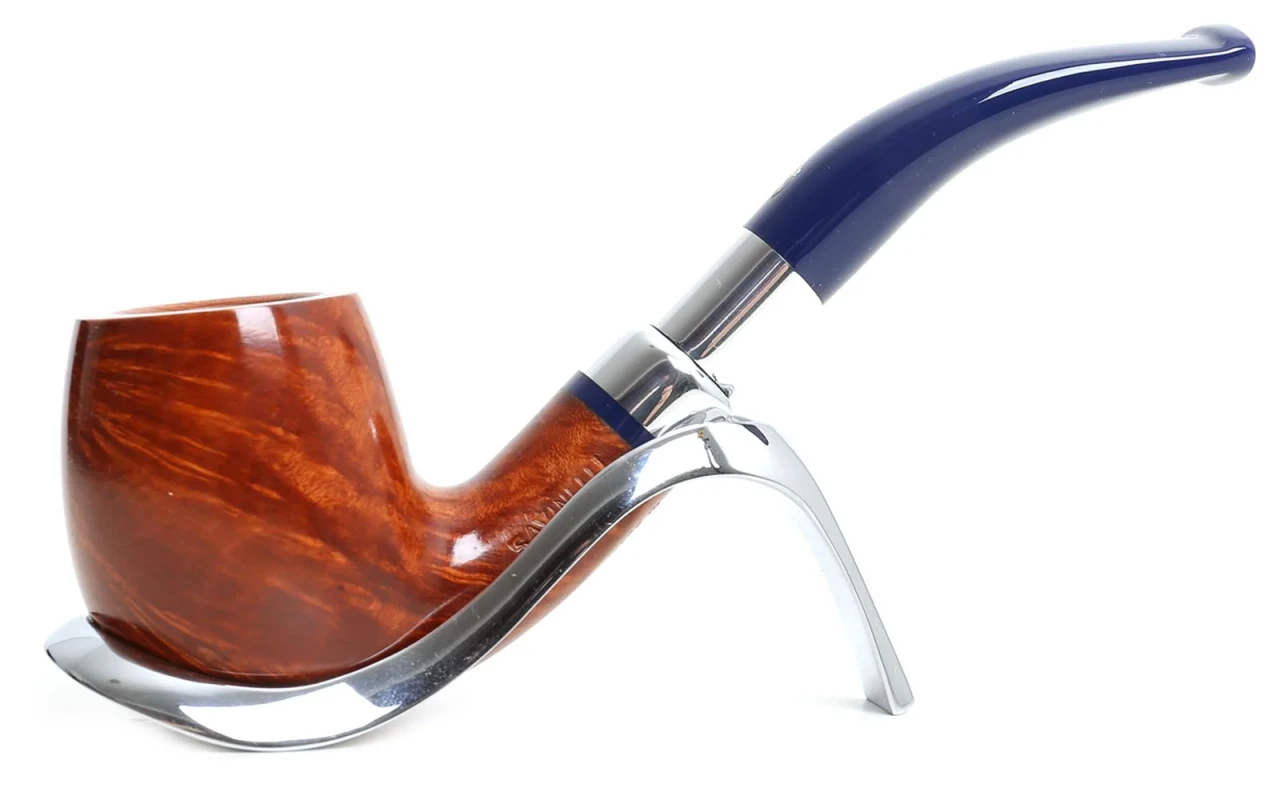
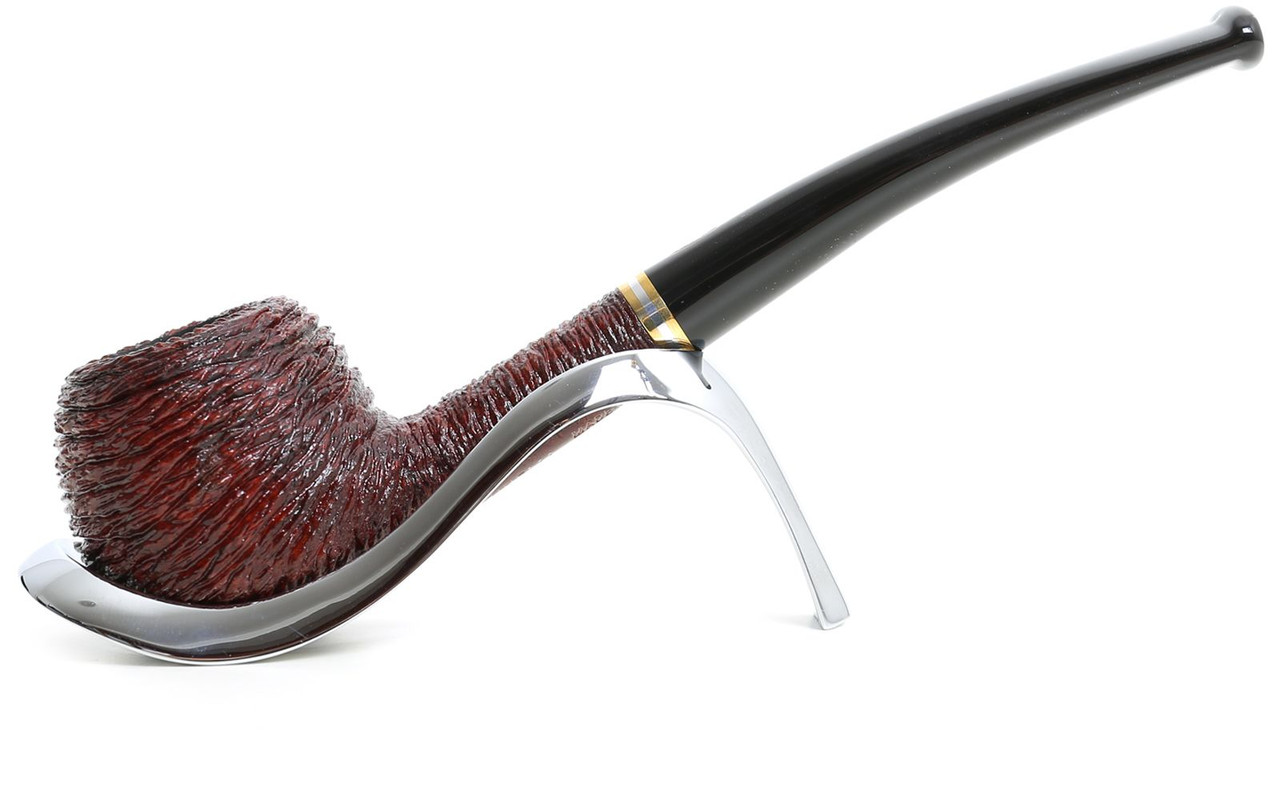
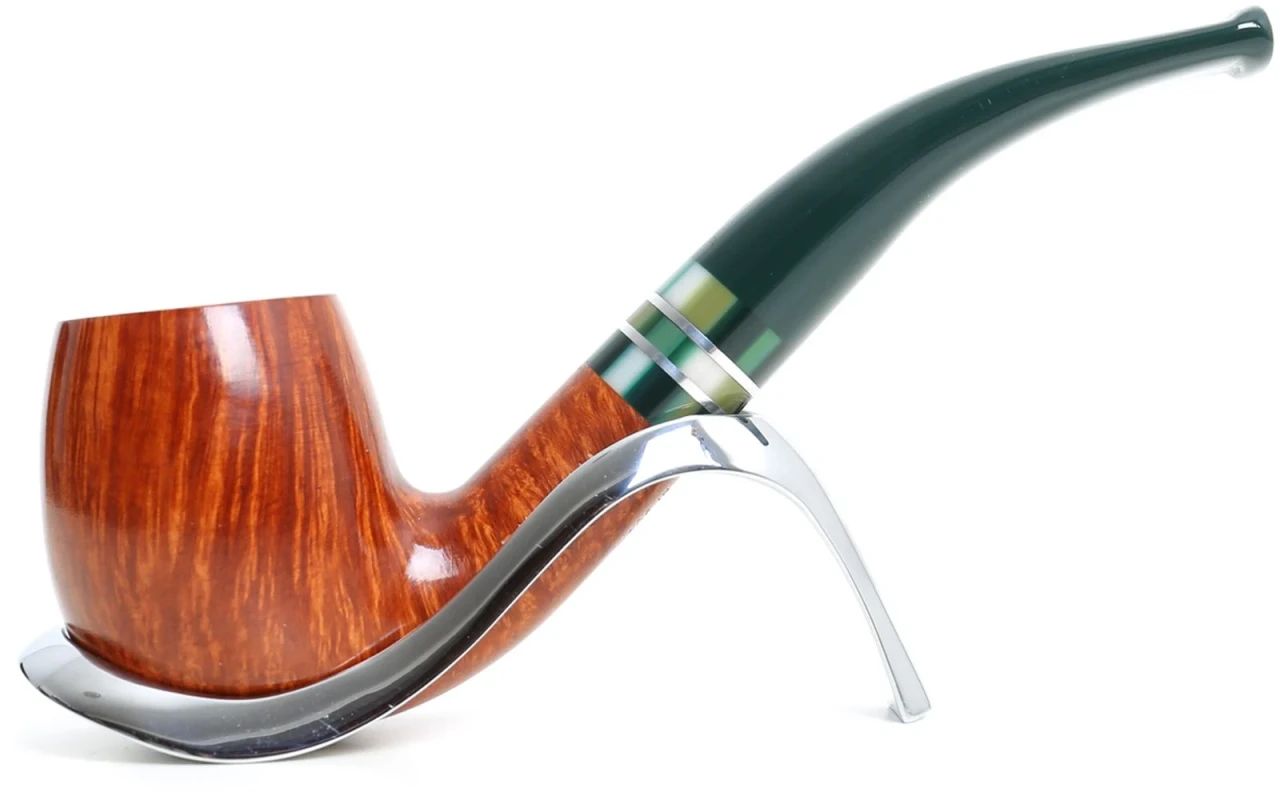
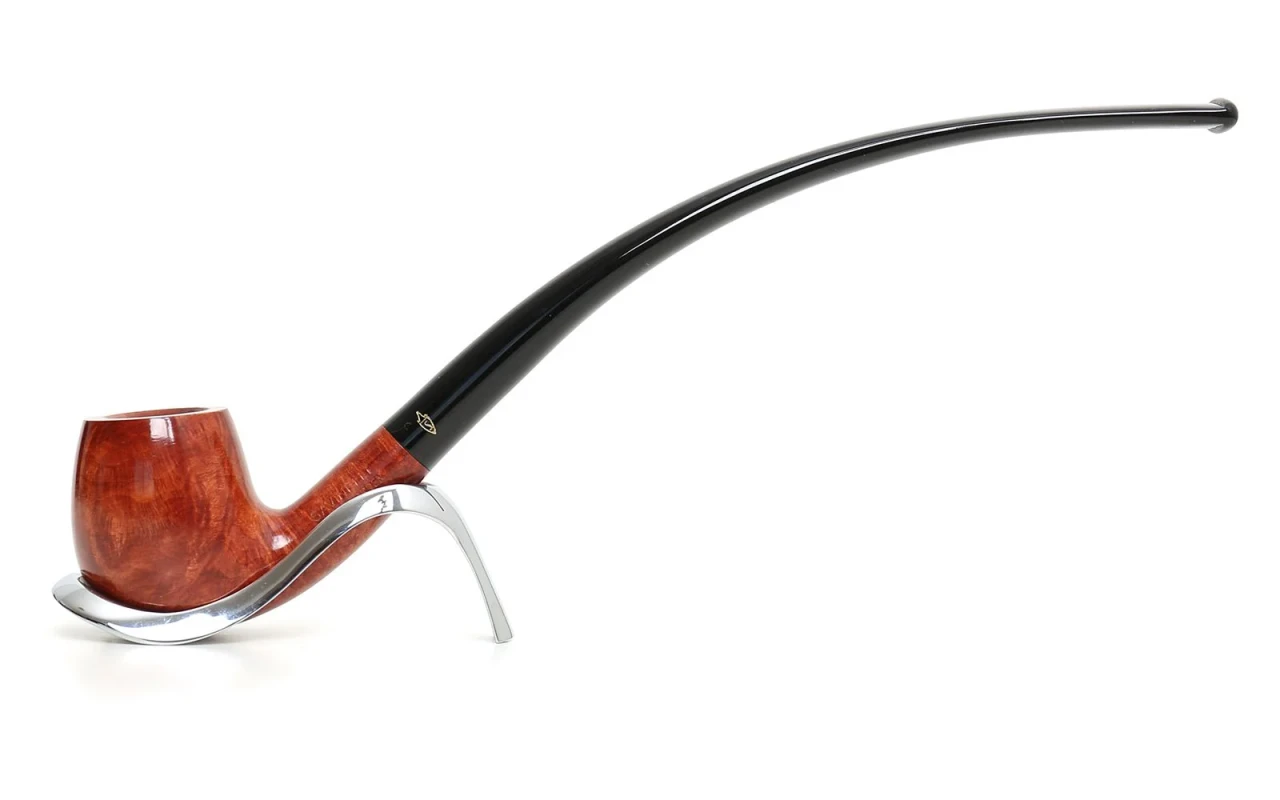
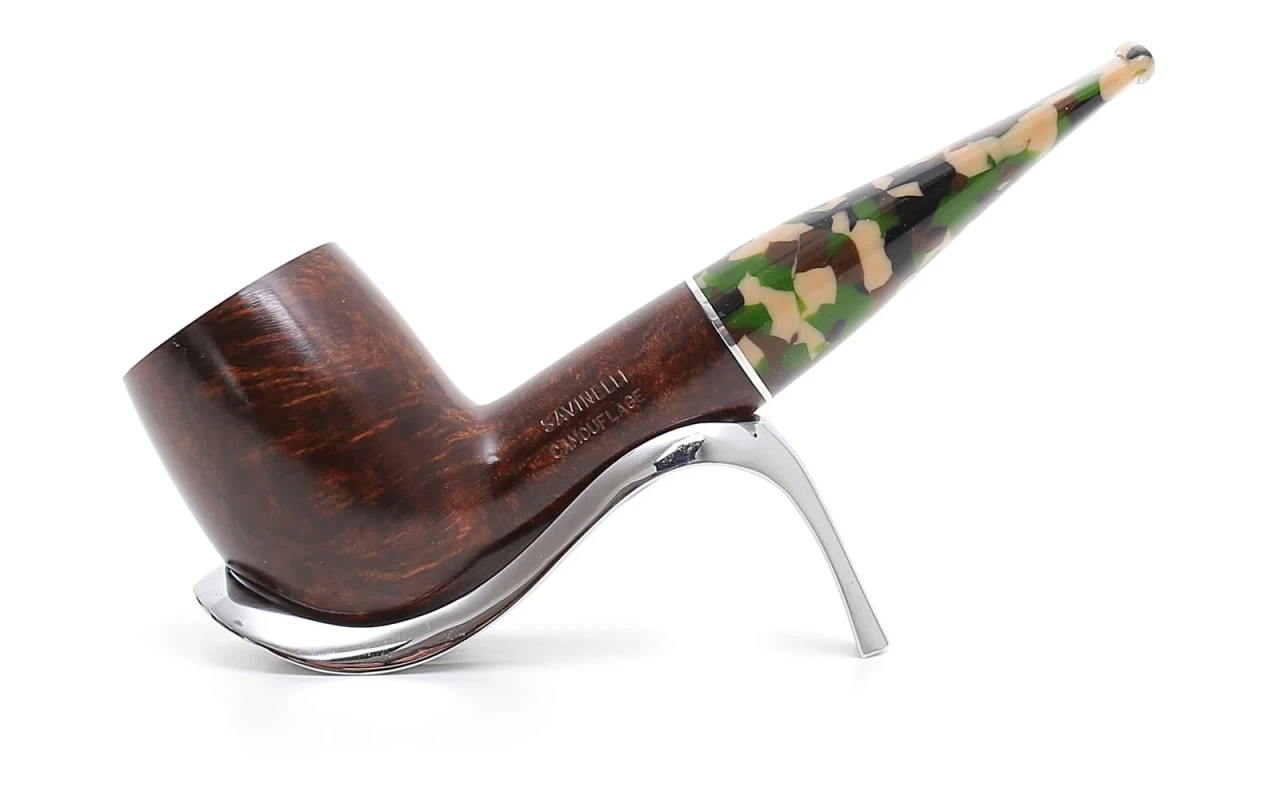
The Dublin pipe is a type of pipe characterized by a slender and elegant shape, with a slightly inclined conical bowl. The manufacturing techniques for a Dublin pipe involve several stages:1. **Wood selection**: Heather root or briar wood is usually used, selecting high-quality pieces.2. **Carving the shape**: The pipe maker carves the slender shape of the bowl, paying particular attention to the characteristic inclination of the Dublin.3. **Drilling and internal processing**: Holes are drilled for the stem and the bowl is internally processed to ensure proper tobacco combustion.4. **External finishing**: The external surface of the Dublin pipe is smoothed and polished to make it smooth and shiny.5. **Final assembly**: All parts of the pipe, including the stem and the cap, are assembled to complete the manufacturing process.
Olive Wood Pipes
Olive wood pipes are sought after for their beauty and originality. Olive wood gives a particular and unique design to the pipe, with irregular veins and warm colors that make each piece one of a kind. This wood, known for its durability and heat resistance, is highly appreciated by pipe enthusiasts for its ability to improve over time, acquiring a unique patina and character with use. Olive wood pipes offer a unique smoking experience and are highly valued both for their aesthetics and functional qualities.
Pipe care and maintenance
Caring for and maintaining pipes is essential to ensure optimal performance and extend their lifespan over time. Here are some practical tips:- After each use, clean the pipe with a pipe cleaner to remove tobacco residues and condensation.- Avoid overpacking the pipe excessively.- Regularly rotate the pipes to prevent excessive overheating of certain areas.- Use mineral oils or beeswax to keep the surface of the pipe shiny and protected.- Periodically check the condition of the filter and replace it if necessary.- Store the pipes in a dry environment protected from direct sunlight.By following these simple practices, you can enjoy your favorite pipe for a long time.
History of Wooden Pipes
Wooden pipes have an ancient and fascinating history. Used since the Bronze Age, the first pipes were made of natural materials such as stone and clay. However, it is in the 17th century that wooden pipes began to spread in Europe, quickly becoming a symbol of elegance and sophistication. The most commonly used woods were briar and juniper, chosen for their resistance qualities and ability to absorb smoke moisture. Today, wooden pipes are still appreciated by many enthusiasts for their craftsmanship beauty and the tradition they represent in the world of pipe smoking.
'%3e%3cg id='Final-Copy-2_2_' transform='translate(1275.000000, 200.000000)'%3e%3cpath class='st0' d='M7.4,12.8h6.8l3.1-11.6H7.4C4.2,1.2,1.6,3.8,1.6,7S4.2,12.8,7.4,12.8z'/%3e%3c/g%3e%3c/g%3e%3c/g%3e%3cg id='final---dec.11-2020'%3e%3cg id='_x30_208-our-toggle' transform='translate(-1275.000000, -200.000000)'%3e%3cg id='Final-Copy-2' transform='translate(1275.000000, 200.000000)'%3e%3cpath class='st1' d='M22.6,0H7.4c-3.9,0-7,3.1-7,7s3.1,7,7,7h15.2c3.9,0,7-3.1,7-7S26.4,0,22.6,0z M1.6,7c0-3.2,2.6-5.8,5.8-5.8 h9.9l-3.1,11.6H7.4C4.2,12.8,1.6,10.2,1.6,7z'/%3e%3cpath id='x' class='st2' d='M24.6,4c0.2,0.2,0.2,0.6,0,0.8l0,0L22.5,7l2.2,2.2c0.2,0.2,0.2,0.6,0,0.8c-0.2,0.2-0.6,0.2-0.8,0 l0,0l-2.2-2.2L19.5,10c-0.2,0.2-0.6,0.2-0.8,0c-0.2-0.2-0.2-0.6,0-0.8l0,0L20.8,7l-2.2-2.2c-0.2-0.2-0.2-0.6,0-0.8 c0.2-0.2,0.6-0.2,0.8,0l0,0l2.2,2.2L23.8,4C24,3.8,24.4,3.8,24.6,4z'/%3e%3cpath id='y' class='st3' d='M12.7,4.1c0.2,0.2,0.3,0.6,0.1,0.8l0,0L8.6,9.8C8.5,9.9,8.4,10,8.3,10c-0.2,0.1-0.5,0.1-0.7-0.1l0,0 L5.4,7.7c-0.2-0.2-0.2-0.6,0-0.8c0.2-0.2,0.6-0.2,0.8,0l0,0L8,8.6l3.8-4.5C12,3.9,12.4,3.9,12.7,4.1z'/%3e%3c/g%3e%3c/g%3e%3c/g%3e%3c/g%3e%3c/svg%3e) Your Privacy Choices
Your Privacy Choices 


