 ES
ES FR
FR EN
EN IT
IT DE
DE
Choice of materials for pipe production
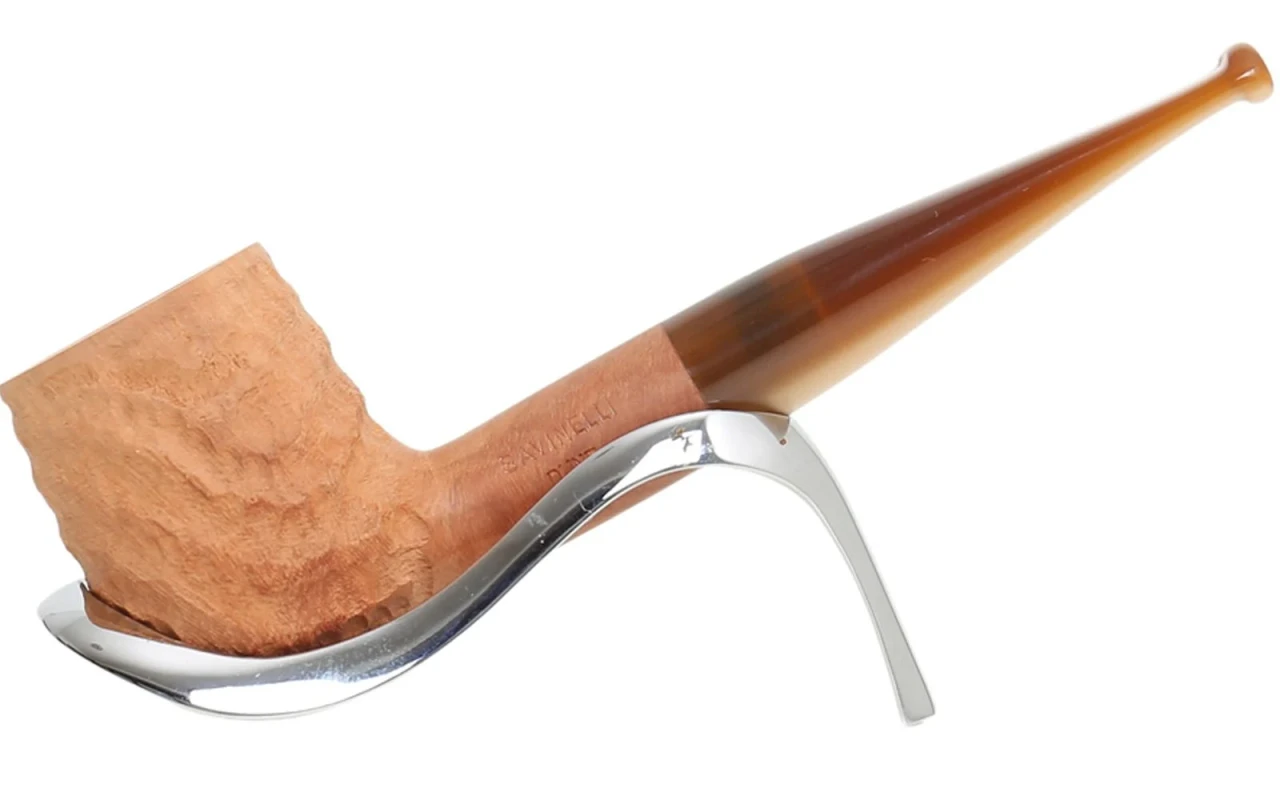
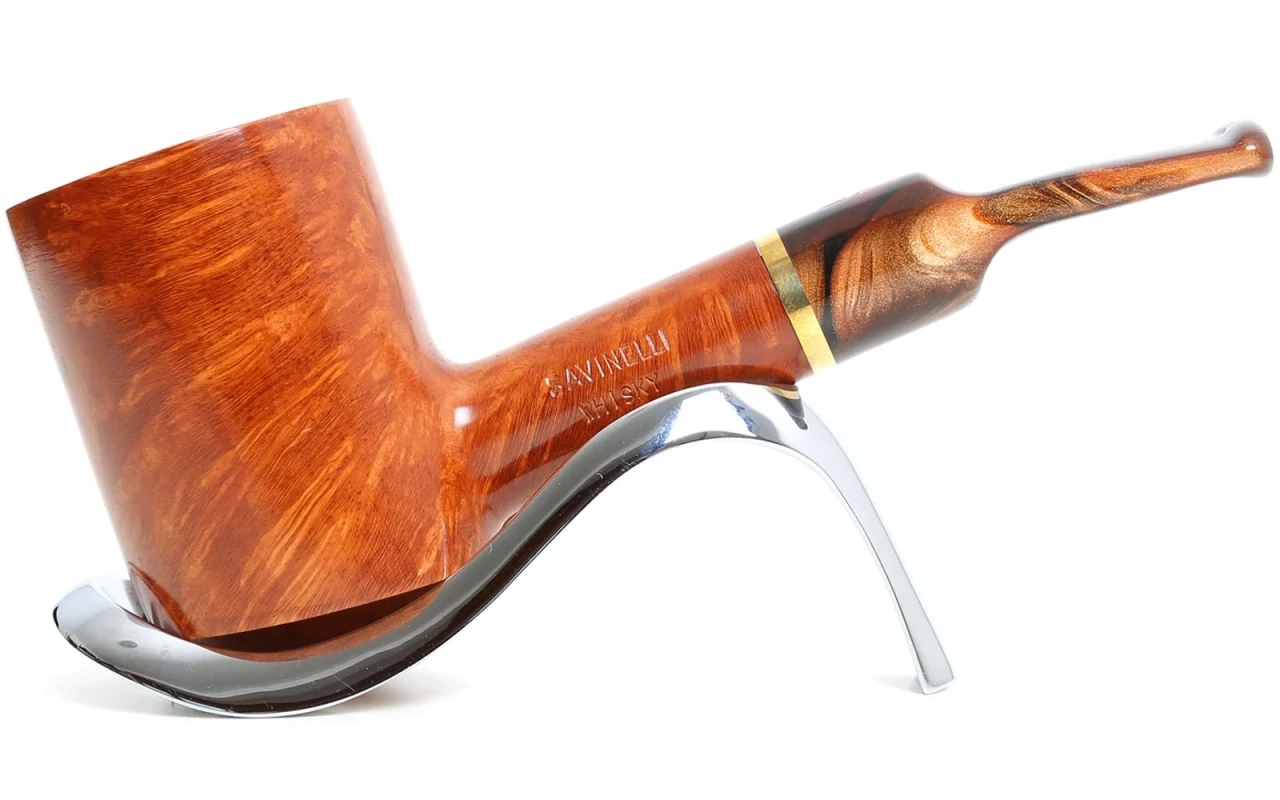
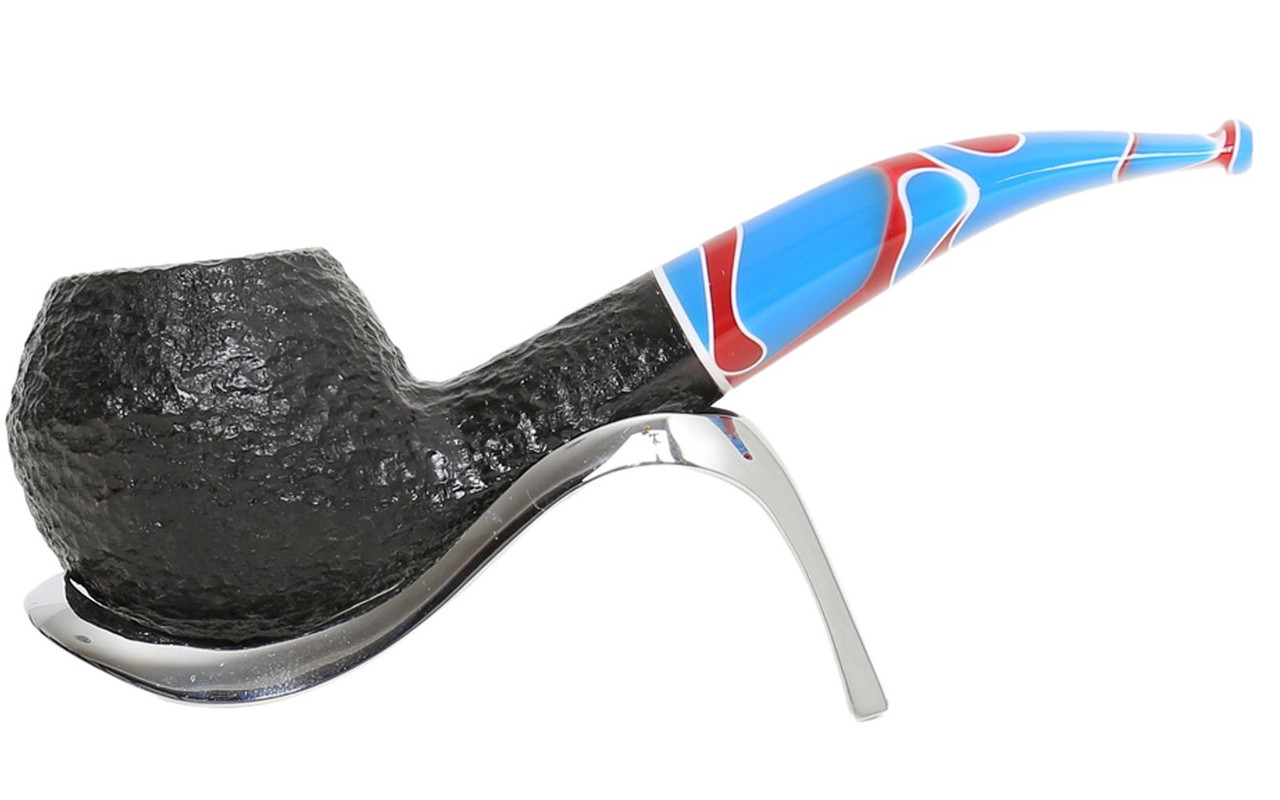
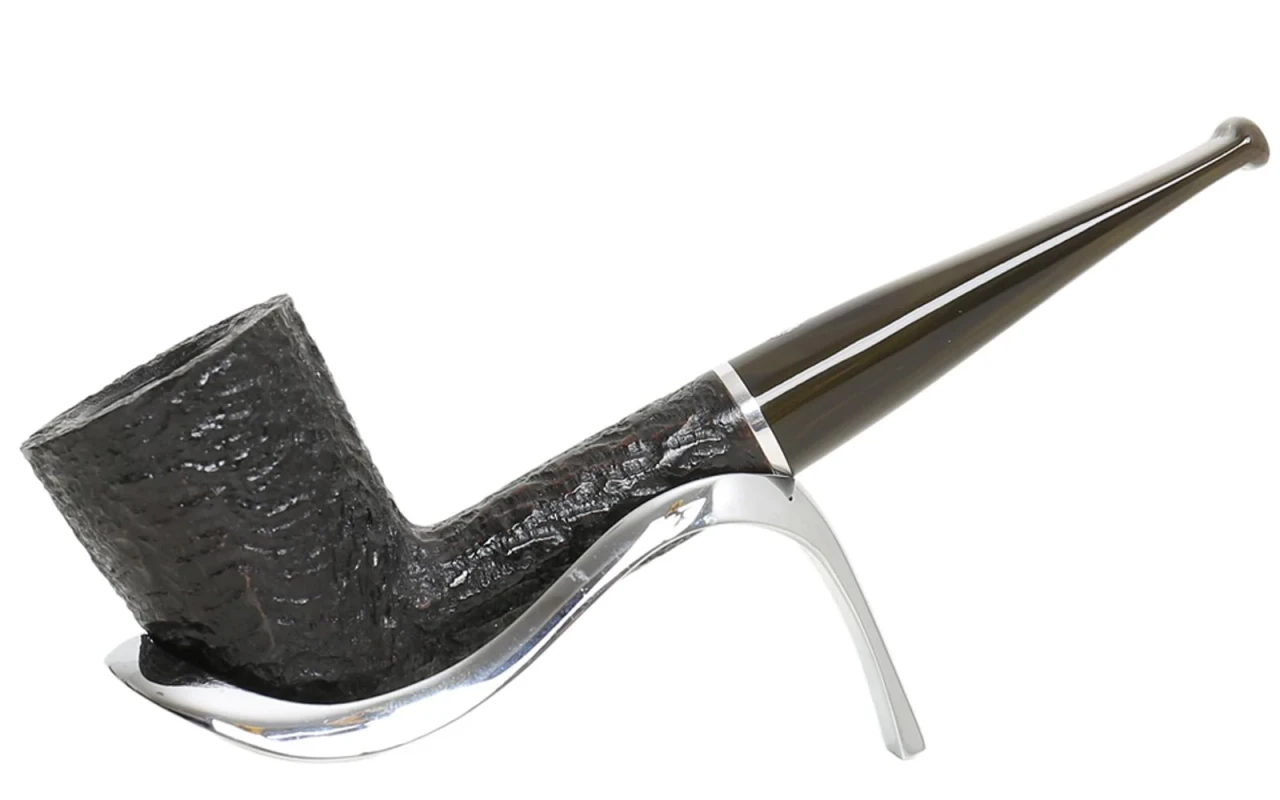
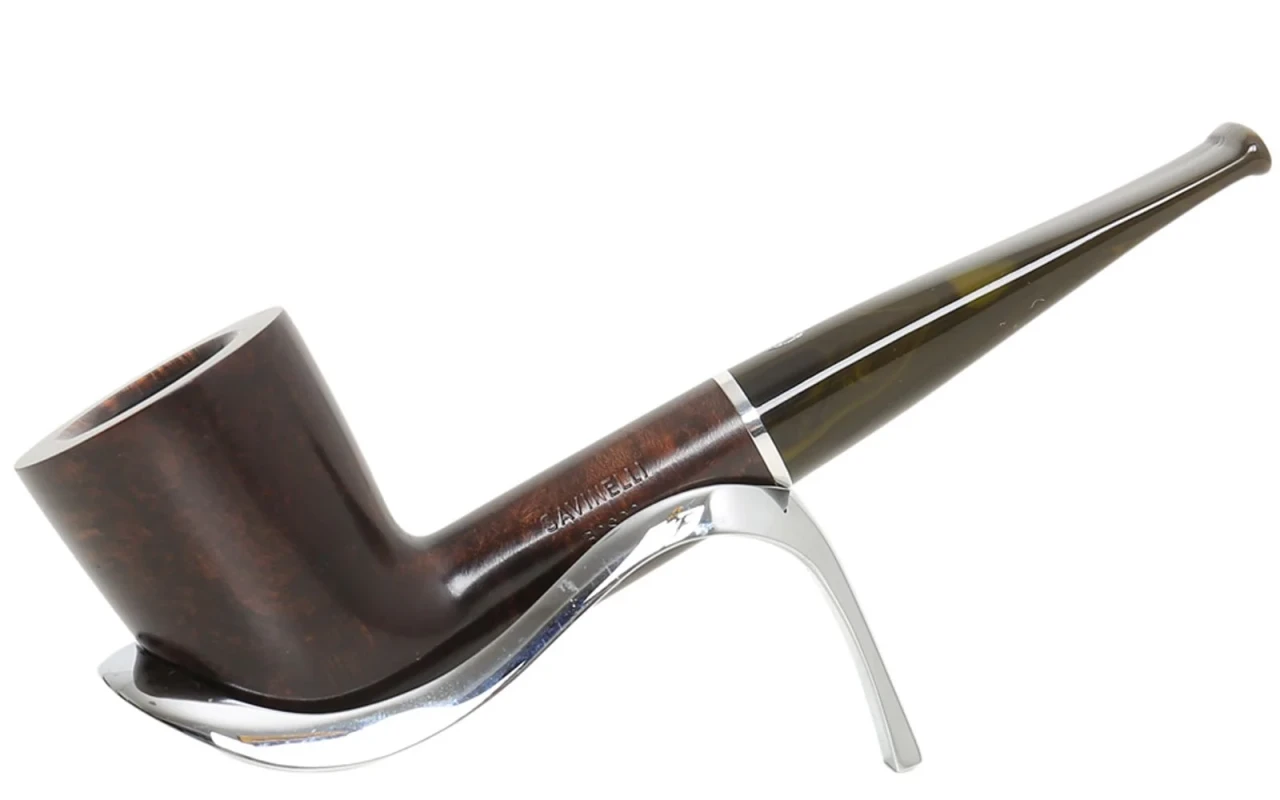
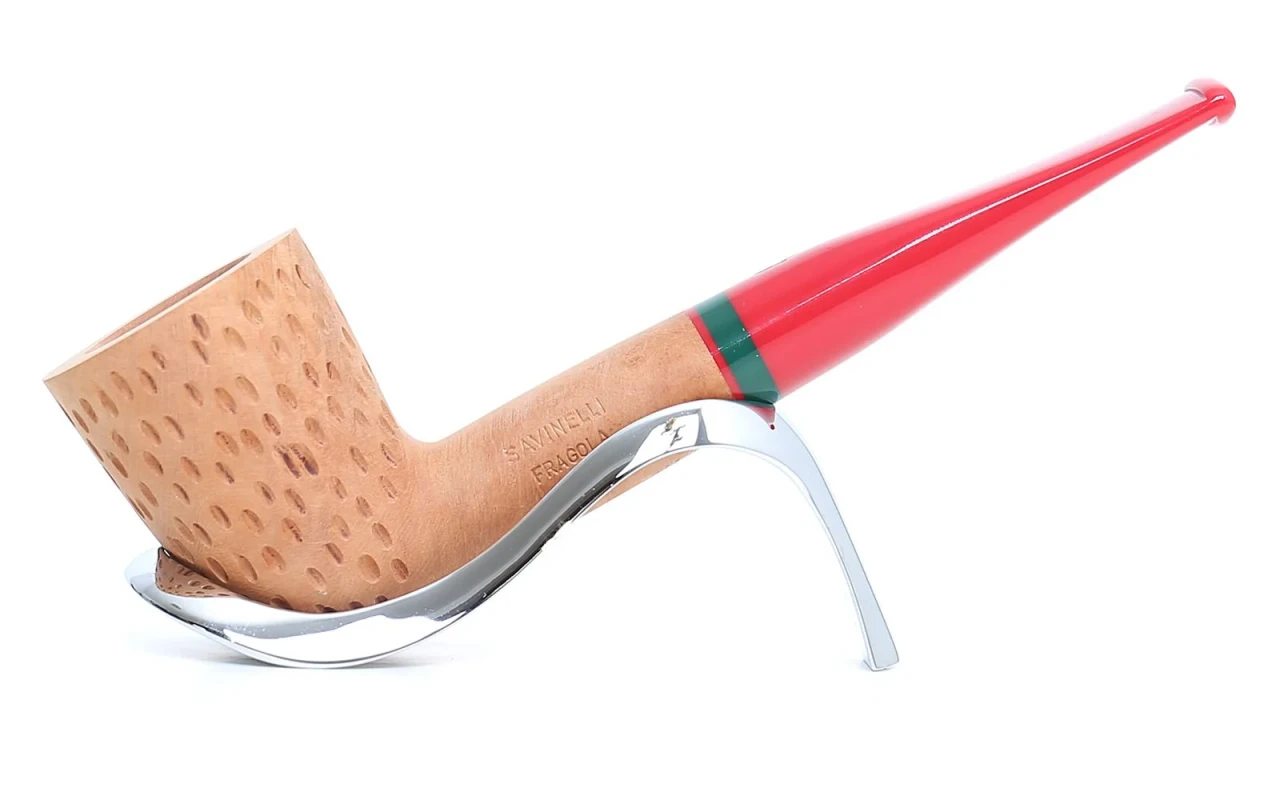
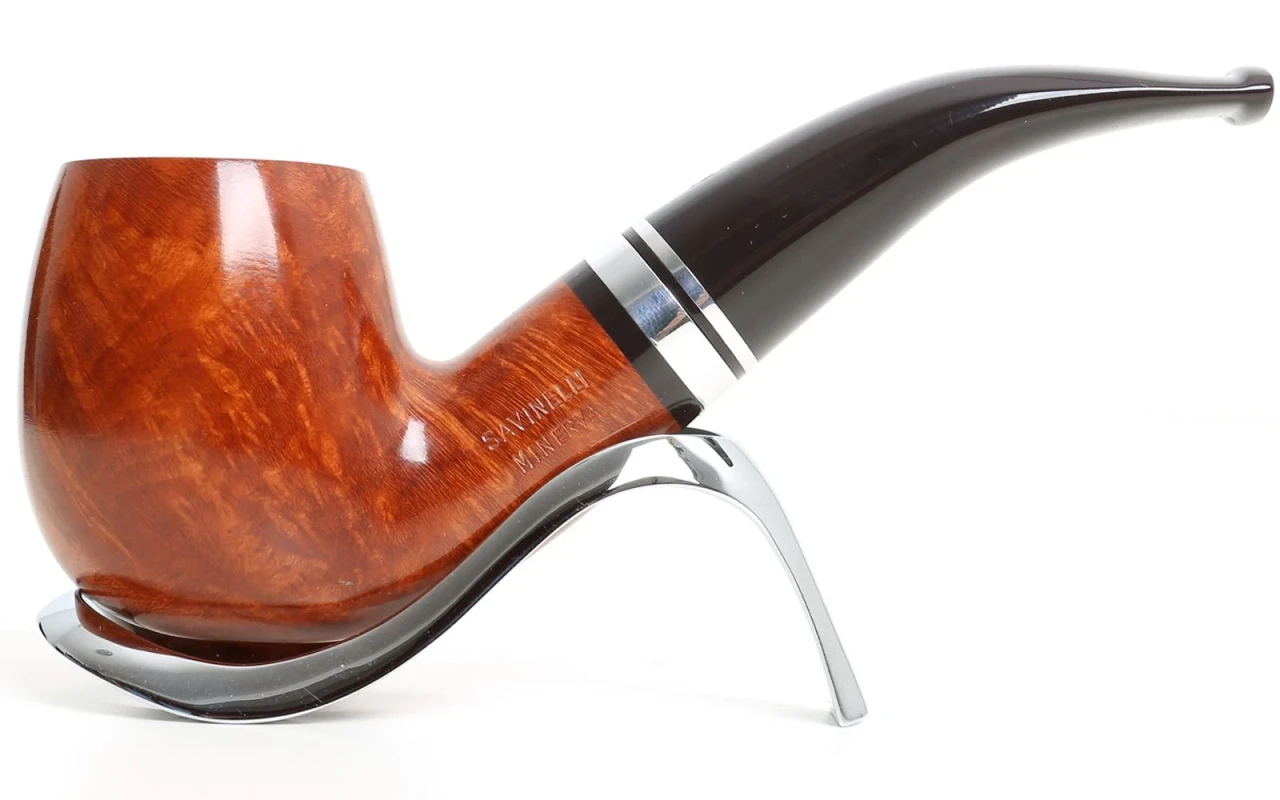
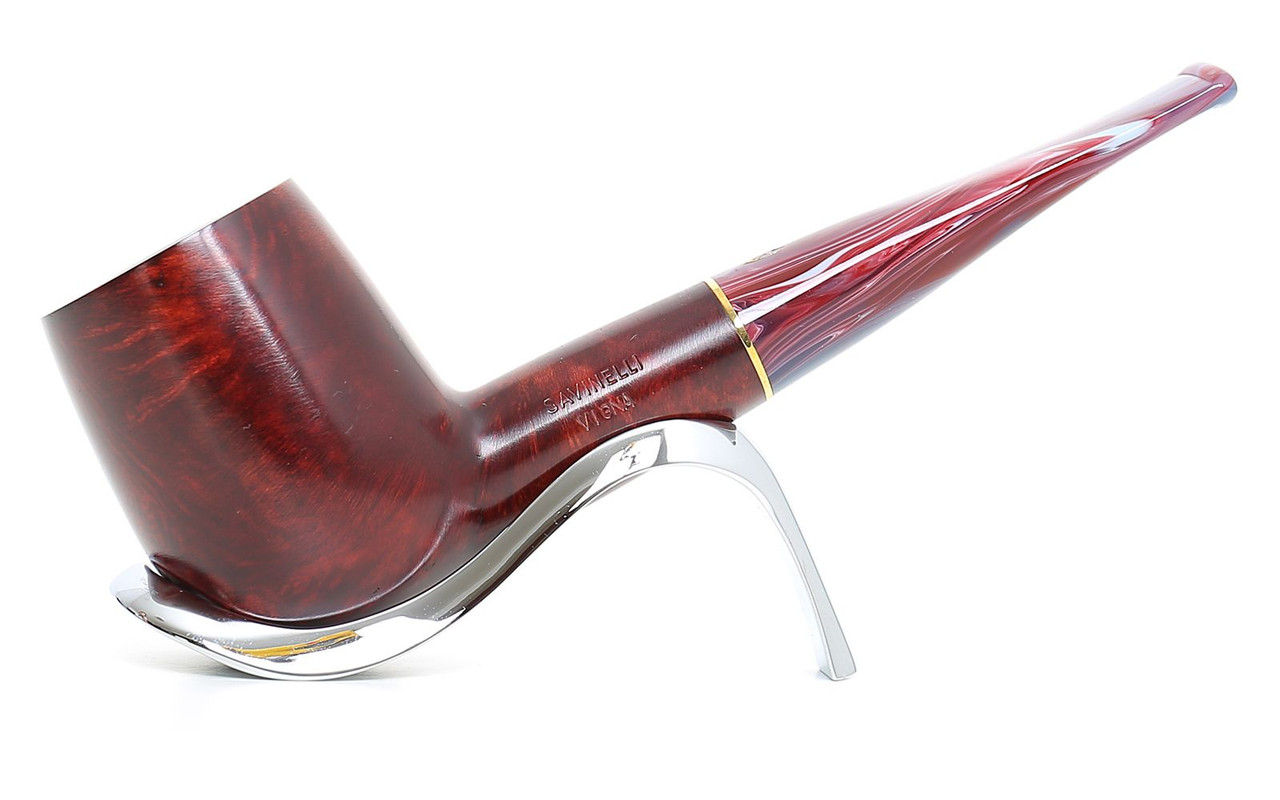
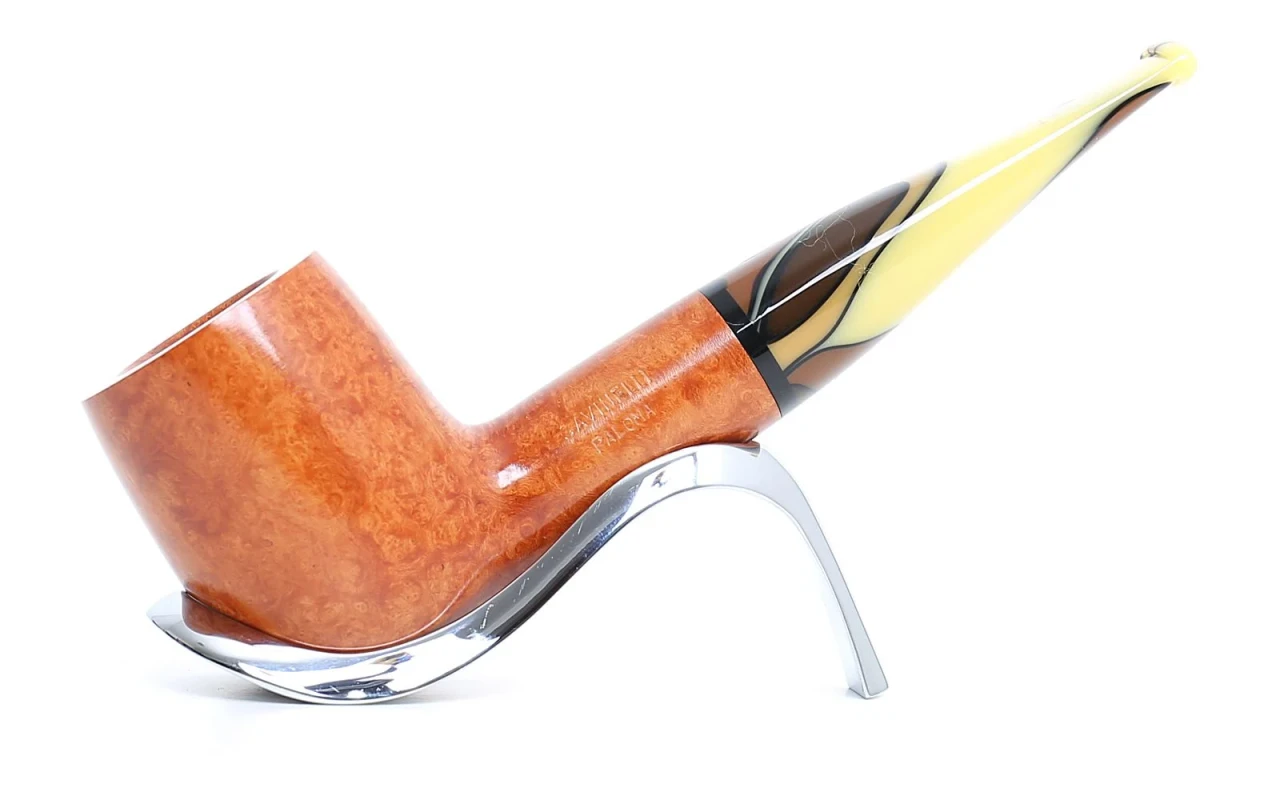
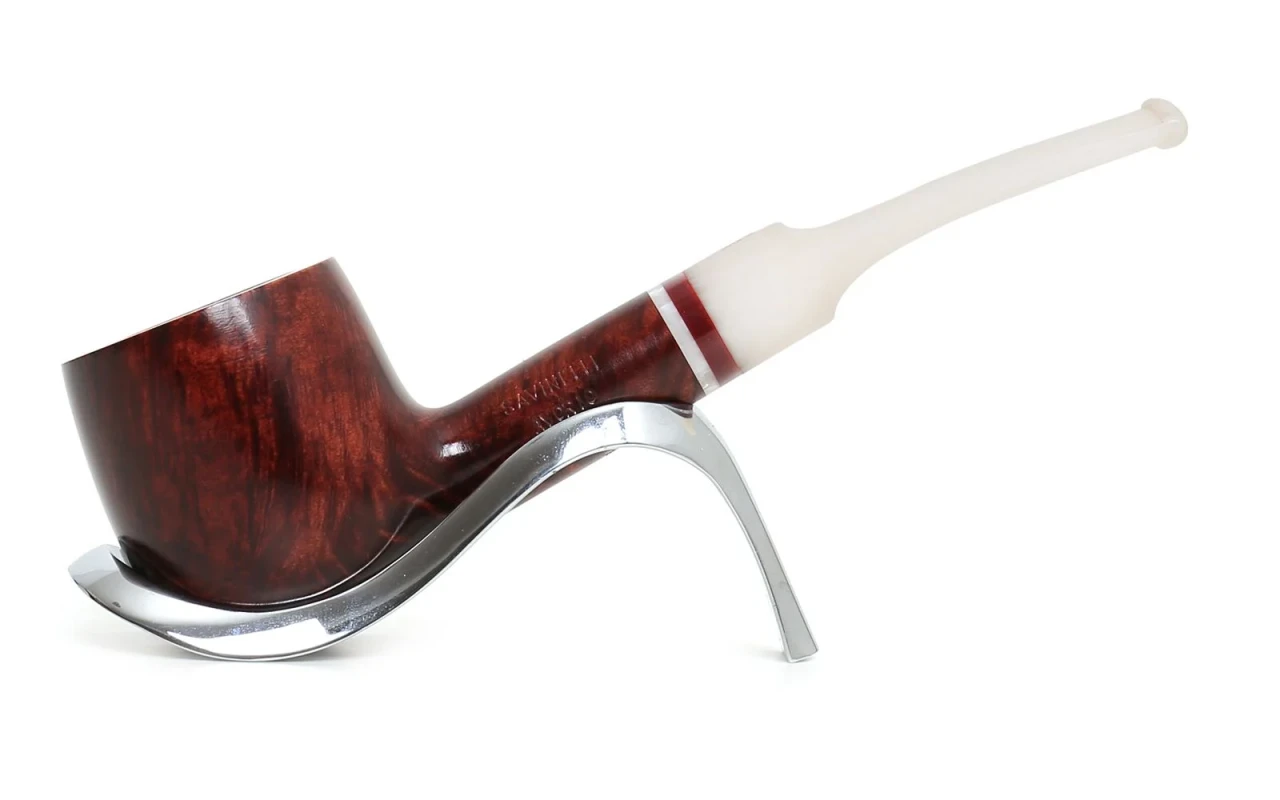
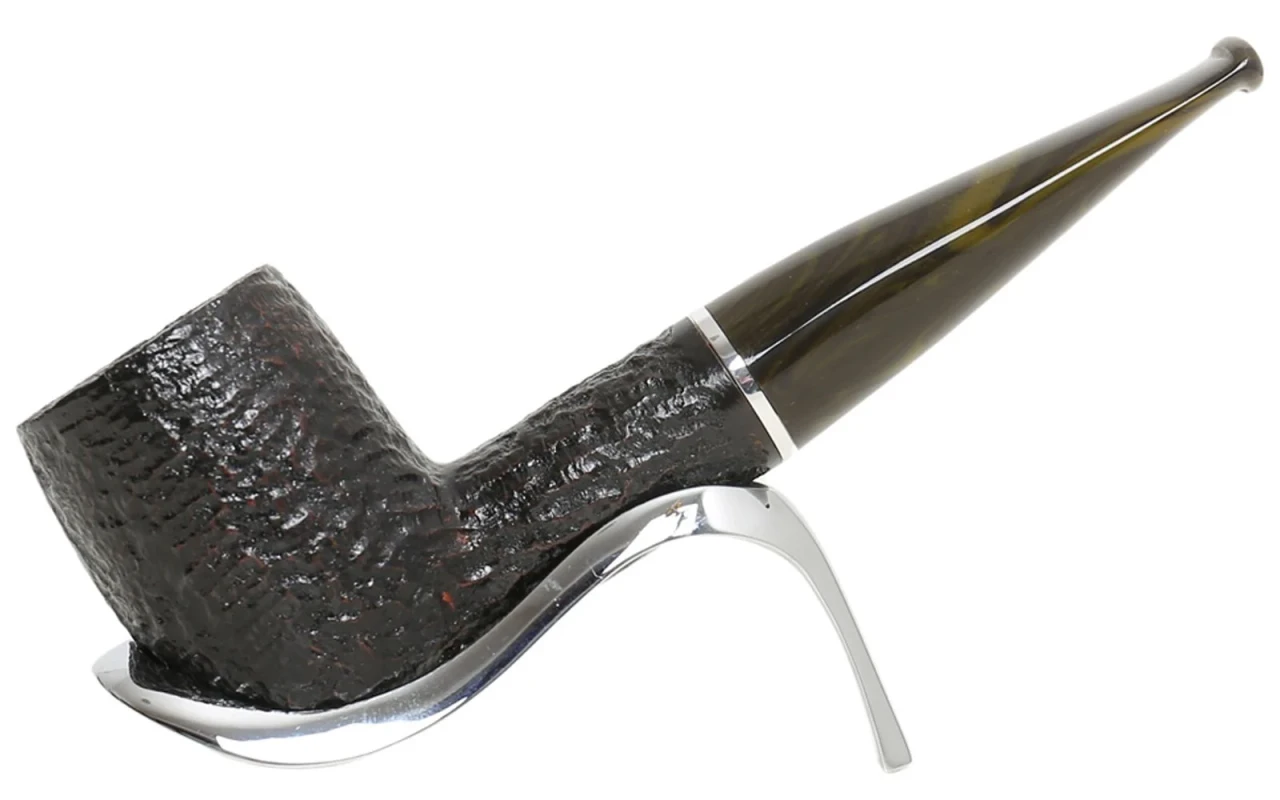
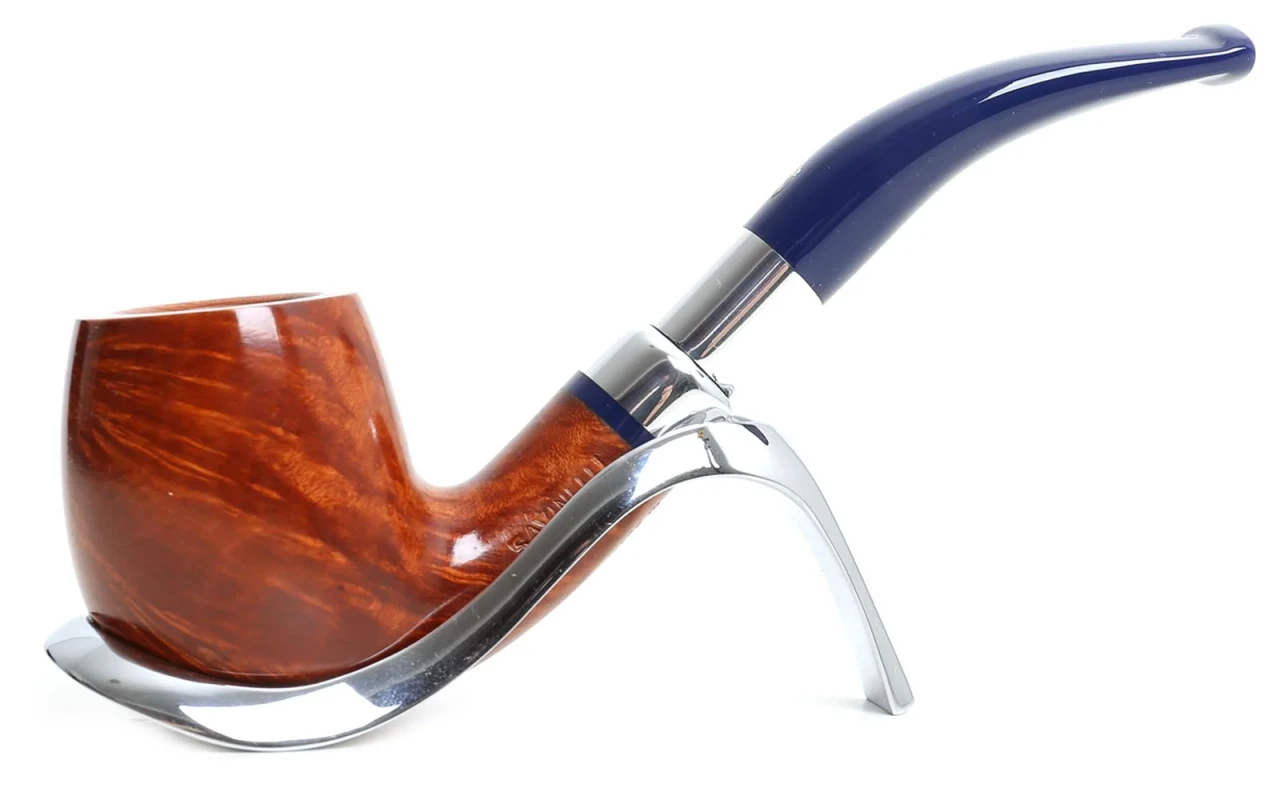
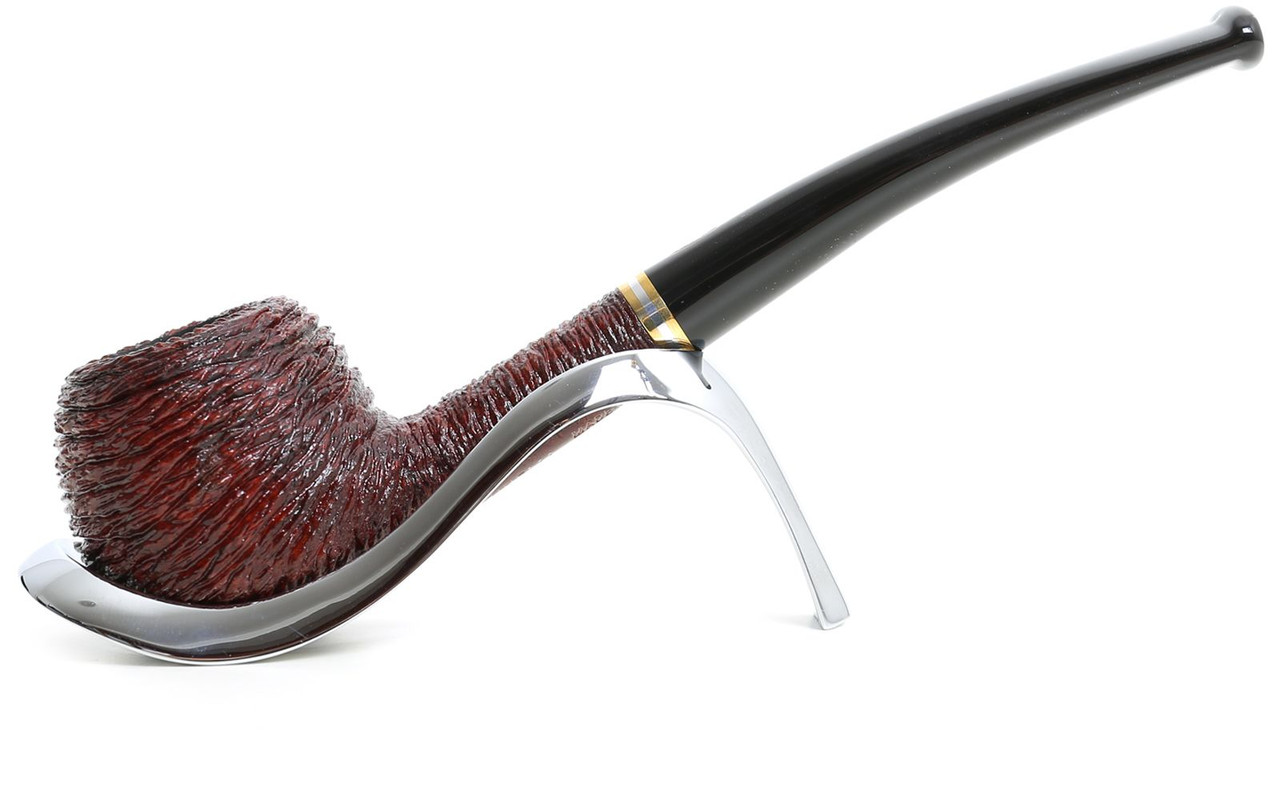
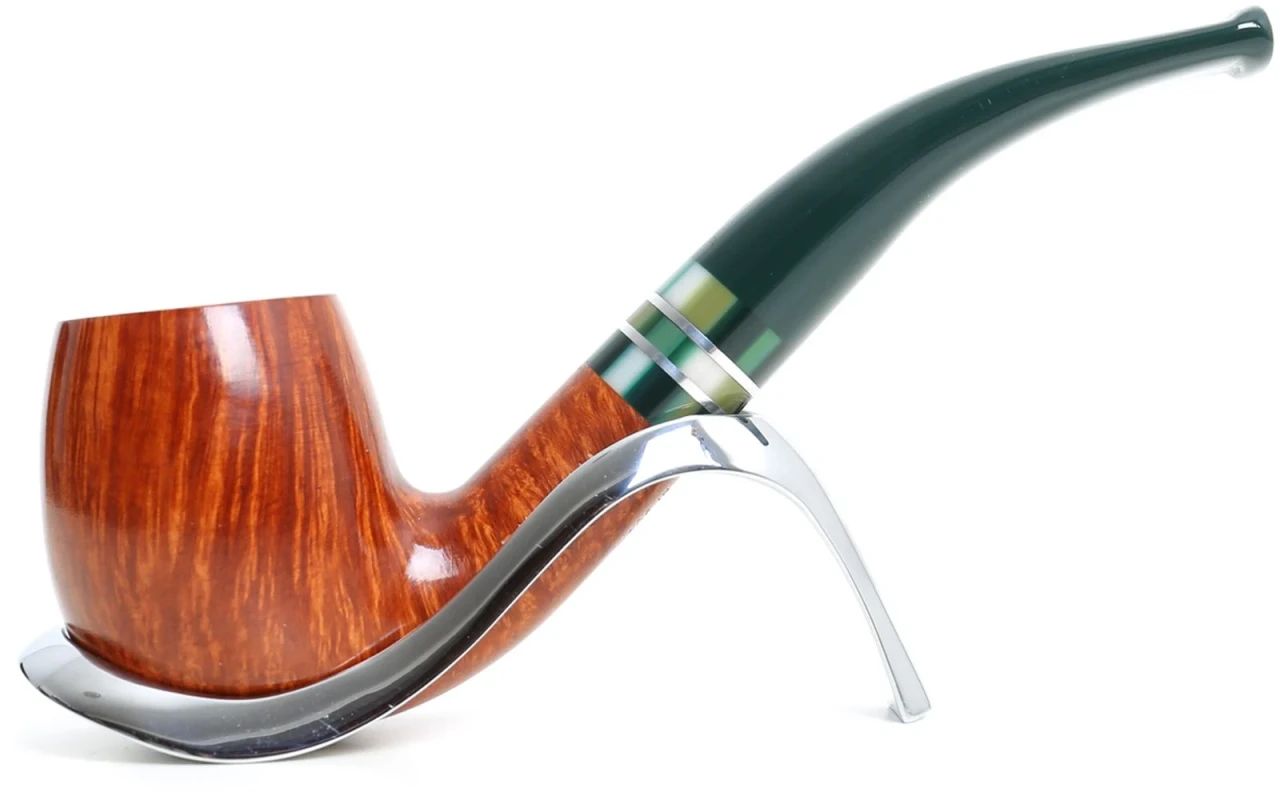
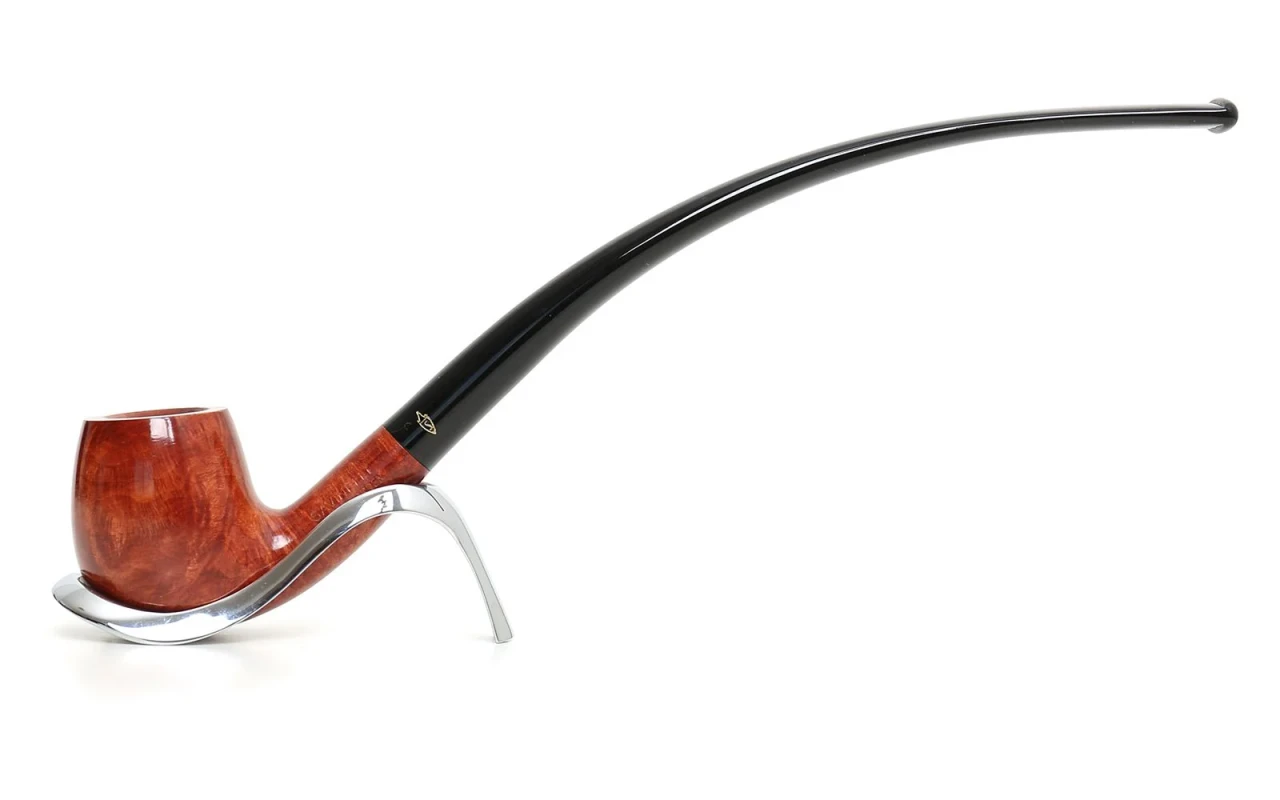
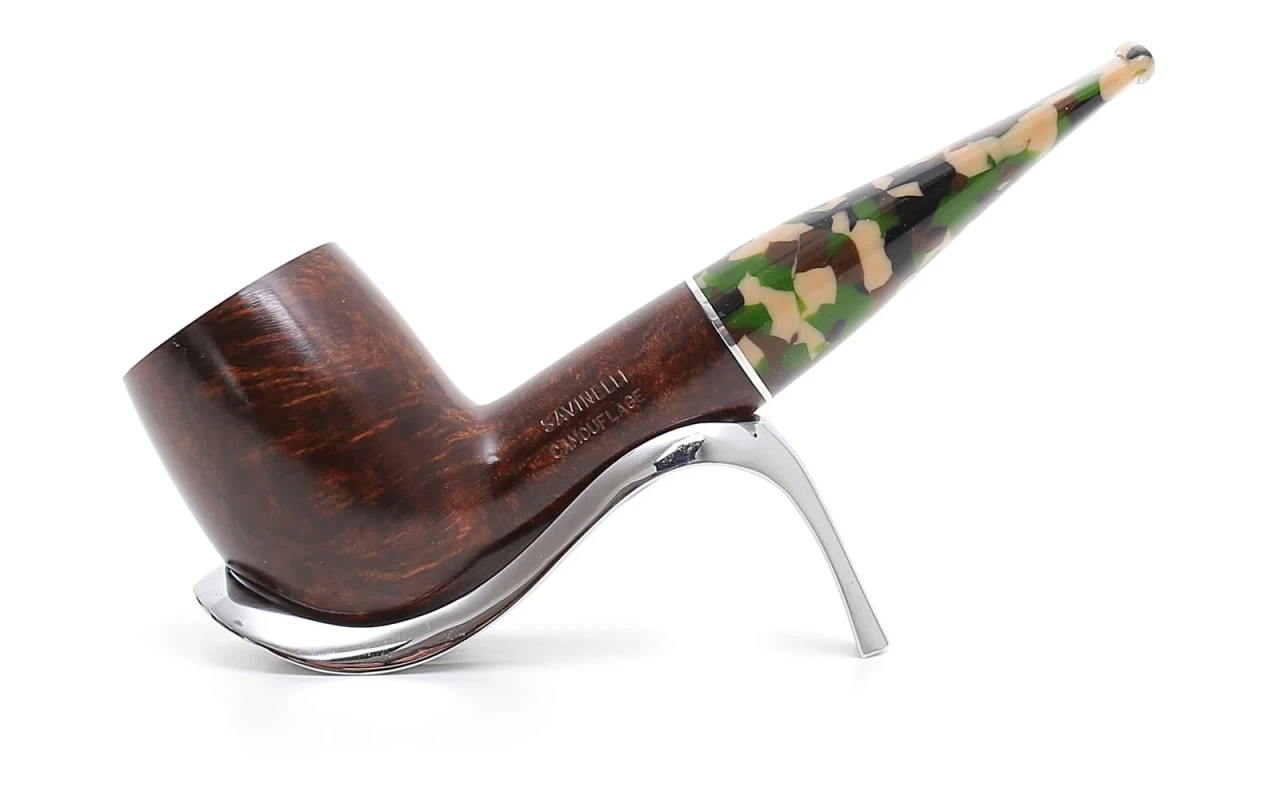
Choice of materials for pipe production
The choice of materials for pipe production is crucial to ensure the quality and performance of the final product. The most common materials used for pipes include:- Briar wood: it is the most precious and widespread material for high-quality pipes, known for its heat and combustion resistance.- Meerschaum: a hard and porous stone, often hand-carved, appreciated for its ability to absorb tobacco oils and liquids.- Clay: a traditional material for pipes, light and porous, ensuring a cool smoke.- Corn cob: used for economical pipes, light and easily replaceable.The correct choice of material influences the characteristics and performance of the pipe during smoking.
Best Woods for Pipes
The best woods for pipes are those capable of offering good heat and flame resistance. The most appreciated materials for making pipes include:- Briar wood: a very resistant and lightweight wood, with a beautiful interweaving of veins.- Walnut burl: known for its durability and ability to absorb moisture.- Oak: provides a consistent flame and long-lasting durability.- Cherry: a lightweight and easy-to-work wood, with a beautiful finish.It is important to choose high-quality wood to ensure a resistant and long-lasting pipe.
Materials for Smoking Pipes
The materials for smoking pipes are crucial for the quality and smoking experience. The most common options include:- **Wood**: including briar, walnut, cherry. It offers good heat conduction and can enhance the tobacco flavor.- **Clay**: a porous material that absorbs moisture, ensuring a cool smoke.- **Corn cob**: inexpensive and lightweight, it provides a sweet and neutral smoke.- **Meerschaum**: a porous stone that absorbs liquids, ensuring a pure flavor.The choice of material depends on personal preferences regarding taste, weight, and maintenance of the smoking pipe.
Materials Quality for Pipes
High-quality pipes are generally made with premium materials such as briar, oak, olive wood, or corn cob. These materials provide strength, durability, and a unique aesthetic to the finished product. Briar, for example, is highly valued for its ability to absorb moisture and ensure a cooler, drier smoke. Similarly, oak and olive wood are renowned for their durability and natural beauty. In general, the choice of materials significantly impacts the quality, performance, and aesthetic appearance of a pipe.
'%3e%3cg id='Final-Copy-2_2_' transform='translate(1275.000000, 200.000000)'%3e%3cpath class='st0' d='M7.4,12.8h6.8l3.1-11.6H7.4C4.2,1.2,1.6,3.8,1.6,7S4.2,12.8,7.4,12.8z'/%3e%3c/g%3e%3c/g%3e%3c/g%3e%3cg id='final---dec.11-2020'%3e%3cg id='_x30_208-our-toggle' transform='translate(-1275.000000, -200.000000)'%3e%3cg id='Final-Copy-2' transform='translate(1275.000000, 200.000000)'%3e%3cpath class='st1' d='M22.6,0H7.4c-3.9,0-7,3.1-7,7s3.1,7,7,7h15.2c3.9,0,7-3.1,7-7S26.4,0,22.6,0z M1.6,7c0-3.2,2.6-5.8,5.8-5.8 h9.9l-3.1,11.6H7.4C4.2,12.8,1.6,10.2,1.6,7z'/%3e%3cpath id='x' class='st2' d='M24.6,4c0.2,0.2,0.2,0.6,0,0.8l0,0L22.5,7l2.2,2.2c0.2,0.2,0.2,0.6,0,0.8c-0.2,0.2-0.6,0.2-0.8,0 l0,0l-2.2-2.2L19.5,10c-0.2,0.2-0.6,0.2-0.8,0c-0.2-0.2-0.2-0.6,0-0.8l0,0L20.8,7l-2.2-2.2c-0.2-0.2-0.2-0.6,0-0.8 c0.2-0.2,0.6-0.2,0.8,0l0,0l2.2,2.2L23.8,4C24,3.8,24.4,3.8,24.6,4z'/%3e%3cpath id='y' class='st3' d='M12.7,4.1c0.2,0.2,0.3,0.6,0.1,0.8l0,0L8.6,9.8C8.5,9.9,8.4,10,8.3,10c-0.2,0.1-0.5,0.1-0.7-0.1l0,0 L5.4,7.7c-0.2-0.2-0.2-0.6,0-0.8c0.2-0.2,0.6-0.2,0.8,0l0,0L8,8.6l3.8-4.5C12,3.9,12.4,3.9,12.7,4.1z'/%3e%3c/g%3e%3c/g%3e%3c/g%3e%3c/g%3e%3c/svg%3e) Your Privacy Choices
Your Privacy Choices 


