 ES
ES FR
FR EN
EN IT
IT DE
DE
Ancient and Fascinating History of Pipes
Ancient and Fascinating History of Pipes
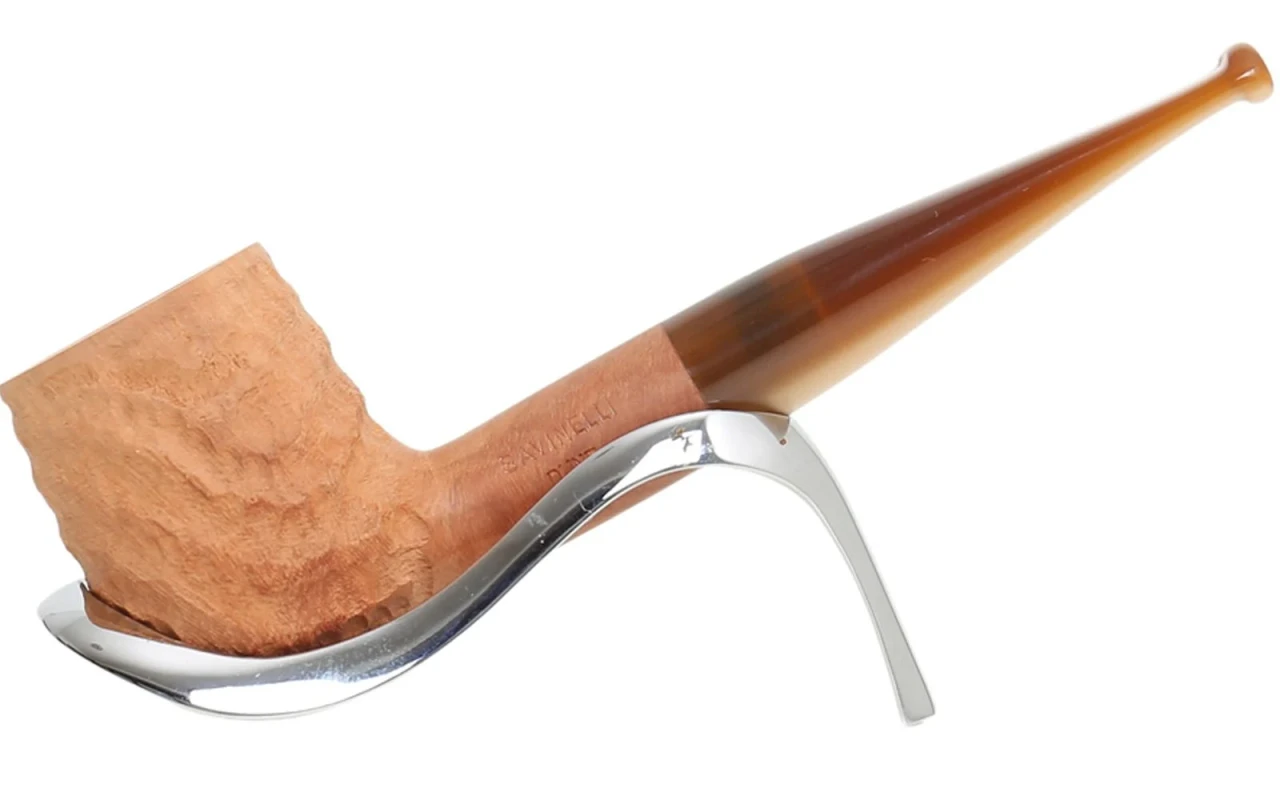
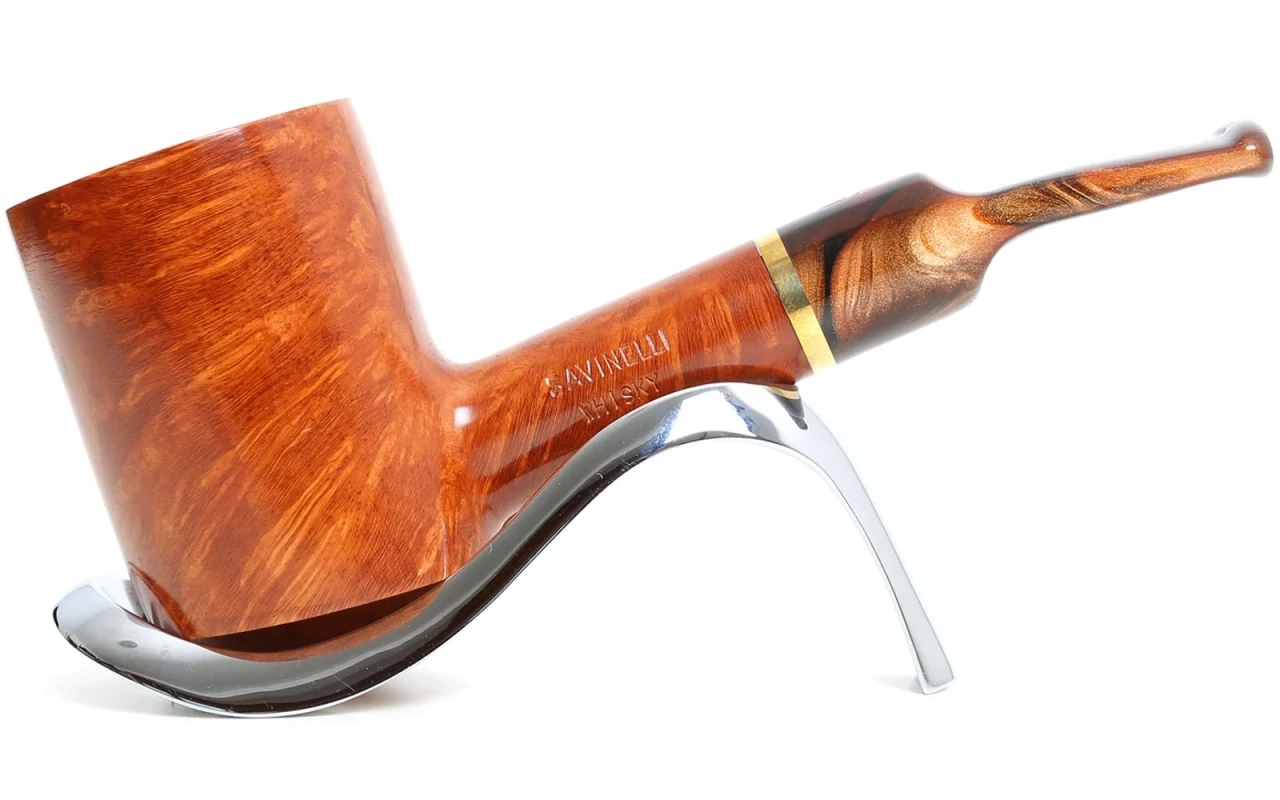
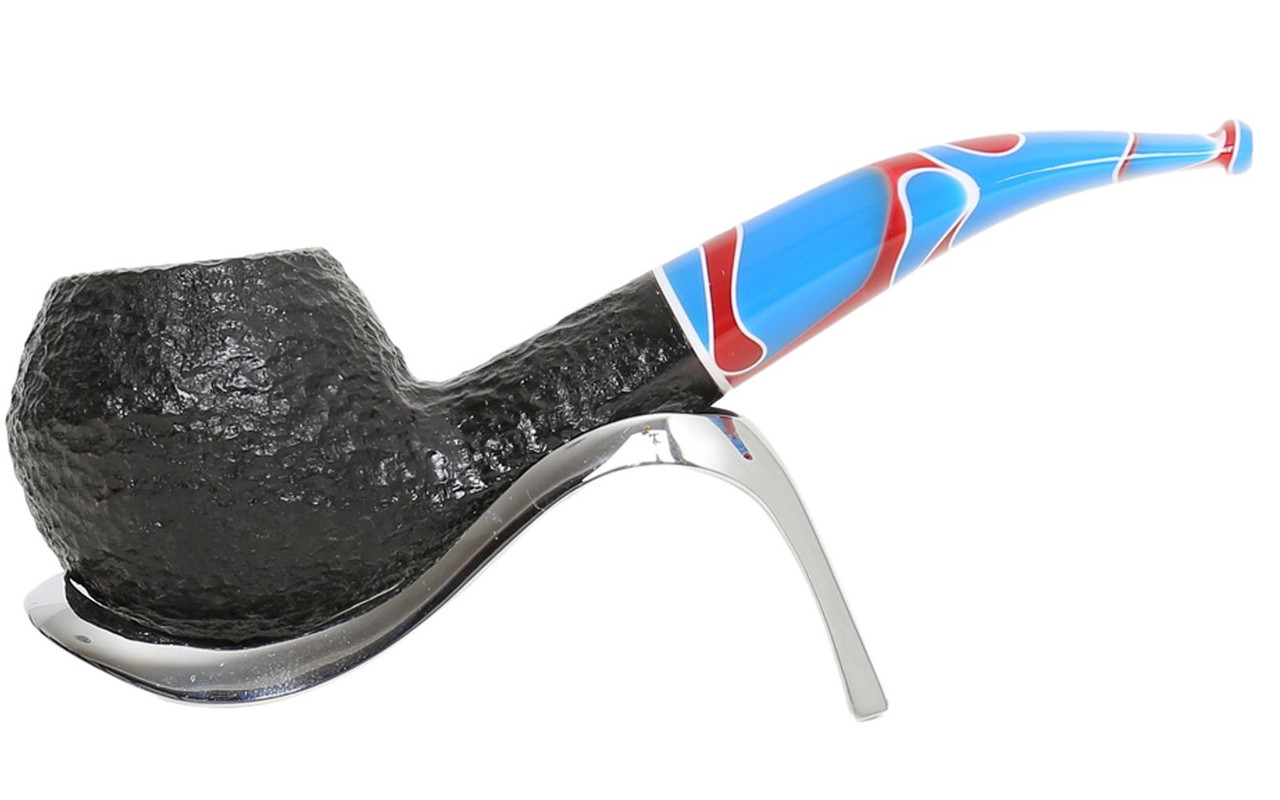
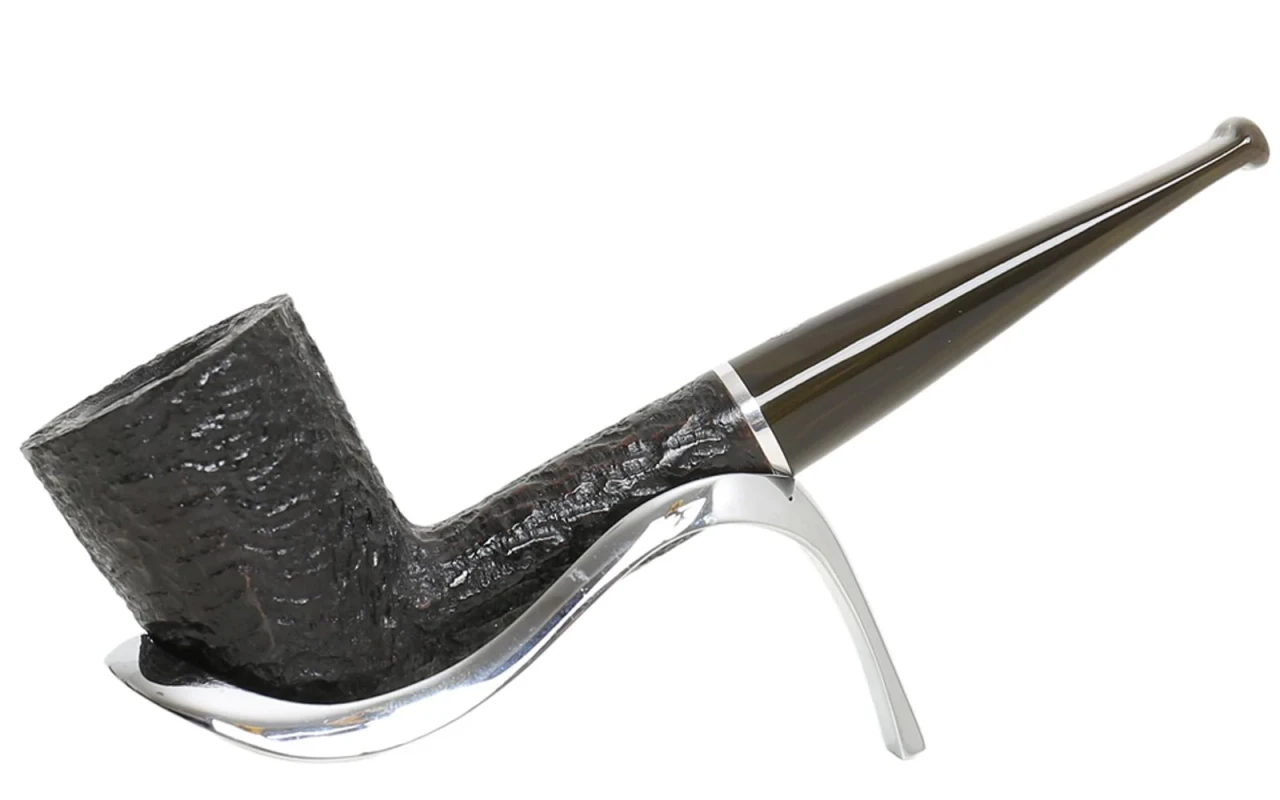
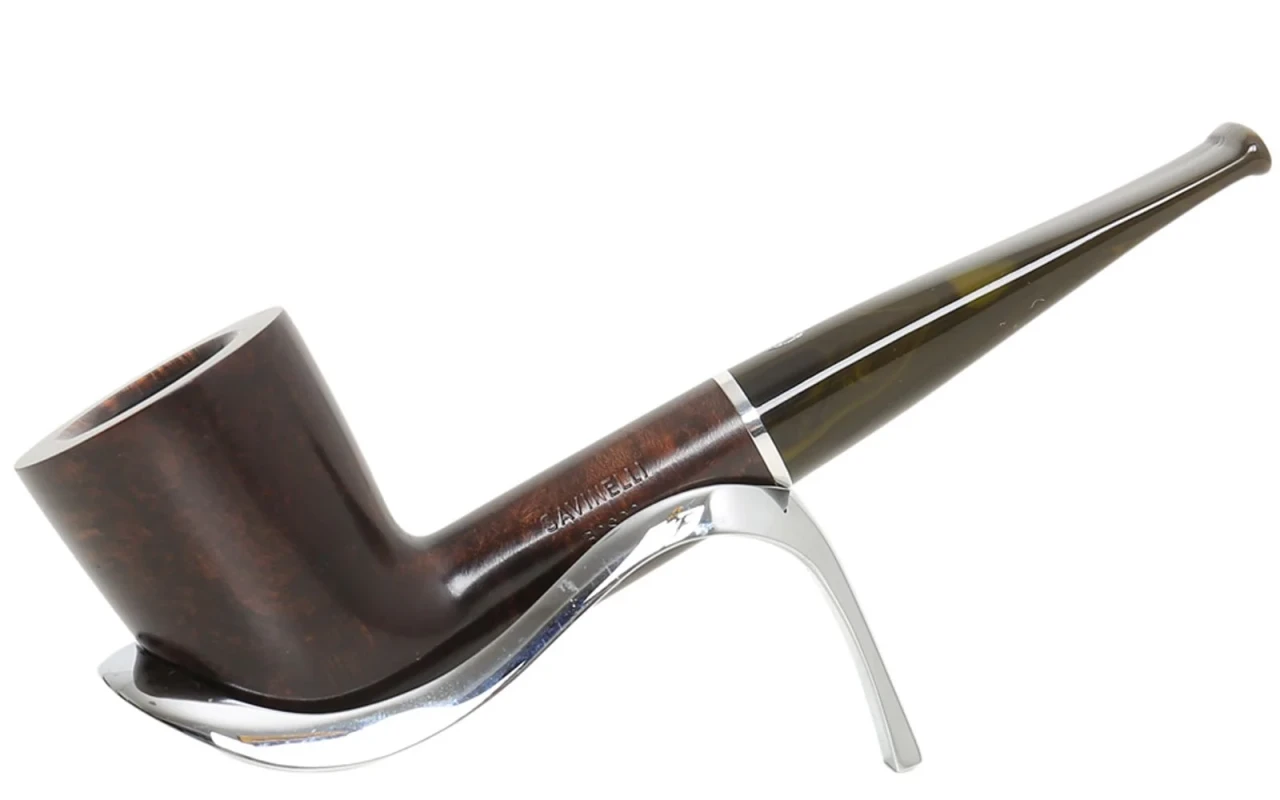
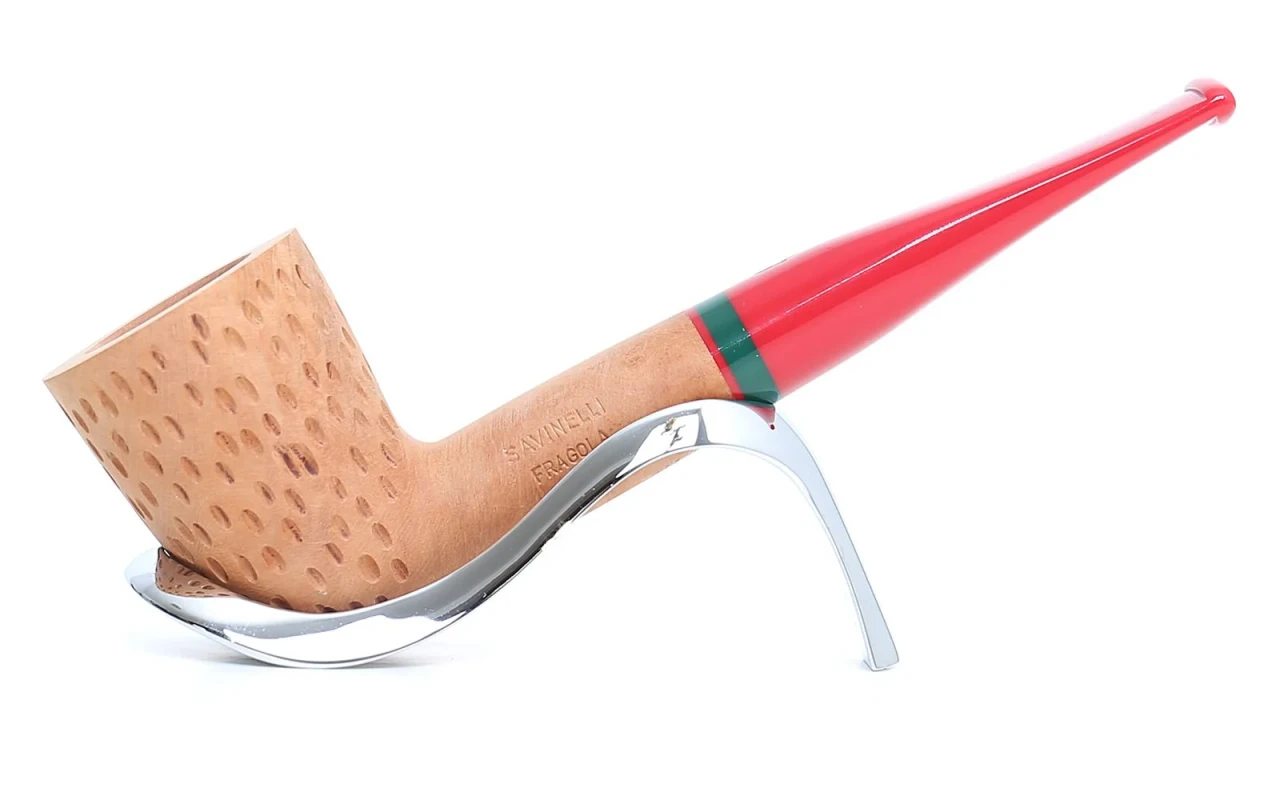
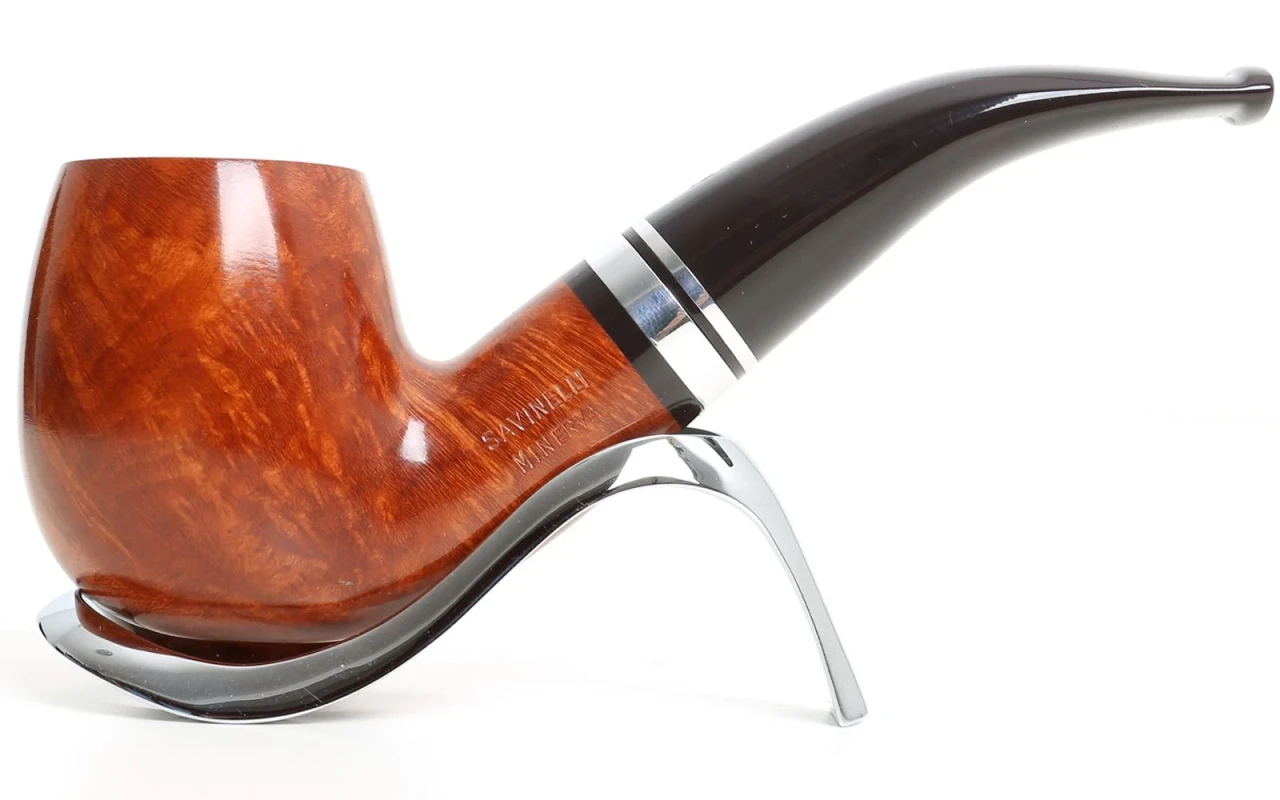
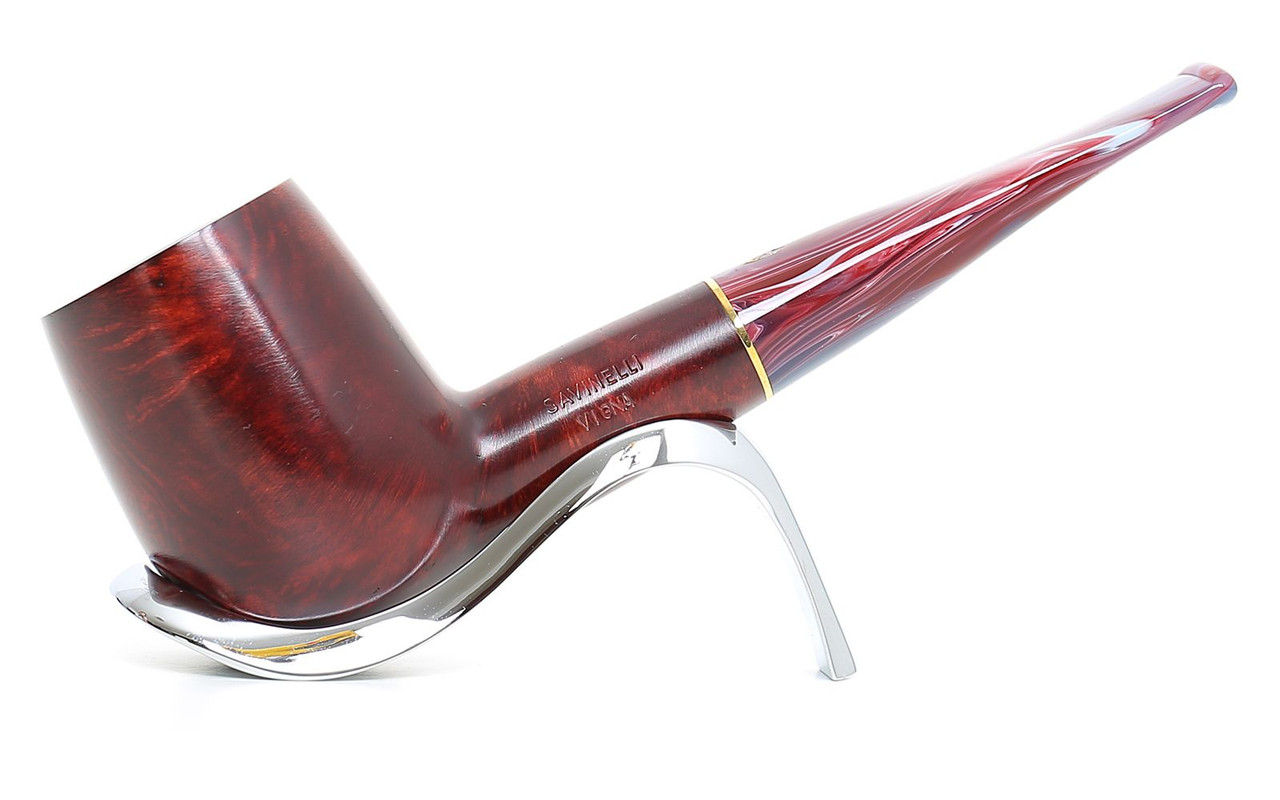
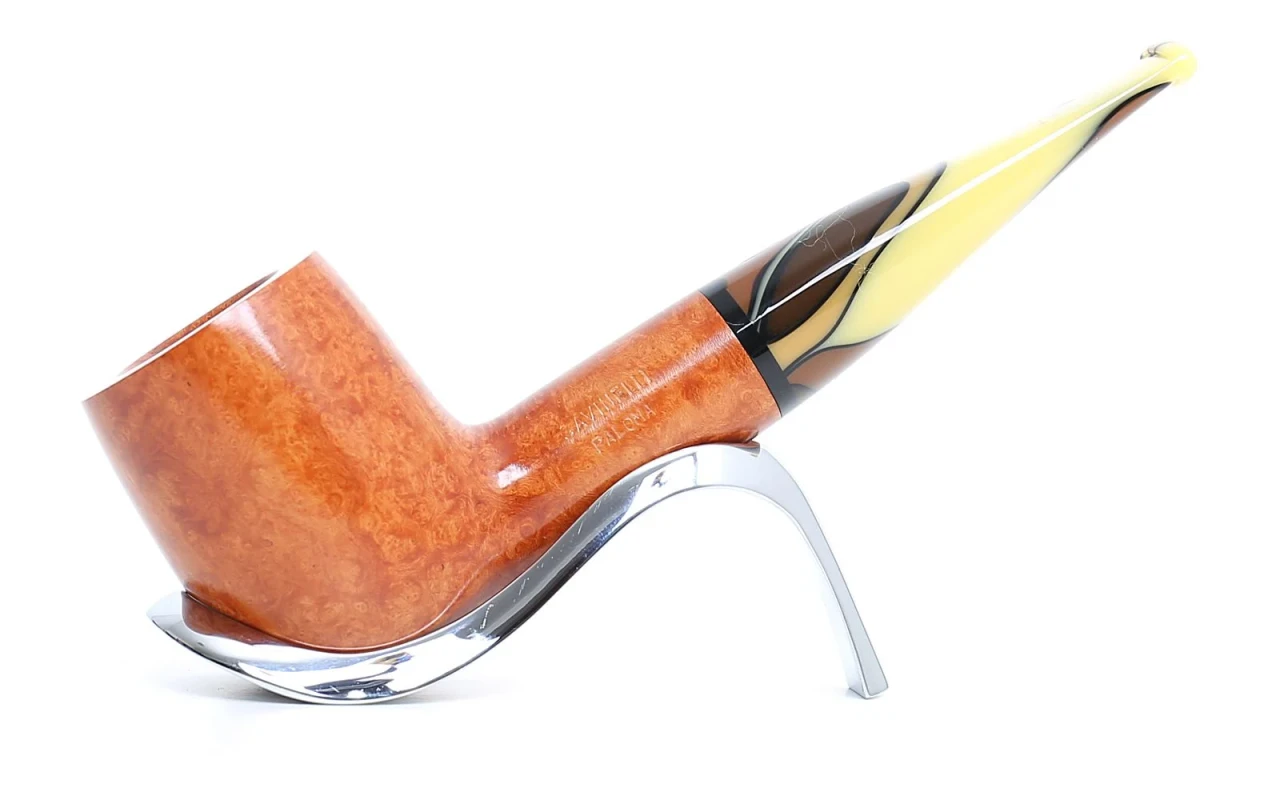
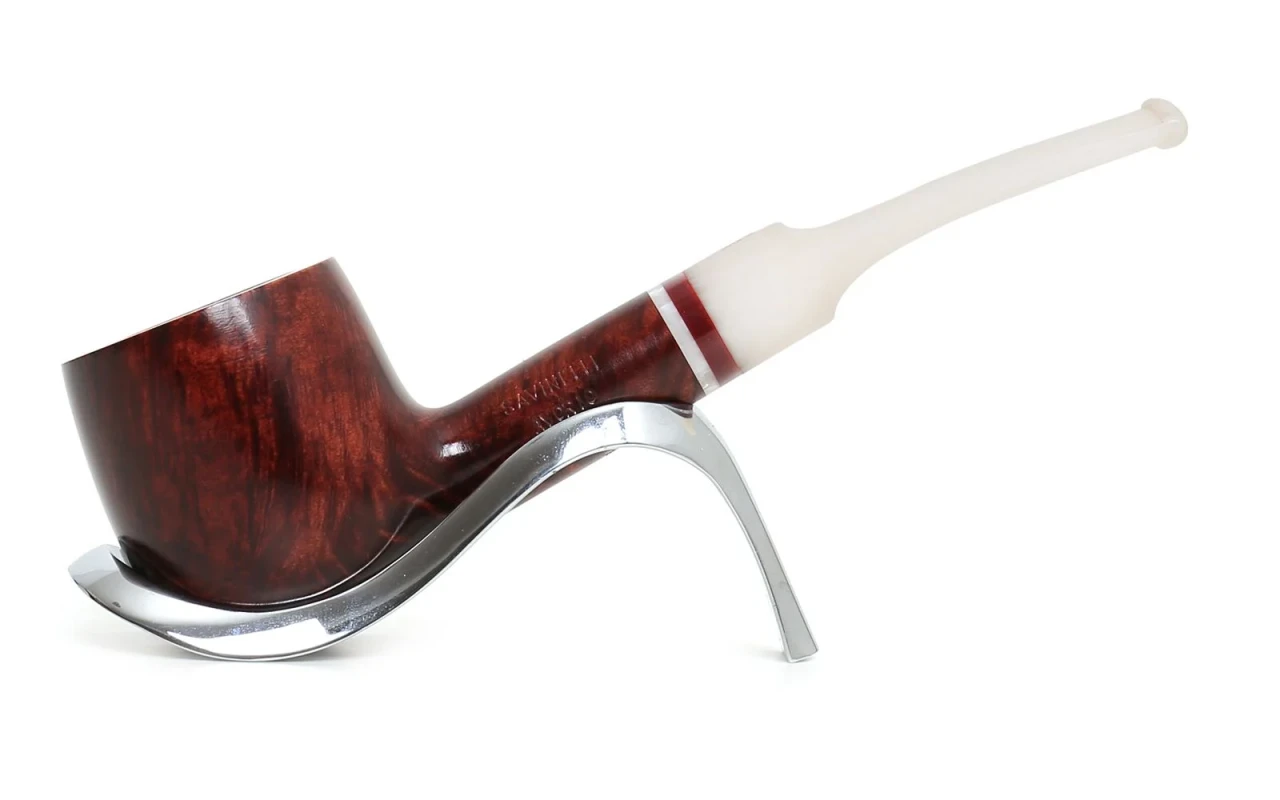
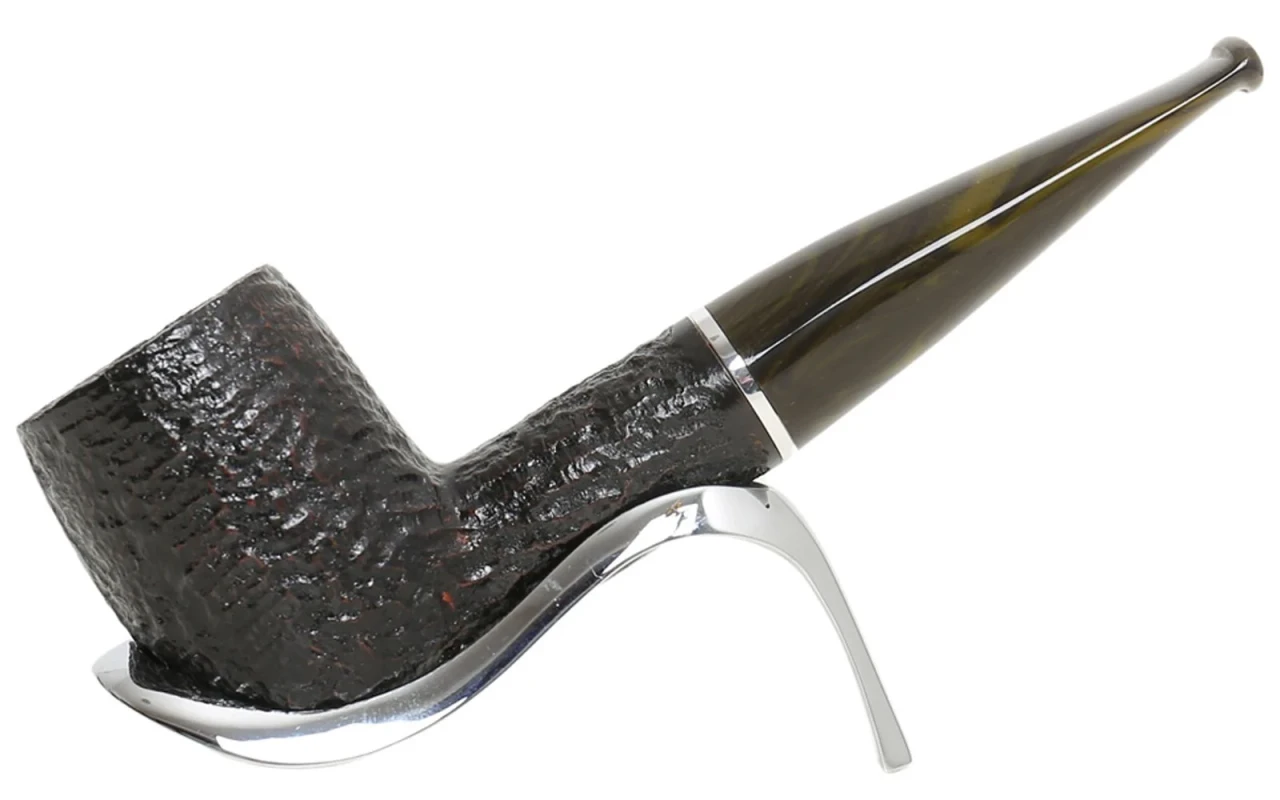
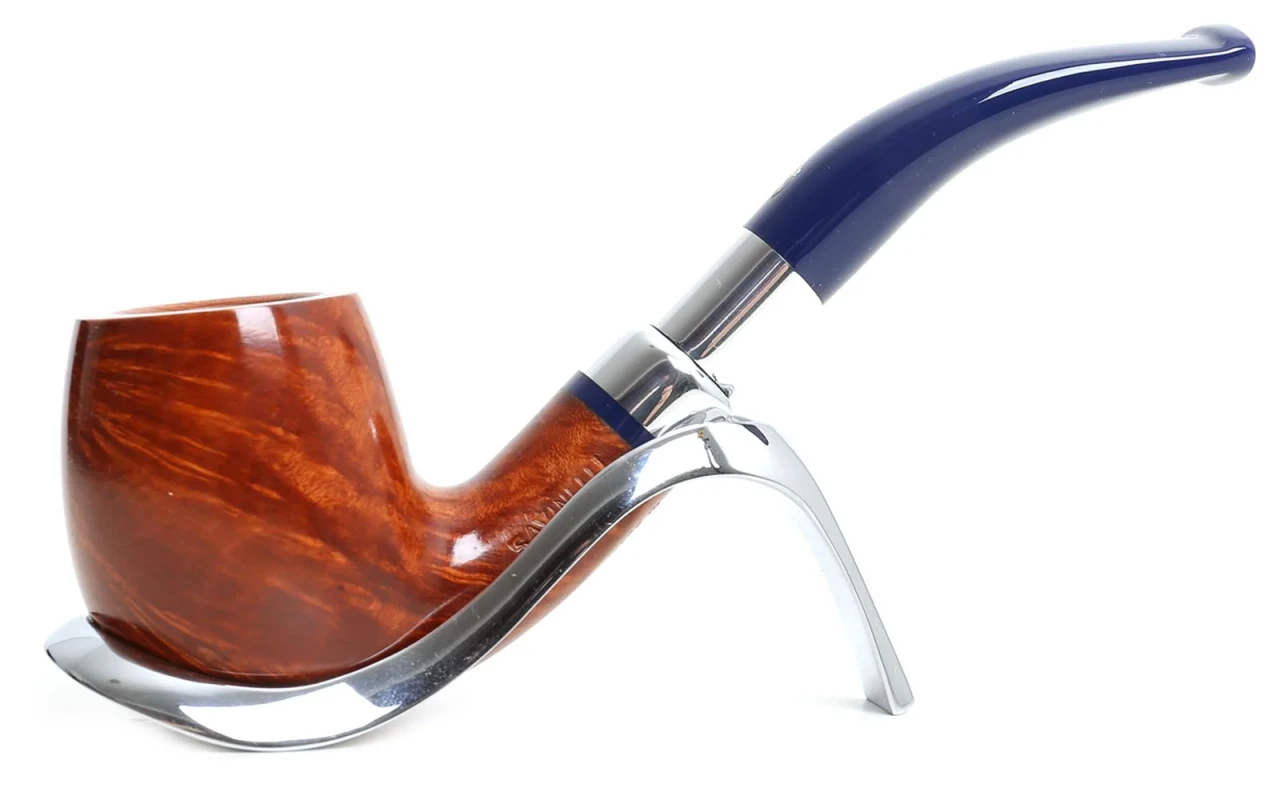
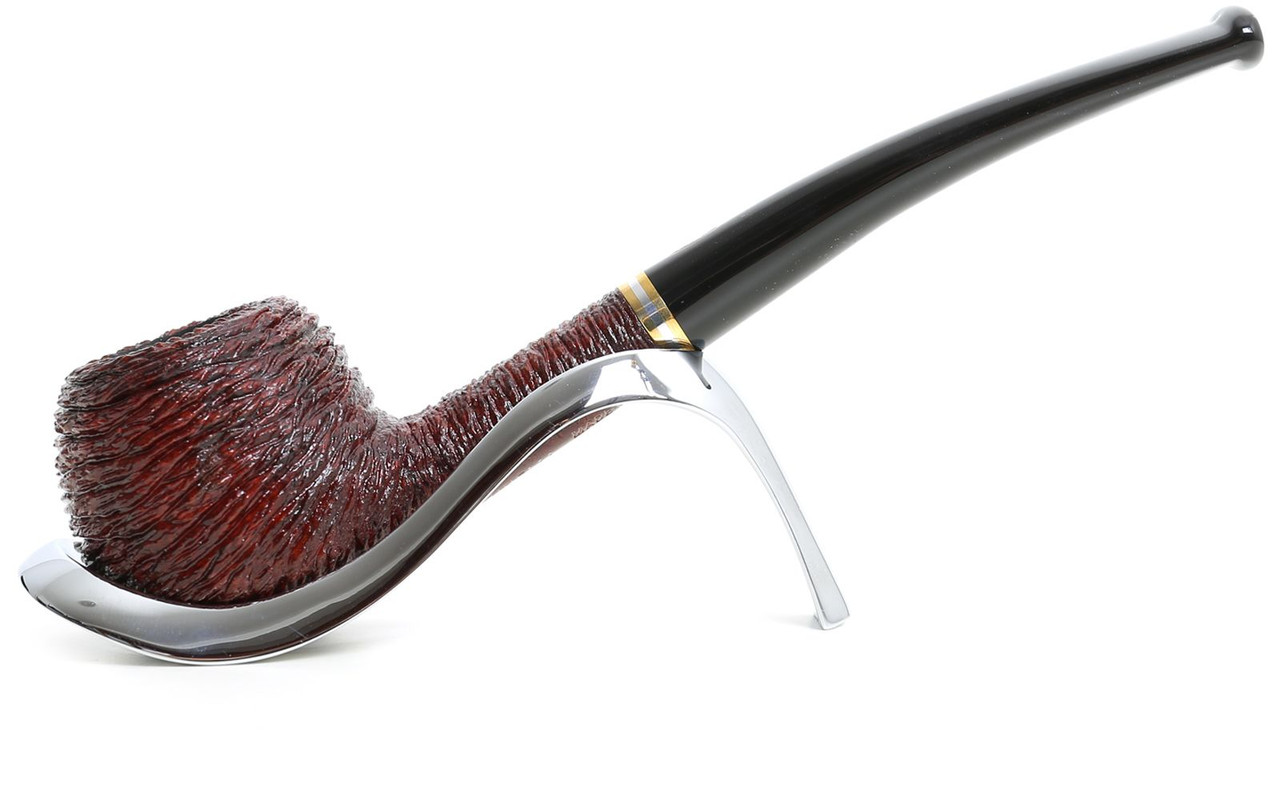
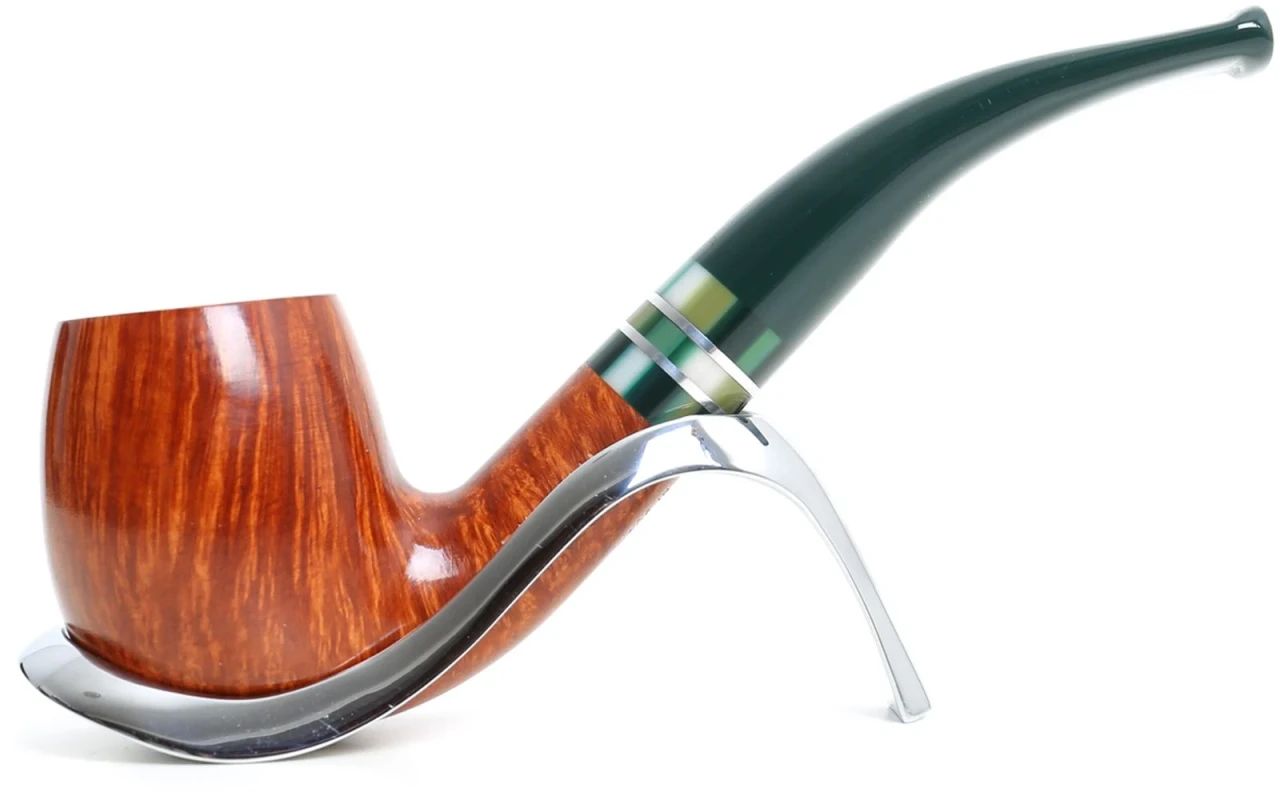
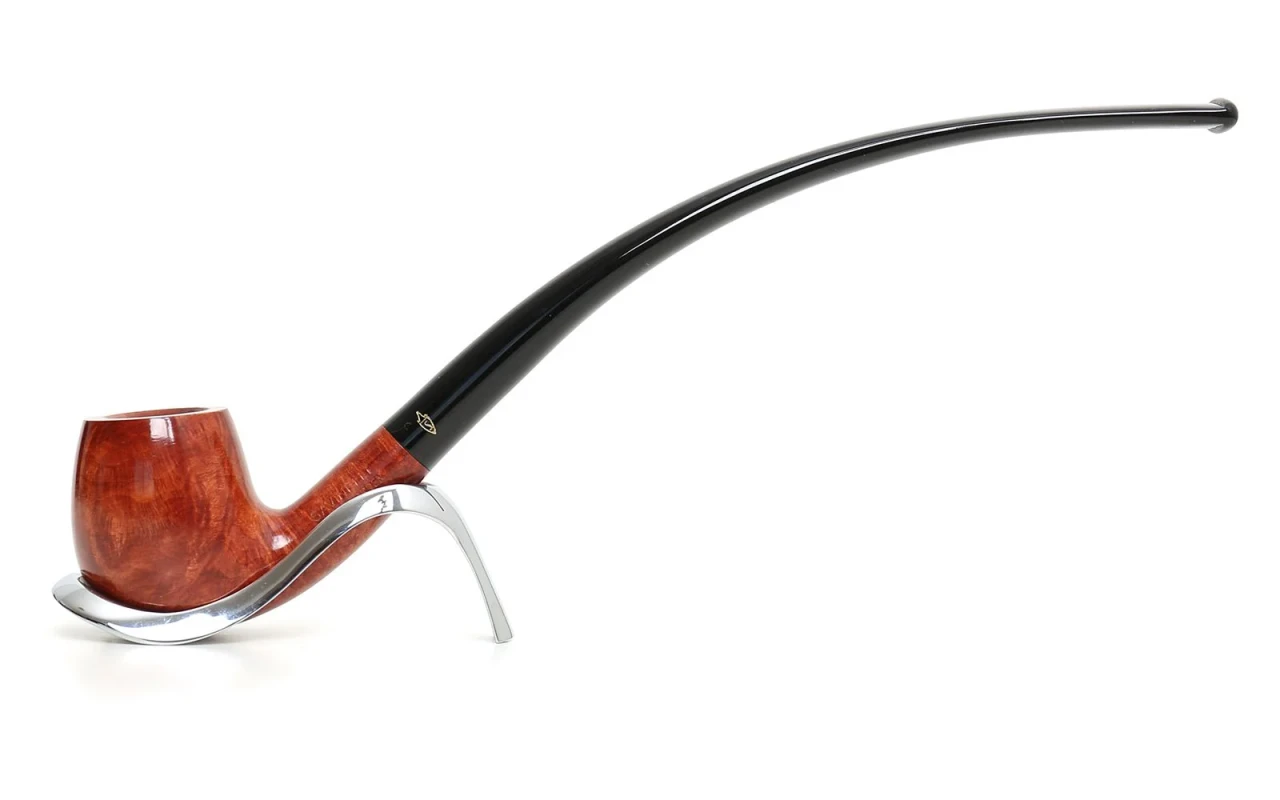
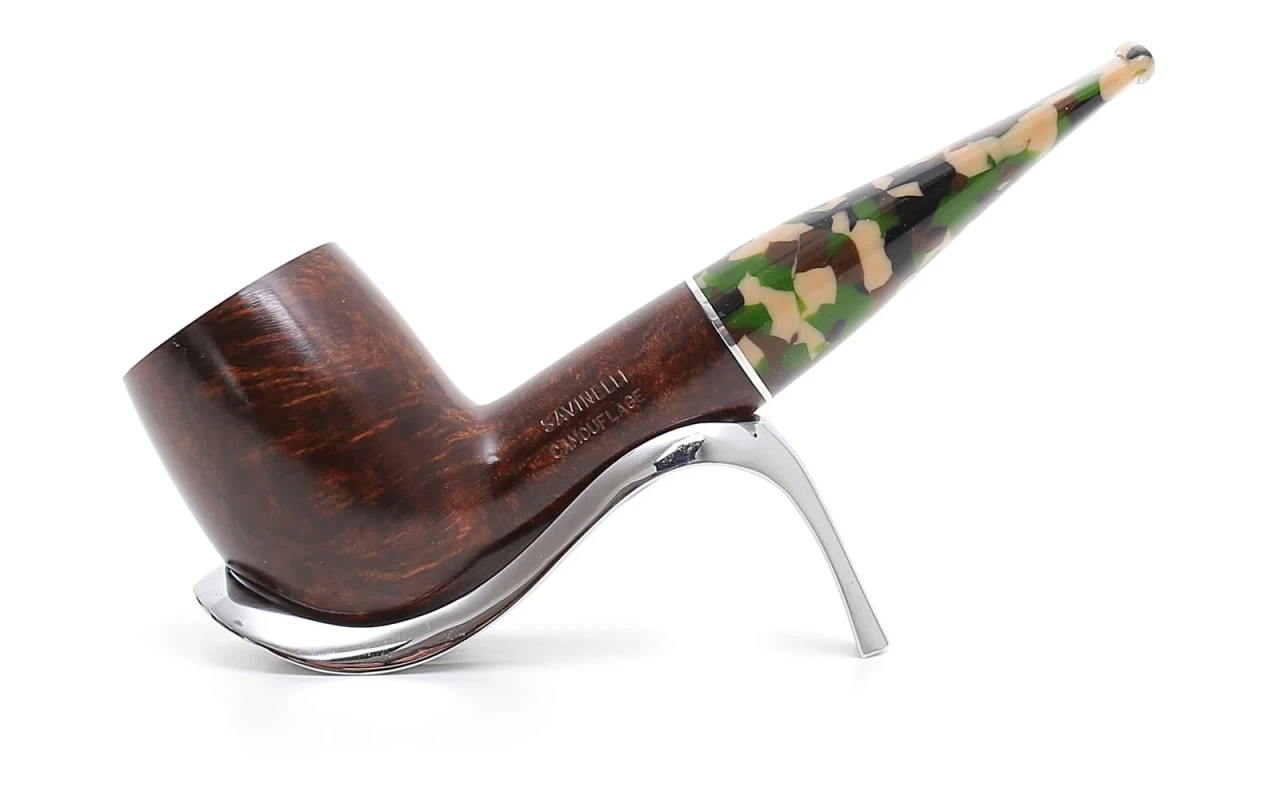
Pipes have an ancient and fascinating history that dates back to millennia-old cultures. Used for smoking tobacco or herbs, pipes have been present in various ancient civilizations as symbols of ritual and sociability. The earliest traces of pipes date back thousands of years, with examples found in locations such as pre-Columbian America, ancient Egypt, and imperial China. Over the centuries, pipes have taken on different shapes and materials, evolving into true works of art. Today, the passion for pipes continues to inspire enthusiasts and collectors worldwide.
Traditional materials for pipes
Traditional materials for pipes include wood, briar, corn cob, and clay. Wood is one of the most common materials, valued for its ability to absorb moisture and enhance the flavor of tobacco. Briar pipes are renowned for their durability and smoke absorption properties, while corn cob pipes are lightweight and cost-effective. Clay pipes are appreciated for their ability to cool the smoke and ensure a smoother smoking experience. These materials provide a variety of options for traditional pipe enthusiasts.
Pipe manufacturing techniques
Pipes are crafted using various artisanal techniques that require skill and precision. The main pipe manufacturing techniques include:- Carving: raw wood is shaped and sculpted to create the desired pipe shape.- Sanding: the pipe's surface is sanded to make it smooth and uniform.- Drilling: the tobacco chamber is created inside the pipe to allow the passage of smoke.- Finishing: the pipe is treated with oils or waxes to protect the wood and enhance its appearance.- Polishing: the surface is polished to make it shiny and resistant to use. These artisanal techniques help create high-quality pipes with a unique design.
Pipe care and maintenance
Proper care and maintenance of pipes are essential to ensure a long lifespan and optimal performance during use. Here are some practical tips:- After each use, gently clean the pipe with a pipe cleaner or cloth to remove tobacco residues and moisture.- Once a week, clean the pipe more thoroughly with a specific pipe cleaner or denatured alcohol.- Avoid overheating the pipe during smoking to prevent damage to the wood.- Periodically check the condition of the filter and replace it if necessary.- Store the pipe in a dry and well-ventilated environment to prevent mold formation.By following these simple practices, you can enjoy your favorite pipe for a long time.
'%3e%3cg id='Final-Copy-2_2_' transform='translate(1275.000000, 200.000000)'%3e%3cpath class='st0' d='M7.4,12.8h6.8l3.1-11.6H7.4C4.2,1.2,1.6,3.8,1.6,7S4.2,12.8,7.4,12.8z'/%3e%3c/g%3e%3c/g%3e%3c/g%3e%3cg id='final---dec.11-2020'%3e%3cg id='_x30_208-our-toggle' transform='translate(-1275.000000, -200.000000)'%3e%3cg id='Final-Copy-2' transform='translate(1275.000000, 200.000000)'%3e%3cpath class='st1' d='M22.6,0H7.4c-3.9,0-7,3.1-7,7s3.1,7,7,7h15.2c3.9,0,7-3.1,7-7S26.4,0,22.6,0z M1.6,7c0-3.2,2.6-5.8,5.8-5.8 h9.9l-3.1,11.6H7.4C4.2,12.8,1.6,10.2,1.6,7z'/%3e%3cpath id='x' class='st2' d='M24.6,4c0.2,0.2,0.2,0.6,0,0.8l0,0L22.5,7l2.2,2.2c0.2,0.2,0.2,0.6,0,0.8c-0.2,0.2-0.6,0.2-0.8,0 l0,0l-2.2-2.2L19.5,10c-0.2,0.2-0.6,0.2-0.8,0c-0.2-0.2-0.2-0.6,0-0.8l0,0L20.8,7l-2.2-2.2c-0.2-0.2-0.2-0.6,0-0.8 c0.2-0.2,0.6-0.2,0.8,0l0,0l2.2,2.2L23.8,4C24,3.8,24.4,3.8,24.6,4z'/%3e%3cpath id='y' class='st3' d='M12.7,4.1c0.2,0.2,0.3,0.6,0.1,0.8l0,0L8.6,9.8C8.5,9.9,8.4,10,8.3,10c-0.2,0.1-0.5,0.1-0.7-0.1l0,0 L5.4,7.7c-0.2-0.2-0.2-0.6,0-0.8c0.2-0.2,0.6-0.2,0.8,0l0,0L8,8.6l3.8-4.5C12,3.9,12.4,3.9,12.7,4.1z'/%3e%3c/g%3e%3c/g%3e%3c/g%3e%3c/g%3e%3c/svg%3e) Your Privacy Choices
Your Privacy Choices 


