 ES
ES FR
FR EN
EN IT
IT DE
DE
3D Printing in Pipe Design
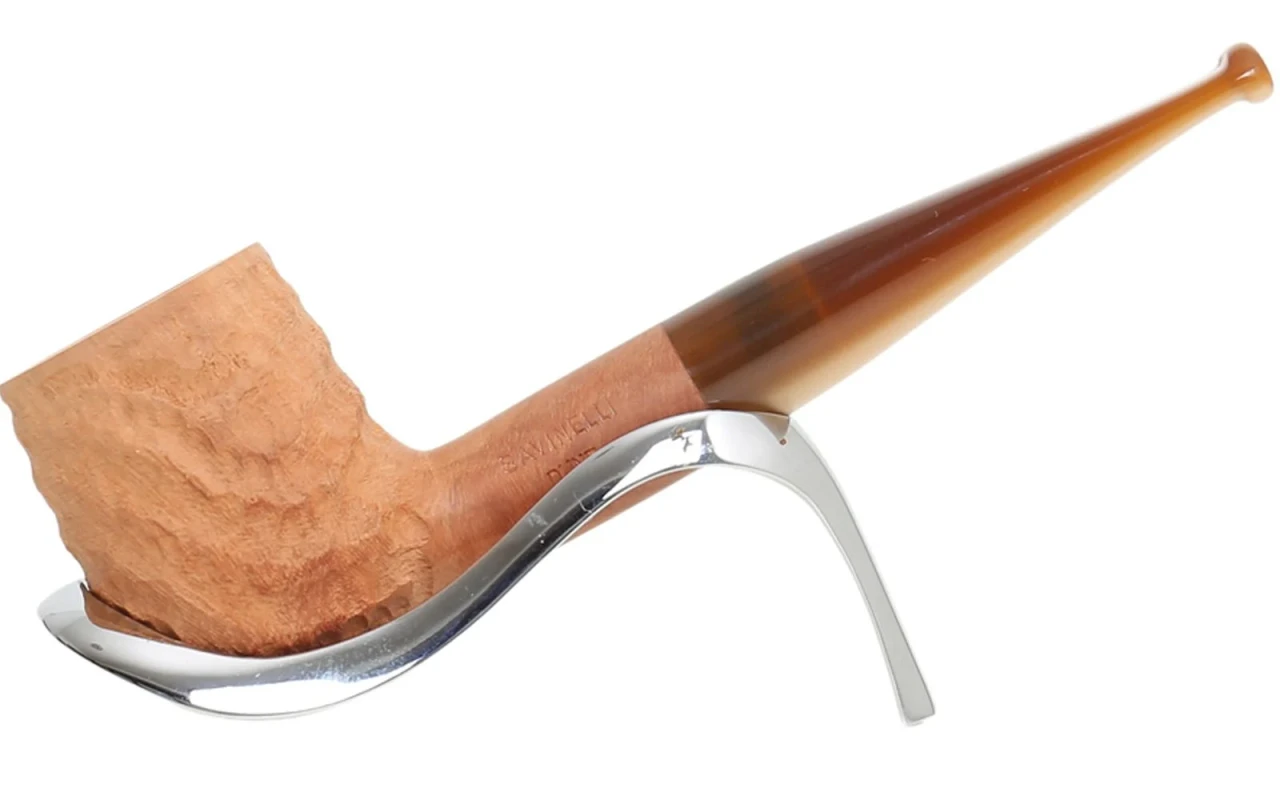
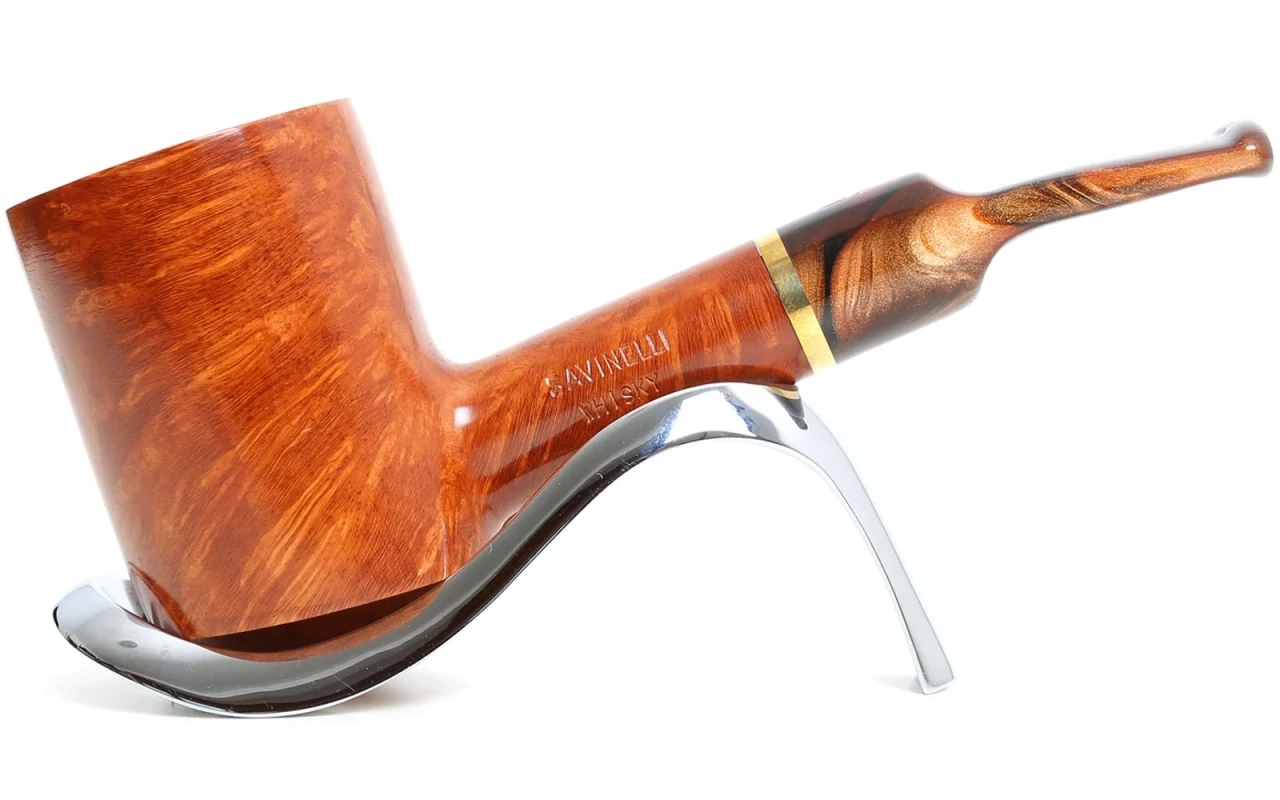
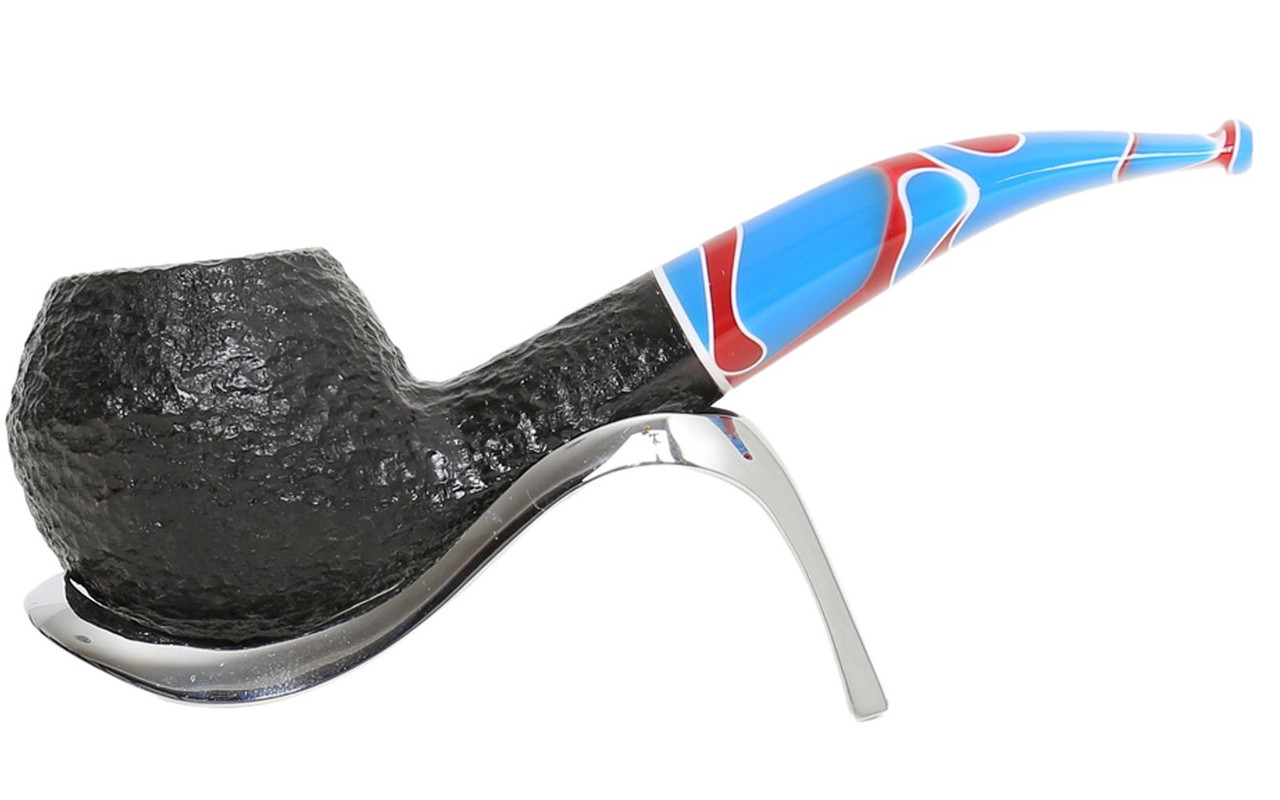
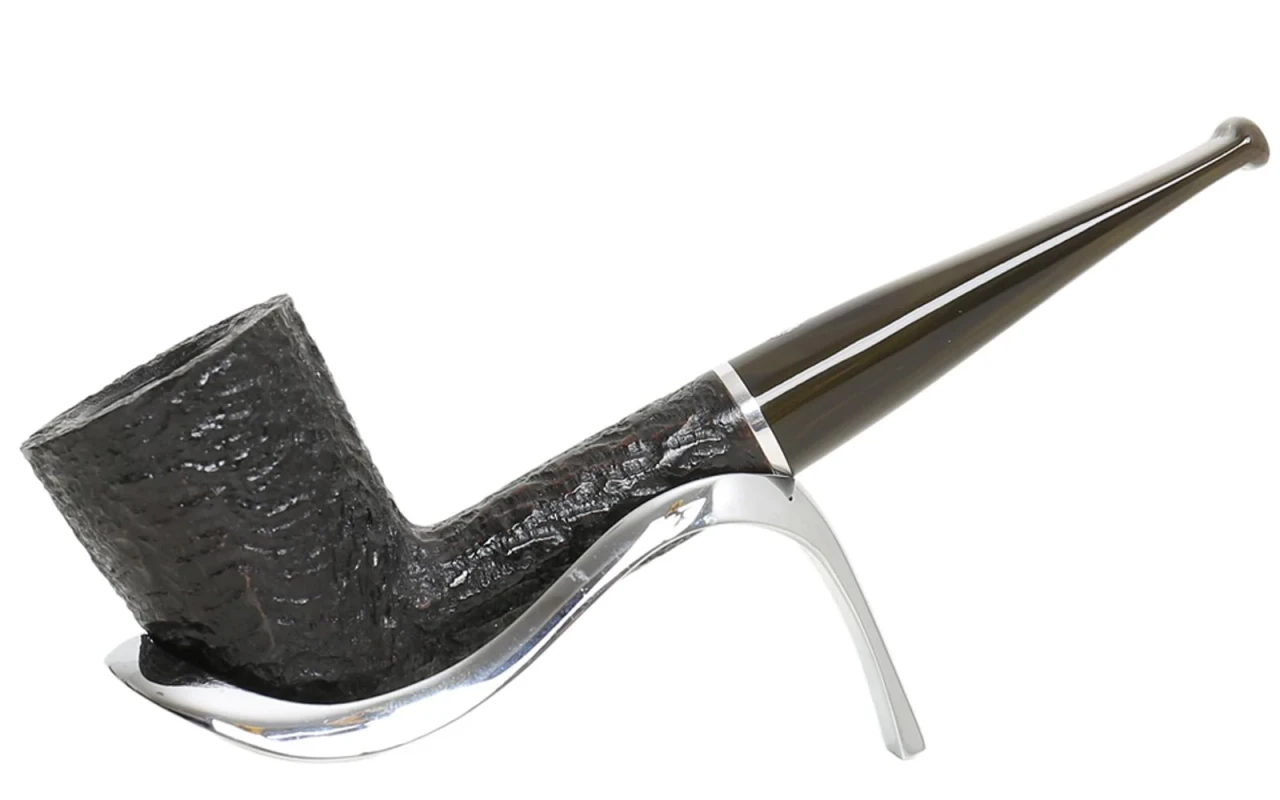
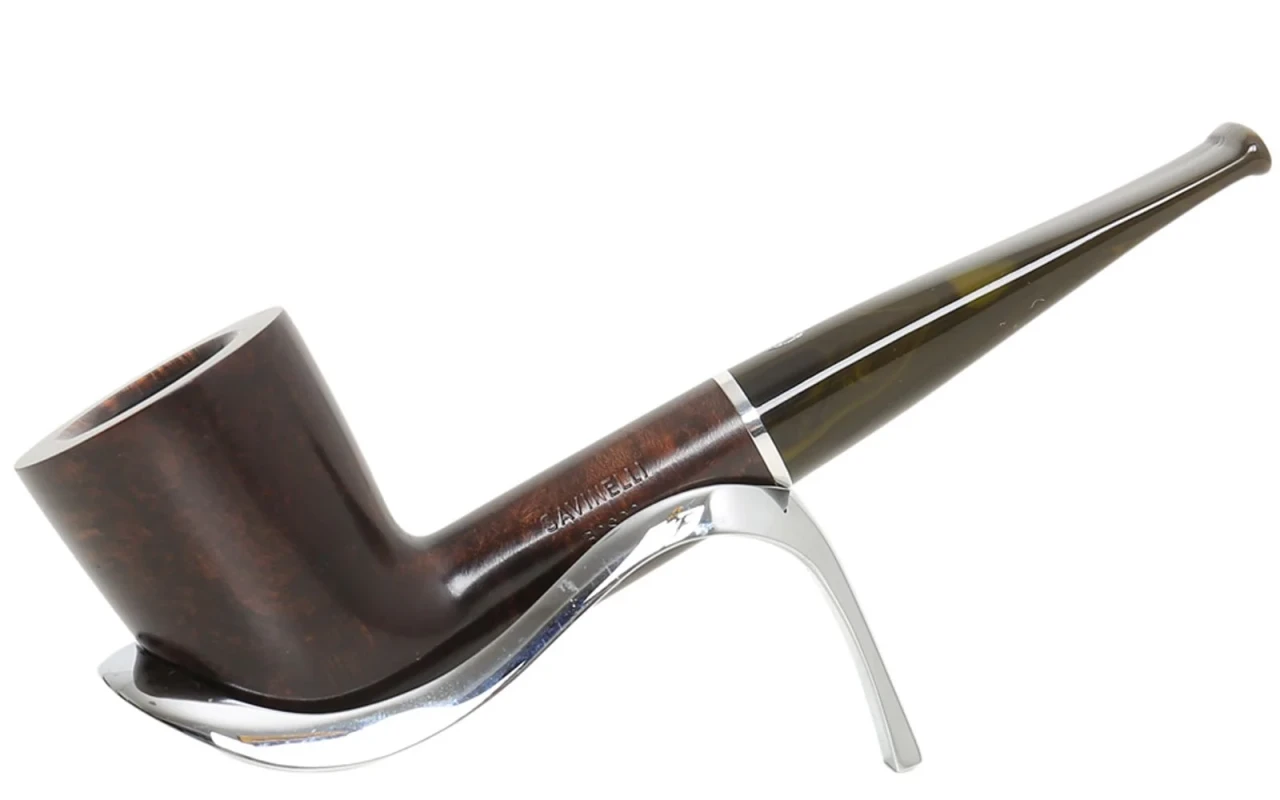
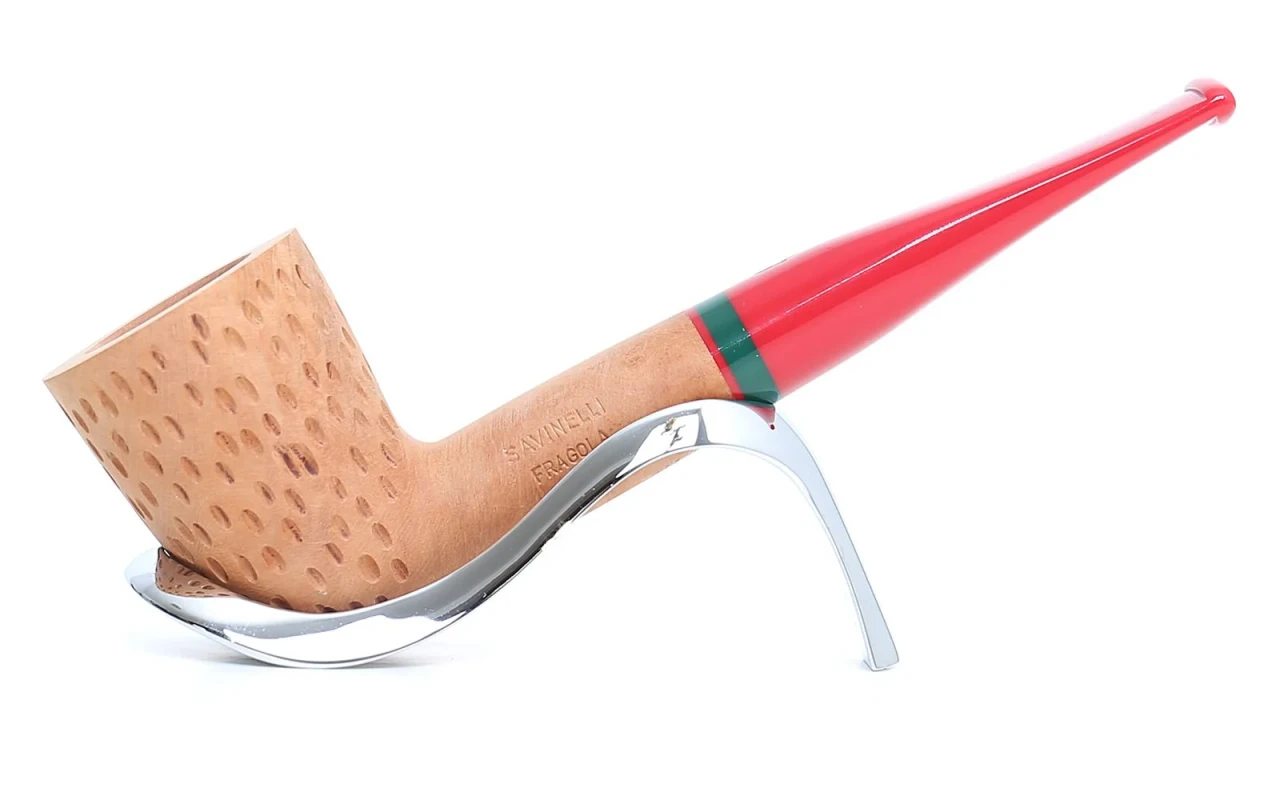
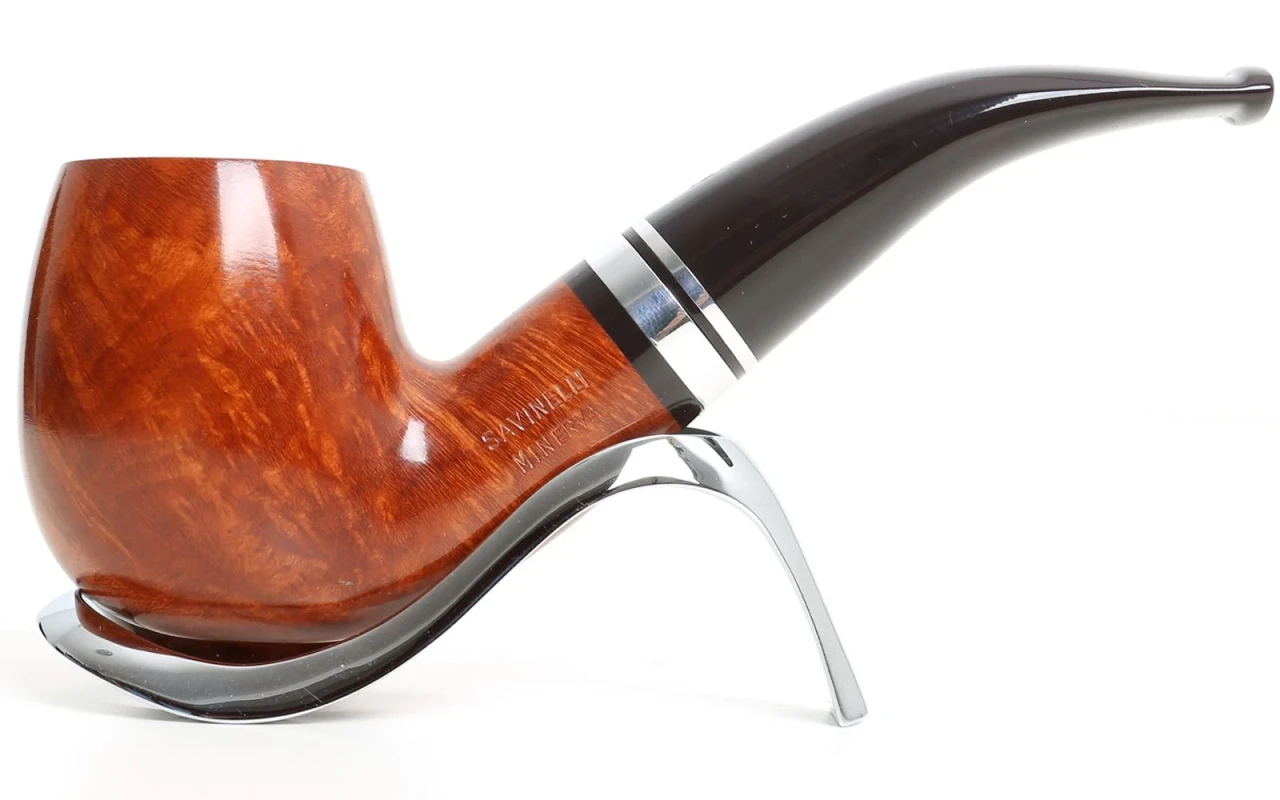
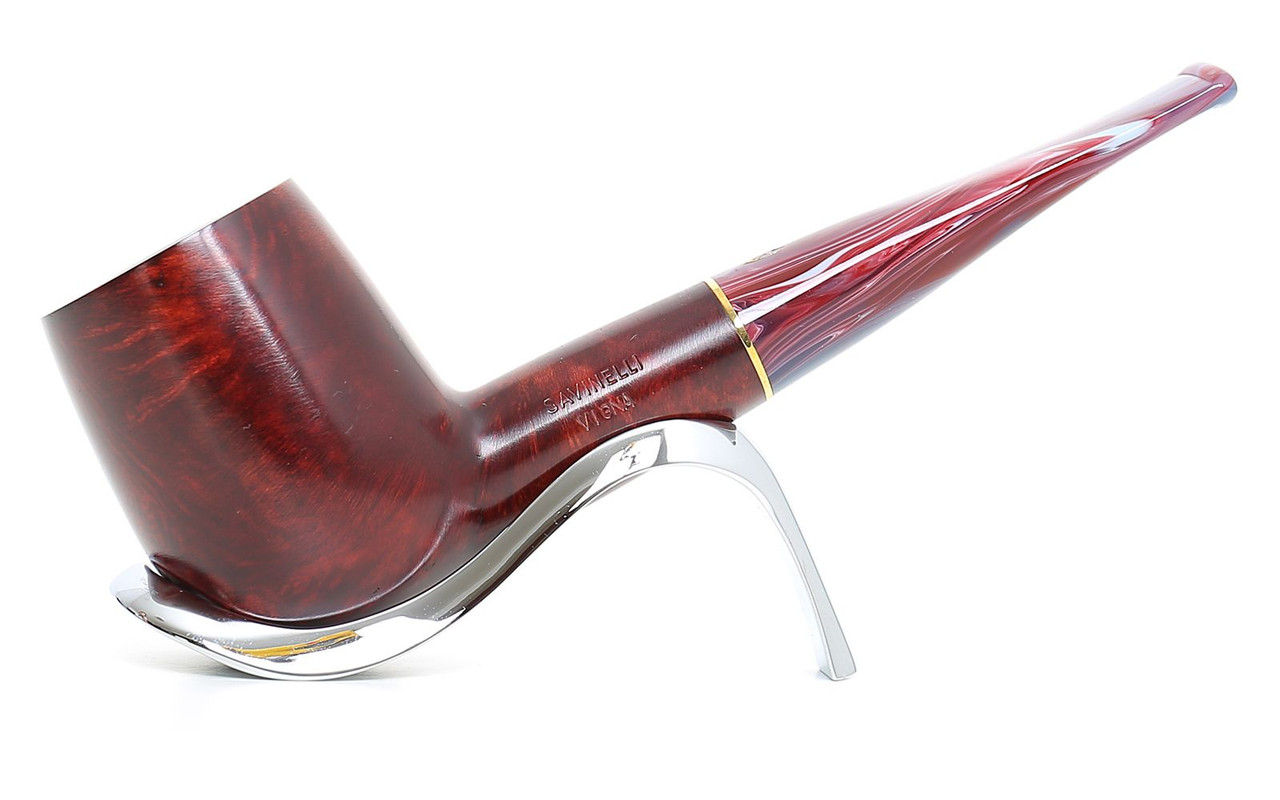
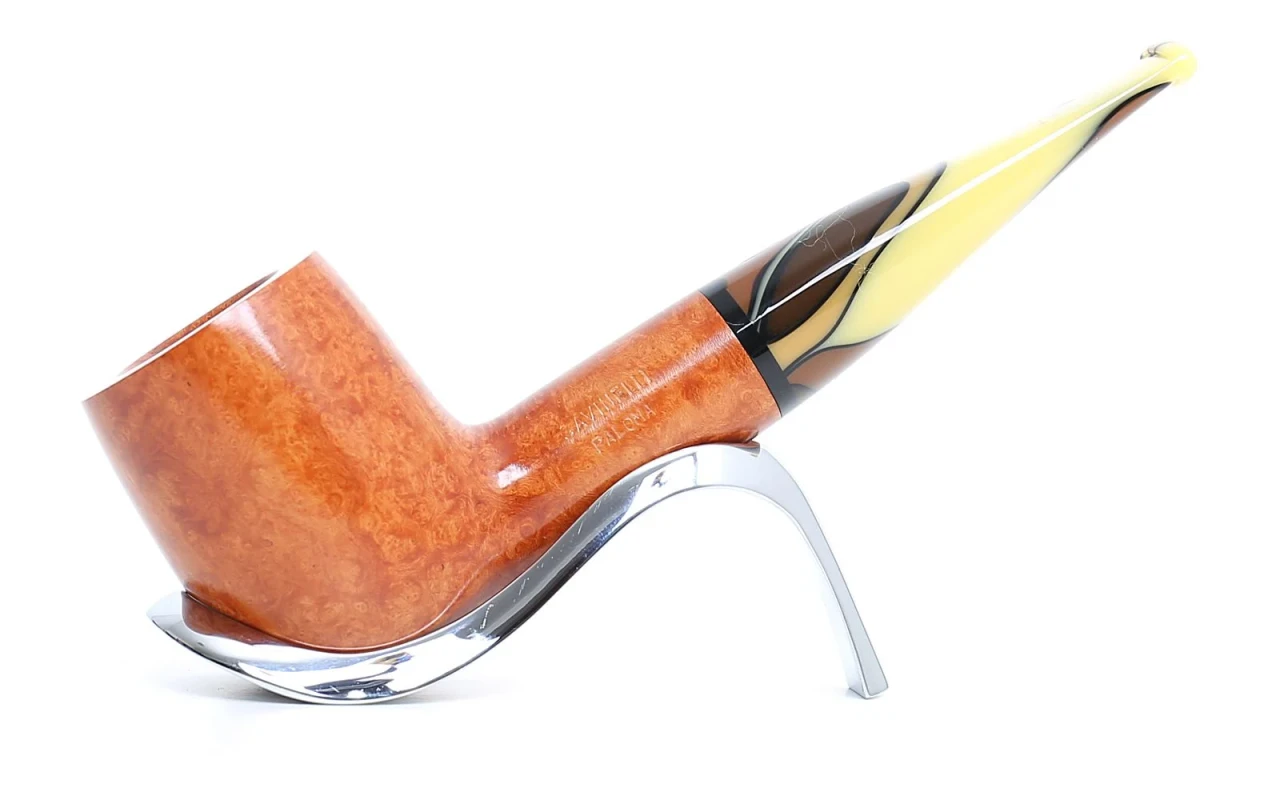
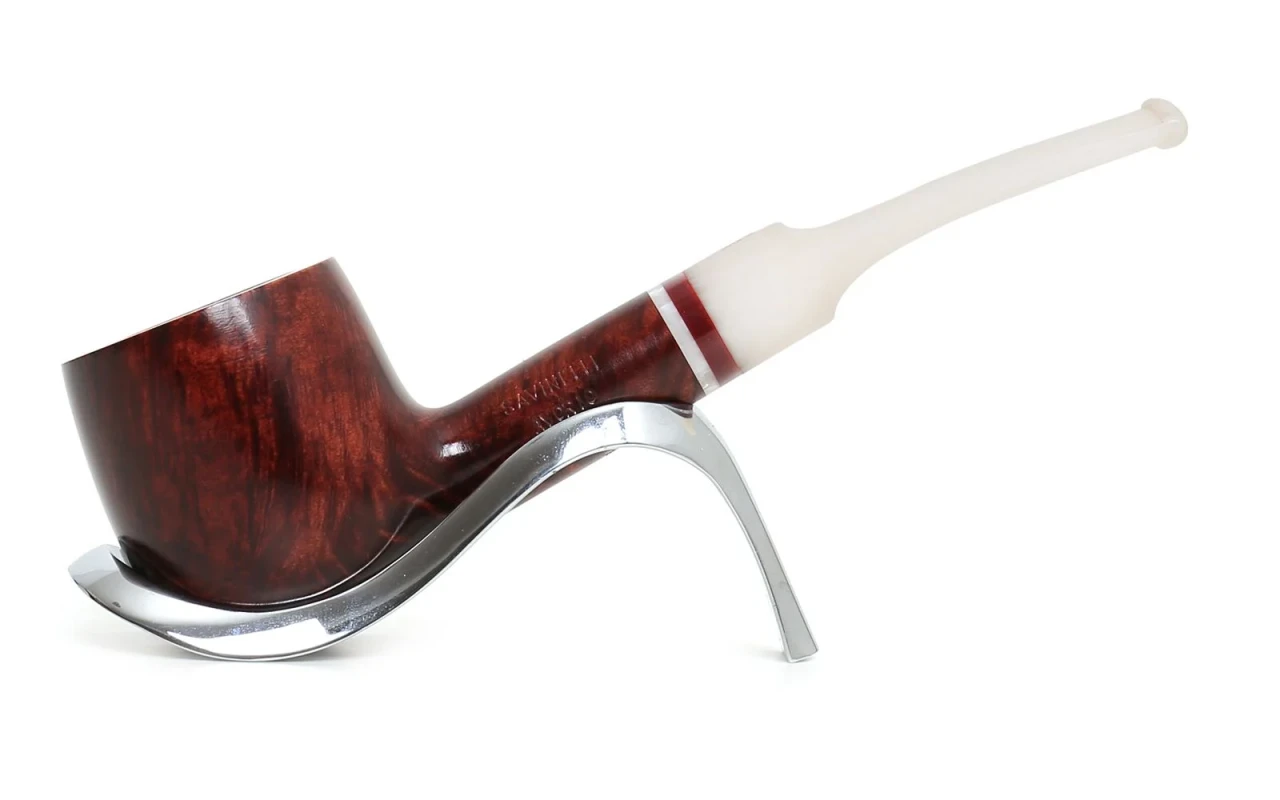
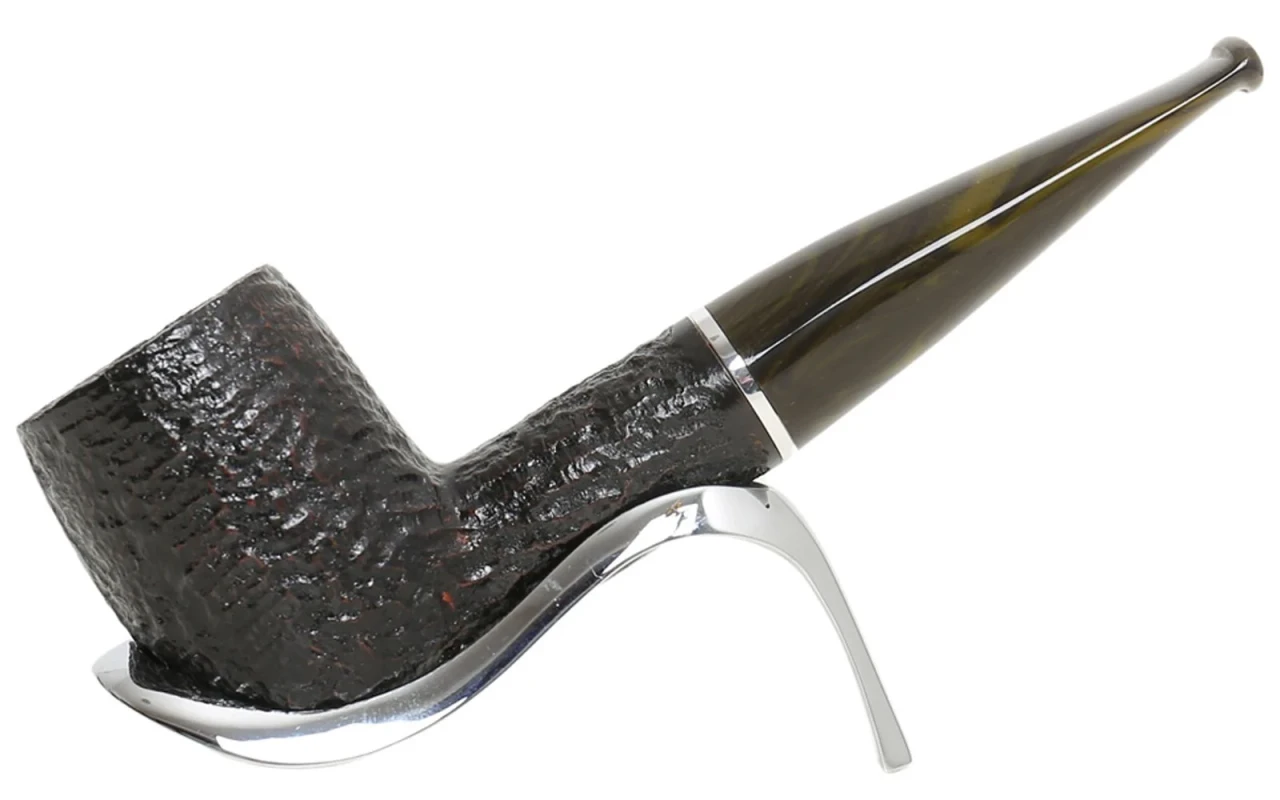
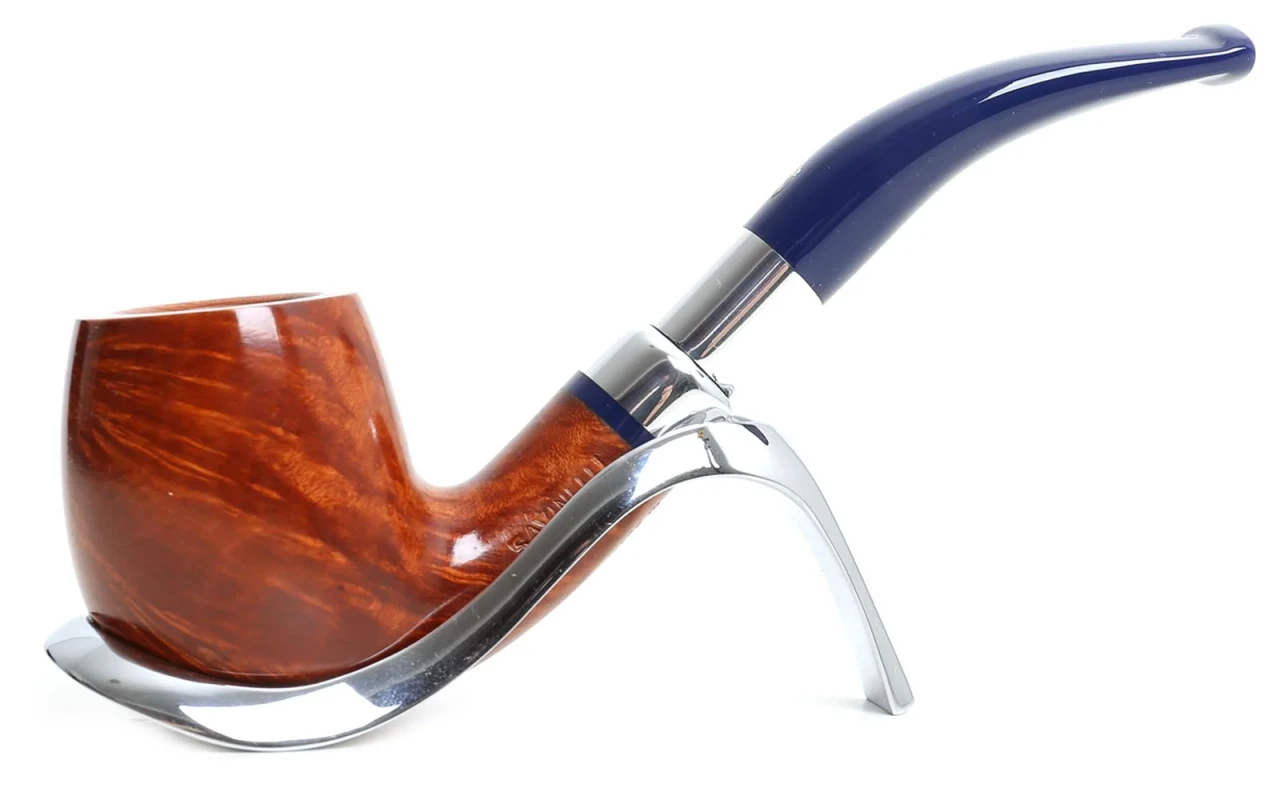
3D Printing in Pipe Design
In pipe design, the use of 3D printing offers numerous advantages. This technology allows for the rapid and cost-effective creation of prototypes and models, enabling designers to test and optimize pipe designs before mass production. Thanks to 3D printing, it is possible to create complex and customized shapes, ensuring greater precision and reducing development times. Moreover, the use of innovative and durable materials enables the production of high-quality and high-performance pipes. 3D printing is increasingly establishing itself in the pipe design sector, revolutionizing production processes and enabling creative and bespoke solutions.
Best materials for handmade pipes
The best materials for handmade pipes include:- Briar wood: light, heat-resistant, with a fine and uniform grain.- Olive wood: hard, with unique veins and a beautiful color.- Oak wood: sturdy and durable, with interesting veins.- Meerschaum: a porous material that absorbs tobacco oils, ensuring a purer aroma.- Clay: lightweight and neutral, does not affect the tobacco flavor.- Briar: high-quality wood, heat-resistant, with a beautiful finish.The choice of material depends on personal taste and experience in smoking a handmade pipe.
Choosing the Perfect Design for Your Pipe
The design of a pipe is a fundamental element to consider when looking to purchase a new smoking accessory. Here are some tips on how to choose the perfect design for your pipe:- Shape: consider whether you prefer a classic shape, such as the Billiard or Dublin, or if you desire something more unique like a Freehand or an Oom Paul.- Material: pipes can be made from various materials, such as briar wood, corn cob, or clay. Each offers different characteristics in terms of durability, weight, and flavor.- Style: take into account the overall style of the pipe, which can be traditional, rustic, or modern, depending on your personal tastes and smoking style.By considering these factors, you will be able to find the perfect design to meet your needs and preferences.
Artisanal crafting techniques for pipes
The artisanal crafting techniques for pipes are diverse and require great skill and precision. Firstly, high-quality woods such as briar root, juniper, or olive are carefully selected. The wood is then shaped using specific tools to achieve the desired smooth or rustic finish depending on the style. Subsequently, the chamber is drilled, and the various parts of the pipe are assembled. Lastly, a surface finish is applied using natural oils or waxes to protect the wood and enhance its beauty. These artisanal techniques ensure the production of high-quality pipes with a unique design.
'%3e%3cg id='Final-Copy-2_2_' transform='translate(1275.000000, 200.000000)'%3e%3cpath class='st0' d='M7.4,12.8h6.8l3.1-11.6H7.4C4.2,1.2,1.6,3.8,1.6,7S4.2,12.8,7.4,12.8z'/%3e%3c/g%3e%3c/g%3e%3c/g%3e%3cg id='final---dec.11-2020'%3e%3cg id='_x30_208-our-toggle' transform='translate(-1275.000000, -200.000000)'%3e%3cg id='Final-Copy-2' transform='translate(1275.000000, 200.000000)'%3e%3cpath class='st1' d='M22.6,0H7.4c-3.9,0-7,3.1-7,7s3.1,7,7,7h15.2c3.9,0,7-3.1,7-7S26.4,0,22.6,0z M1.6,7c0-3.2,2.6-5.8,5.8-5.8 h9.9l-3.1,11.6H7.4C4.2,12.8,1.6,10.2,1.6,7z'/%3e%3cpath id='x' class='st2' d='M24.6,4c0.2,0.2,0.2,0.6,0,0.8l0,0L22.5,7l2.2,2.2c0.2,0.2,0.2,0.6,0,0.8c-0.2,0.2-0.6,0.2-0.8,0 l0,0l-2.2-2.2L19.5,10c-0.2,0.2-0.6,0.2-0.8,0c-0.2-0.2-0.2-0.6,0-0.8l0,0L20.8,7l-2.2-2.2c-0.2-0.2-0.2-0.6,0-0.8 c0.2-0.2,0.6-0.2,0.8,0l0,0l2.2,2.2L23.8,4C24,3.8,24.4,3.8,24.6,4z'/%3e%3cpath id='y' class='st3' d='M12.7,4.1c0.2,0.2,0.3,0.6,0.1,0.8l0,0L8.6,9.8C8.5,9.9,8.4,10,8.3,10c-0.2,0.1-0.5,0.1-0.7-0.1l0,0 L5.4,7.7c-0.2-0.2-0.2-0.6,0-0.8c0.2-0.2,0.6-0.2,0.8,0l0,0L8,8.6l3.8-4.5C12,3.9,12.4,3.9,12.7,4.1z'/%3e%3c/g%3e%3c/g%3e%3c/g%3e%3c/g%3e%3c/svg%3e) Your Privacy Choices
Your Privacy Choices 


