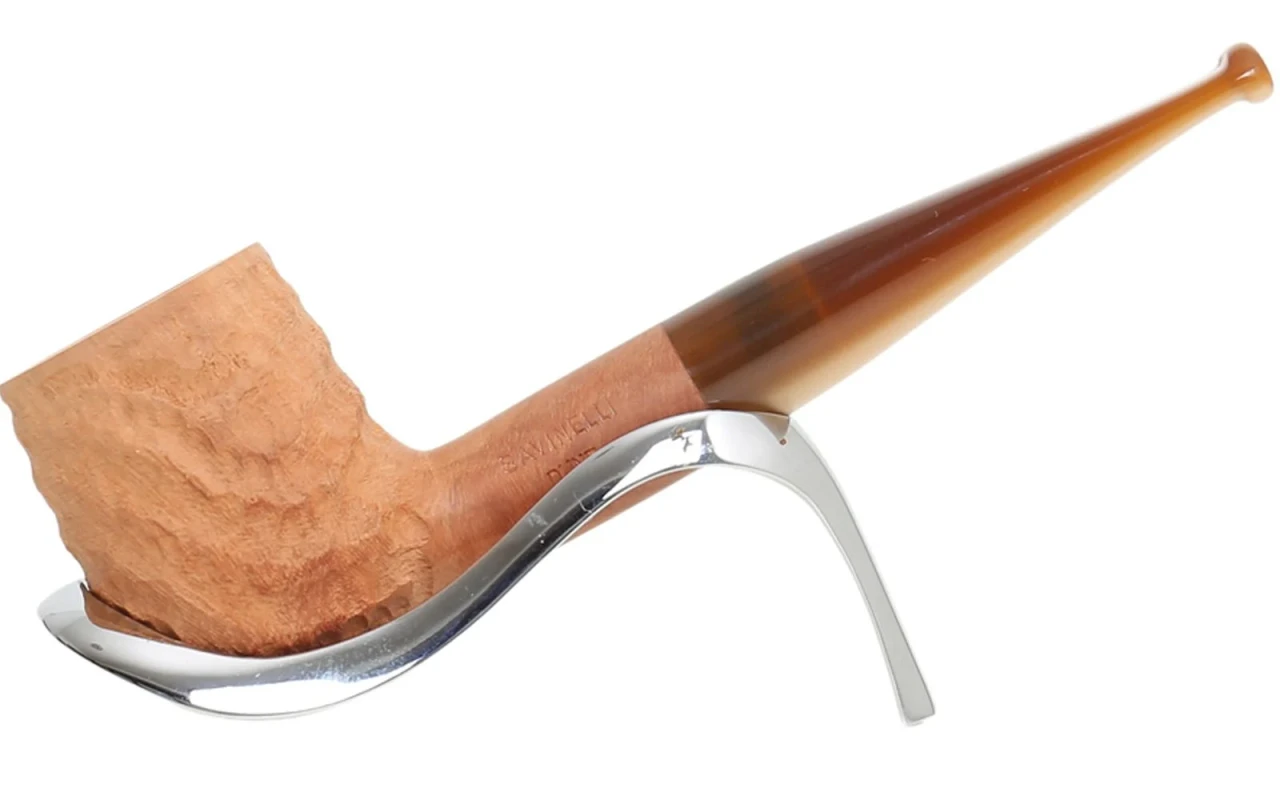
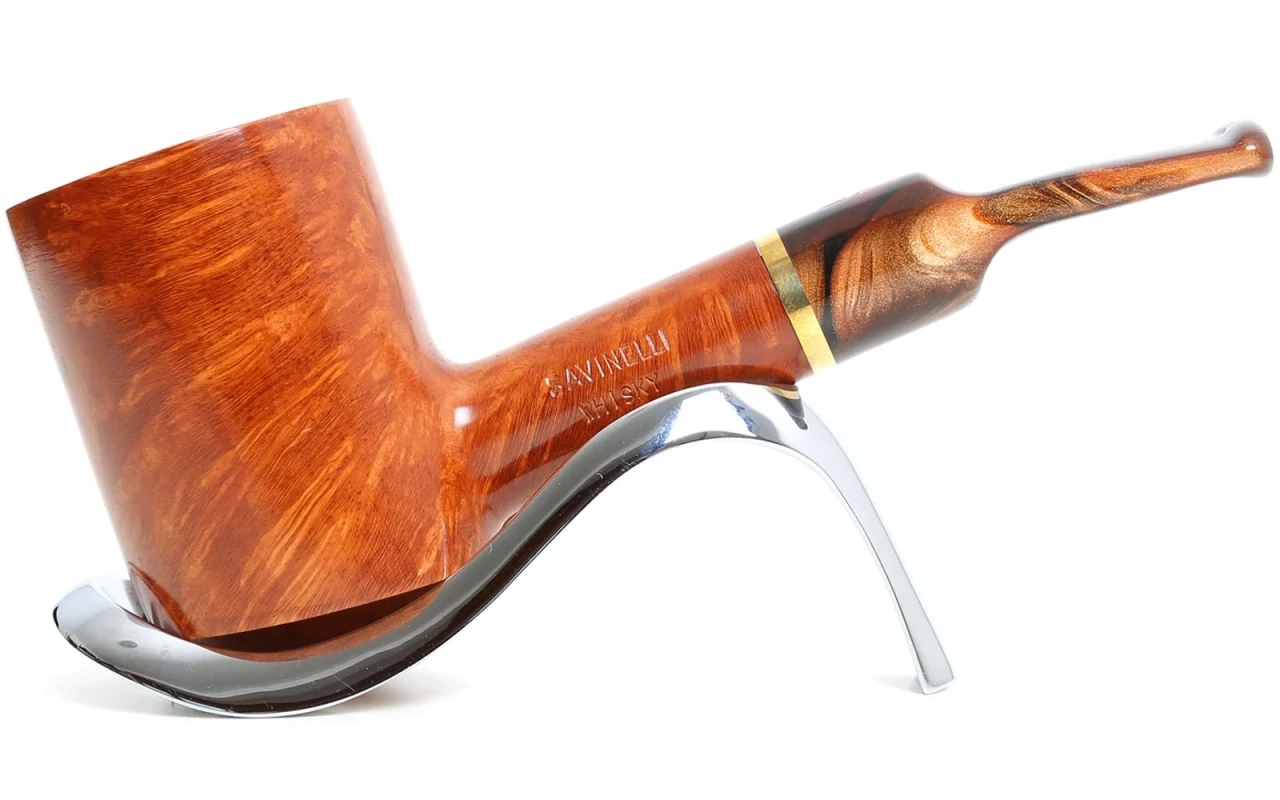
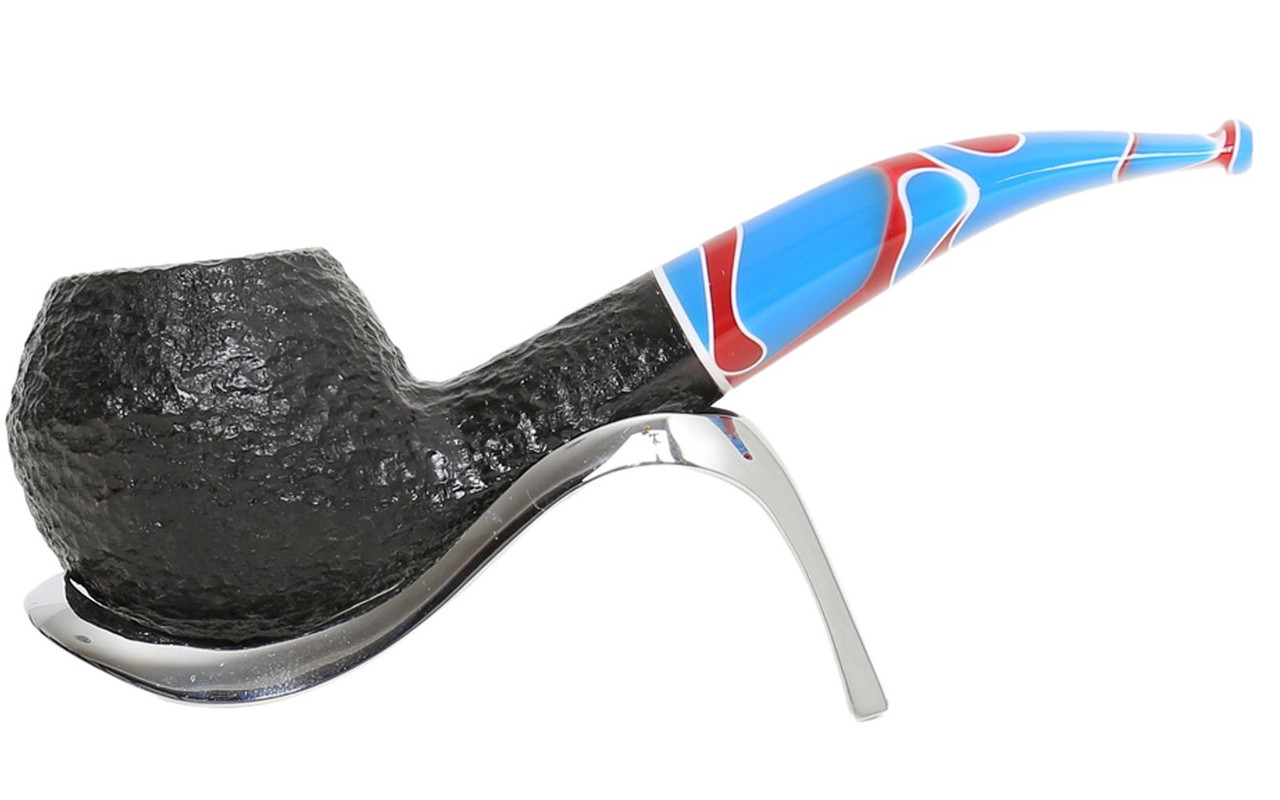
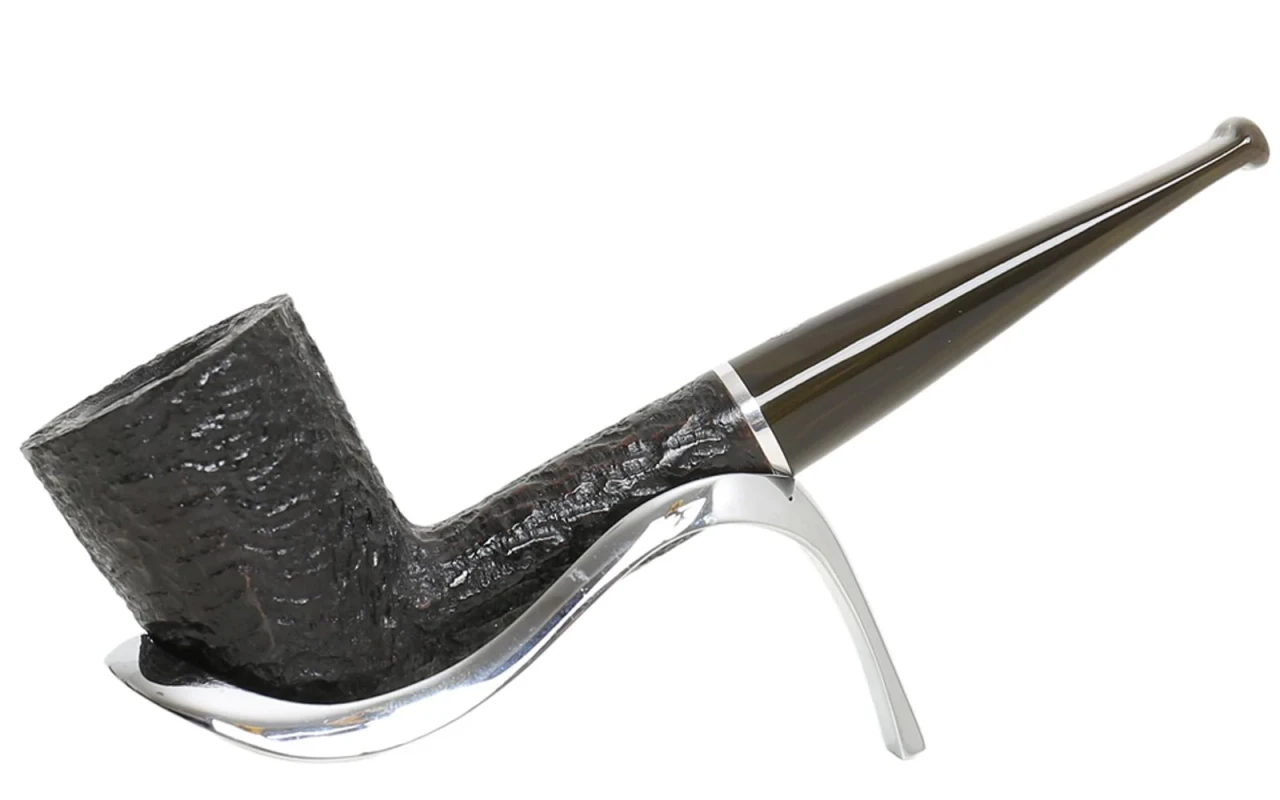
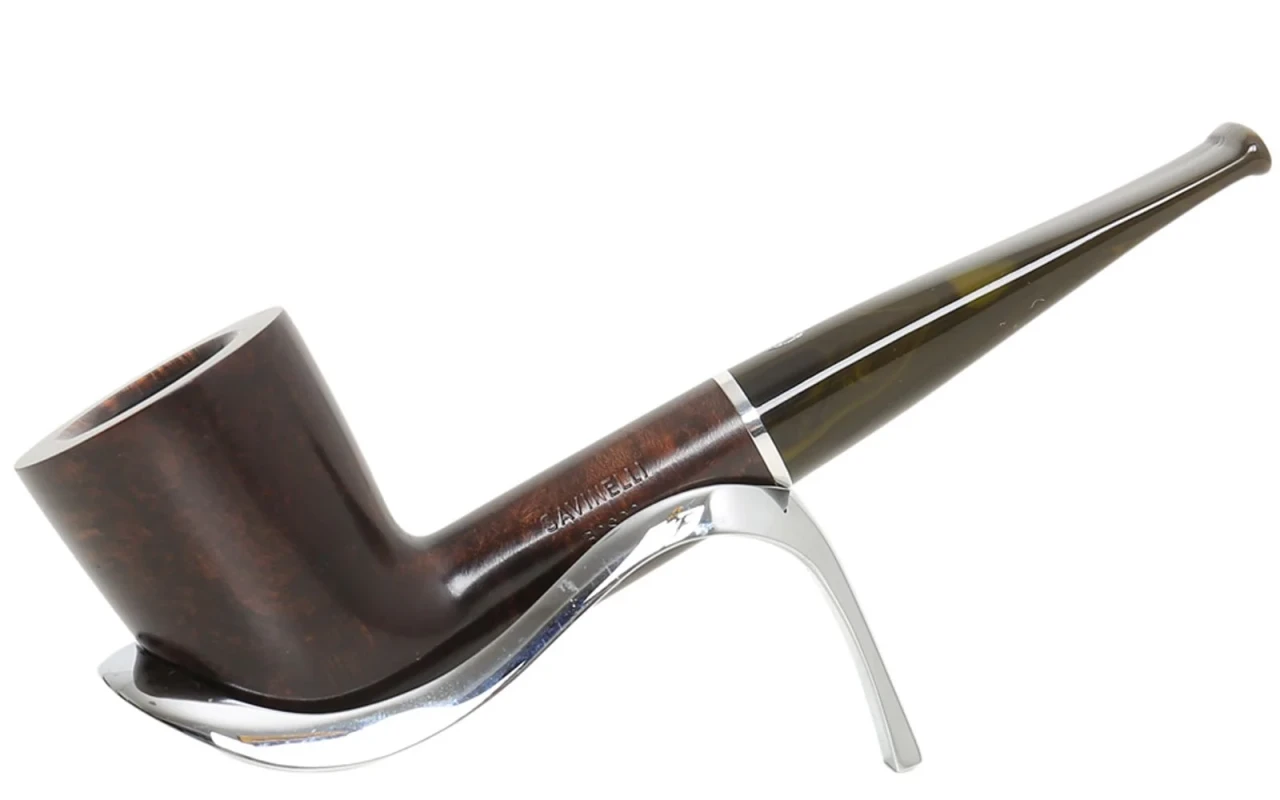
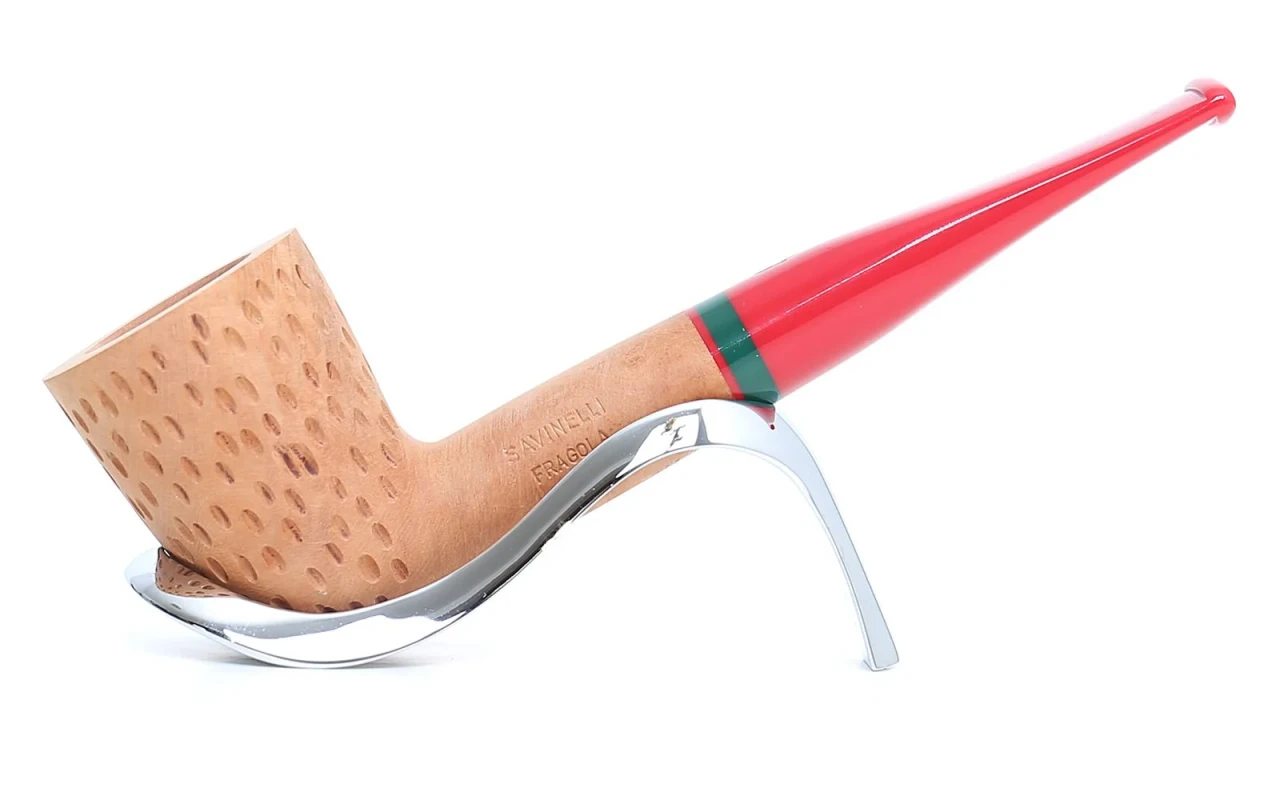
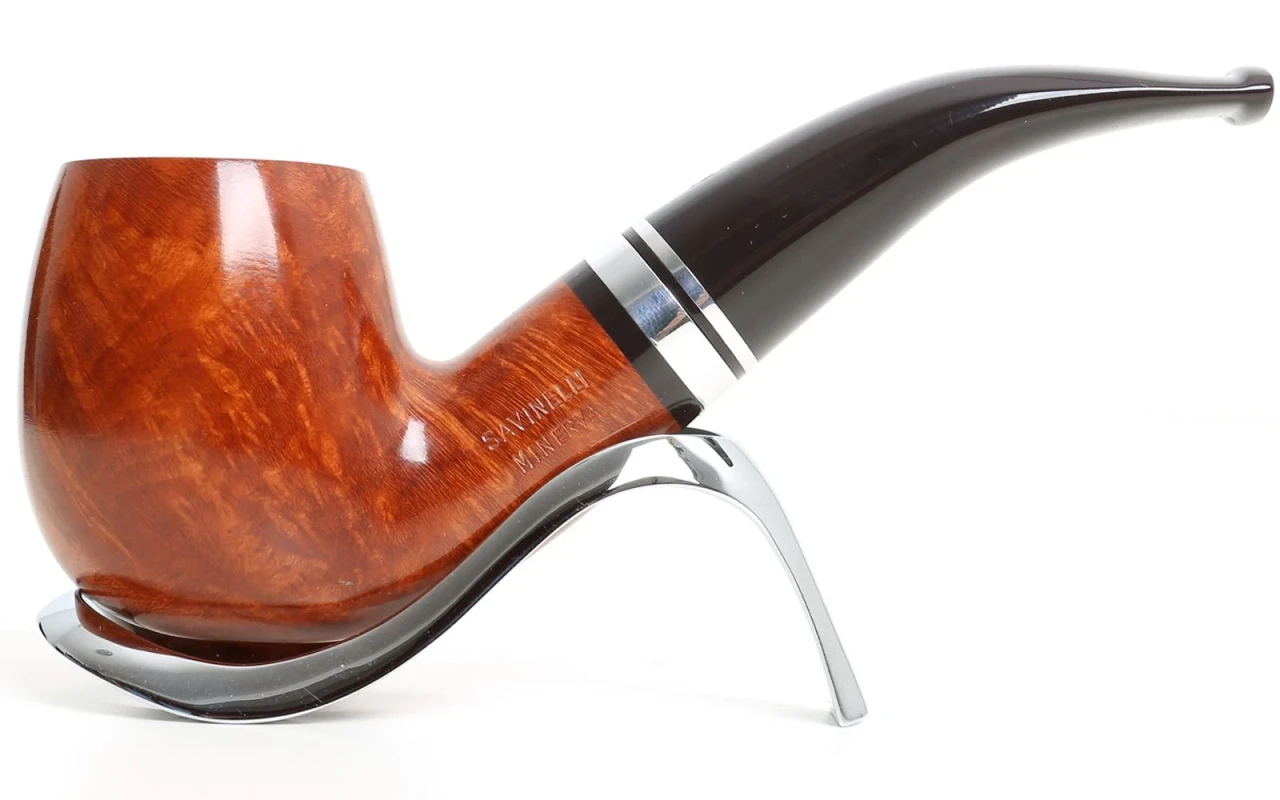
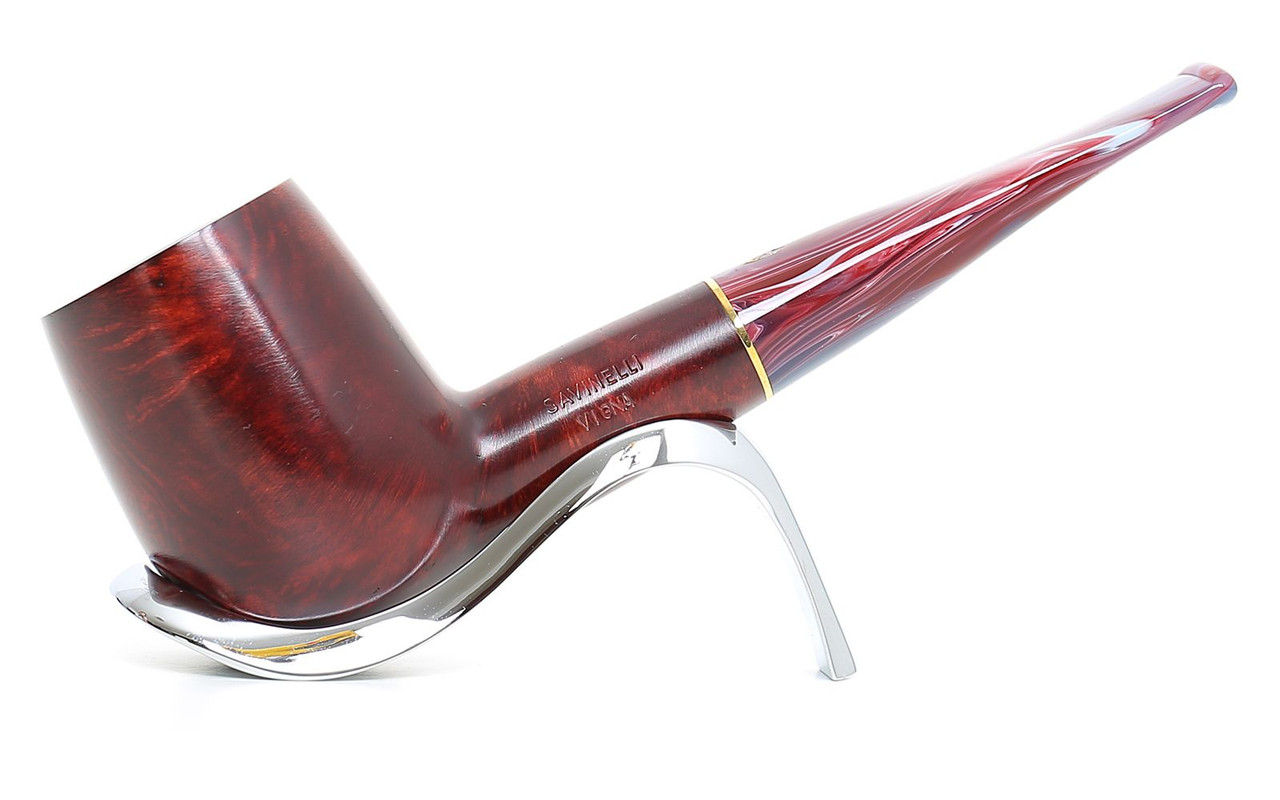
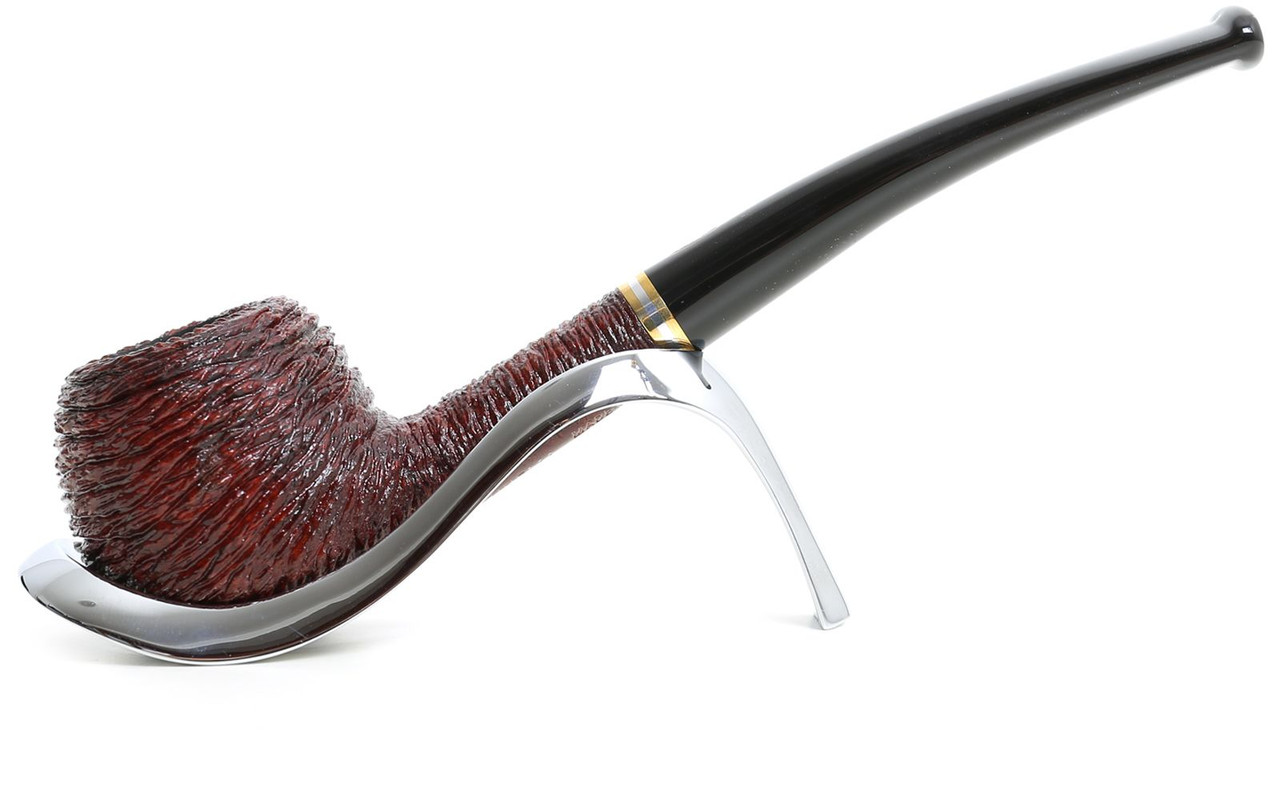
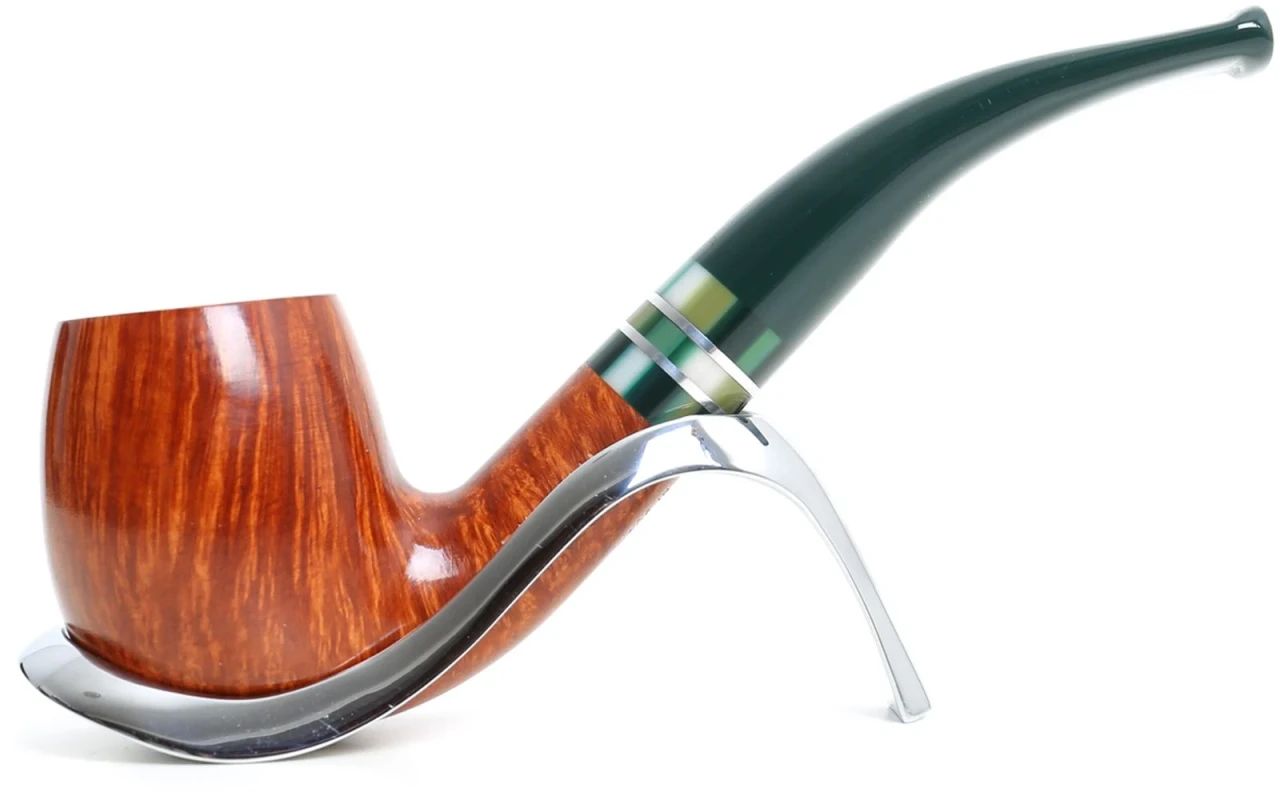
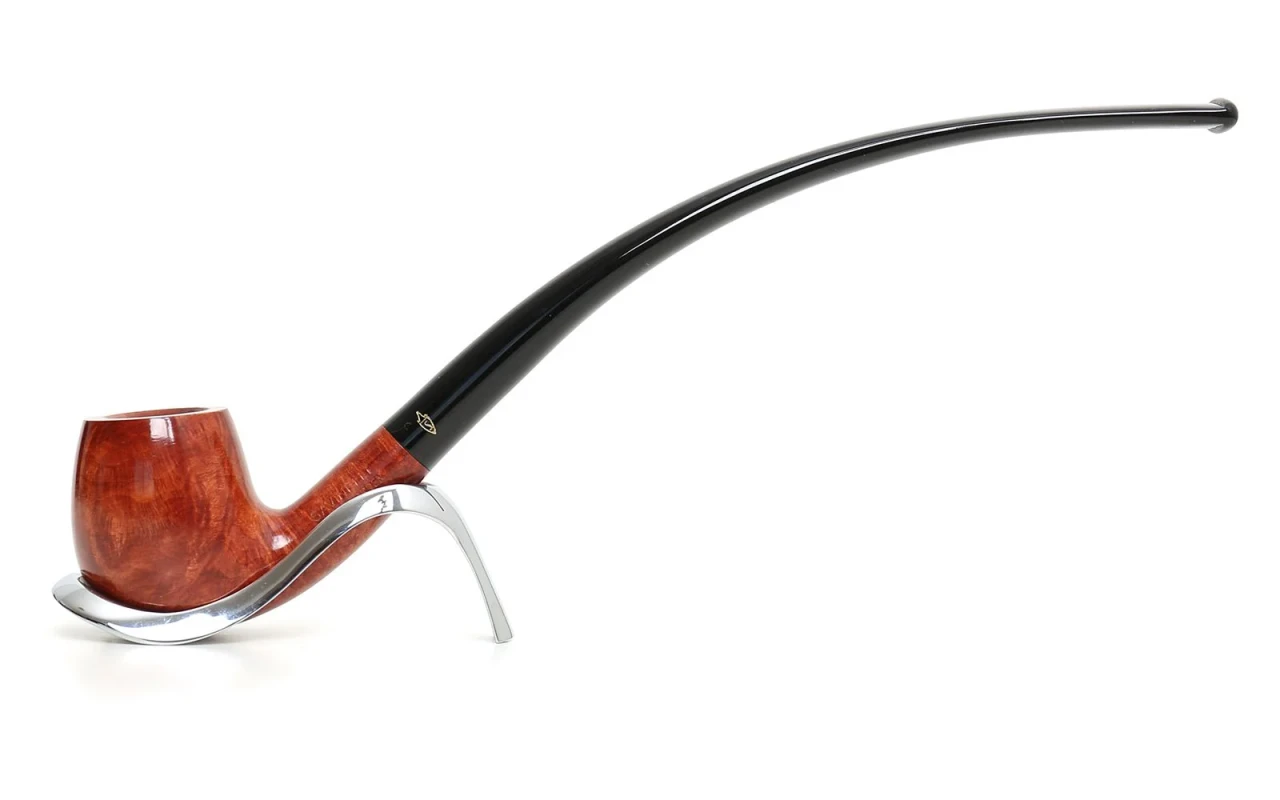
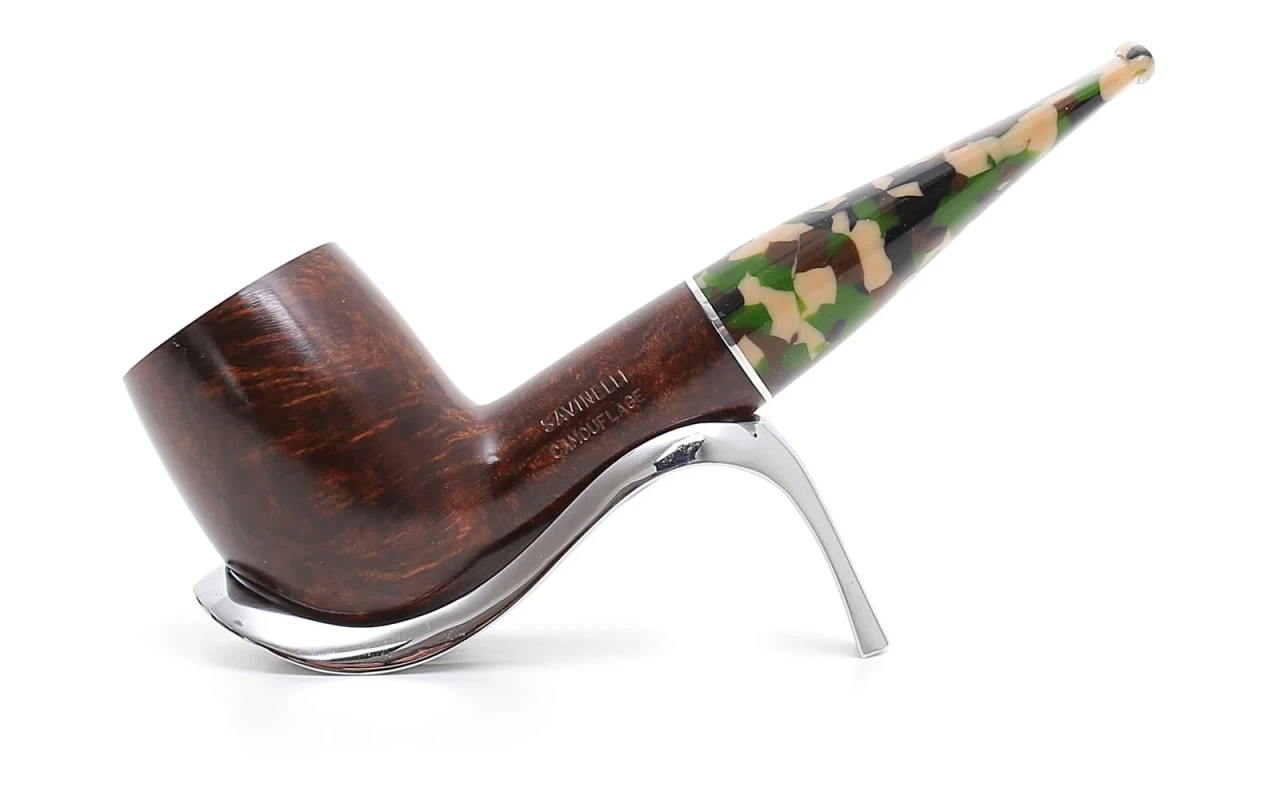
Briar became the primary material for pipes due to its unique combination of lightness, heat resistance, and moisture absorption. These qualities make it ideal for ensuring a pleasant and long-lasting smoke, while also providing an aesthetically refined and easily workable surface.
Why has briar become the primary material for pipes? Deep dive
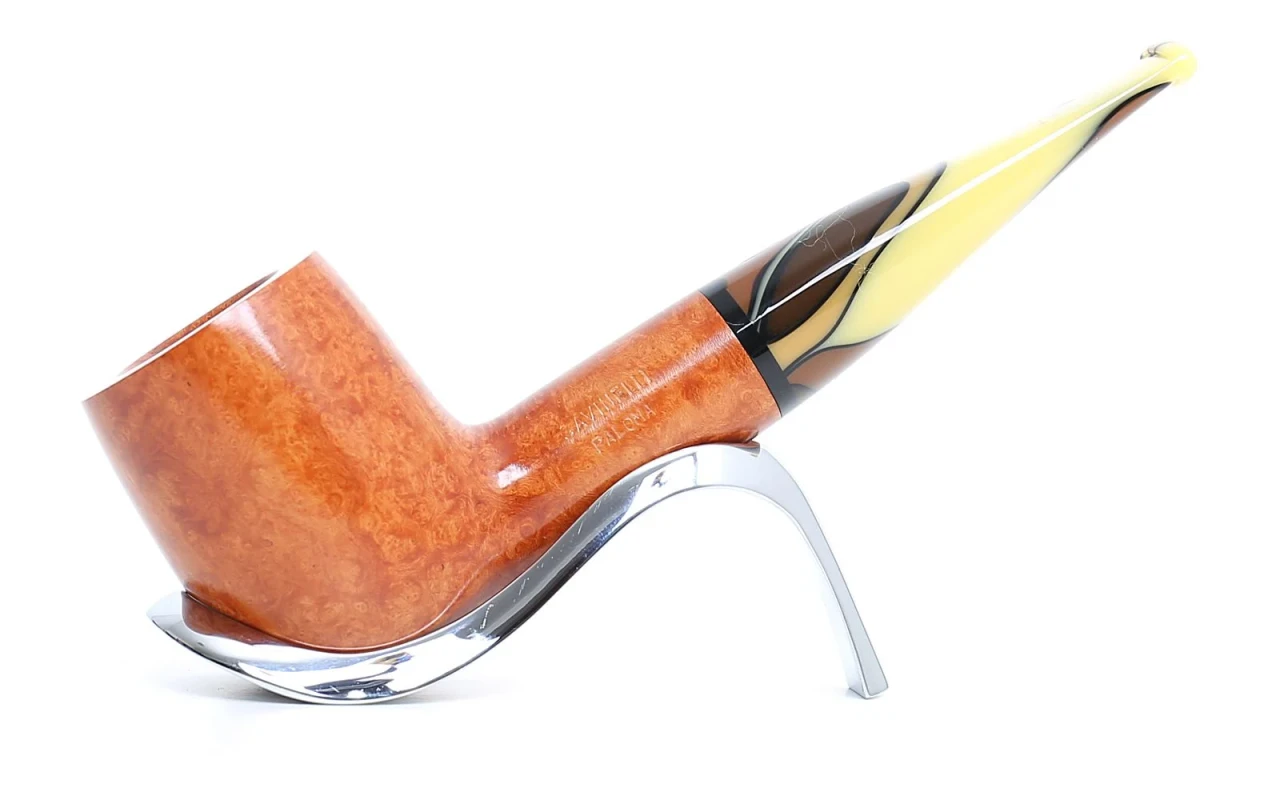
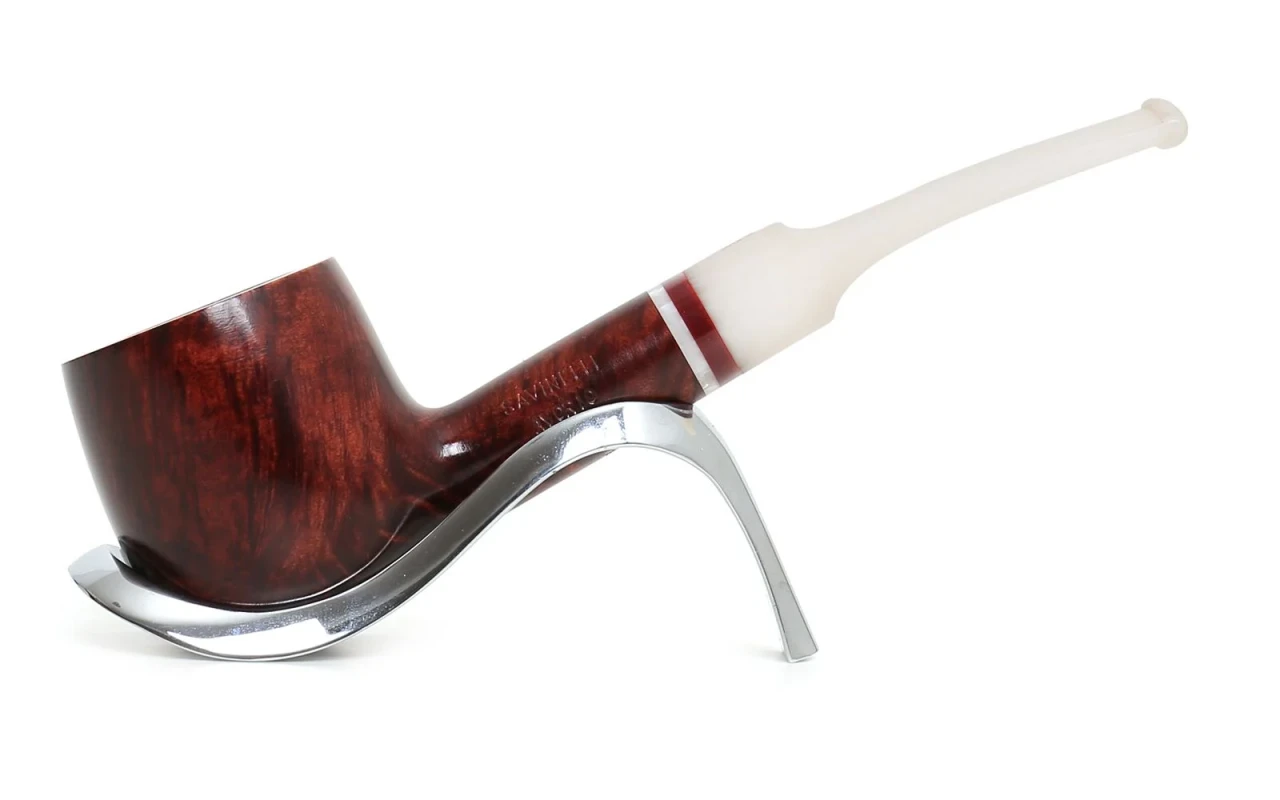
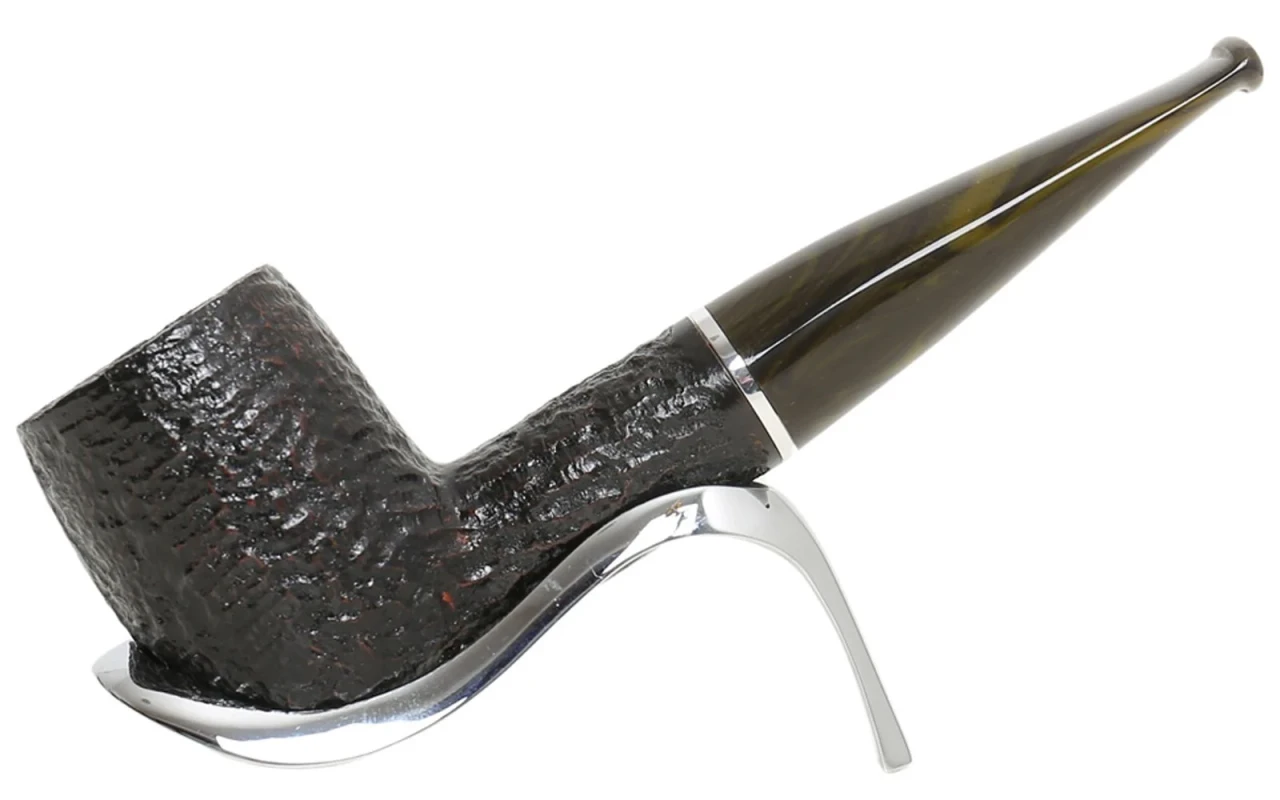
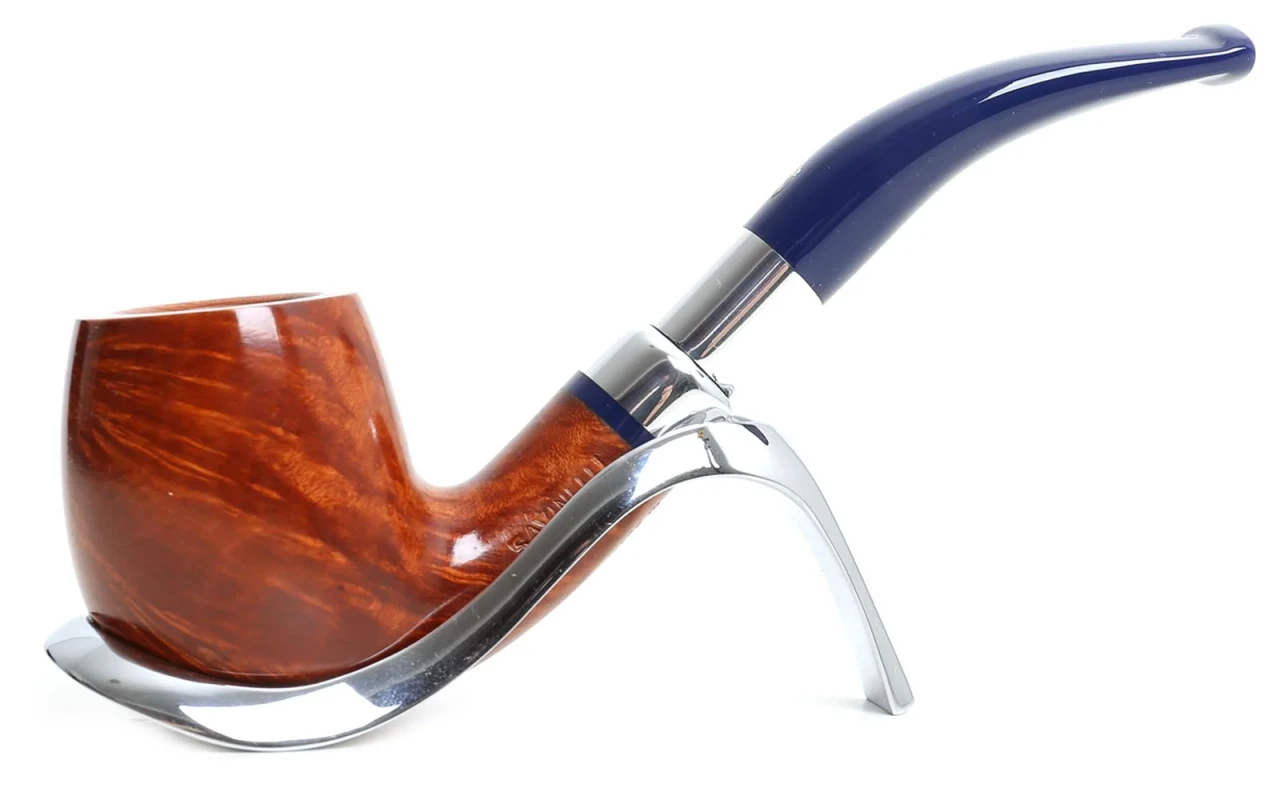
Briar, chiefly sourced from the roots of the Erica arborea plant, has become the principal material for pipe making for various technical and aesthetic reasons. Its porous structure allows it to absorb the moisture produced during tobacco combustion, contributing to a drier and less irritating smoke. Moreover, briar withstands the high temperatures generated during use without deforming or sustaining damage, thanks to its heat resistance. This material is also relatively lightweight, which enhances comfort during extended pipe smoking sessions. From an aesthetic standpoint, briar offers natural grain patterns and finishes highly valued by enthusiasts, which can be further accentuated through different carving and finishing techniques. Its workability enables master craftsmen to create pipes with refined shapes and intricate details, fostering the widespread popularity and use of this material in the world of slow smoking. These combined factors have made briar the benchmark material for those seeking quality, functionality, and beauty in a pipe.