The pipe spread in ancient cultures primarily starting from the pre-Columbian period, with archaeological evidence showing pipe use in the Americas and later in Europe and Asia. Its use is linked to ritual and social practices, evolving over time across various cultural and geographic contexts.
When did the pipe spread in ancient cultures? Deep dive
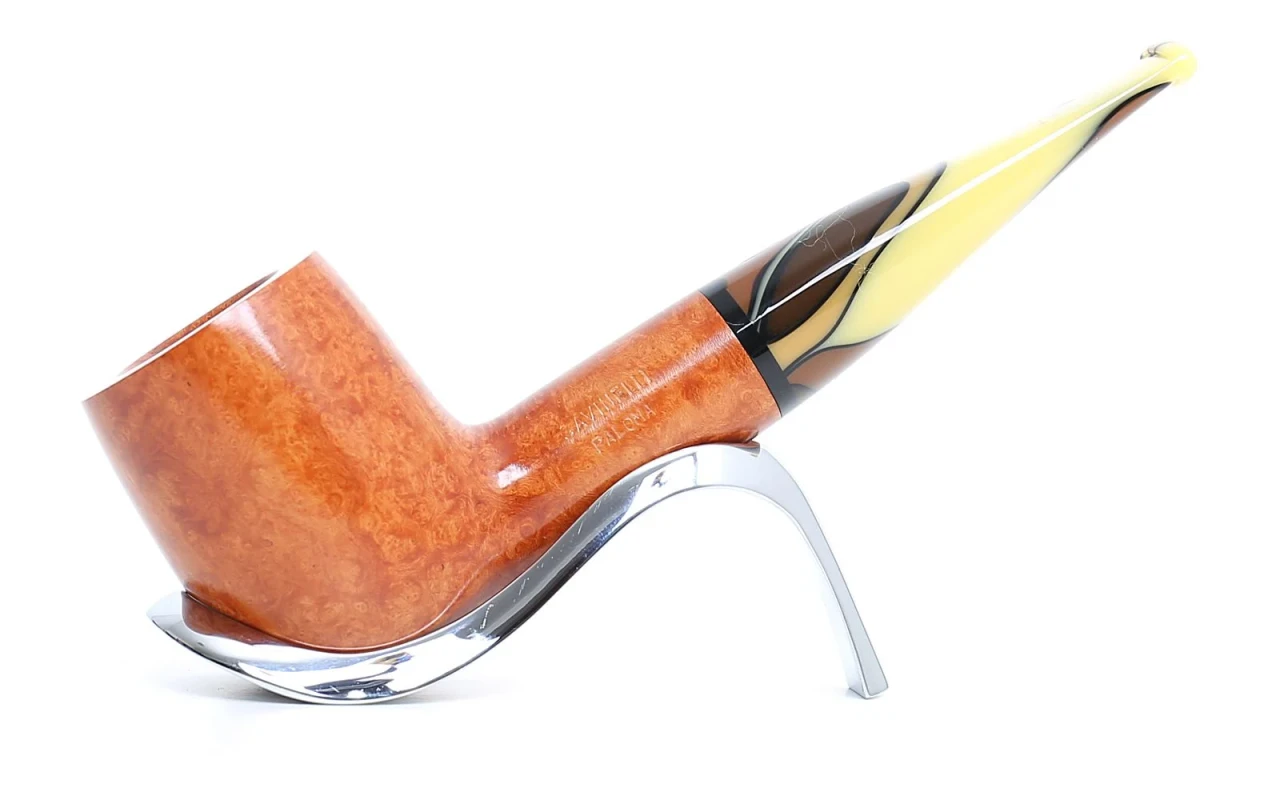
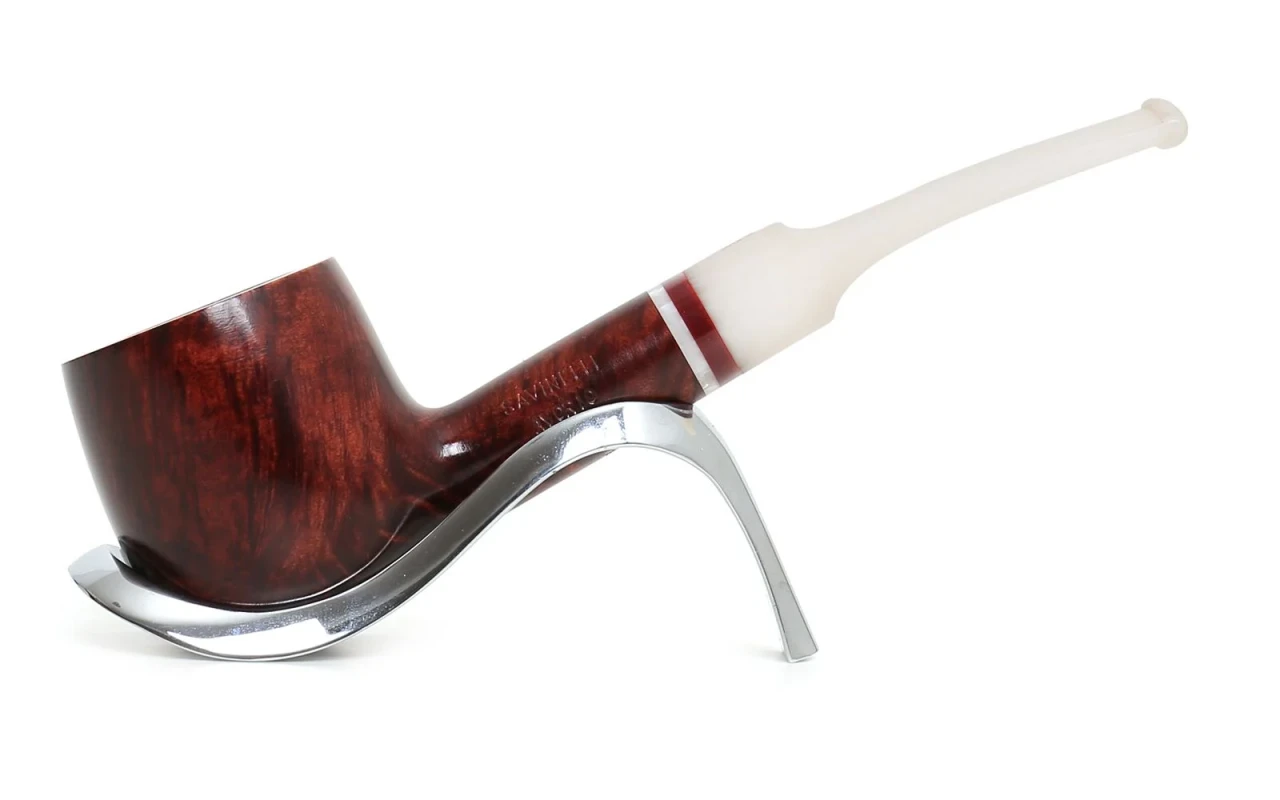
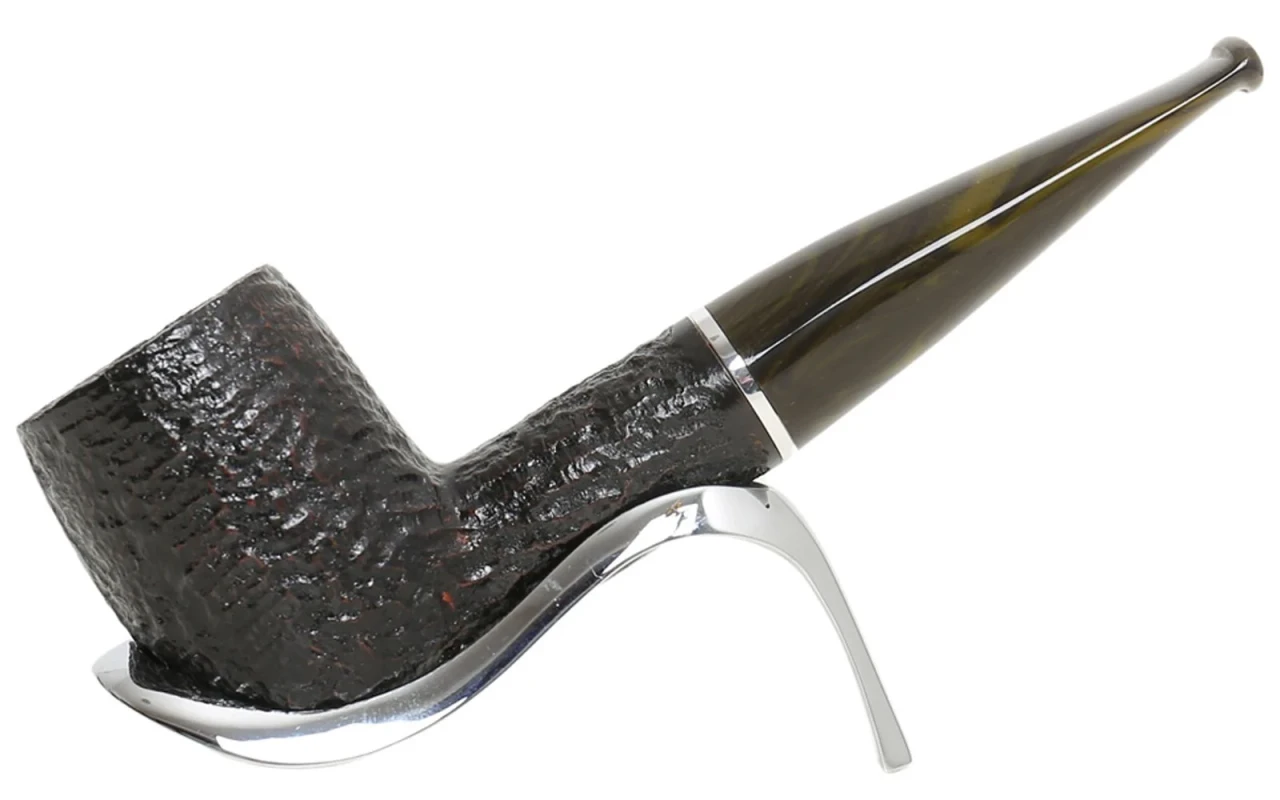
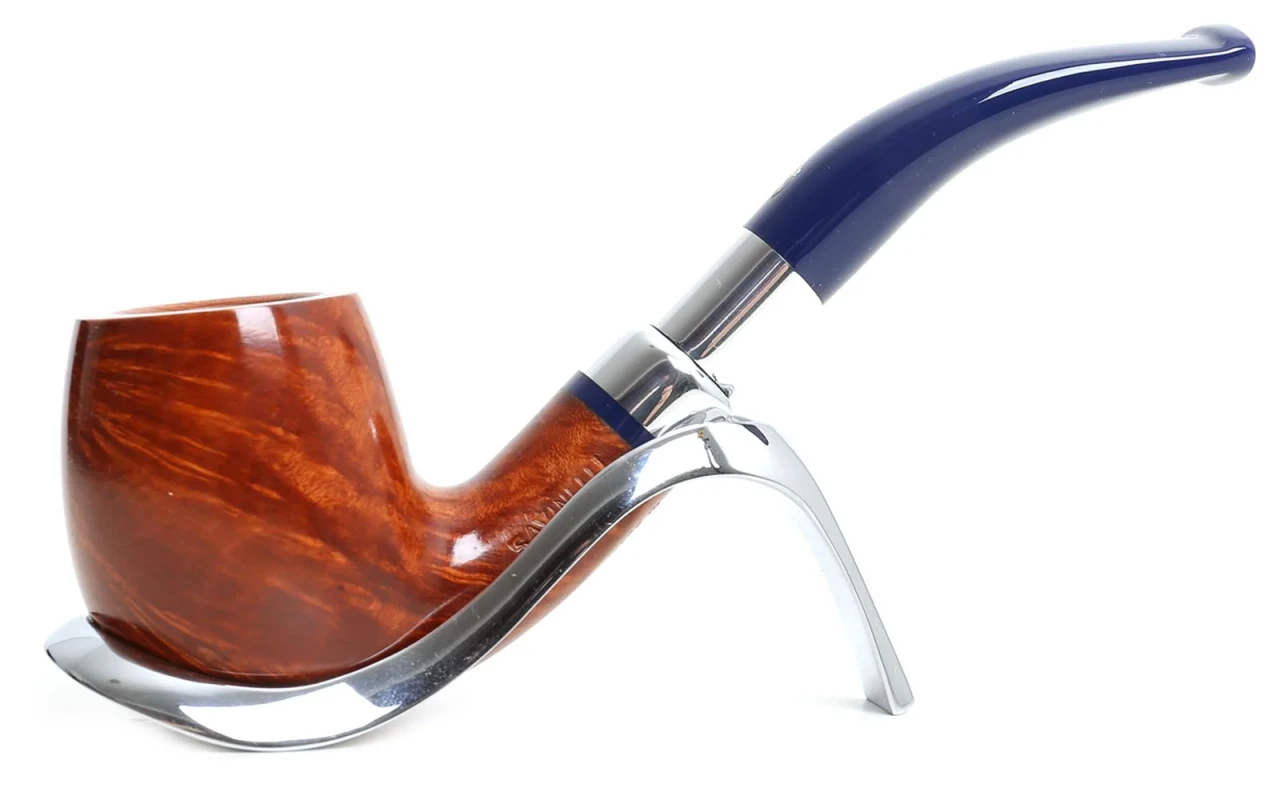
The spread of the pipe in ancient cultures is a phenomenon that mainly develops during the pre-Columbian era, when indigenous populations of the Americas began using pipes to smoke tobacco and other herbs. These implements were often made from natural materials such as clay, stone, or wood and played an important role in ritualistic and social ceremonies. With the arrival of Europeans, the pipe also spread throughout Europe and Asia, adapting to various local traditions. Over the centuries, the pipe has taken on many shapes and finishes, becoming not only a functional object but also a cultural and artistic symbol. Its history reflects the evolution of material crafting techniques and tobacco consumption habits, establishing the pipe as a distinctive element of the slow-smoking culture in many ancient and modern societies.