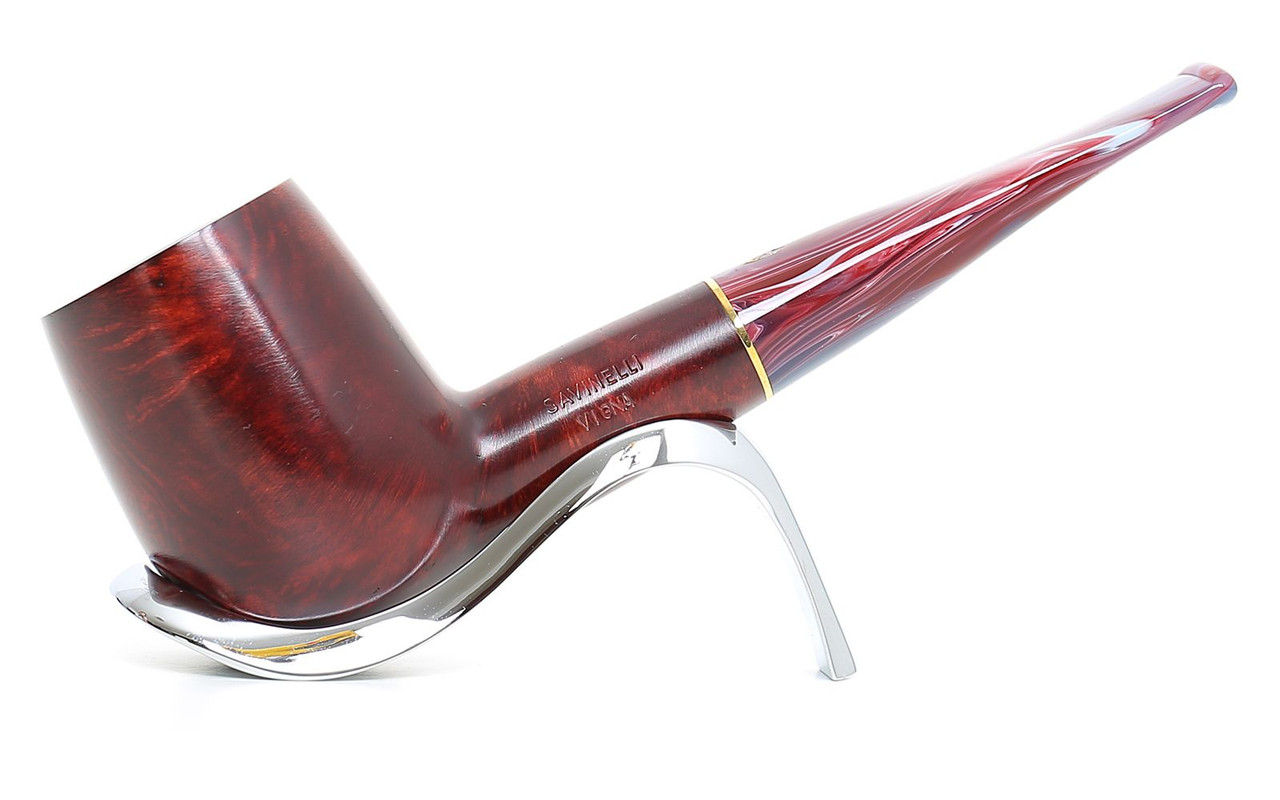
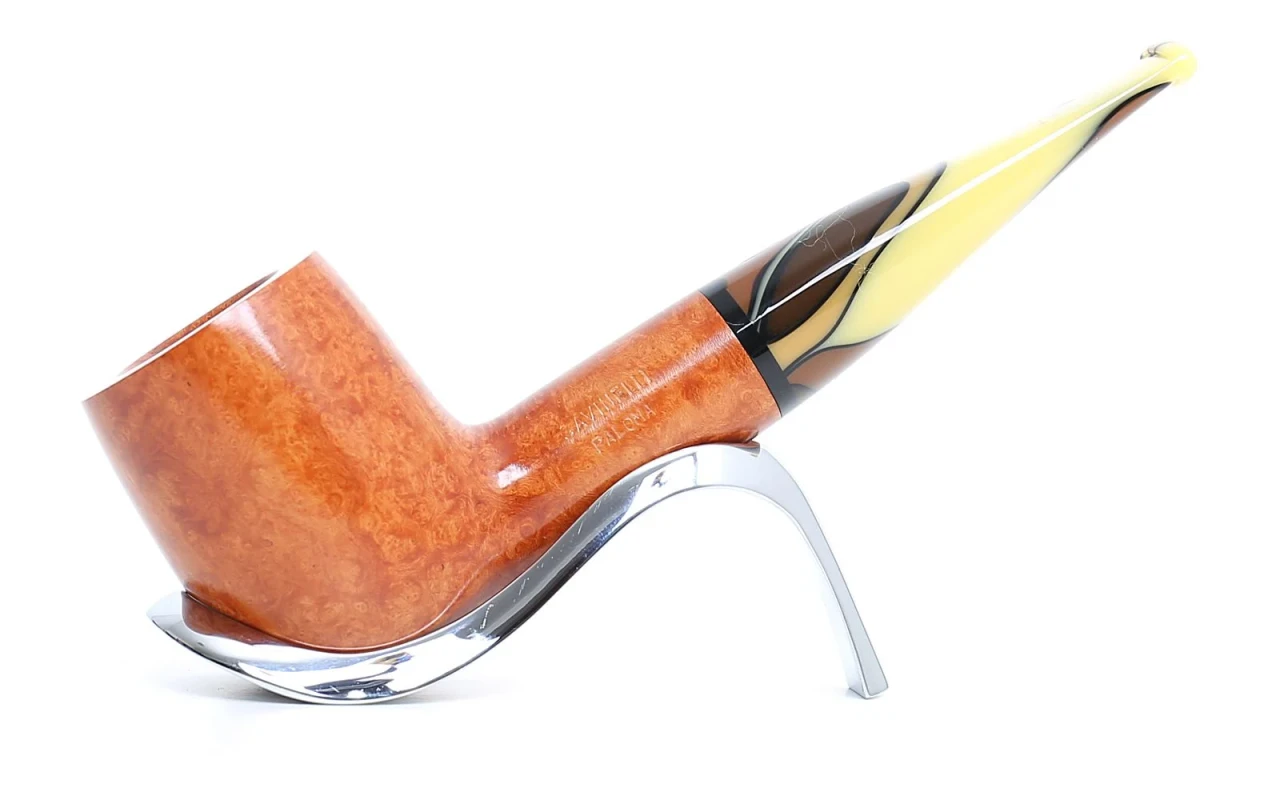
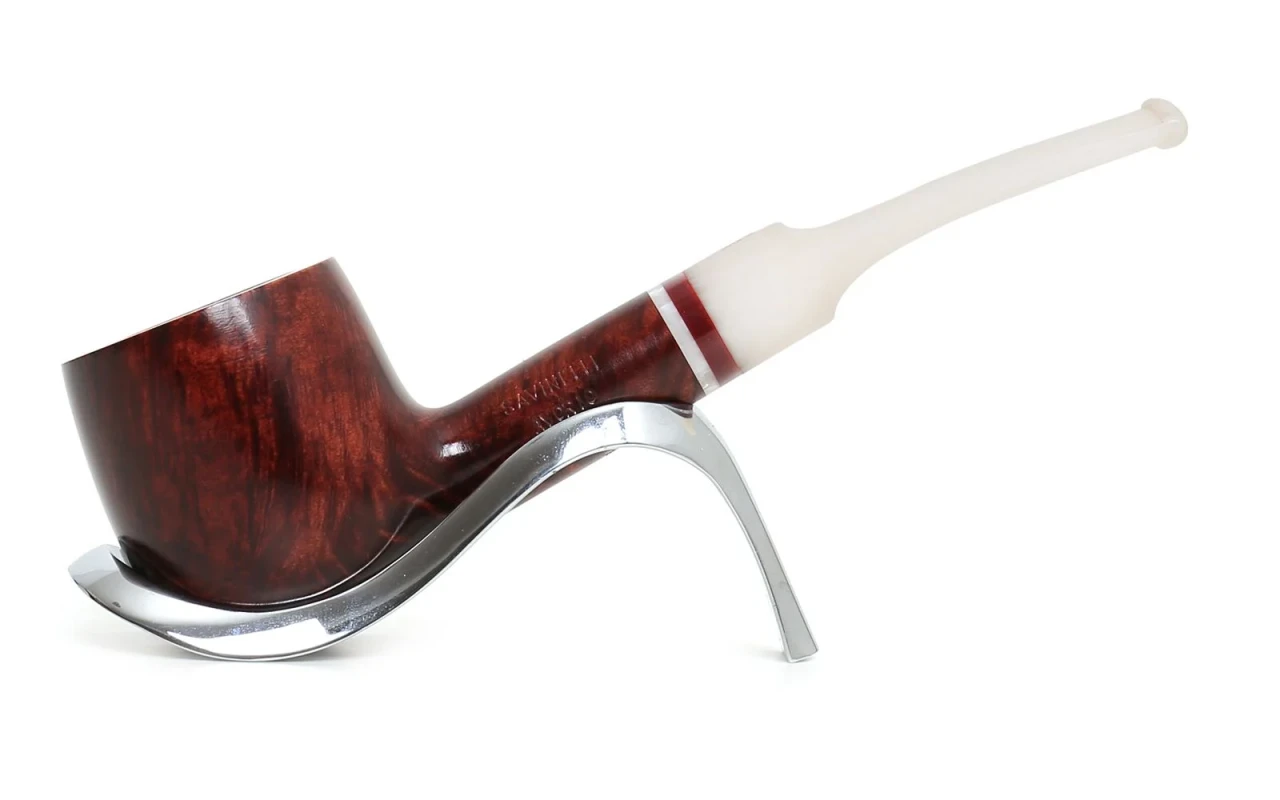
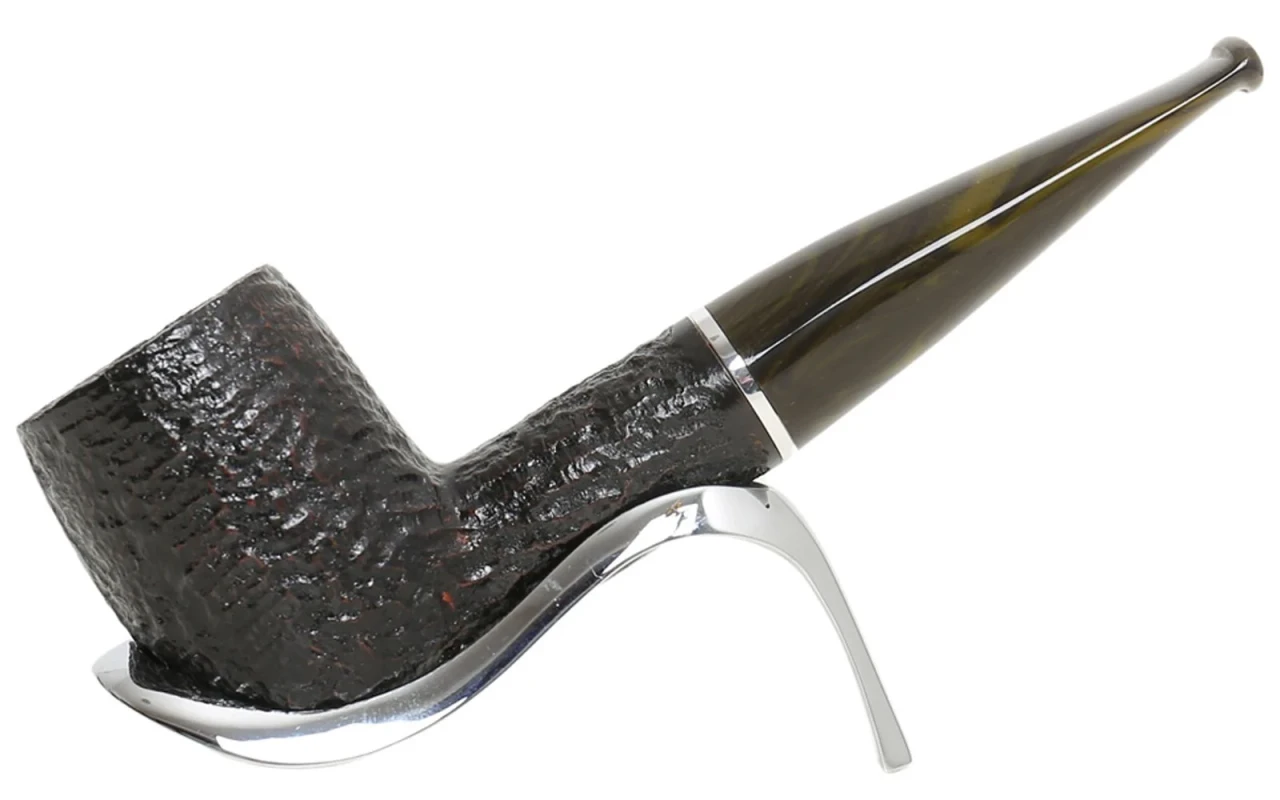
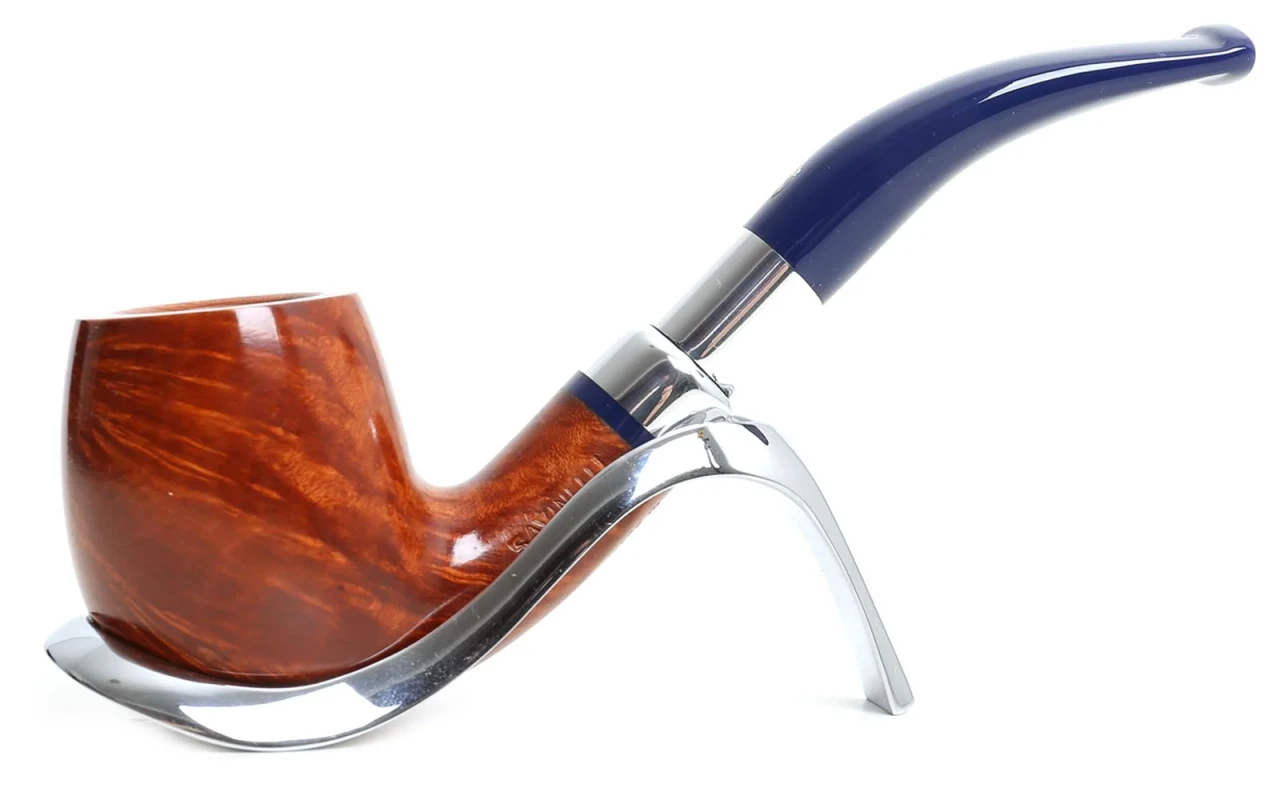
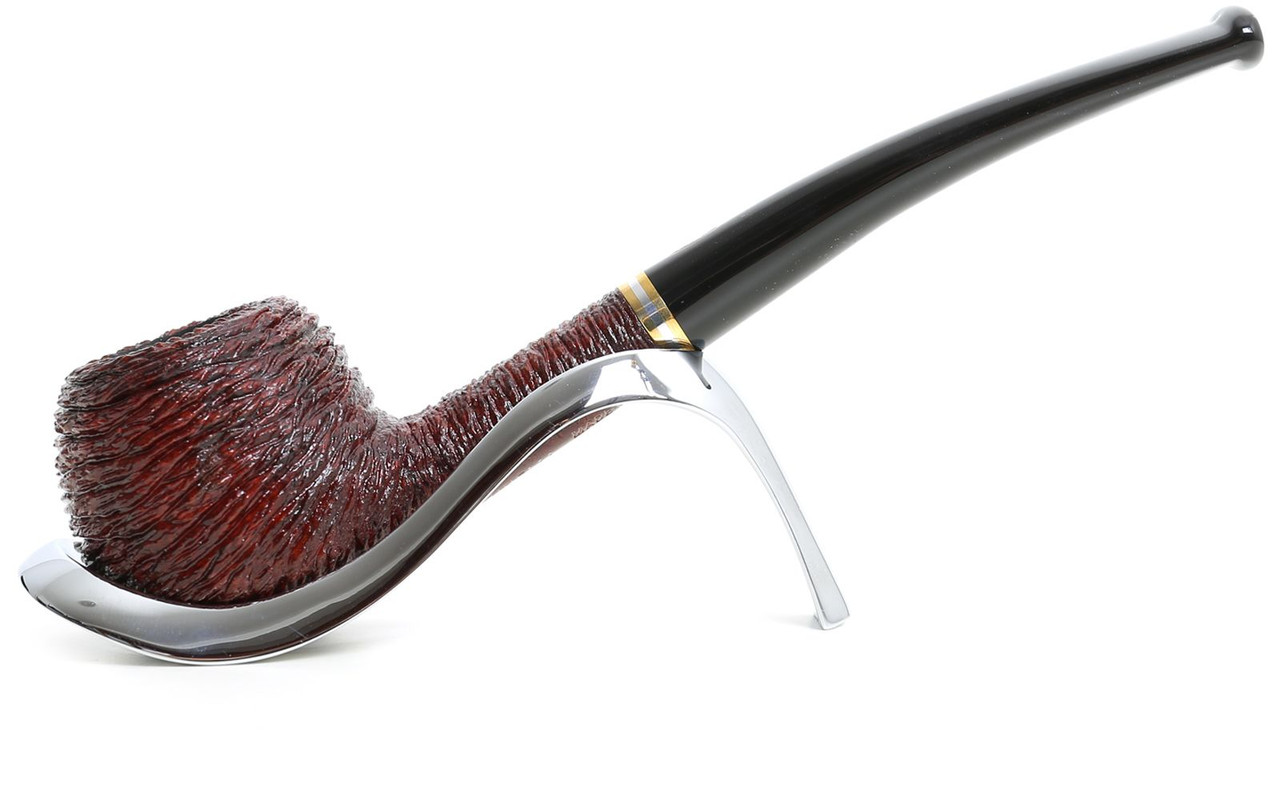
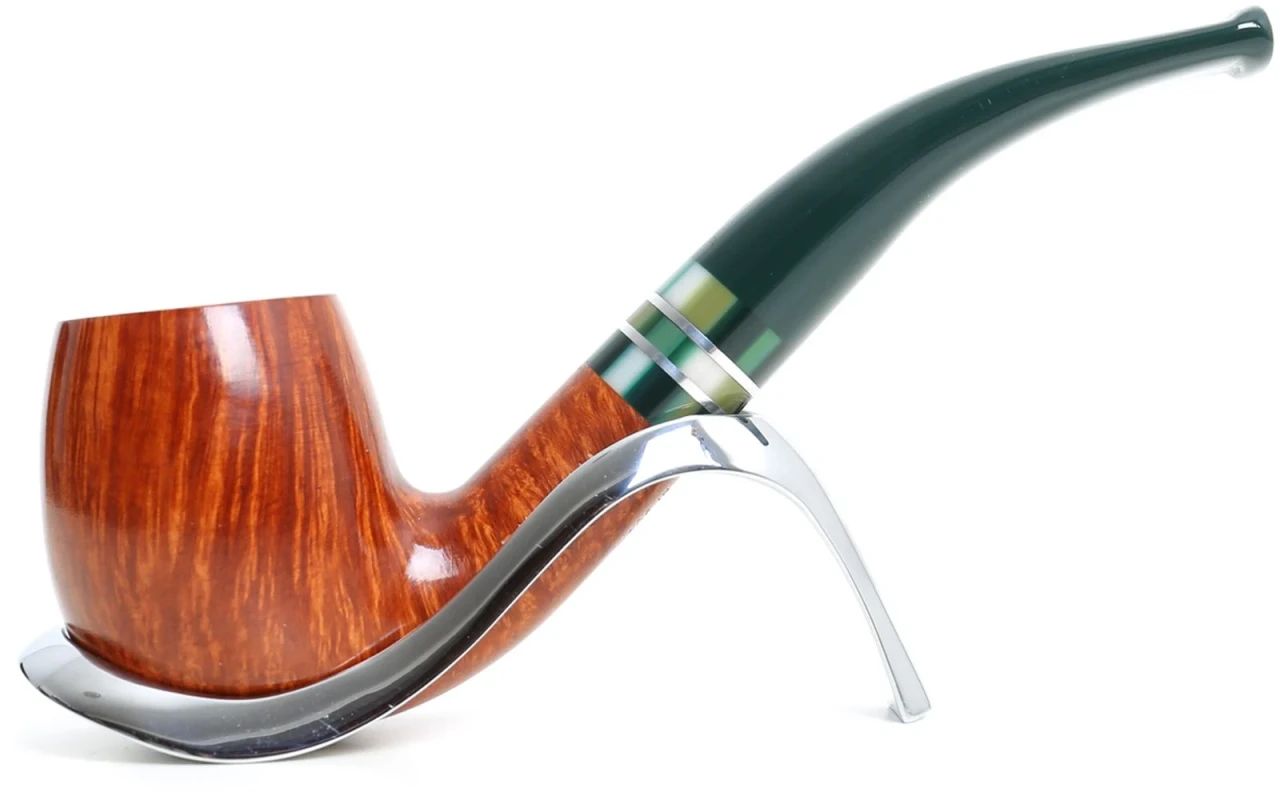
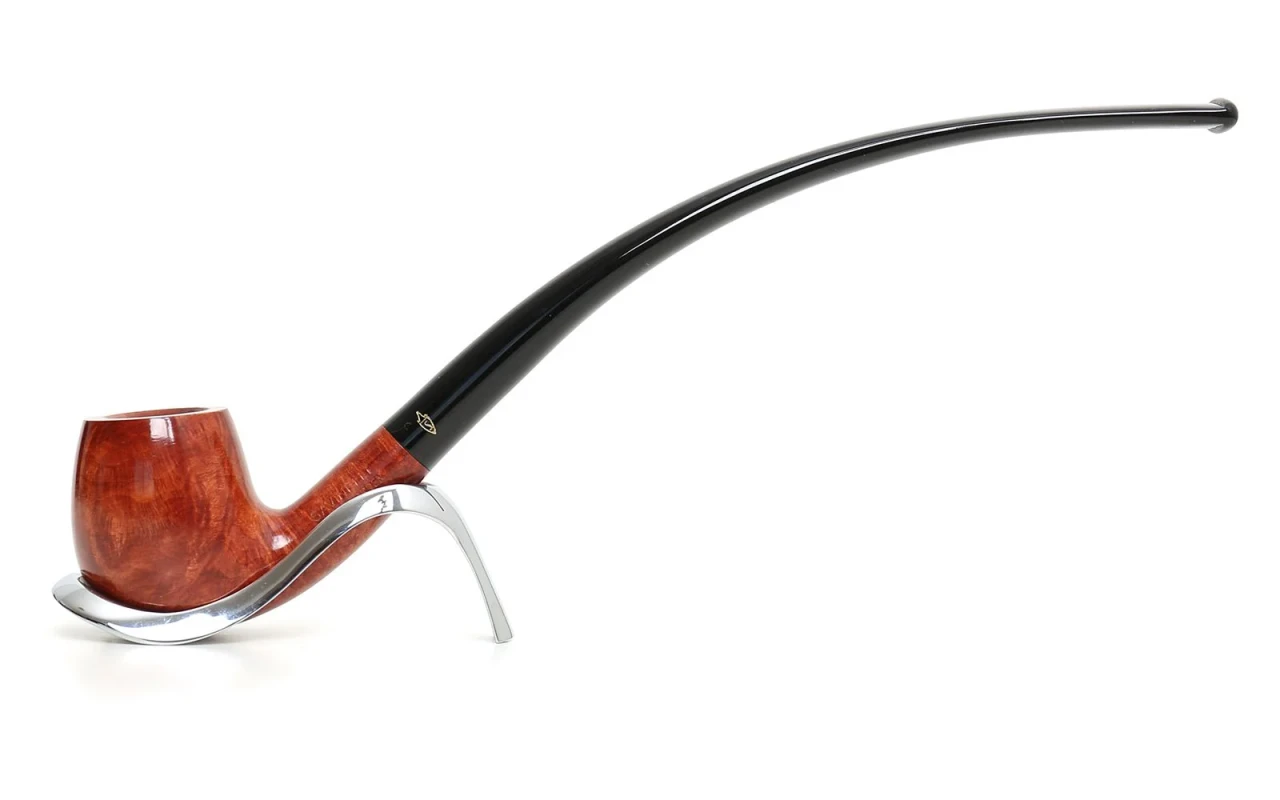
In the 18th century, the most common pipes were primarily made of clay, featuring simple and functional shapes. These pipes were often long and slender, designed for slow, lasting smoke appreciated at the time. Handcrafted production predominated, with regional variations in shape and decoration.
Which pipes were common in the 18th century? Deep dive
During the 18th century, the most common pipes were made of clay, a material widely used due to its availability and ease of working. These pipes typically had simple forms, often with a long, thin stem that promoted a slow and cool smoke, ideal for the tobacco of the period. Production was largely artisanal, with local workshops crafting pipes exhibiting slight stylistic and decorative variations reflecting regional traditions. Clay pipes were valued for their lightness and their ability to preserve the pure taste of the tobacco. Besides clay, wooden pipes began to appear, although they were less common. The shapes were generally functional, intended for everyday use and to ensure a good slow-smoking experience, which was the prevailing culture. These pipes also represented social and cultural elements, often associated with moments of relaxation and conversation.