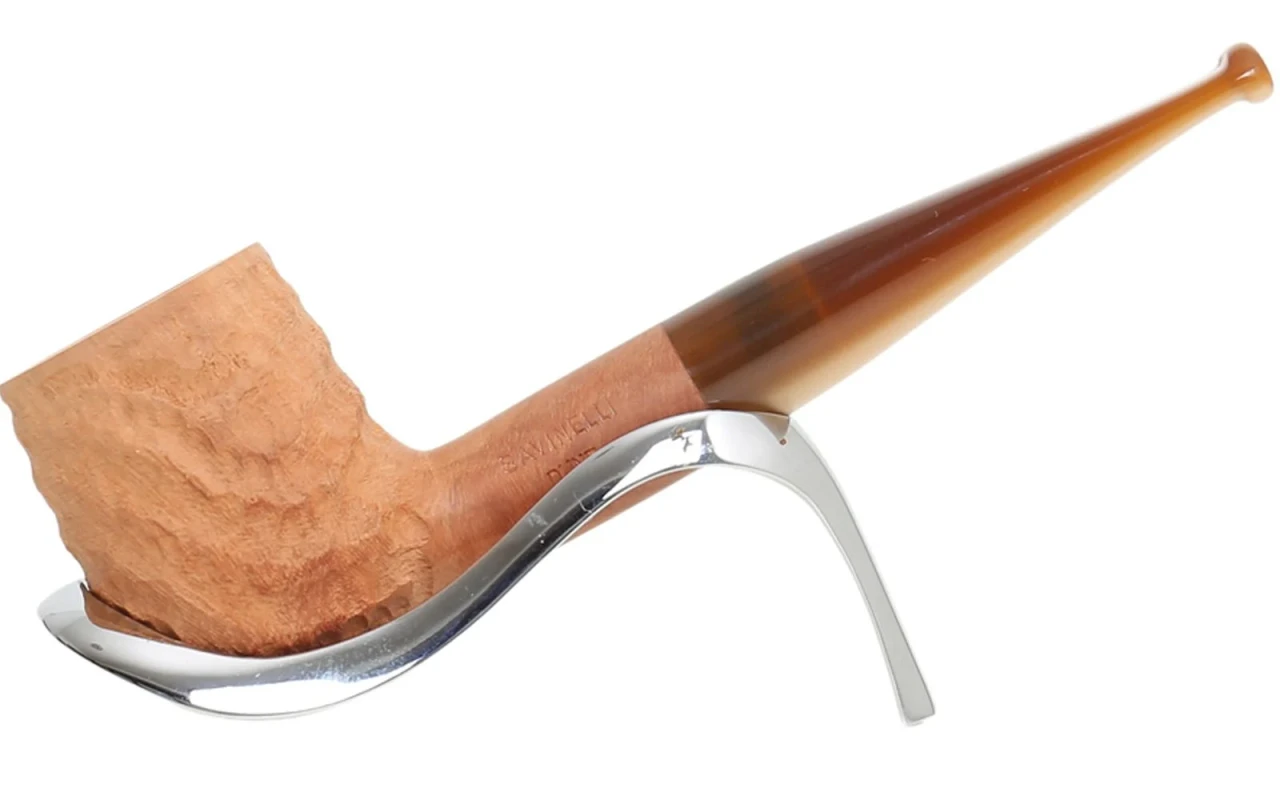
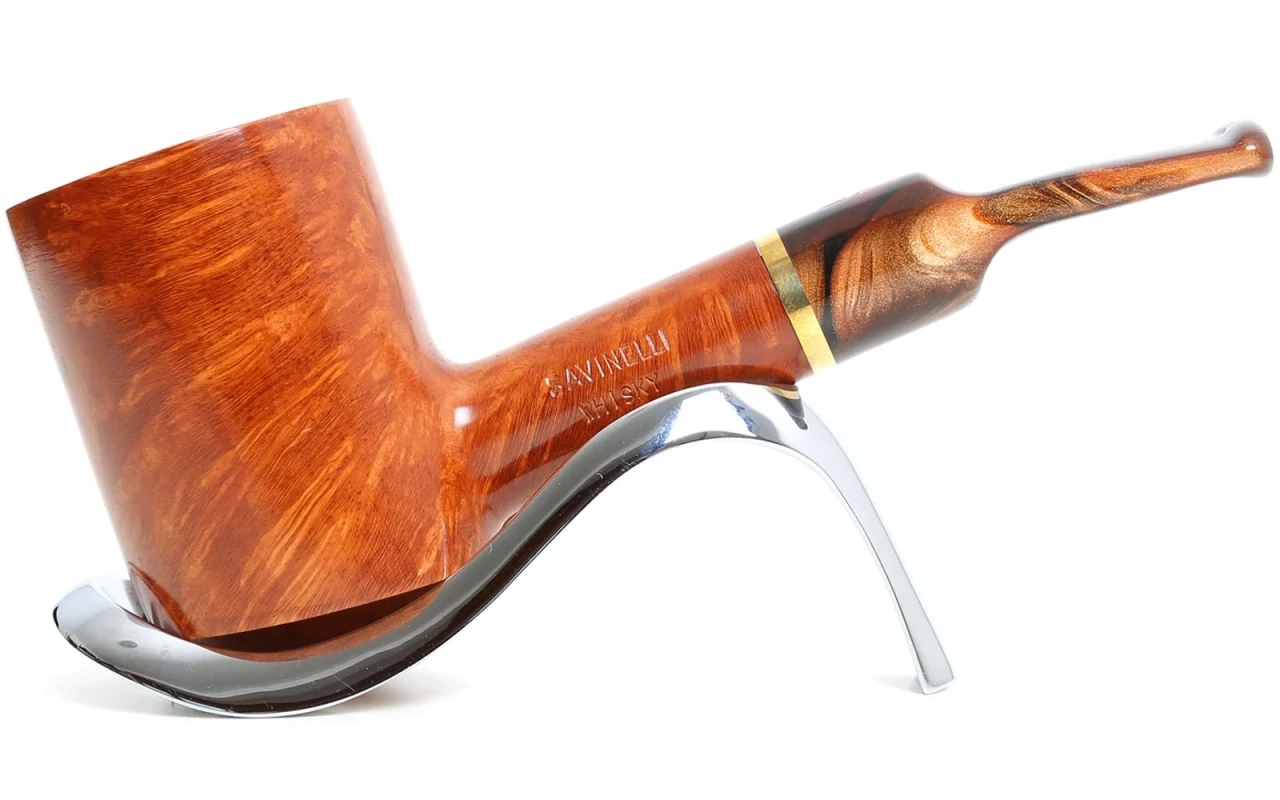
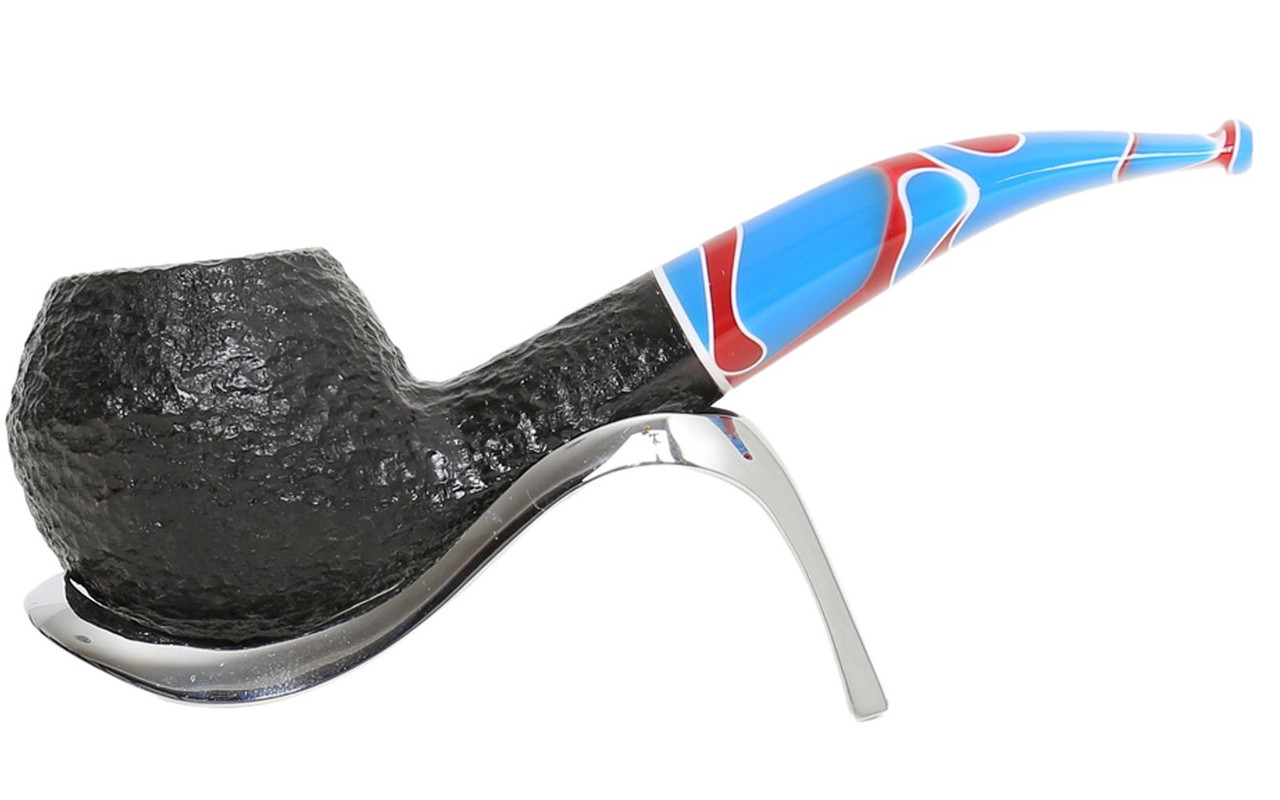
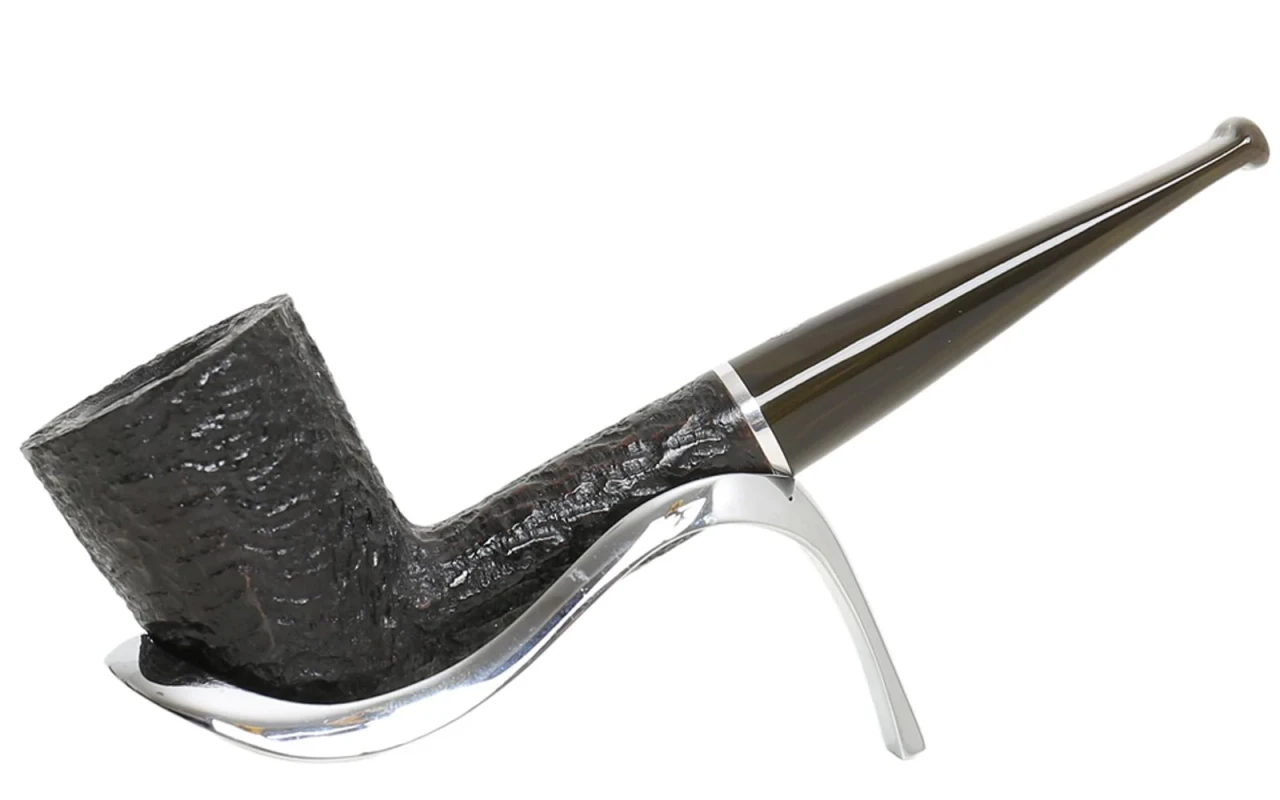
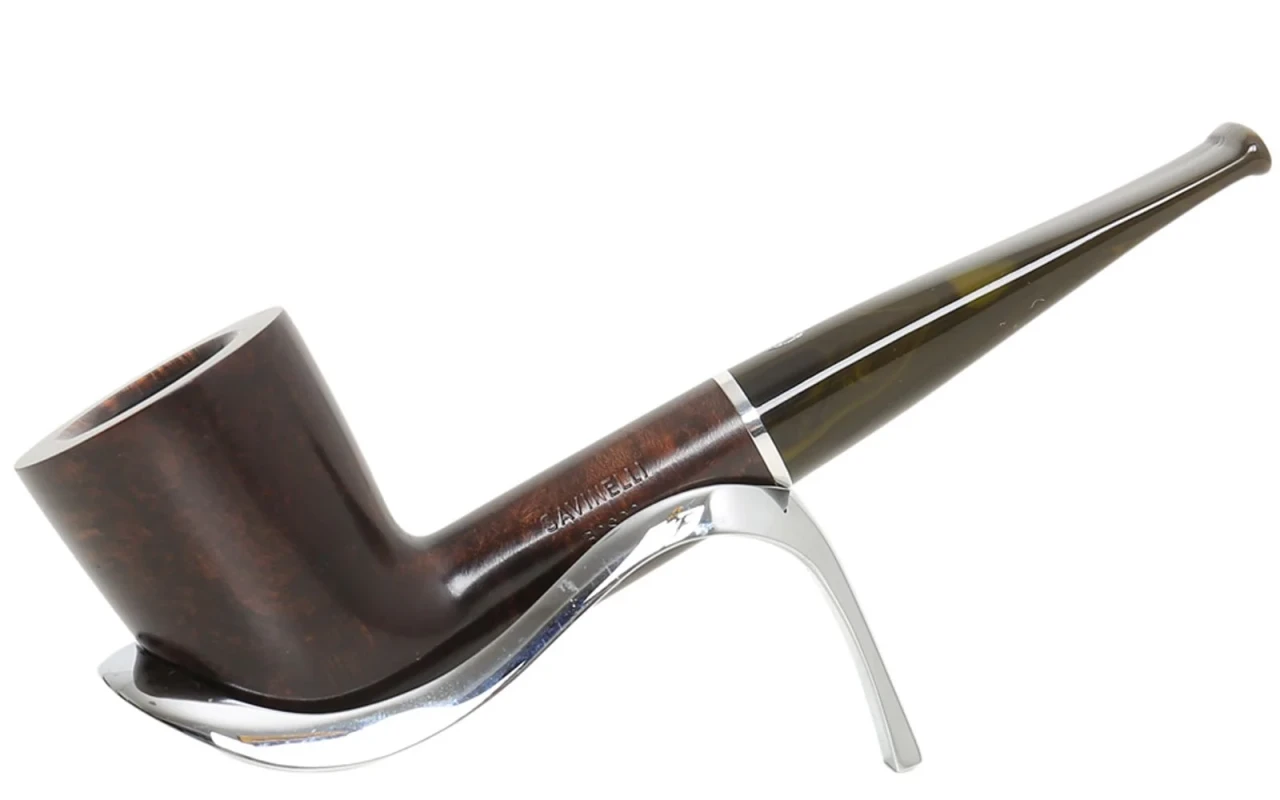
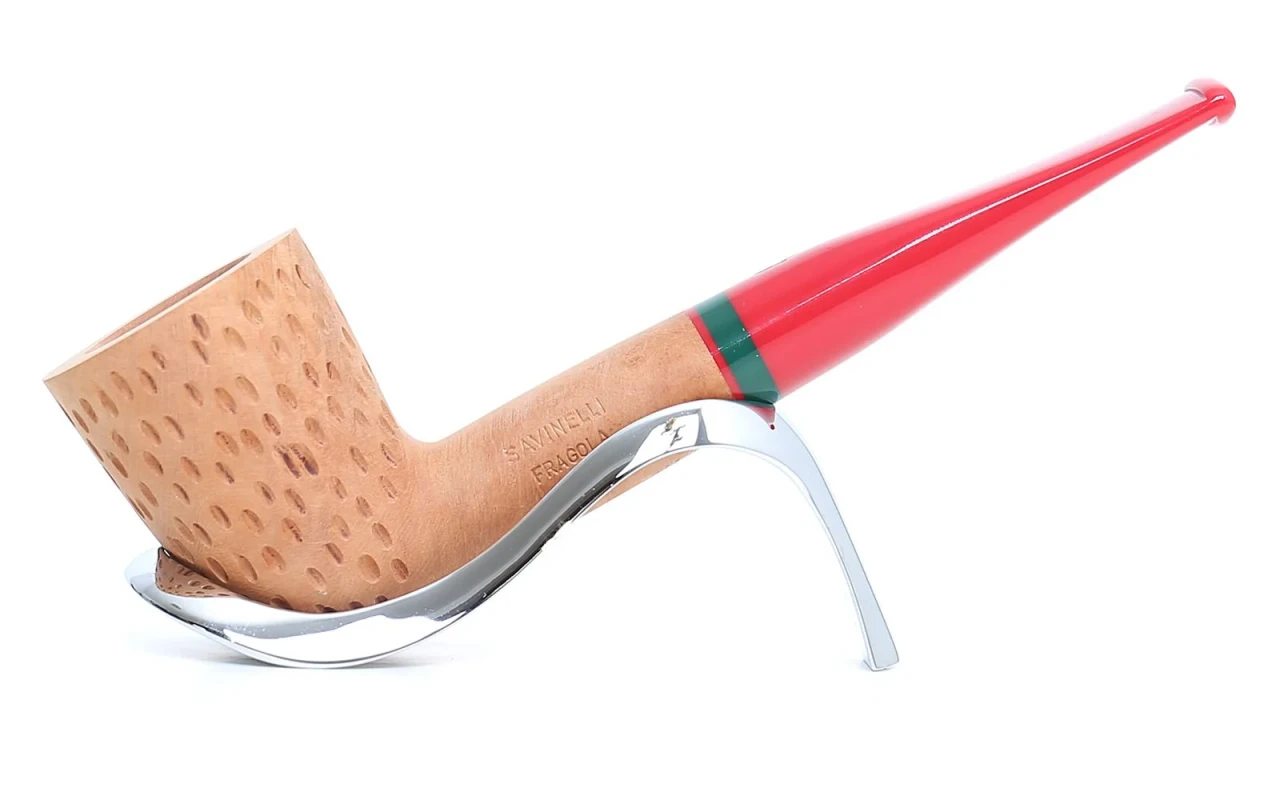
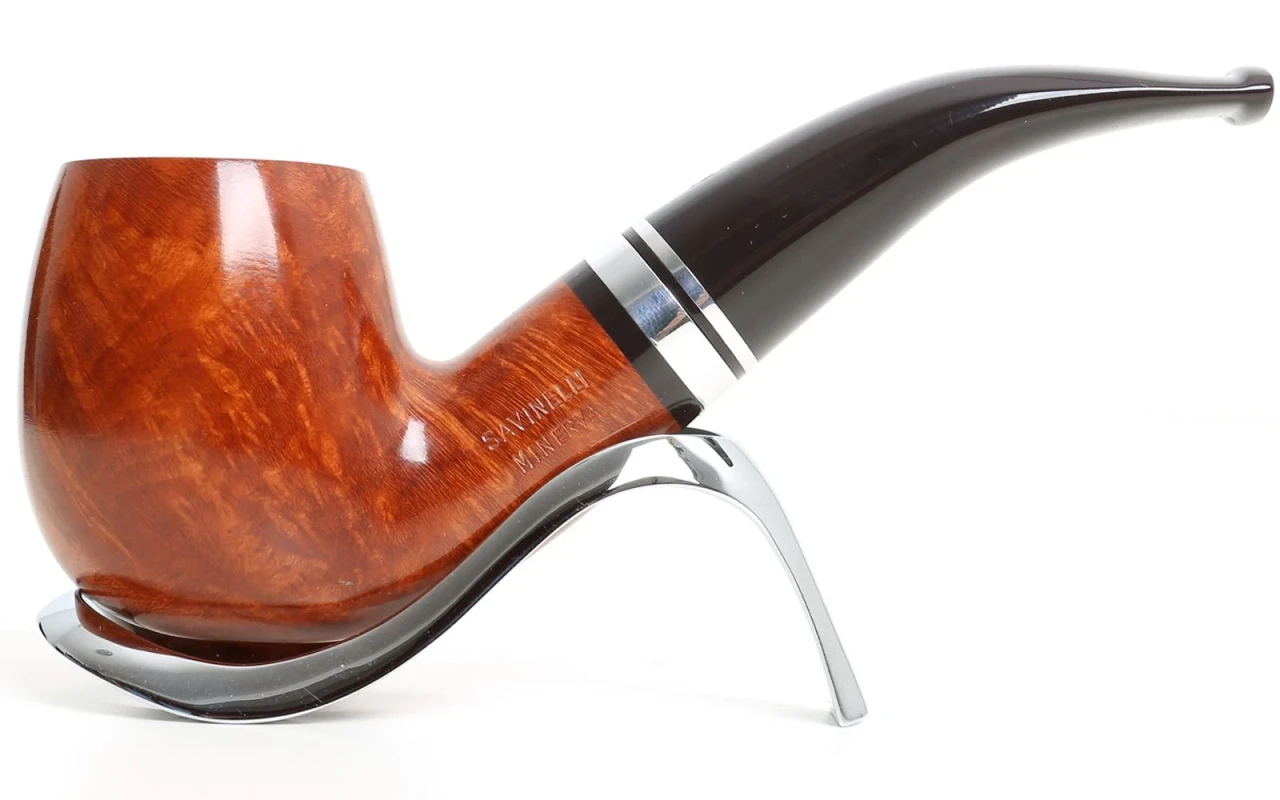
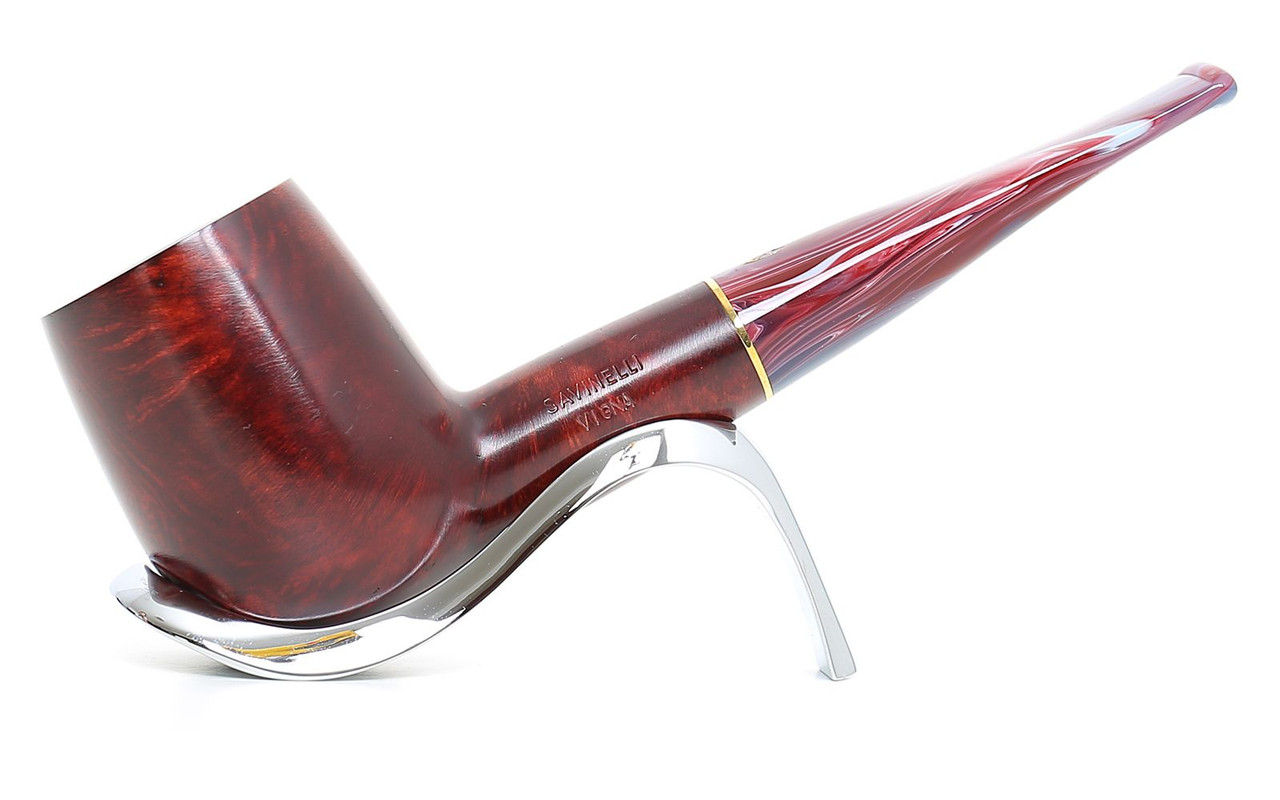
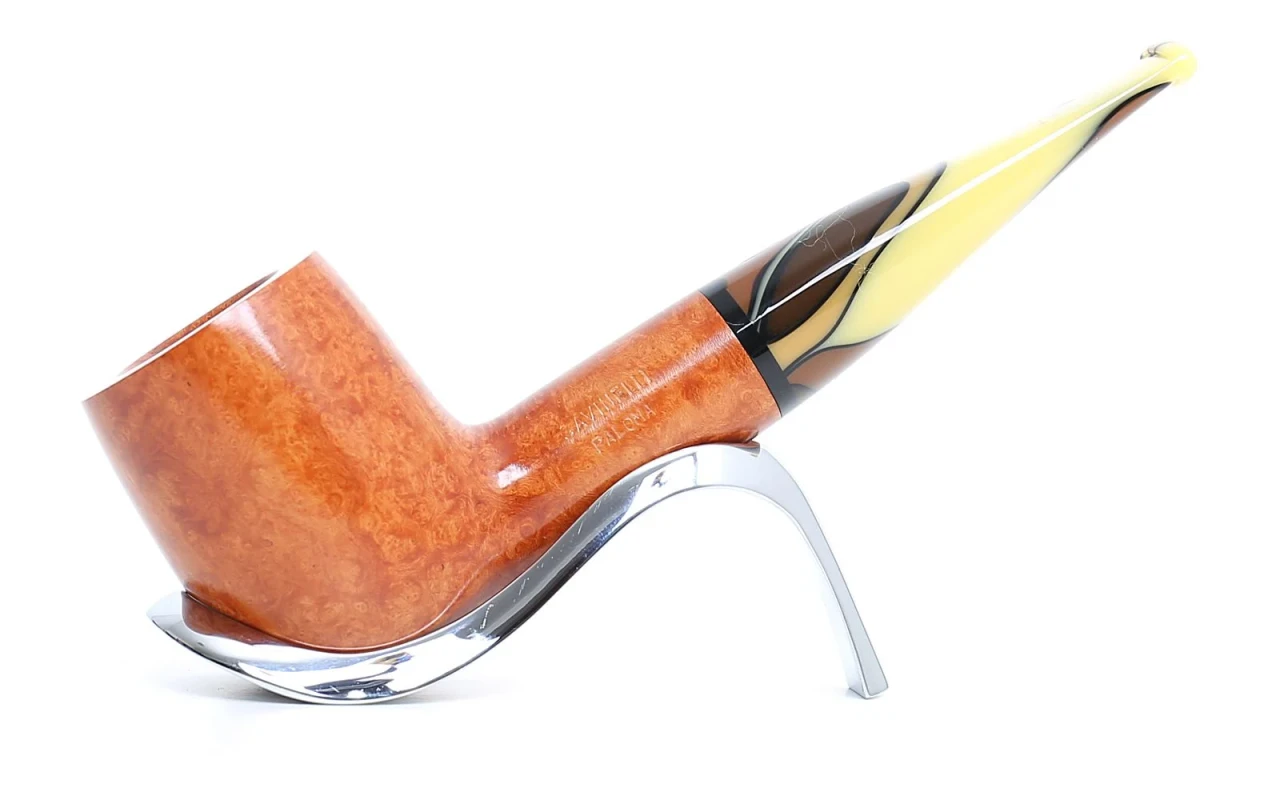
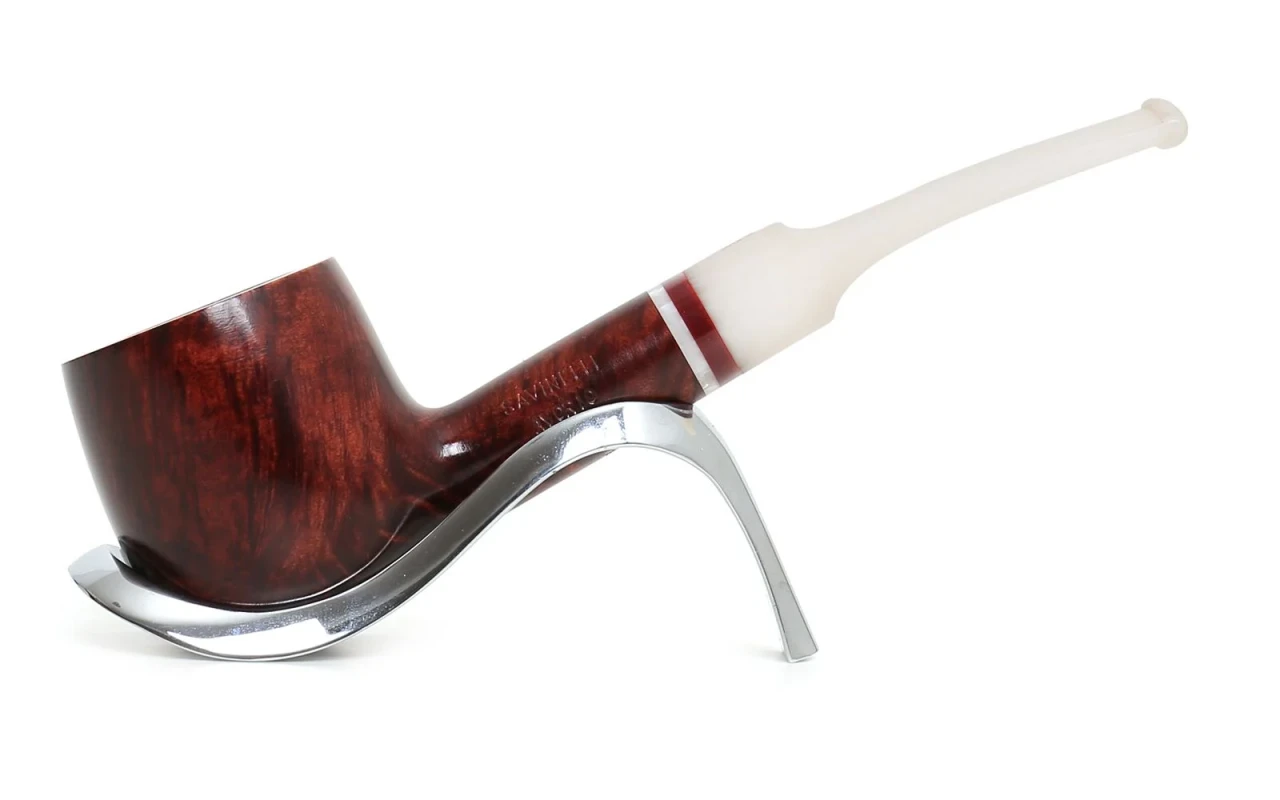
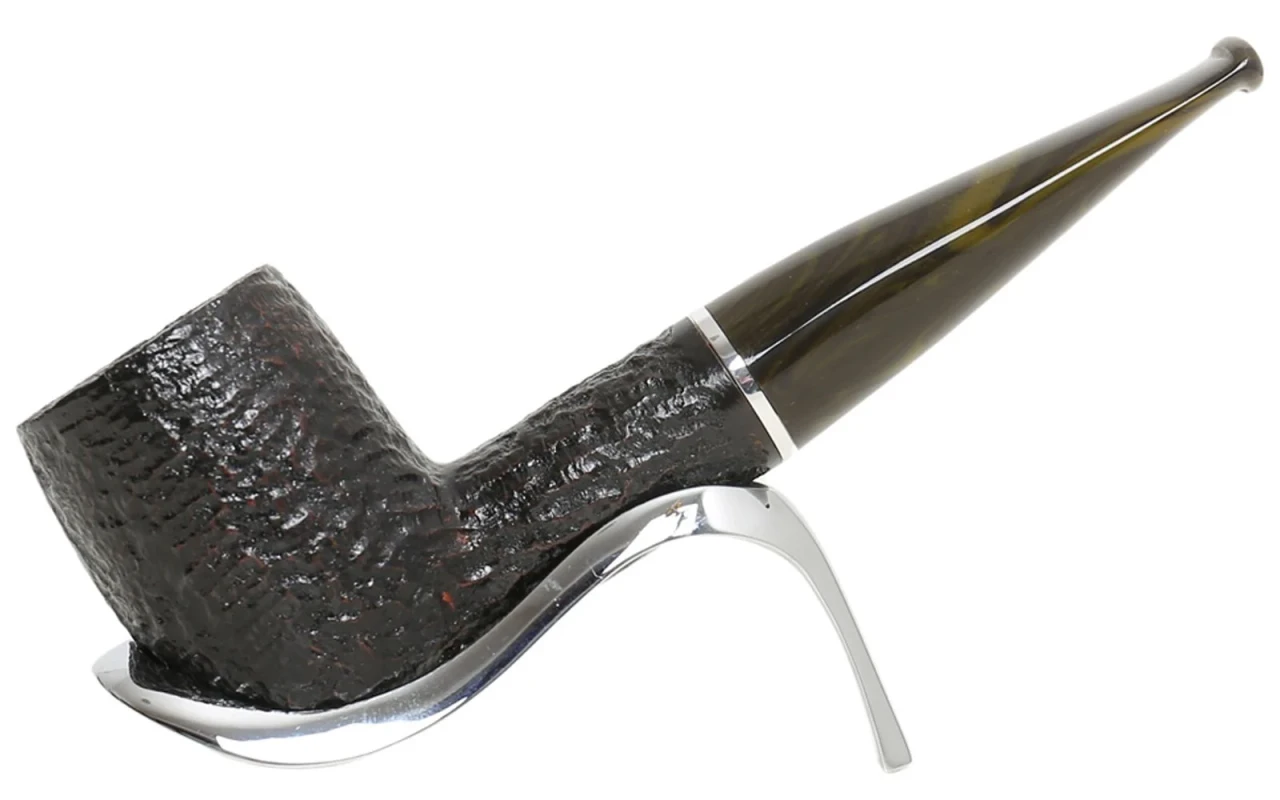
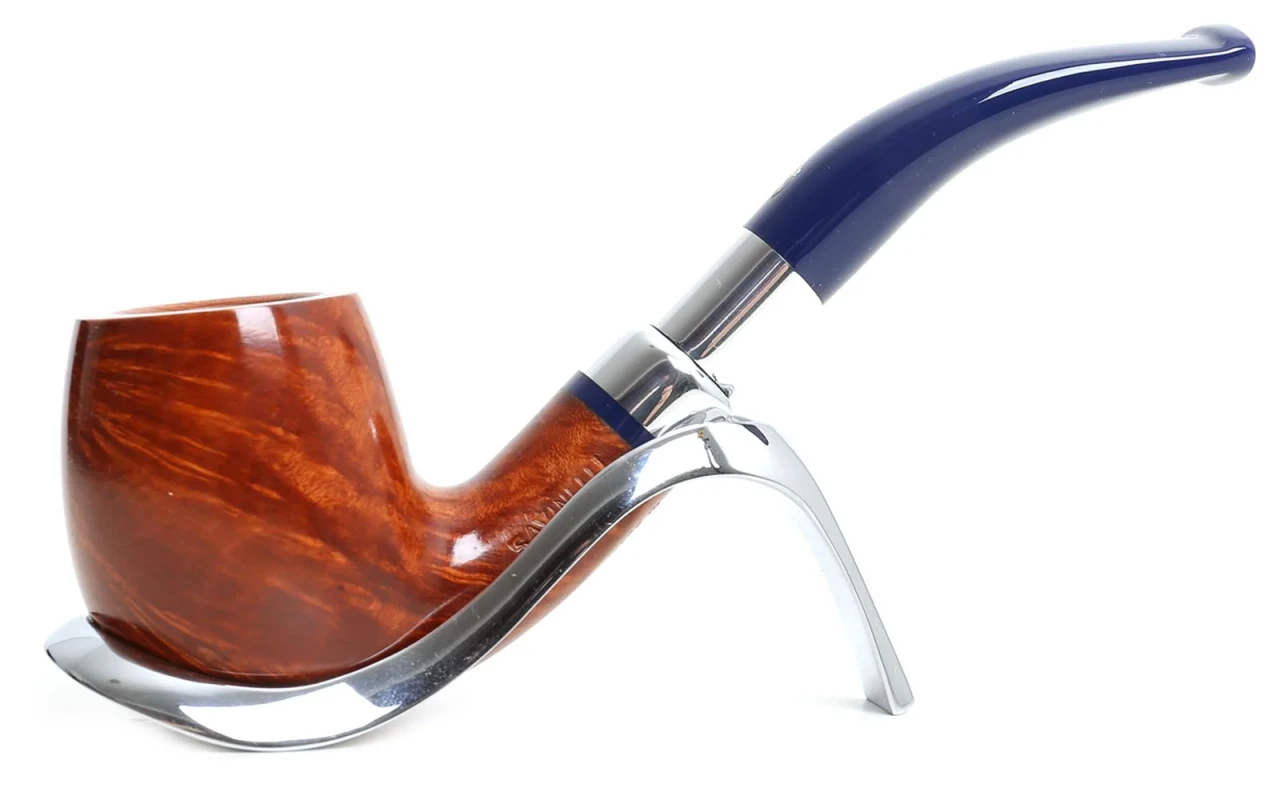
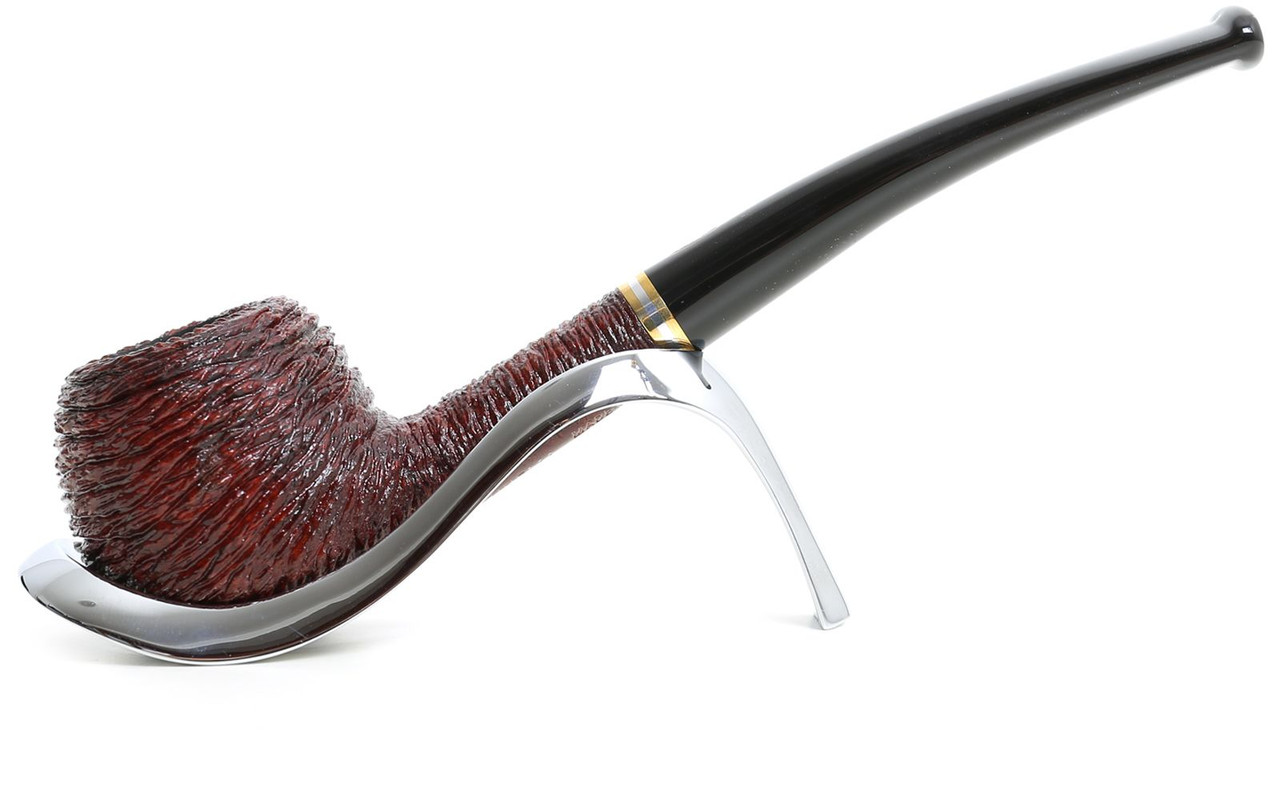
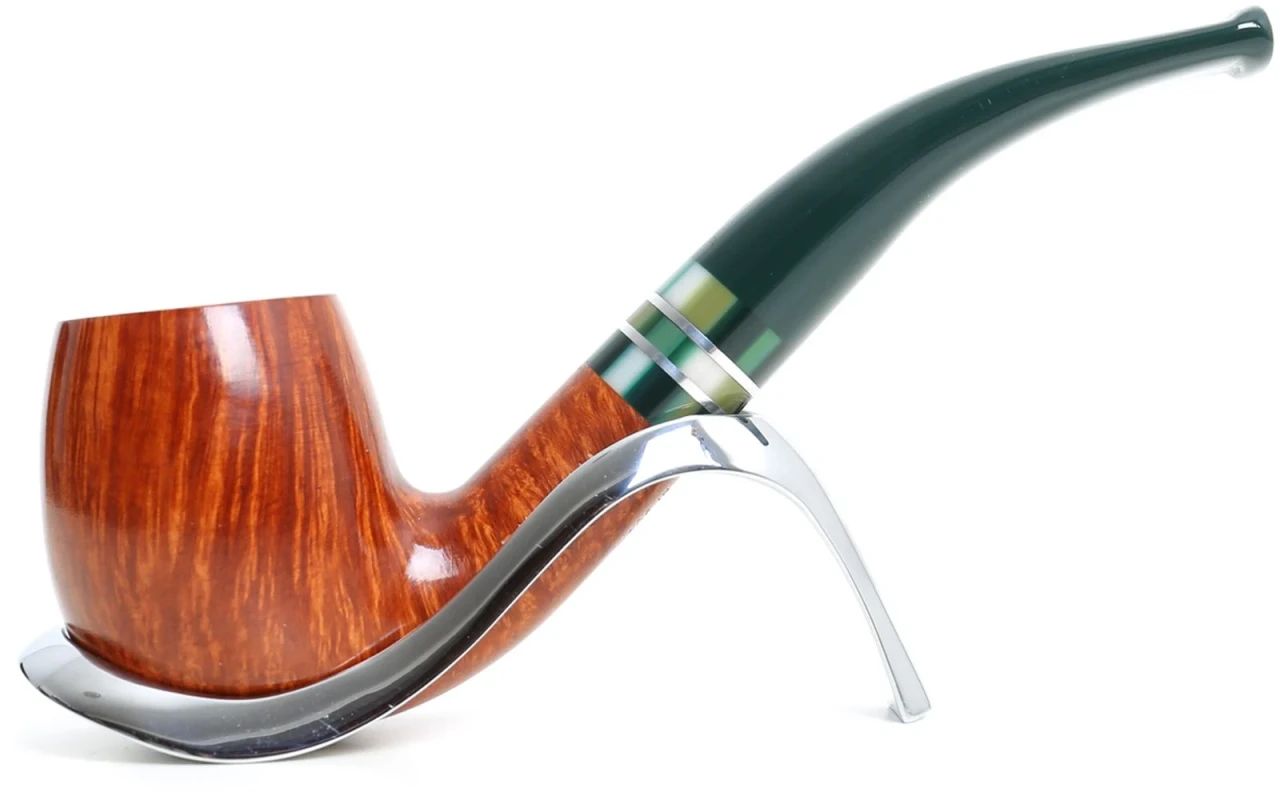
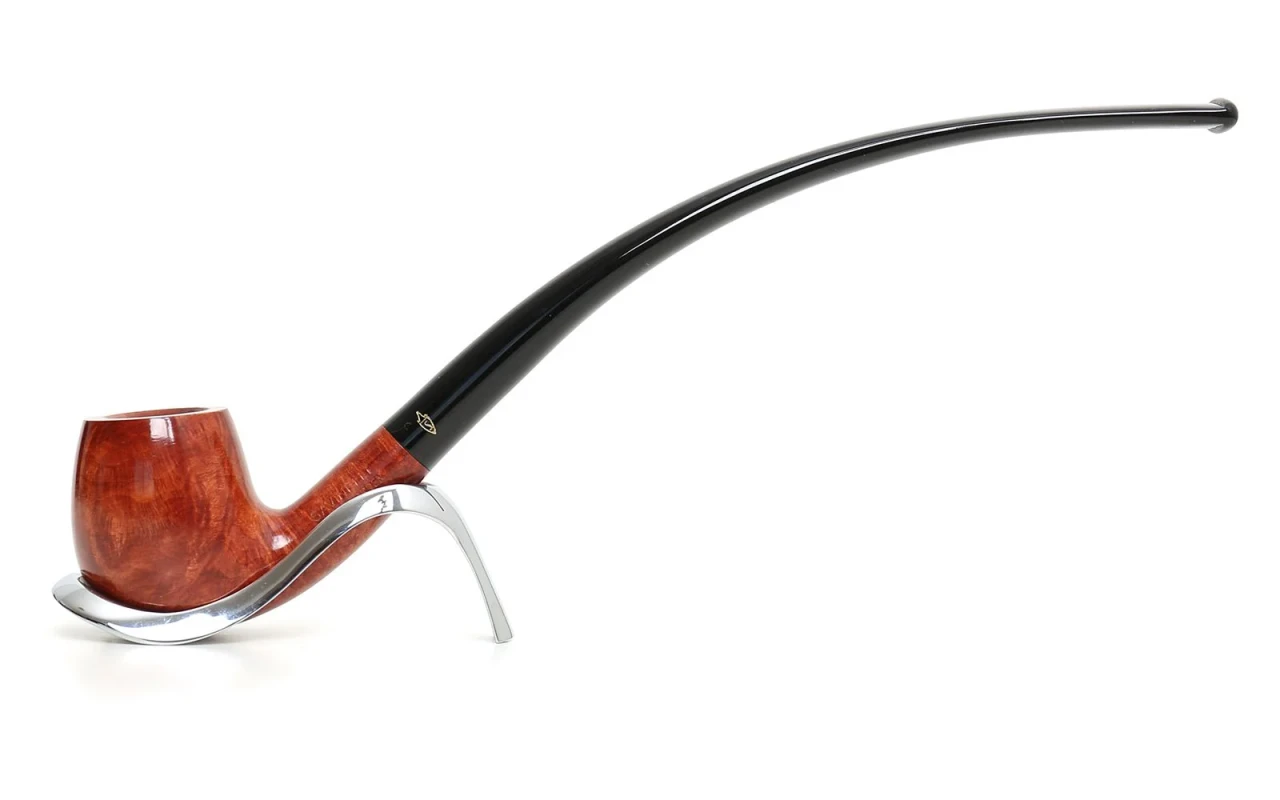
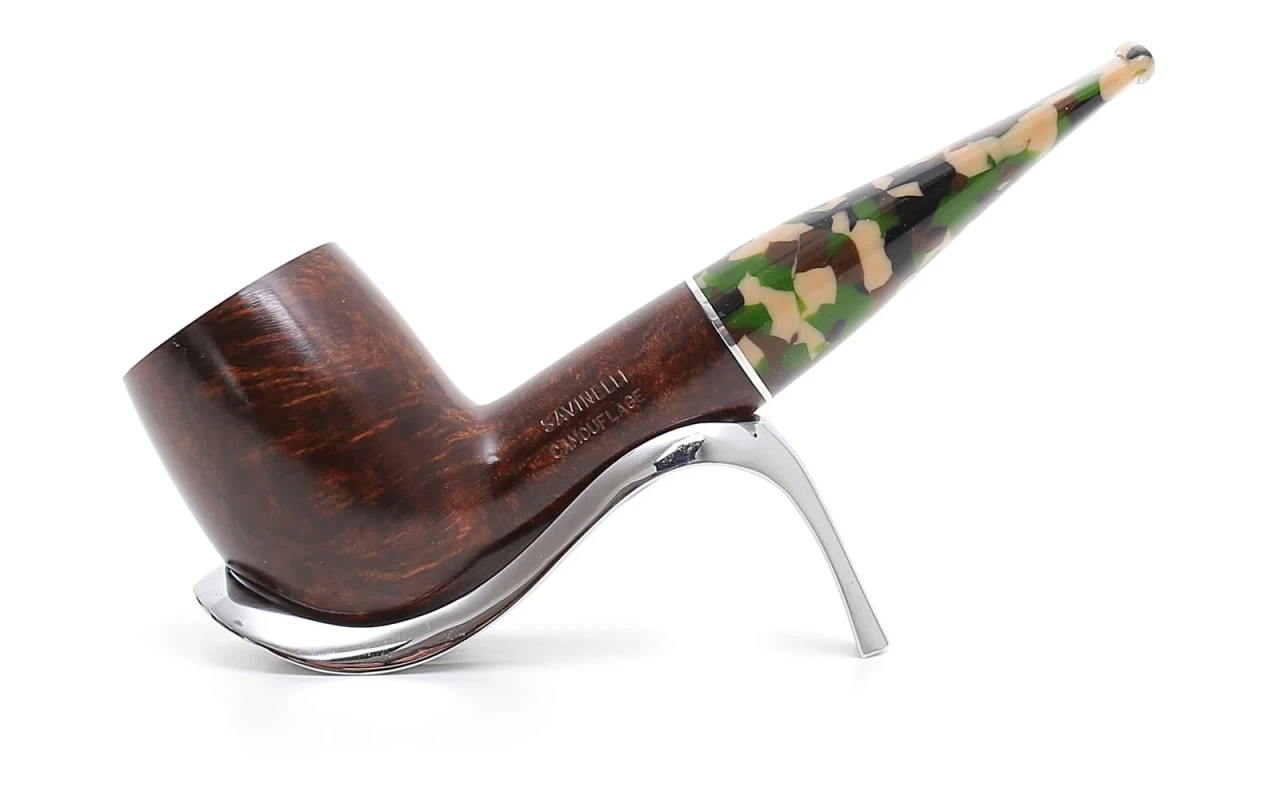
Briar, sourced from the root burl of the boxwood tree, was discovered and first used in the 18th century as a pipe material. It became ideal due to its heat resistance, lightness, and moisture-absorbing properties, which ensure a cleaner and longer-lasting smoking experience.
When was briar discovered and why did it become the ideal material for pipes? Deep dive
Briar is a natural material derived from the root burl of the boxwood shrub, native to the Mediterranean region. Its discovery as a pipe-making material dates back to the 18th century when Italian craftsmen began shaping it to create superior-quality pipes. Briar quickly became the preferred material for pipes because of its unique qualities: it is highly heat-resistant, allowing it to withstand the elevated temperatures produced during tobacco combustion without deteriorating. Additionally, briar is lightweight, making the pipe comfortable to hold and handle during smoking. Another fundamental feature is its natural porosity, which enables it to absorb moisture and impurities generated during combustion, improving the smoking quality and reducing residue buildup. These properties have established briar as the ideal material for high-quality pipes, valued both for functionality and aesthetics, as briar wood can be finely crafted and finished to highlight its natural grain, giving each pipe a unique character.