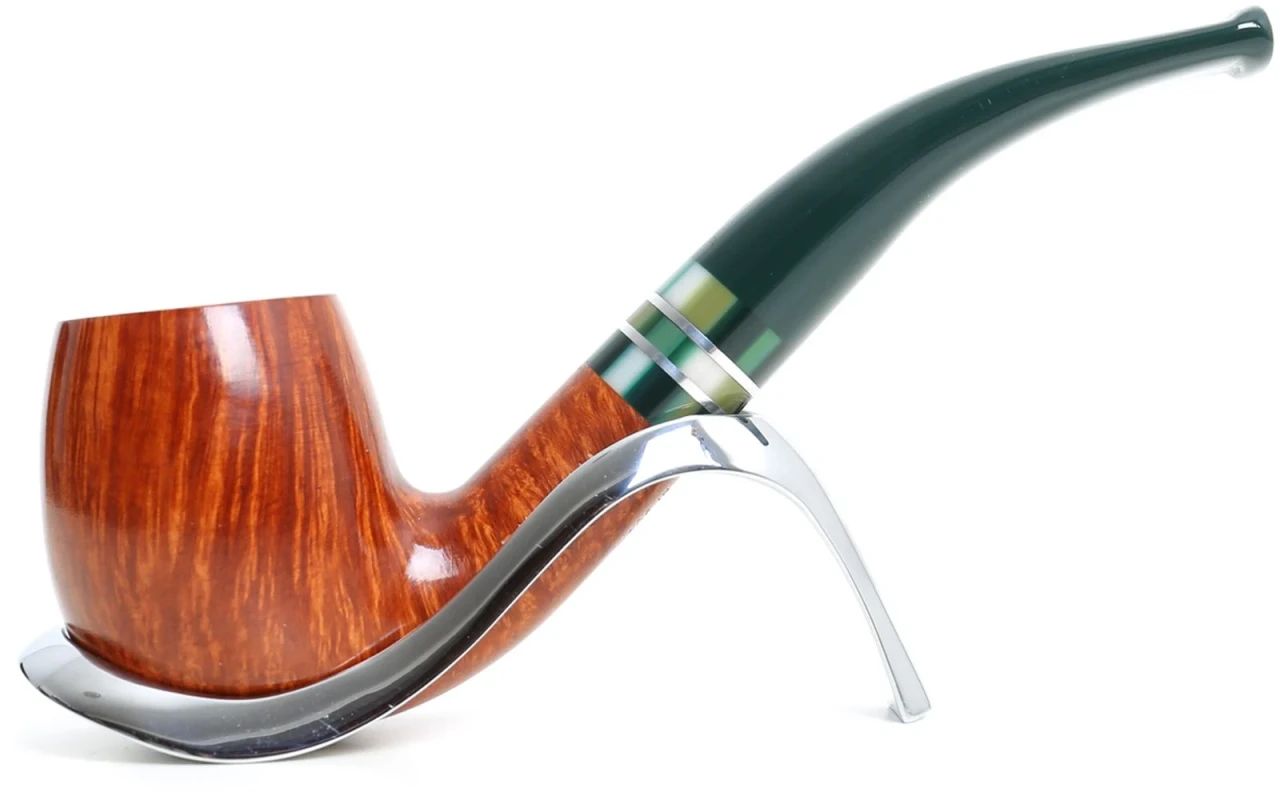
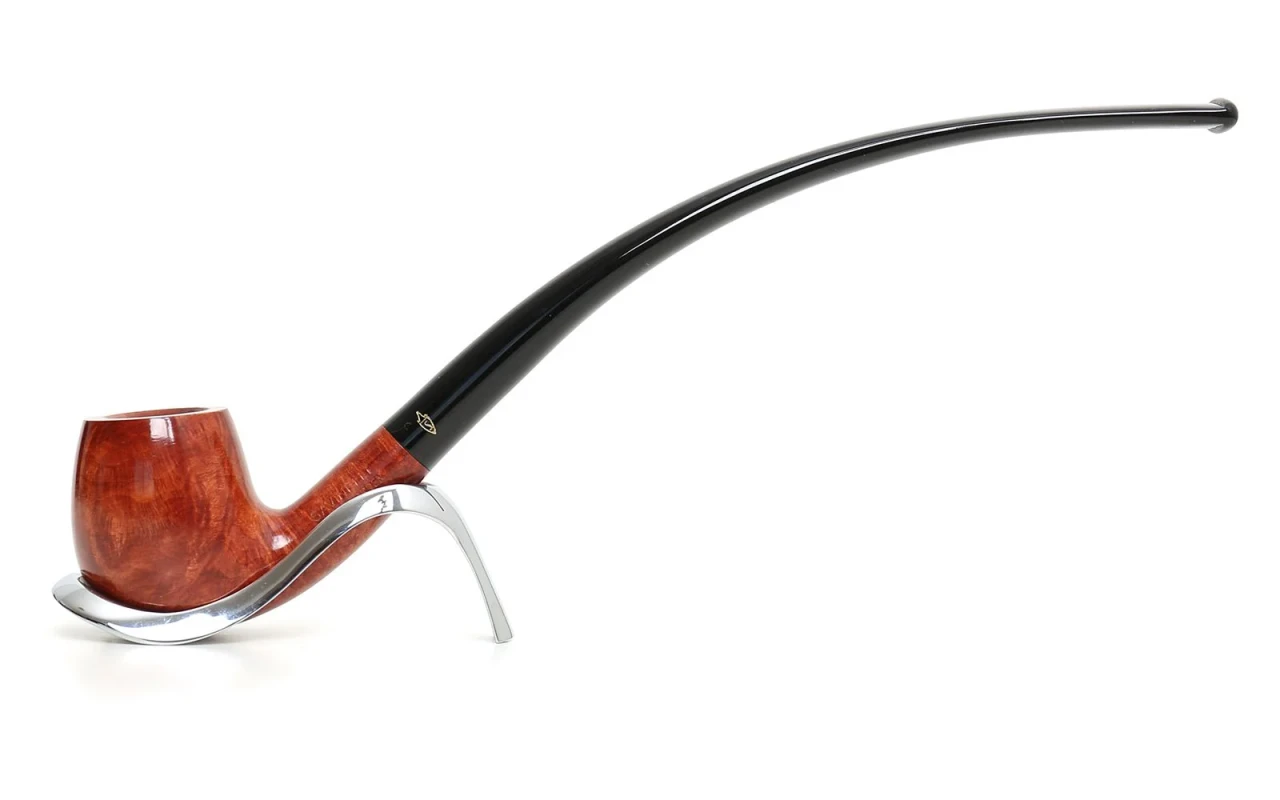
Pipe tobacco arrived in Europe in the 16th century, brought by Spanish and Portuguese explorers following the discovery of the Americas. Since then, its use spread rapidly, becoming part of the slow smoking culture in many European nations.
When did pipe tobacco arrive in Europe? Deep dive
Pipe tobacco made its entrance into Europe in the 16th century, following the explorations and conquests of the Spanish and Portuguese in the Americas. Explorers brought back this new plant, already used by indigenous populations for ritual and social purposes. In Europe, pipe tobacco spread quickly, becoming a central element in the slow smoking culture. Over the centuries, various traditions developed surrounding the choice of tobacco, pipe shapes, and smoking accessories, establishing a dedicated world around this practice. The history of pipe tobacco in Europe is therefore closely linked to the routes of discovery and cultural contacts between continents, influencing customs and habits up to the present day.