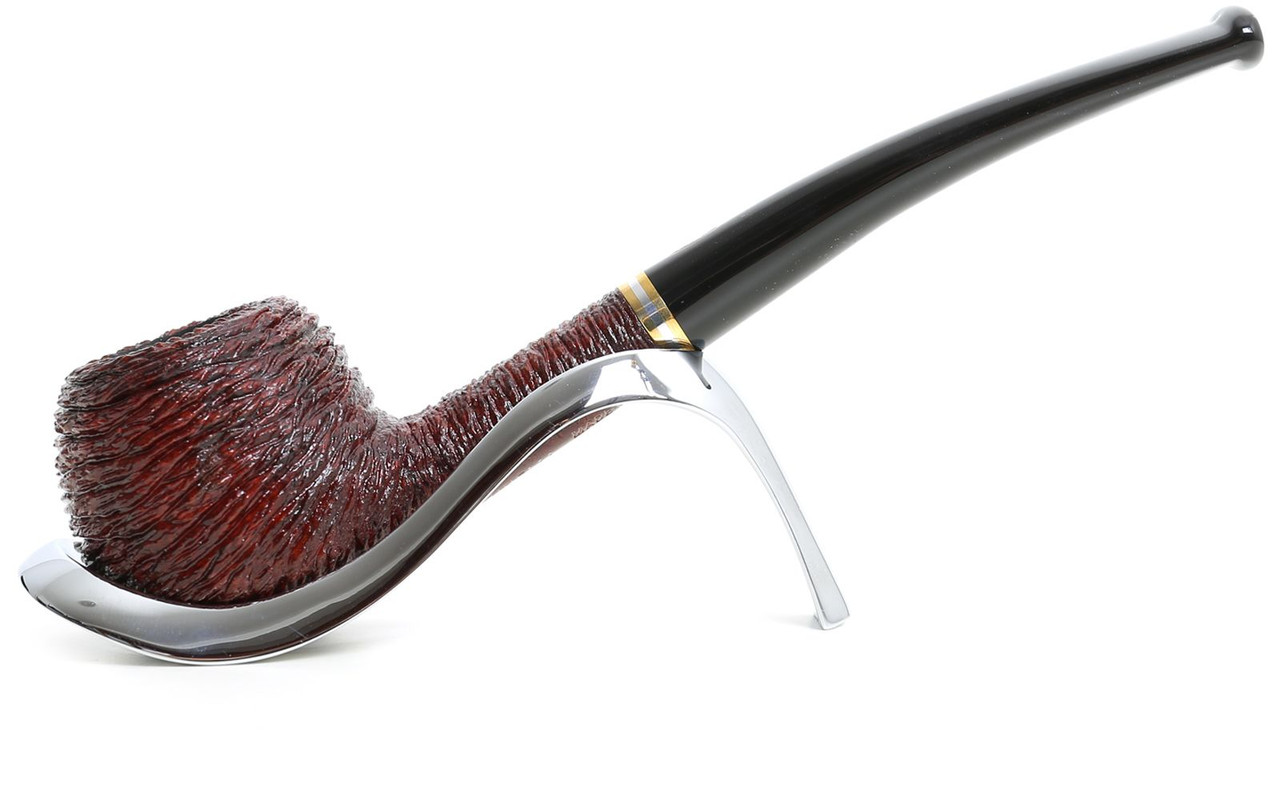
After the discovery of America, the pipe quickly spread in Europe thanks to commercial and cultural exchanges with indigenous peoples. Tobacco, native to the Americas, became popular, and the pipe established itself as the main tool for tobacco consumption, becoming part of European social and cultural habits.
How did the pipe spread after the discovery of America? Deep dive
The spread of the pipe after the discovery of America is closely linked to the introduction of tobacco to the Old Continent. When European explorers arrived in the Americas, they observed how indigenous populations used the pipe to smoke tobacco, a plant unknown in Europe. Returning home, they brought back both tobacco and the practice of pipe smoking, which soon became an object of interest and curiosity. Throughout the 16th century, tobacco rapidly spread across Europe, along with the practice of slow smoking through the pipe. The pipe became not only a tool for smoking but also a piece of craftsmanship and cultural expression, with varied shapes and materials depending on the region. Its diffusion was also favored by the association of pipe smoking with moments of socializing and reflection, thus consolidating its presence in daily routines. Over time, the pipe established itself as a symbol of elegance and tradition, maintaining an important role in the culture of slow smoking up to the present day.