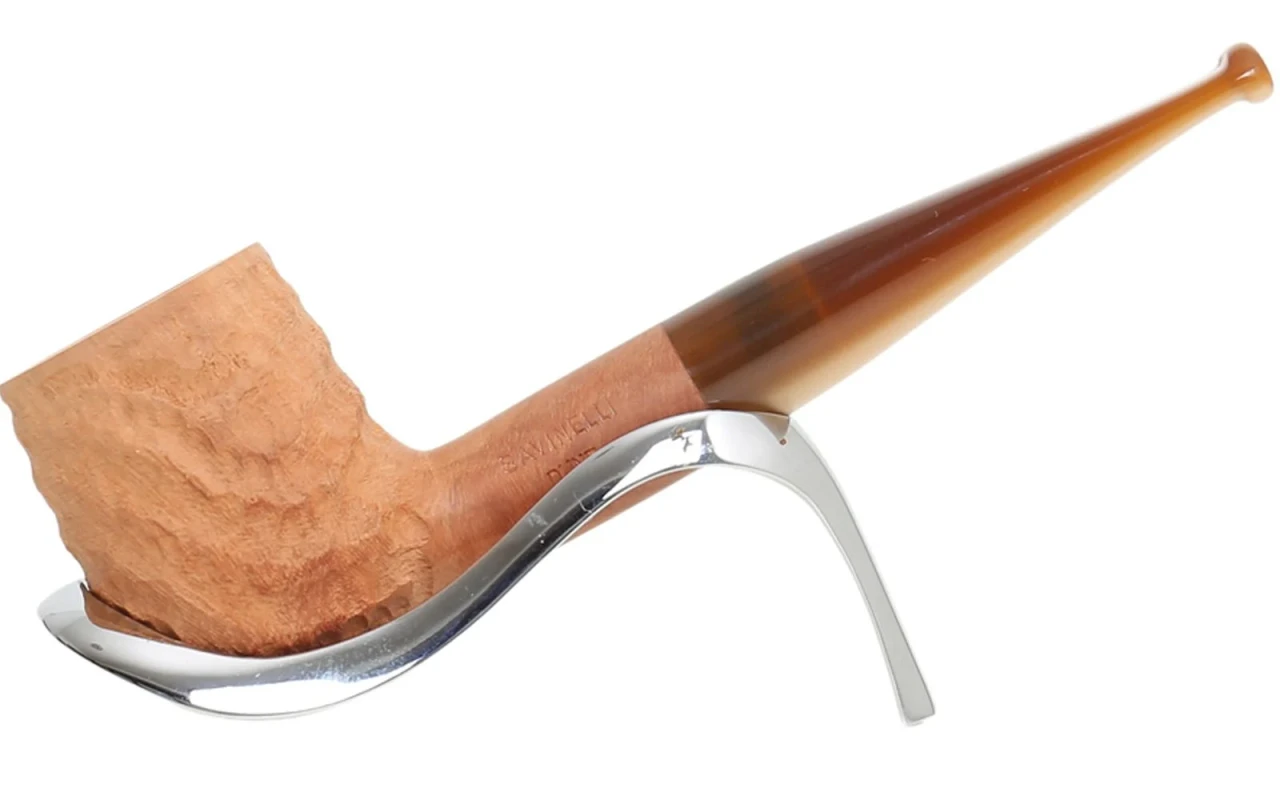
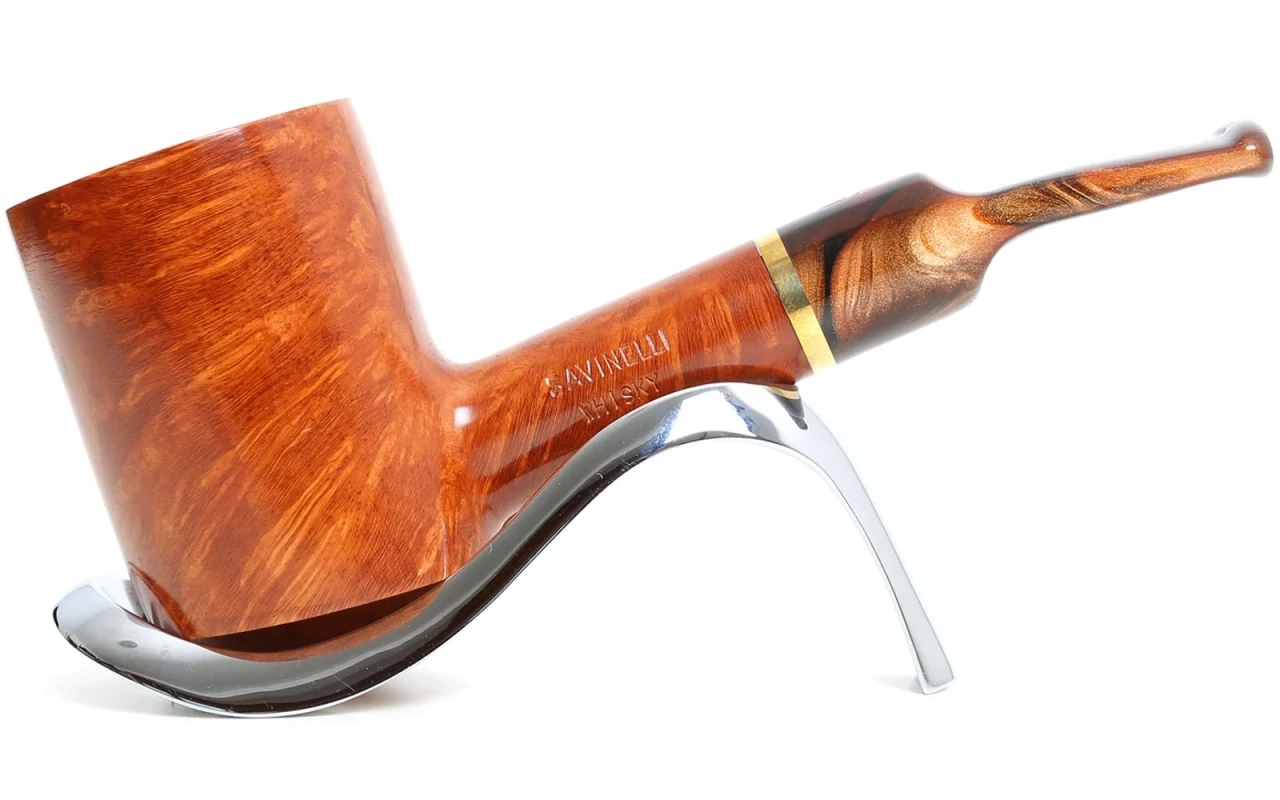
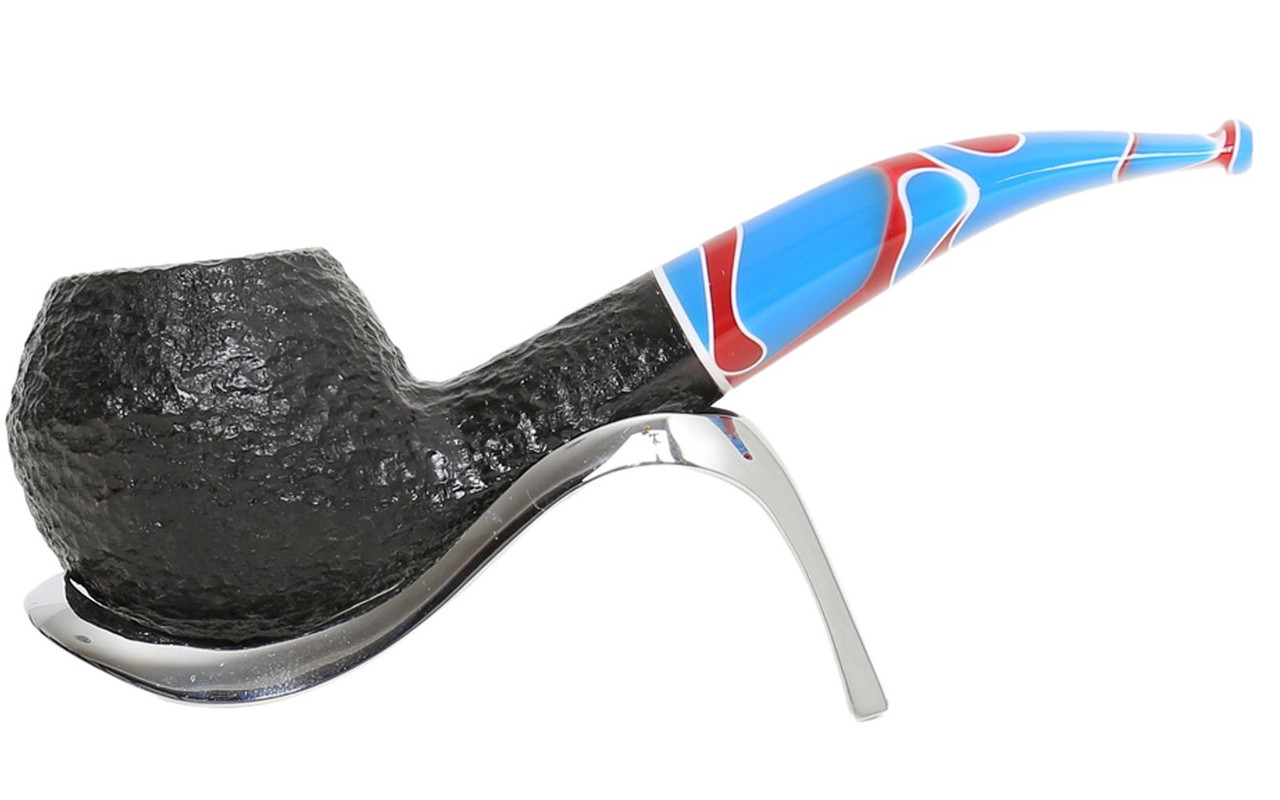
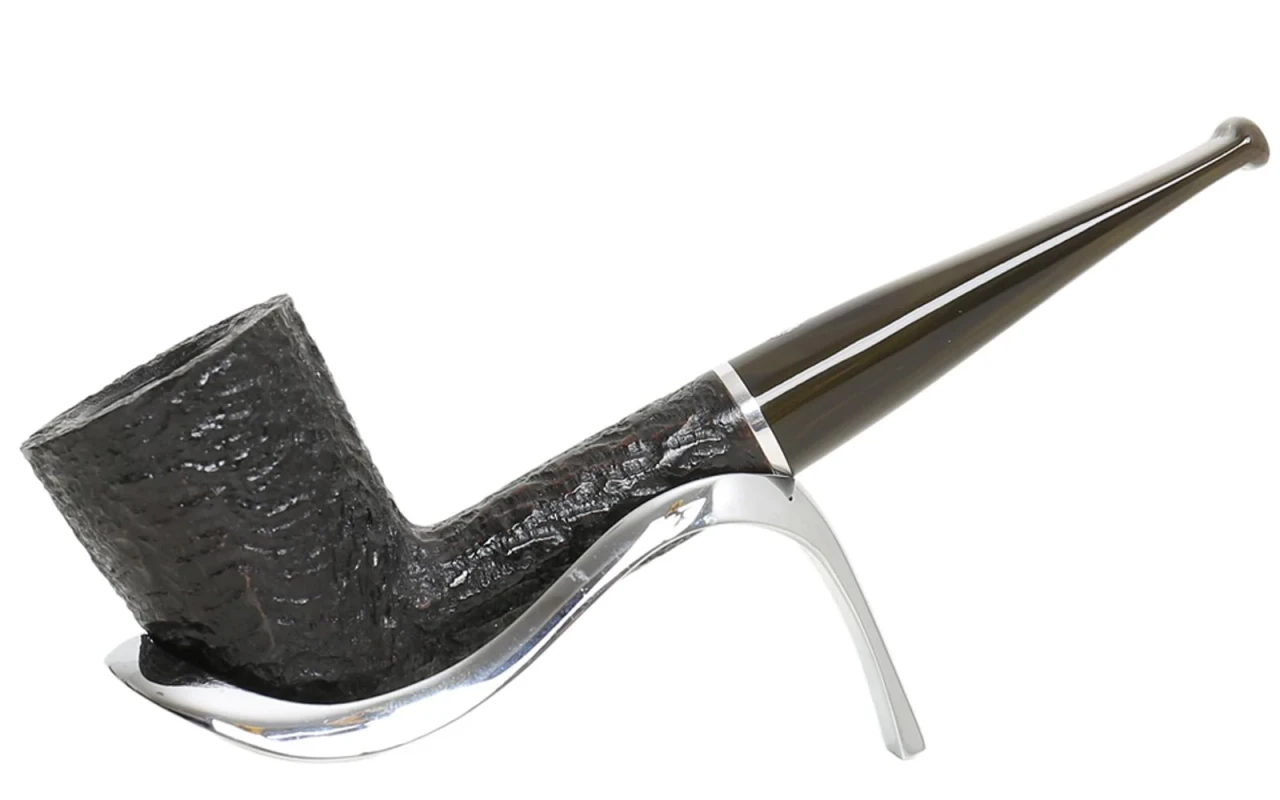
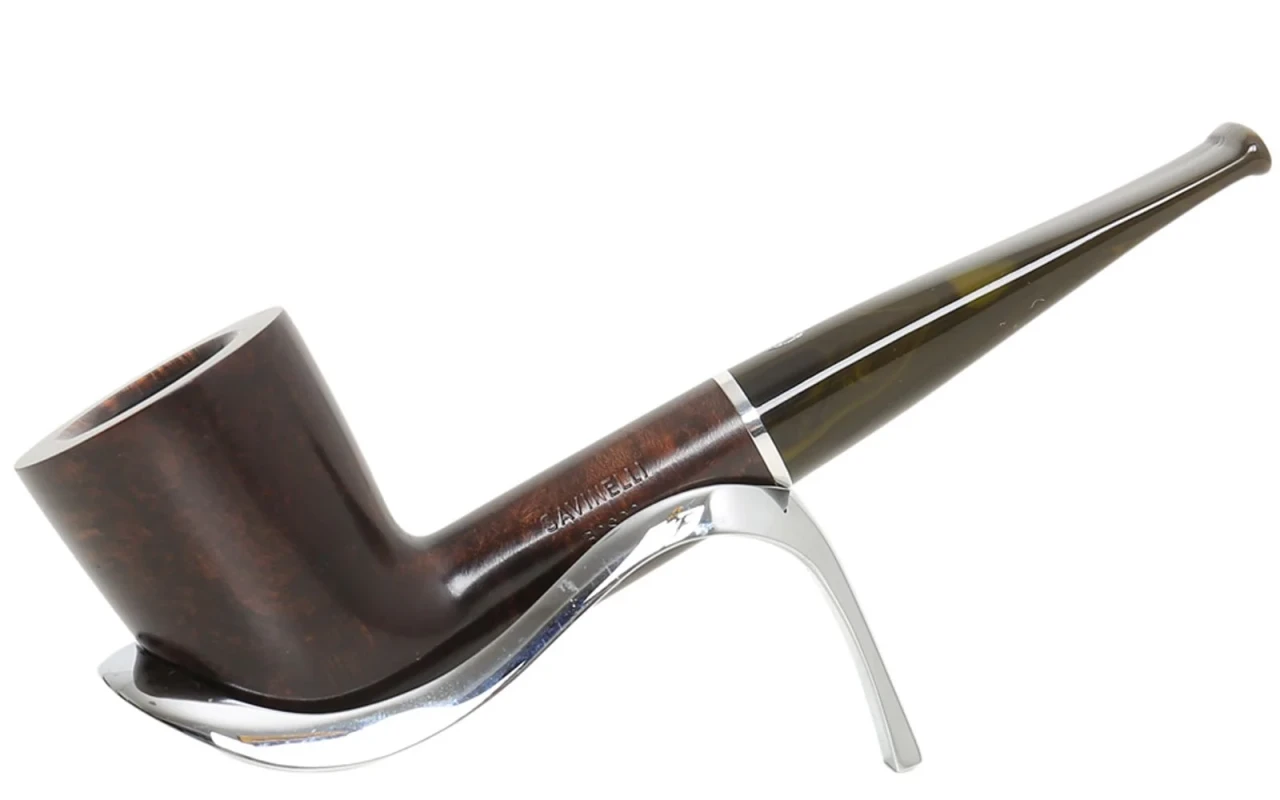
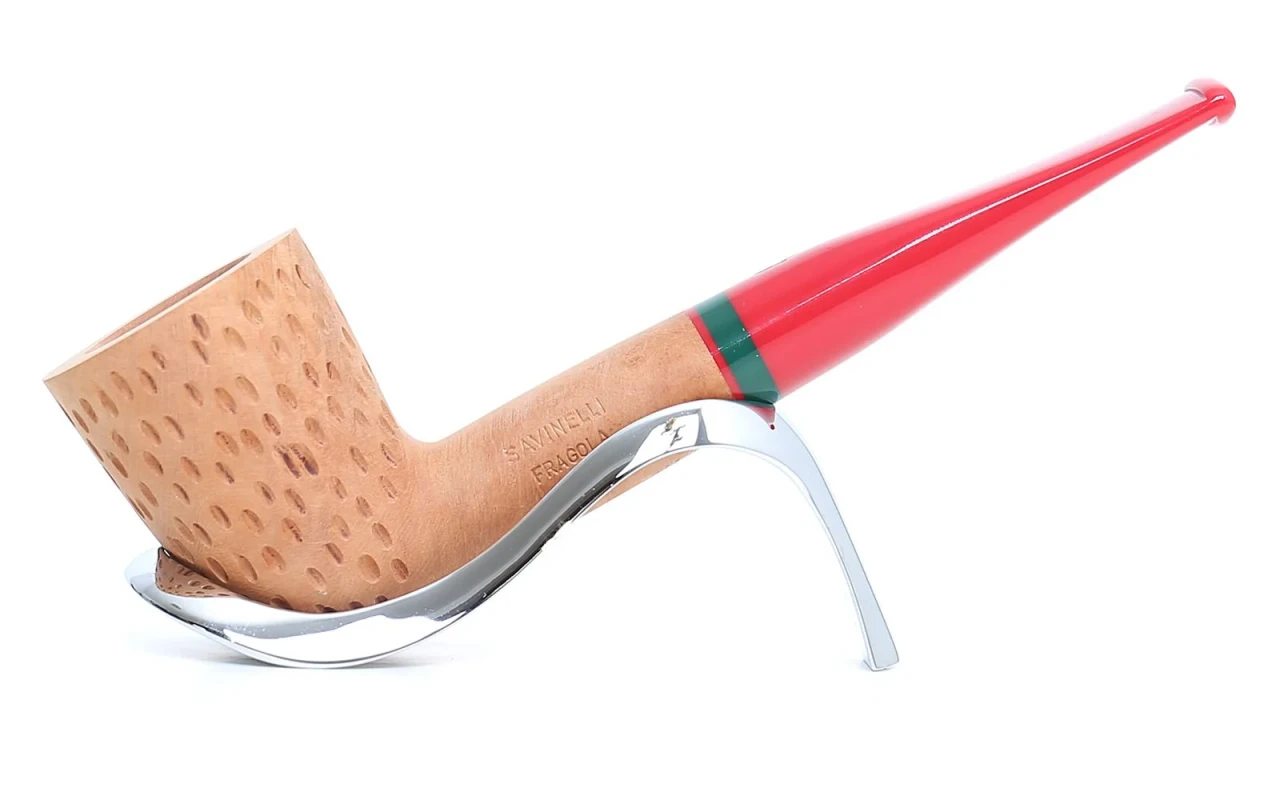
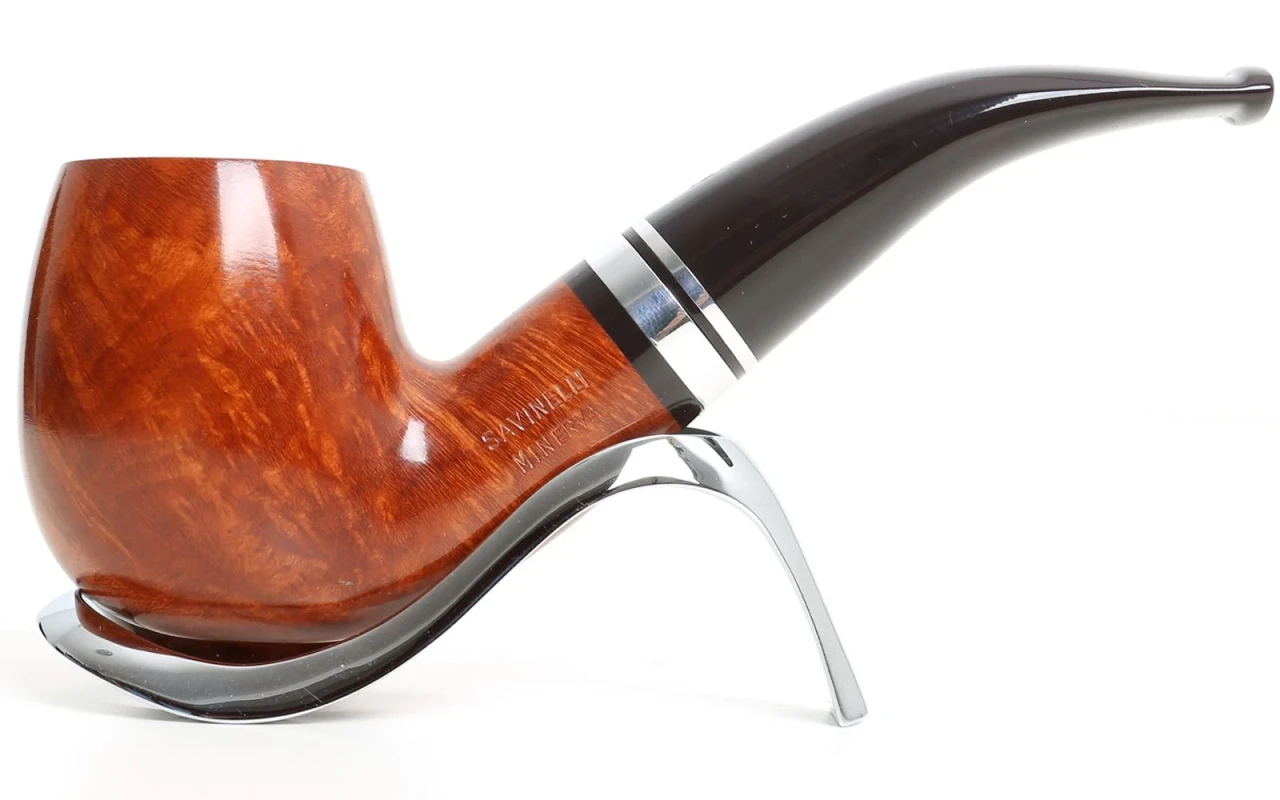
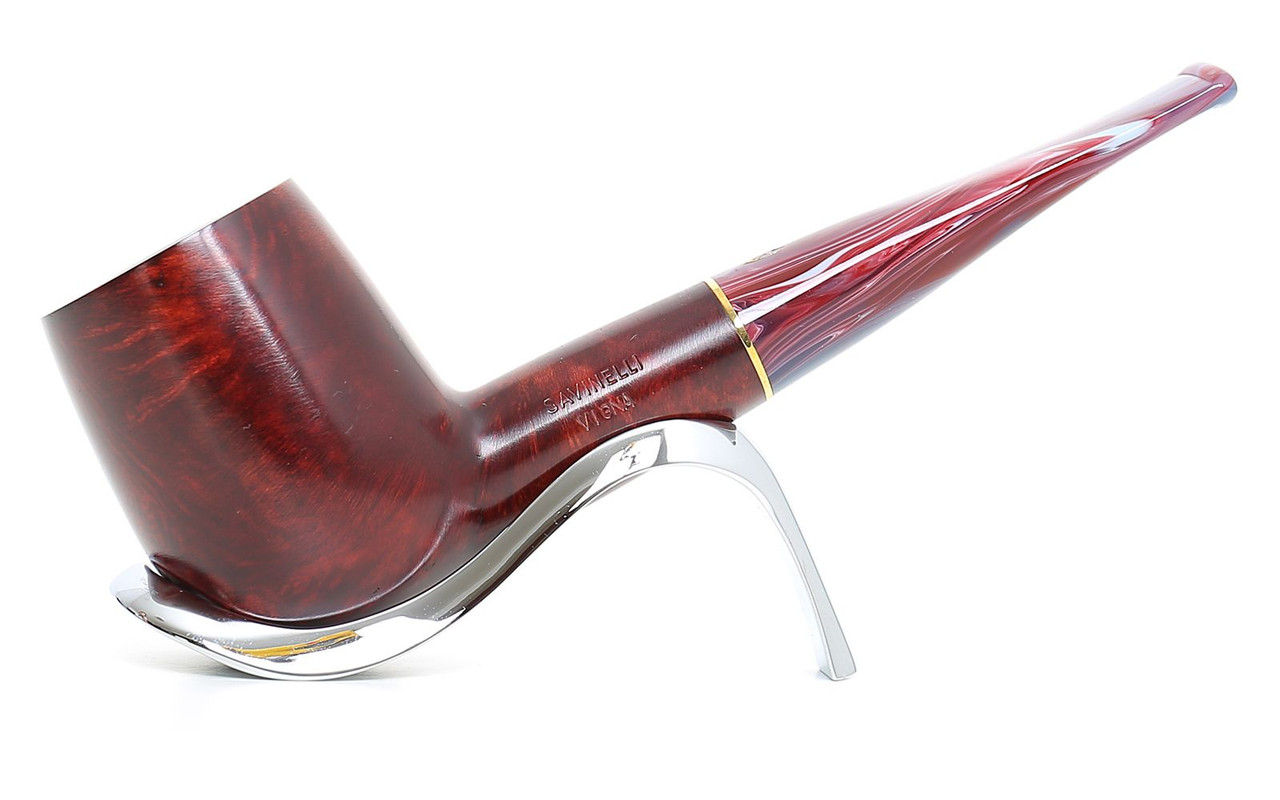
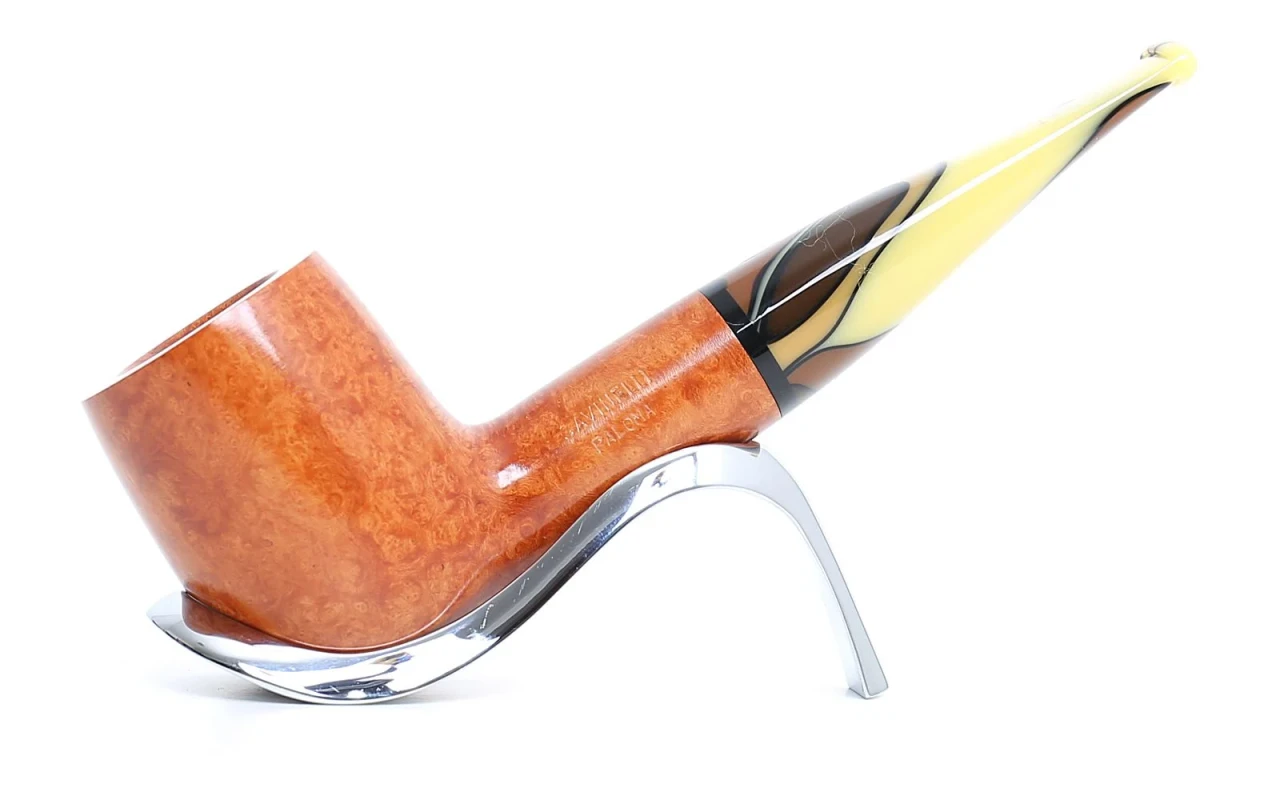
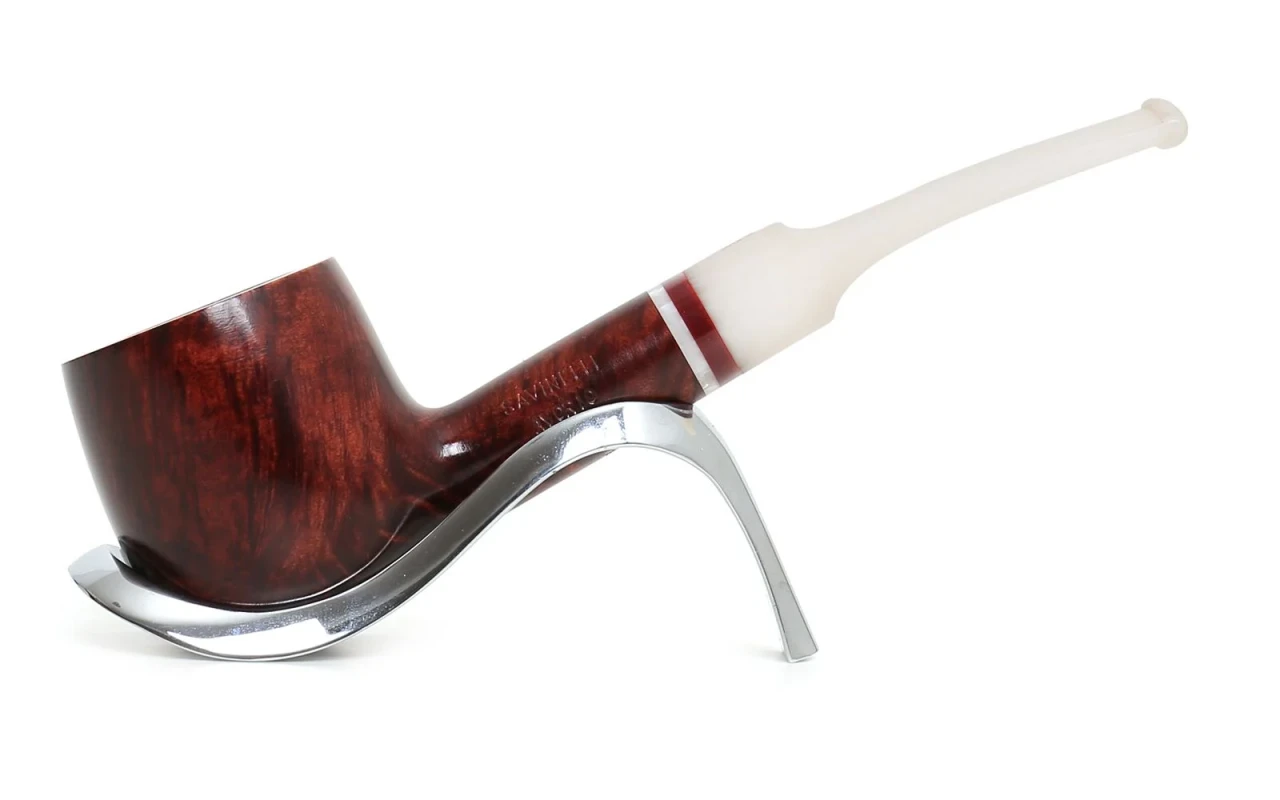
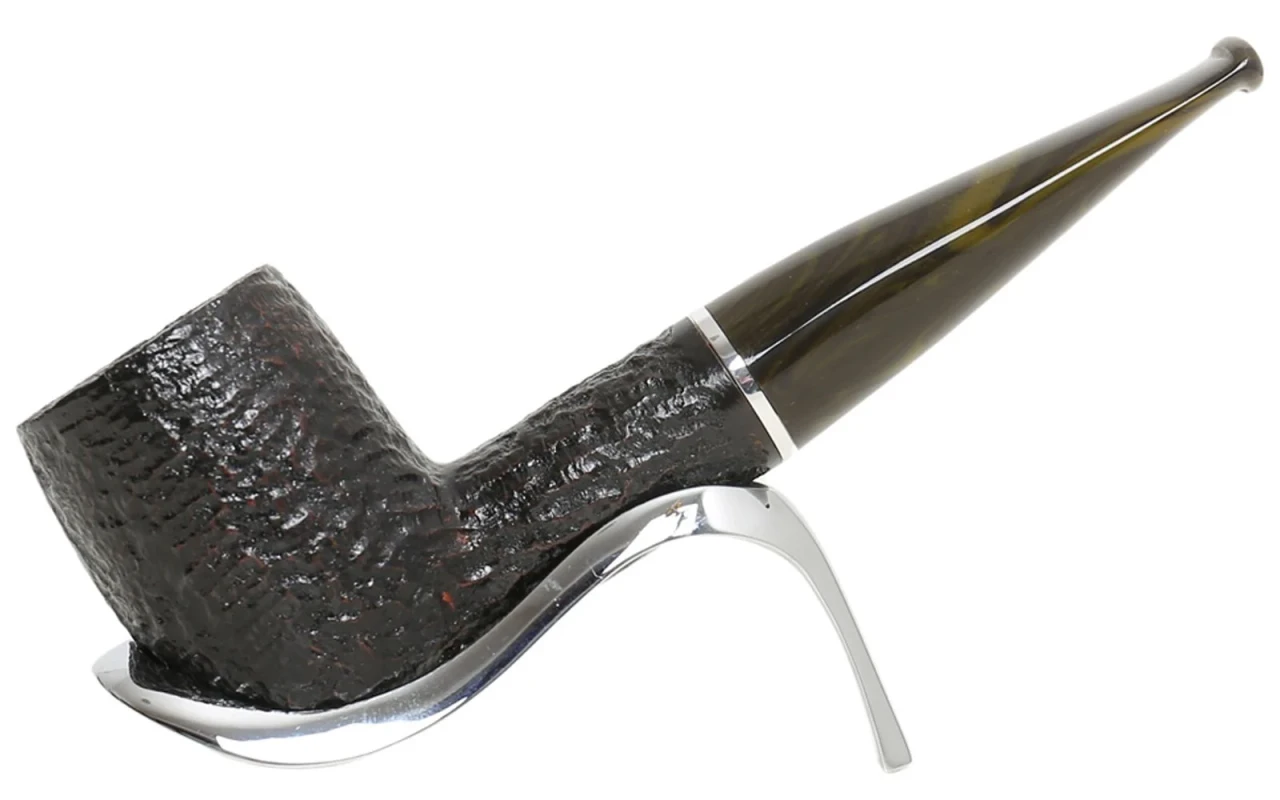
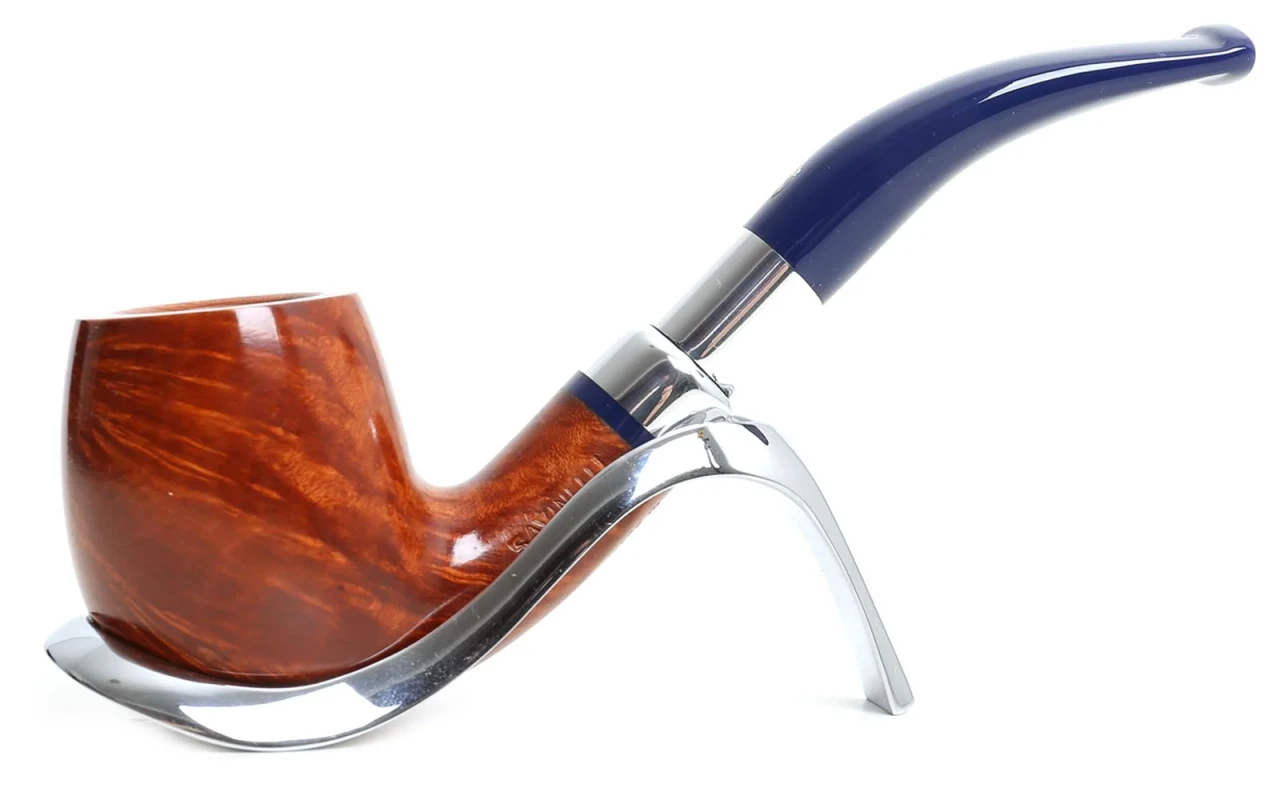
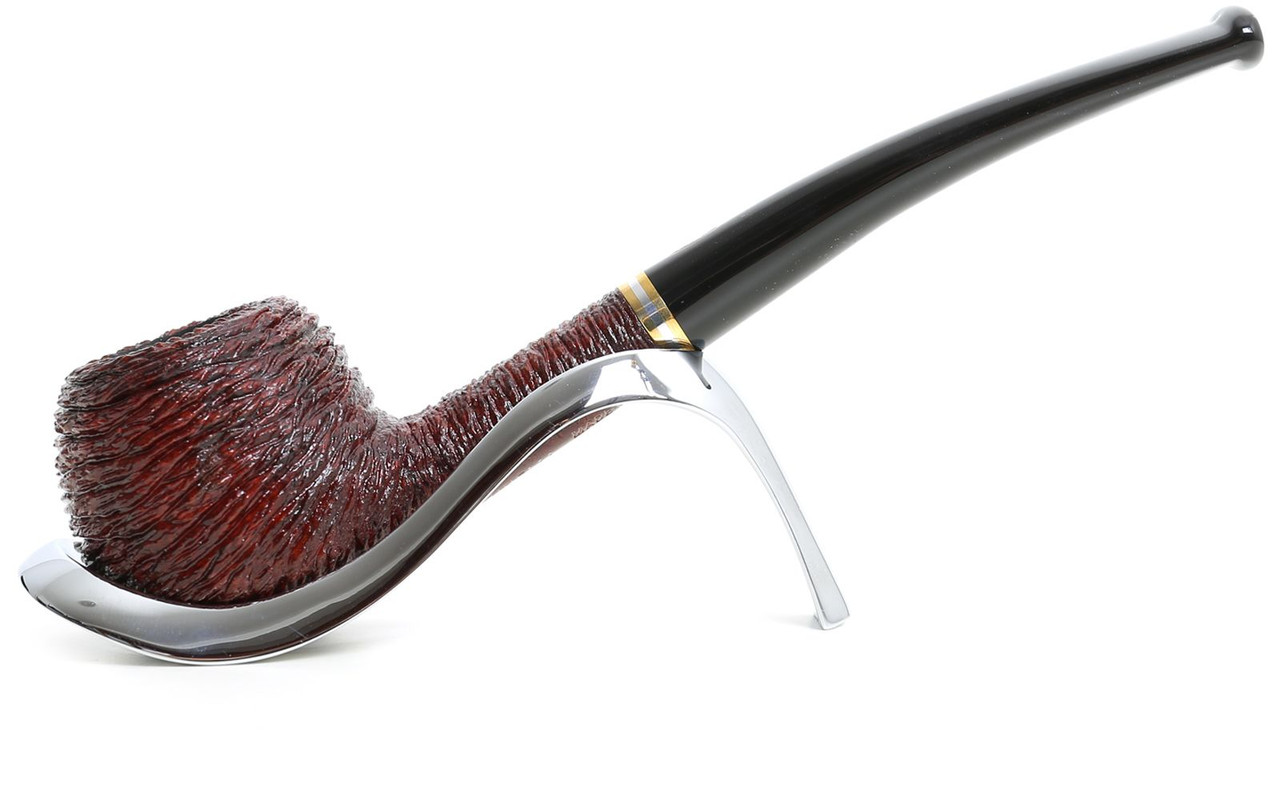
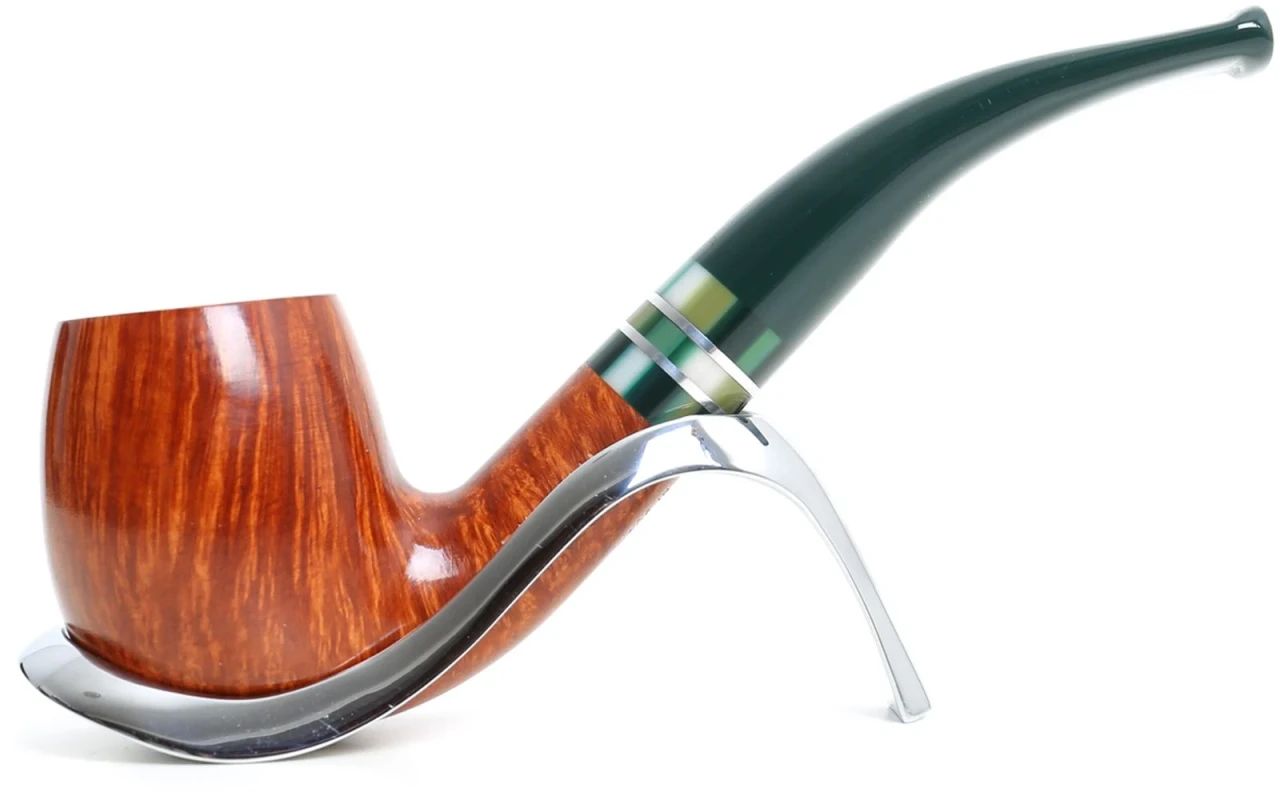
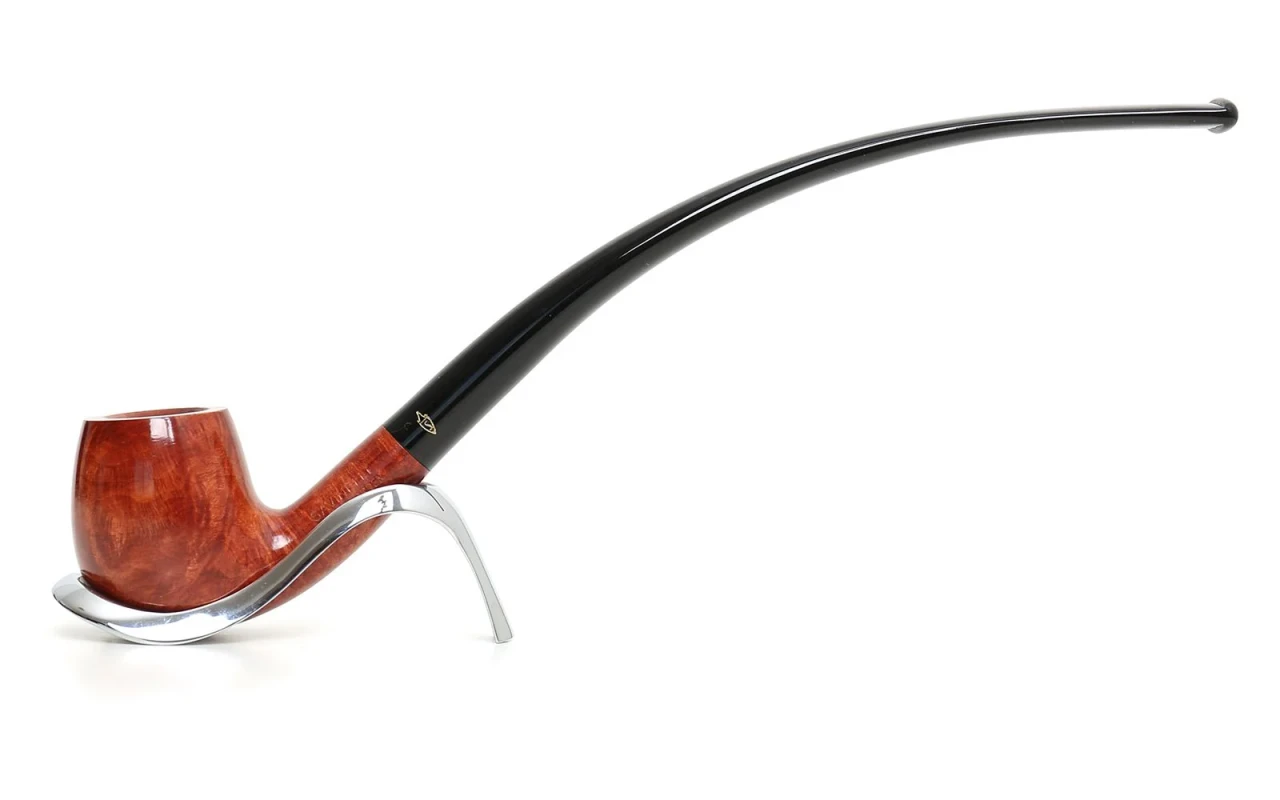
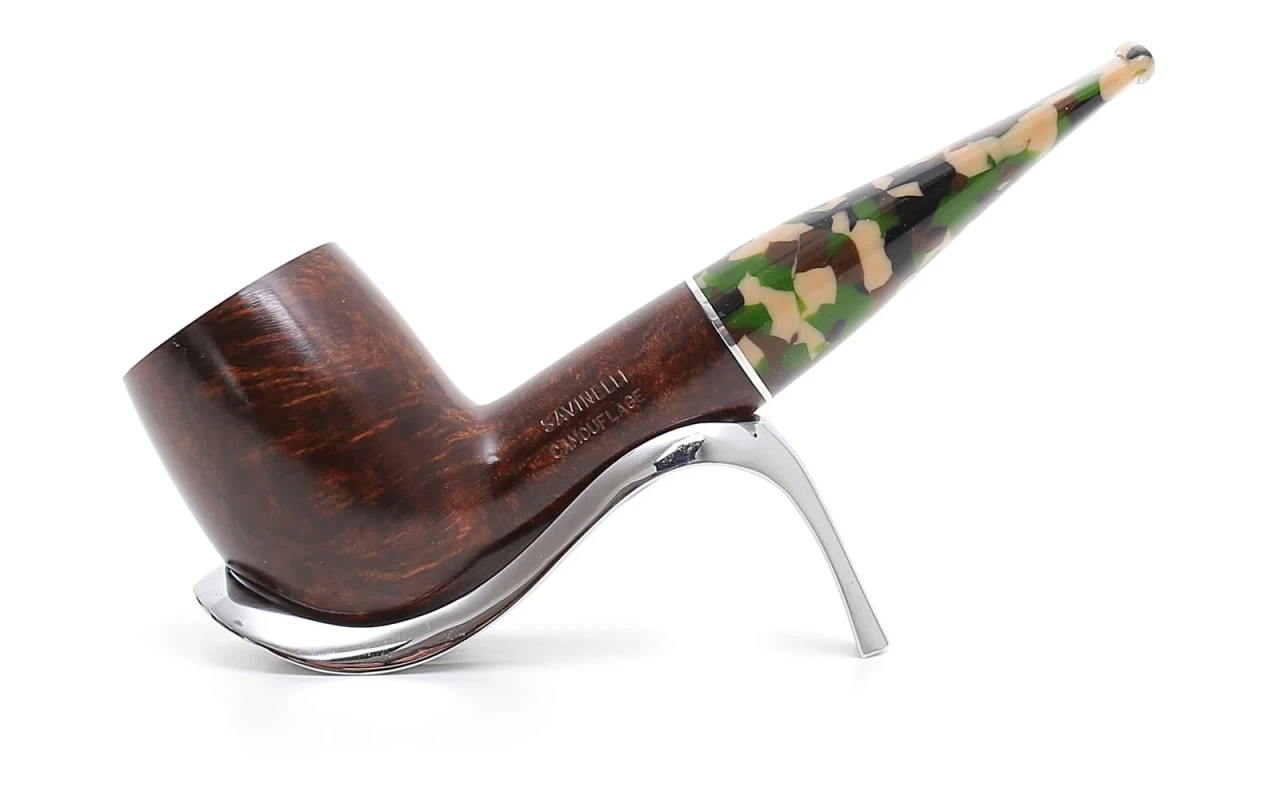
More elaborate pipes began to appear mainly during the 18th and 19th centuries, when craftsmanship improved and precious materials like bruyère spread. In this period, more complex shapes and refined finishes were developed, meeting a growing demand for pipes that were not only functional but also aesthetic and status symbols.
When did more elaborate pipes appear? Deep dive
More elaborate pipes started to emerge significantly between the 18th and 19th centuries, a time when the art of pipe making evolved considerably. Before then, pipes were often simple and made from rudimentary materials such as clay or common wood. With the introduction of bruyère, a hard and resilient wood, and the spread of more sophisticated artisanal techniques, pipes with more complex shapes and carefully finished surfaces were developed. These pipes were not merely smoking instruments but became design objects and symbols of elegance and social status. The craftsmanship could include inlays, engravings, and the use of precious materials for stems and accessories. This period marked an important transition in the culture of slow smoking, elevating the pipe as an object of aesthetic pleasure as well as functionality.