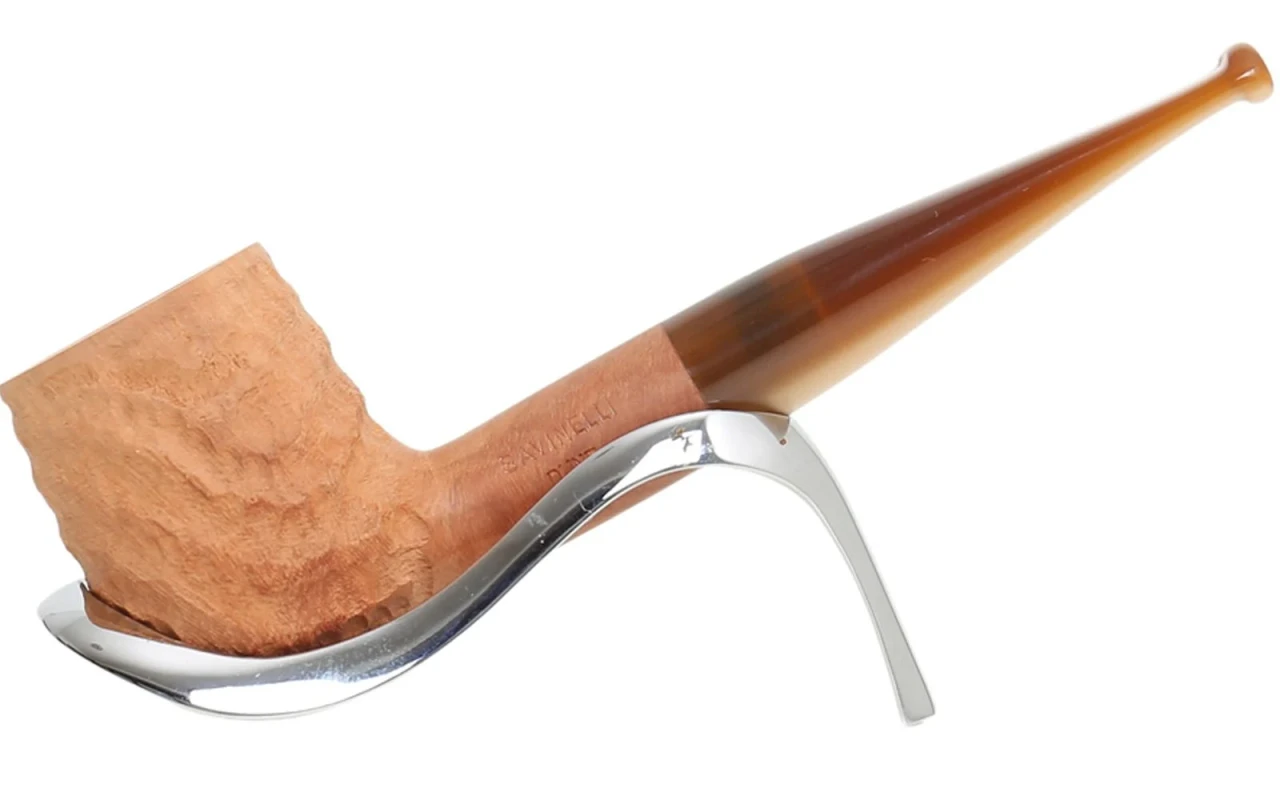
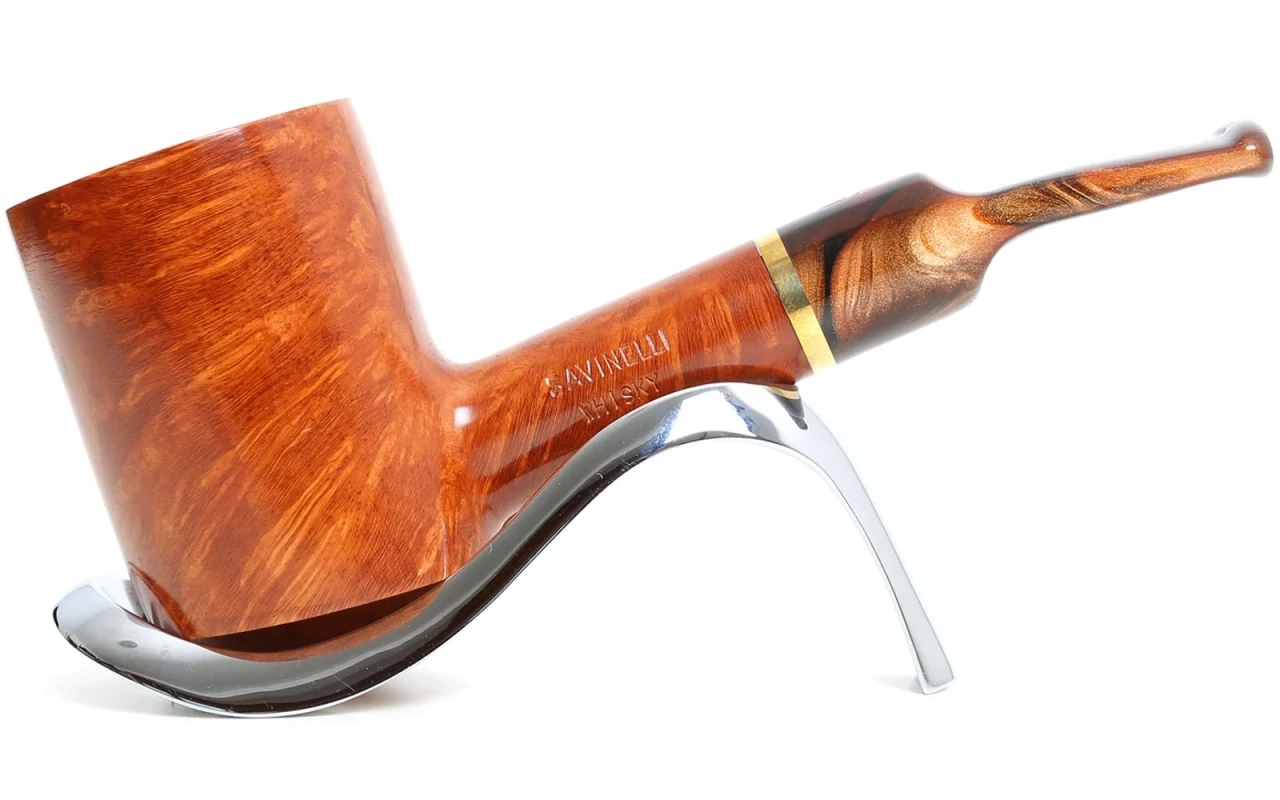
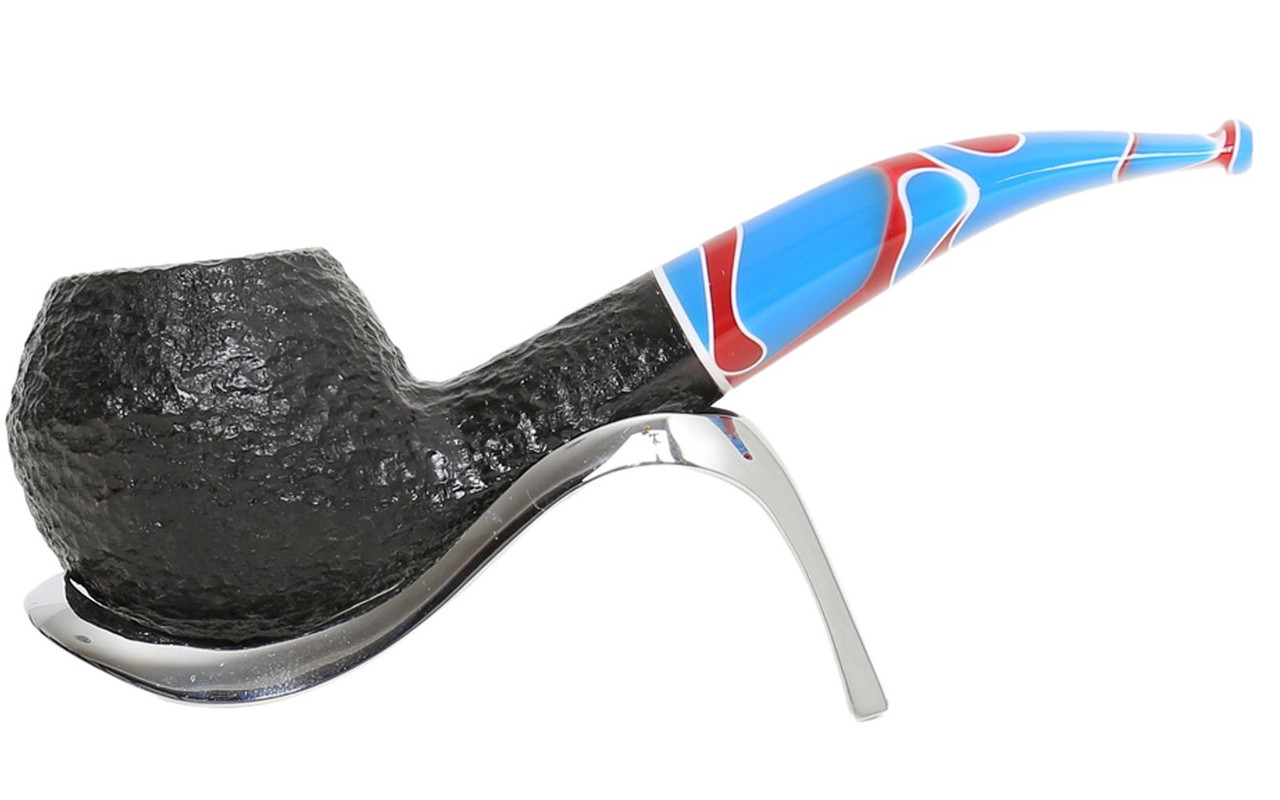
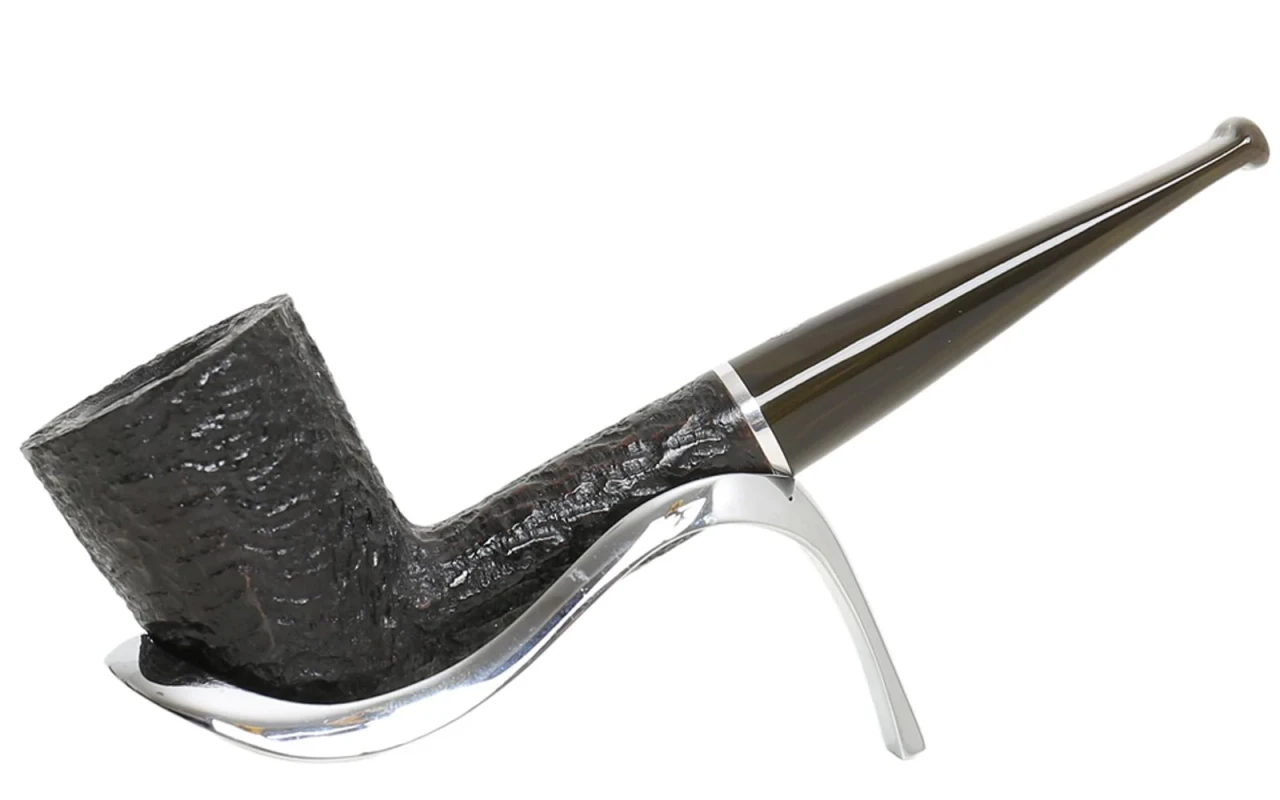
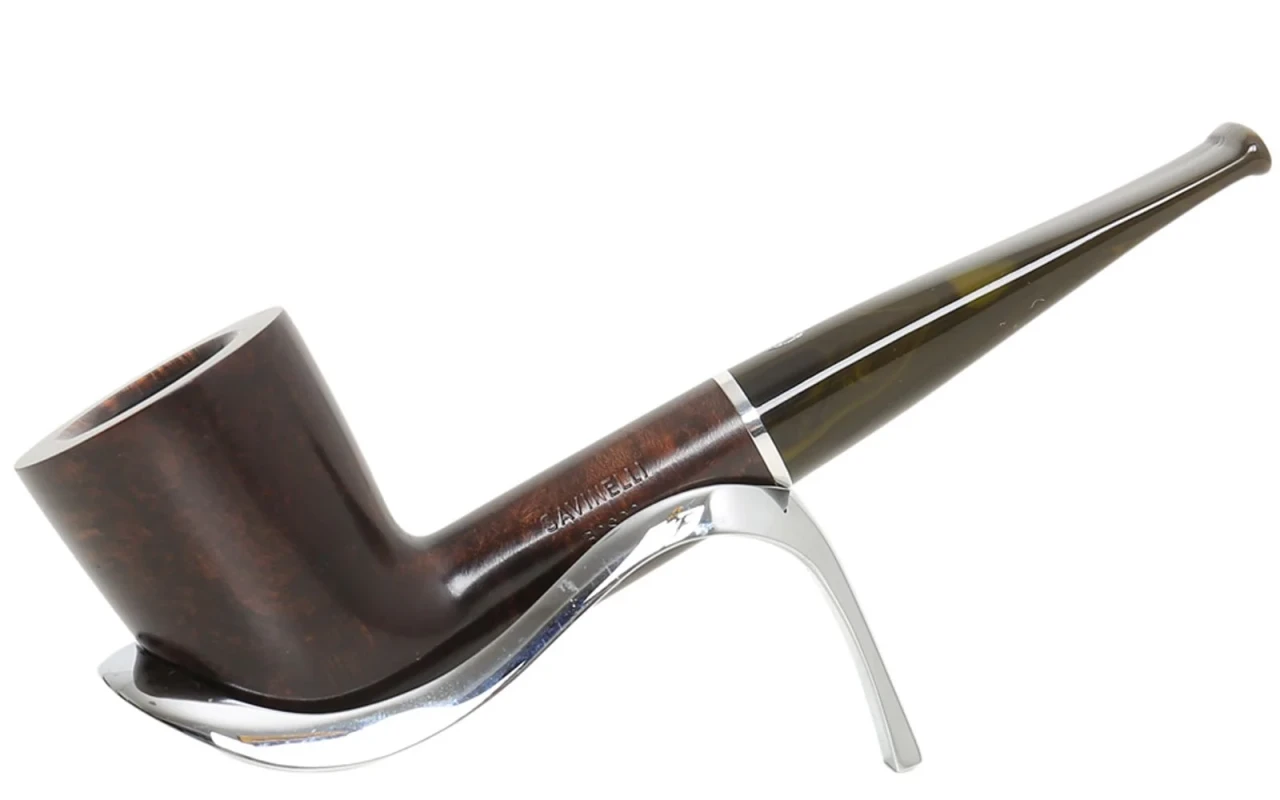
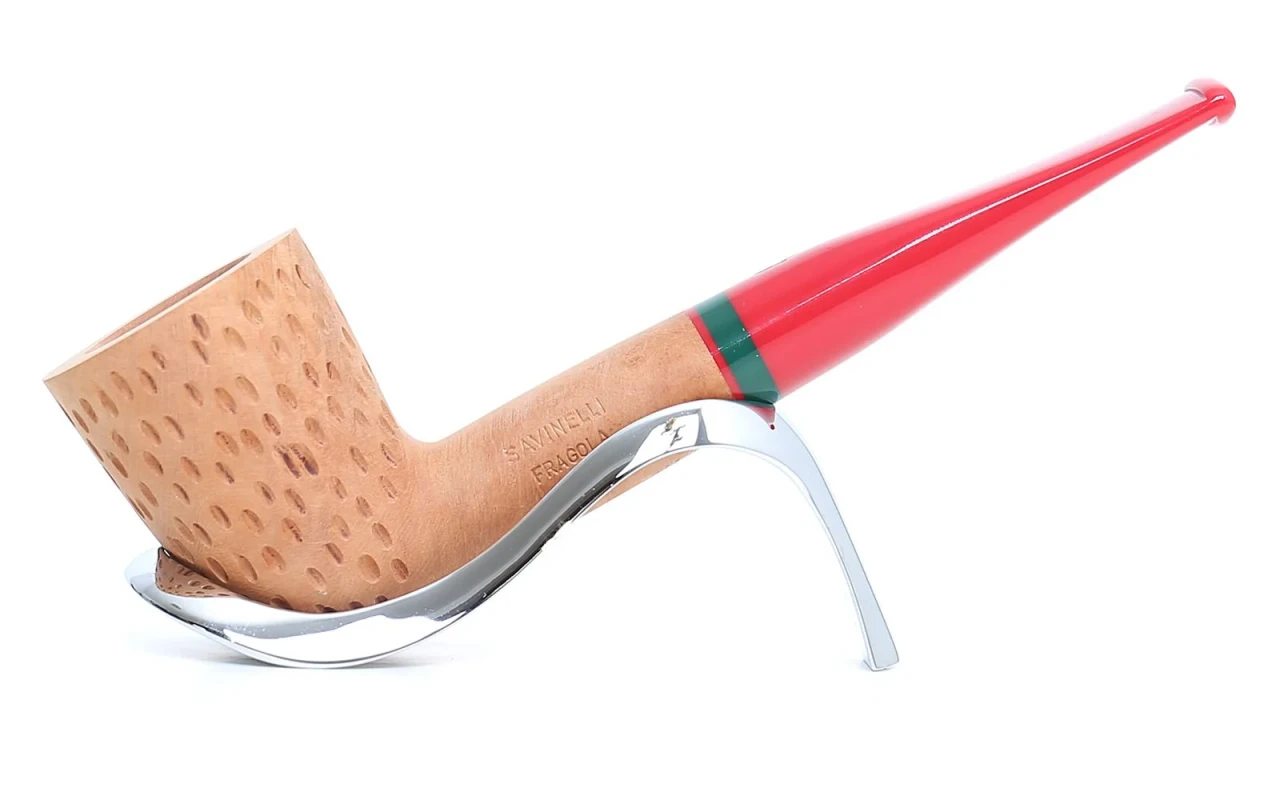
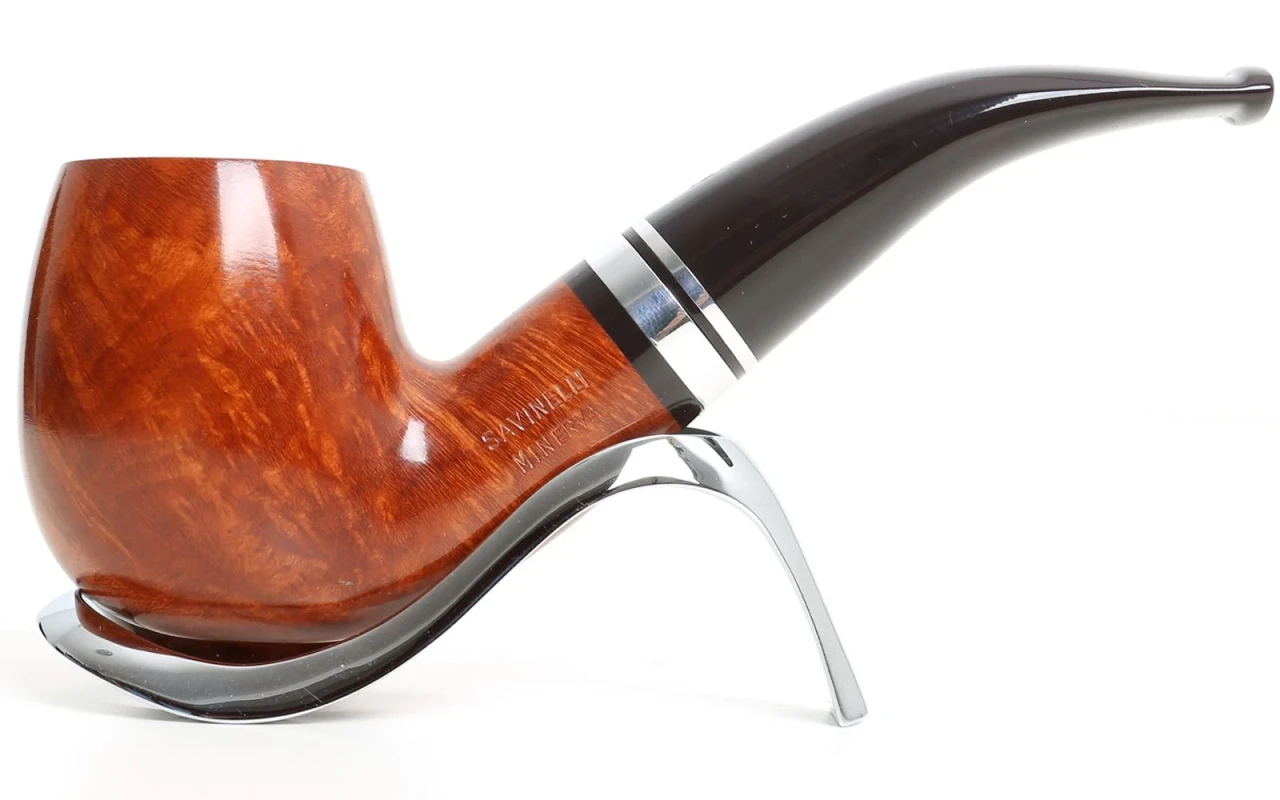
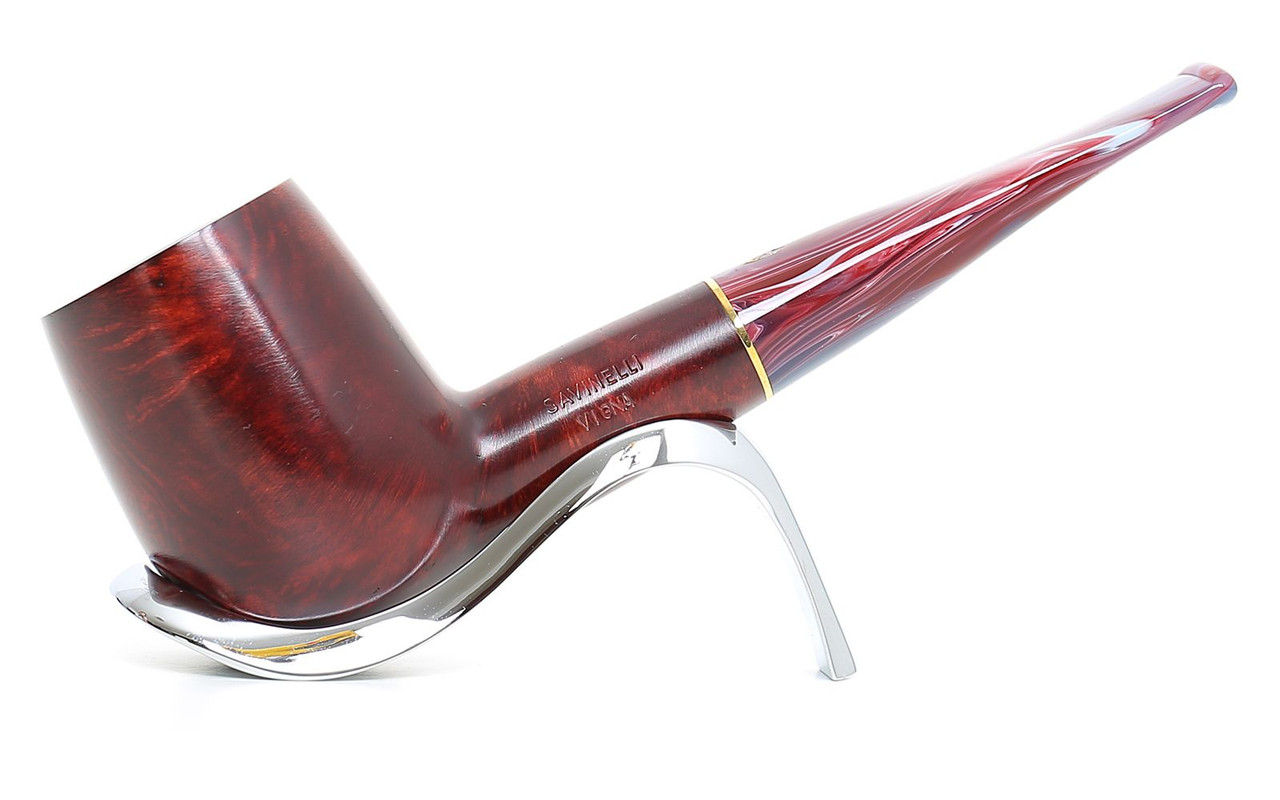
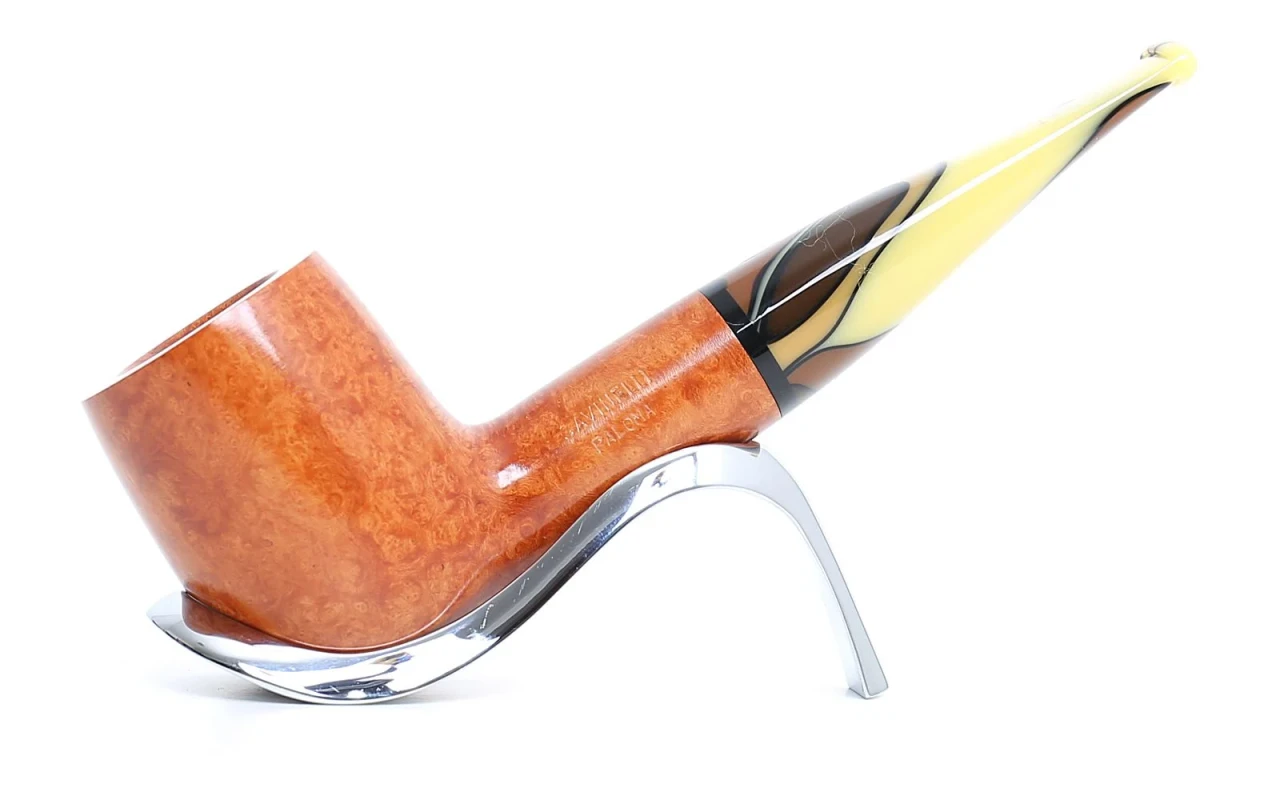
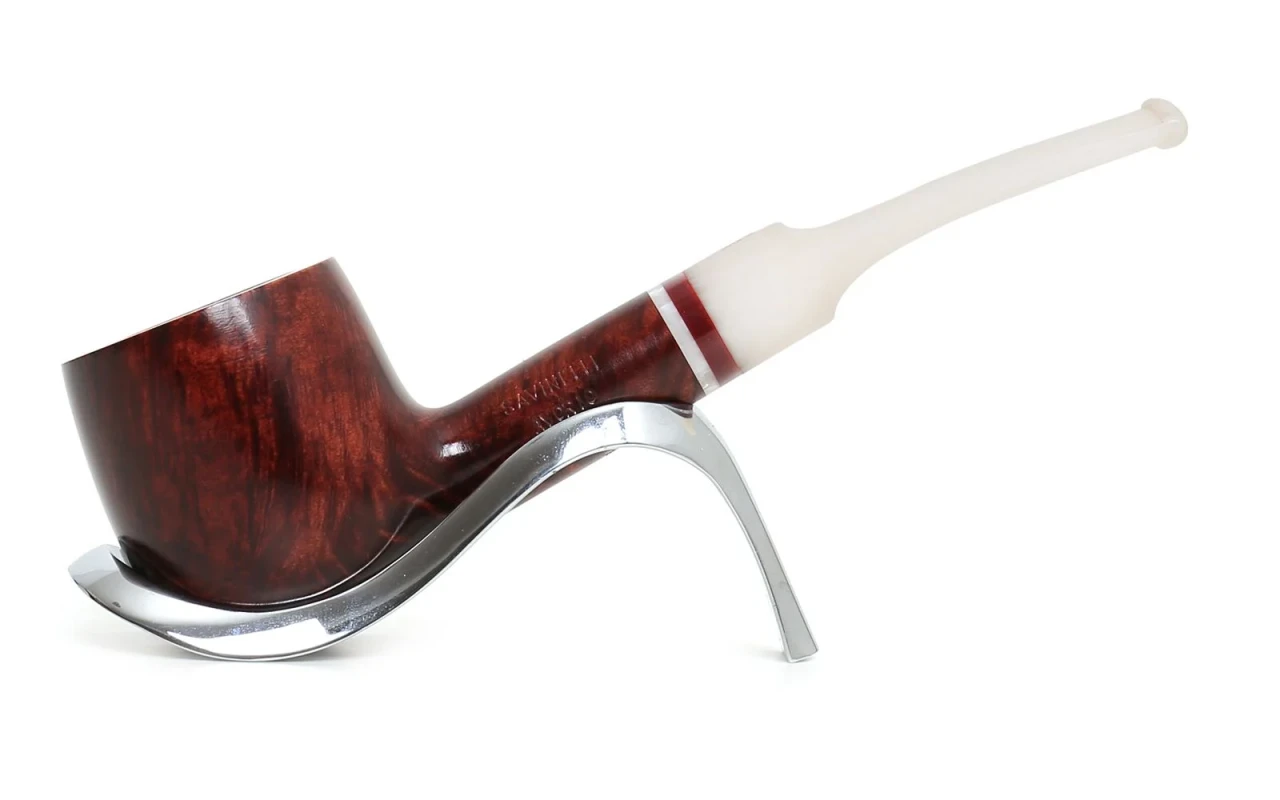
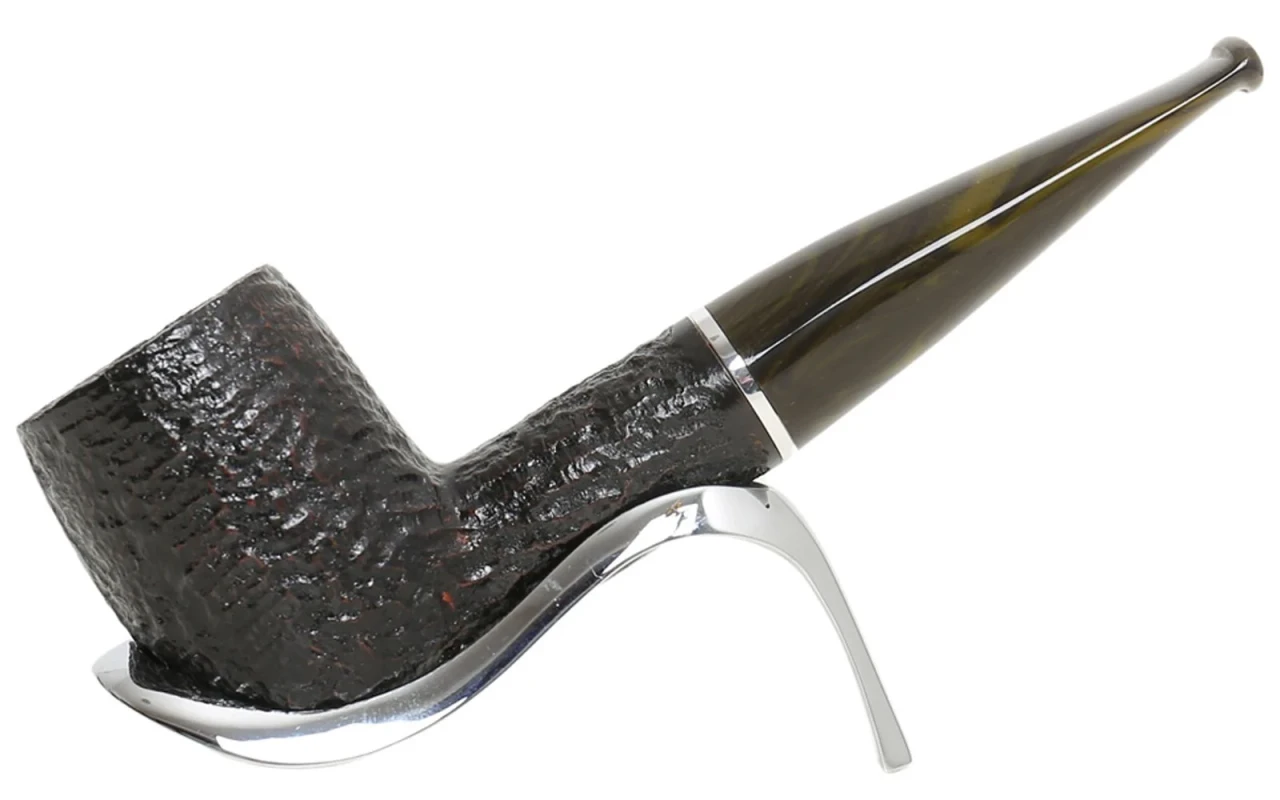
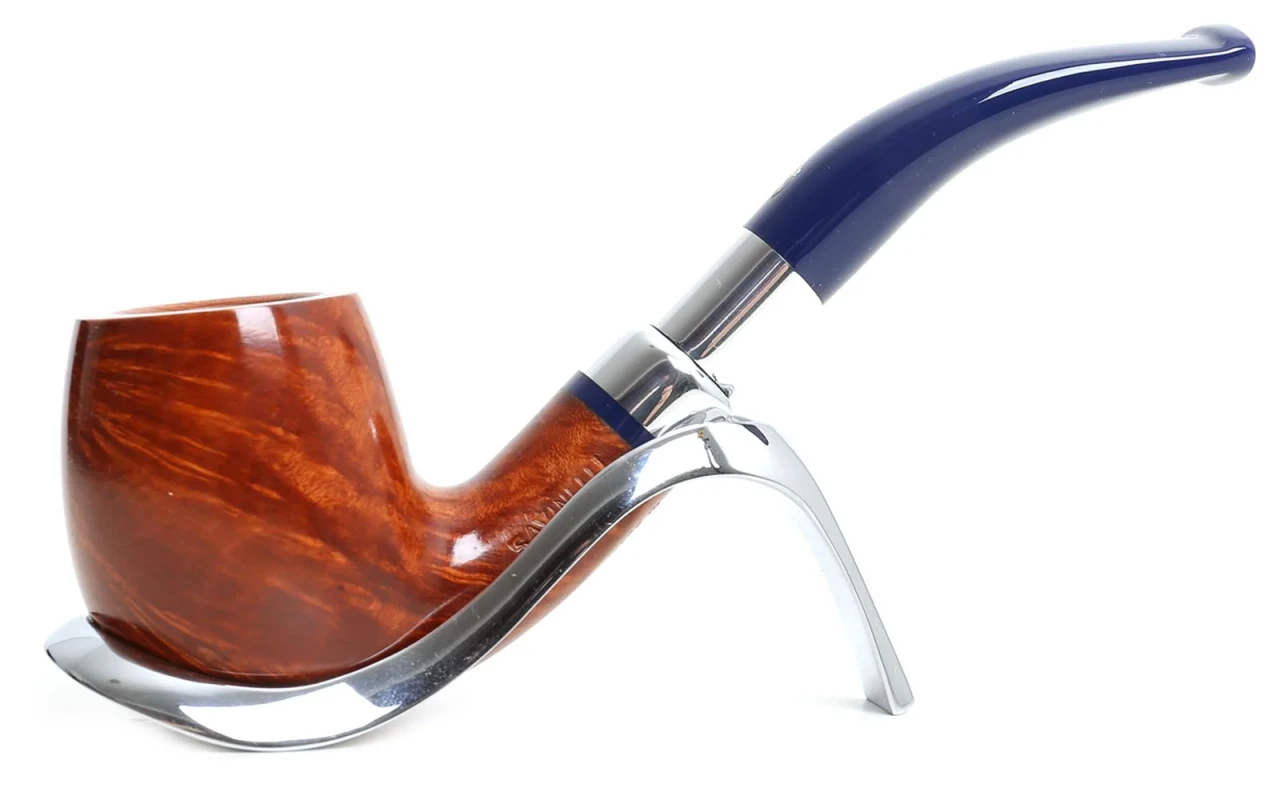
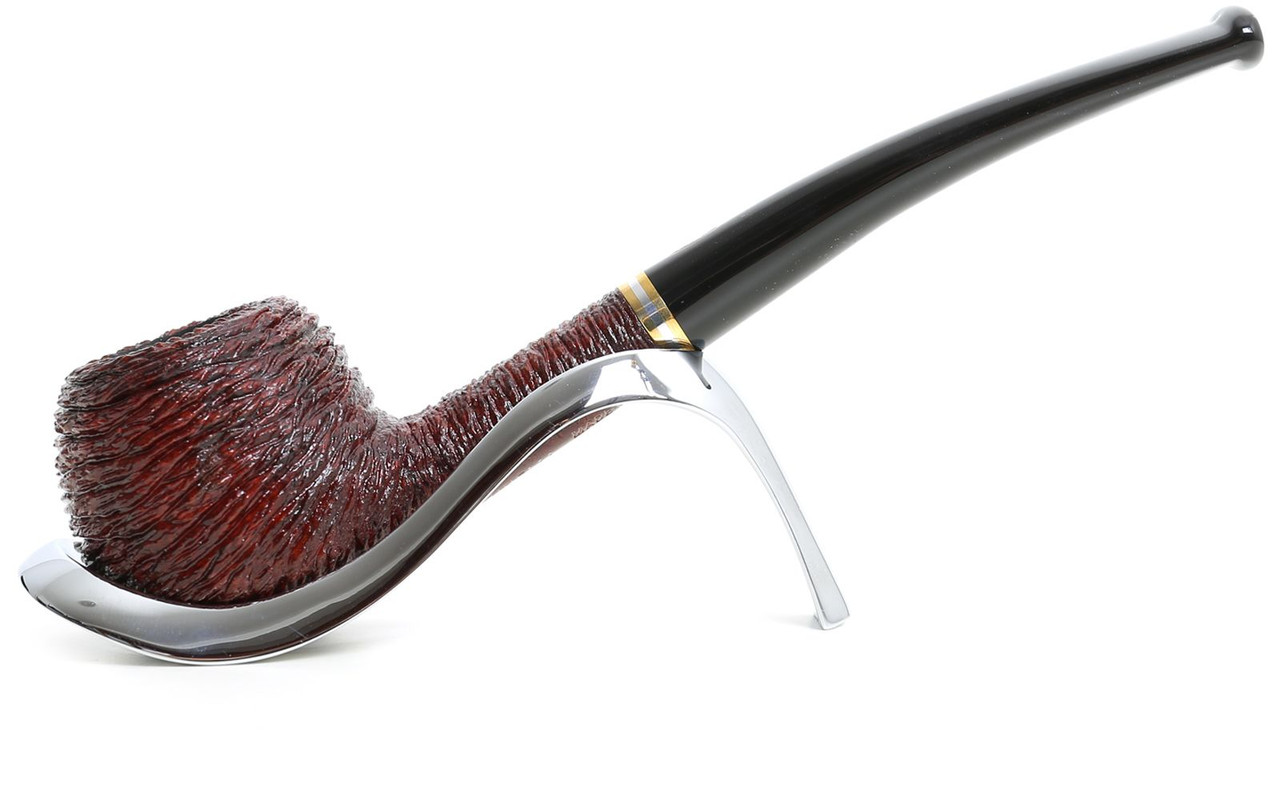
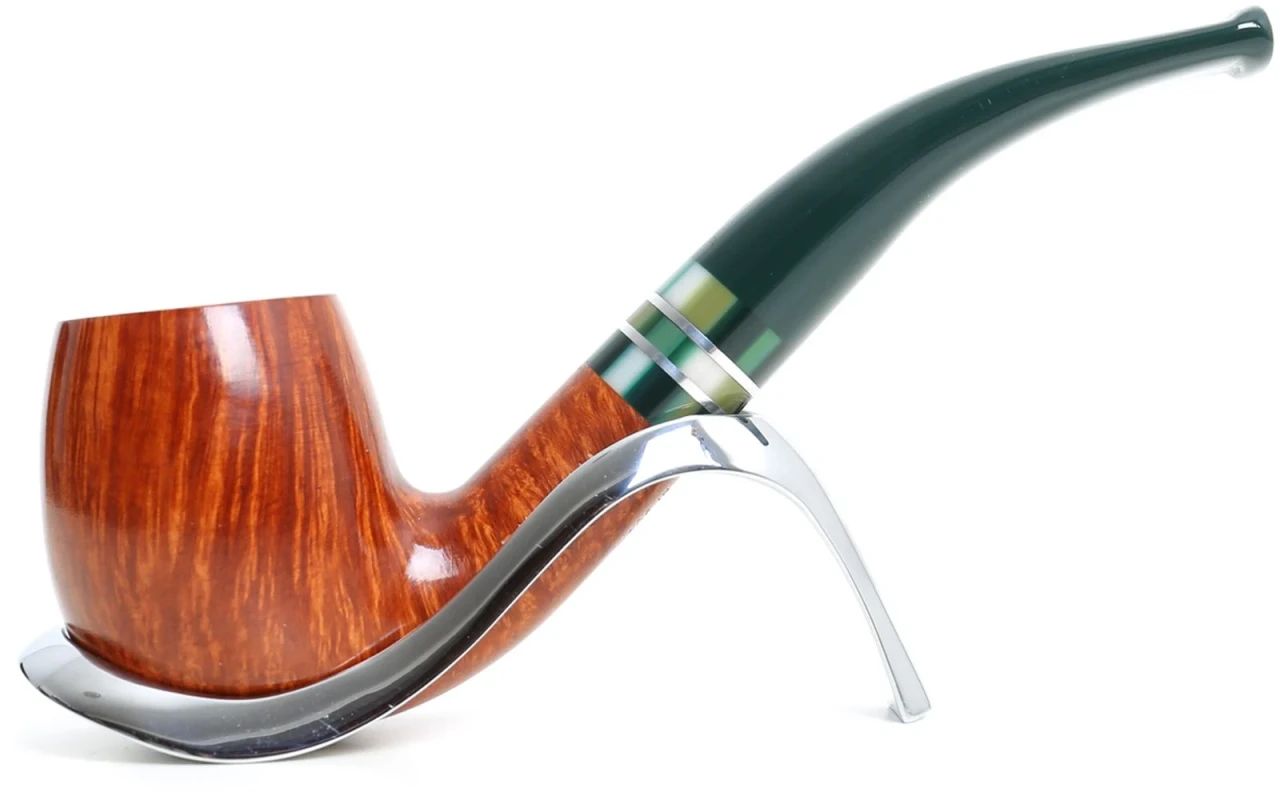
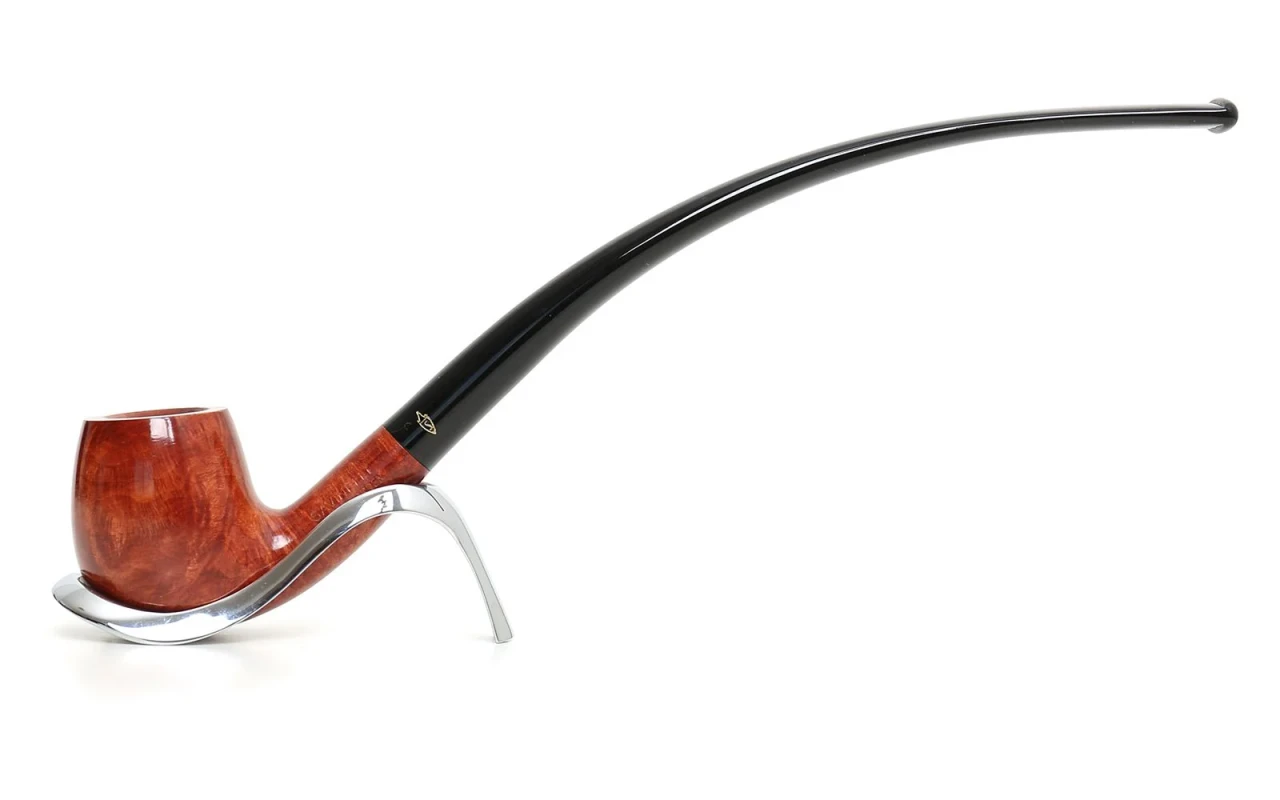
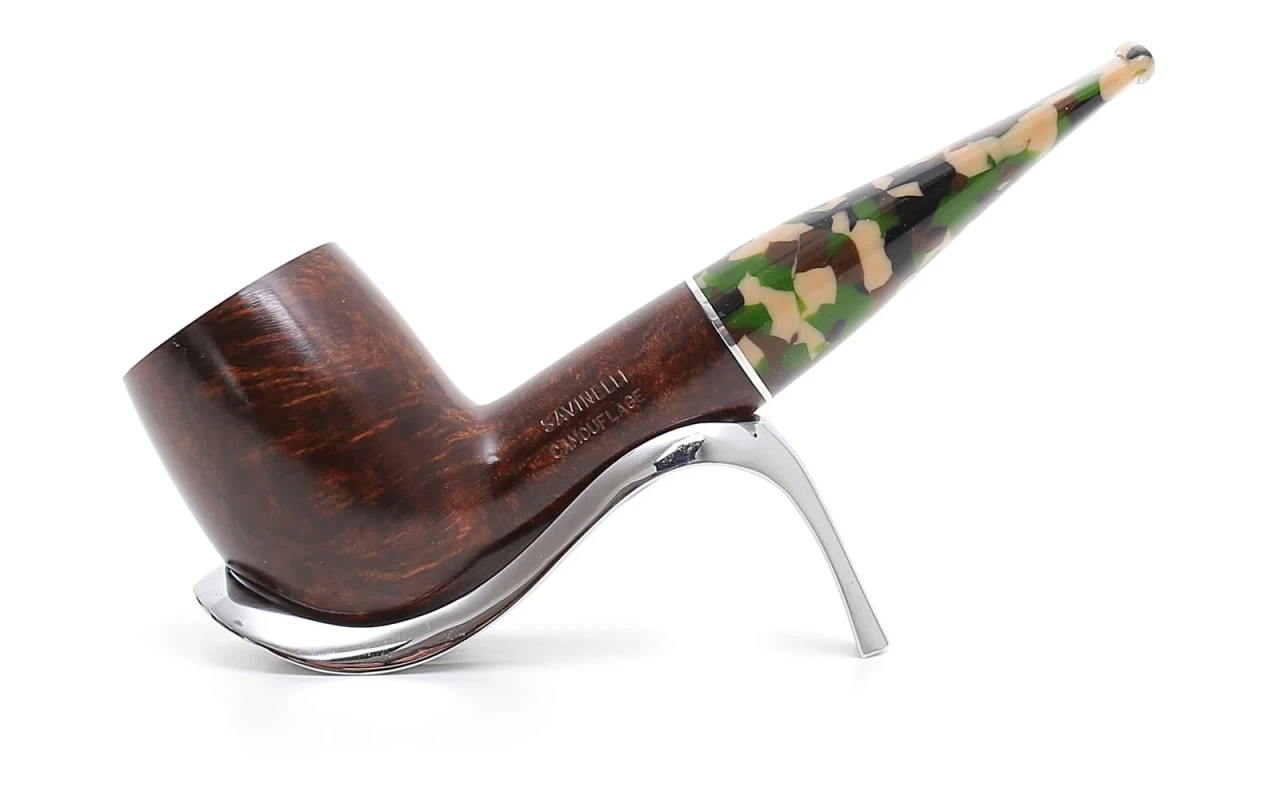
The modern pipe has roots in ancient objects such as clay pipes and ceremonial pipes used by various cultures, including Native American ones. These instruments featured similar forms and functions, with a chamber for tobacco and a mouthpiece, thus anticipating the structure of the contemporary pipe.
What ancient objects resemble the modern pipe? Deep dive
The modern pipe derives from a long tradition of smoking objects dating back to ancient times. Among these, the clay pipes used in Europe and the ceremonial pipes of Native Americans are significant examples. These objects had a chamber to hold tobacco or other herbs and a mouthpiece to draw the smoke—fundamental elements found in today’s pipes. Over the centuries, the shape and materials evolved from clay to briarwood, but the basic structure remained similar. These ancient objects served not only recreational purposes but often held symbolic and ritual value, reflecting the cultural importance of slow smoking. Therefore, the modern pipe is the result of a long process of adaptation and refinement of ancient tools, maintaining their functional and aesthetic essence over time.