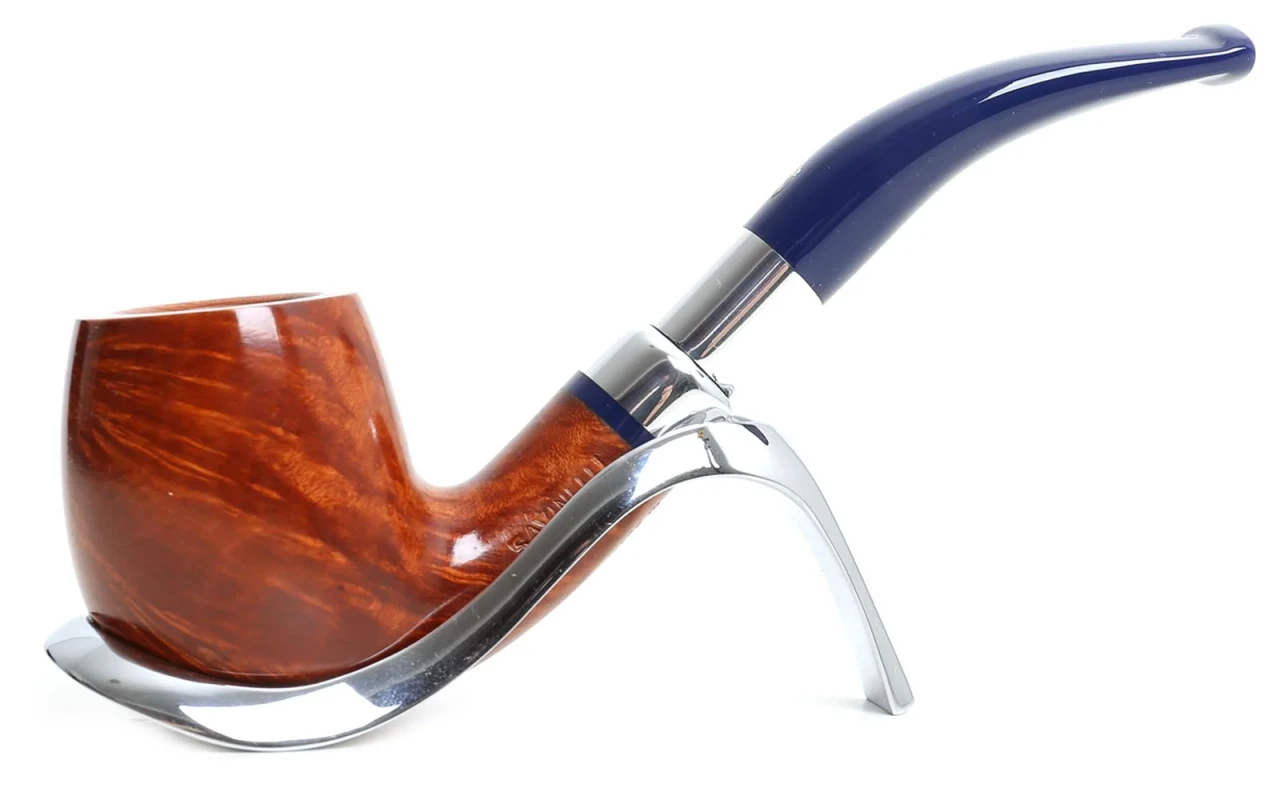
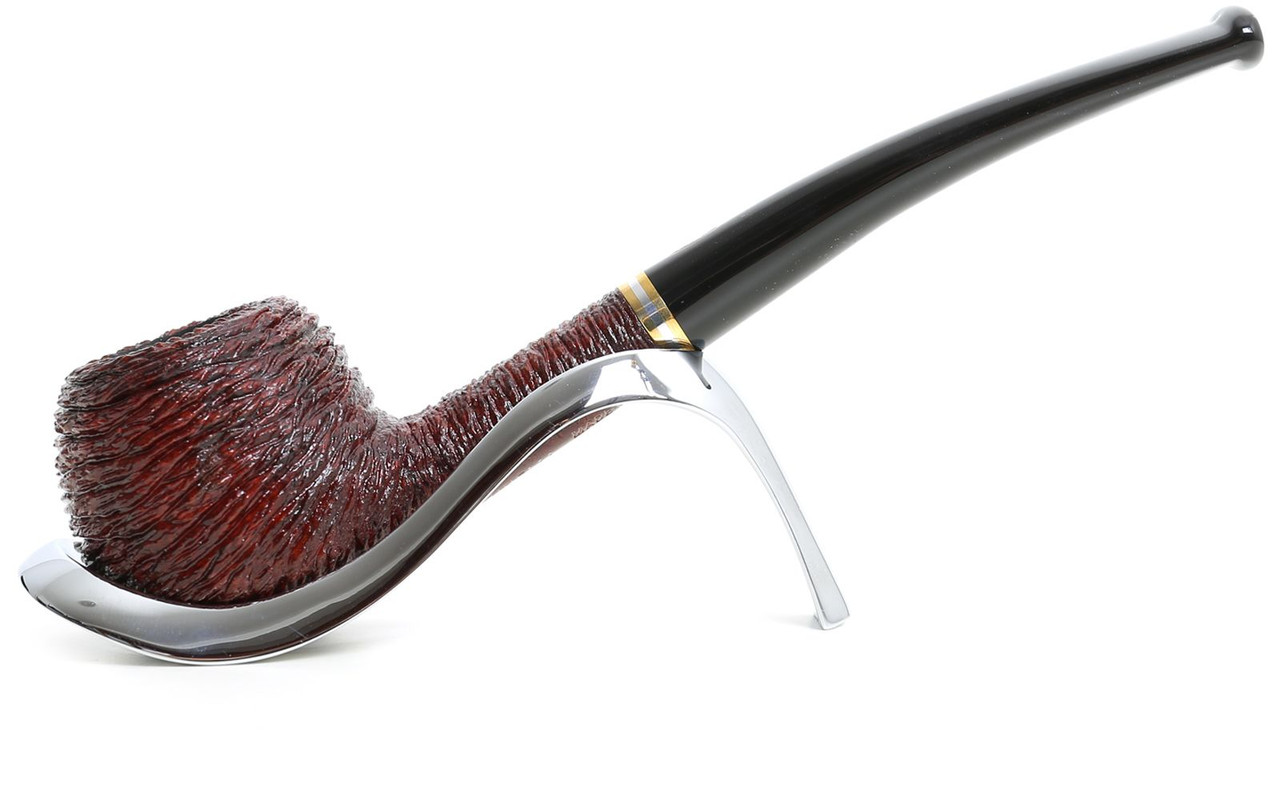
The first pipes used by humans were primarily made of stone, crafted from materials such as flint or limestone. Wood became a common material for pipes later on due to its workability and availability, but the origins of pipes trace back to stone artifacts.
Were the first pipes made of stone or wood? Deep dive
The earliest known pipes in history were mainly made from stone. These primitive tools were often carved from materials like flint, limestone, or other easily worked stones, and were used to smoke aromatic substances or tobacco. Wood, although a natural and readily available material, was introduced later into pipe making due to its higher susceptibility to heat and combustion, requiring more advanced manufacturing techniques to ensure durability and functionality. Over the centuries, wood, especially briar, became the predominant choice for crafting pipes, valued for its heat resistance and ability to provide a quality smoking experience. Nevertheless, the origins of pipes are inextricably linked to the use of stone, which represents the very first material employed by mankind for this purpose, evidencing the antiquity and tradition of this accessory in the slow-smoking world.