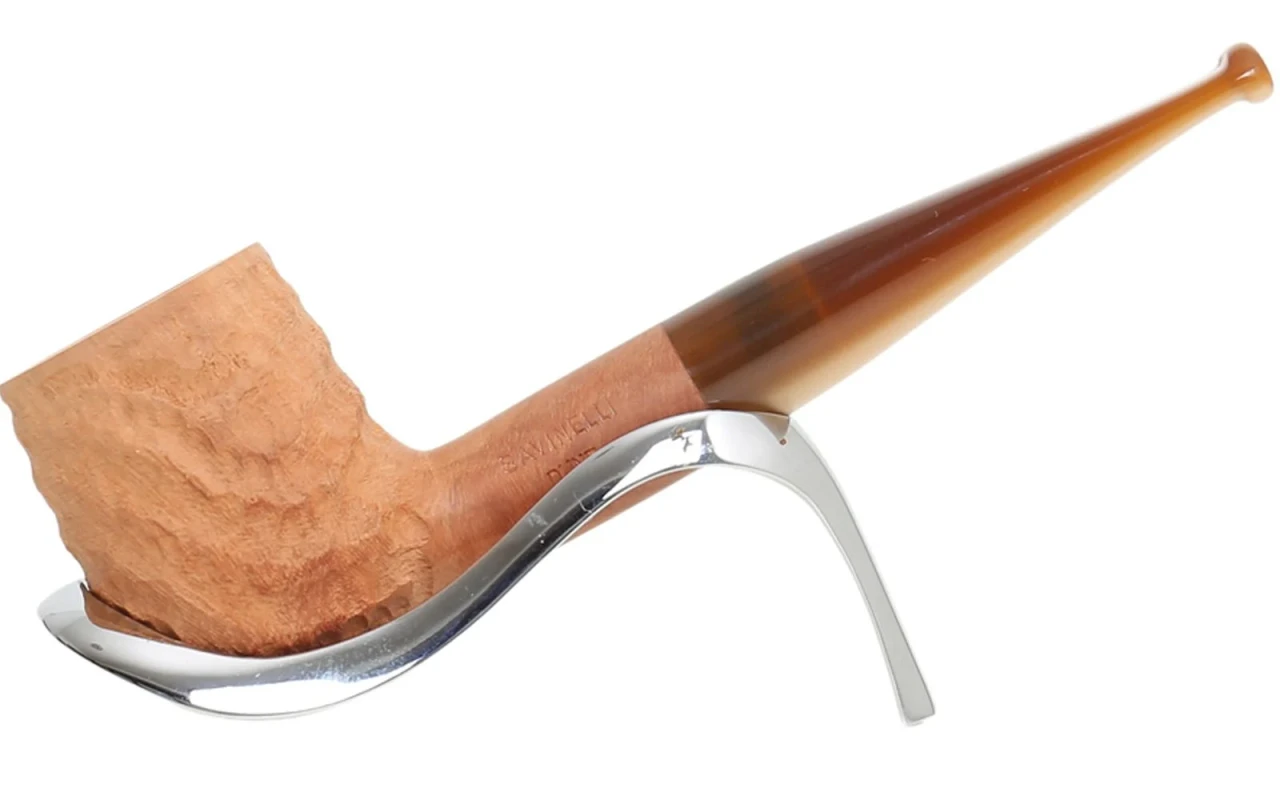
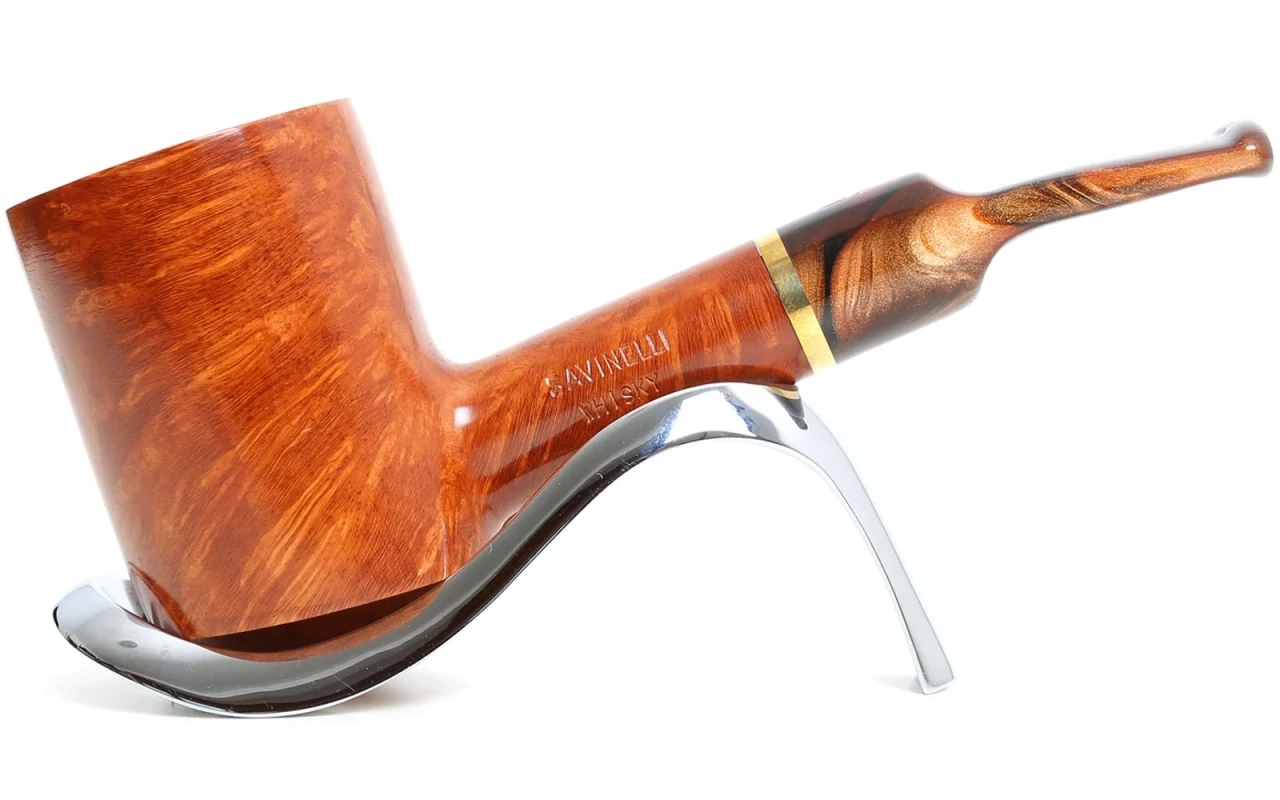
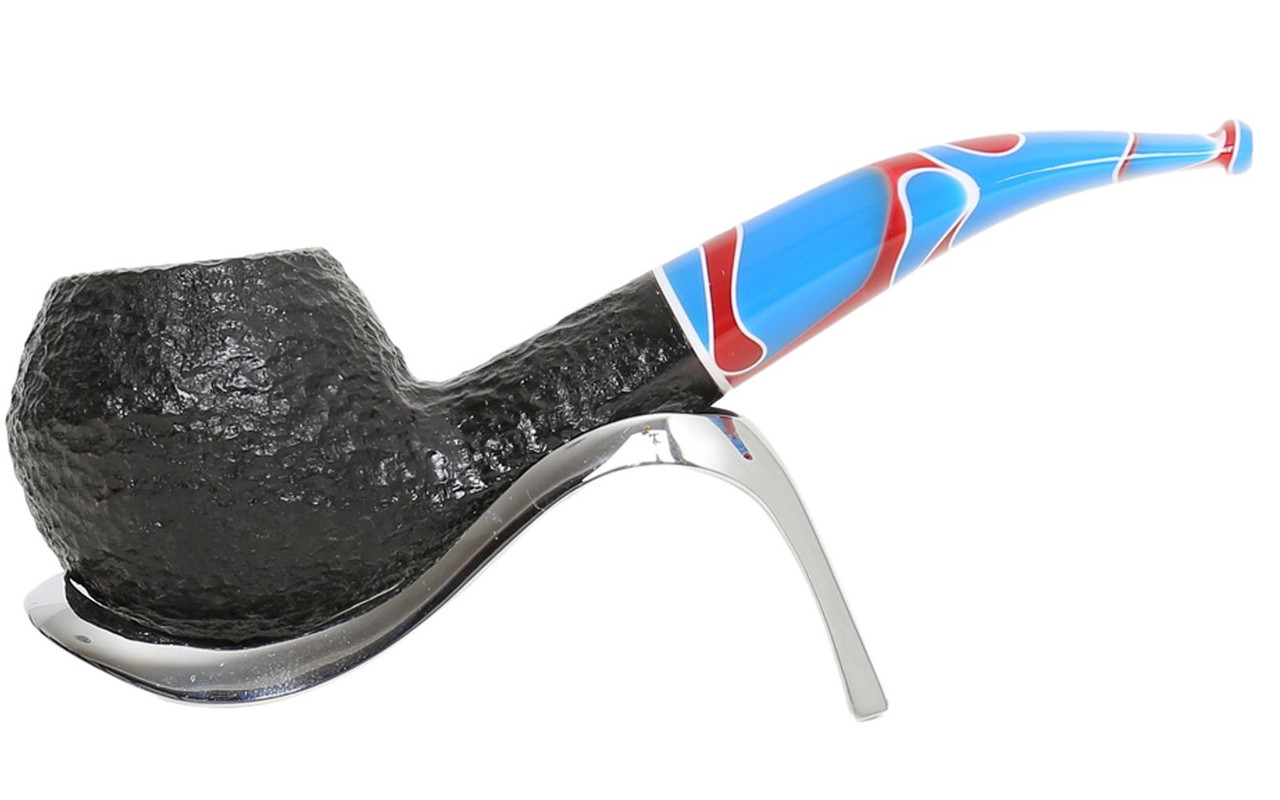
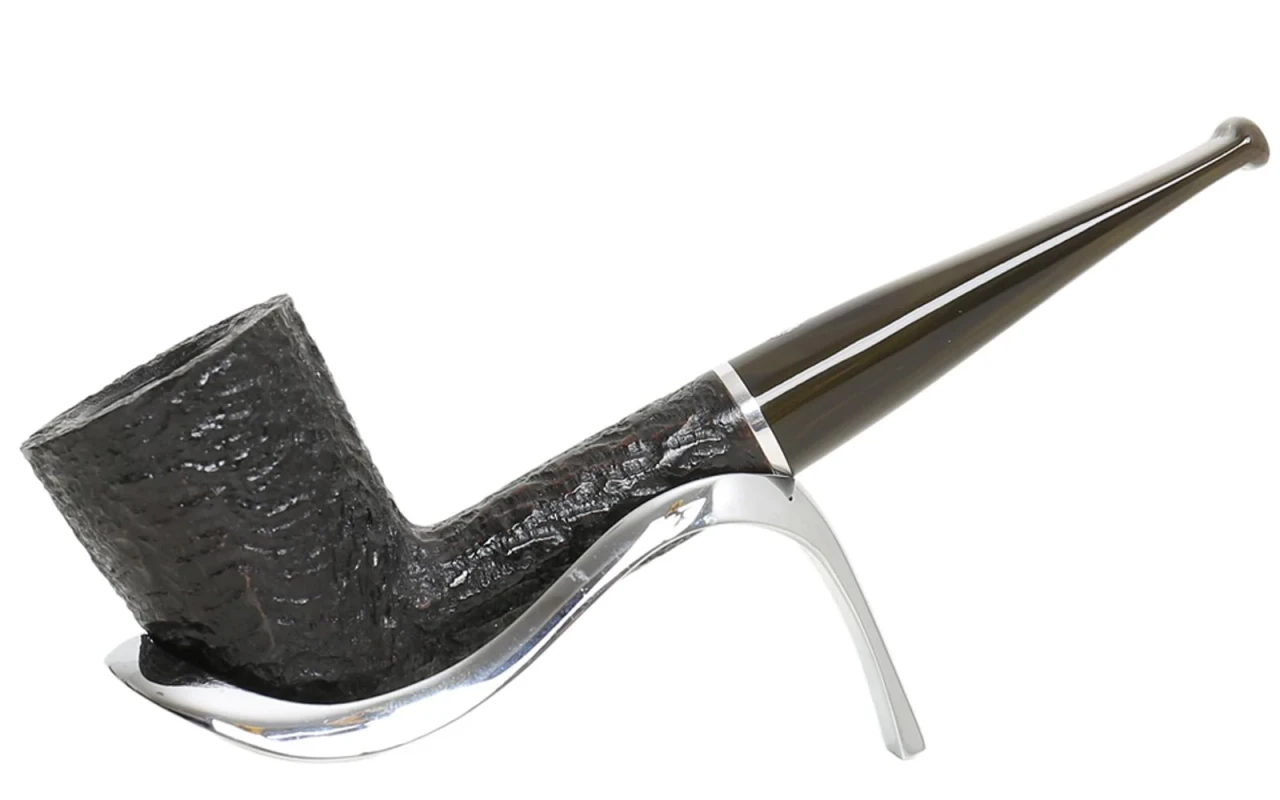
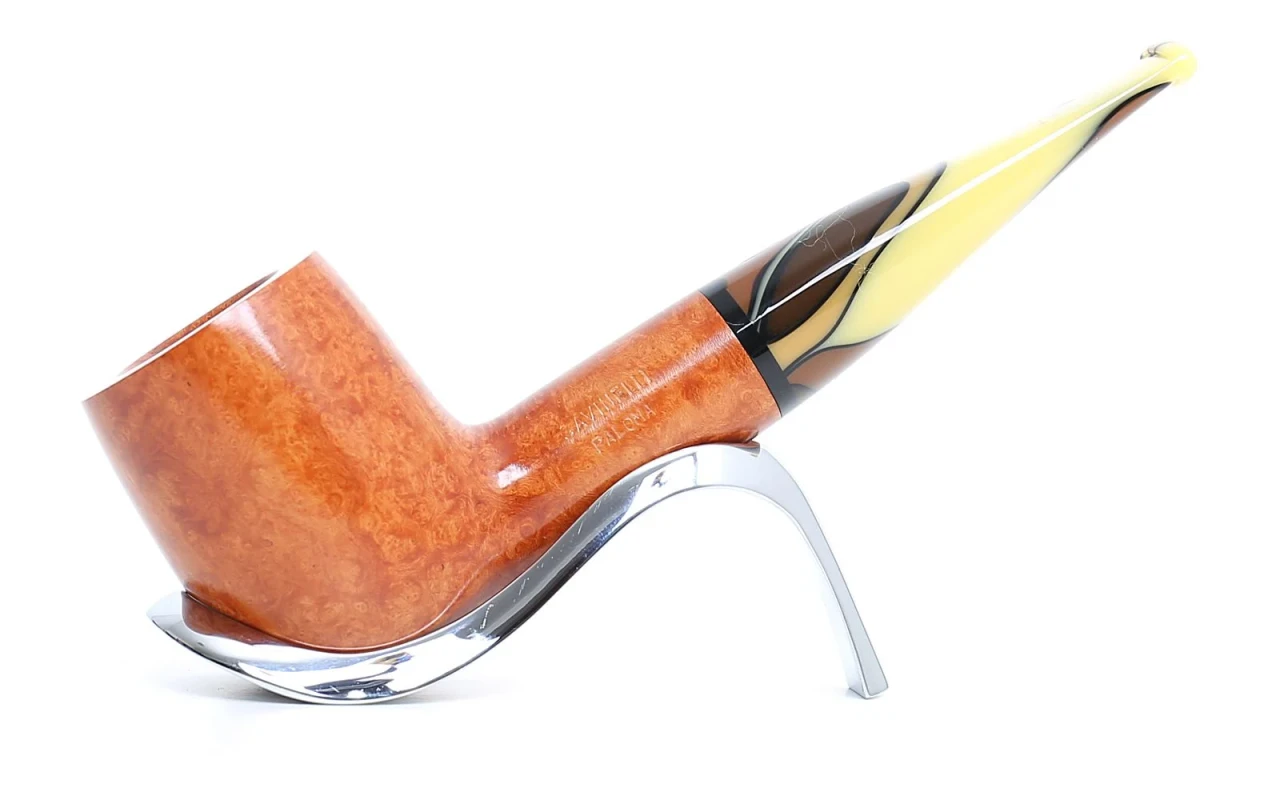
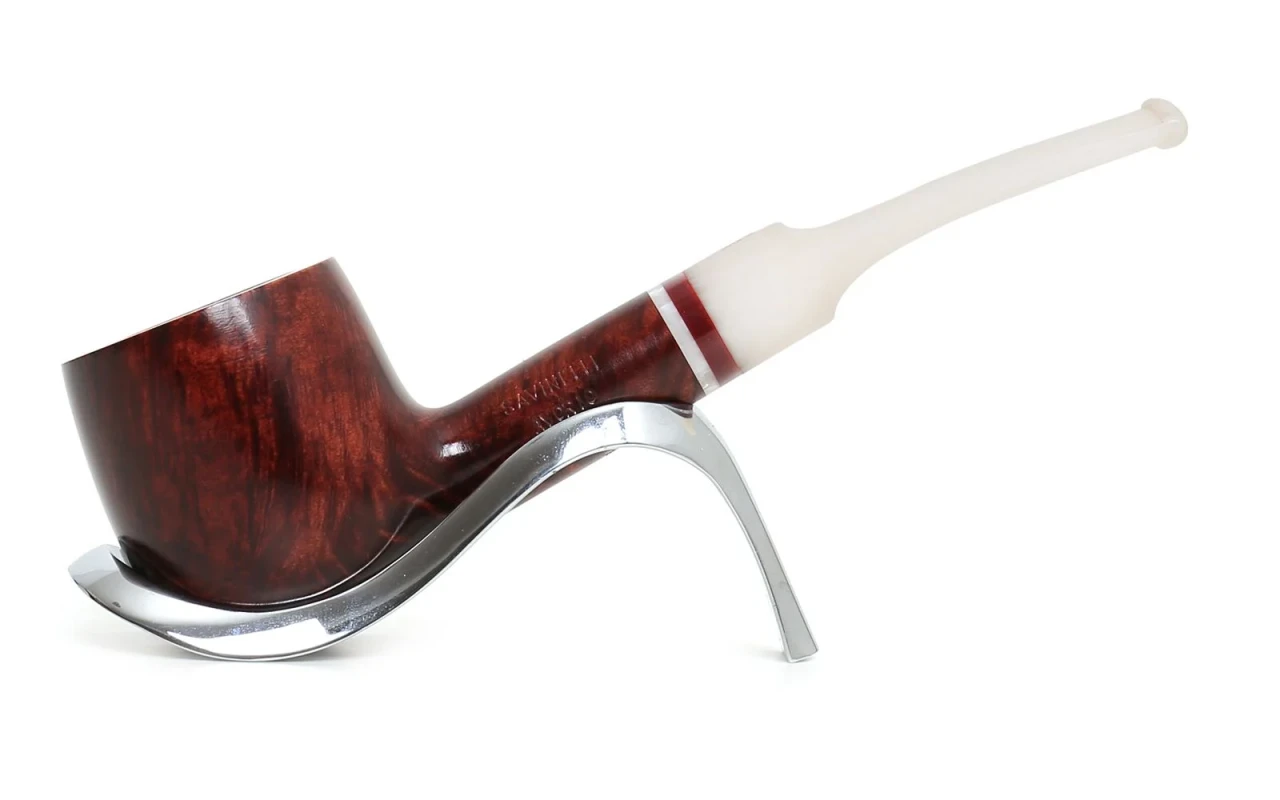
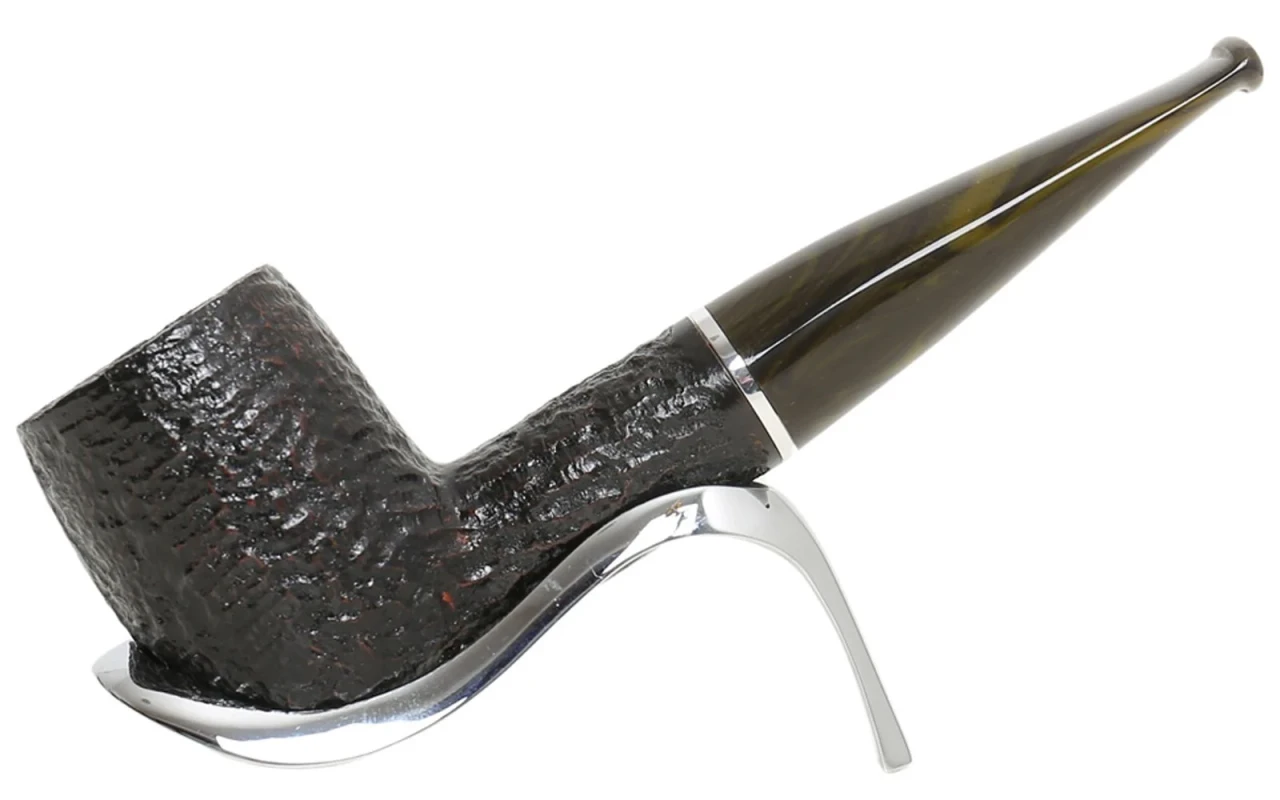
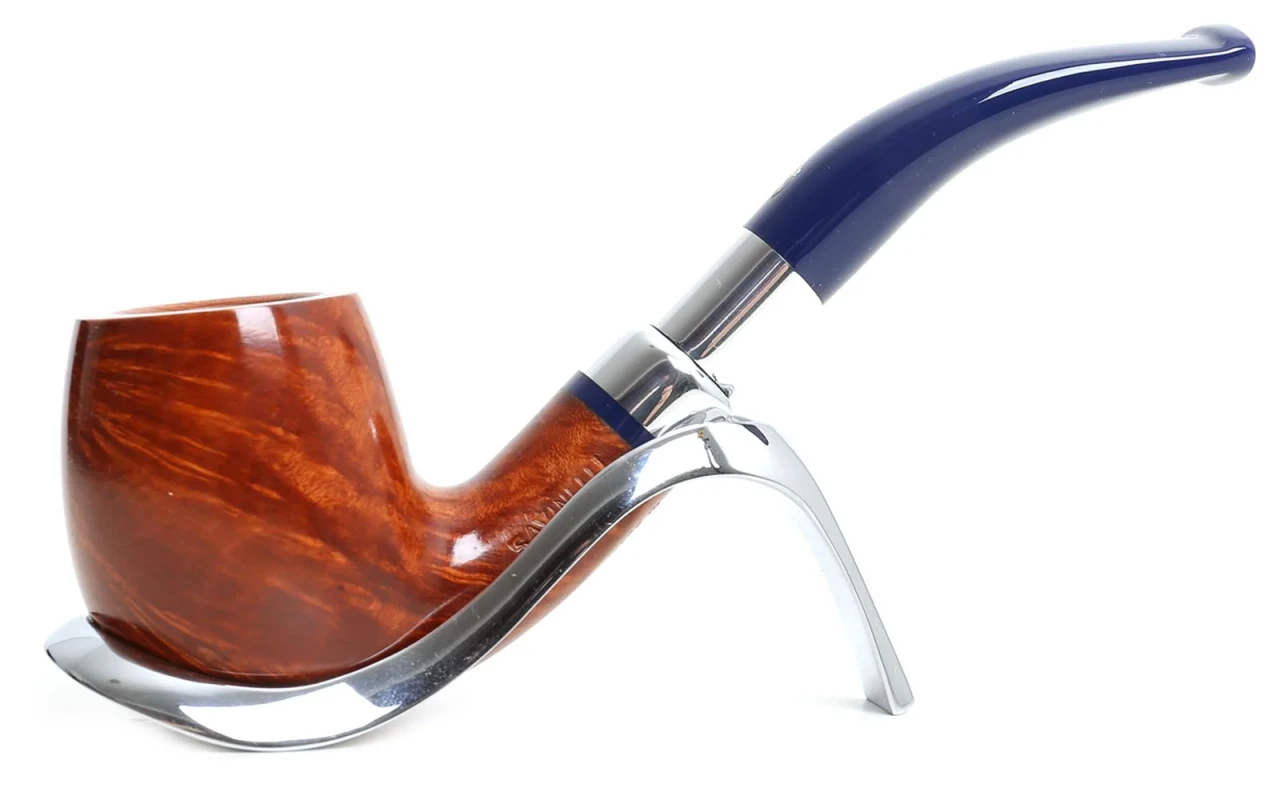
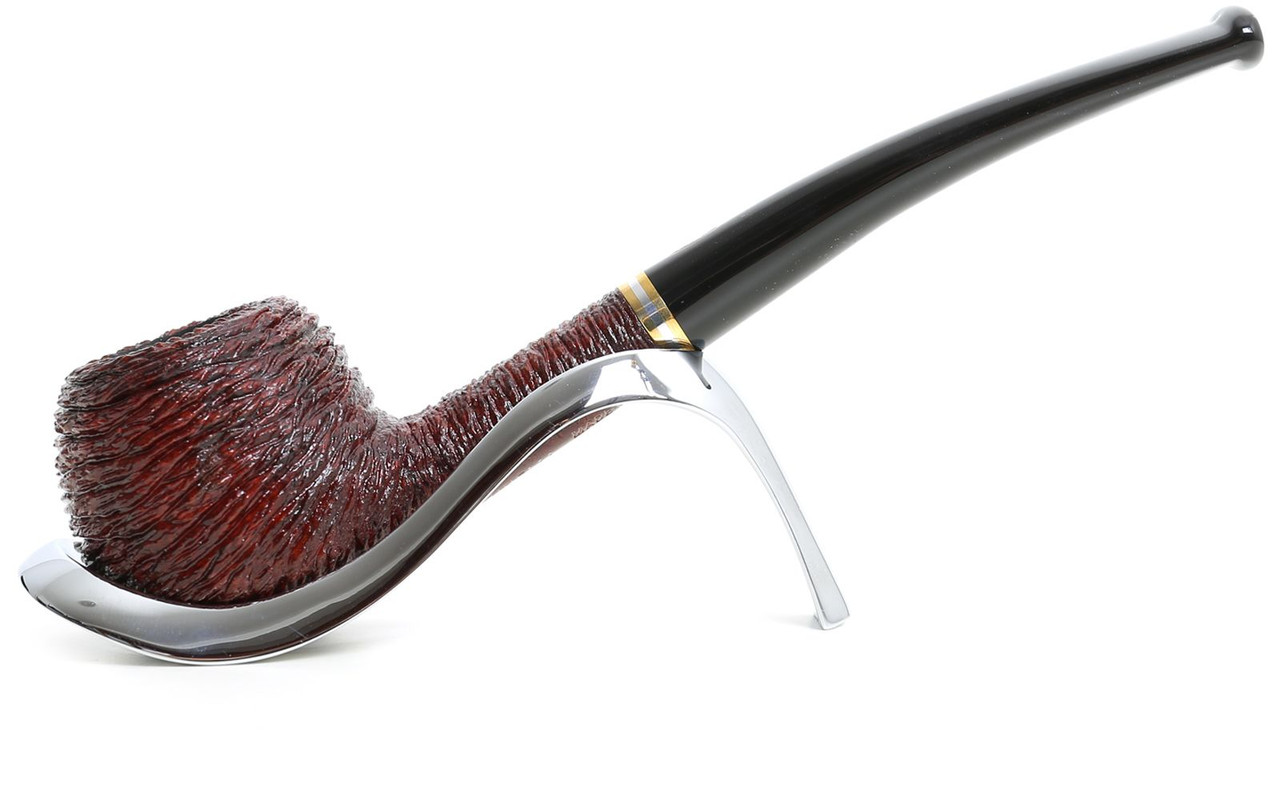
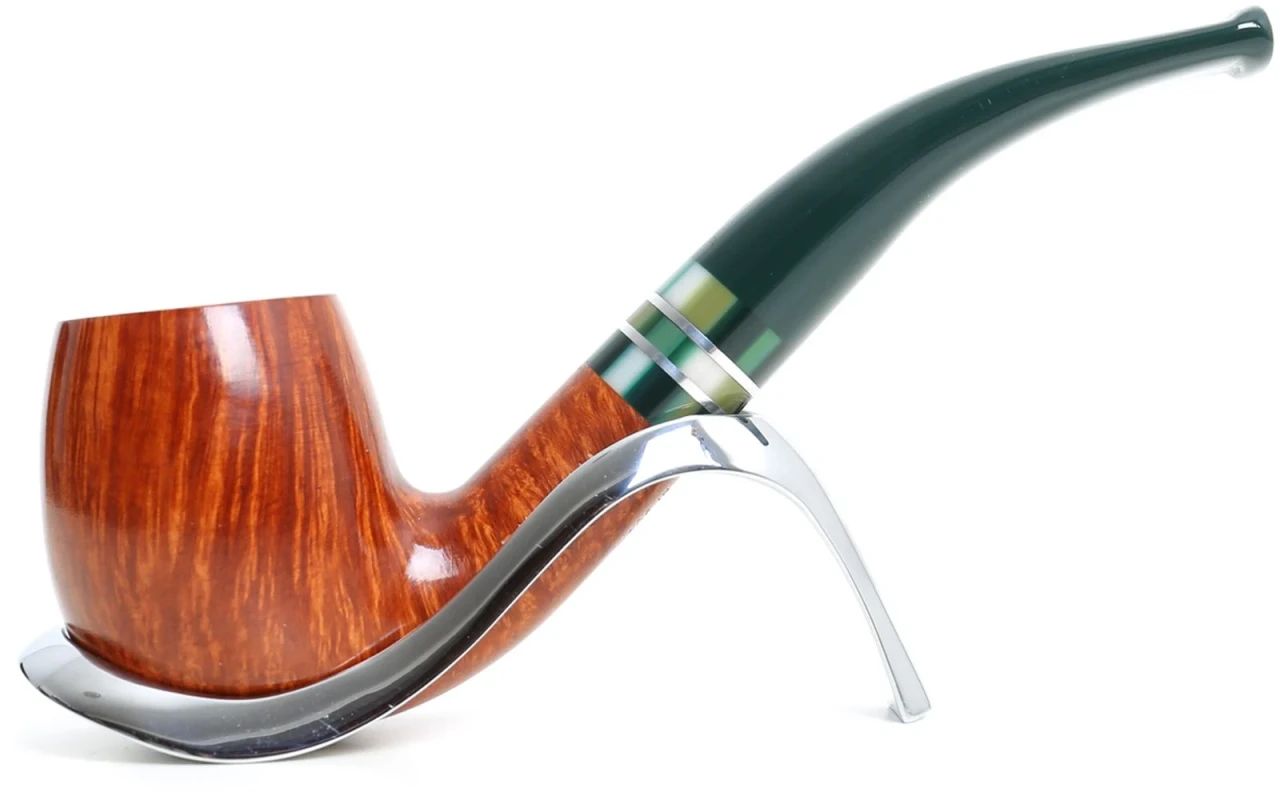
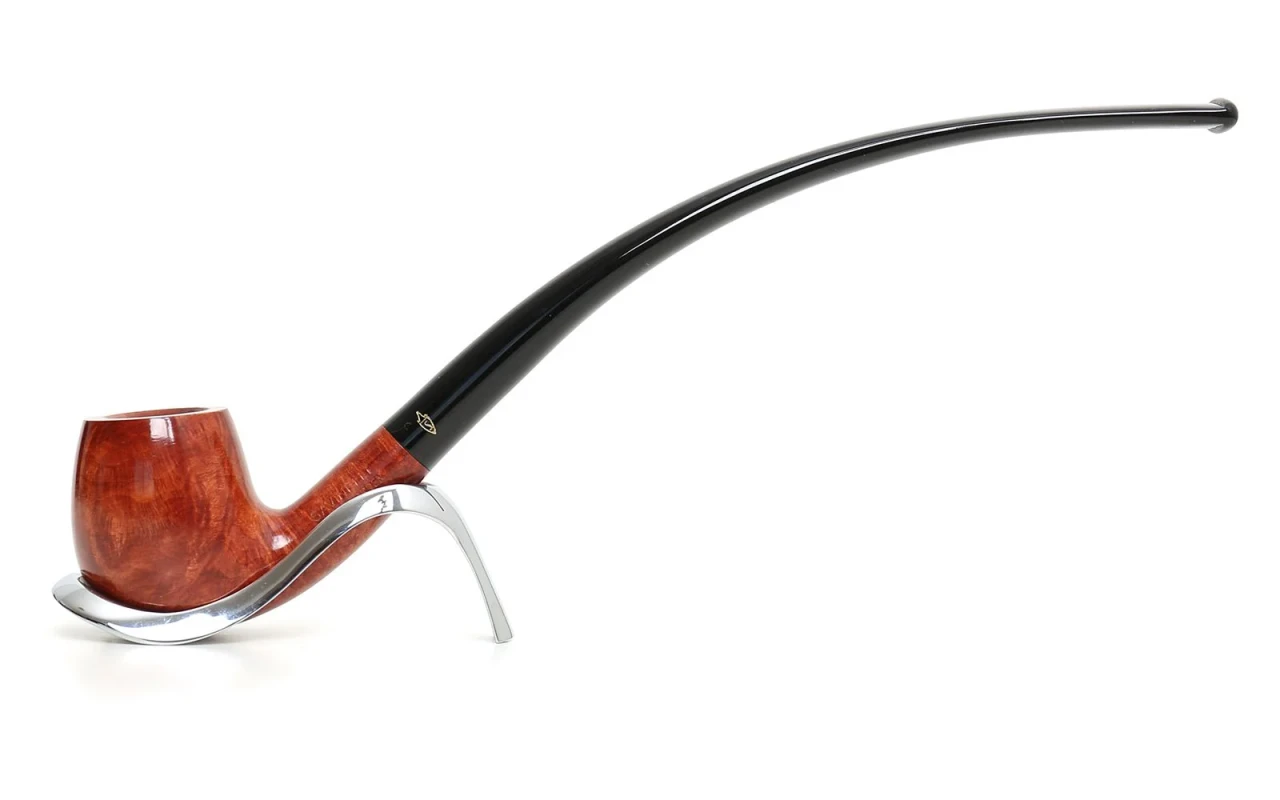
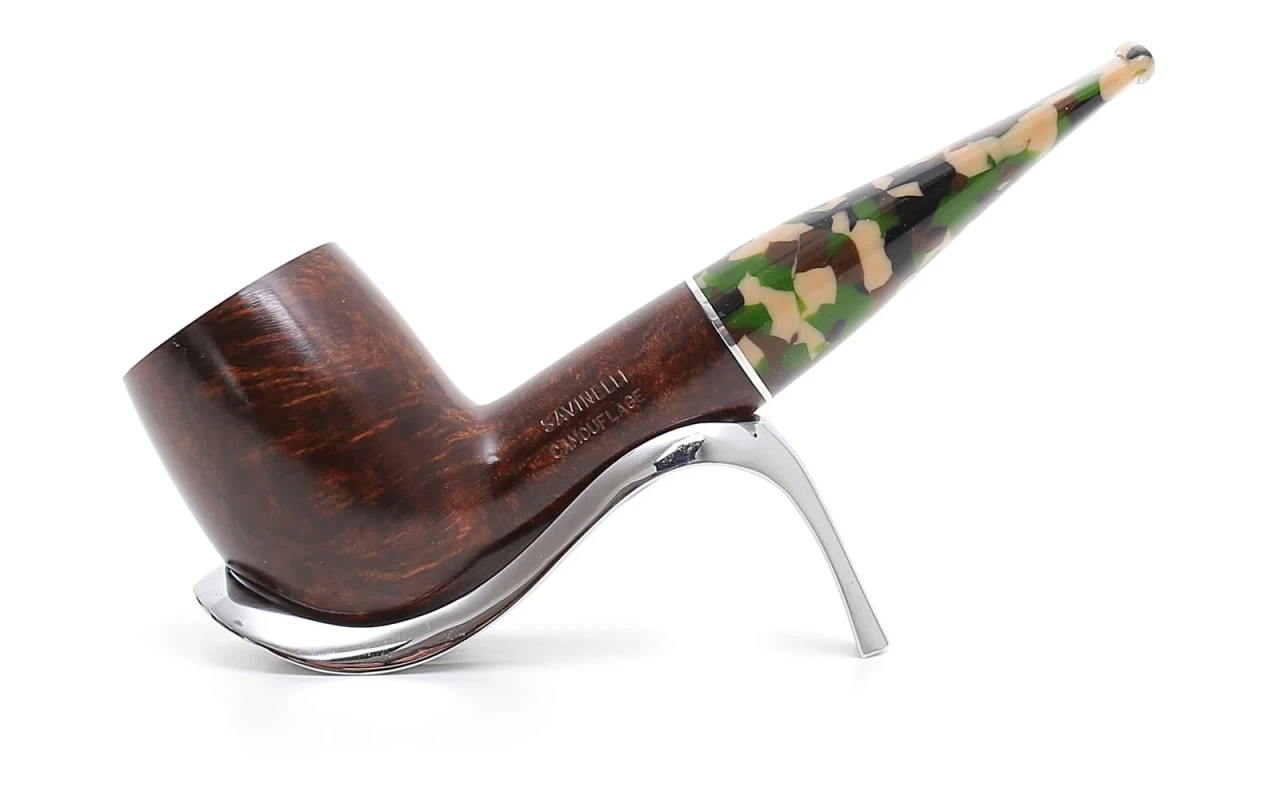
The pipe spread in Europe starting from the 16th century, initially among noble and bourgeois classes, thanks to the importation of tobacco from the Americas. Over time, its use extended to the working classes as well, becoming a symbol of sociability and the culture of slow smoking, with shapes and materials varying according to different social classes.
How did the pipe spread among European social classes? Deep dive
The introduction of the pipe in Europe dates back to the 16th century, when tobacco was imported from the Americas. Initially, its use was a privilege of the noble and bourgeois classes, who appreciated the pipe as an object of prestige and as part of a refined smoking ritual. Pipes from that period were often made with precious materials and elaborate finishes, reflecting the social status of the smokers. Over time, the pipe became increasingly accessible and popular among the working classes as well, who adopted simpler shapes and less expensive materials, such as briar or terracotta. This expansion in the use of the pipe helped spread the culture of slow smoking across various social environments, becoming an element of socialization and cultural identity. The diffusion of the pipe among European social classes thus reflects a process of democratization of tobacco consumption, accompanied by a variety of styles and traditions related to the choice of shapes, materials, and pipe crafting techniques.