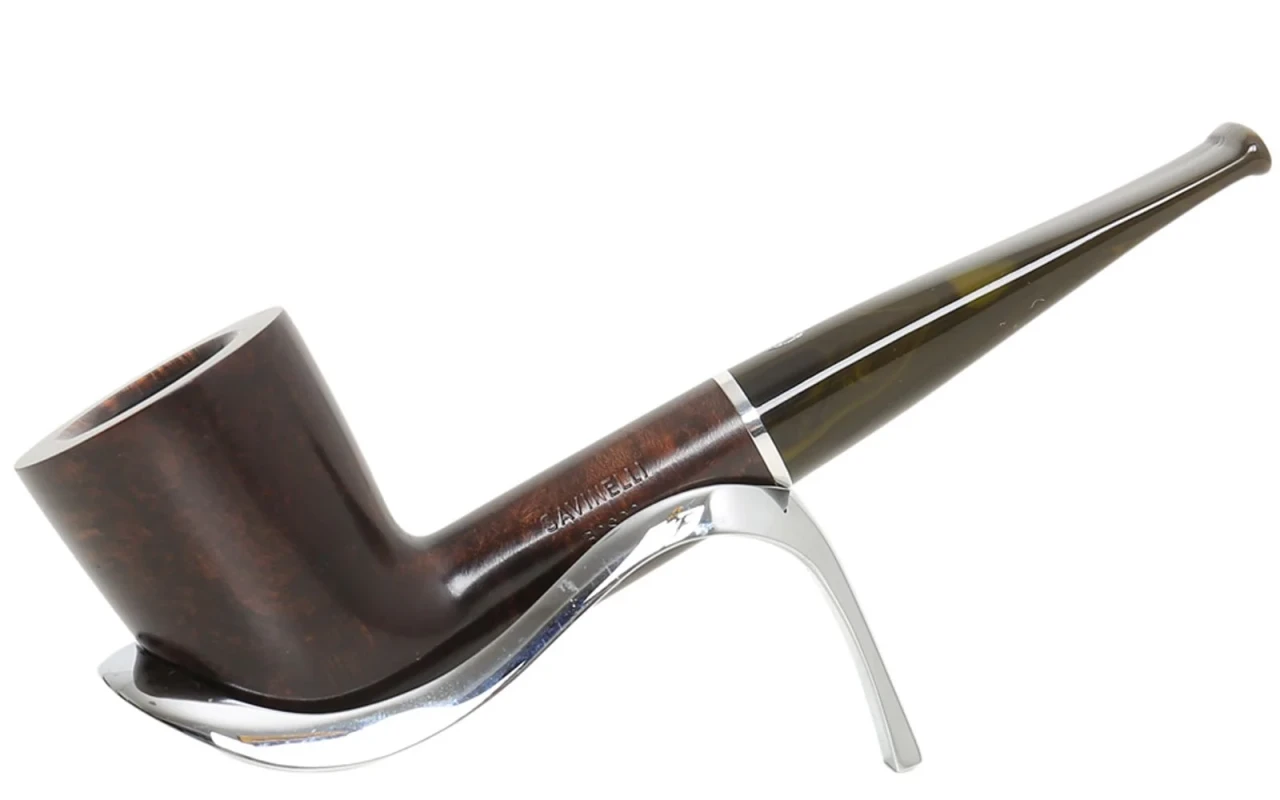
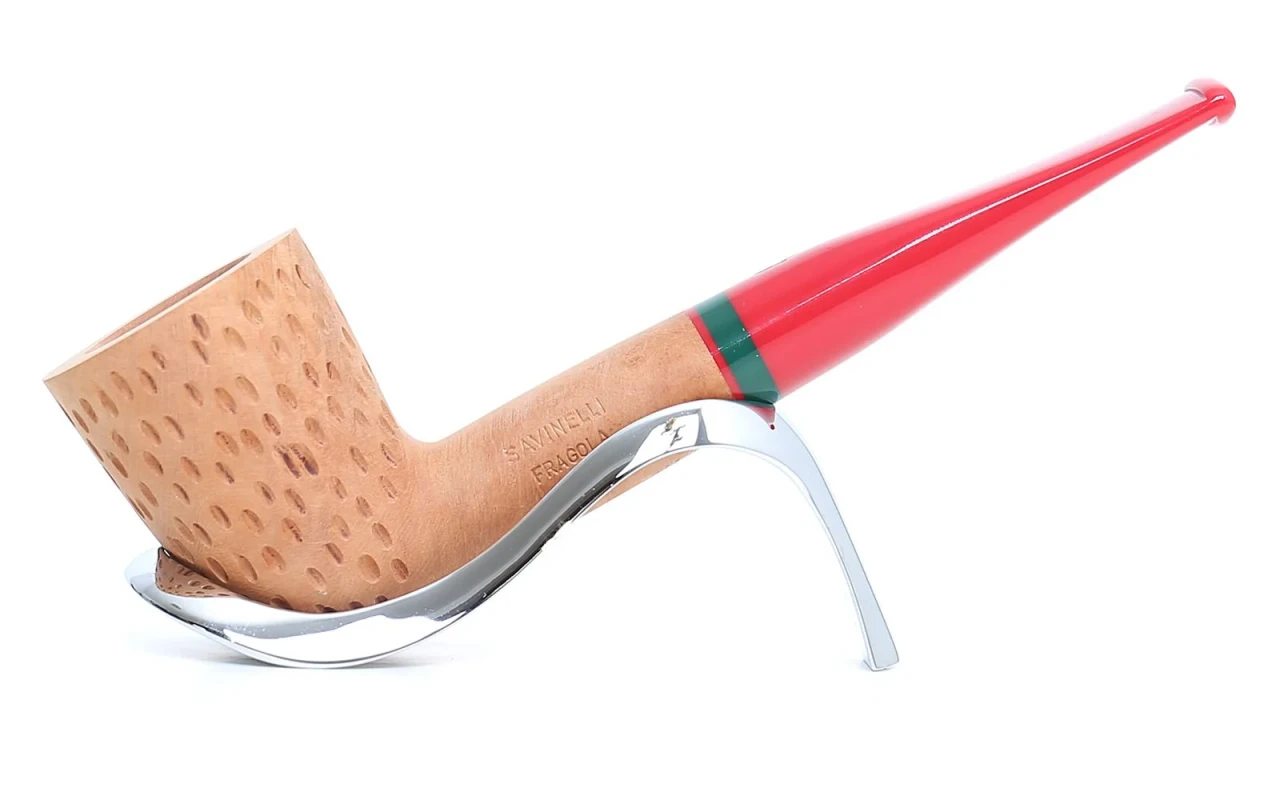
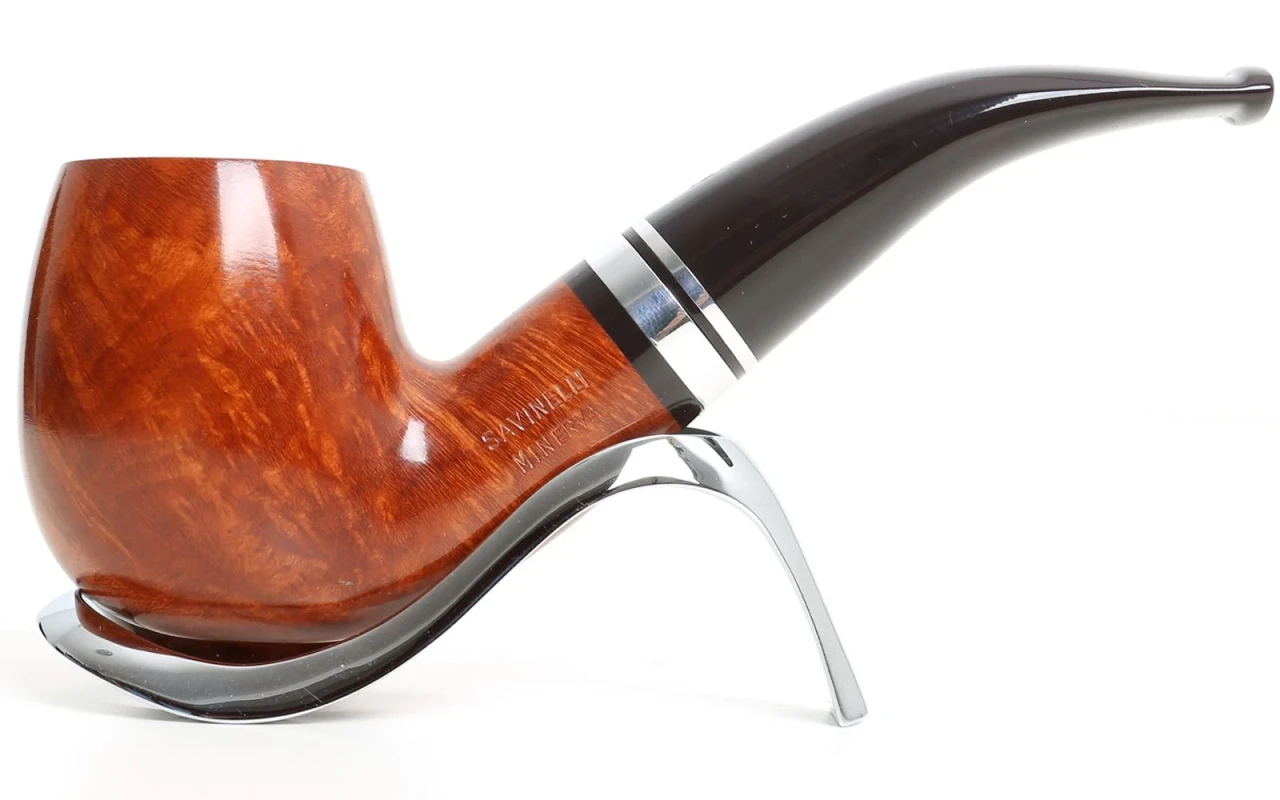
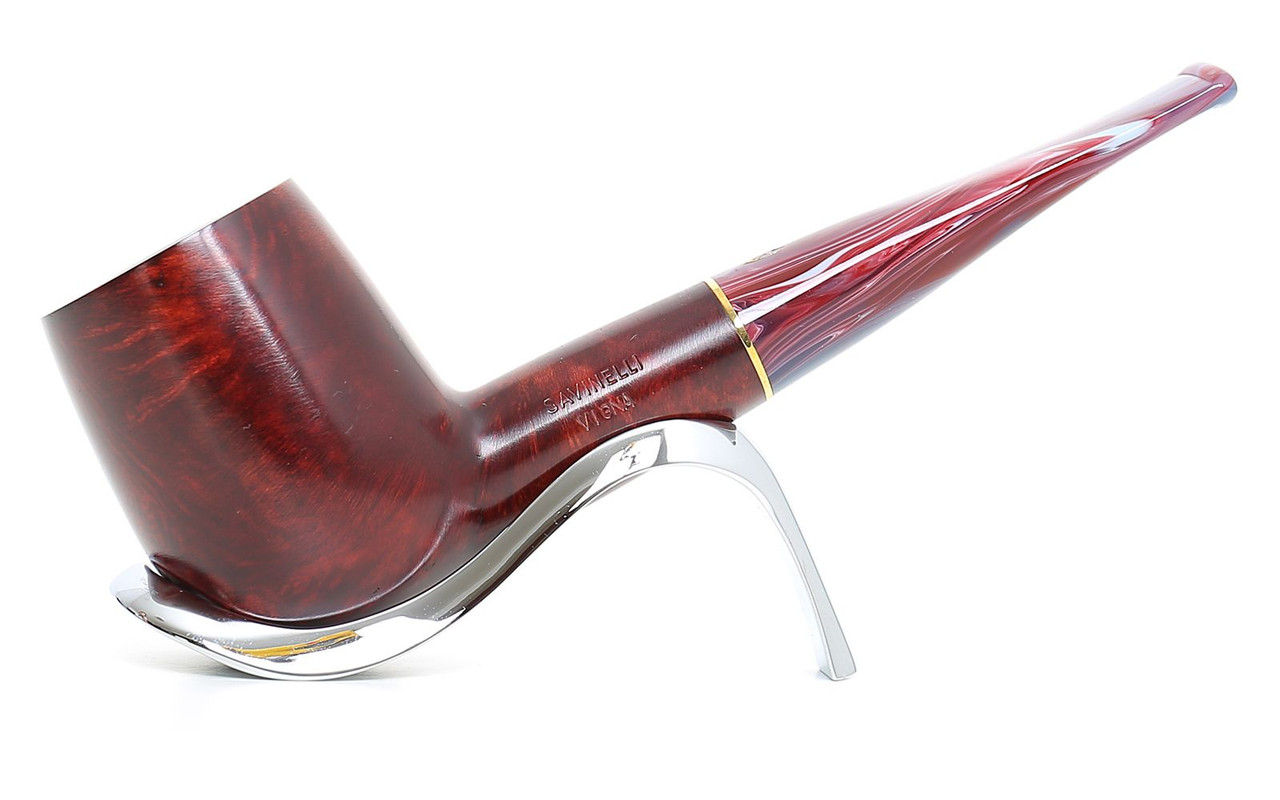
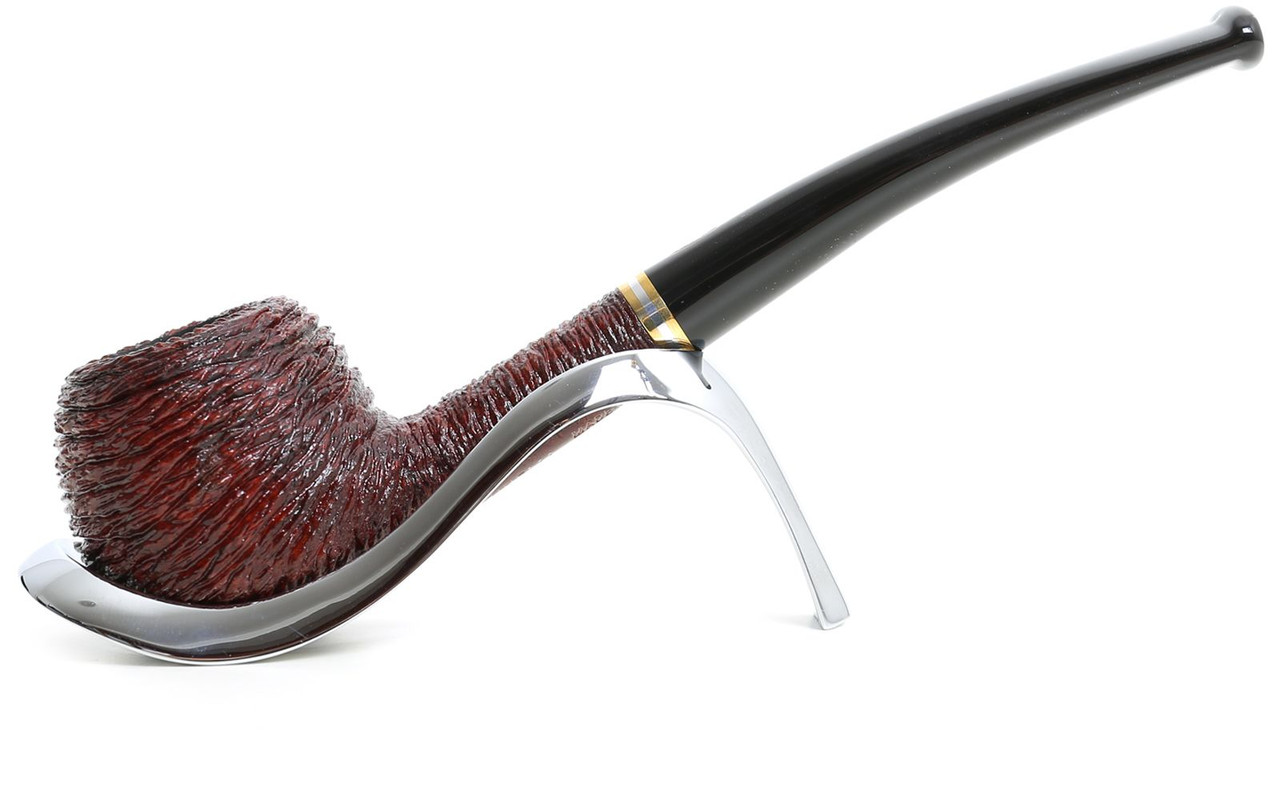
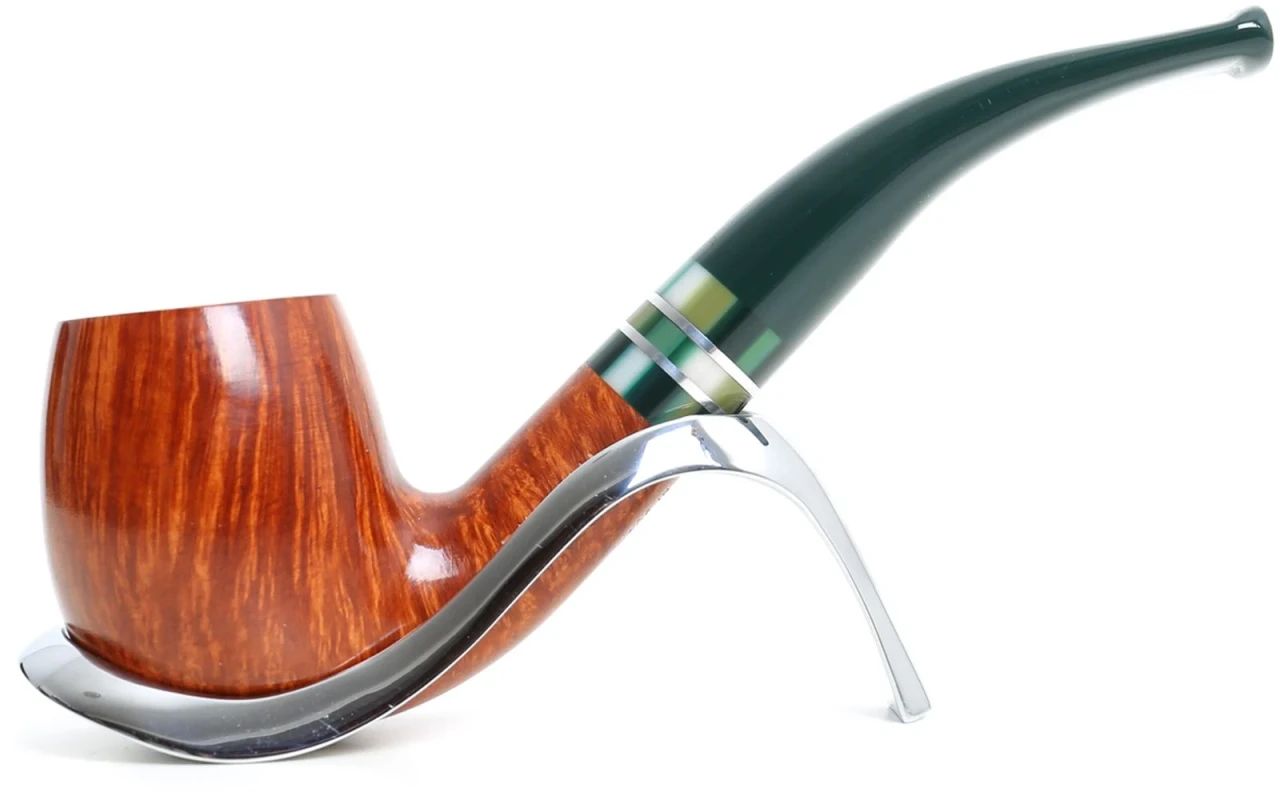
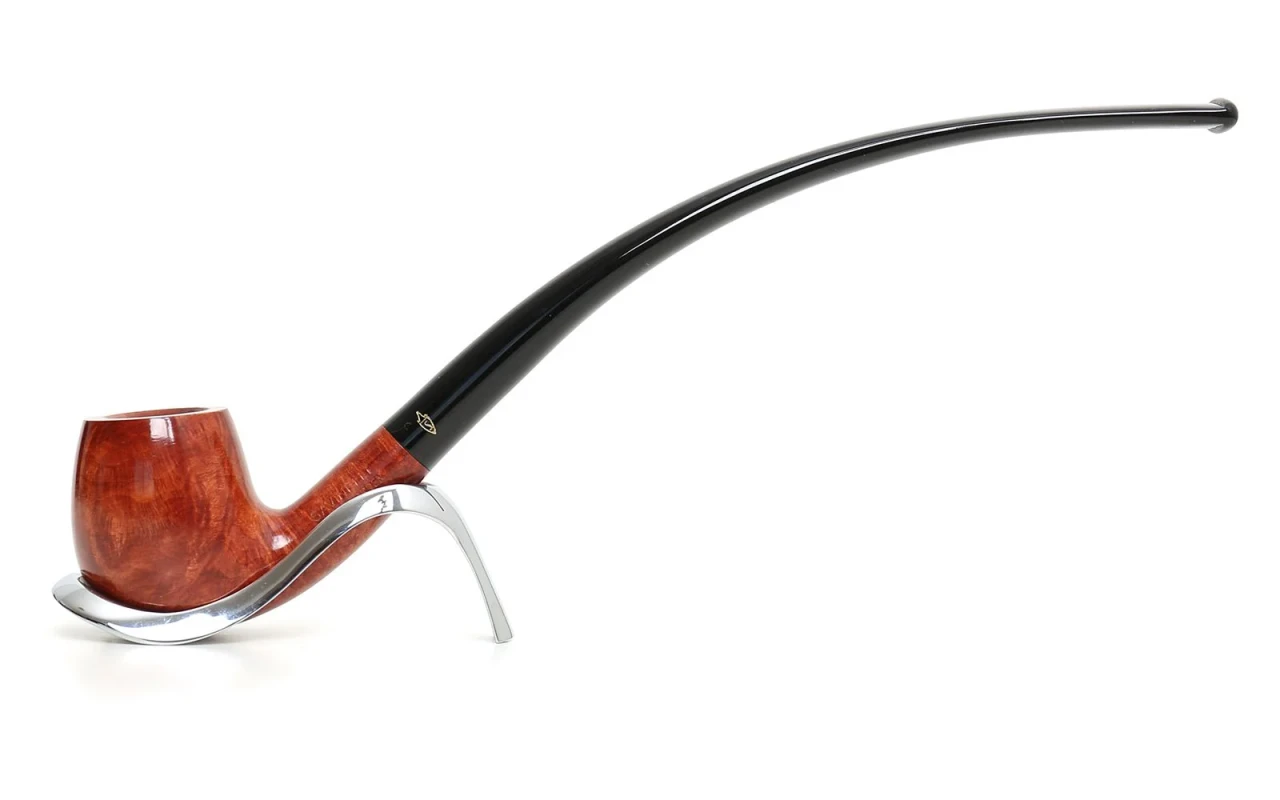
In the 19th century, the most common pipes were primarily made of clay, briar wood, and corncob. Clay pipes were popular due to their affordability, while briar pipes, being more durable and prestigious, began gaining popularity. The shapes ranged from simple to more elaborate, reflecting regional tastes and uses.
What types of pipes were common in the 19th century? Deep dive
Throughout the 19th century, the pipe world was characterized by a variety of materials and shapes that mirrored both local availability and cultural preferences. Clay pipes were widely used, especially valued for their affordability and ease of manufacture. These pipes tended to be simple and functional, serving a broad audience. Meanwhile, briar wood, a hard and resilient wood, started being appreciated for its durability and its ability to enhance the smoking experience, giving rise to more refined and long-lasting pipes. Corncob pipes were also popular, particularly in America, for their lightness and accessible price. Pipe shapes varied considerably, ranging from straightforward, linear models to more intricate and artistic forms, often influenced by local traditions and contemporary fashions. These factors reflect a period when the pipe was both a daily-use object and a means of personal expression, embedded in a well-established and diversified slow-smoking culture.