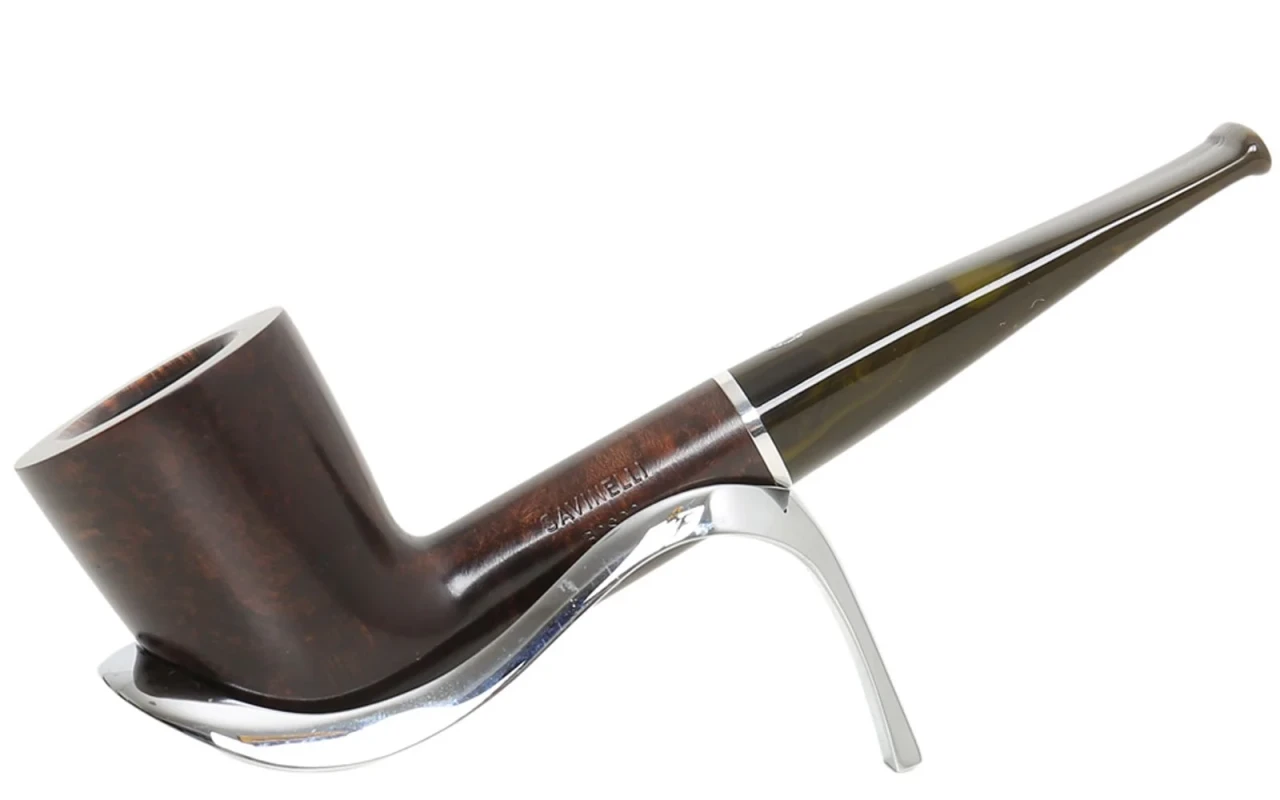
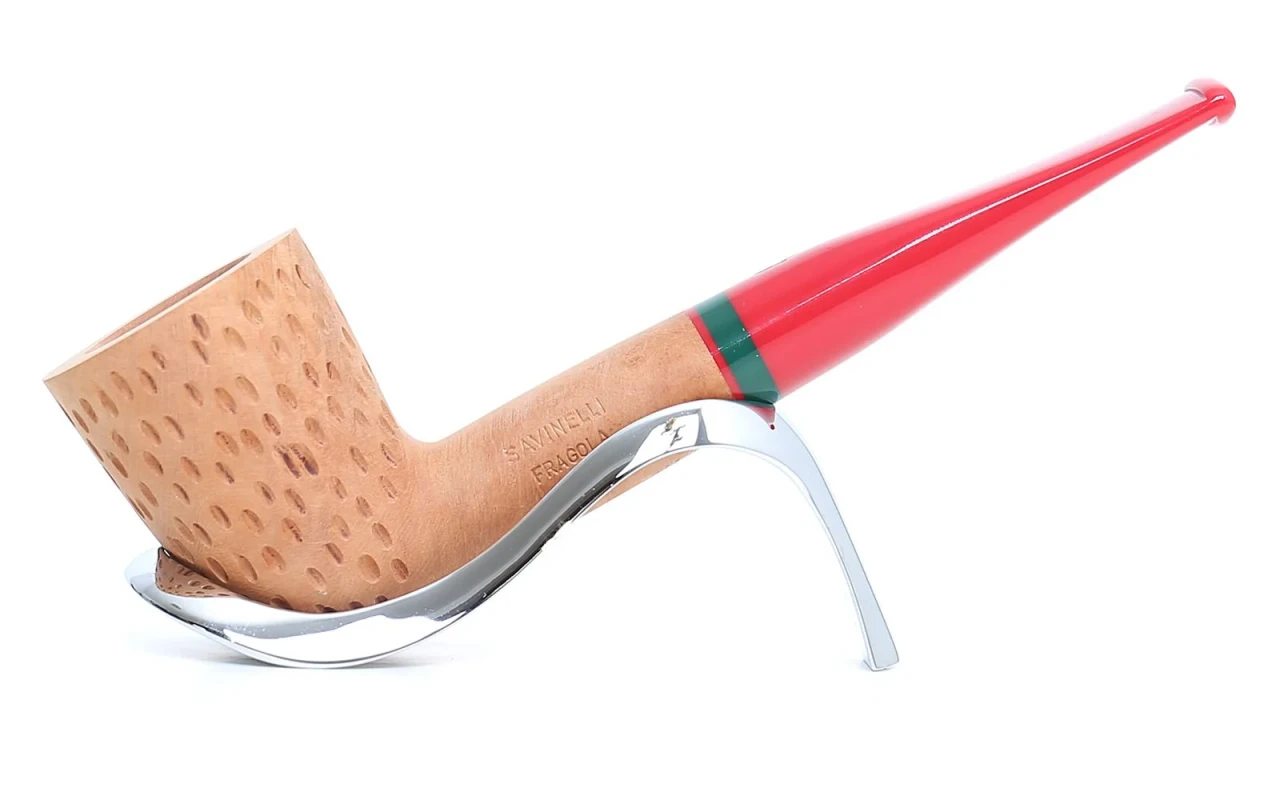
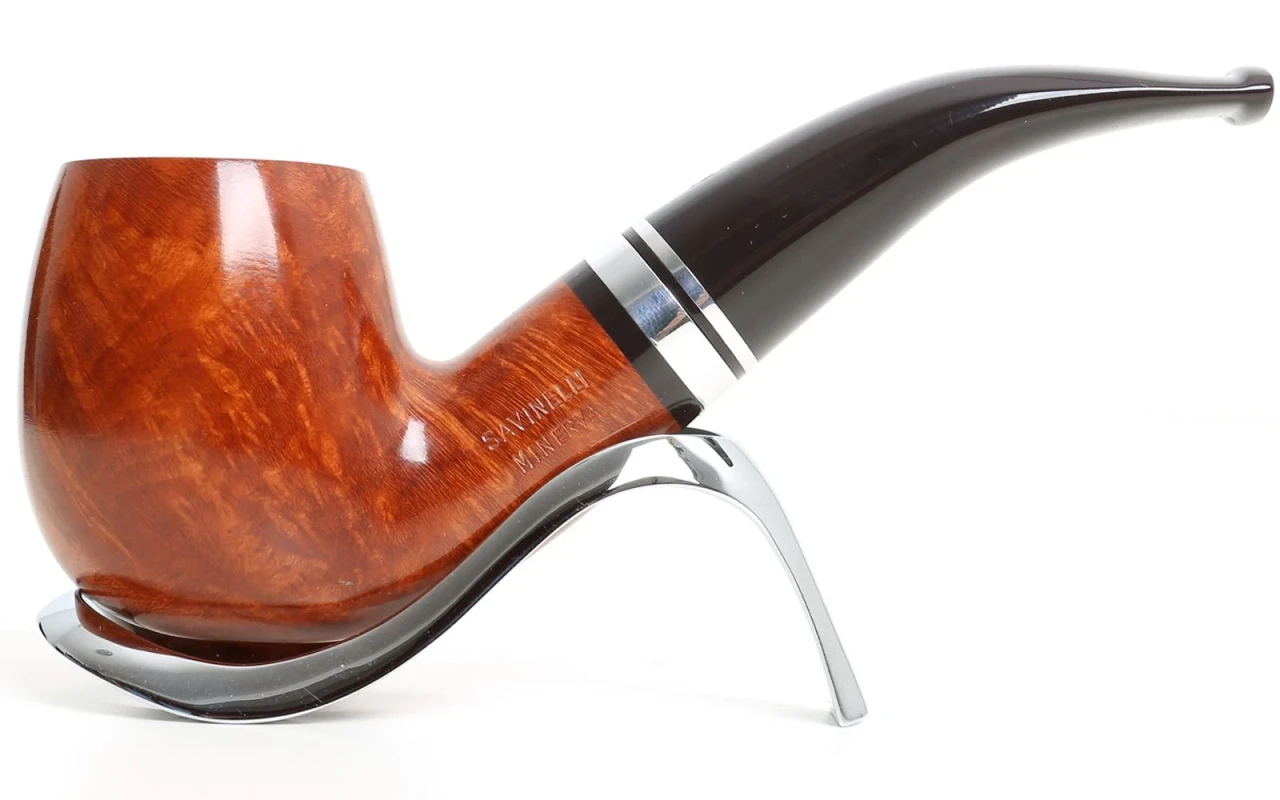
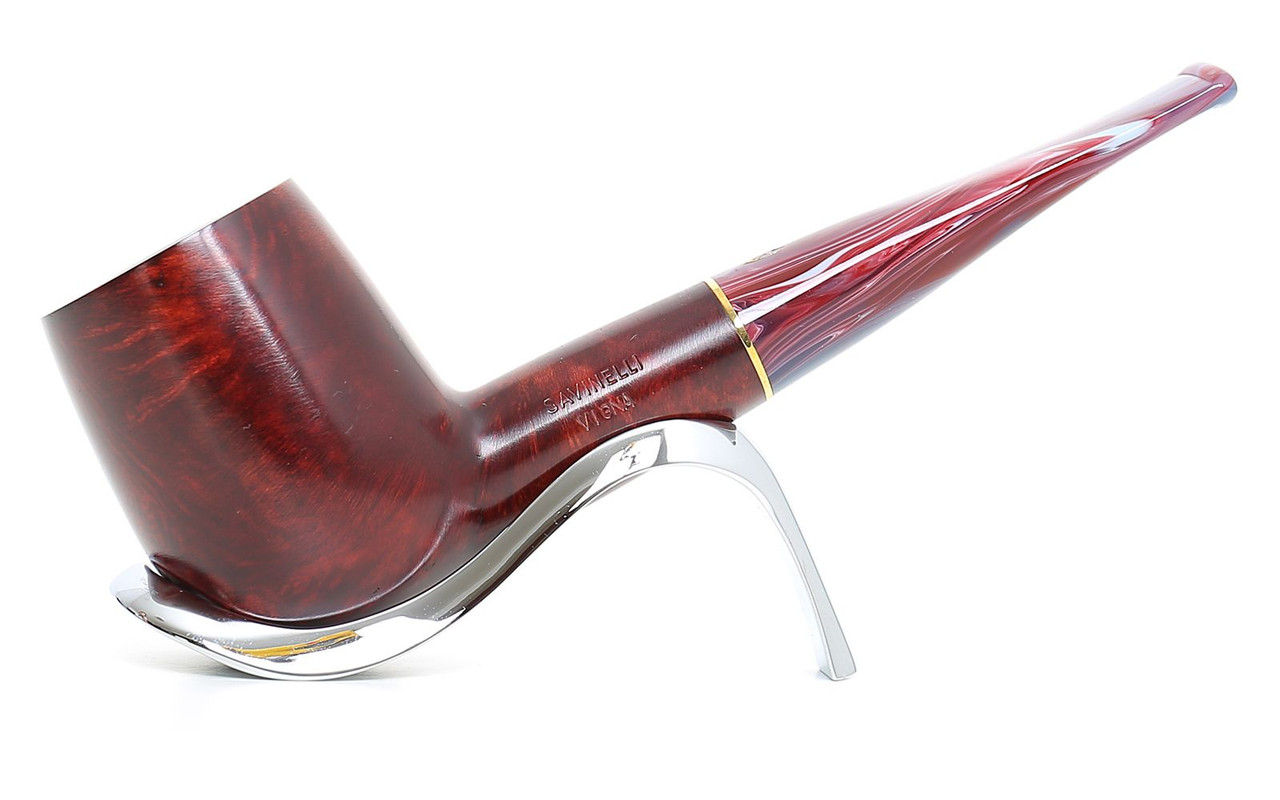
The mortise is the cavity carved into the pipe's bowl where the tenon, the male part connected to the stem, is inserted. Essentially, the mortise receives the tenon to firmly join the bowl and stem, ensuring stability and proper airflow during smoking.
What is the difference between mortise and tenon in a pipe? Deep dive
In pipe construction, the mortise and tenon are two fundamental components that allow the assembly between the bowl and the stem. The mortise is a cavity or hole carved inside the bowl designed to receive the tenon. The tenon, on the other hand, is a cylindrical or conical part projecting from the stem that fits into the mortise. This mechanical connection ensures that the stem is securely attached to the bowl, preventing looseness or unwanted movement during use. Moreover, the precision of this joint is important to maintain proper airflow passage, essential for a smooth and enjoyable smoking experience. The main difference between the two lies in their function and position: the mortise is the female part, a cavity in the bowl, while the tenon is the male part, a protruding element of the stem that inserts into the mortise. Understanding this distinction is useful for those wishing to better know the pipe’s structure or for those involved in maintenance and repair, since a good seal between mortise and tenon is crucial for the proper functioning of the pipe.