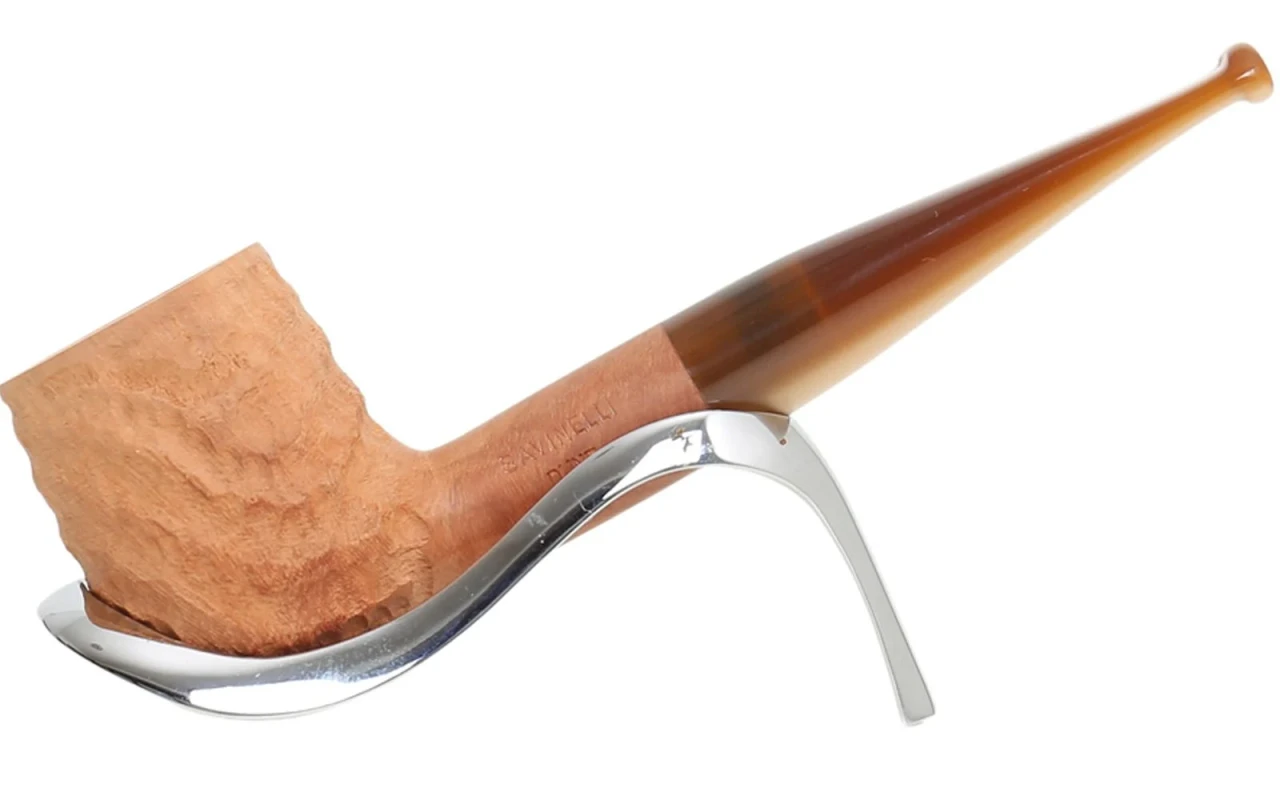
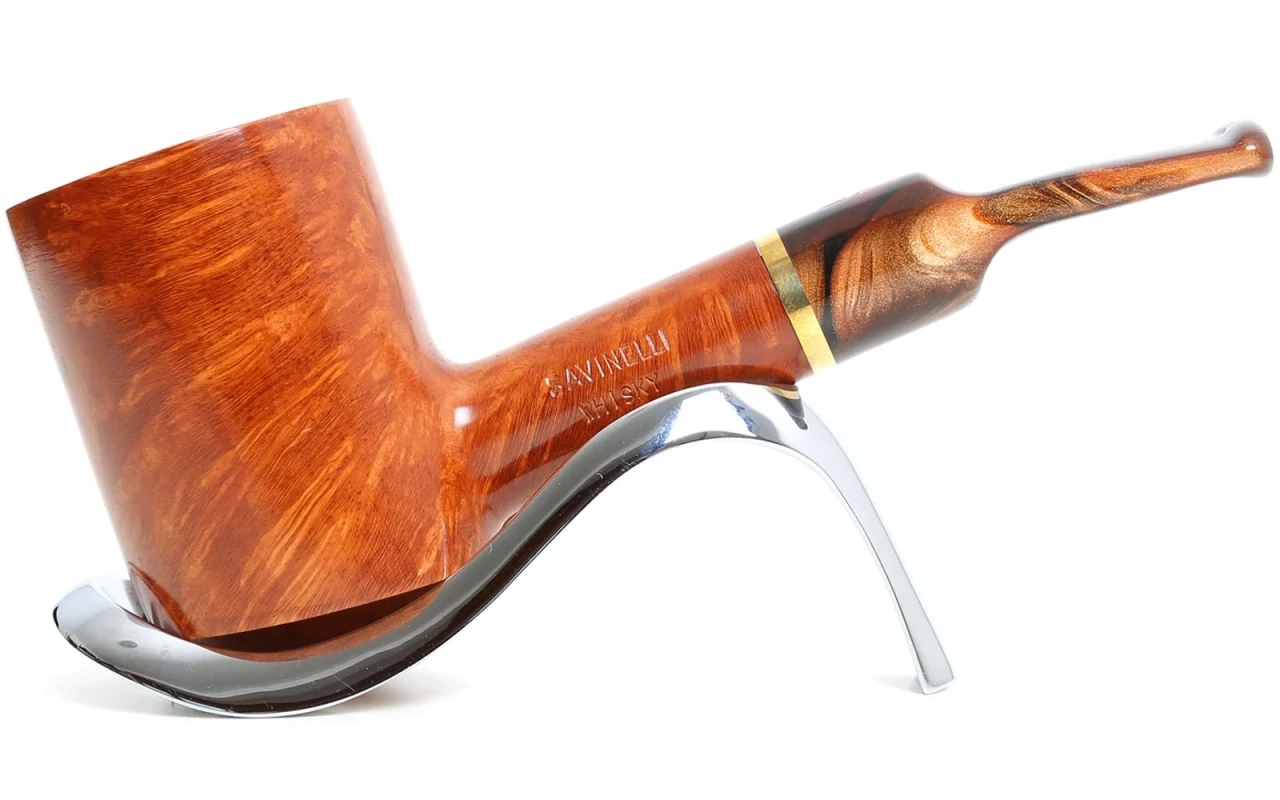
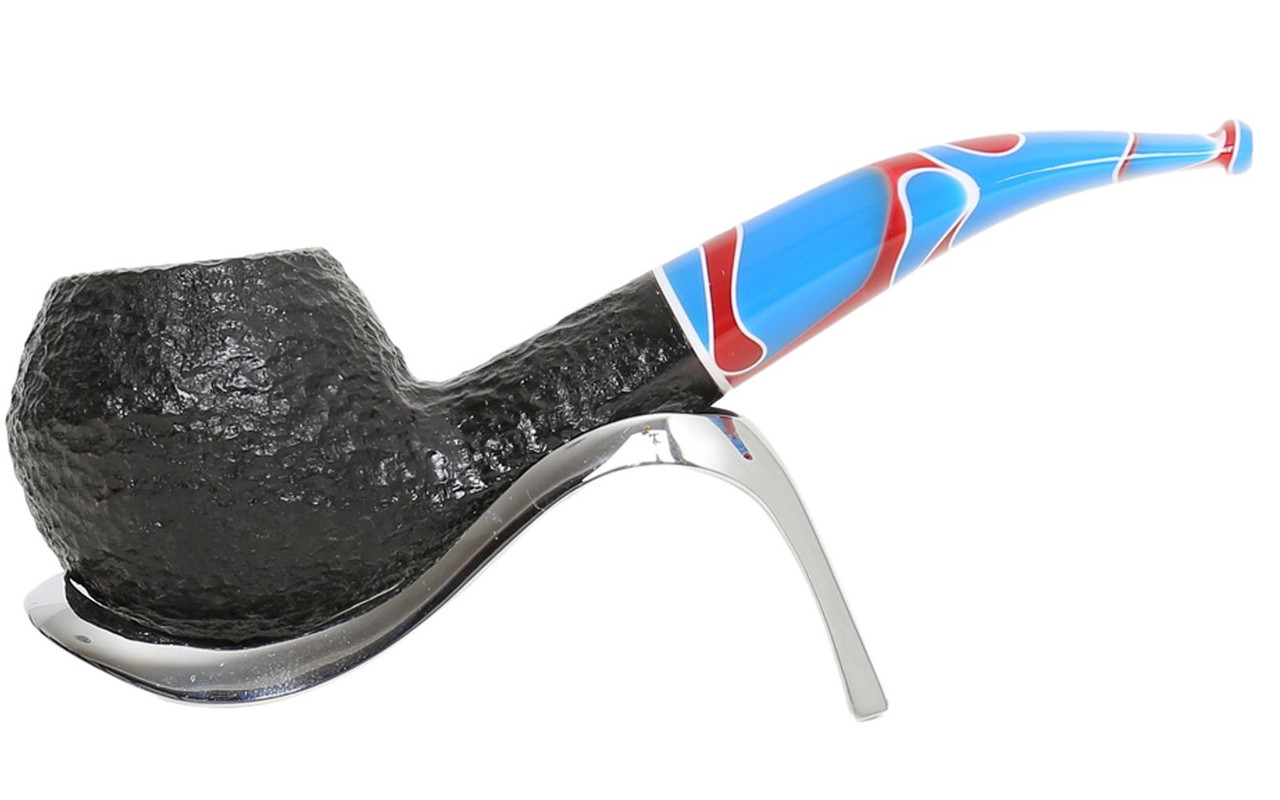
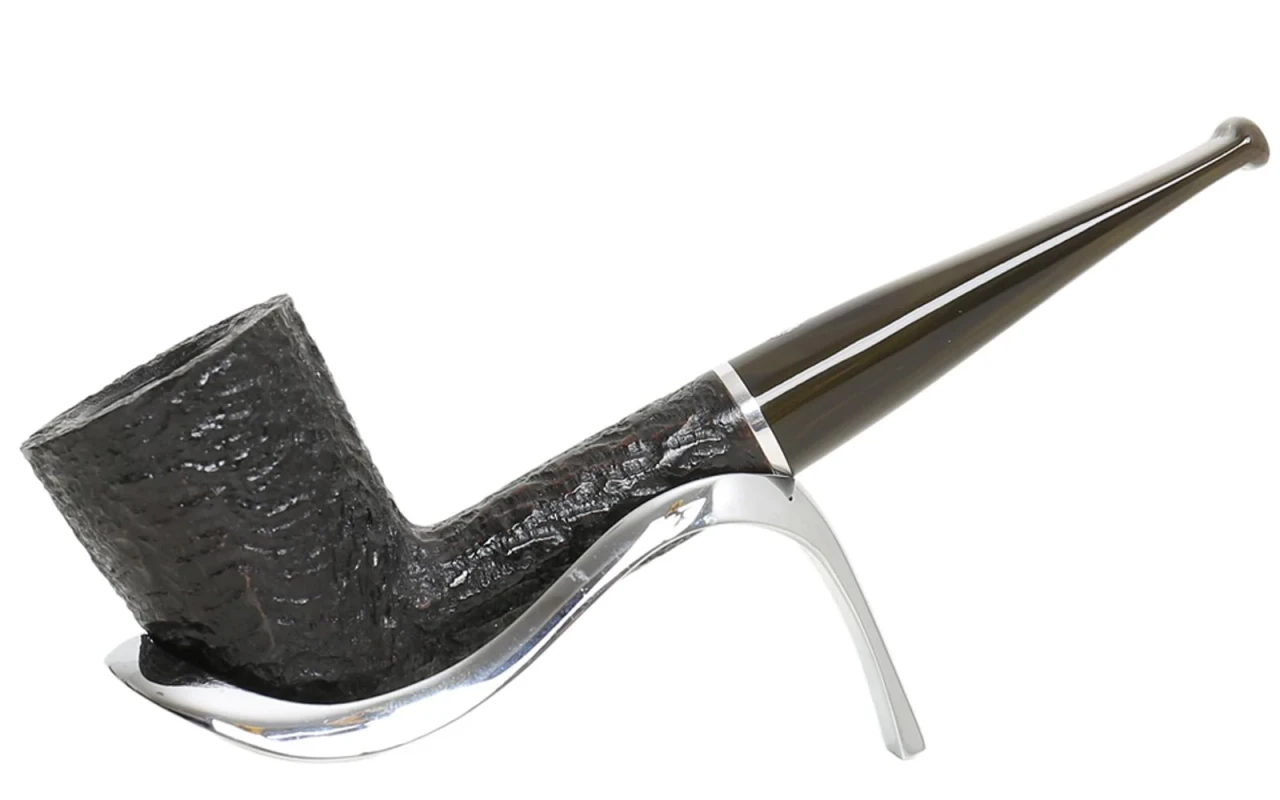
The main difference between a pipe with a filter and one without is the presence of a filtering element that can reduce impurities and moisture in the smoke. Pipes with filters provide a cleaner and less moist smoking experience, while those without filters maintain a more direct and traditional tobacco flavor.
What is the difference between a pipe with a filter and a pipe without a filter? Deep dive
The distinction between a pipe with a filter and one without lies in the presence of a filtering component inserted in the shank of the pipe. Pipes with filters are designed to retain certain impurities and excess moisture produced by the combustion of tobacco, contributing to a drier and less harsh smoke on the palate. This can make the smoking experience more comfortable for some smokers, especially those who prefer a smoother draw. Conversely, pipes without filters offer direct contact between the smoke and the mouth, preserving the original and richer taste of the tobacco intact. Many enthusiasts prefer this option for the purity of flavor and the tradition it represents. The choice between the two types therefore depends on personal preferences regarding flavor, smoke sensation, and pipe maintenance. It is also important to consider that the use of a filter requires periodic replacement to maintain the pipe’s effectiveness and cleanliness. In summary, the difference lies in the smoking experience and pipe management, with neither option being inherently better, but rather suited to specific tastes and smoker habits.