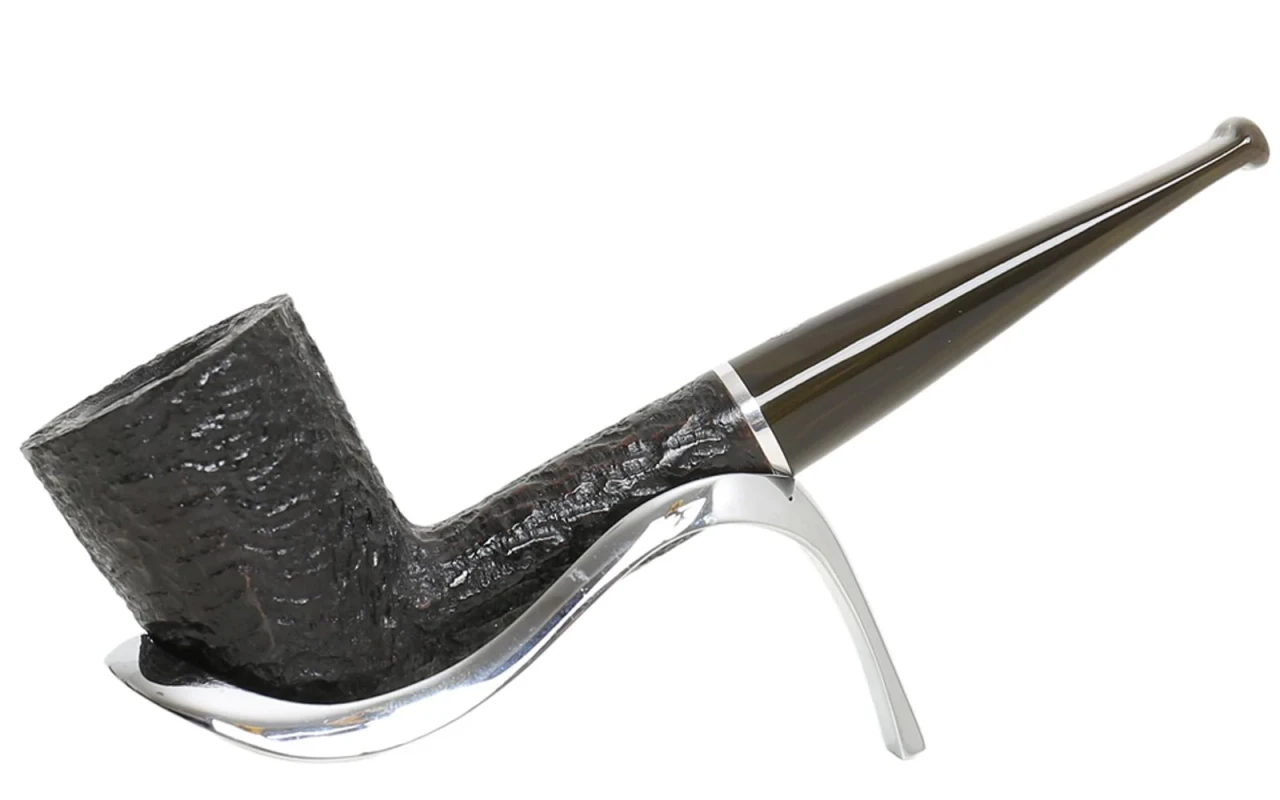
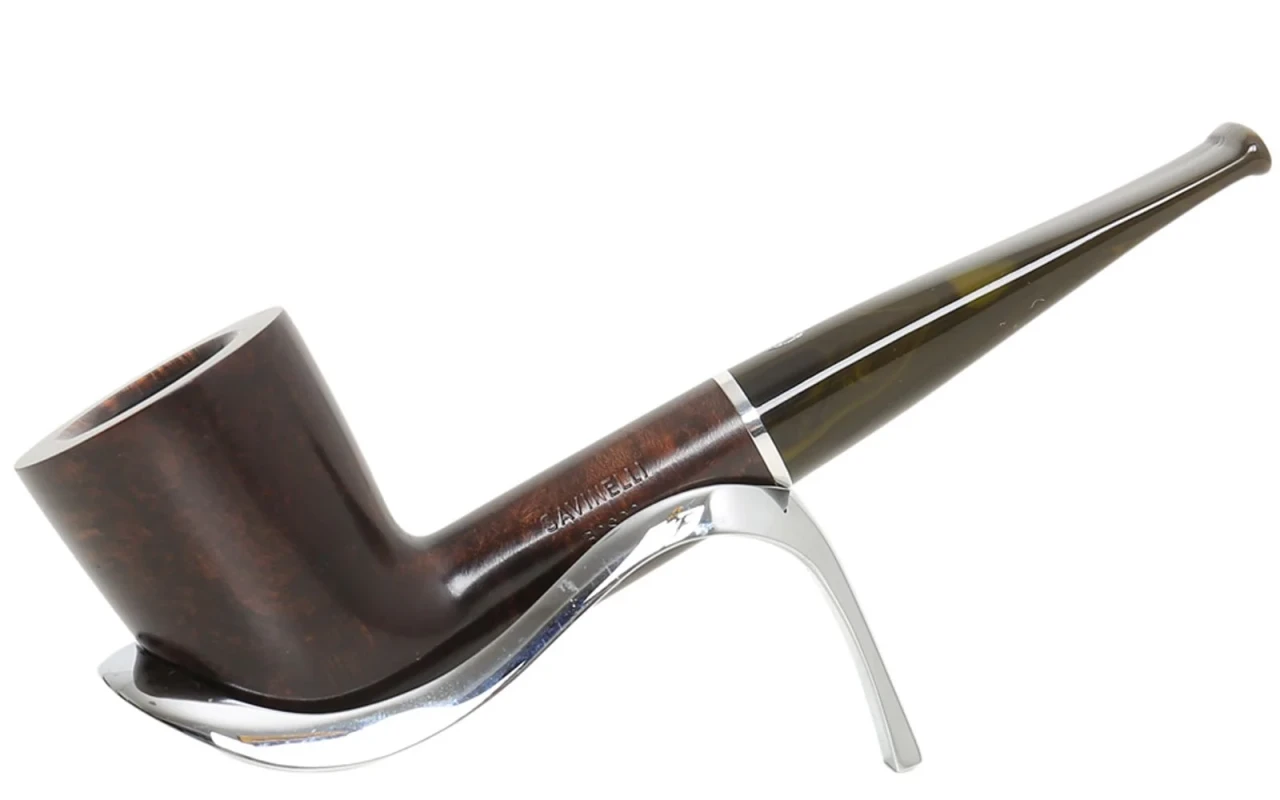
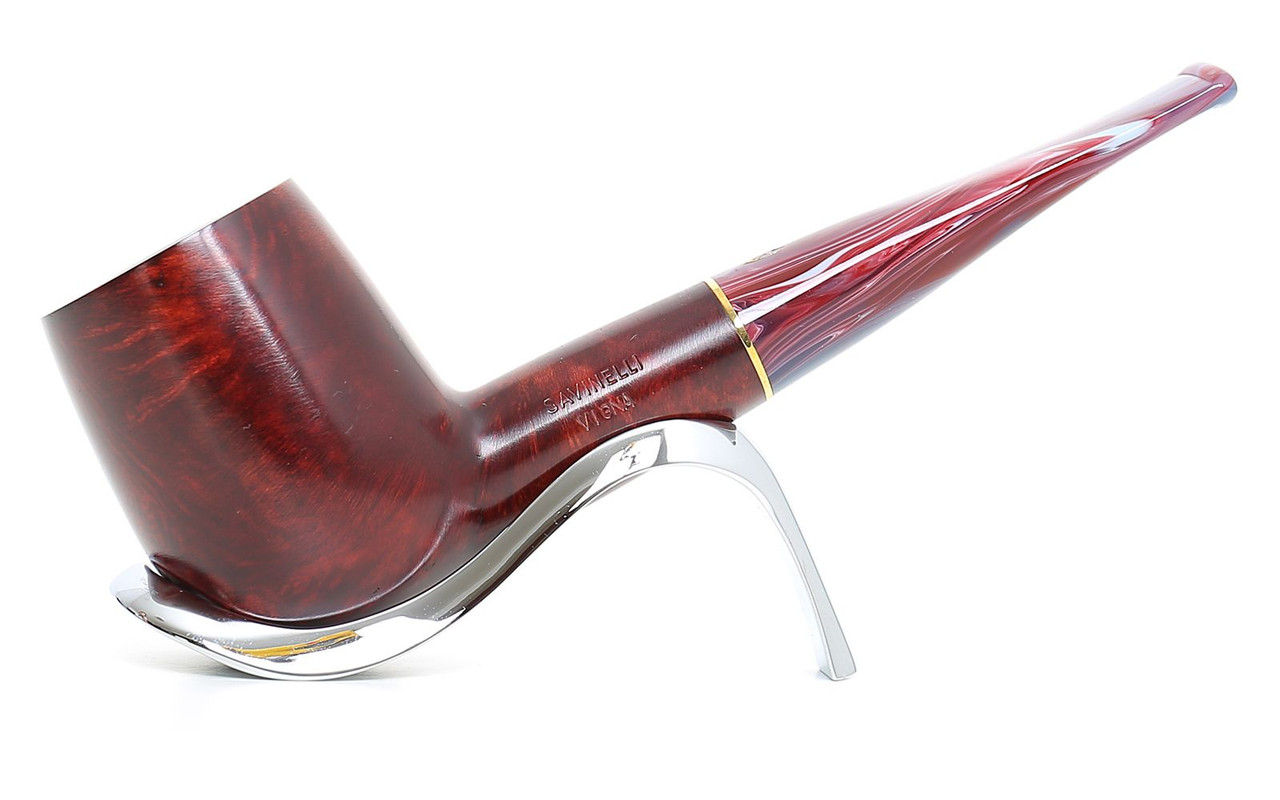
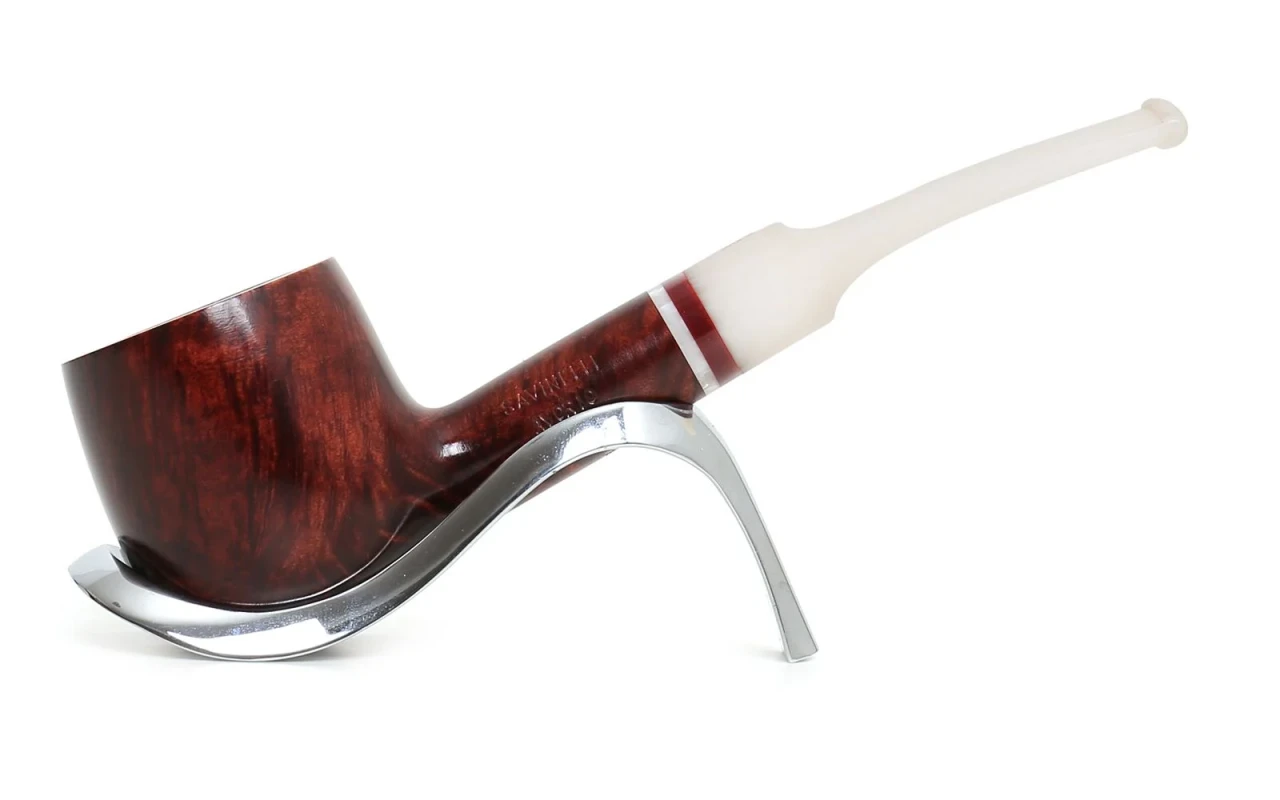
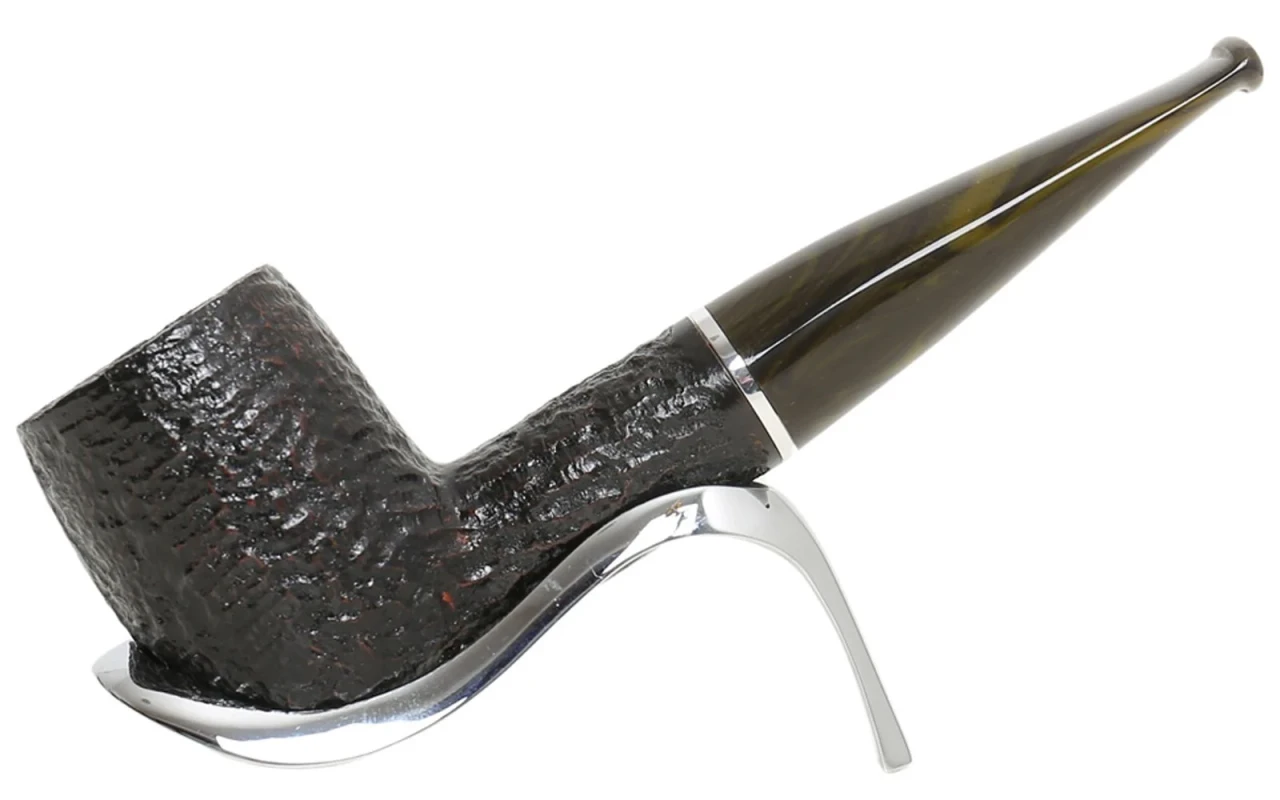
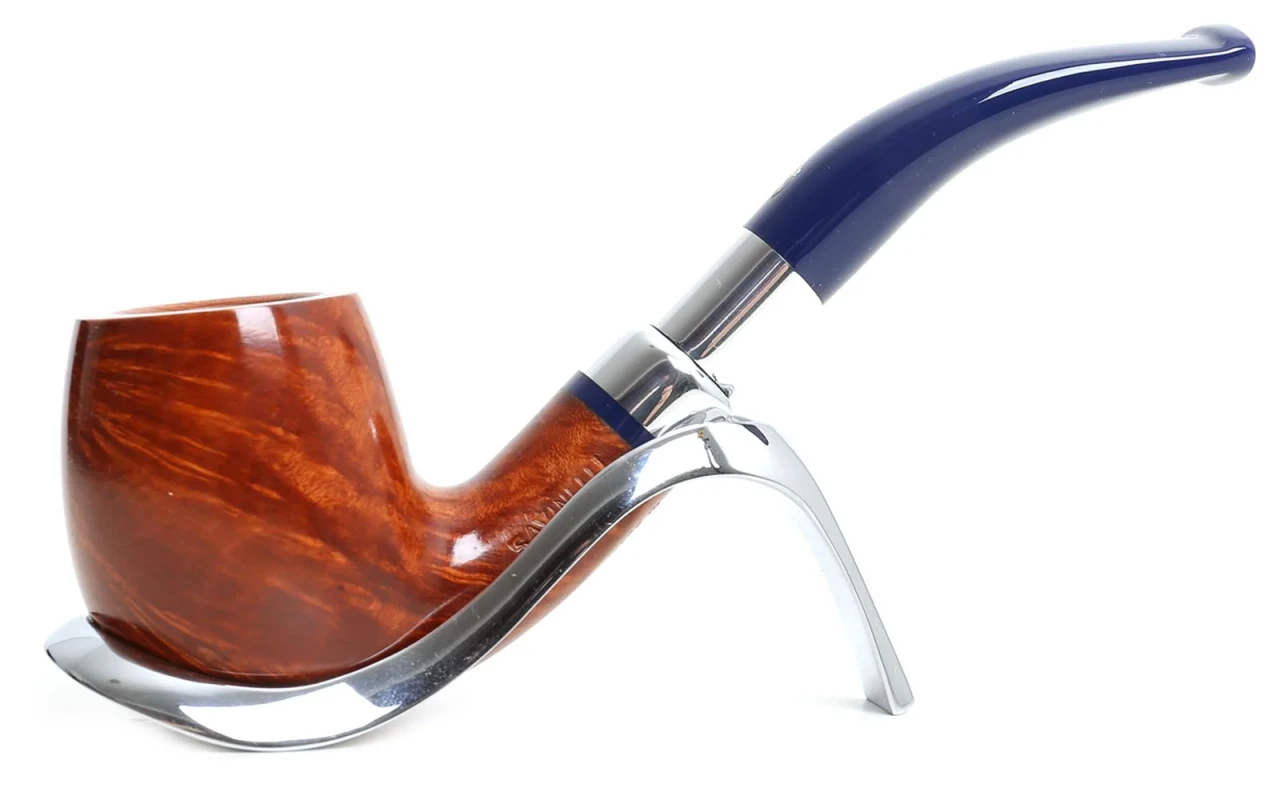
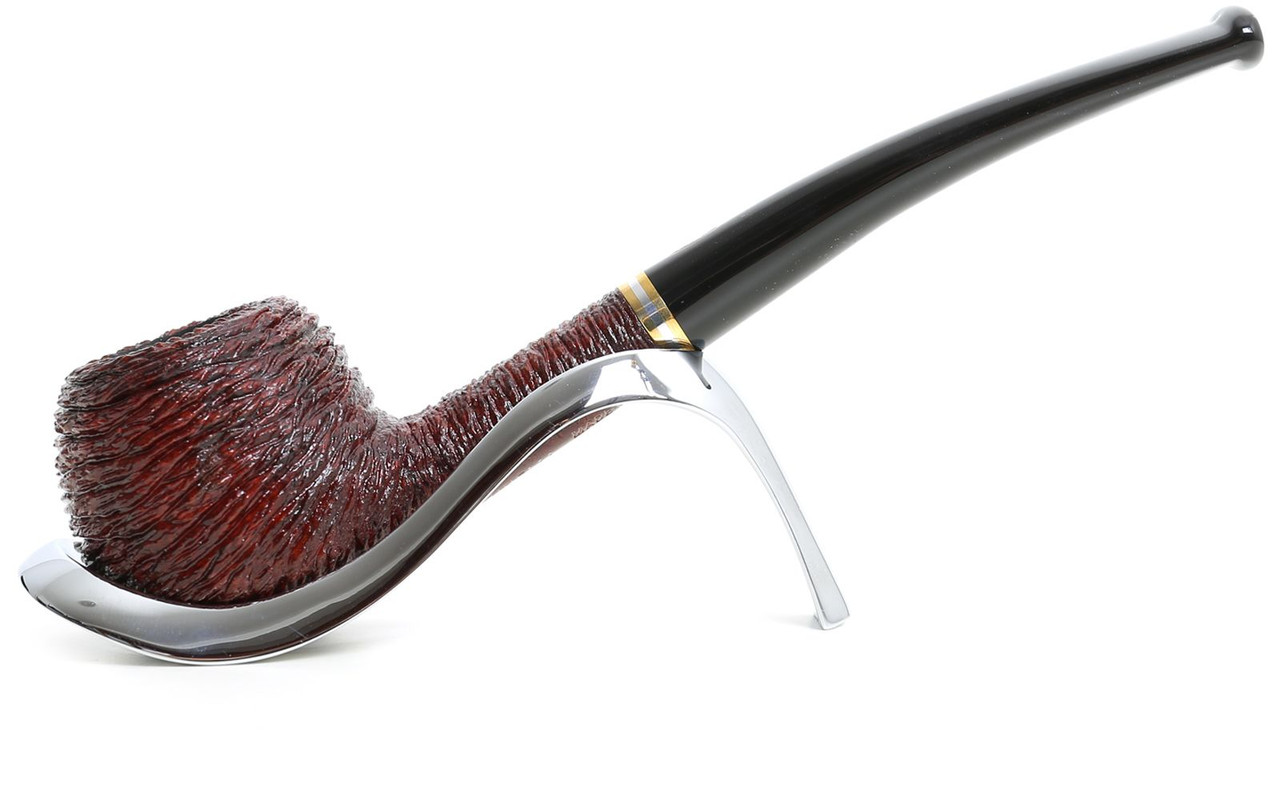
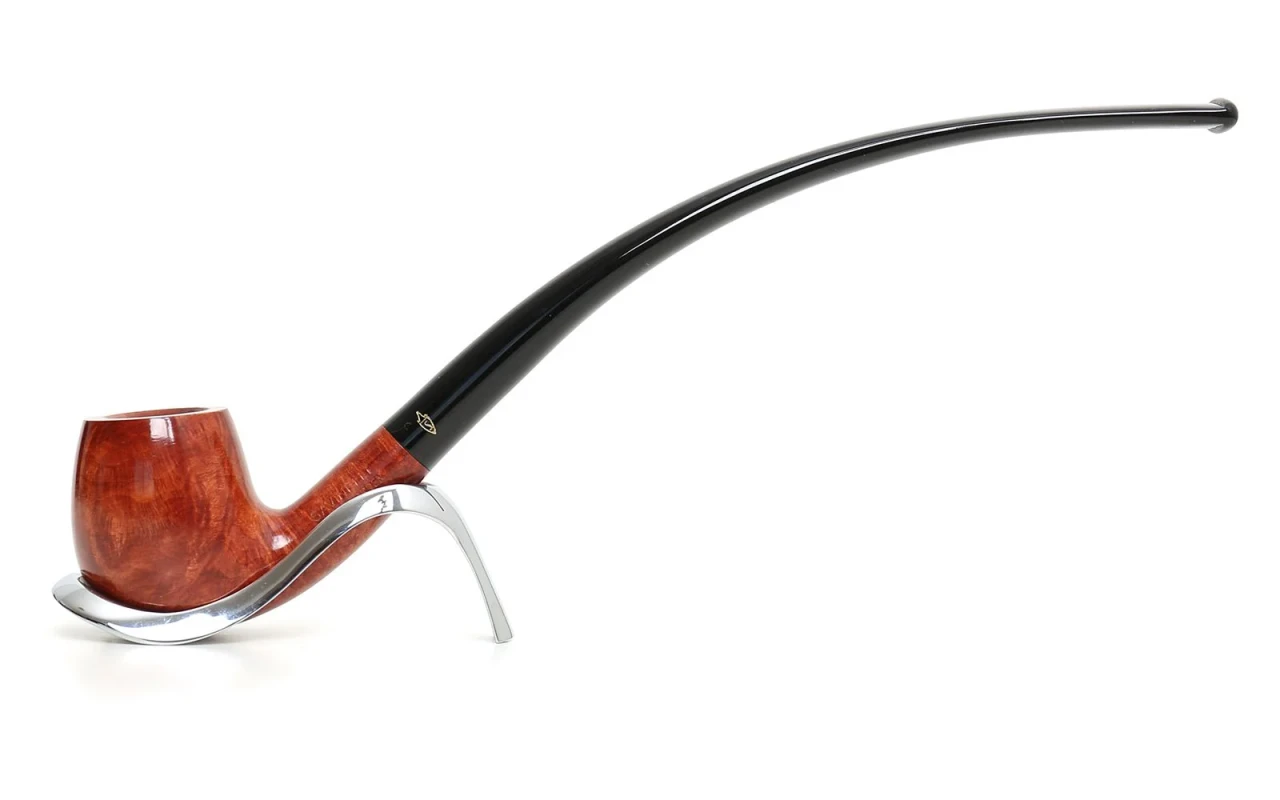
The structure of a pipe mainly consists of three elements: the bowl, where the tobacco is placed; the shank, which connects the bowl to the stem; and the stem itself, through which the smoke is drawn. These components can vary in shape, size, and material, influencing the pipe's aesthetics and functionality.
What elements define the structure of a pipe? Deep dive
The structure of a pipe is based on three fundamental elements that define its shape and functionality: the bowl, the shank, and the stem. The bowl is the main part, usually hollowed out, where the pipe tobacco is packed. Its shape and size can vary greatly, affecting the smoking duration and heat distribution. The shank is the connection between the bowl and the stem; it can be straight or bent, and its length influences the temperature of the smoke and comfort during use. Finally, the stem is the terminal part inserted into the mouth, often made of materials such as ebonite or acrylic, designed to ensure a good grip and optimal smoke passage. The choice of materials and finishes for these elements contributes not only to the pipe’s aesthetics but also to the smoking quality and maintenance. Understanding these components is essential to appreciate the variety and culture tied to the slow, contemplative enjoyment of pipe smoking.