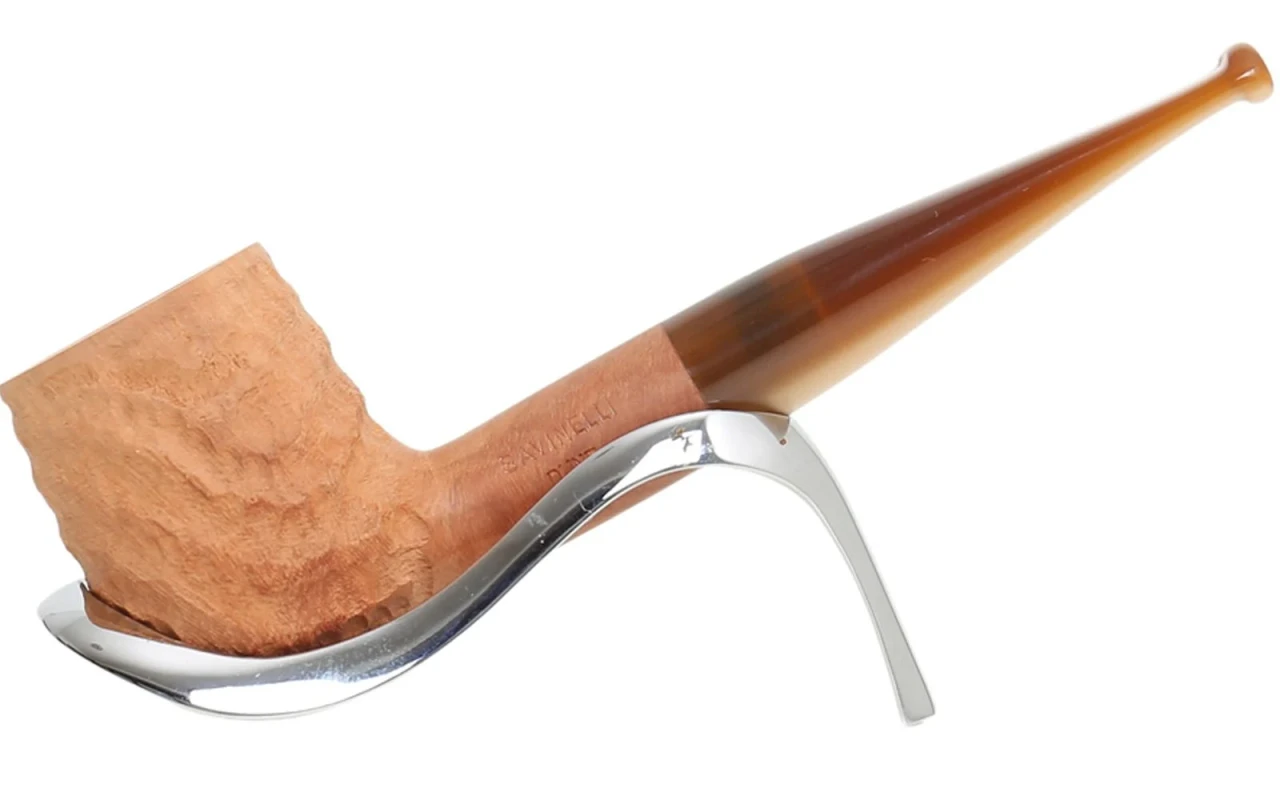
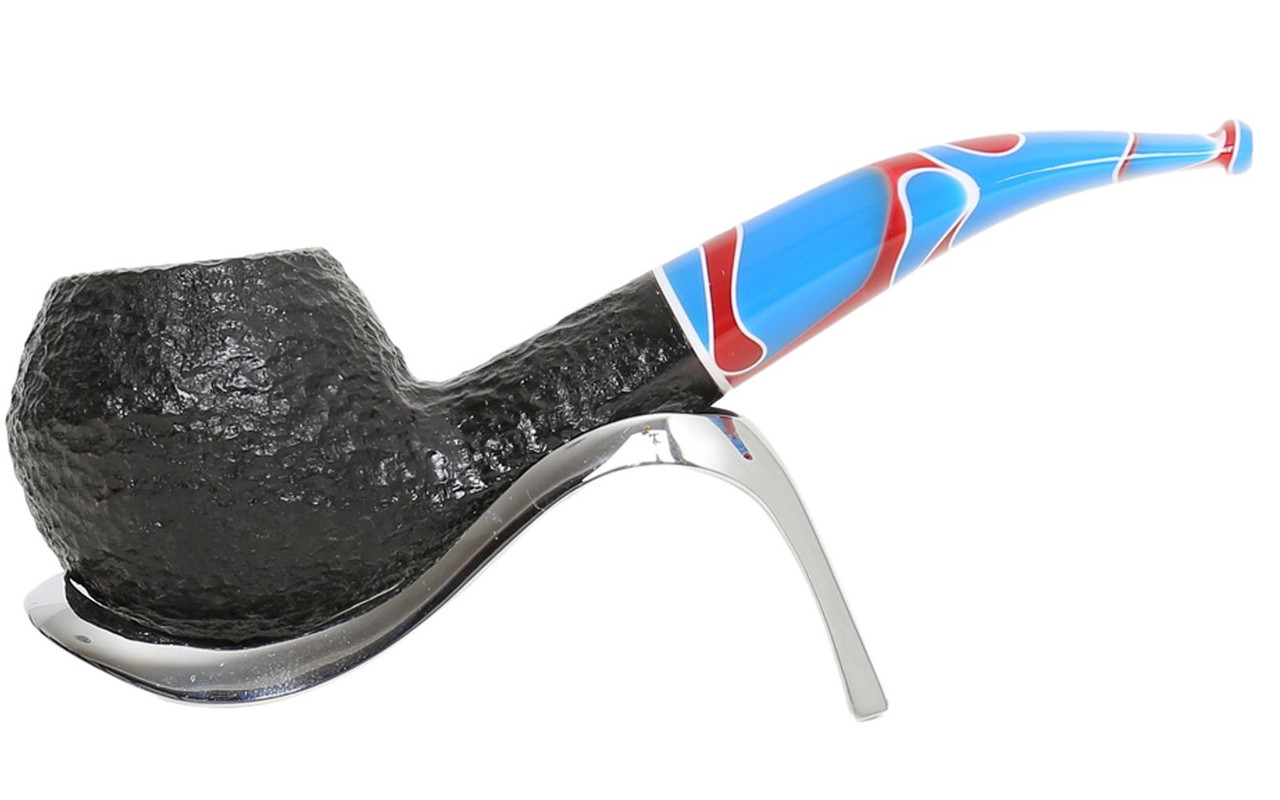
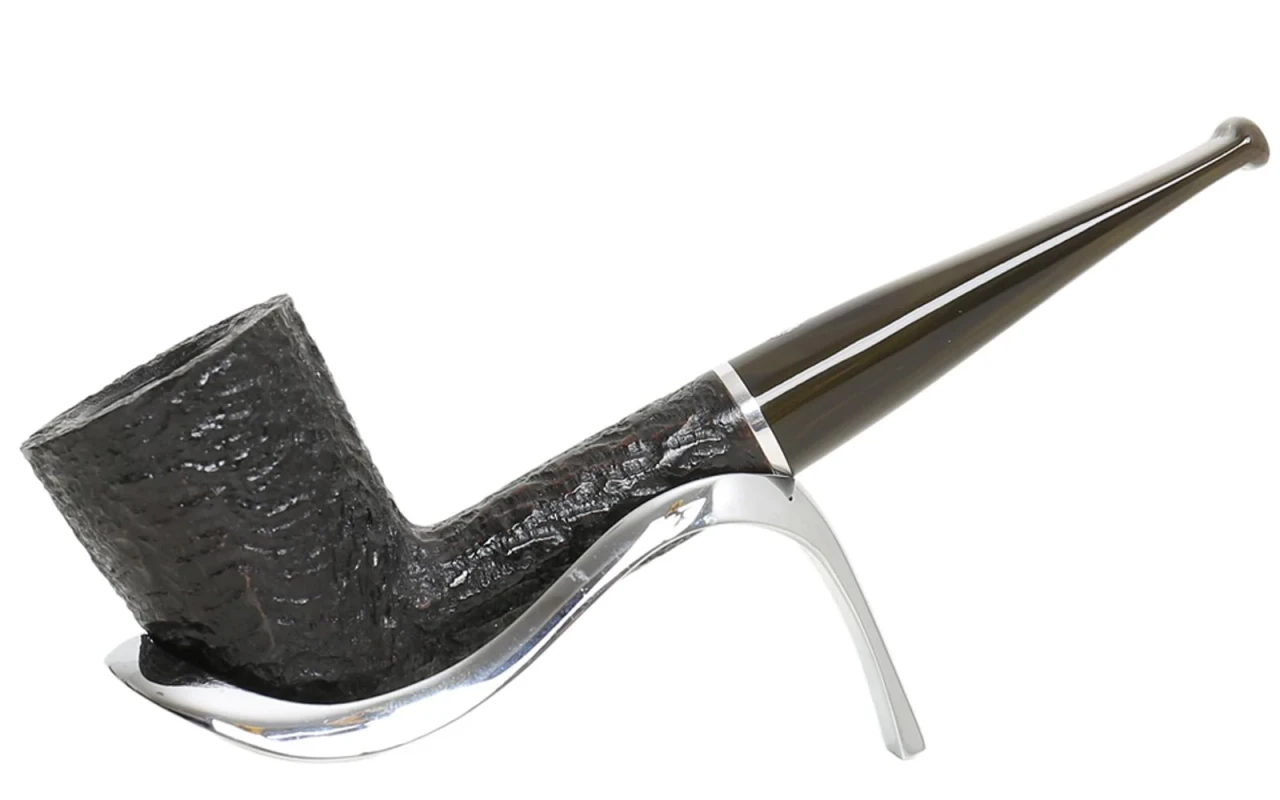
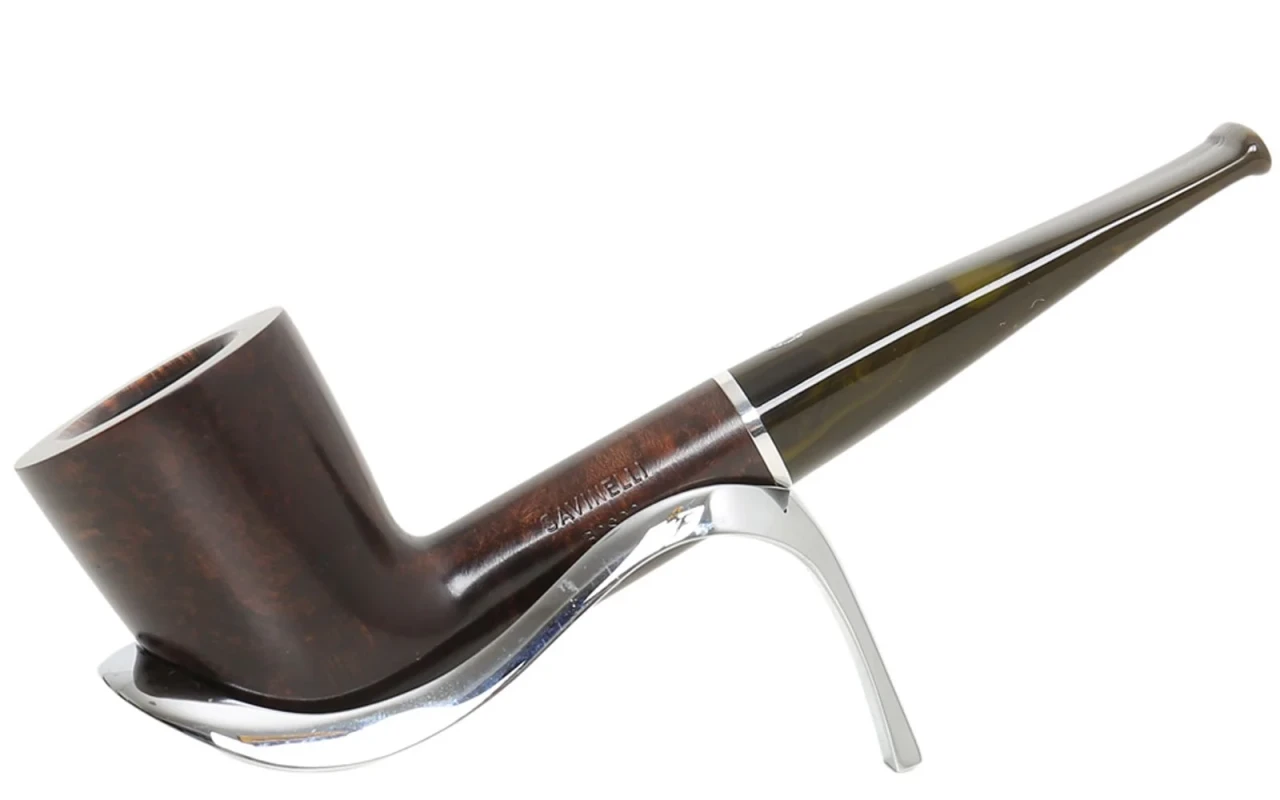
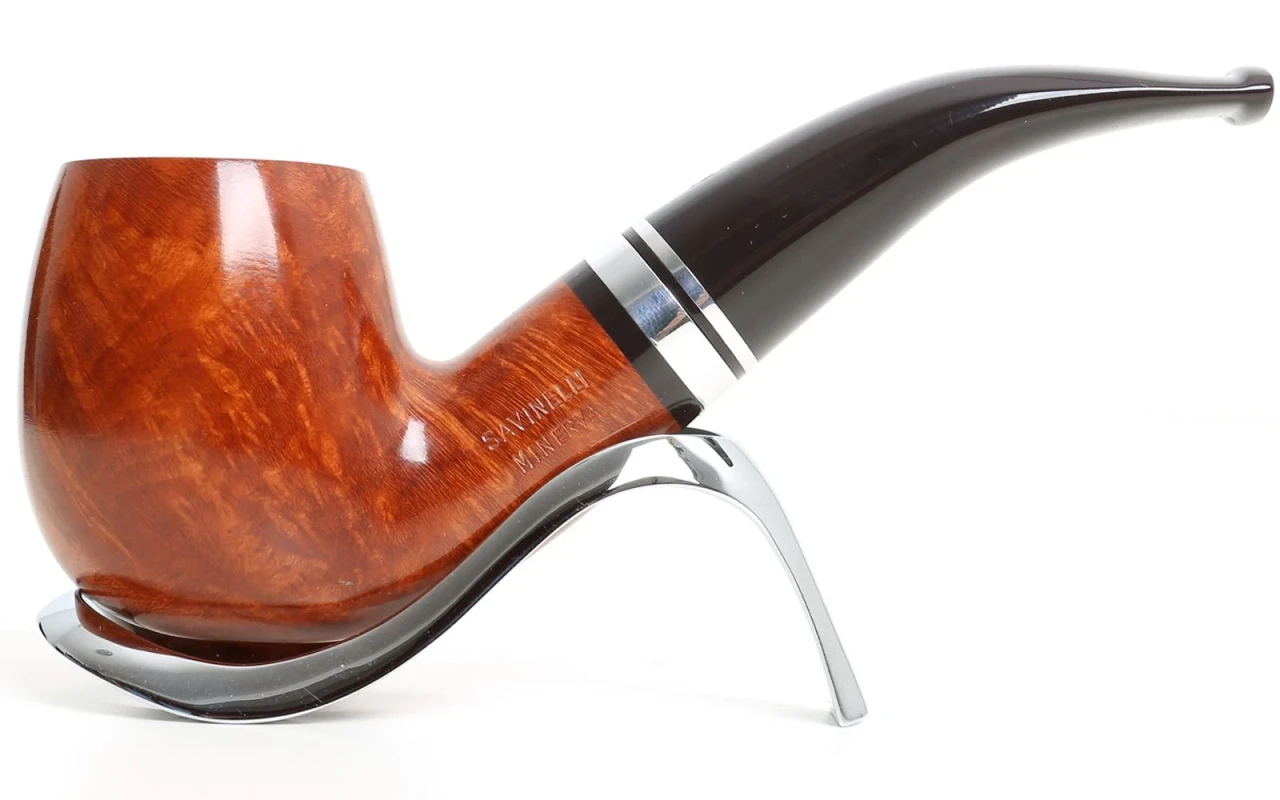
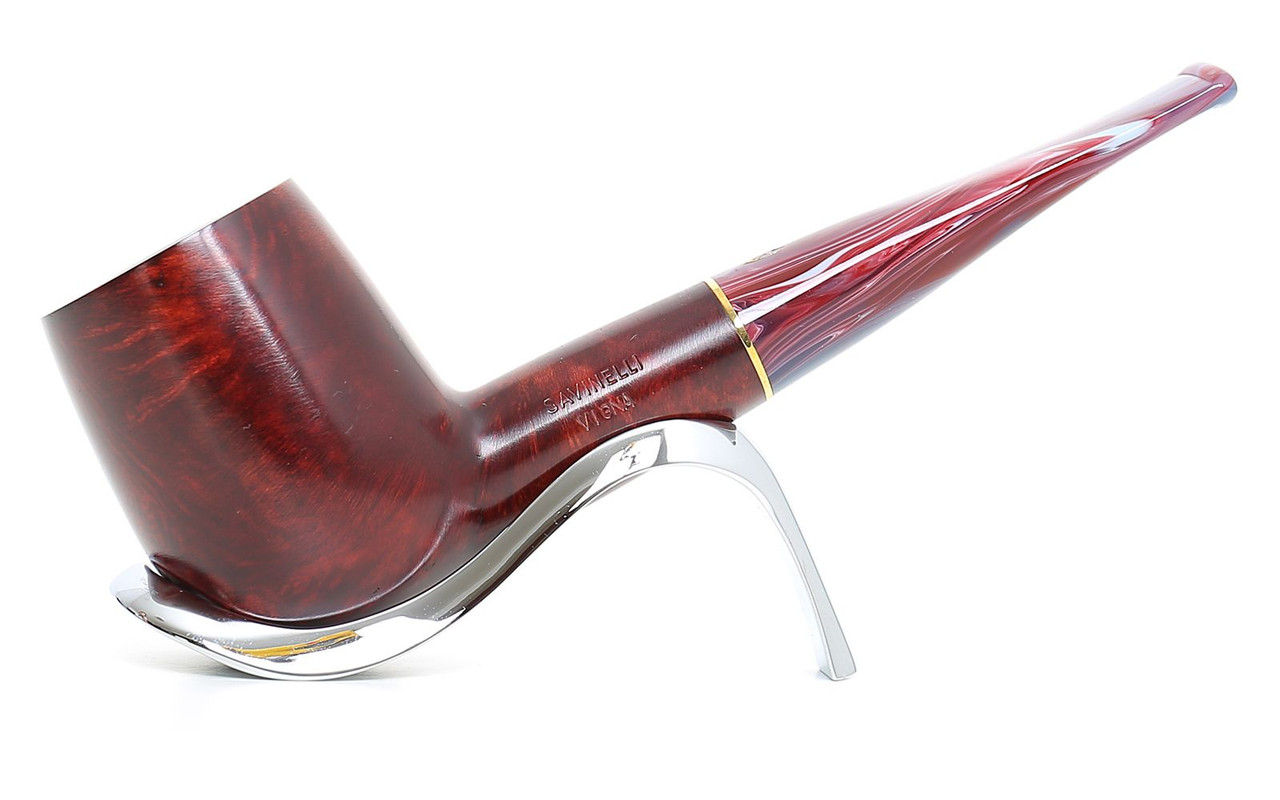
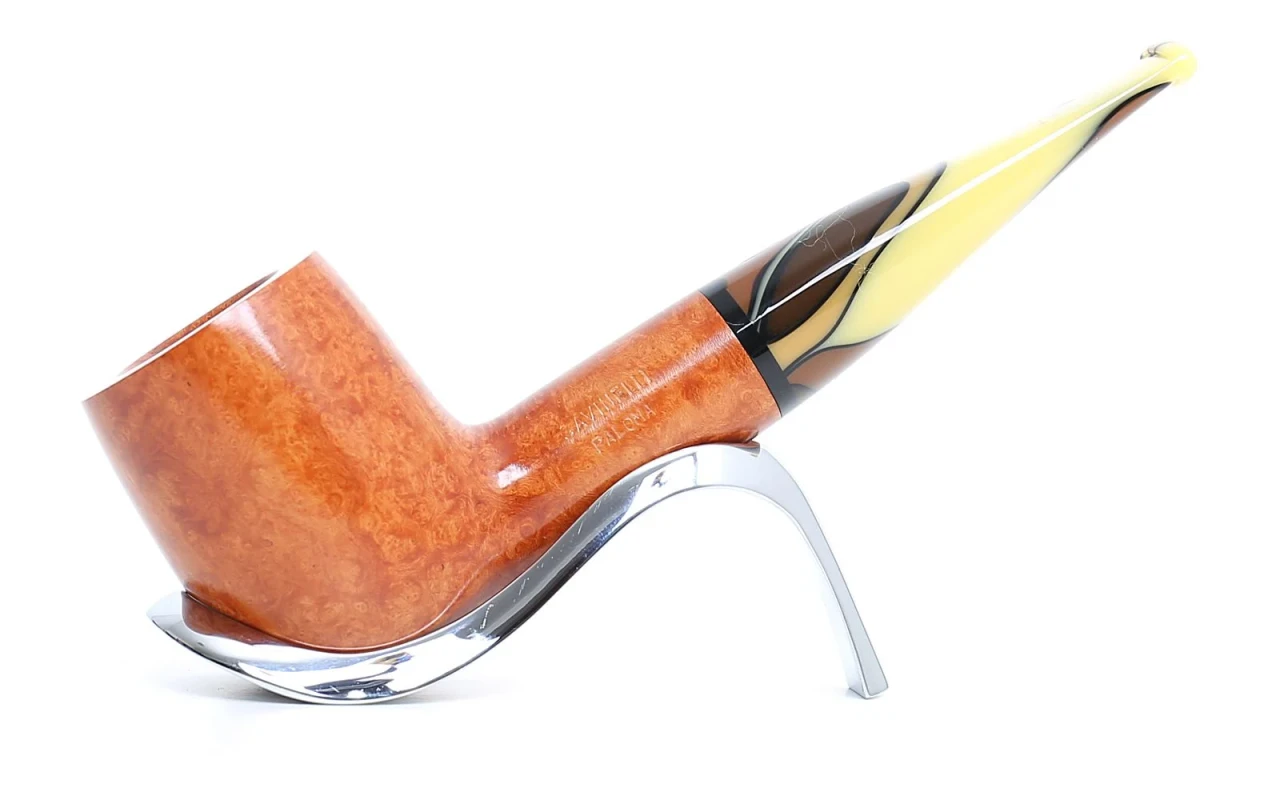
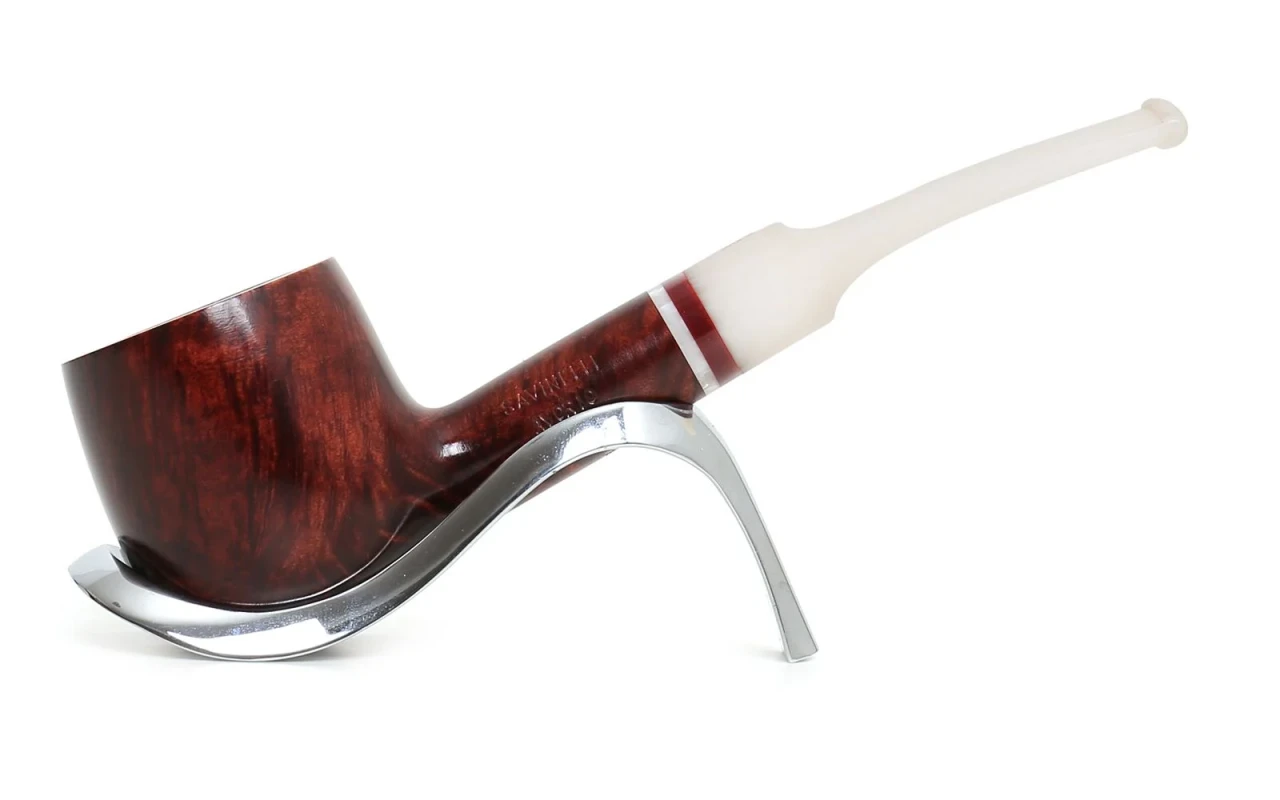
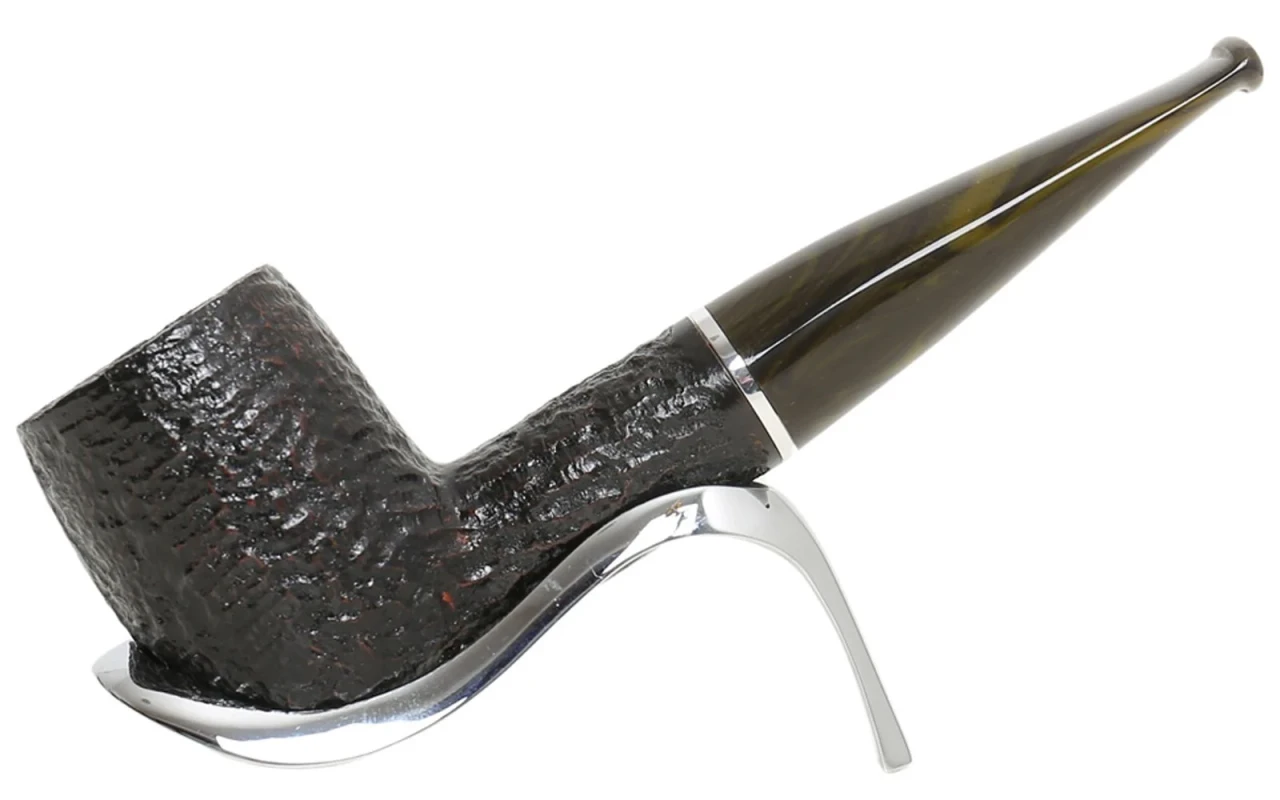
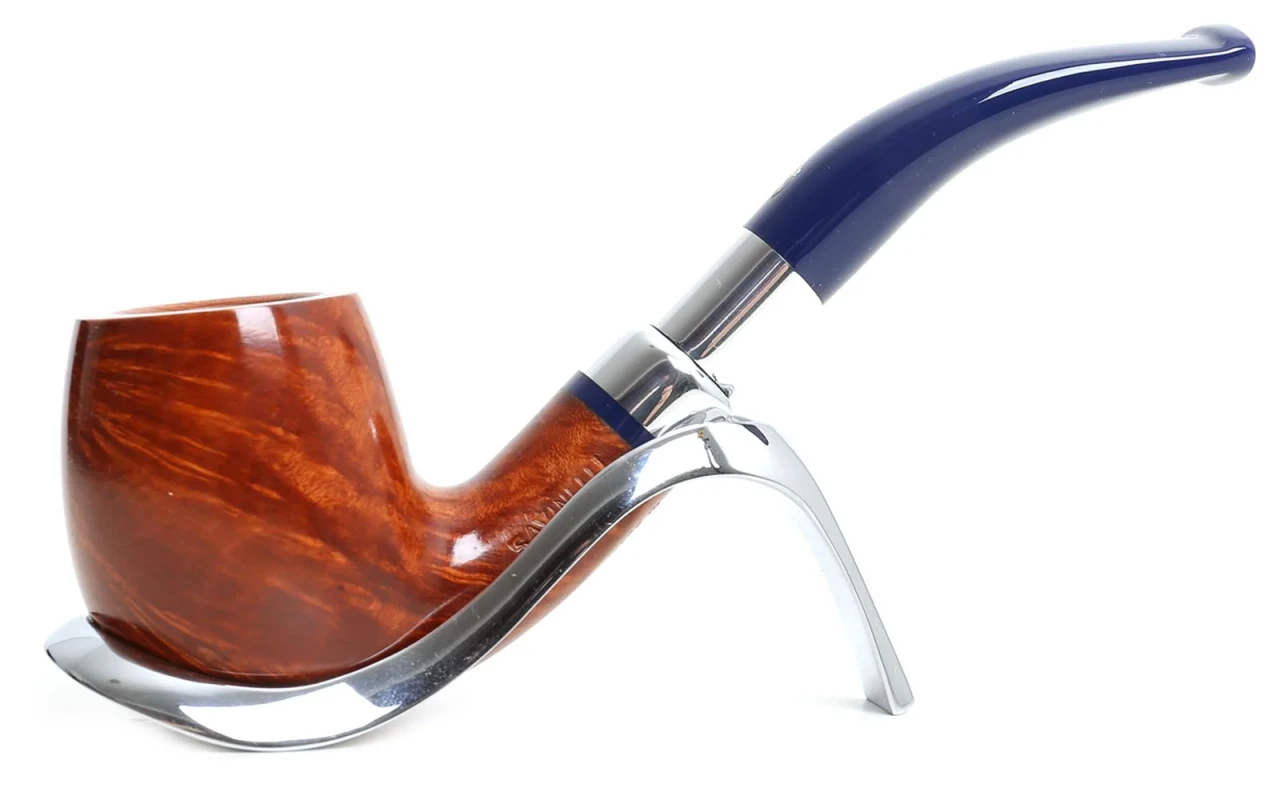
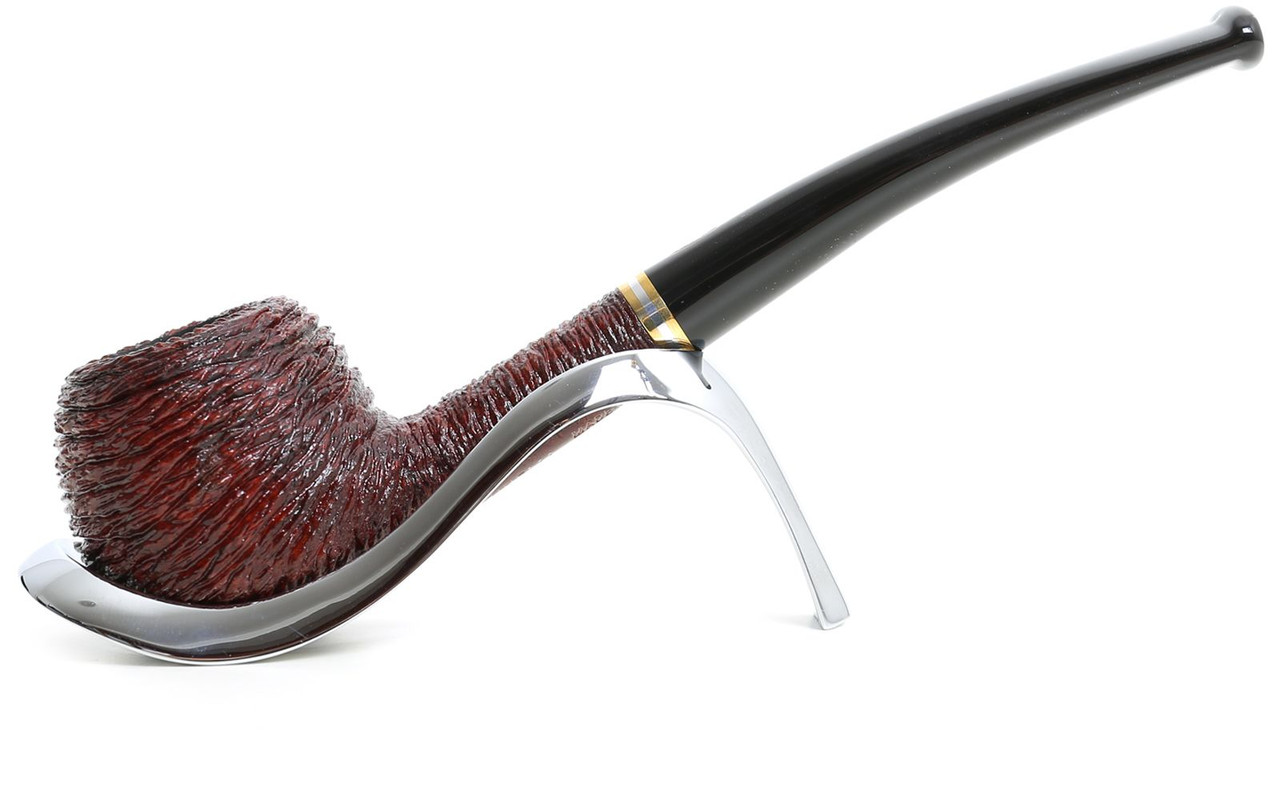
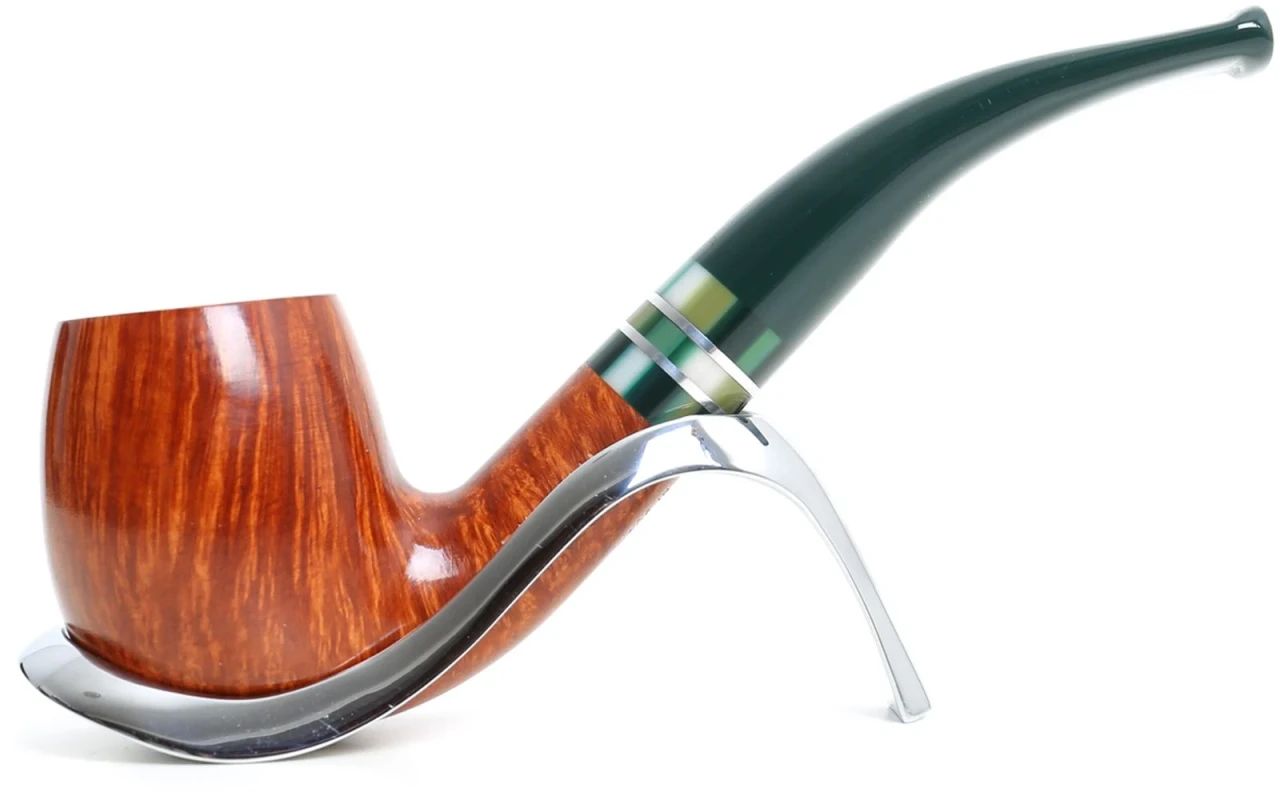
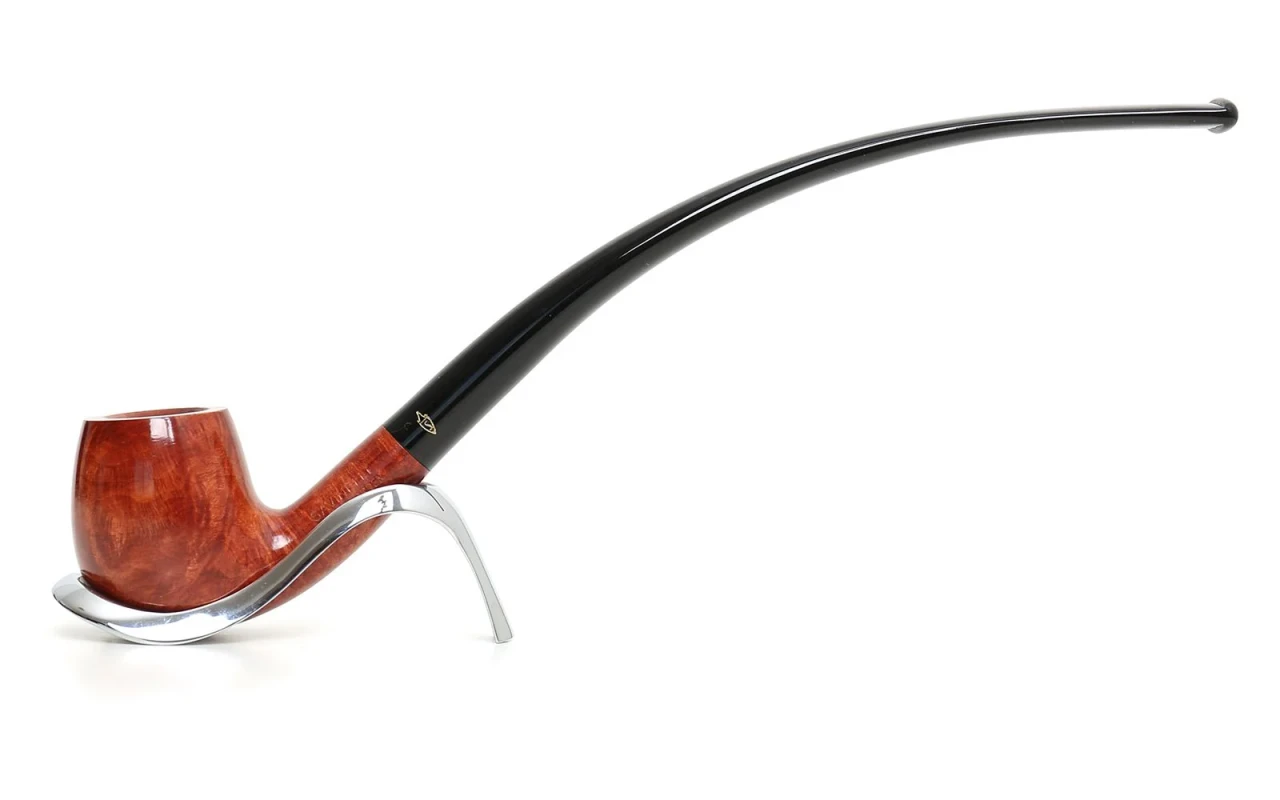
The structure of a pipe mainly consists of three parts: the calabash or bowl, where the tobacco is placed; the shank, which connects the bowl to the mouthpiece; and the mouthpiece, the final part held at the lips. Together, these elements ensure both the functionality and aesthetic of the pipe.
What components make up the structure of a pipe? Deep dive
A pipe is composed of three fundamental components that define its structure and use. The bowl, or calabash, is the upper part where pipe tobacco is placed; it is usually made of briarwood but can also be crafted from other materials such as corn cob or ceramic. The shank is the segment connecting the bowl to the mouthpiece, often made of wood or other durable materials, and can vary in length and shape depending on the pipe’s design. Finally, the mouthpiece is the terminal part brought to the lips for drawing smoke; it is generally made of ebonite, acrylic, or other plastic materials, designed to provide comfort and a satisfying smoking experience. These components, carefully assembled, determine not only the pipe’s aesthetic appeal but also the quality and practicality of its use.