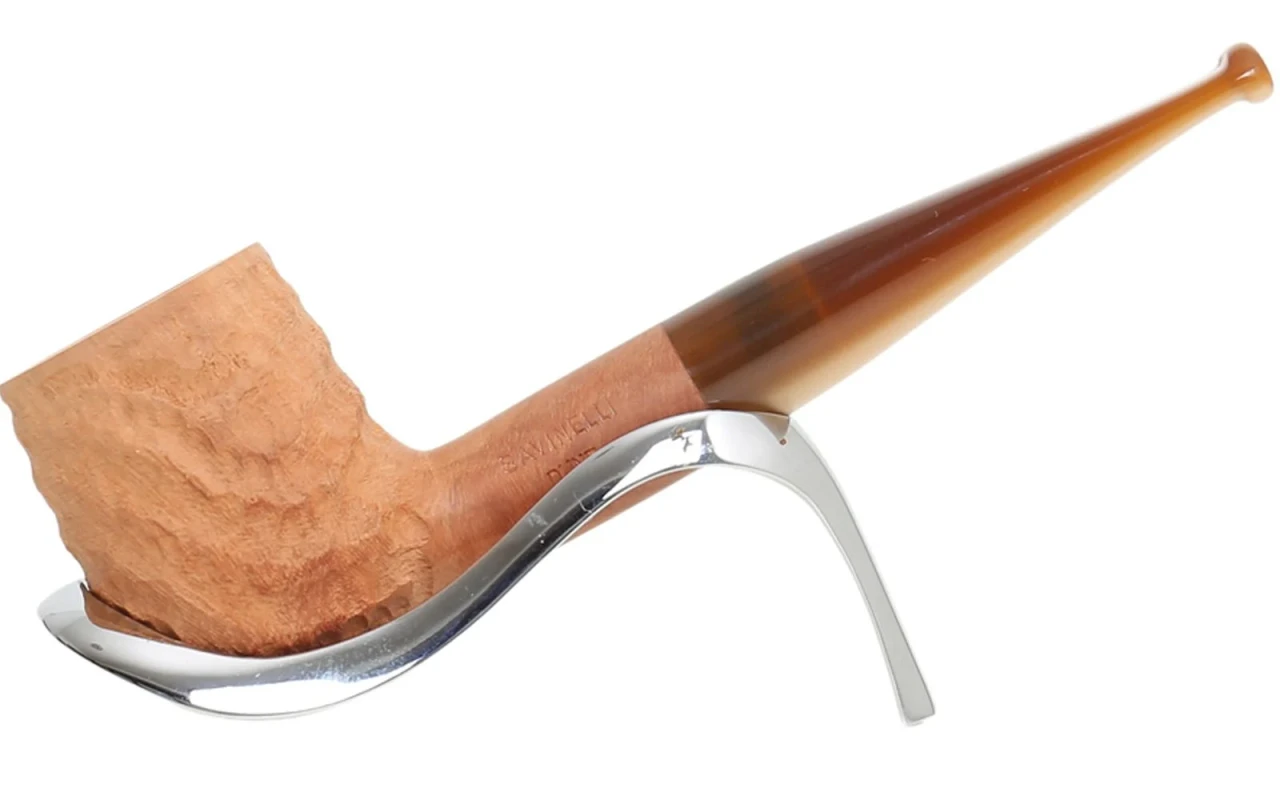
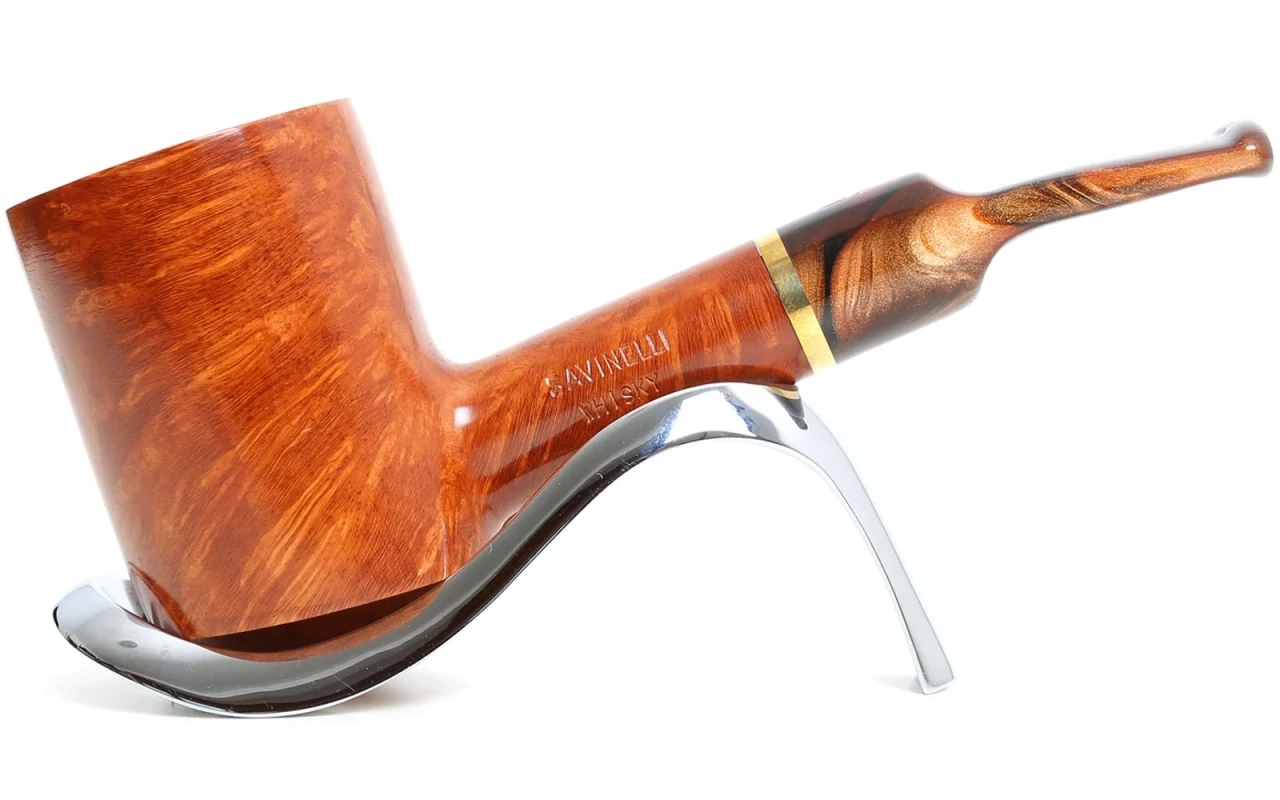
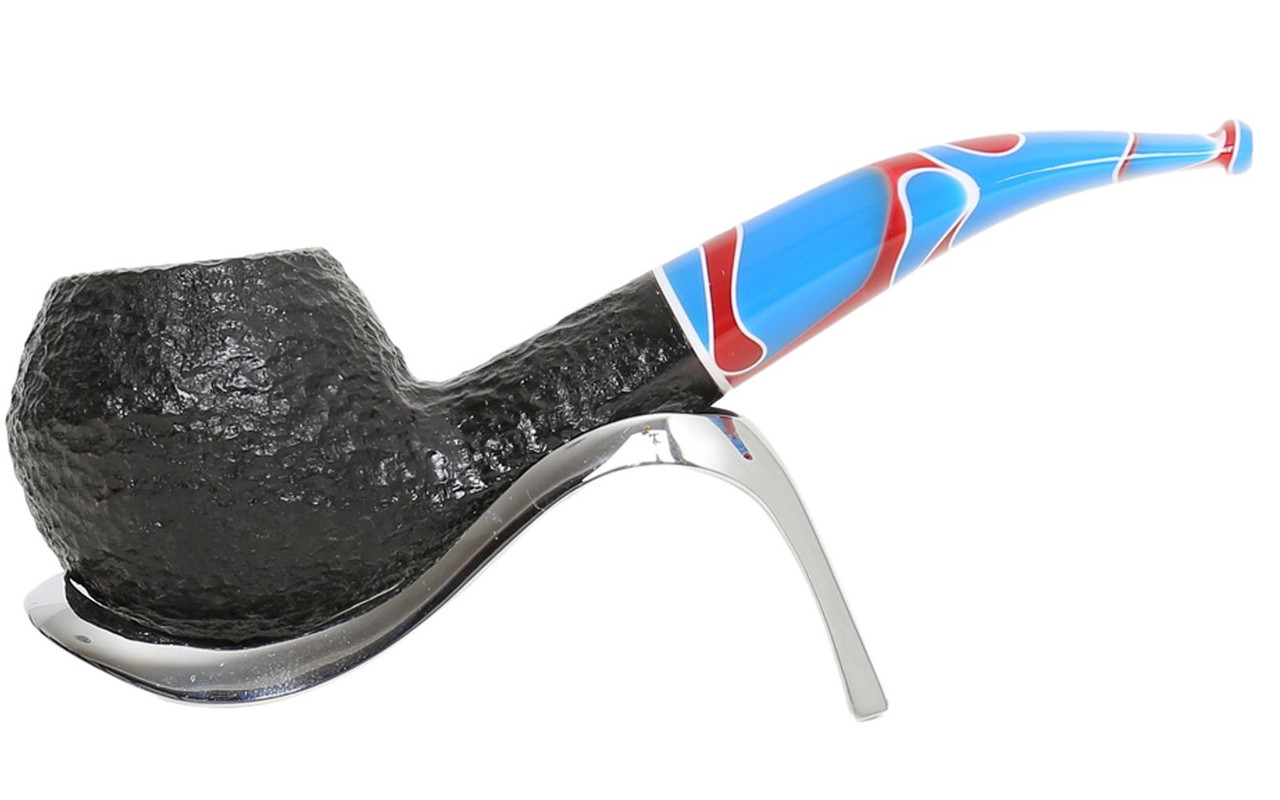
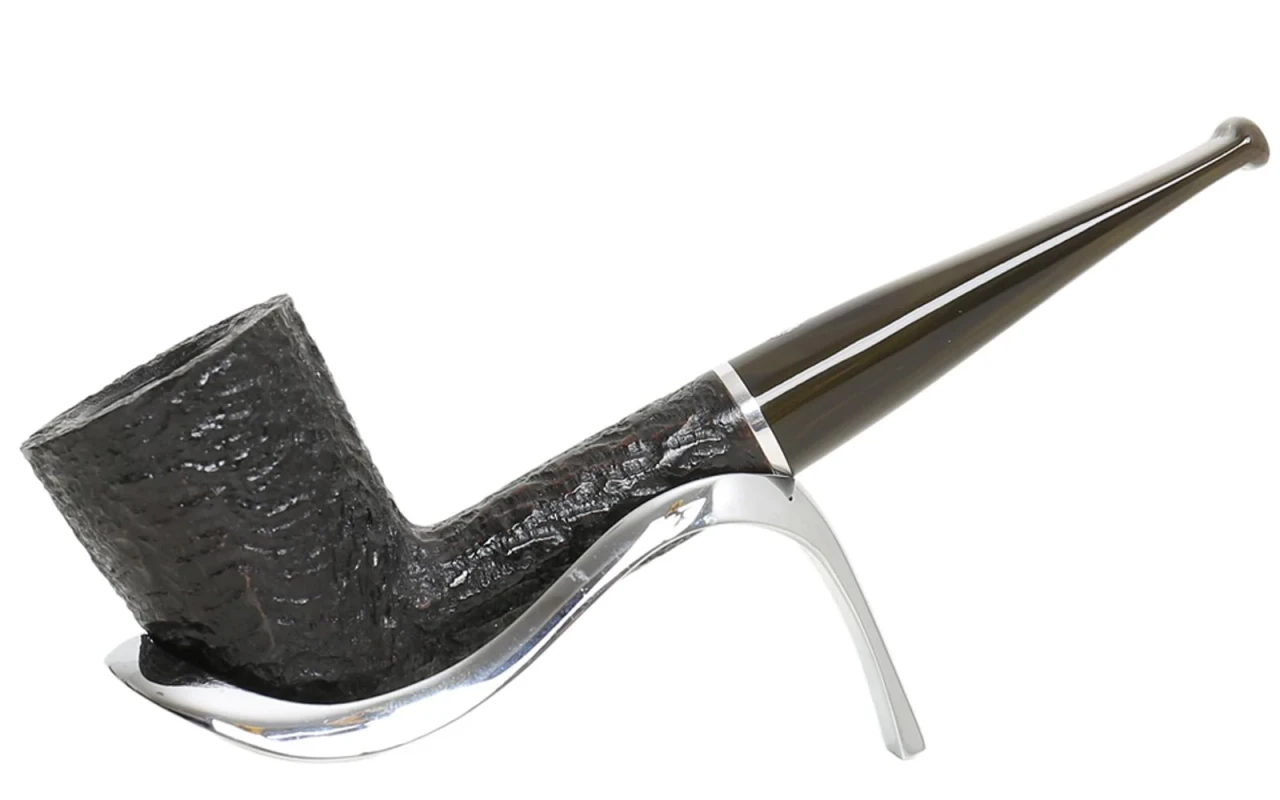
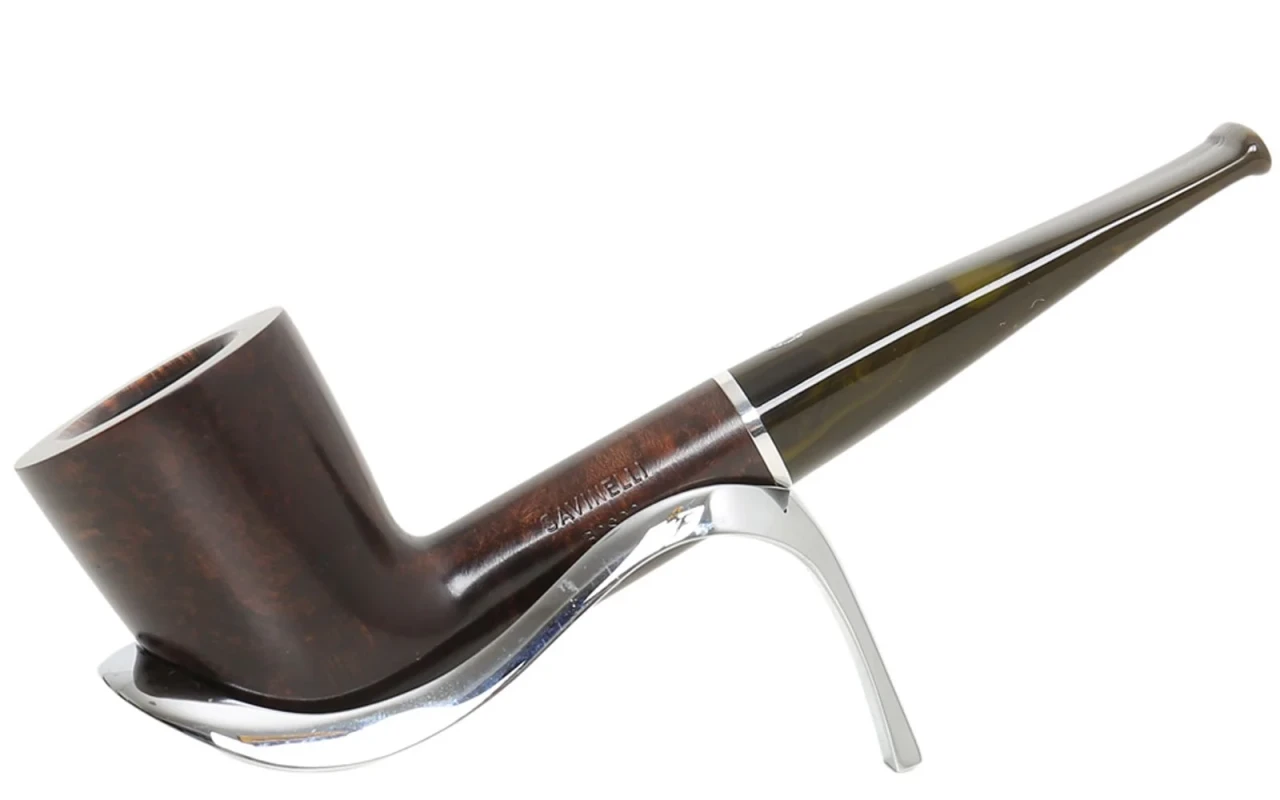
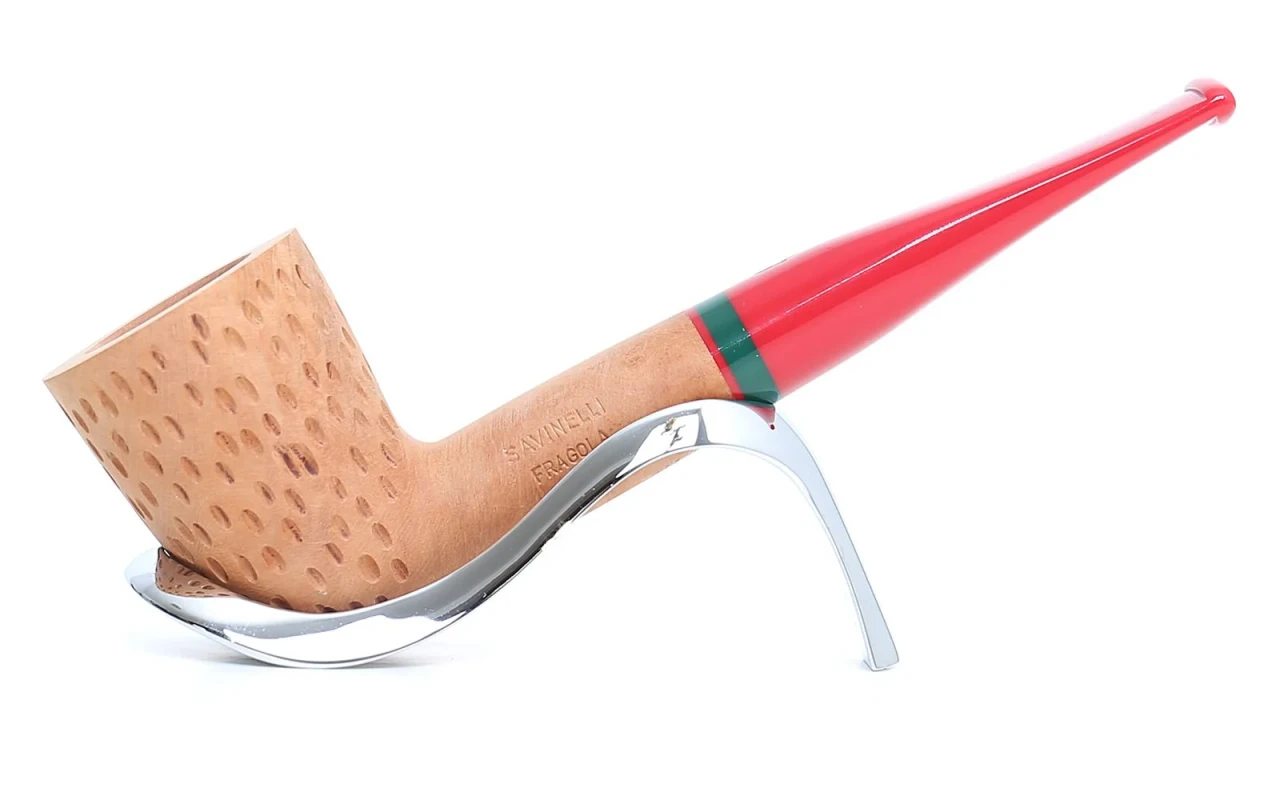
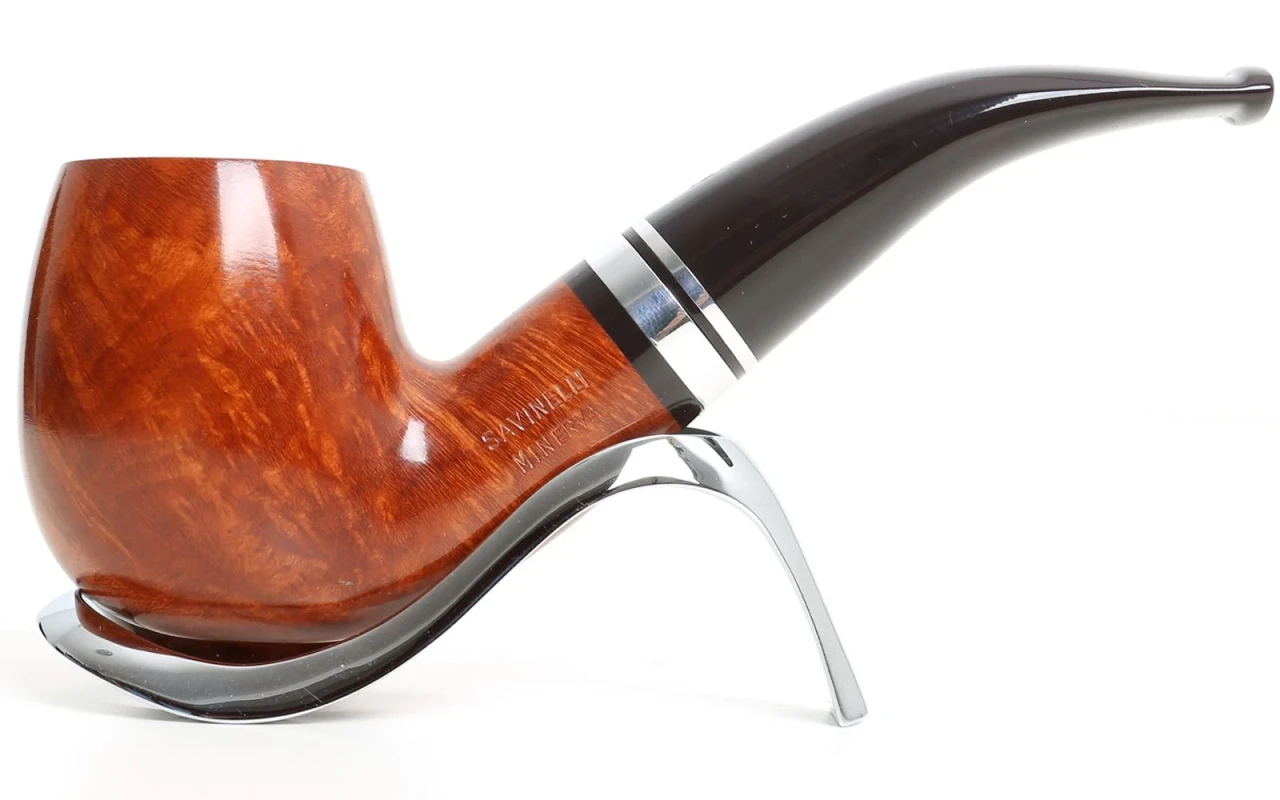
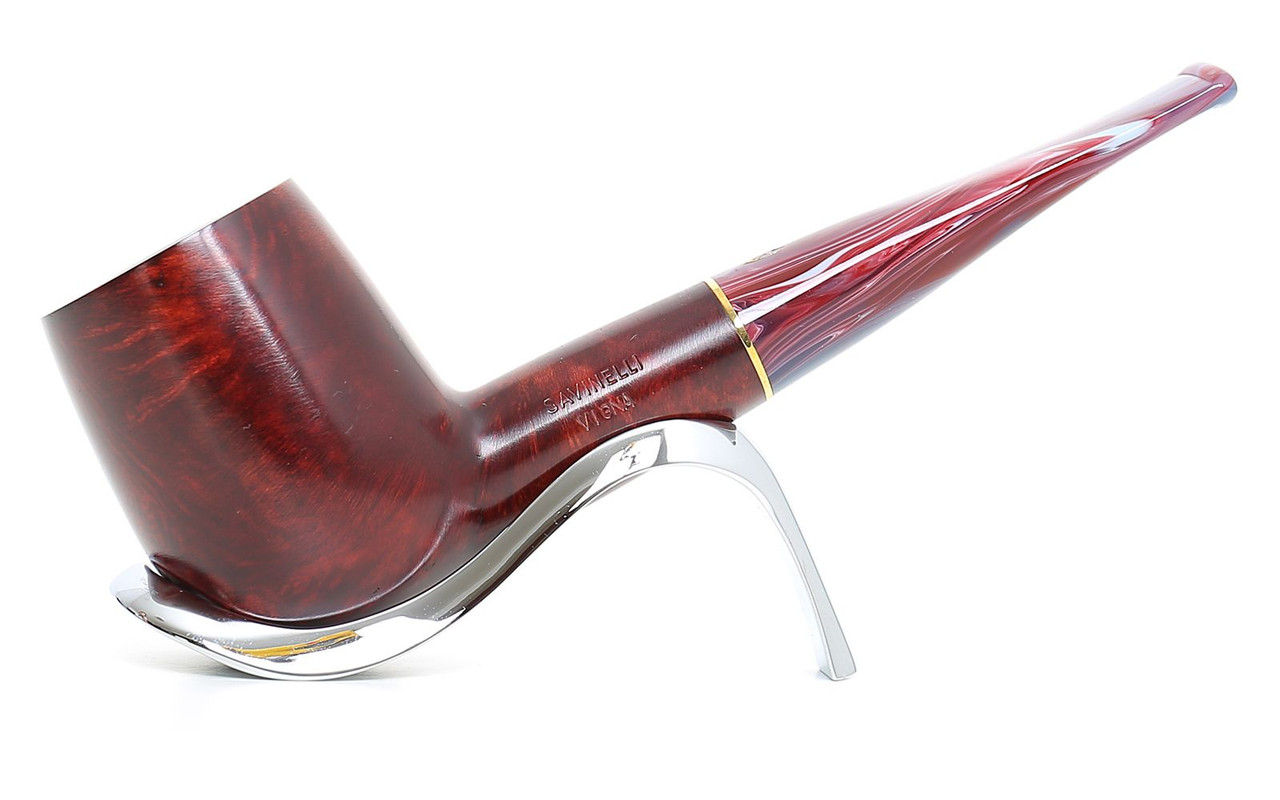
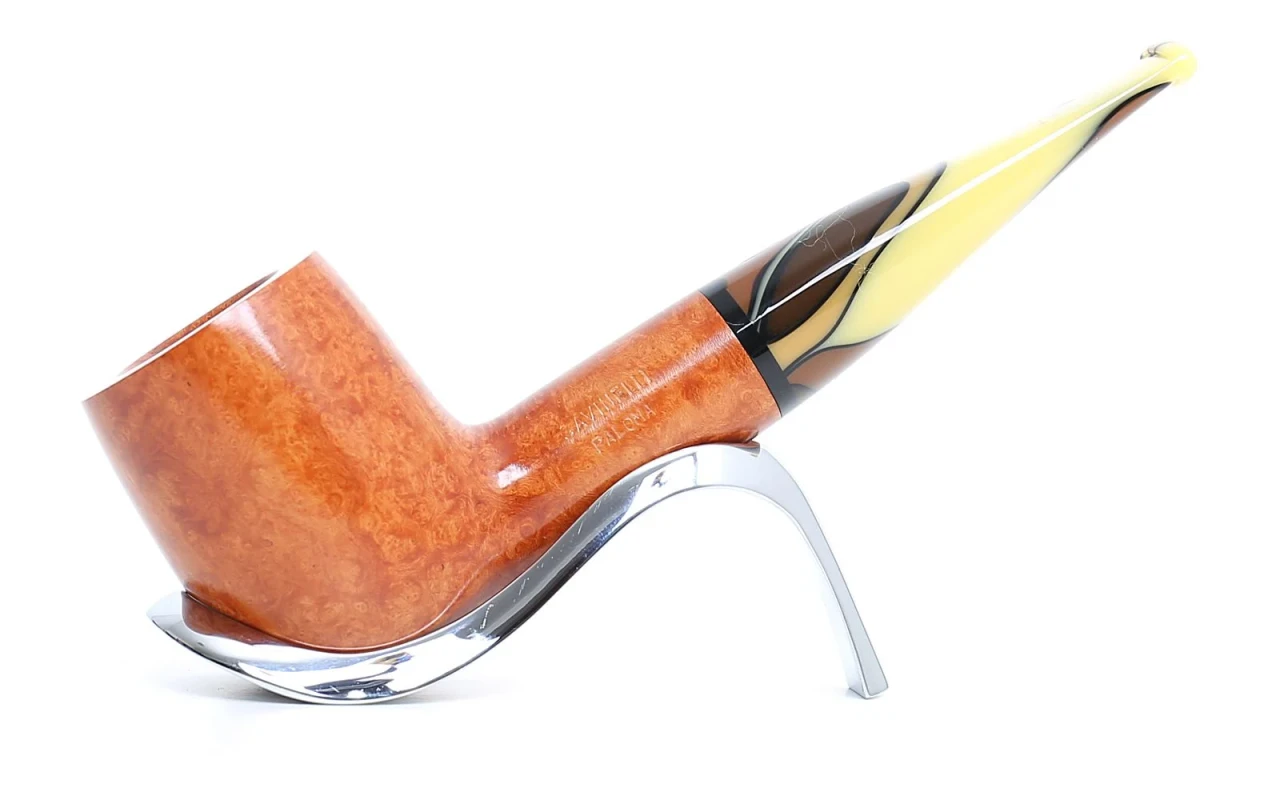
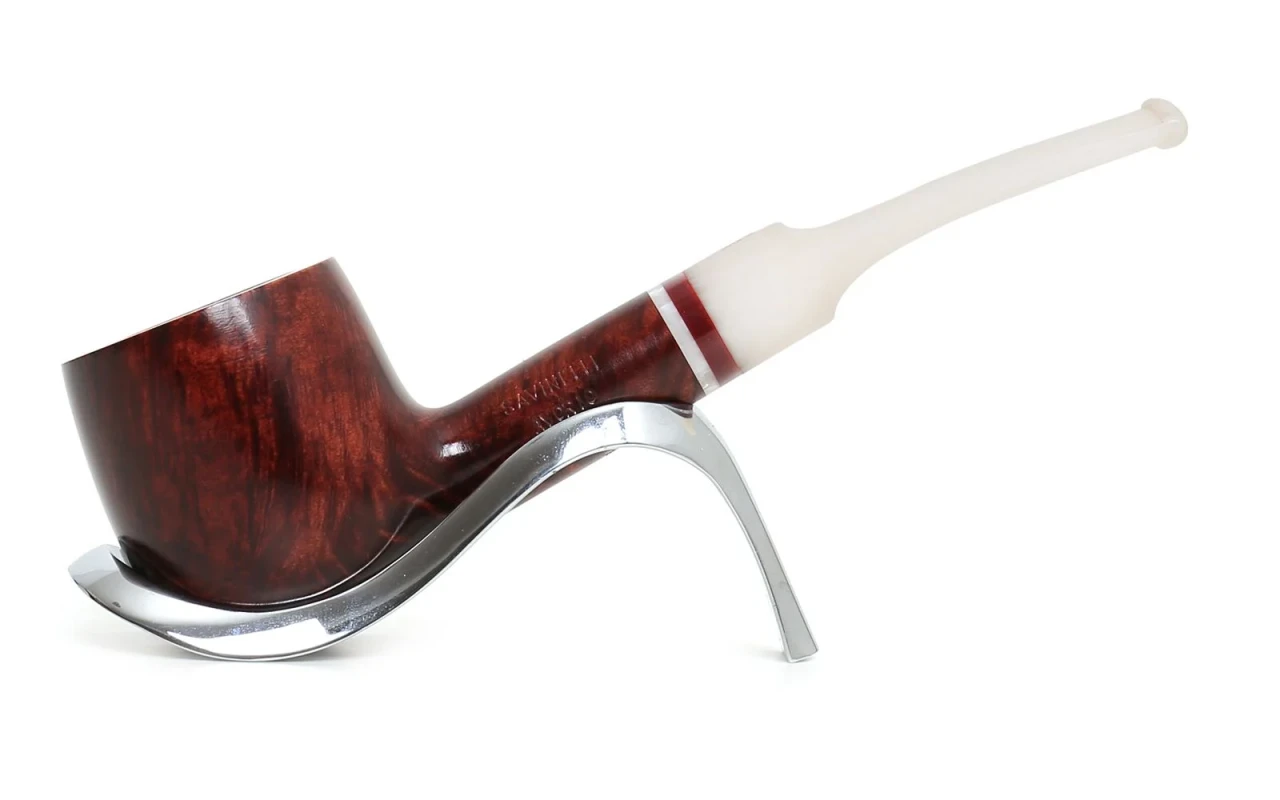
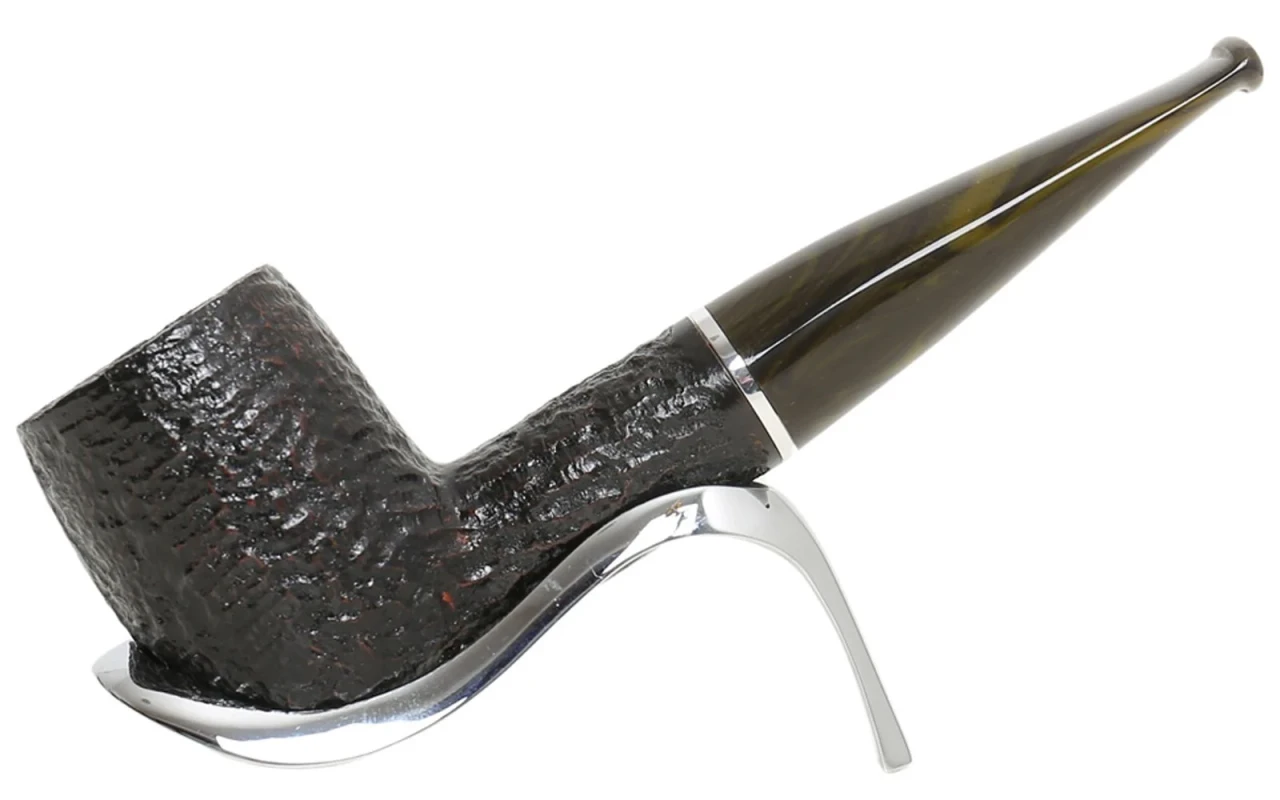
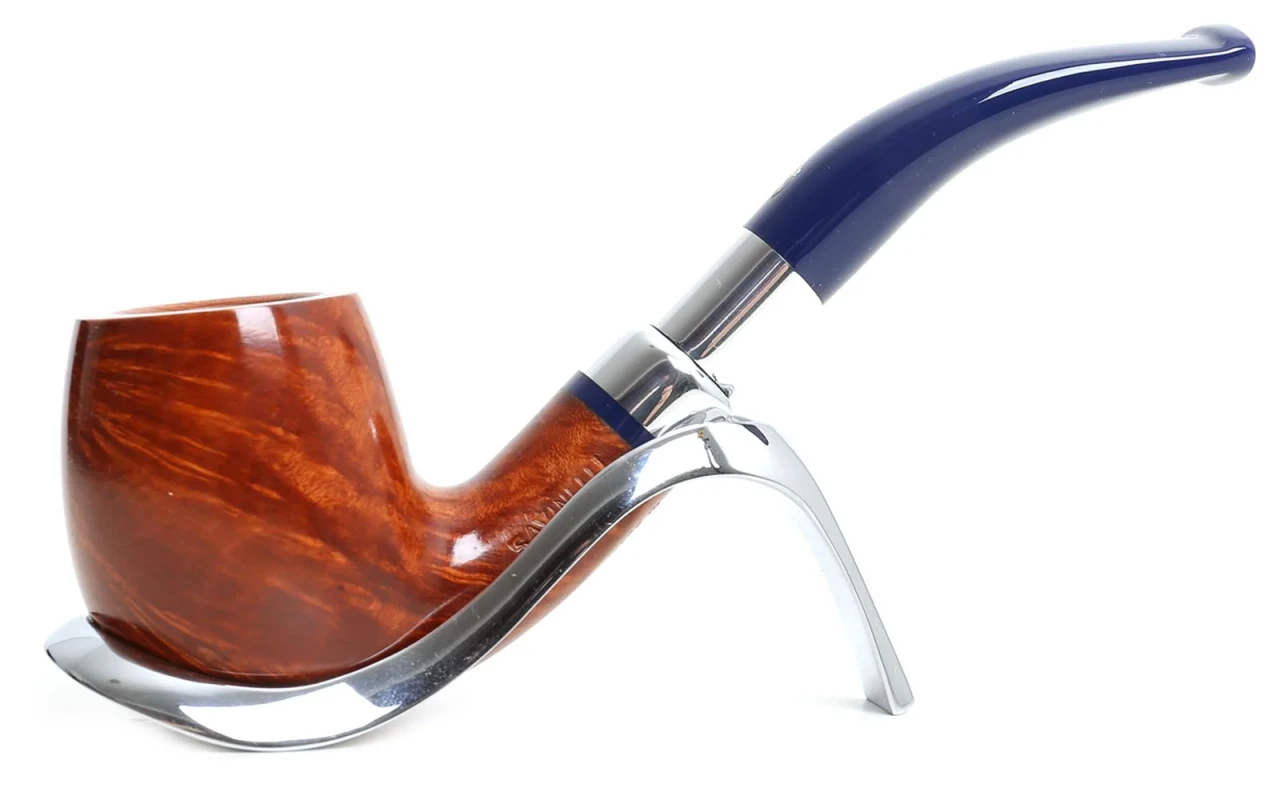
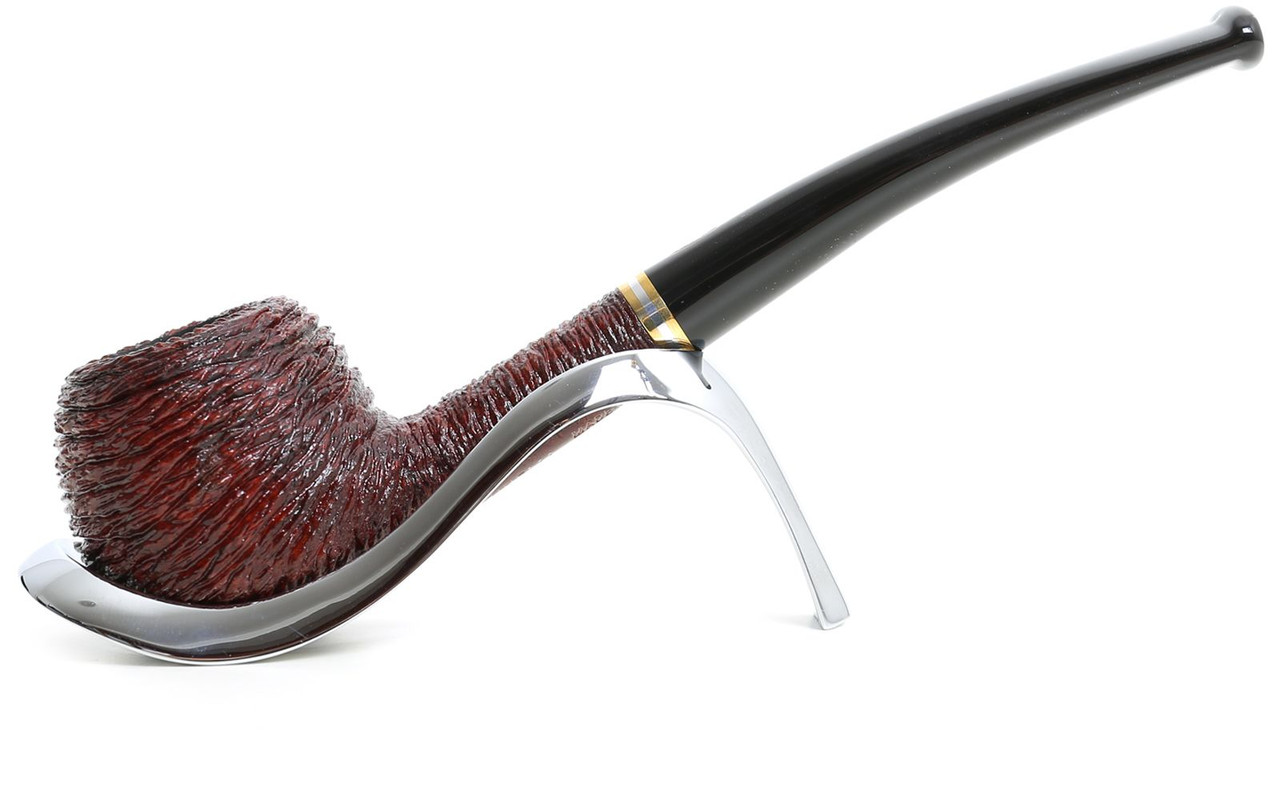
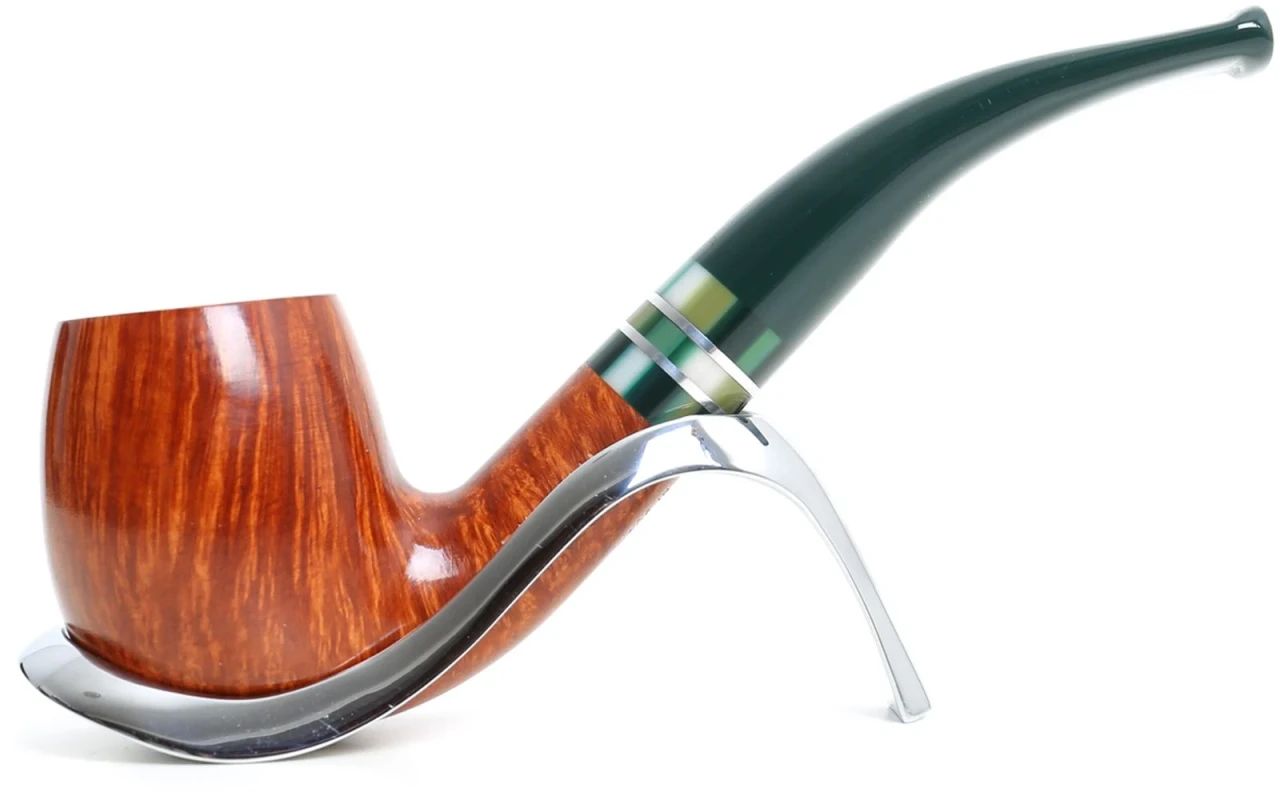
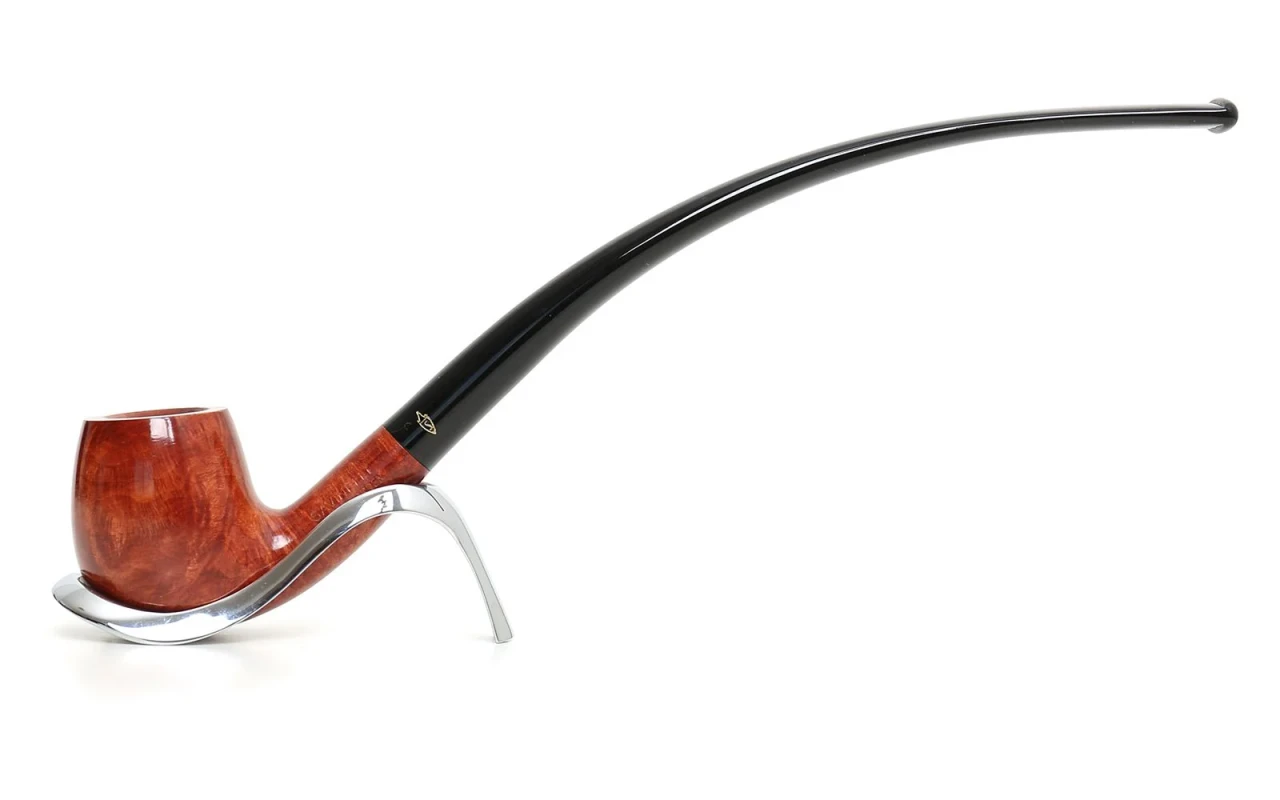
The main parts of a pipe are the bowl, where the tobacco is placed; the shank that supports the bowl; the stem connecting the bowl to the mouthpiece; and finally, the mouthpiece itself, through which the smoke is drawn. Each component plays a crucial role in both the pipe's function and its aesthetics.
What are the main parts of a pipe? Deep dive
A pipe consists of several essential parts that define its function and appearance. The bowl is the most important section, where the pipe tobacco is packed; it is typically crafted from briar wood or other heat-resistant materials. The shank is the base that supports the bowl and ensures its stability. The stem is the segment connecting the bowl to the mouthpiece, often made from wood or other materials, and can vary in length and shape, influencing the draw and comfort. Lastly, the mouthpiece is the terminal part of the pipe, usually made of ebonite or acrylic, through which the smoker inhales the smoke. The care and selection of each component are fundamental for a slow and enjoyable smoking experience, reflecting the tradition and culture of pipe smoking.